Regretfully, I have not updated this blog since our trip to Ecuador six and a half years ago, despite a wonderful vacation in Ireland and two fascinating trips to the Canadian Maritimes in the meantime. With our trip to Europe on Scenic’s Jewels of Europe river cruise in May and June 2023, it was time to preserve some new memories.
Scenic Luxury Cruises is little-known in the United States, where most people think of Viking when they think of river cruises, where name recognition follows marketing. Scenic, an Australian company, does little to no advertising in the United States, although it offers the pinnacle of luxury in all-inclusive river cruises. We had been on two Royal Caribbean cruises on floating cities 20 or so years ago, and I found those to be unpleasant experiences in crowd management. Especially after our experience in the Galapagos Islands on the Grace, which holds a maximum of 16 guests, I wanted something a bit more intimate. Scenic met the bill, with small ships, gourmet dining, unlimited beverages, and little things like e-bikes and butler service.
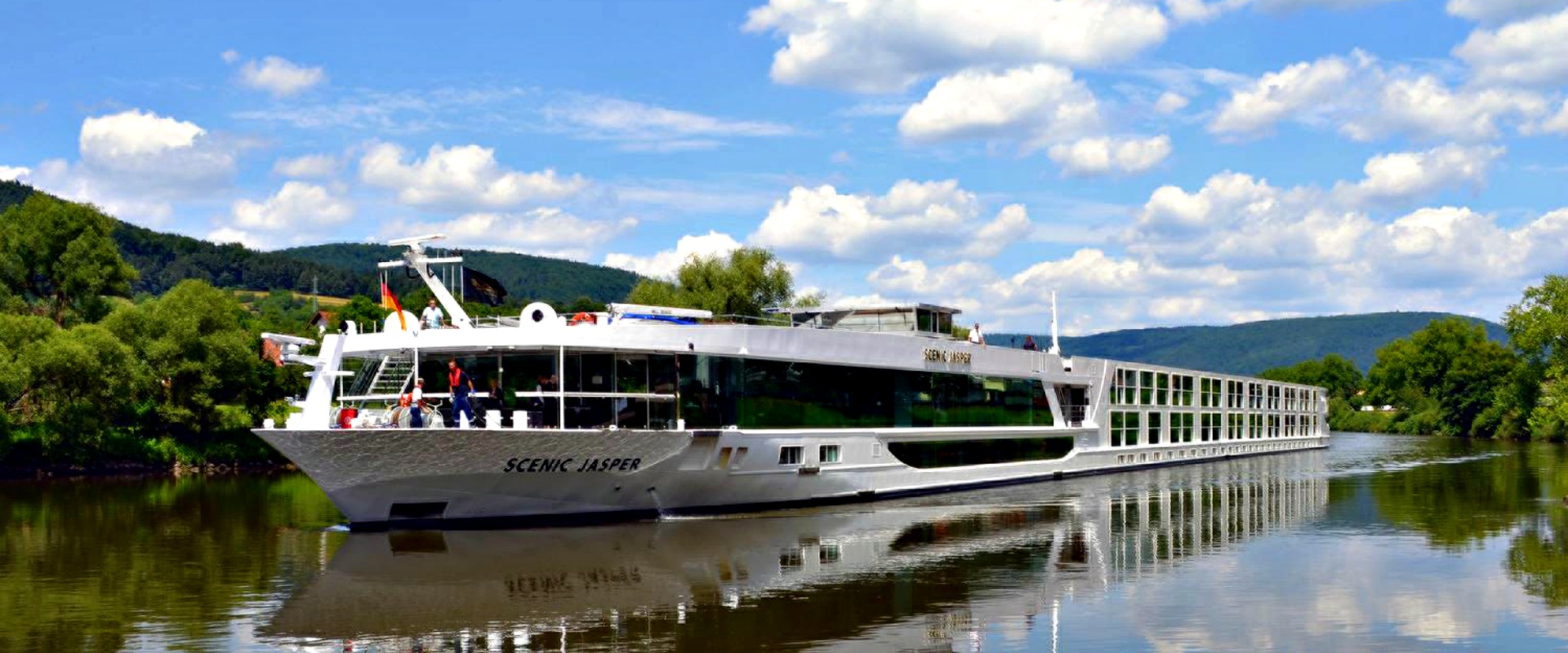
Scenic Jasper (stock photo)
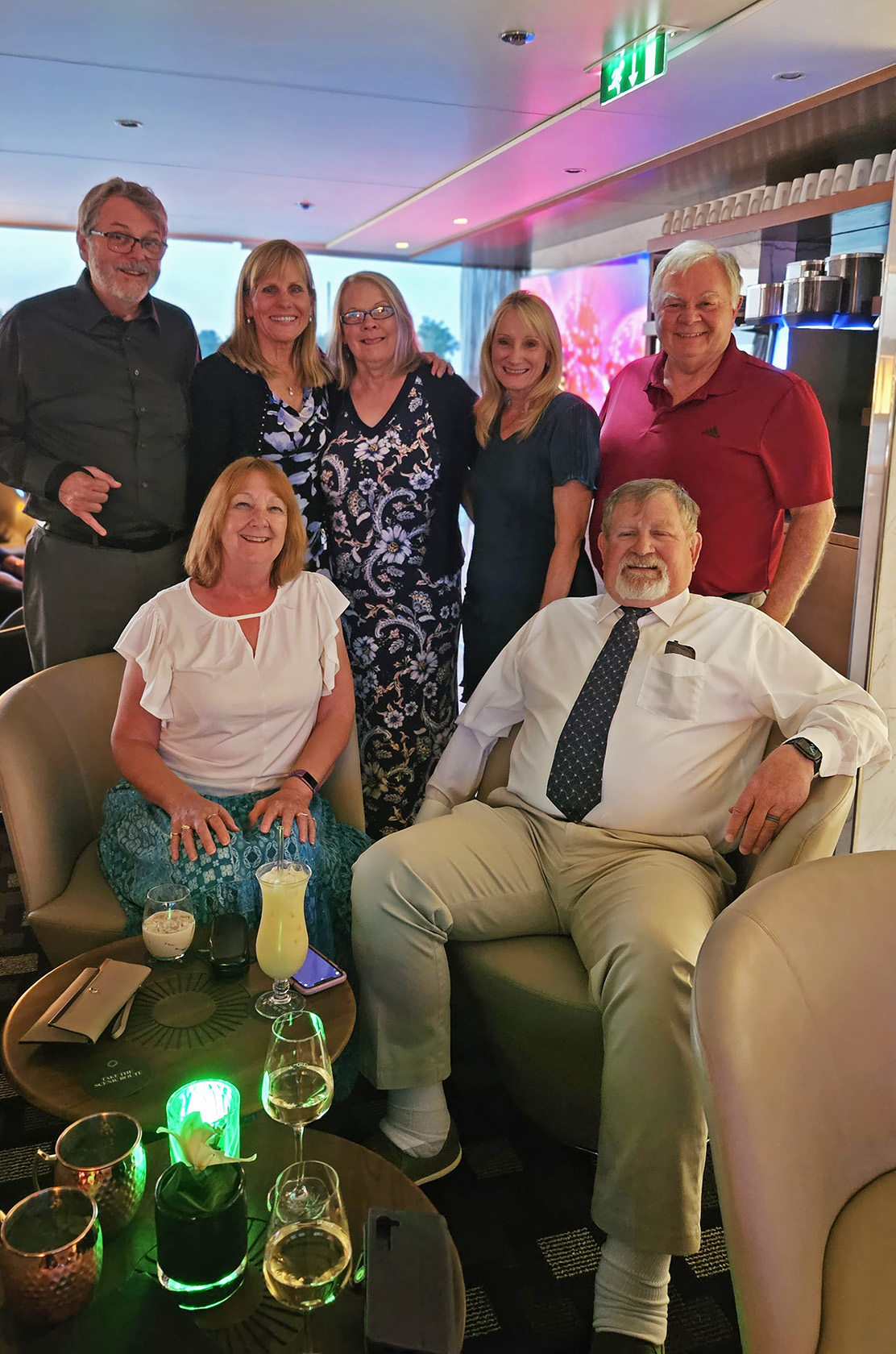
Our ship, the Scenic Jasper, carries a maximum of 163 guests, where we stayed in a Deluxe Balcony Suite on the Diamond Deck. Not surprisingly, because the company is heavily marketed in its home base of Australia, about half of the guests were Aussies, with others from New Zealand, South Africa, the United Kingdom, 10 or 12 of us from the United States, another 10 or 12 from Canada, and a smattering of other countries. Having an Australian Shepherd (back home in a kennel at the time) did not help us to understand Australian “English”, so we tended to migrate toward our fellow American and Canadian passengers. That said, I was considered a good sport for trying Vegemite on toast one morning at breakfast!
A few of the Americans on board the Scenic Jasper
Our Jewels of Europe cruise took us from Budapest to Amsterdam over the course of two weeks on the Danube, Main and Rhine Rivers, passing through a series of 68 locks. We visited the countries of Hungary, Slovakia, Austria, Germany, and The Netherlands, spending an extra day in Budapest prior to the start of the river voyage and an extra day in Amsterdam at the end. Spoiler Alert: Our favorite countries were Germany and Hungary.
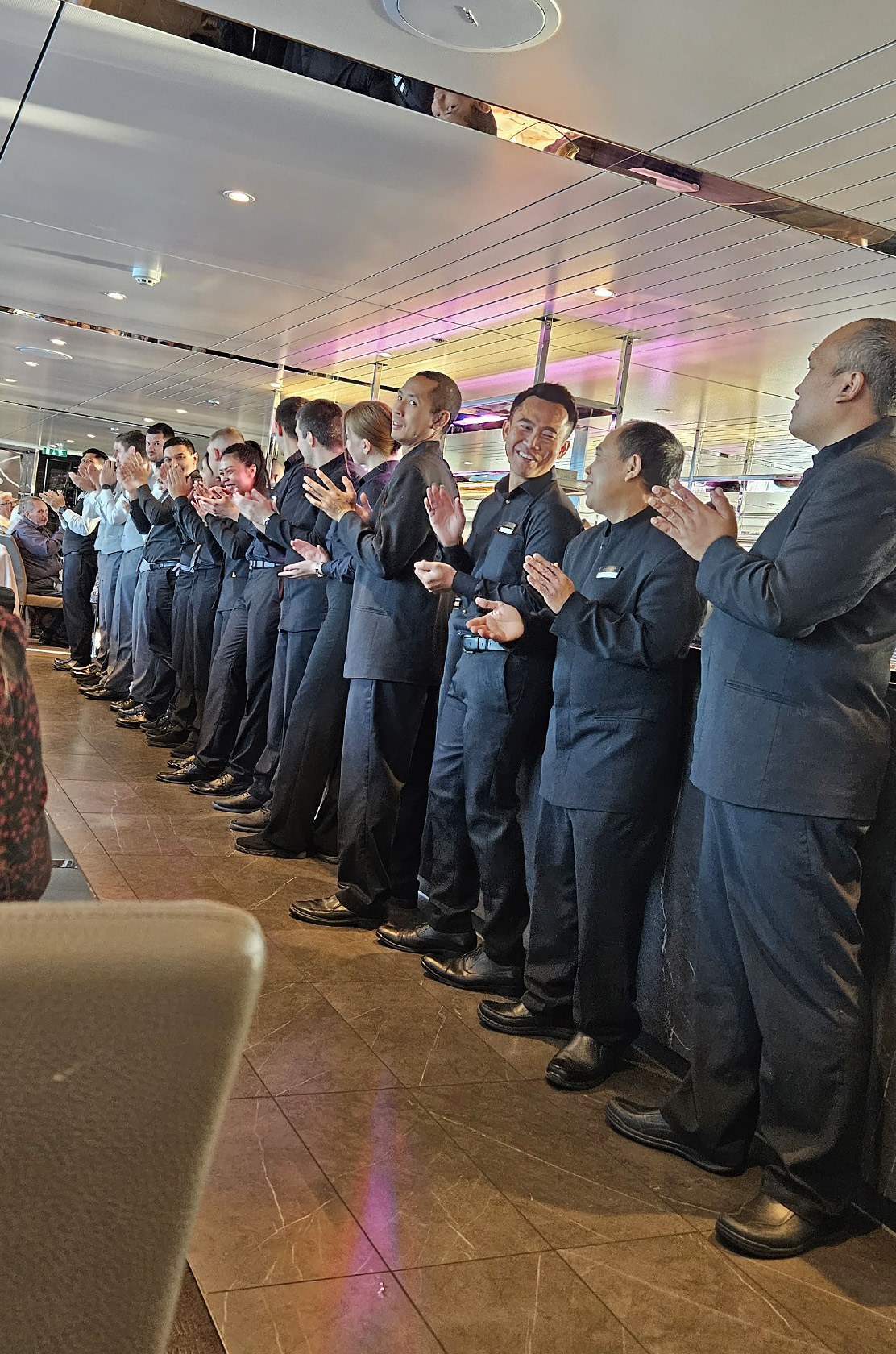
Waitstaff on the Scenic Jasper
Our trip began on Saturday, May 20th, with a Delta flight from Boston to Amsterdam, then Amsterdam to Budapest on KLM, a Delta partner. We made a poor decision to park at Massport’s Logan Express parking facility in Framingham. Little did we know that we would be leaving in the pouring rain, on the second of three days of Taylor Swift concerts in Boston, forced to park in the overflow parking lot, and with a bus driver who made Roseanne Barr seem like Miss Congeniality. The Delta Sky Club was a welcome respite prior to boarding, and our Delta One seating on the Airbus 330-200 to Amsterdam (with seats that convert to beds) was the best possible way to fly against the sun through six time zones.
Arrival at Schiphol Airport in Amsterdam, particularly when jet-lagged, was a less than pleasant experience, with unbelievably long lines to get through the mandatory passport control checkpoint, seriously inconveniencing any and all passengers from outside of the Schengen Area (which primarily consists of countries within the European Union). Having TSA PreCheck and a Known Traveler Number means nothing outside of the United States. Ultimately, we boarded our KLM jet for the two-hour flight to Budapest, where our arrival was much more pleasant, being immediately greeted by a Scenic representative who directed us to our taxi driver who would be taking us to the Marriott hotel, where we would be staying on our first night in Budapest, prior to boarding the Scenic Jasper.
Click on the links below to follow our tour in sequence.
Otherwise, if you scroll down from this post, you will view the posts out of sequence but based upon when in the process they were written.
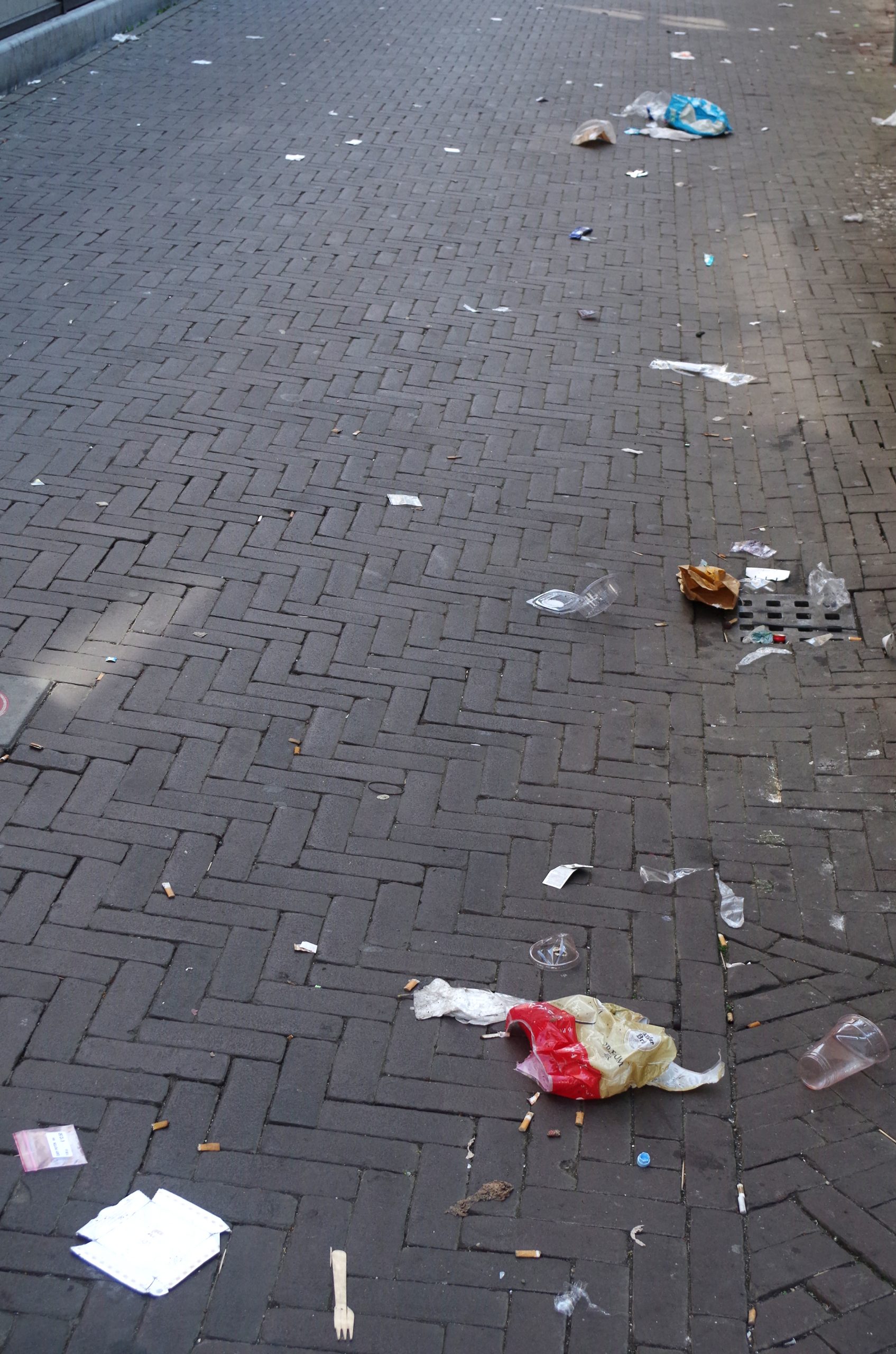
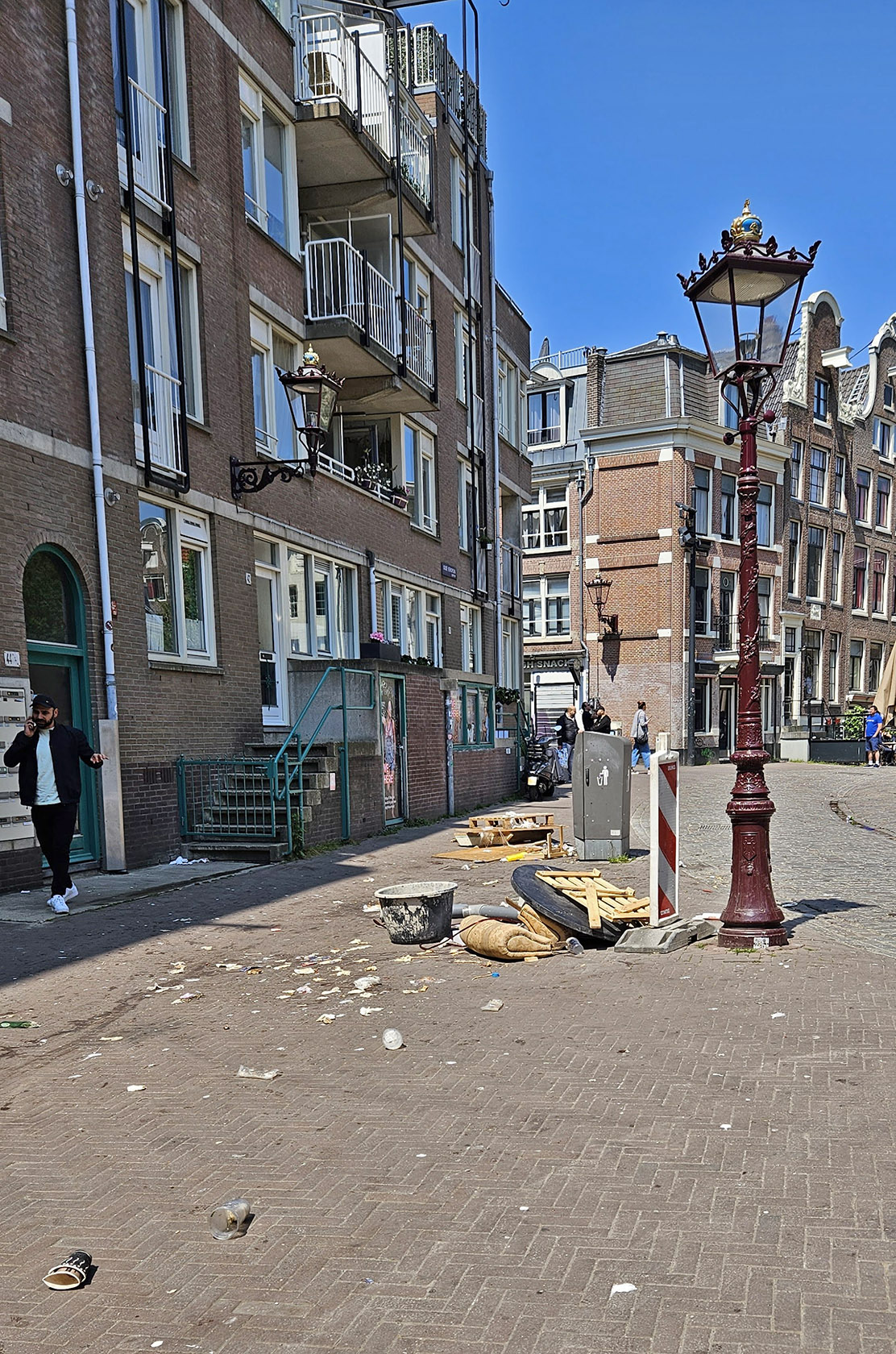
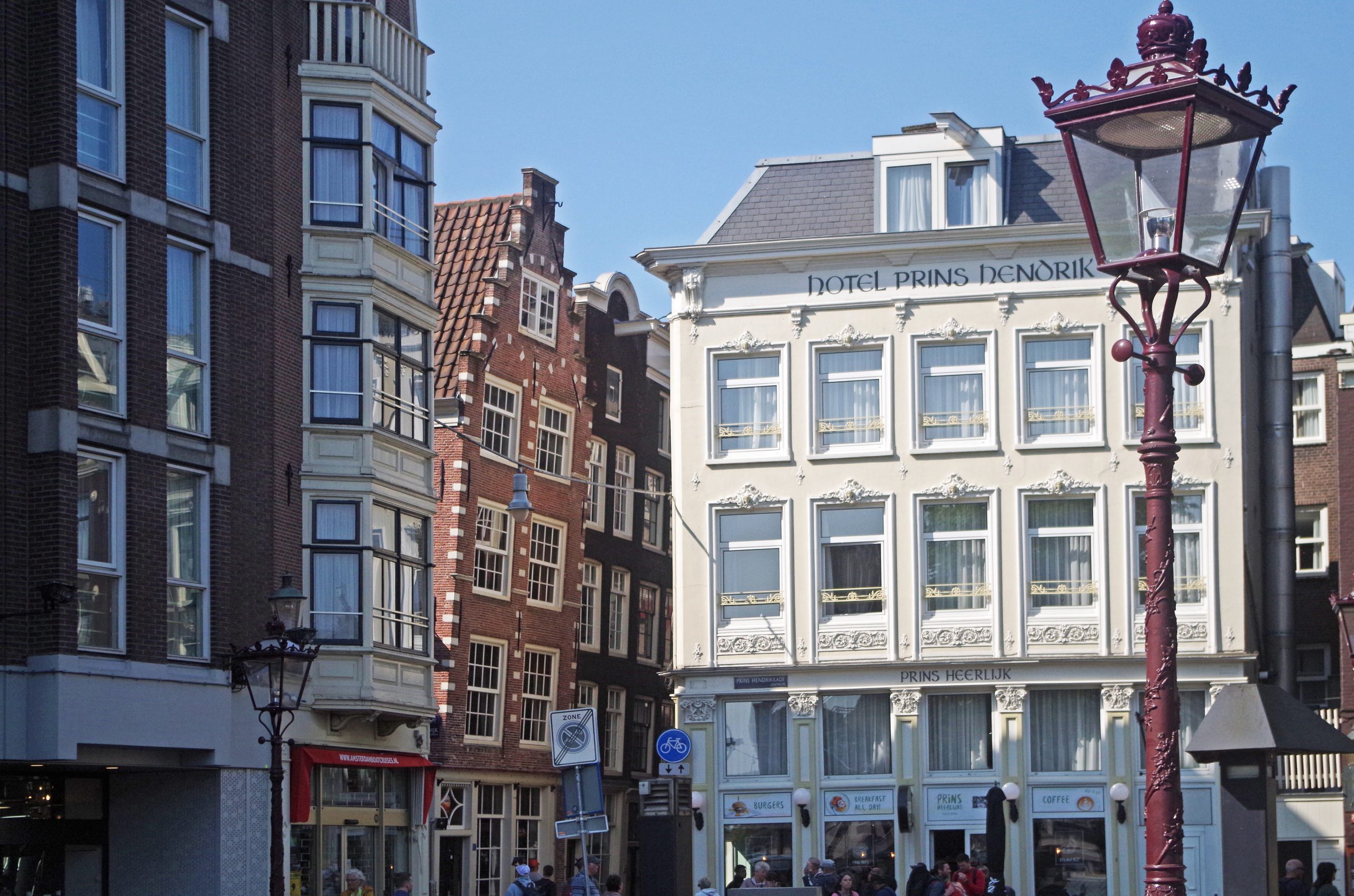
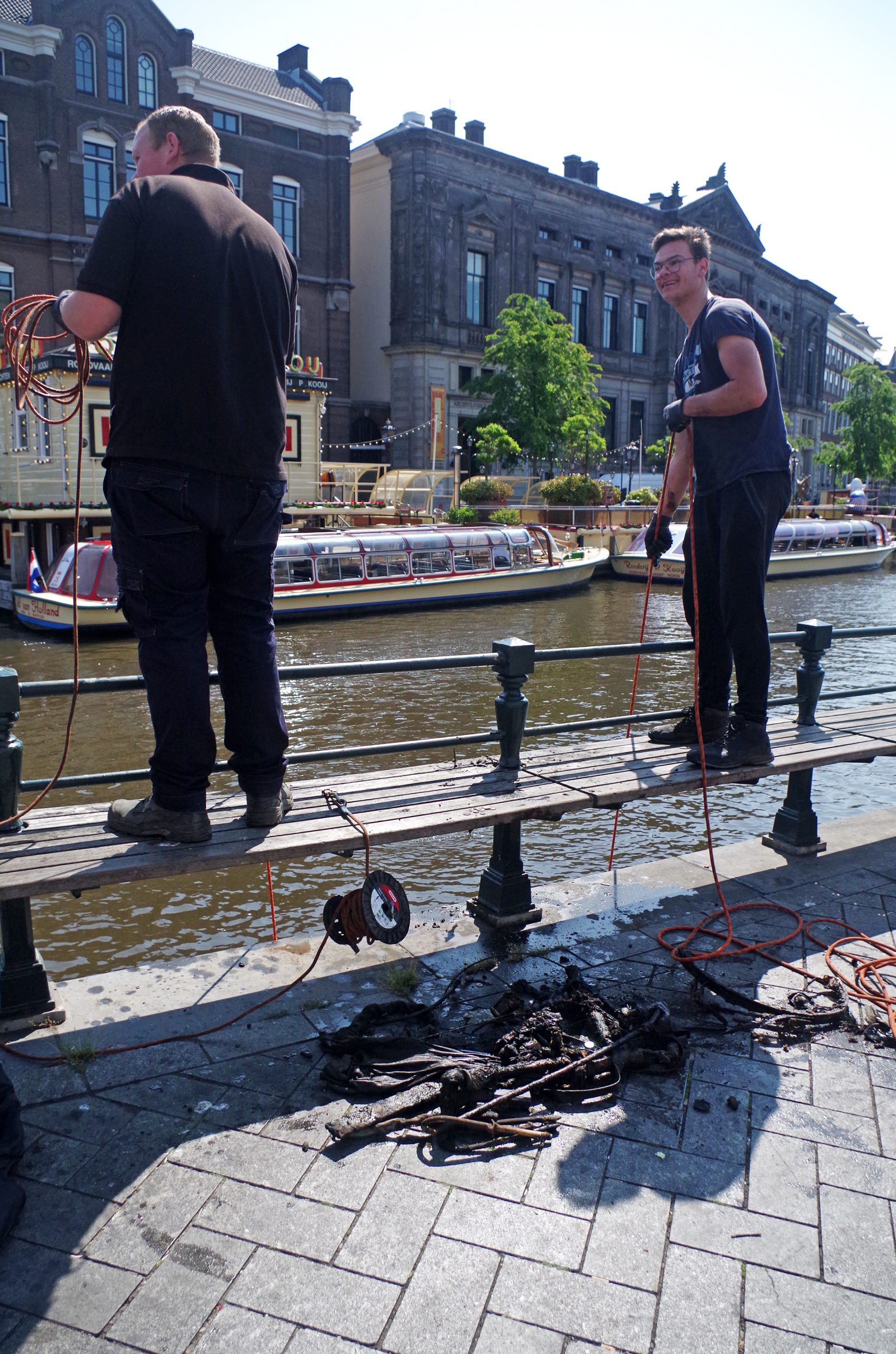
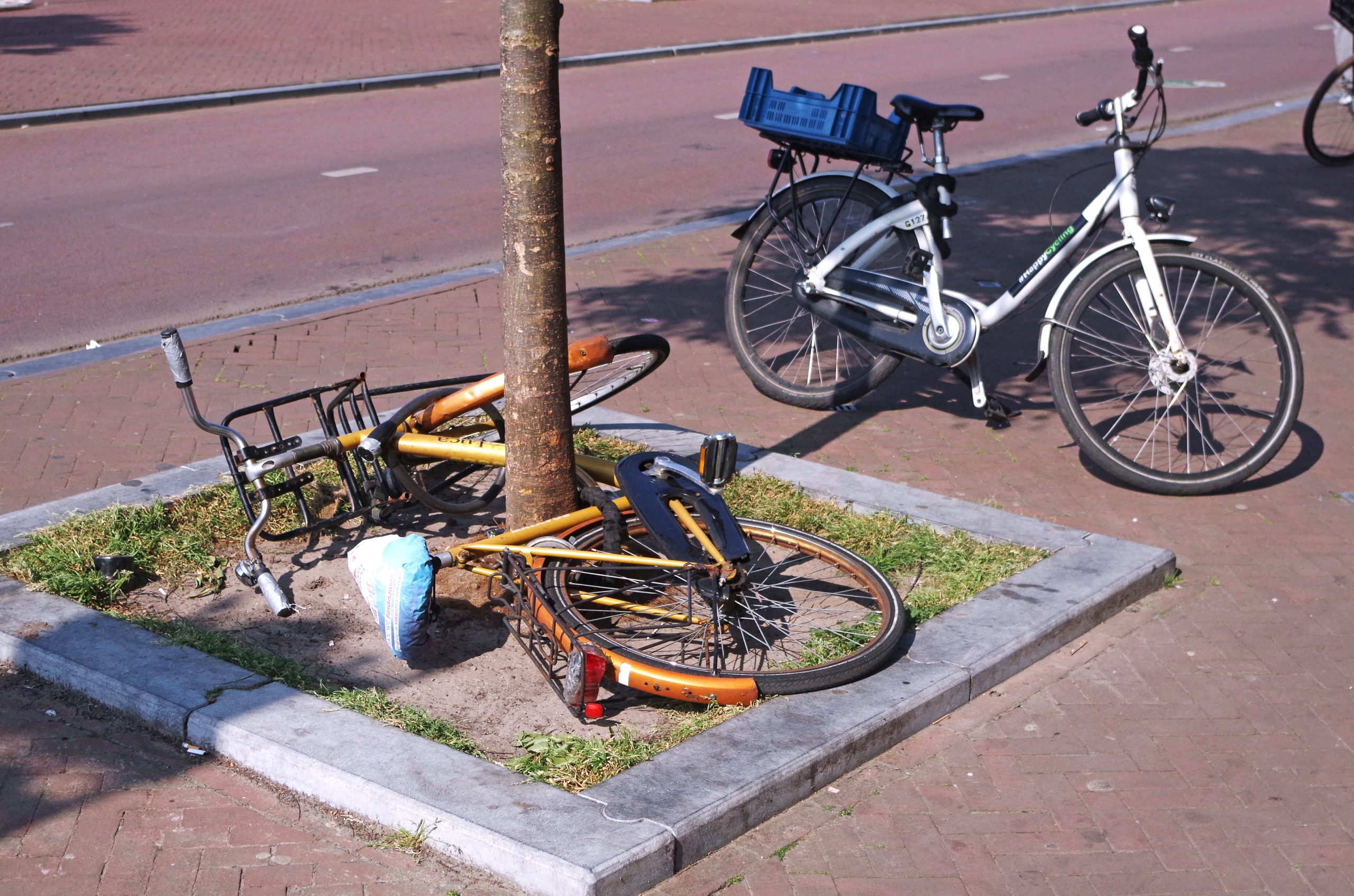
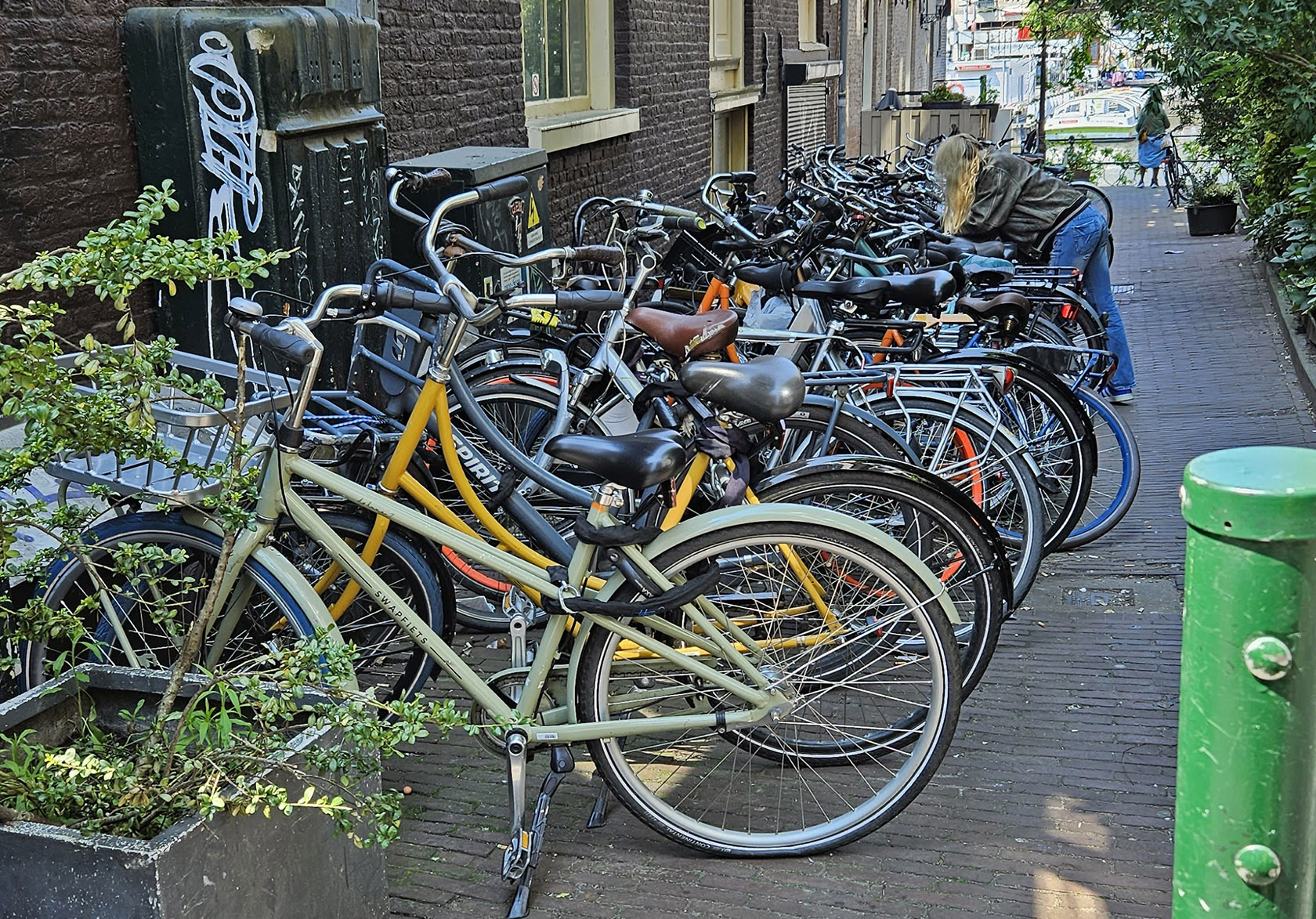
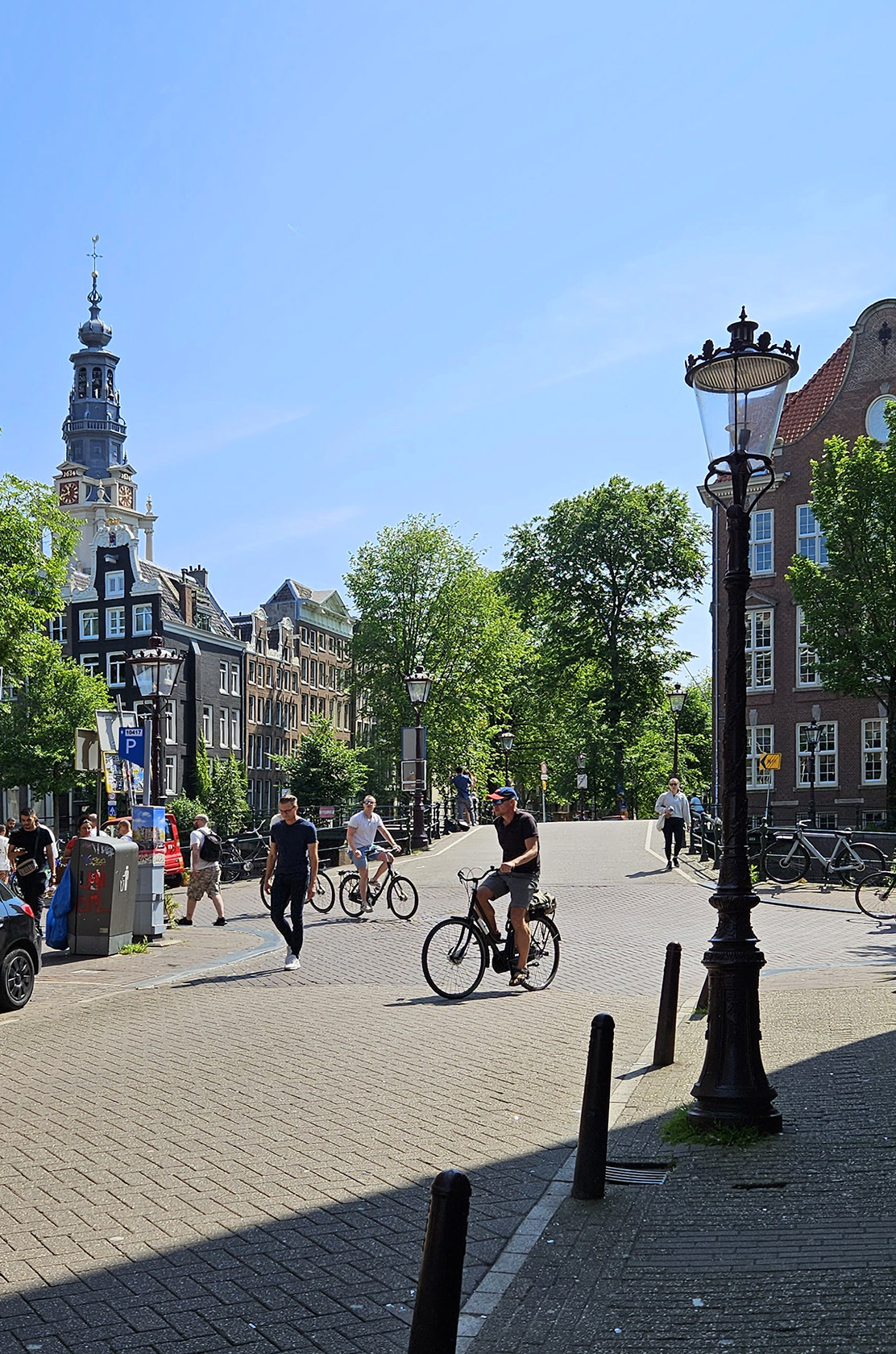
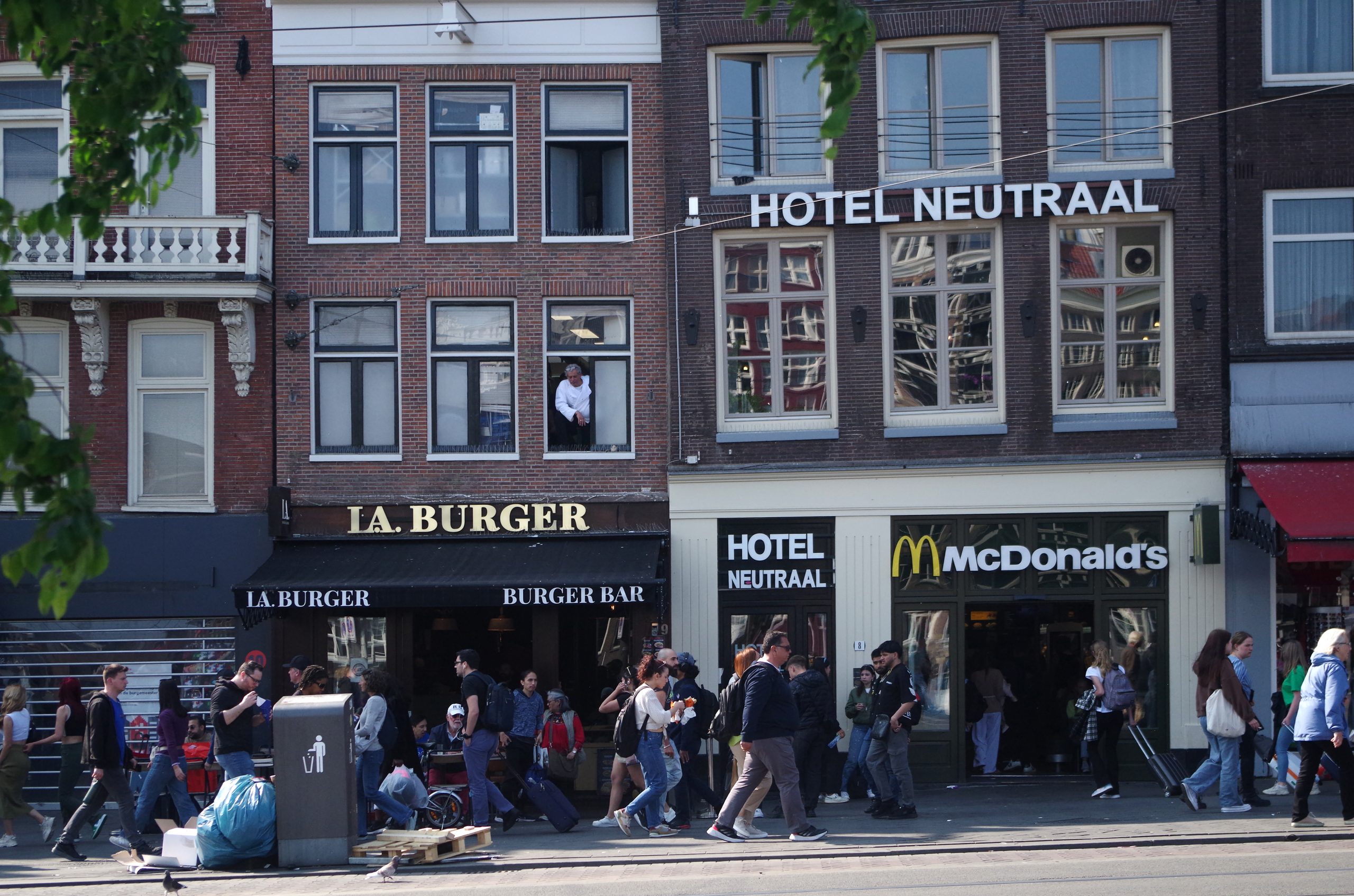
The city of Amsterdam was the last stop on our two-week river cruise, where we spent an extra day in order to see more of the city. Perhaps because it was the end of our trip or perhaps because we were anxious to return home, but Amsterdam was generally disappointing. Our first impression was trash-filled streets, during a Sunday morning walking tour, along cafés where people get legally high, massive crowds of people (many of whom were stoned in public), and bicyclists who have the right-of-way and no regard for the safety and well-being of pedestrians. We were told that 12,000 unlocked bicycles per year are thrown into the canals by vandals in this city where bicycles outnumber permanent residents. We even witnessed three men “fishing” in one of the canals with large magnets. They said that they find everything from coins to pistols.
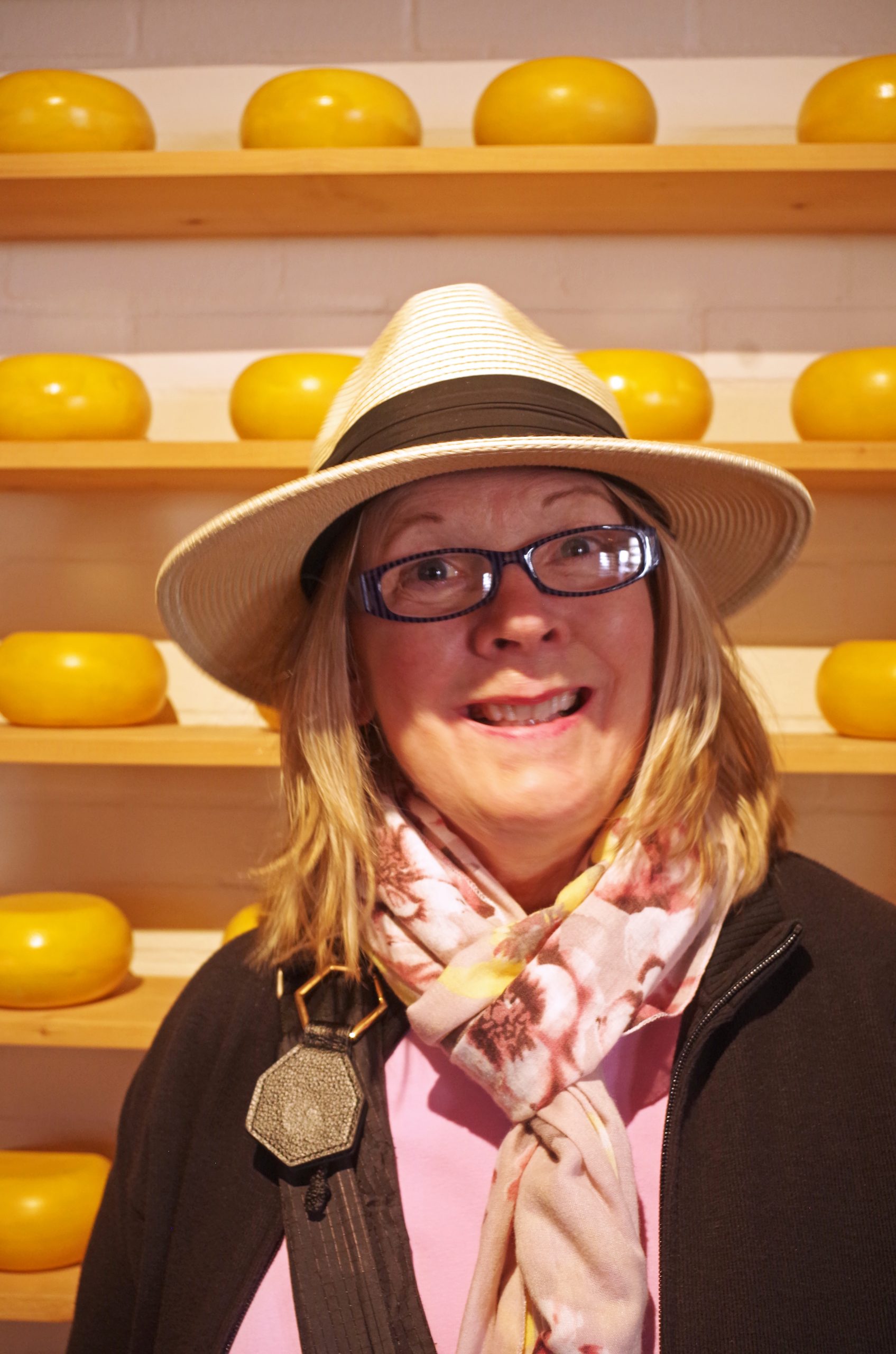
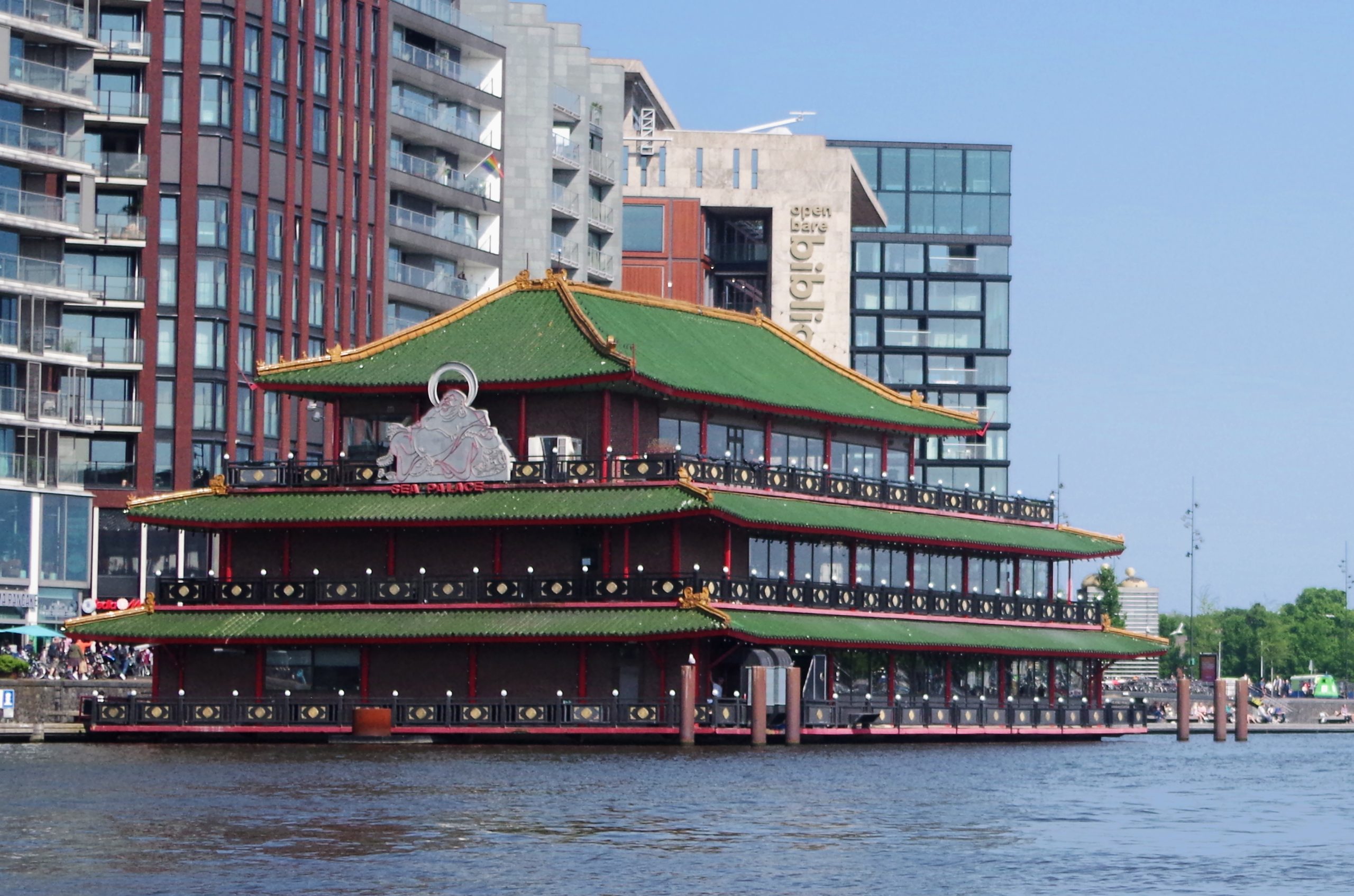
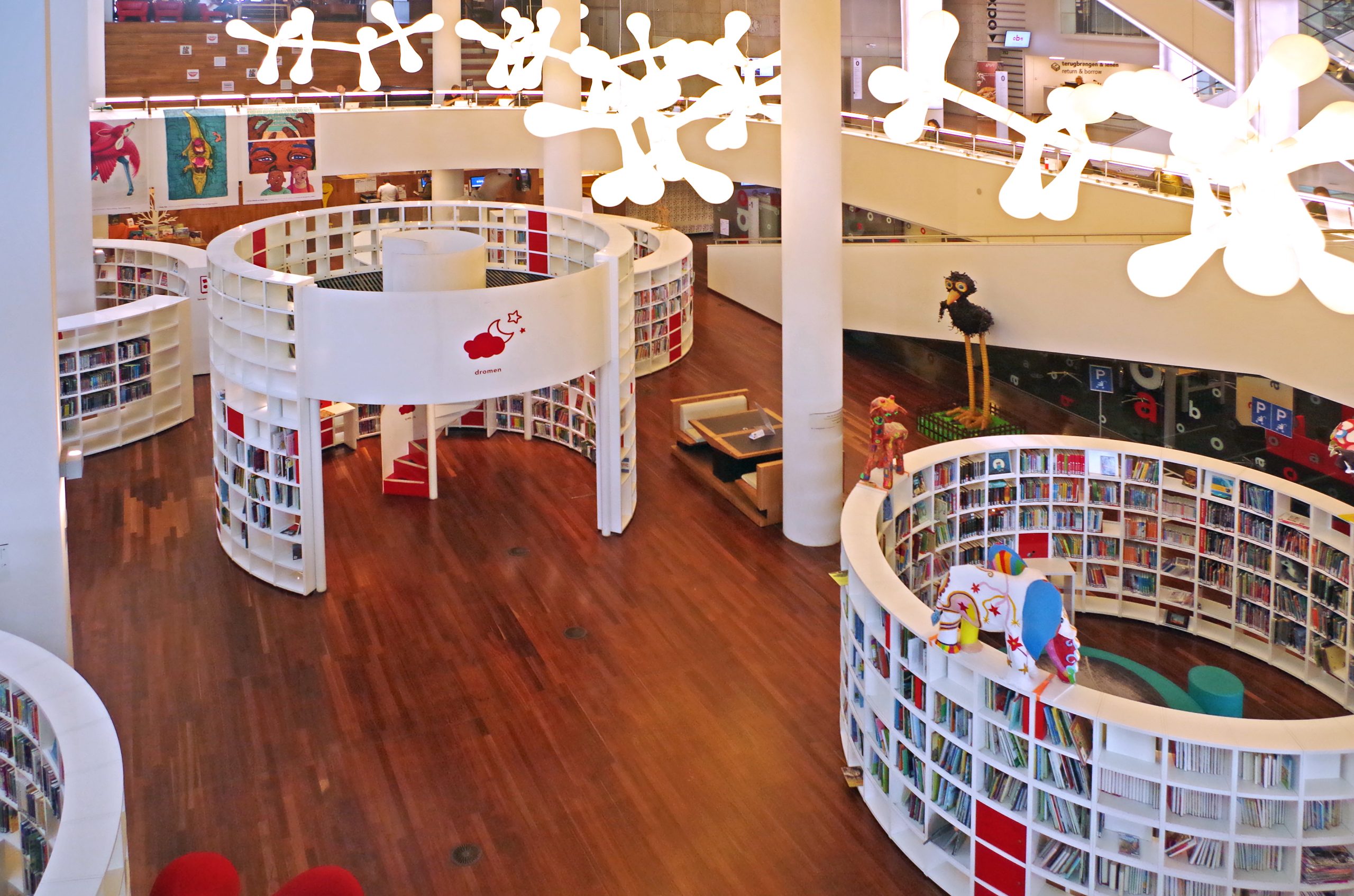
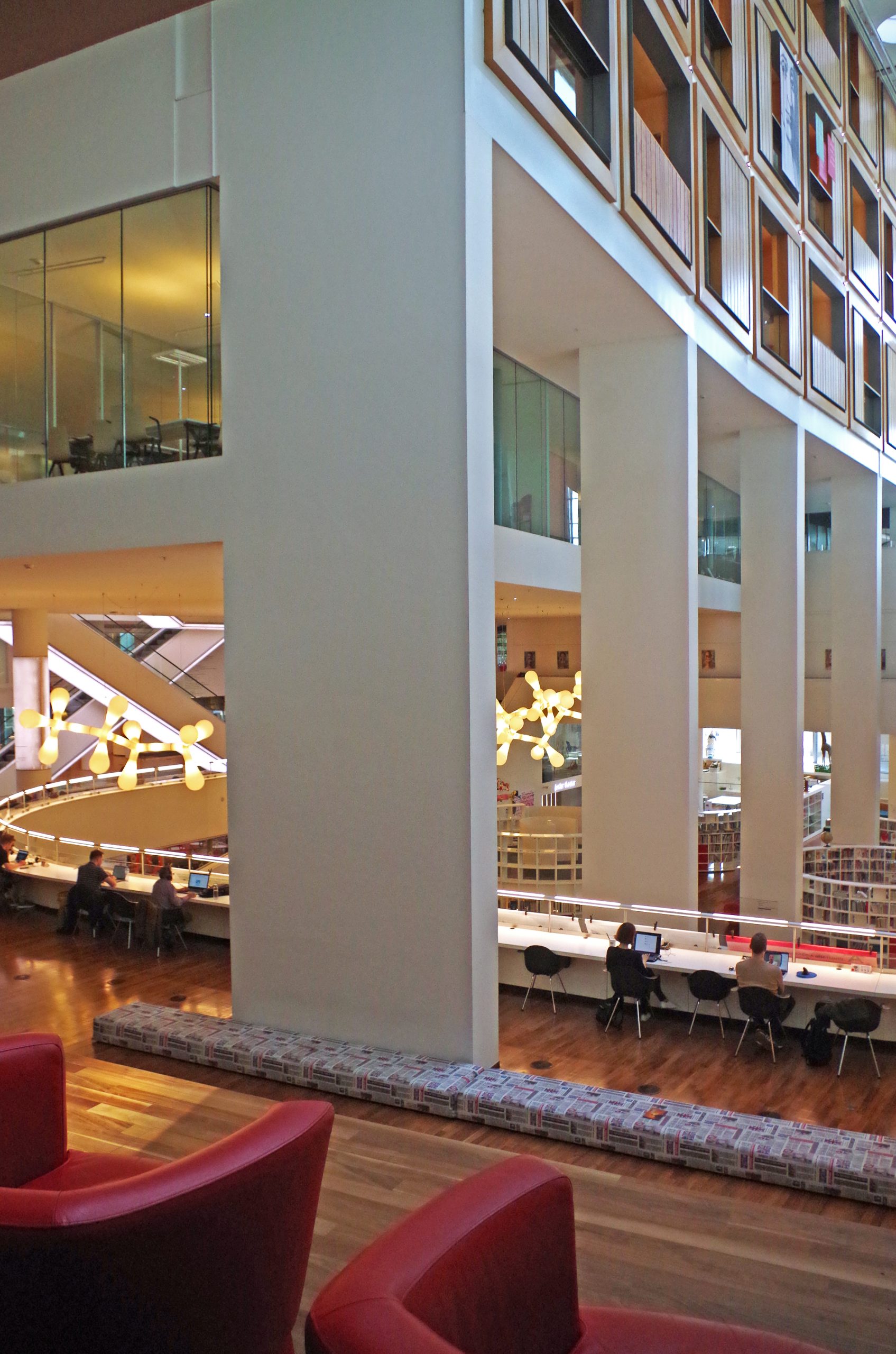
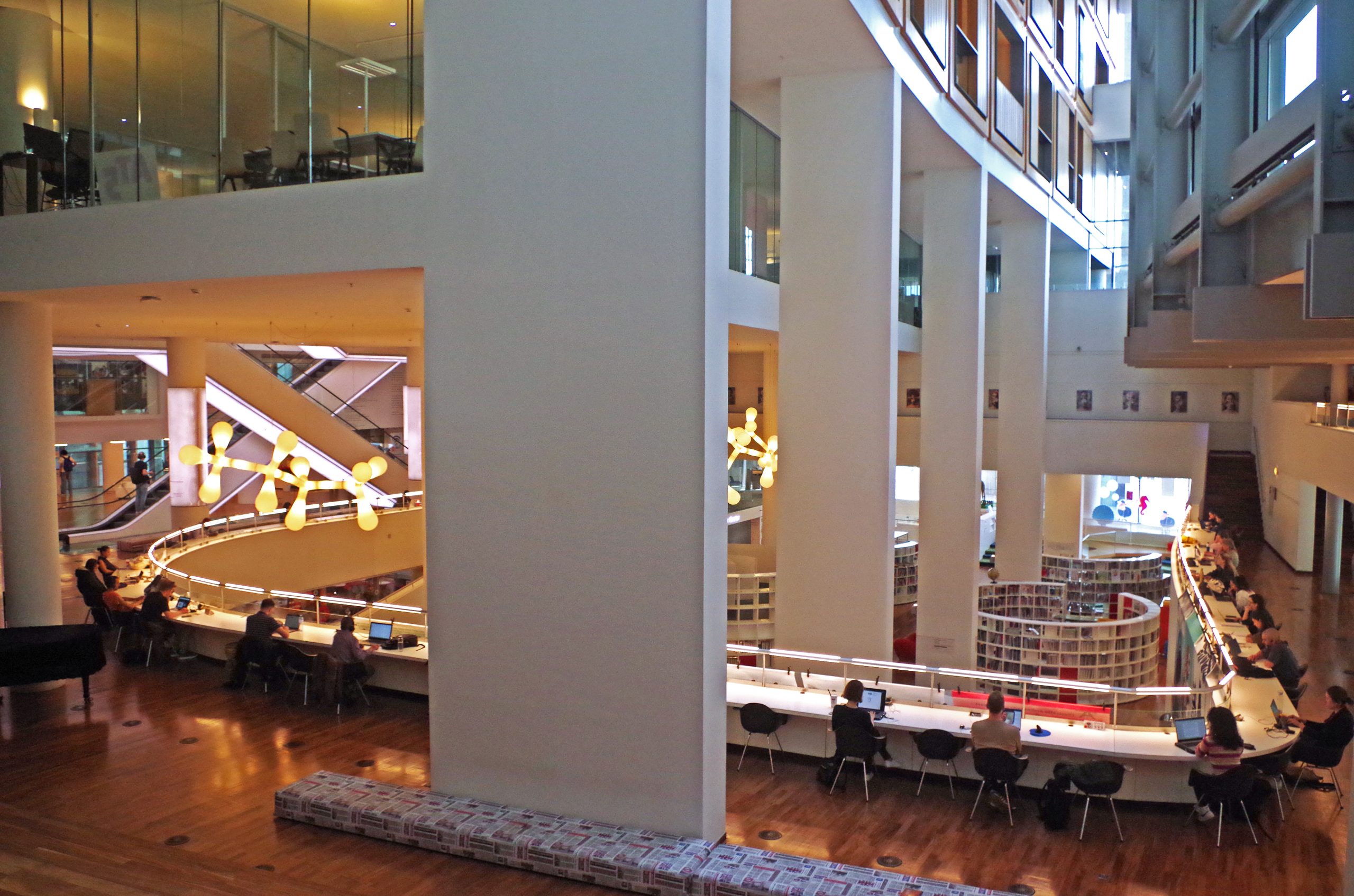
On our first day, we took a walking tour of the old city, including a stop at a Gouda cheese shop and a pickled herring stand, as well as a stroll through the city’s well-known red light district. On our second day, when we were on our own, we tried to make the best of our time, walking through parts of the old city, visiting a coffee and bakery shop, and taking a canal boat guided tour. Perhaps our favorite stops were a visit to OBA, the main city library in Amsterdam, one of the most modern (and impressive!) libraries in Europe, and dinner at the Sea Palace, a floating Chinese restaurant that has seating capacity of 900 diners.
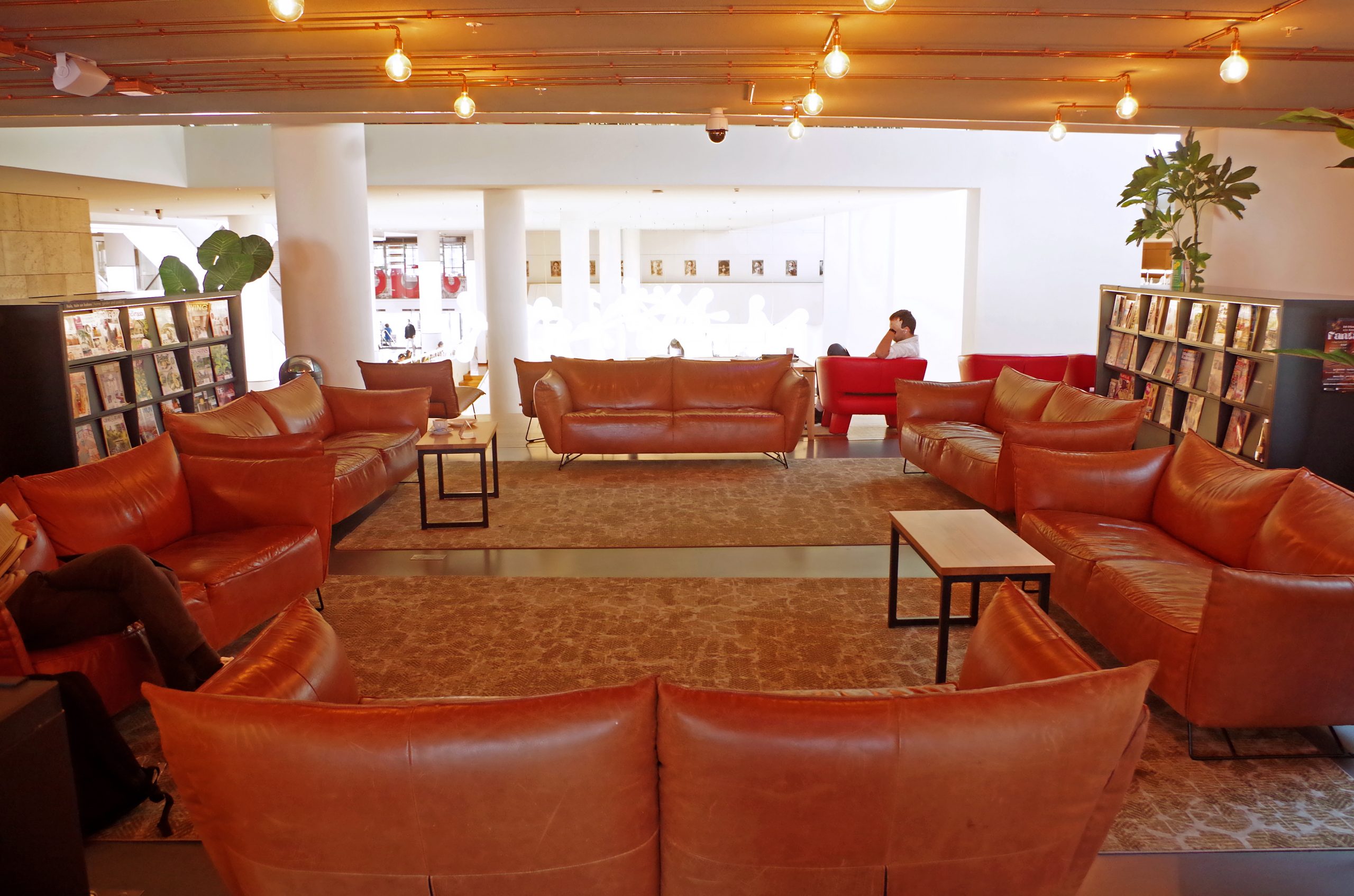
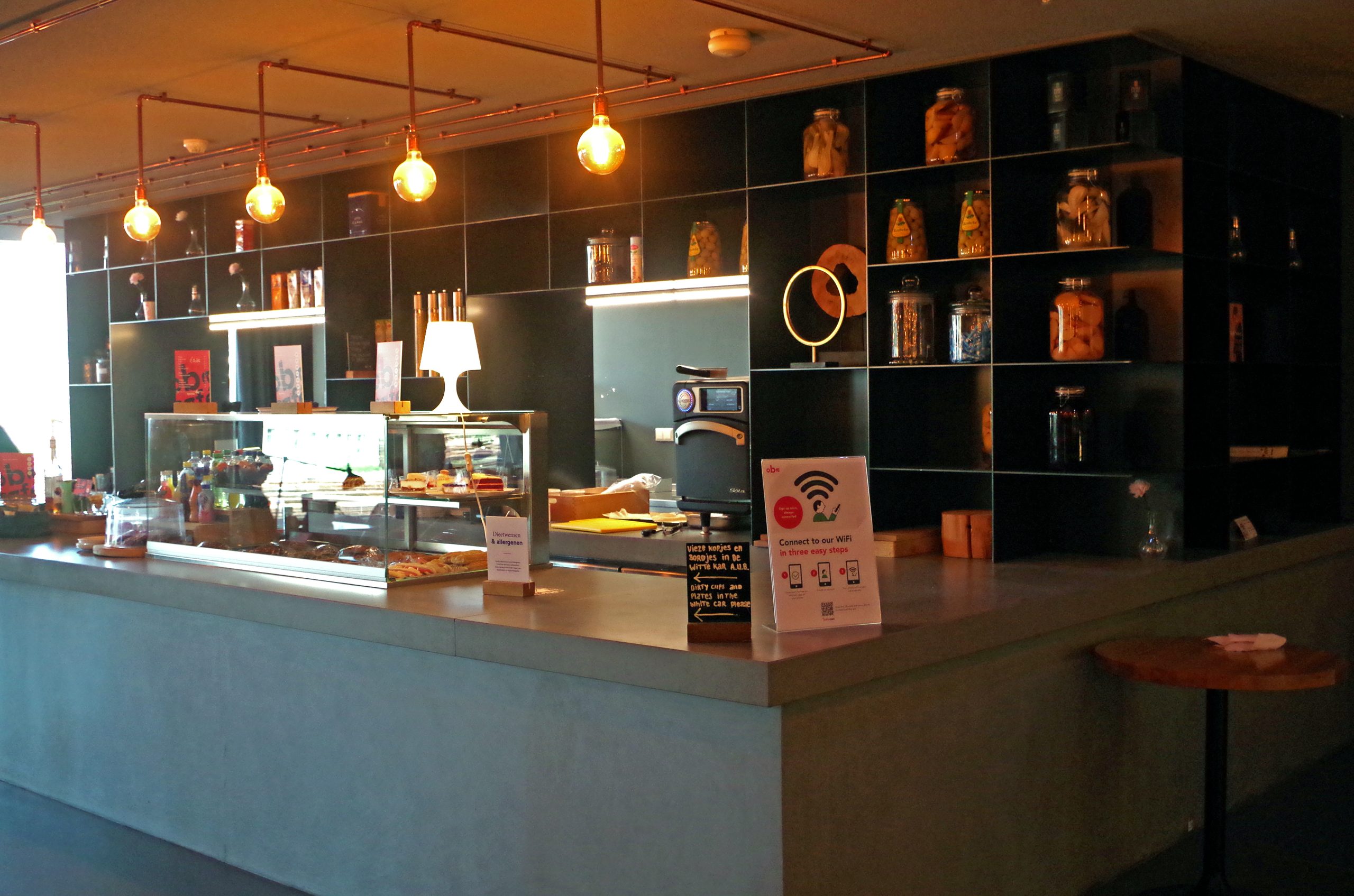
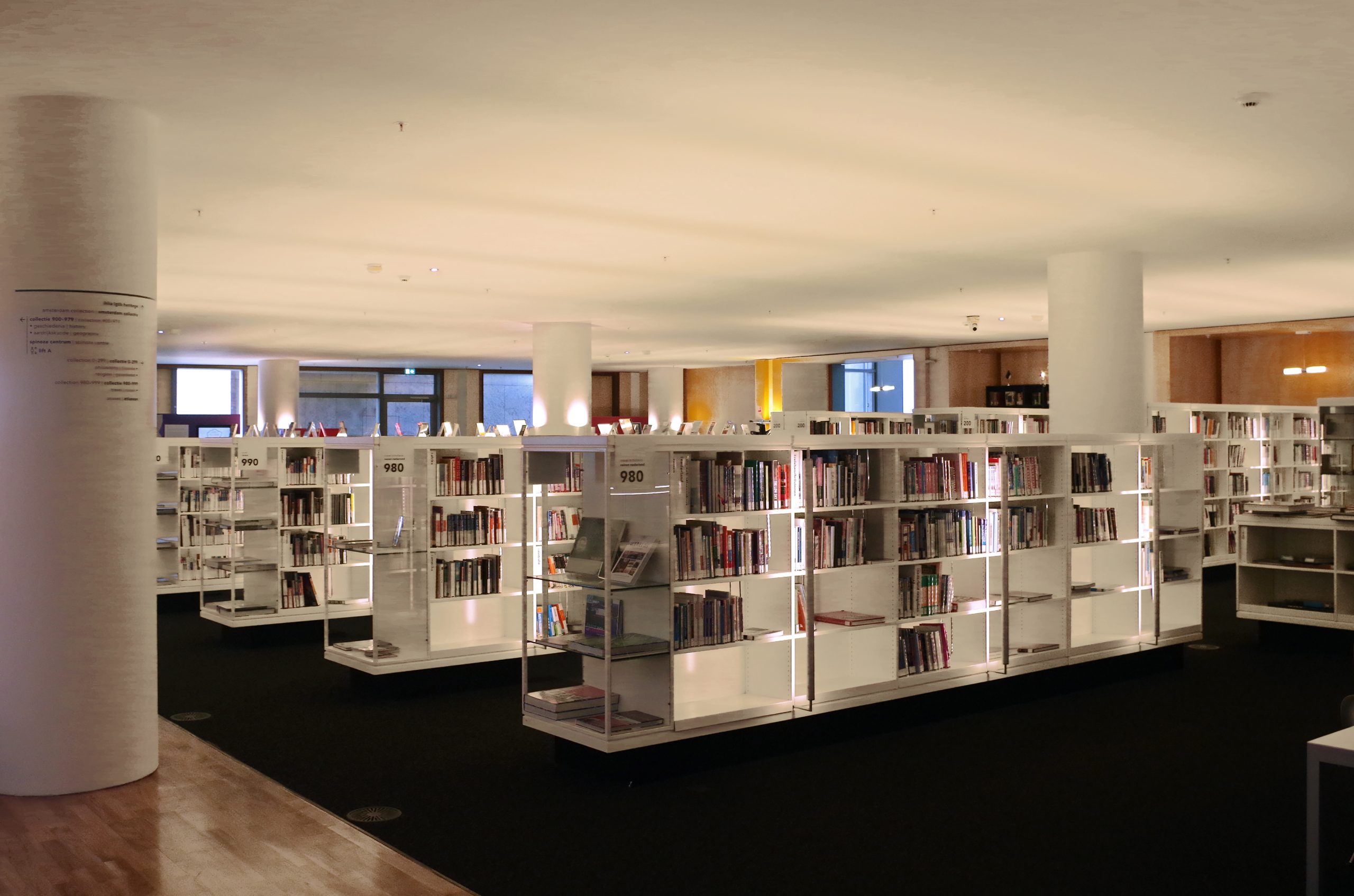
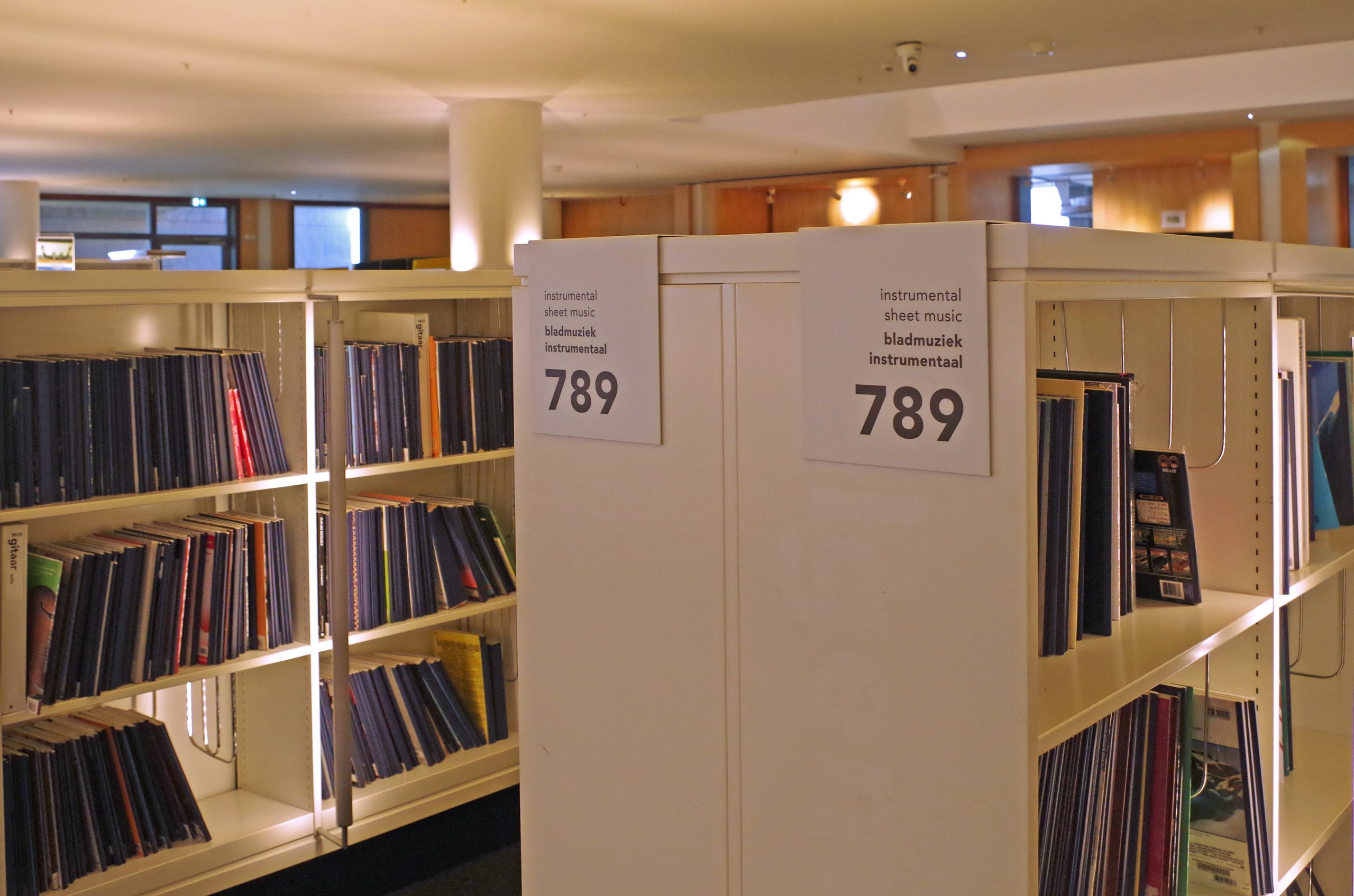
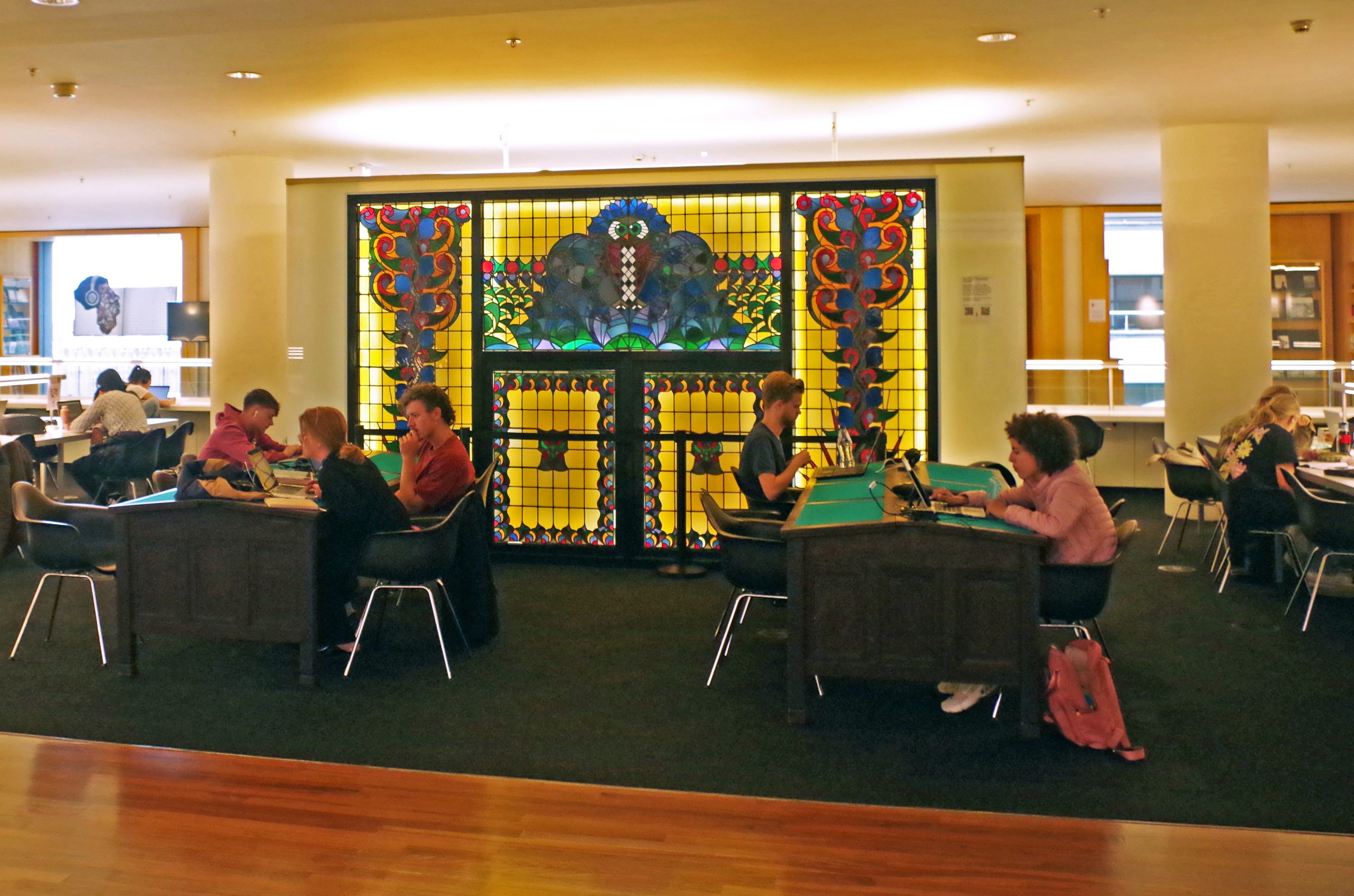
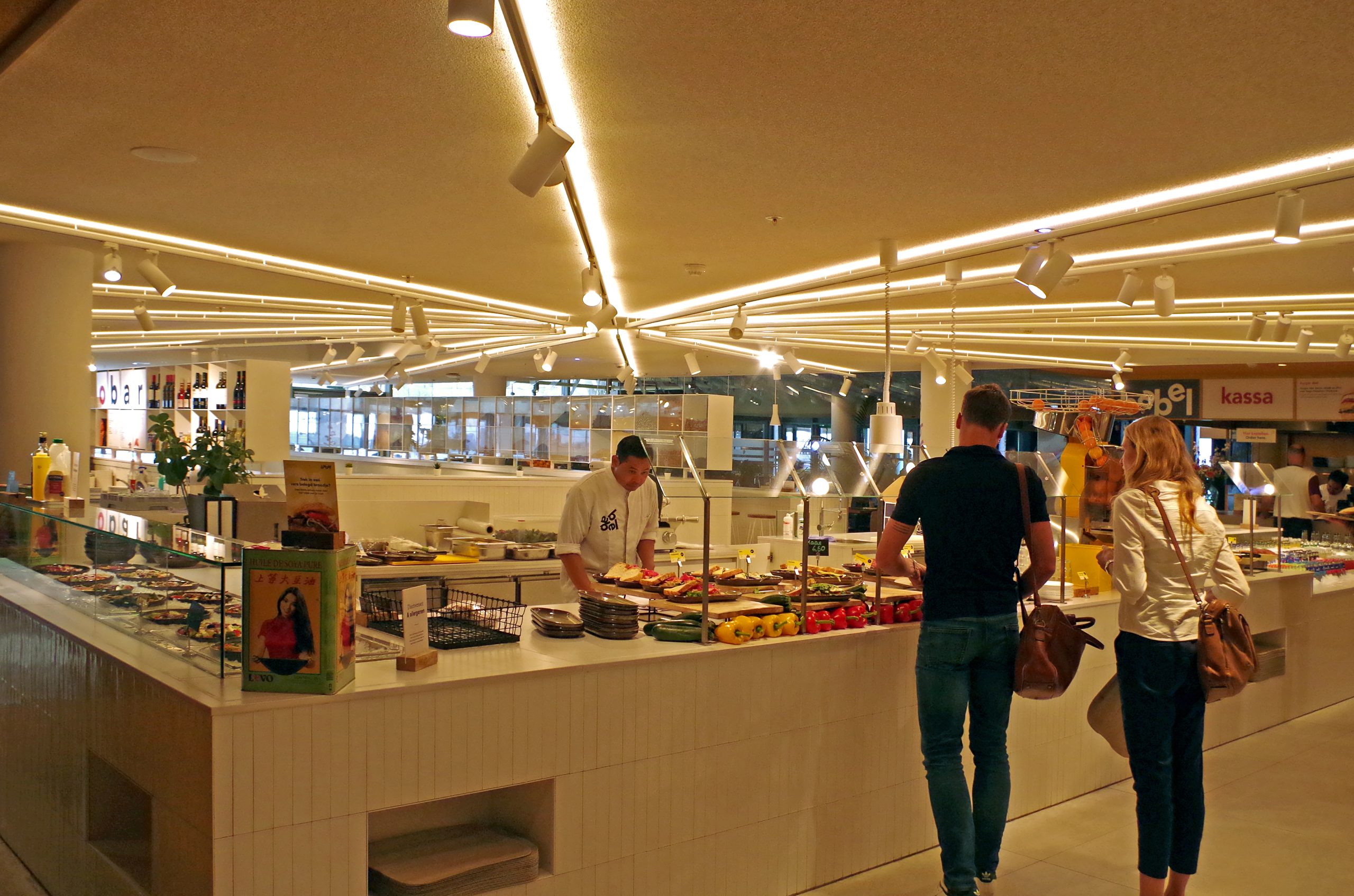
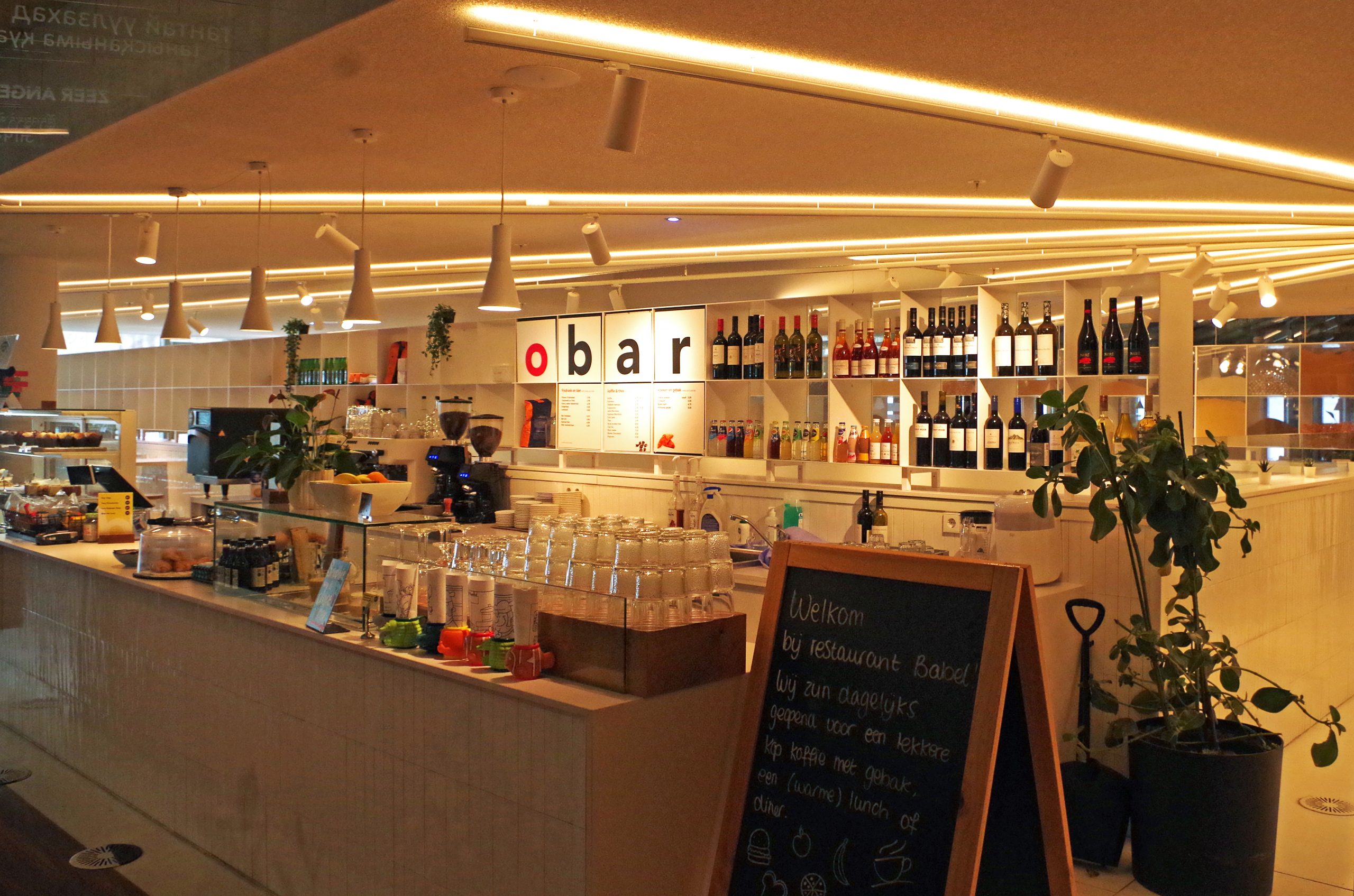
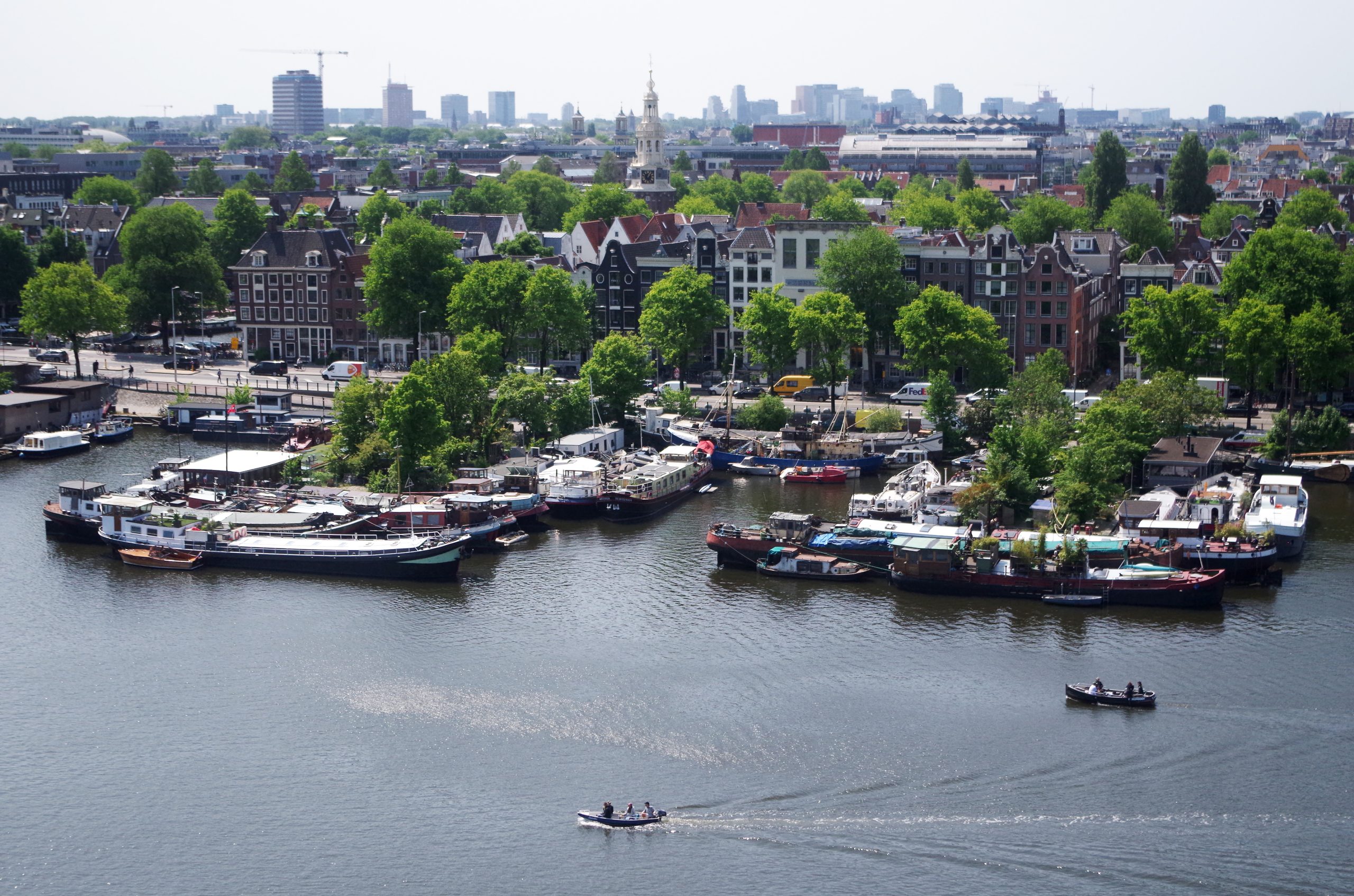
The Openbare Bibliotheek Amsterdam (OBA) is a truly spectacular, seven story library. The first floor is devoted to children, with stacks and study spaces throughout the building, with primary access via escalators. There is an impressive multimedia collection, including stacks of sheet music, an extensive collection of newspapers and periodicals, as well as foreign language texts. There is a wonderful café on a lower level, along with an impressive cafeteria – including beer and wine, of course – on the 7th level. The café includes outdoor seating (which we enjoyed) with a stunning view of Amsterdam’s waterfront, the IJ.
At Sea Palace, the food comes out from the kitchen on robots (but served by human waiters), after being ordered online using a QR code, and the food and drinks are really quite excellent. There are apparently several urban legends about this restaurant, including one that it will sink if the owners attempt to seat more than 700 people. The restaurant, which is now the world’s largest floating restaurant, was modeled after the even larger Jumbo Floating Restaurant that was located in Hong Kong for nearly 50 years. That restaurant seated 2,000 diners, with guests including luminaries from Queen Elizabeth II to President Jimmy Carter, until it sunk when it was being moved to an undisclosed location in June 2022.
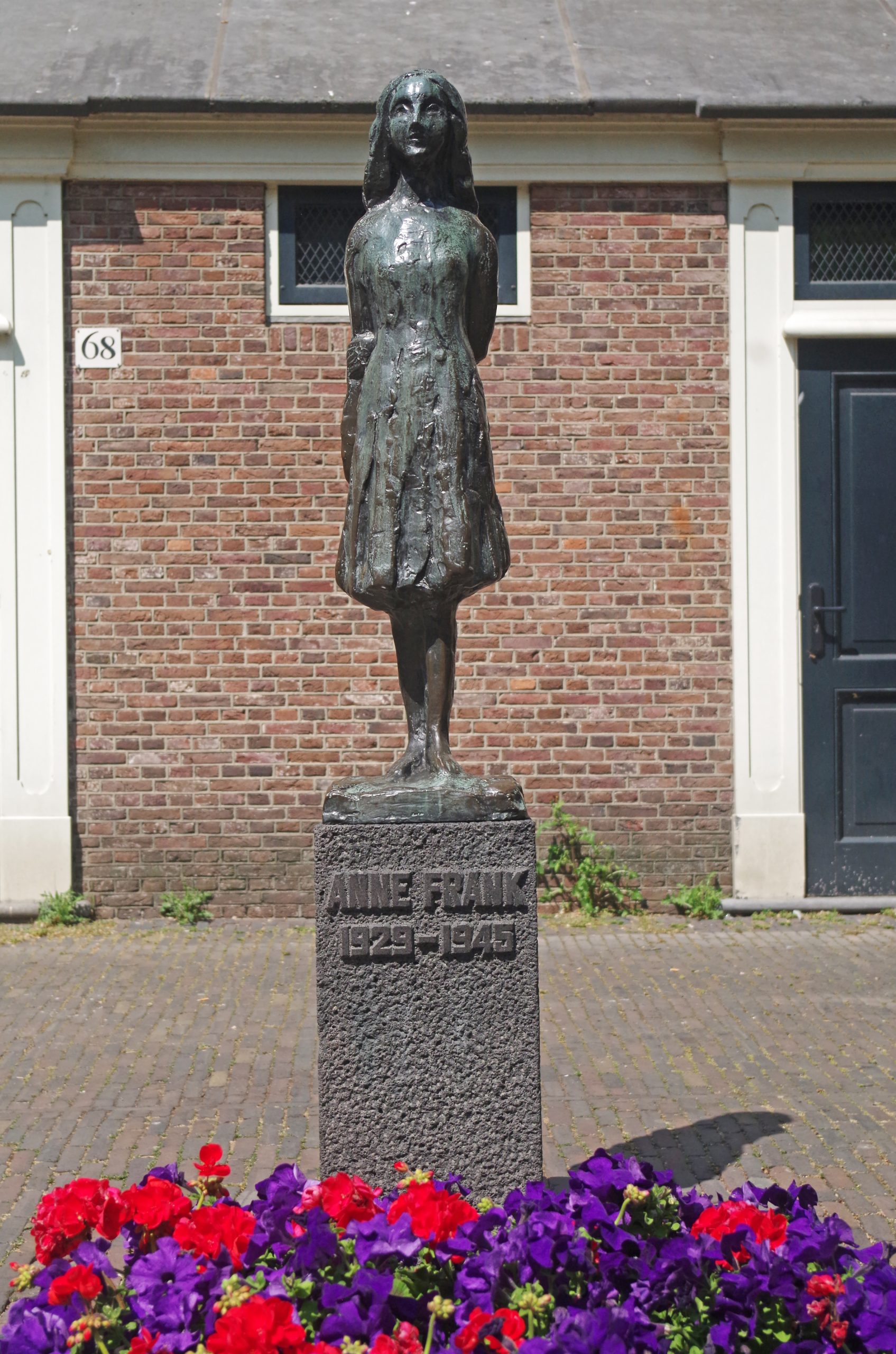
Forget about visiting the city’s many world-class museums unless you have reservations made months in advance. Even the Anne Frank House, which we had hoped to visit, requires reservations made far in advance, with tickets going on sale every Tuesday at 10:00 AM for the next six weeks of timeslots. We also disliked our hotel for our last night in Europe, the DoubleTree by Hilton Amsterdam Centraal Station, although the hotel offered a spectacular breakfast buffet.
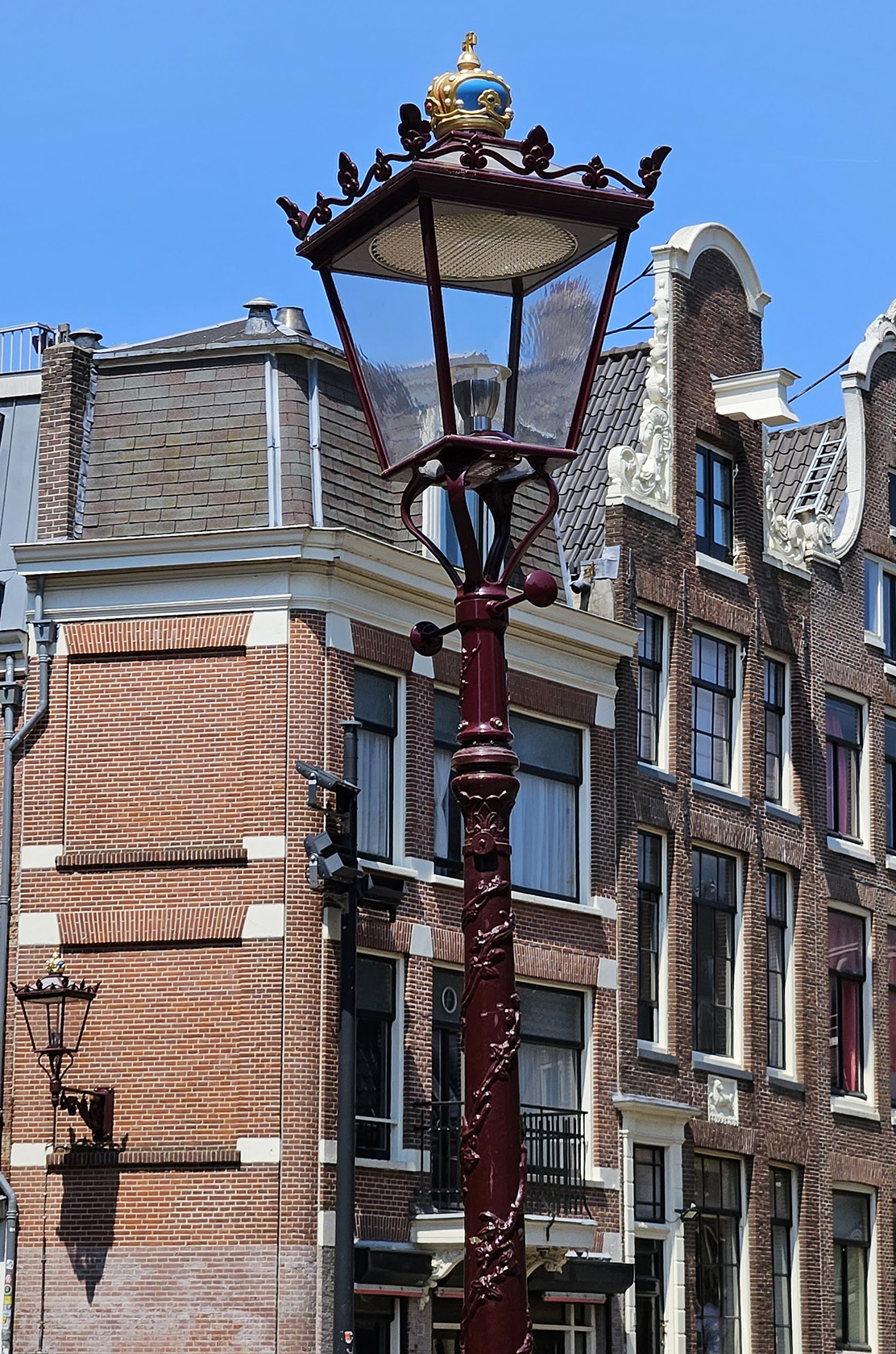
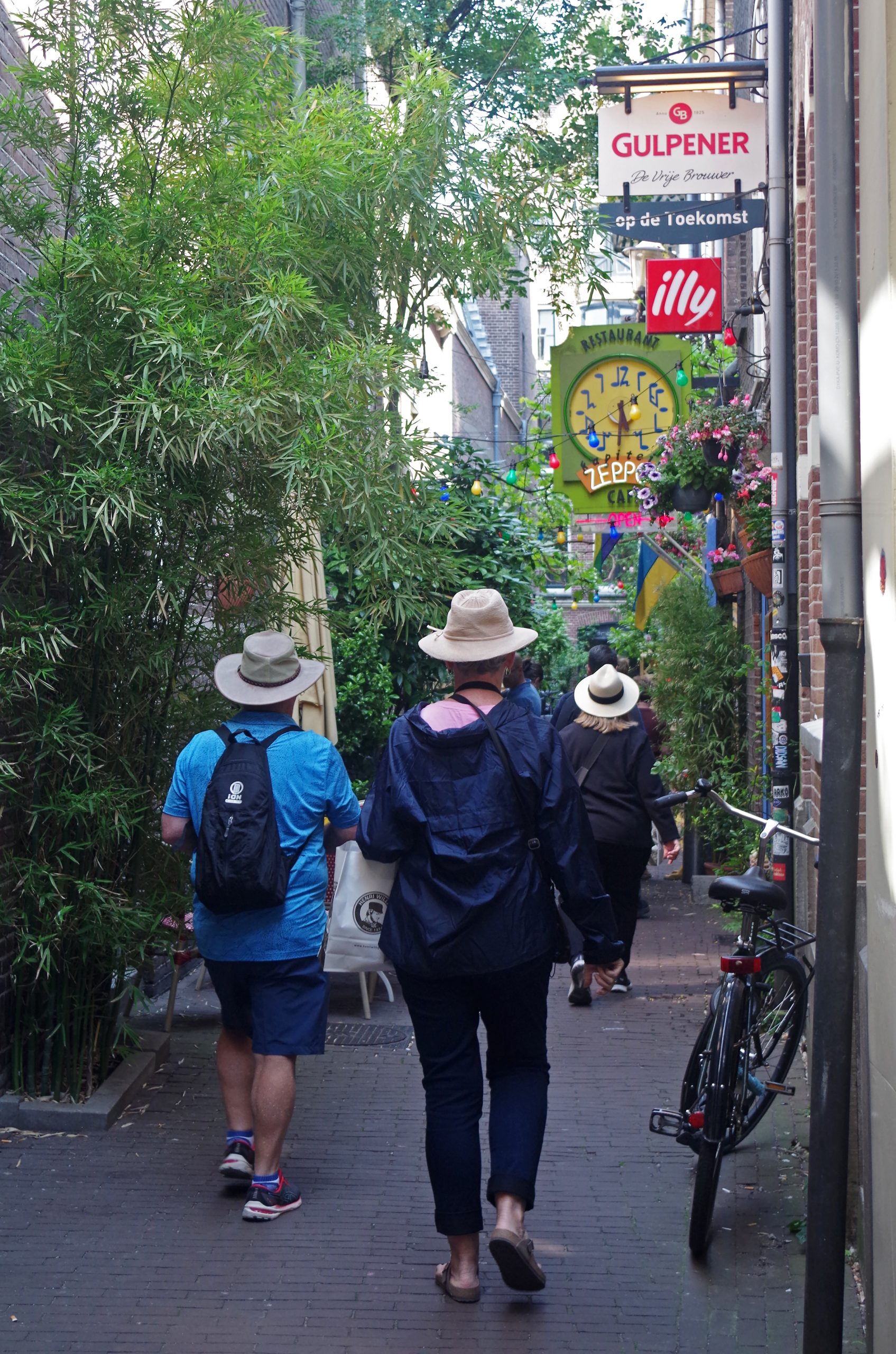
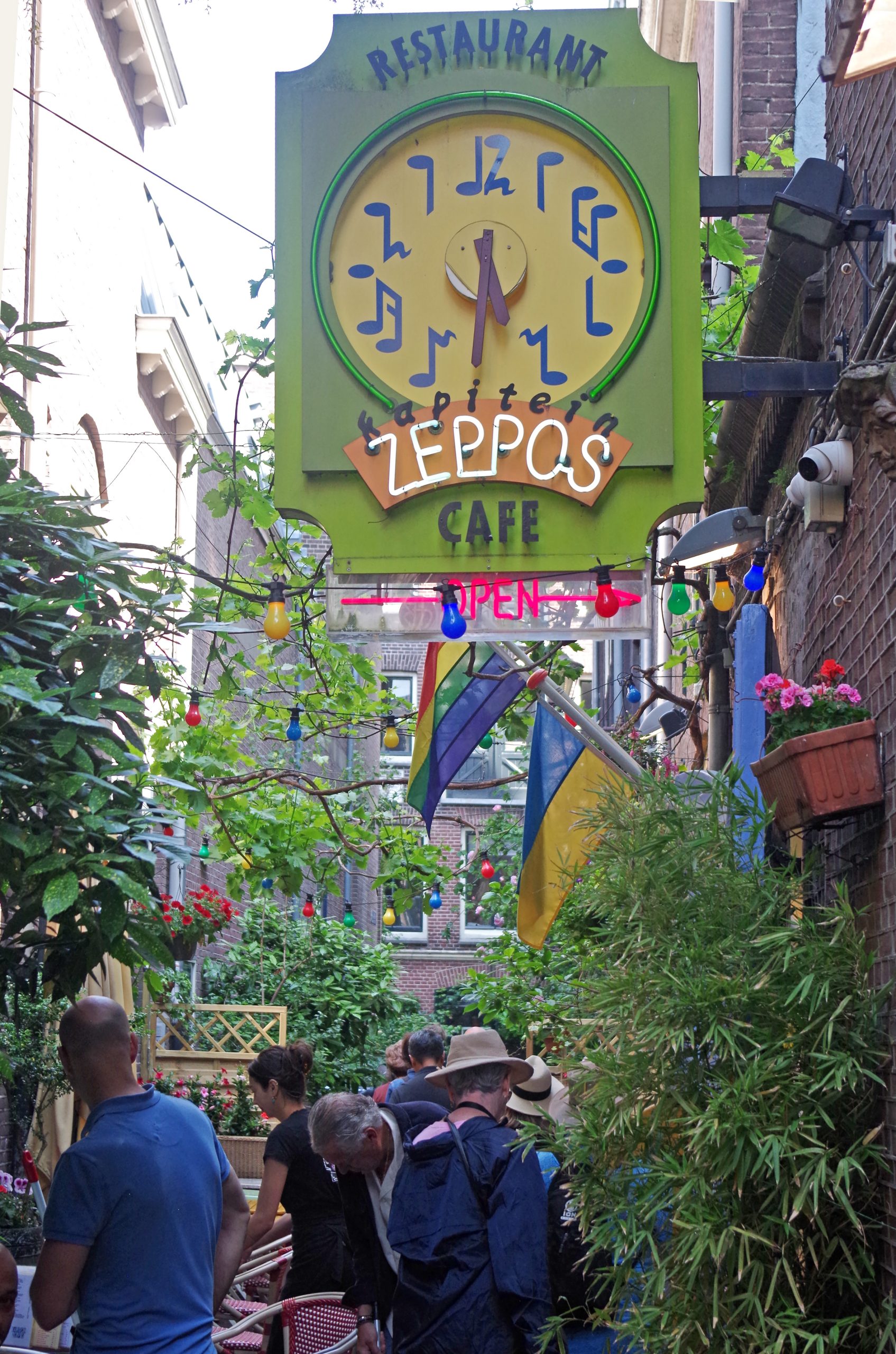
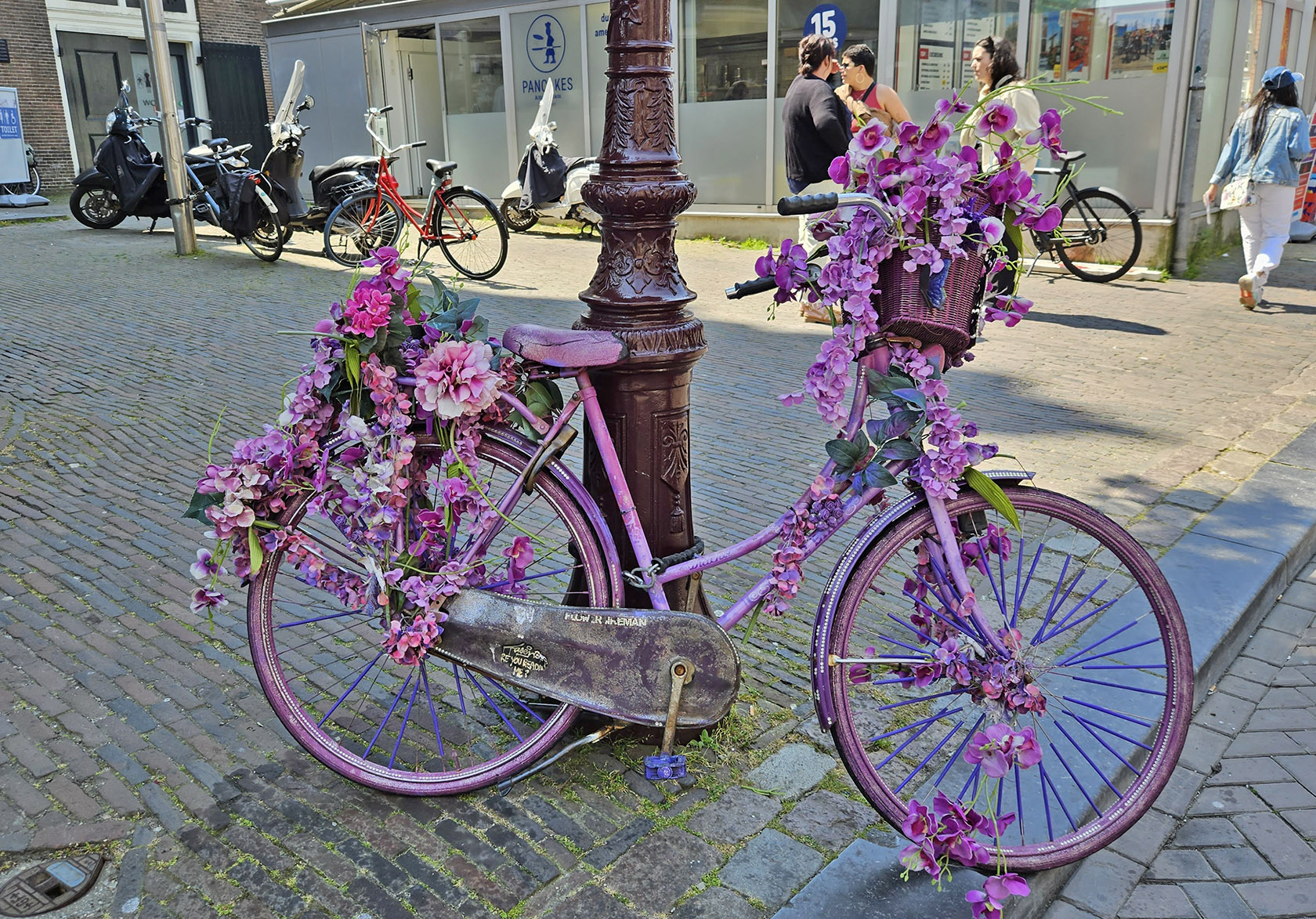
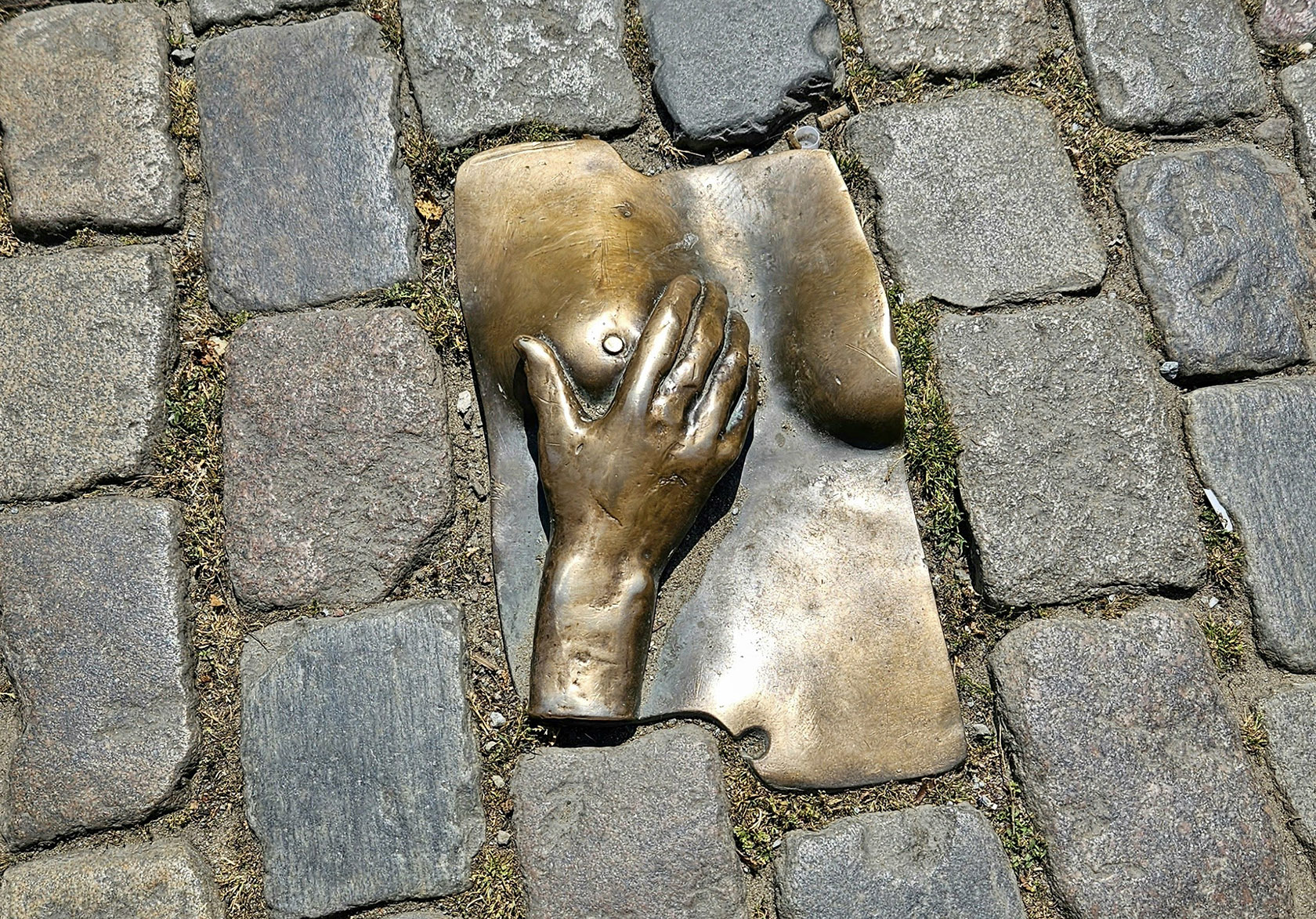
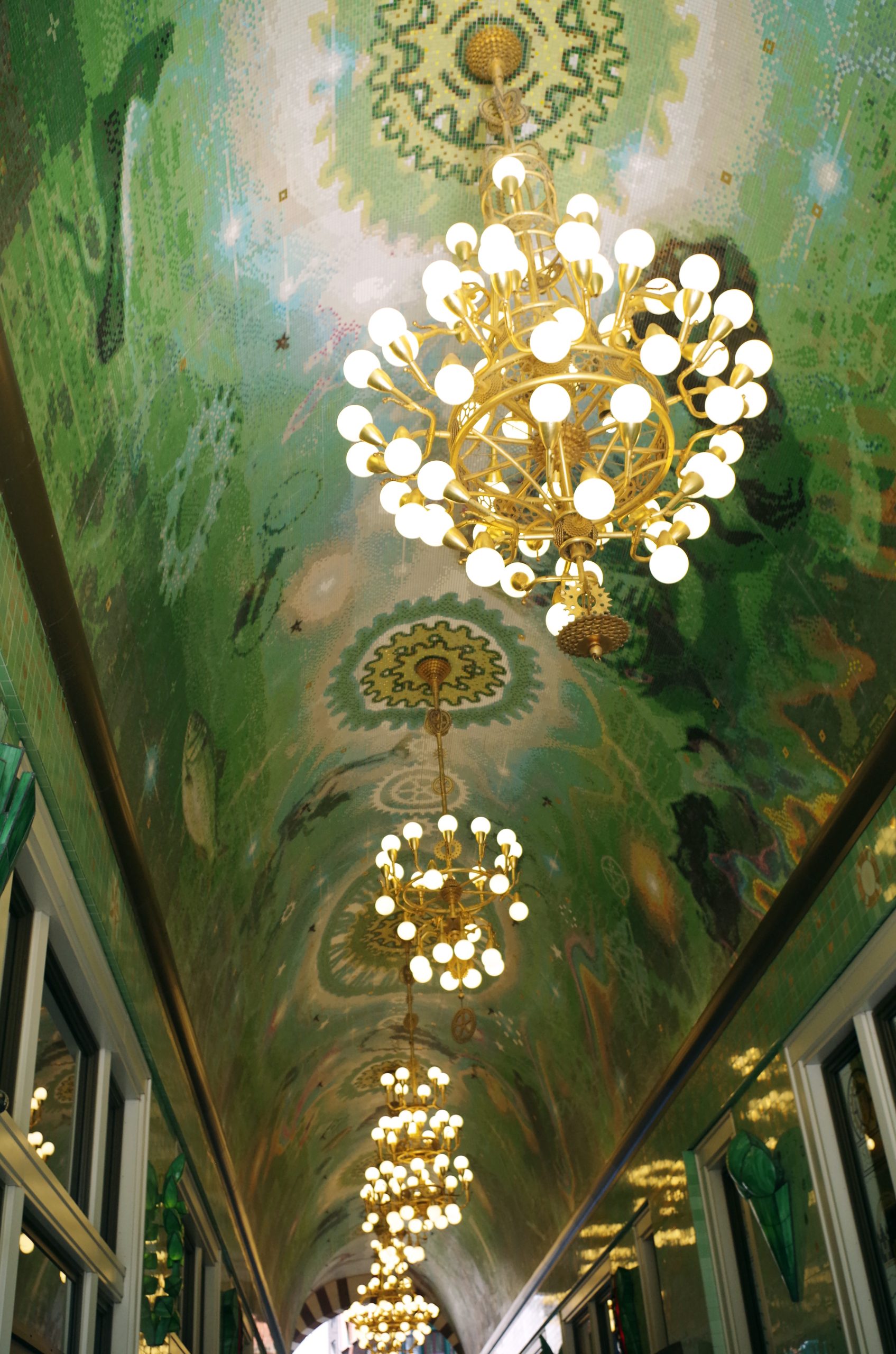
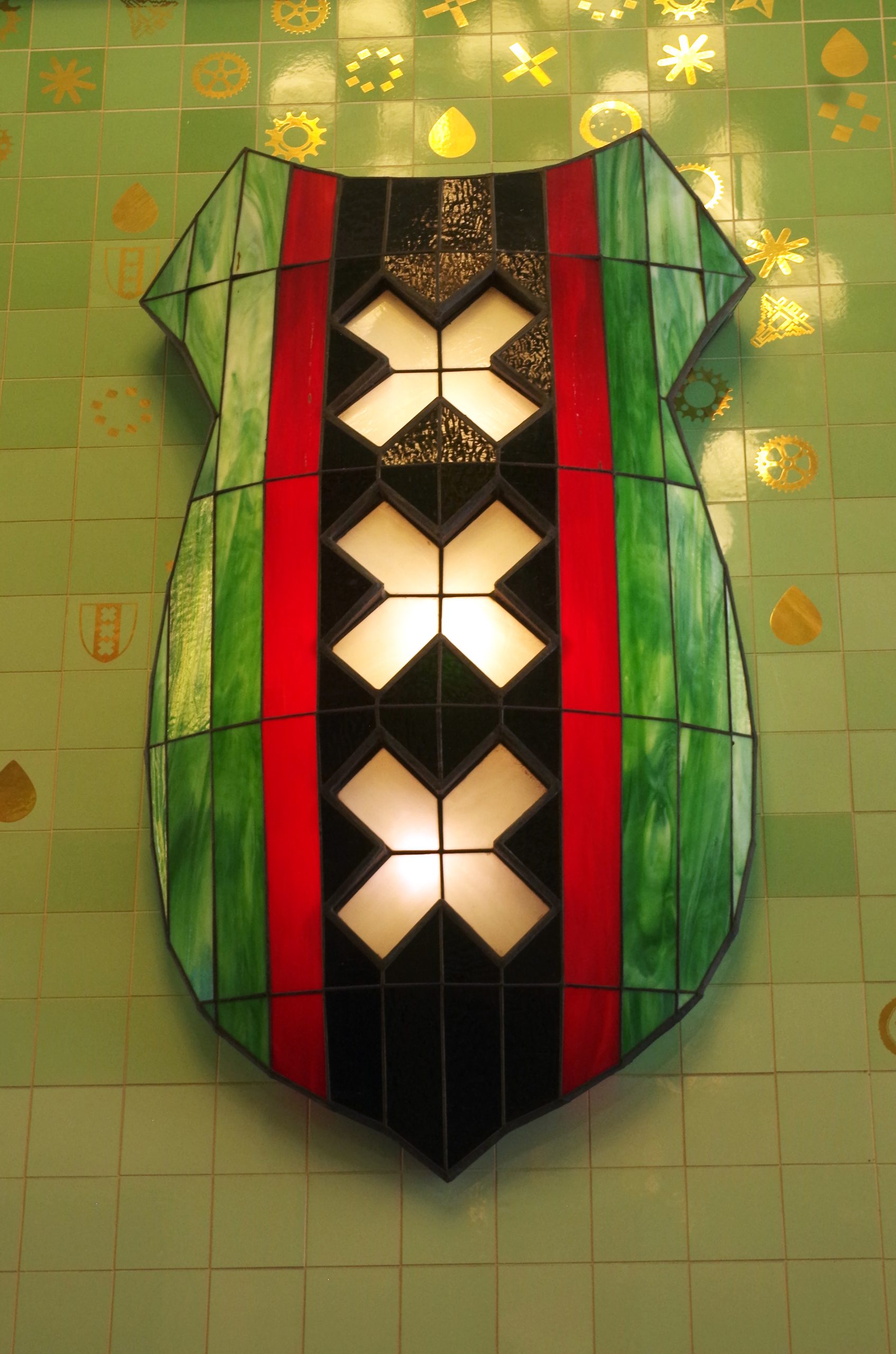
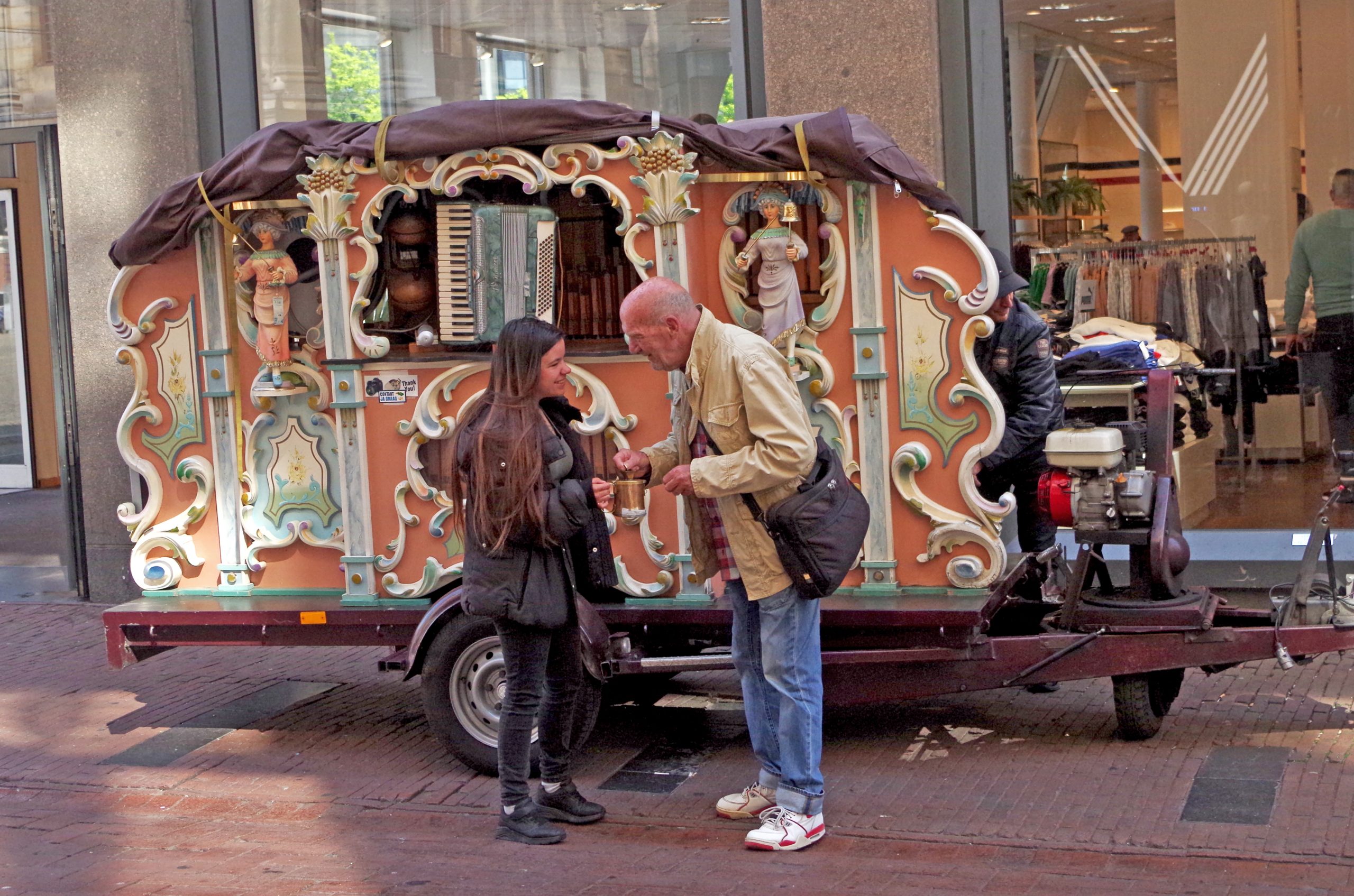
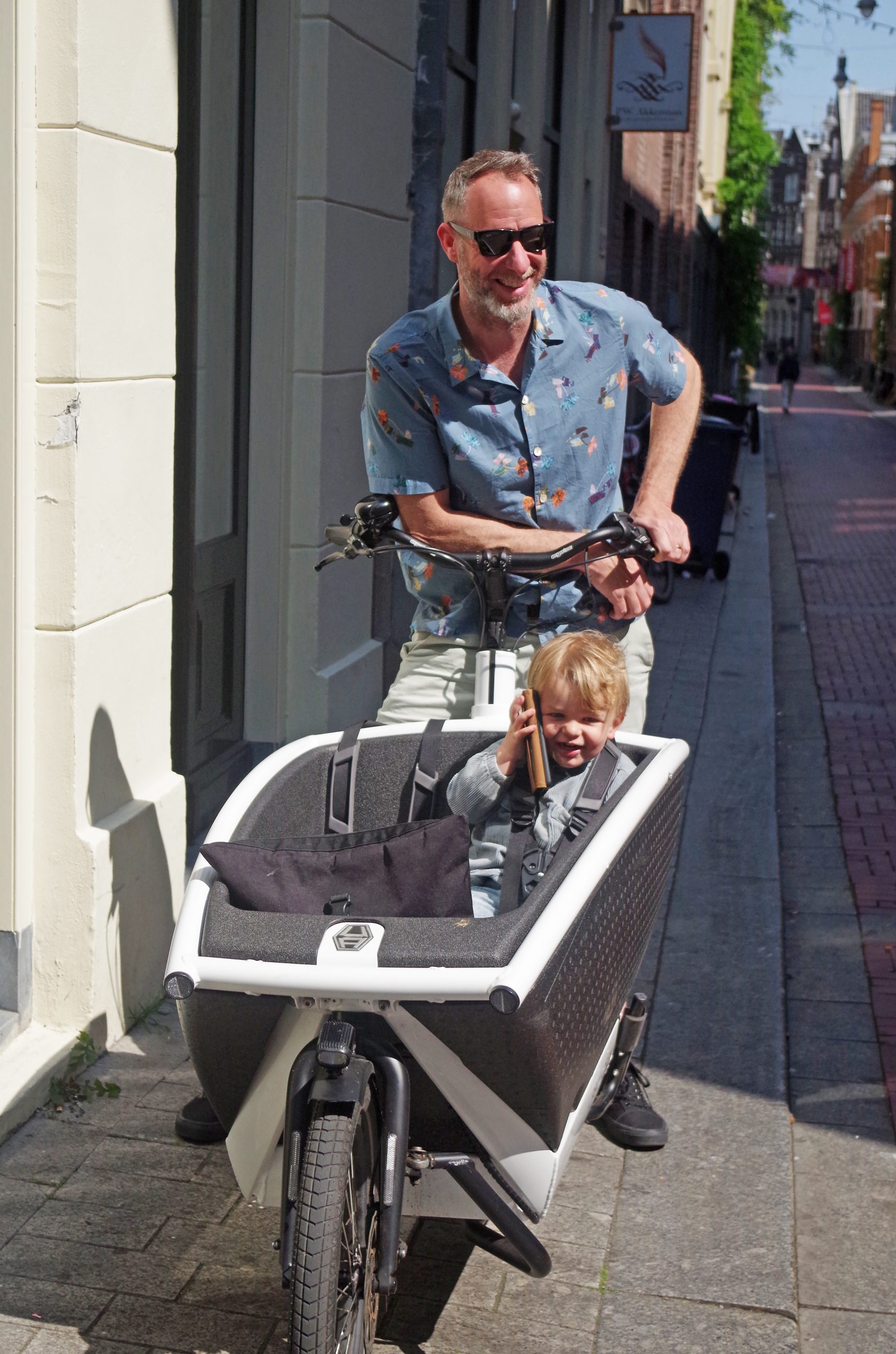
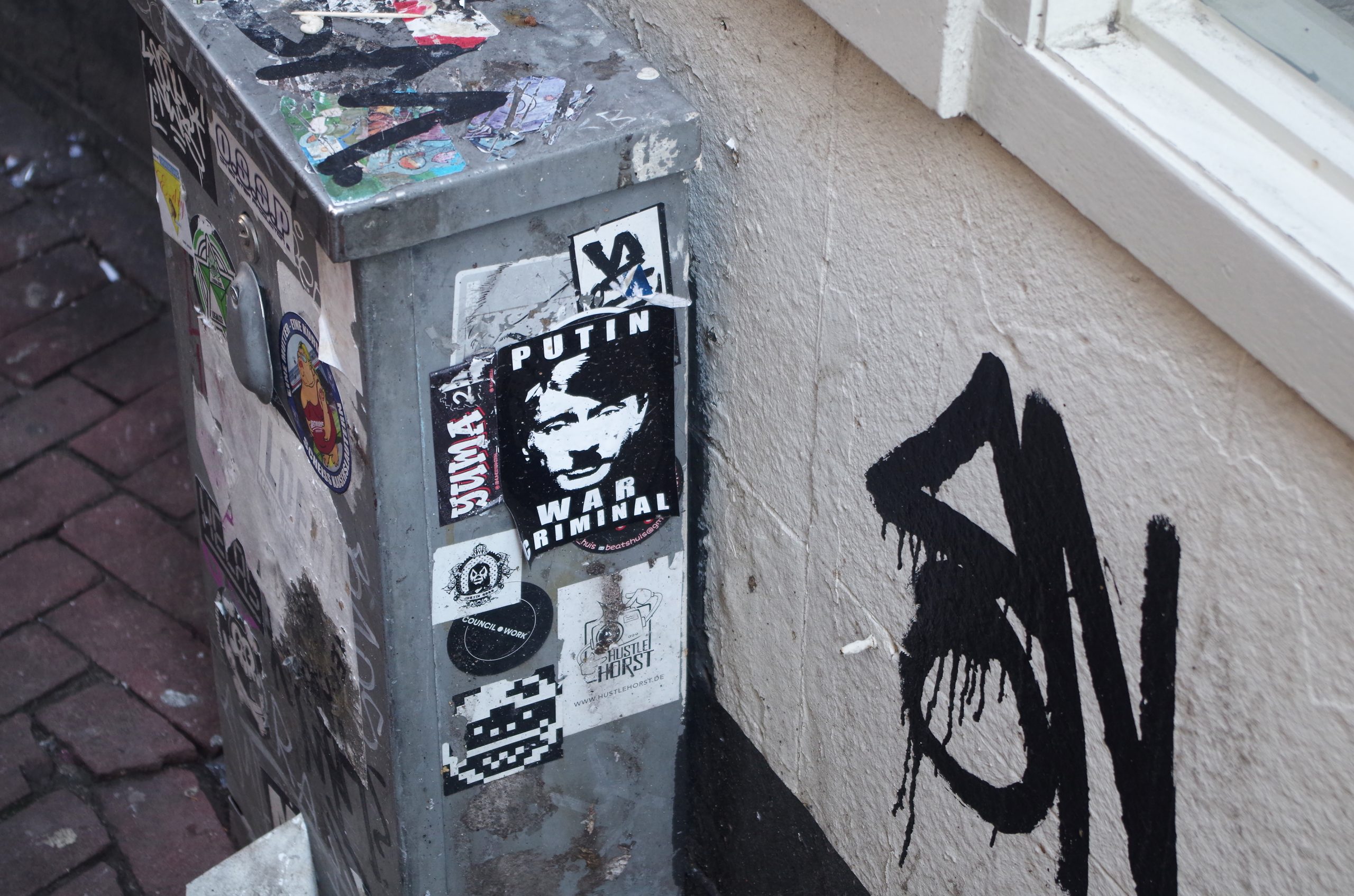
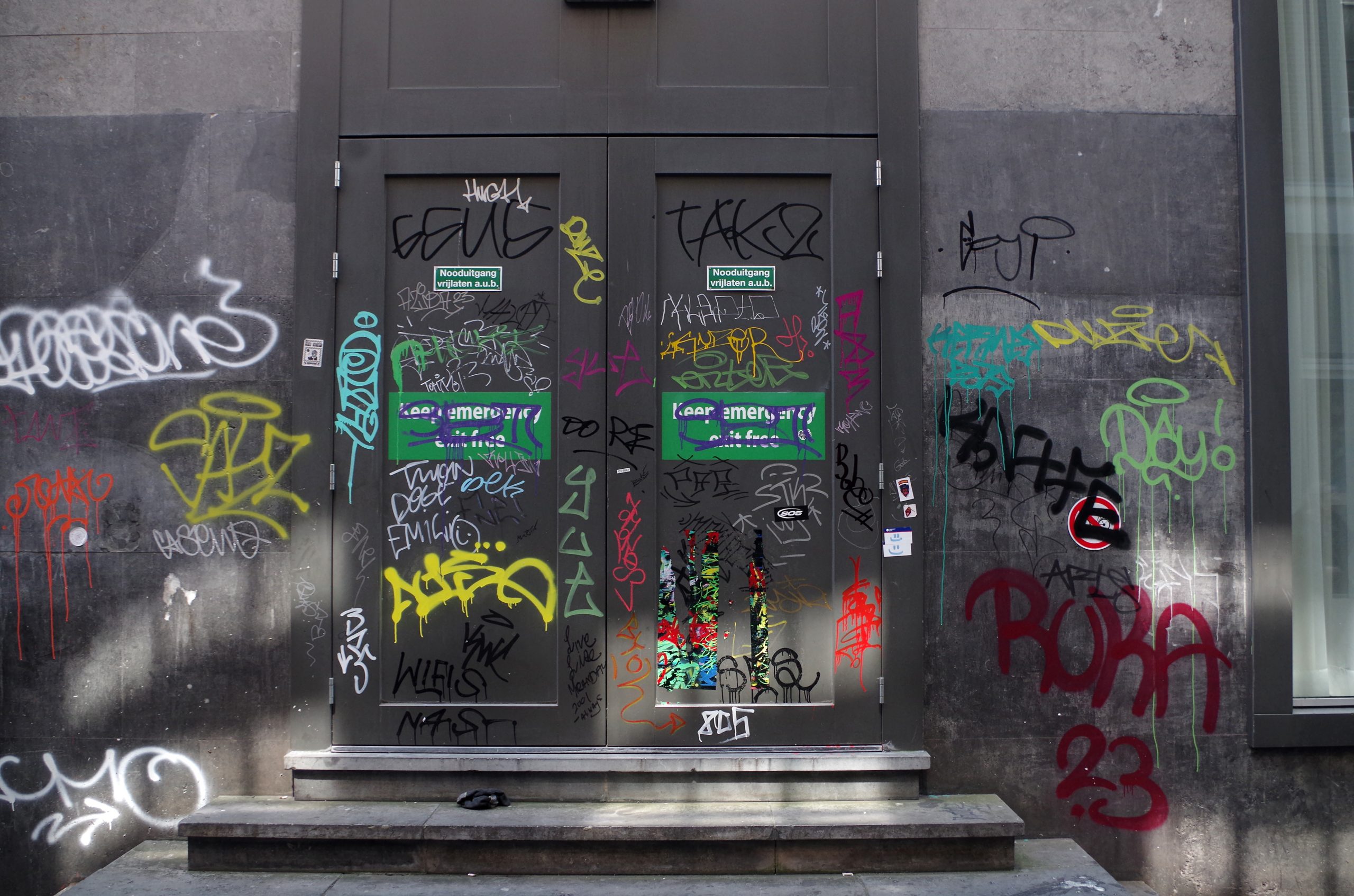
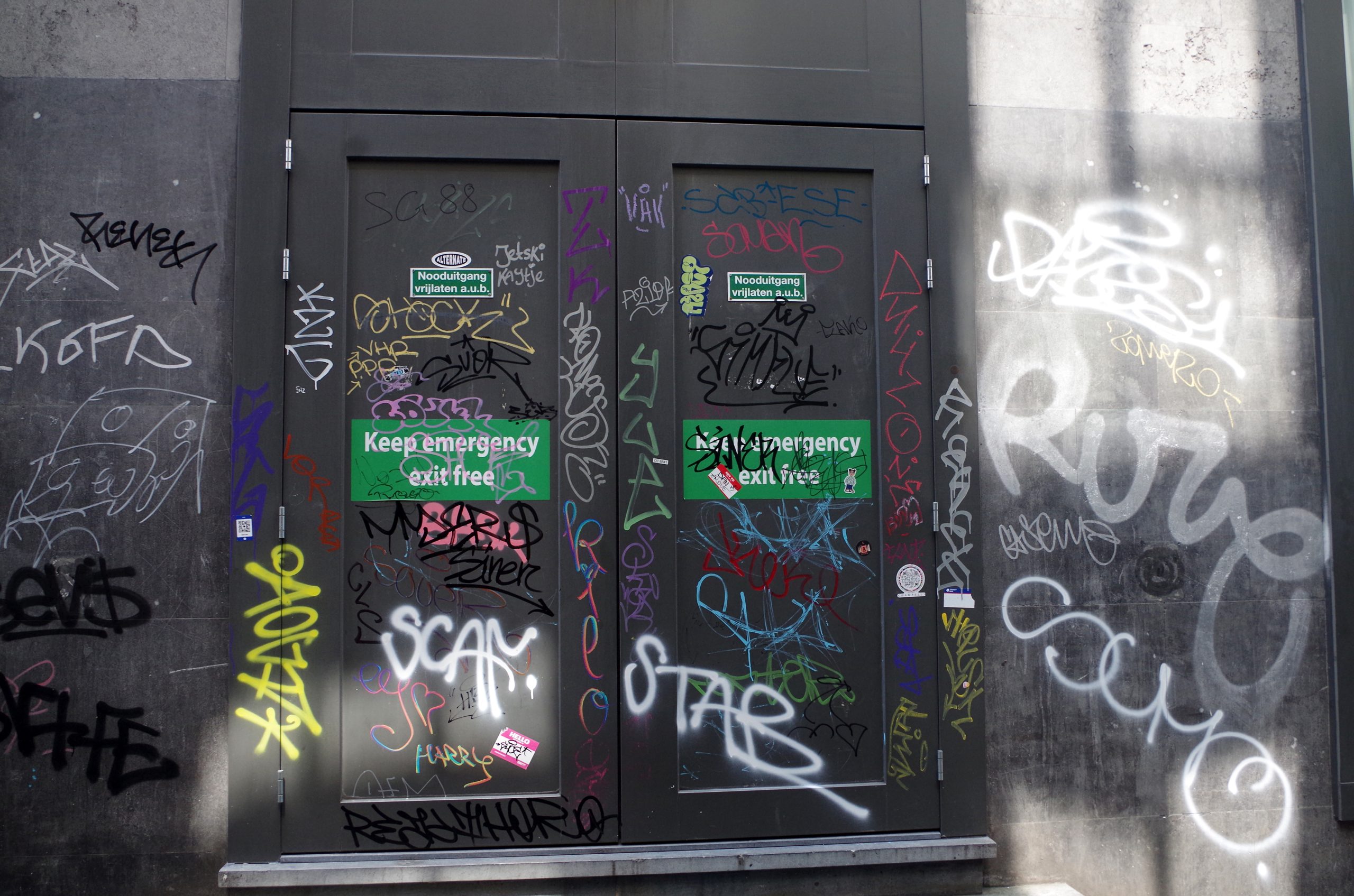
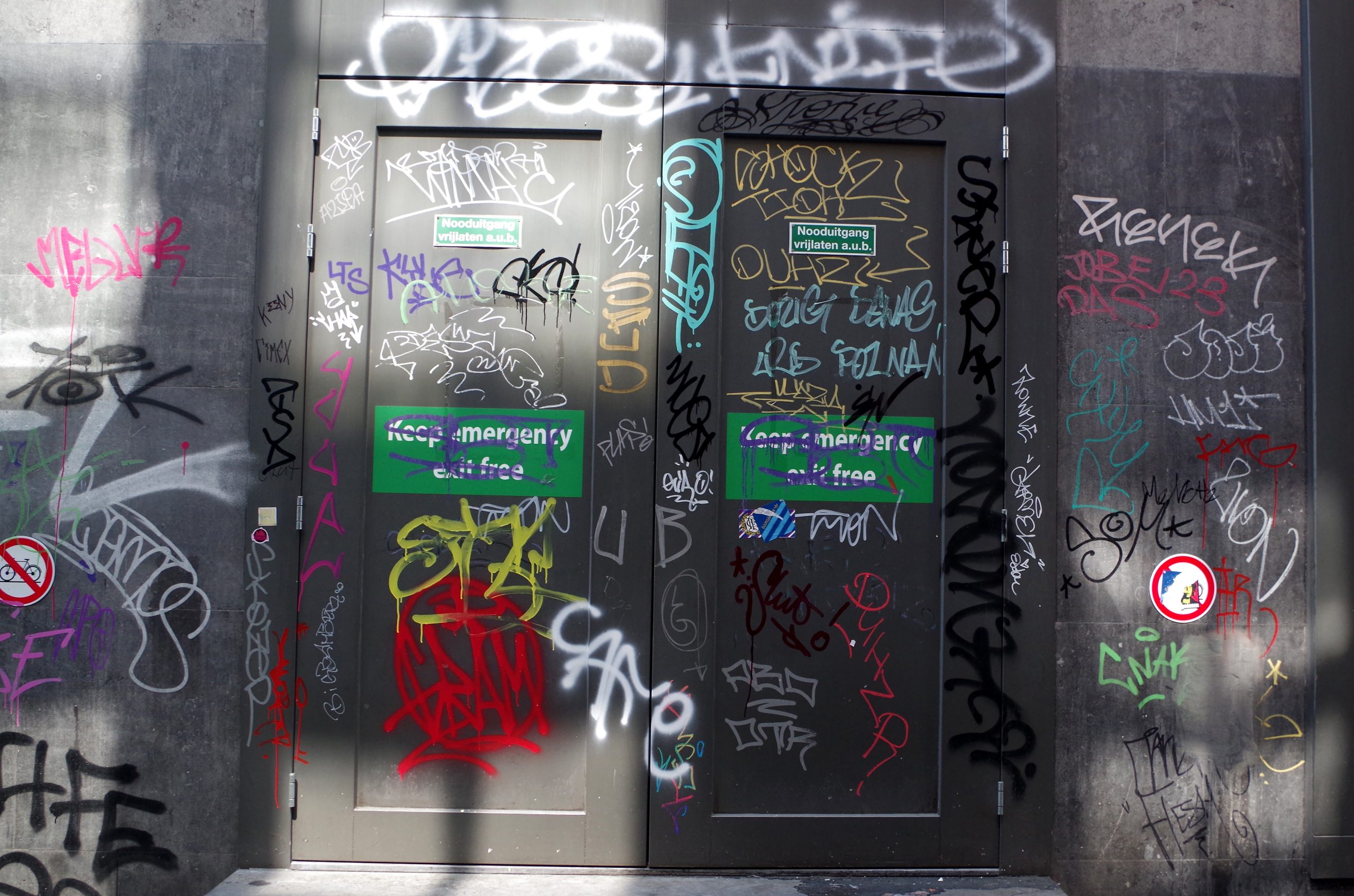
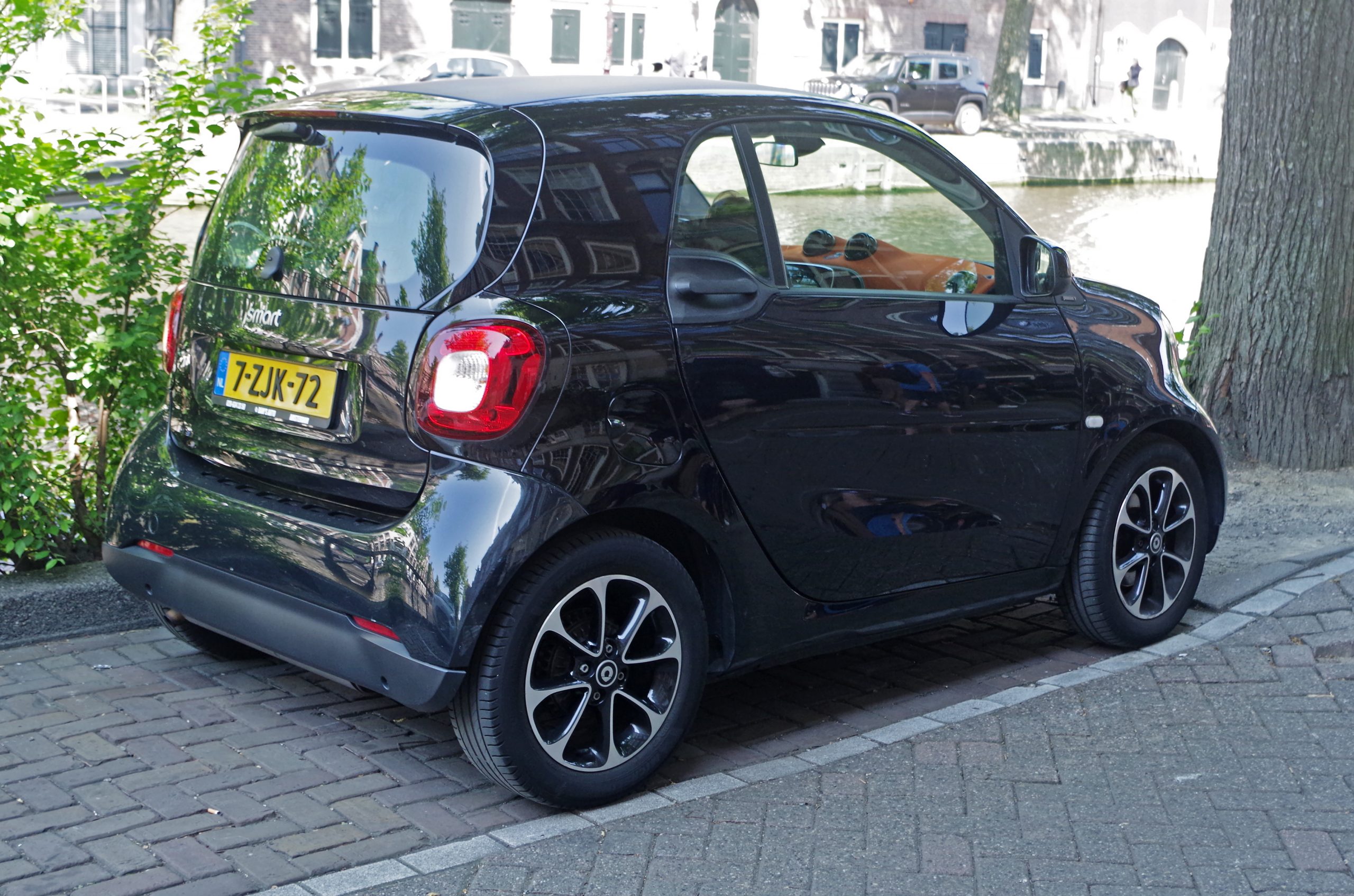
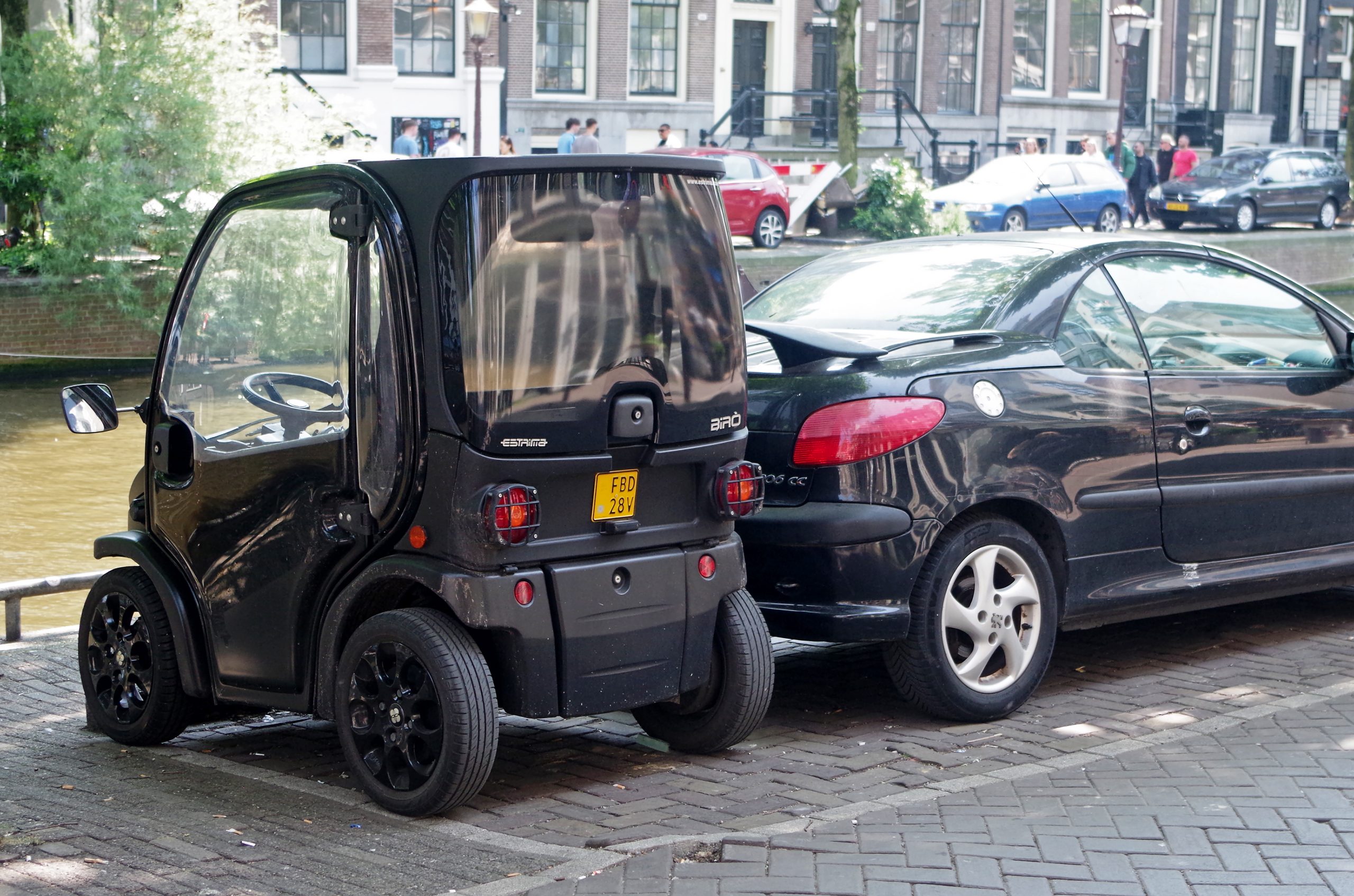
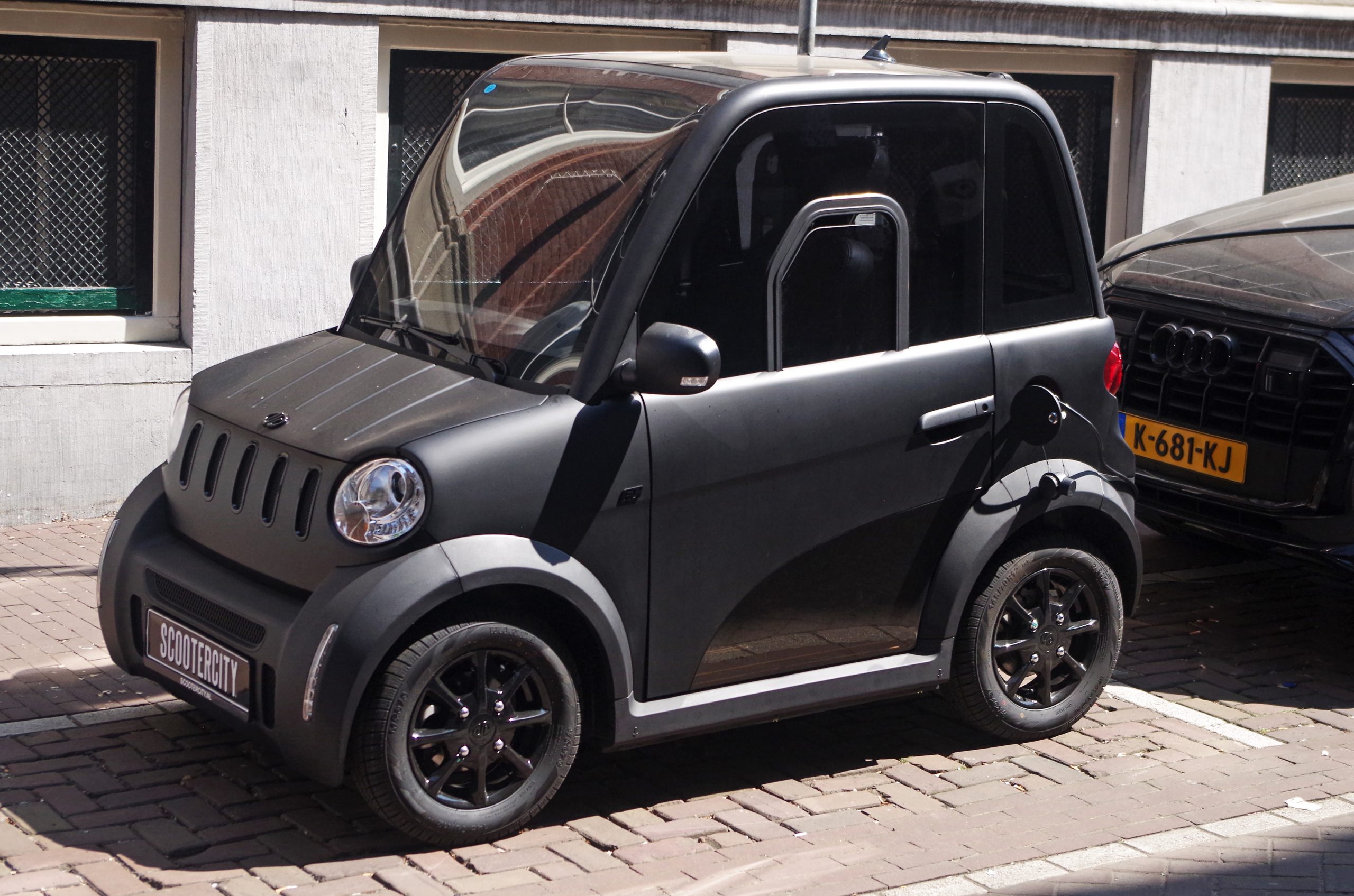
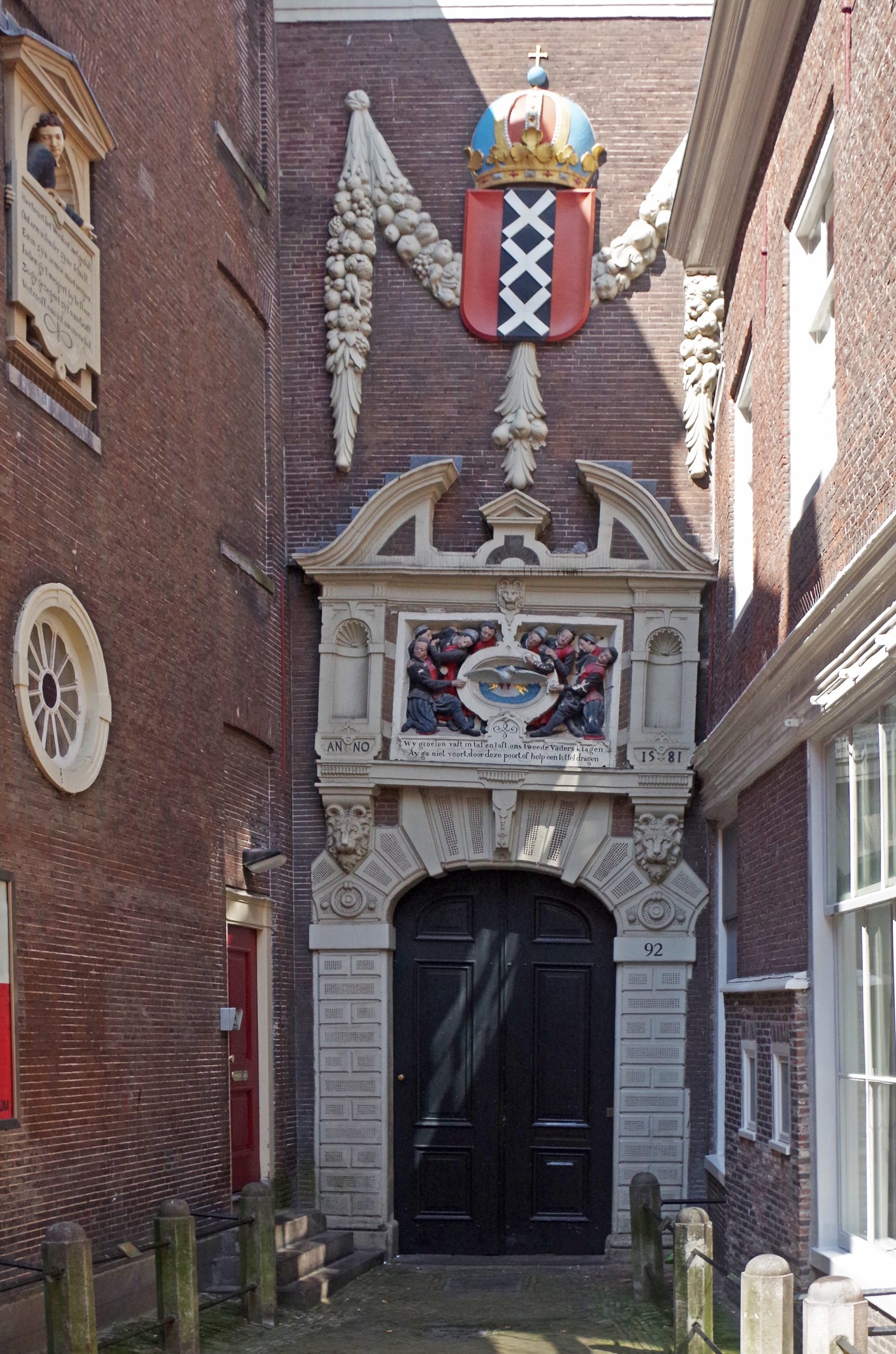
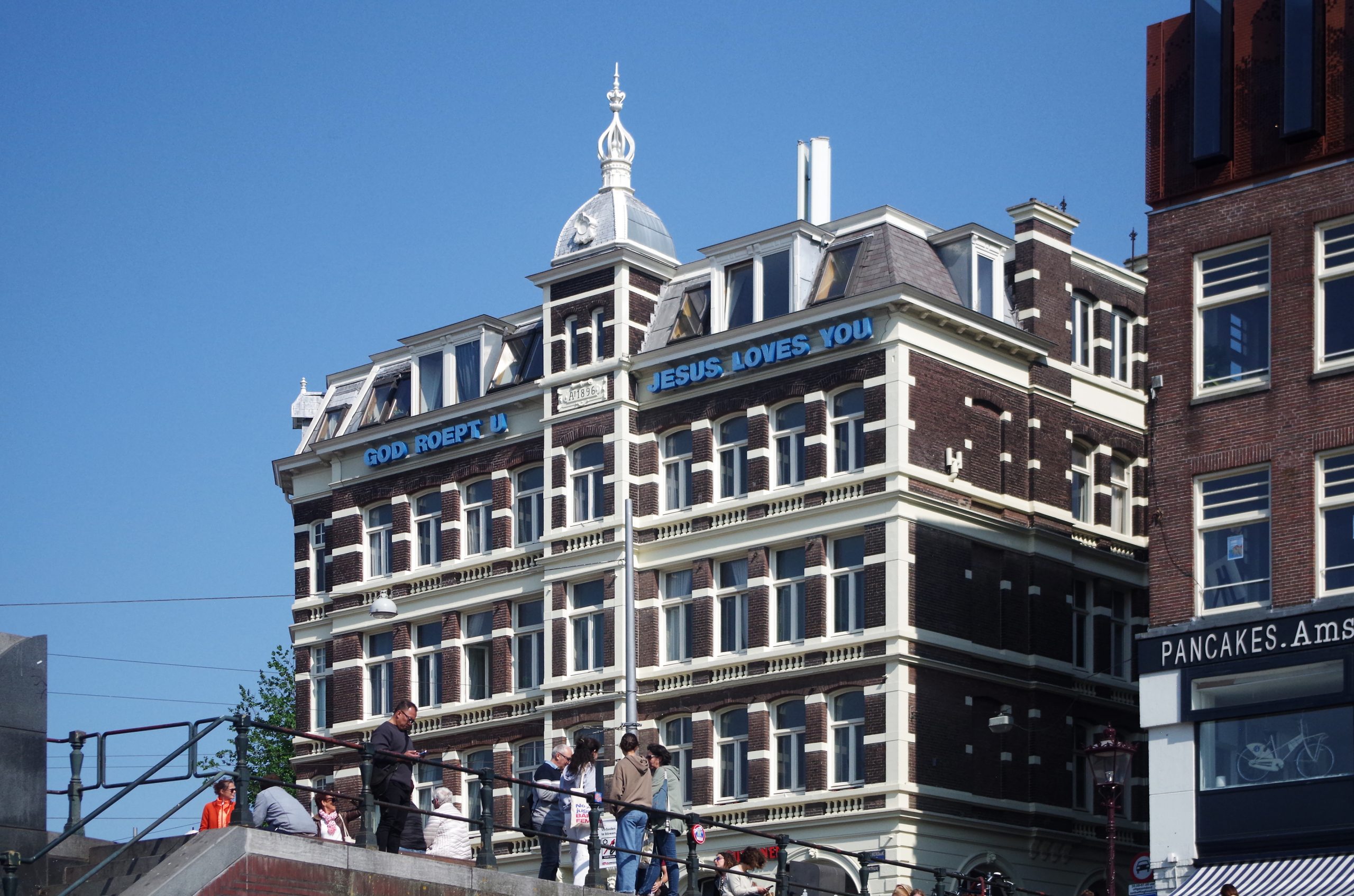
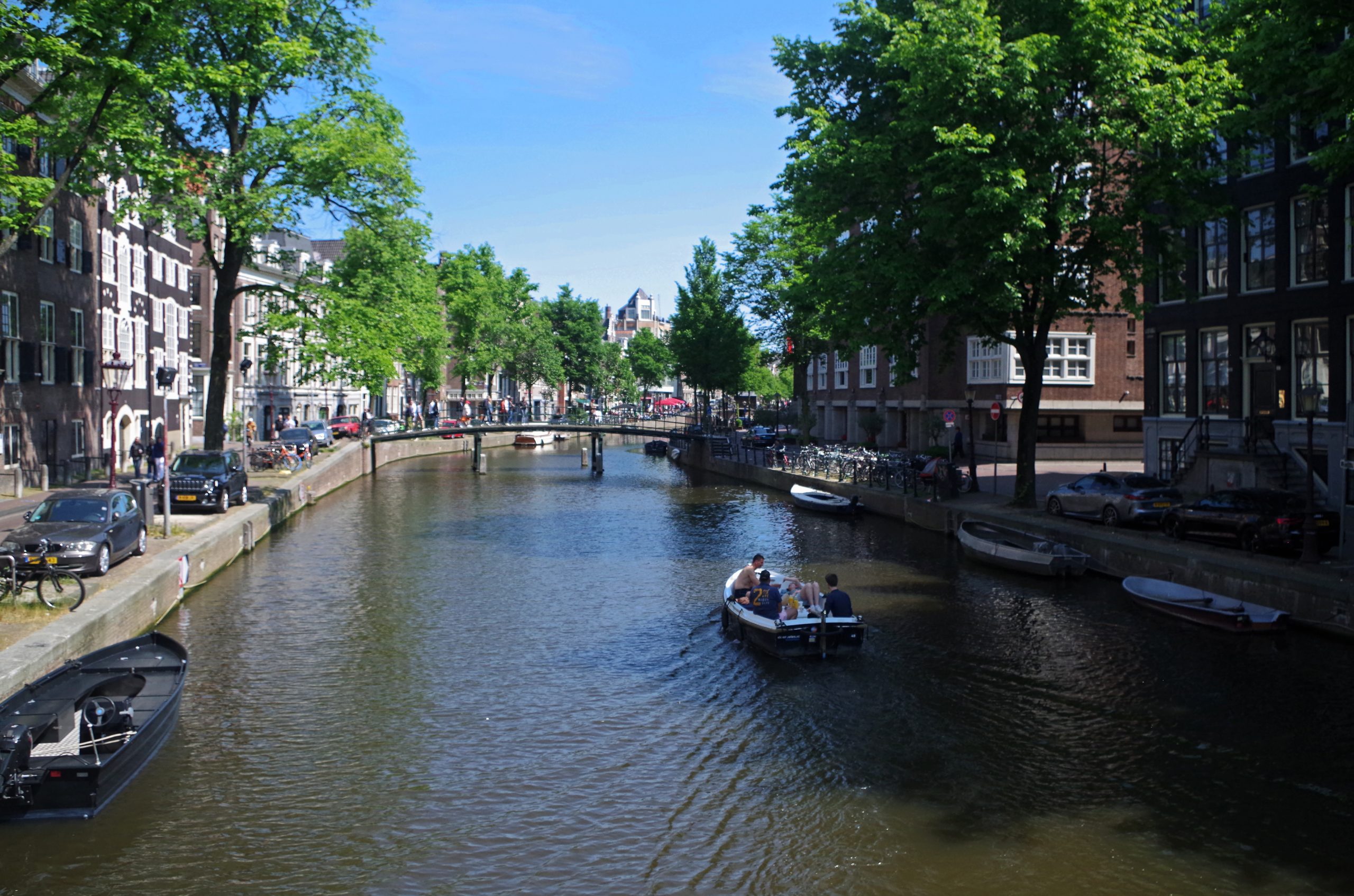
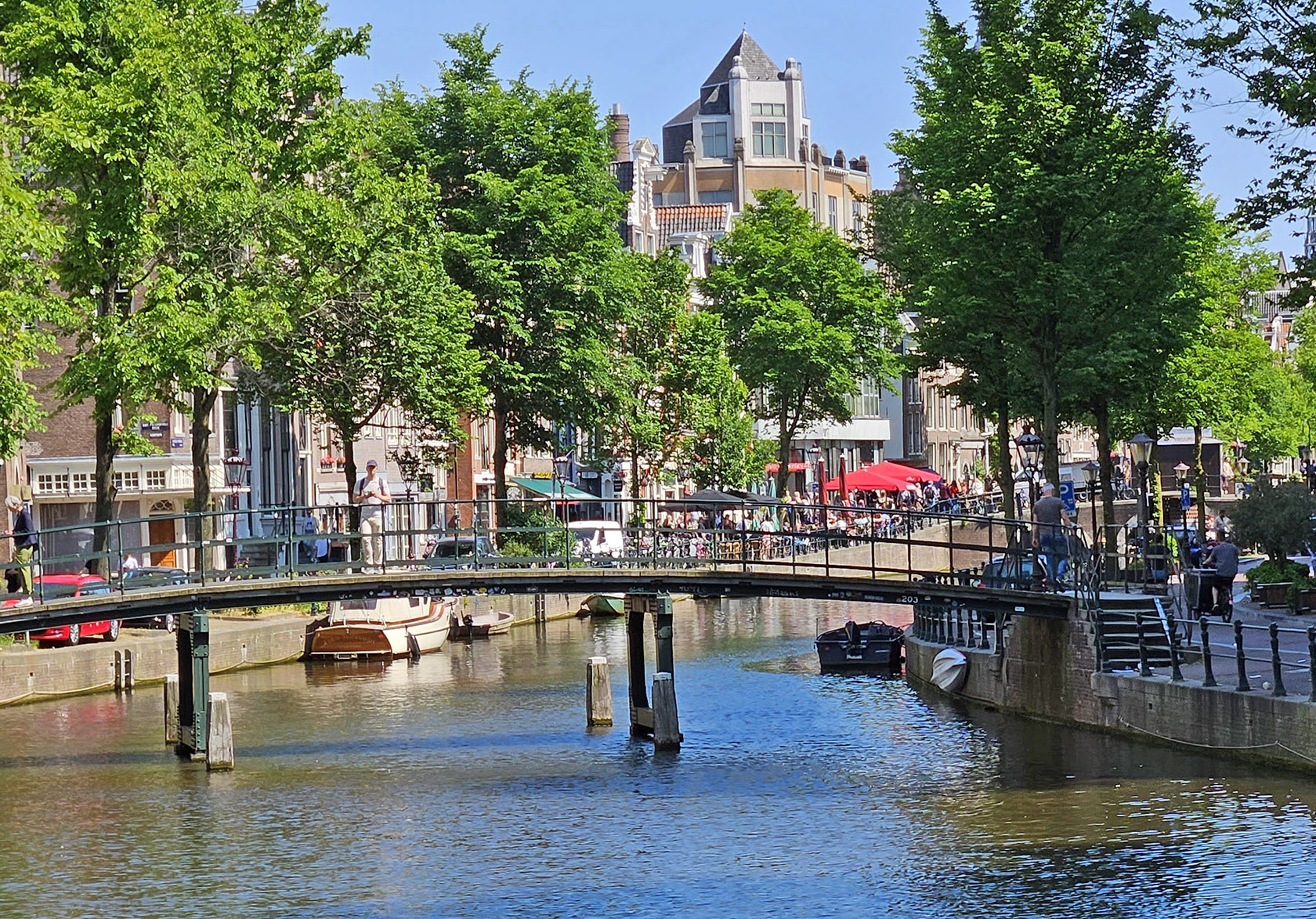
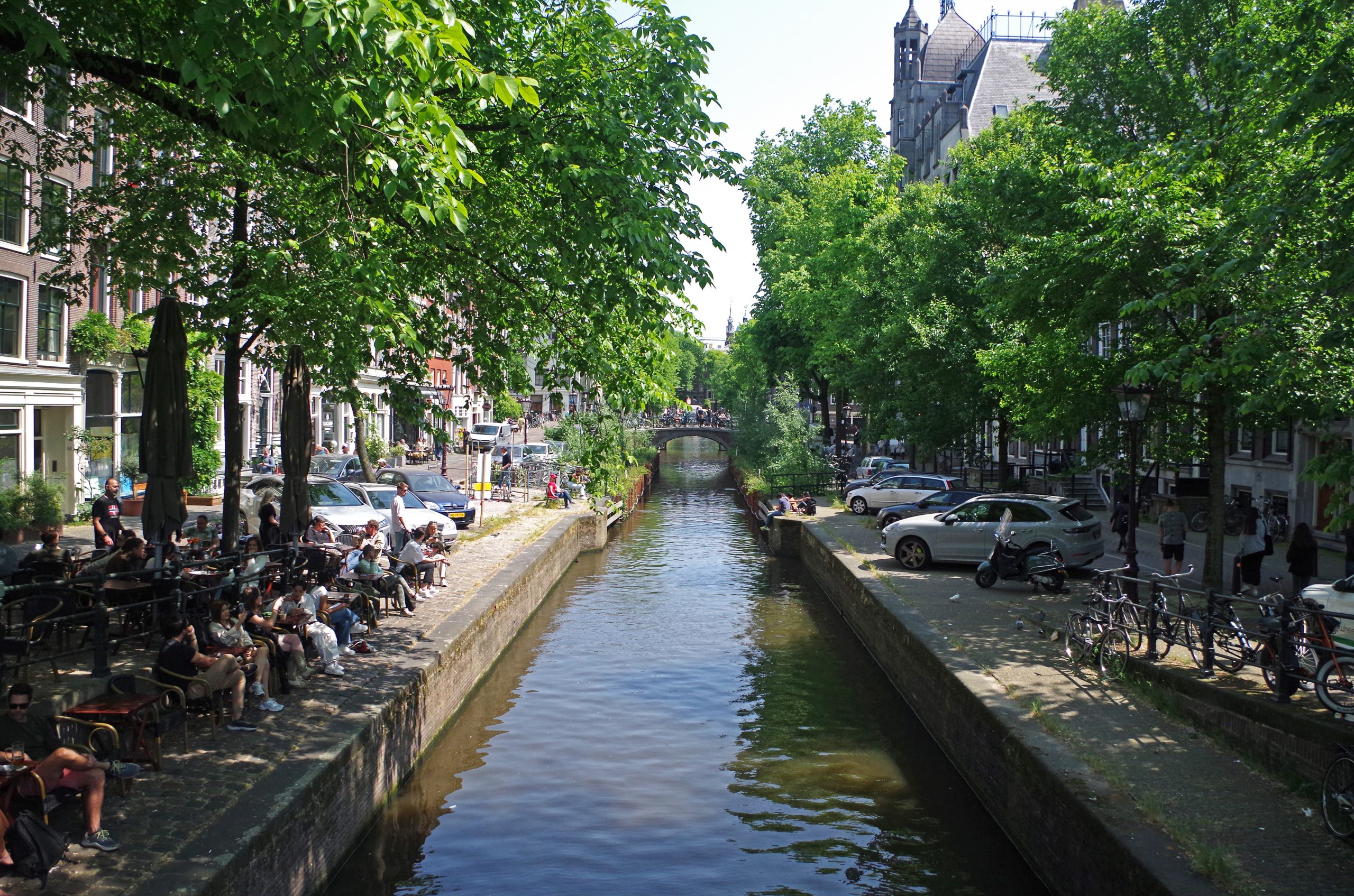
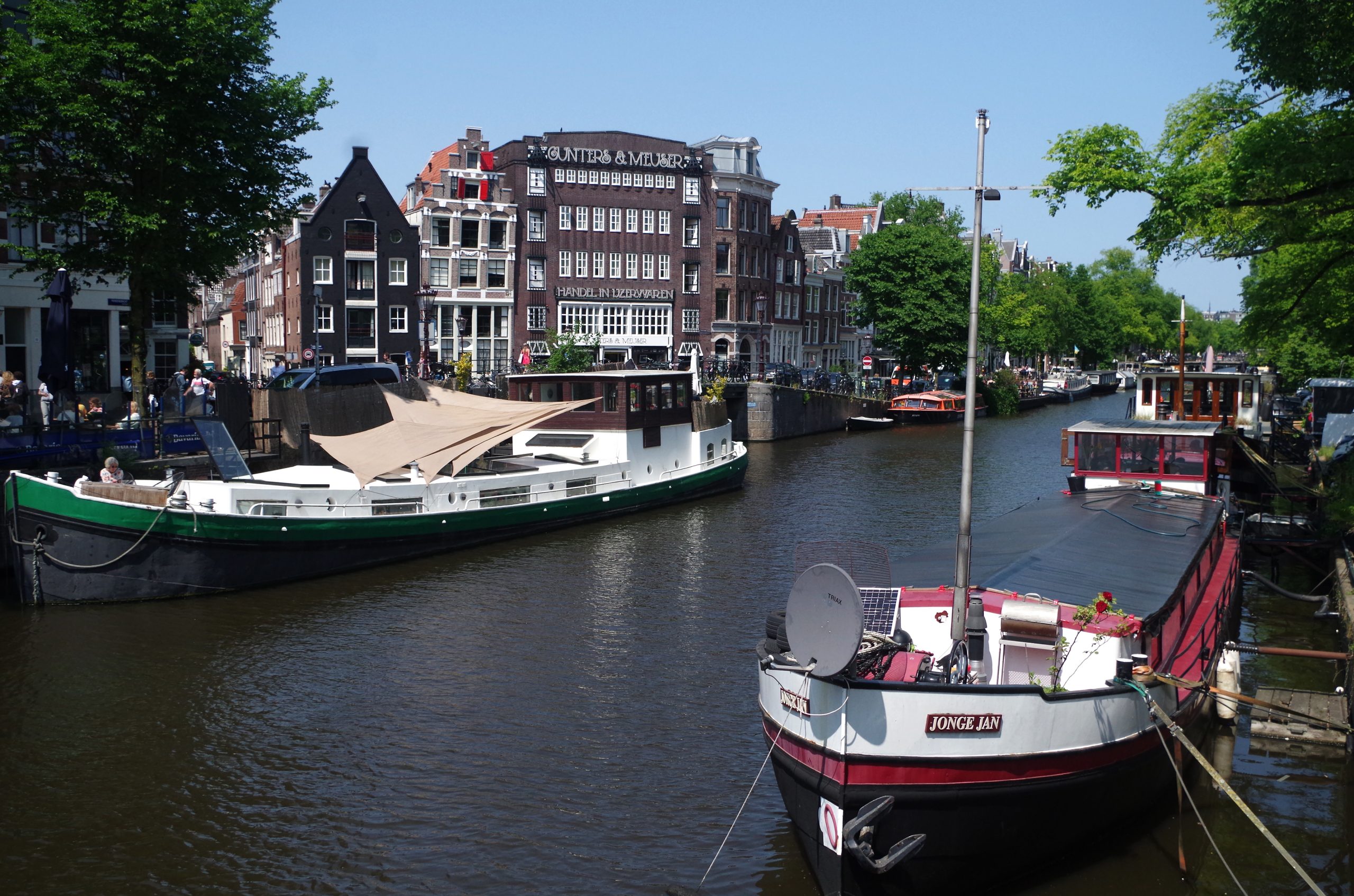
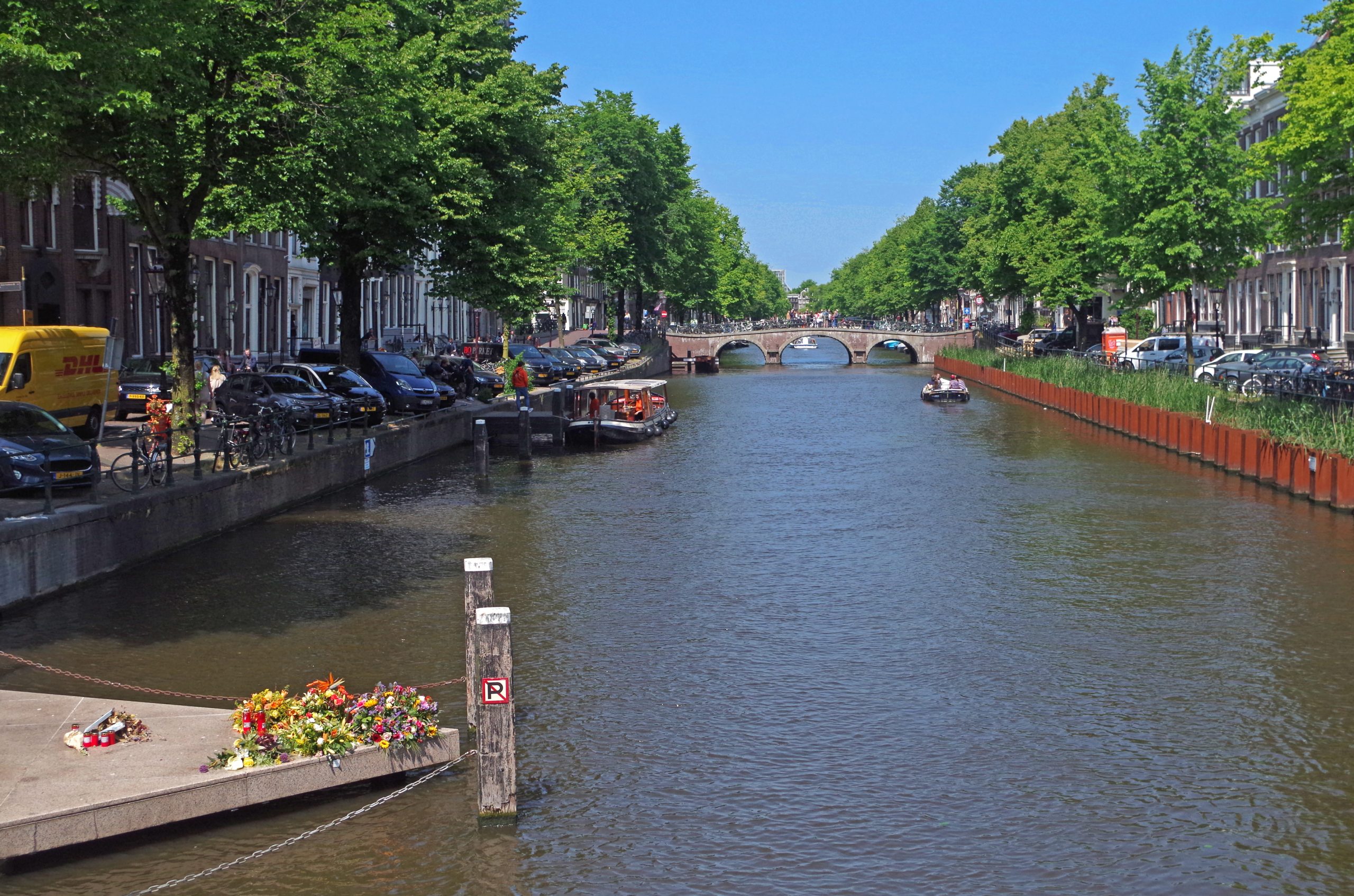
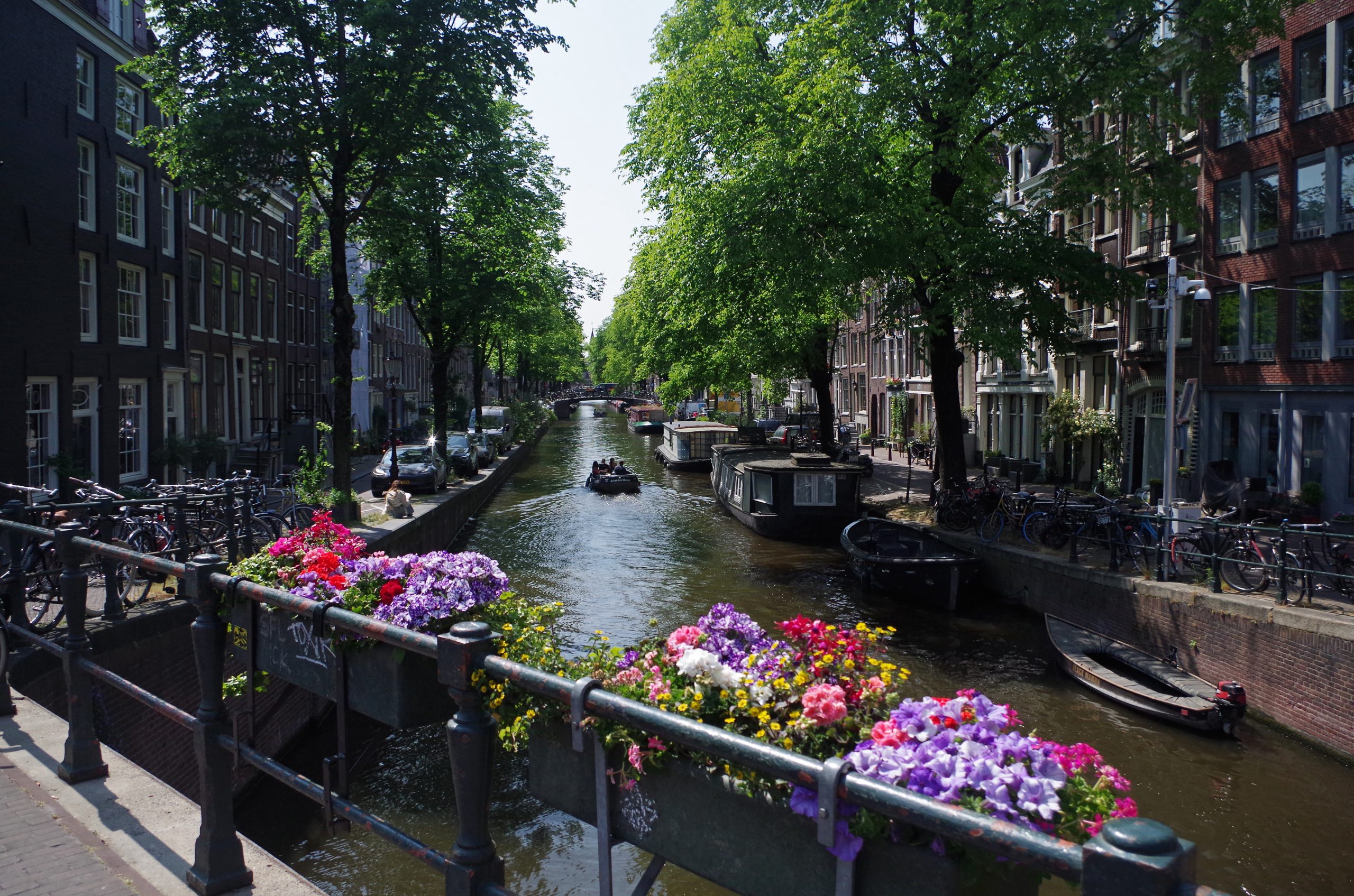
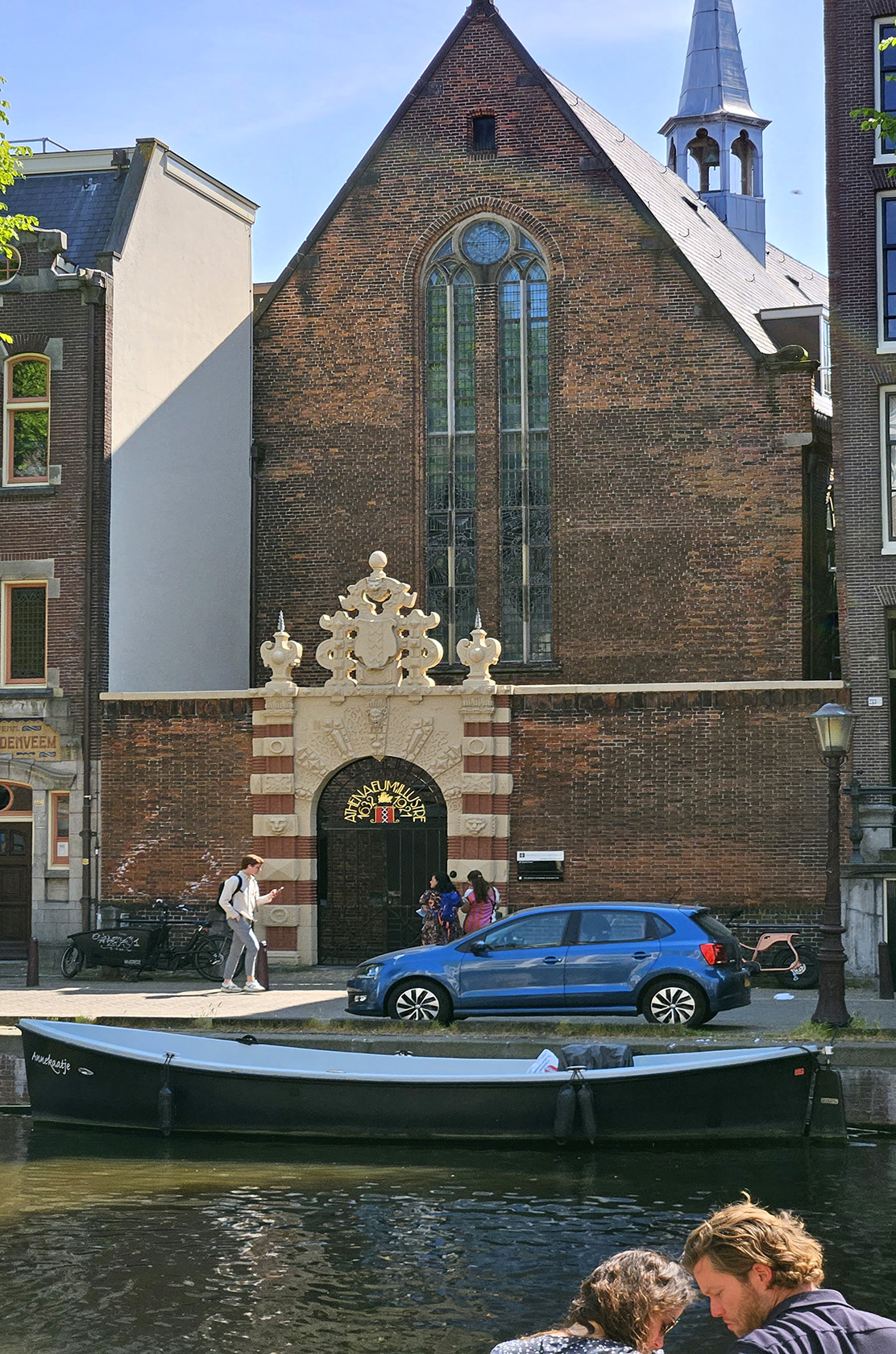
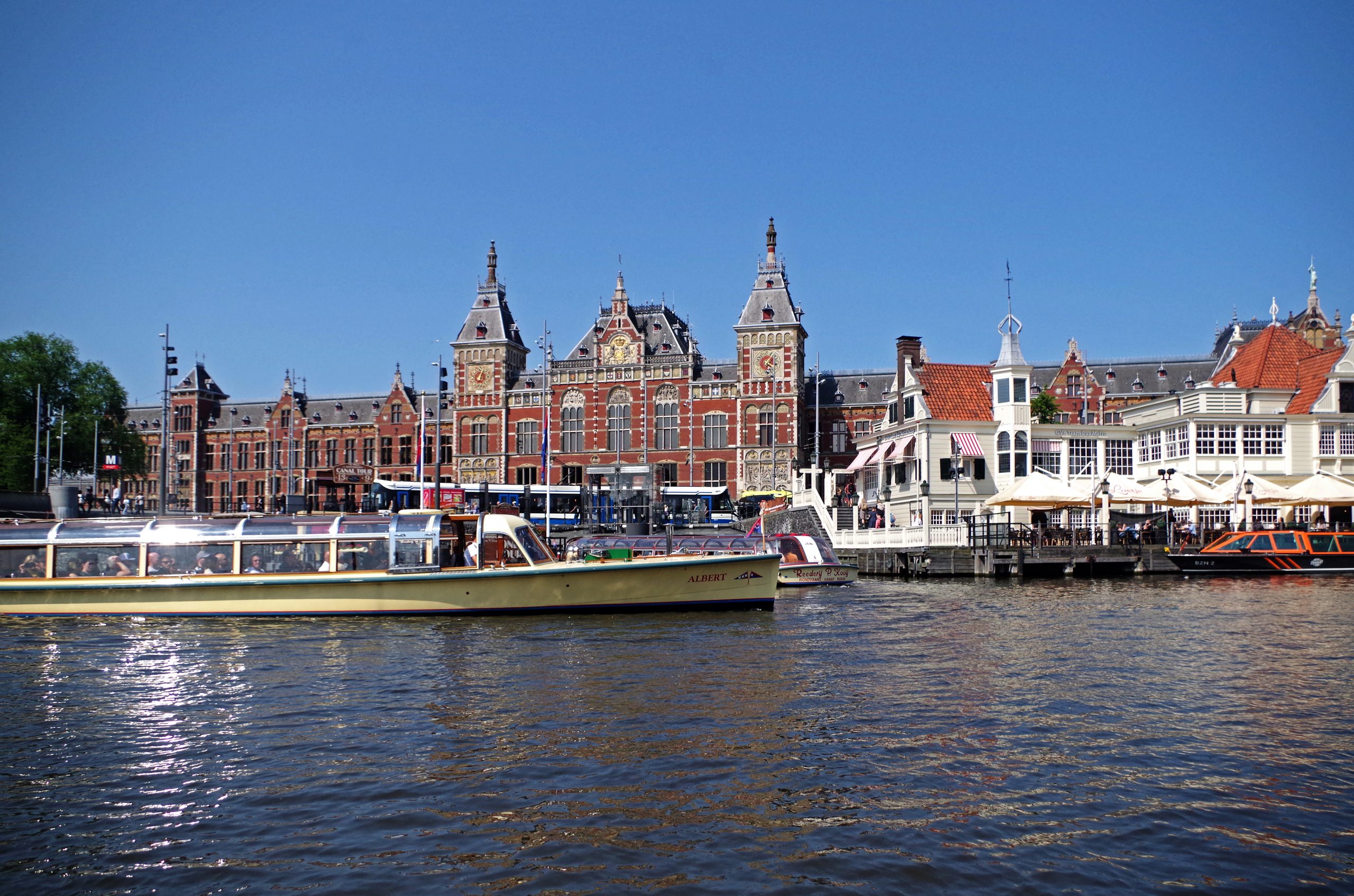
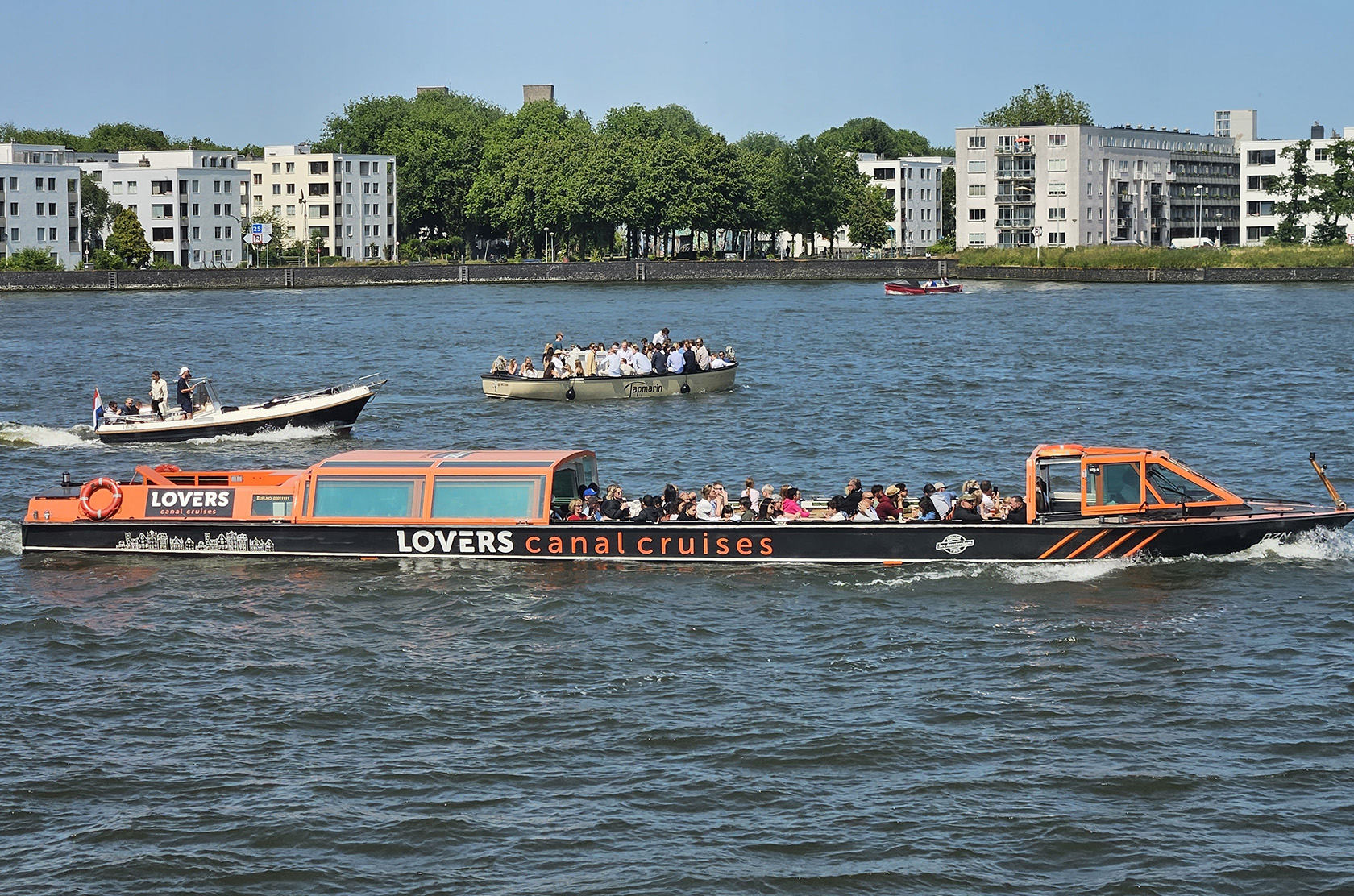
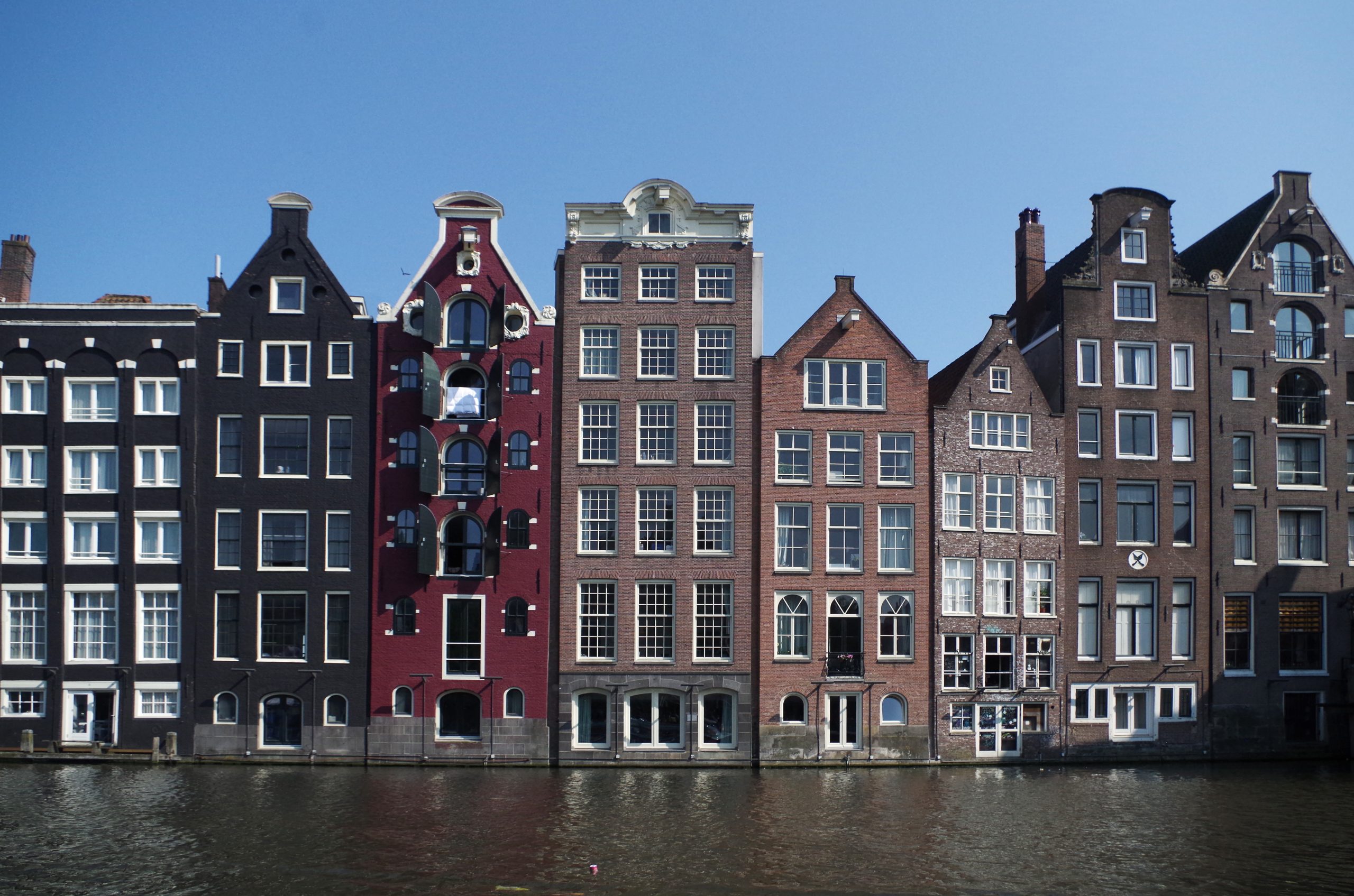
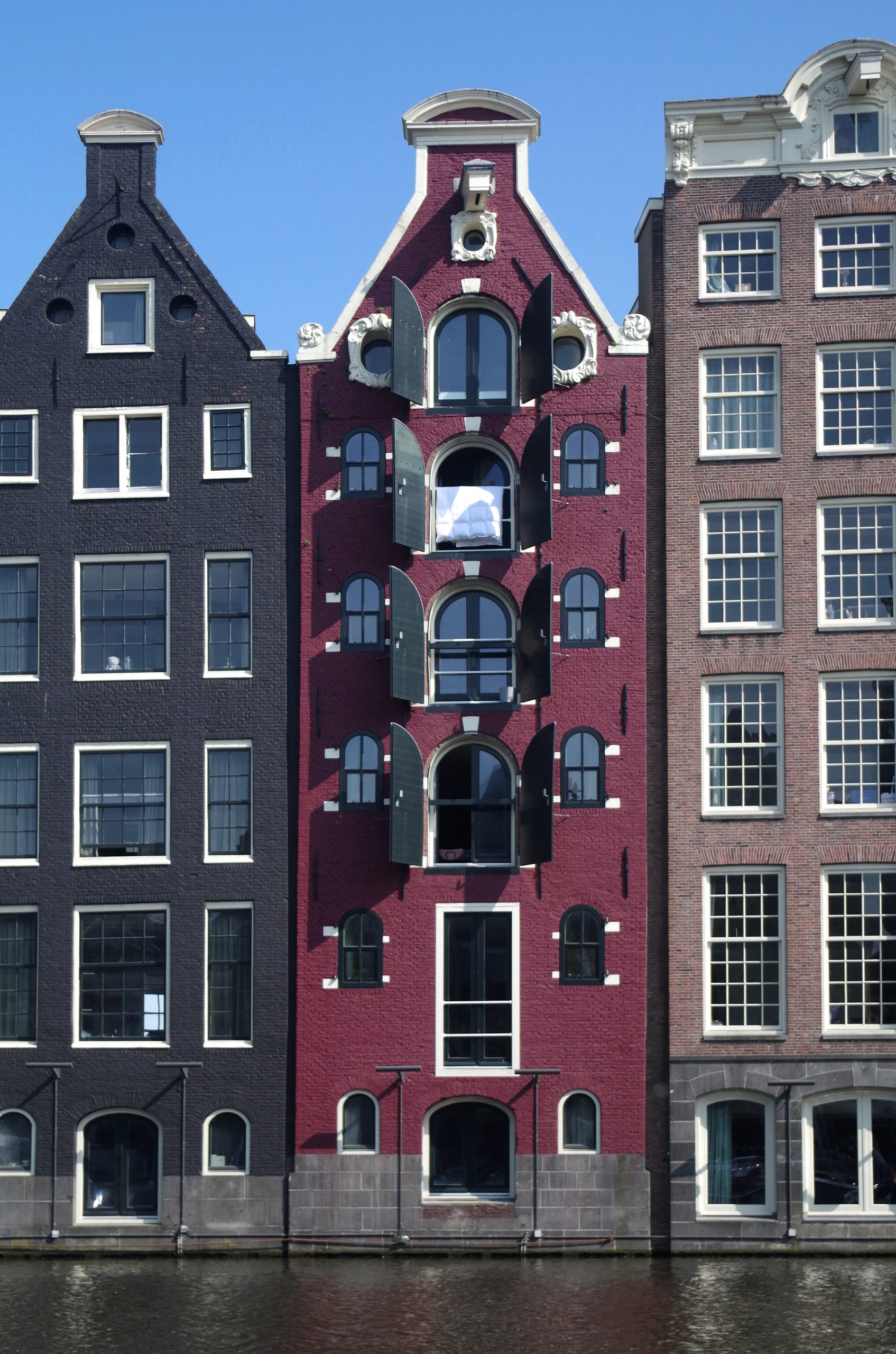
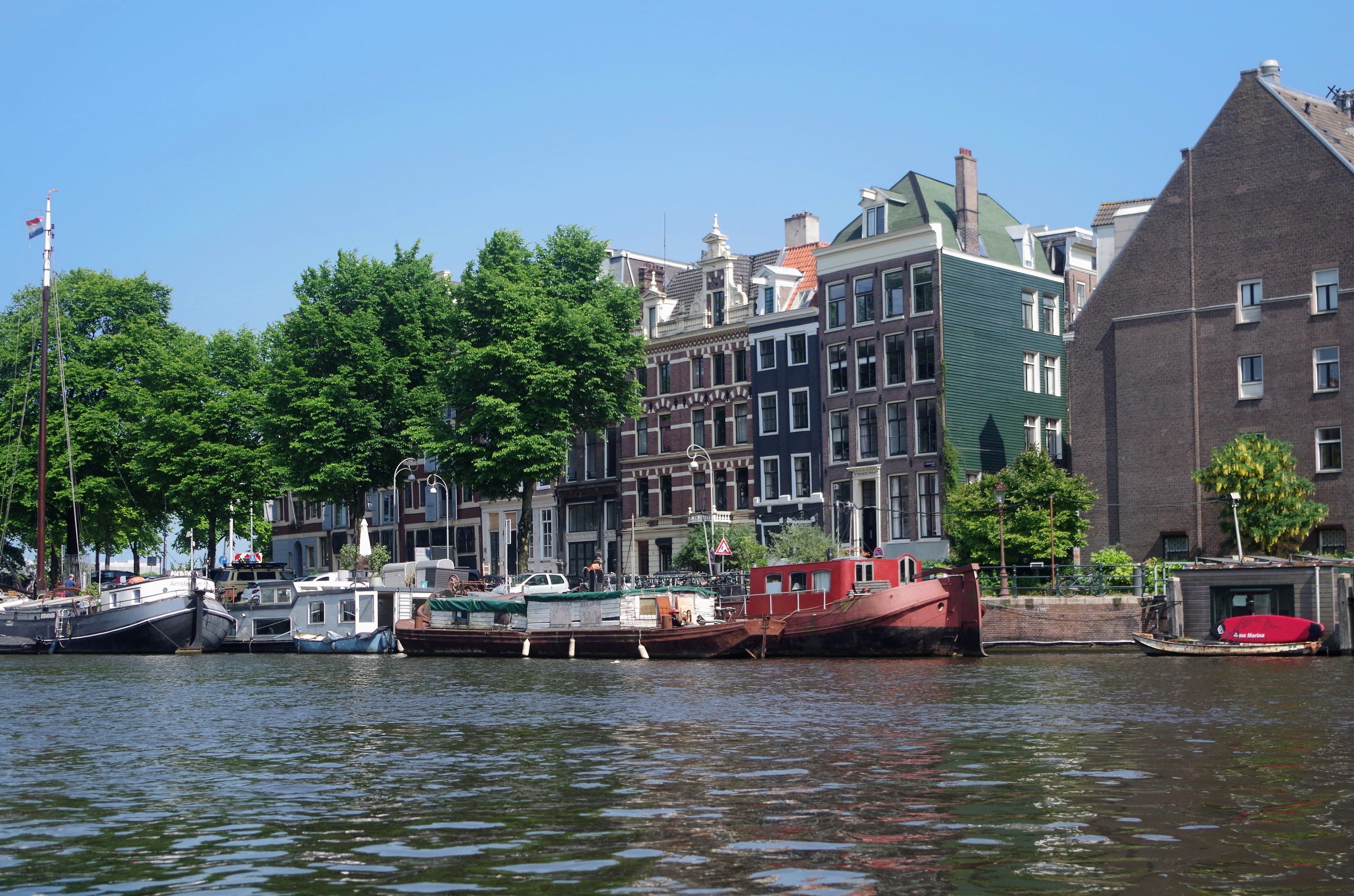
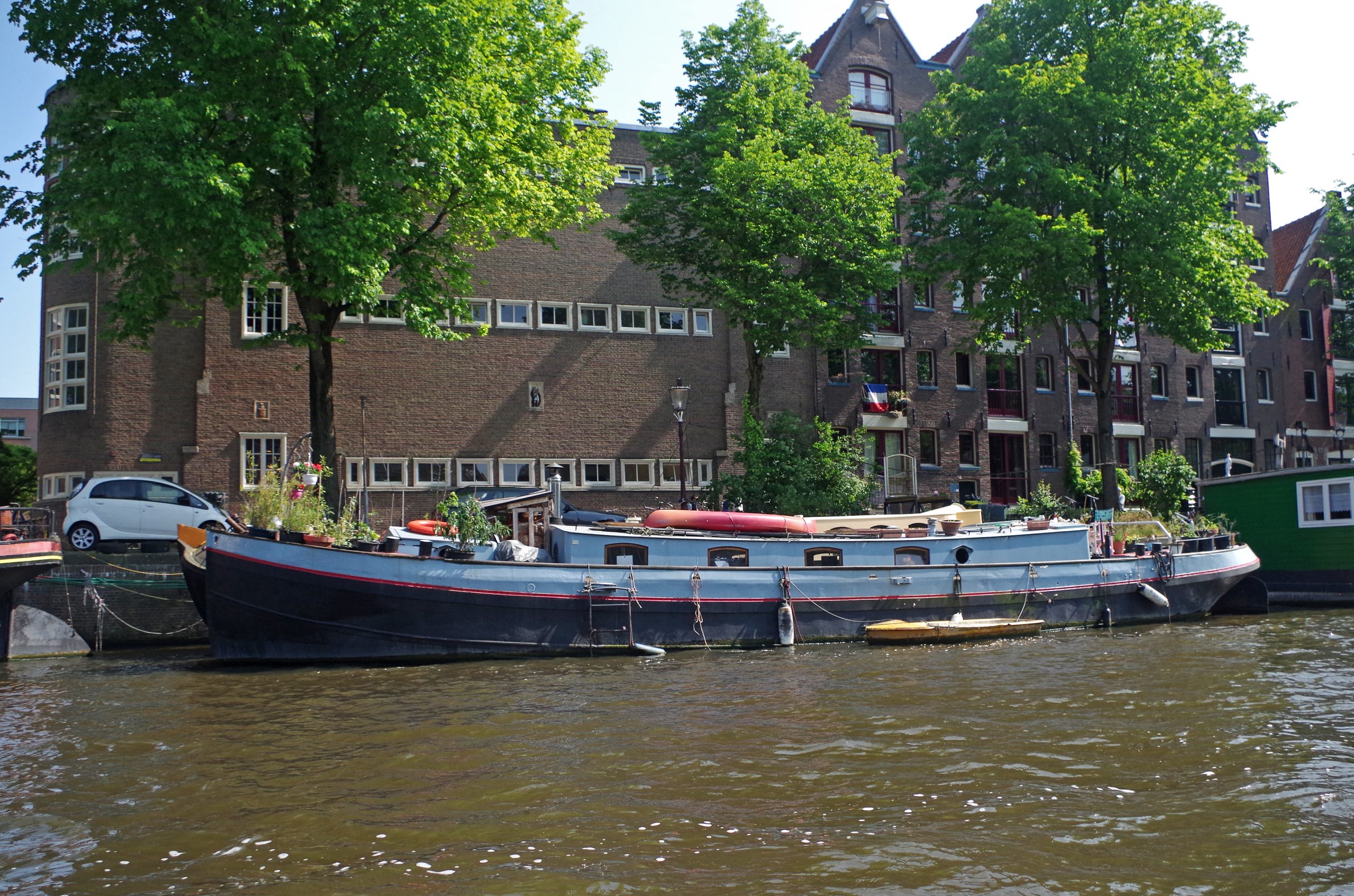
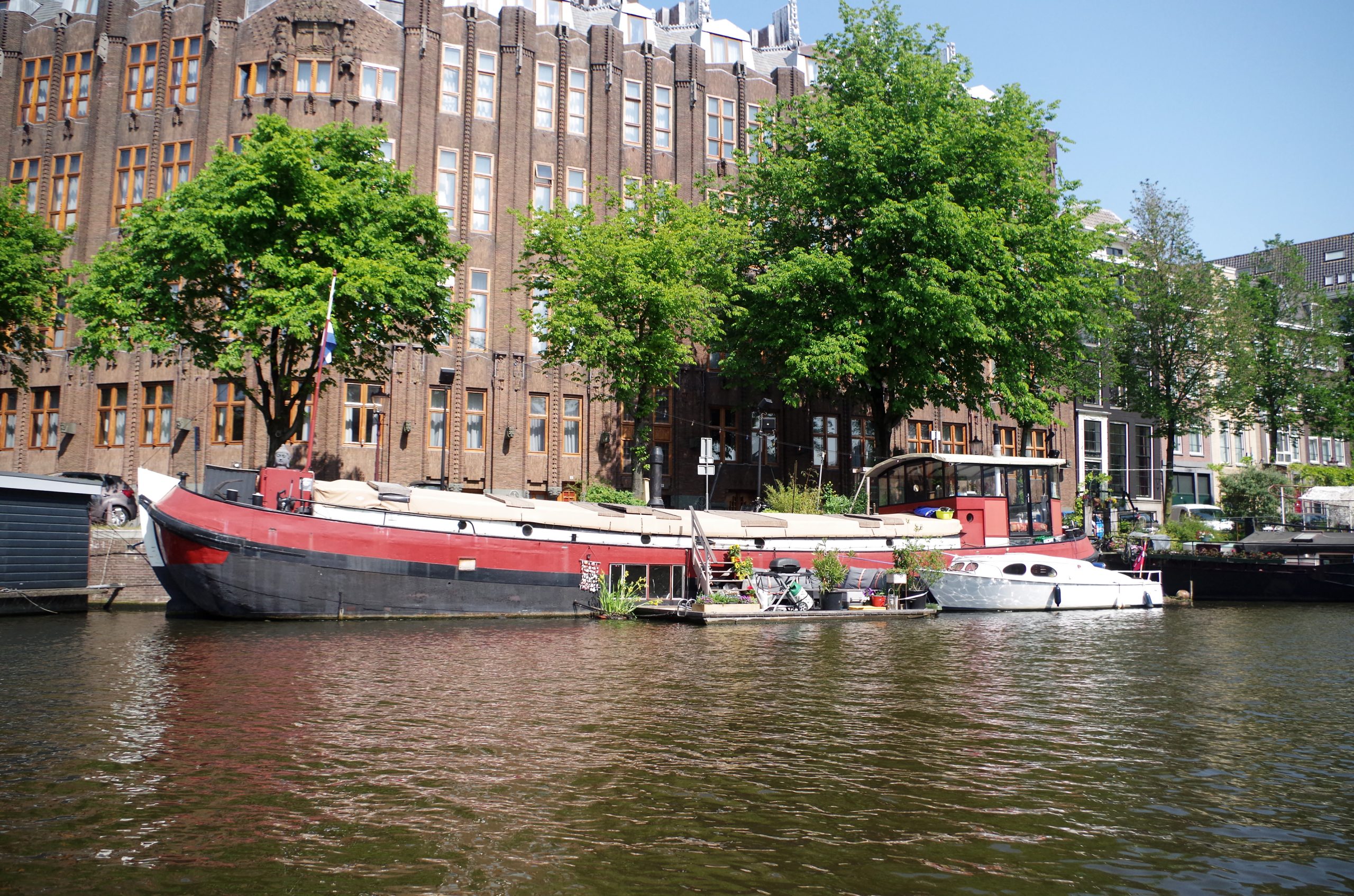
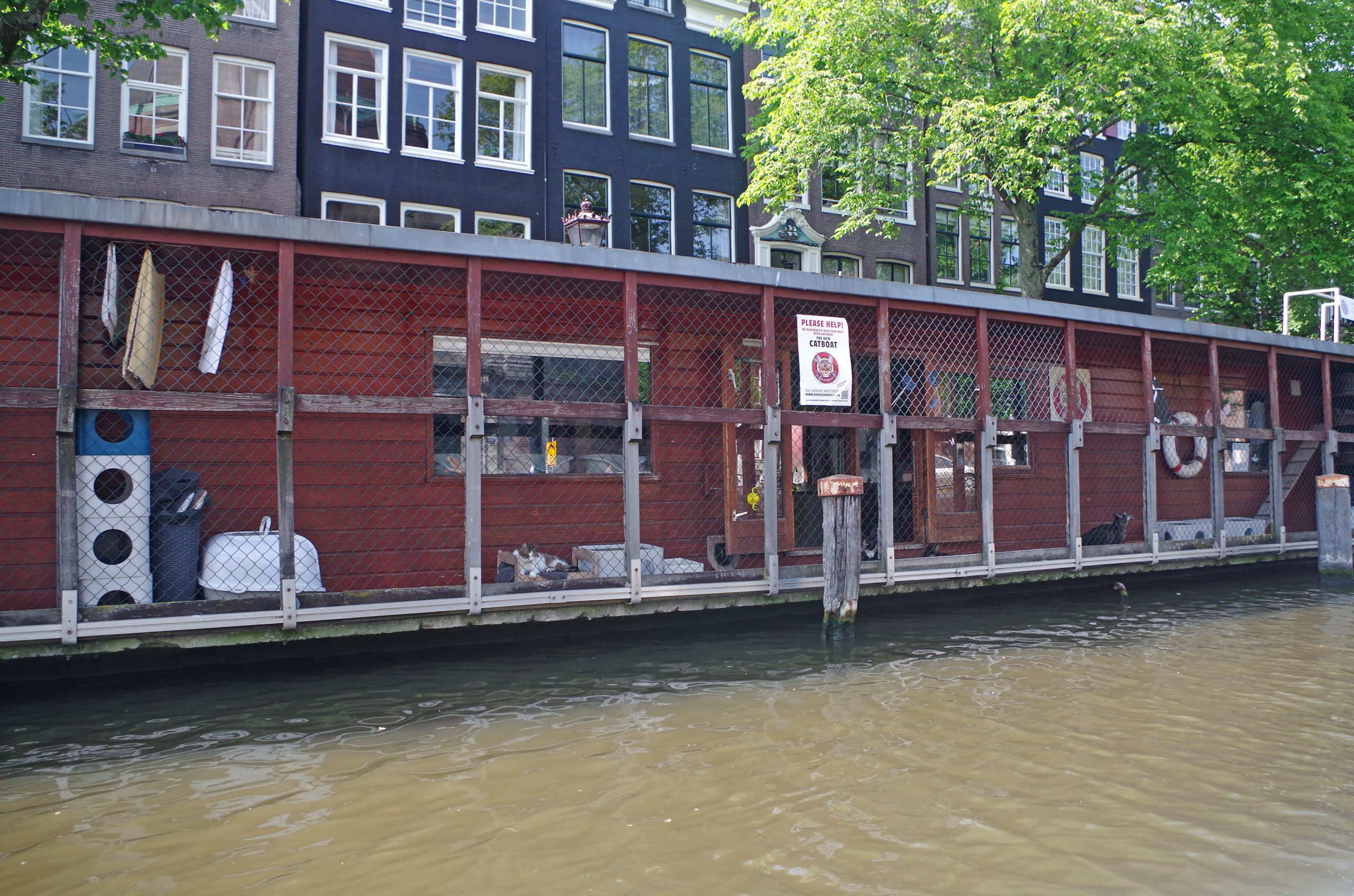
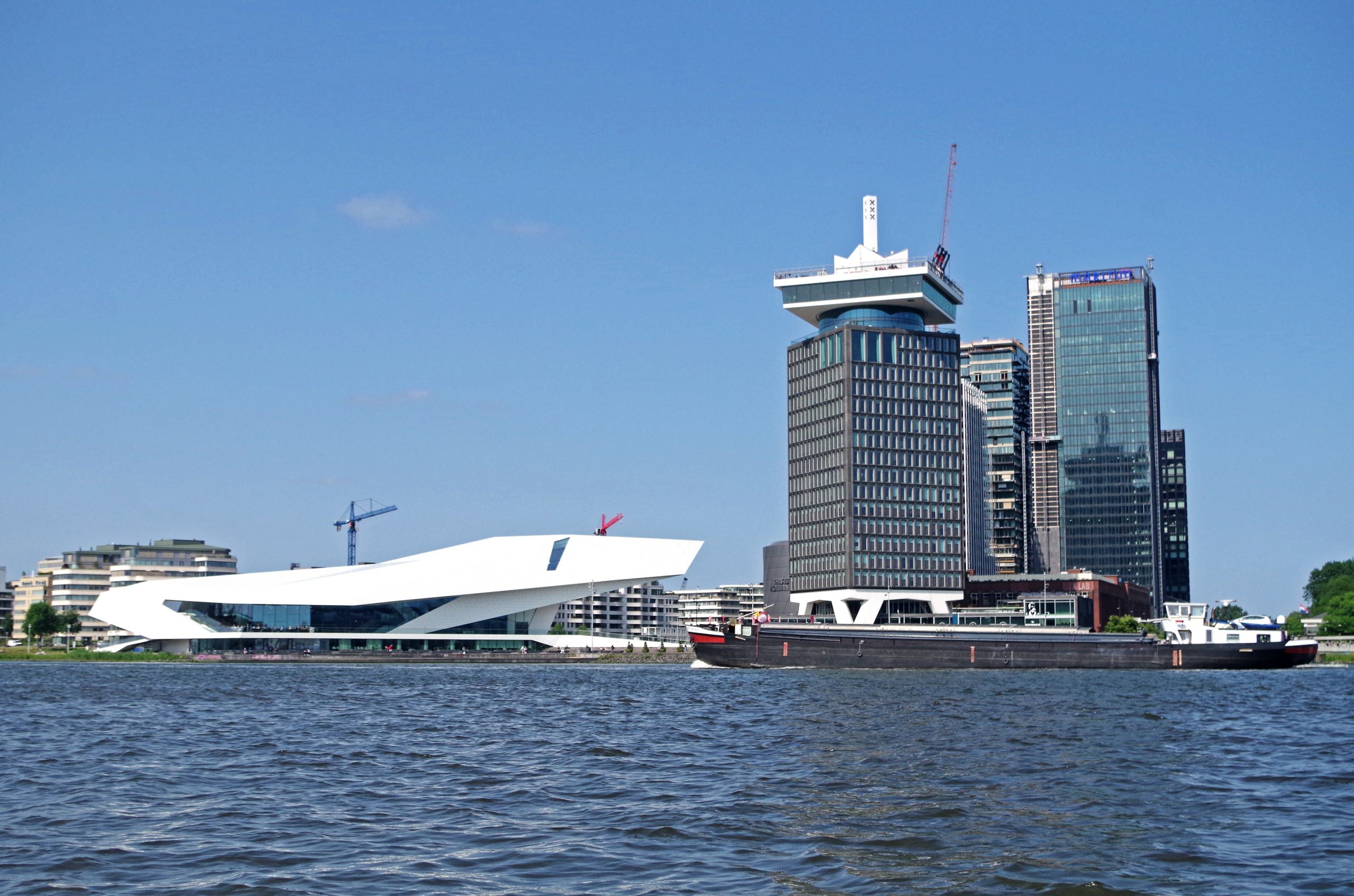
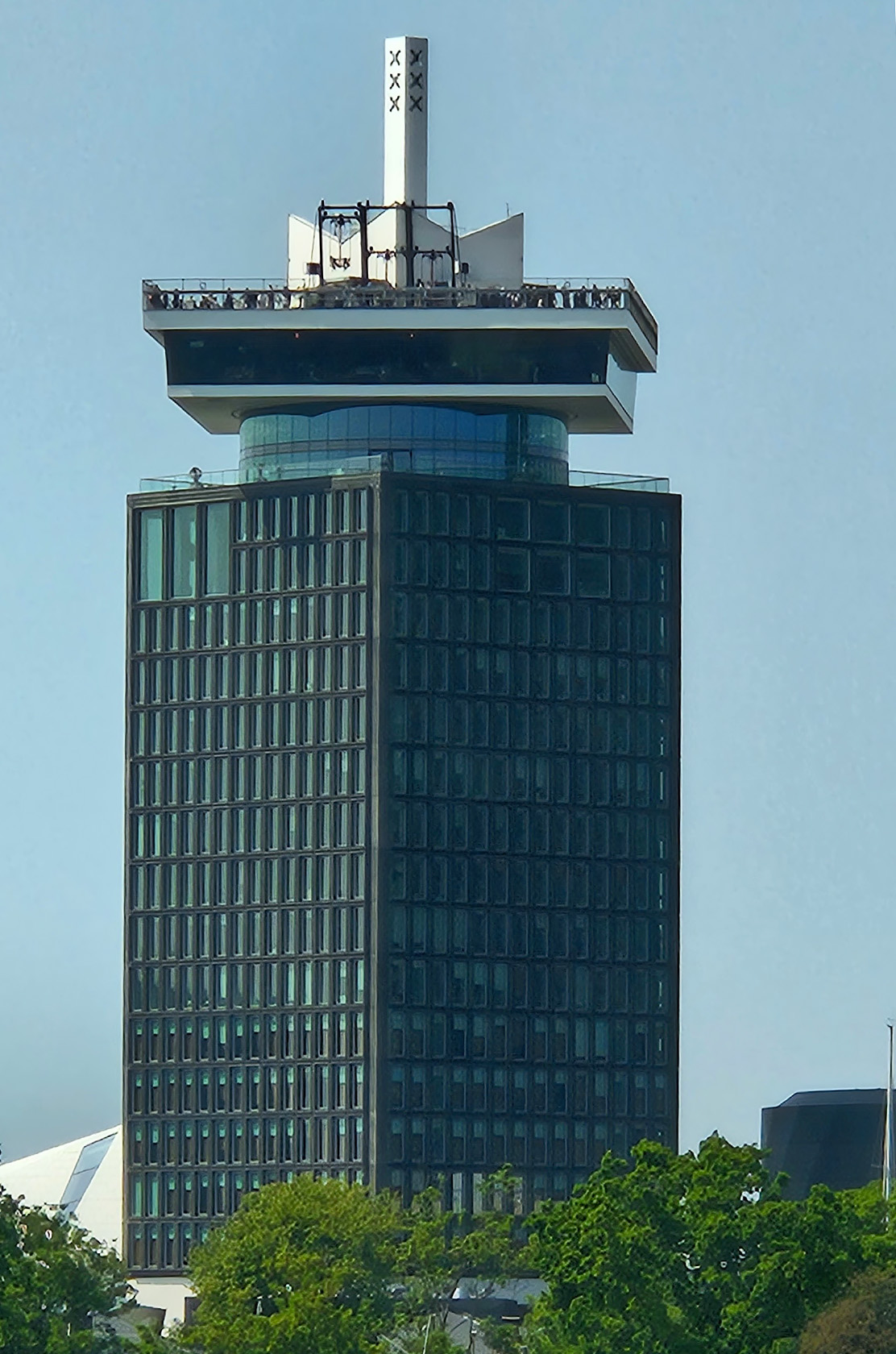
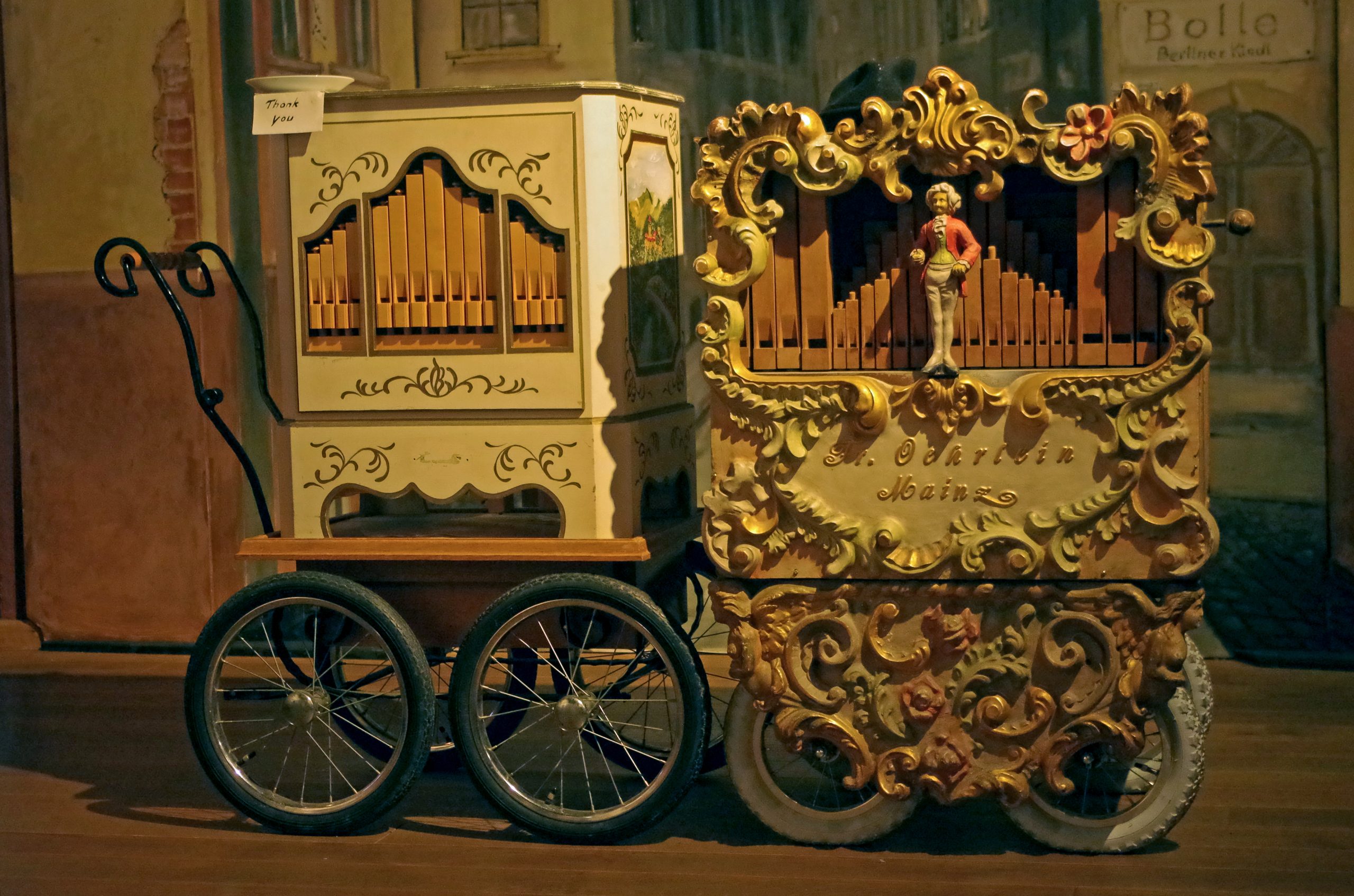
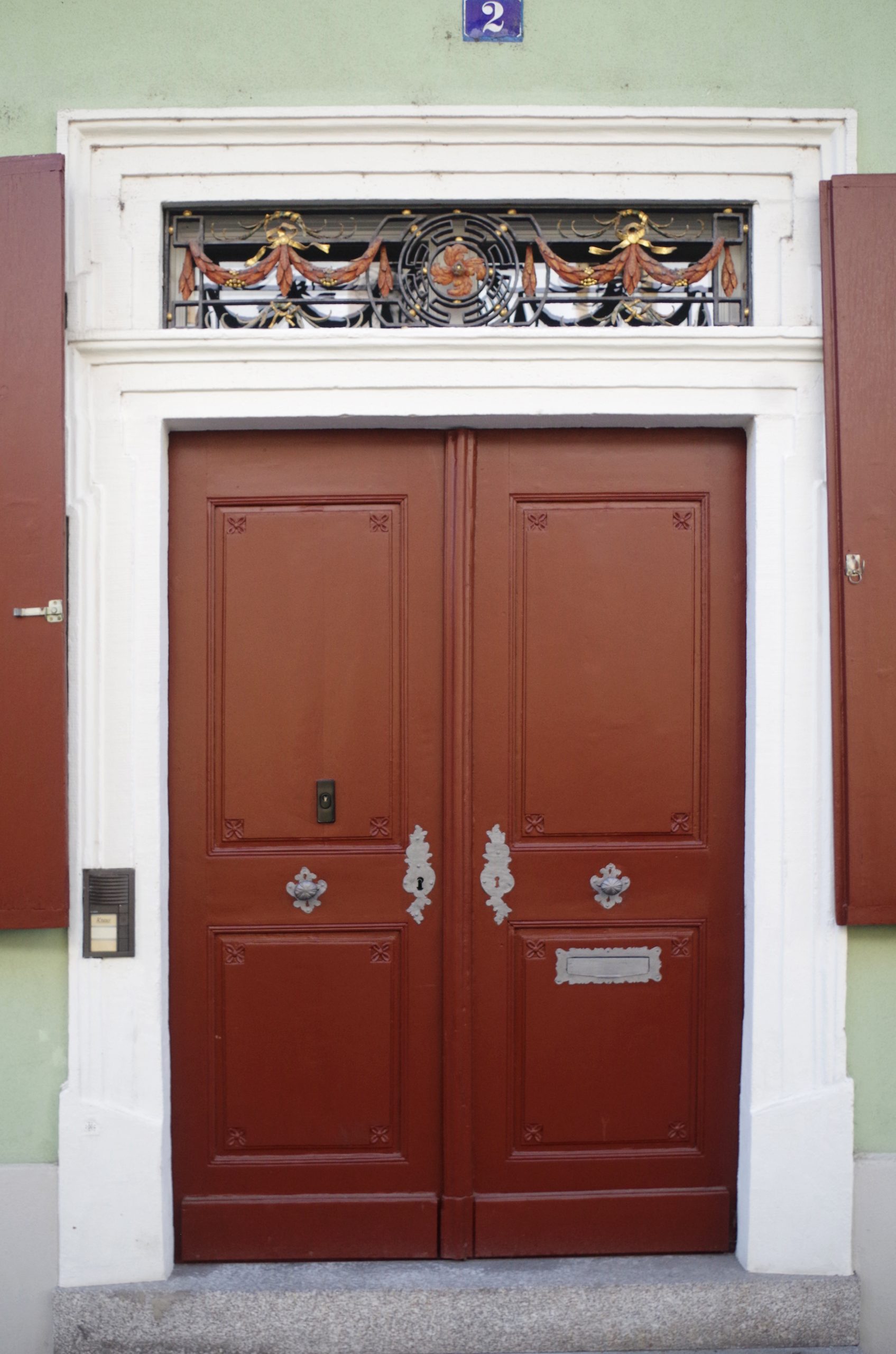
Our first impression in AmsterdamTrash, our second impression in AmsterdamUnique residential architecture in AmsterdamGaslights in AmsterdamAn alleyway in AmsterdamAn alleyway clock in AmsterdamFlower Bike Man Bike, AmsterdamCobblestone Sculpture, AmsterdamPedestrian mall ceiling in AmsterdamThe royal coat in pedestrian mall in AmsterdamWater bottle filler in pedestrian mall in AmsterdamDid someone say cheese?A draaiorgel (music wagon) in AmsterdamA classic bicycle child carrier in AmsterdamSearching for treasure with magnets in a canal, AmsterdamPolitical commentary in AmsterdamA doorway in AmsterdamAnother doorway in AmsterdamAnother doorway in AmsterdamBicycles in AmsterdamBicycles, AmsterdamBicycles, AmsterdamA SmartCar in AmsterdamAnother SmartCar in AmsterdamSmartCar EV in AmsterdamFormer orphanage in AmsterdamAn Amsterdam street sceneJesus Loves You in AmsterdamAn Amsterdam canalCanal, AmsterdamAn Amsterdam canalAn Amsterdam canalAn Amsterdam canalAn Amsterdam canalCanal Scene, AmsterdamAnne Frank statue, AmsterdamA canal tour boat in AmsterdamCanal Tour Boats, AmsterdamCanal houses, AmsterdamCanal houses, AmsterdamHouseboats along the canals, AmsterdamA houseboat along a canal, AmsterdamA houseboat along a canal, AmsterdamCatBoat (cat rescue boat) along a canal, AmsterdamThe Eye Film Museum and ADAM Tower (noted for its swings), AmsterdamADAM Tower Swings, AmsterdamThe Sea Palace restaurant, AmsterdamThe children’s floor at Openbare Bibliotheek Amsterdam (OBA), AmsterdamMezzanine at Openbare Bibliotheek Amsterdam (OBA), AmsterdamMezzanine at Openbare Bibliotheek Amsterdam (OBA), AmsterdamFurnishings at Openbare Bibliotheek Amsterdam (OBA), AmsterdamCafé at Openbare Bibliotheek Amsterdam (OBA), AmsterdamStacks at Openbare Bibliotheek Amsterdam (OBA), AmsterdamVocal and instrumental sheet music stacks at Openbare Bibliotheek Amsterdam (OBA), AmsterdamOne of many unique study spaces at Openbare Bibliotheek Amsterdam (OBA), AmsterdamThe cafeteria on the seventh floor of Openbare Bibliotheek Amsterdam (OBA), AmsterdamThe cafeteria on the seventh floor of Openbare Bibliotheek Amsterdam (OBA), AmsterdamThe view of the IJ from the outdoor seating area of the cafeteria in the Openbare Bibliotheek Amsterdam (OBA), Amsterdam
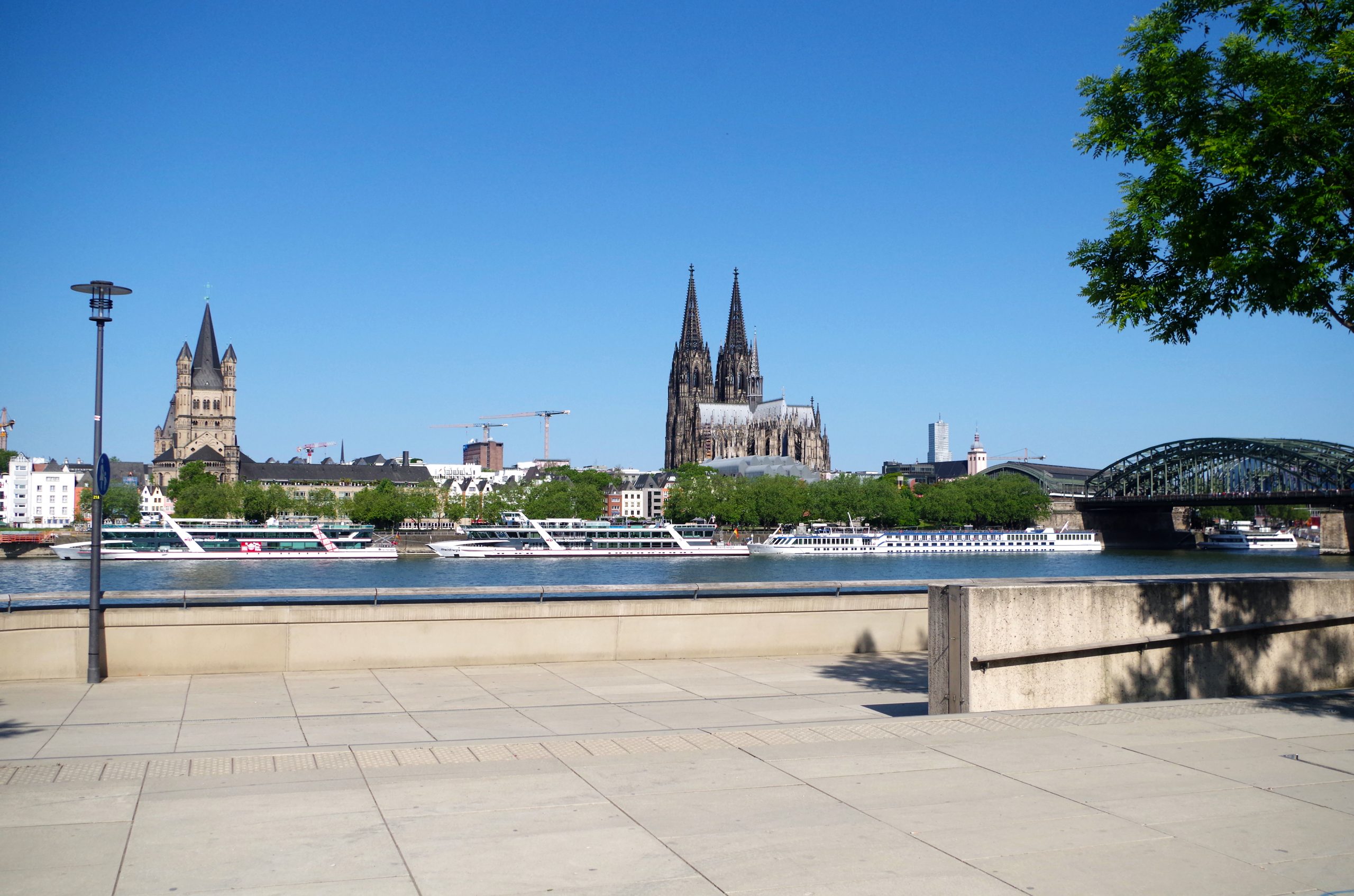
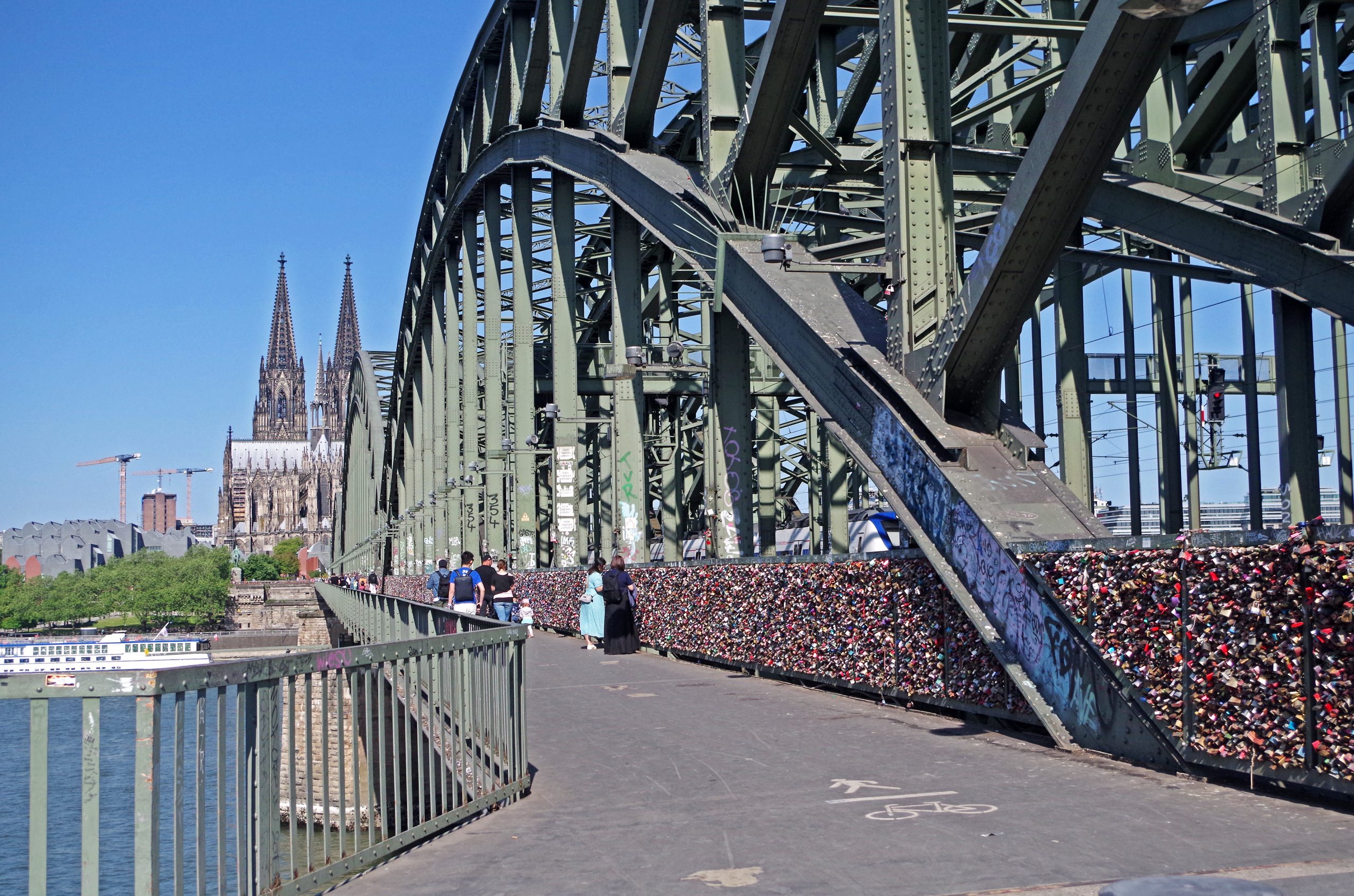
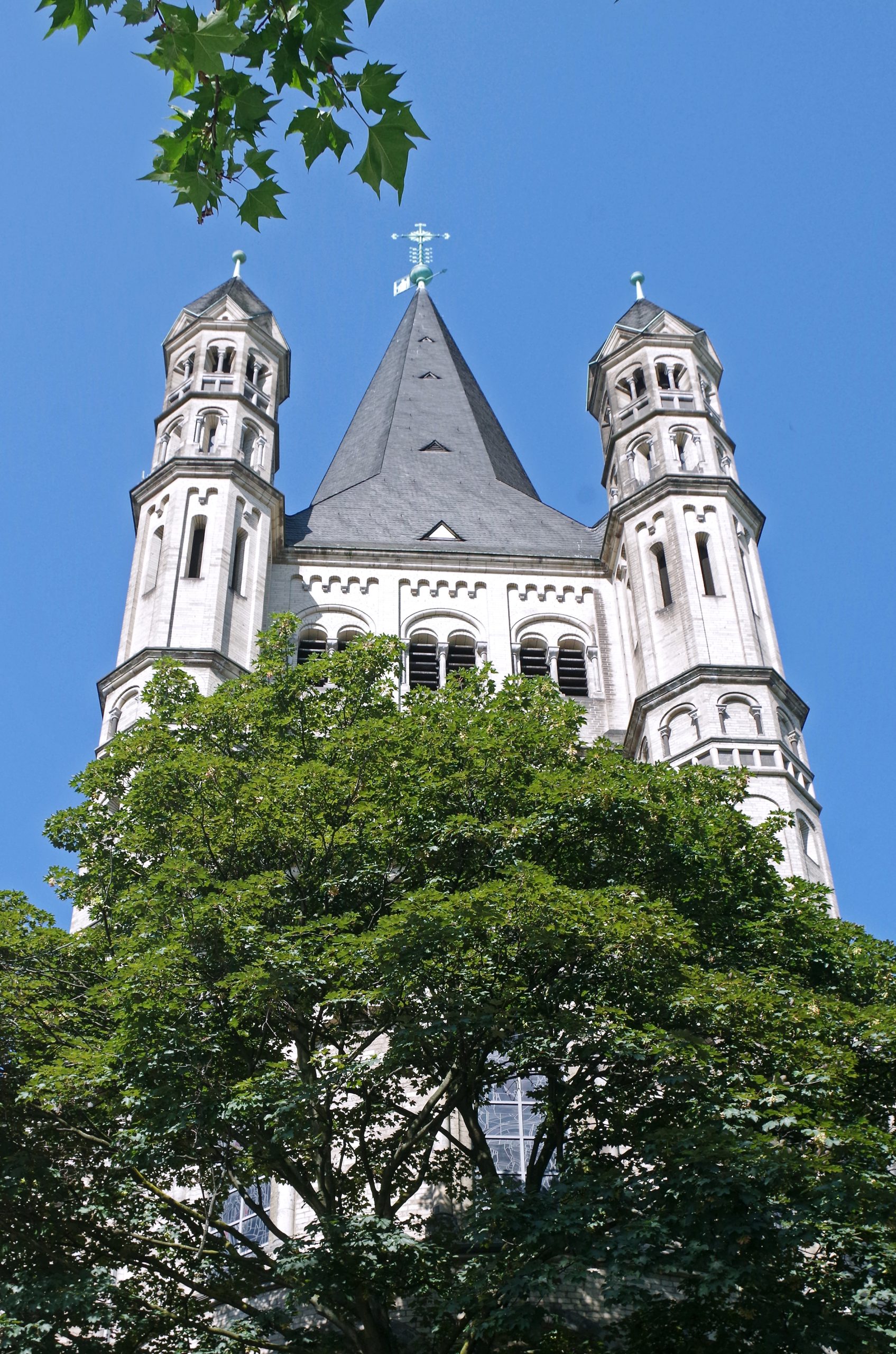
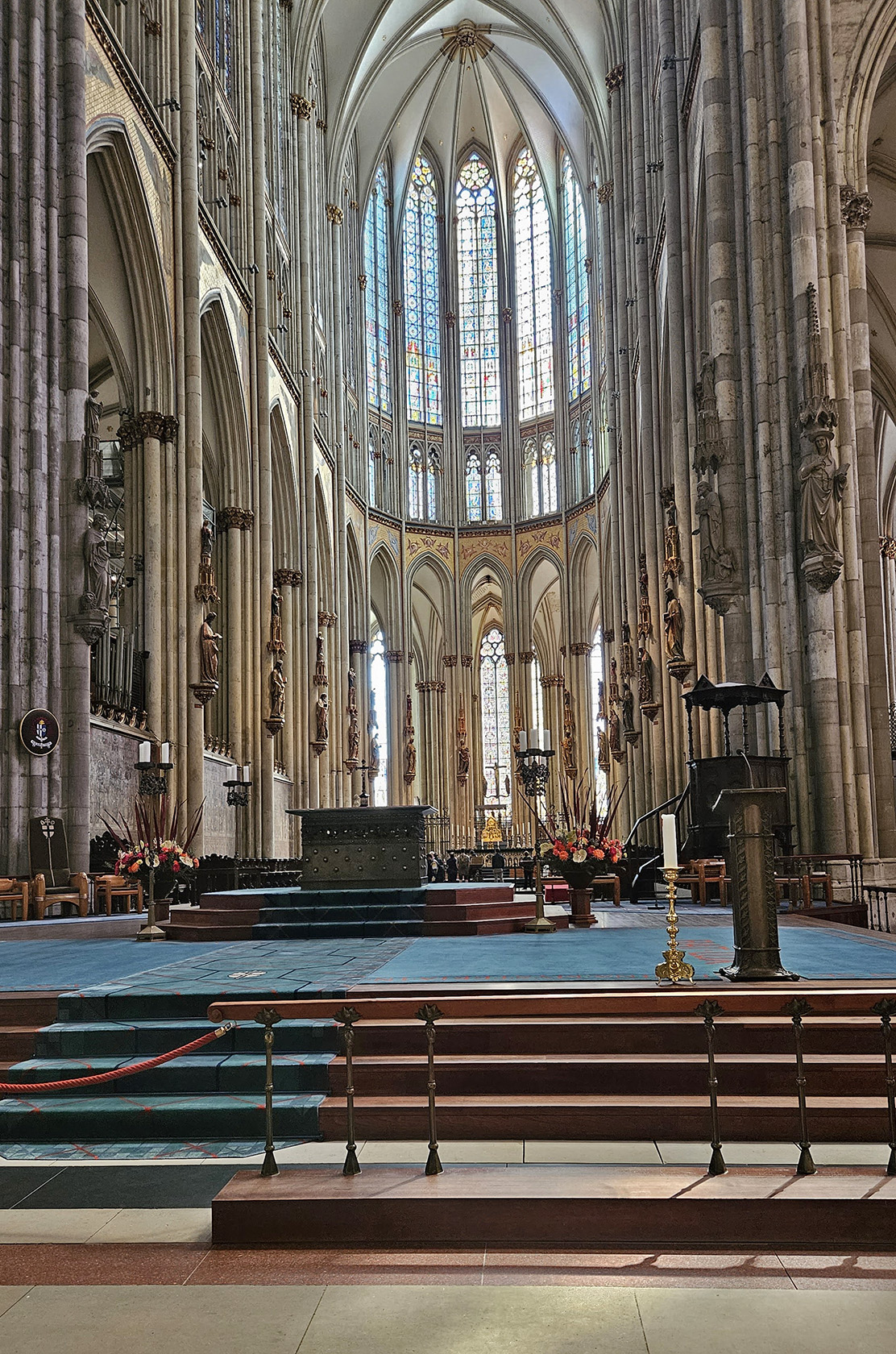
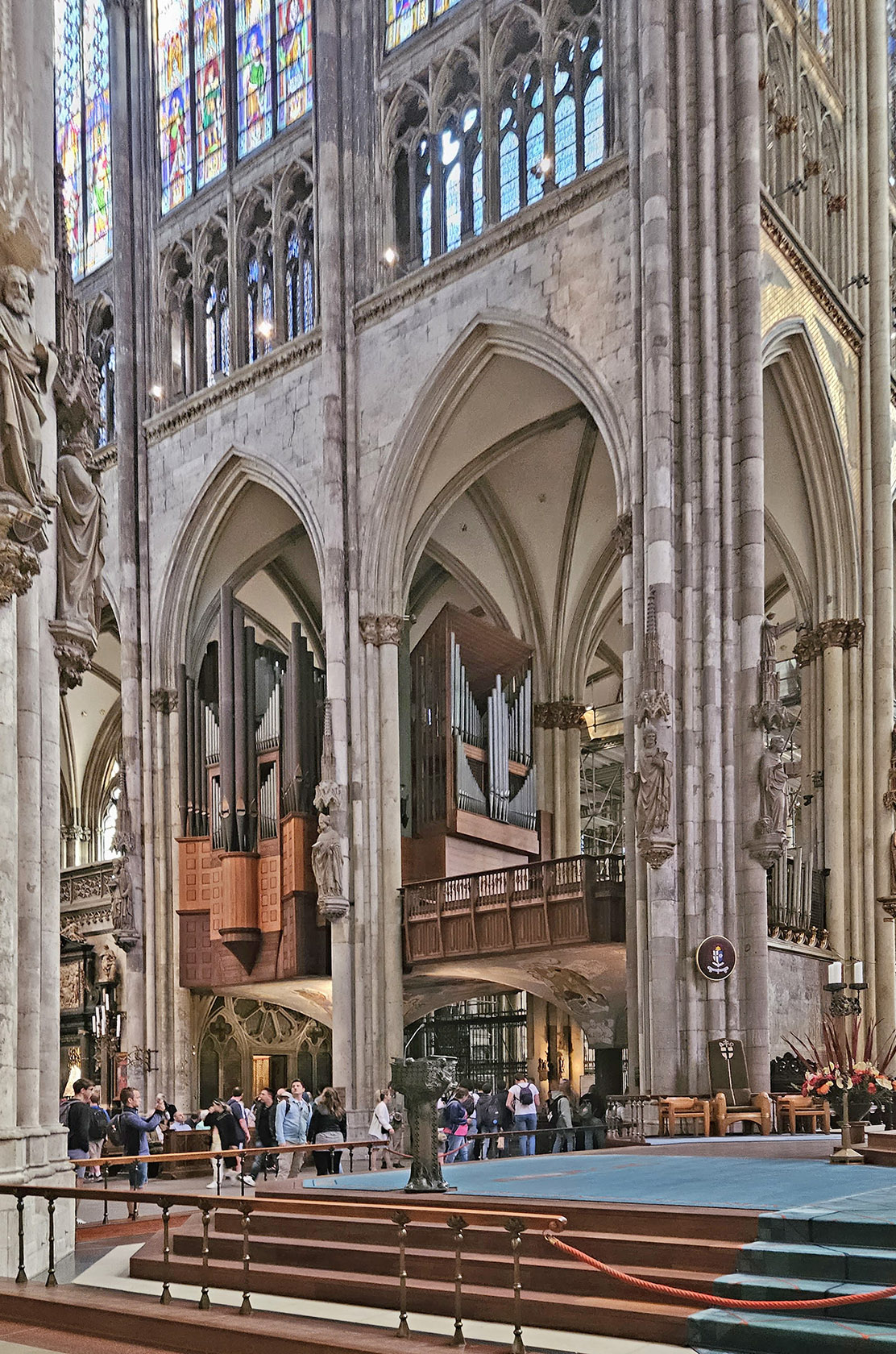
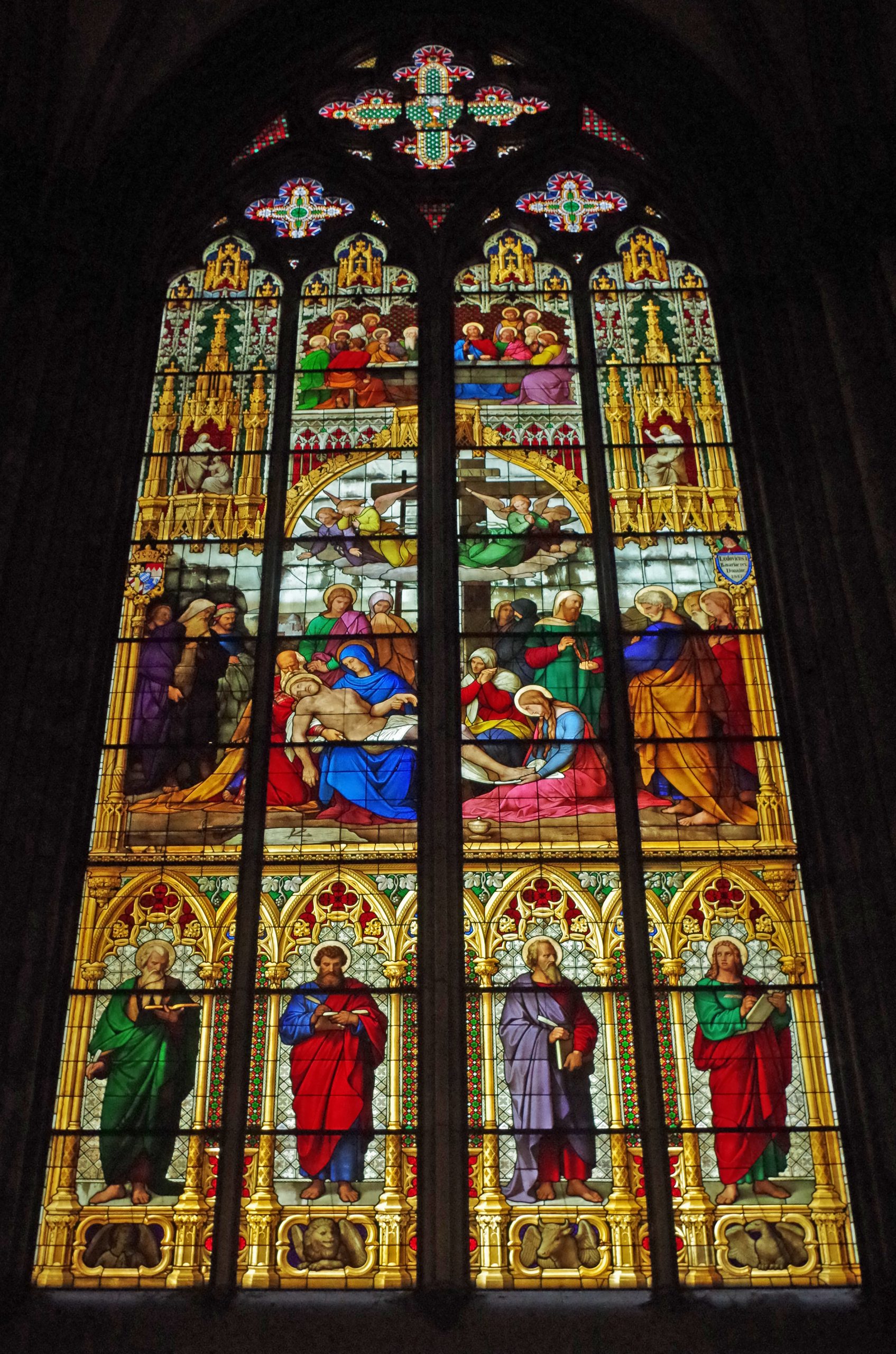
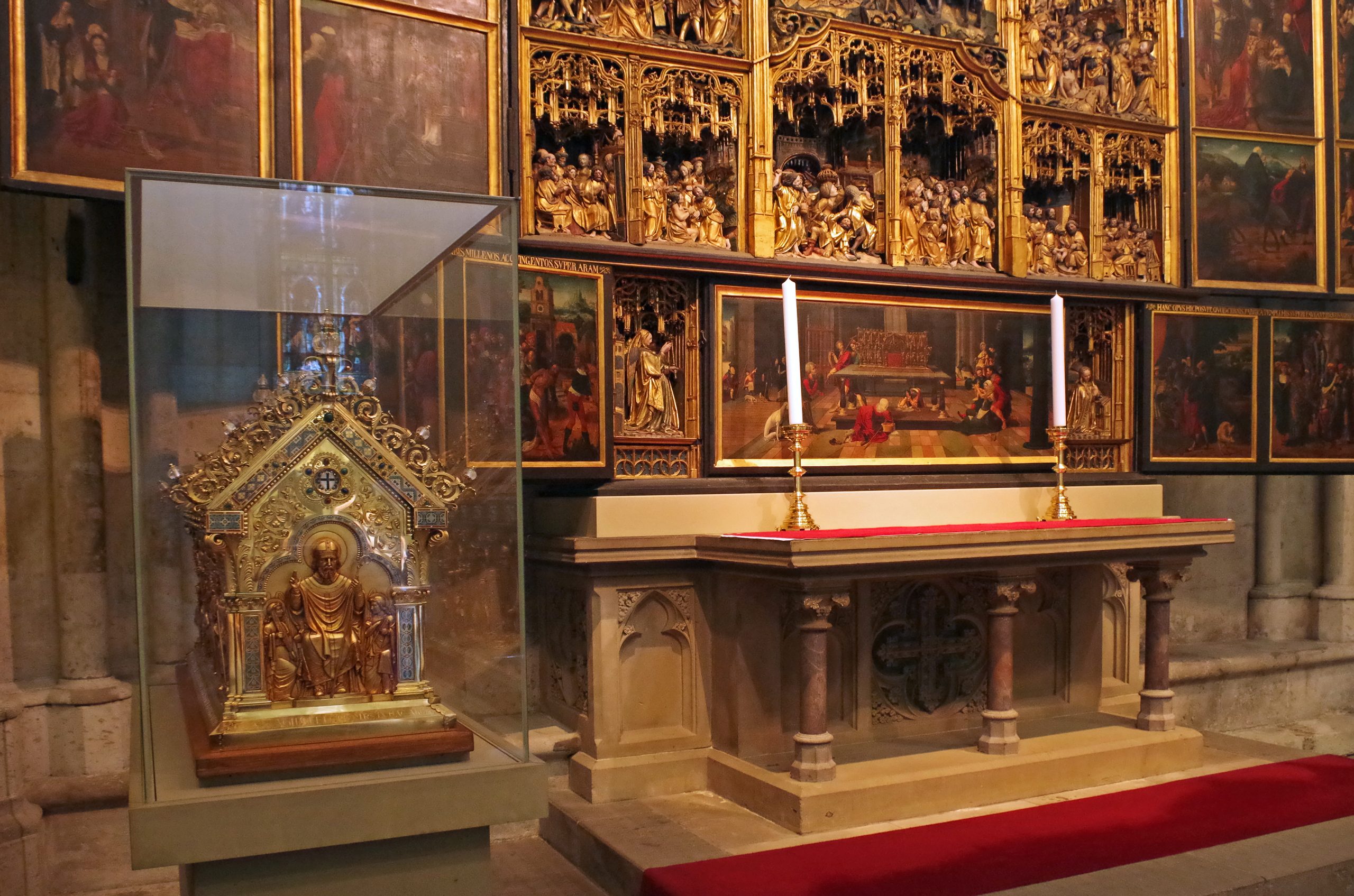
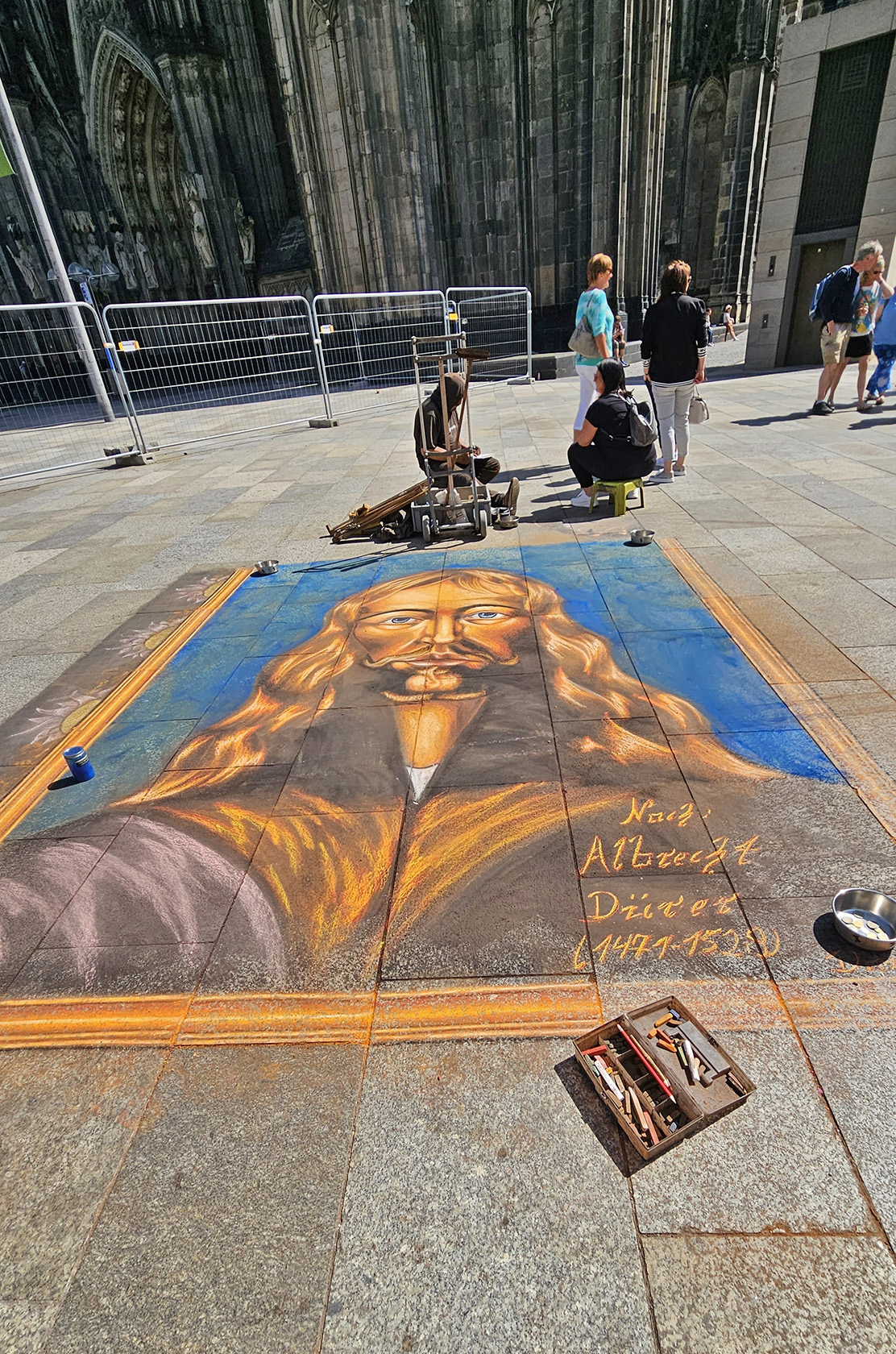
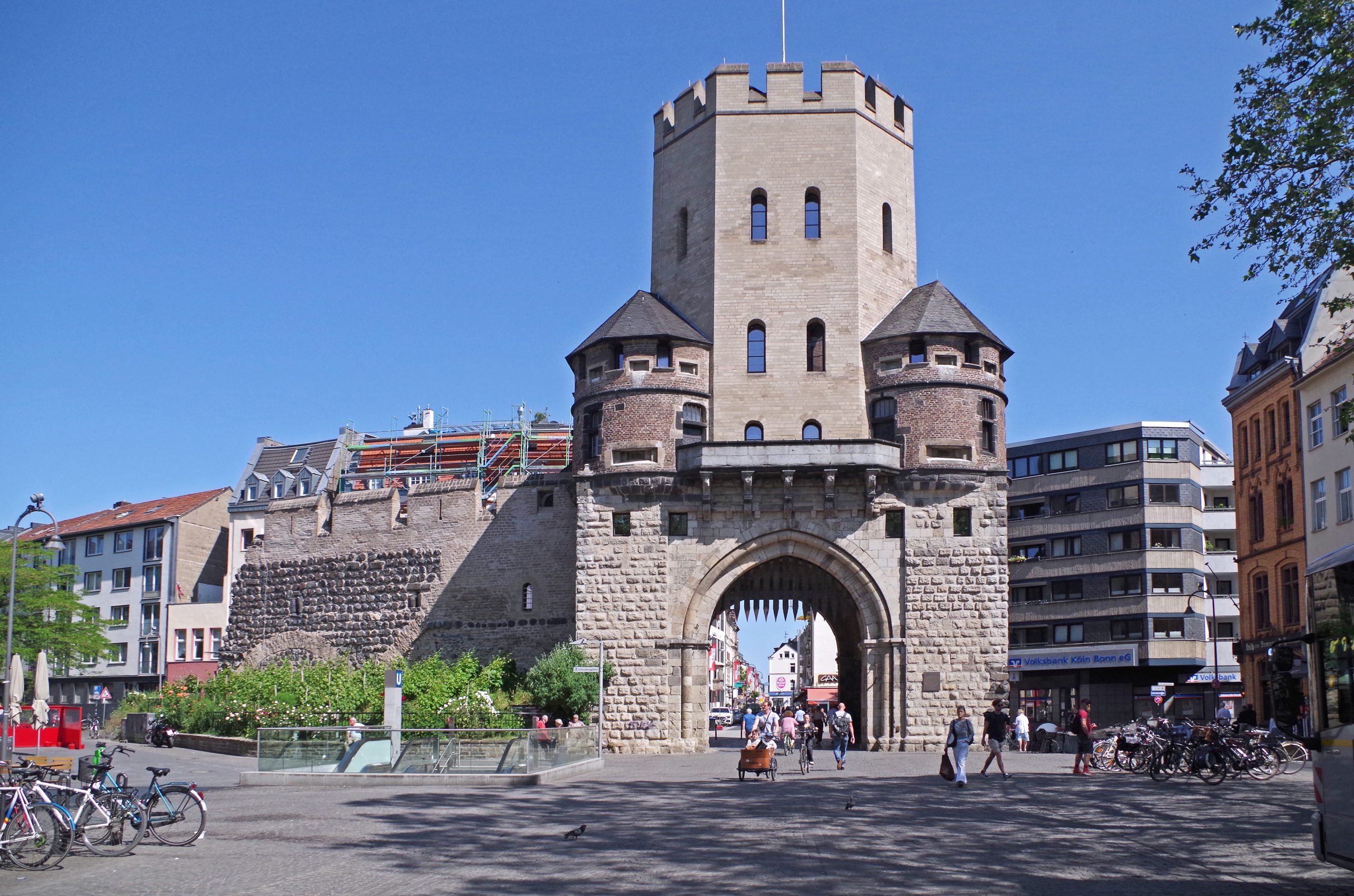
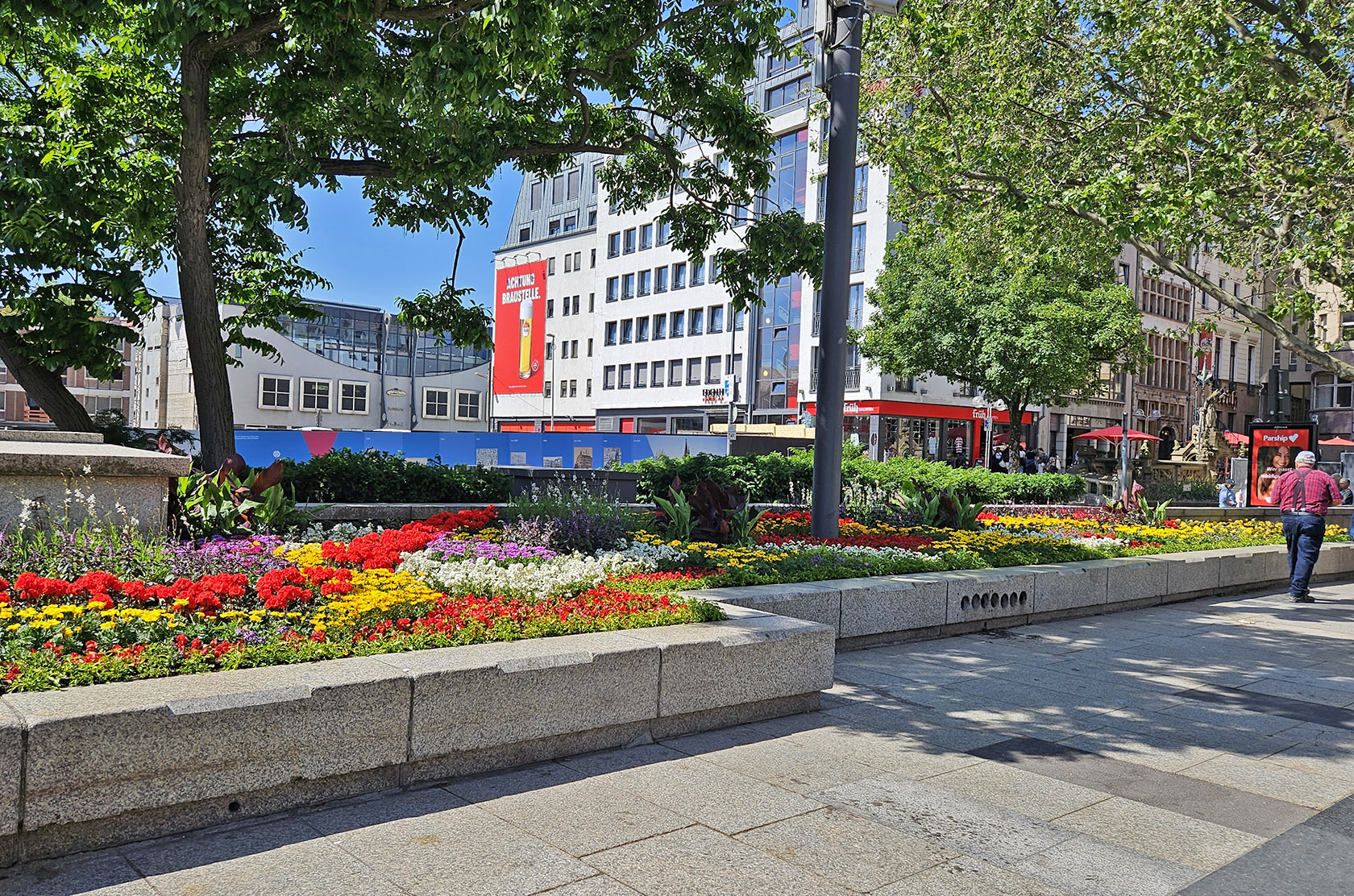
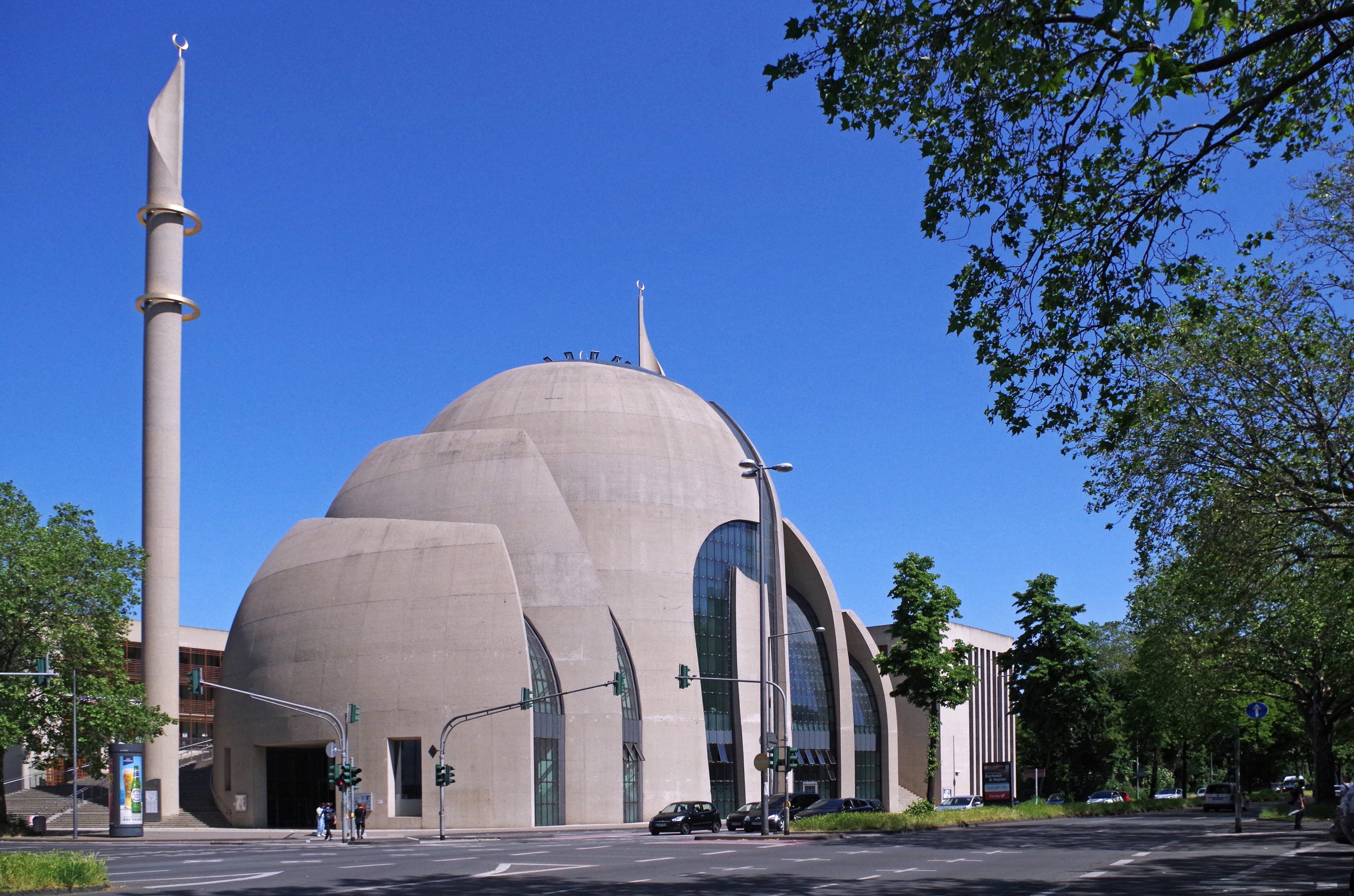
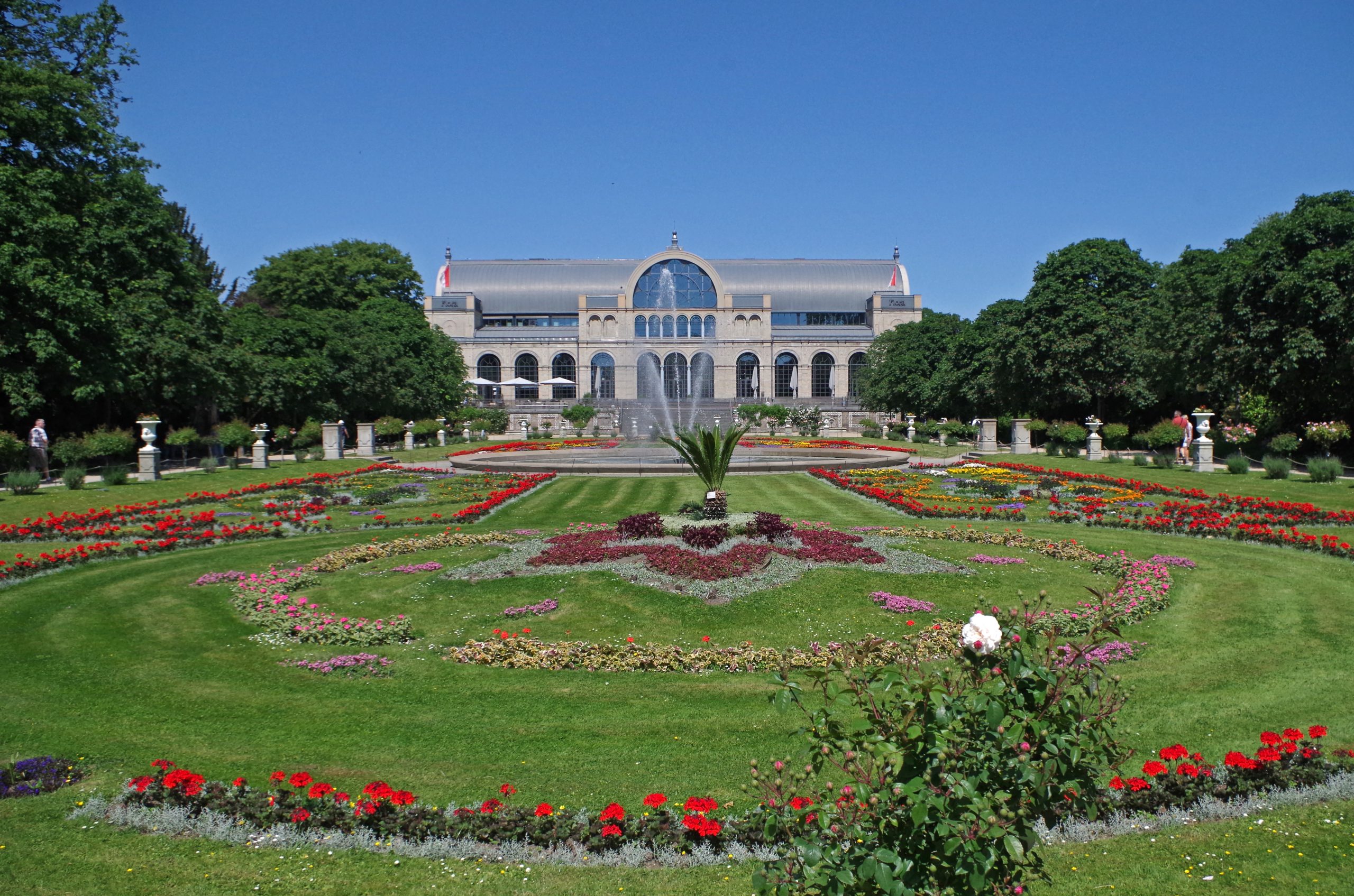
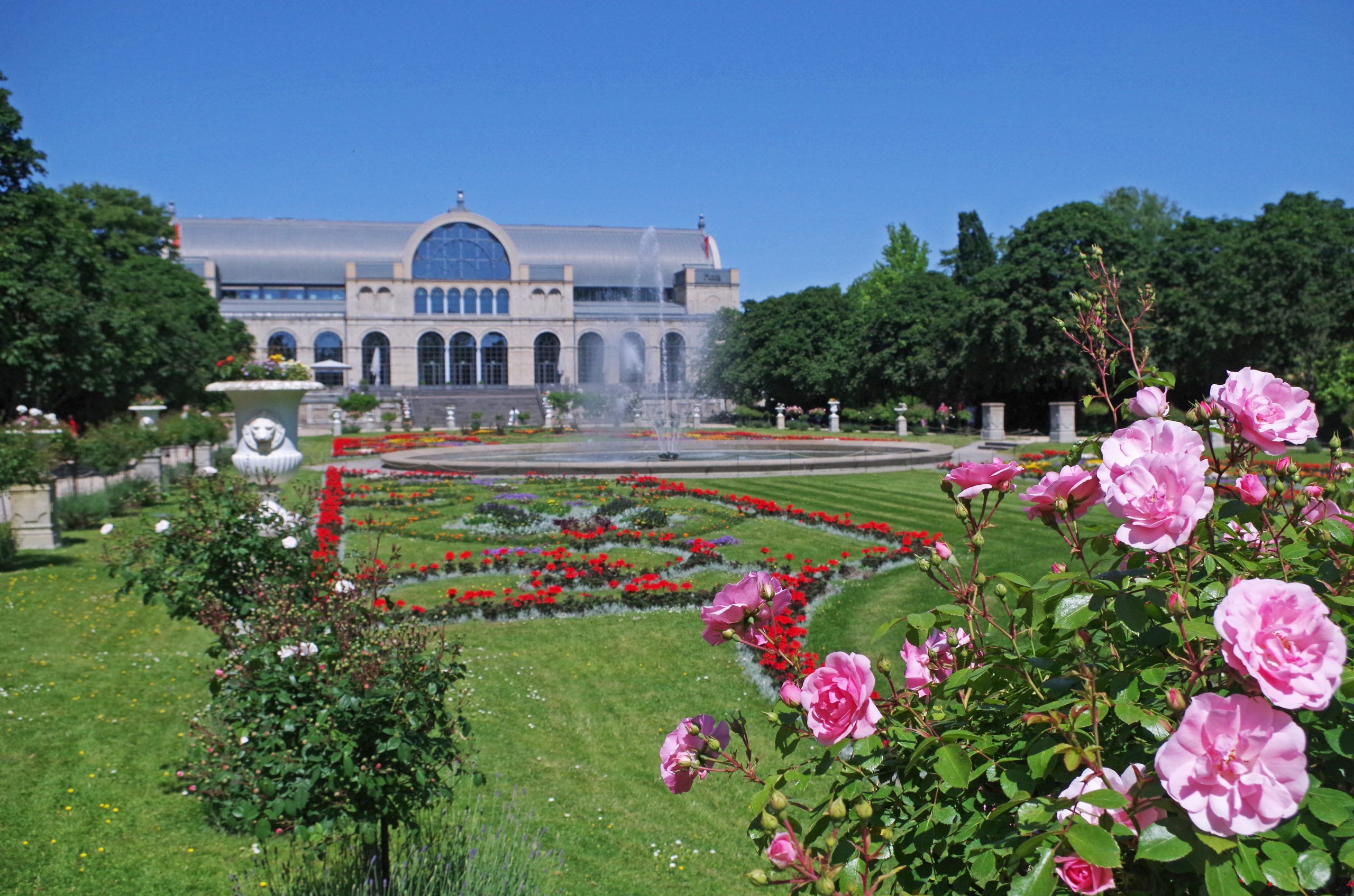
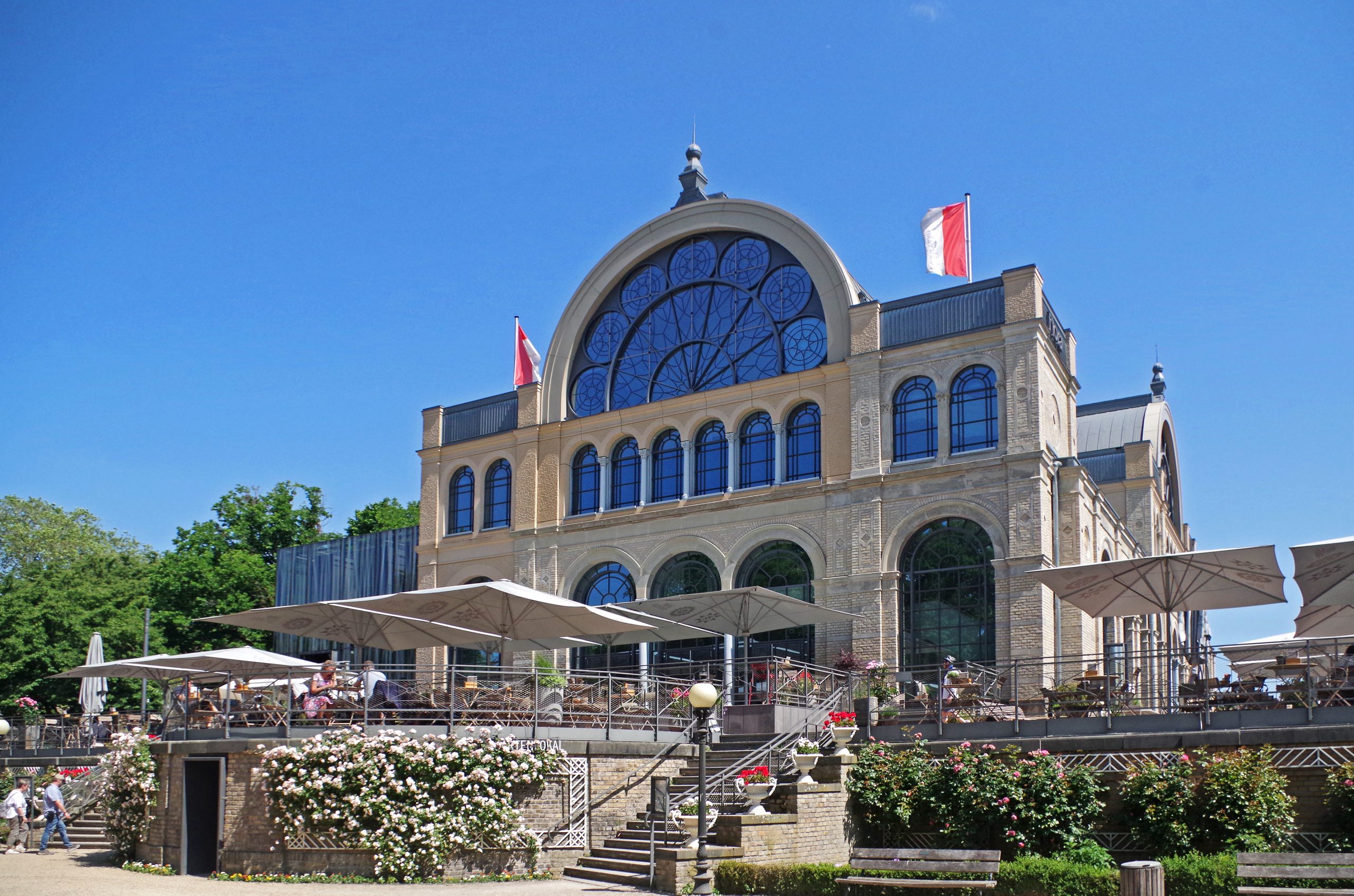
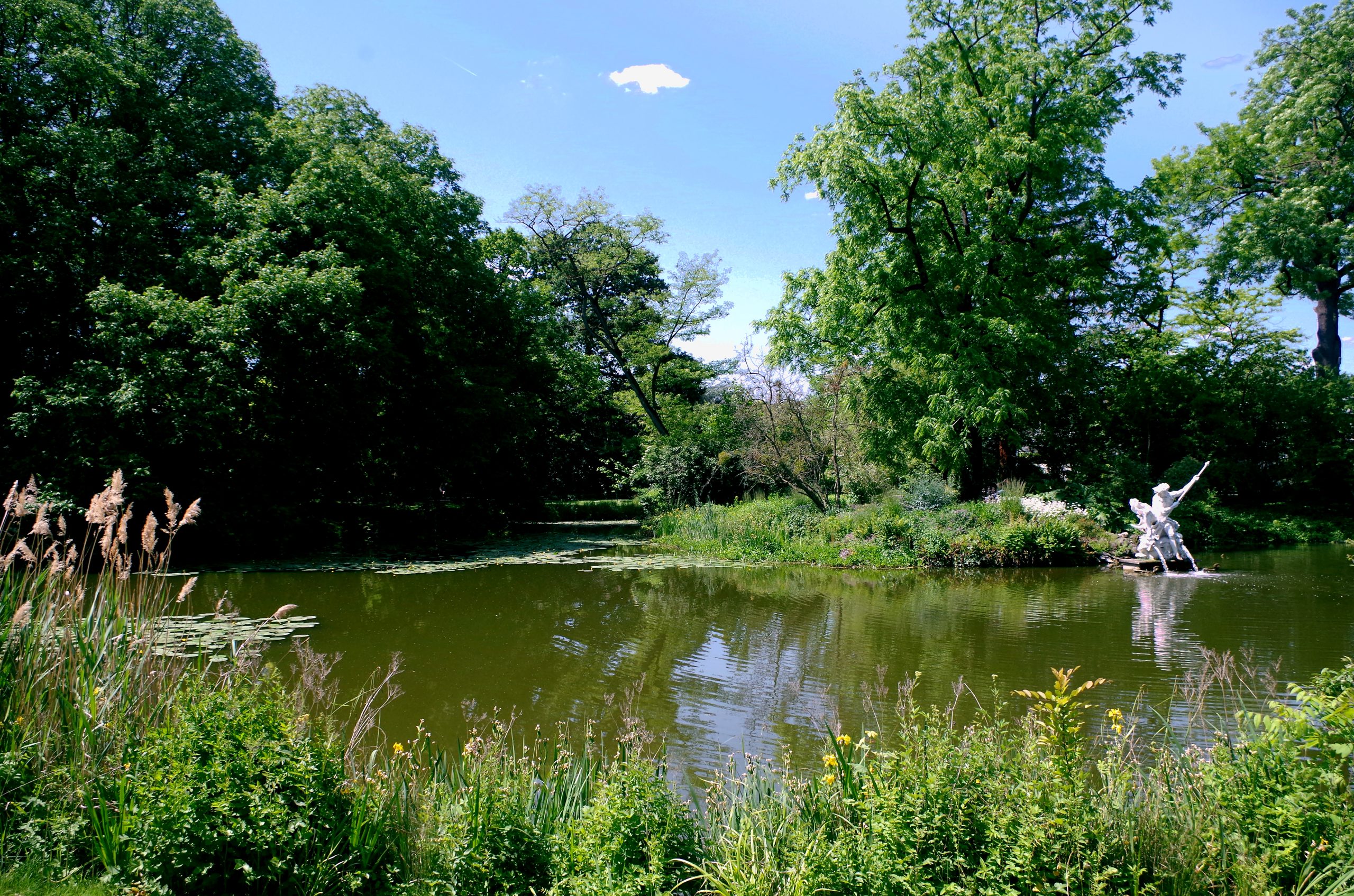
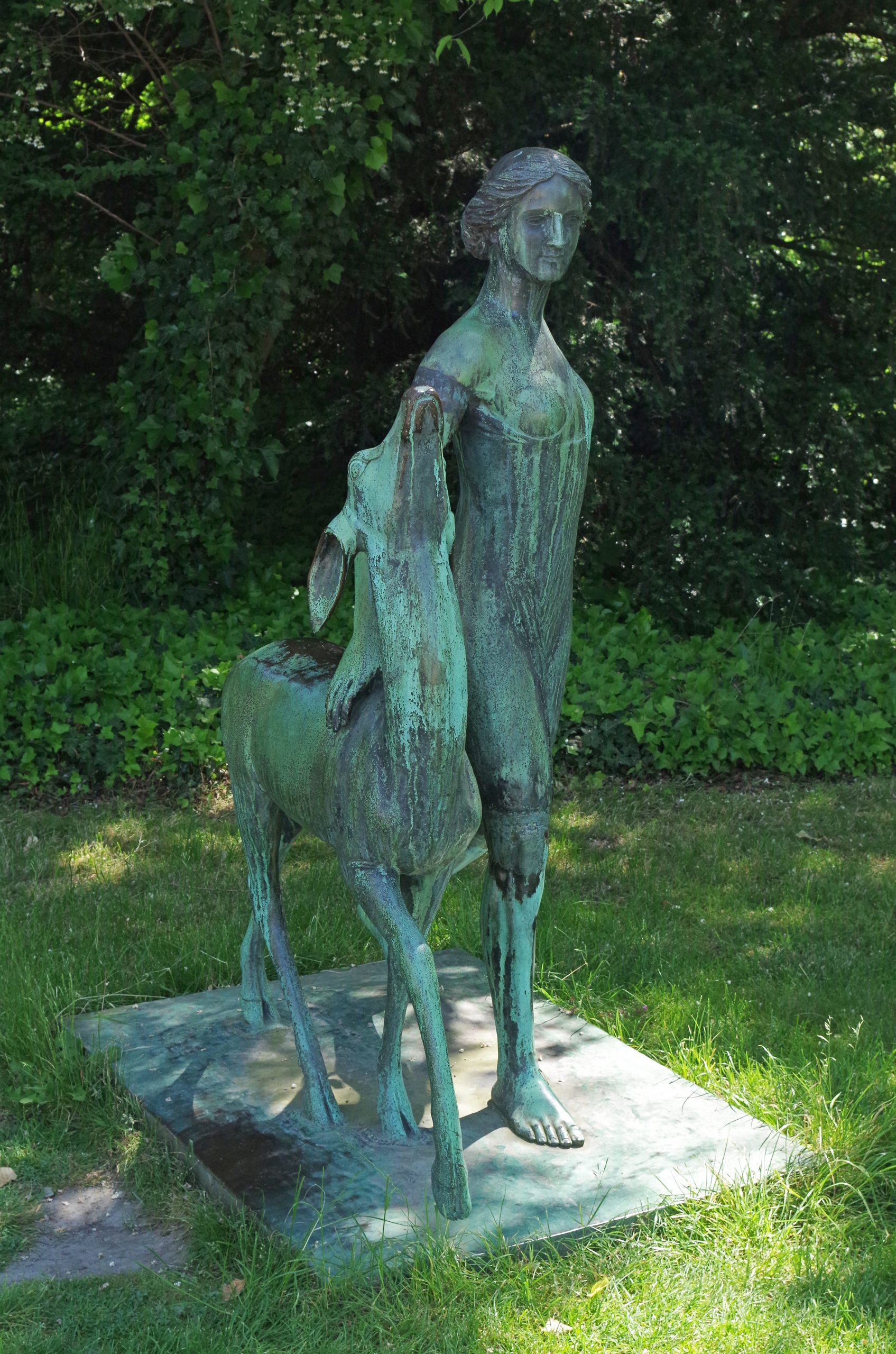
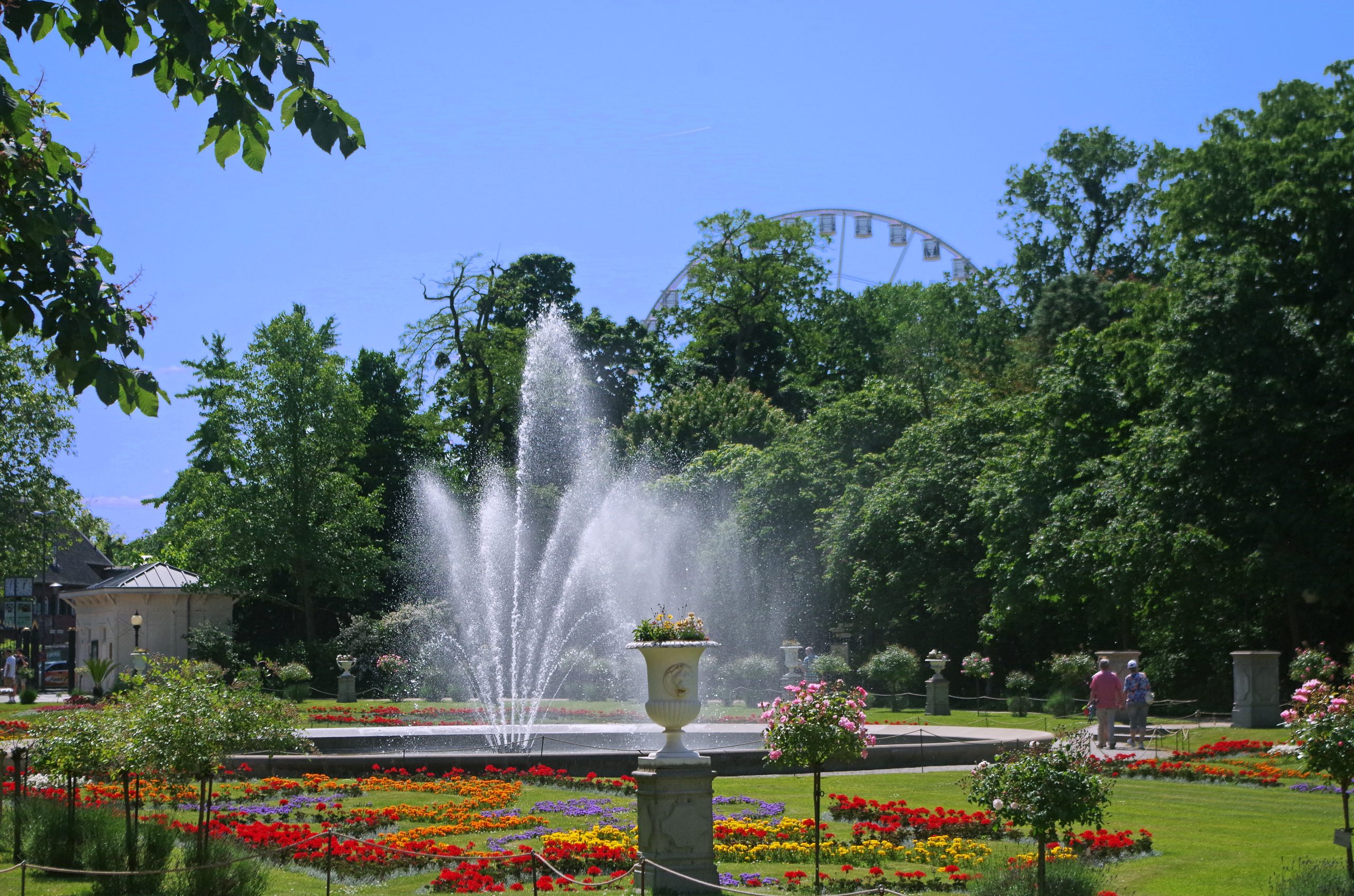
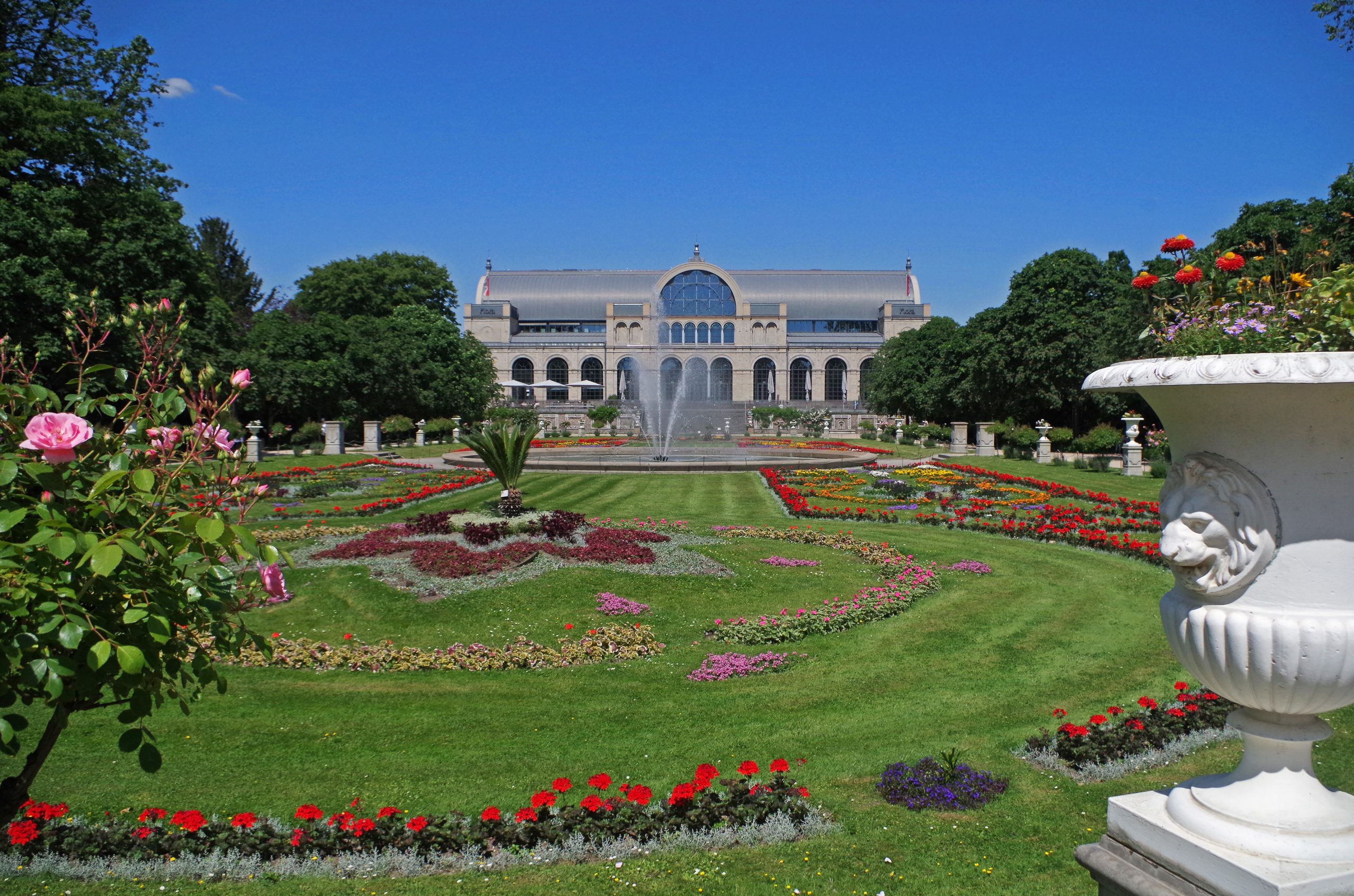
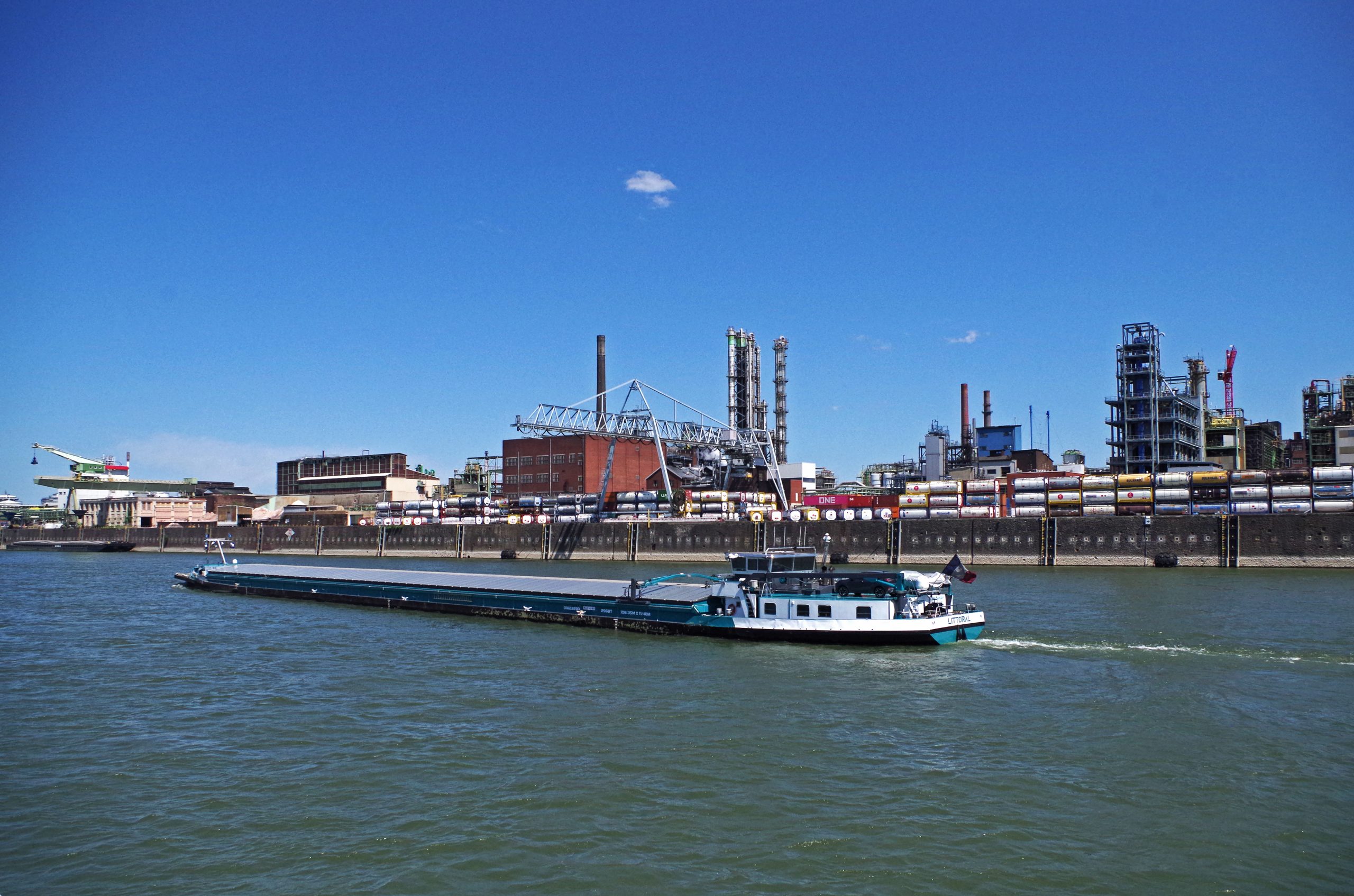
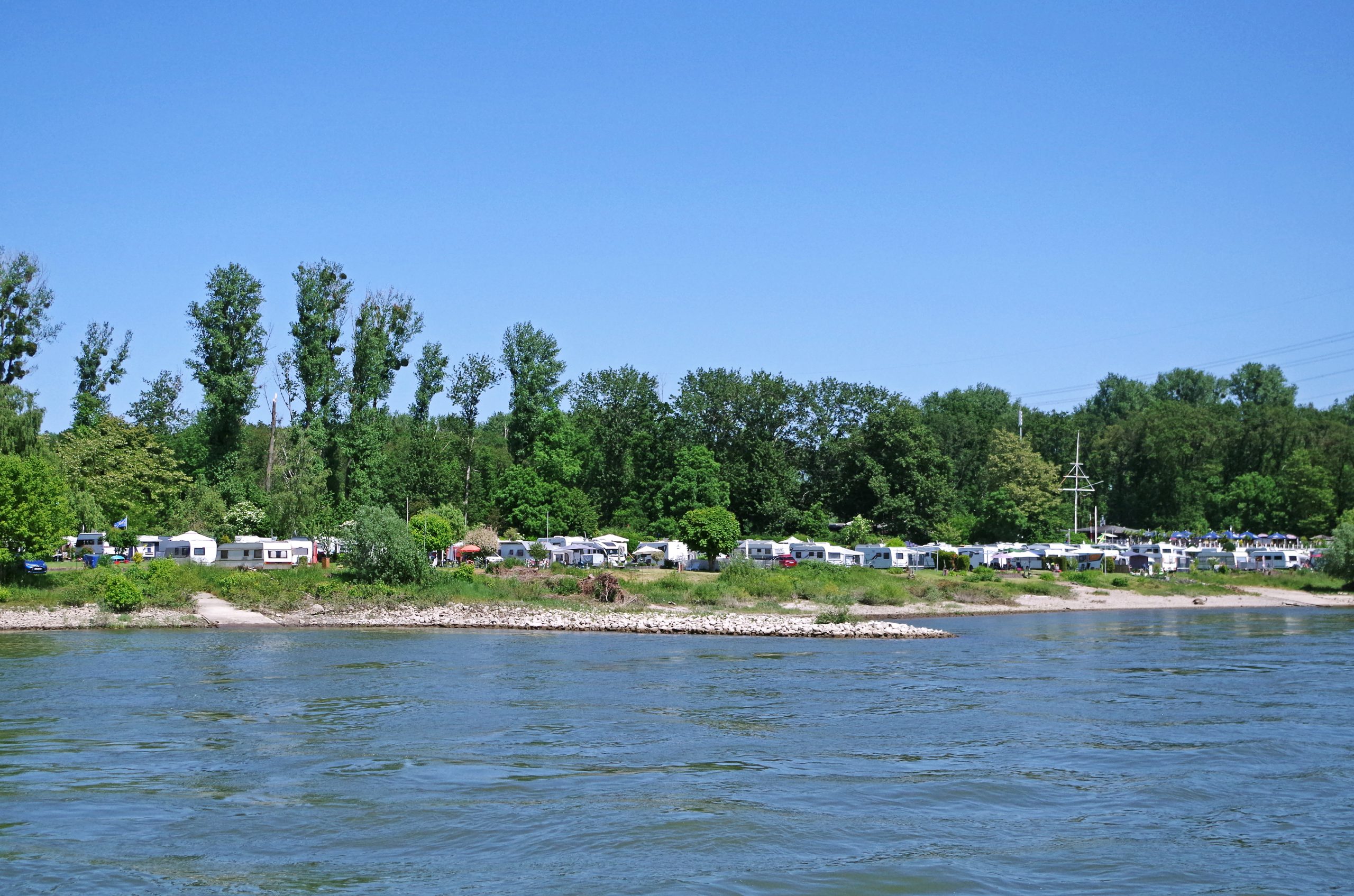
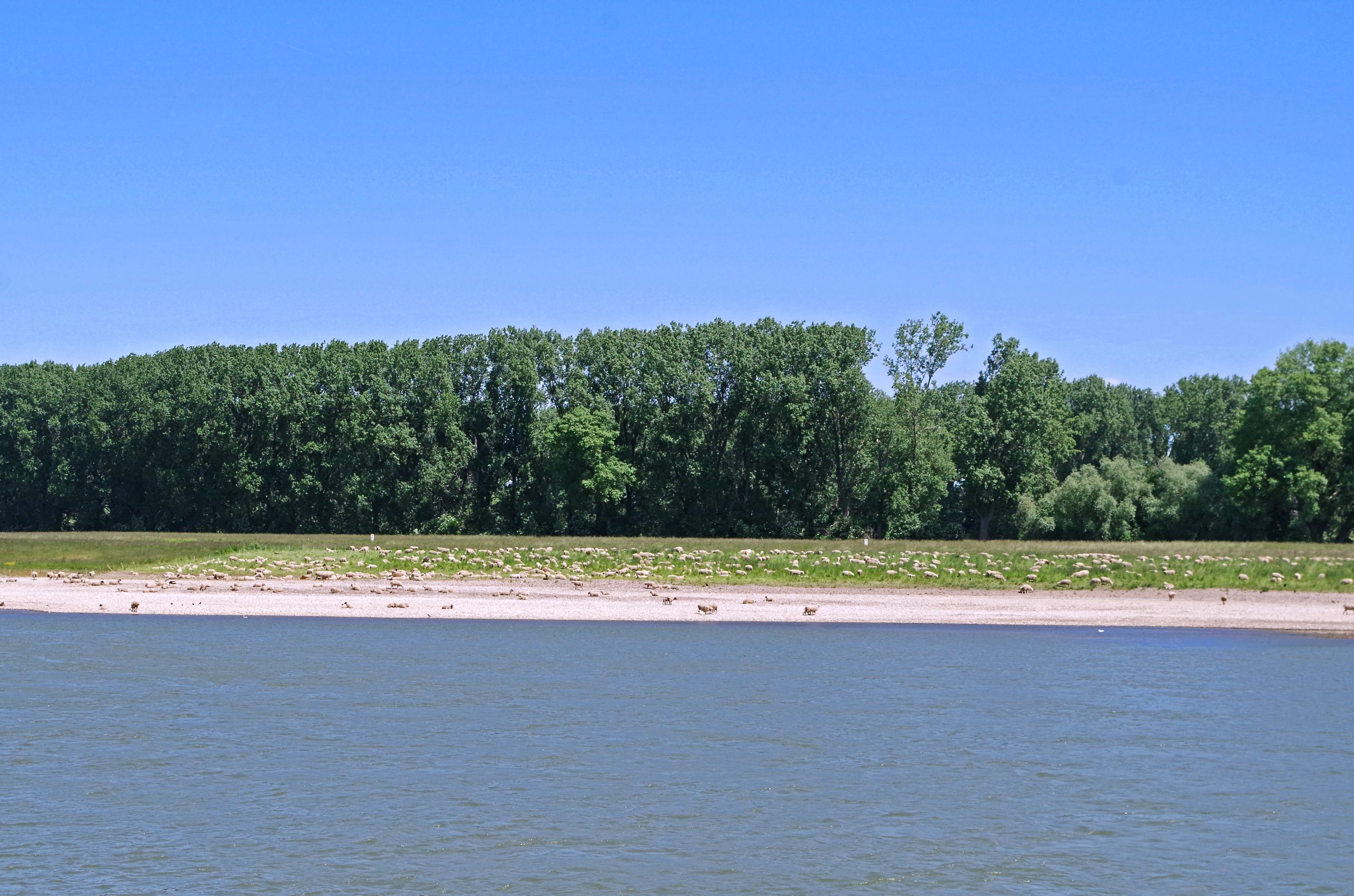
Our last port of call in Germany was the city of Cologne, where we marveled and stepped inside the world-famous Cologne Cathedral. Barbara chose a walking tour of the cathedral and other highlights, while I chose an e-bike tour of the city, where the highlight was a visit to the Cologne Botanical Gardens. As was the case with Nuremberg earlier in our travels, ninety percent of the city of Cologne was destroyed by Allied bombing in World War II, though the air strikes intentionally avoided the cathedral. As a result, Cologne is a very modern city, with only small remnants visible of the old city walls. It also embraces a wide range of cultures, as exemplified by the city’s new mosque that was designed by a Catholic architect. Ironically, while I was wandering on my own through the botanical gardens, air ride sirens began loudly blaring from every direction. I was unaware in advance that this was a test of Germany’s air raid alert system. It is quite apparent that Russia’s Vladimir Putin has all of Europe on edge. Later, as we continued or cruise into The Netherlands, we passed campgrounds, sheep grazing along the river, and signs of Germany’s mighty industrial power.
River cruise ships at CologneIt seems that every major European city has a bridge that is covered by so-called “love locks”, put in place by social media lemmingsCologne CathedralCologne CathedralCologne CathedralA stained glass window in Cologne CathedralA side chapel in Cologne CathedralSidewalk Art Near Cologne CathedralA remnant of the old city wall, CologneCologne Walking TourThe modern mosque in the city of CologneCologne Botanical GardensCologne Botanical GardensRestaurant in the Cologne Botanical GardensA small hideaway in the Cologne Botanical GardensA sculpture in the Cologne Botanical GardensCologne Botanical GardensCologne Botanical GardensGiant Chempark and a barge along the Rhine near CologneA campground along the Rhine near CologneSheep grazing along the Rhine near Cologne
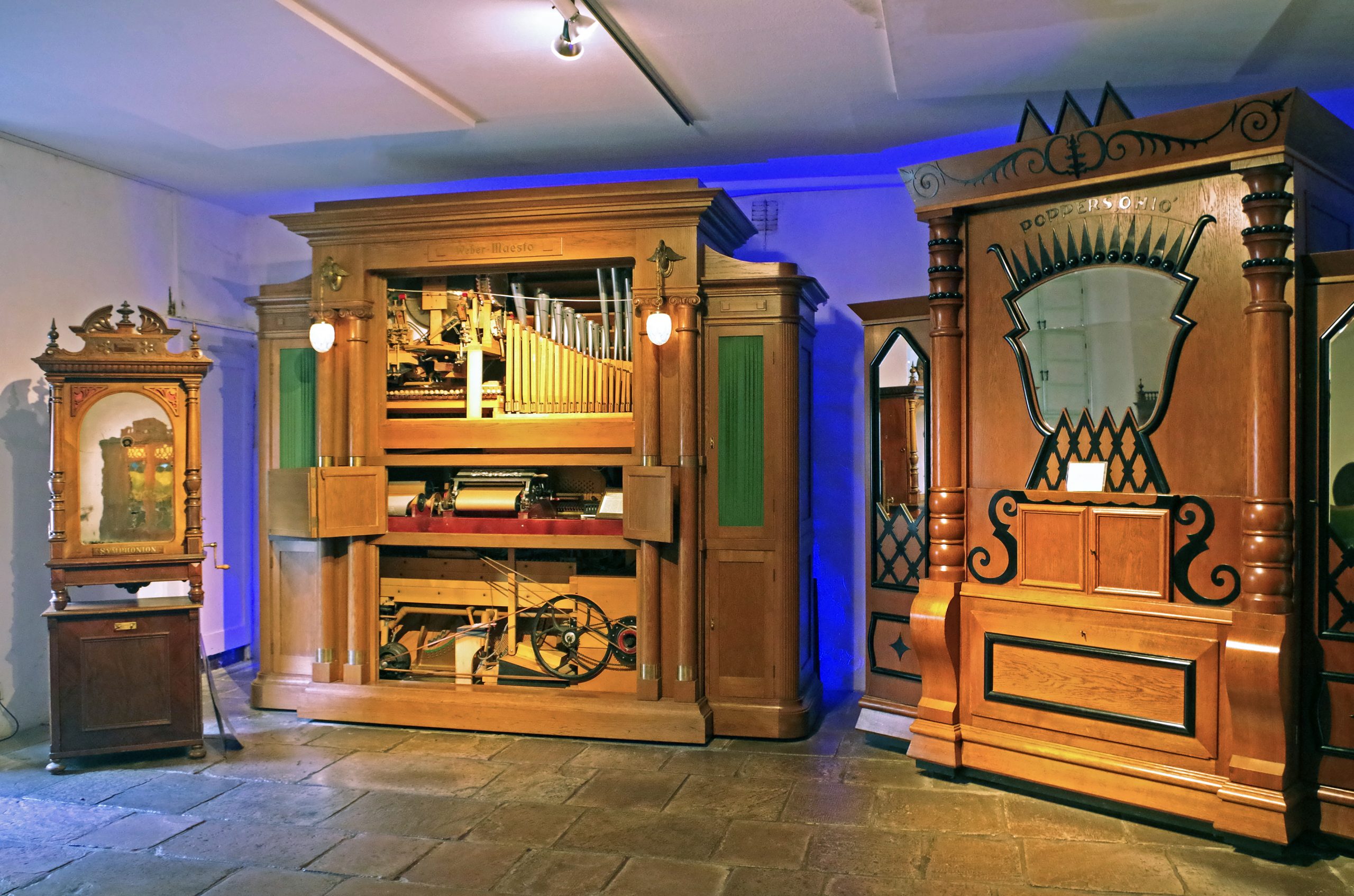
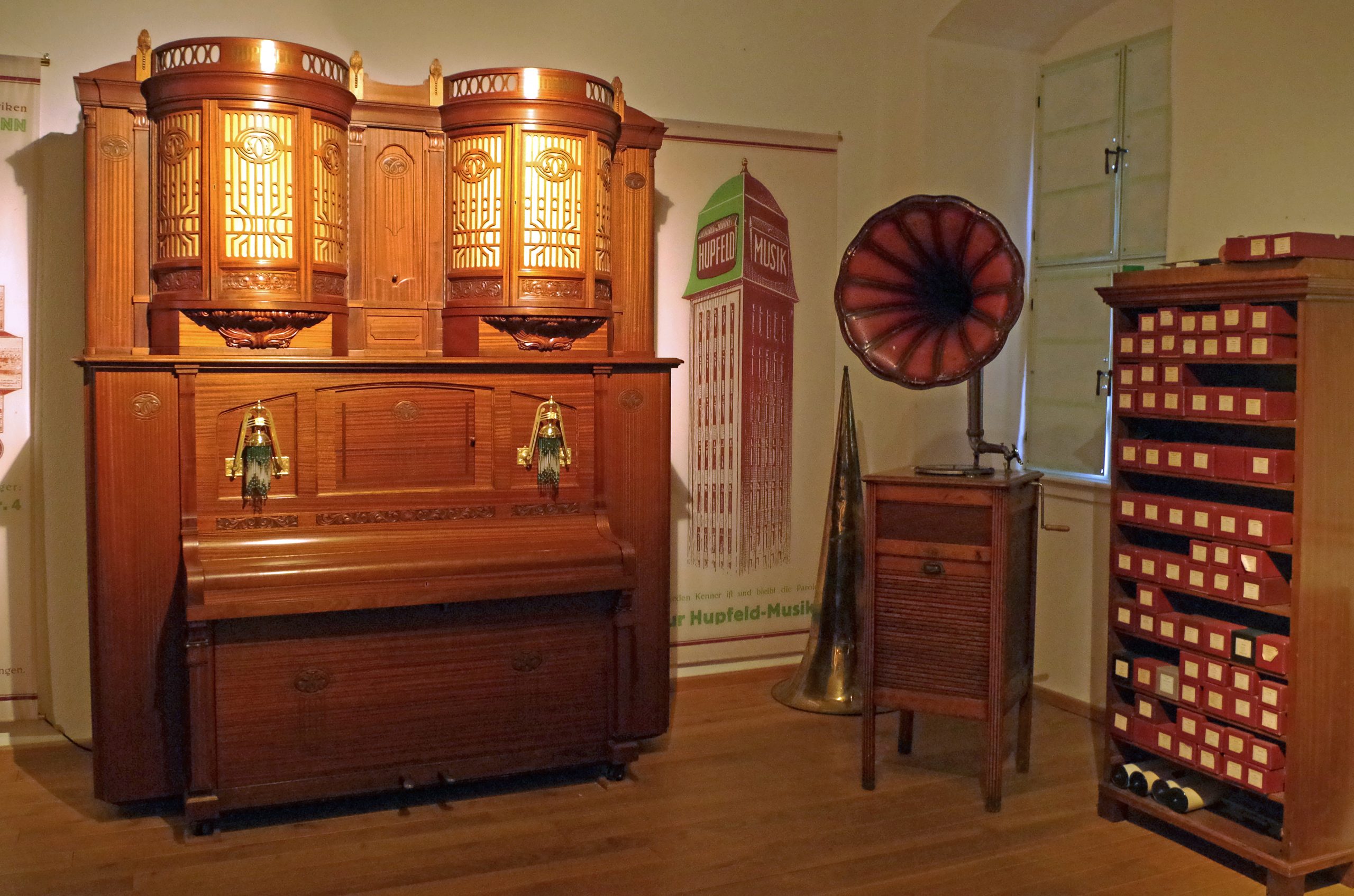
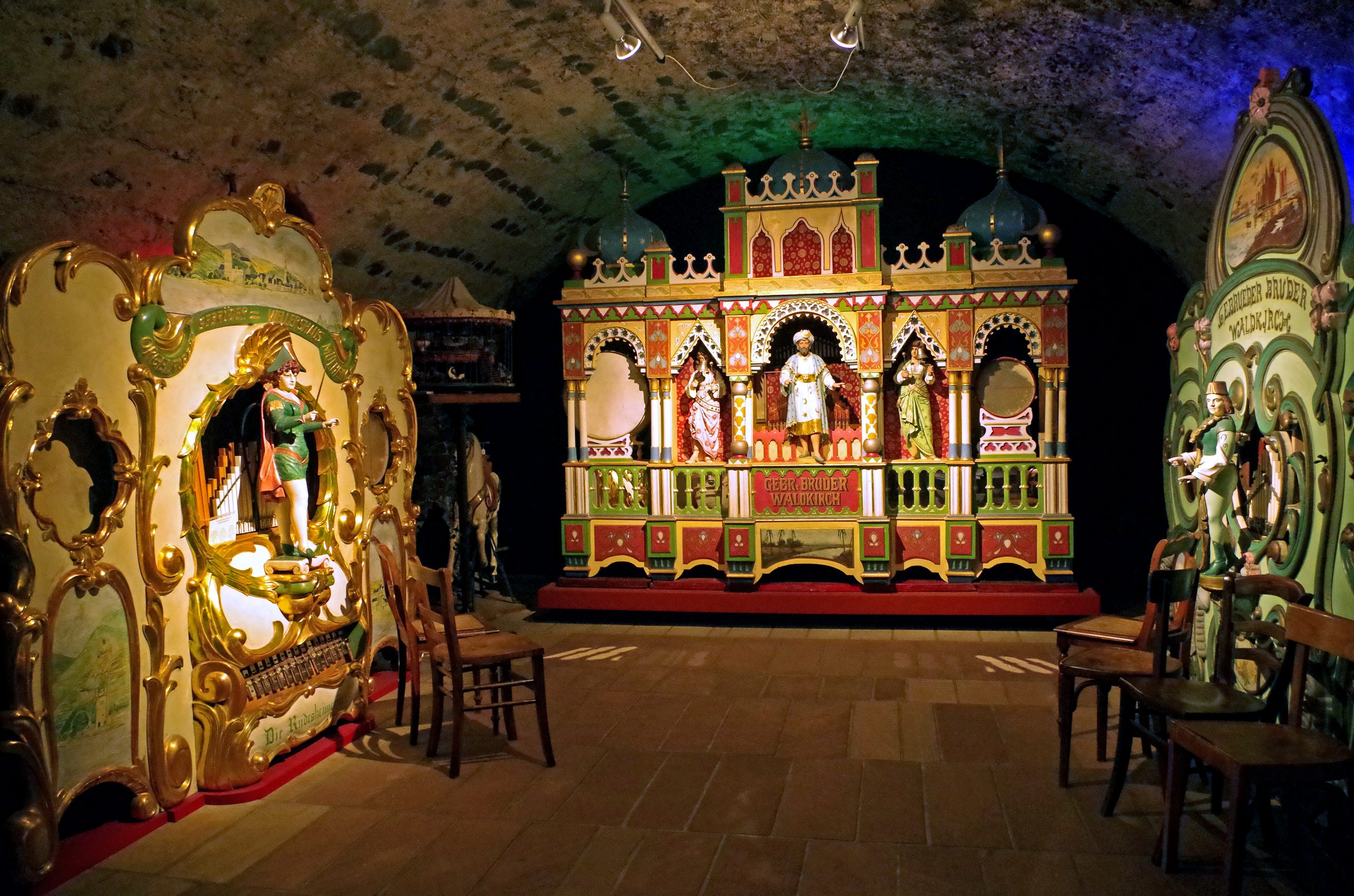
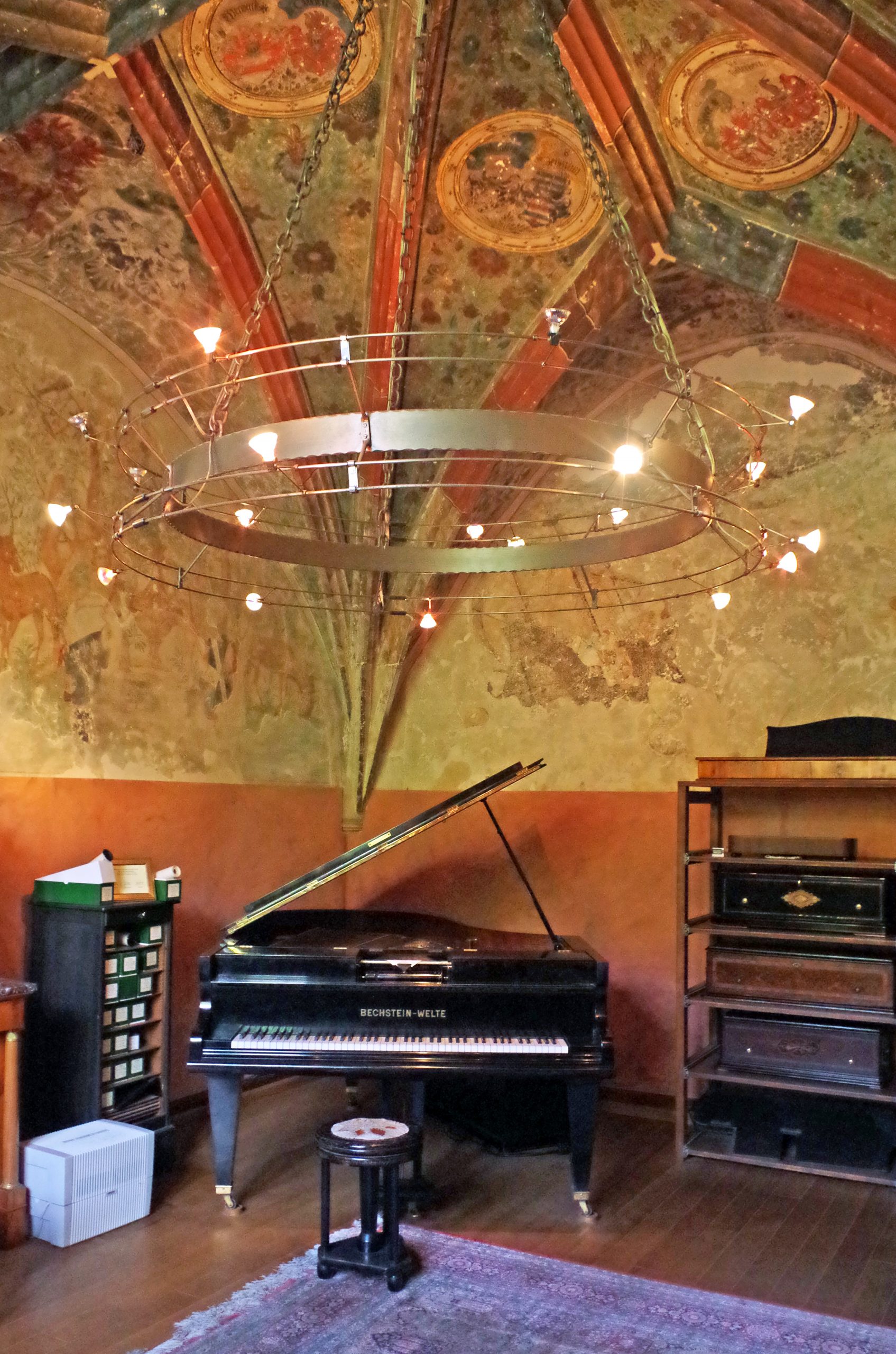
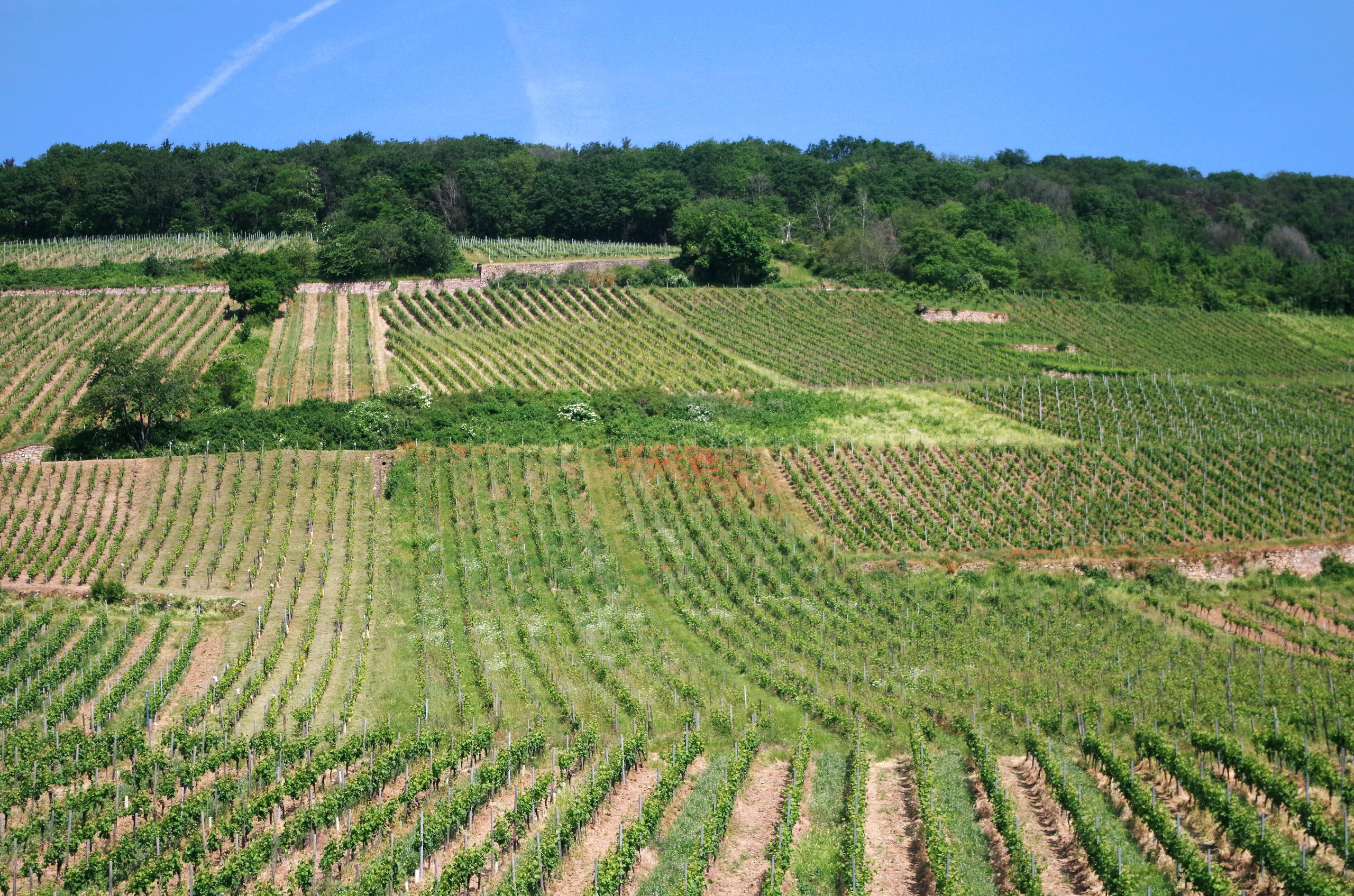
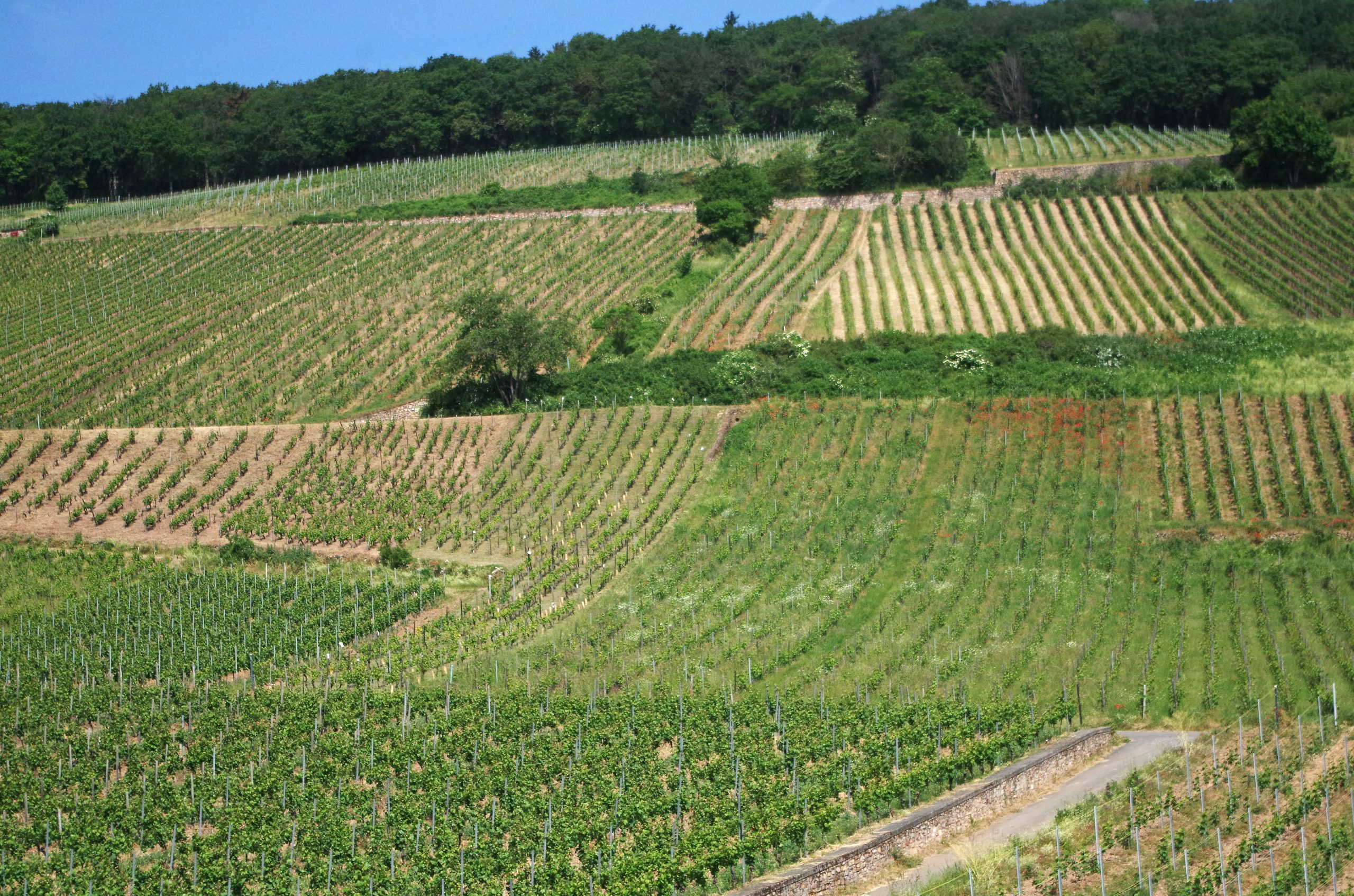
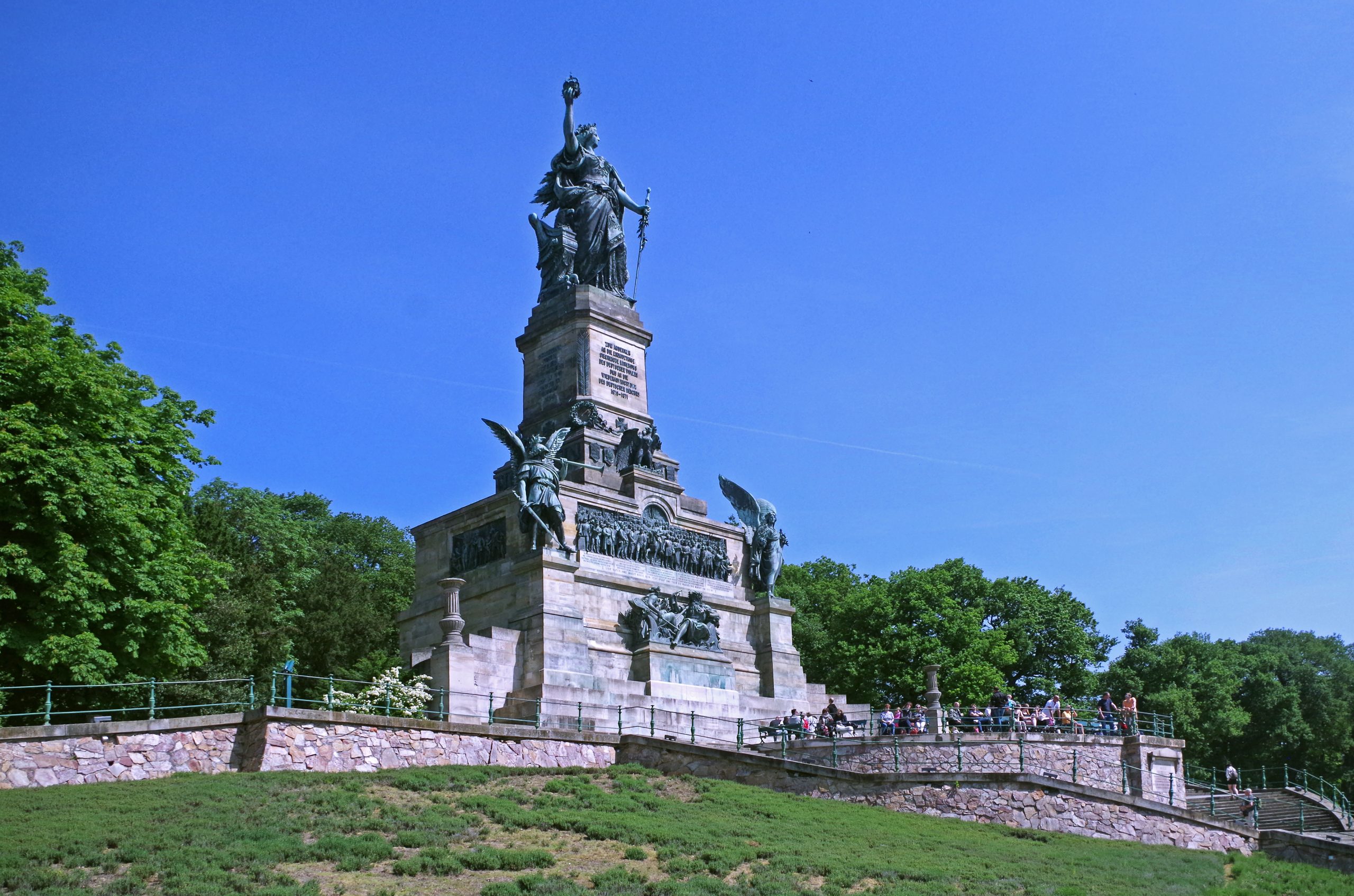
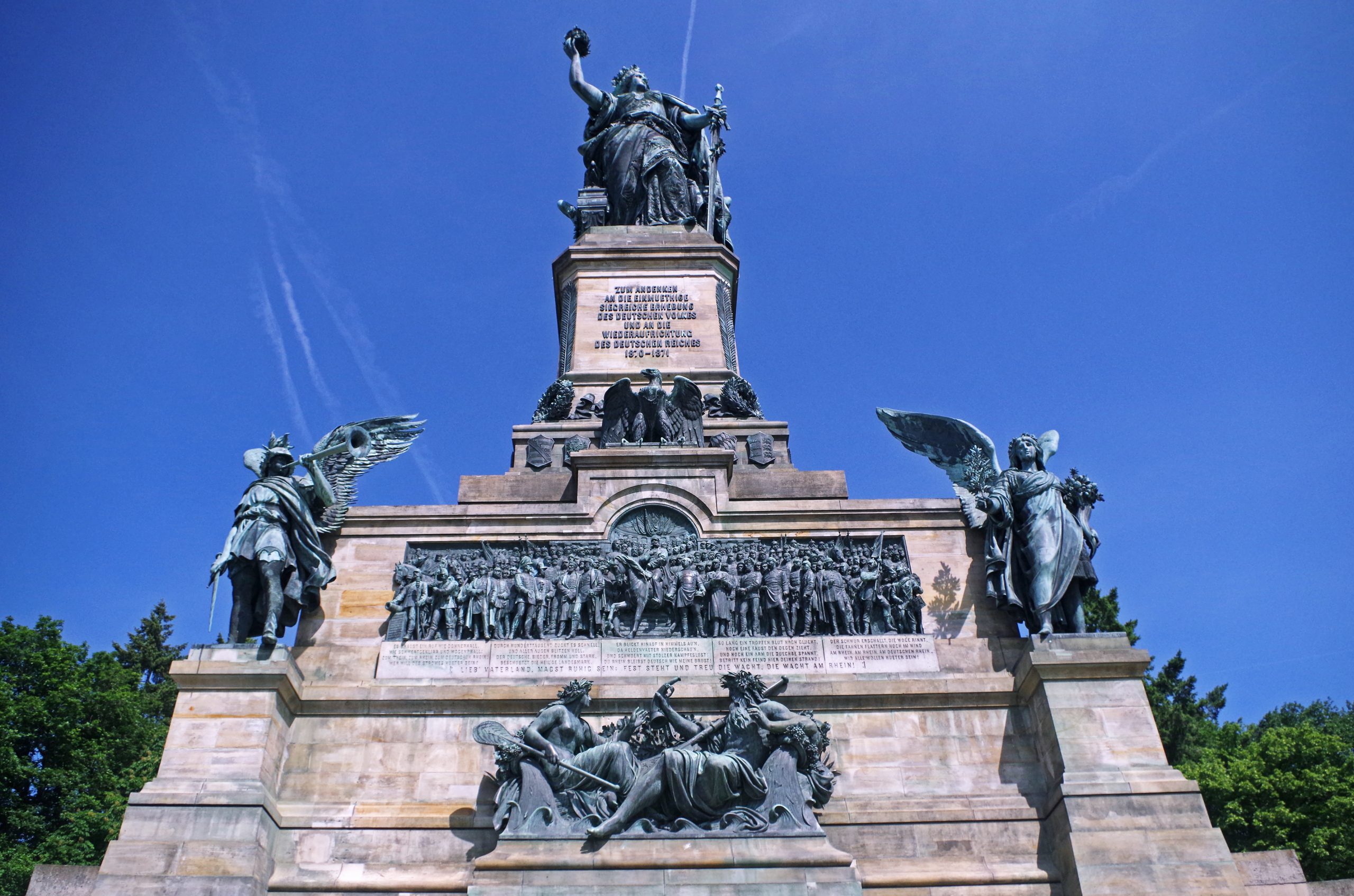
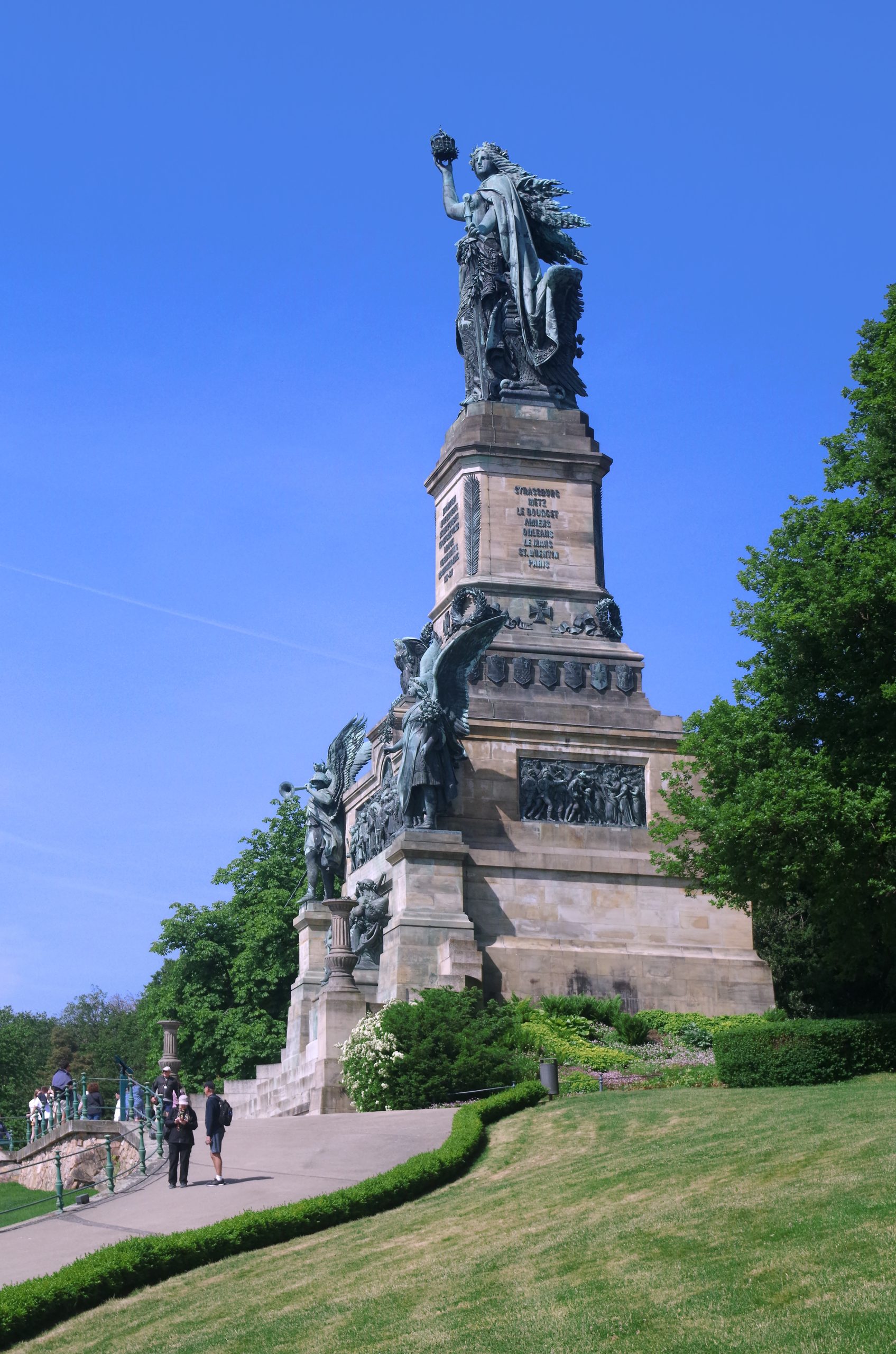
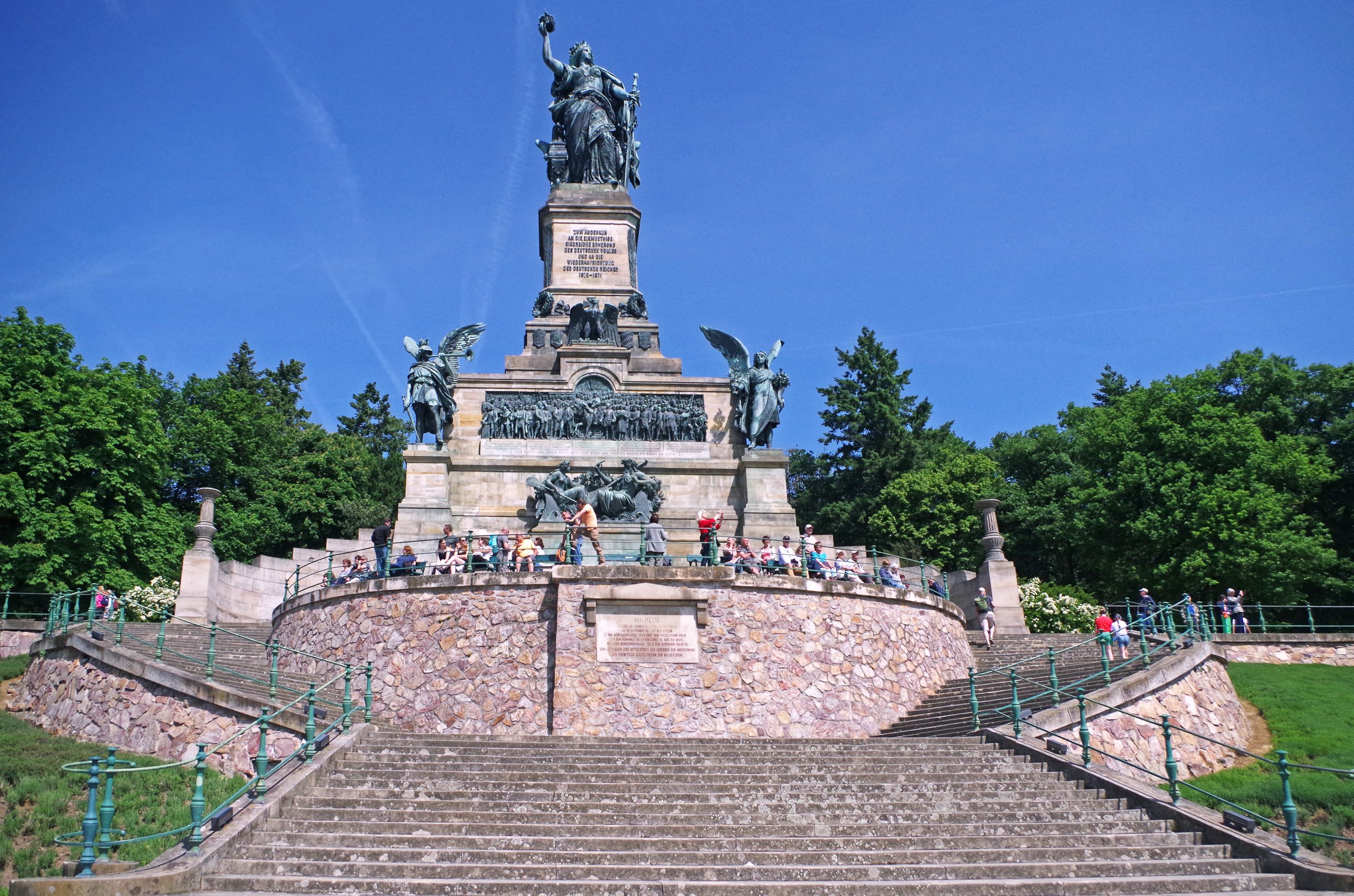
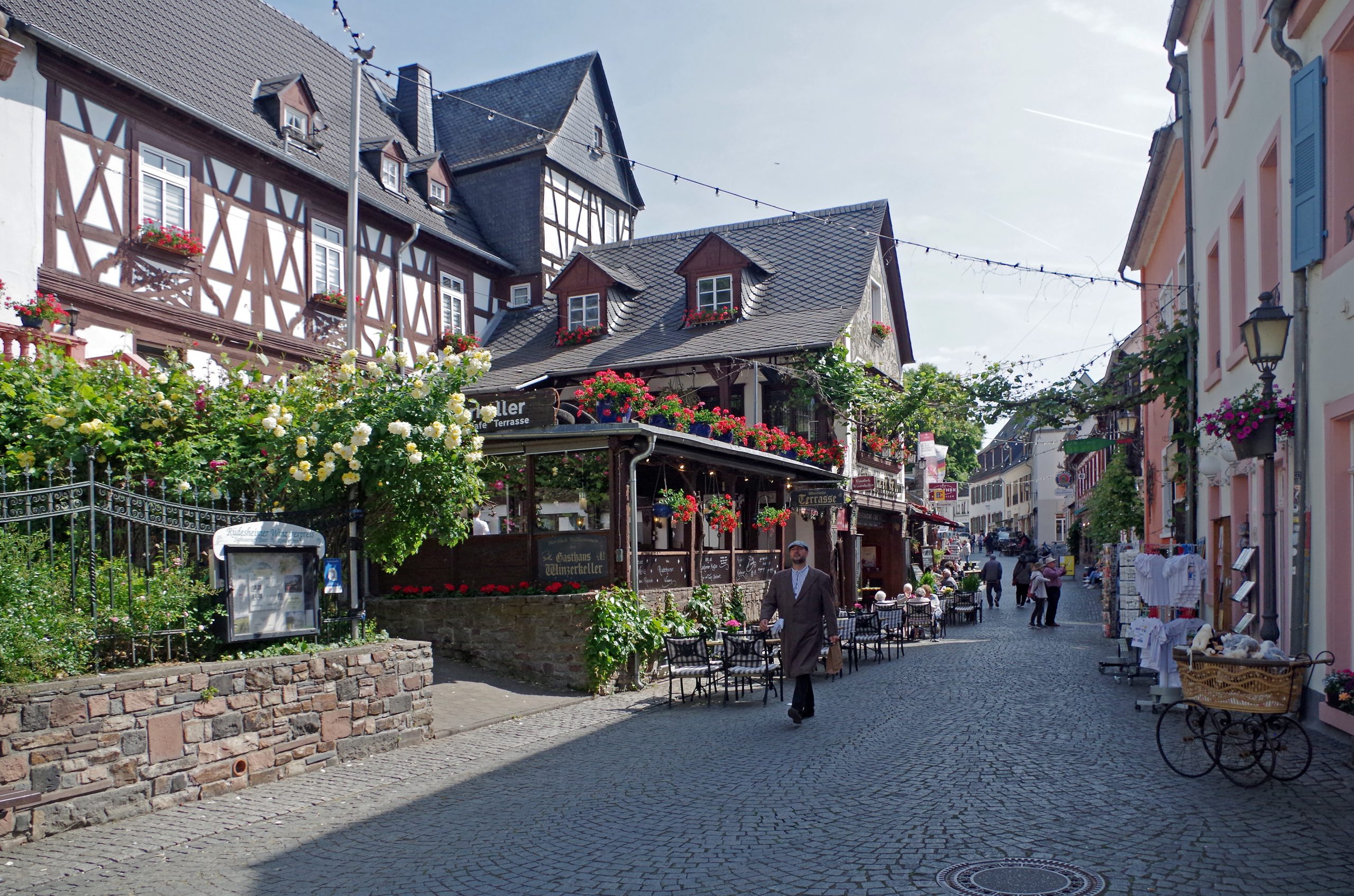
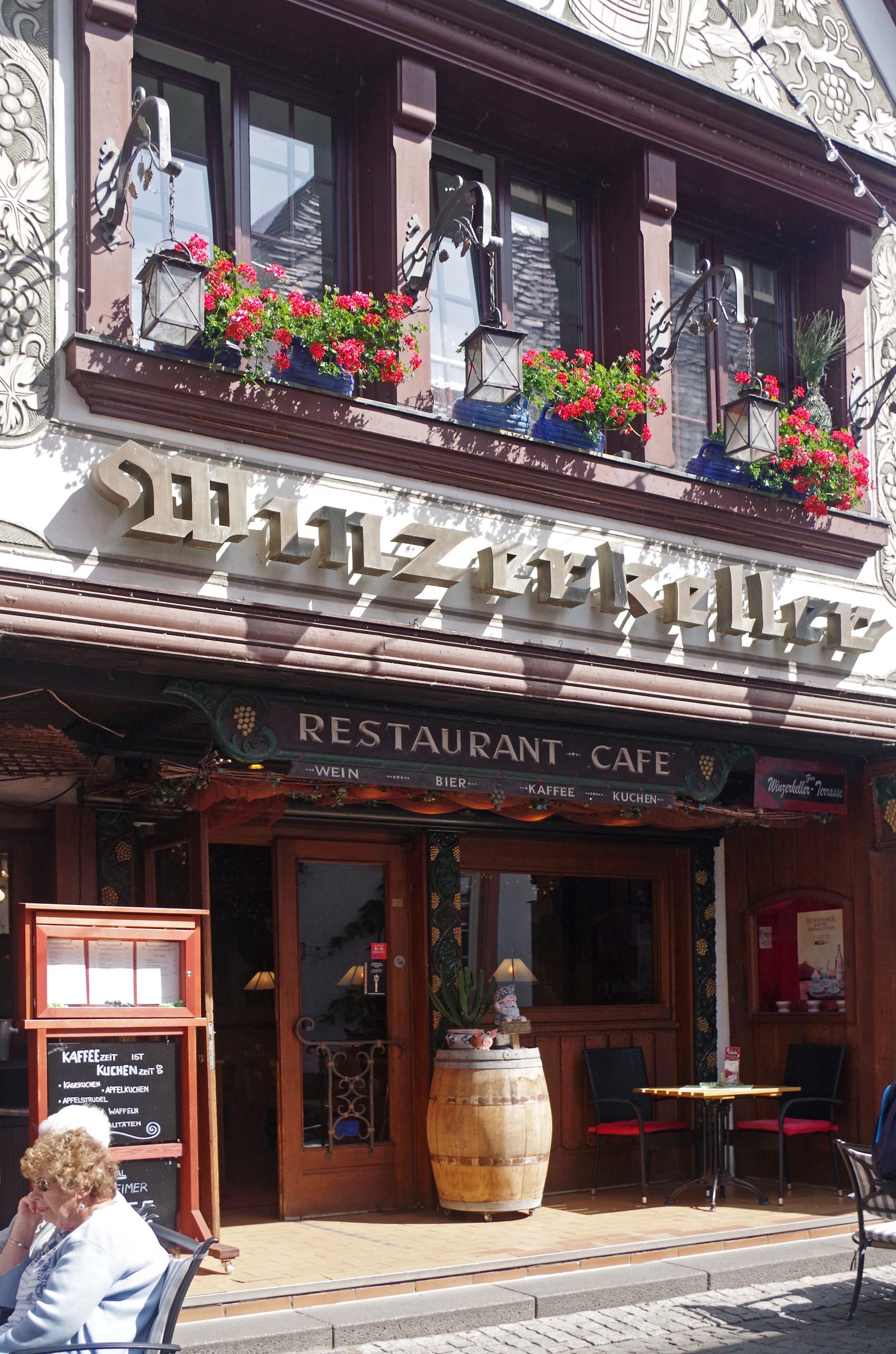
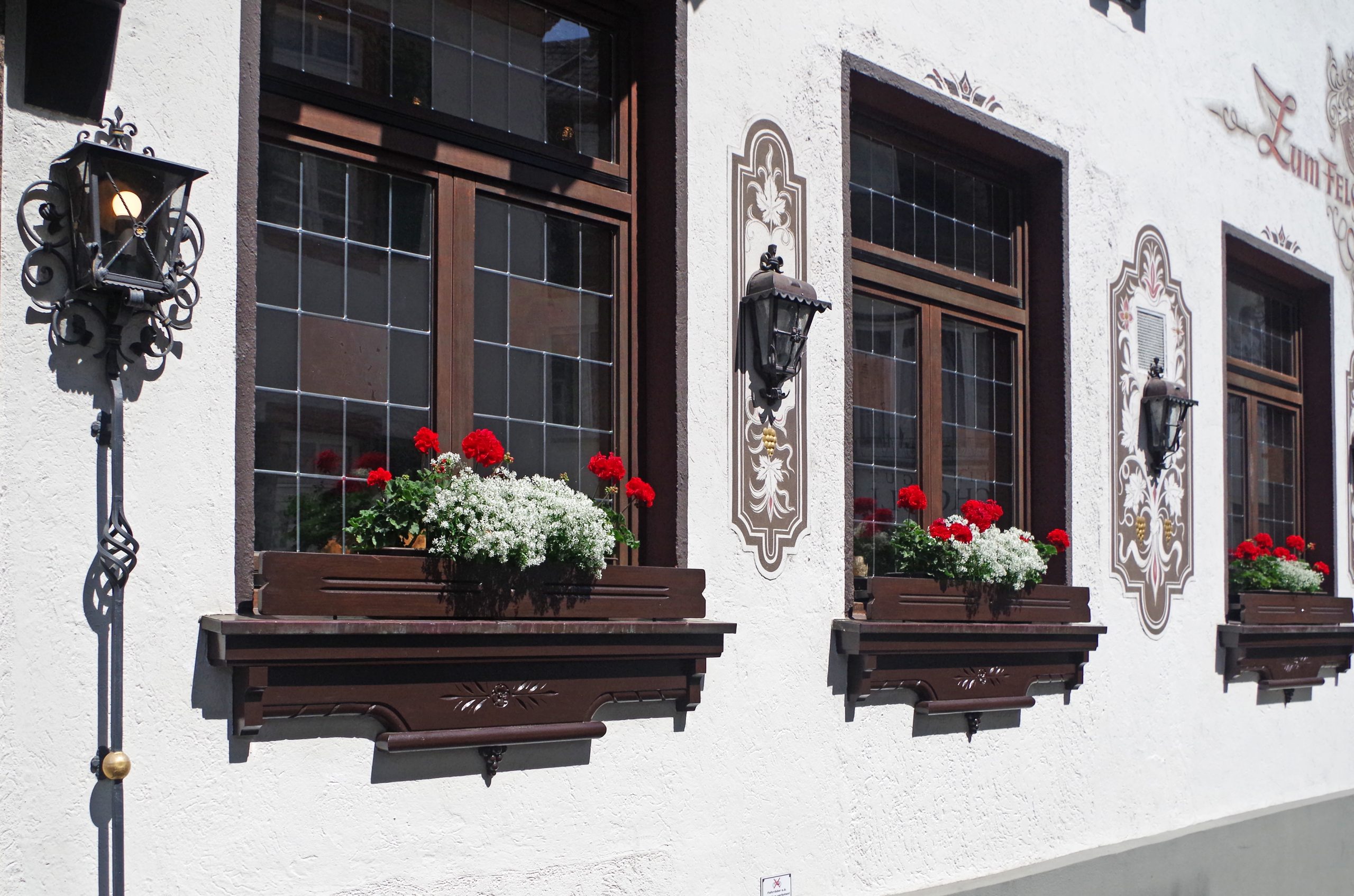
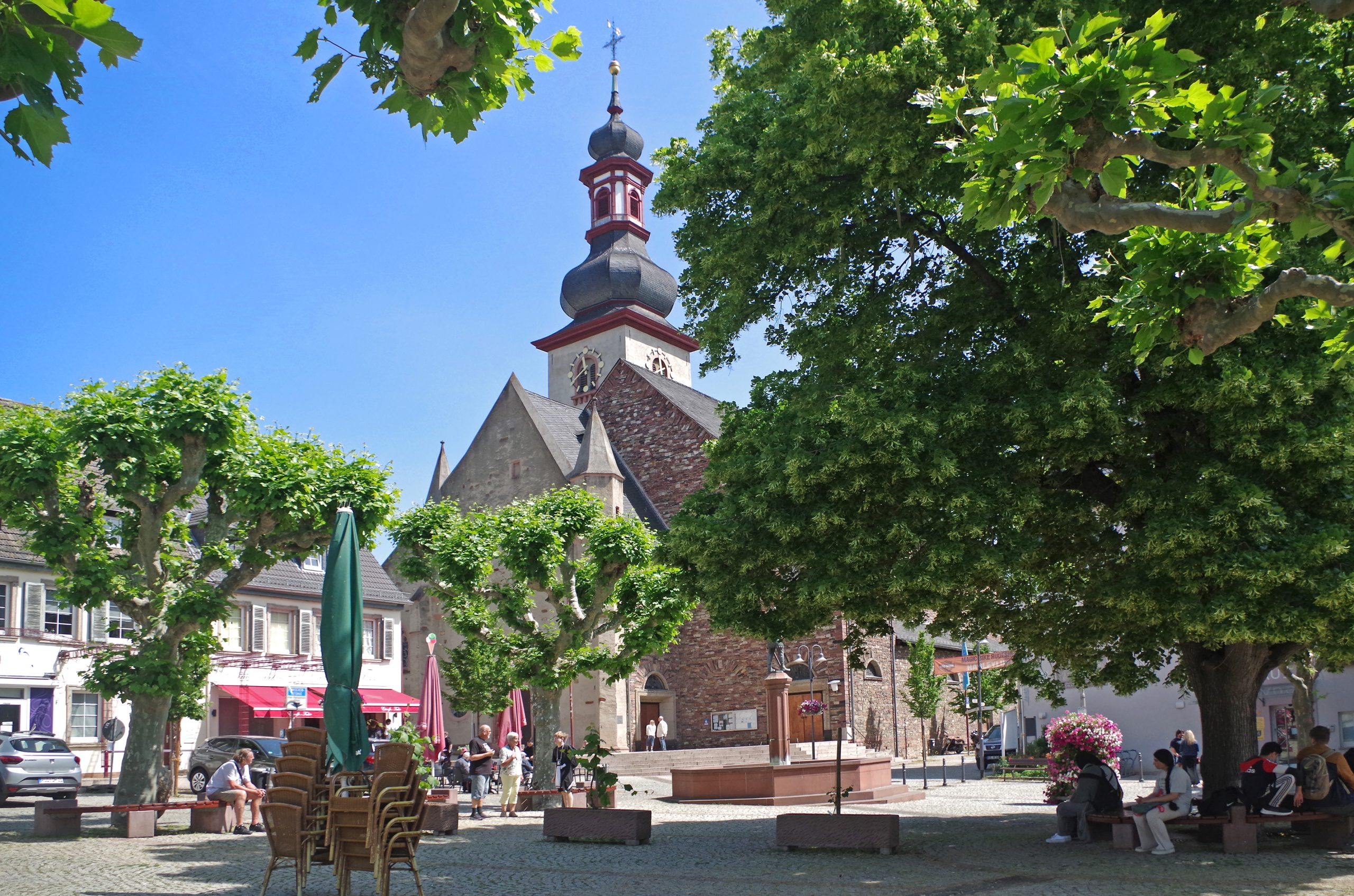
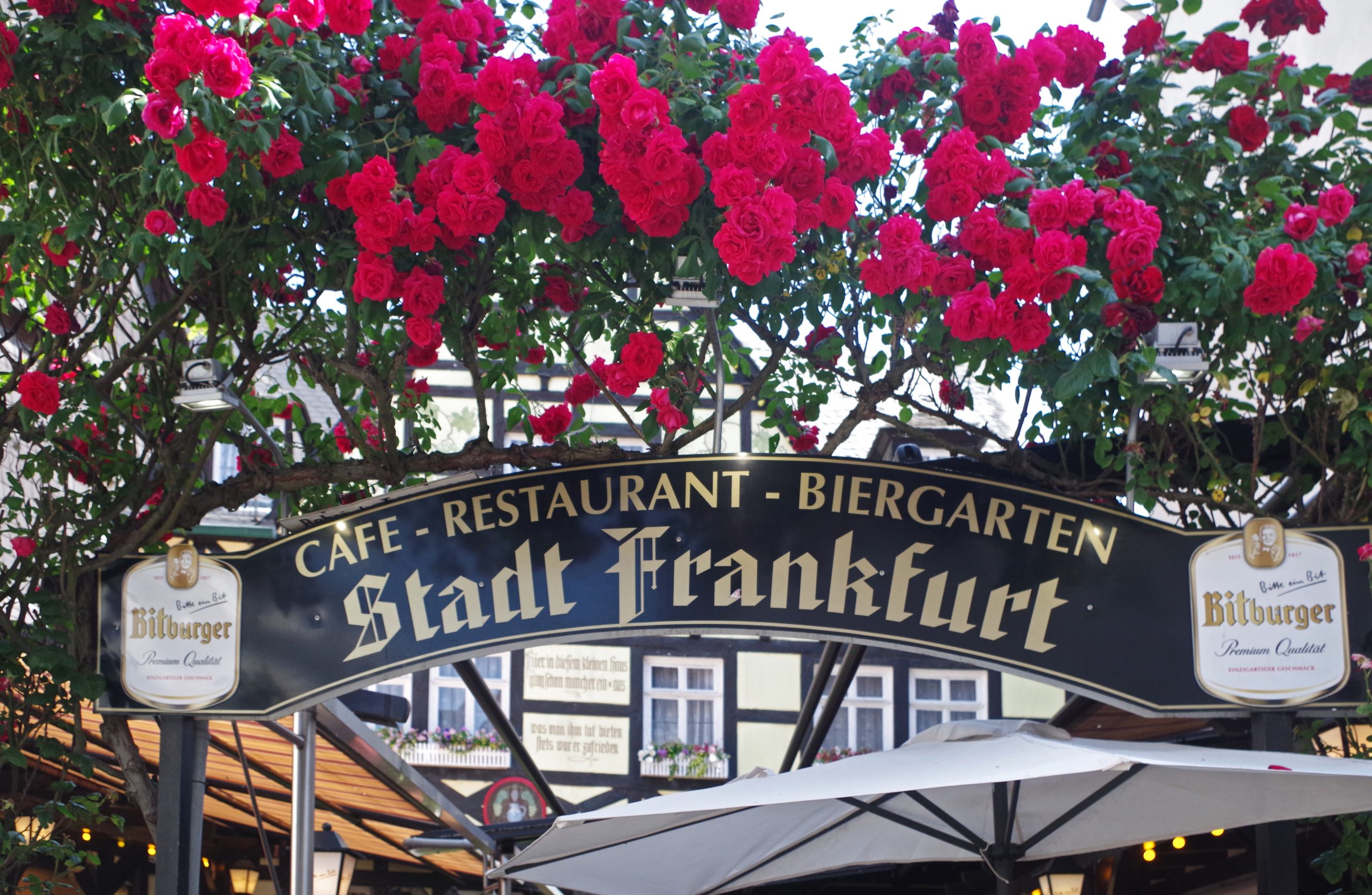
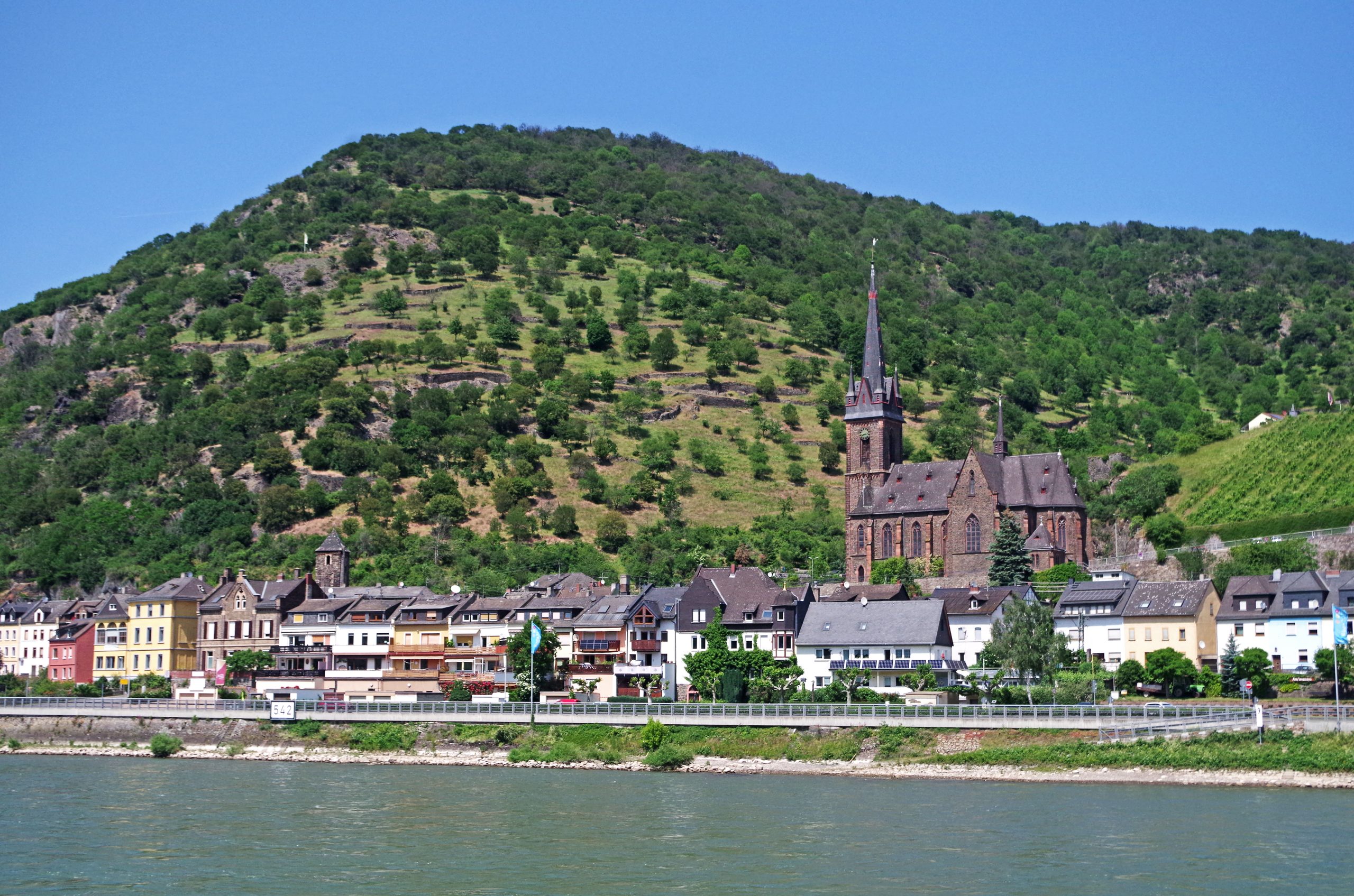
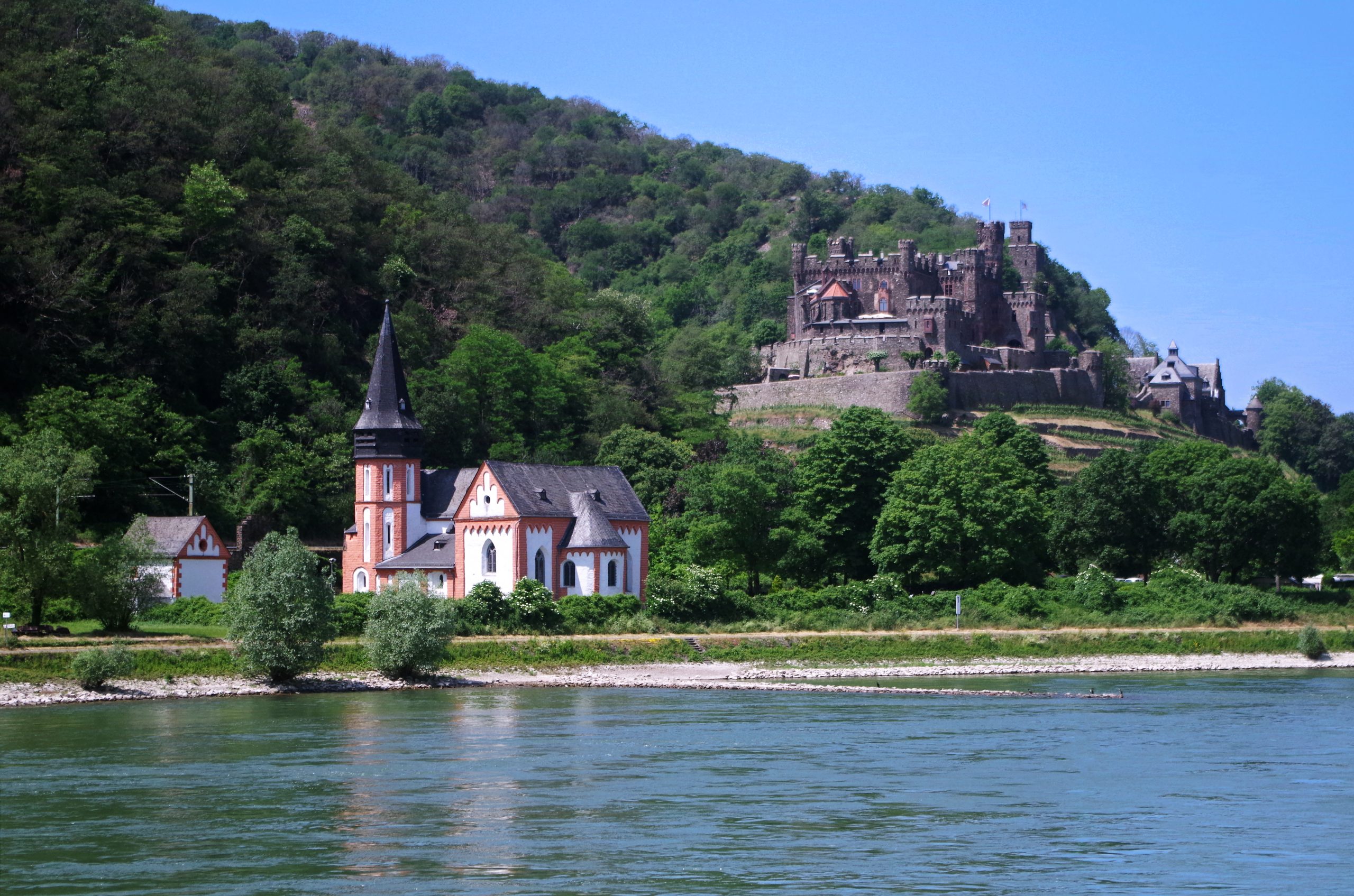
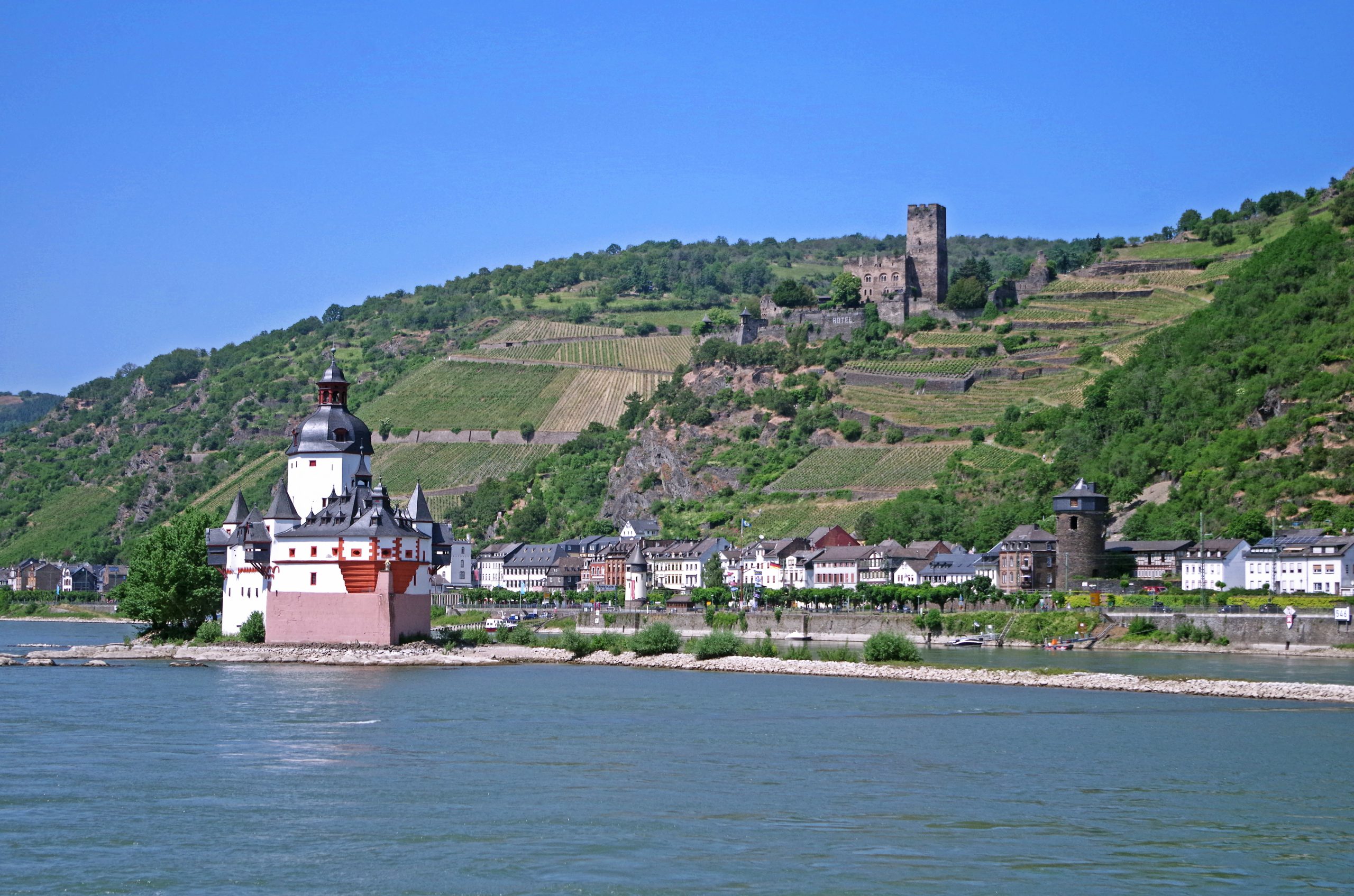
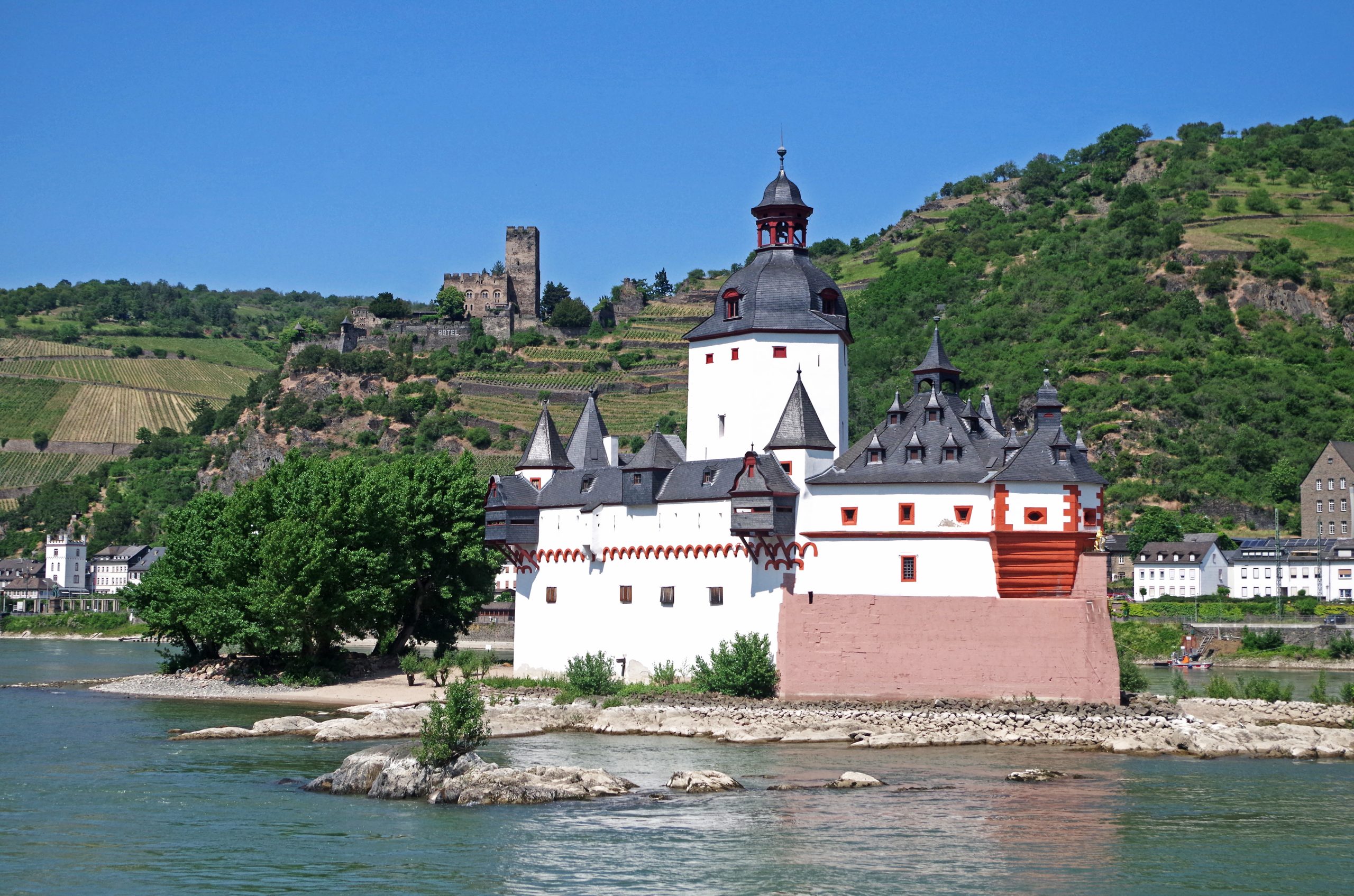
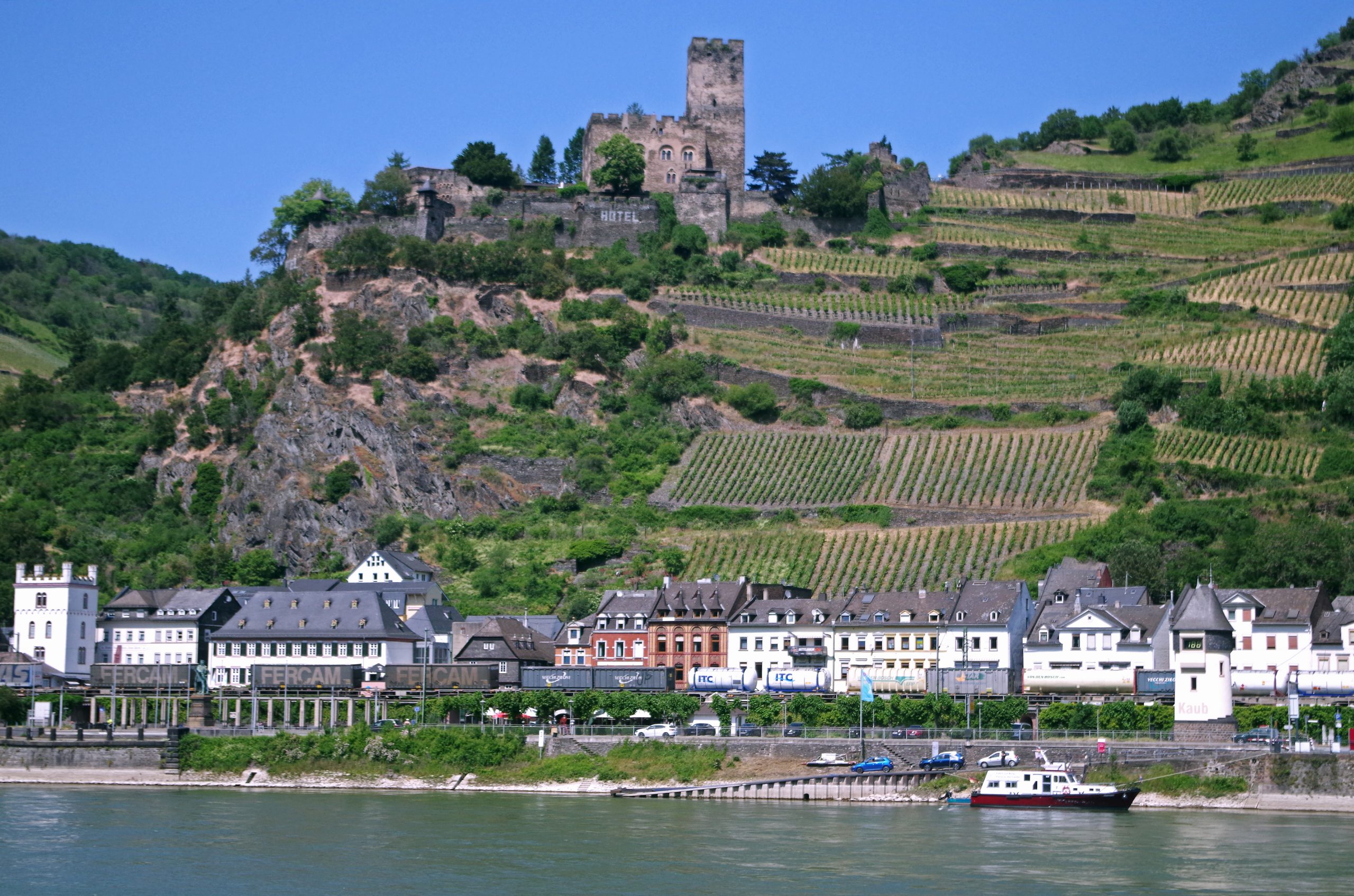
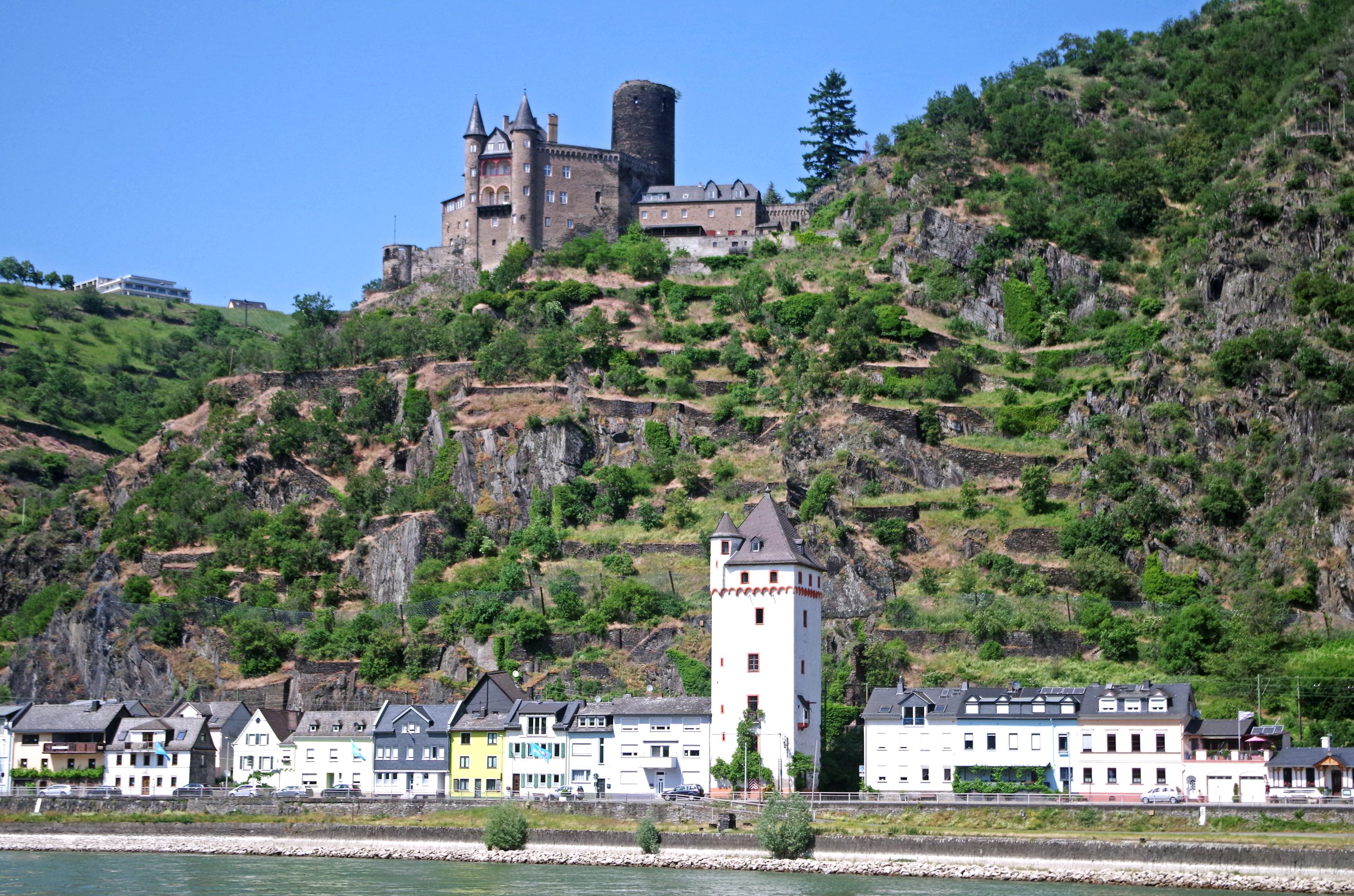
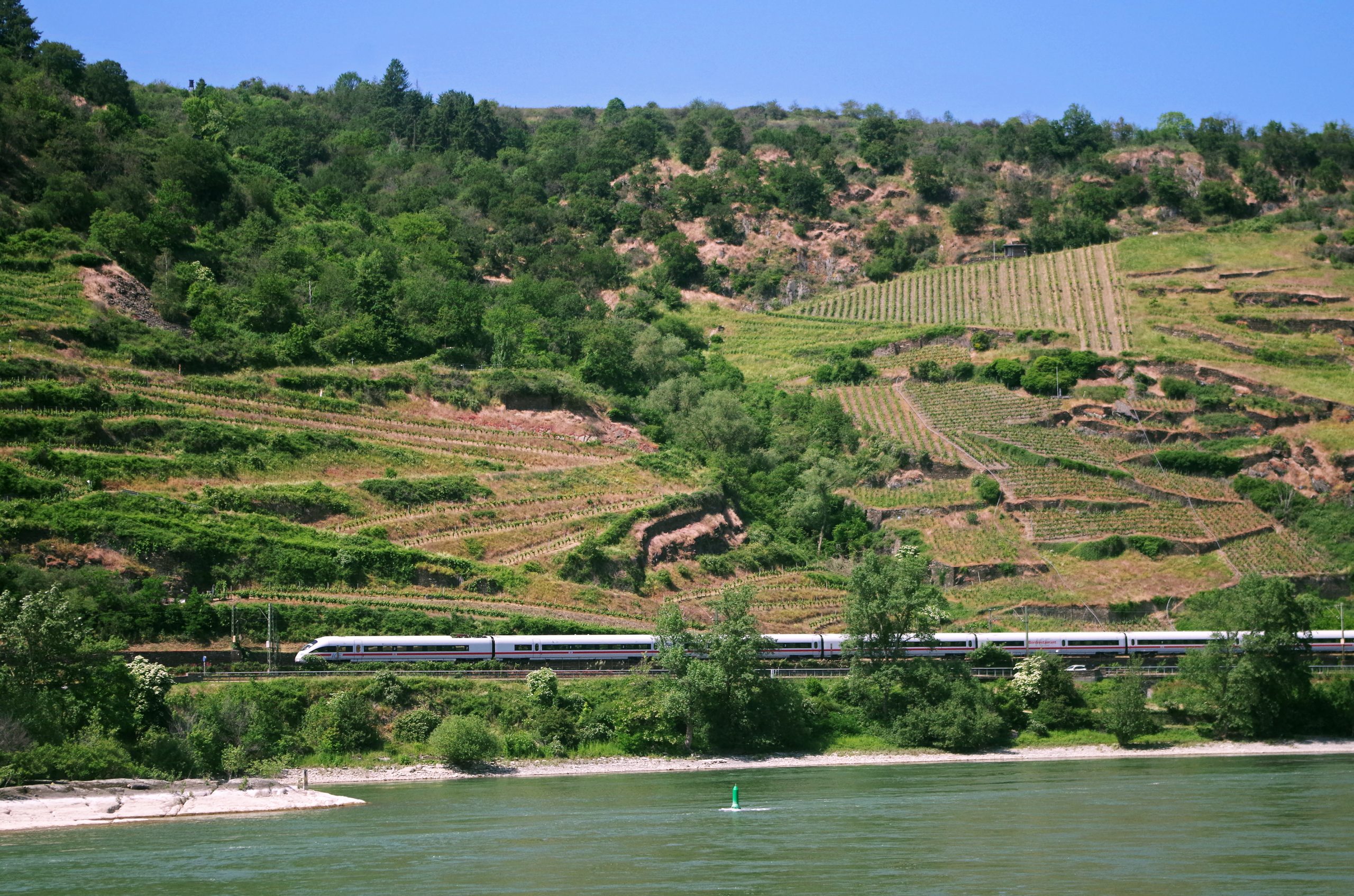
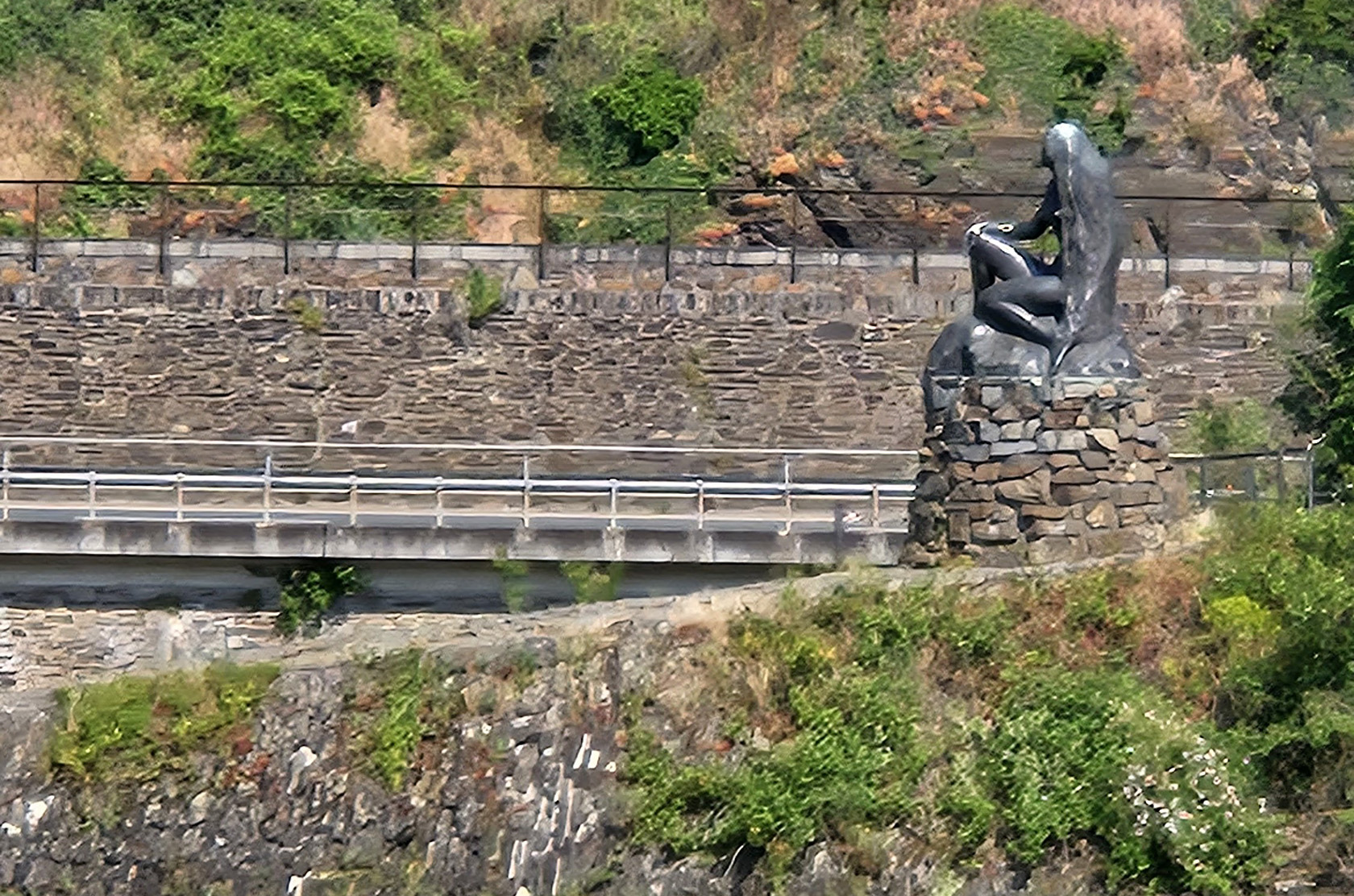
We were now on the Rhine River portion of our cruise. Rüdesheim am Rhein is a truly spectacular town in the Rhine Valley, famous for its Riesling wines. In the morning, we visited Siegfried’s Mechanical Music Cabinet, a fascinating museum of priceless antique automated musical instruments, not to mention bird boxes. Afterward, I took the gondola over the vineyards to the Niederwald Monument and the Germania Statue, built between 1871 and 1883 to commemorate the Unification of Germany at the end of the Franco-Prussian War. This is one of the most cherished monuments in Germany. Later in the day, we took a quick visit through the town of Rüdesheim, with a stop at a biergarten prior to cruising to our next destination, Cologne, where we passed through the Rhine Gorge and got a quick view of the Lorelei statue.
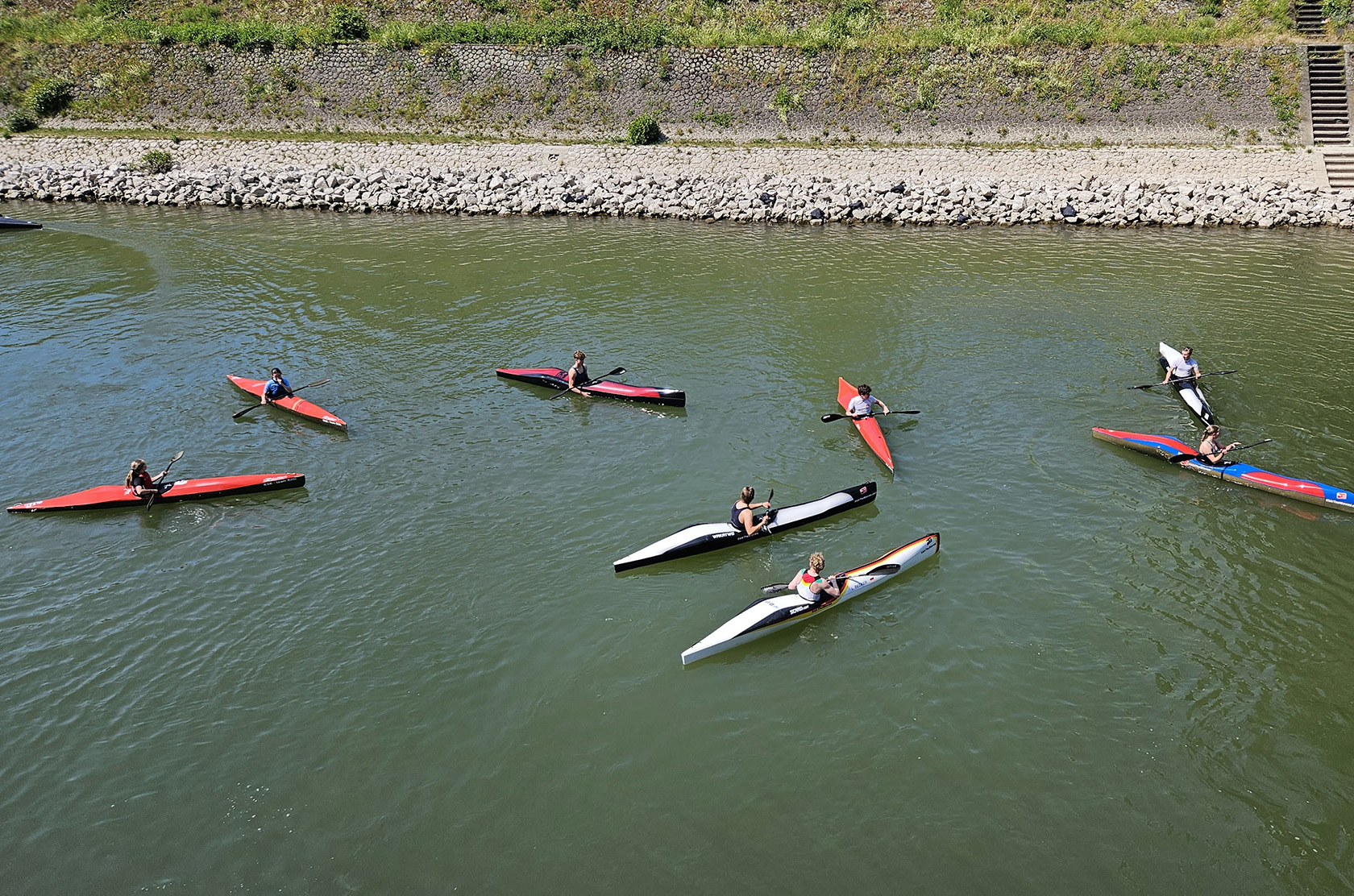
Siegfried’s Mechanical Musical Instrument MuseumSiegfried’s Mechanical Musical Instrument MuseumSiegfried’s Mechanical Musical Instrument MuseumSiegfried’s Mechanical Musical Instrument MuseumSiegfried’s Mechanical Musical Instrument MuseumGondola over the vineyards, RüdesheimGondola over the vineyards, RüdesheimGondola over the vineyards, RüdesheimGondola over the vineyards, RüdesheimGondola over the vineyards, RüdesheimGondola over the vineyards, RüdesheimNiederwald Monument and the Germania Statue, RüdesheimNiederwald Monument and the Germania Statue, RüdesheimNiederwald Monument and the Germania Statue, RüdesheimNiederwald Monument and the Germania Statue, RüdesheimA street view in RüdesheimA street view in RüdesheimWindow boxes in RüdesheimRüdesheim SquareA biergarten in RüdesheimCruising along the Rhine from Cruising by Rüdesheim to CologneCruising by Rüdesheim Burg Rheinstein CastleCruising along the Rhine from Cruising by Rüdesheim to CologneCruising along the Rhine from Cruising by Rüdesheim to CologneKayak Class on the RhineCruising along the Rhine from Cruising by Rüdesheim to CologneCruising along the Rhine from Cruising by Rüdesheim to CologneA high-speed passenger train along the route from Rüdesheim to CologneLorelei Statue at Rhine Gorge
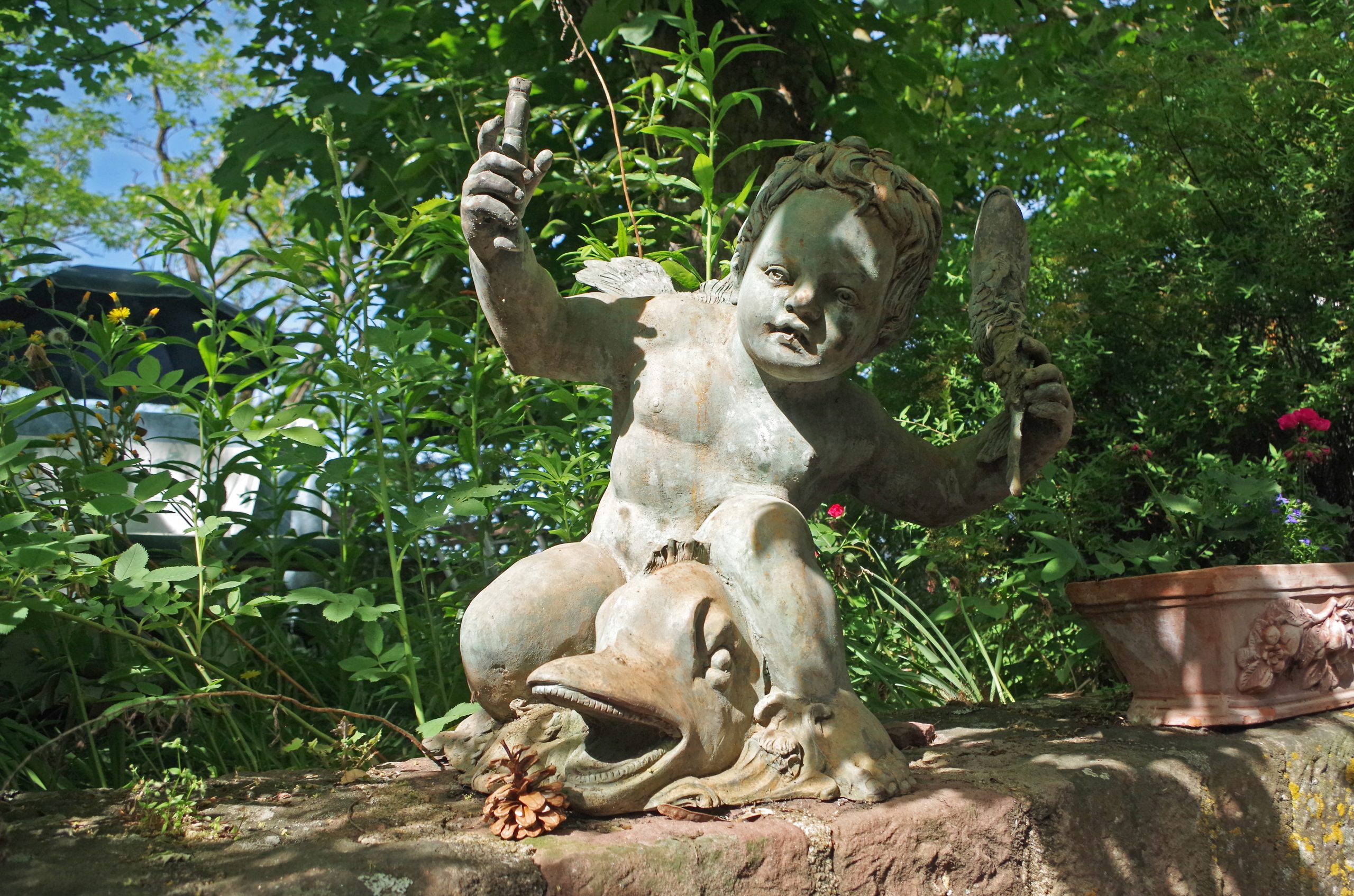
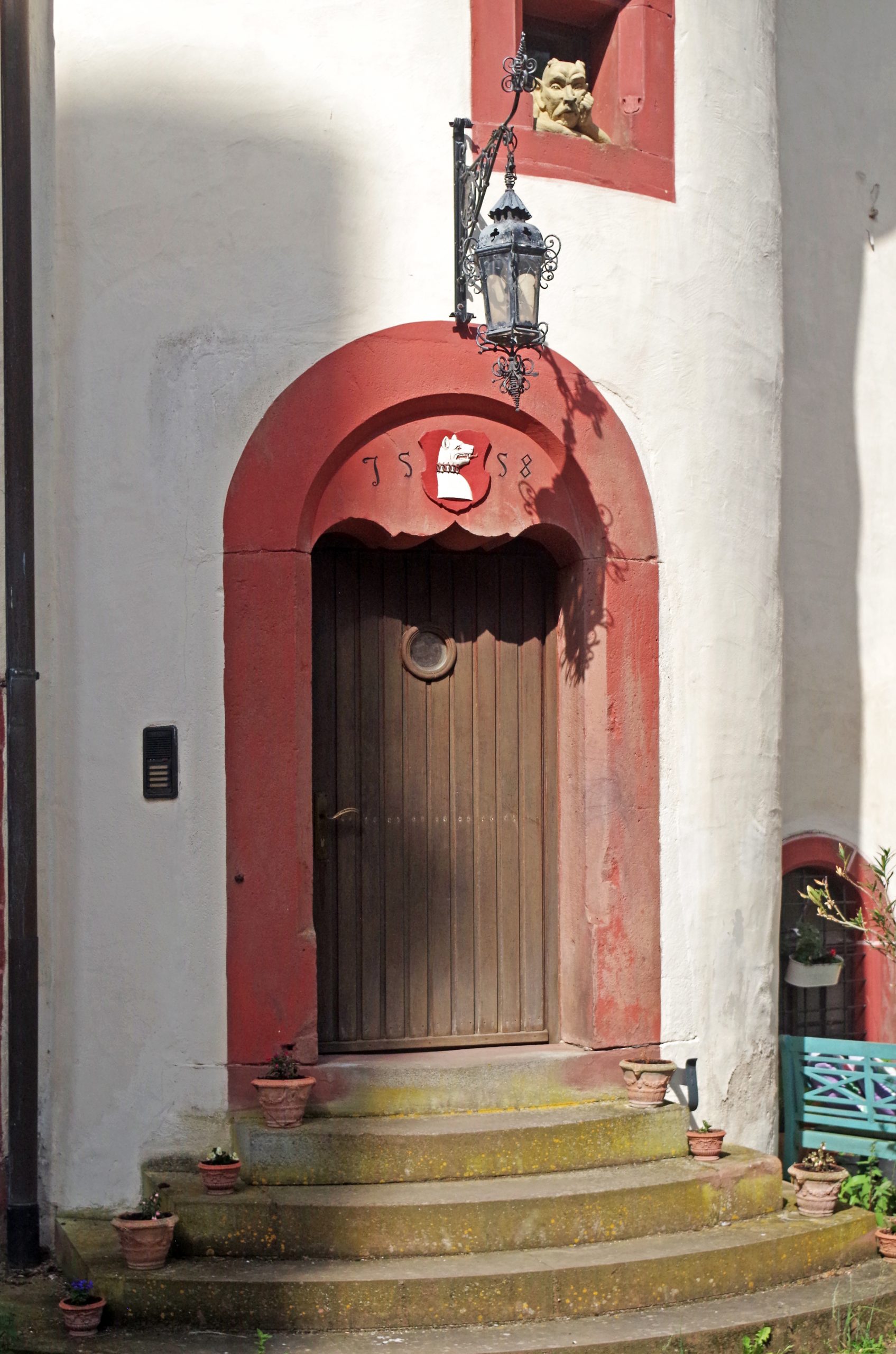
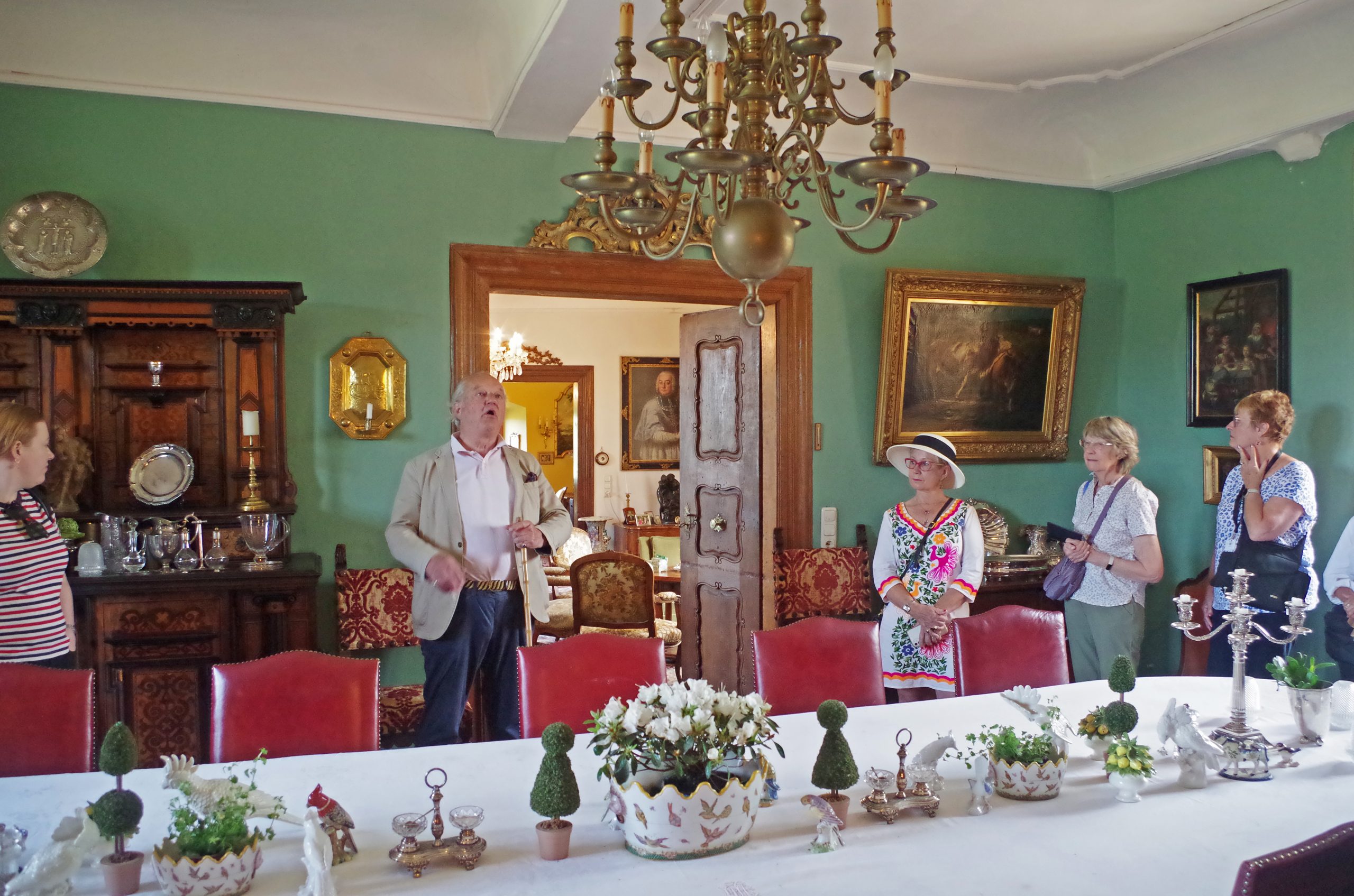
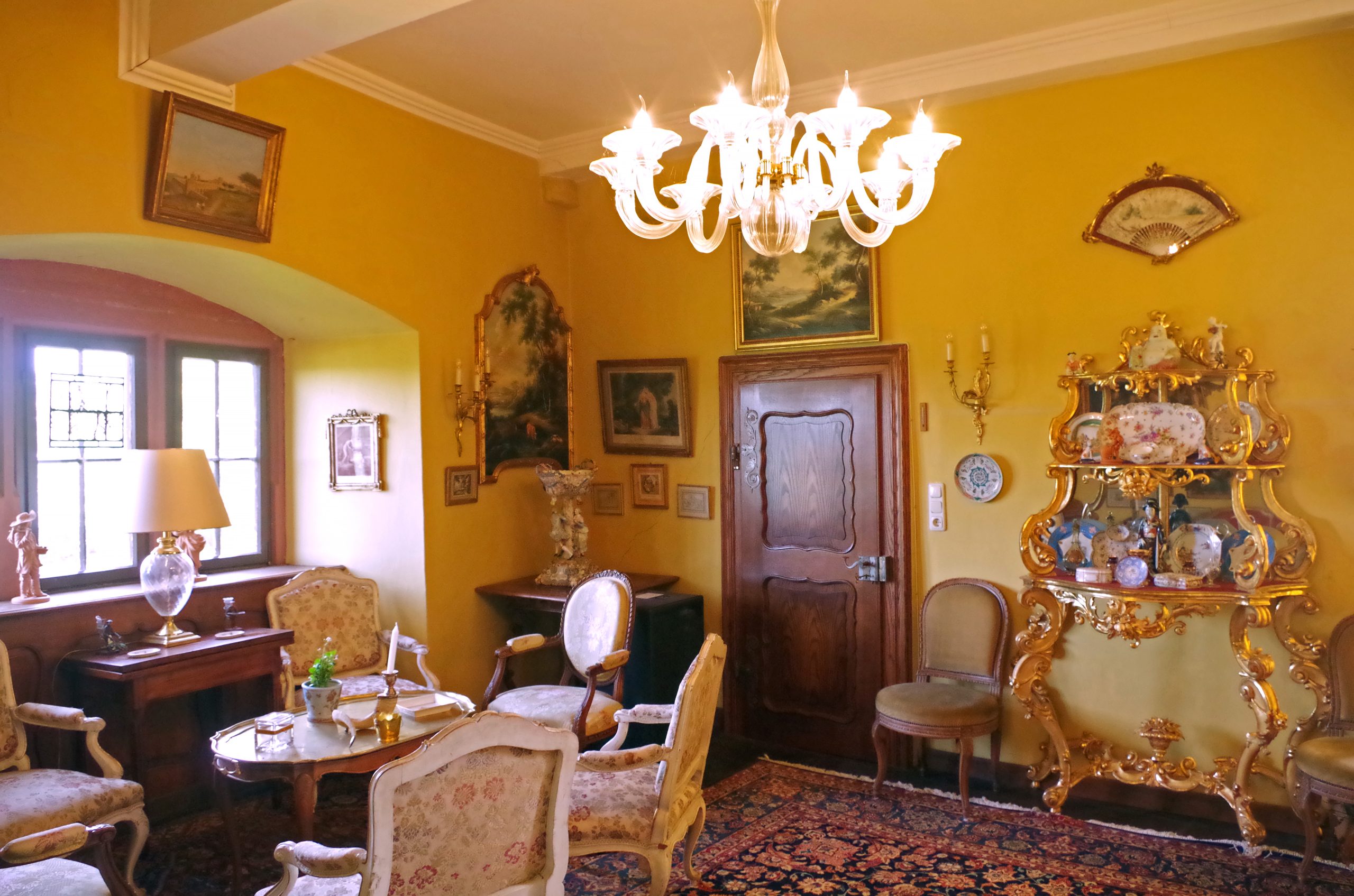
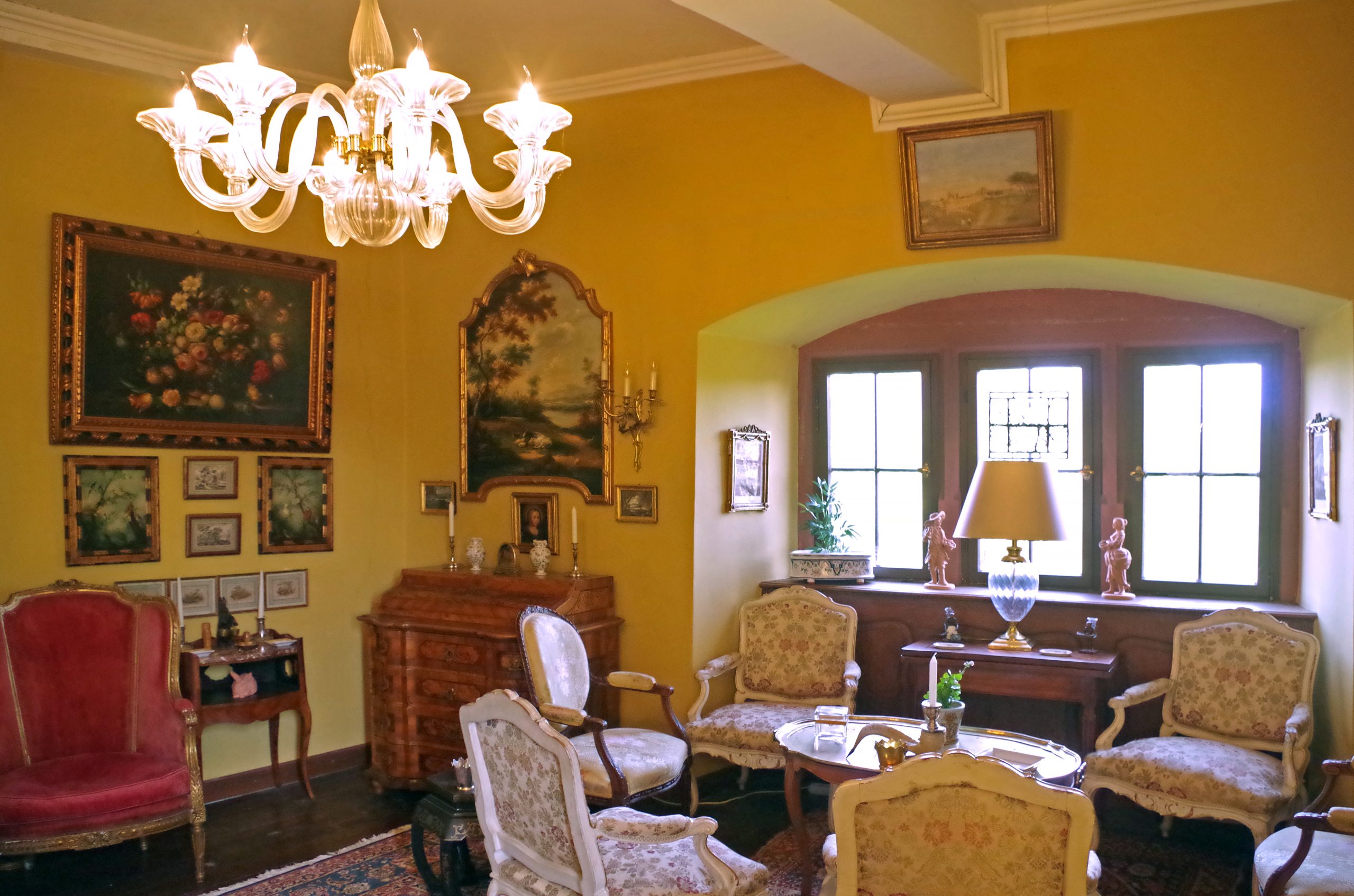
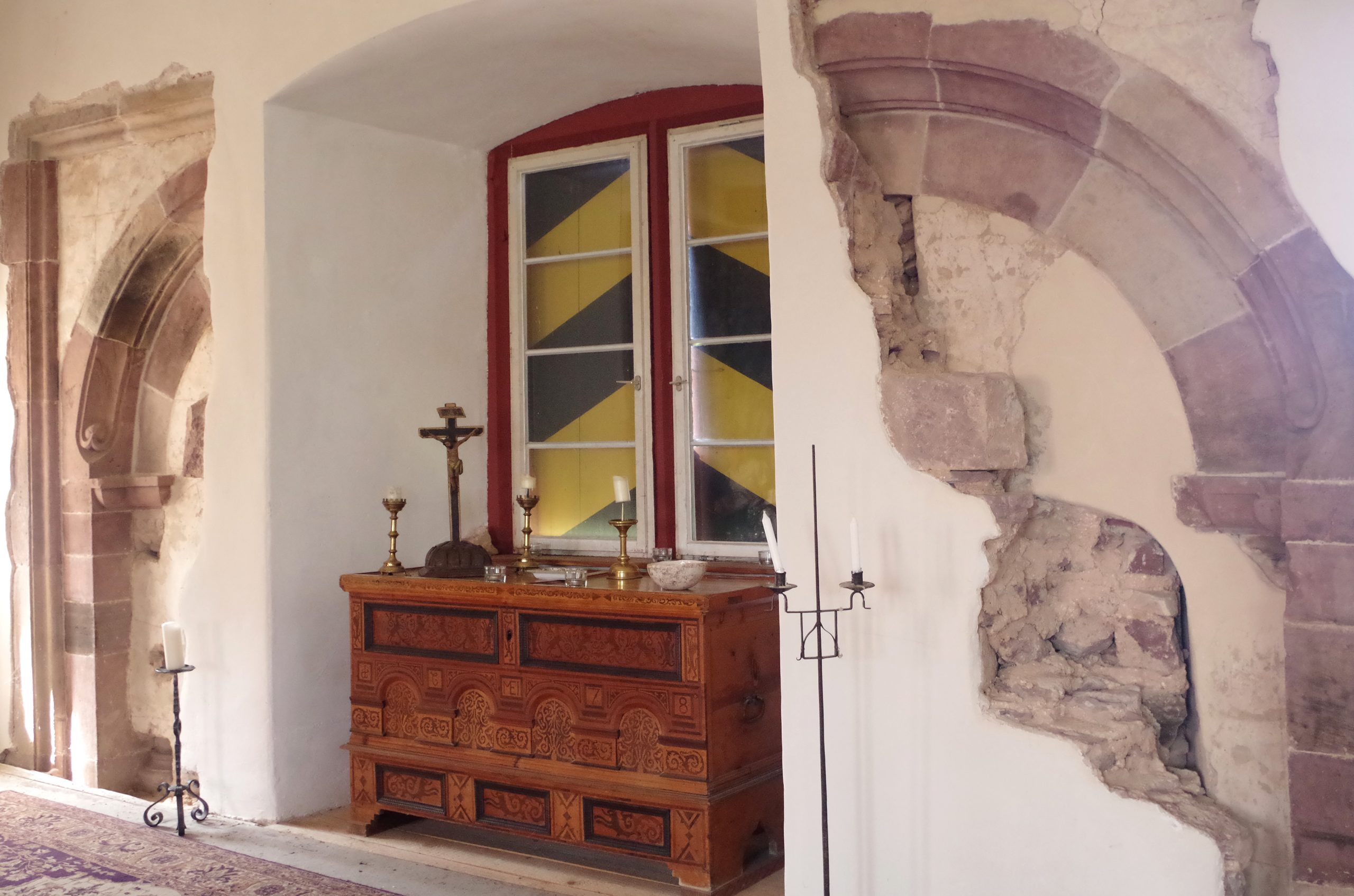
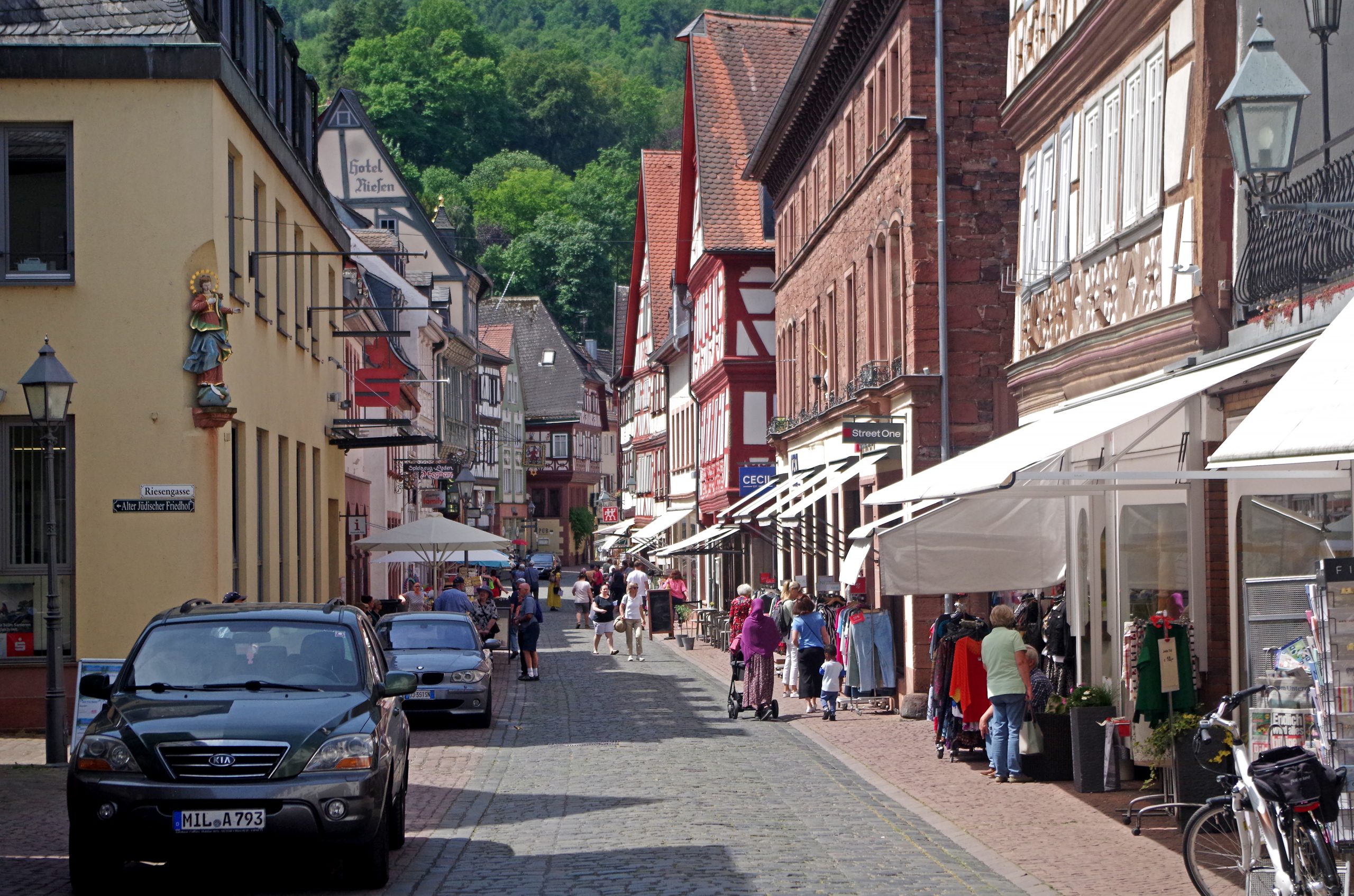
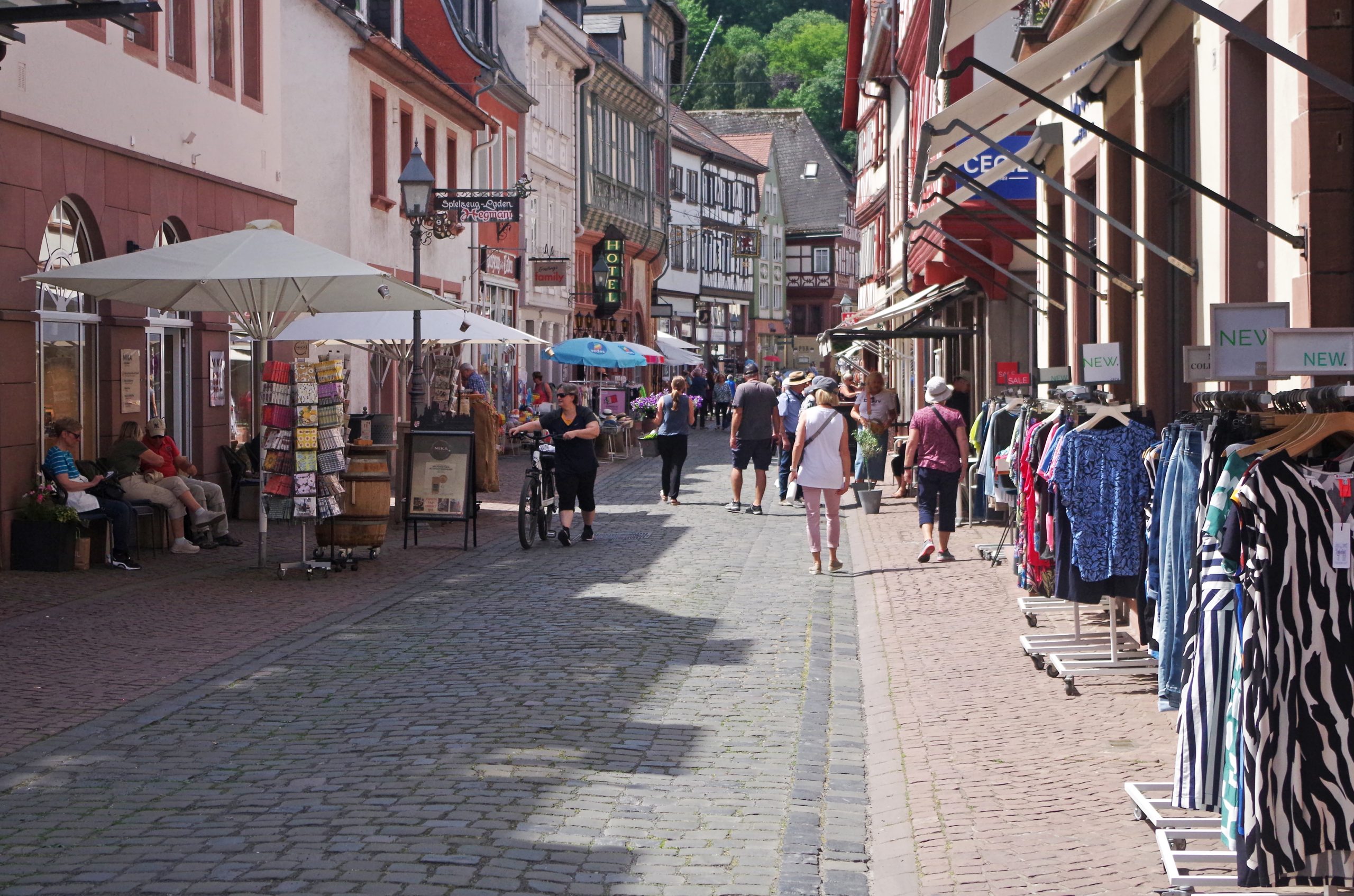
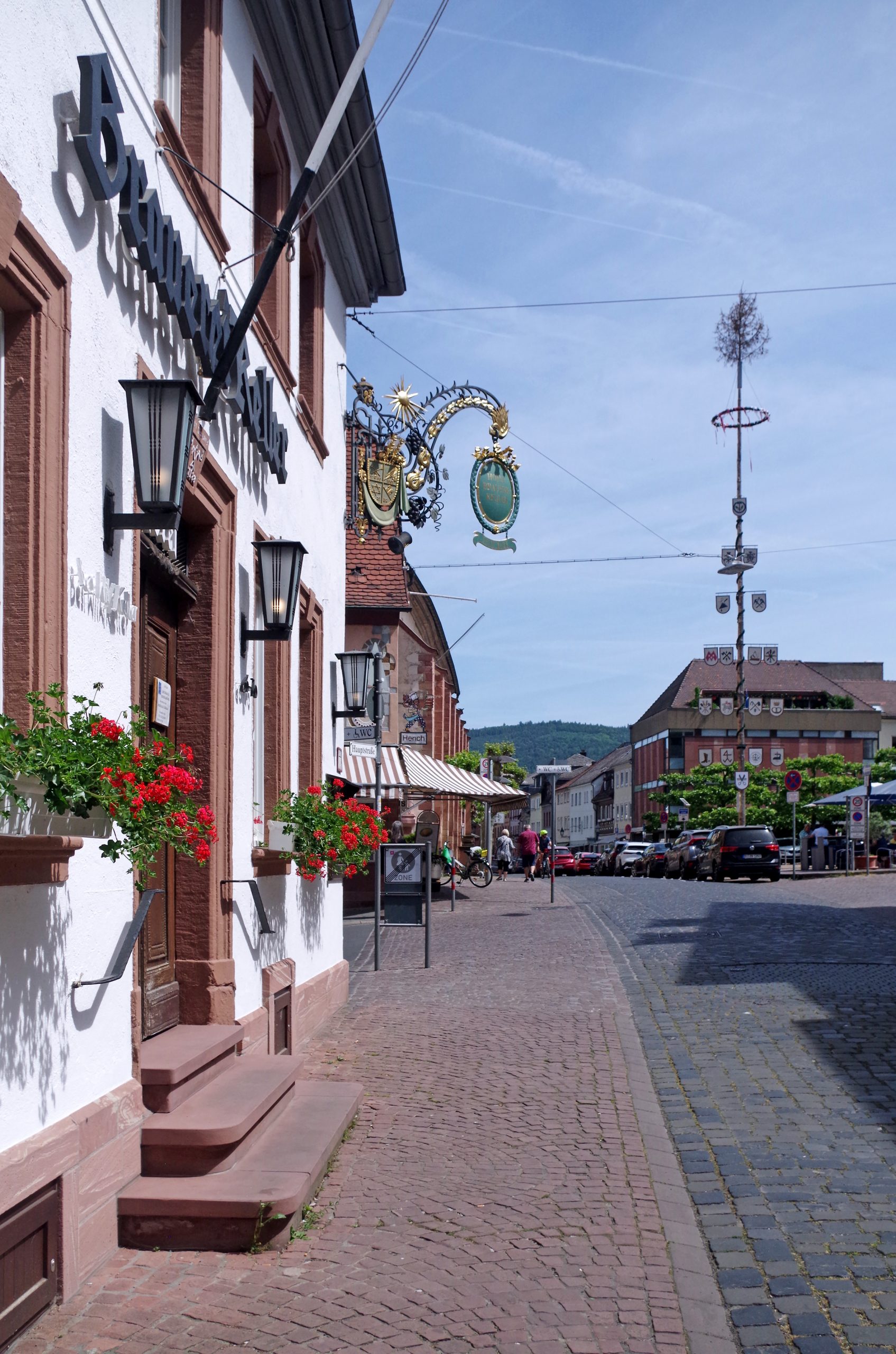
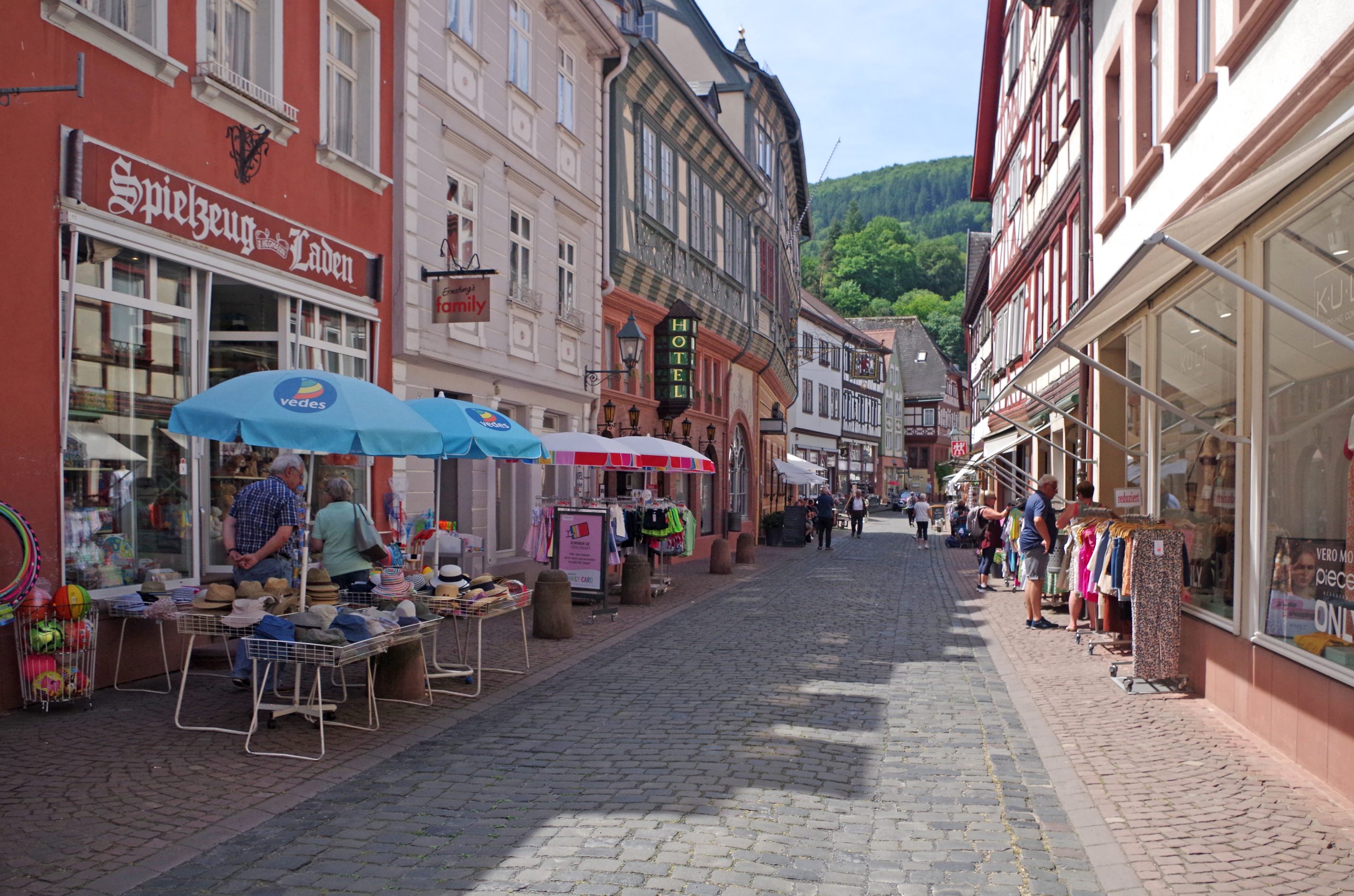
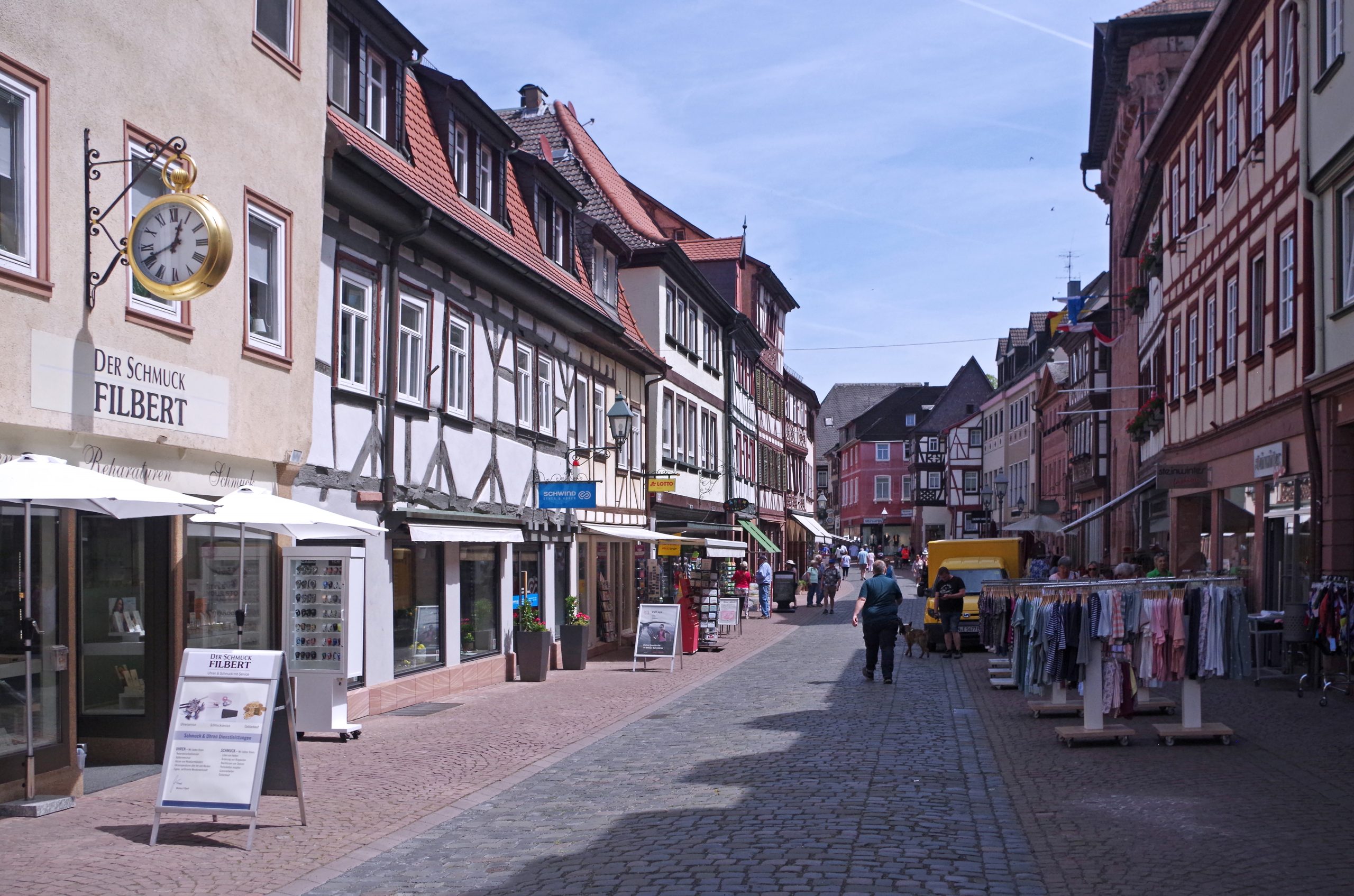
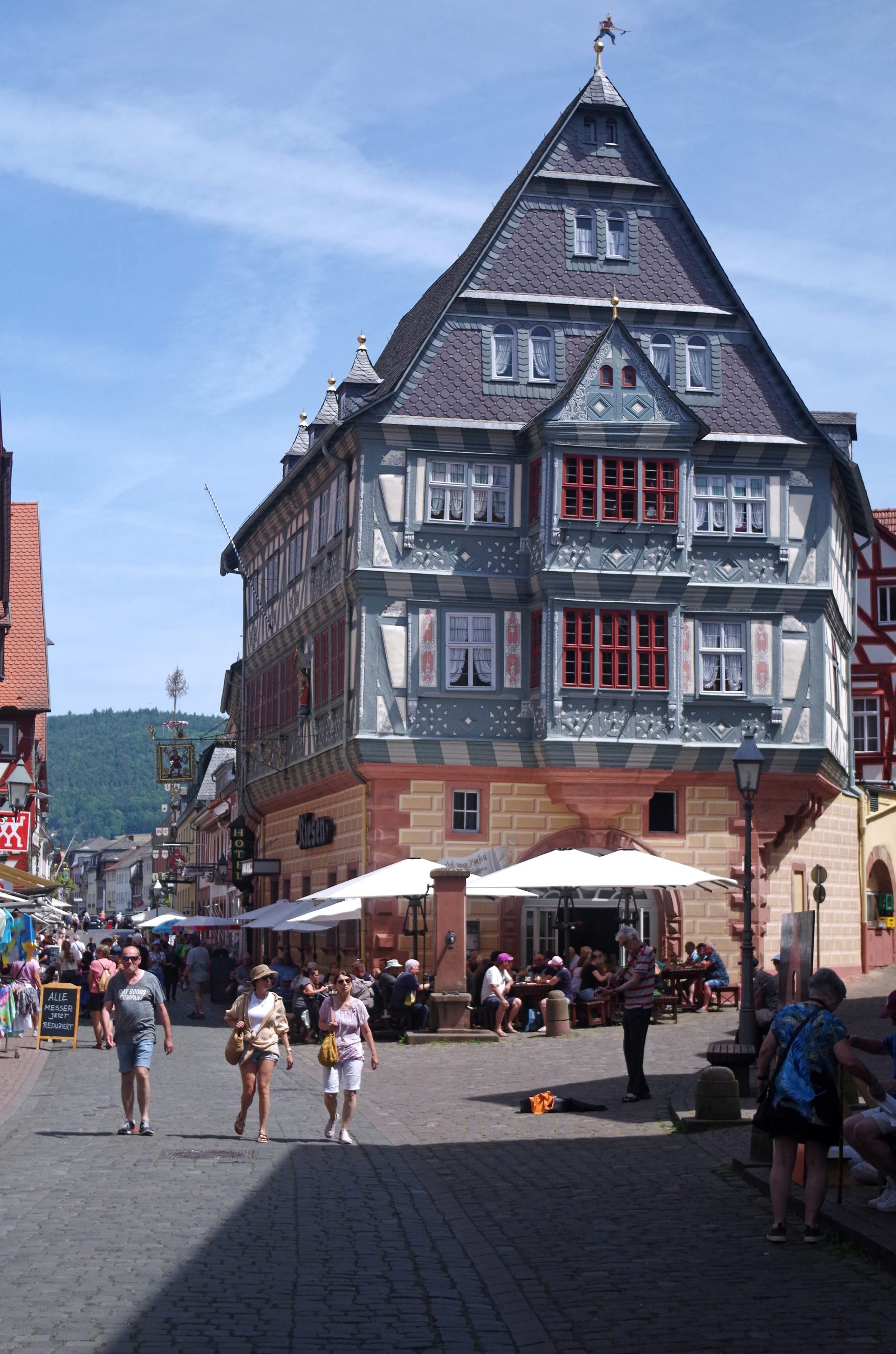
The small Bavarian town of Miltenberg was one of our favorite destinations in Germany. We visited a baron and baroness in their private castle, a fascinating ongoing work of restoration. Afterward, we spent time on our own in a walking tour of this charming town with its half-timbered historical buildings. Located on a bend of the Main River, the town is often referred to as the Pearl of the Main, and we concur with that characterization.
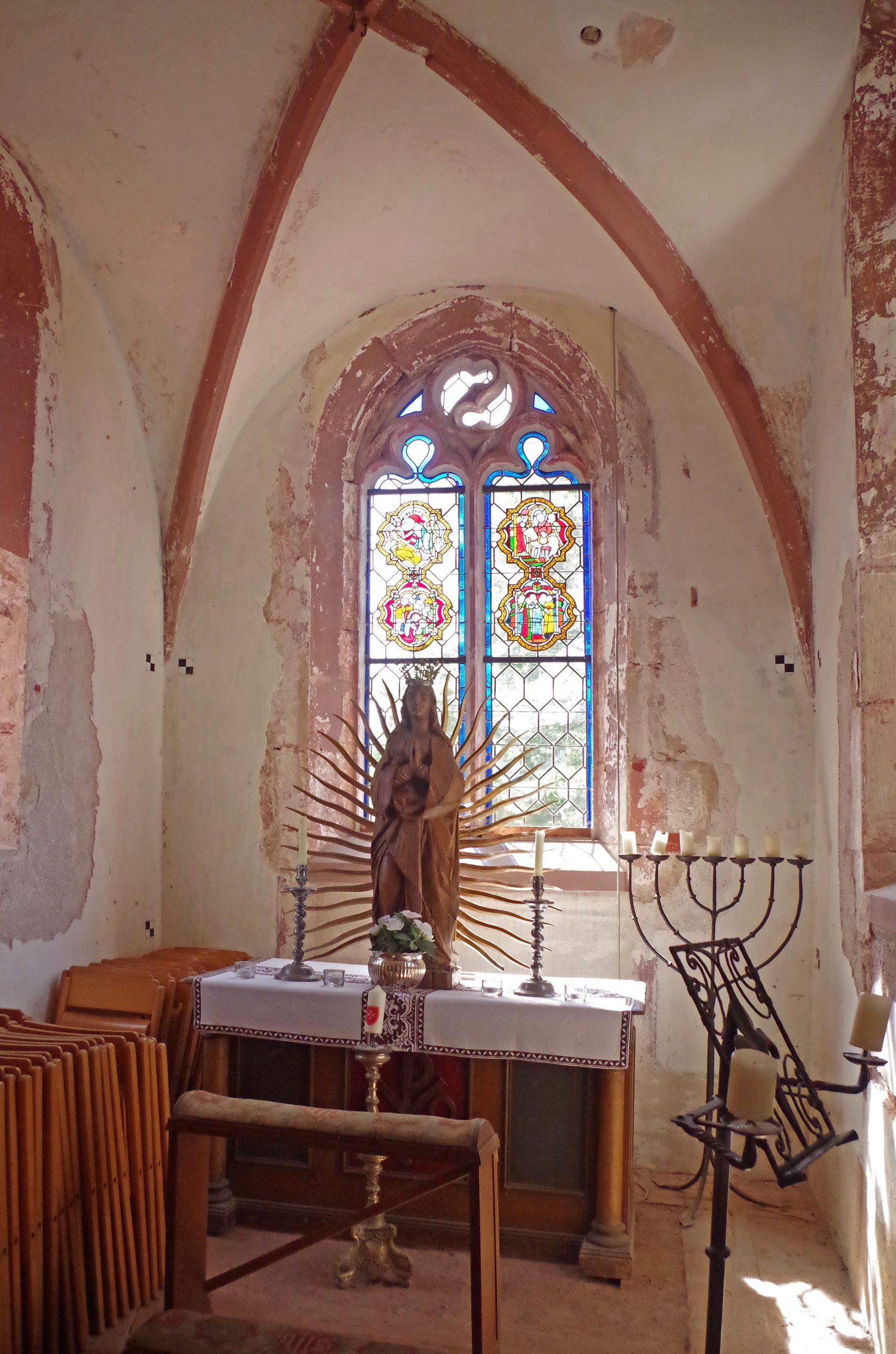
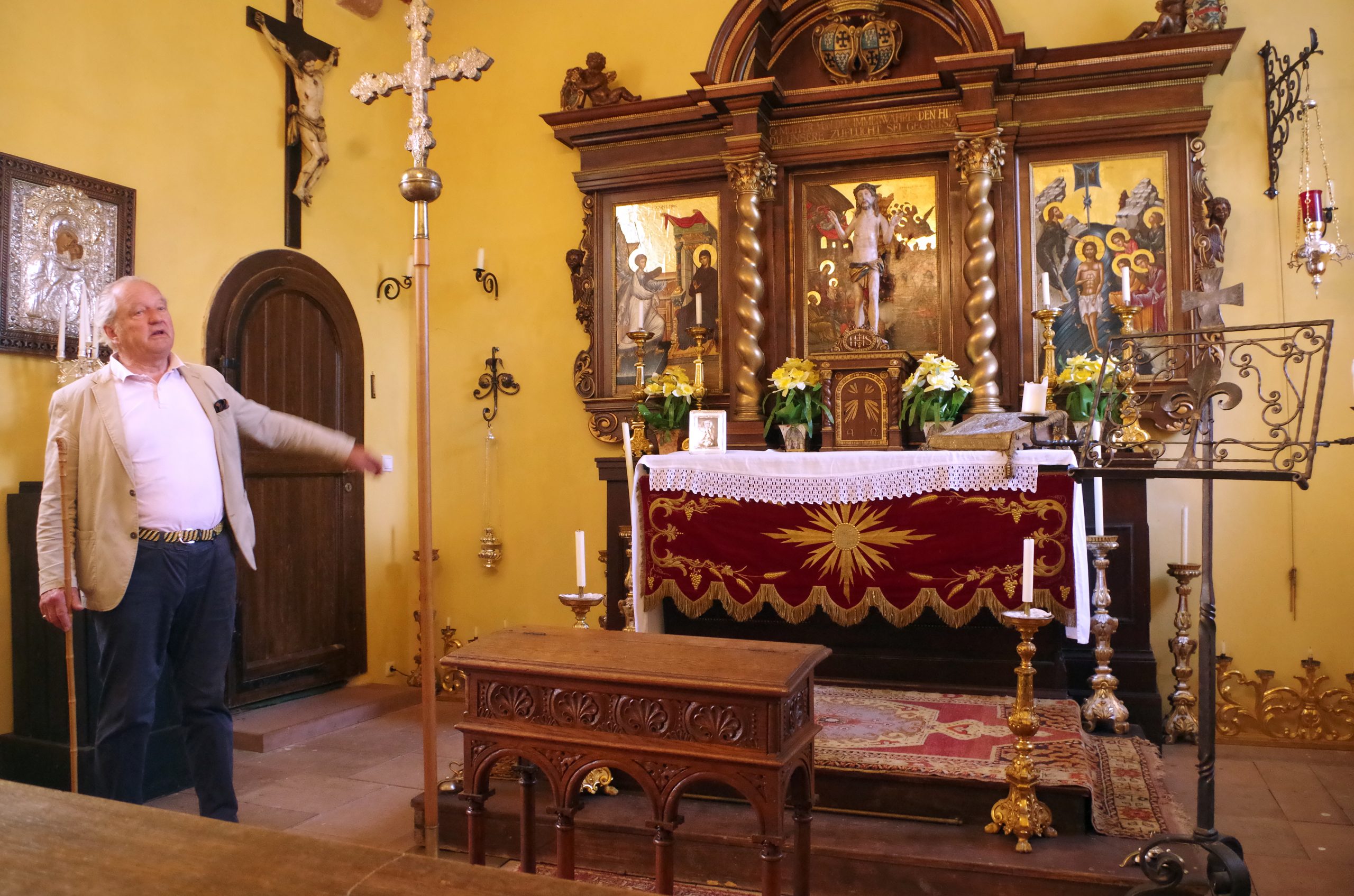
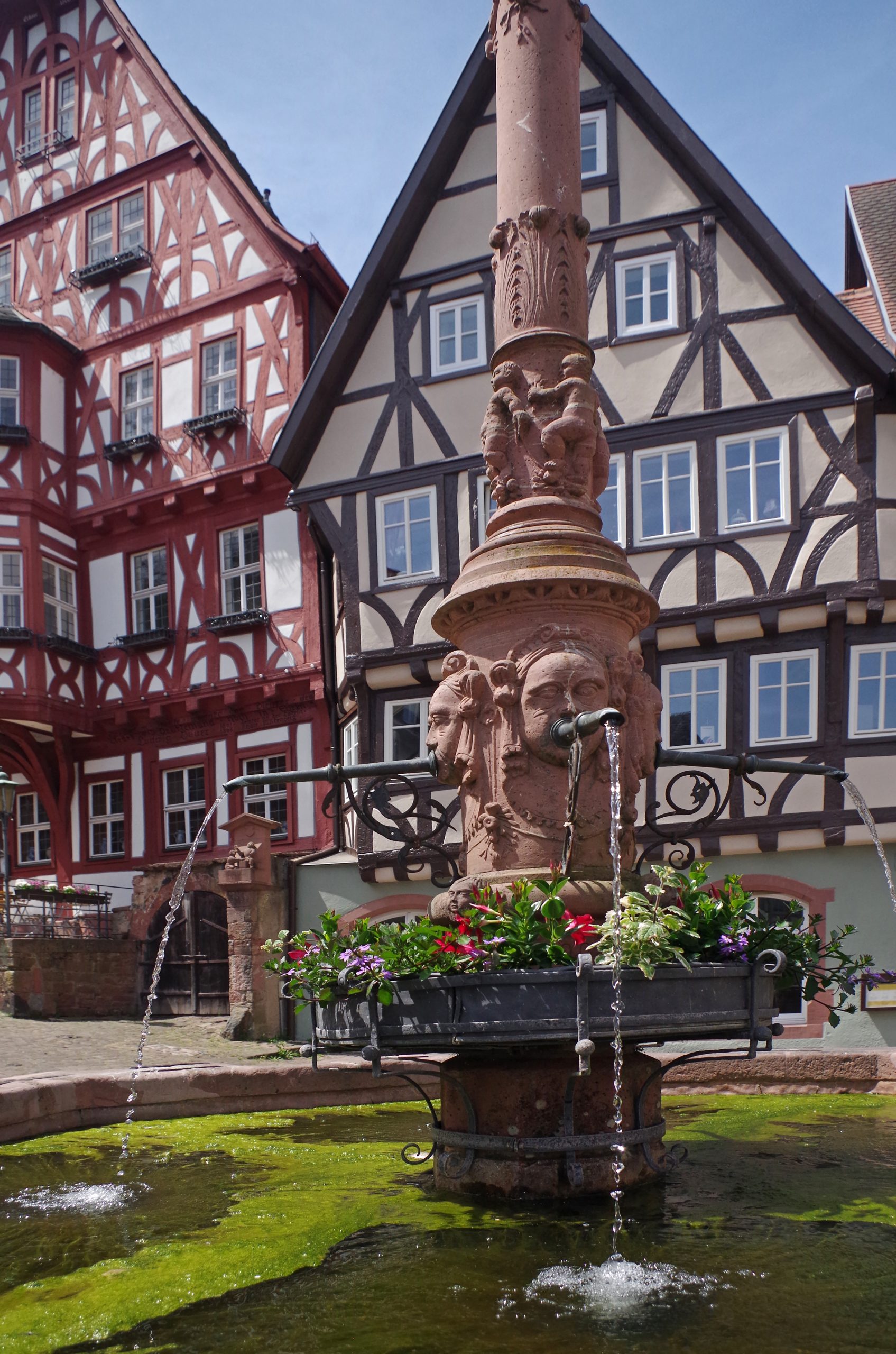
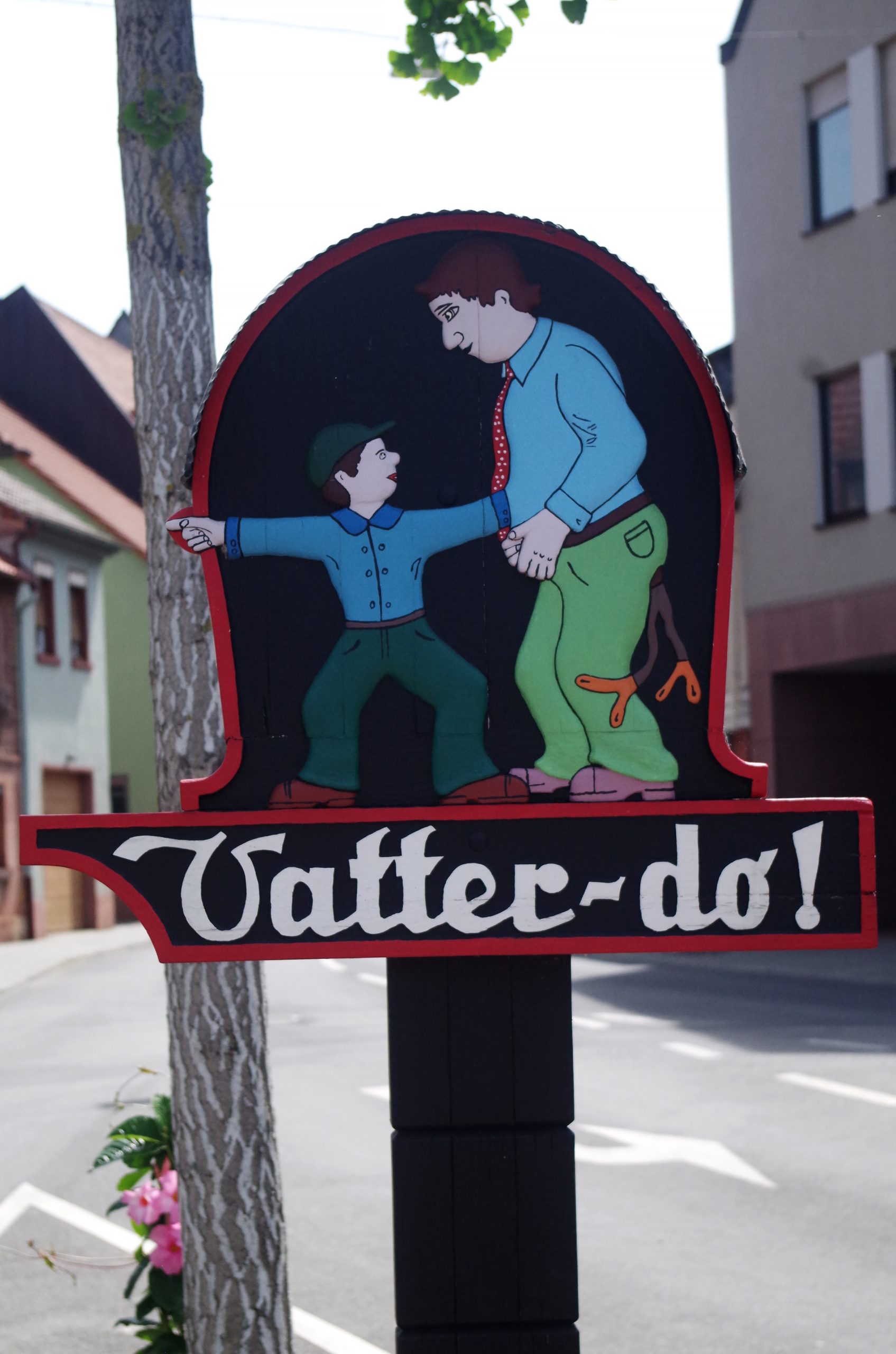
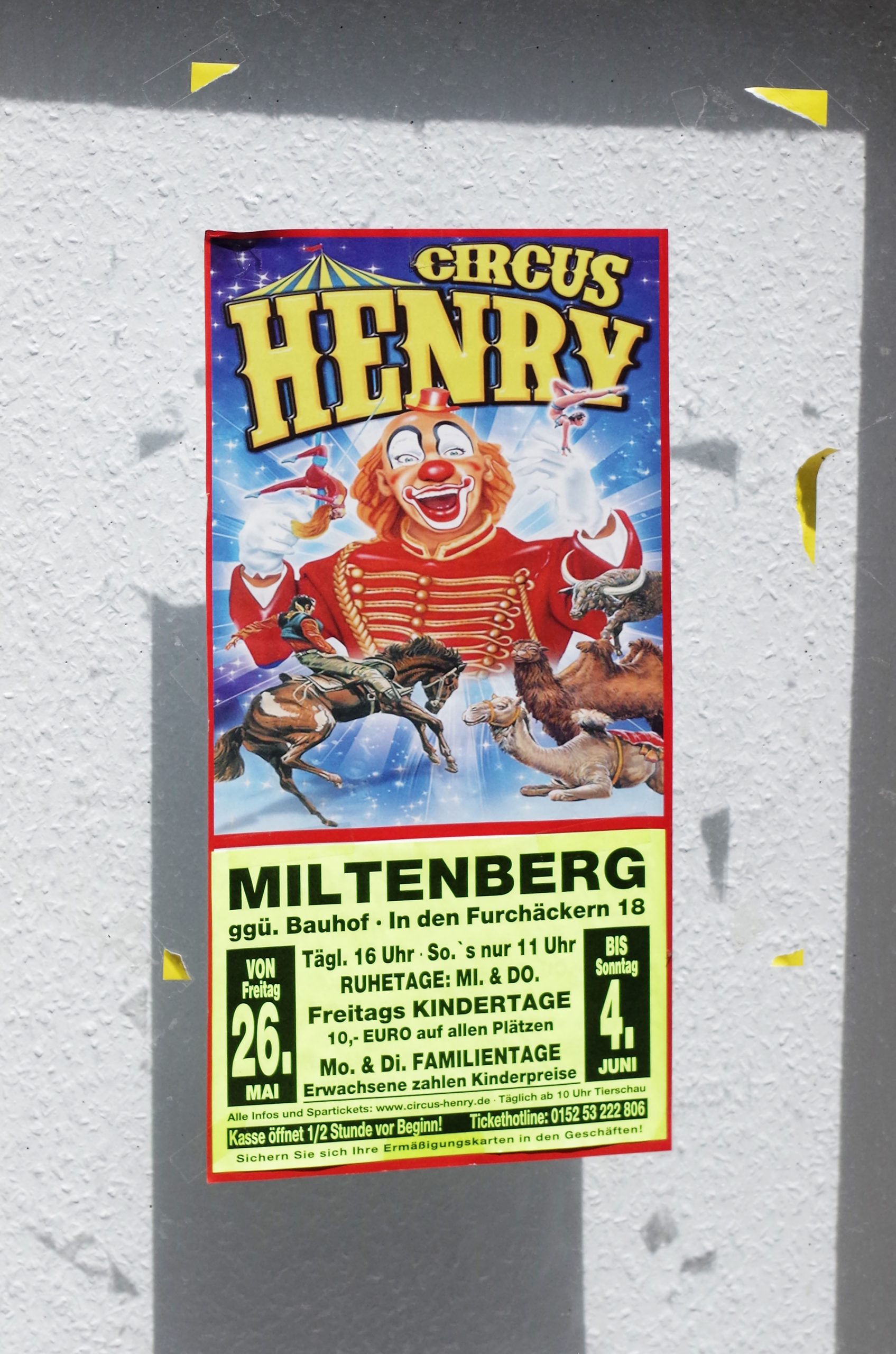
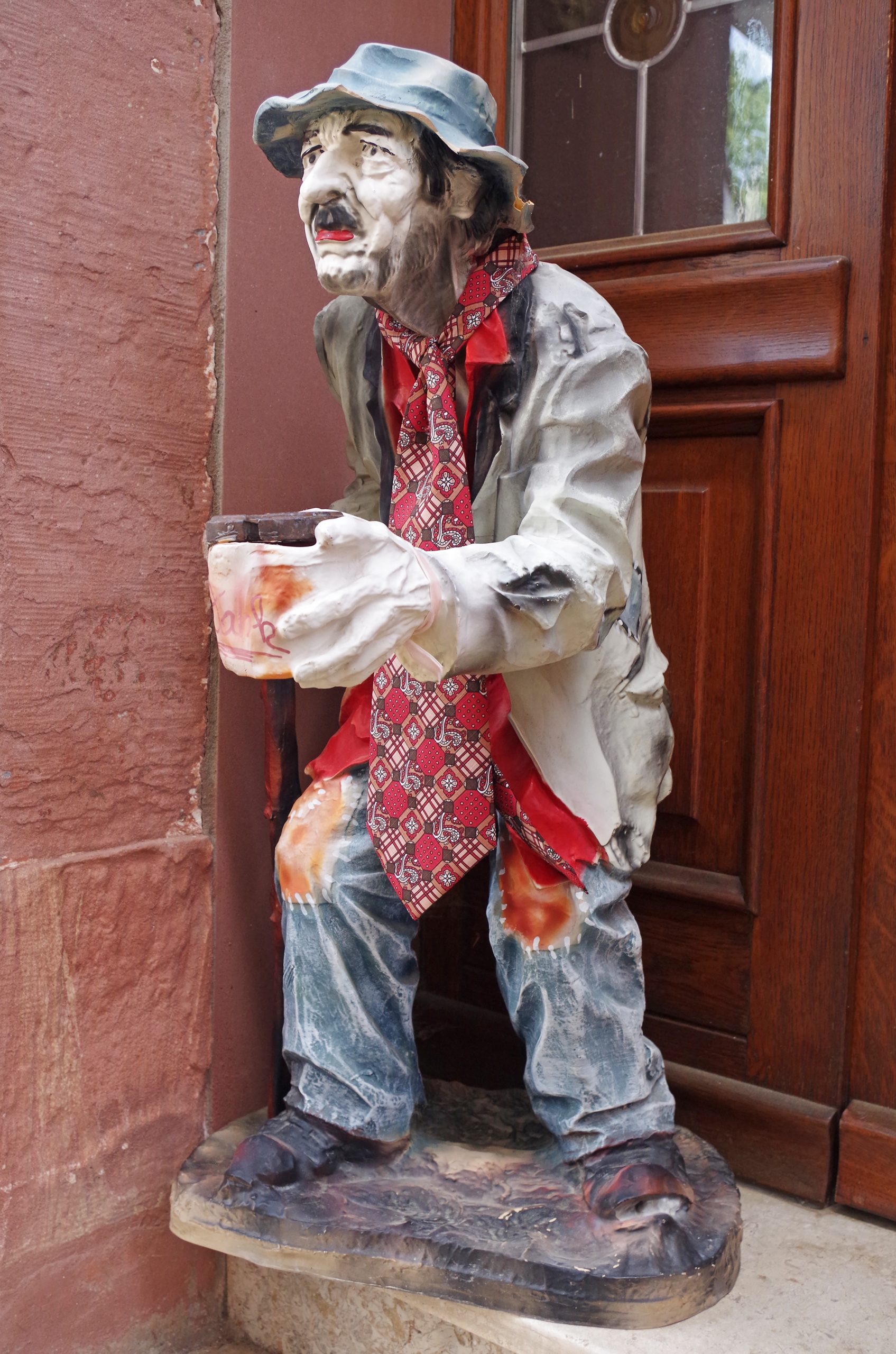
On the grounds of the aristocrats’ castle, MiltenbergDoorway at the aristocrats’ castle, MiltenbergThe baron in the dining room at the aristocrats’ castle, MiltenbergThe baroness’s personal room at the aristocrats’ castle, MiltenbergThe baroness’s personal room at the aristocrats’ castle, MiltenbergHistoric discovery at the aristocrats’ castle, MiltenbergSmall chapel at the aristocrats’ castle, MiltenbergThe baron in the main chapel at the aristocrats’ castle, MiltenbergA scene in the charming town of MiltenbergA scene in the charming town of MiltenbergMaypole in downtown MiltenbergDowntown MiltenbergDowntown MiltenbergHotel and street performer in downtown MiltenbergFountain in downtown MiltenbergSign in downtown MiltenbergThe circus was coming to town, MiltenbergDoorway statue in downtown MiltenbergCobblestones in downtown MiltenbergWalking trail in downtown MiltenbergWalking trails in downtown MiltenbergSign along walking trail in downtown Miltenberg
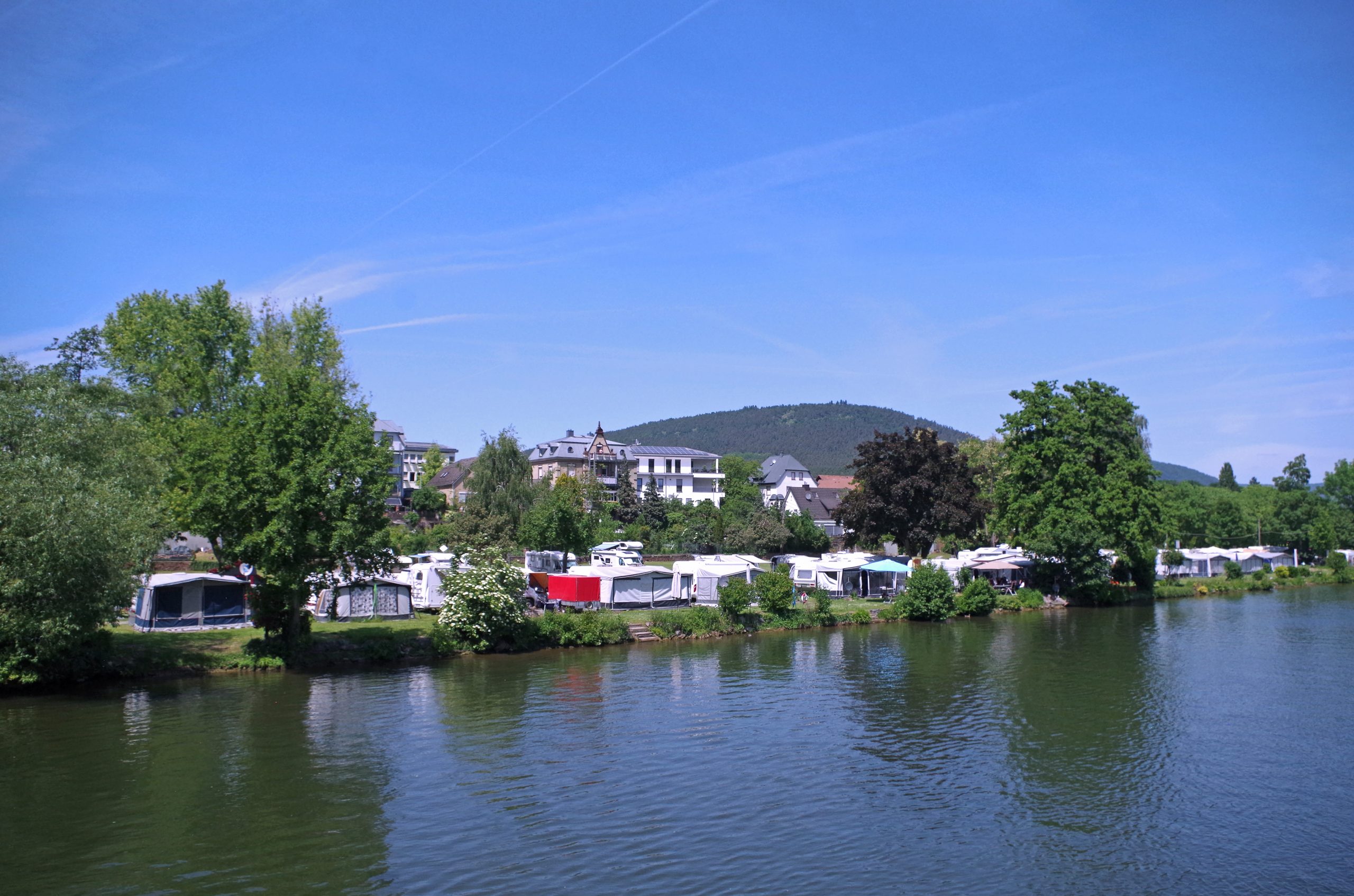
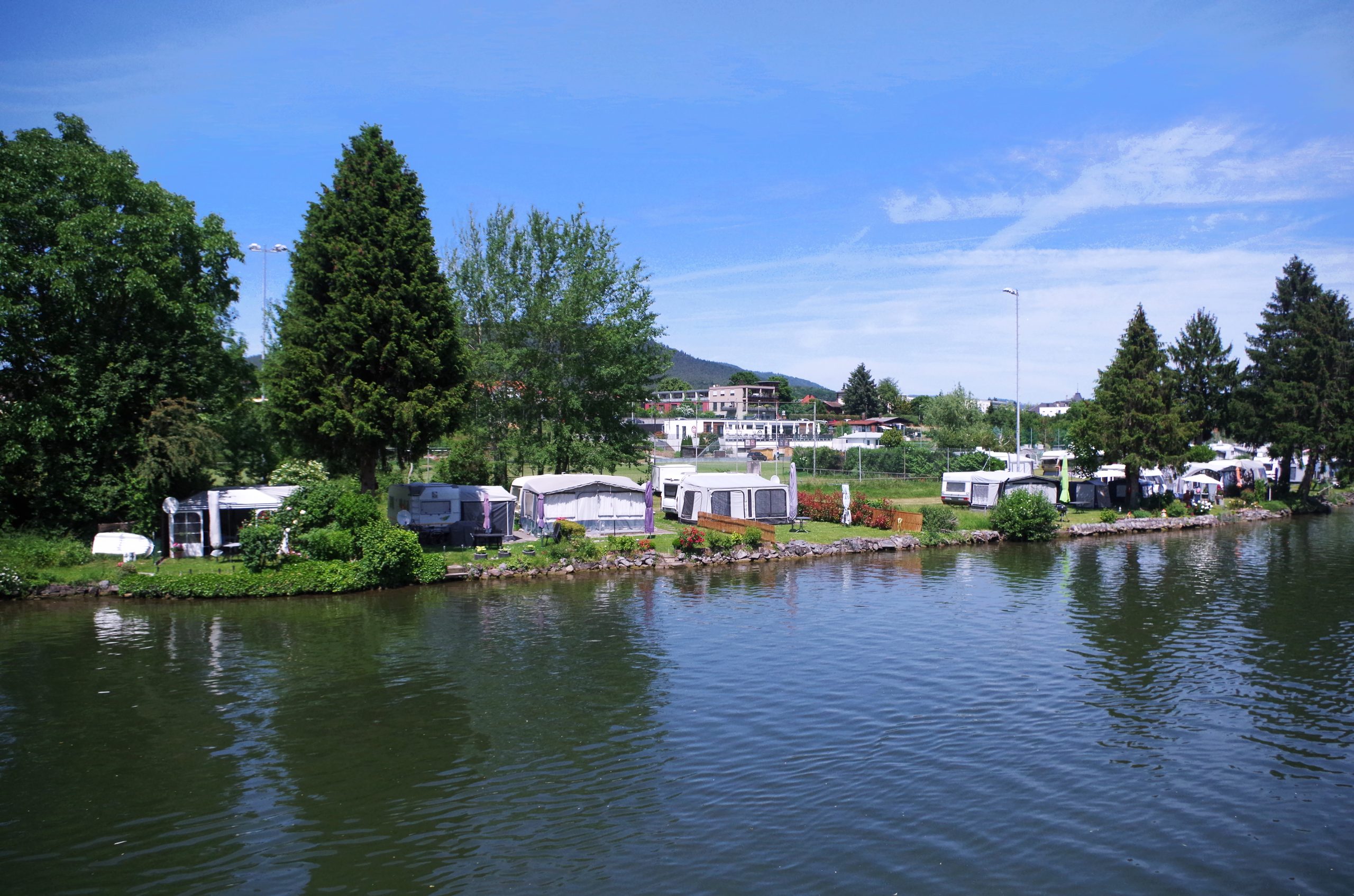
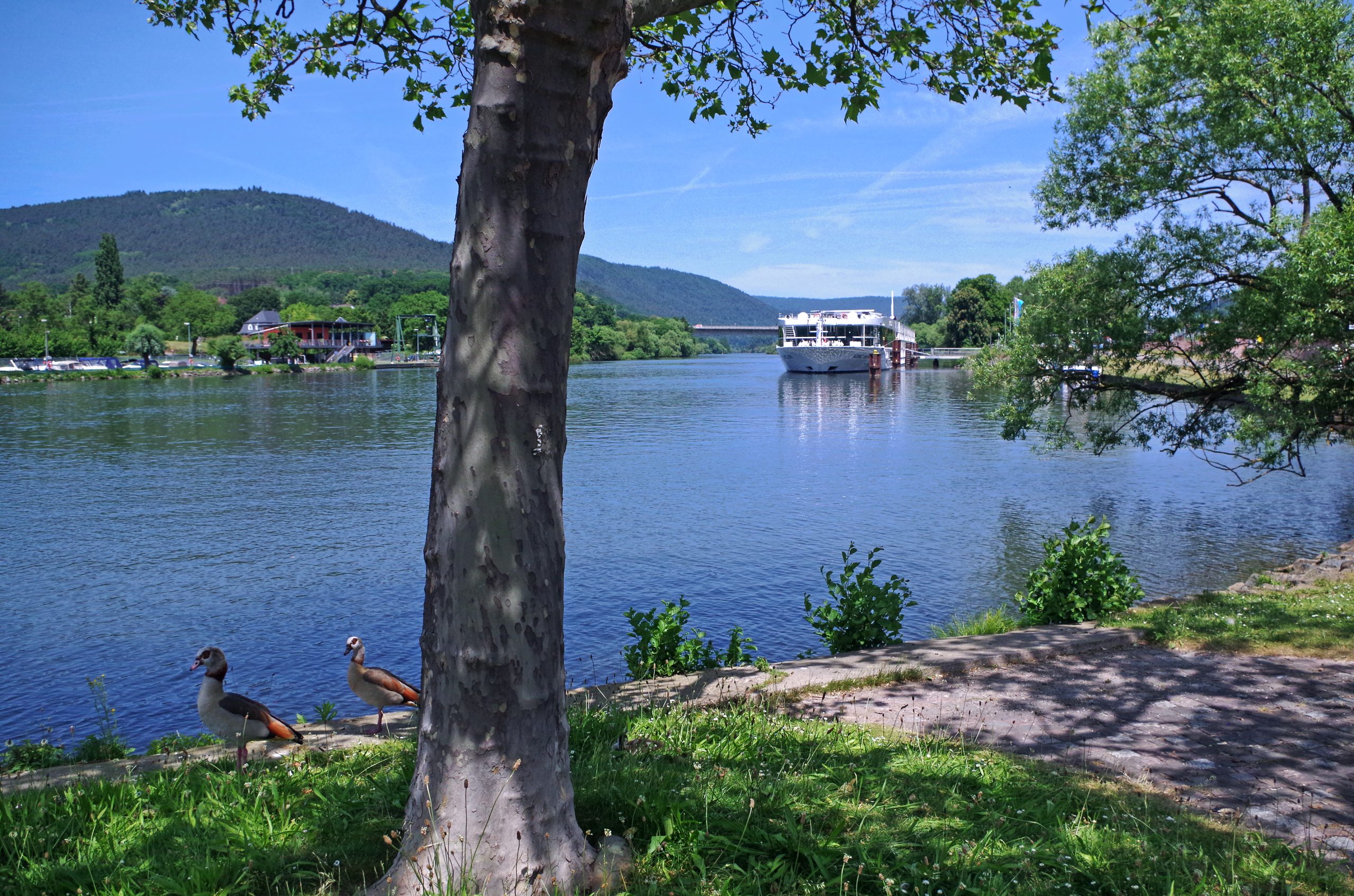
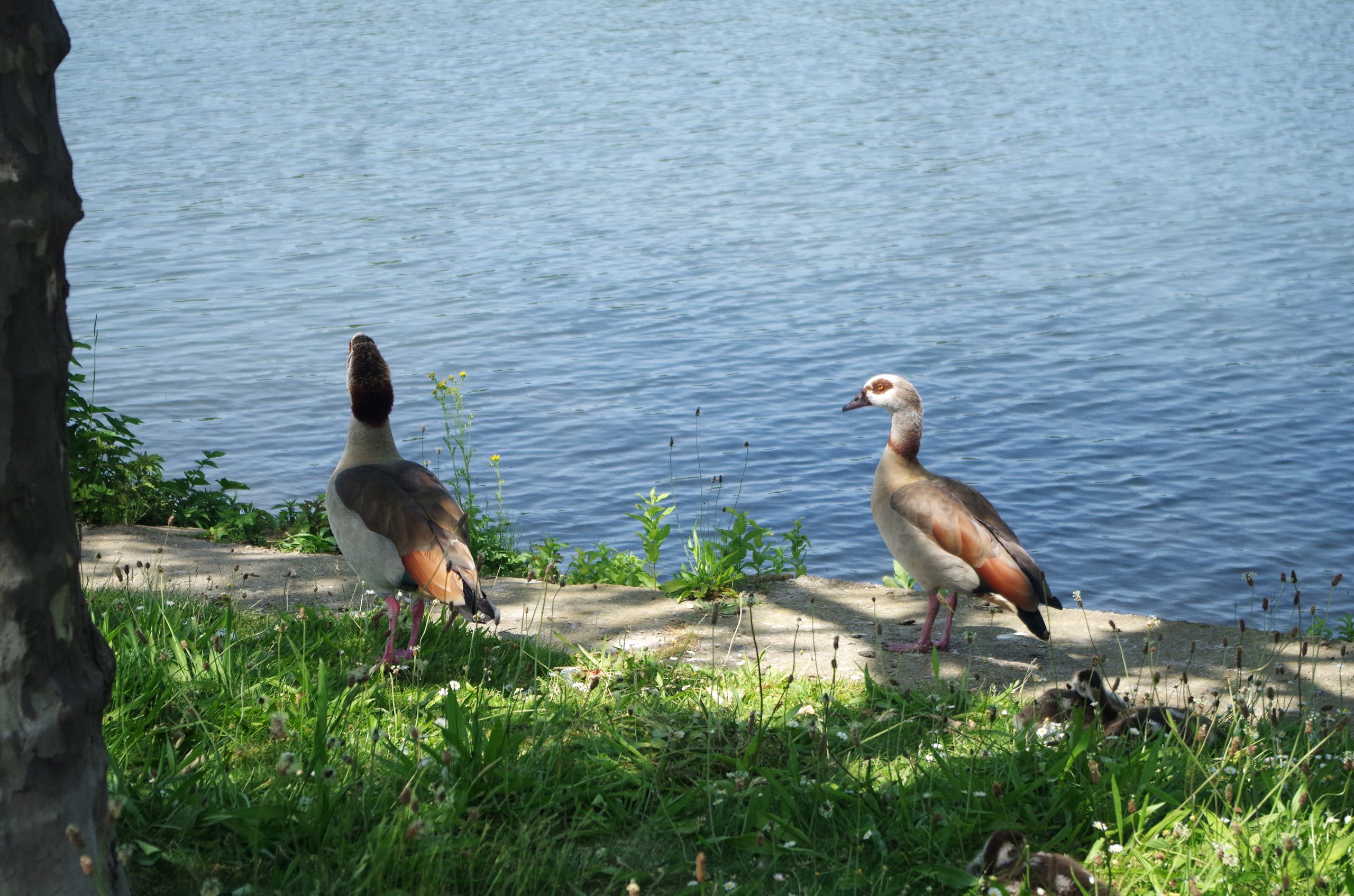
Continuing our cruise, we encountered campgrounds and Nile Geese along the river. Throughout Bavaria, it was fascinating to hear cuckoos calling from the treetops.
One of many riverside campgrounds in Germany.One of many riverside campgrounds in Germany.Nile geese along the river.Nile geese along the river.
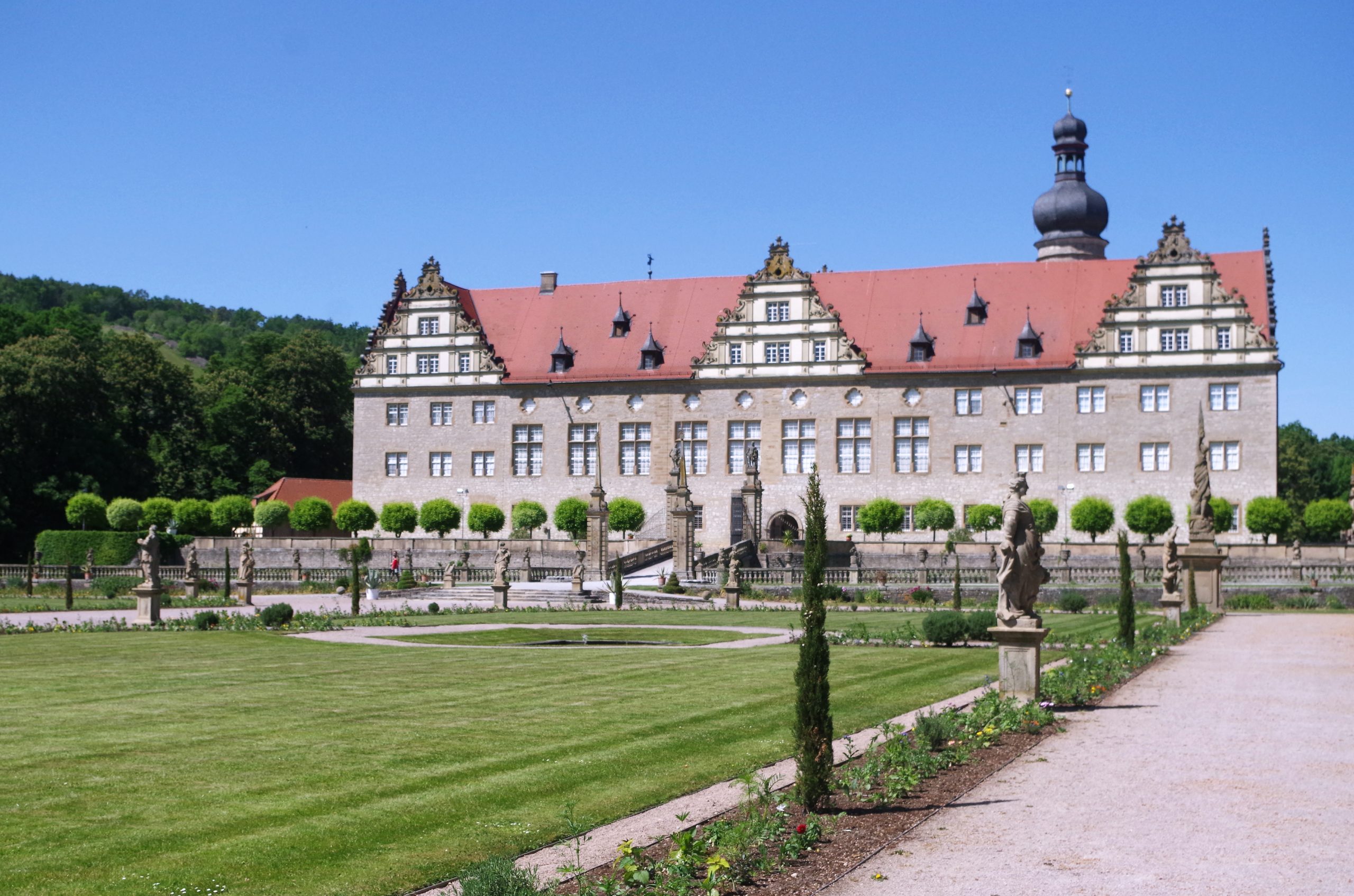
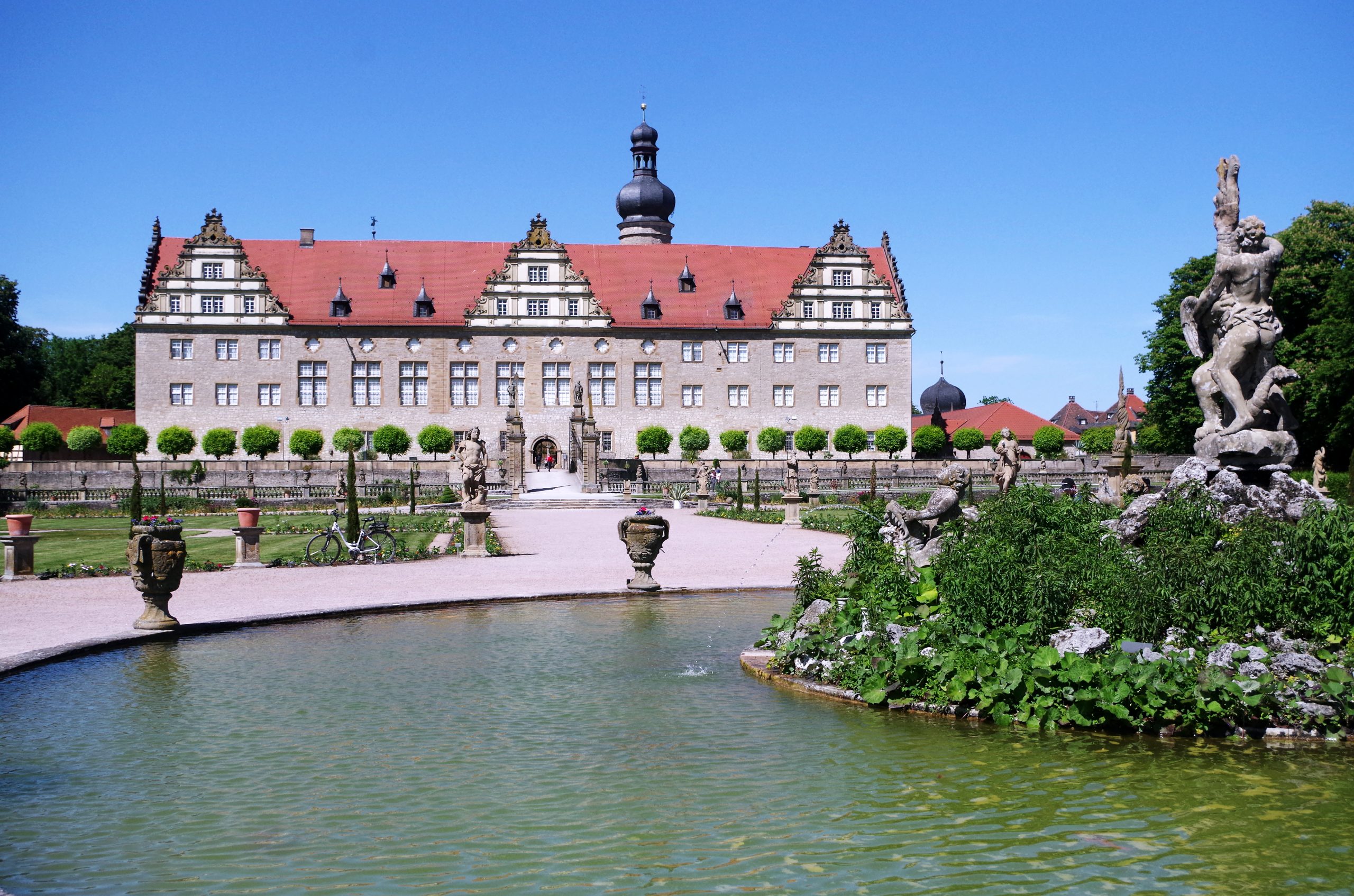
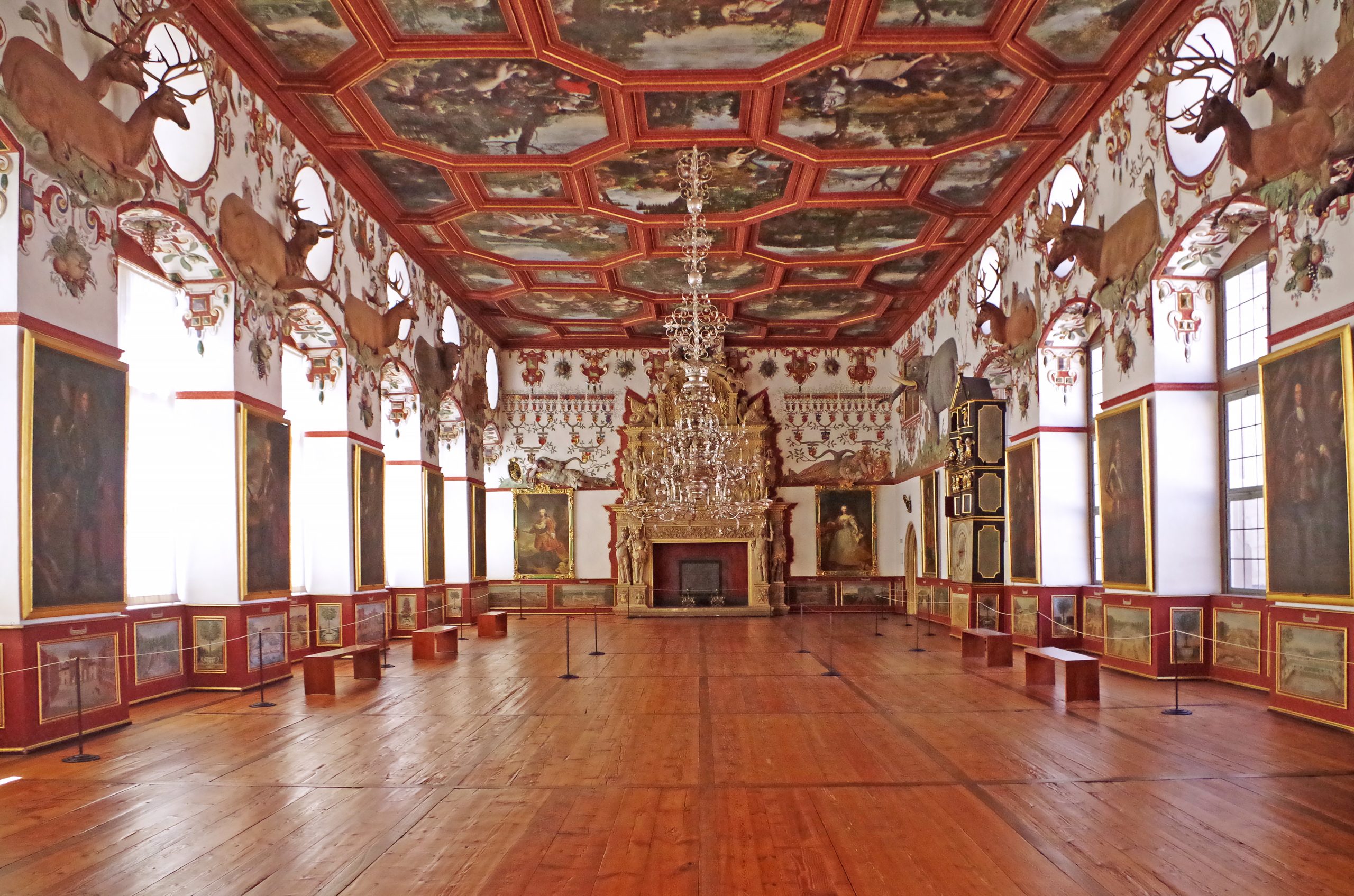
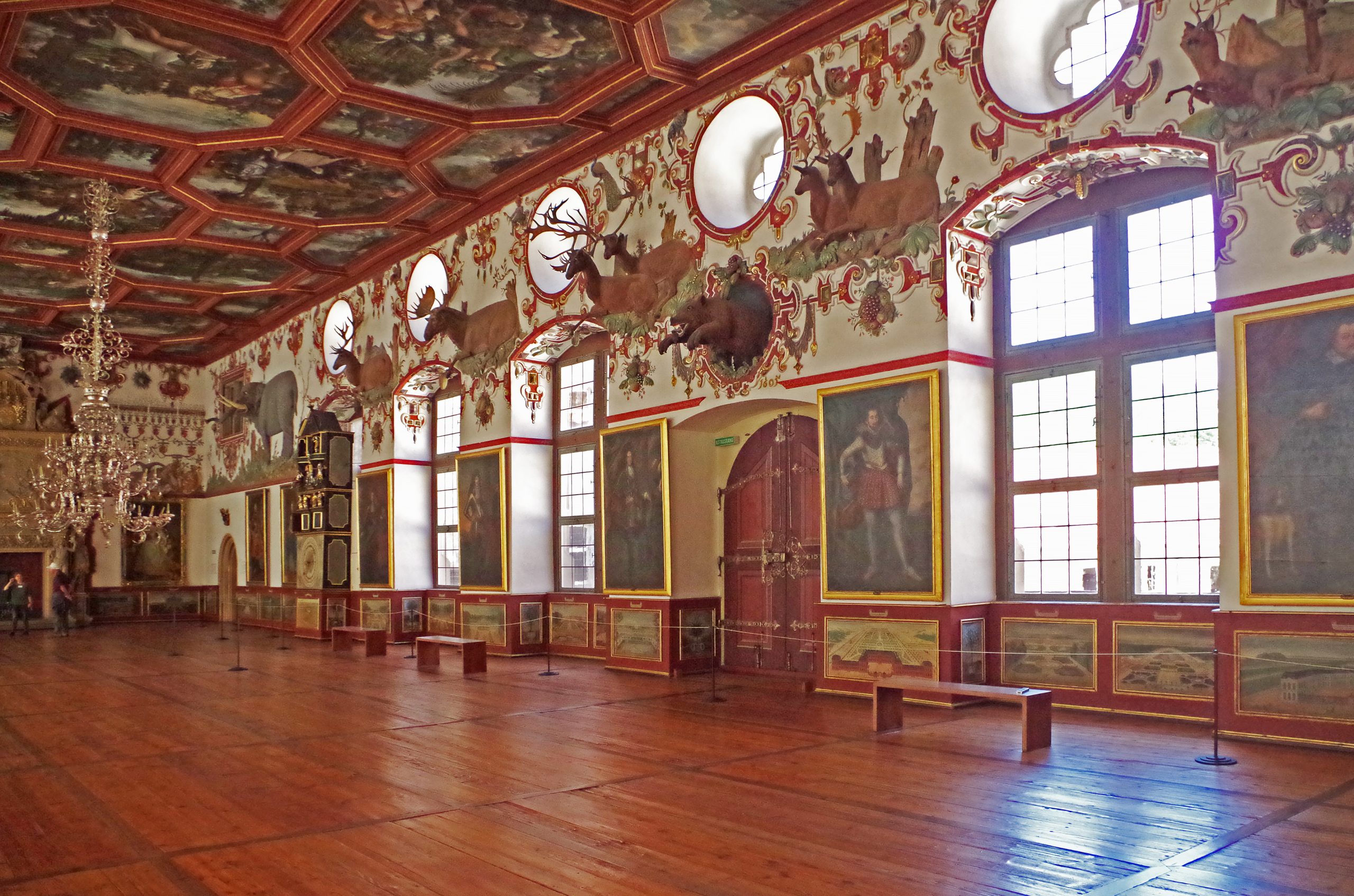
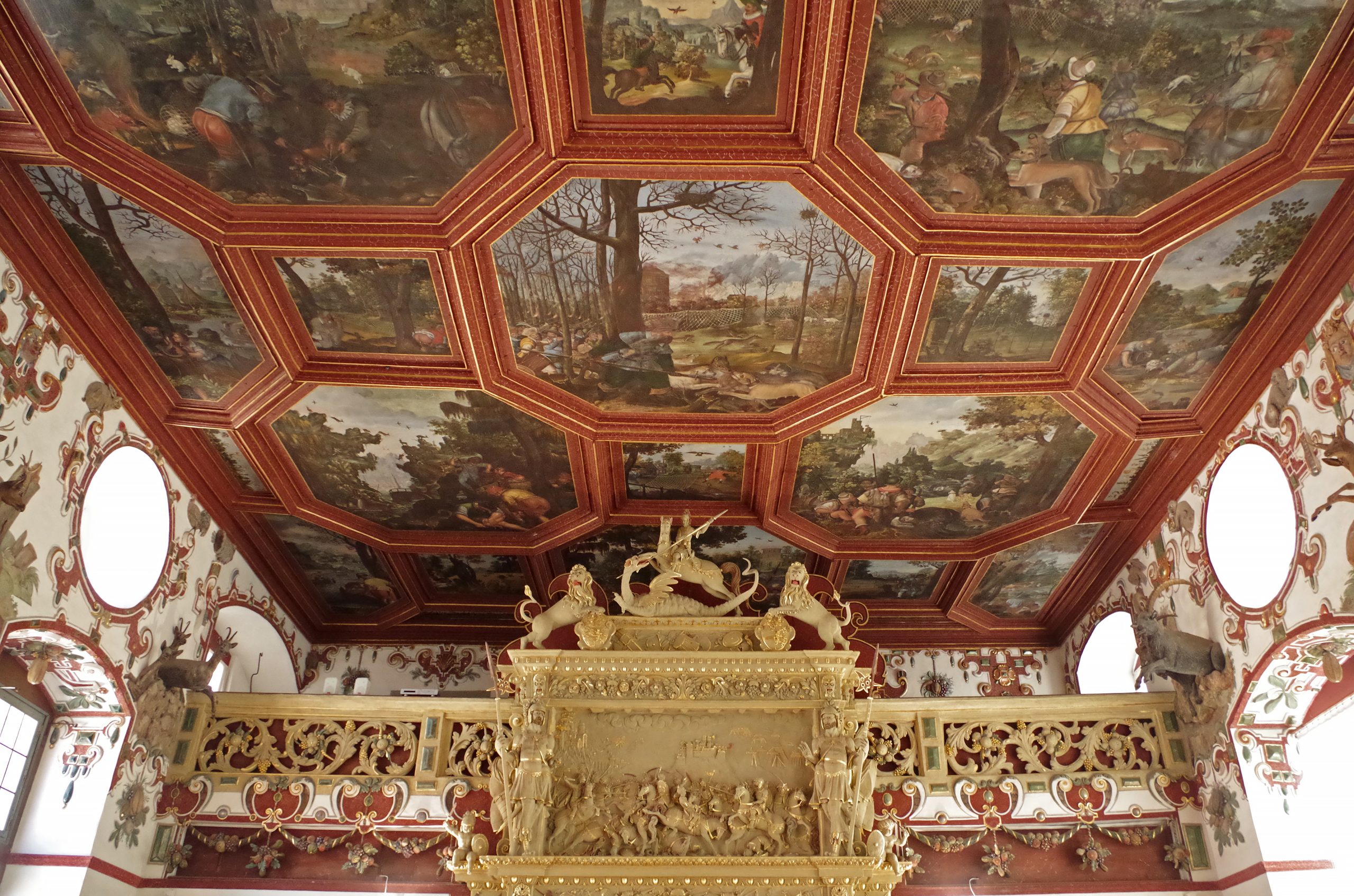
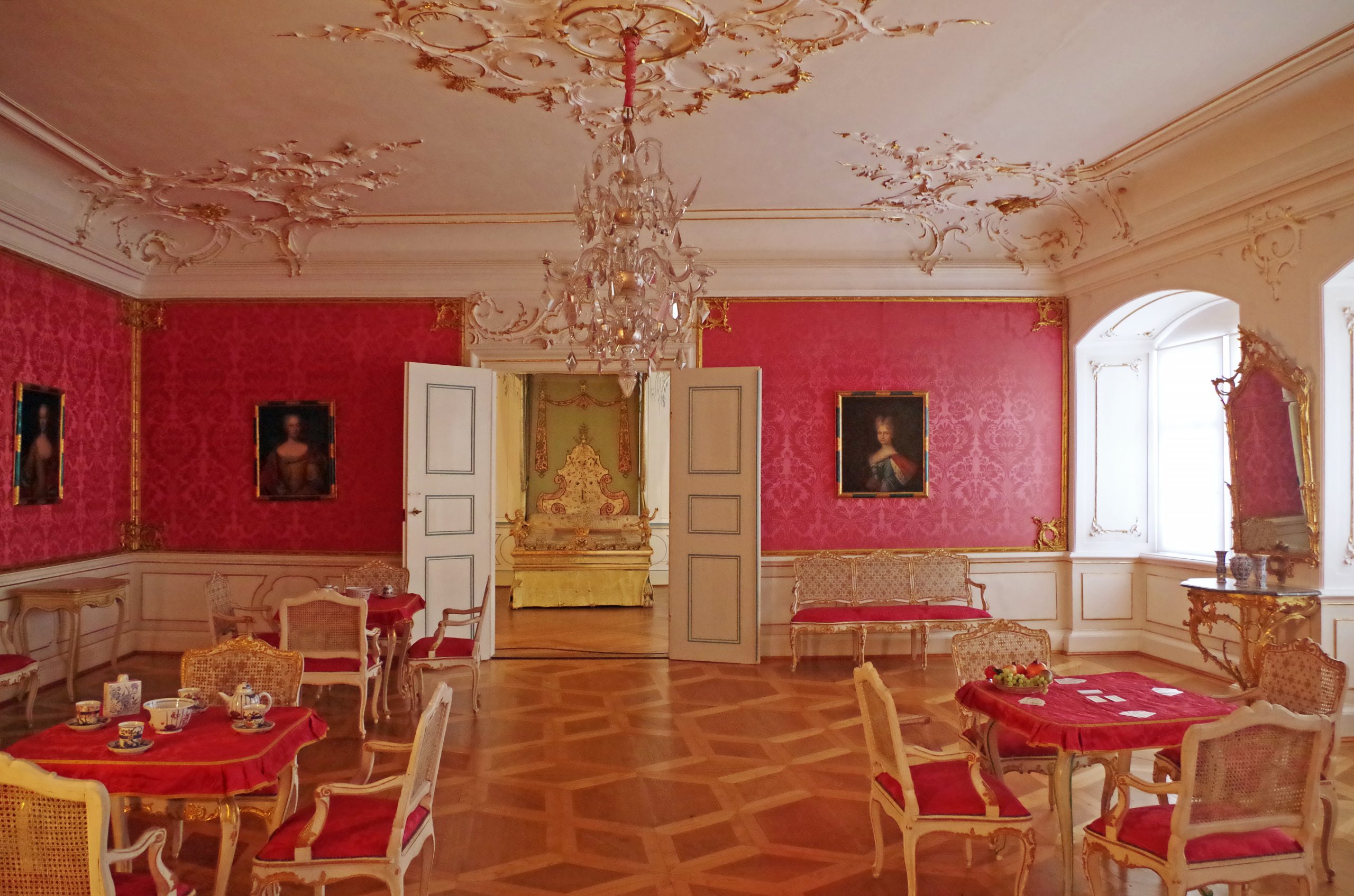
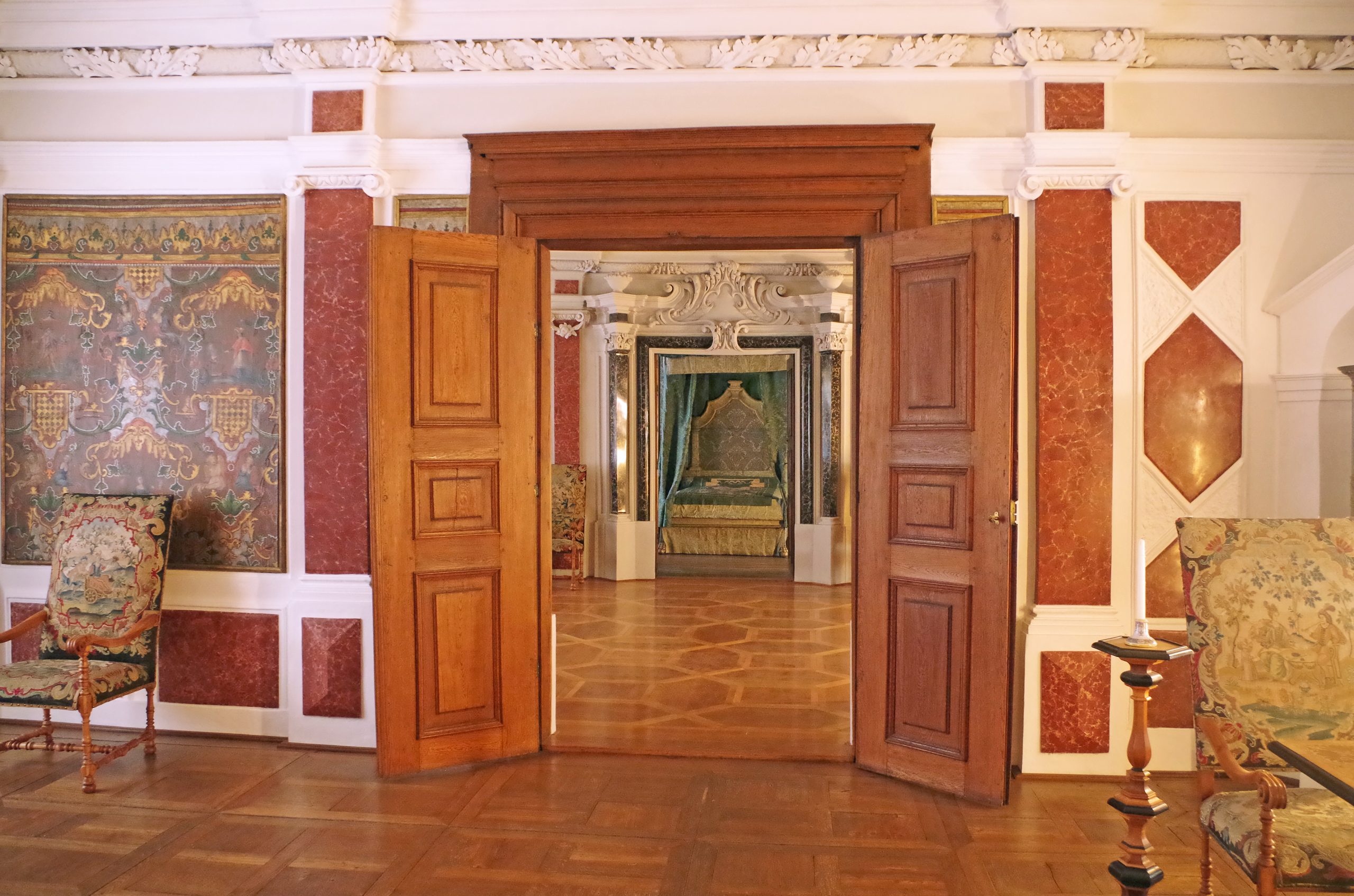
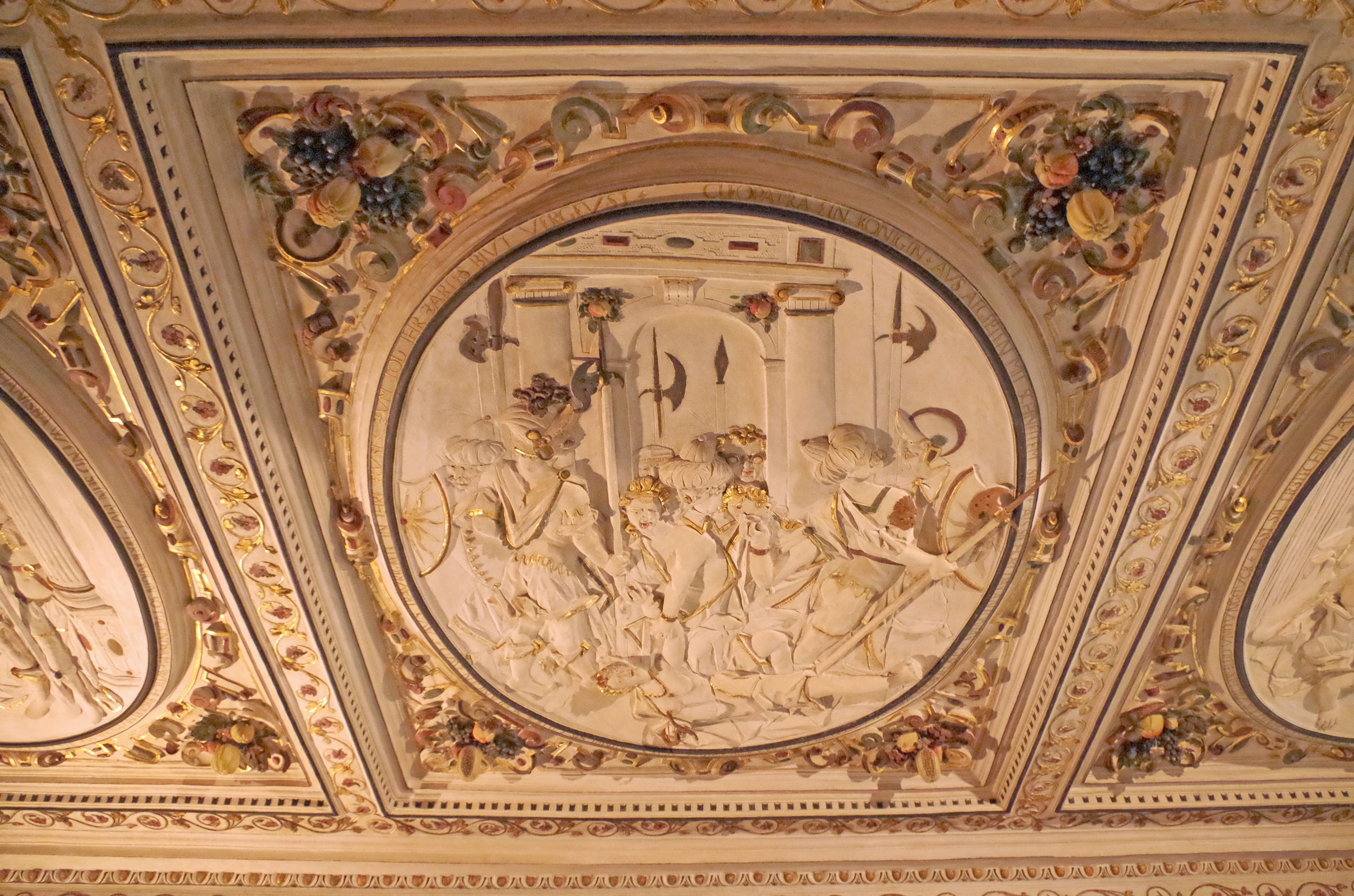
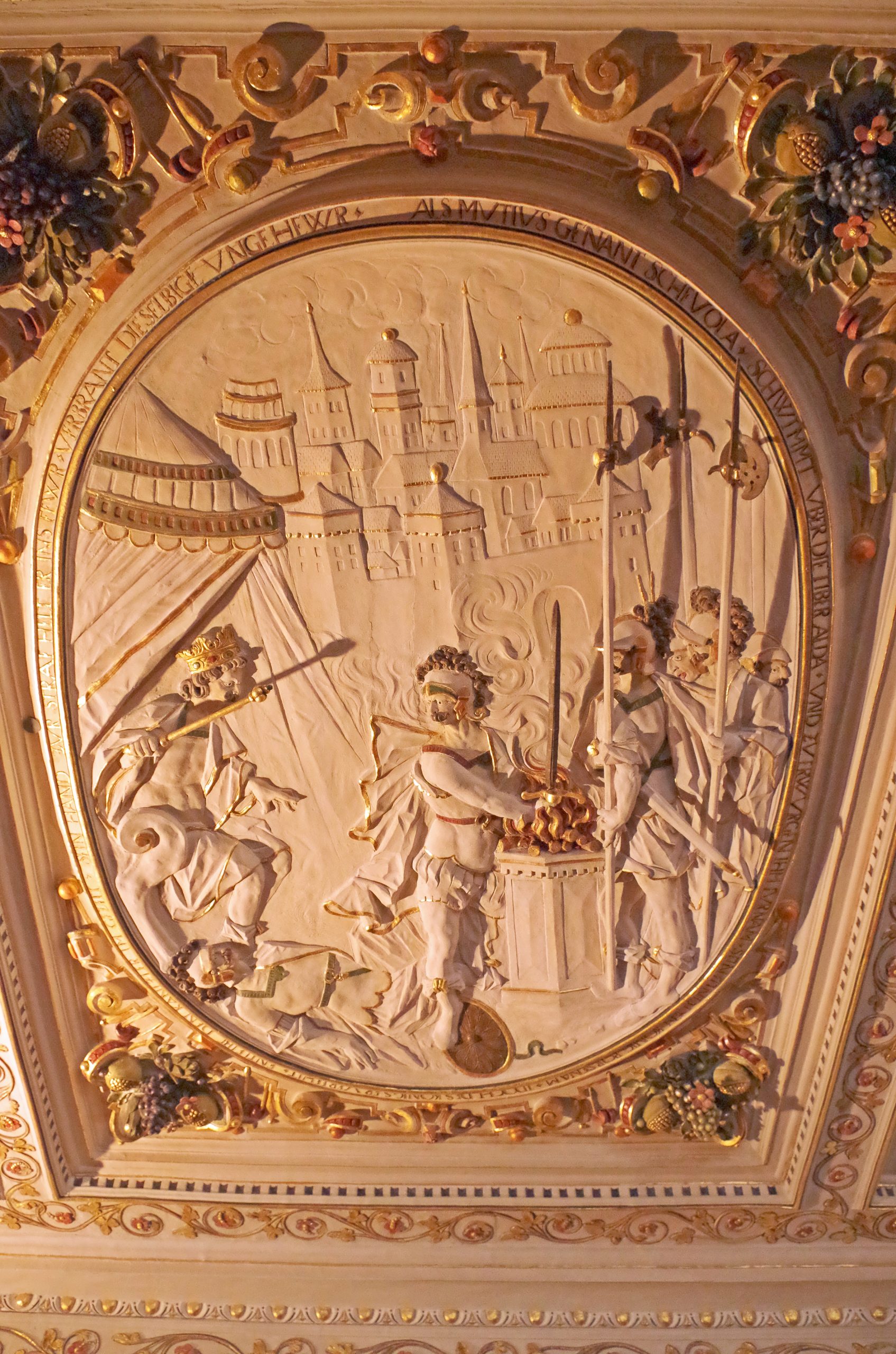
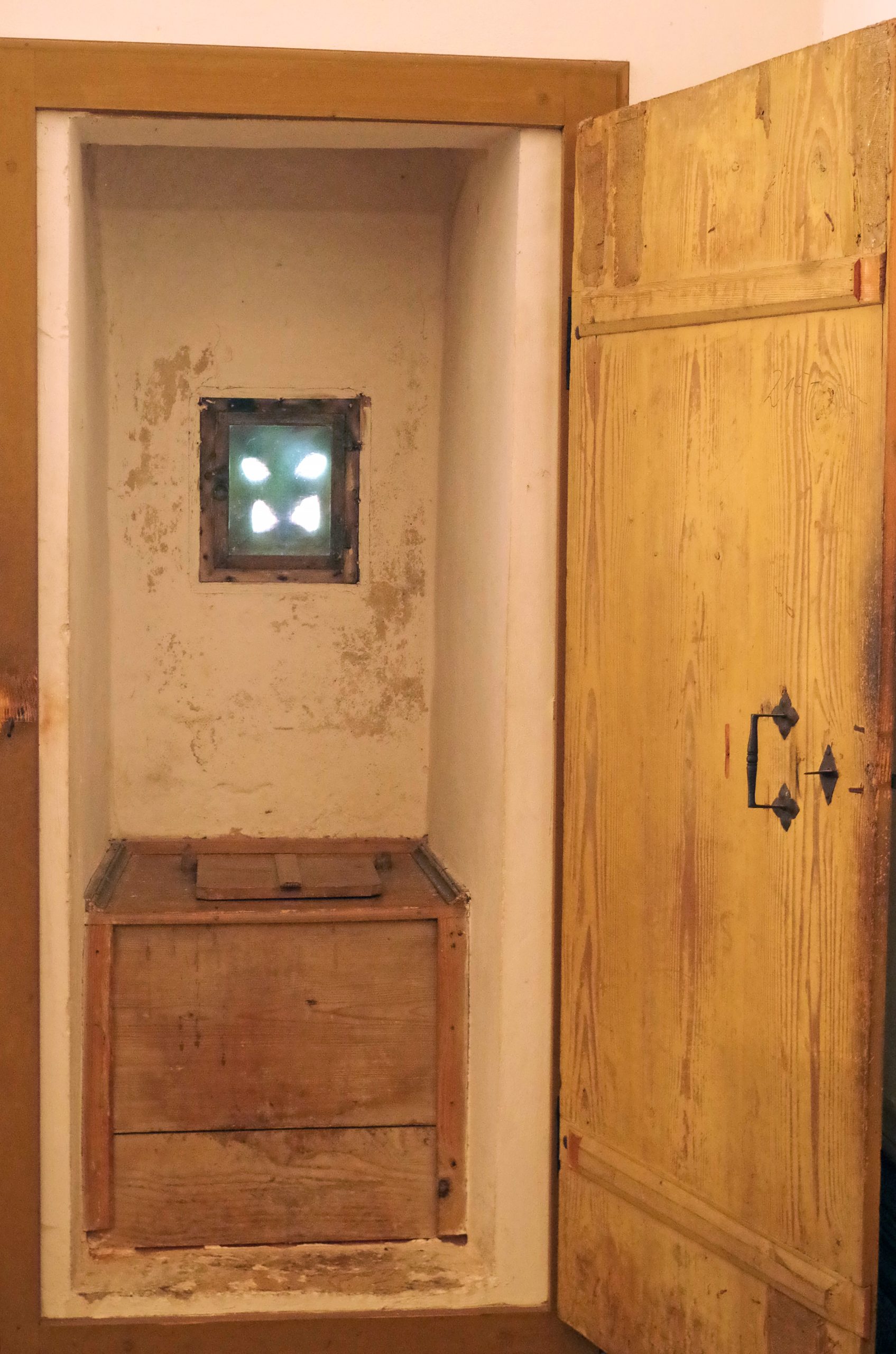
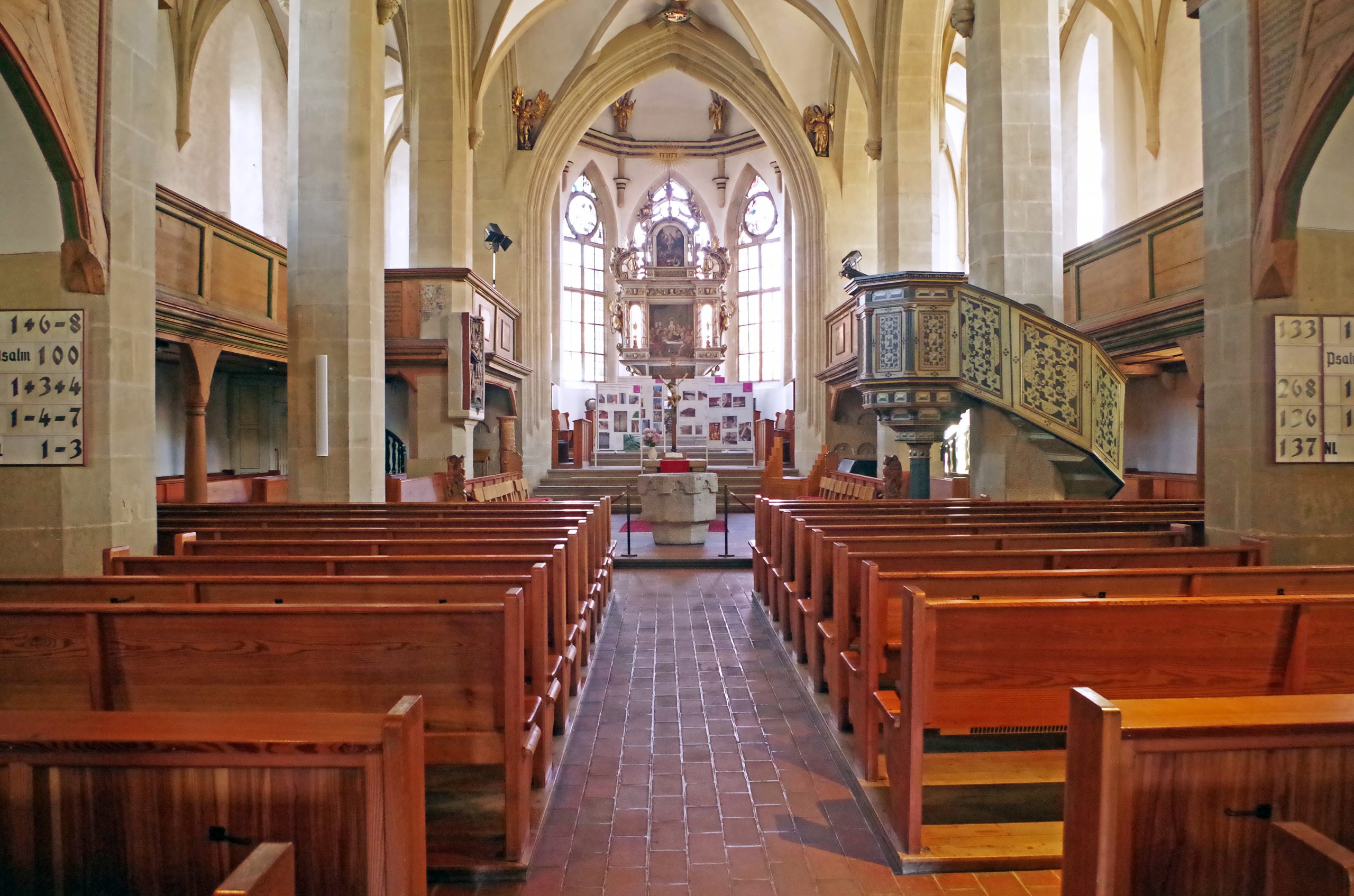
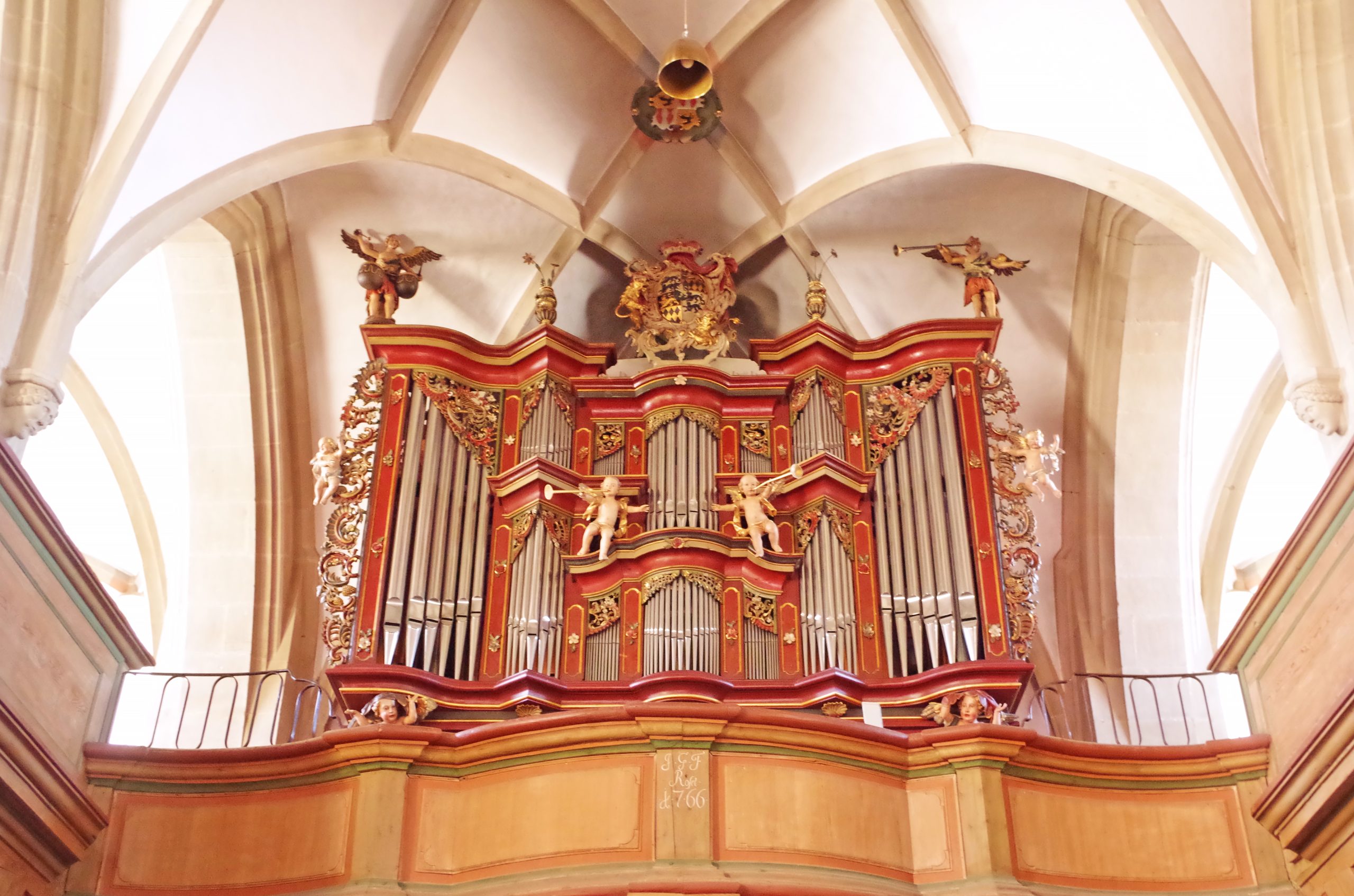
From our port in Würzburg, we traveled to Weikersheim, where we visited the Schloss Weikersheim Palace and Gardens. Located in the Tauber valley, Weikersheim Palace (Schloss Weikersheim) lies at the heart of the small town of Weikersheim. With its beautiful garden, the palace embodies the Renaissance ideal of a country estate. A highlight is the richly decorated Rittersaal (knights’ hall), an exquisite example of Renaissance architecture in southwestern Germany. Dating from 1600, it is one of the best preserved halls from that era. The vast panelled ceiling, with its colourful hunting scenes is remarkably preserved. Afterward, we visited the Church of St Georg, also in Weikersheim.
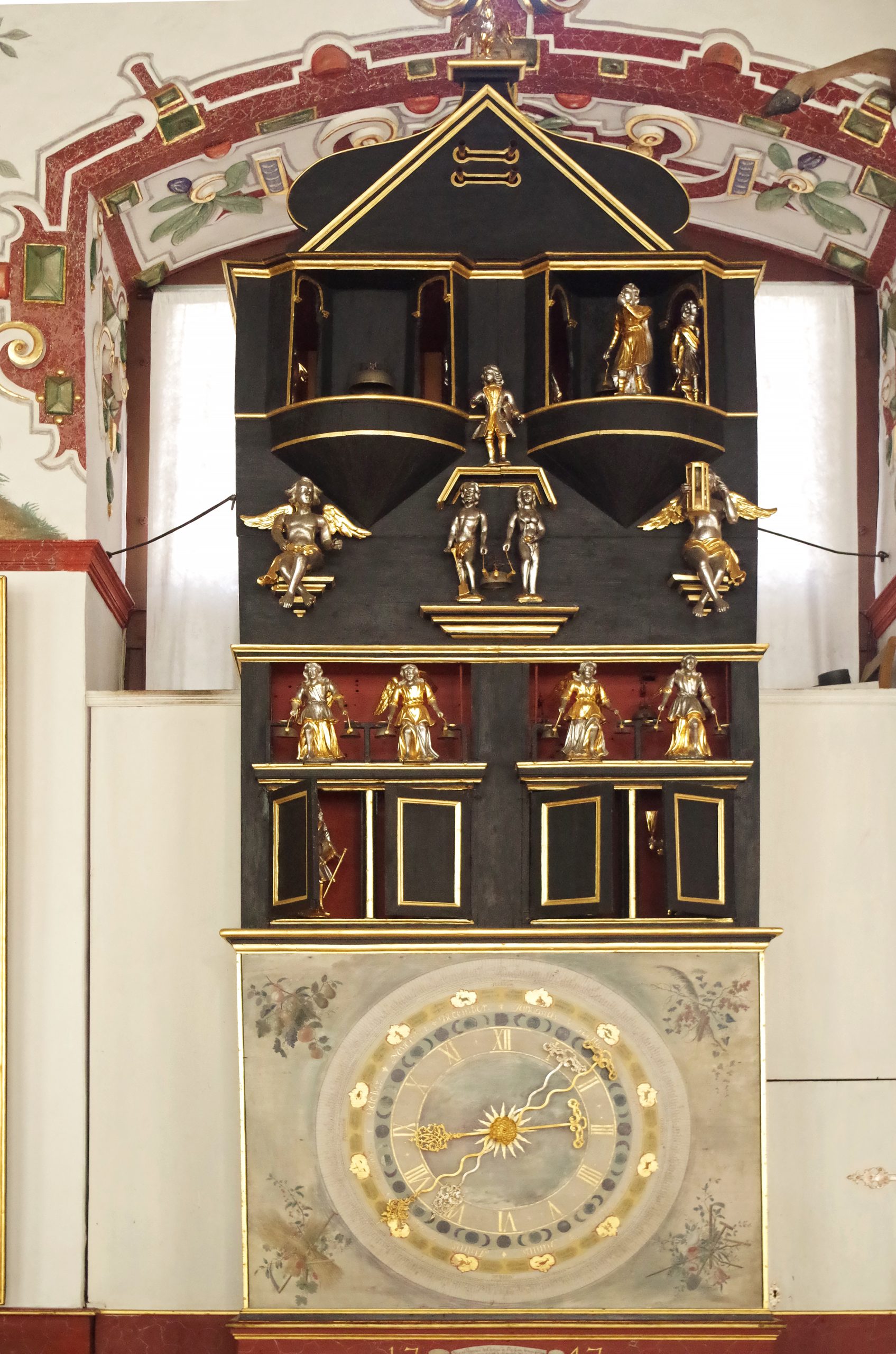
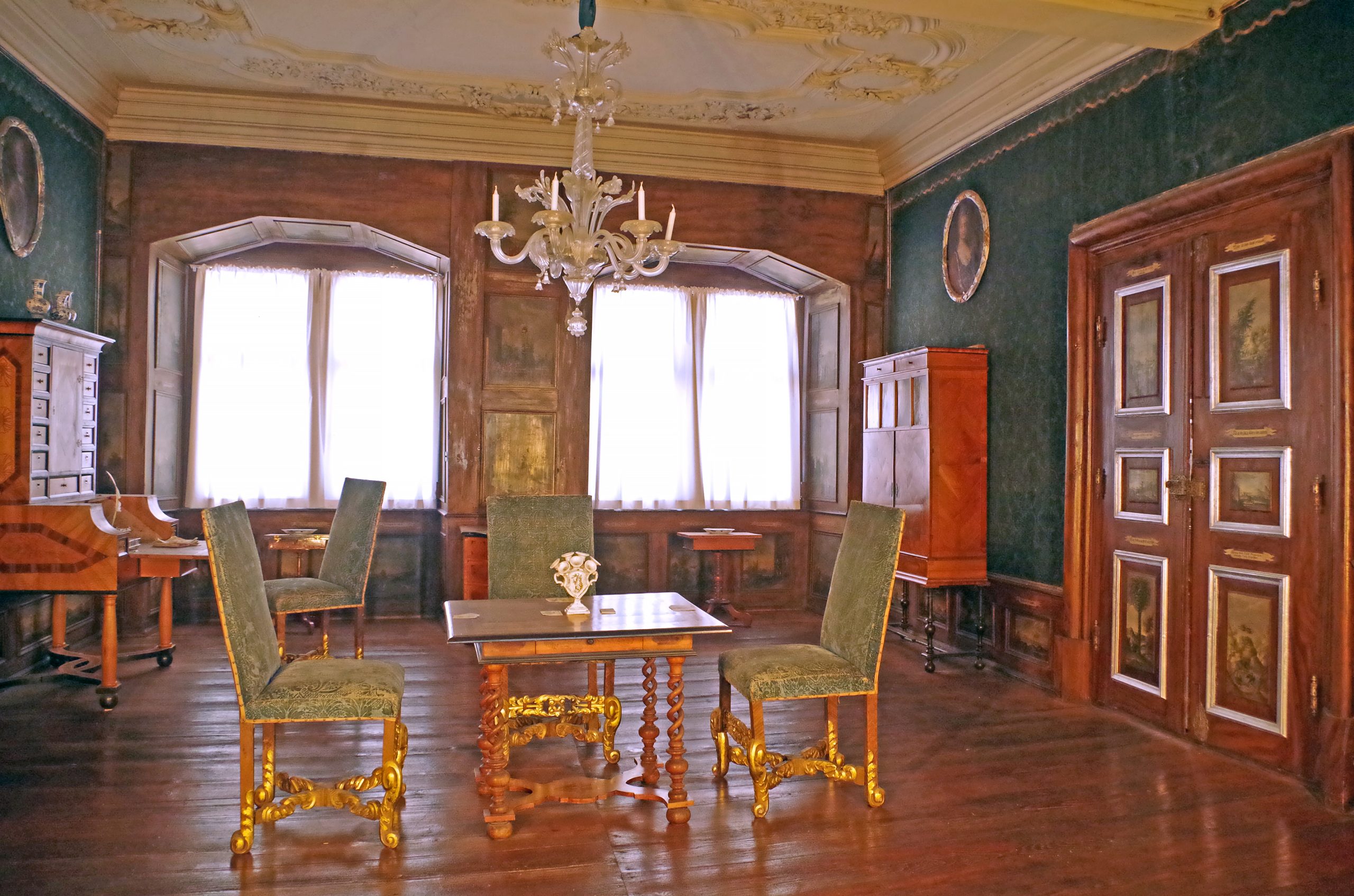
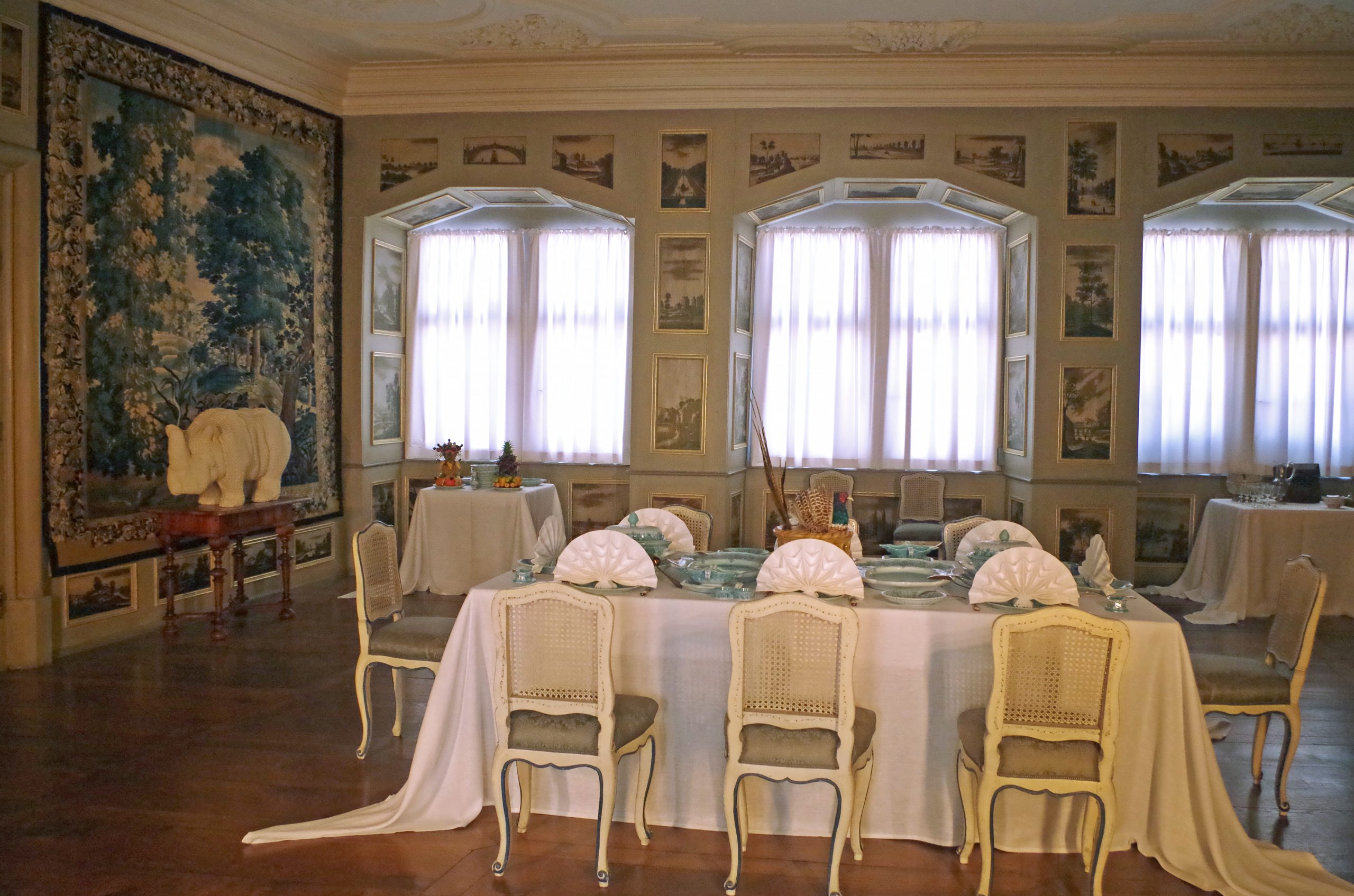
Schloss Weikersheim PalaceSchloss Weikersheim PalaceThe Rittersaal at Schloss Weikersheim Palace, WeikersheimThe Rittersaal at Schloss Weikersheim Palace, WeikersheimCeilings in the Rittersaal at Schloss Weikersheim Palace, WeikersheimClockworks in the Rittersaal at Schloss Weikersheim Palace, WeikersheimRoom in the Schloss Weikersheim Palace, WeikersheimRoom in the Schloss Weikersheim Palace, WeikersheimRoom in the Schloss Weikersheim Palace, WeikersheimRooms in the Schloss Weikersheim Palace, WeikersheimCeiling in the Schloss Weikersheim Palace, WeikersheimCeiling detail in the Schloss Weikersheim Palace, WeikersheimEarly plumbing in the Schloss Weikersheim Palace, WeikersheimChurch of St Georg, WeikersheimOrgan at Church of St Georg, Weikersheim
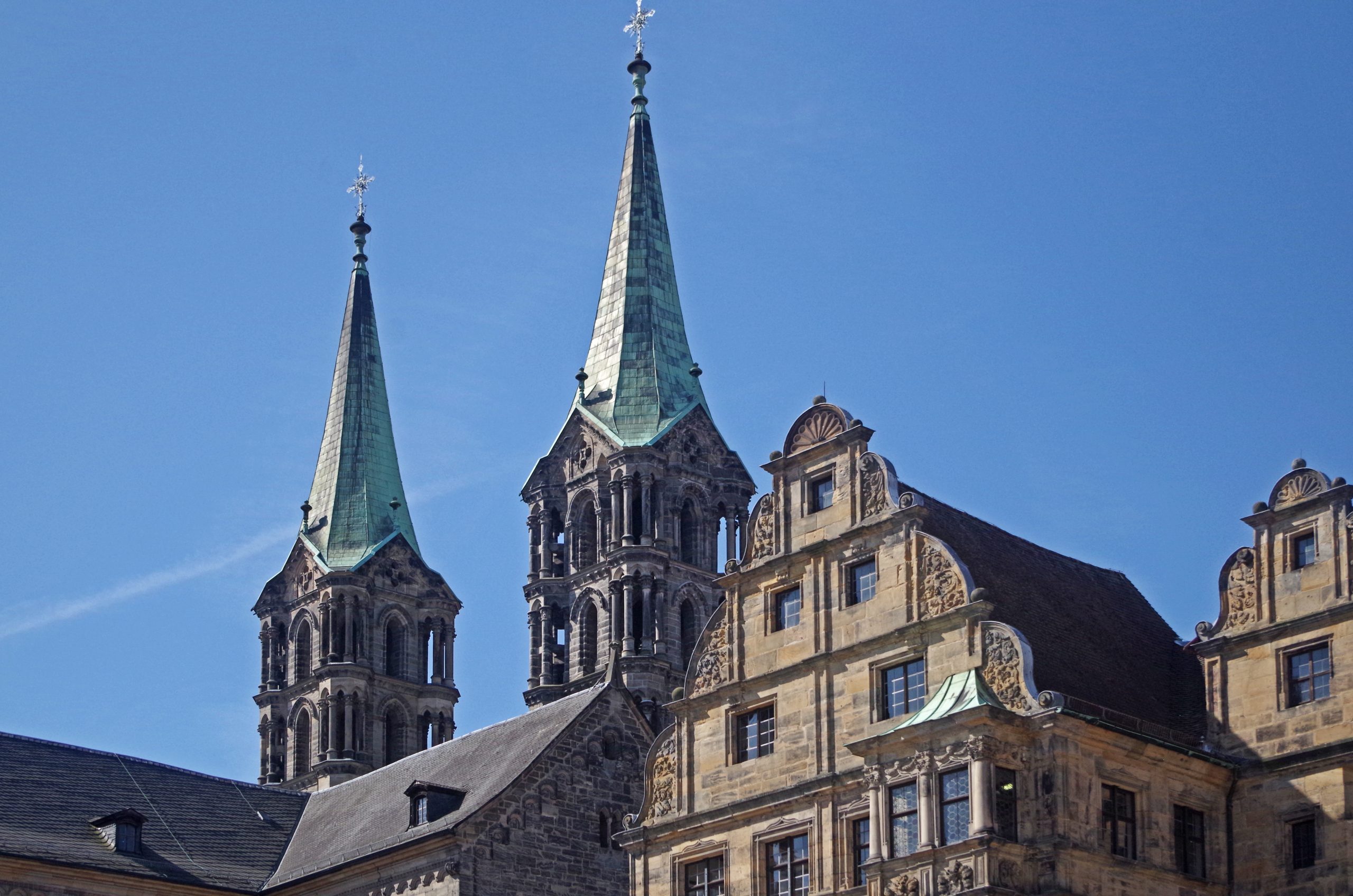
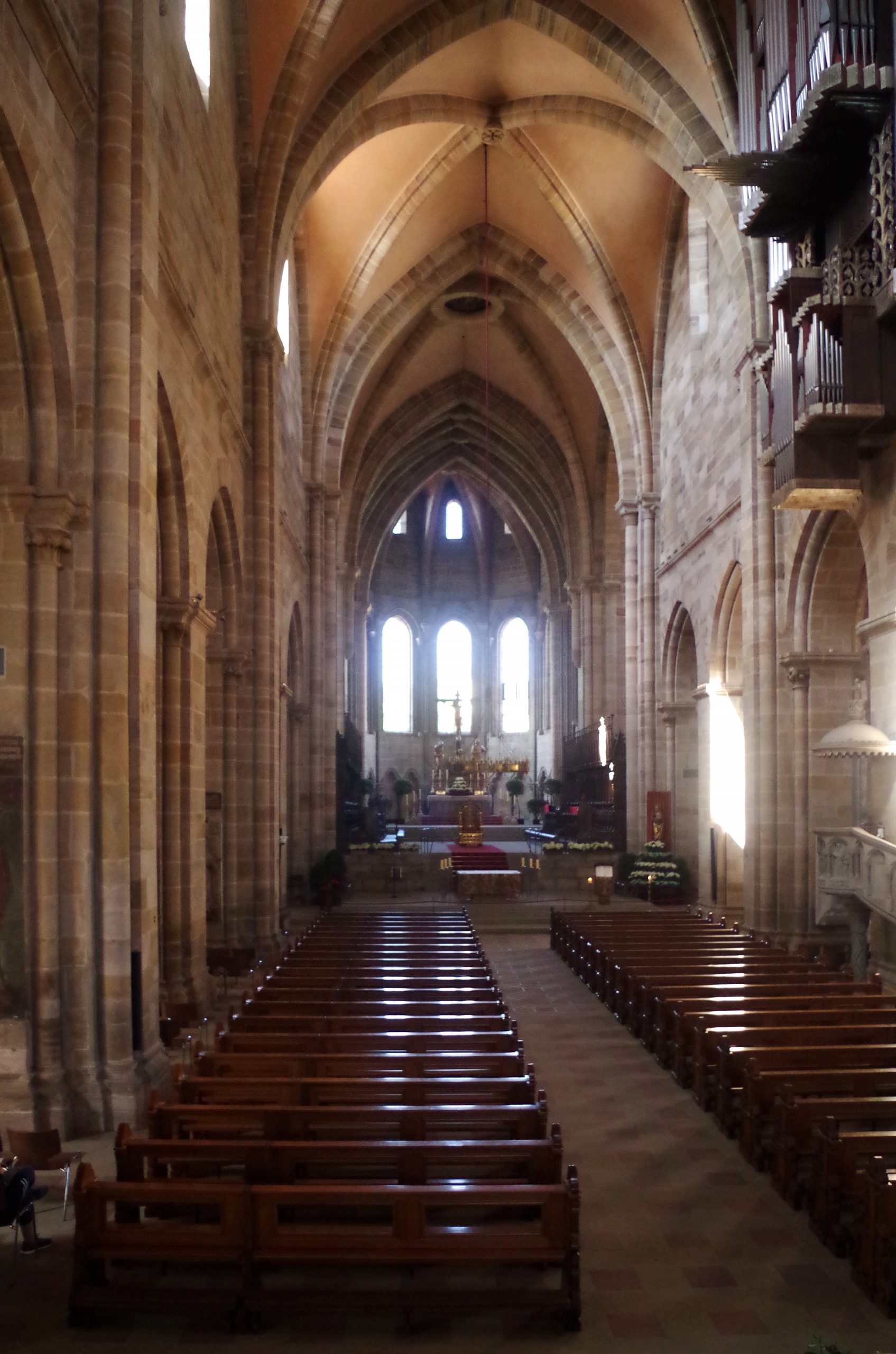
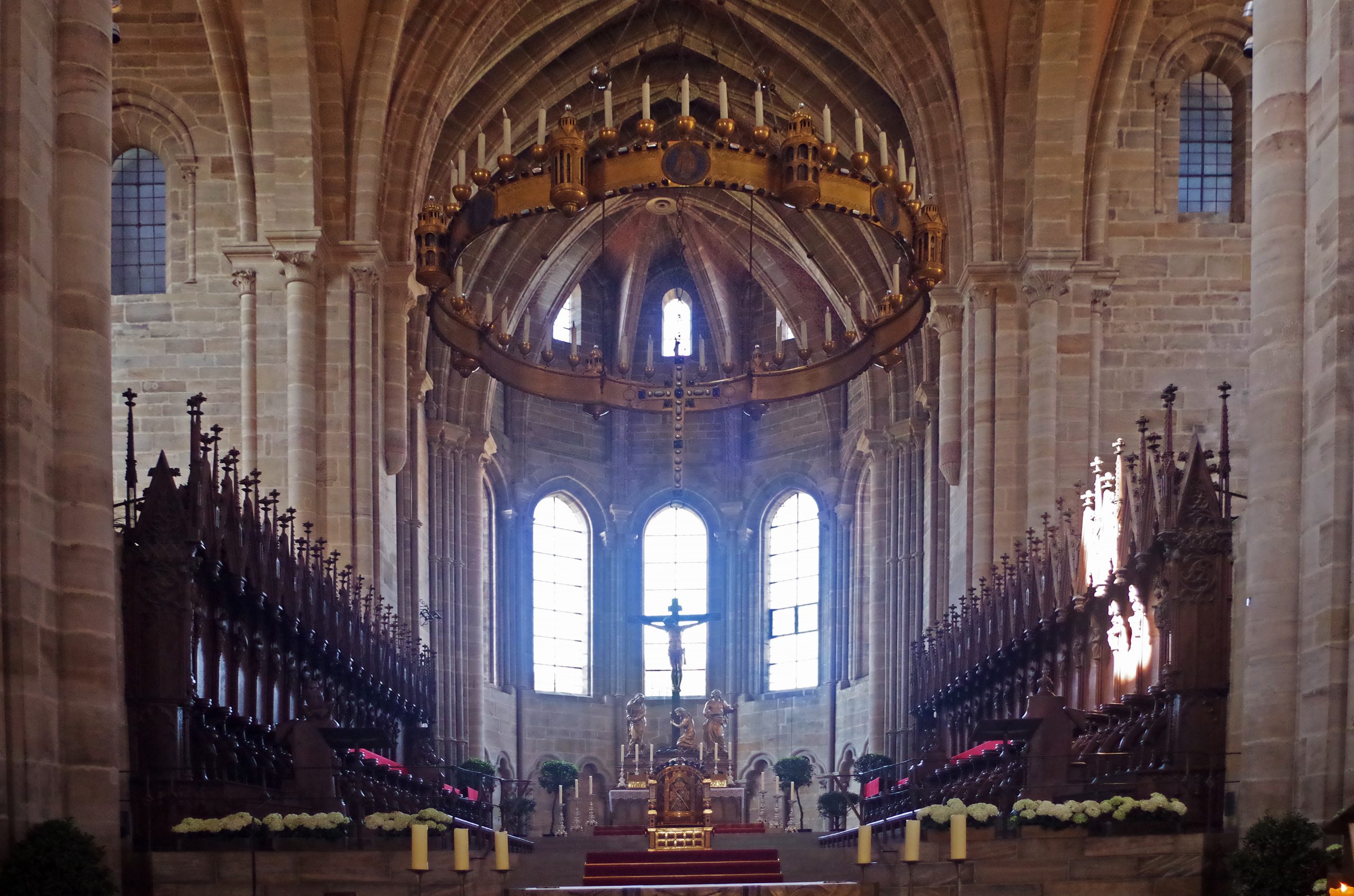
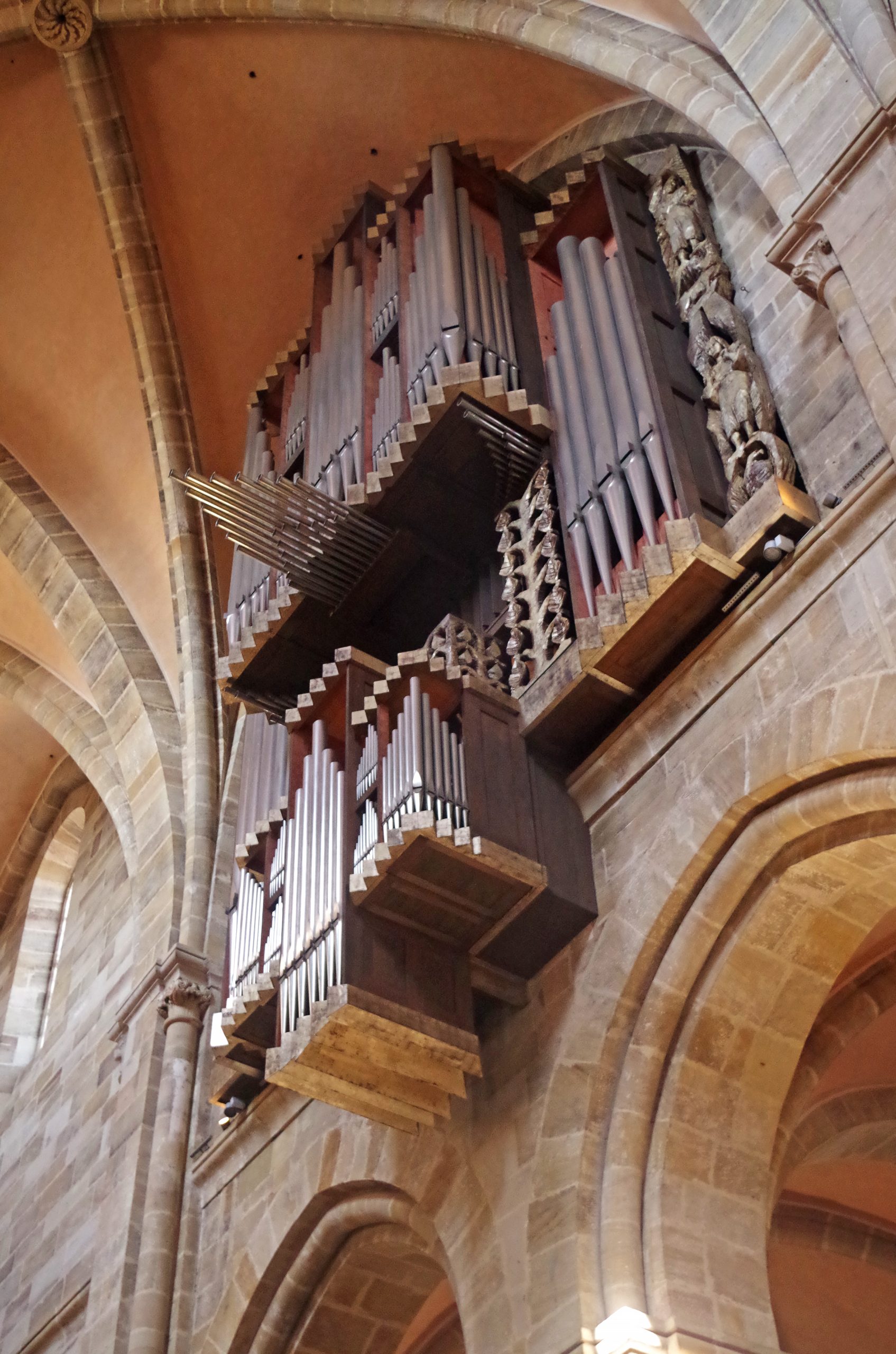
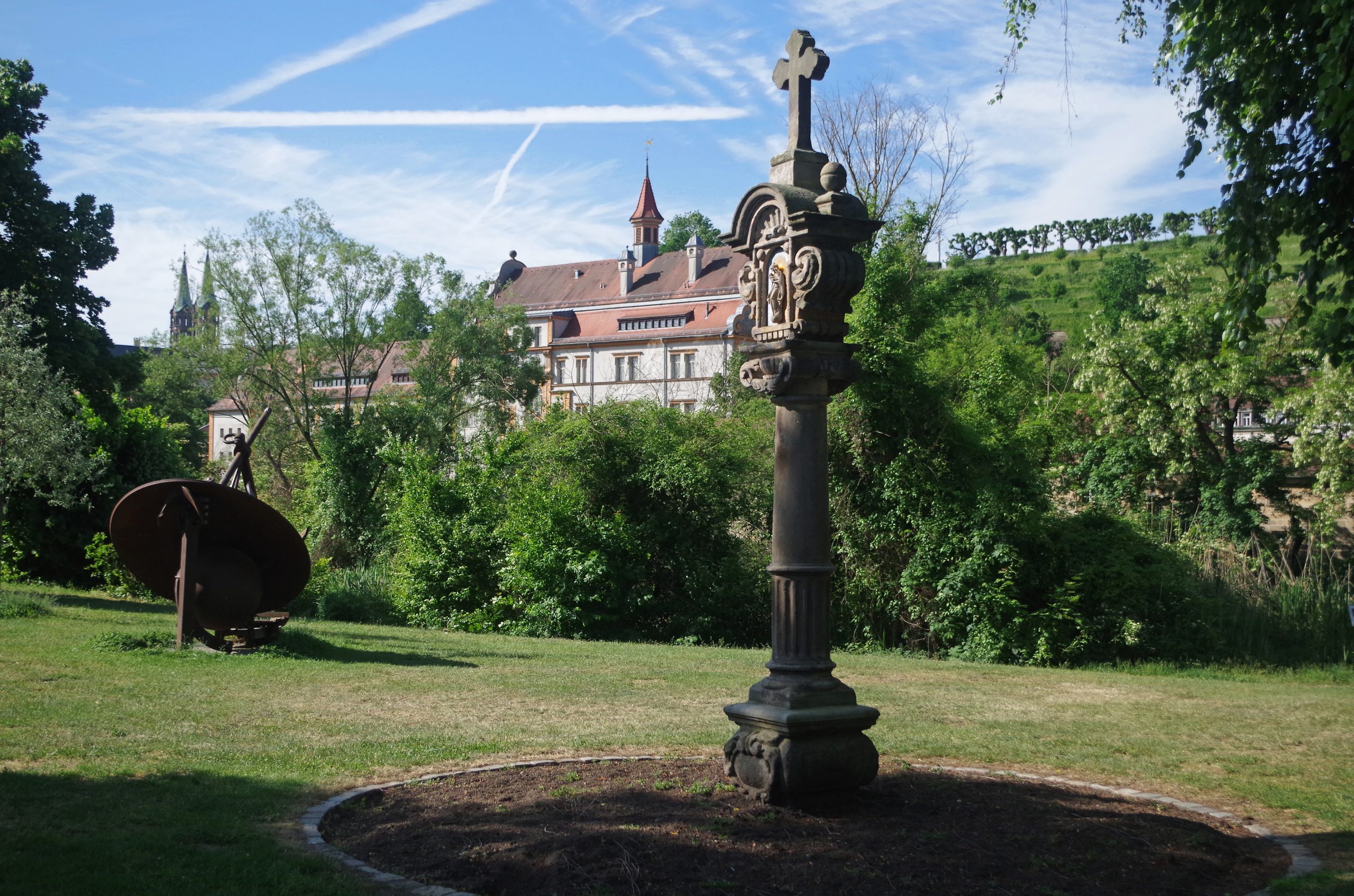
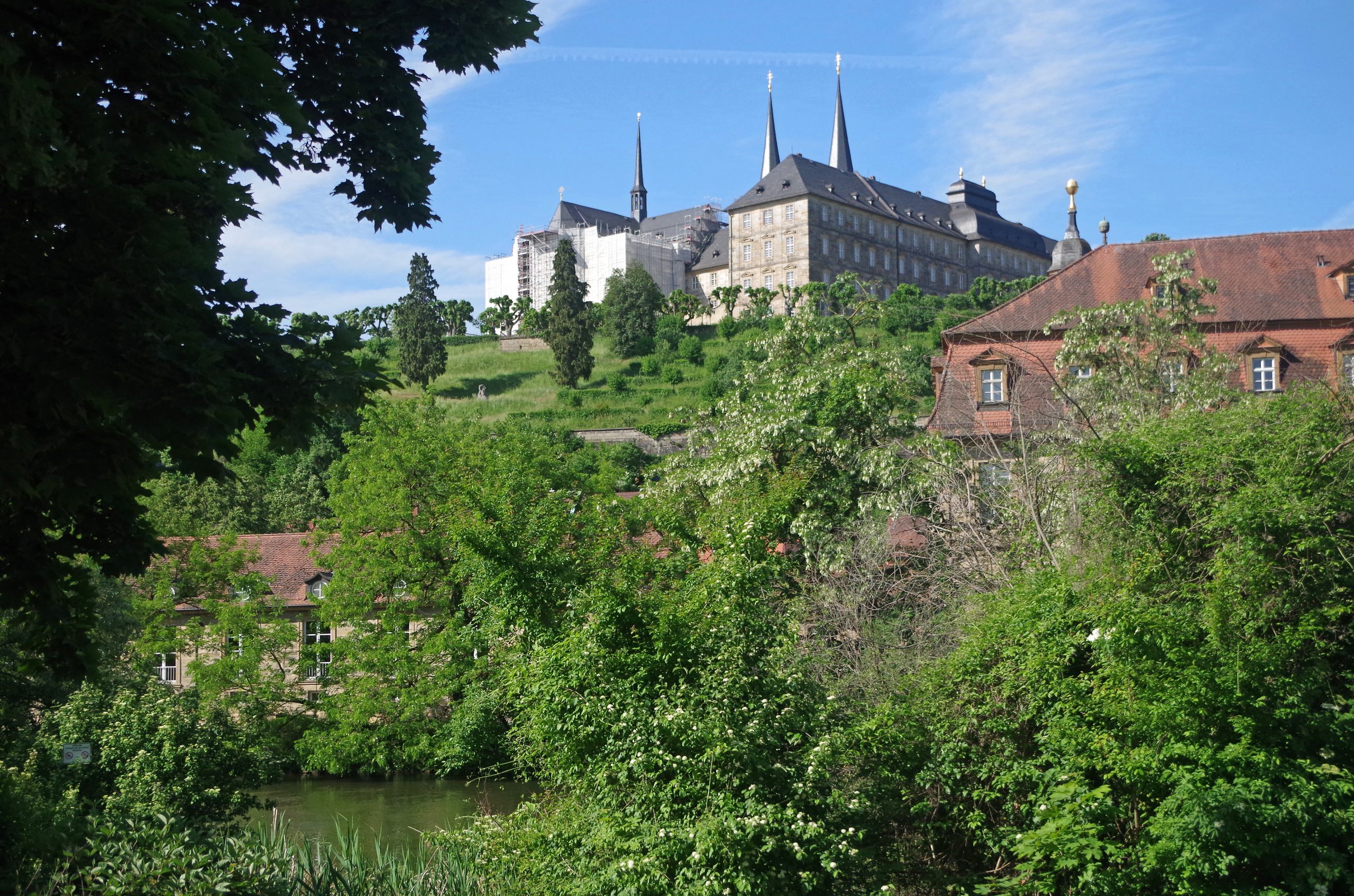
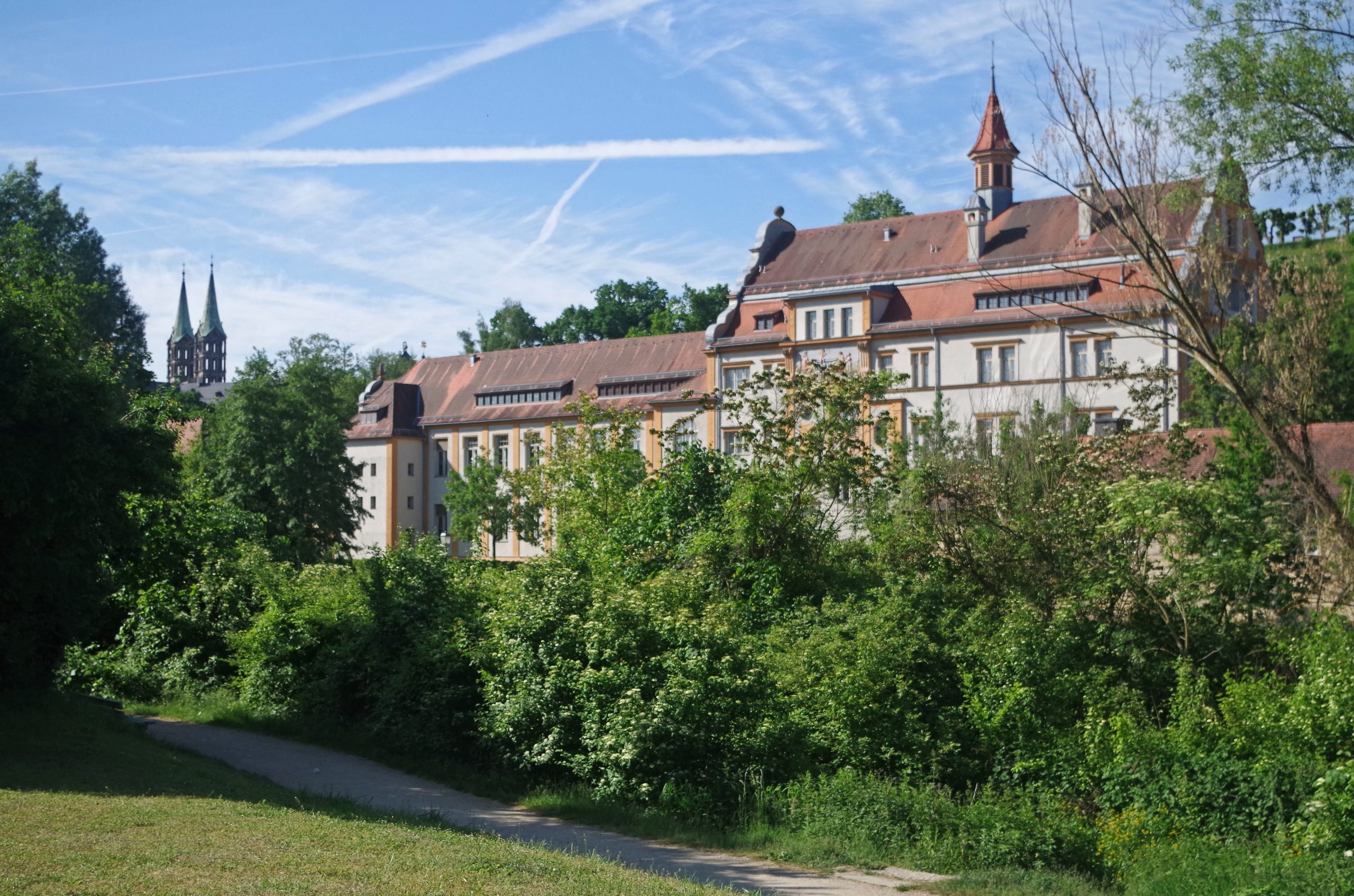
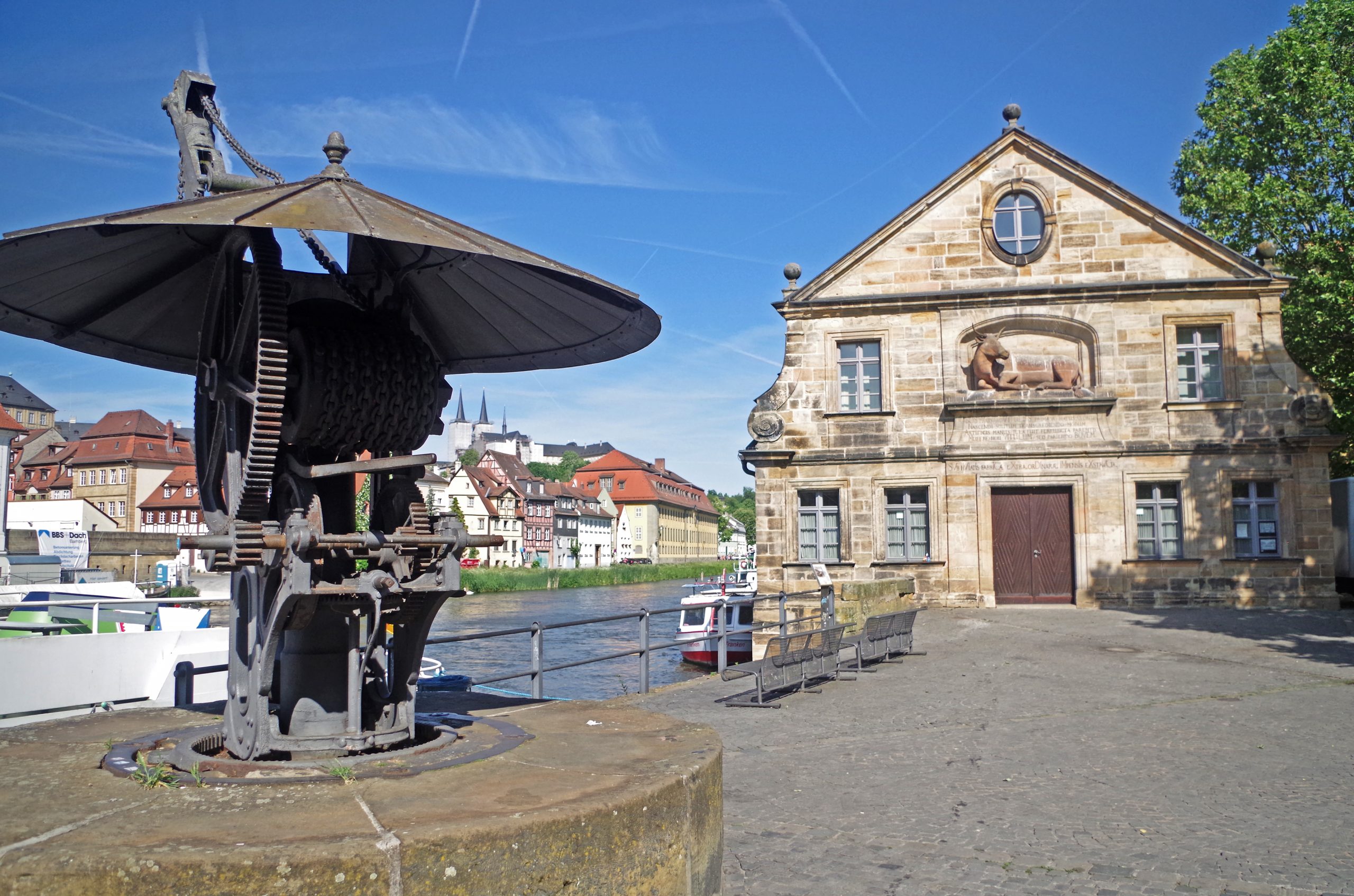
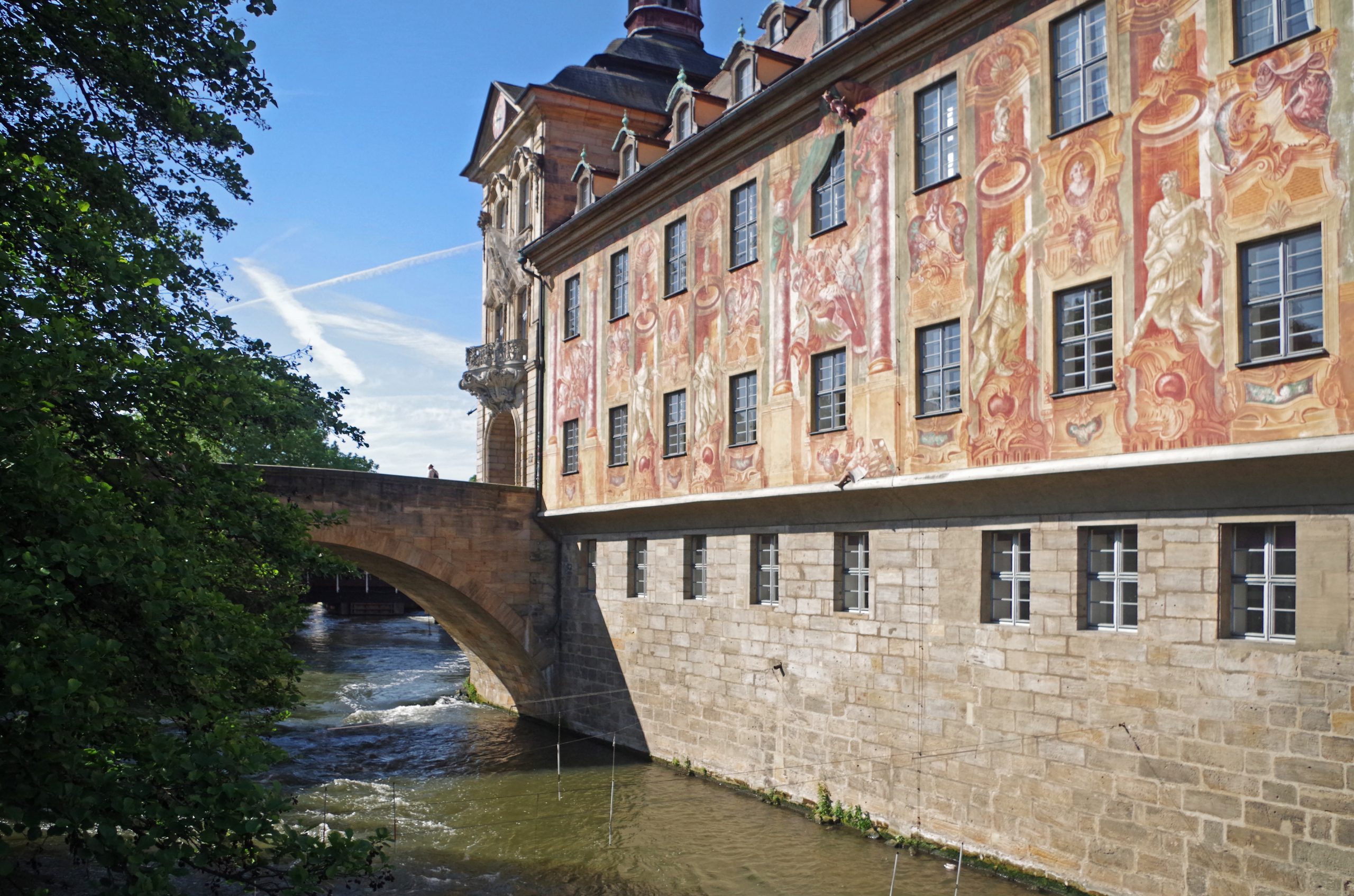
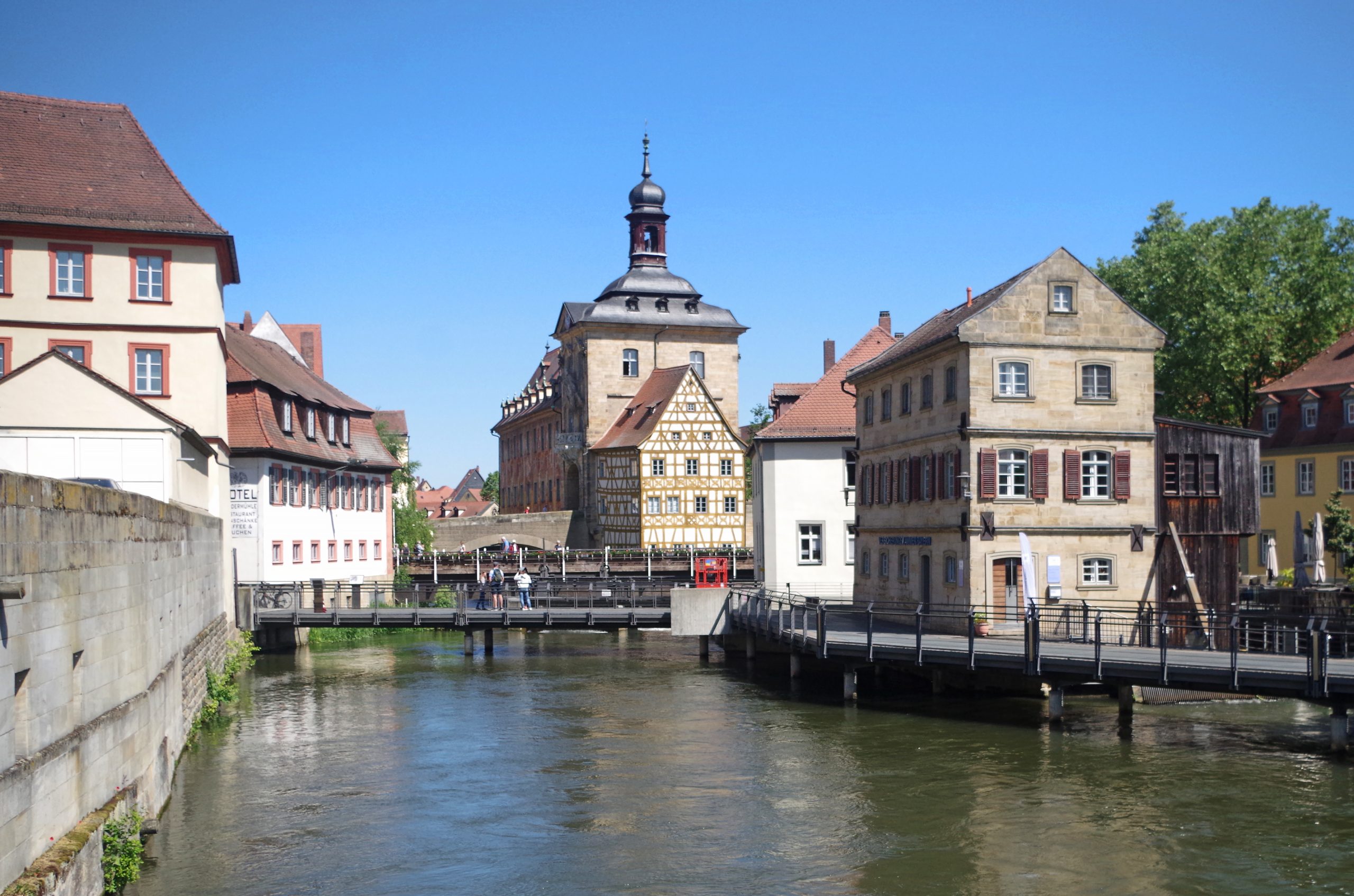
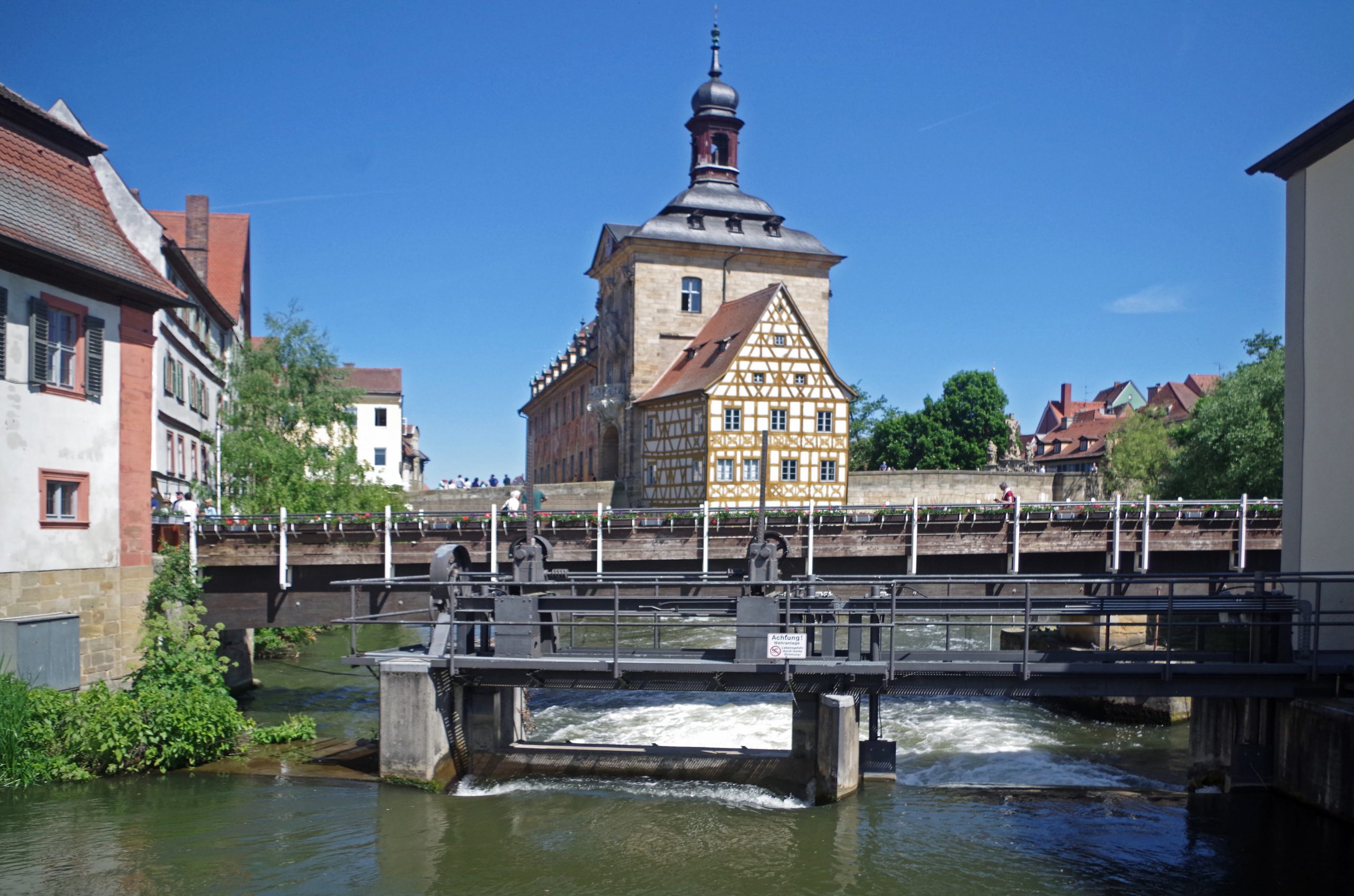
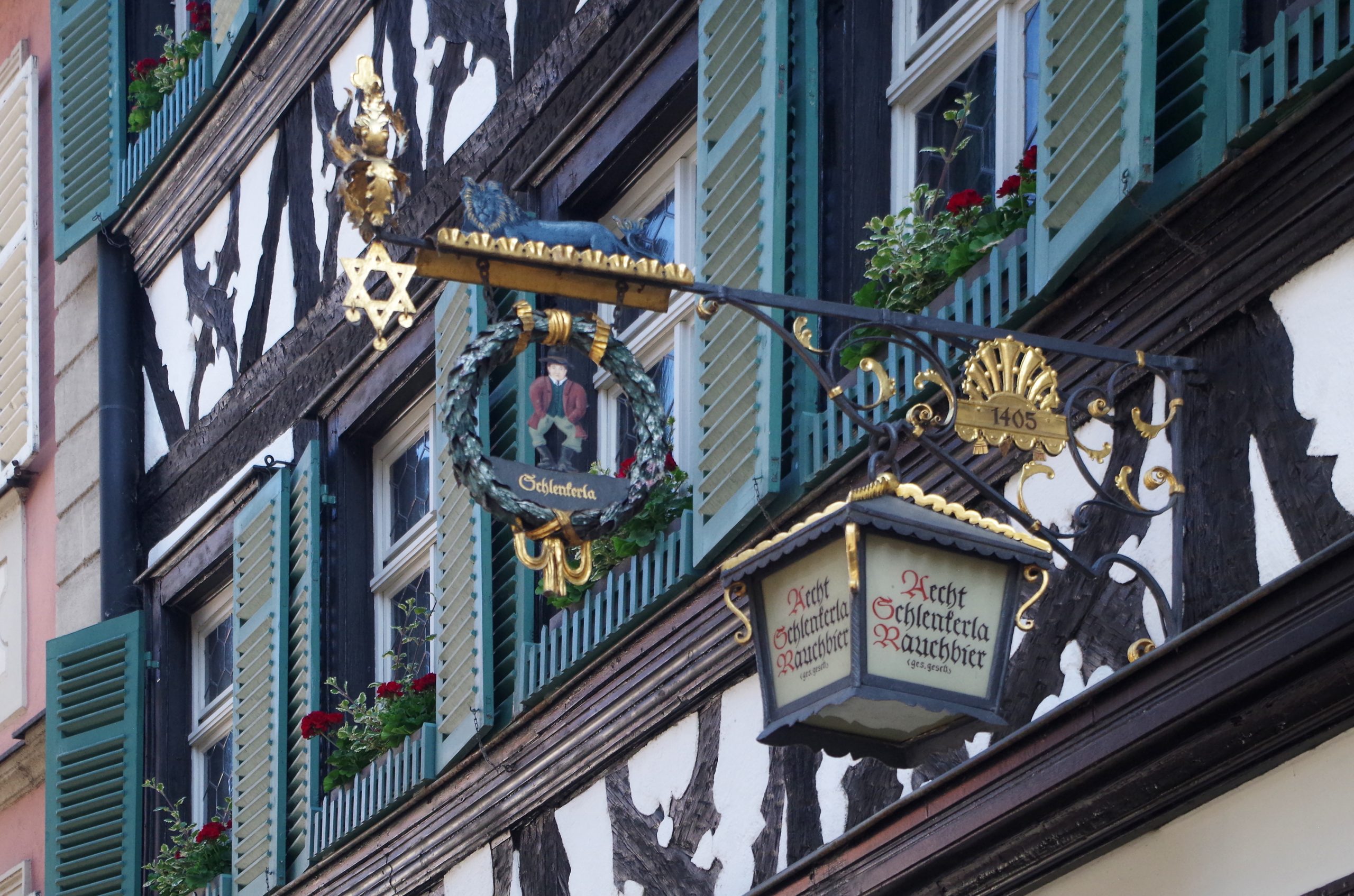
Our next stop was Bamberg, a town in Northern Bavaria, which is nonetheless in Southern Germany. We took a walking tour of the Old Town of Bamberg, which is otherwise a university town with a vibrant student population. Bamberg is also the home of Schlenkerla, its famous smoked beer, which we were served along with Bavarian pretzels. Considered one of Germany’s most beautiful towns, with its medieval street and old city wall, Bamberg is also a UNESCO World Heritage Site.
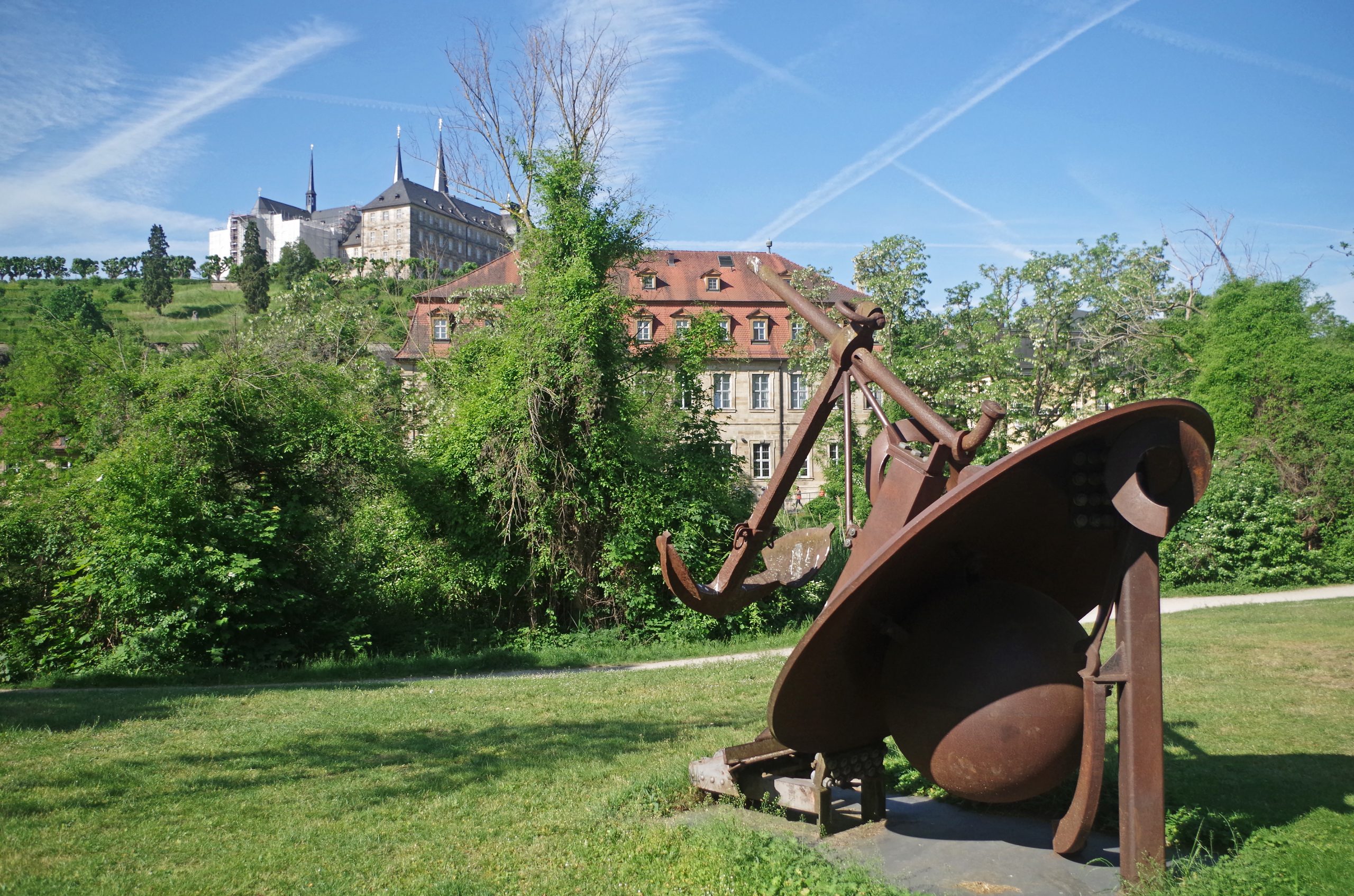
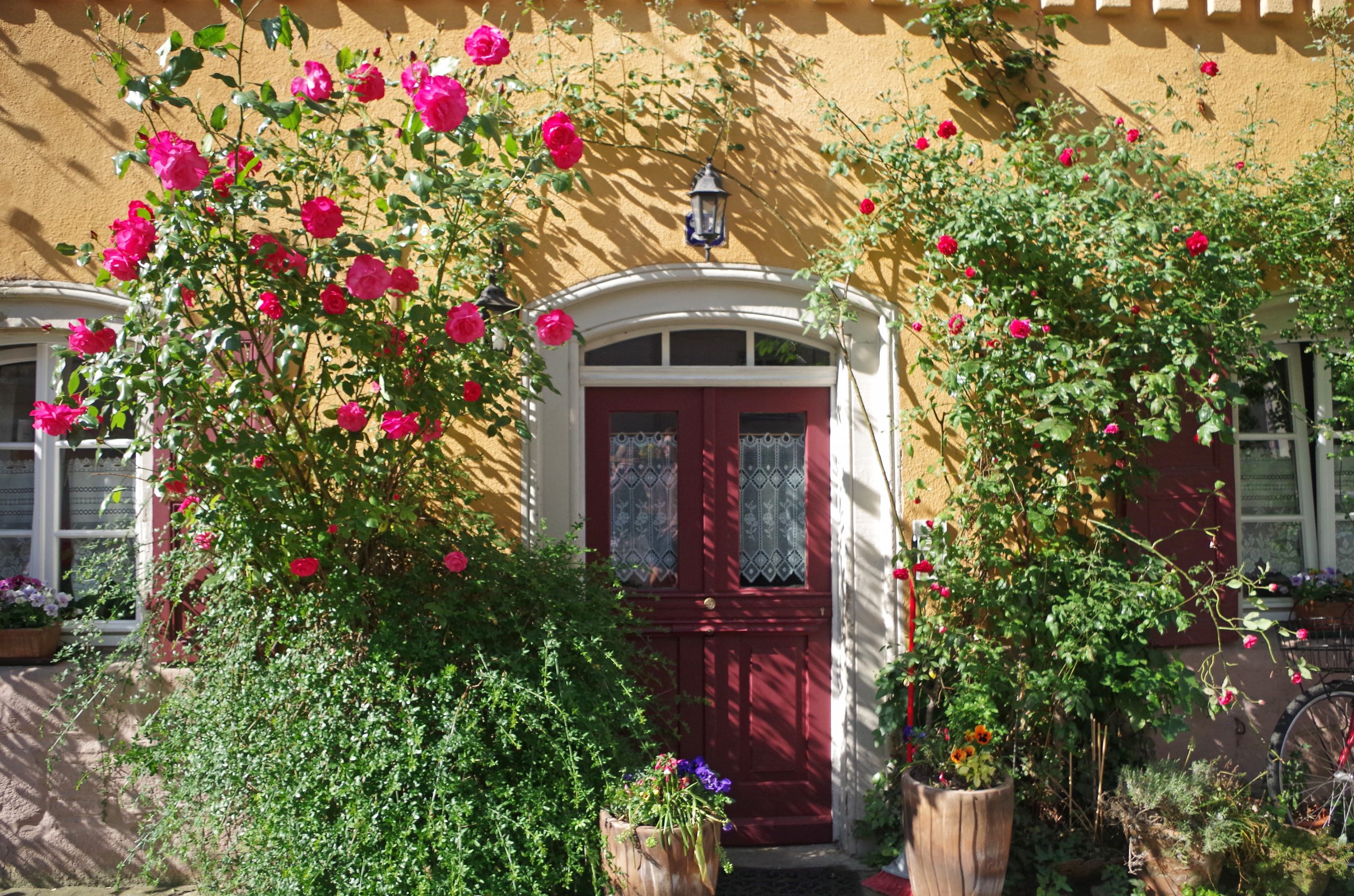
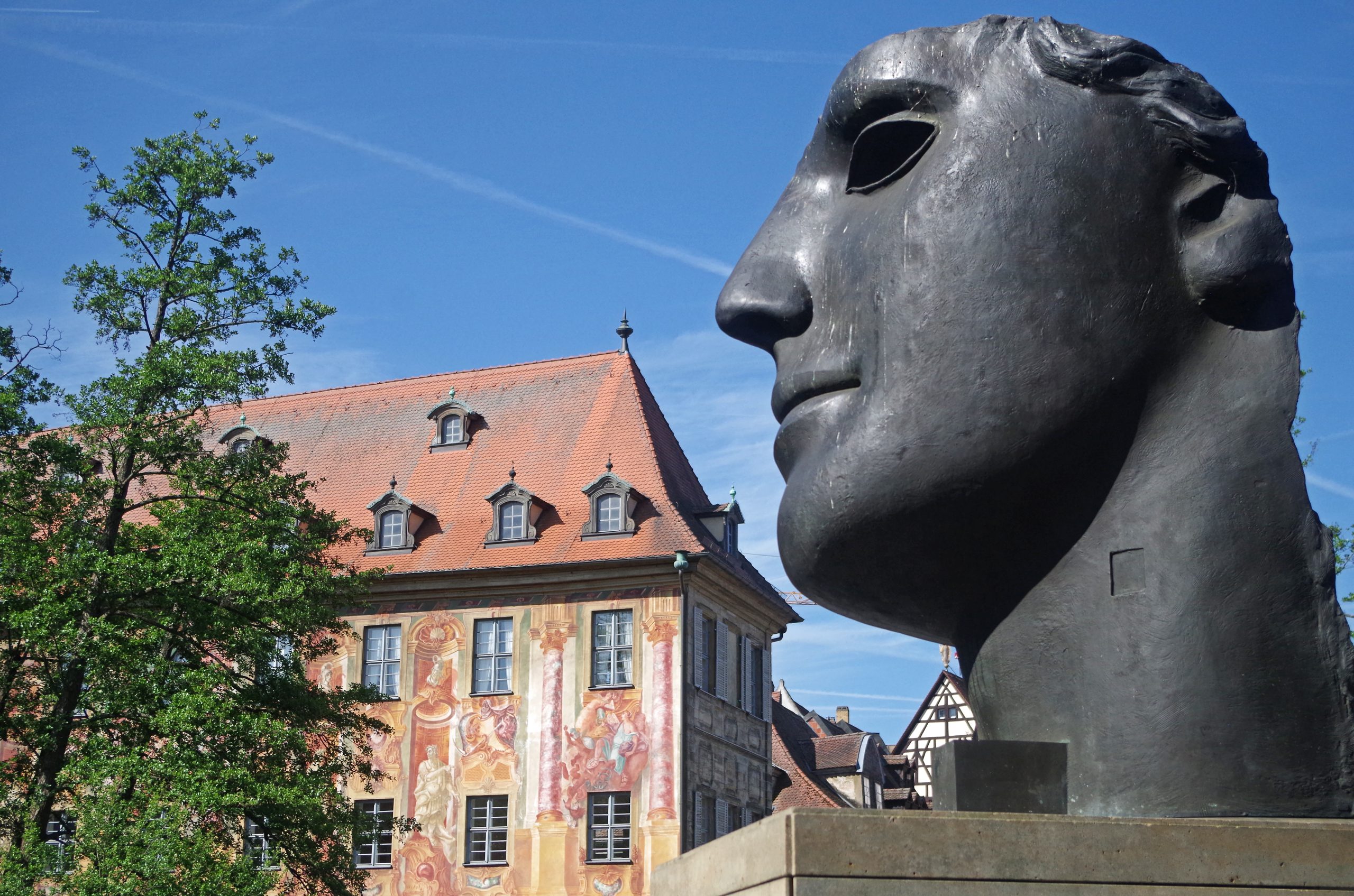
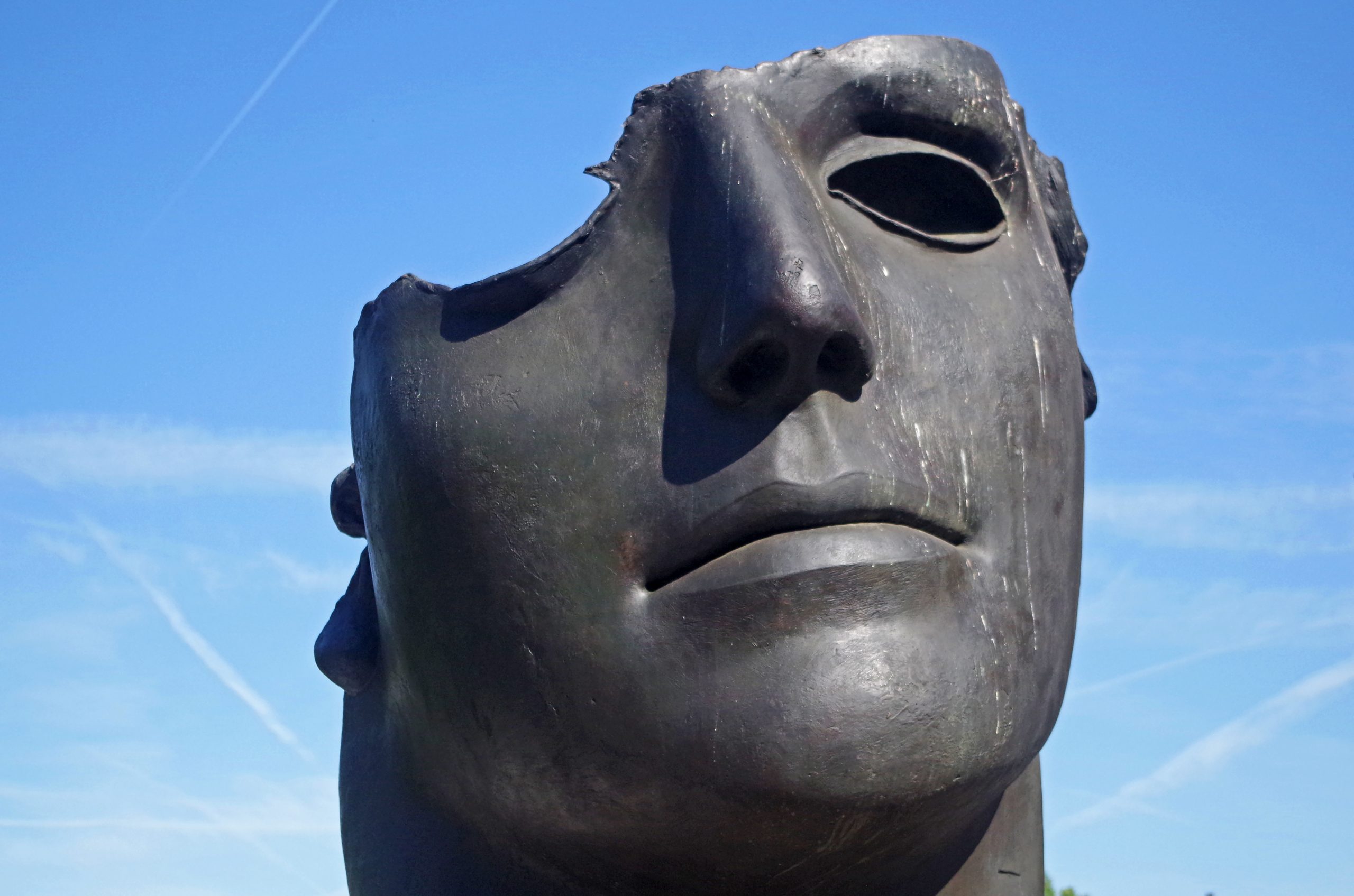
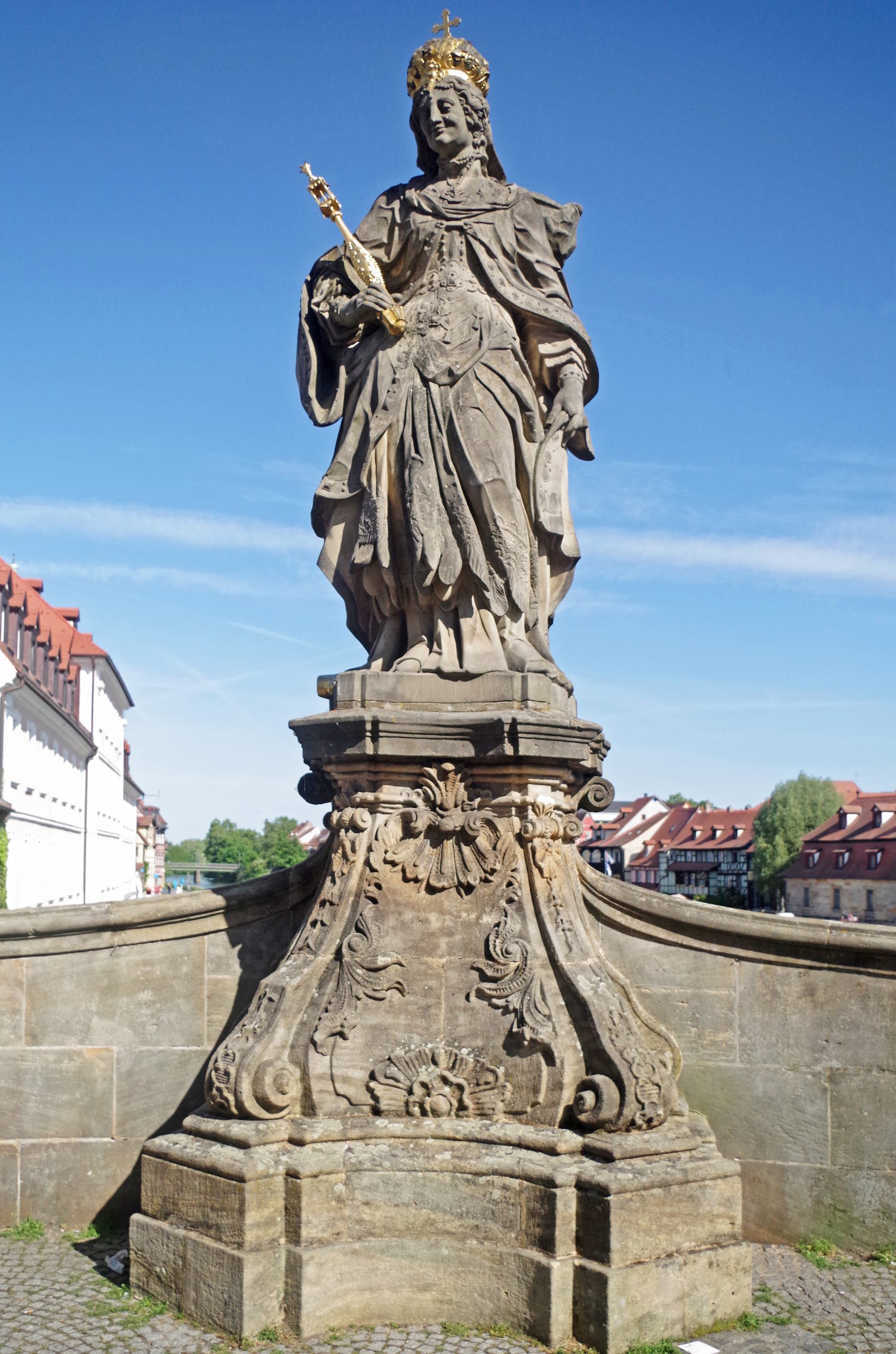
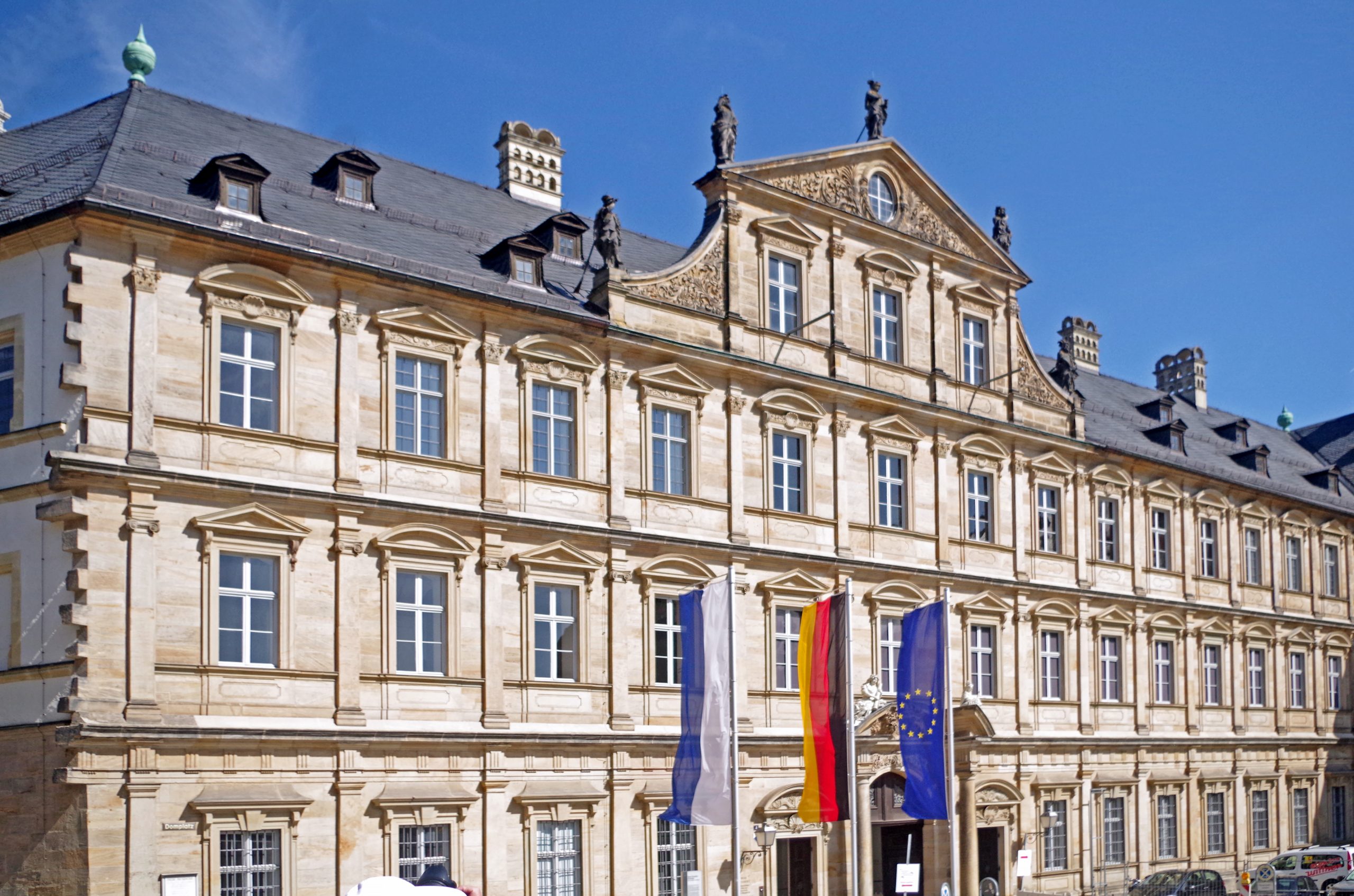
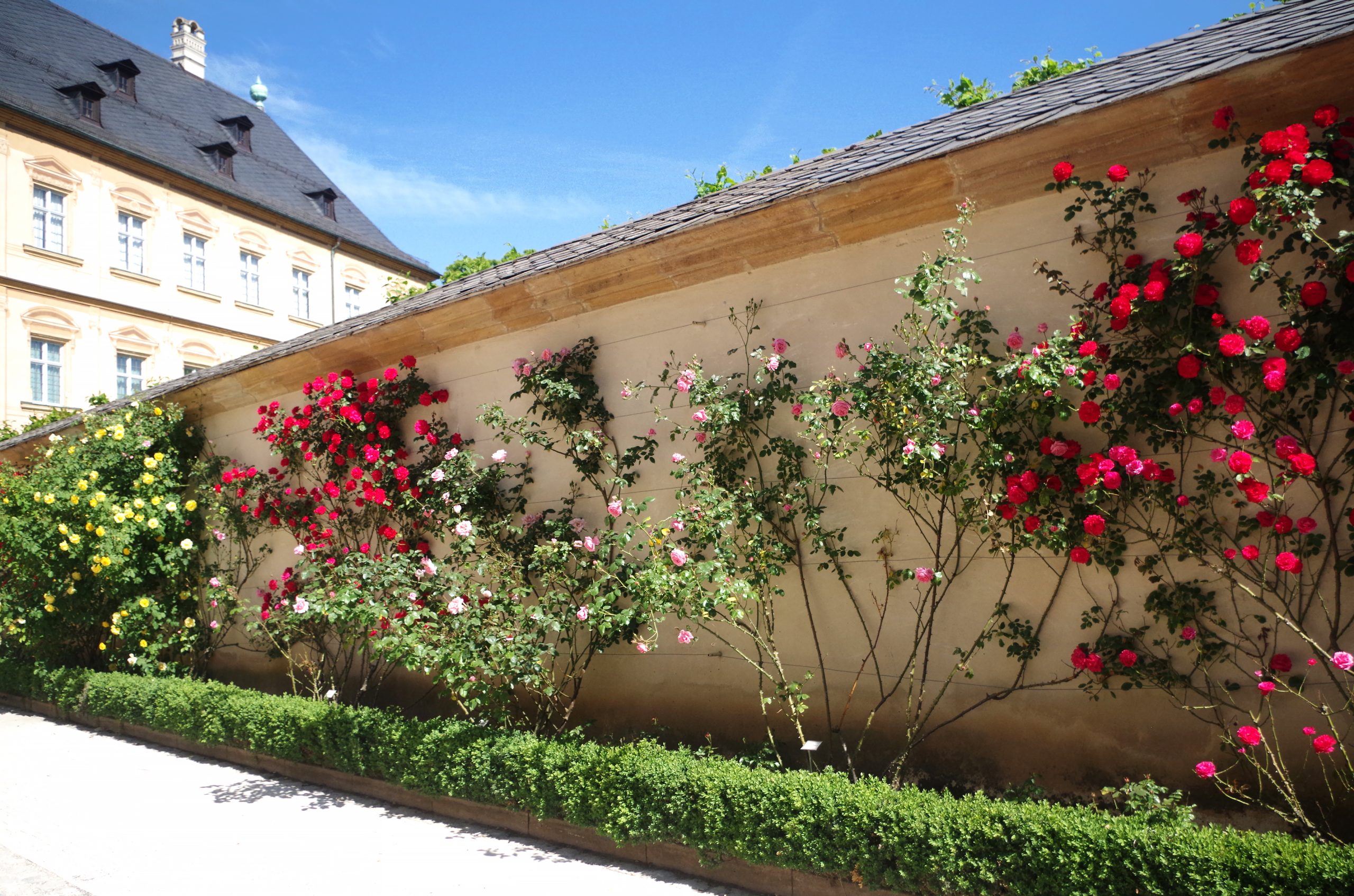
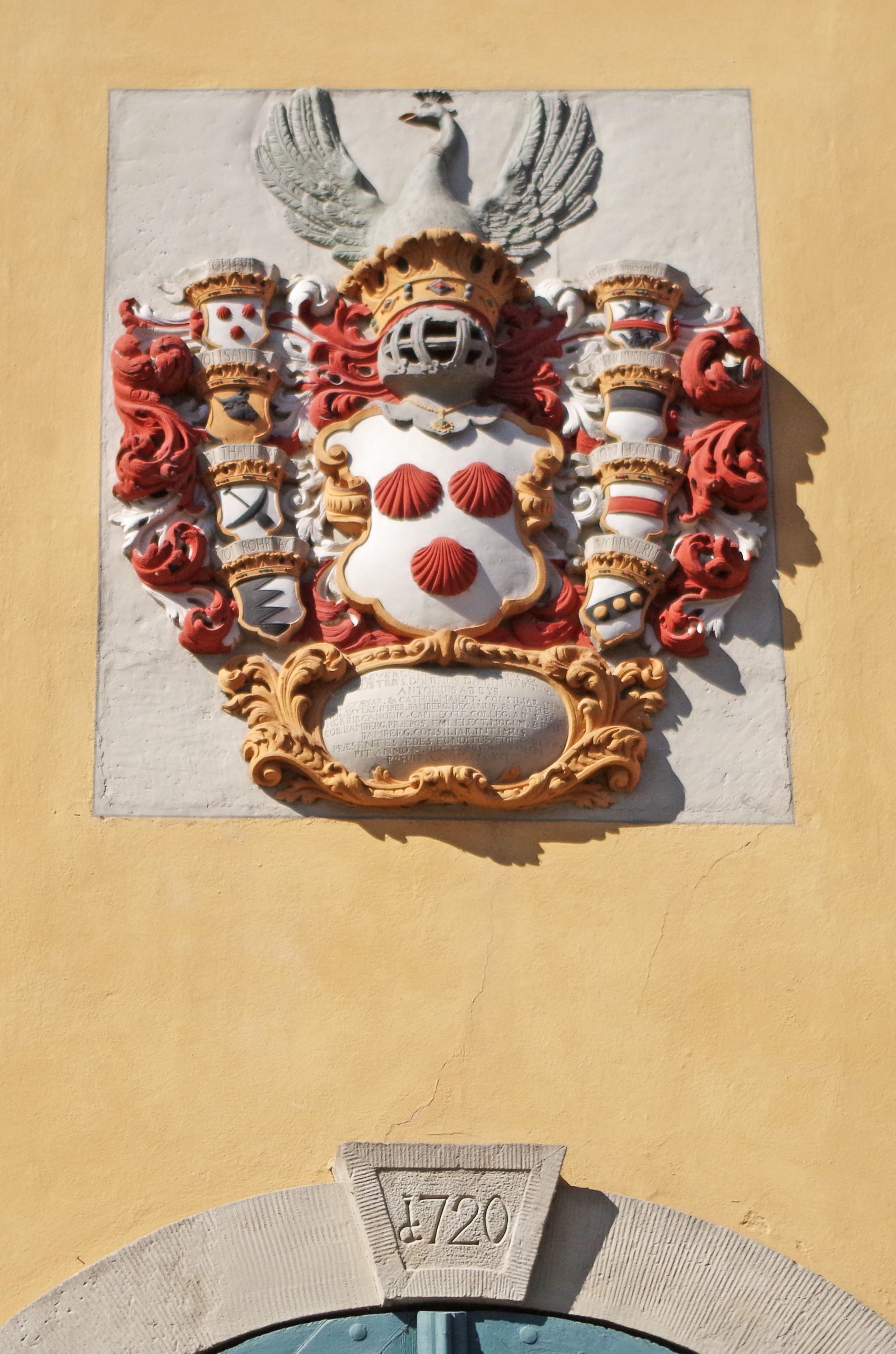
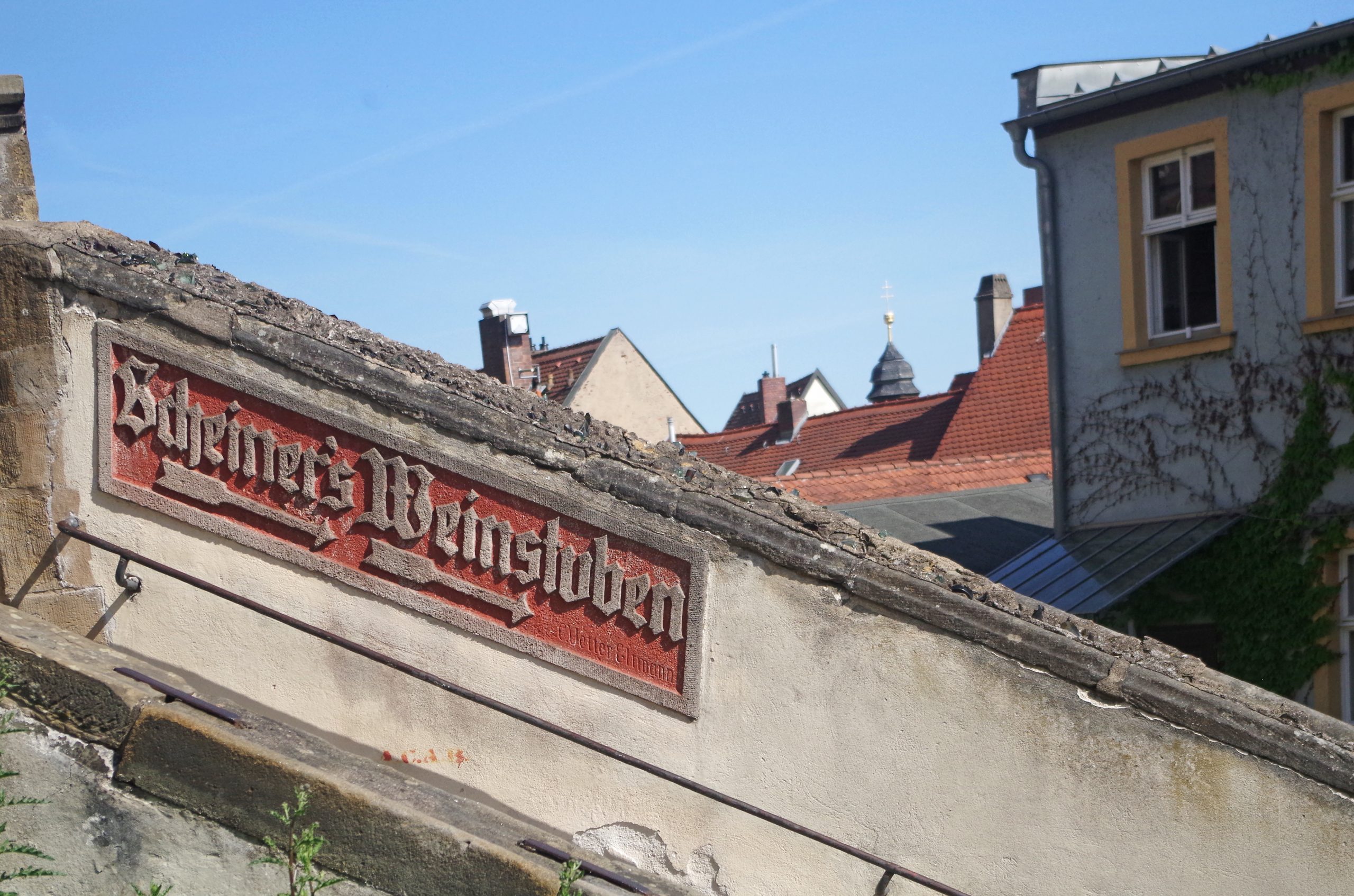
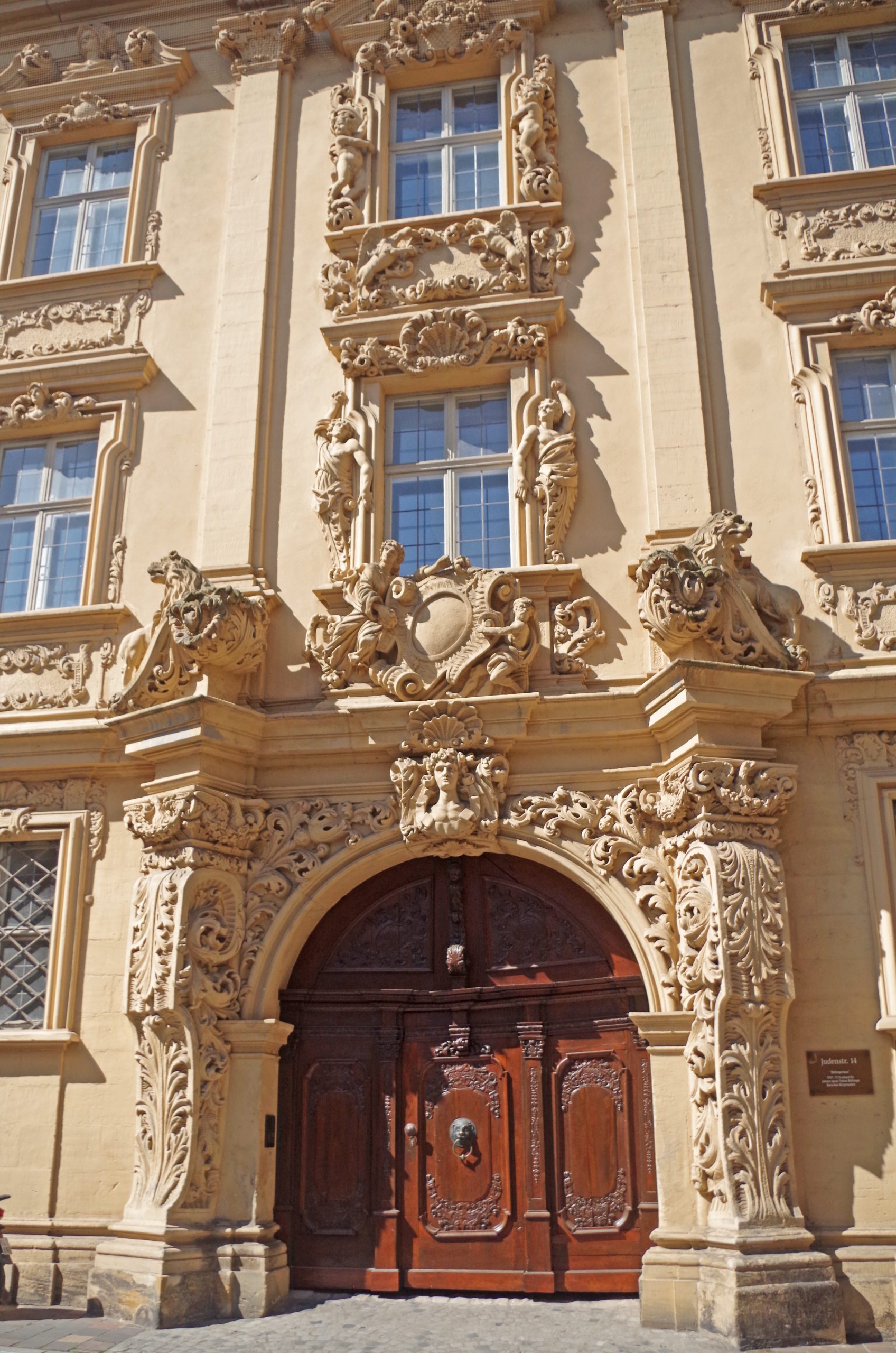
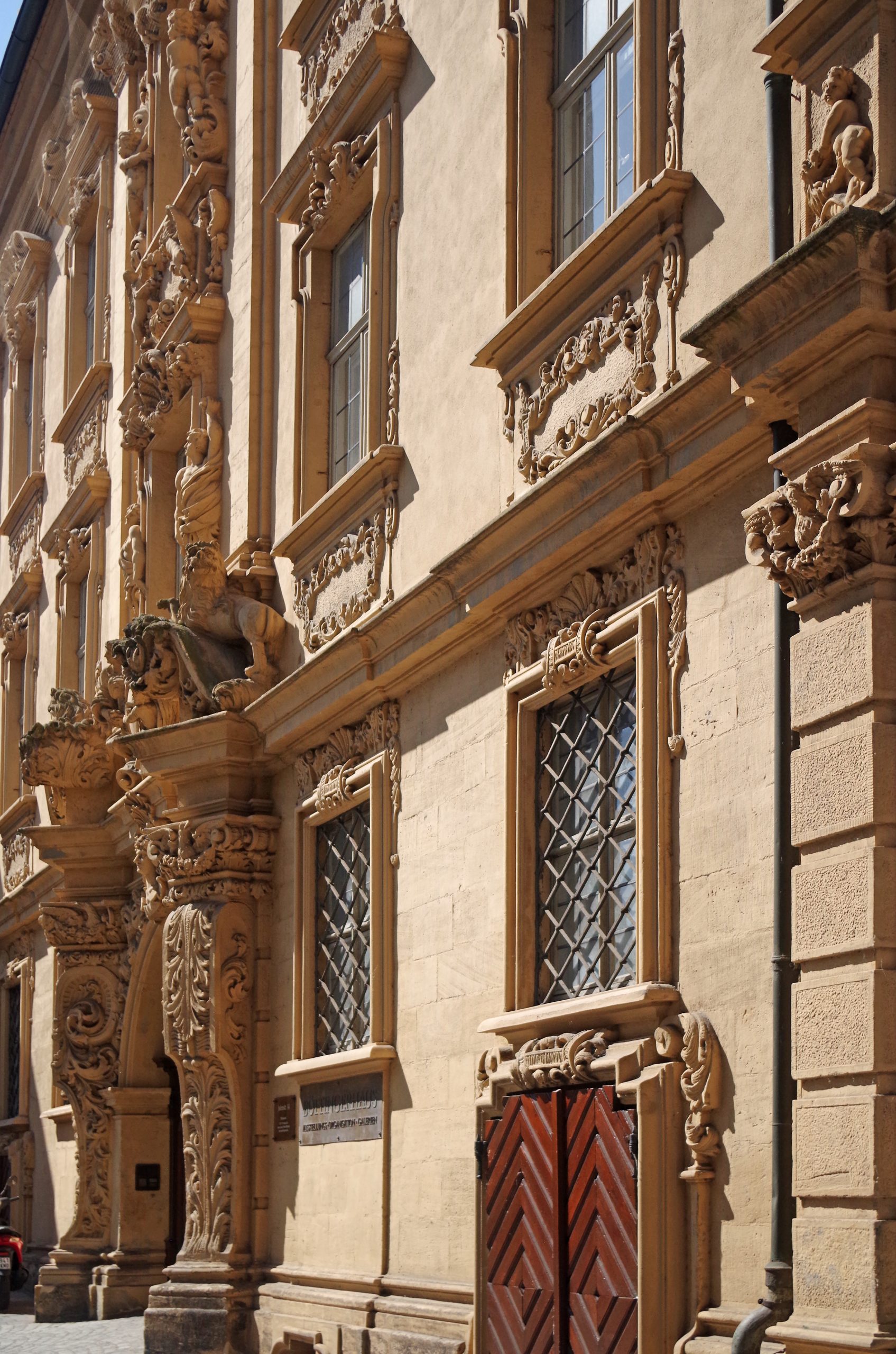
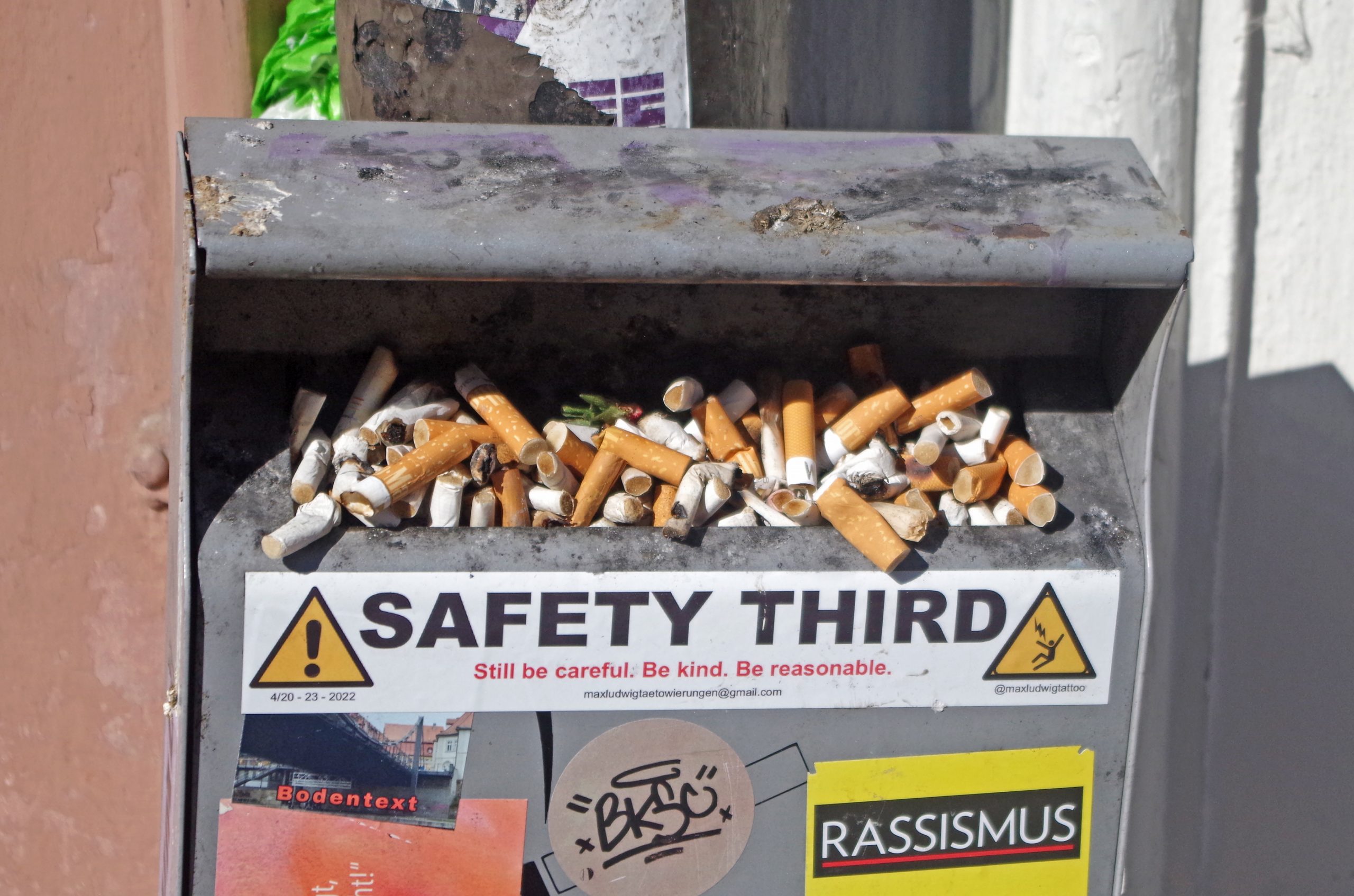
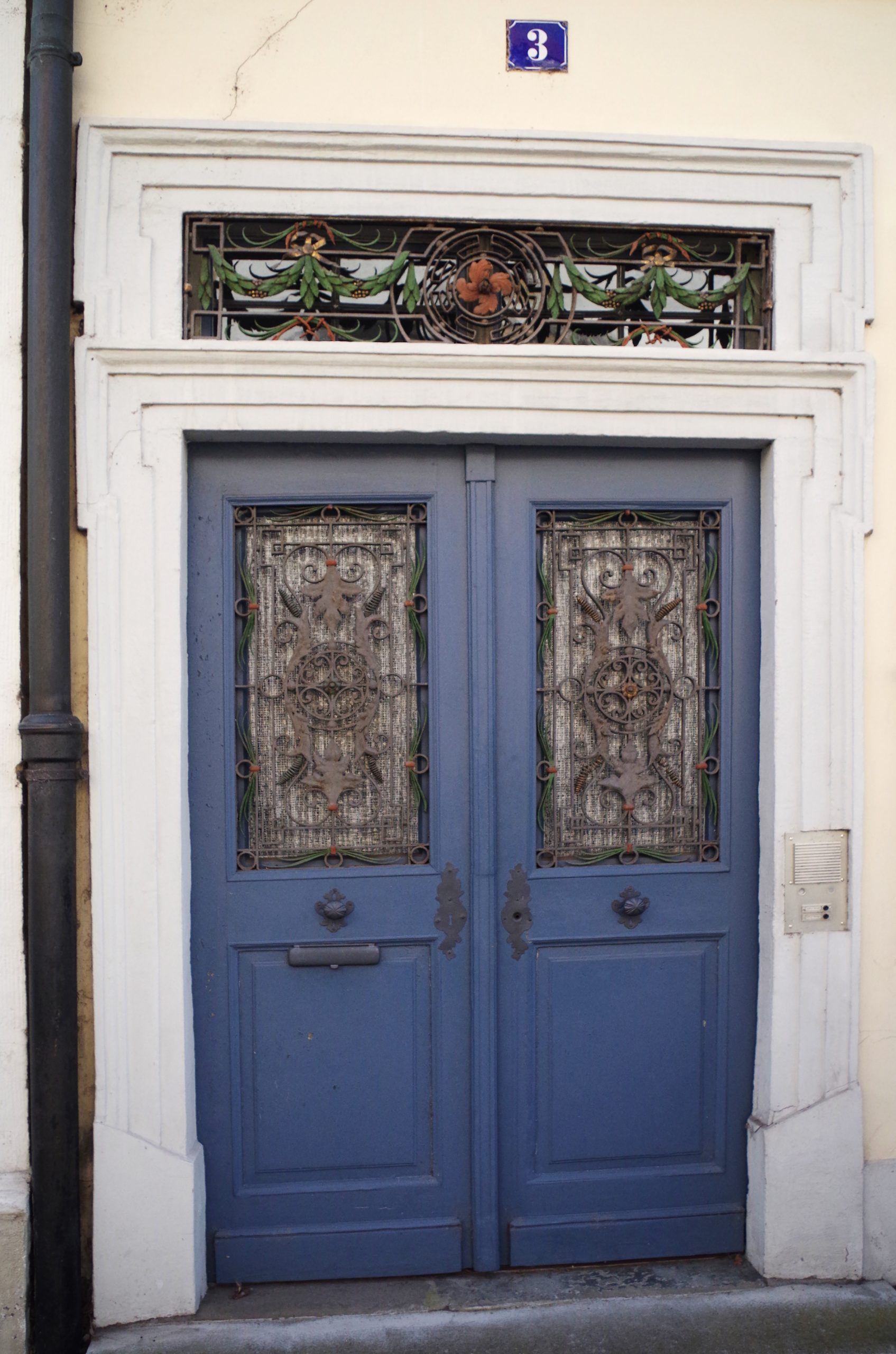
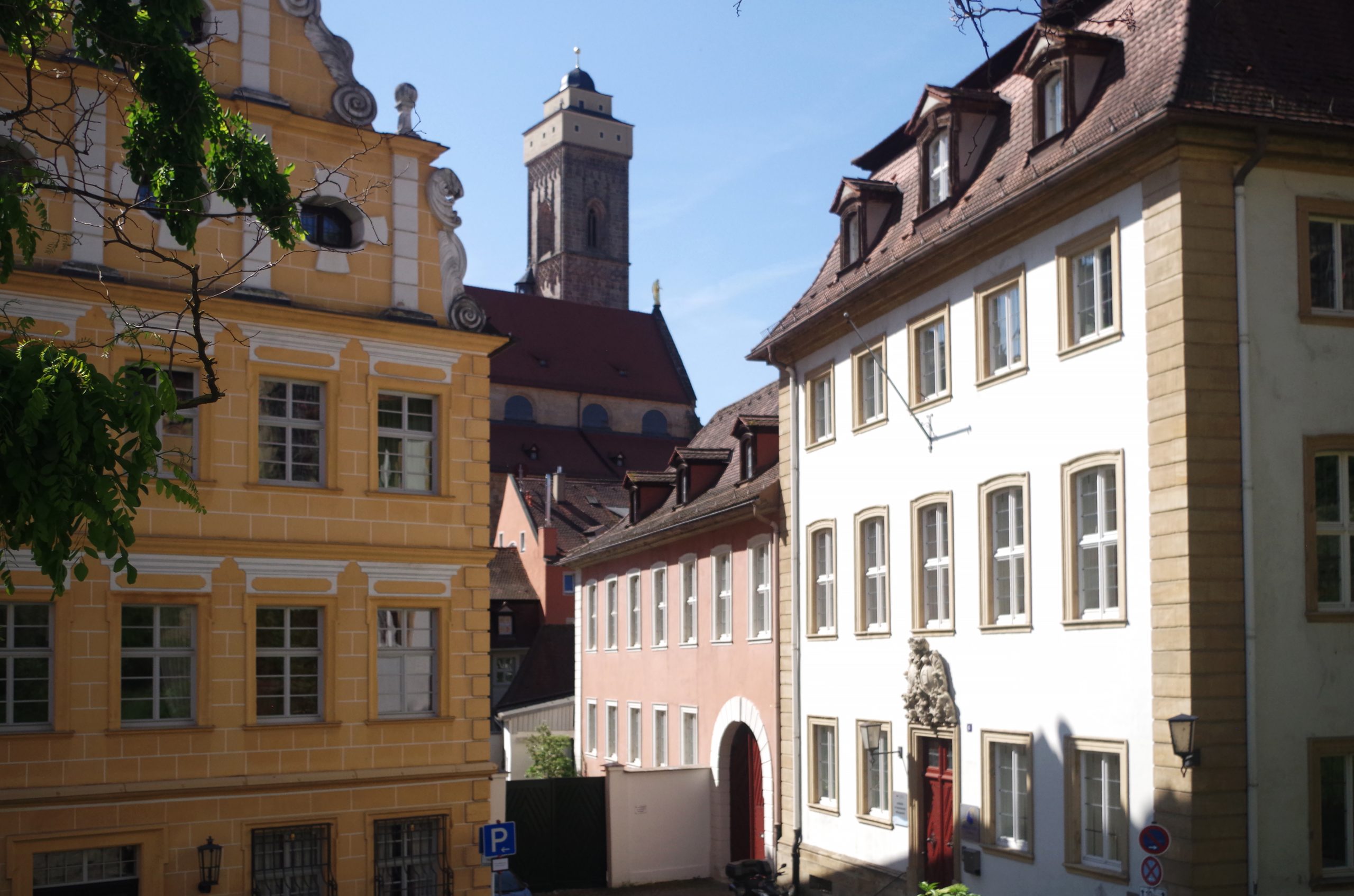
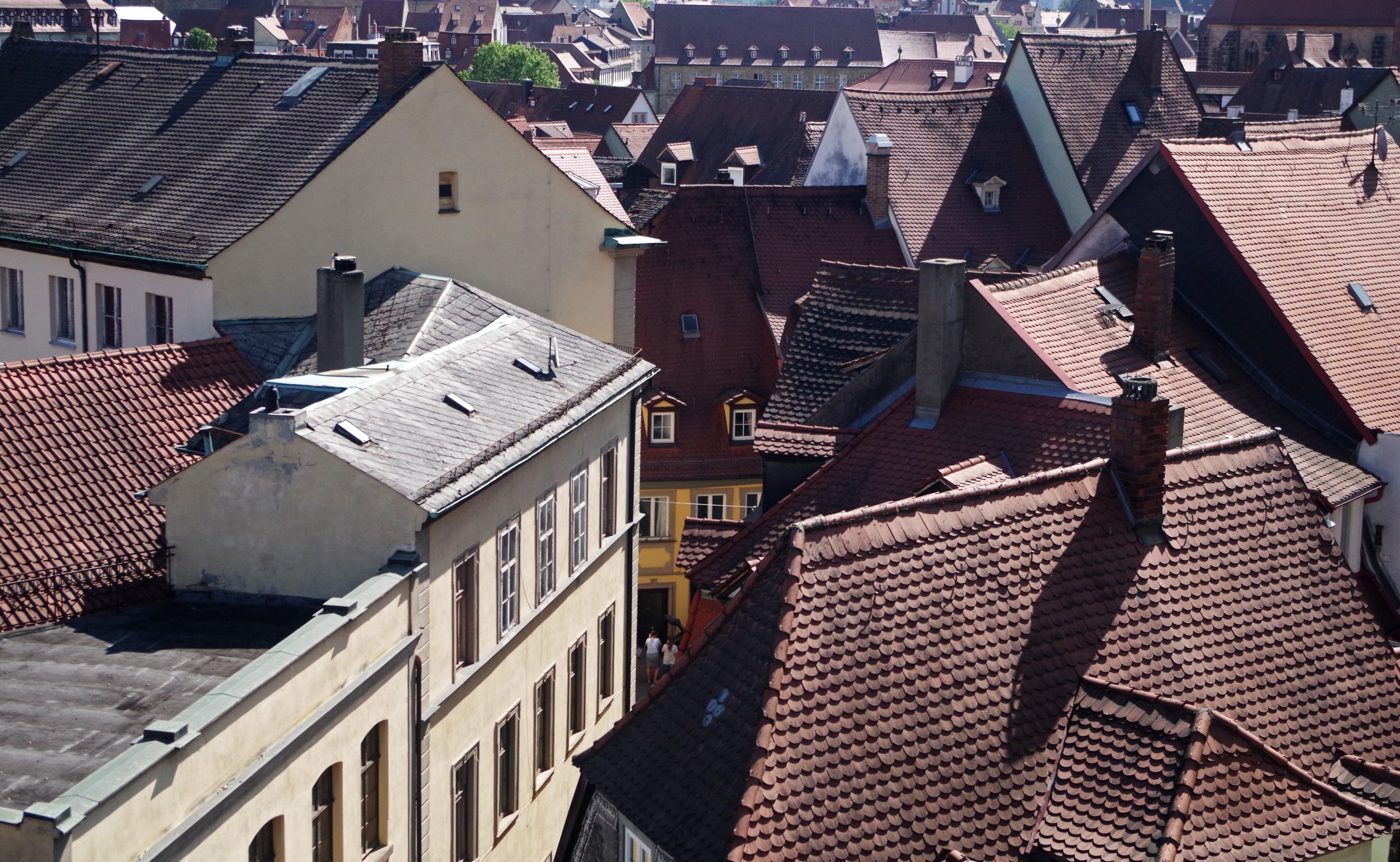
Bamberg CathedralBamberg CathedralBamberg CathedralBamberg Cathedral OrganWalking tour of the Old City, BambergBernhard Luginbuhl Sculpture Anchor Figure,BambergWalking tour of the Old City, BambergWalking tour of the Old City, BambergDoorway along walking tour of the Old City, BambergWalking tour of the Old City, BambergMural along walking tour of the Old City, BambergCanal along walking tour of the Old City, BambergCanal along walking tour of the Old City, BambergIgor Mitoraj Centurione I Sculpture in the Old City, BambergIgor Mitoraj Centurione I Sculpture in the Old City, BambergKaiserin Kunigunde Statue in the Old City, BambergNeue Residenz in the Old City, BambergRose wall at the Neue Residenz in the Old City, BambergCrest above doorway in the Old City, BambergScheiners Weinstuben Sign in the Old City, BambergSchlenkerla Smoked Beer Sign in the Old City, BambergBottingerhaus in the Old City, BambergBottingerhaus in the Old City, BambergAre there smokers in Bamberg?Doorway in the Old Town, BambergDoorway in the Old Town, BambergOld Town, BambergRooftops in the Old Town, Bamberg
The city of Nuremberg was one of the most historic stops on our trip. One must understand that the history of Germany and all of Central Europe is quite muddled throughout the last two millennia. None of the modern republics – including Germany – can trace its origins back to any particular people, as borders changed with wars and invasions from every direction, and people migrated throughout the region. One consistency over the millennia has been the brutal atrocities that took place by both those in power and those seeking to gain control. Those atrocities continued through the reign of the Emperor Charlemagne and the Holy Roman Empire, despite the broad conversions to Catholic Christianity, usually out of either expediency or compulsion. Emperors and kings were crowned by the pope, monasteries served as military fortifications, and those in power, in turn, chose the men who would be popes – or, particularly in the 13th century, anti-popes. We are all familiar with the Crusades, and the Jewish population was consistently massacred during the 13th and 14th centuries, all in the name of righteousness.
Given this highly abbreviated historical perspective, it is no surprise that Nuremberg became the epicenter of the Nazi party movement in the 1920s, 1930s and throughout World War II, embracing Hitler’s insanity about a pure Arian race that never in fact actually existed, and continuing the scapegoating of the Jewish people to the most horrific extreme imaginable. There was not a single Jewish resident remaining in Nuremberg at the end of World War II.
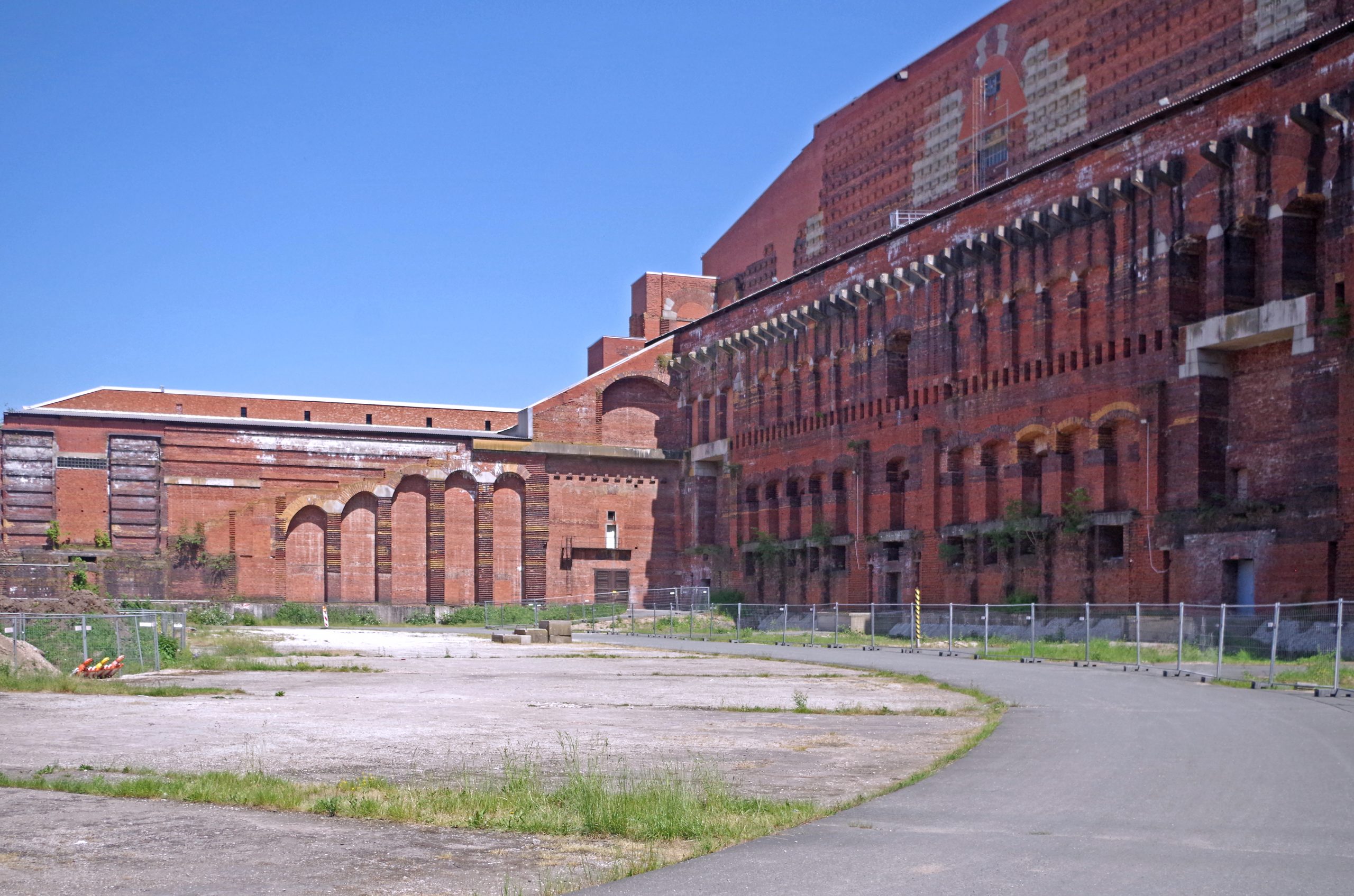
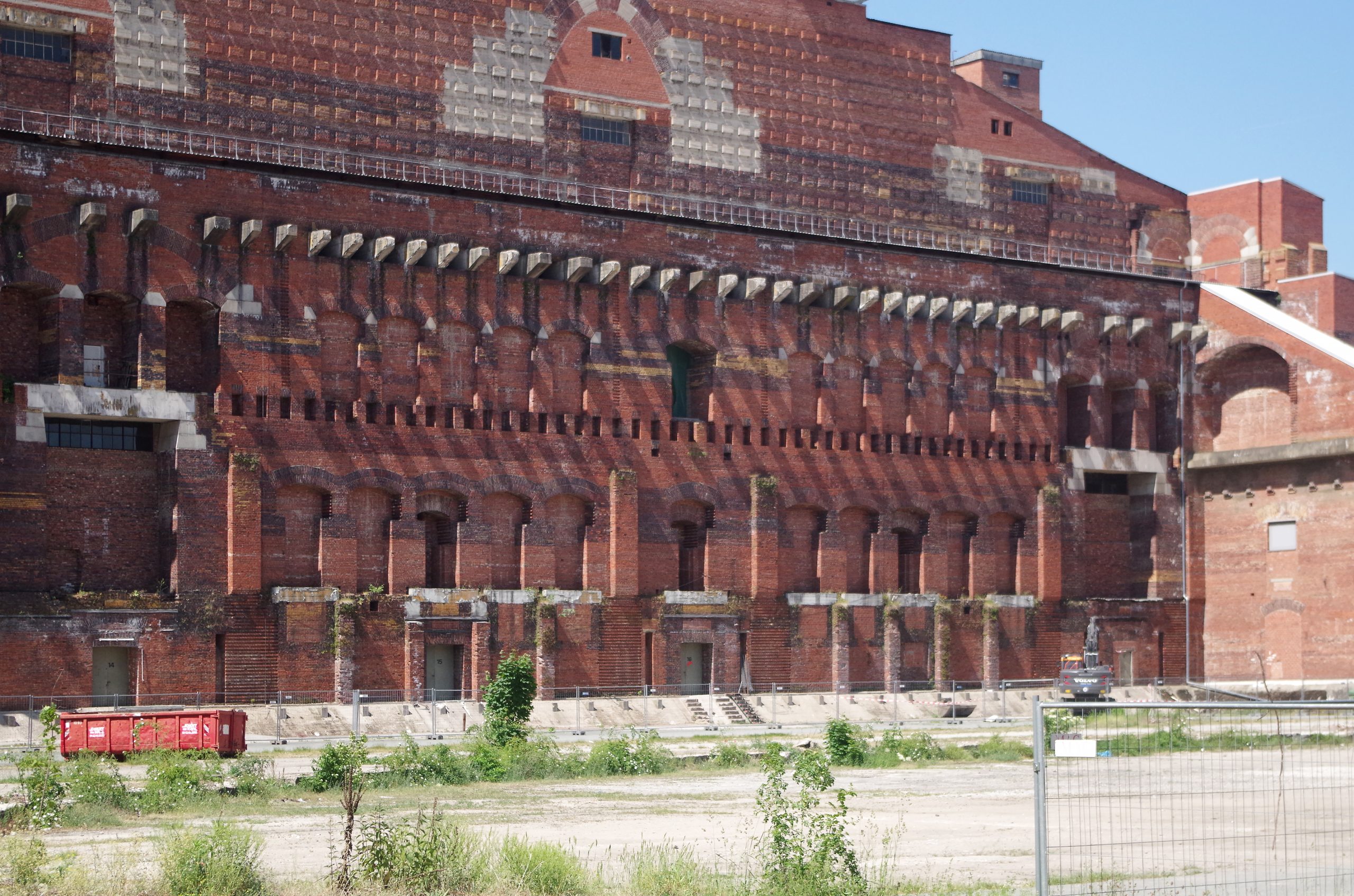
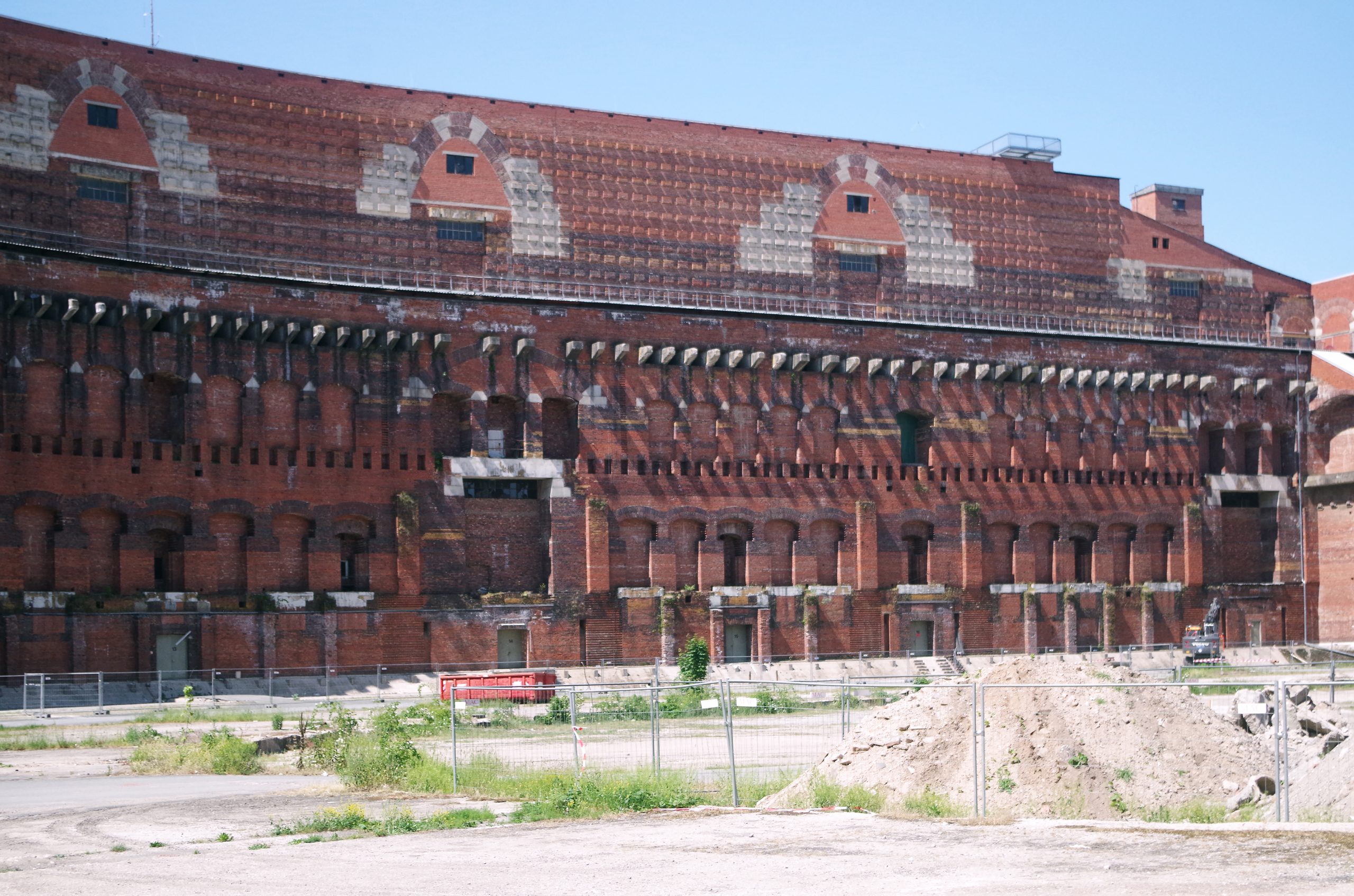
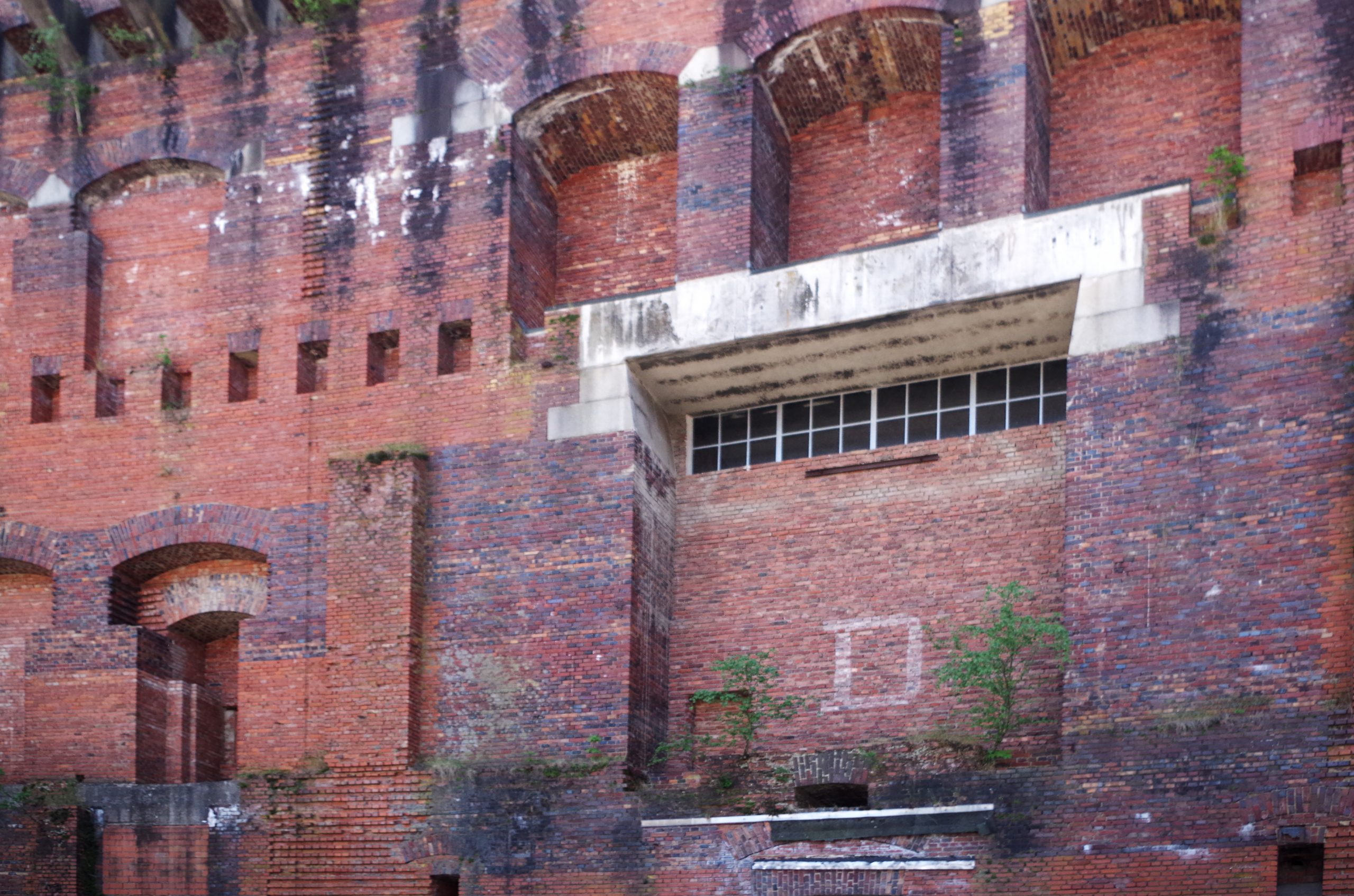
Due to its strategic importance due to the manufacturing of aircraft, submarines and tank engines, ninety percent of the city of Nuremberg was destroyed during one hour of intense bombing by the Royal Air Force and the U.S. Army Air Forces on January 2, 1945. Despite the destruction, several historic sites from this era remain, including the Zeppelinfield that was the site of the Nuremberg Rallies and the location for the Nazi propaganda film “Triumph of the Will” and the New Congress Hall, modeled after the Roman Colosseum and never completed. Also surviving is the massive building that was formerly the SS barracks, now quite symbolically serving as the Federal Office for Migration and Refugees.
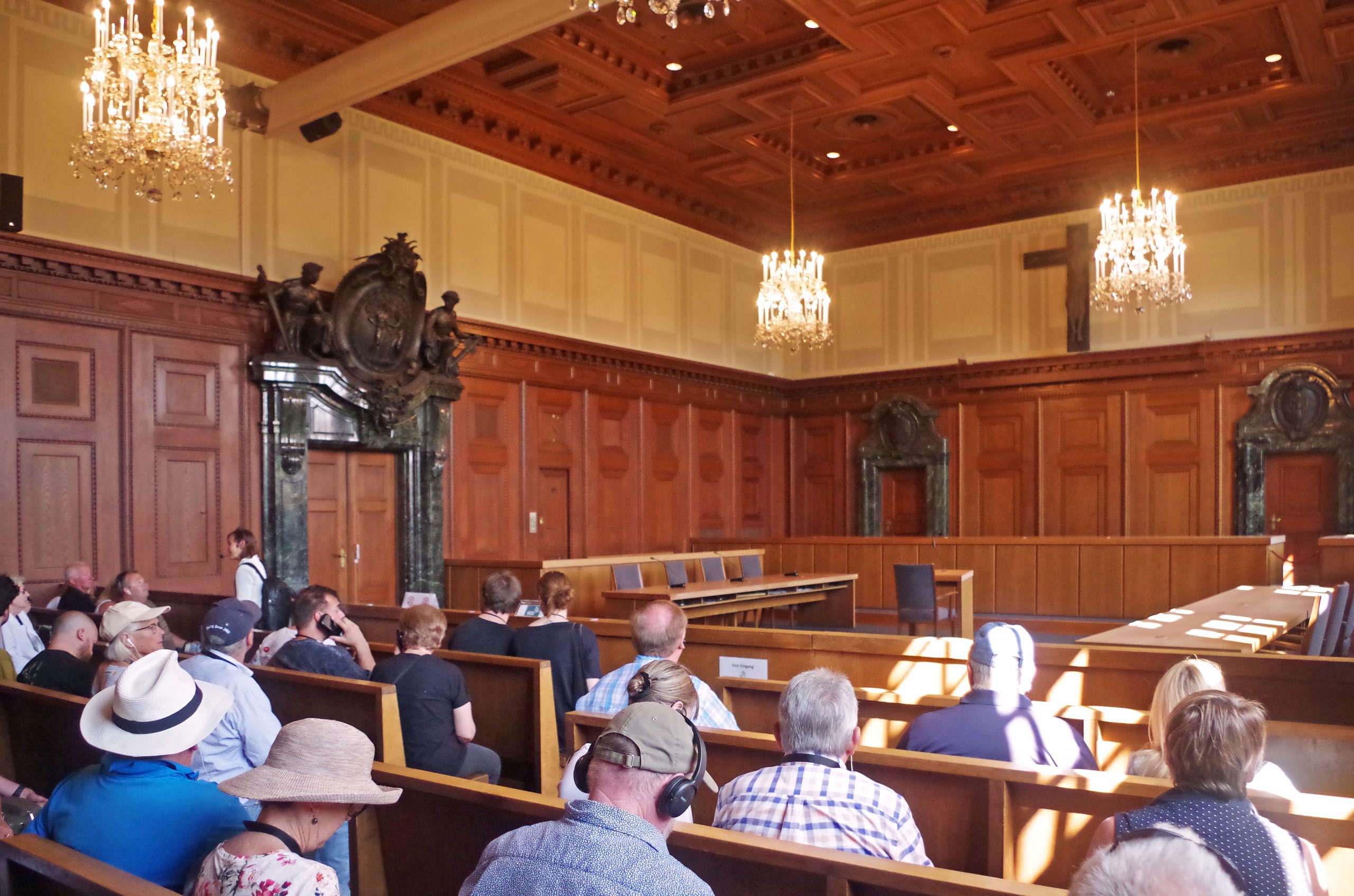
Nuremberg was also fittingly chosen as the site of the 1945 and 1946 trials of German officers for war crimes and crimes against humanity, known as the Nuremberg Trials. The defendants in these widely televised trials included Rudolf Hess, Ernst Kaltenbrunner, Wilhelm Keitel, Alfred Rosenberg, Fritz Sauckel, Wilhelm Frick, Albert Speer, Julius Streicher, Hermann Göring, and Martin Bormann (who committed suicide prior to his trial).
We were unable to see much of the Zeppelinfield grounds, due to security and a rock music festival that was starting the following day. Quite a transformation from an assembly of 170,000 Hitler Youth.
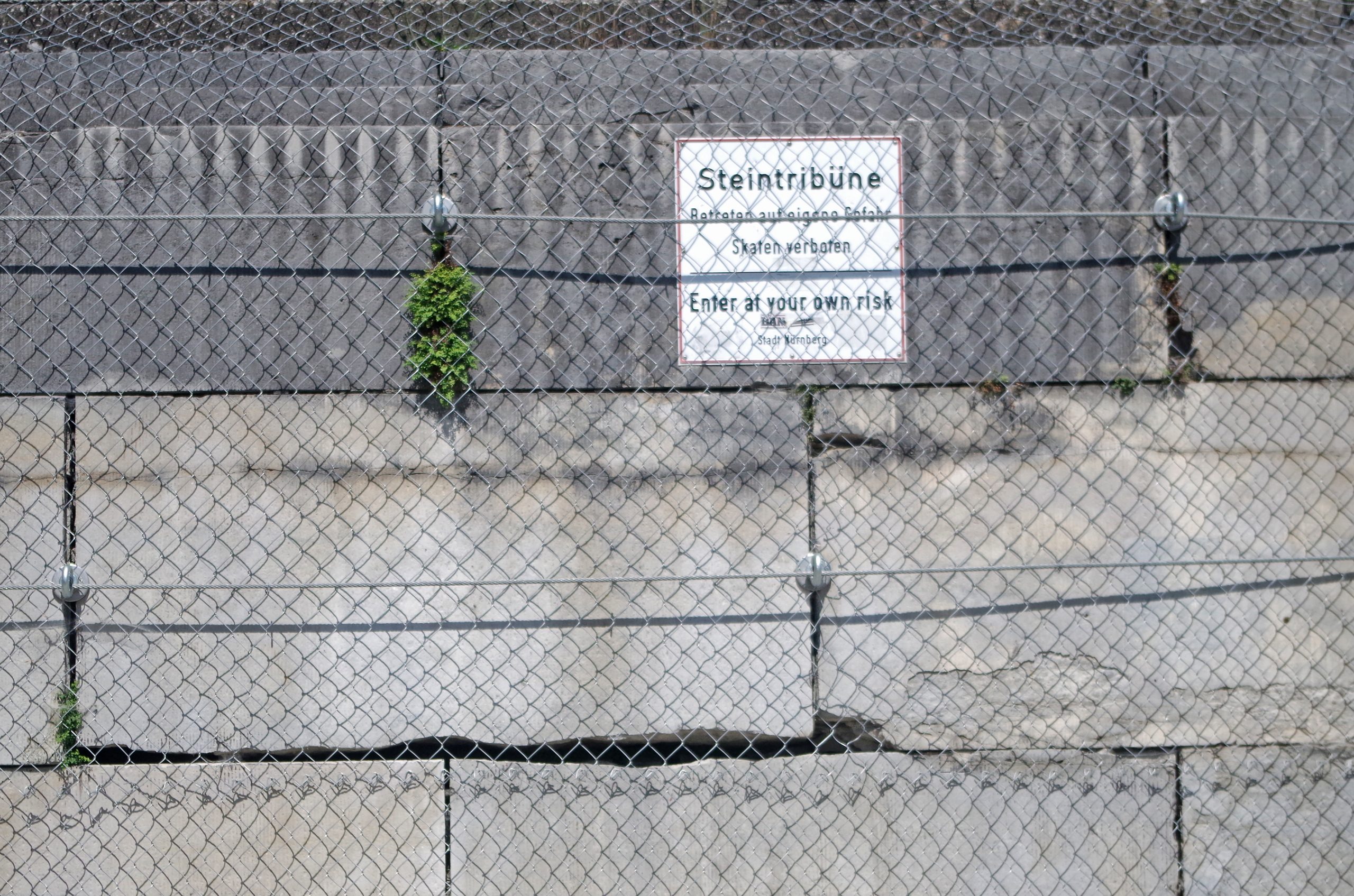
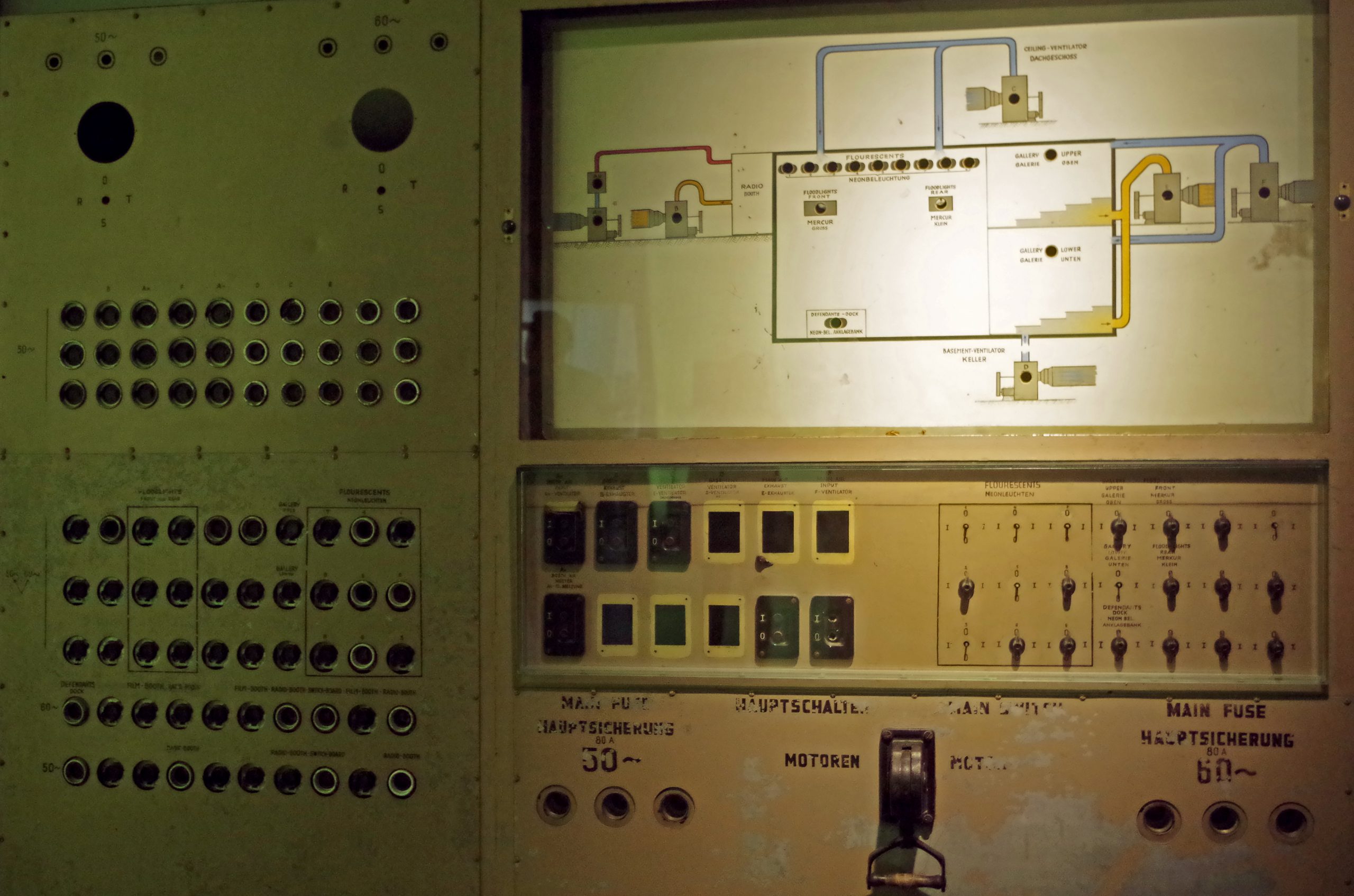
Warning sign at the ZeppelinfieldNeue Kongresshalle (New Congress Hall), NurembergNeue Kongresshalle (New Congress Hall), NurembergNeue Kongresshalle (New Congress Hall), NurembergNeue Kongresshalle (New Congress Hall), NurembergNuremberg Trials CourtroomNuremberg Trials Lighting Control Panel
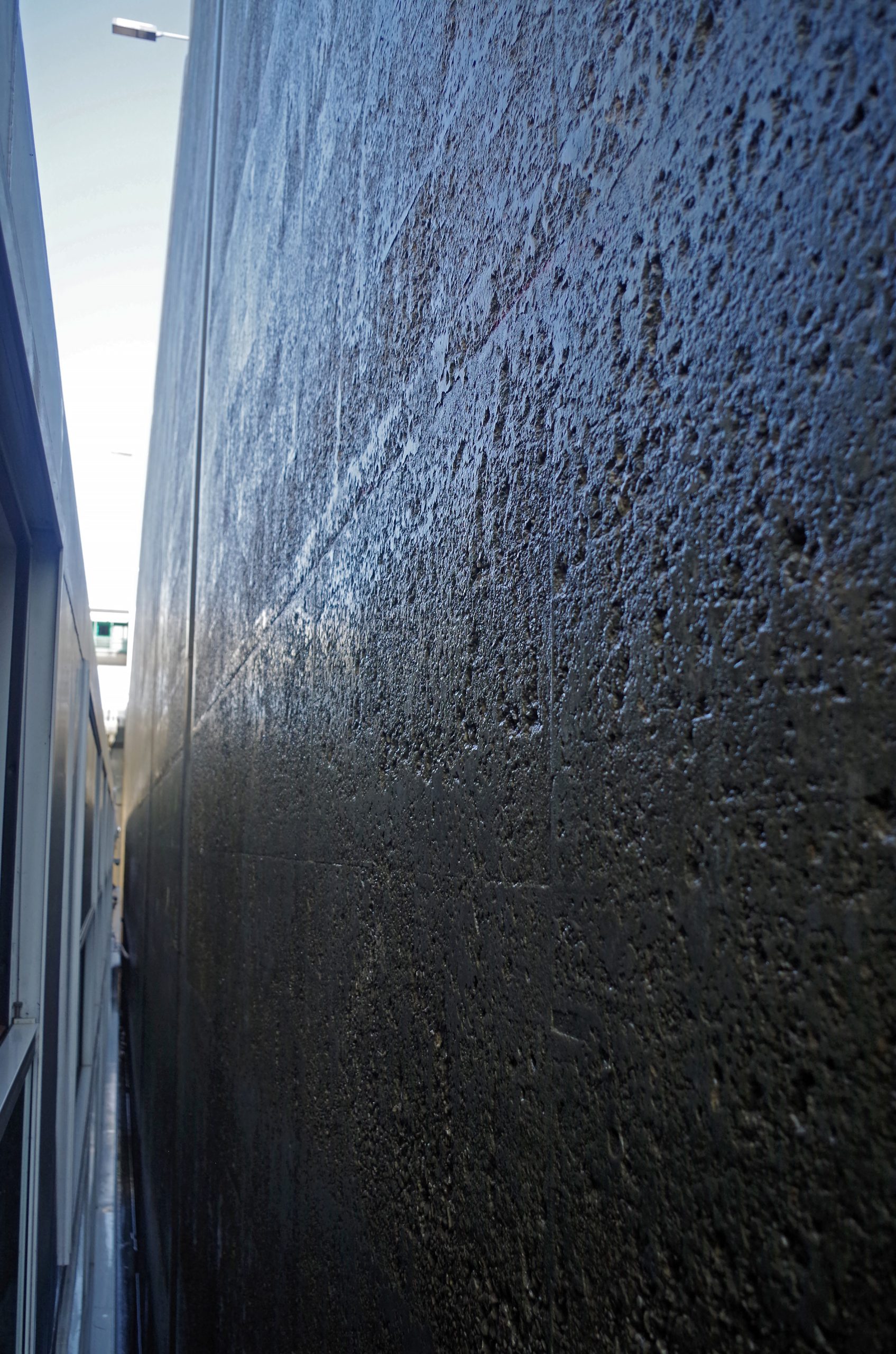
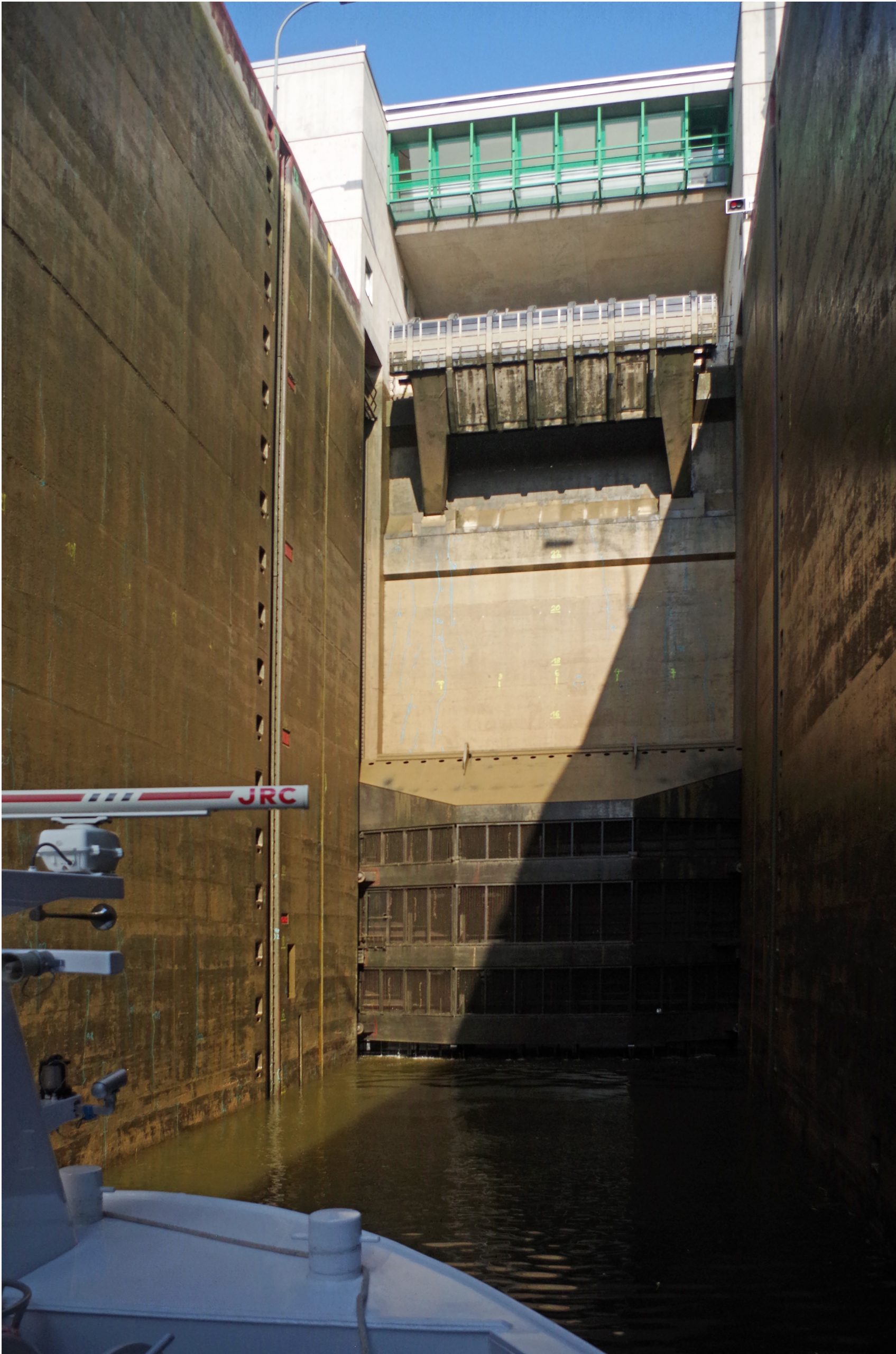
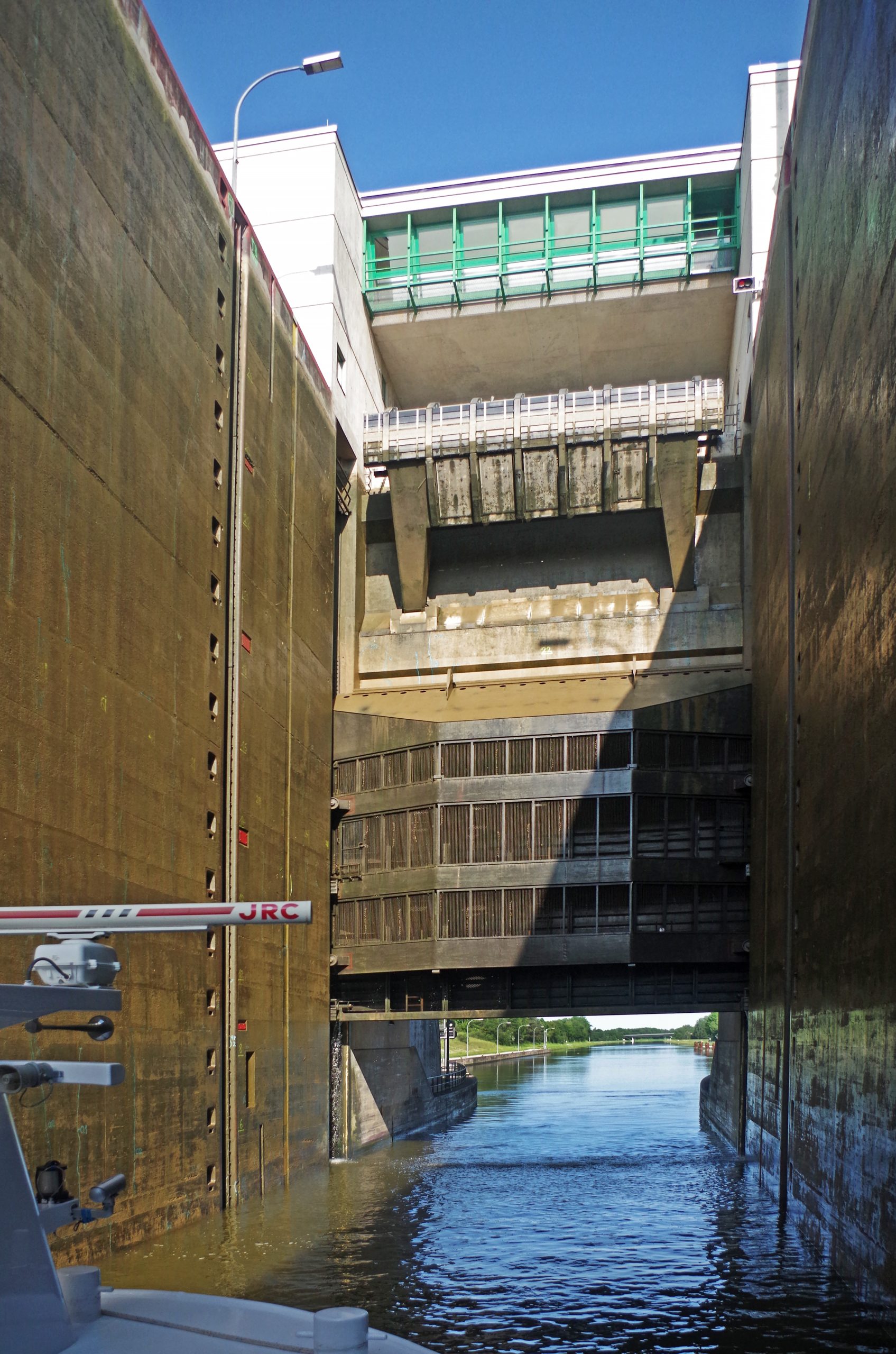
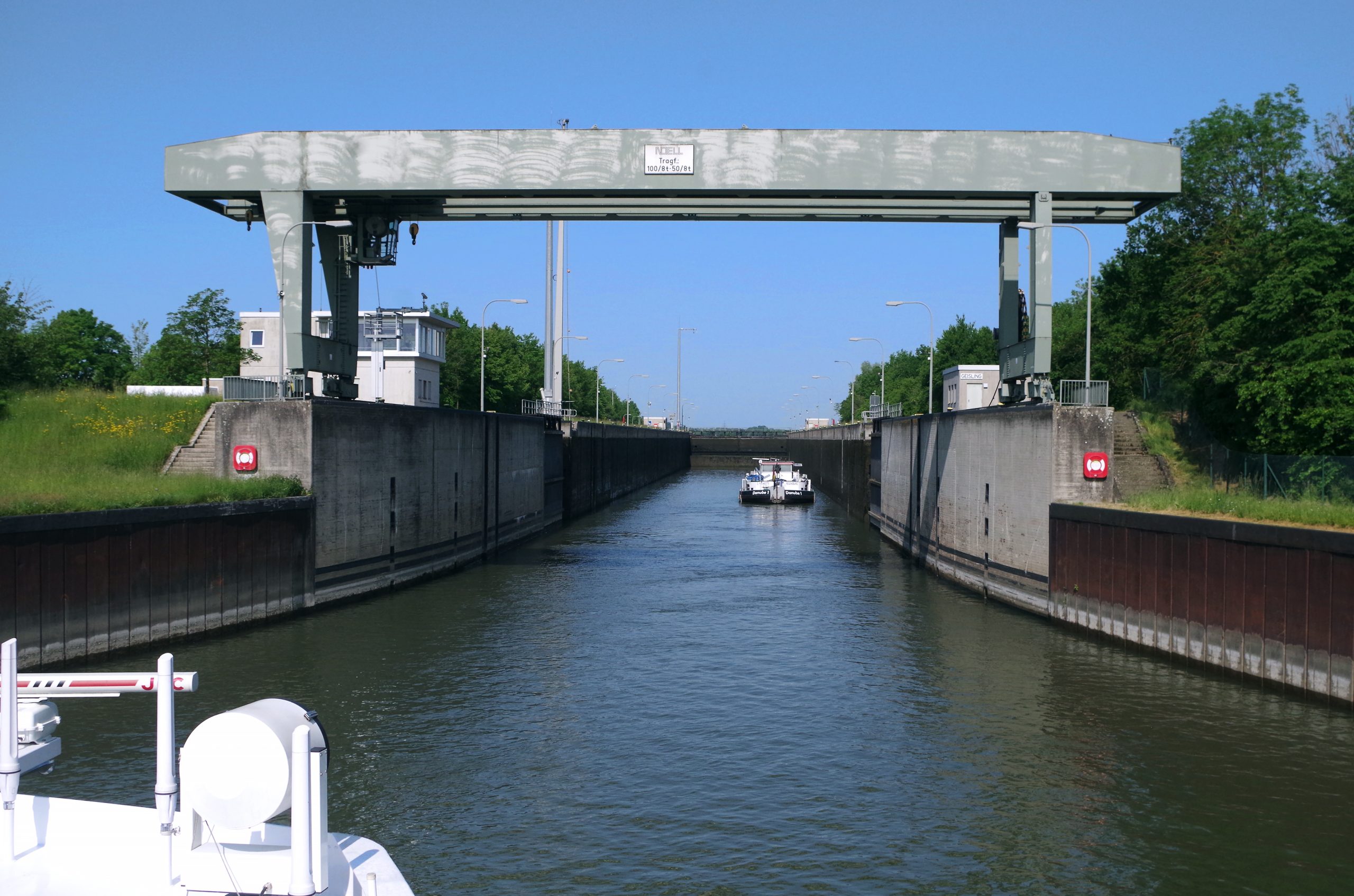
As we moved on from Nuremberg, we passed through some of the tallest locks of our trip, on the Rhine-Main-Danube Canal, an engineering project that was completed in 1992. There are a total of 16 locks on the 106 mile long canal, 13 of which are engineered to conserve water, three of which are as tall as 24.67 meters (or 81 feet). Most of the locks also generate hydroelectricity.
We were really impressed with the engineering, commerce and energy efficiency in Germany, including river barge traffic, high-speed passenger and freight trains, and the country’s 27,000 wind turbines. Going back to its historical roots, there are also 25,000 stone castles or castle ruins in Germany.
Tall lock on the Rhine-Main-Danube Canal, with inches to spare alongside our shipTall lock on the Rhine-Main-Danube CanalTall lock on the Rhine-Main-Danube Canal
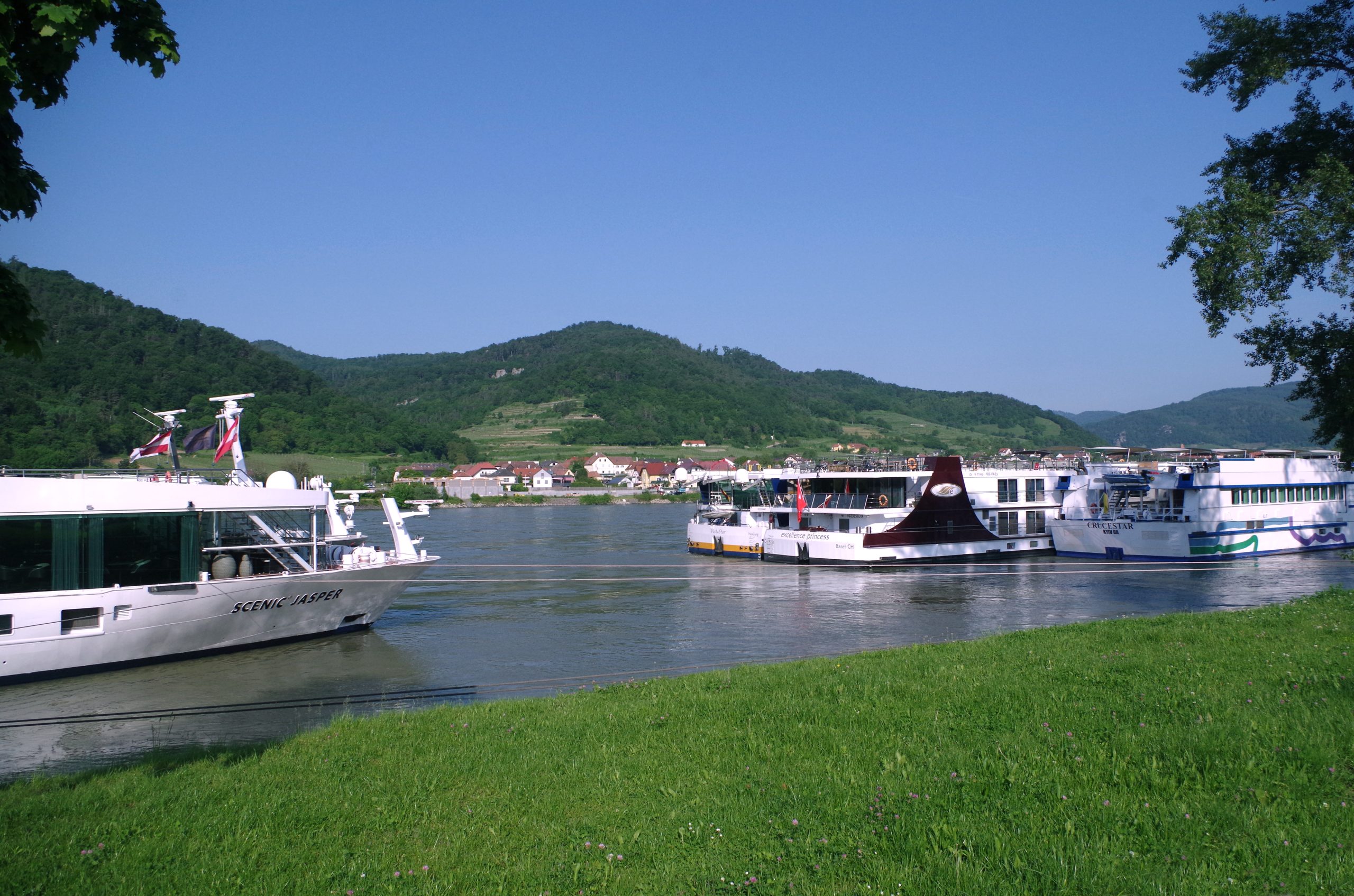
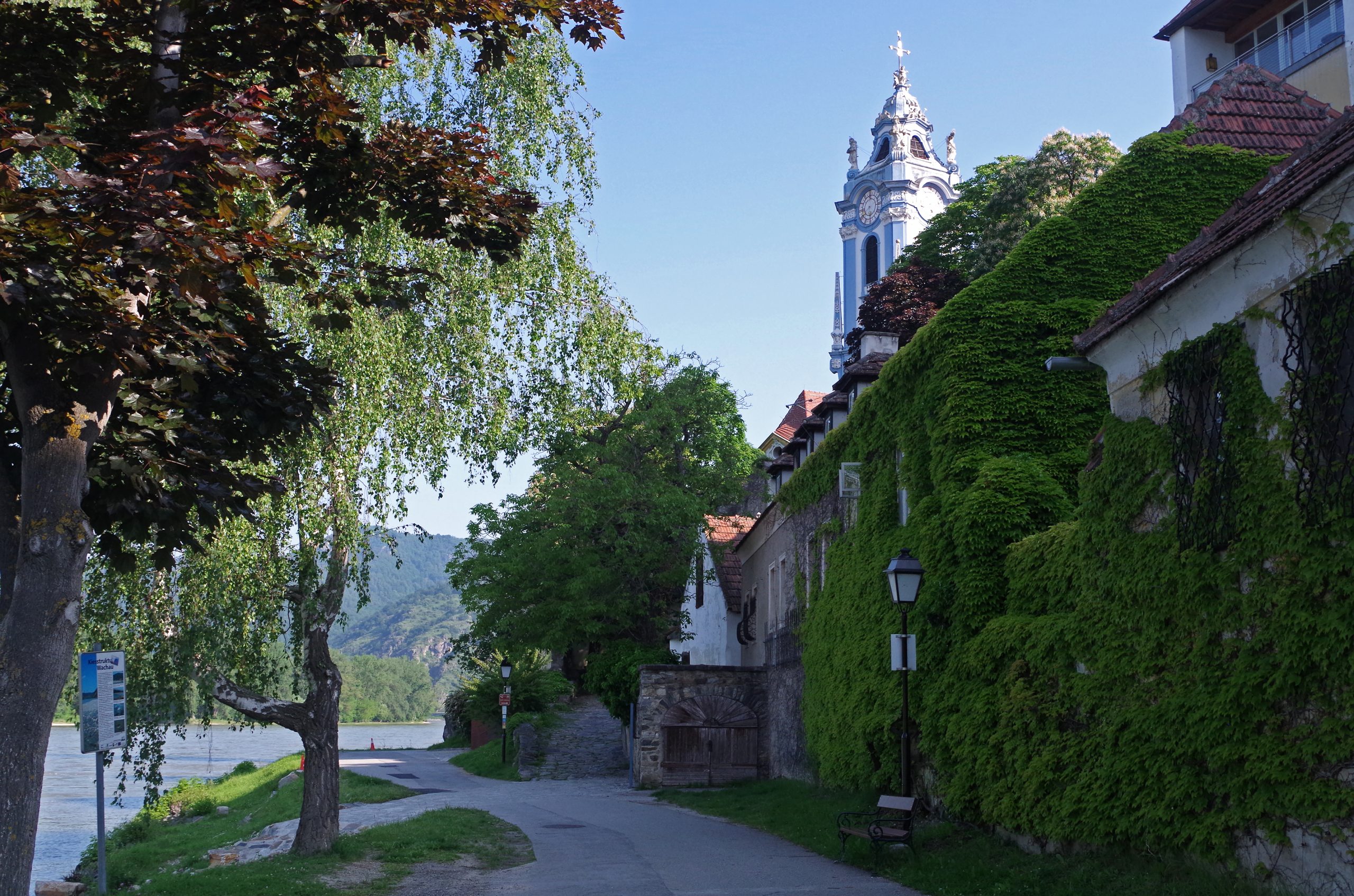
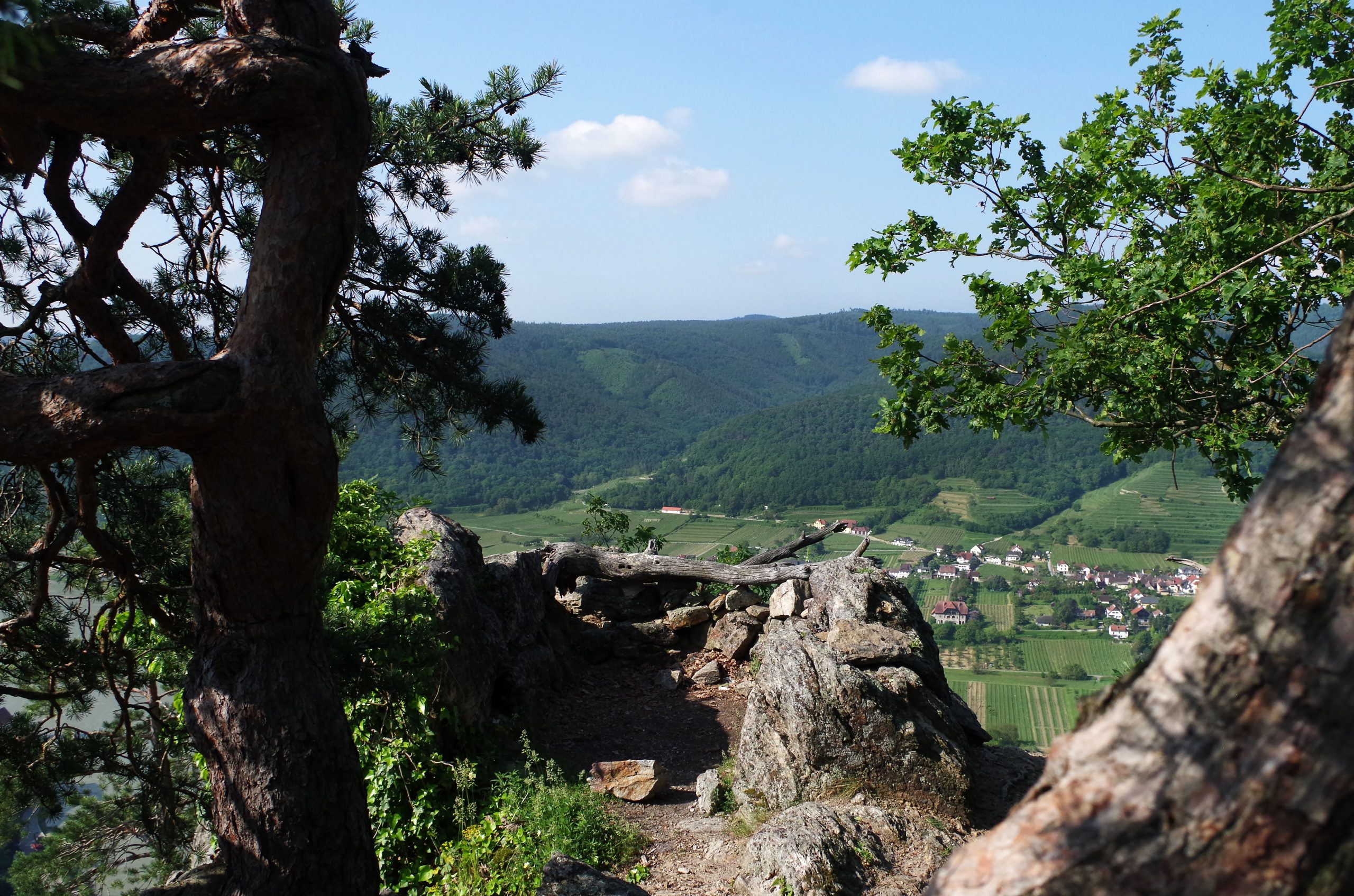
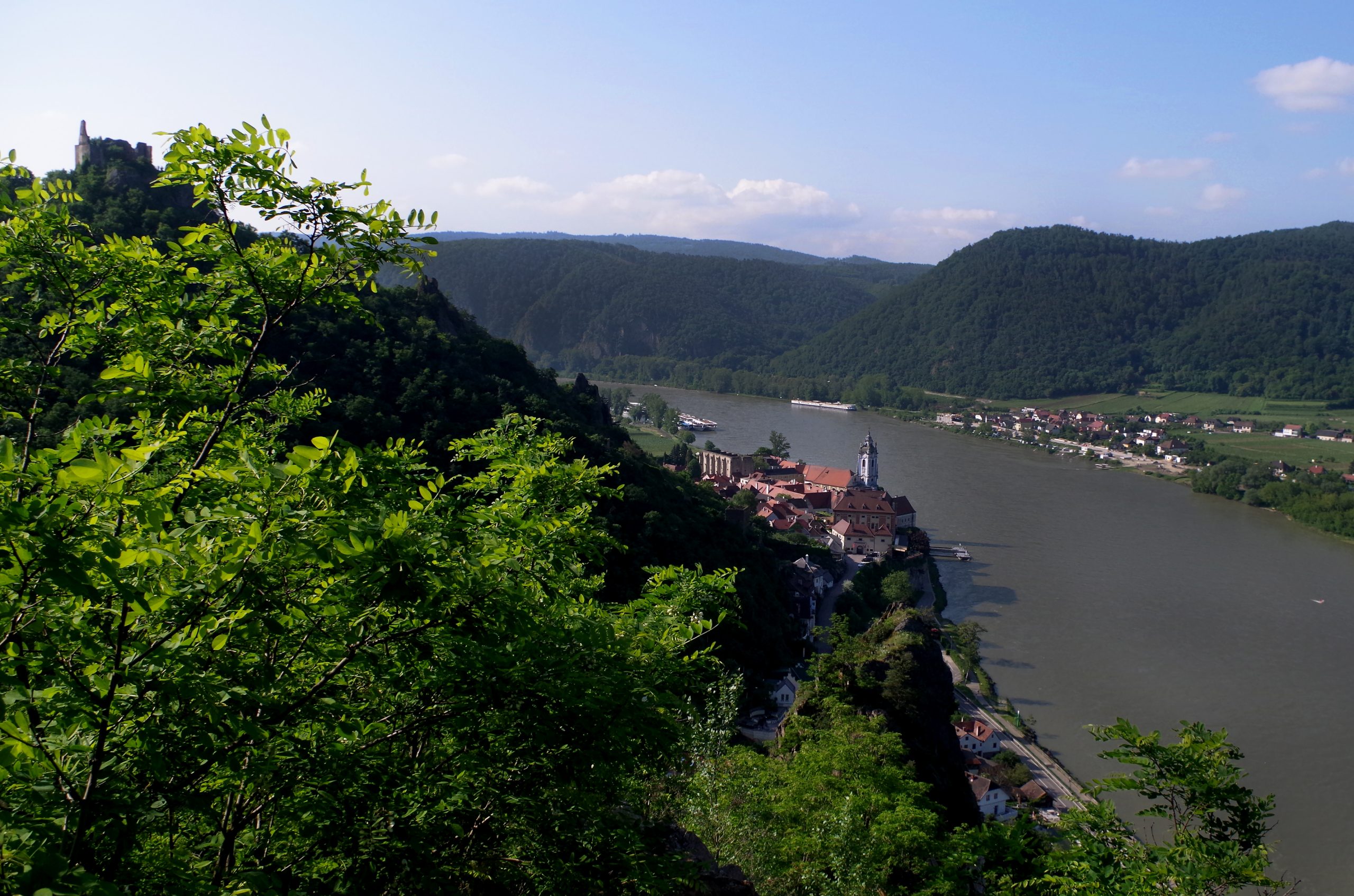
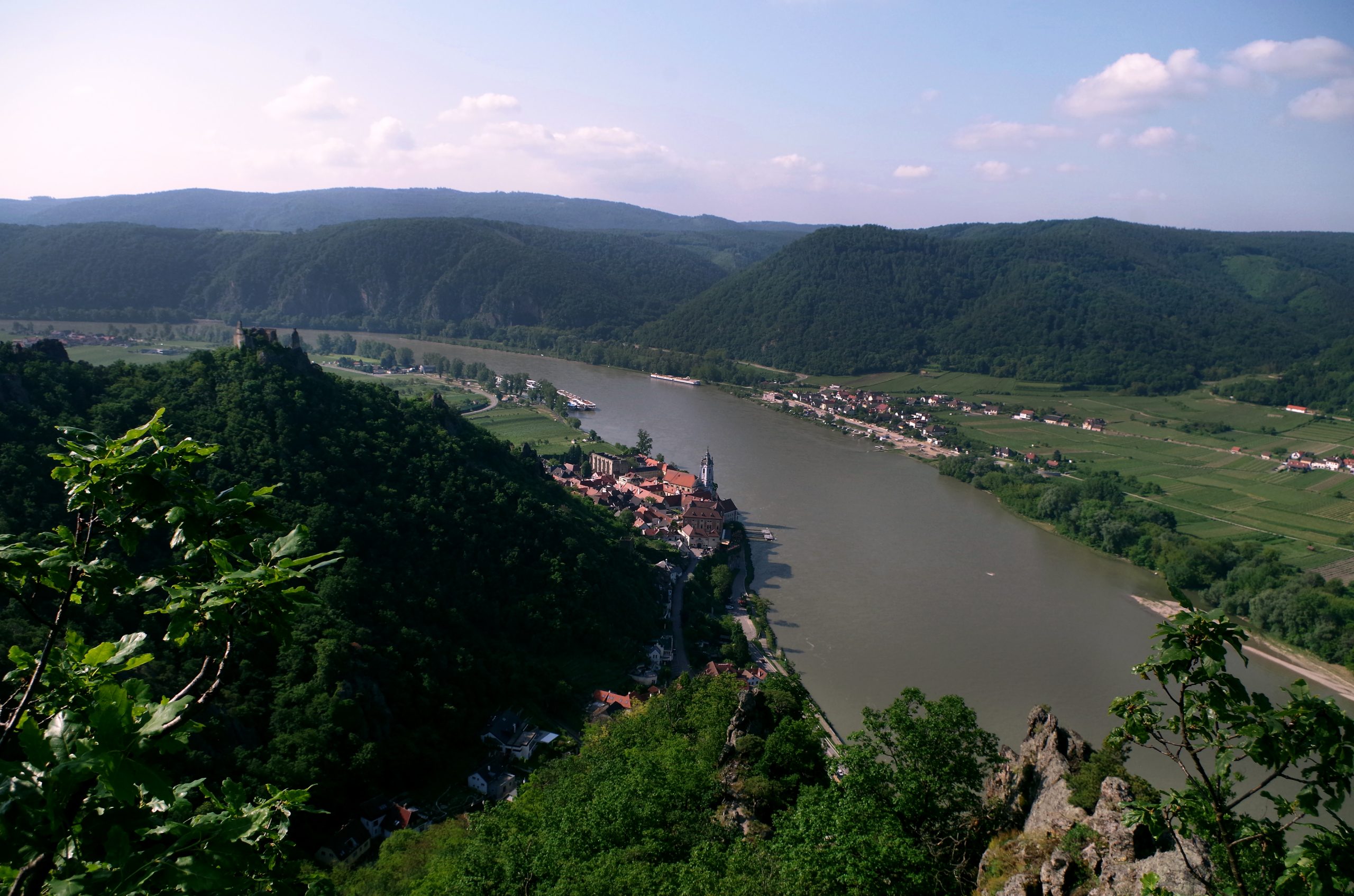
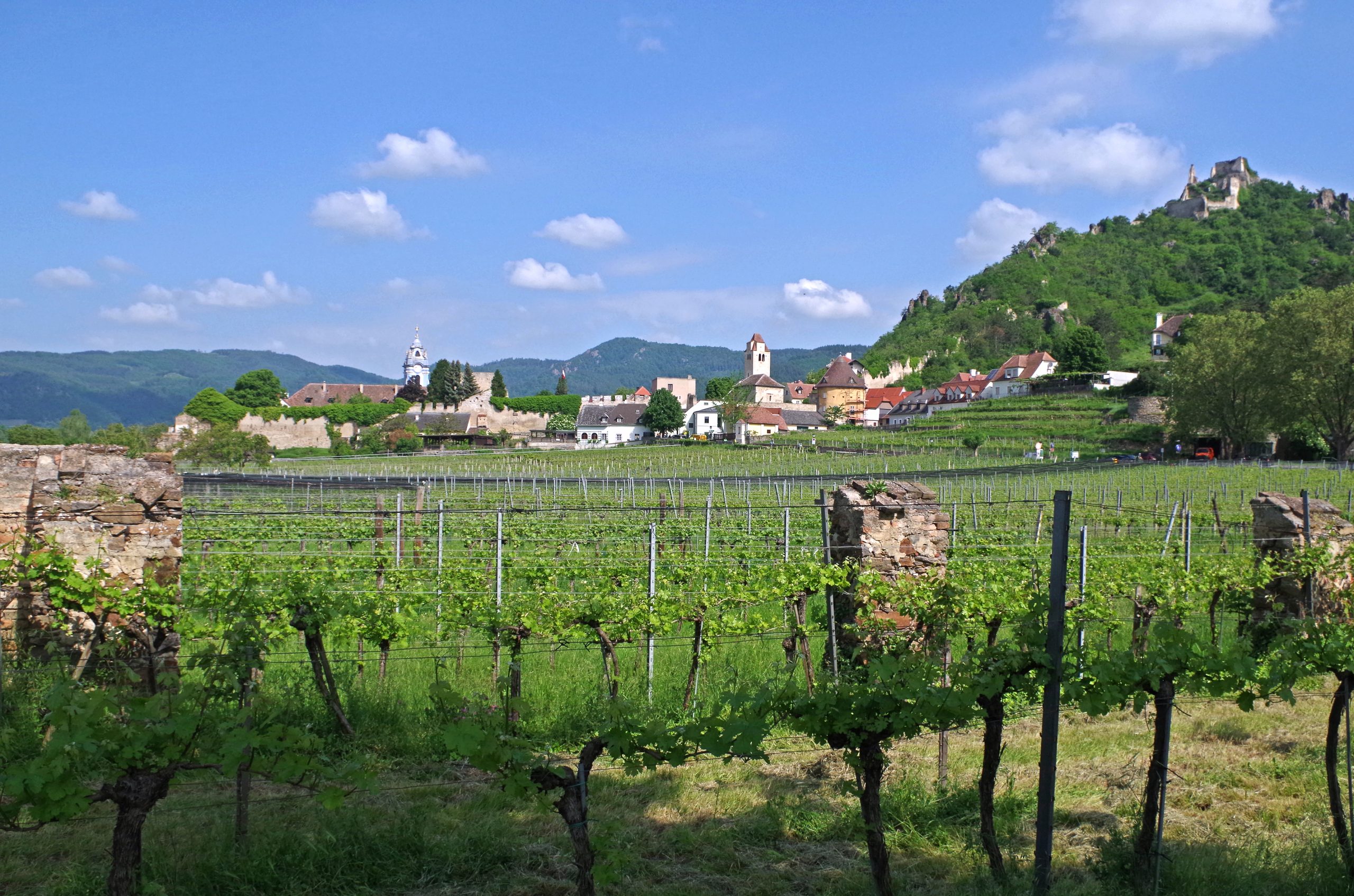
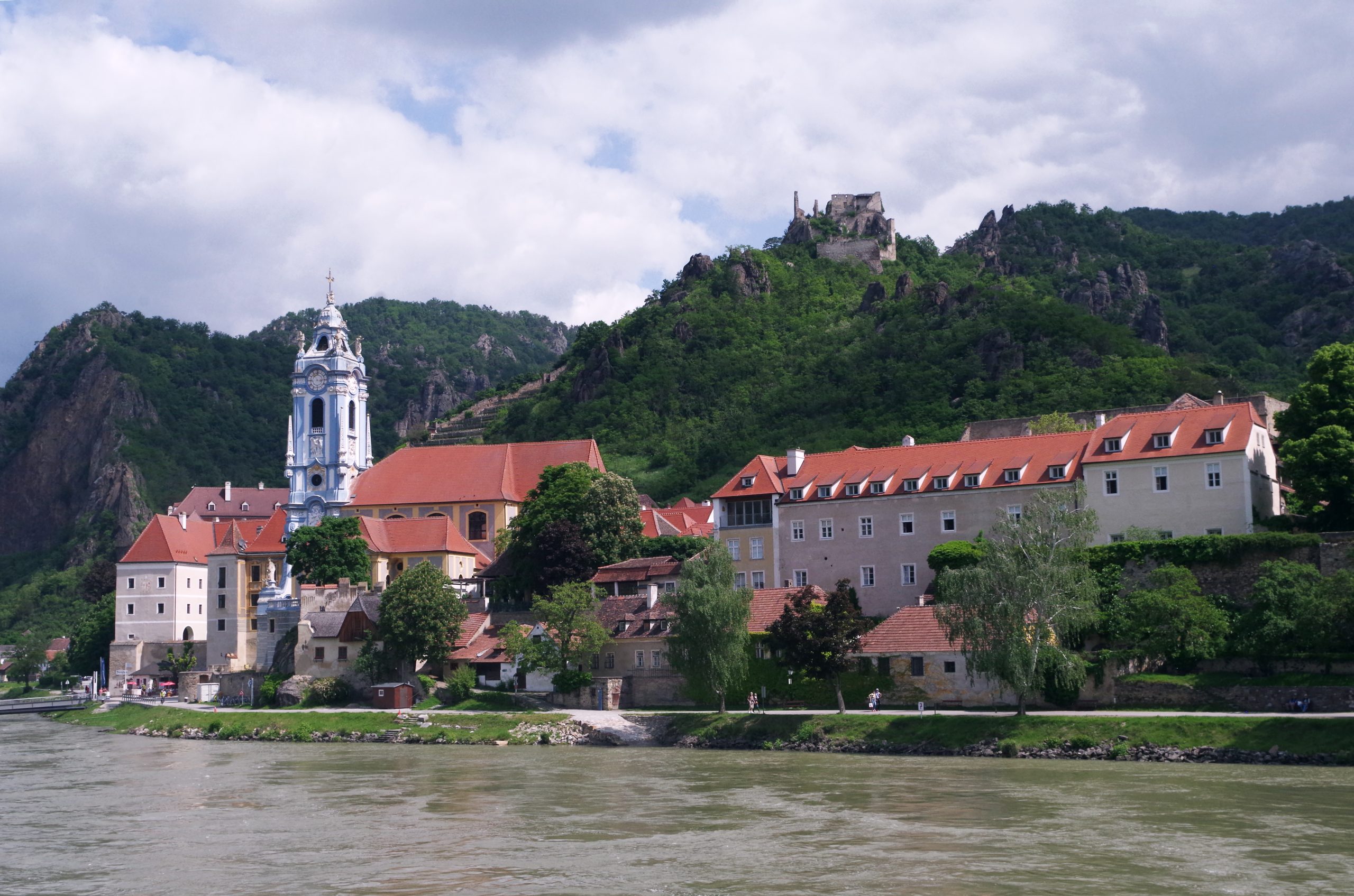
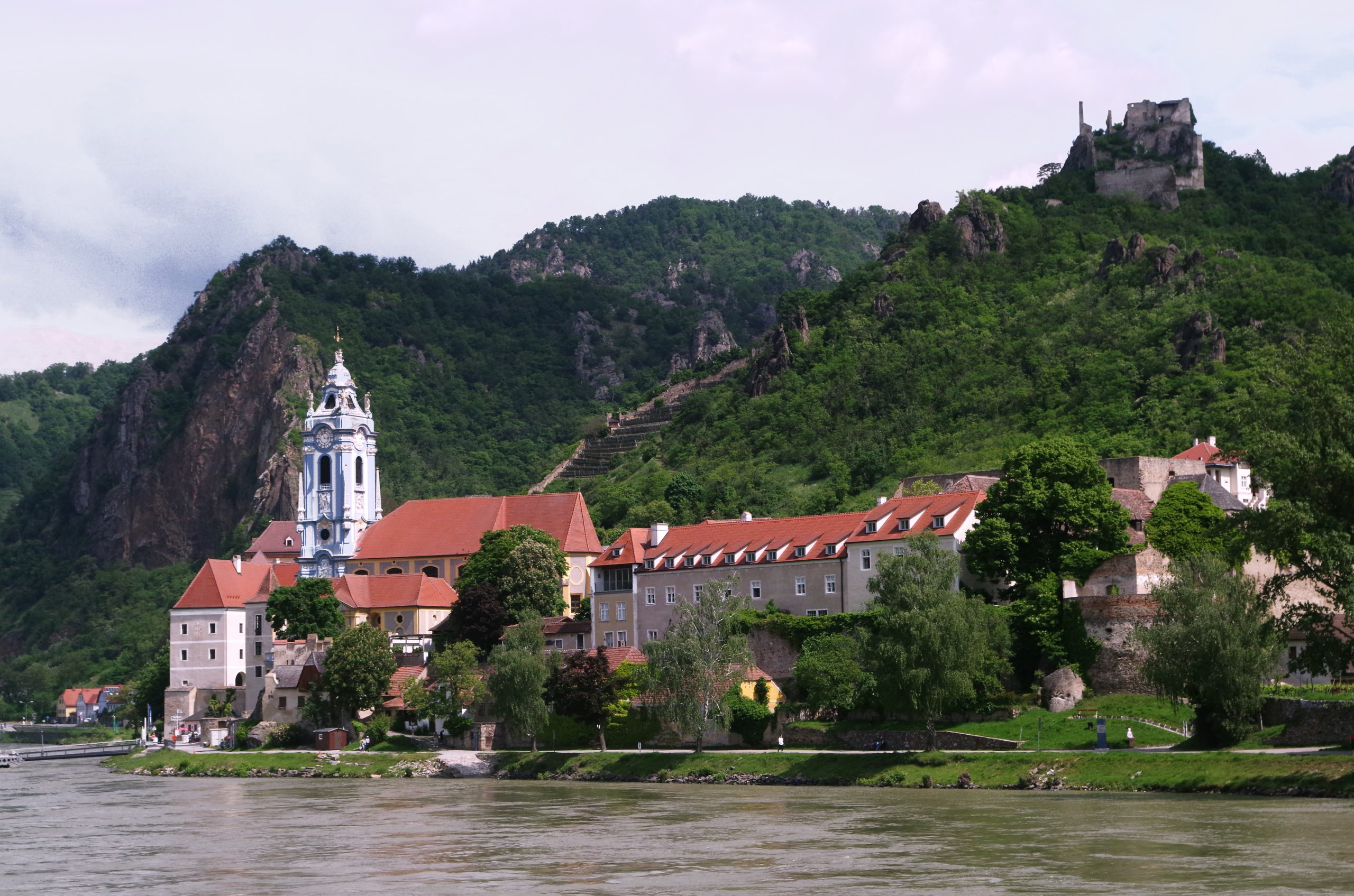
Dürnstein and Melk are located in the spectacular Wachau Valley of Austria. A leisurely day started from our port in Dürnstein, a charming small Austrian village. During morning free time, I took a hike to a pretty Danube overlook, then Barbara and I walked along the Domane Wachau Vineyards. On the return from my hike, I encountered a busker with an accordion. Might he be playing Austrian melodies? No, I think he knew that there were Aussies in town, so he was playing a medley of “Waltzing Matilda” and “Tie Me Kangaroo Down”.
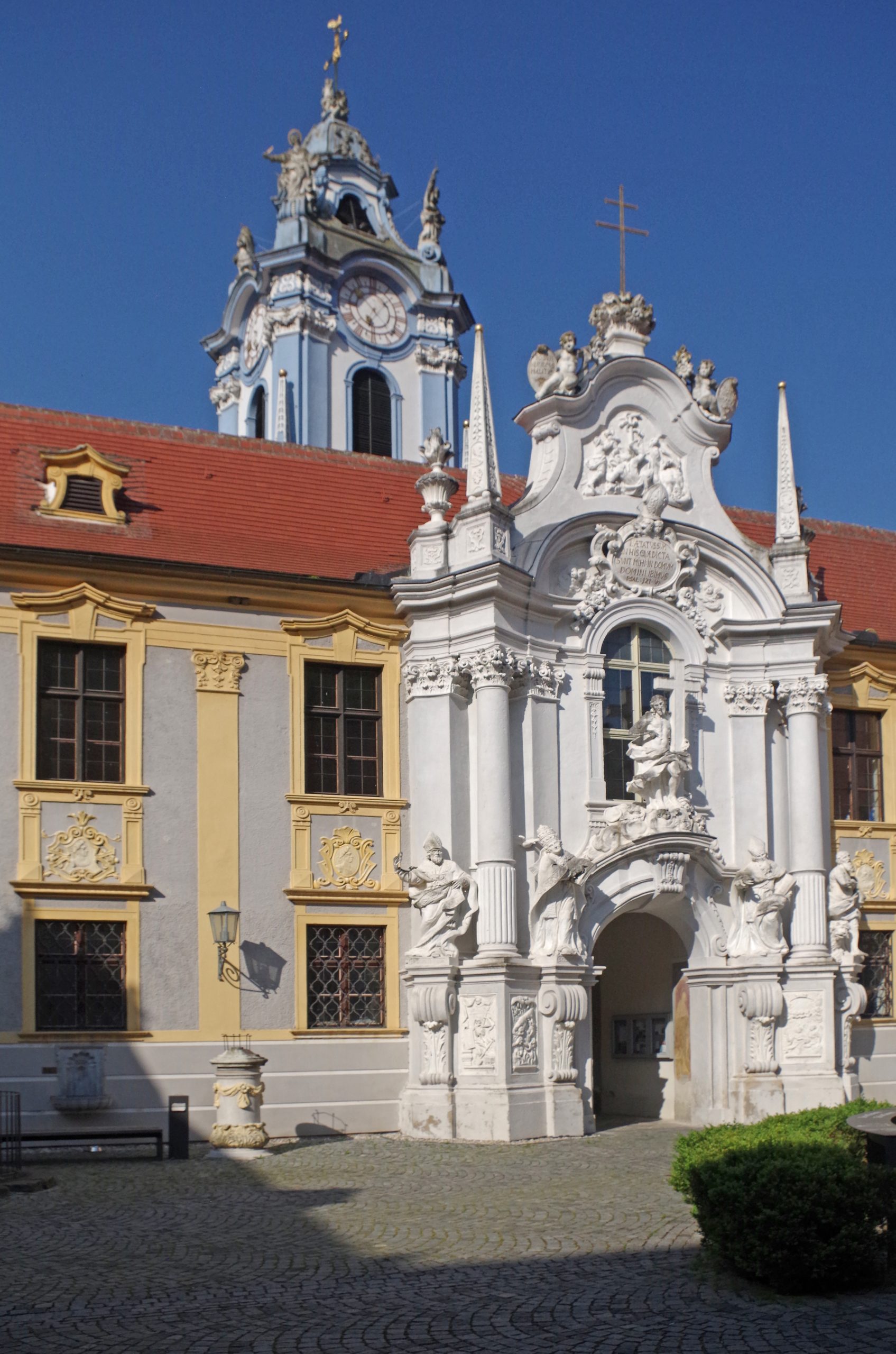
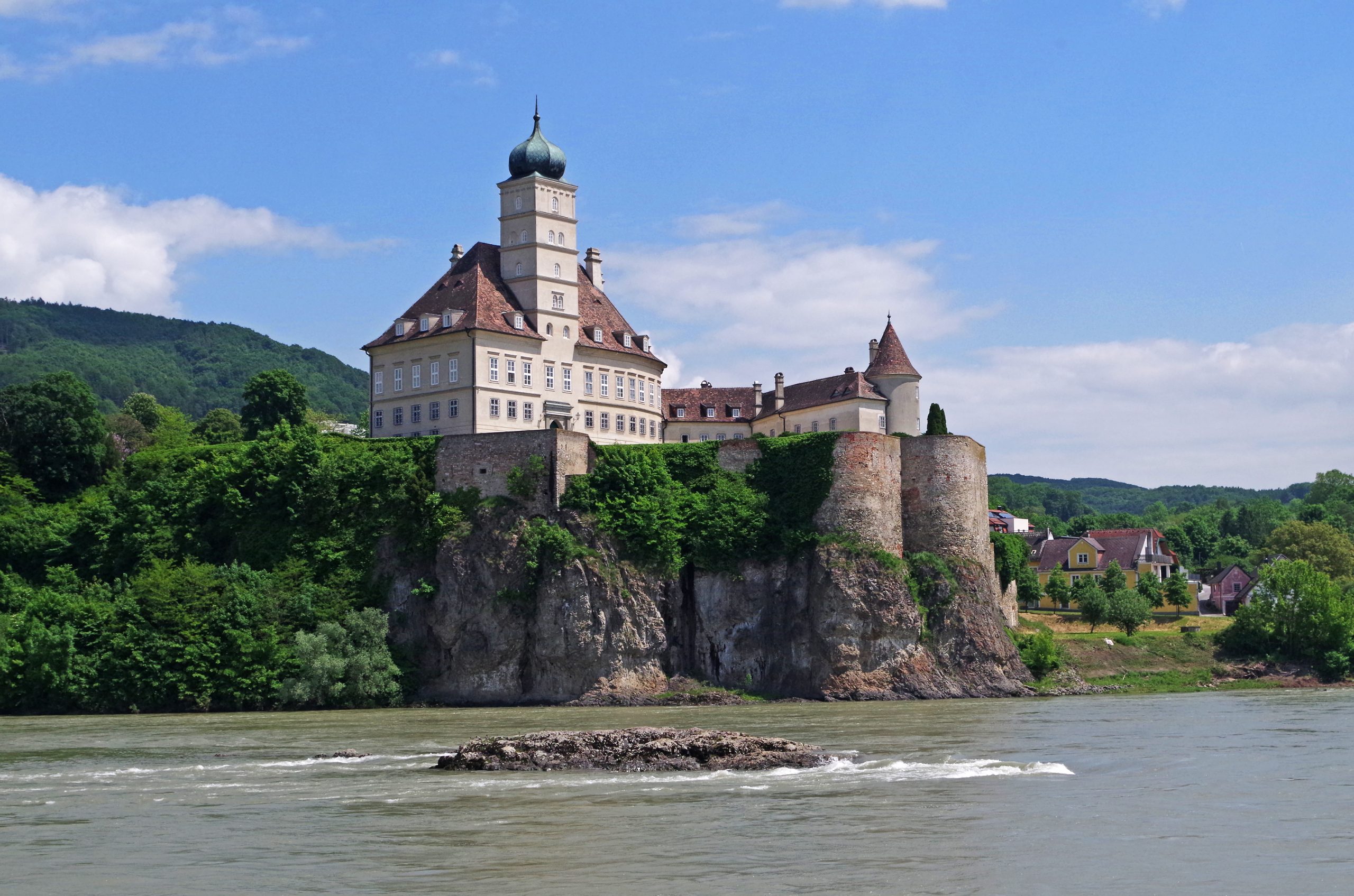
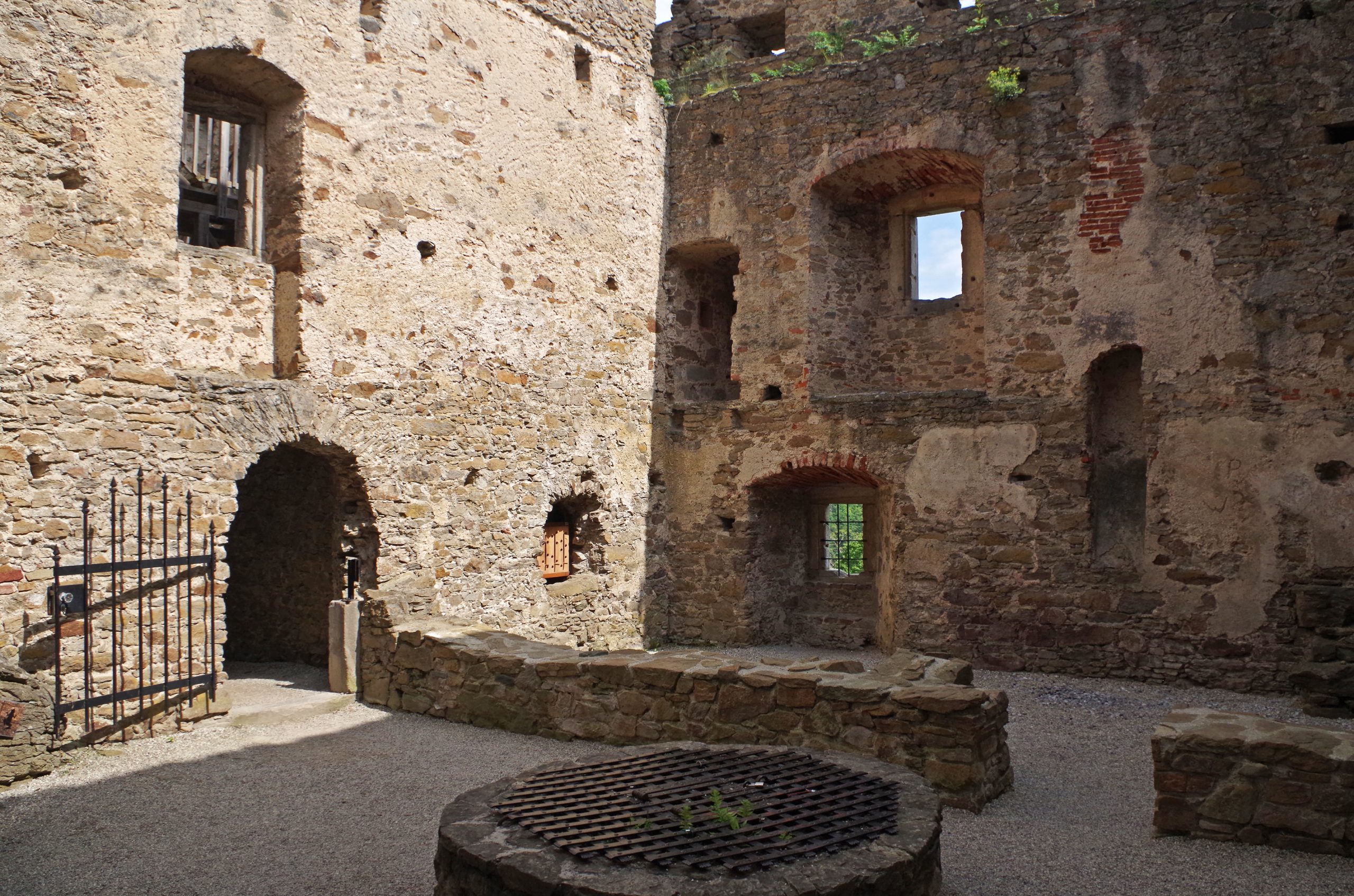
We then cruised to our next port in Melk, passing fairytale castles of the Wachau Valley all along the way. I visited the remains of the 12th century Burg Aggstein Castle, and Barbara visited the 18th century Benedictine Abbey. Sometimes the decisions were difficult to make, with our choices occasionally changing at the last minute. You should clearly see how small towns were our favorite places to visit.
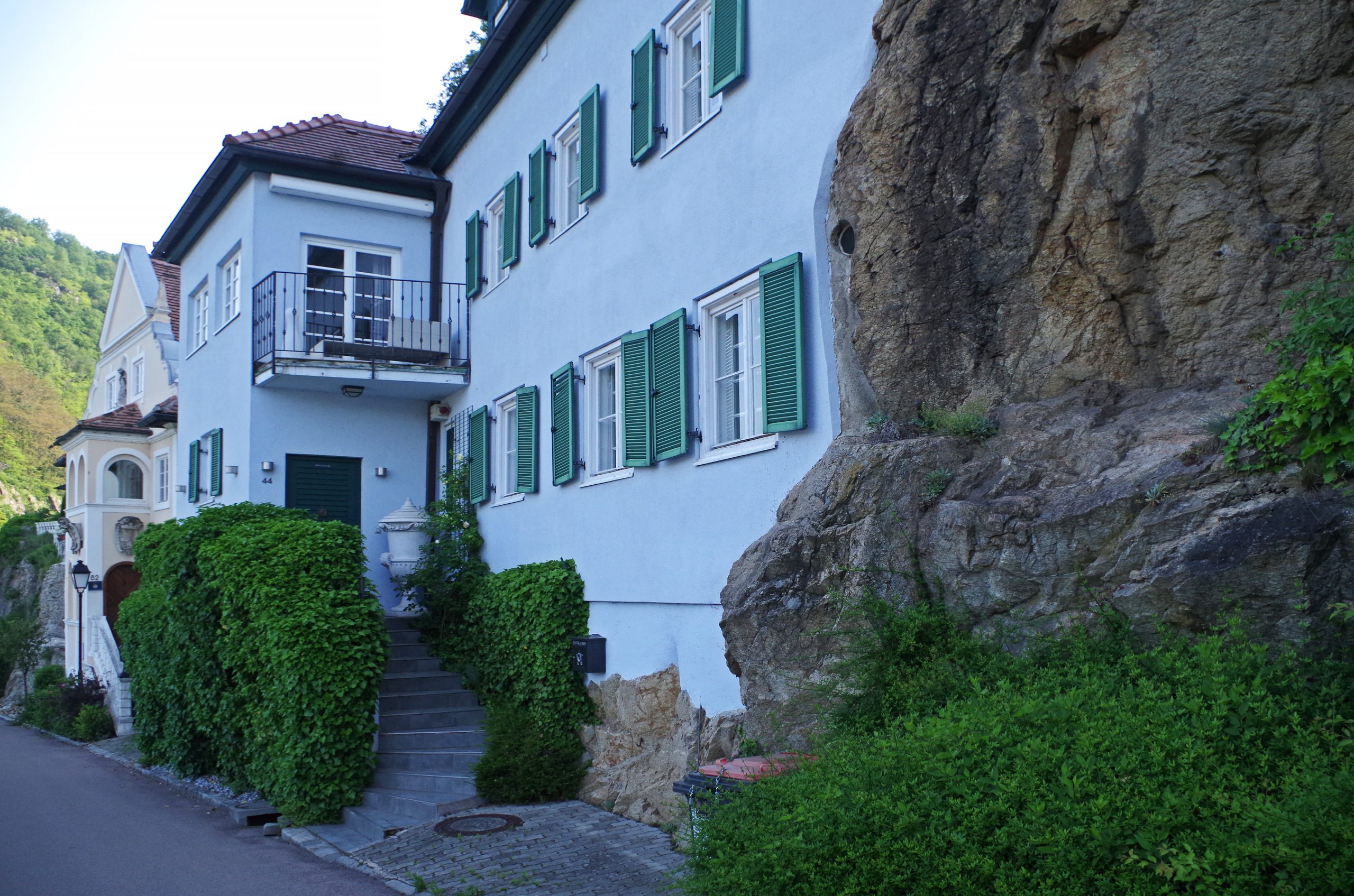
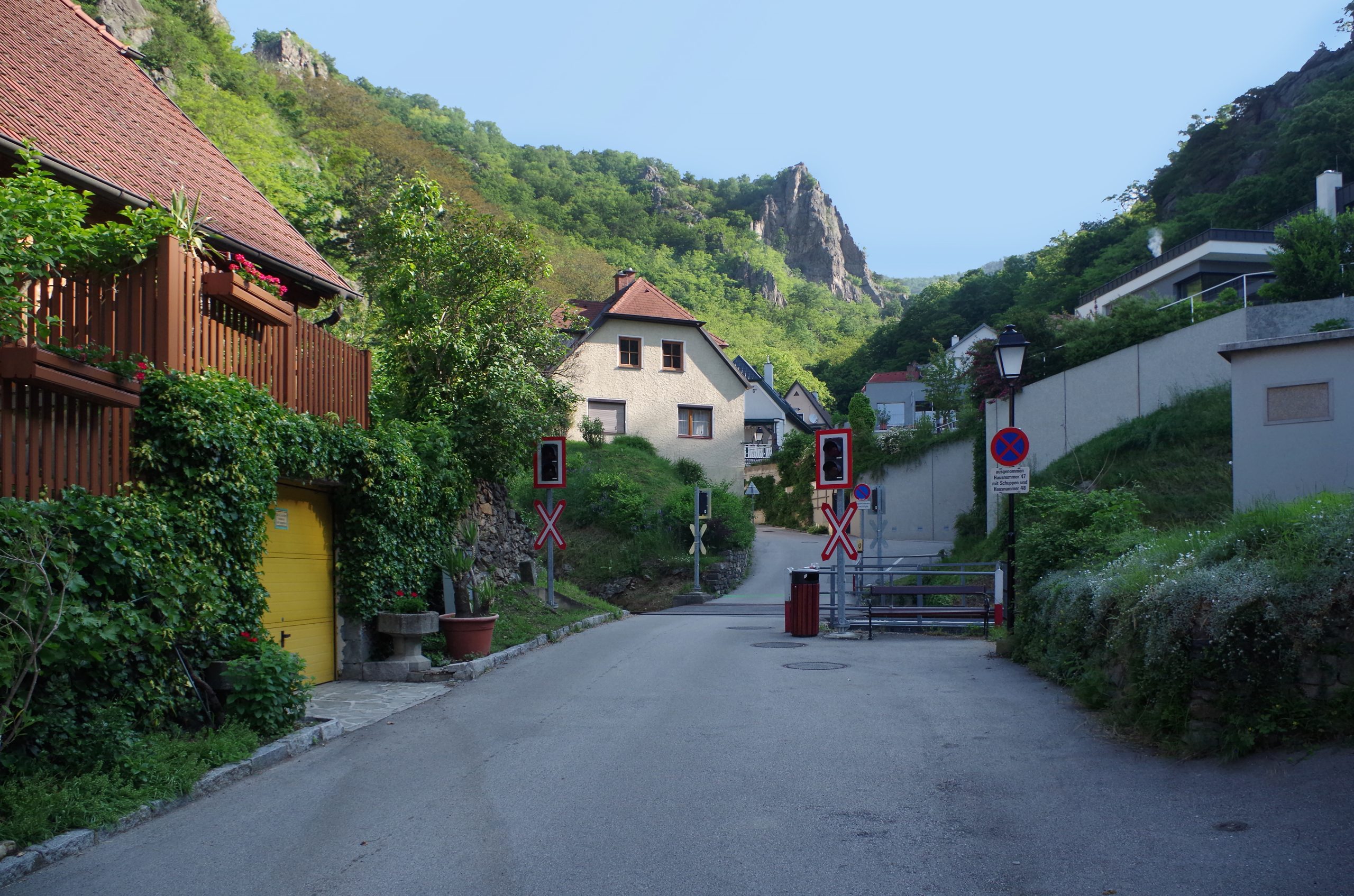
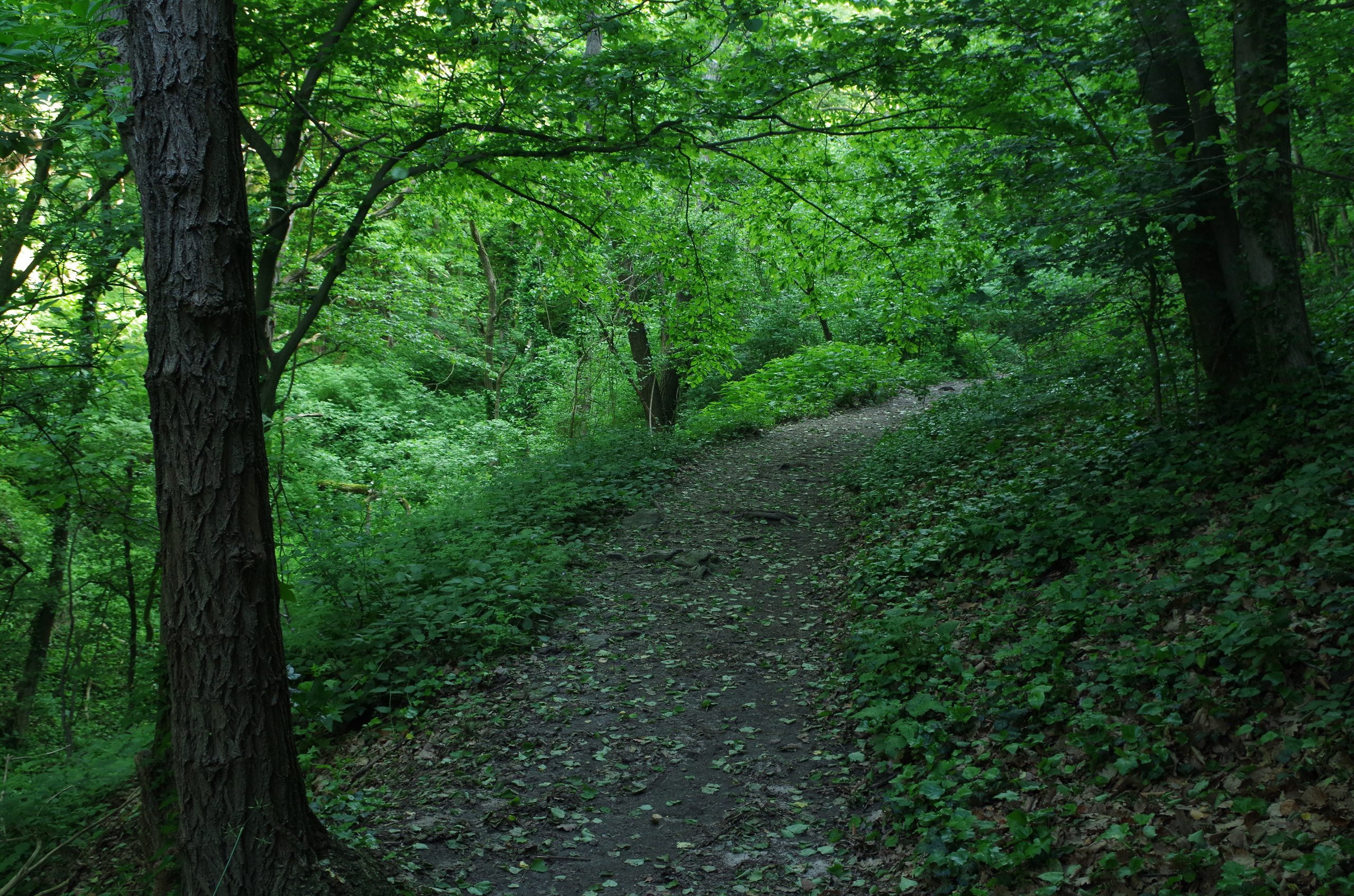
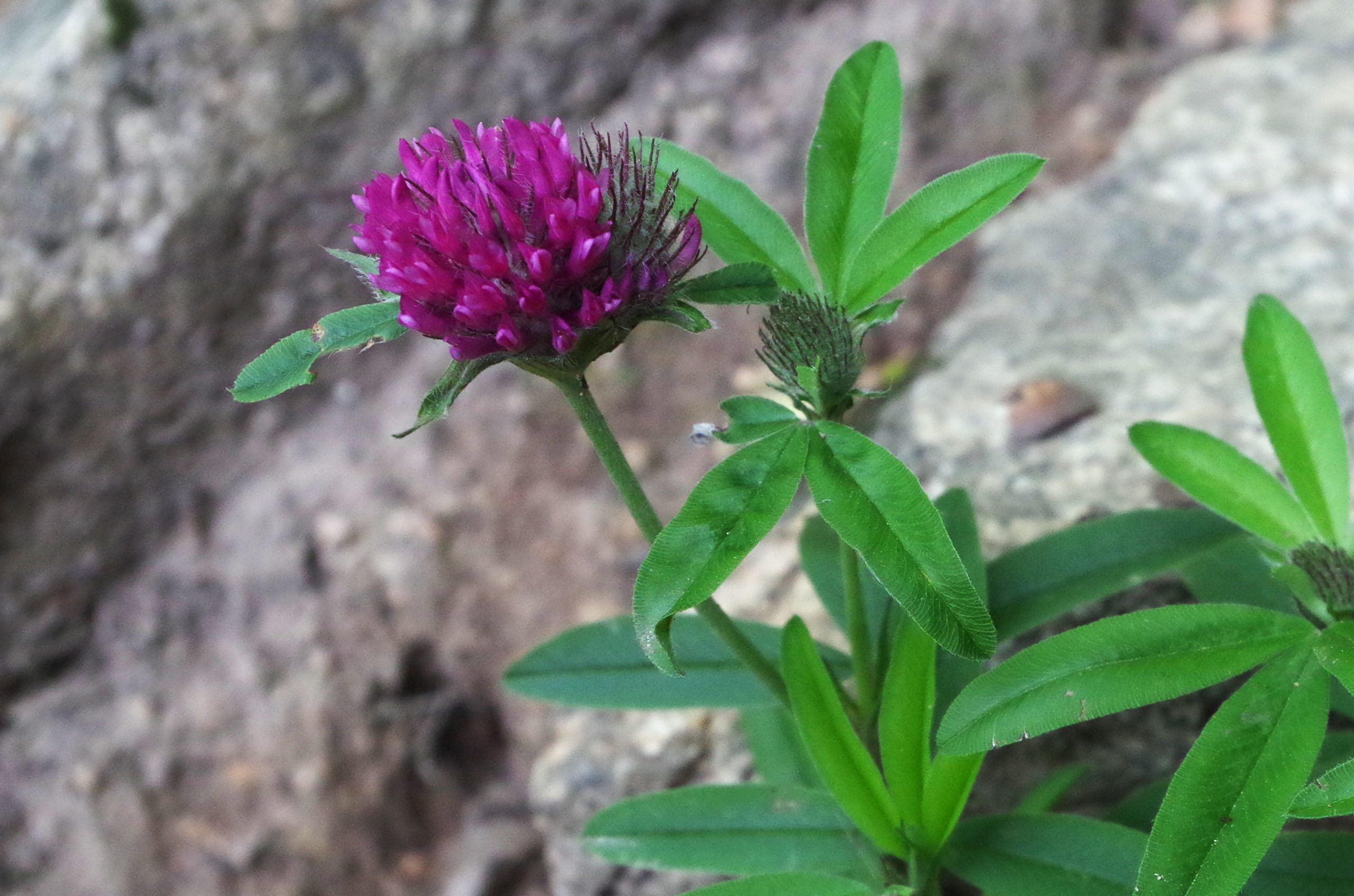
The Scenic Jasper at port in DürnsteinA charming street along the Danube, in DürnsteinThe church in DürnsteinA home built into the rock in DürnsteinA railroad crossing on a tiny road in DürnsteinThe start of my hike in DürnsteinWildflowers along the way of my hike in DürnsteinWildflowers along the way of my hike in DürnsteinWildflowers along the way of my hike in DürnsteinWildflowers along the way of my hike in DürnsteinMore hiking, with only the sound of songbirdsThe summit of my morning hike in DürnsteinThe view from the summit, with castle ruins in the upper leftThe view from the summit, overlooking the DanubeThe Domane Wachau Vineyards, with the town of Dürnstein in the backgroundSaying goodbye to Dürnstein as we cruise through the Wachau Valley on our way to MelkSaying goodbye to Dürnstein as we cruise through the Wachau Valley on our way to MelkPassing by the Melk Abbey, along the DanubeBurg Aggstein Castle ruinsBurg Aggstein Castle ruinsBurg Aggstein Castle ruinsBurg Aggstein Castle ruinsBurg Aggstein Castle ruinsBurg Aggstein Castle ruins
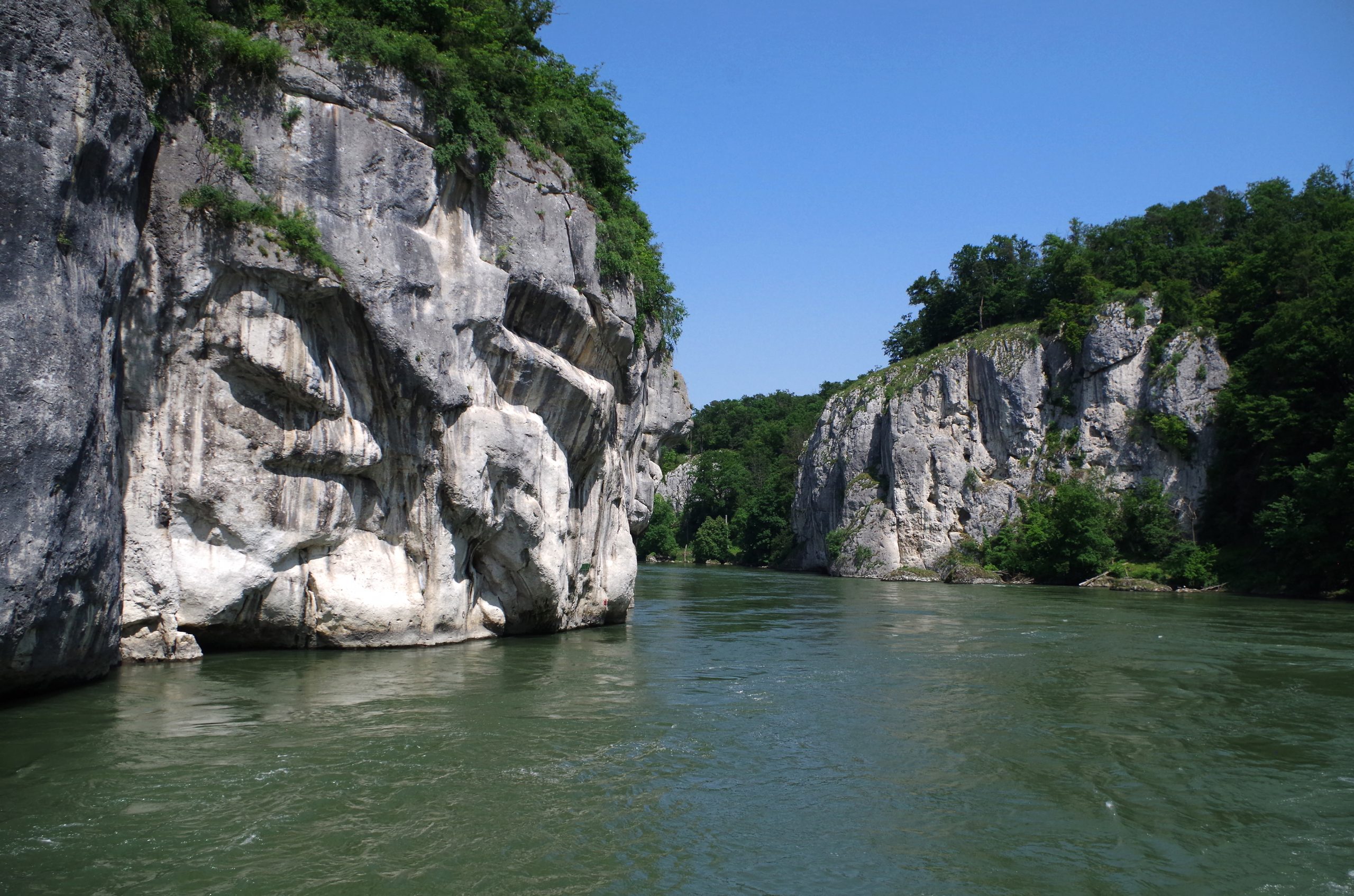
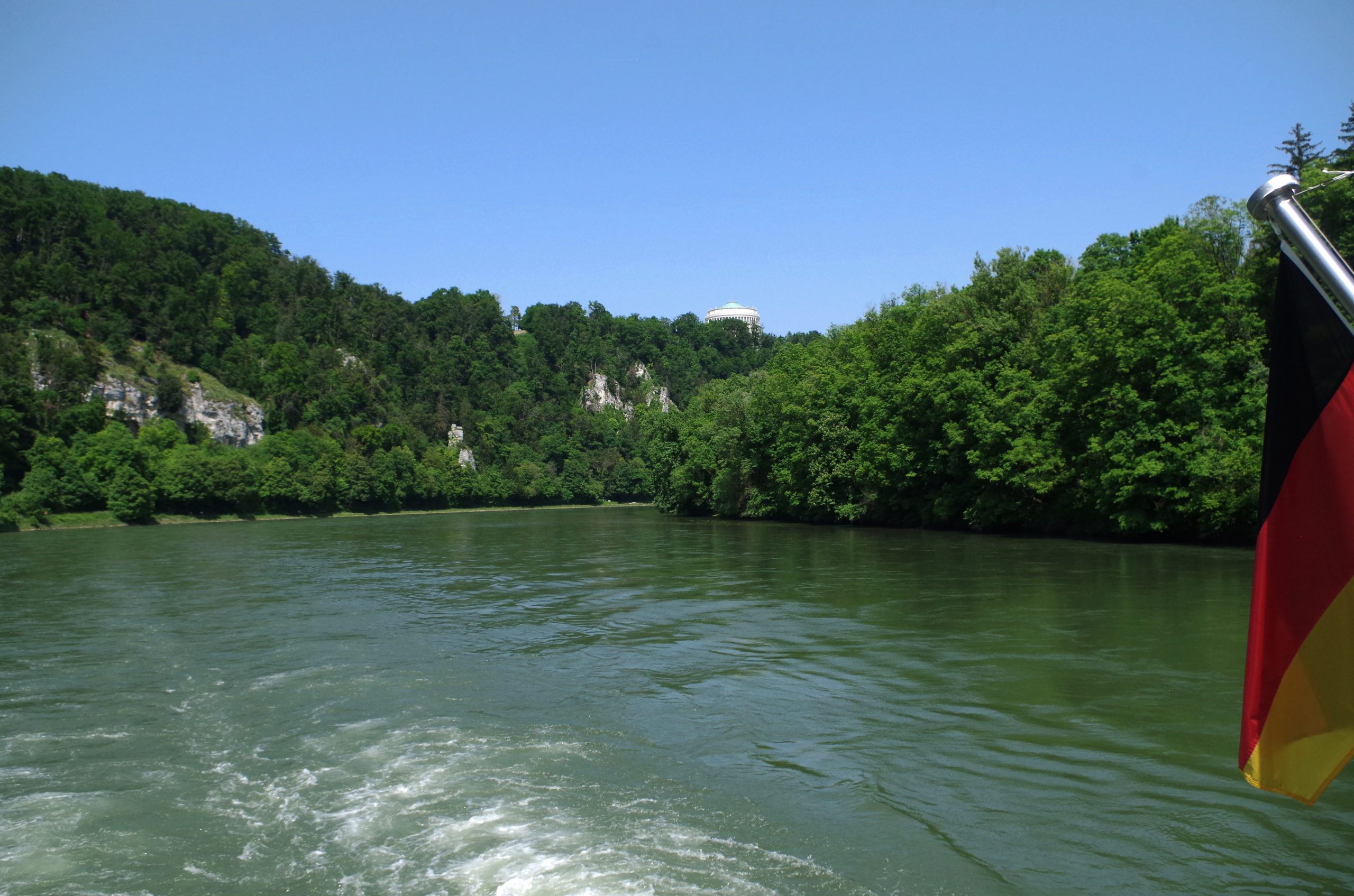
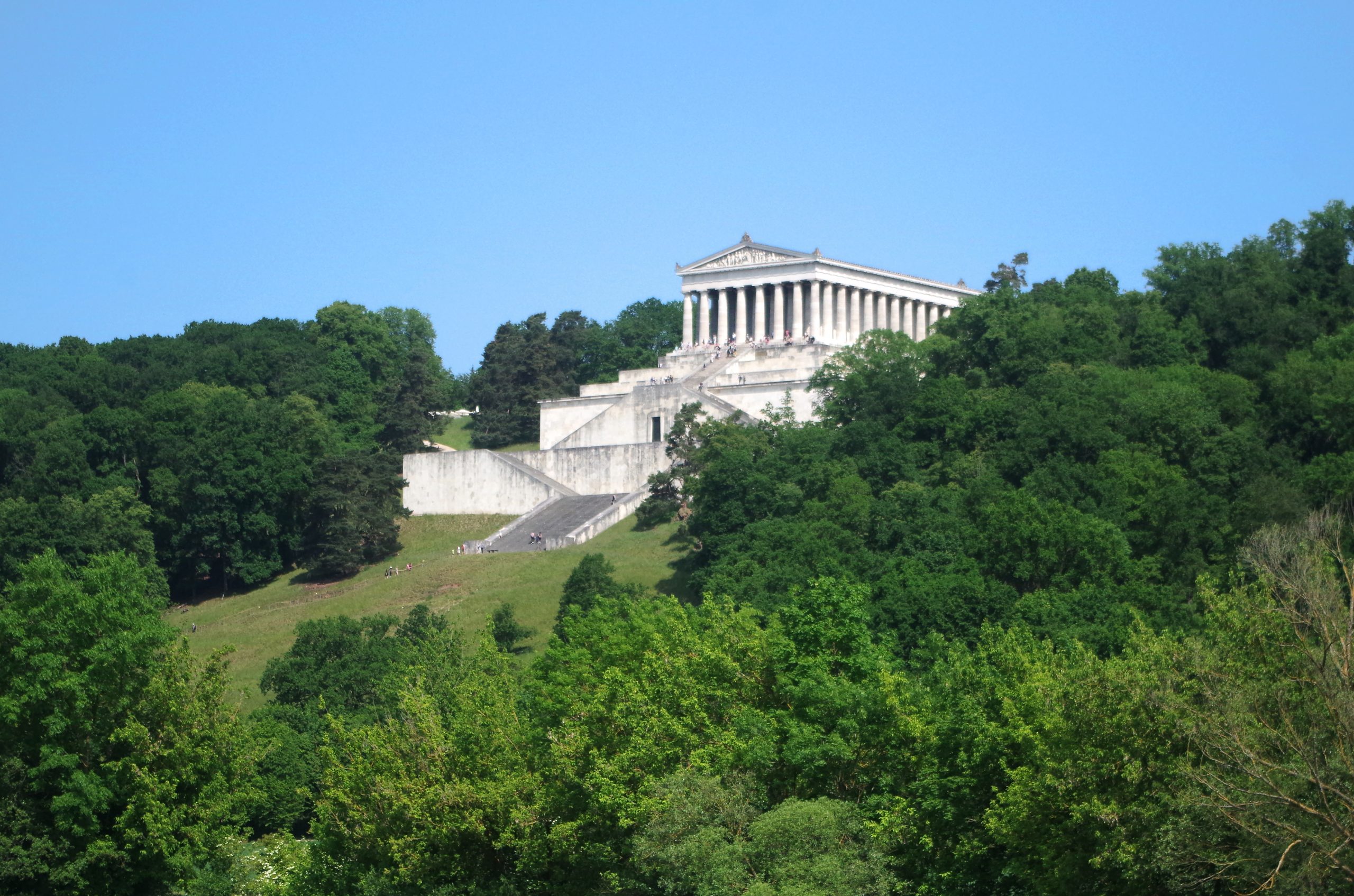
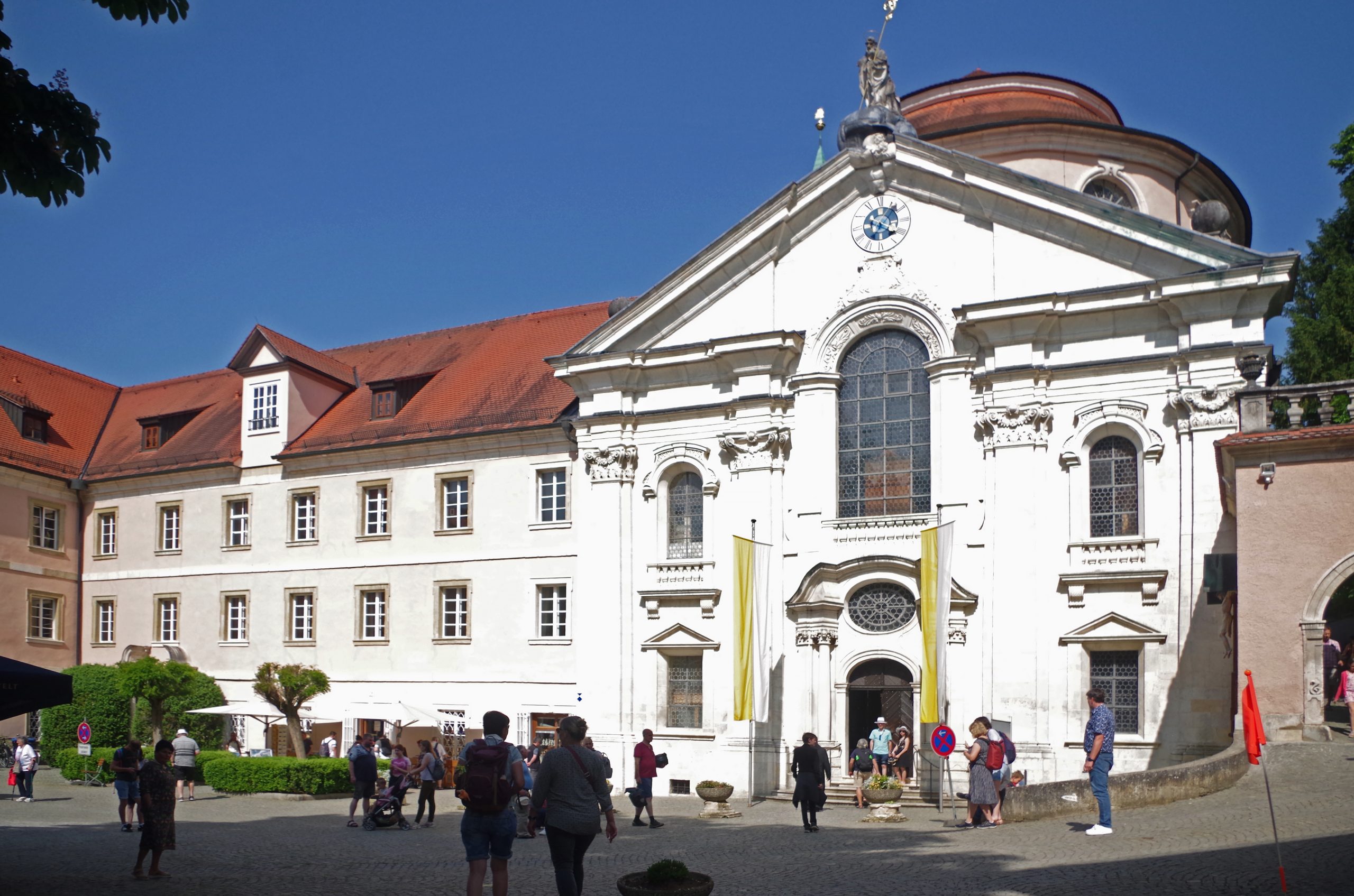
When we crossed the border on the Danube into Germany, our first destination was the charming Bavarian city of Regensburg. Also a UNESCO World Heritage site, the downtown maintains its 12th and 13th century charm, largely spared from the bombings of World War II that devasted other more strategic German cities. We chose to take a river cruise through the Danube Gorge, then visited the Weltenburg Abbey.
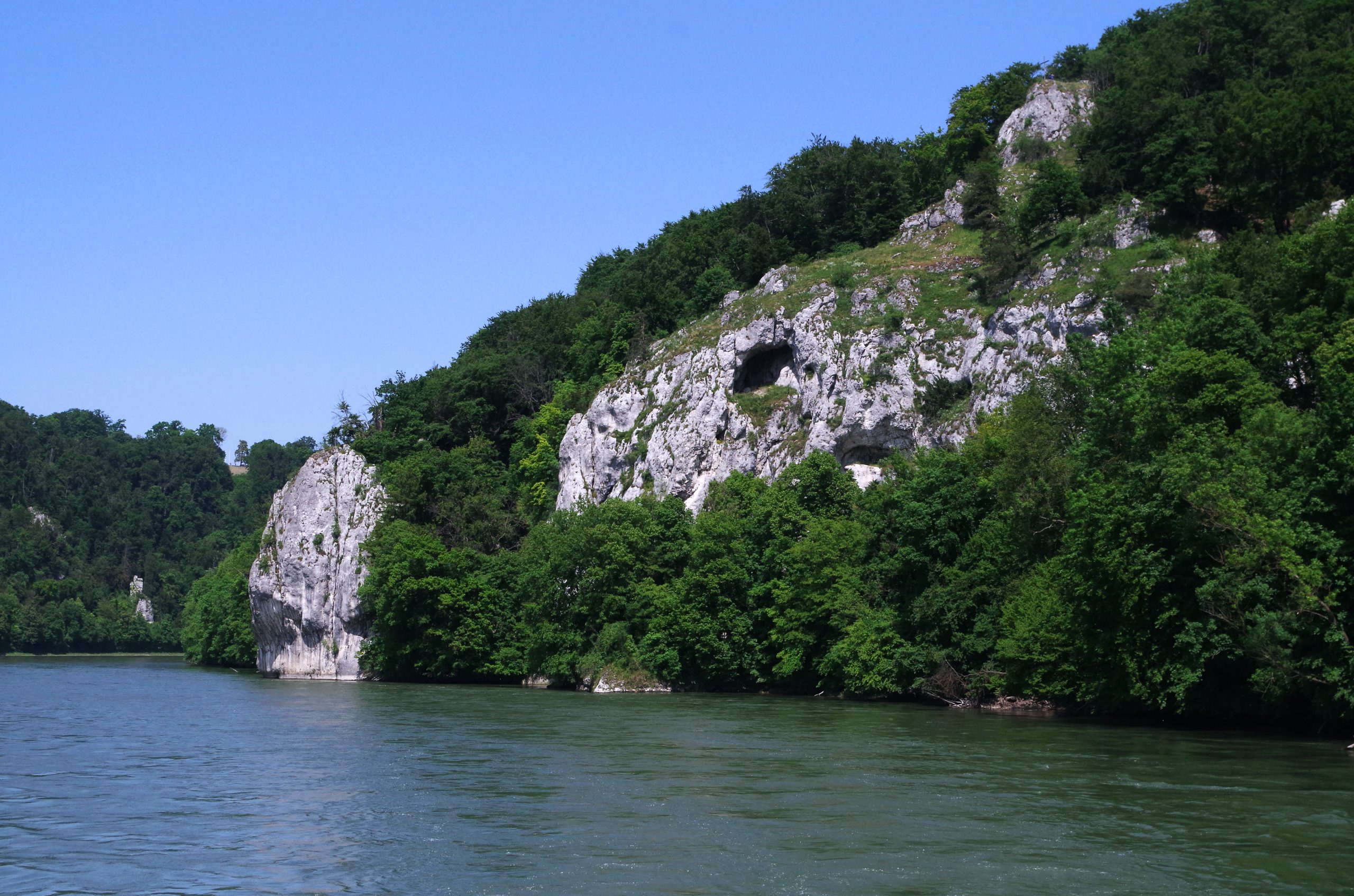
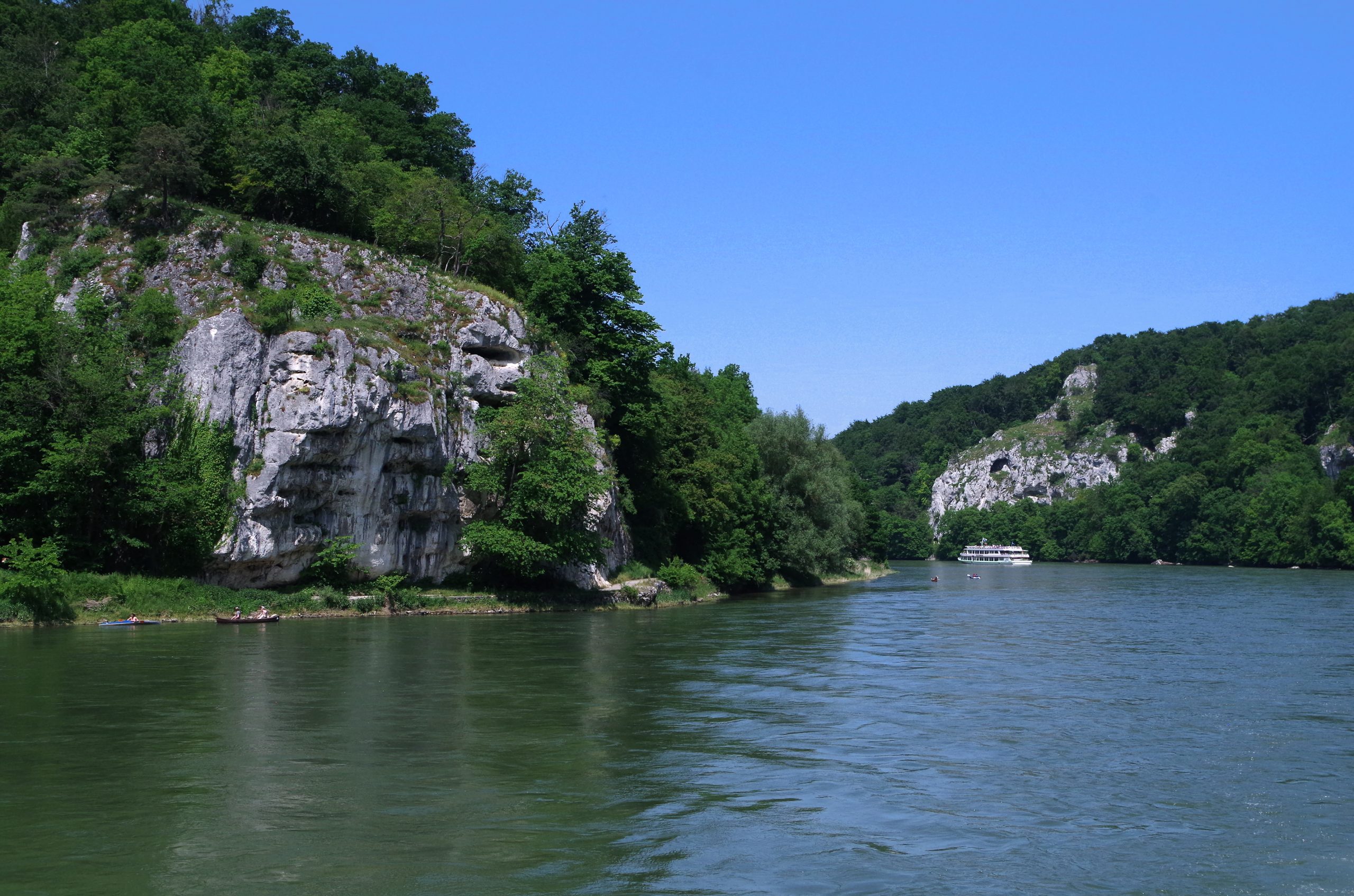
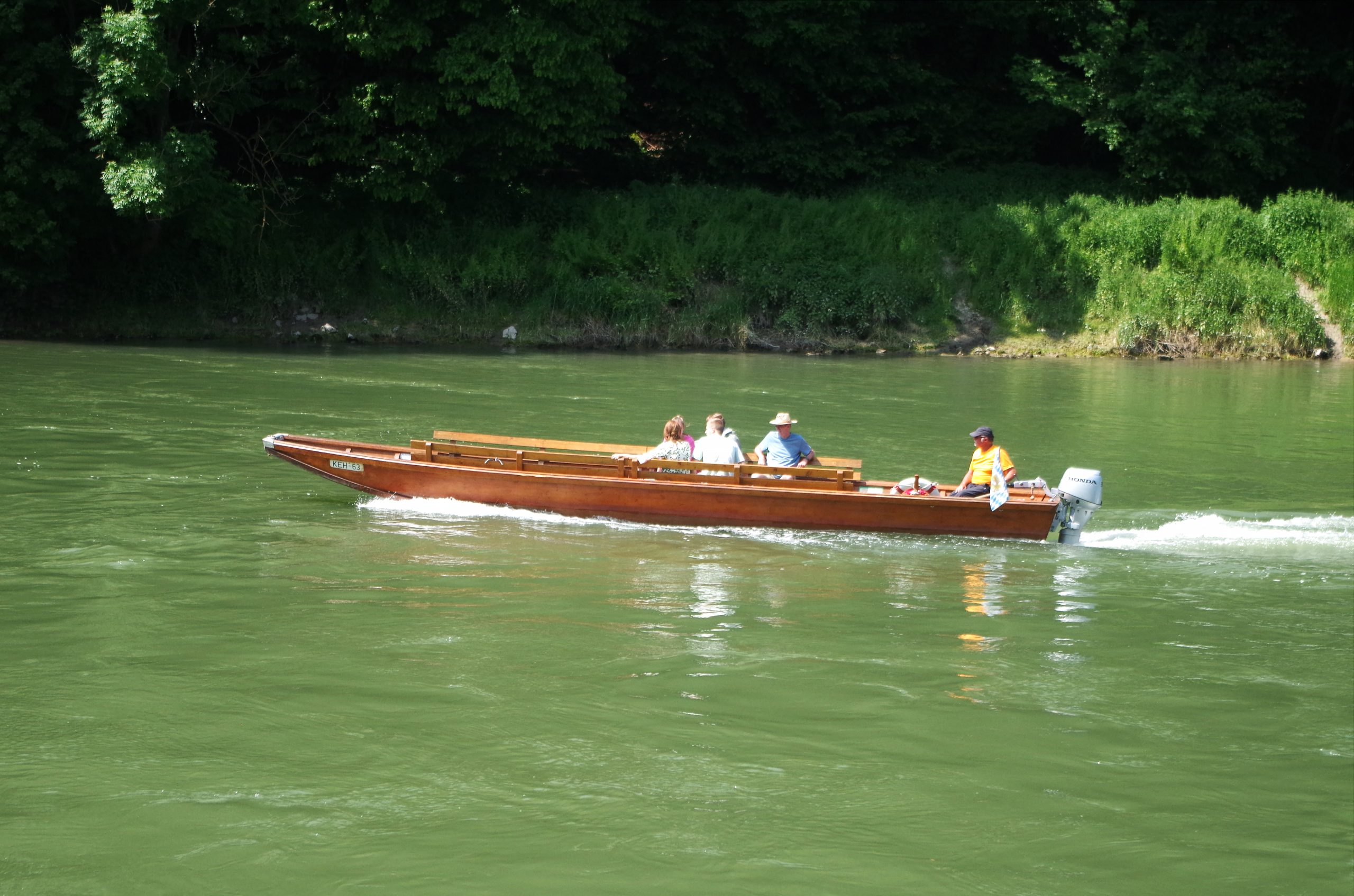
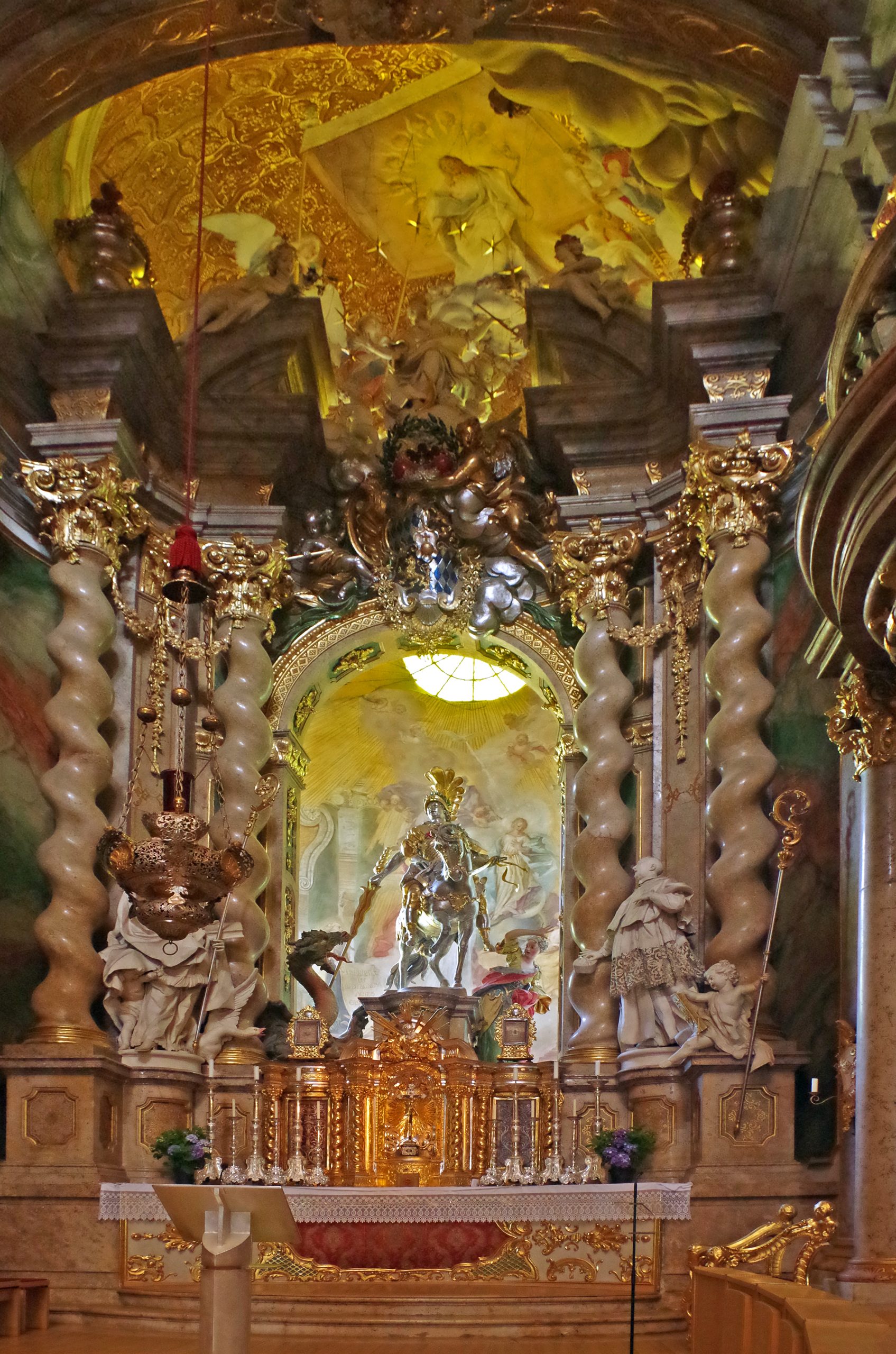
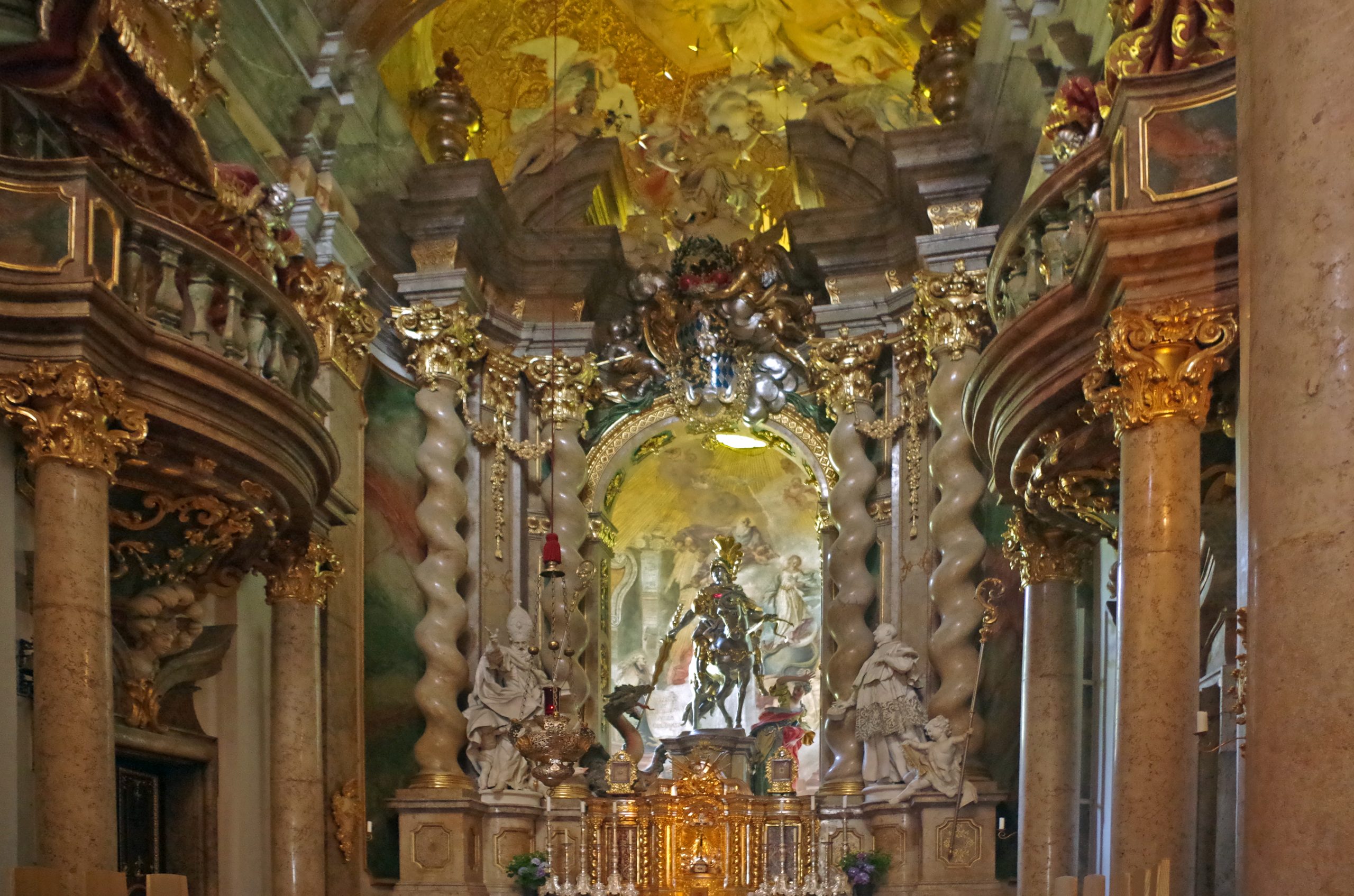
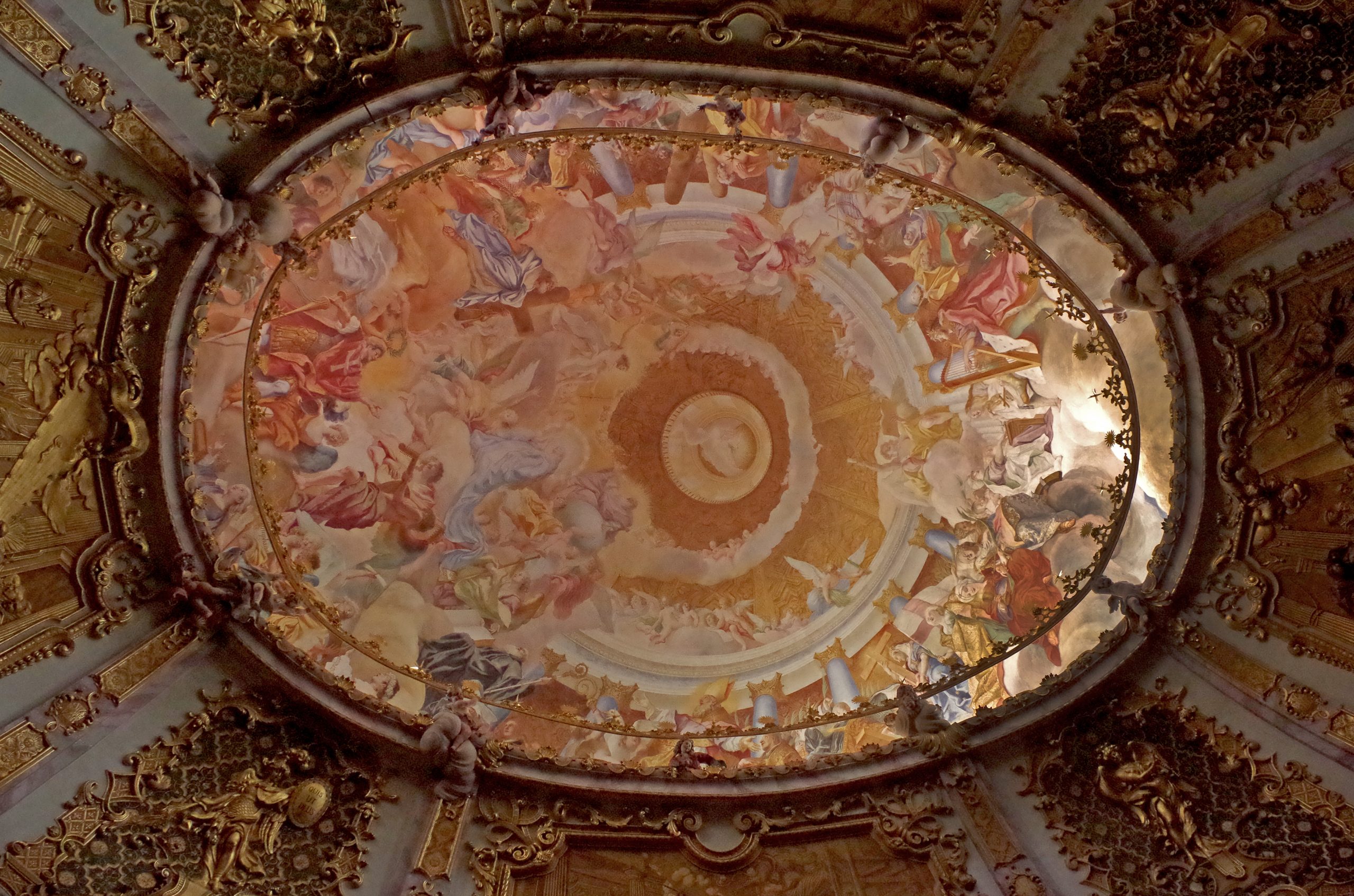
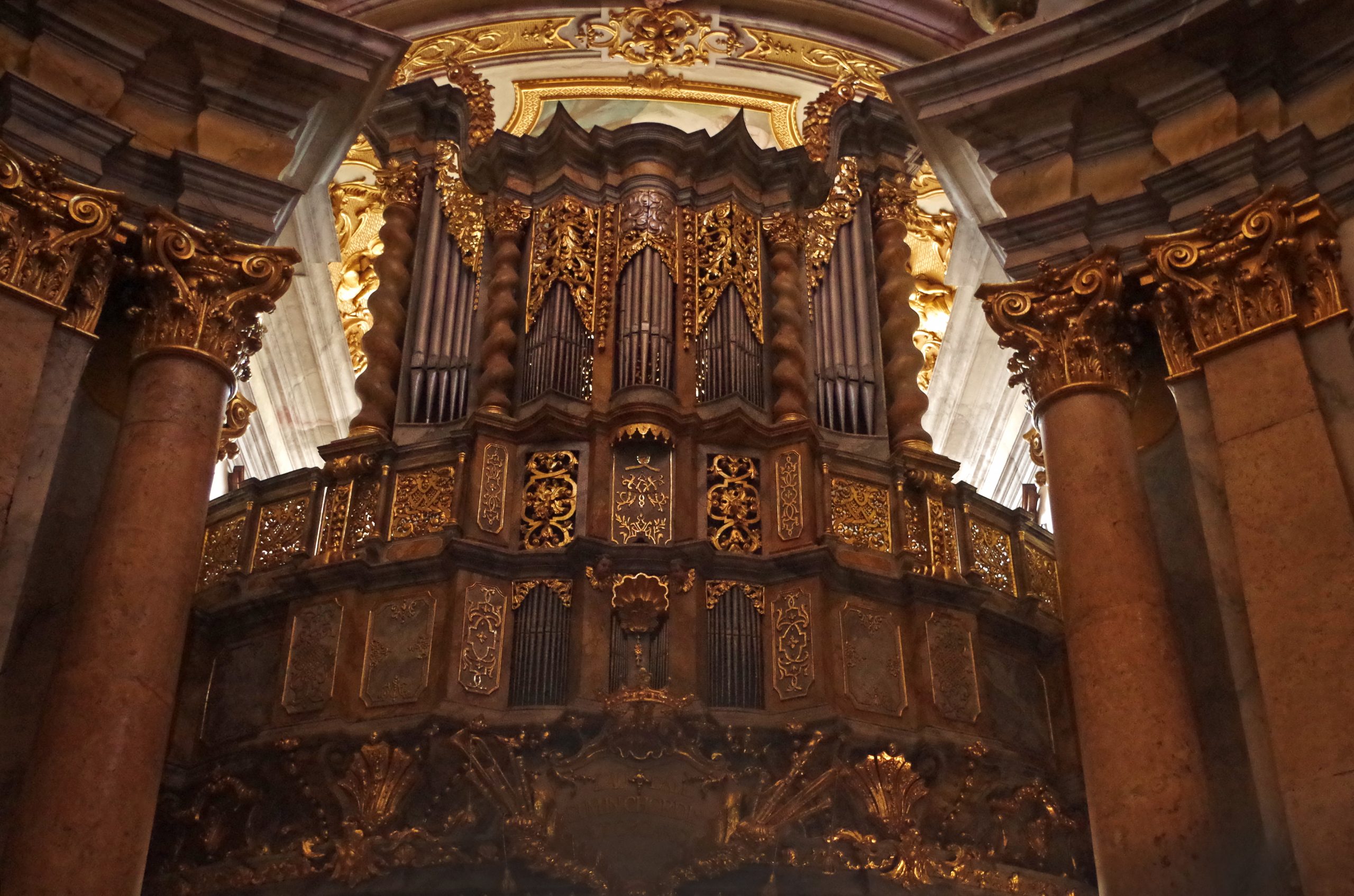
Entering the Danube Gorge, in RegensburgThe Danube Gorge, in RegensburgA beautiful wooden boat in the Danube GorgeThe Danube Gorge, in RegensburgThe Danube Gorge, with Befreiungshalle in the distance, RegensburgA view of the Walhalla Temple, along the Danube River, RegensburgThe Weltenburg Abbey, RegensburgAltar and St. George Statue at the Weltenburg Abbey, RegensburgSt. George Statue at the Weltenburg Abbey, RegensburgCeiling at the Weltenburg Abbey, RegensburgPipe organ at the Weltenburg Abbey, RegensburgDid I mention that we passed through 68 locks?
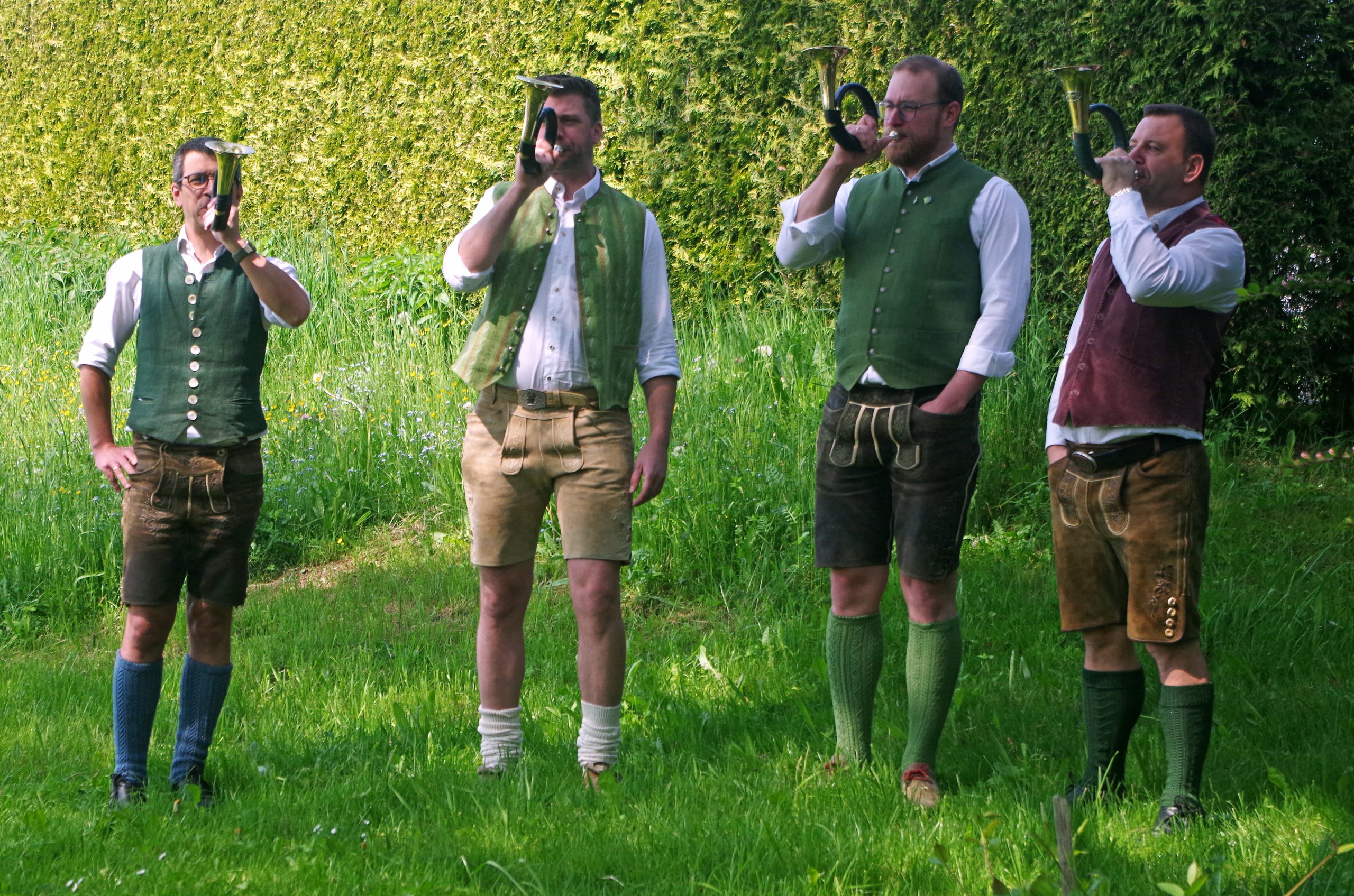
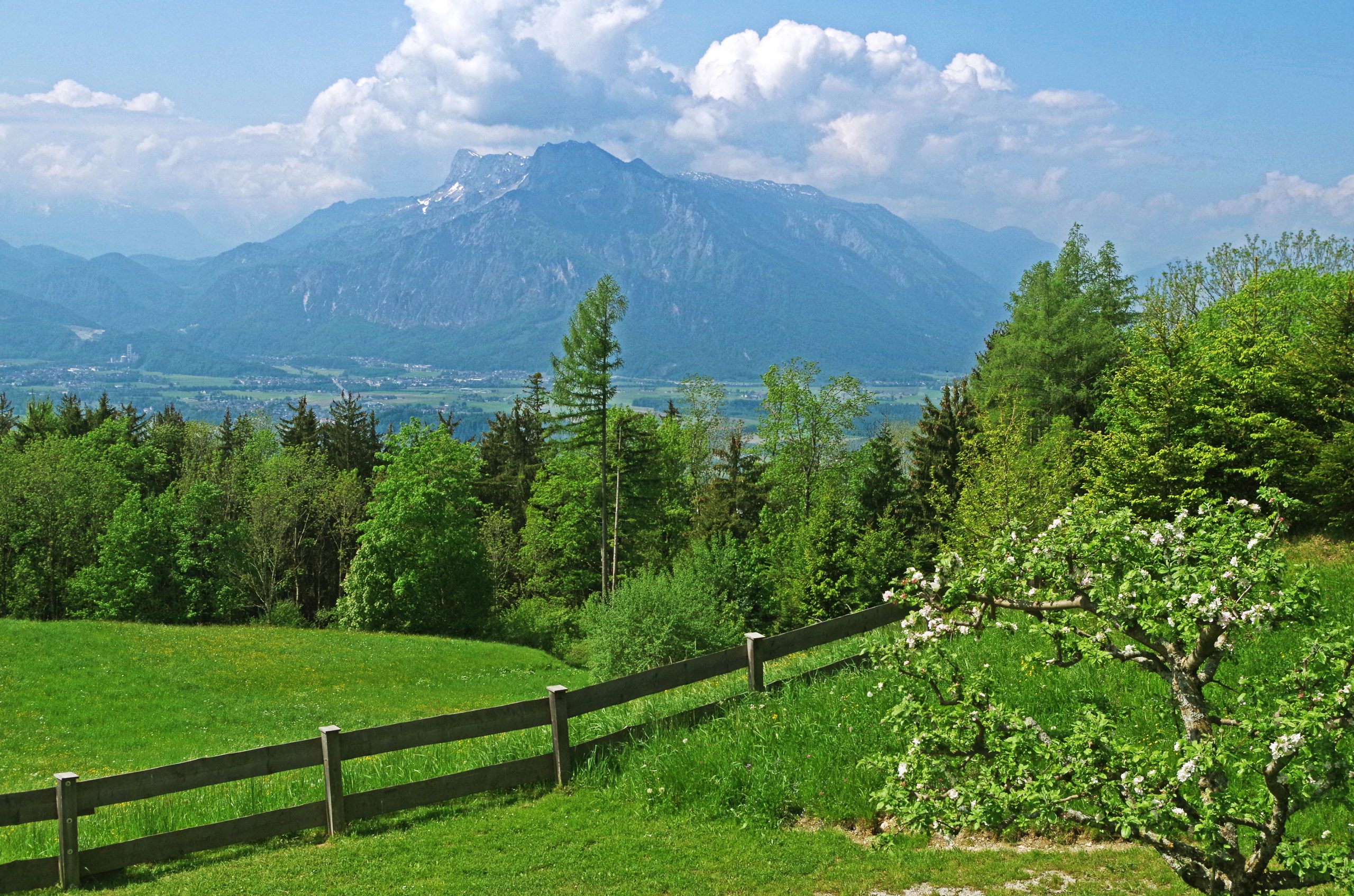
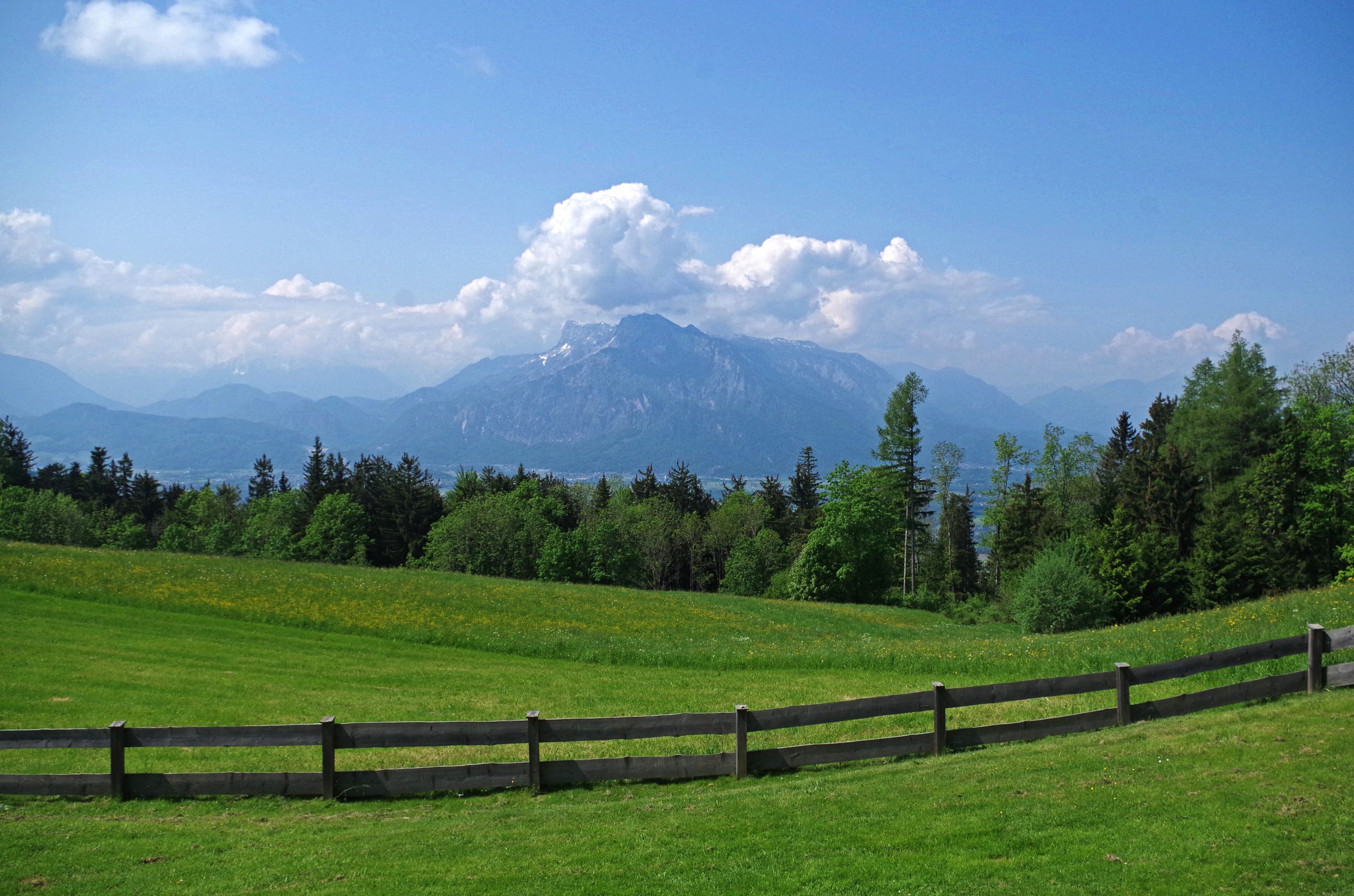
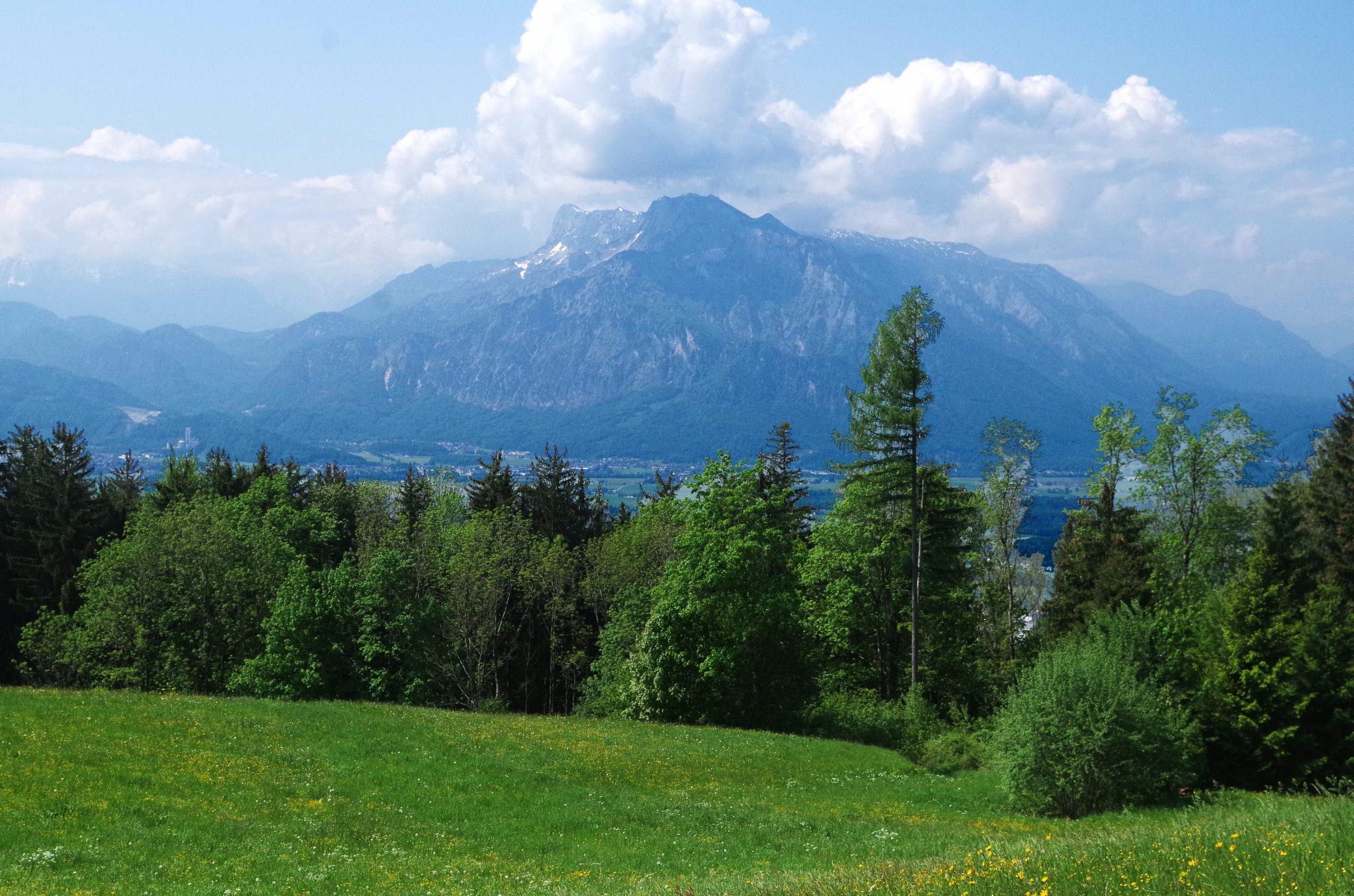
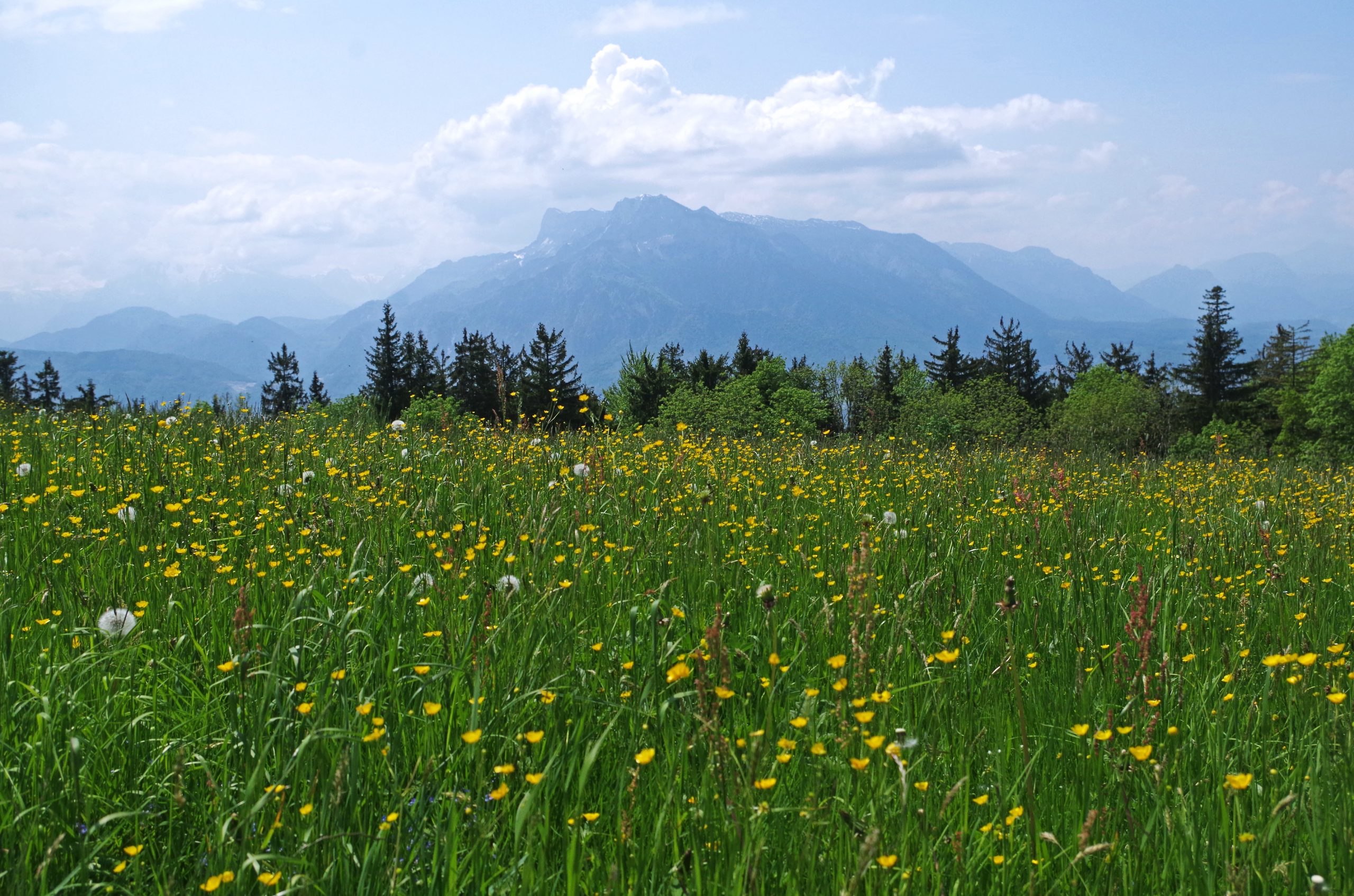
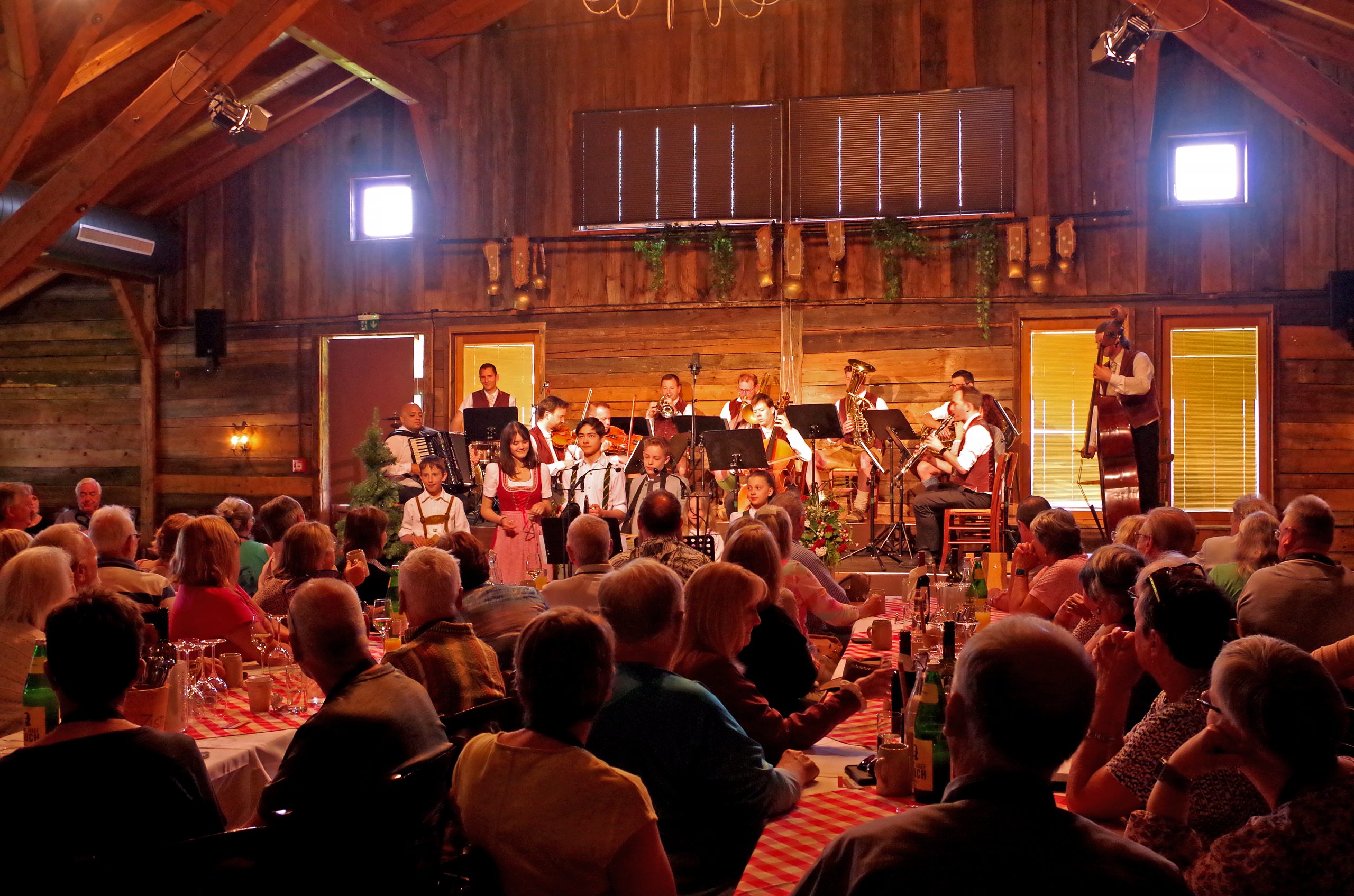
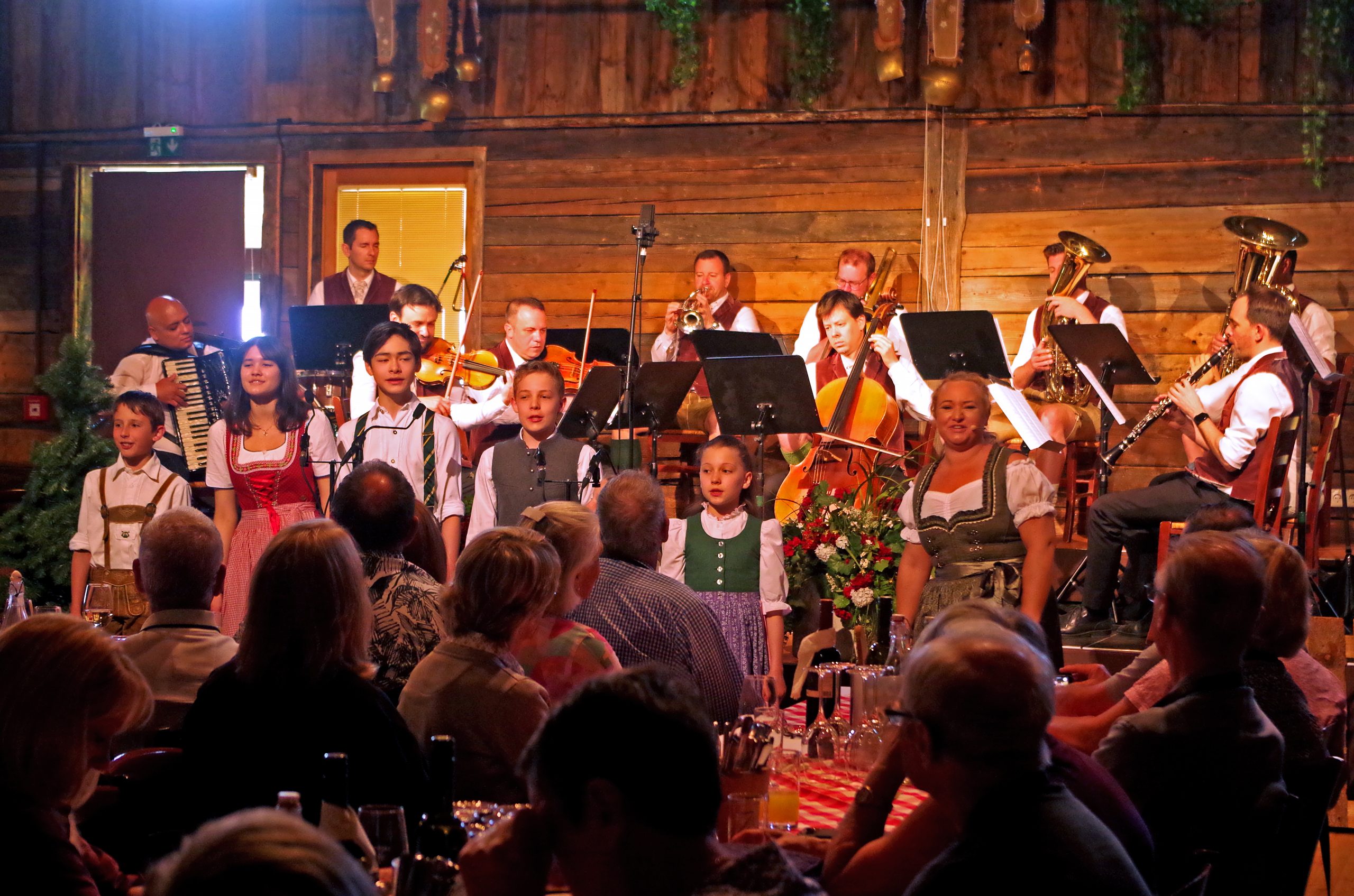
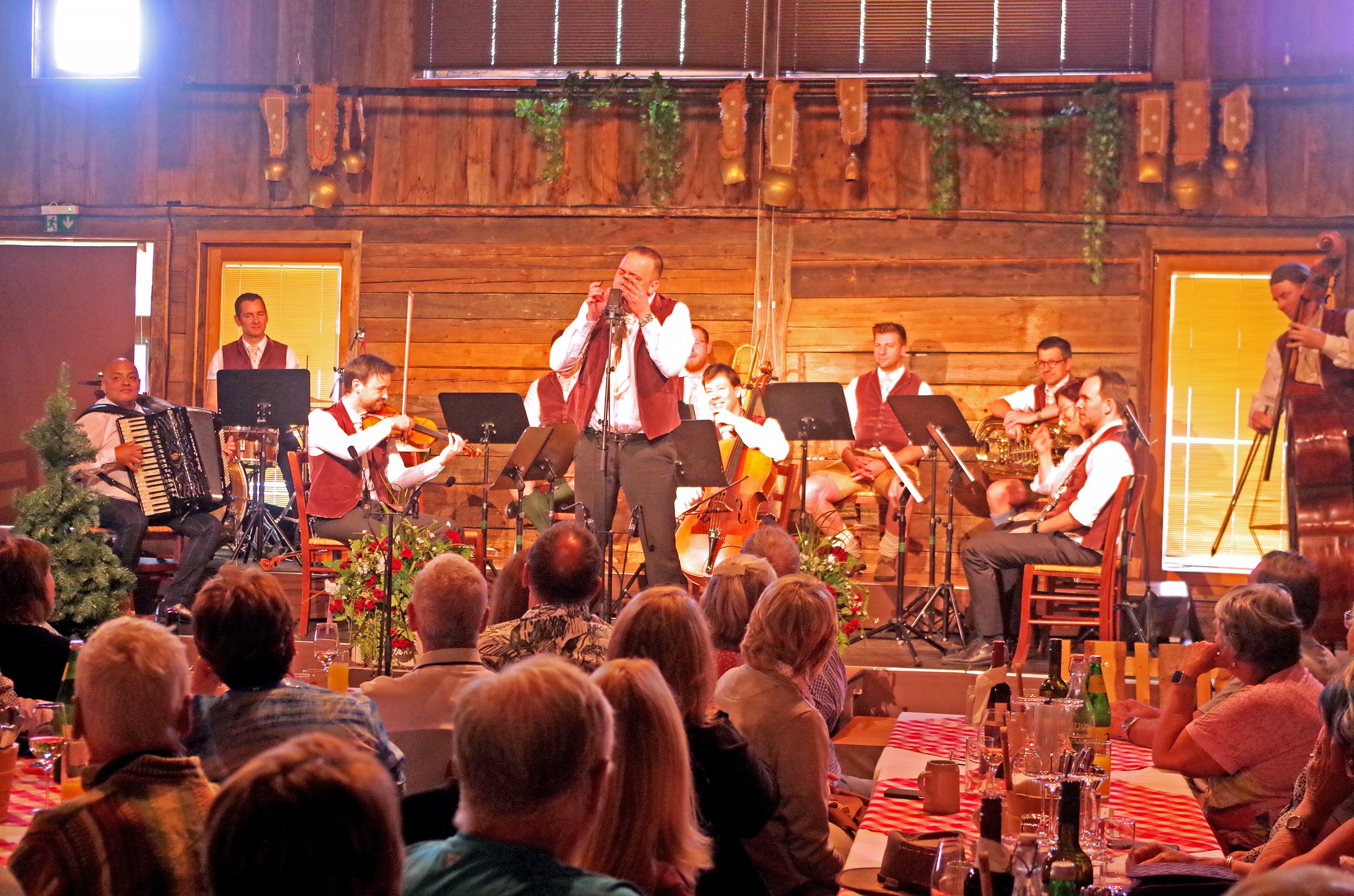
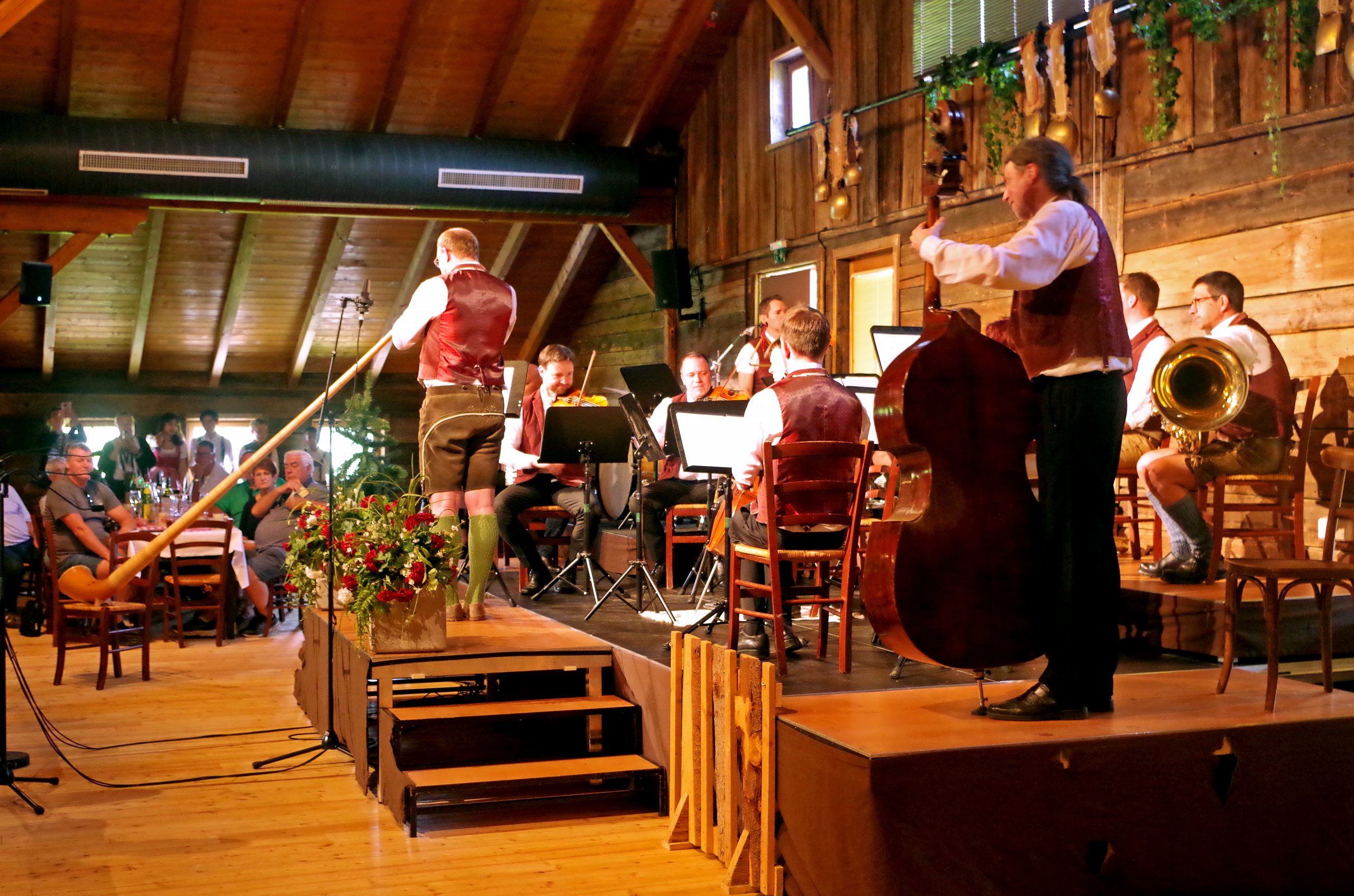
Salzburg is the birthplace of Mozart and a UNESCO World Heritage Site. Our visit to Salzburg was a bit over-the-top unless you are obsessed with the movie “The Sound of Music”. We were told that the locals were unaware of the film when it was released, but they are certainly capitalizing upon it now. One of the Scenic Freechoice tours took participants to various film locations, but we chose the slightly more subtle “Best of The Sound of Music and Salzburg Show”. It was tailored for tourists, but was an enjoyable enough experience, including a lunch and local beer. The children in the performance were exceptionally enjoyable, probably thrilled to be paid an hourly wage while taking time off from school on a weekday. As you will see, the views of the Eastern Alps from this hilltop were admittedly superb, even on a slightly hazy day.
Welcoming us upon our arrival in Salzburg The view from our lunchtime retreat in SalzburgAnother view from our lunchtime retreat in SalzburgYet another view from our lunchtime retreat in SalzburgCan you hear that the Hills Are Alive?Our lunchtime entertainment in SalzburgAnother scene of our lunchtime entertainment in SalzburgA Jew’s Harp performance in SalzburgAn alpenhorn performance in Salzburg
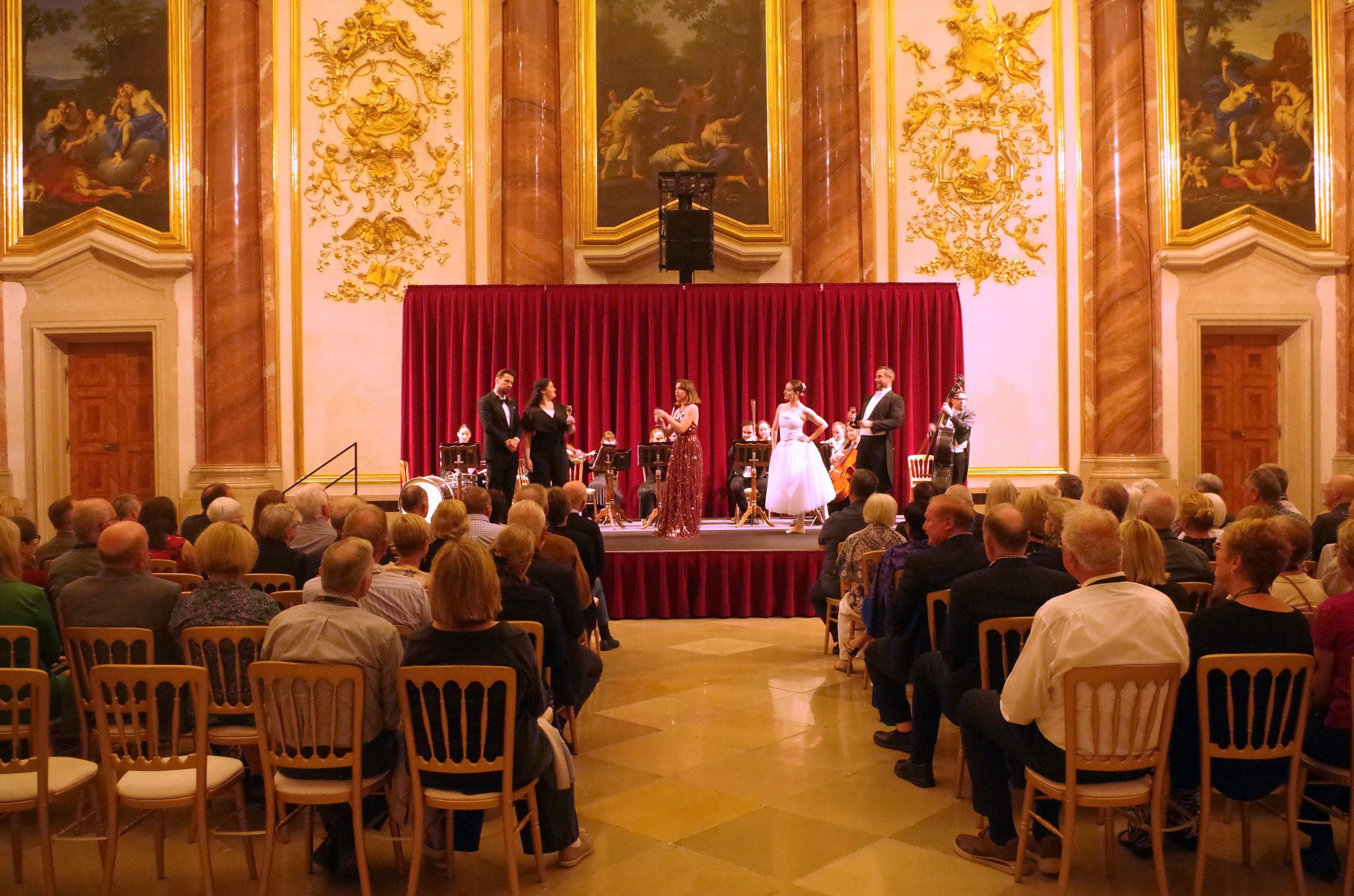
Our next destination was the City of Vienna, with an evening concert at the Palais Liechtenstein, followed by a one-hour coach ride to the City of Bratislava – the capital of Slovakia – the following morning. Along the way, we drove through the Austrian countryside, small towns, and extensive farmland. Despite the opulence and historical context of Vienna, it always proved to be the case that we had a greater appreciation for the smaller cities and towns that we visited.
On our way to Bratislava, located very close to the border with Austria, we were told to have our passports ready, just in case there would be a security check, despite the open borders within the European Union. This was due to the GLOBSEC Bratislava Forum taking place, with 1200 attendees from 60 countries, including 11 heads of state from Central and Eastern European countries and beyond. The most recognizable name here in the United States was President Emmanuel Macron, of France. As it turned out, we were waved through the border.
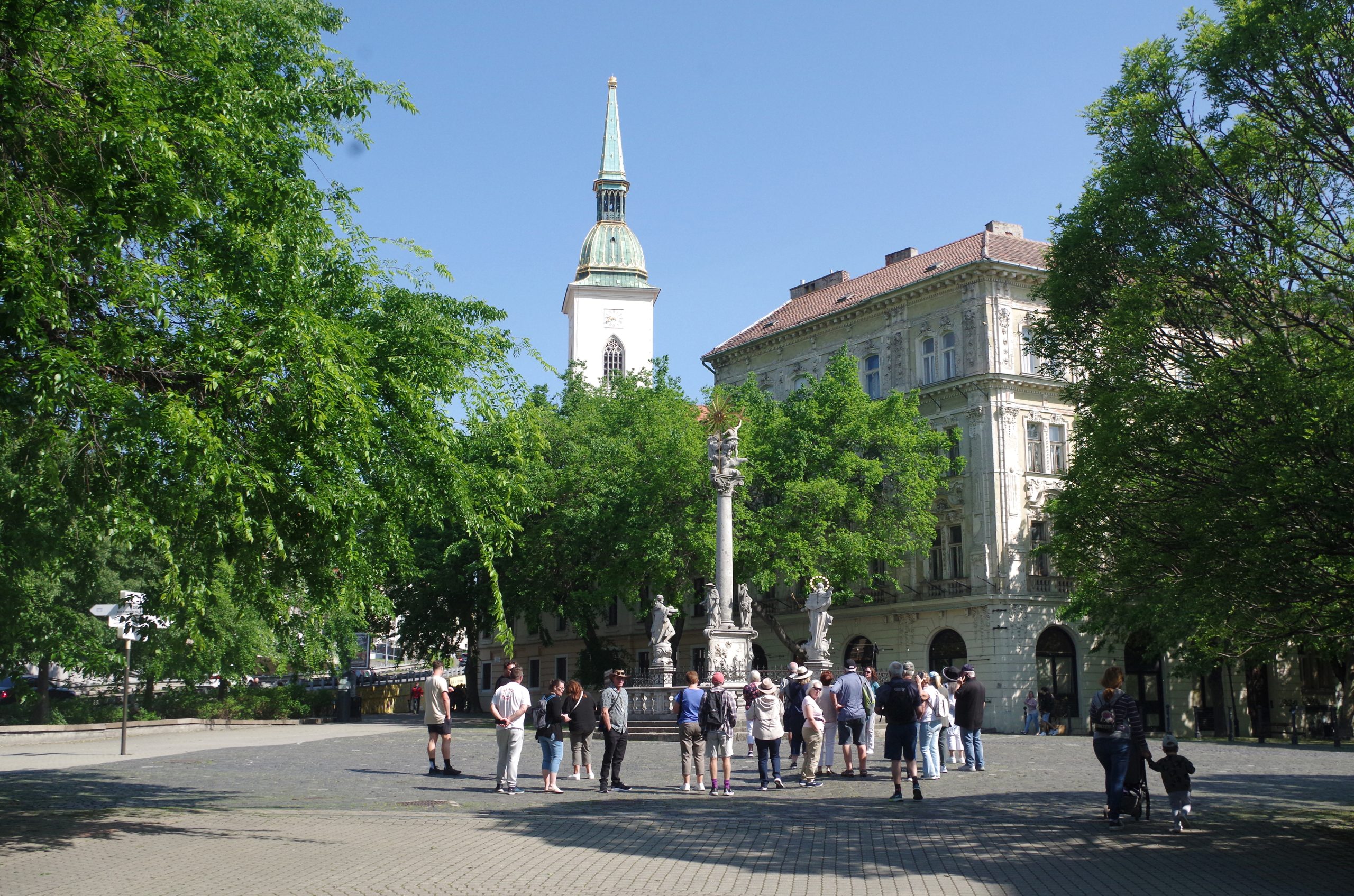
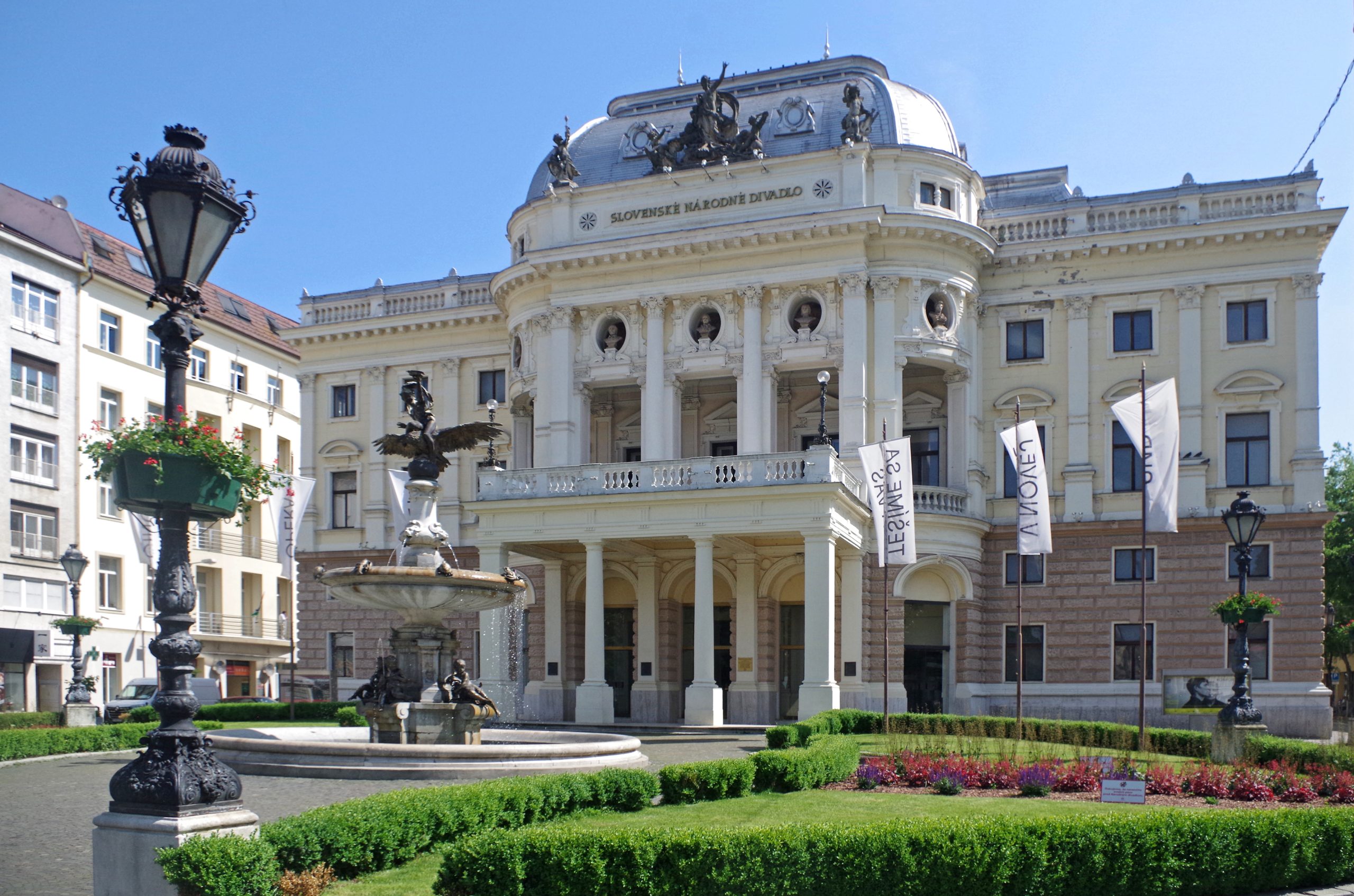
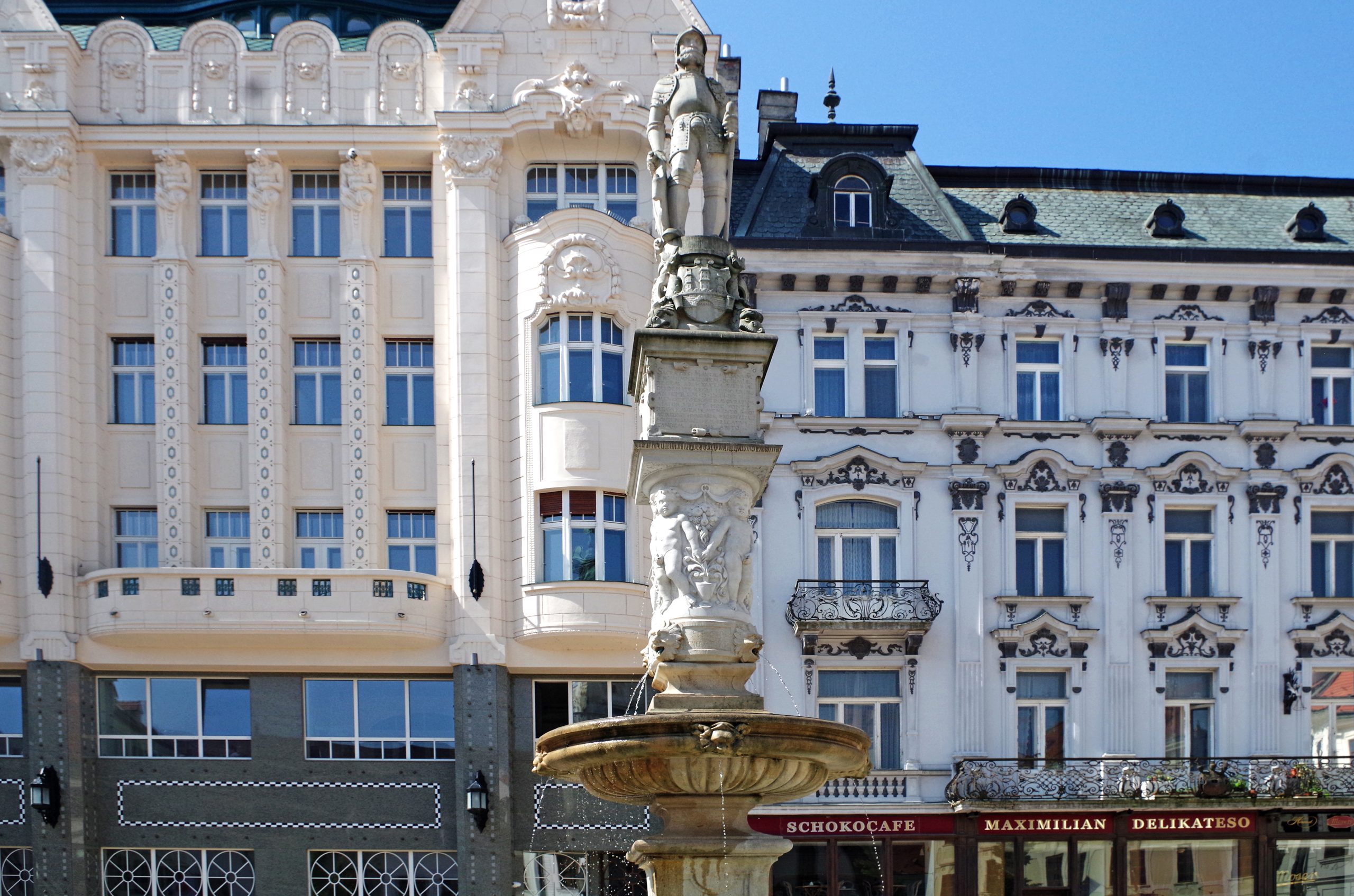
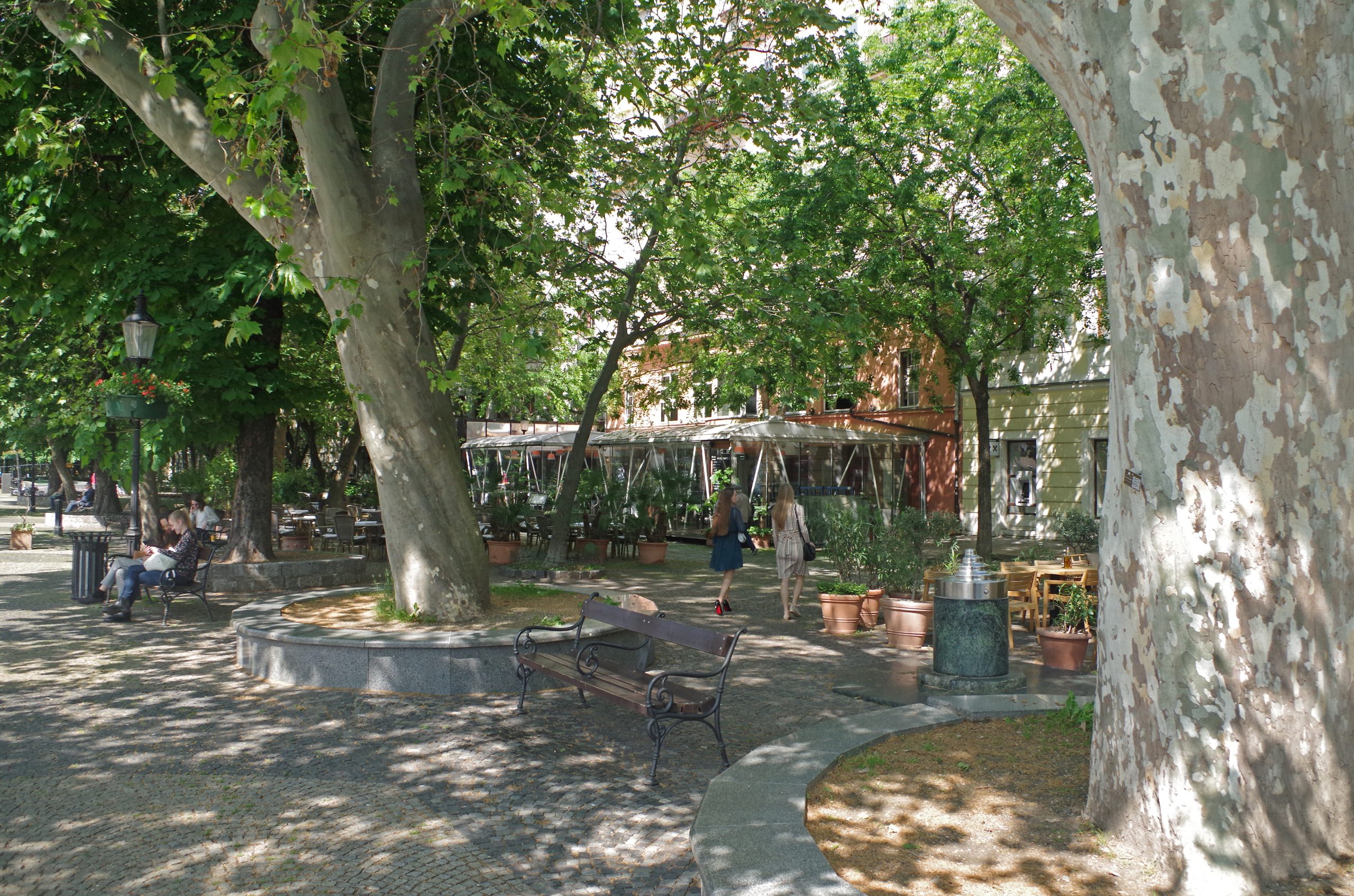
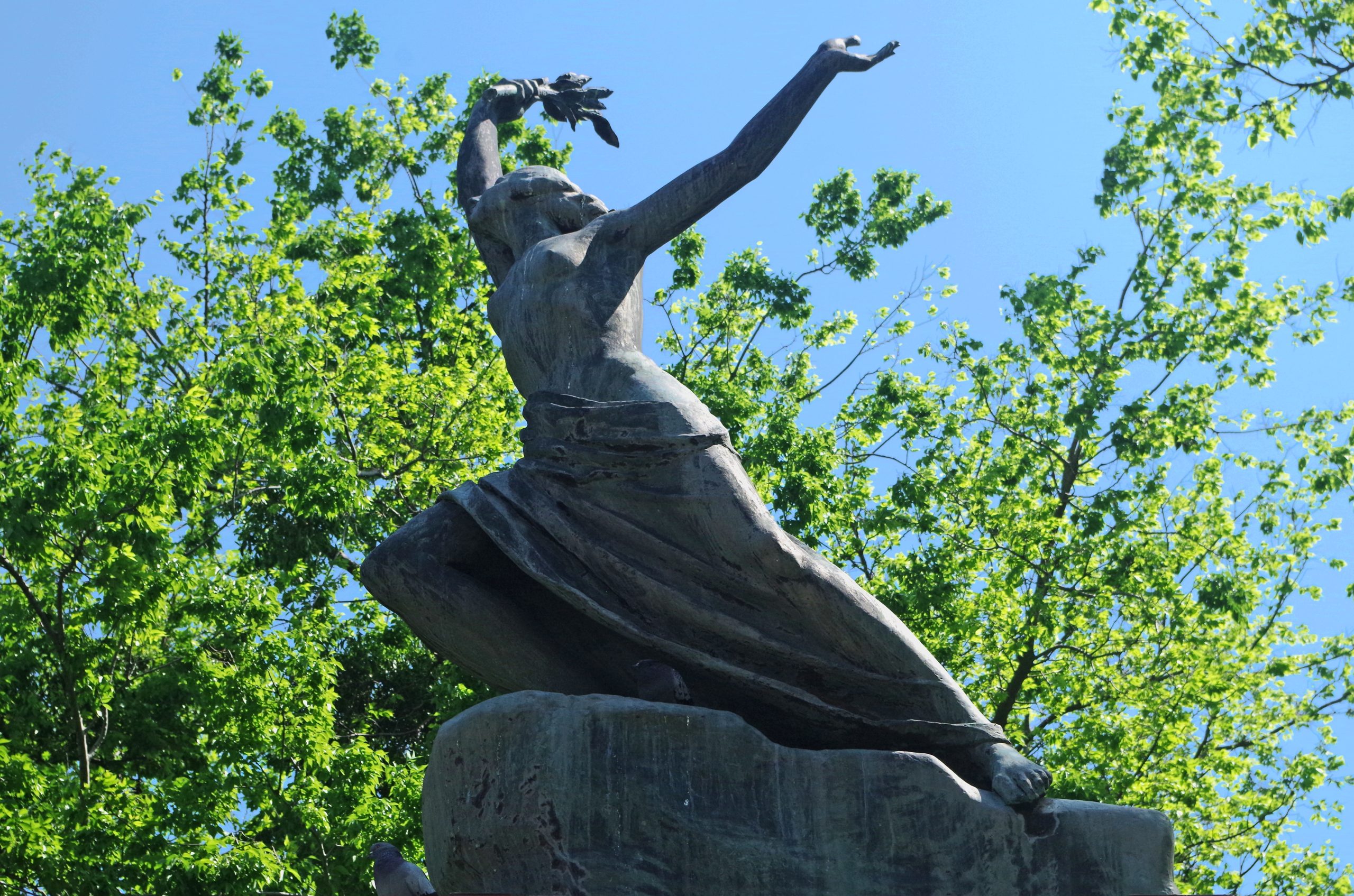
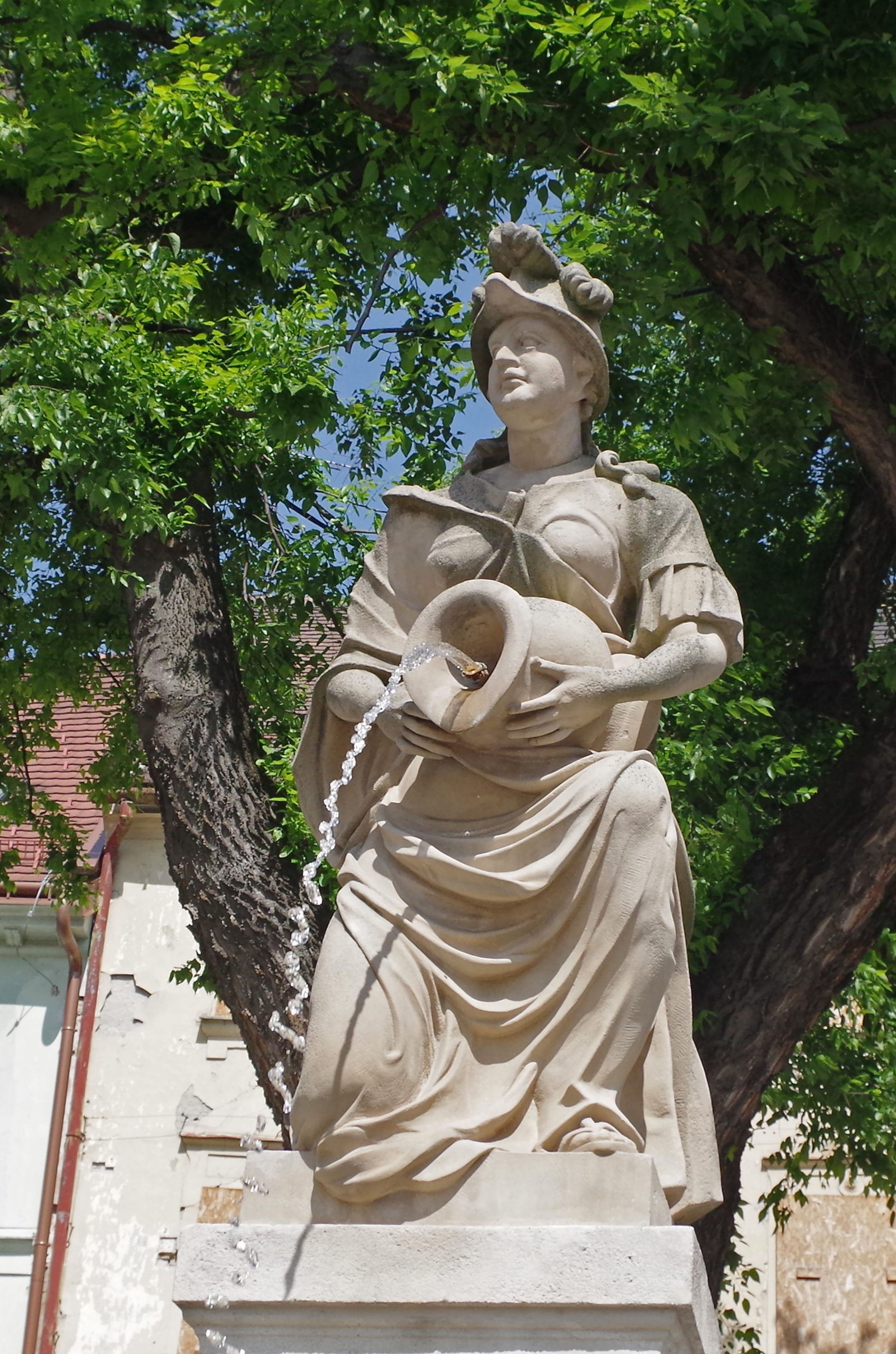
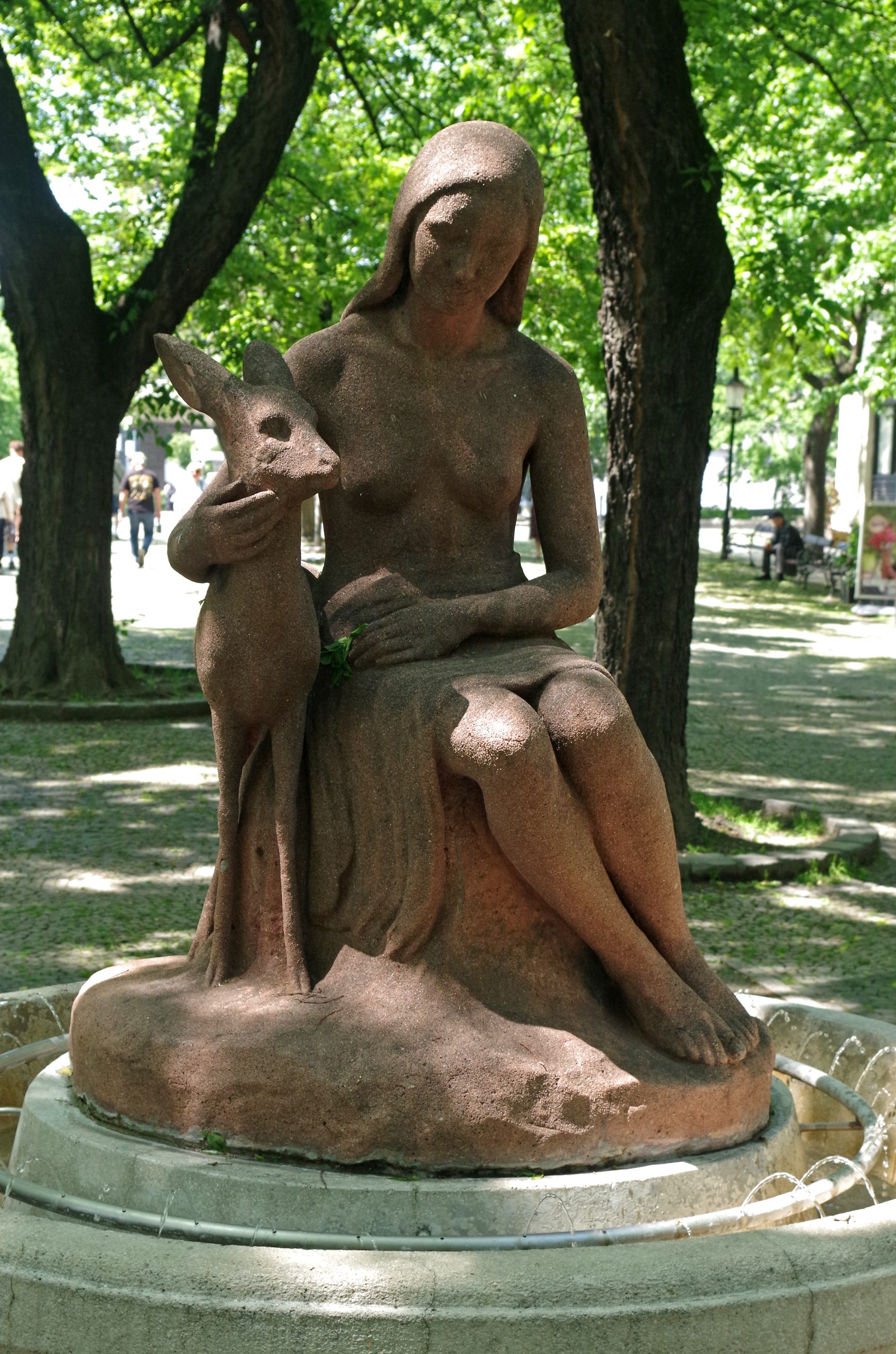
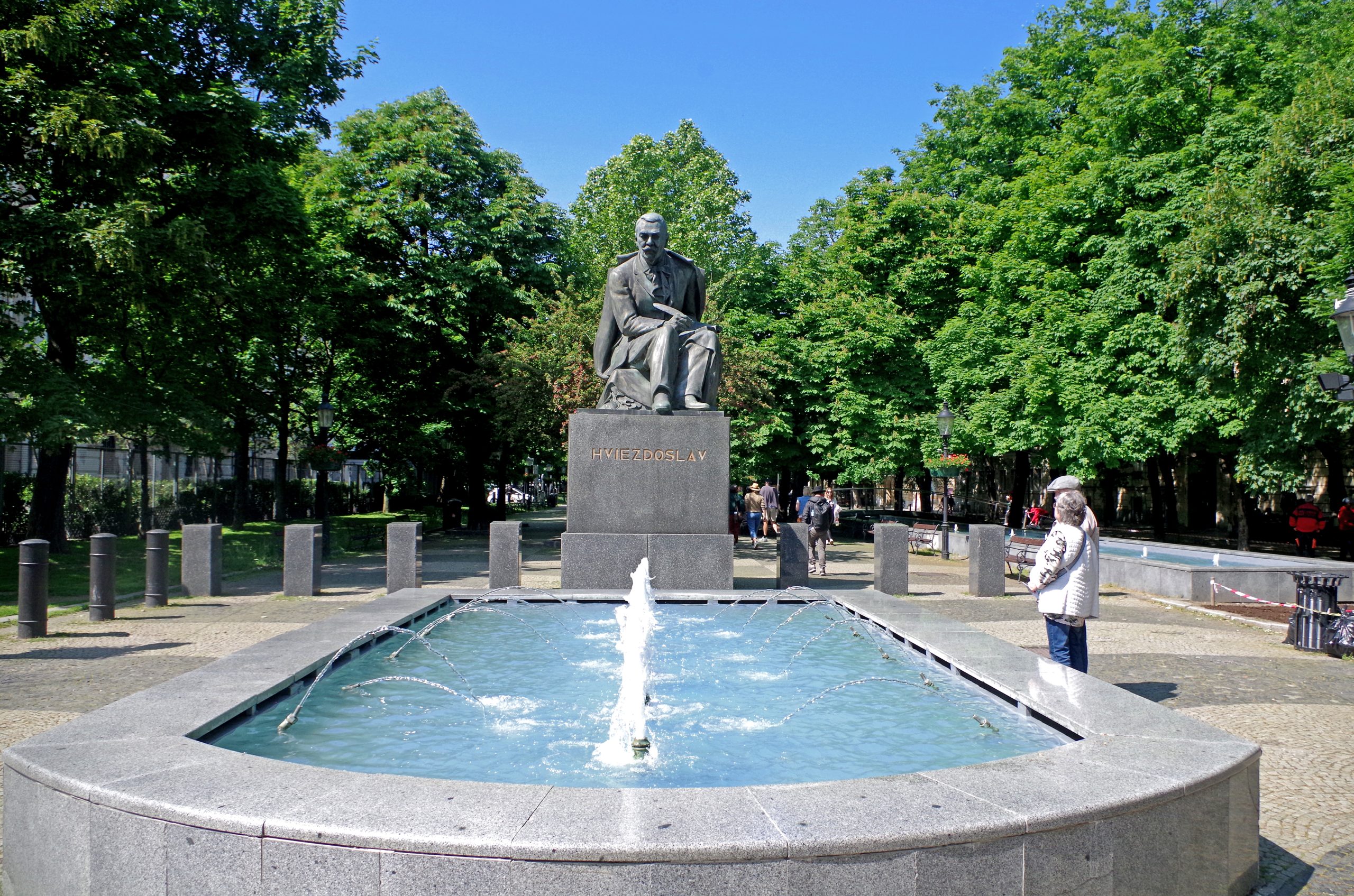
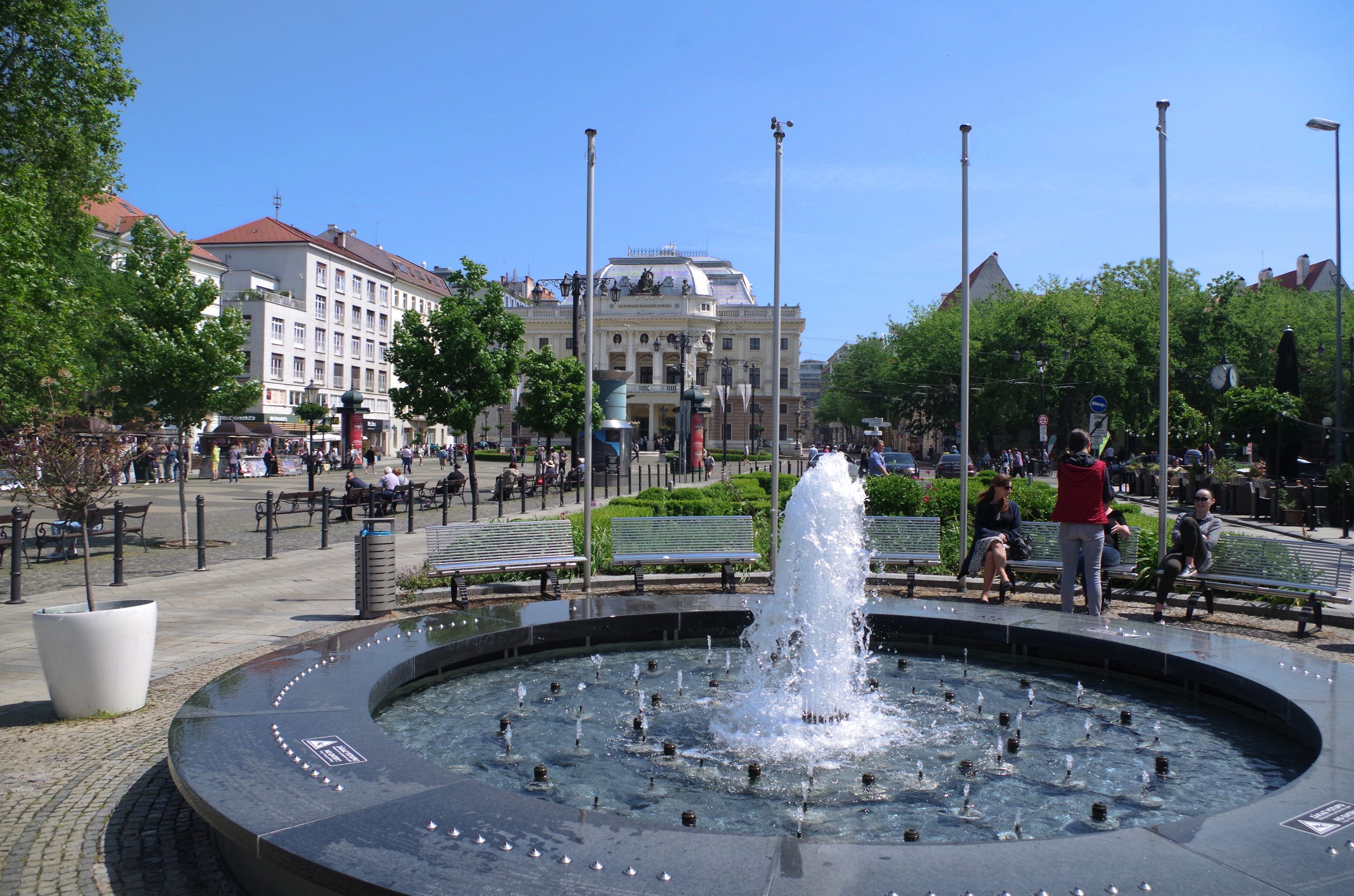
Formerly part of Czechoslovakia and then known as the Slovak Socialist Republic, this was a heavily guarded border between the East and the West until the Slovak Republic – more commonly known as Slovakia – was formed in 1993. On the outskirts of the city, the socialist-style concrete block architecture is still the dominant housing, where the masses were all supposed to be equals, unless one happened to be a Communist Party official. The only difference today is that the formerly all-gray buildings are now being colorfully painted, in an attempt to bring some personality to the housing. As seems to be the case everywhere with people who formerly lived under the occupation and political oppression of the Soviet Union, the people in Slovakia appear to truly cherish their new freedom and democracy. In Bratislava, as you will see, the people also love their sculptures, statues, monuments, and fountains.
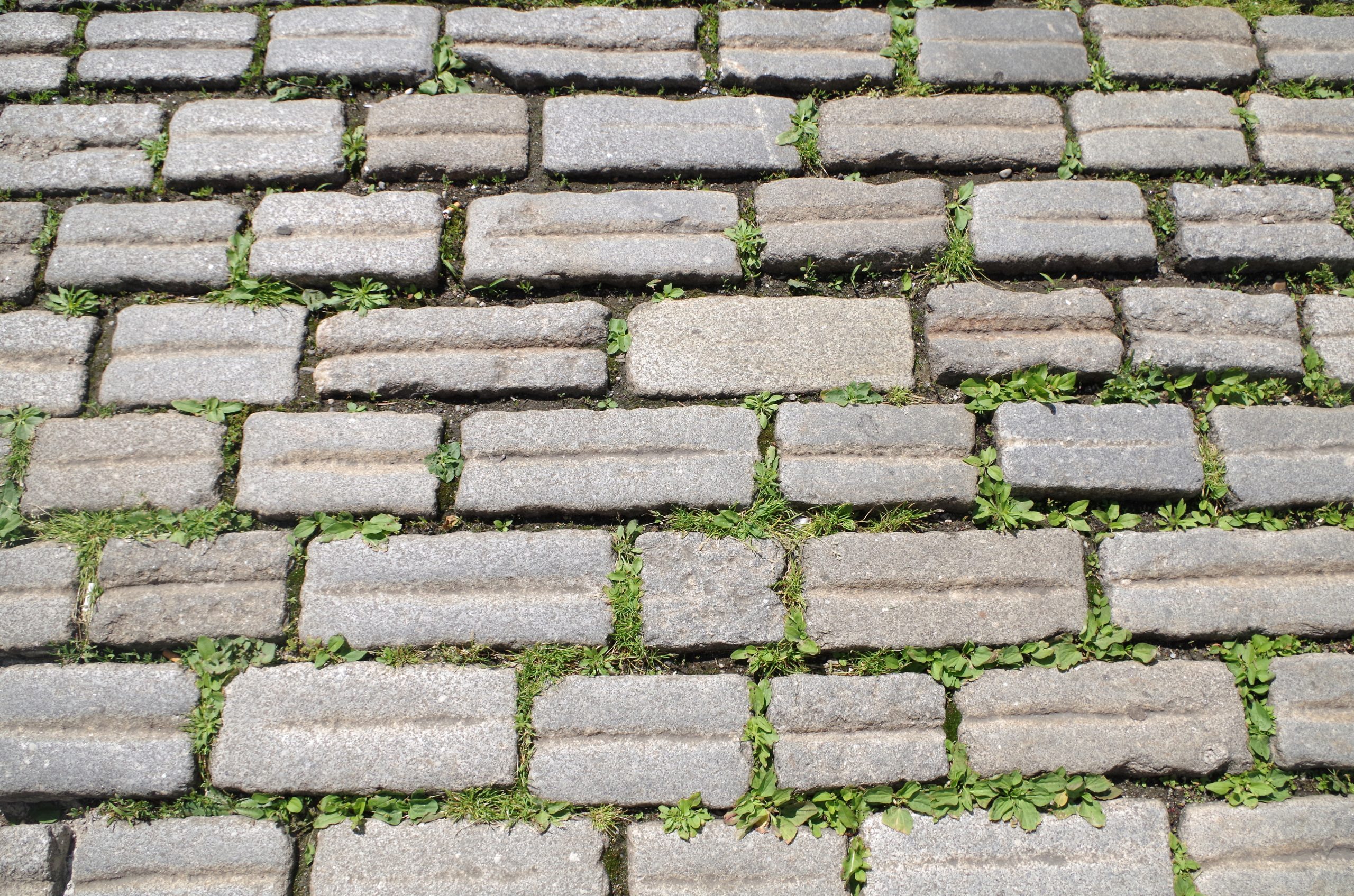
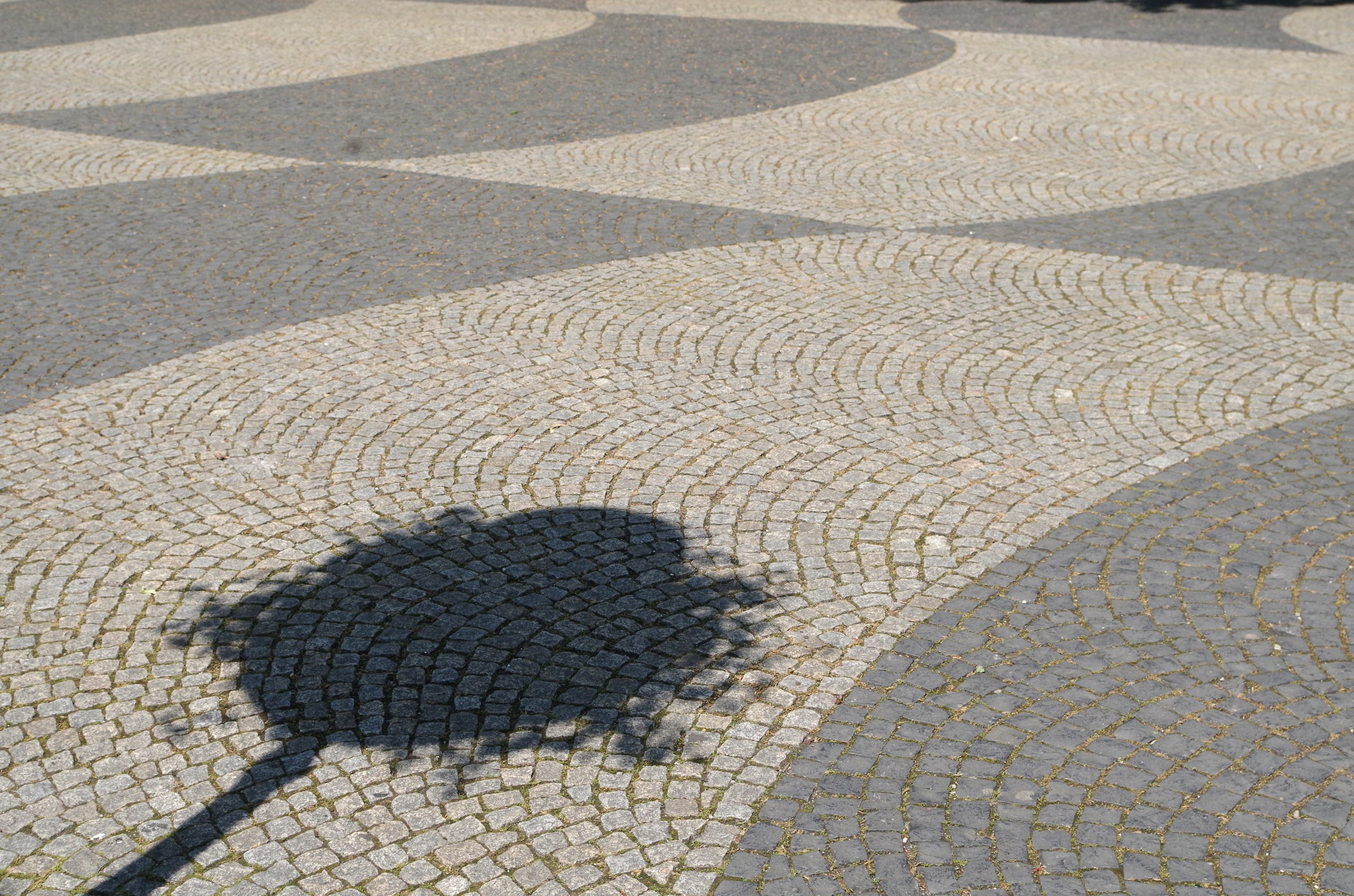
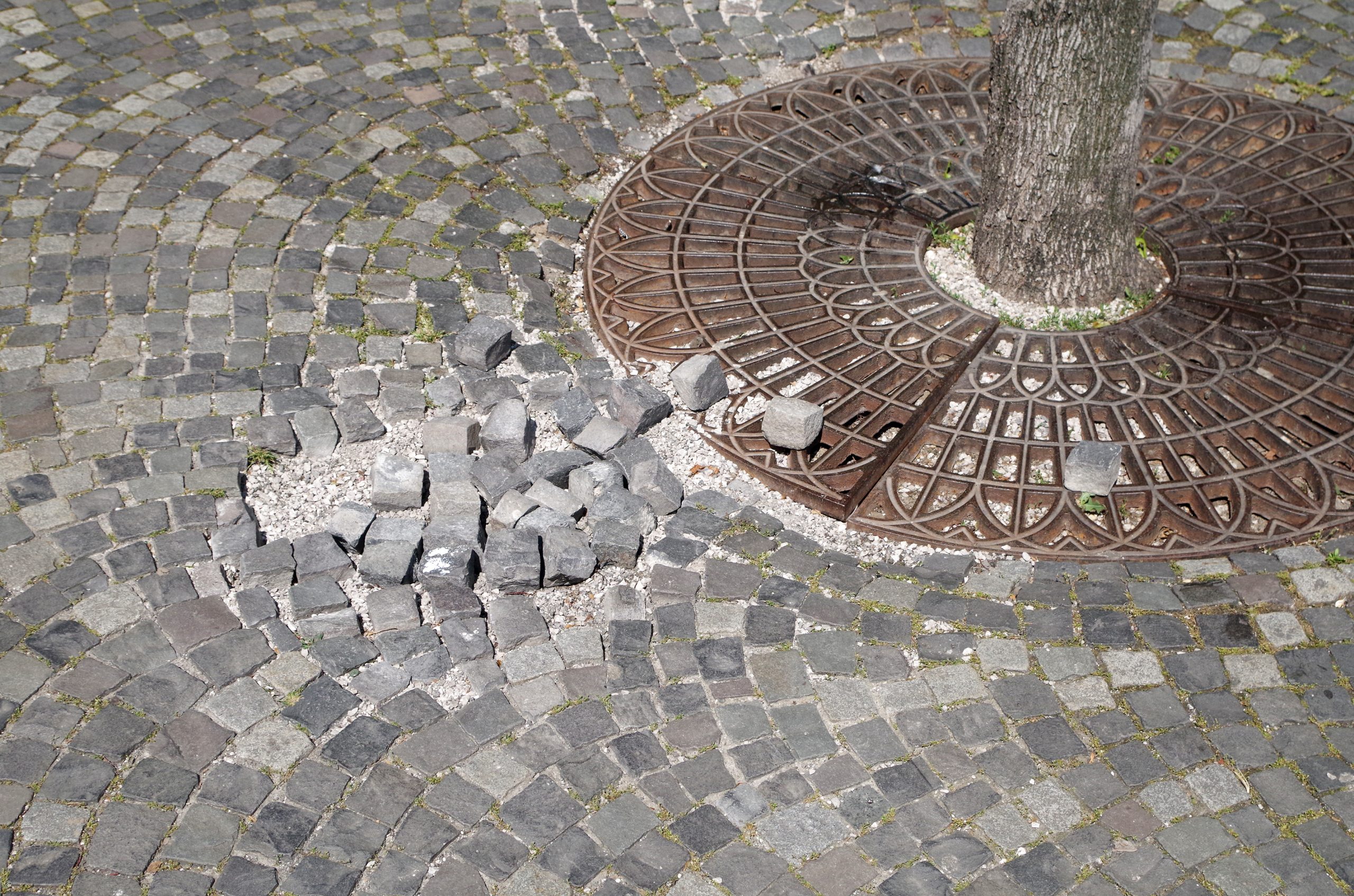
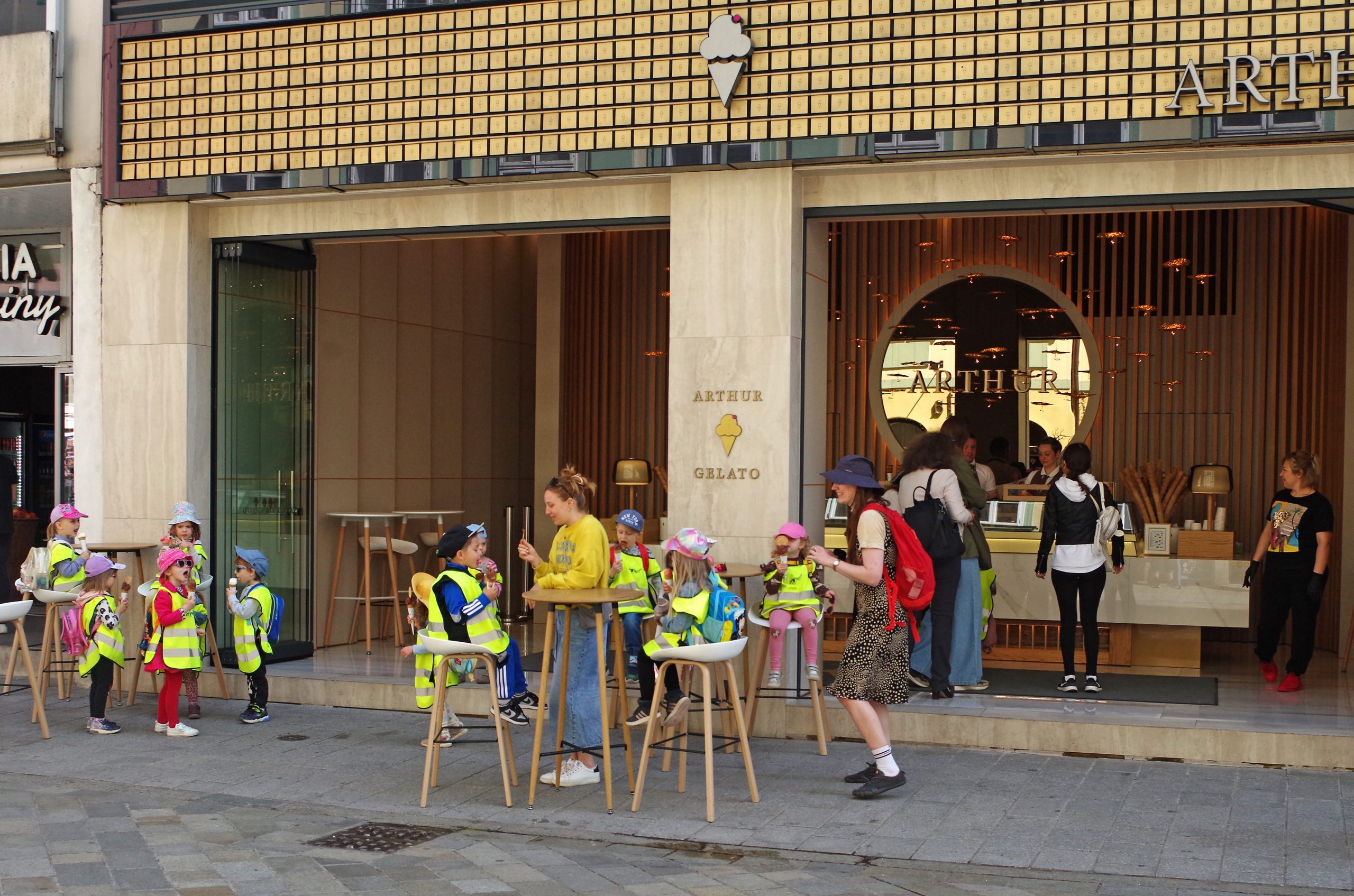
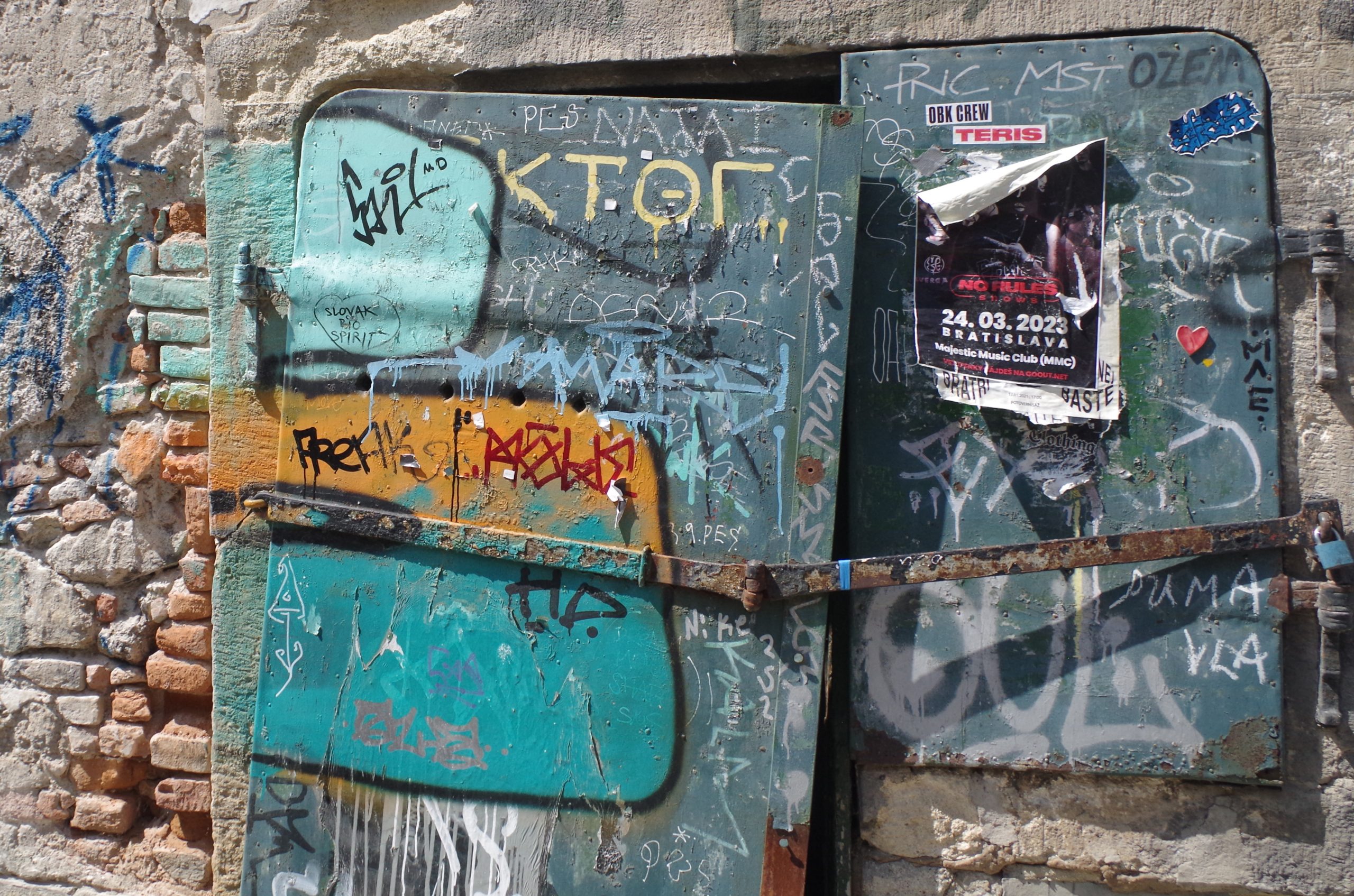
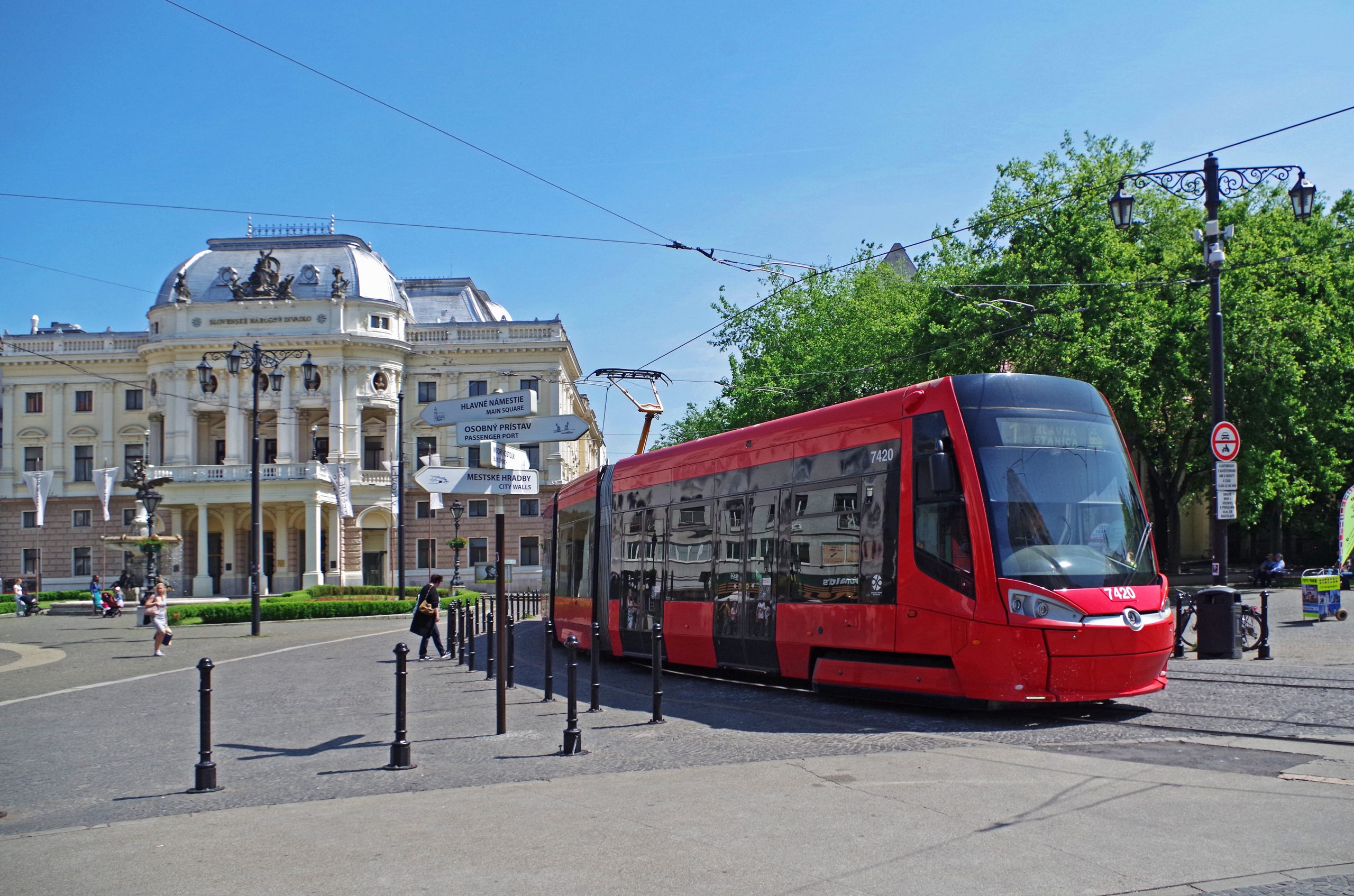
Palais Liechtenstein concert, ViennaOld City, BratislavaSlovak National Theatre, BratislavaGanymede Fountain in the Central Square, BratislavaHlavne Namestie, the Main Square, BratislavaVictory Monument, in the Old City, BratislavaWoman with Jug fountain, in the Old City, BratislavaGirl with Fawn fountain, in the Old City, BratislavaThe Hviezdoslav Statue and Fountain, in the Main Square, BratislavaA modern fountain in the Central Square, BratislavaCobblestones, BratislavaCobblestones, BratislavaCobblestones, BratislavaSchool children on an outing to a gelato shopGraffiti, BratislavaCrosswalk lighting in the Main Square, BratislavaStreetcar near the Slovak National Theatre, Bratislava
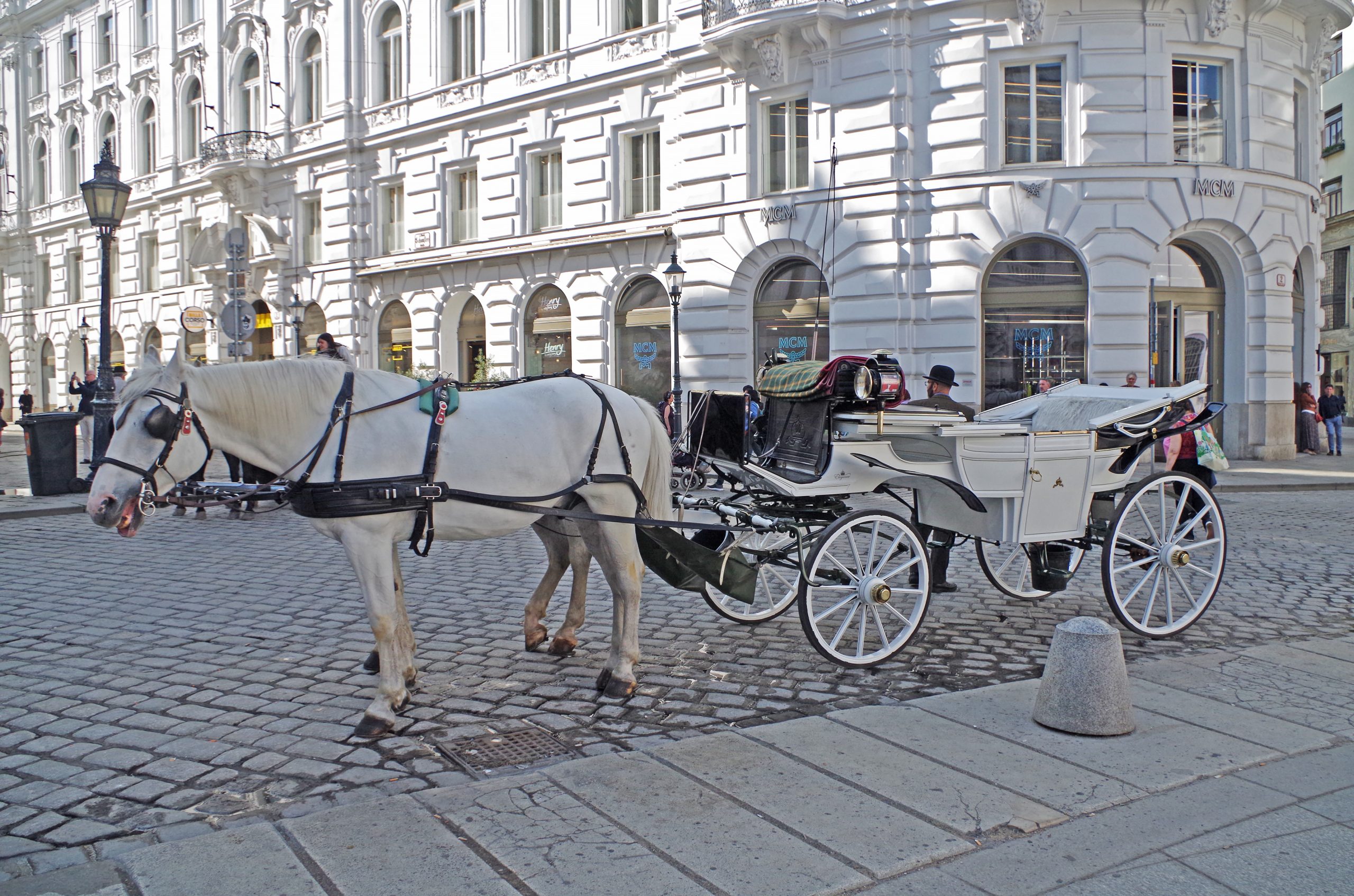
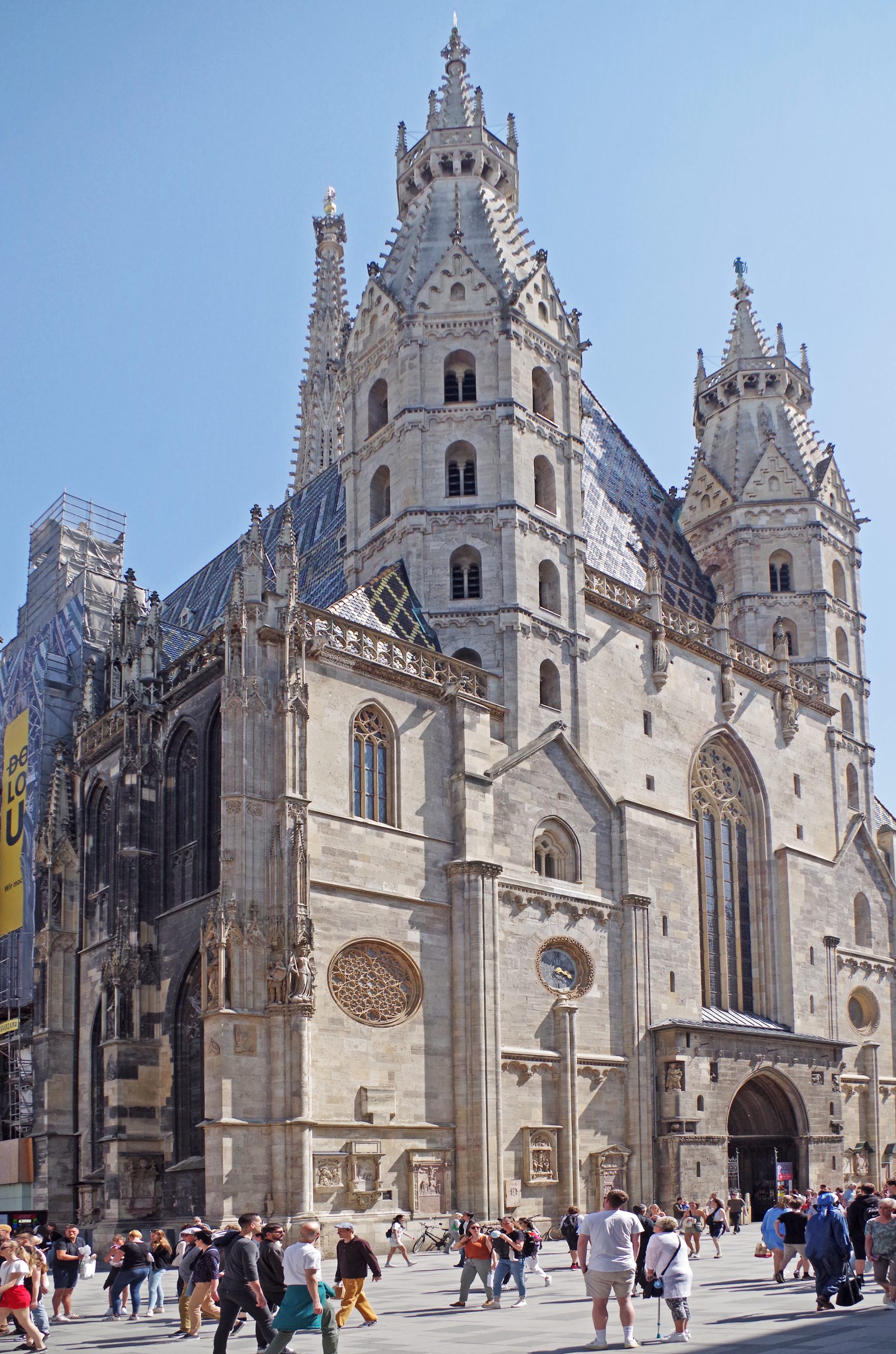
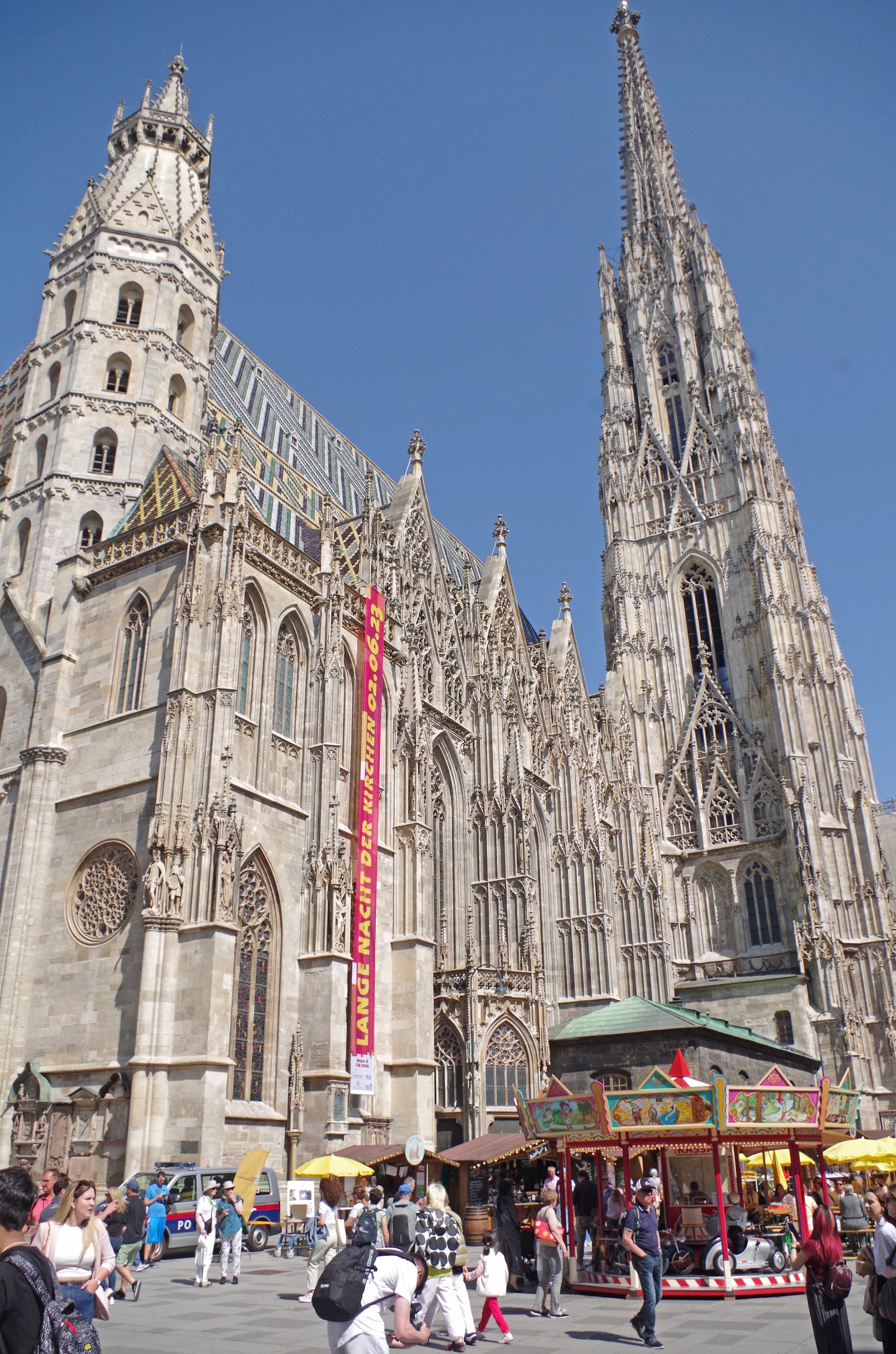
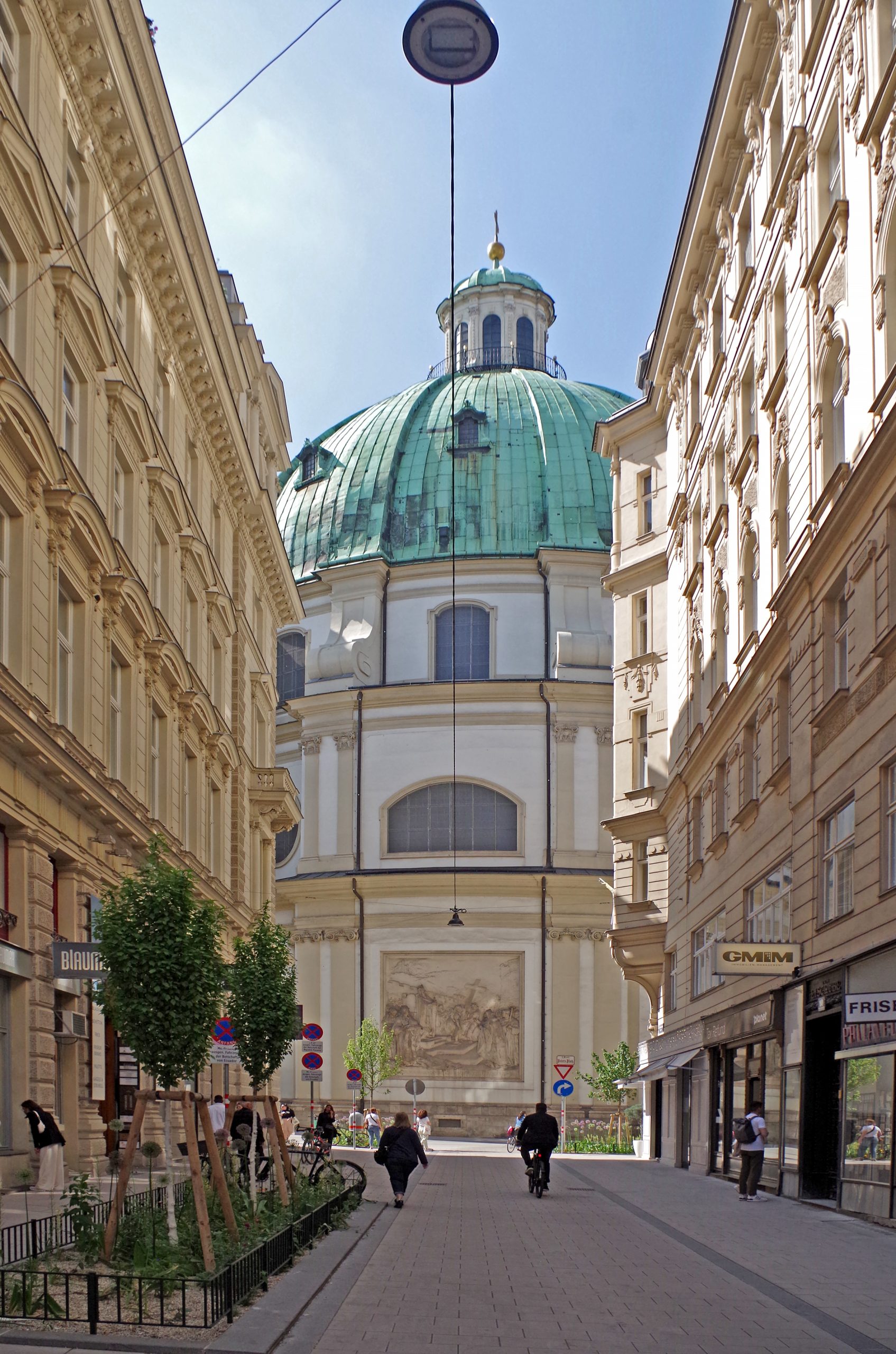
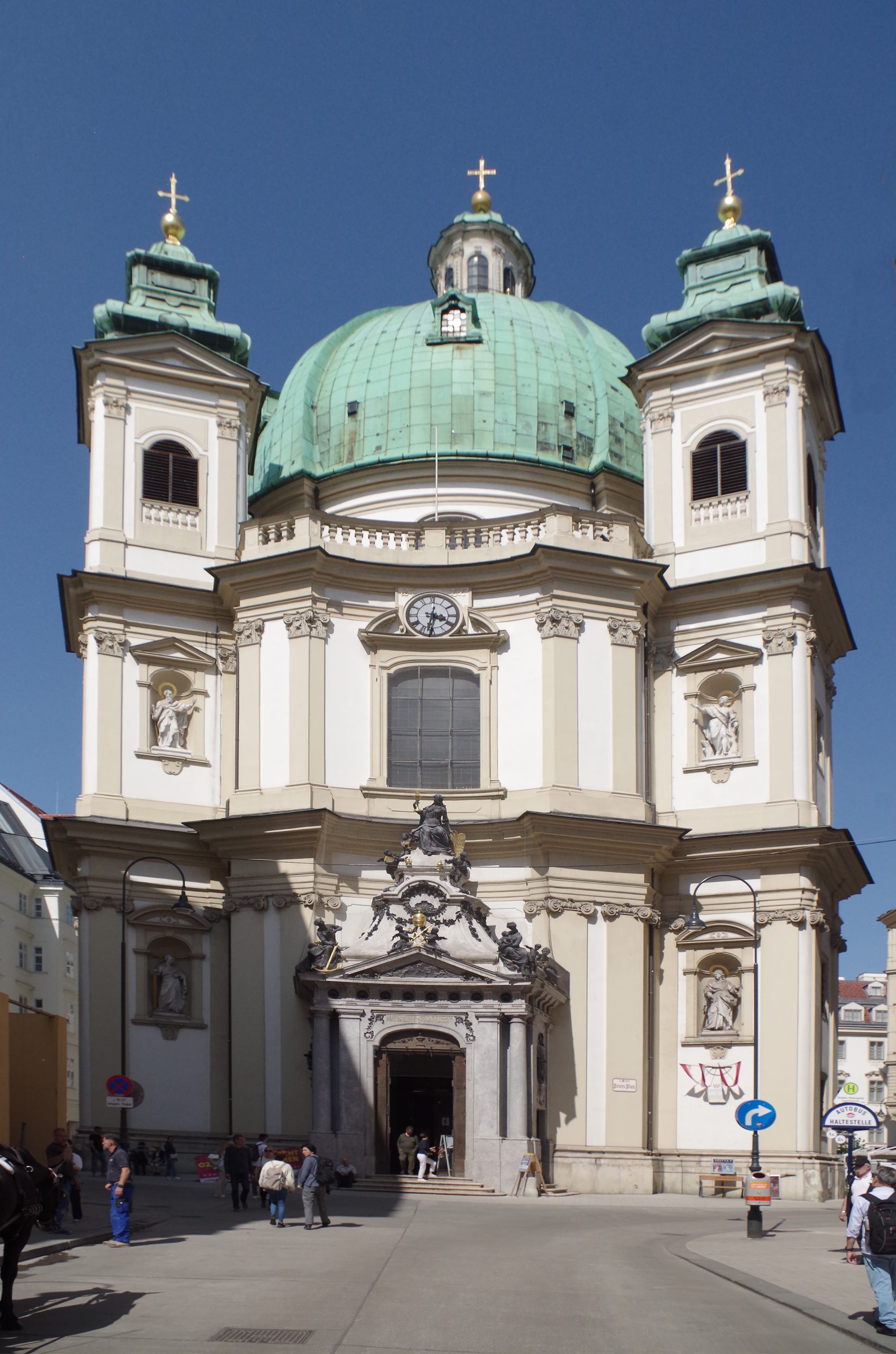
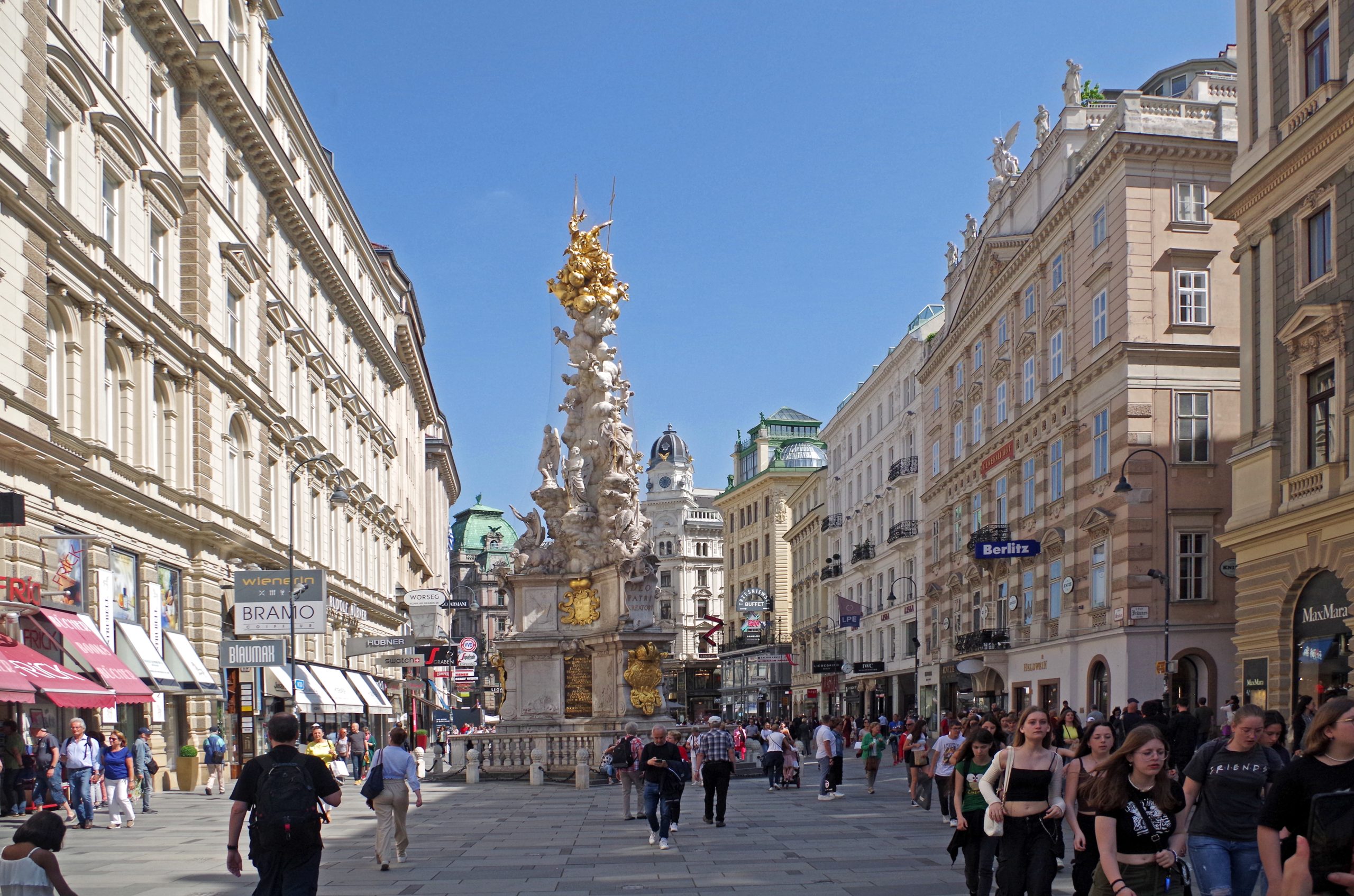
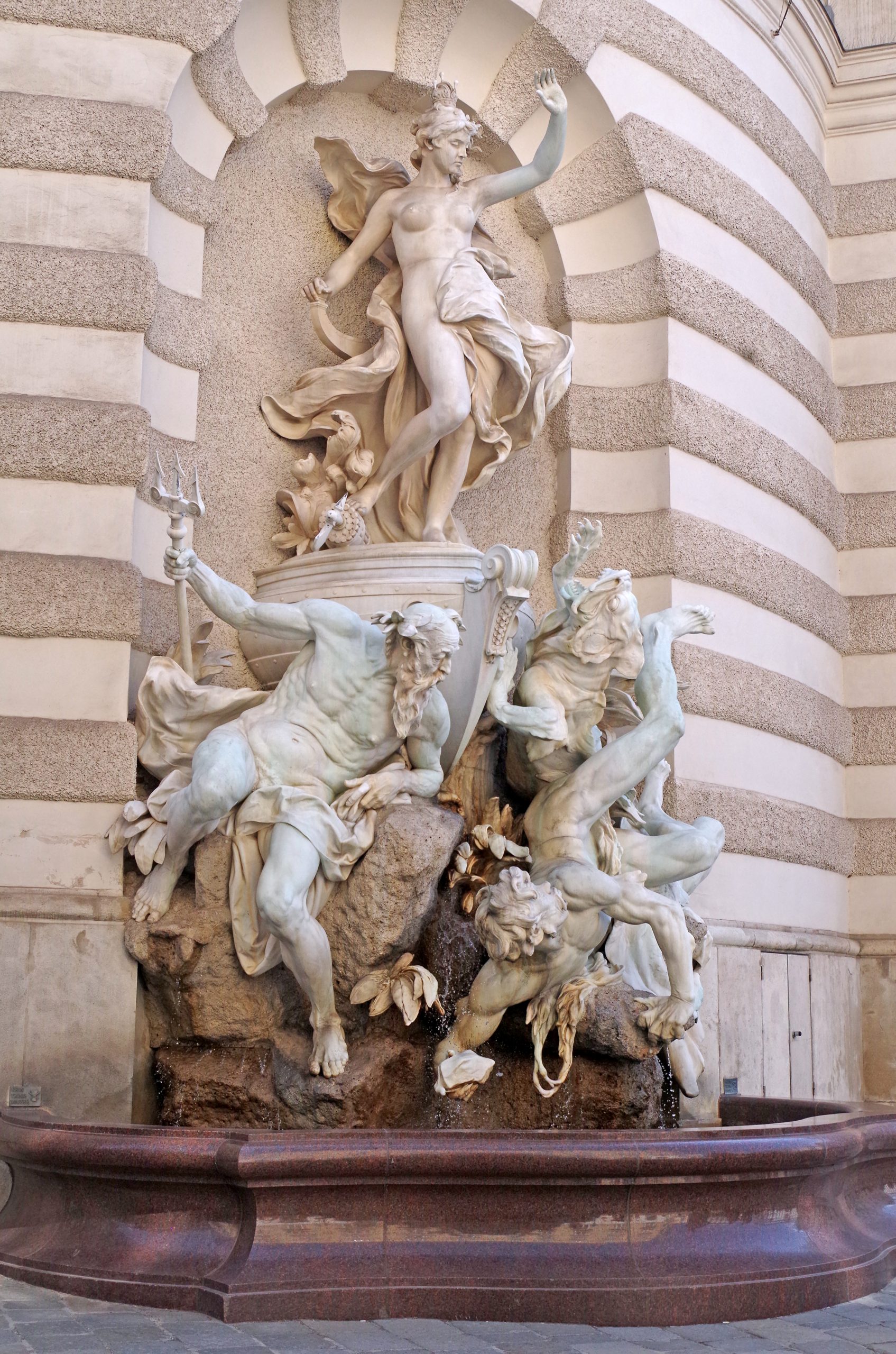
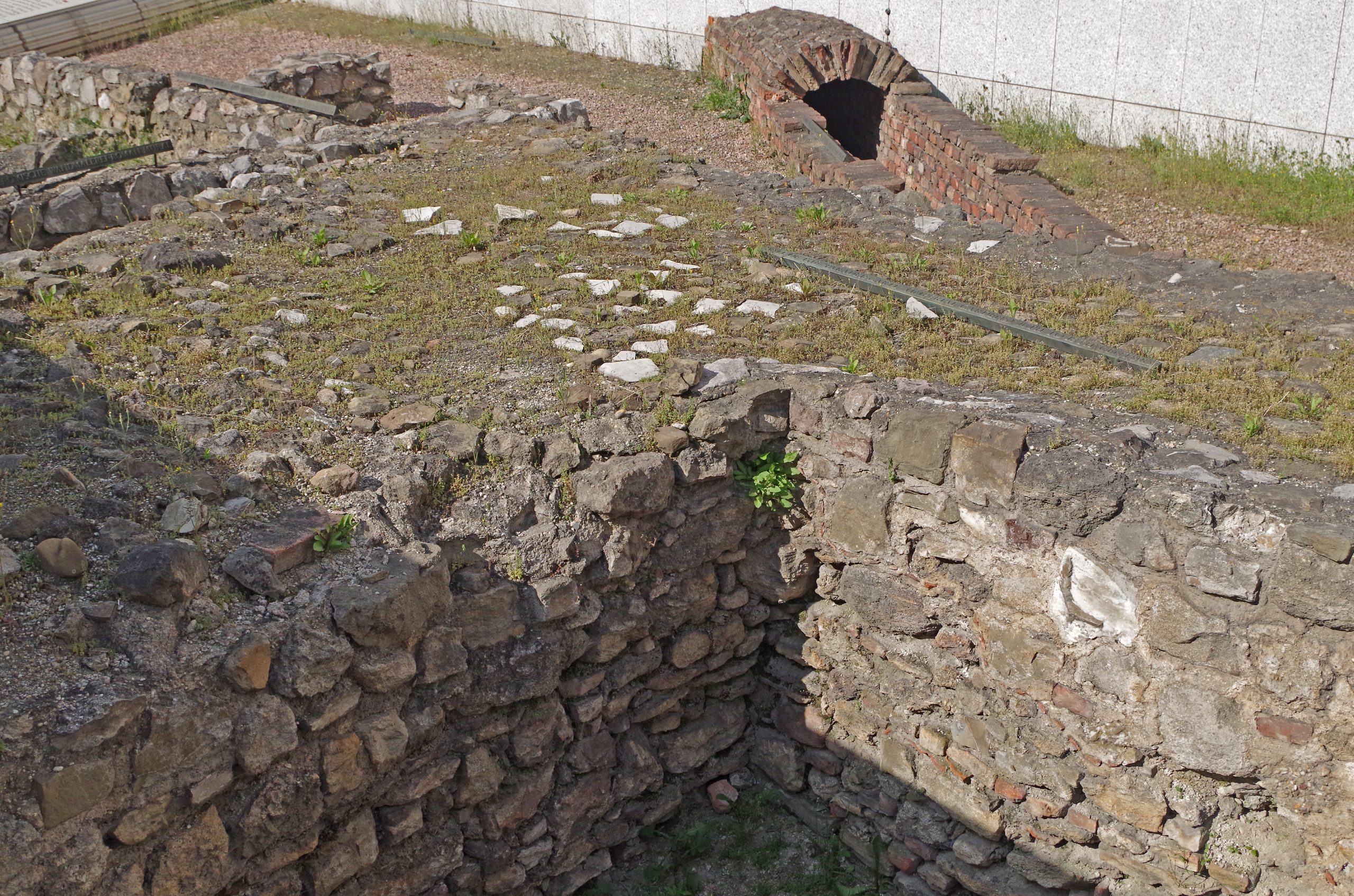
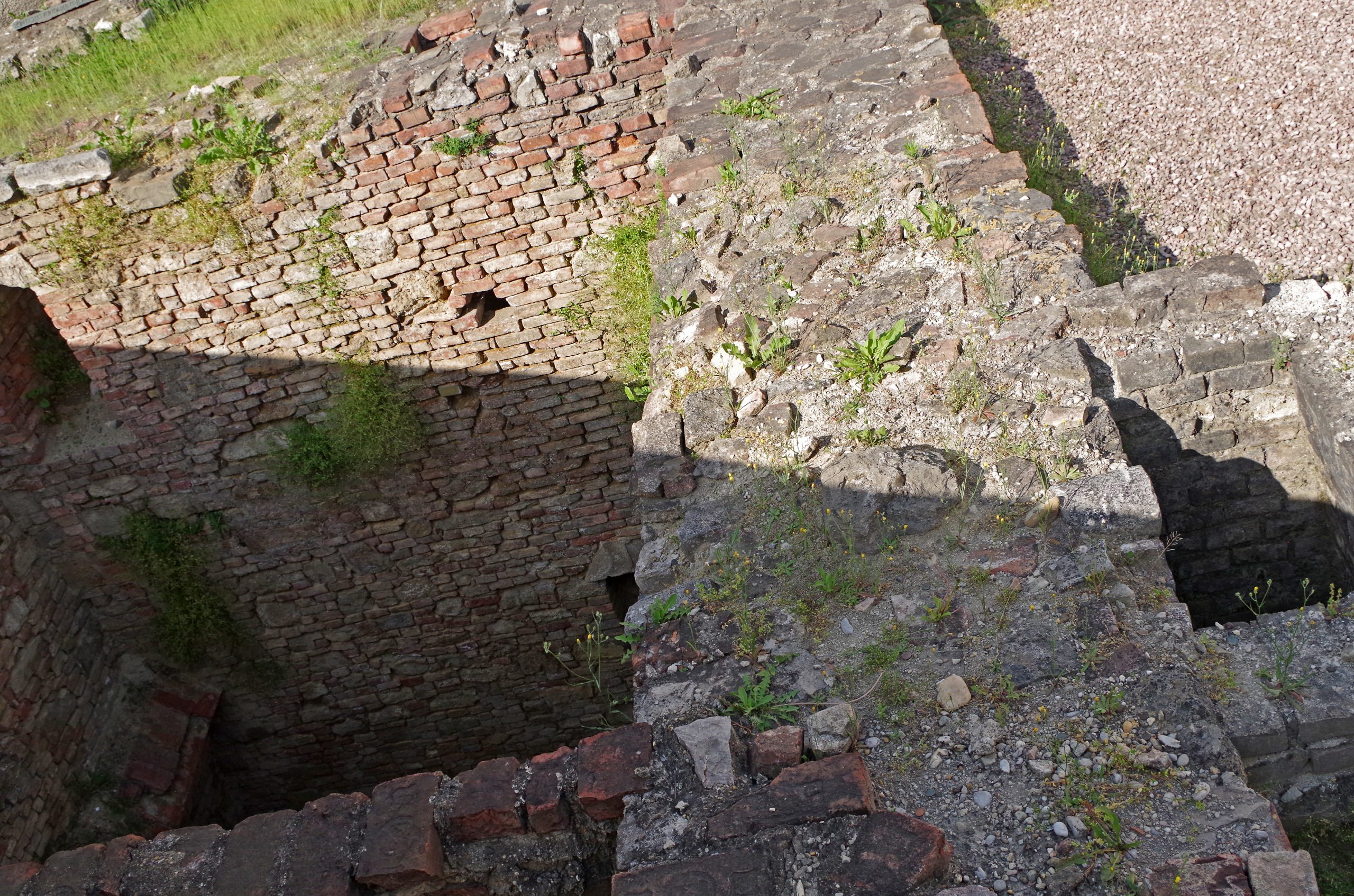
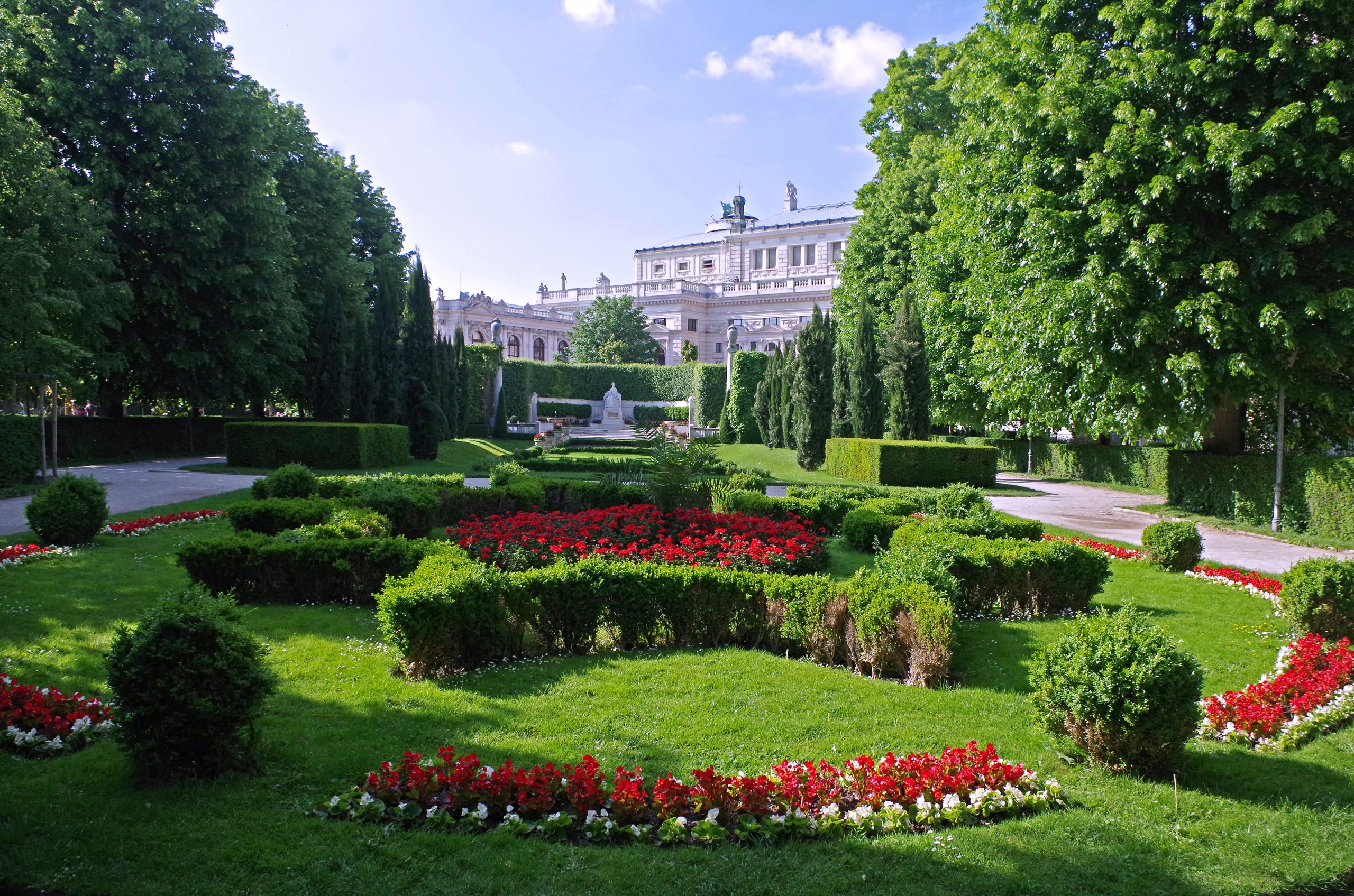
Upon our return to Vienna, we took a walking tour through the Old City. Difficult to navigate on foot in the short time allotted, a carriage ride seemed to be our better alternative, though difficult to take photos when rolling over cobblestone streets. At one point, our carriage driver became furious when an inexperienced cab driver cut him off and caused the horses to rear. One of the more fascinating sites was the Roman ruins that had been preserved during the halted excavation for a new metro station. After our carriage ride, we took a walk through the peaceful Volksgarten.
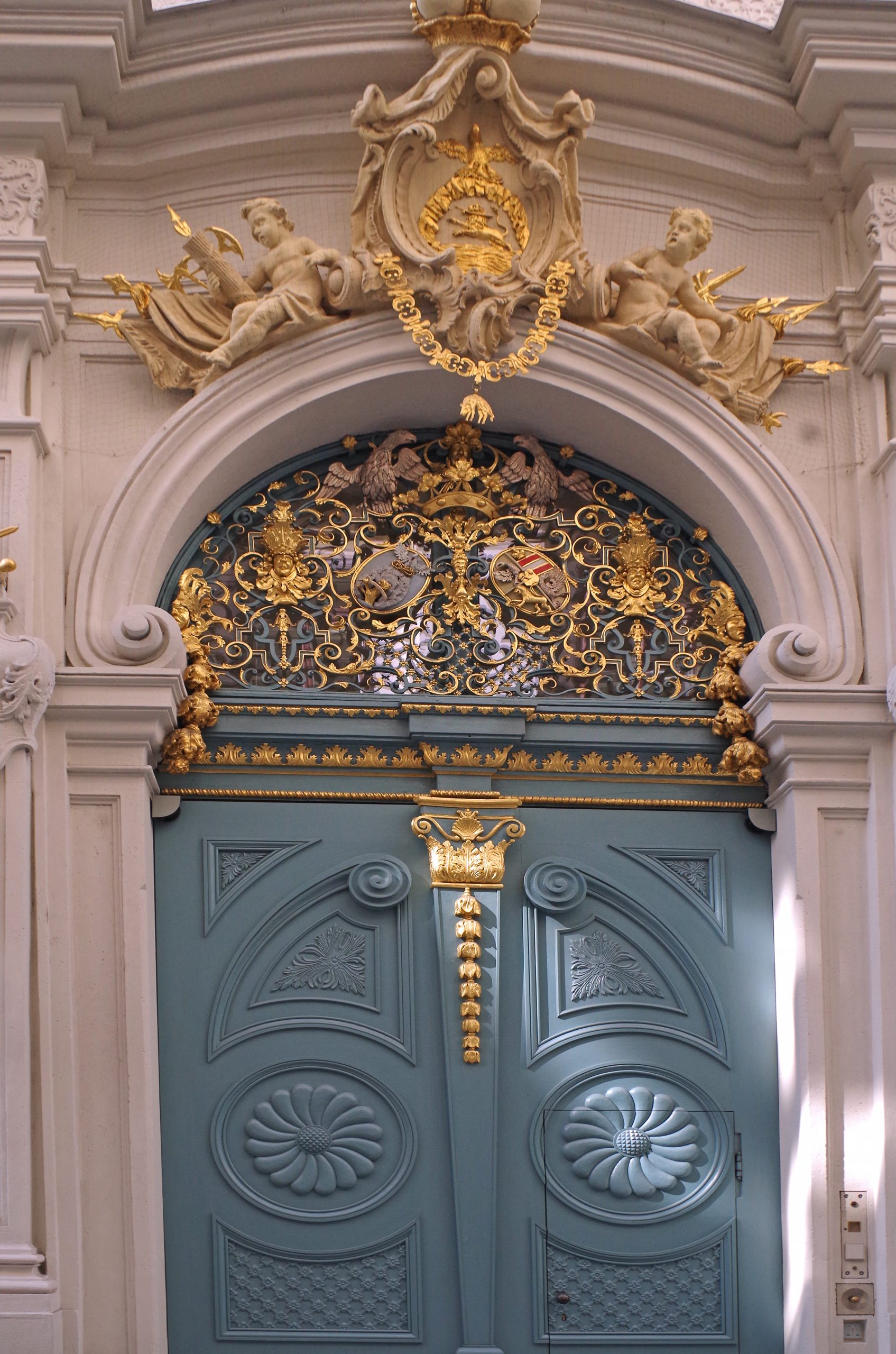
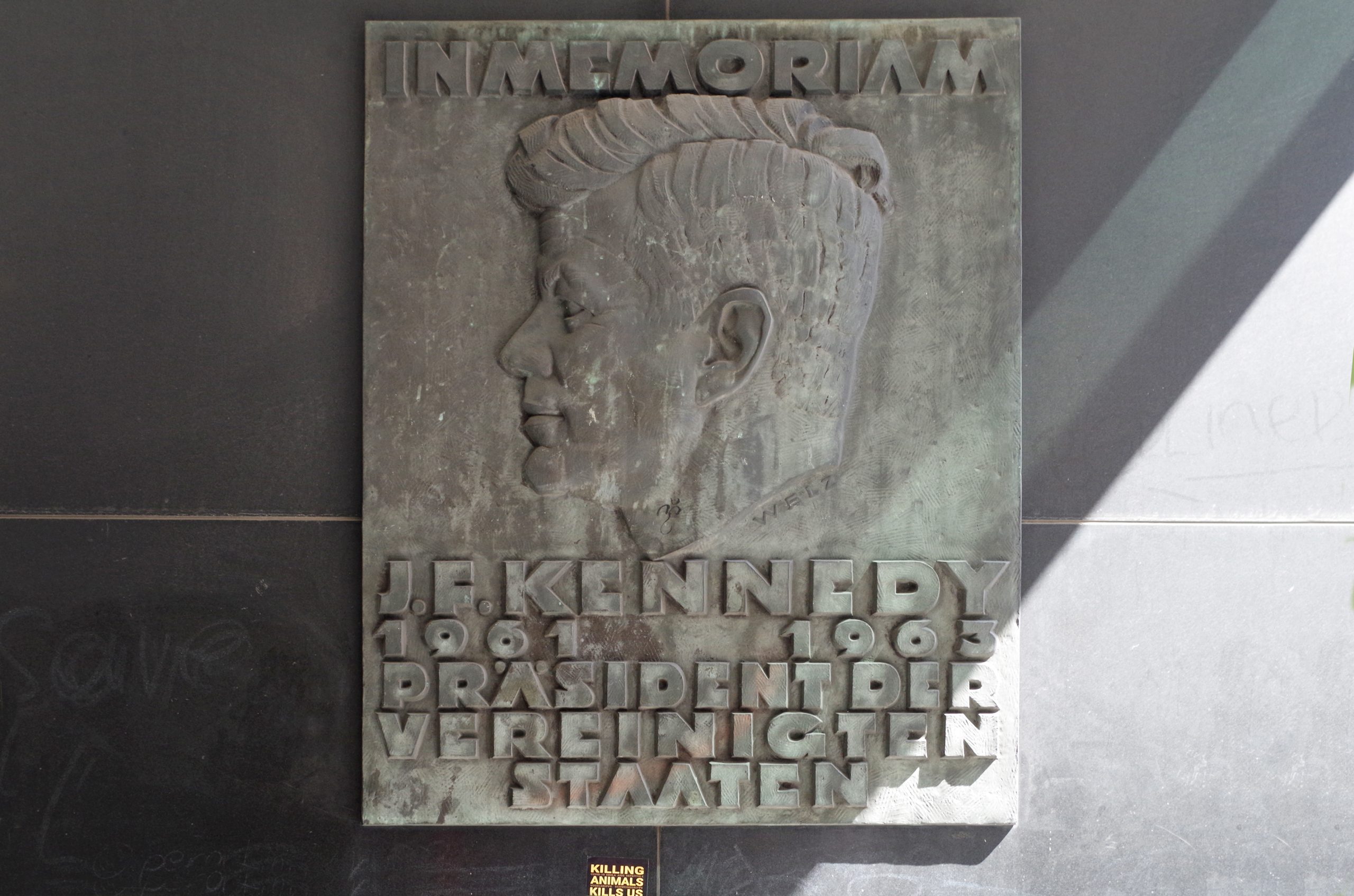
Our carriage in the Old City of ViennaSt. Stephen’s Cathedral, ViennaSt. Stephen’s Cathedral, ViennaPeterskirche and the Old City, ViennaPeterskirche in the Old City, ViennaThe Old City, ViennaThe Old City, ViennaDoorway in the Old City, ViennaRoman Ruins, ViennaRoman Ruins, ViennaKennedy Plaque, ViennaVolksgarten, Vienna
We were quite tired upon our arrival in Budapest, with Central European Time being 6 hours ahead of our body clocks. Scenic had booked our stay at the Budapest Marriott Hotel, which is located directly on the Danube in the Pest side of the city. Our room was quite pleasant, with a river view. There are a number of cafes and restaurants right along the river, where we enjoyed a relaxing meal and drinks.
Outdoor dining in Budapest
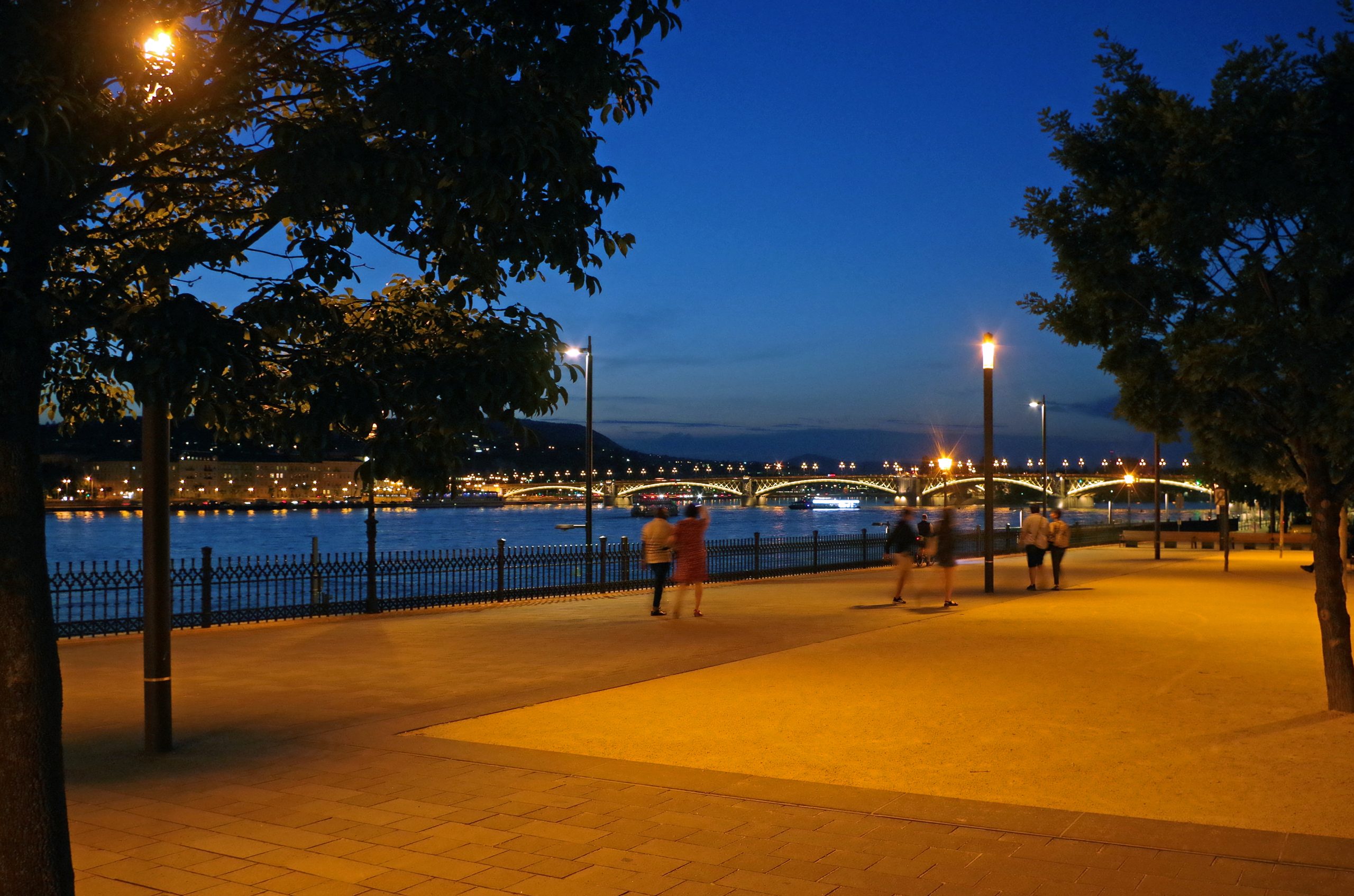
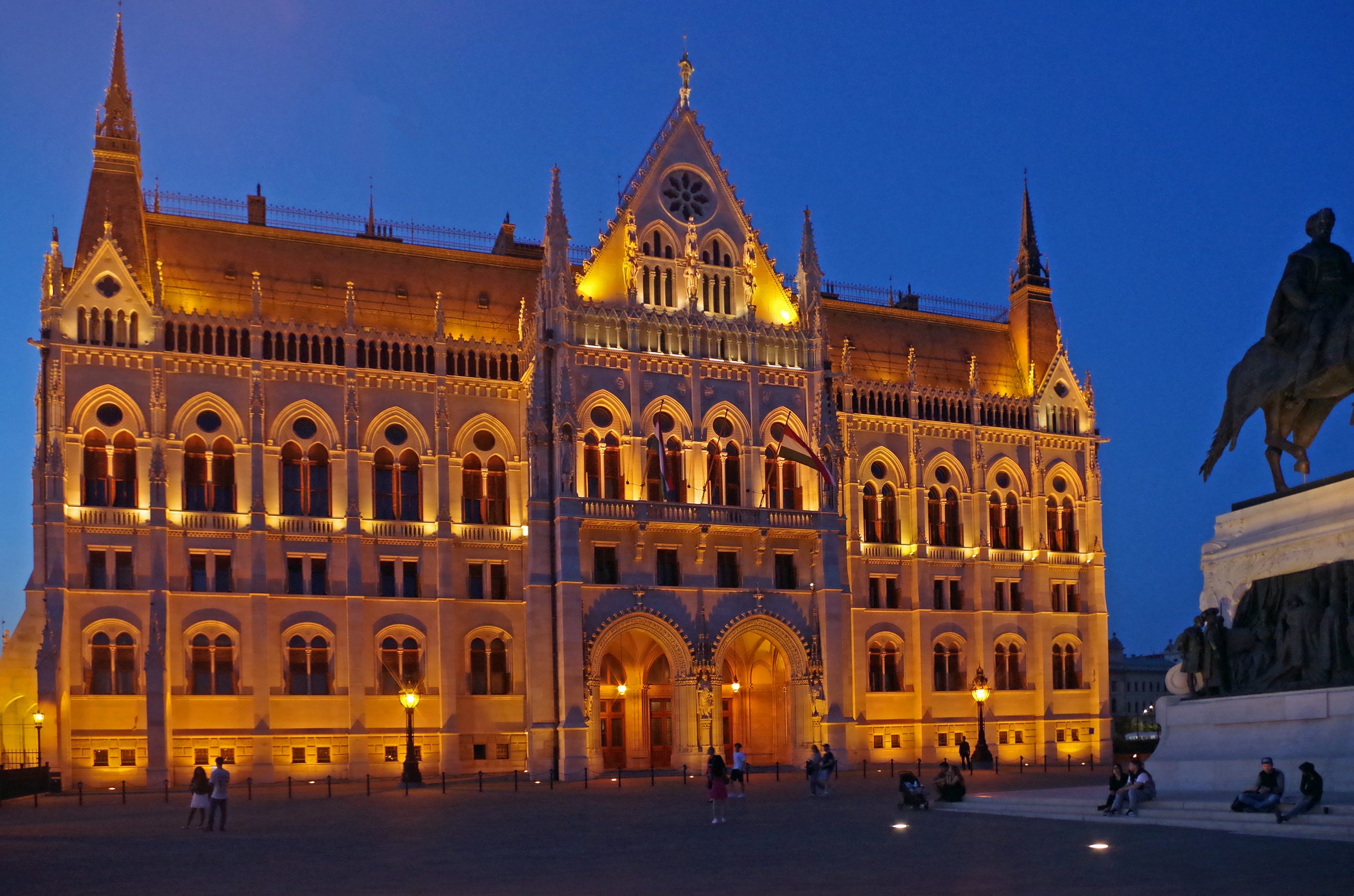
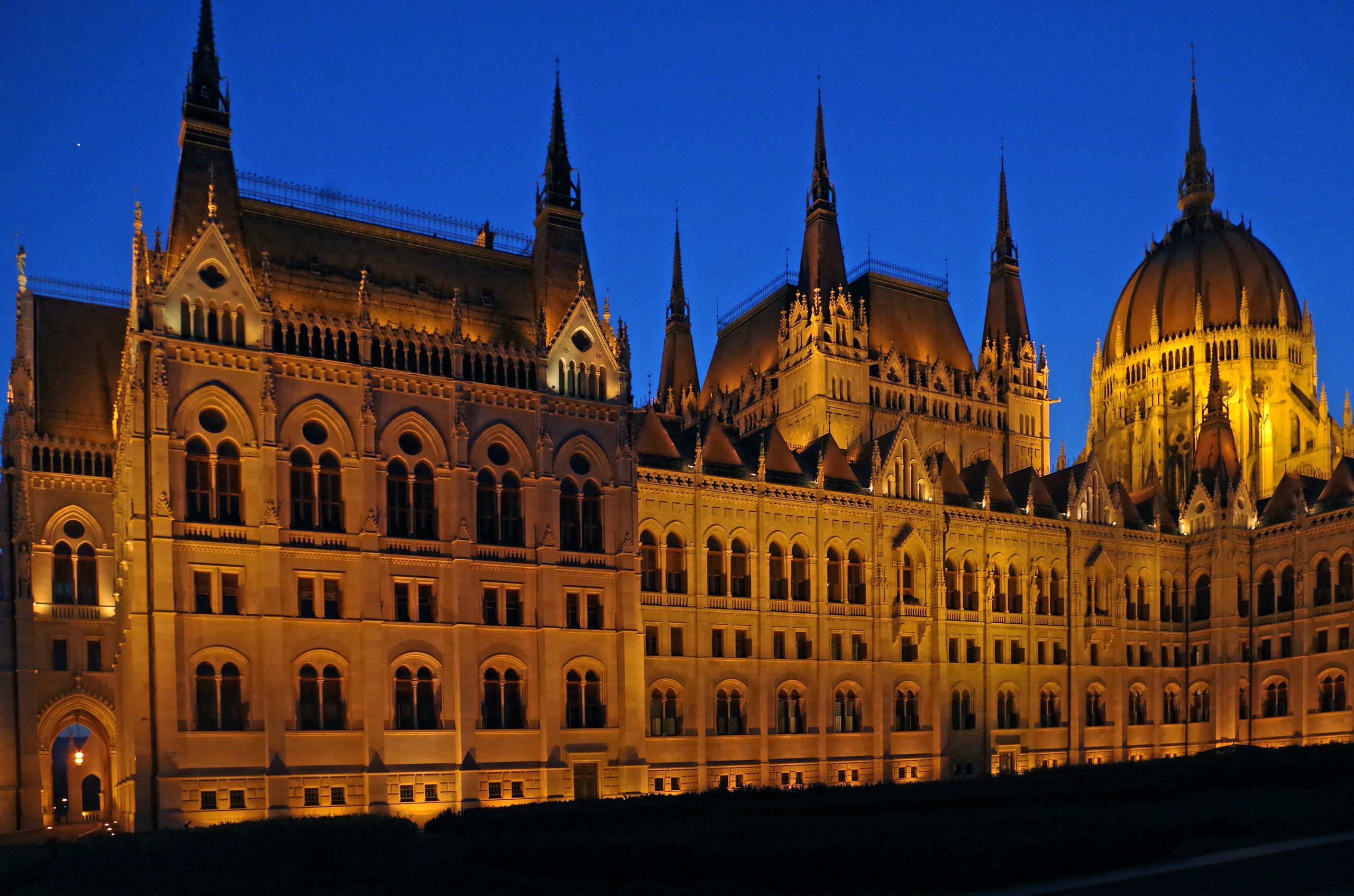
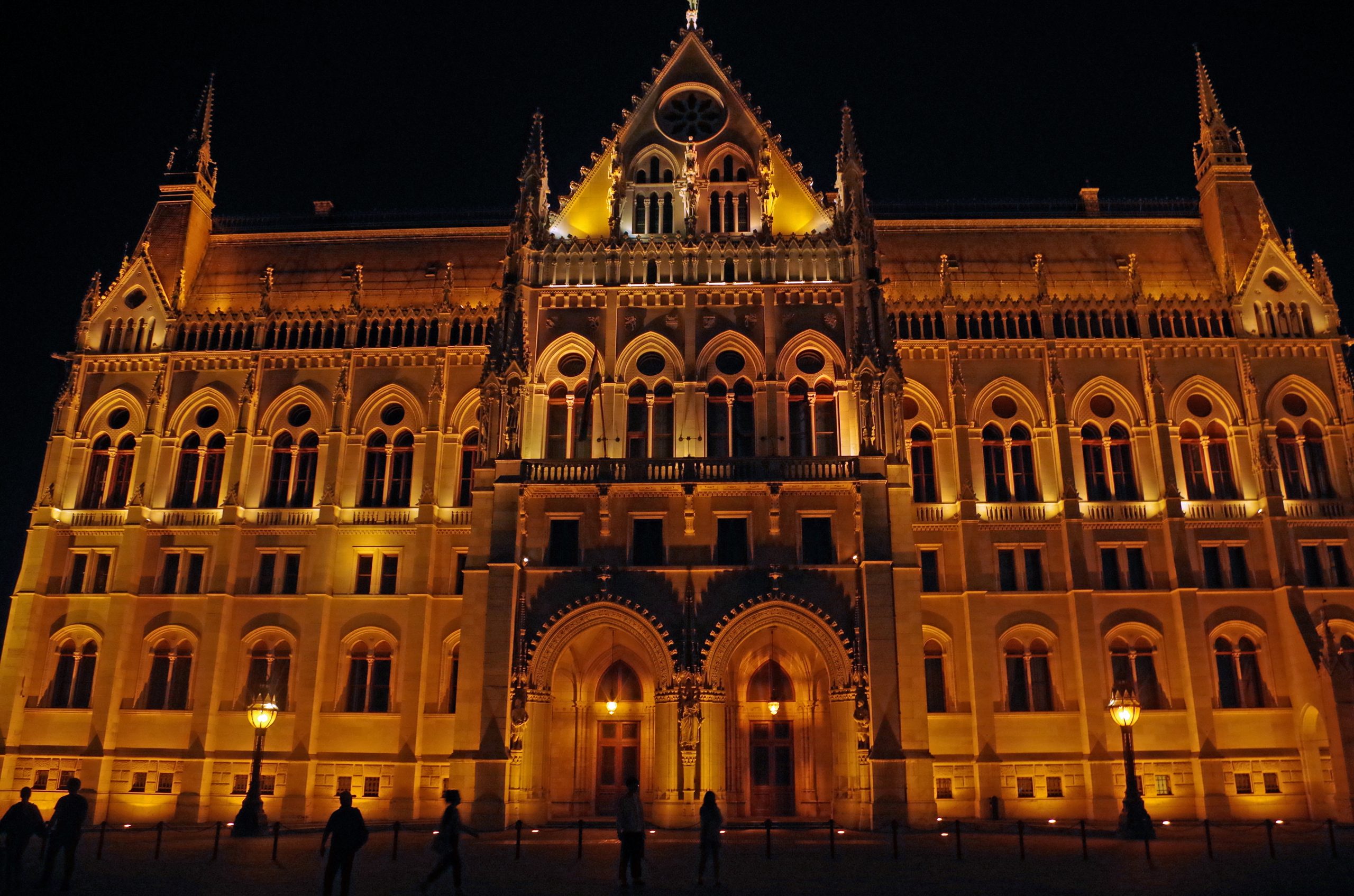
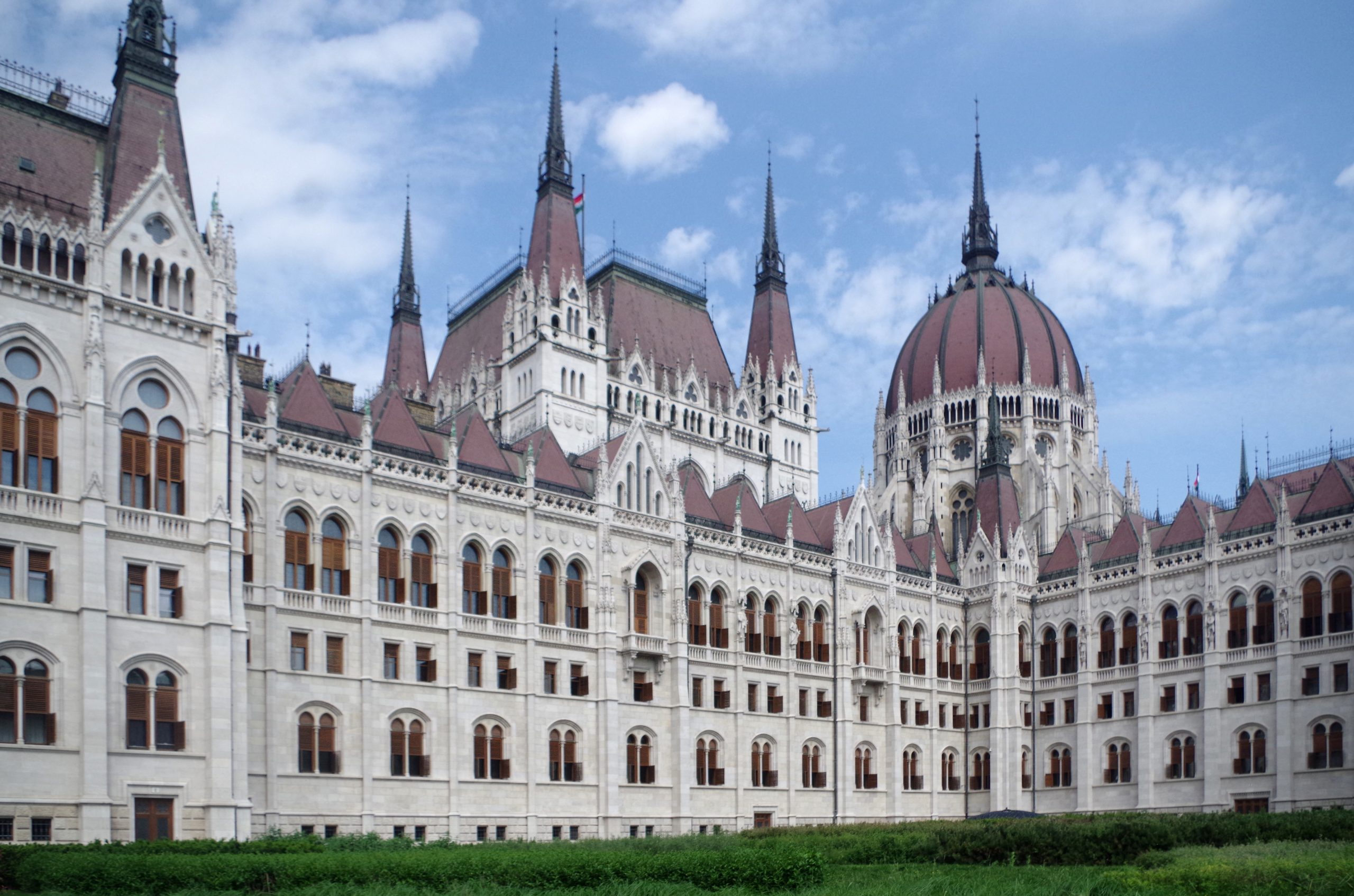
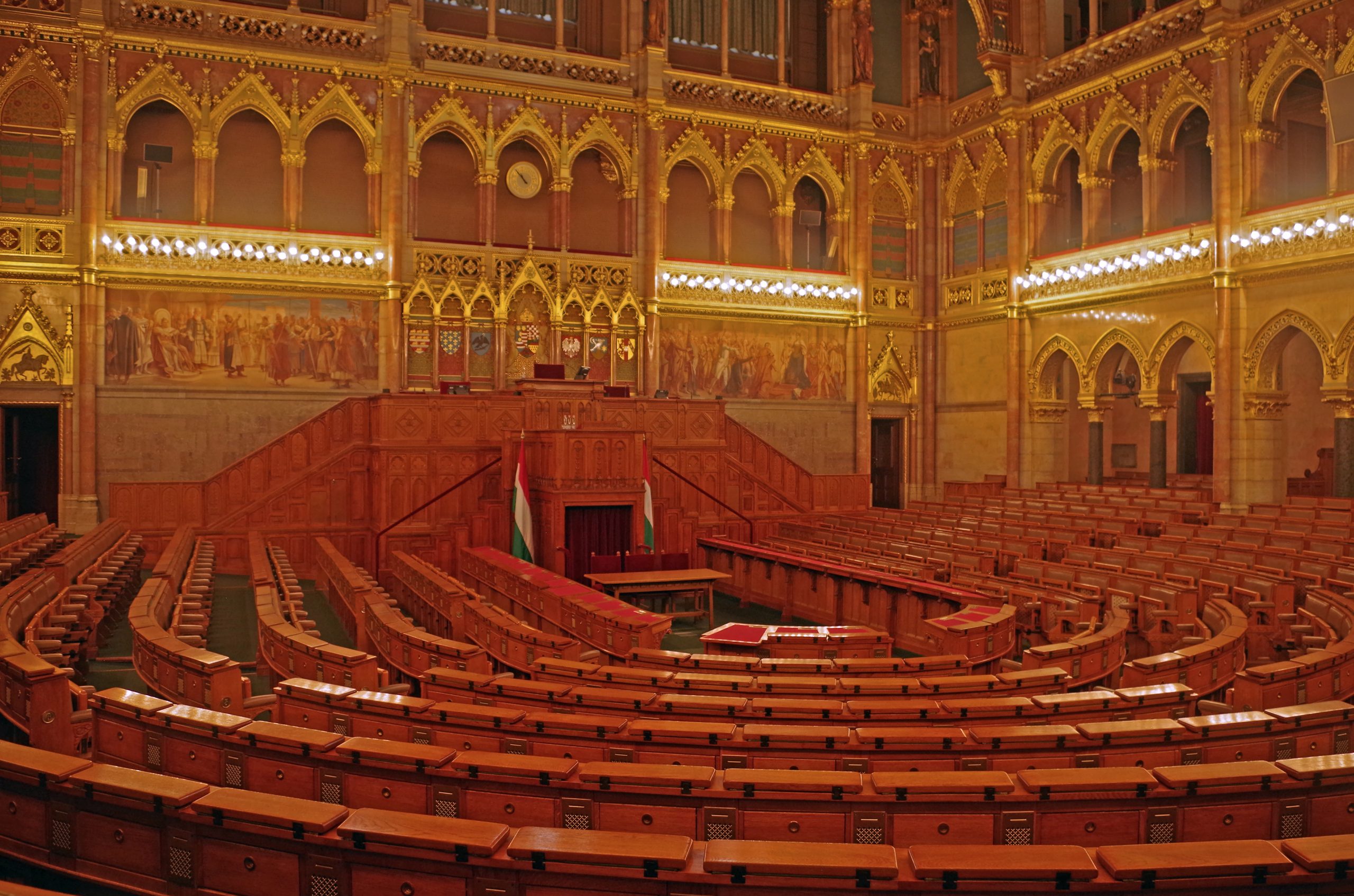
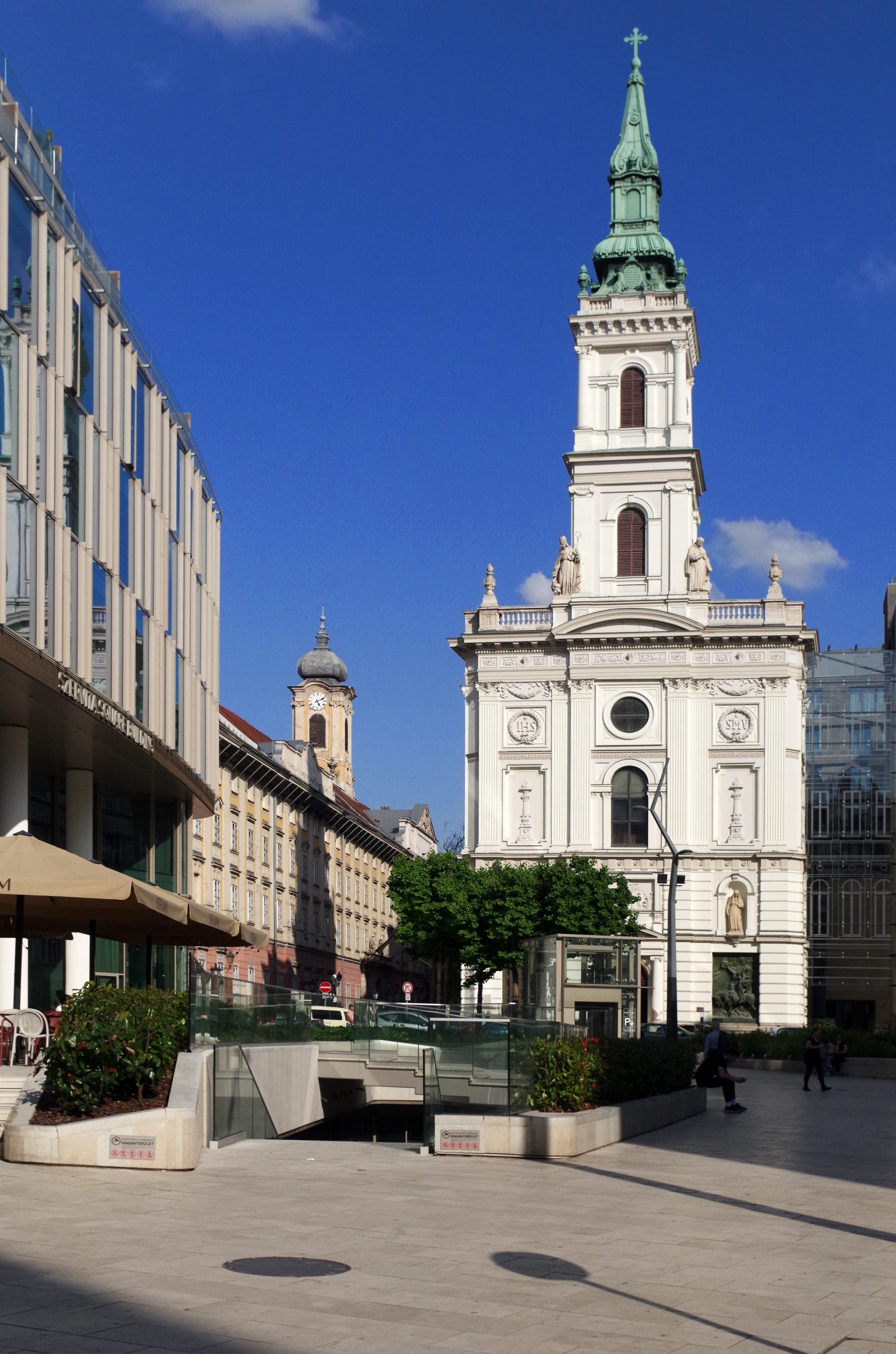
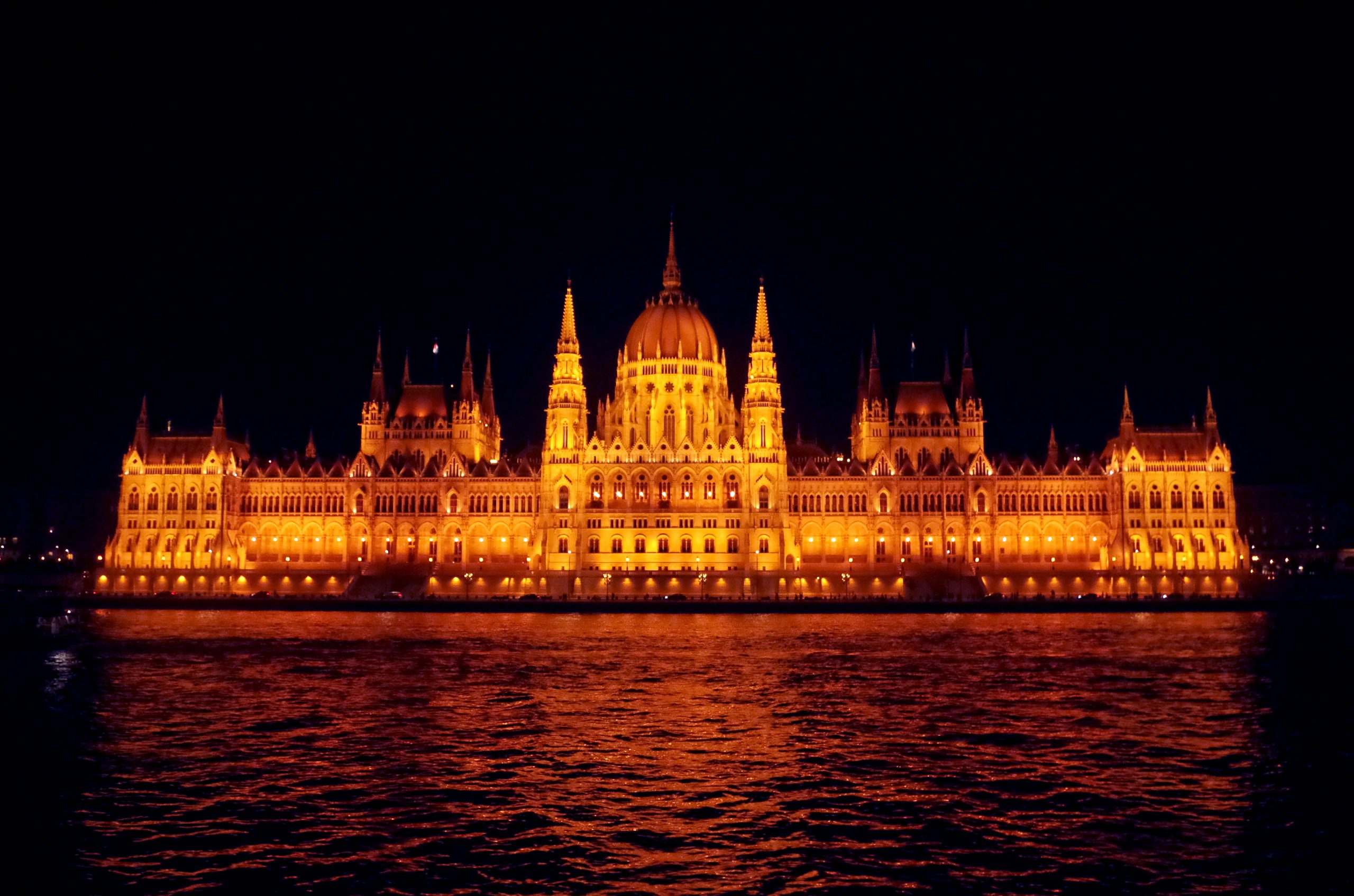
Later that evening, tired or not, I ventured out to explore the city on a Sunday night, which was a wonderful experience. Roadways are closed to motor vehicles (perhaps only nights on weekends), creating a wonderfully relaxed pedestrian experience. Here are a few photos that I took that evening, culminating when the fabulous Hungarian Parliament building comes into view. It is difficult to portray the expansiveness of this complex in photos. It is based upon the Parliament in London and is the third largest such government building in the world.
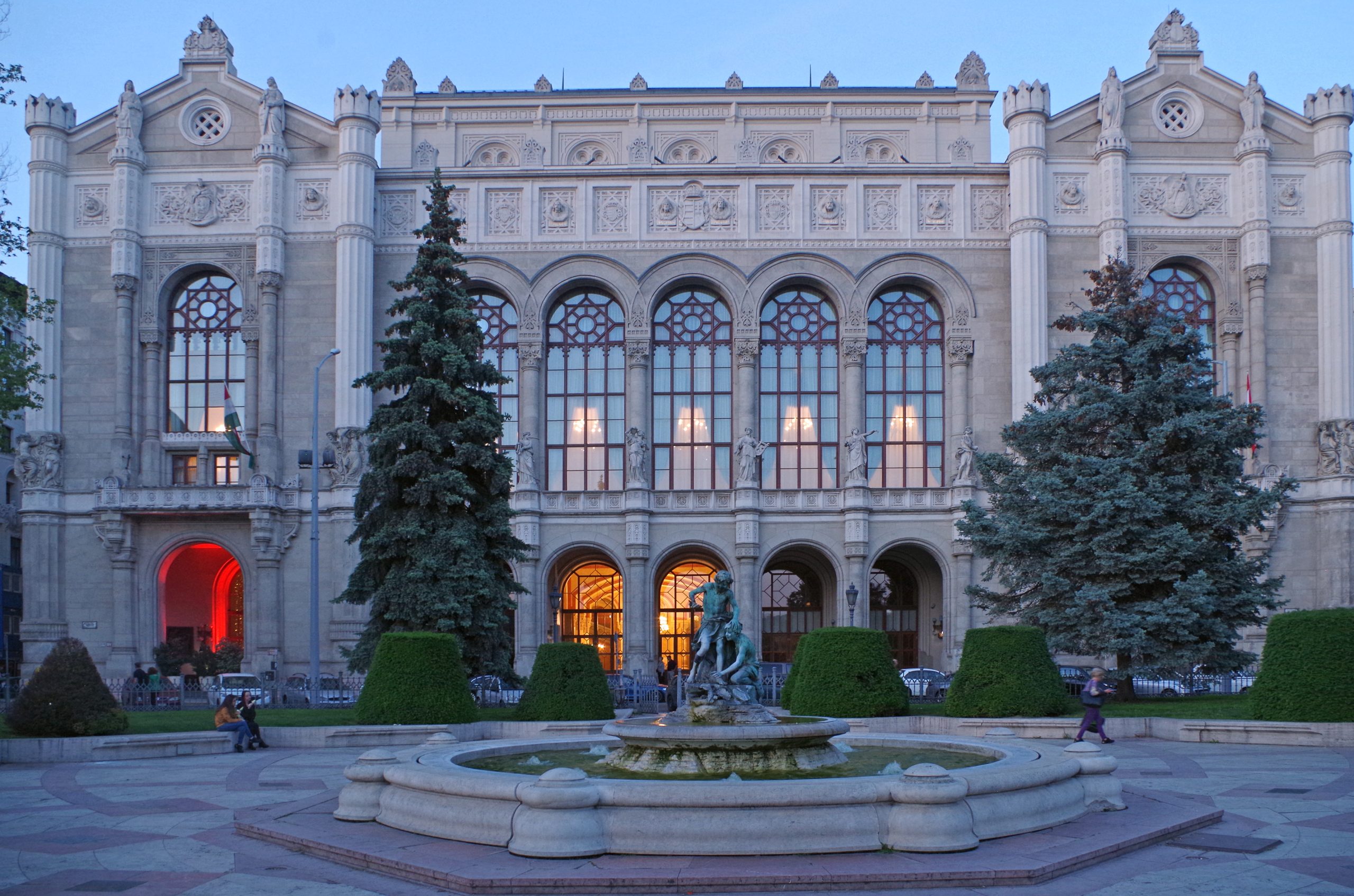
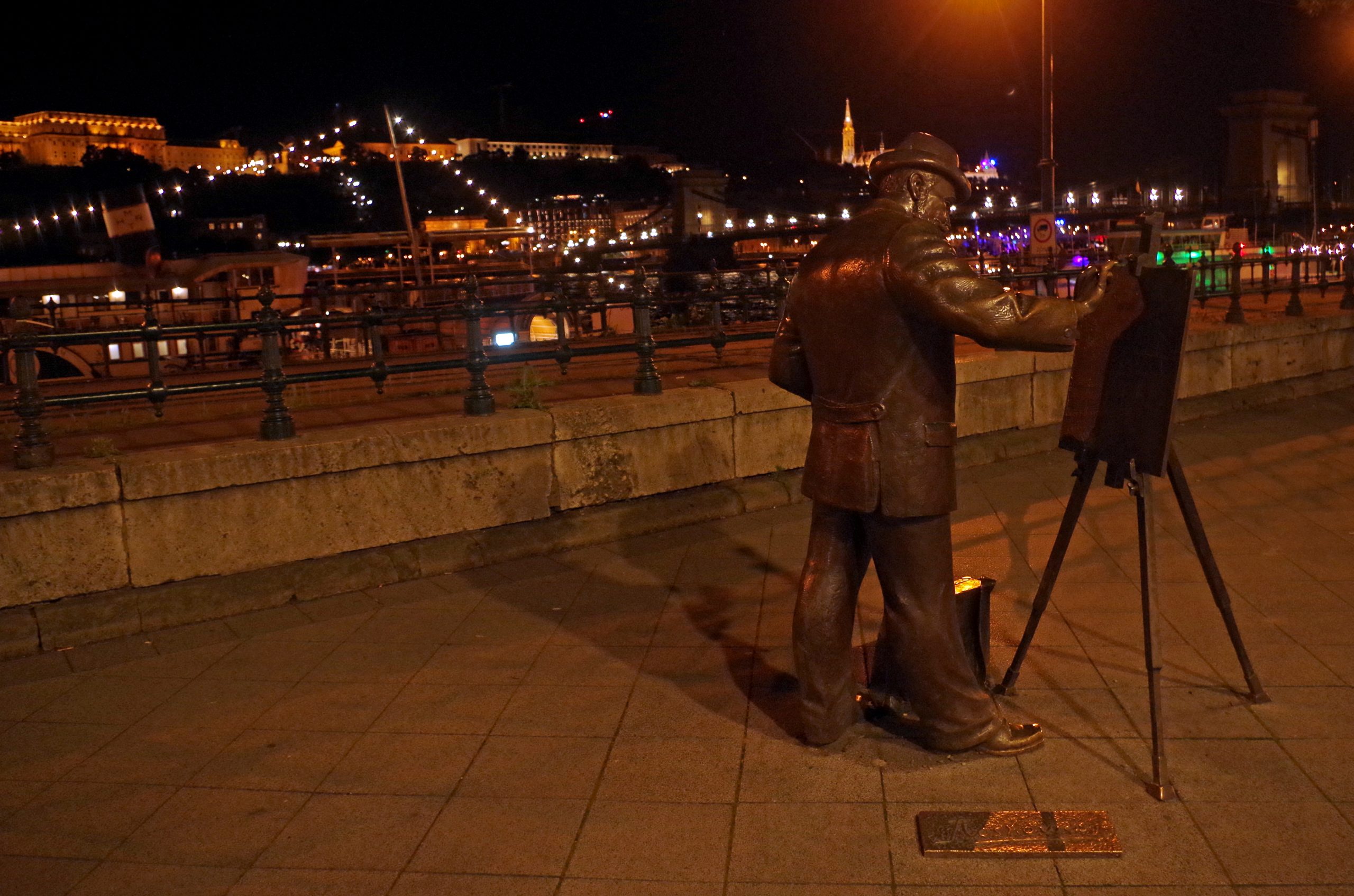
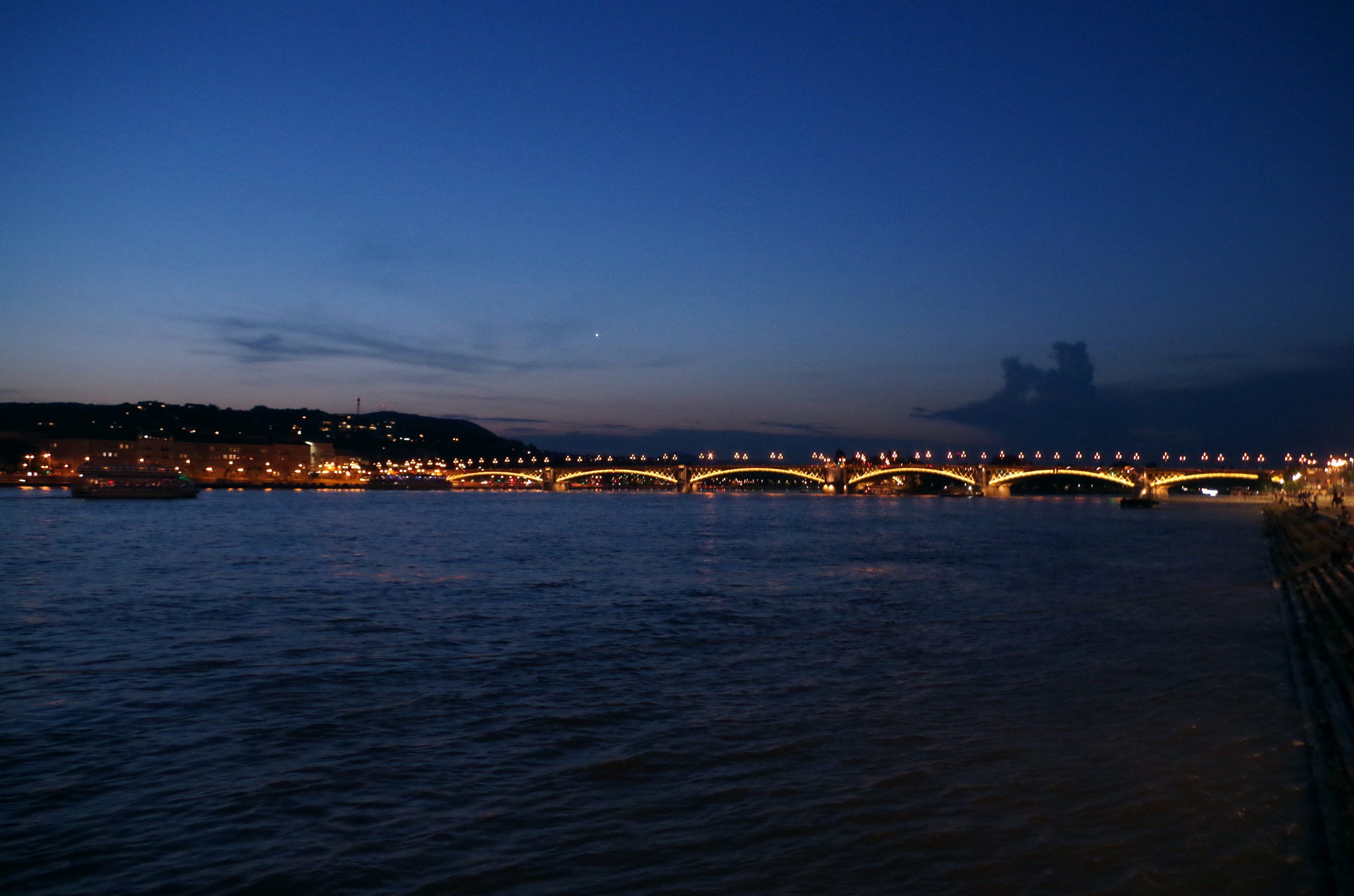
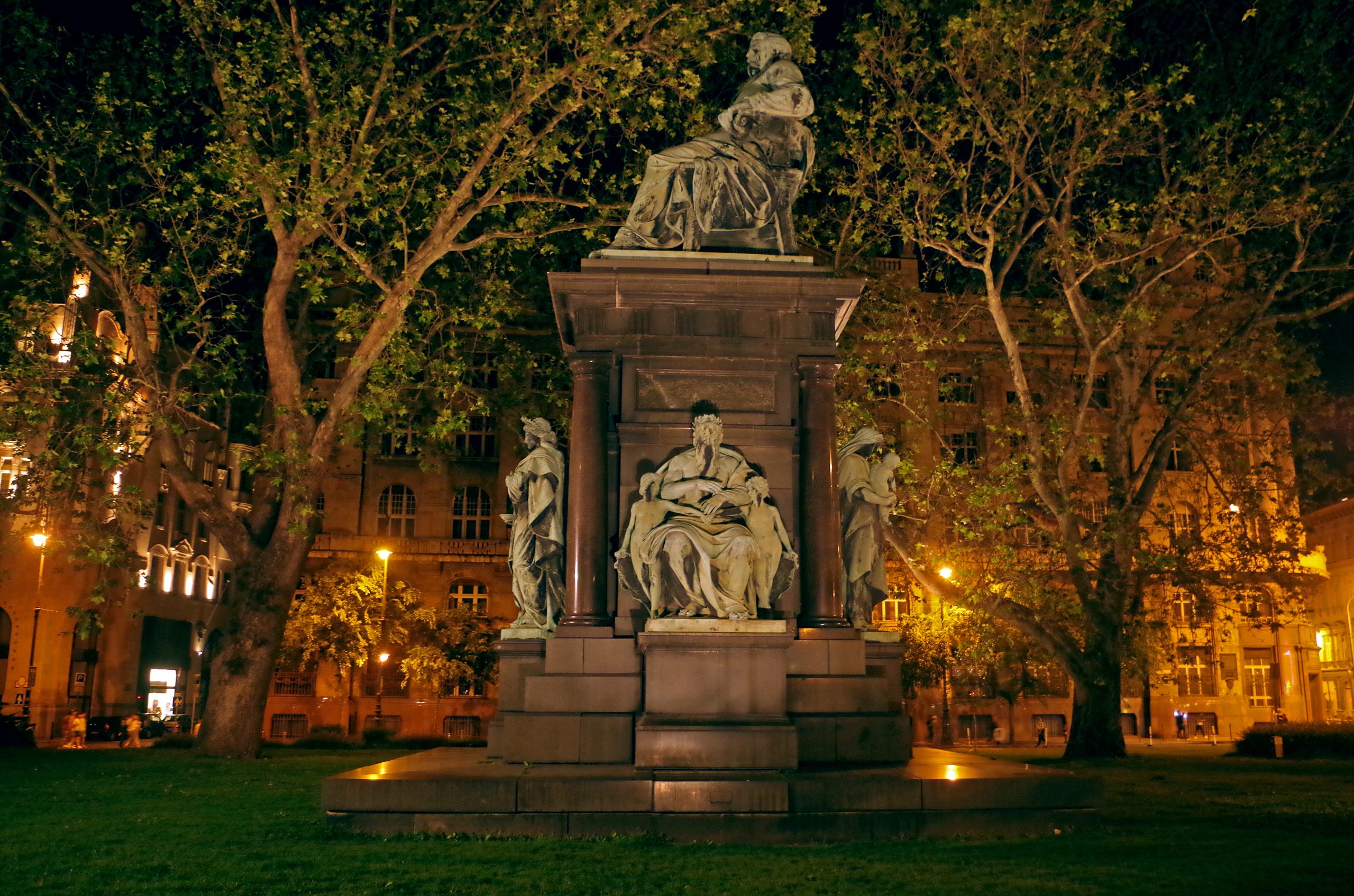
Hungarian State Opera House, BudapestStrolling along the Danube on Sunday eveningA sculpture along the Danube River in BudapestThe Margaret Bridge in BudapestA monument in BudapestHungarian Parliament, BudapestHungarian Parliament, BudapestHungarian Parliament, Budapest
The following morning, we headed out for a guided tour of the inside of the Hungarian Parliament building, along with an unguided walking tour of the Pest side of the city between Parliament and our hotel, prior to our boarding the Jasper that afternoon. The only way to book a tour of Parliament was to accept a tour in the Spanish language. Upon our arrival, we found that we were among half a dozen ticket holders who did not speak Spanish. After enough polite begging, we were given the English language devices that were available under the counter. Our tour guide spoke fluent English and provided us with even more information.
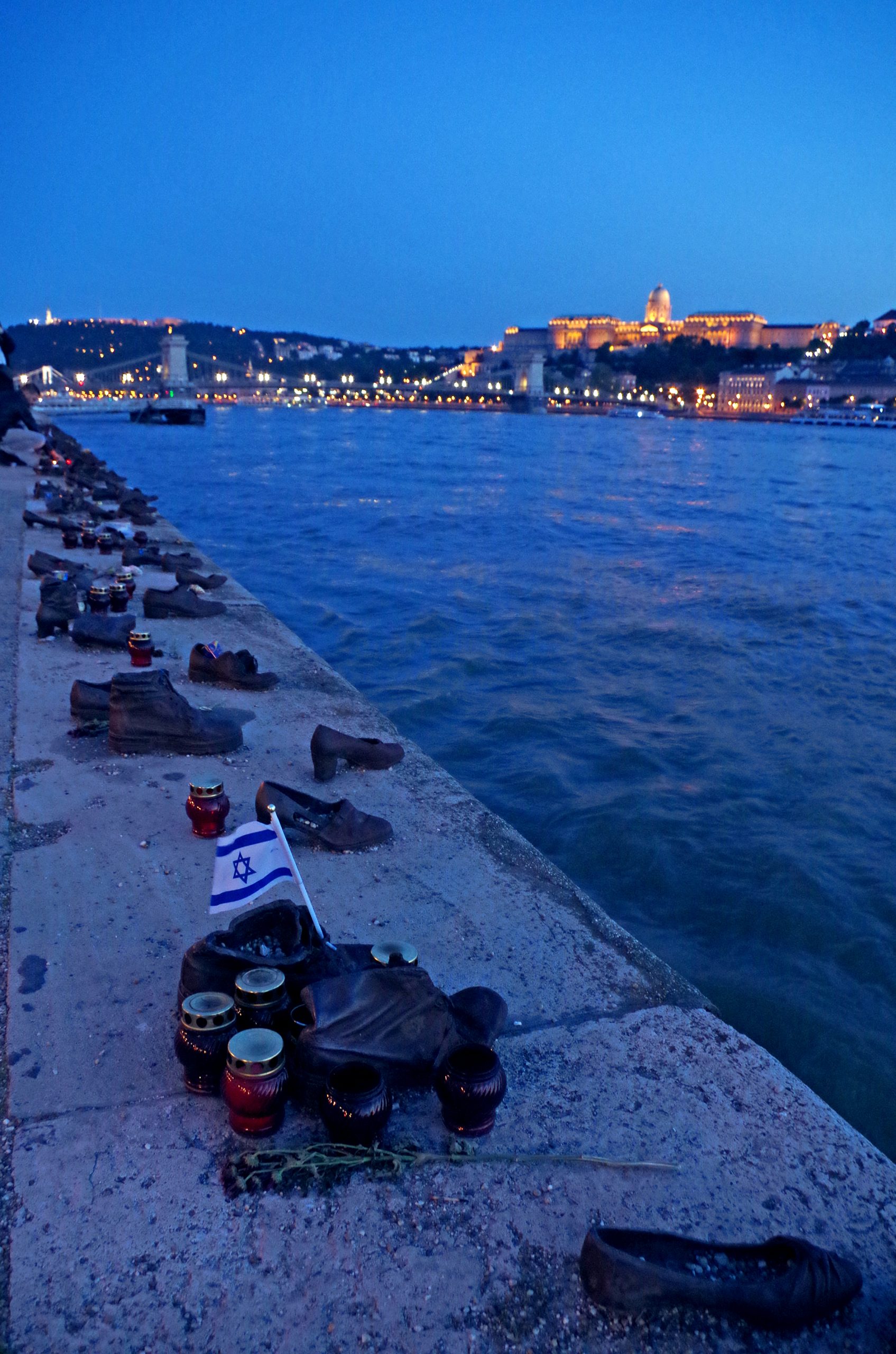
This tour really aroused my interest in the history of Hungary and the Austro-Hungarian Empire, which at one point consisted of Hungary, Austria, and all or parts of Italy, Slovenia, Croatia, Bosnia and Herzegovina, Serbia, Romania, Ukraine, Slovakia, the Czech Republic and Poland, making Hungary a major force in Europe with a massive land area. The first king of Hungary, installed by the Pope, was Stephen I, later to become St. Stephen. During World War II, Hungary was part of the Tri-Partite Pact, along with Romania, Bulgaria, the Independent State of Croatia, Slovakia, and (for two days) Yugoslavia, making them Axis participants with Germany, Italy and Japan. For five and a half months at the end of the war, the Arrow Cross Party gained control in Hungary. Essentially Hungary’s Nazi Party and highly antisemitic, the Arrow Cross militiamen deported tens of thousands of civilians (mostly Jewish) to slave labor camps, murdering another 10,000 in the streets. Hungarian Jews were frequently shot on the banks of the Danube, after removing their shoes (a valuable commodity, subsequently either worn or sold by their murderers), allowing their bodies to float downstream. A memorial to this atrocity was erected in 2005, displaying 60 pairs of iron shoes anchored to the ground.
Shoes on the Danube Memorial, Budapest. A photo taken the prior evening.
At the end of World War II, Hungary was one of the countries that was “liberated” by the Red Army, and was later occupied by the Soviet Union as one of its “satellites” (along with Poland, Bulgaria, Czechoslovakia, and Romania.) The Hungarian people resented this occupation, leading to an uprising and massacre in the Hungarian Revolution of 1956, when Soviet tanks rolled into Budapest to quash the rebellion. Freedom and democracy finally returned in 1989, with the fall of the Soviet Union and the Eastern Bloc.
The basement of the Parliament building contains a museum that includes the 10 ft. tall once-glowing red star, reassembled from broken fragments, that stood atop the Parliament building from 1950 until 1990. At the time when the star was erected, mimicking a similar adornment on the Kremlin in Moscow, the autocratic leader of Hungary was Matyas Rakosi, who was proud to be referred to as “Stalin’s best pupil”. On the outskirts of Budapest, people now may visit Szoborpark (Memento Park), displaying a collection of Soviet-era statues that have been dismantled in recent years. The Soviet period is resented by most Hungarians today, with both manufacturing and tourism flourishing, although the country’s current prime minister is not exactly a champion of democracy and human rights.
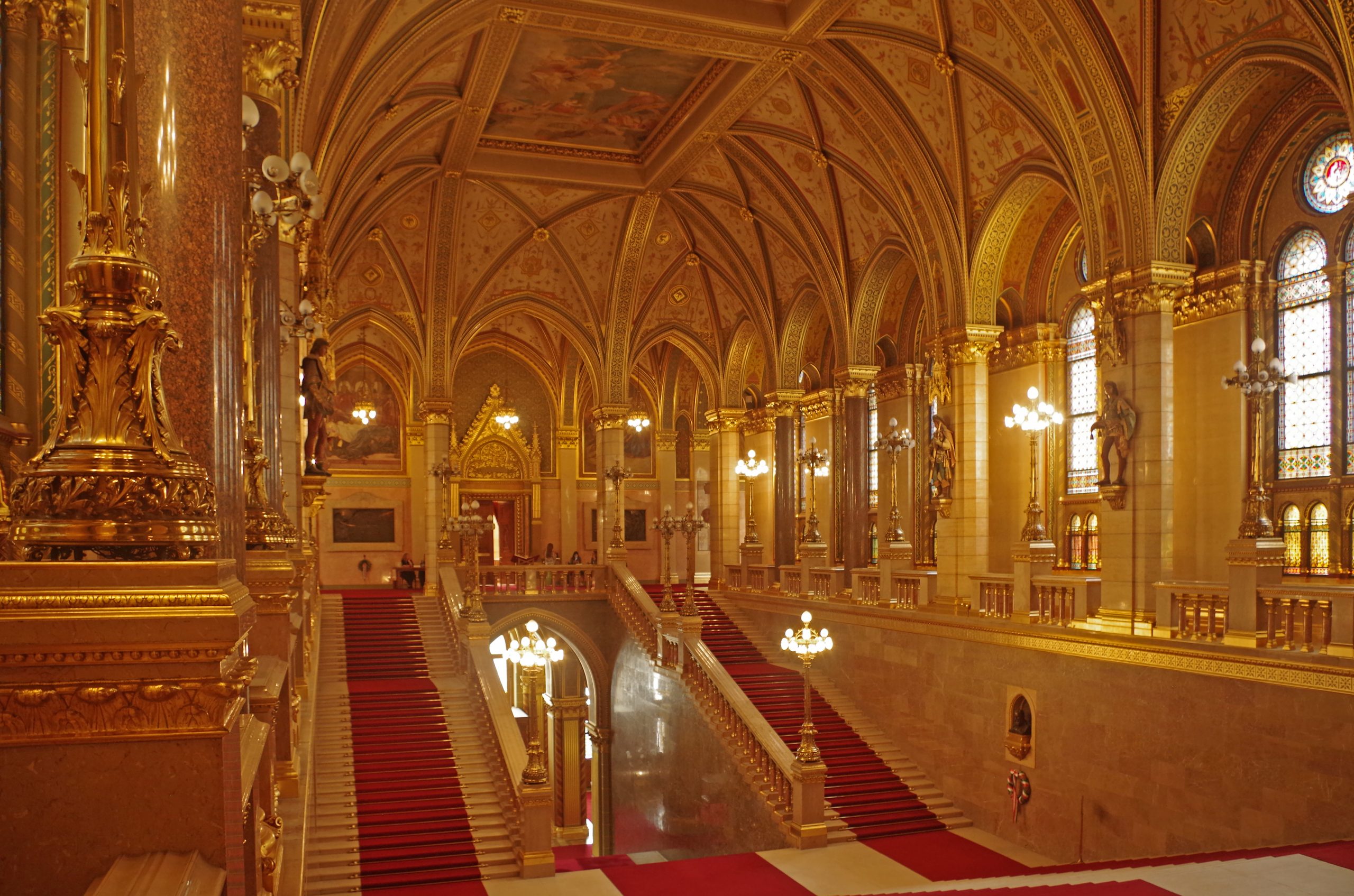
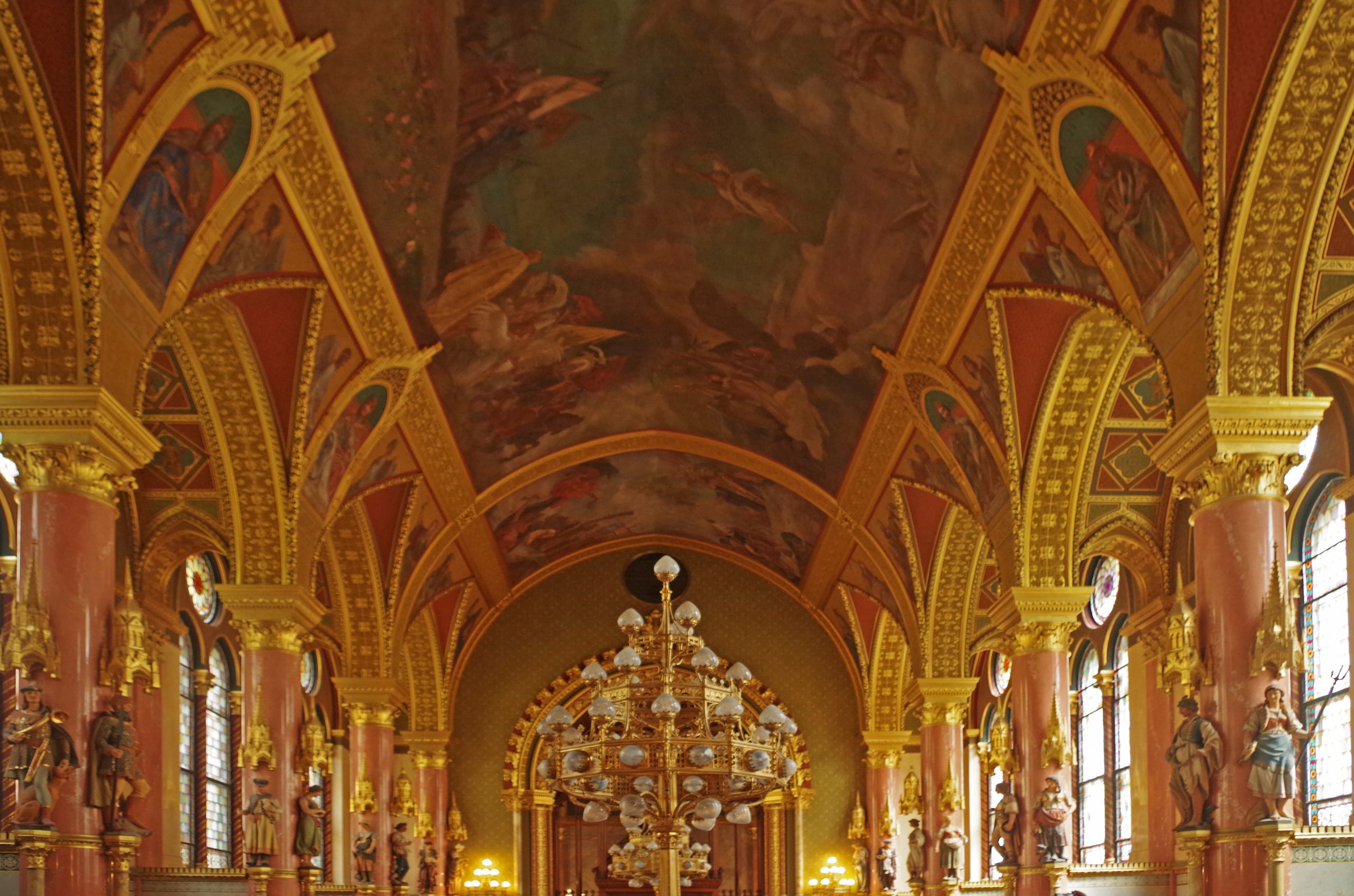
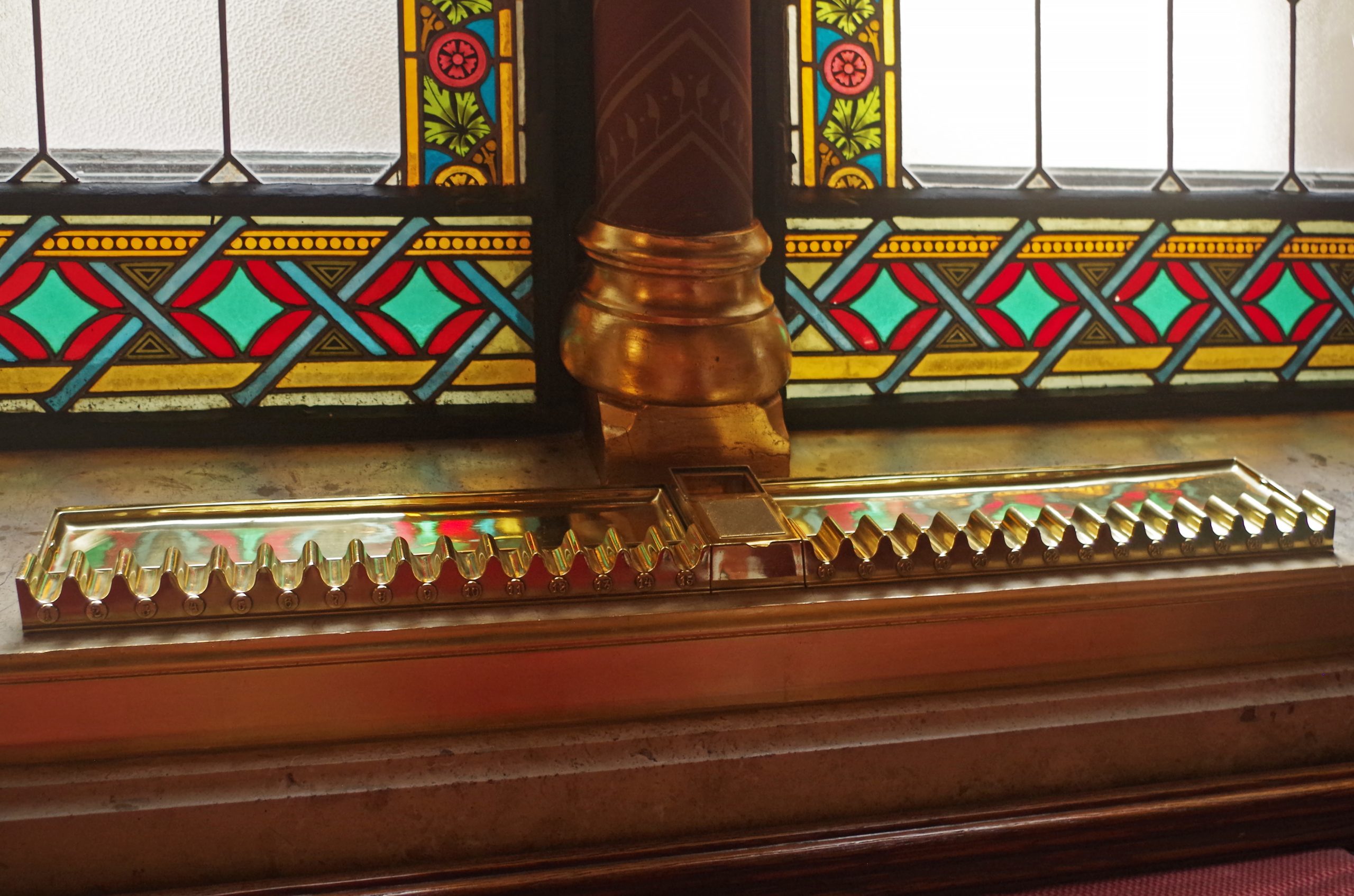
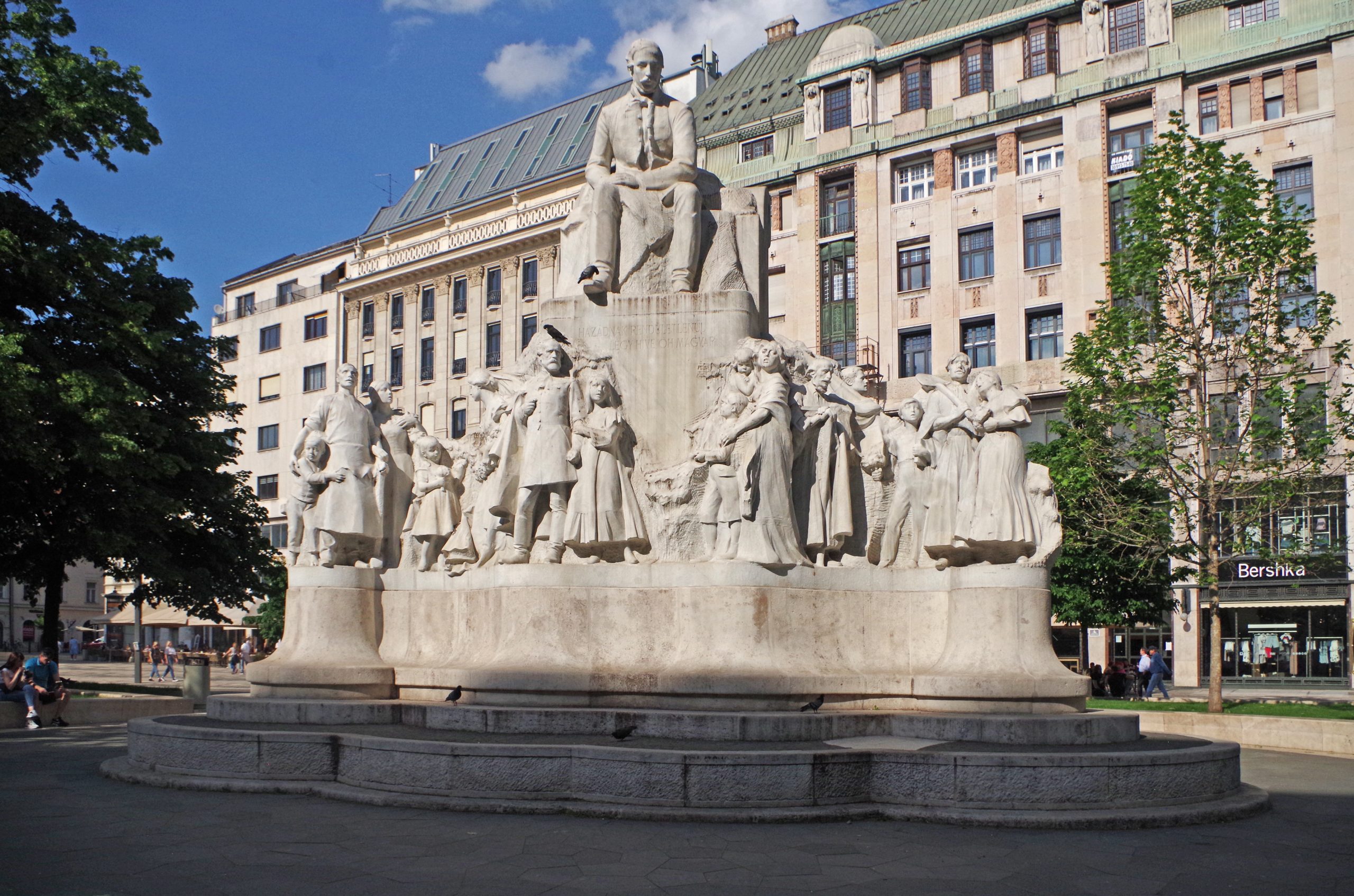
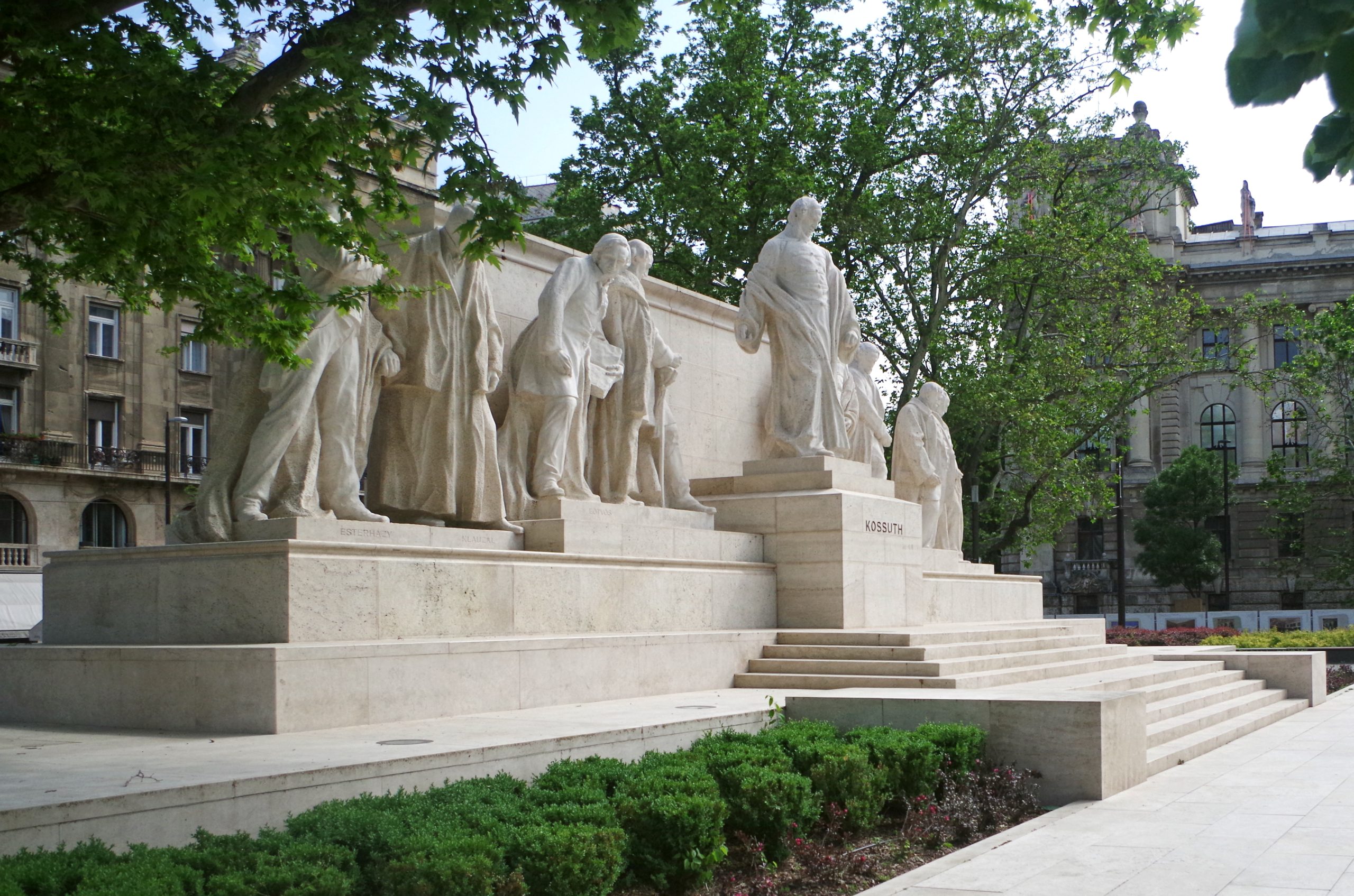
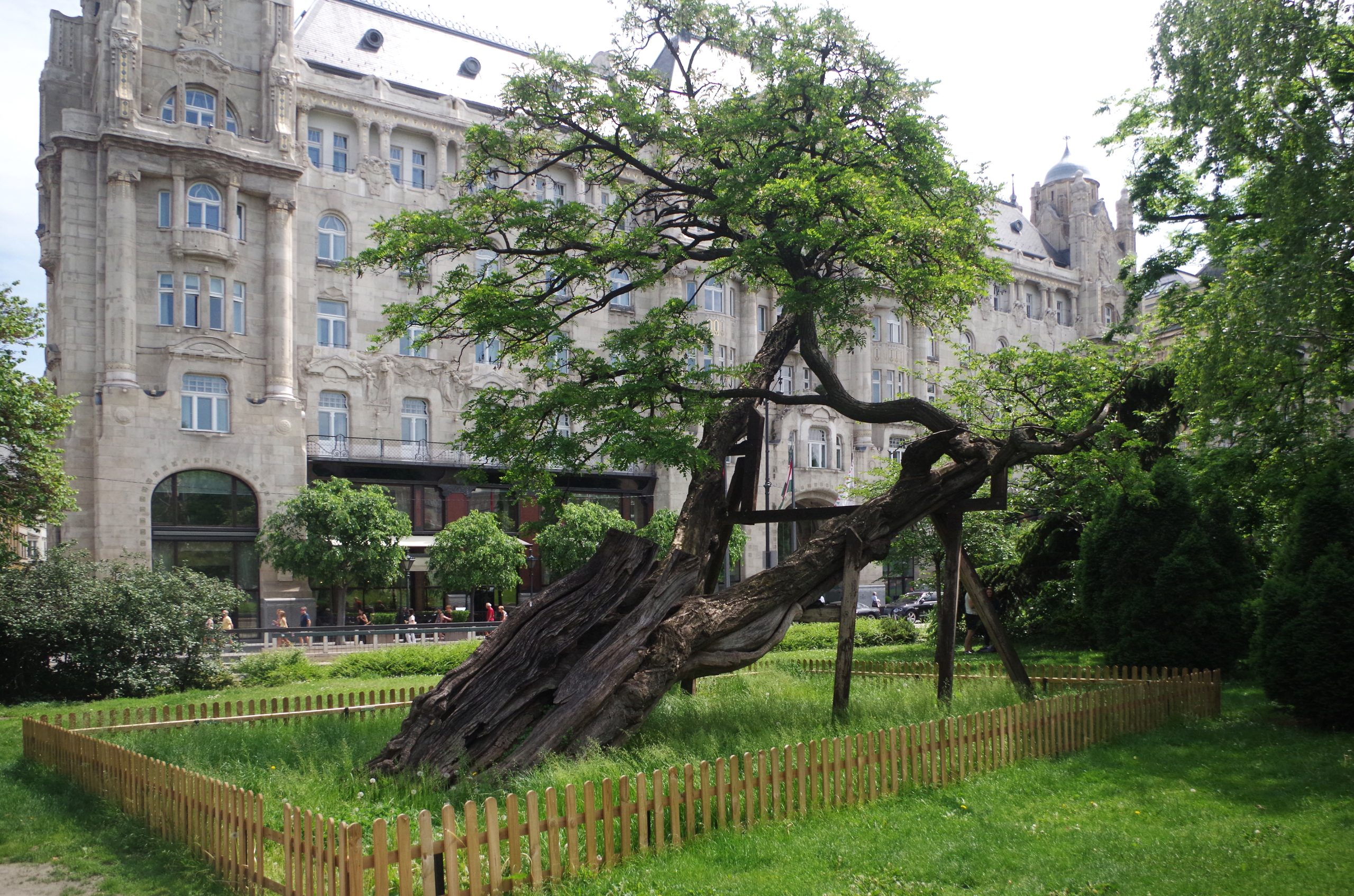
Here are a few of the photos that I took in the Parliament building that morning, along with other photos taken along our walk. Unfortunately, St. Stephen’s Crown and other precious items are under armed military guard and may not be photographed. As you will see, the Hungarians love their monuments!
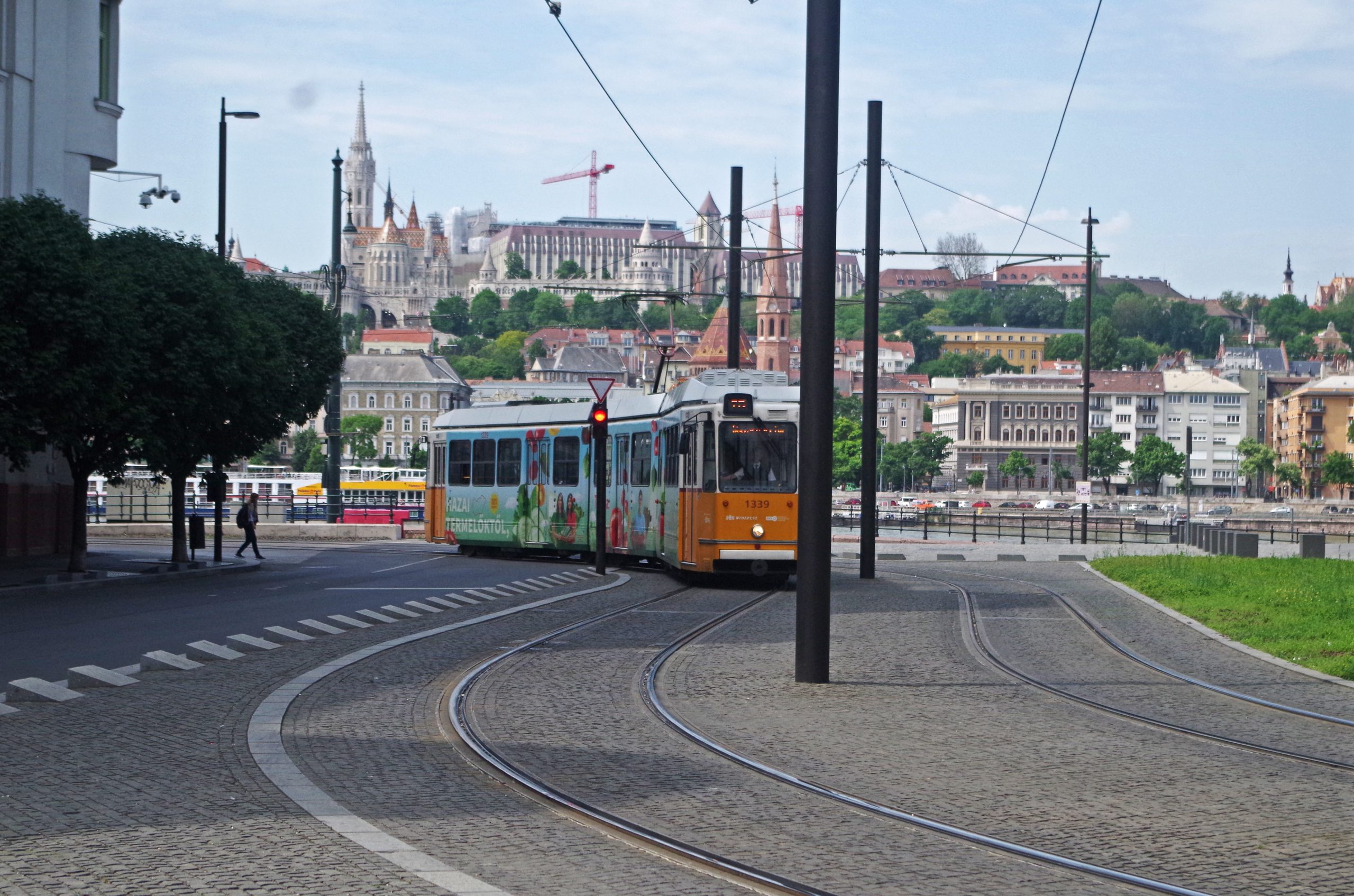
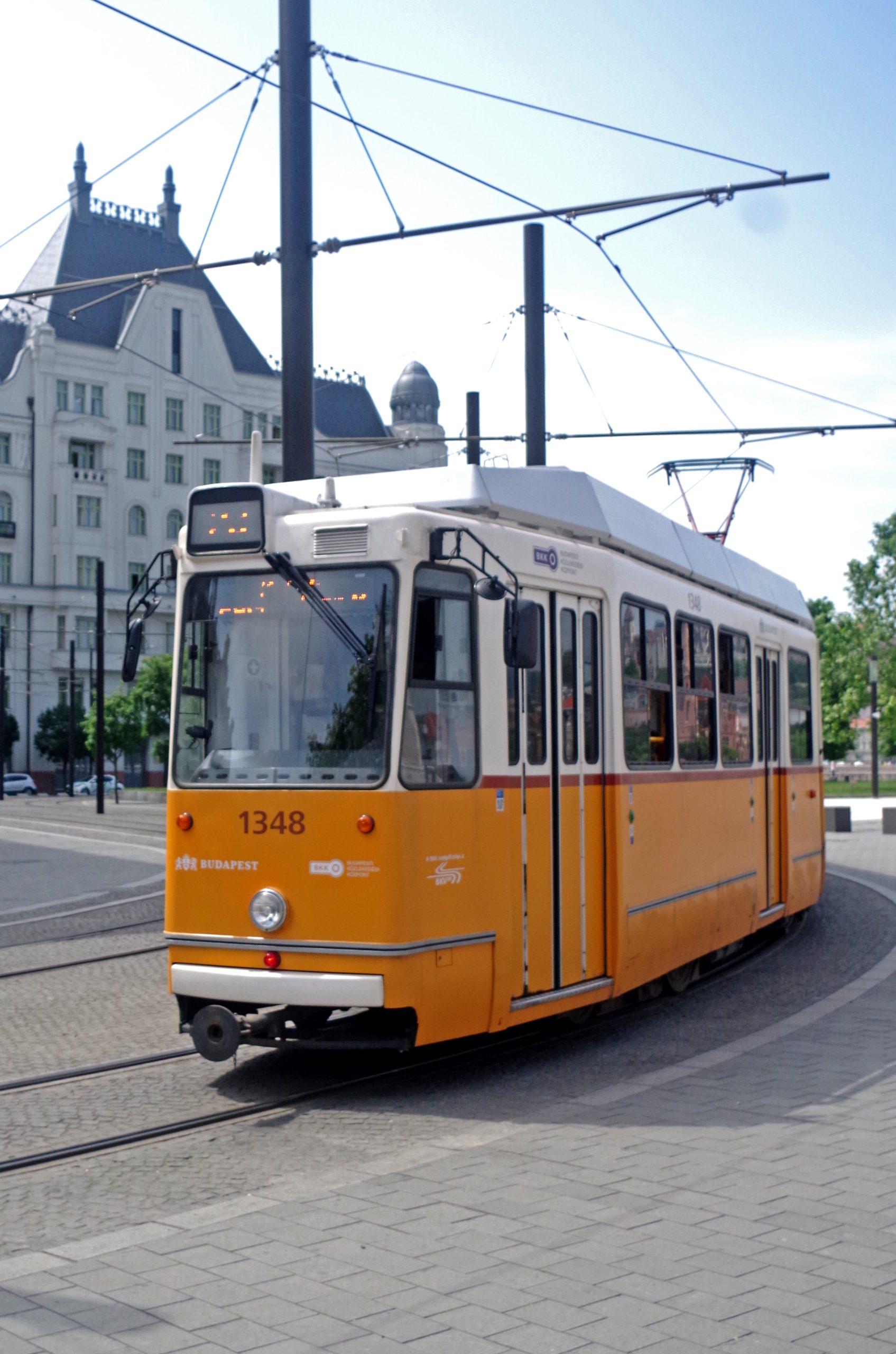
Hungarian Parliament, BudapestHungarian Parliament Main Hall, BudapestHungarian Parliament Main Hall Ceiling, BudapestHungarian Parliament Assembly, BudapestHungarian Parliament Assembly Cigar Holders, BudapestMihaly Vorosmarty Monument, BudapestKossuth Memorial, BudapestOld and new architecture, BudapestAncient black locust tree in park, BudapestStreetcar, BudapestStreetcar, Budapest
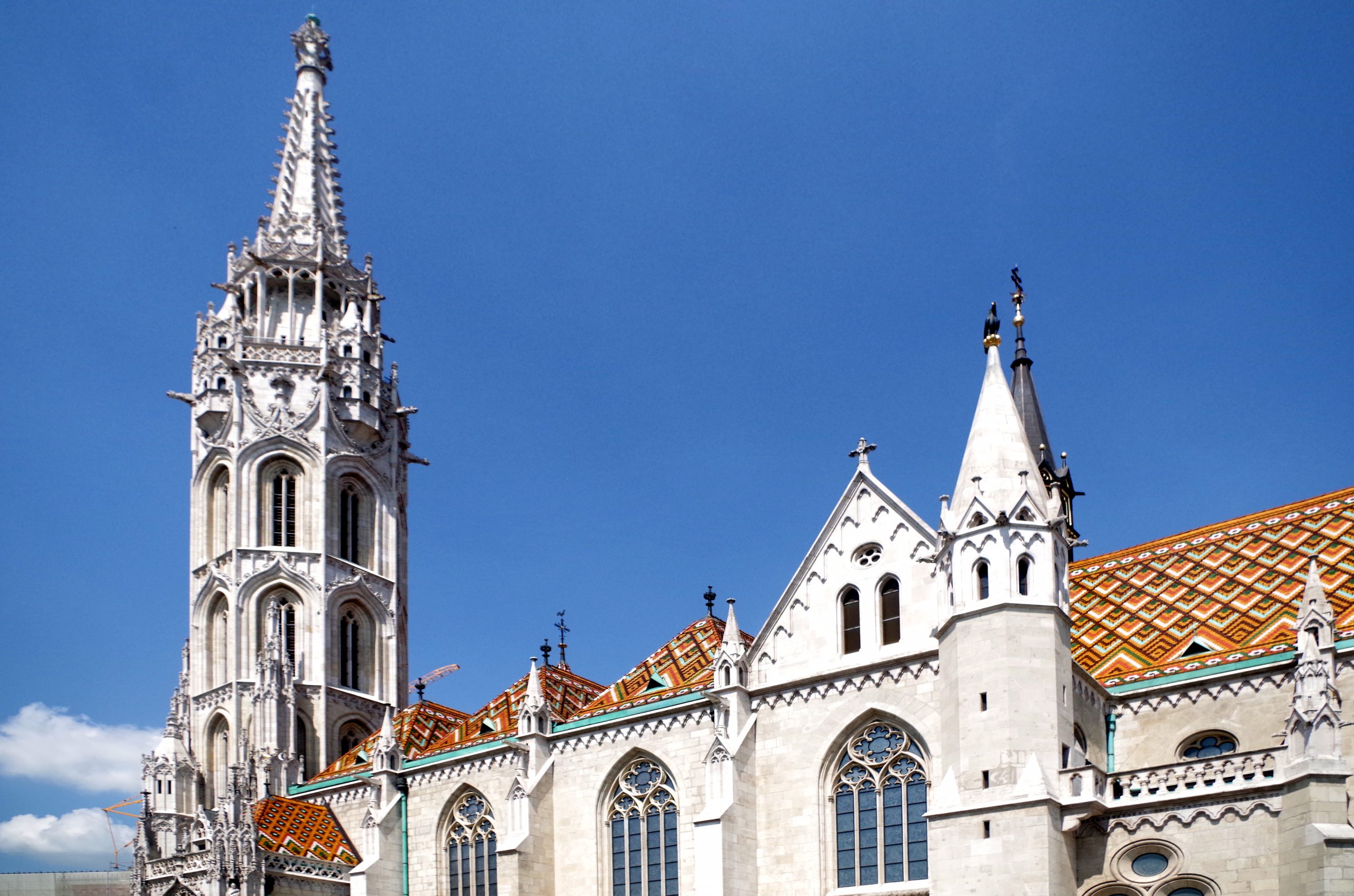
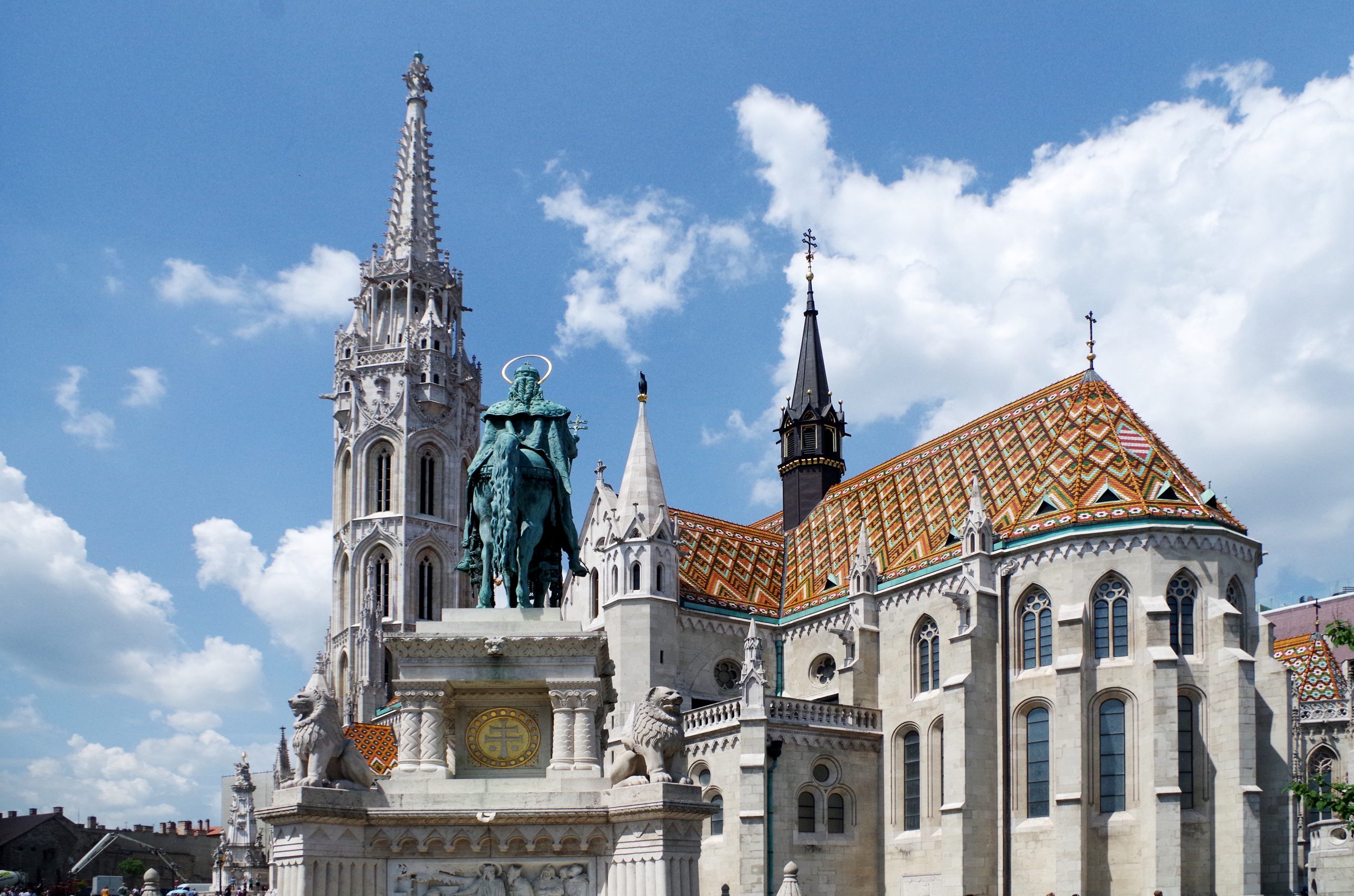
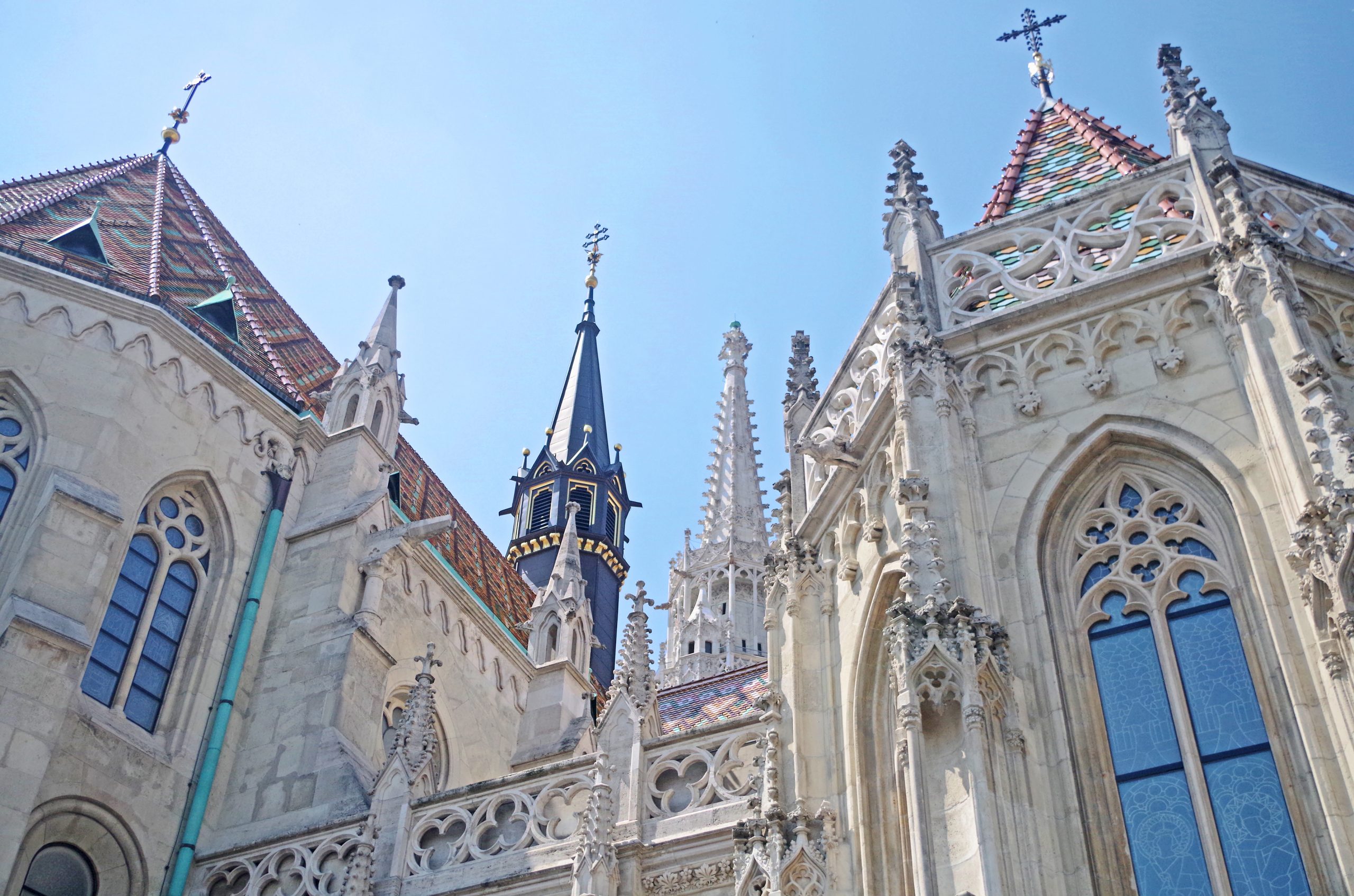
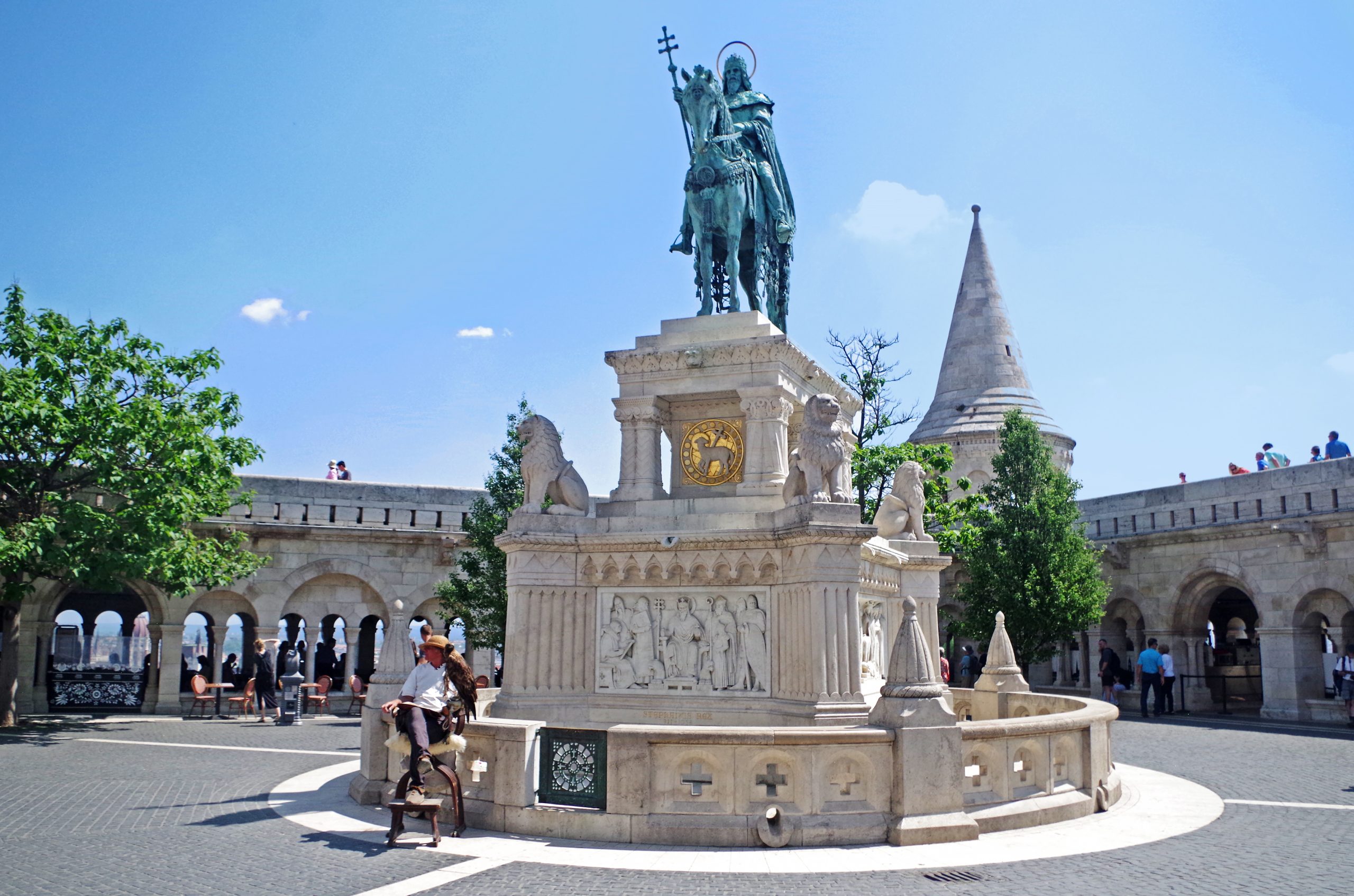
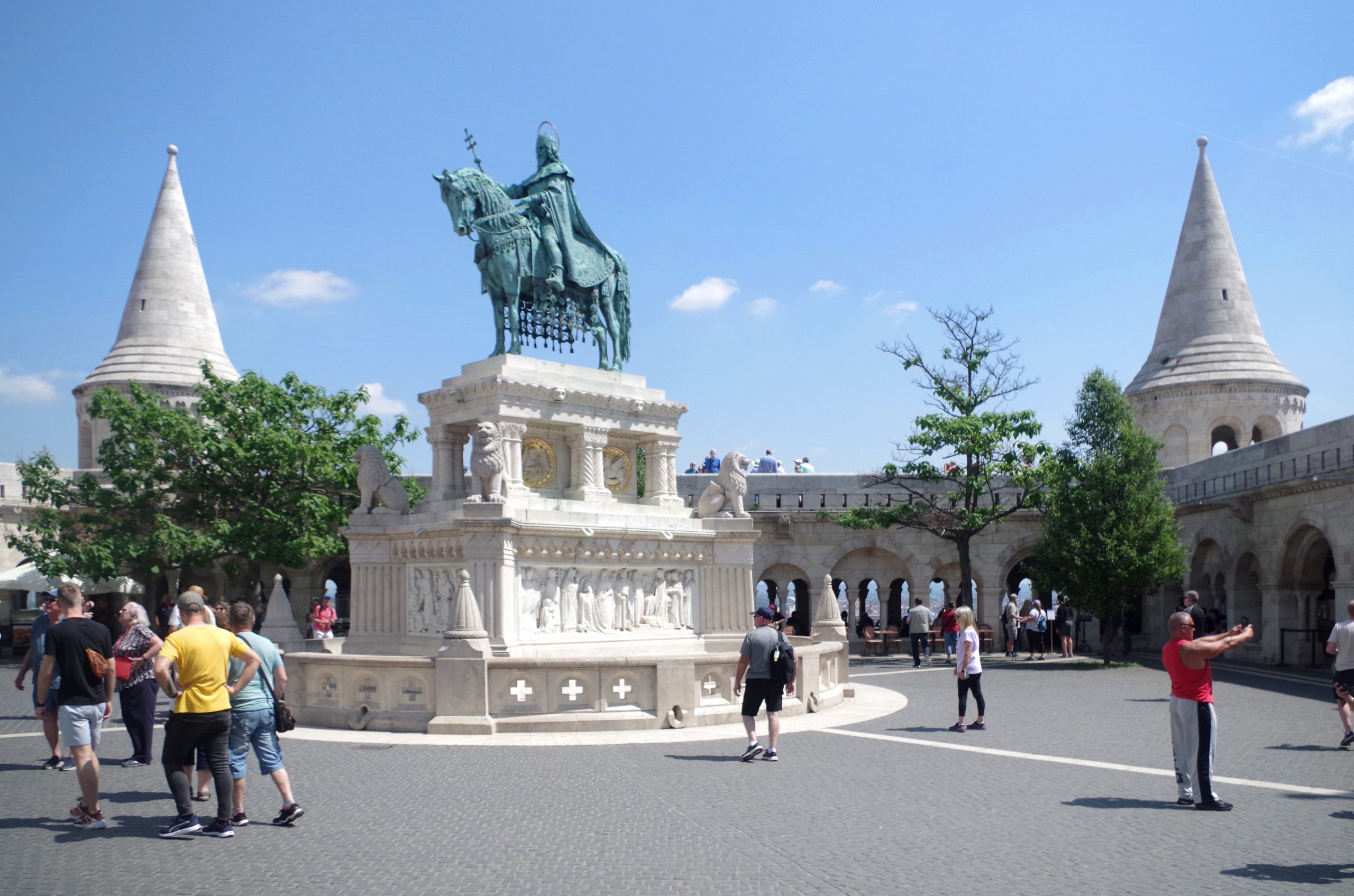
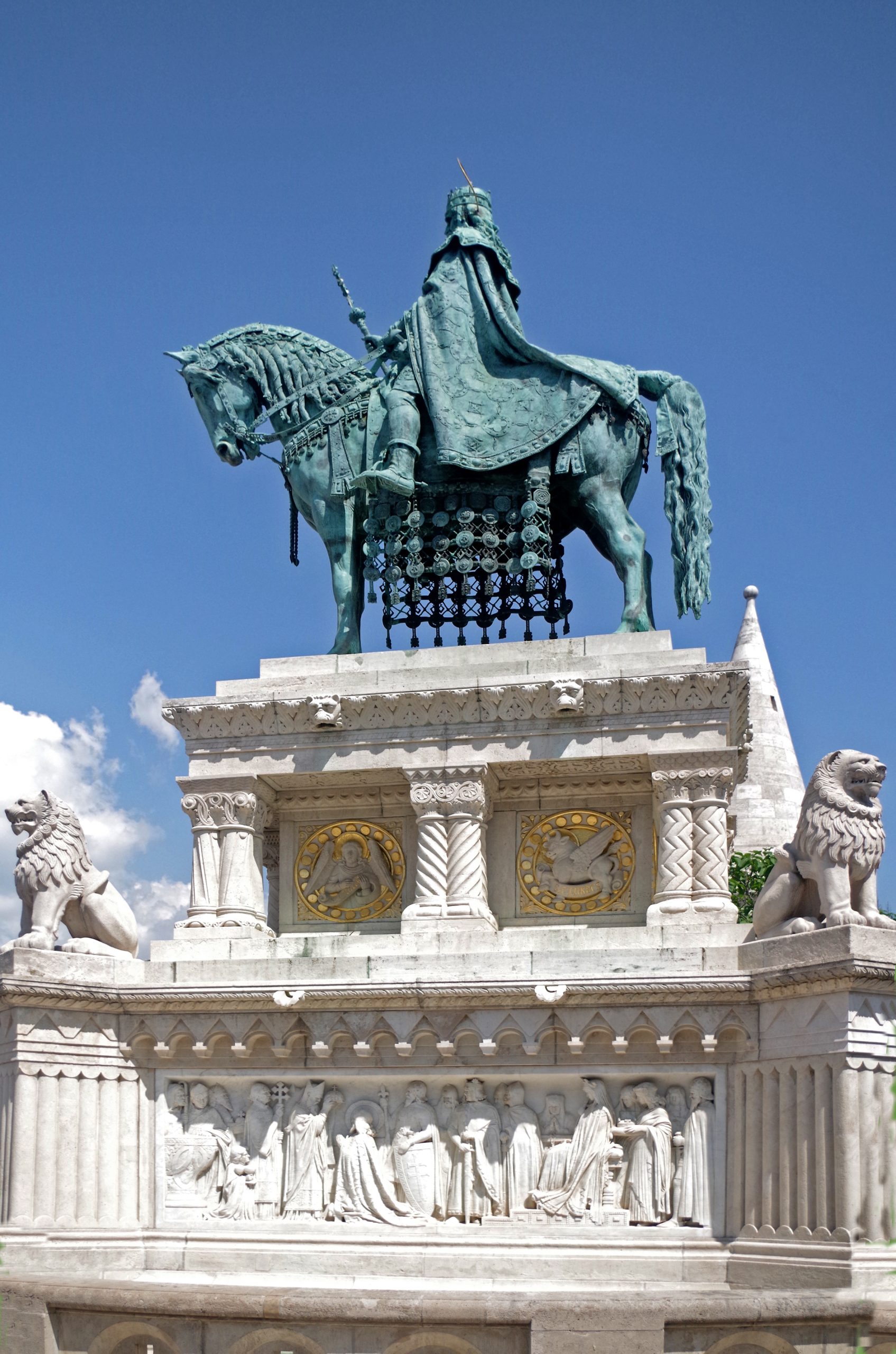
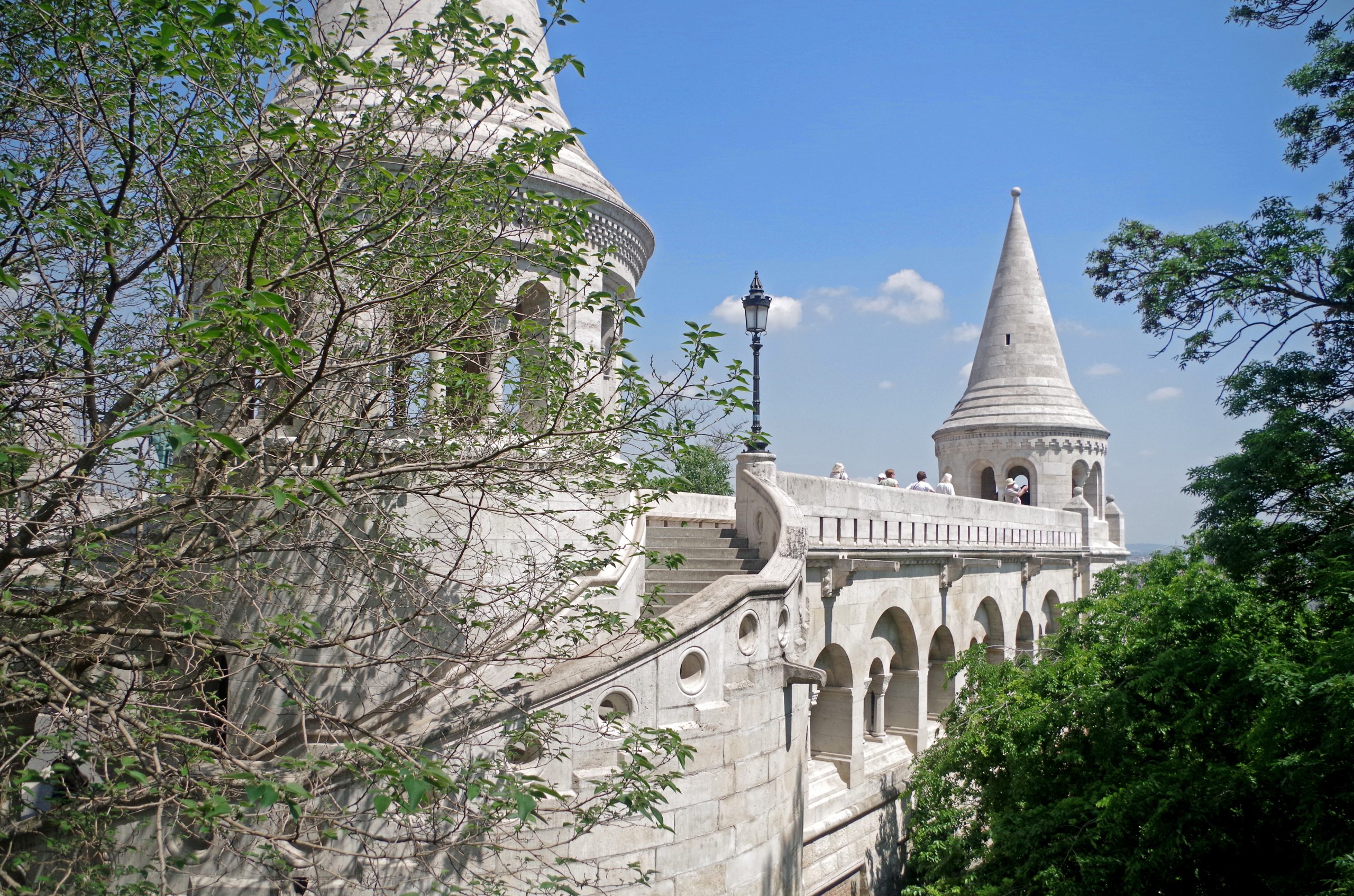
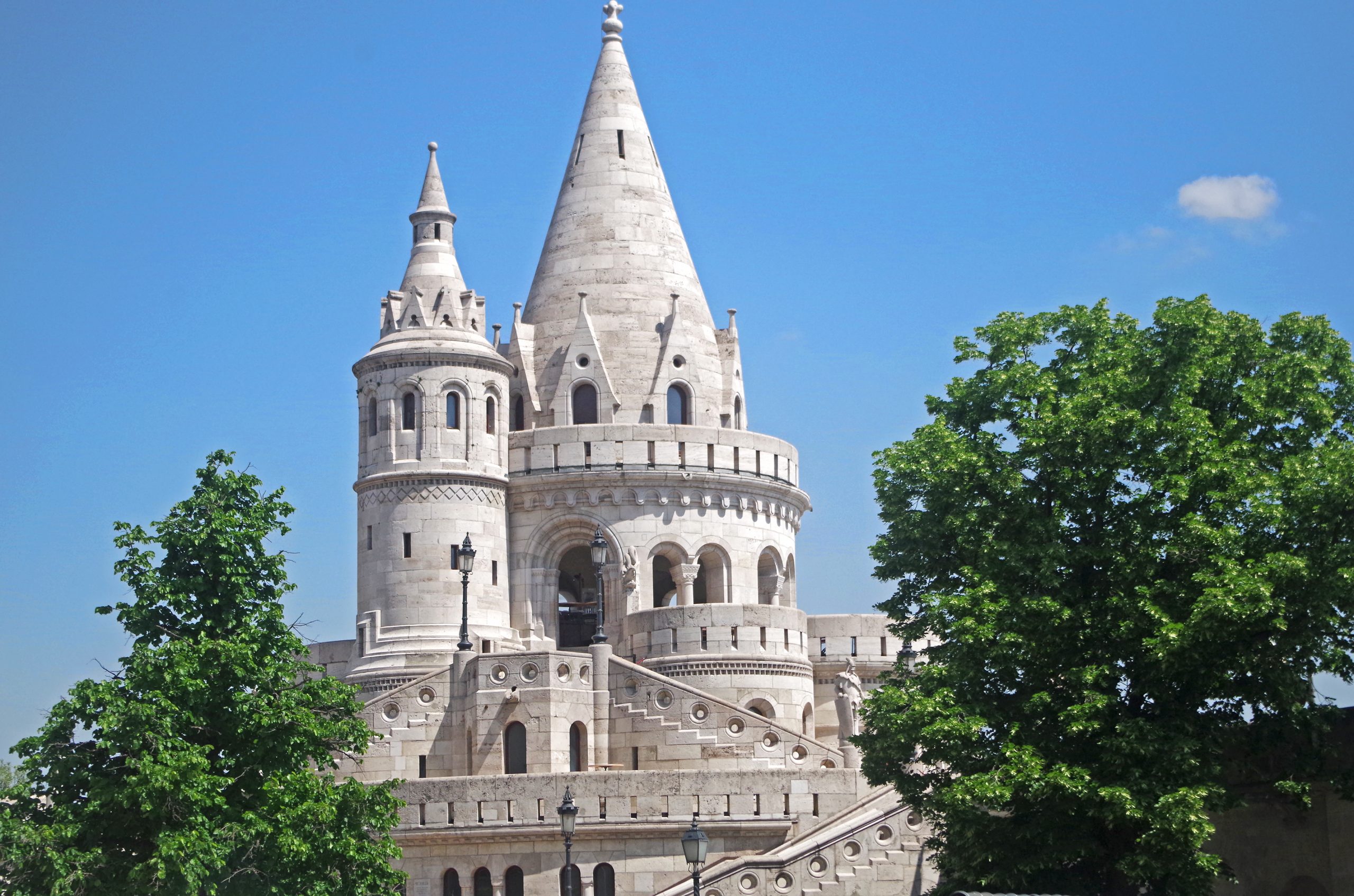
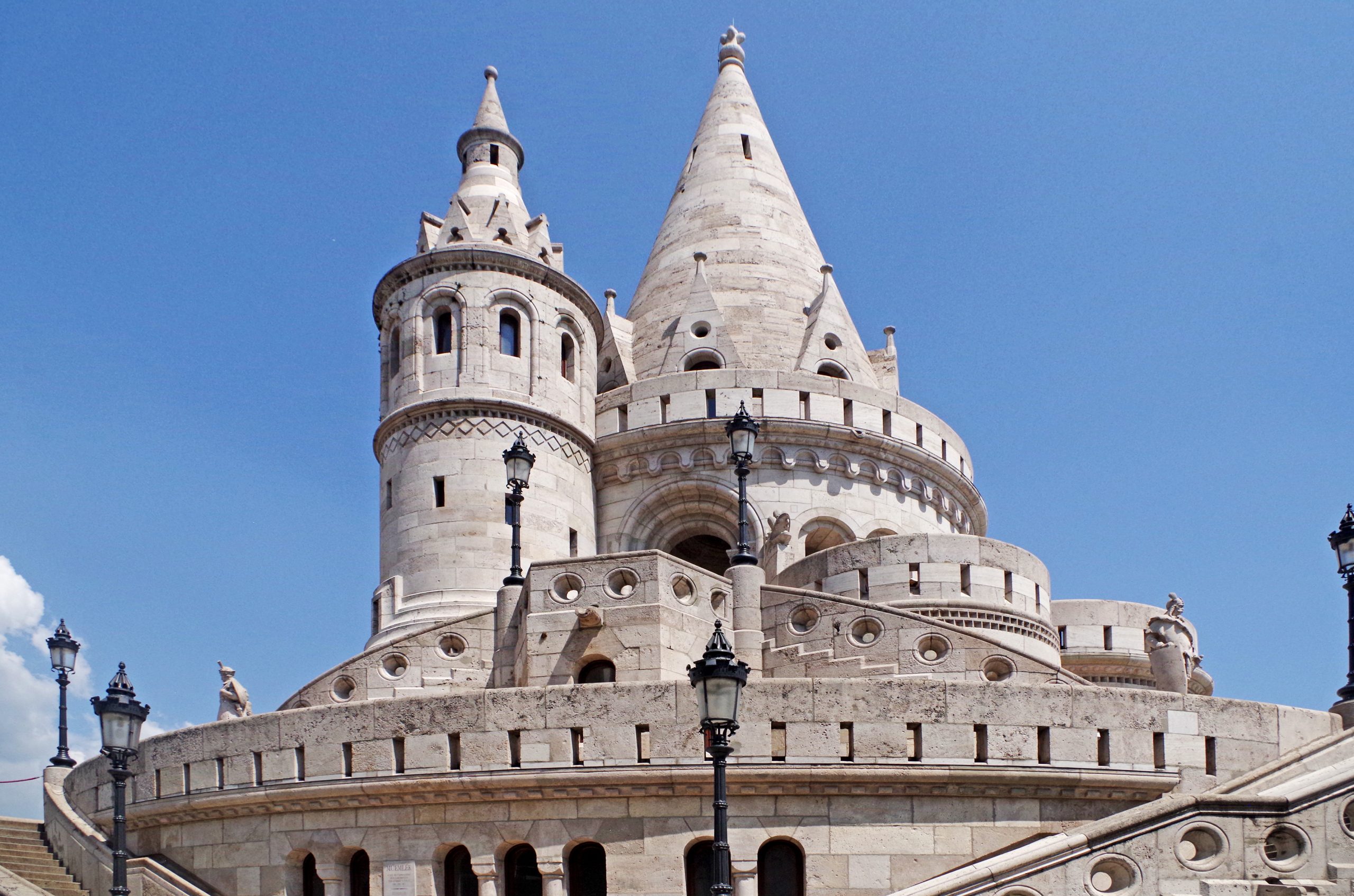
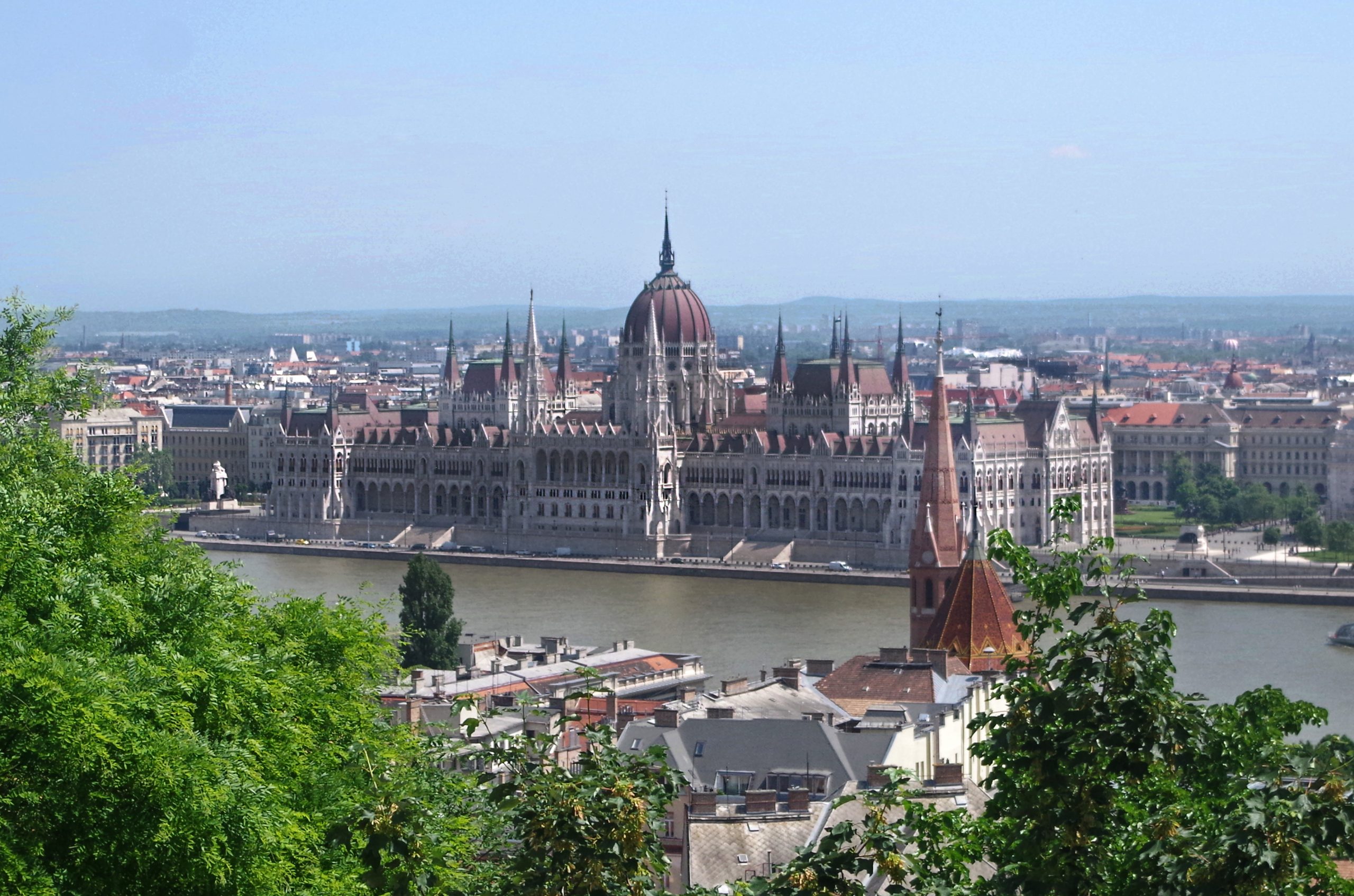
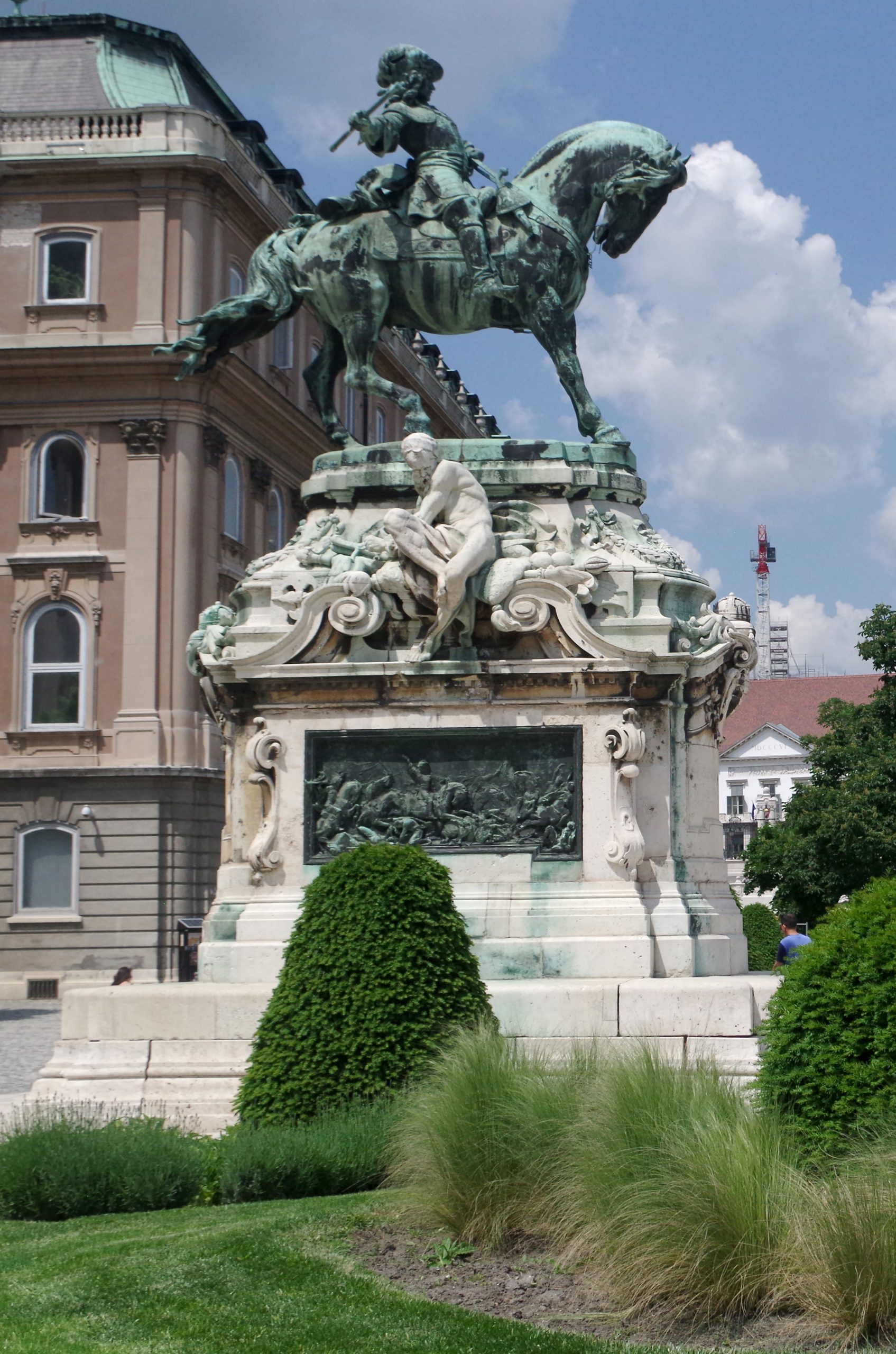
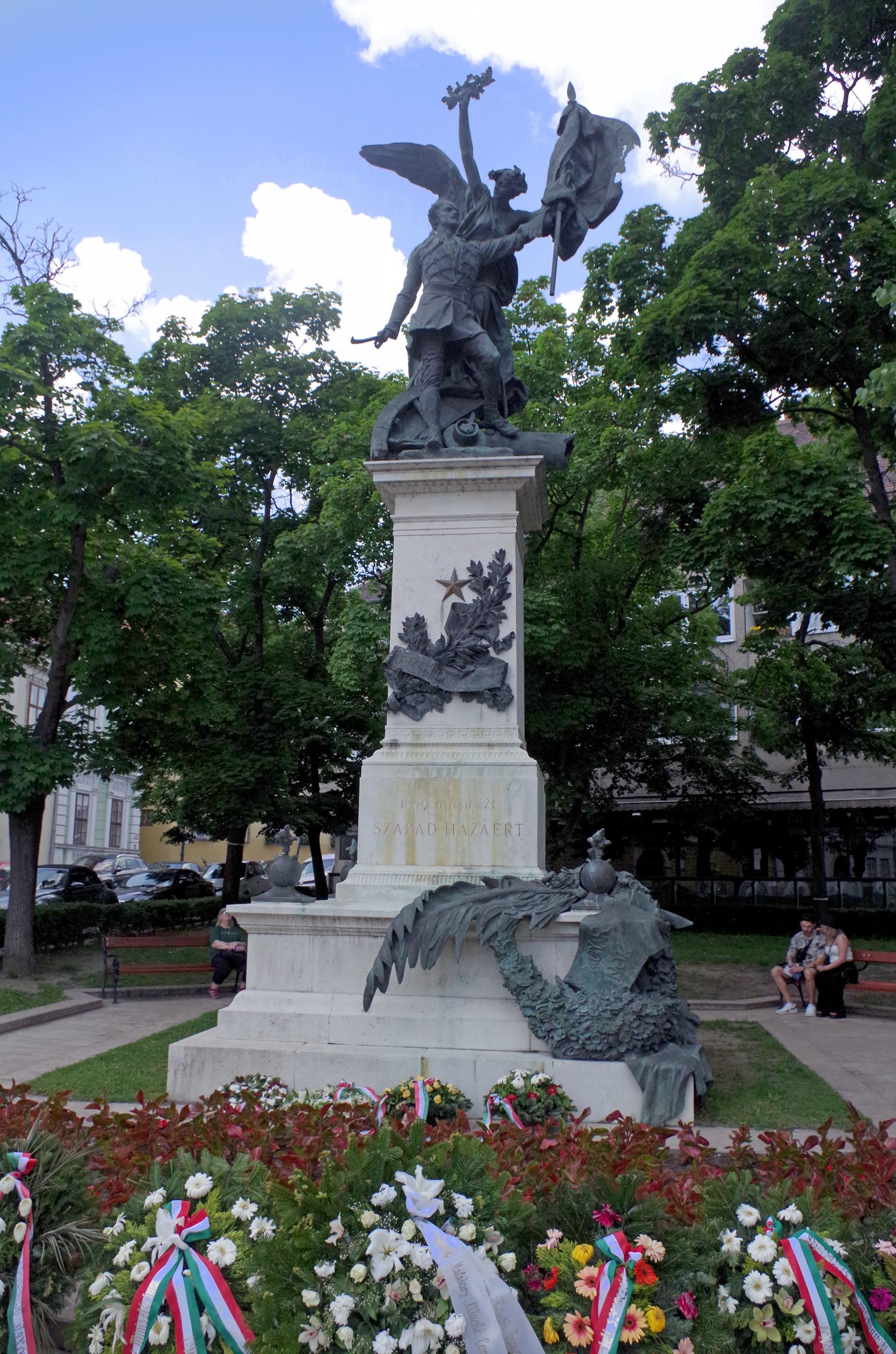
On the following day, I took a small walking tour of the Buda side of the city, climbing up Castle Hill to the city’s most famous attractions. The crowds were enormous up at Castle Hill, around the Matthias Church (under renovation) and the Fisherman’s Bastion. These are photos taken there and on the walk back down to the cruise ship docks.
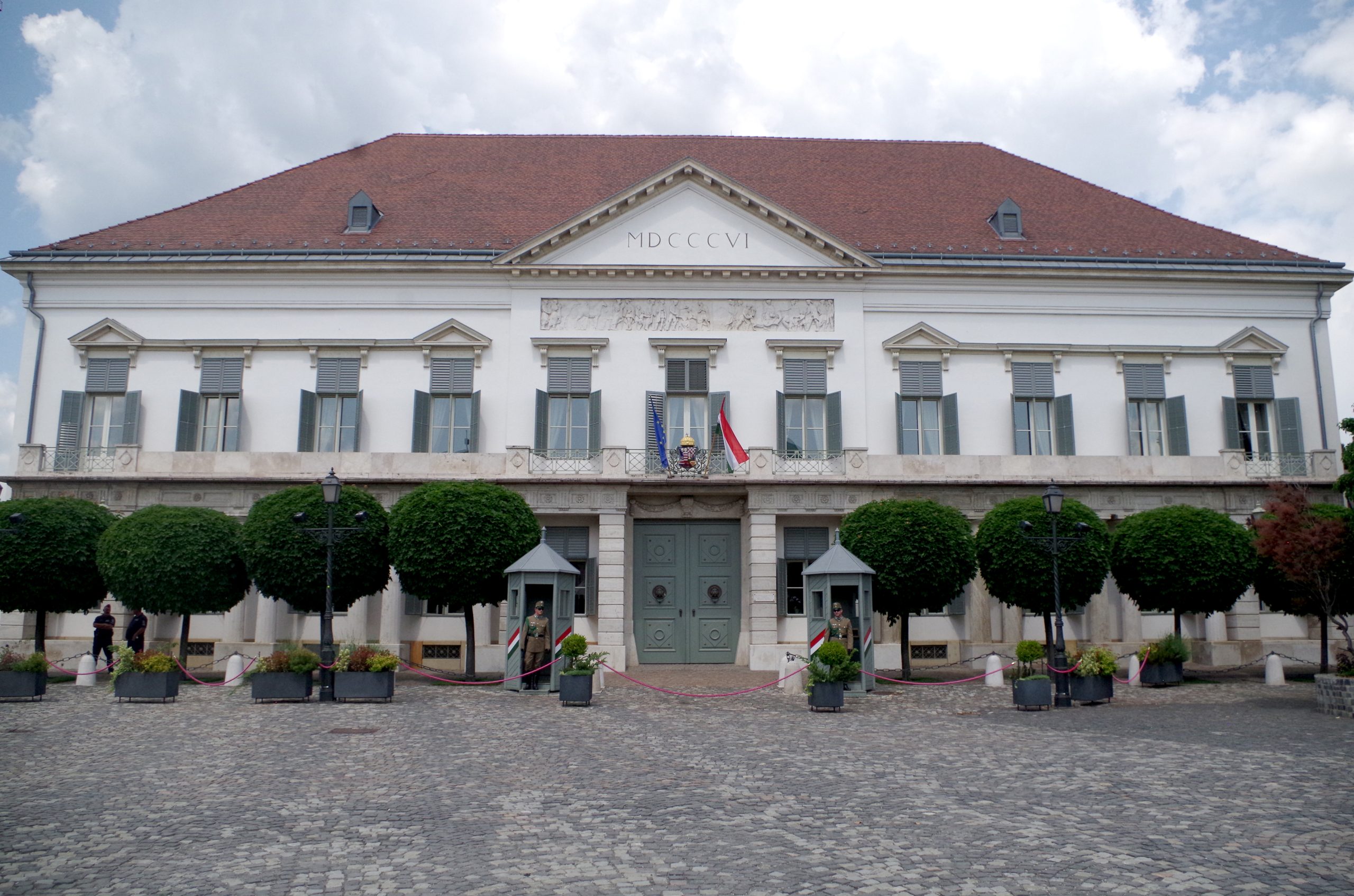
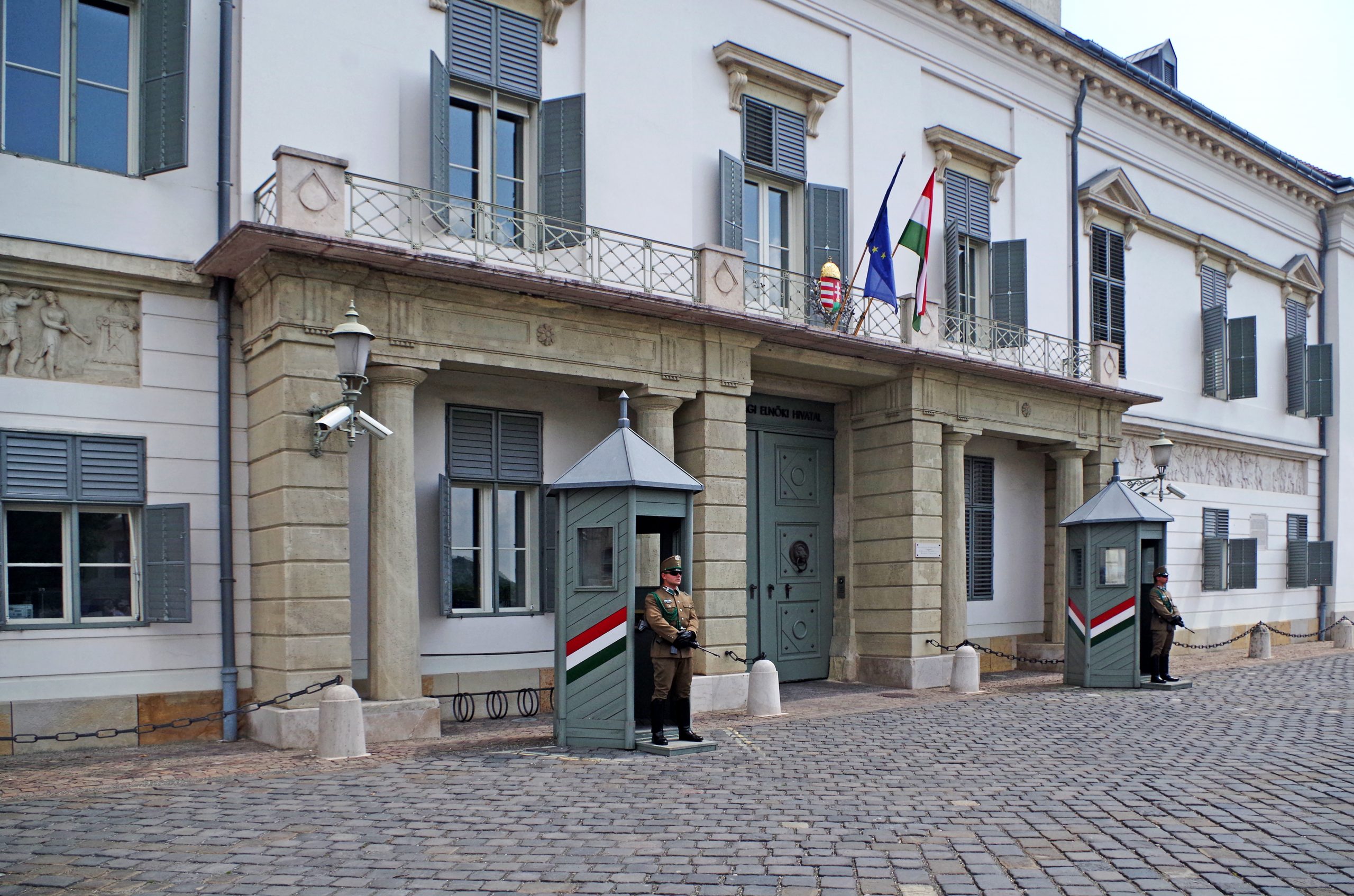
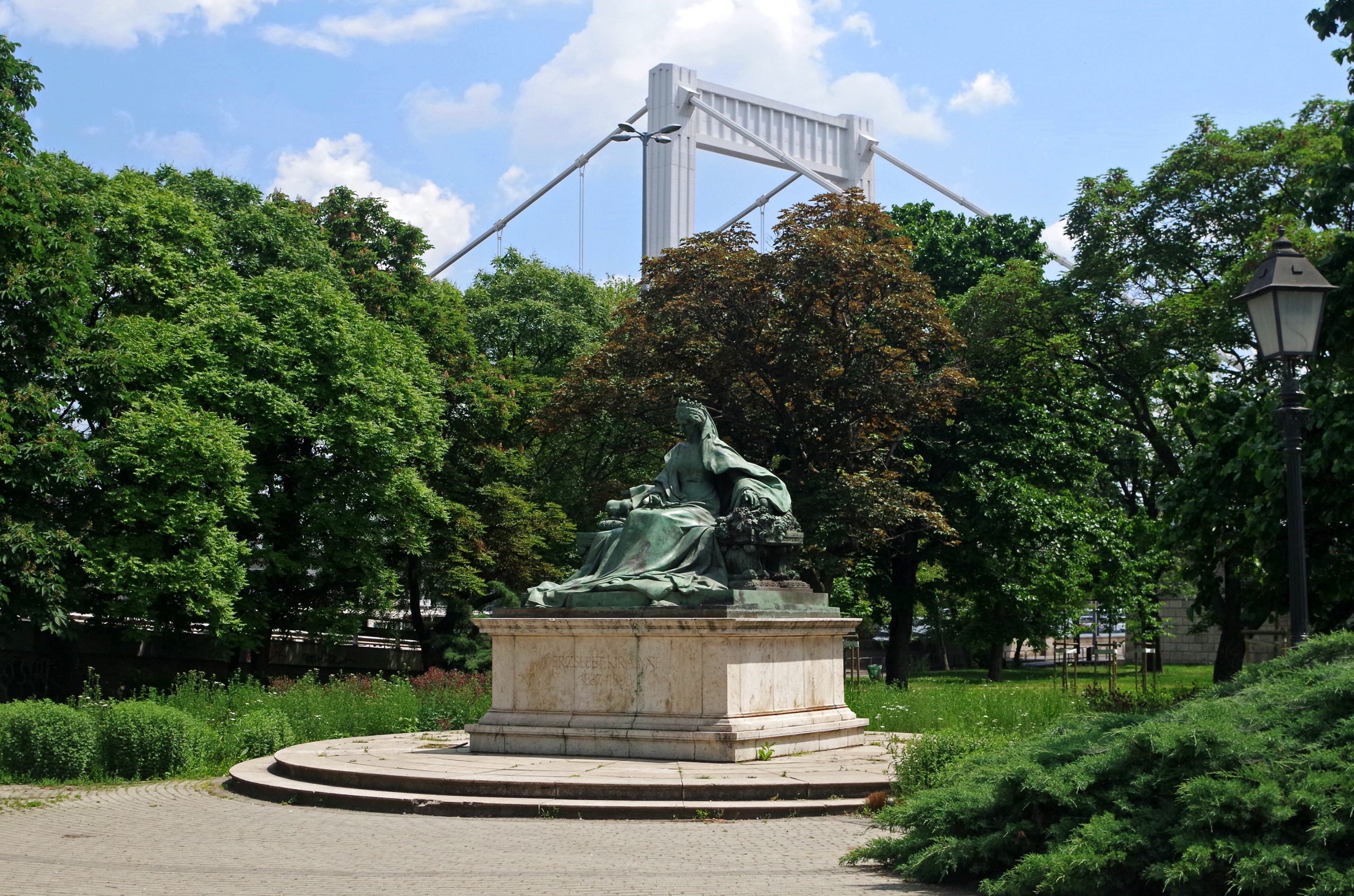
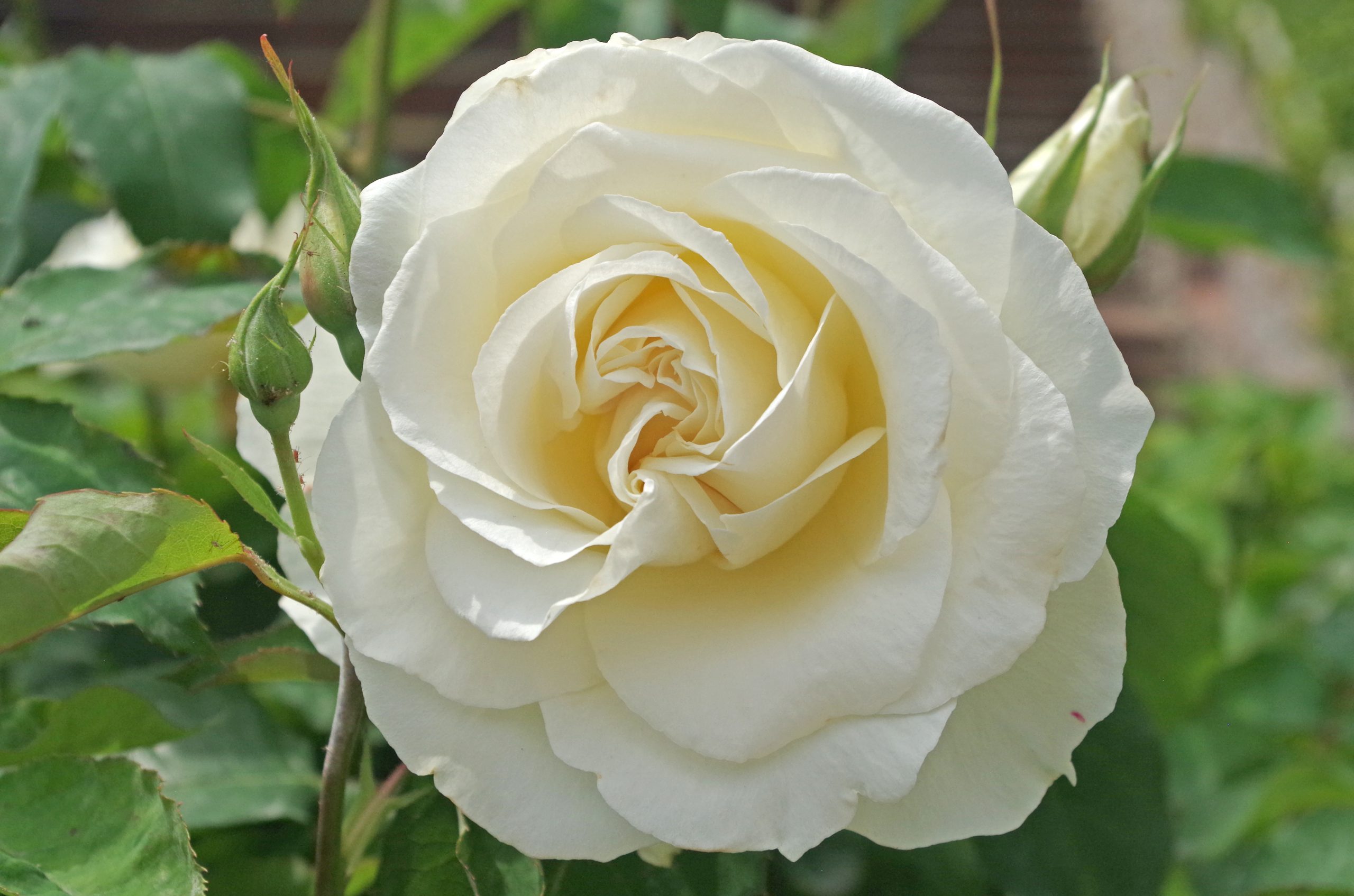
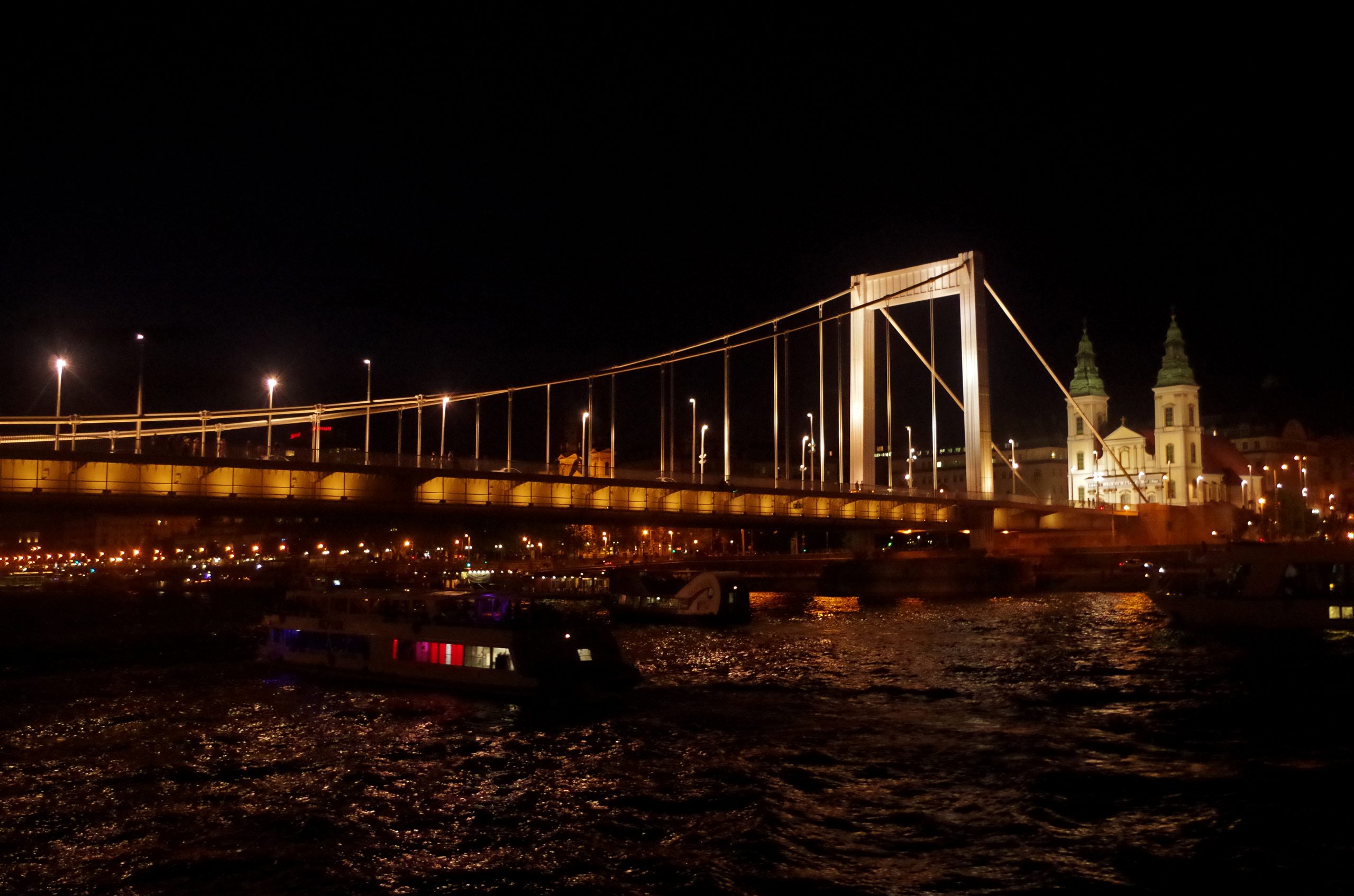
Matthias Church, BudapestMatthias Church and St. Stephen Statue, BudapestMatthias Church, BudapestSt. Stephen Statue, BudapestSt. Stephen Statue, BudapestSt. Stephen Statue, BudapestFisherman’s Bastion, BudapestFisherman’s Bastion, BudapestFisherman’s Bastion, BudapestView of Parliament from Fisherman’s Bastion, BudapestPrince Eugene of Savoy Monument on Buda HillSzabad Hazaert Independence War MonumentSandor Palace, the President’s Residence, BudapestSandor Palace, the President’s Residence, BudapestElizabeth Monument and the Elizabeth Bridge, BudapestA white rose in Budapest
On our departure from Budapest, on our way to Vienna, we had our final views of the city taken from the Danube River.
Hungarian Parliament, viewed from the Danube RiverCity Parish Church and Elizabeth Bridge, Budapest
We traveled to Ecuador from September 22nd thru October 10th of 2016, celebrating Barbara’s birthday on October 6th with the trip to the Galapagos Islands that had always been one of her dreams. There was a lot of advance planning prior to the announcement of the surprise about a month prior to our departure. Although our travels took us to many wonderful destinations within Ecuador, we knew that the highlight of our trip would be the 8 days and 7 nights that we spent in the Galapagos Islands. In fact, the rest of our trip – as spectacular as it may have been – was designed as an extension of our time in Ecuador’s famous archipelago.
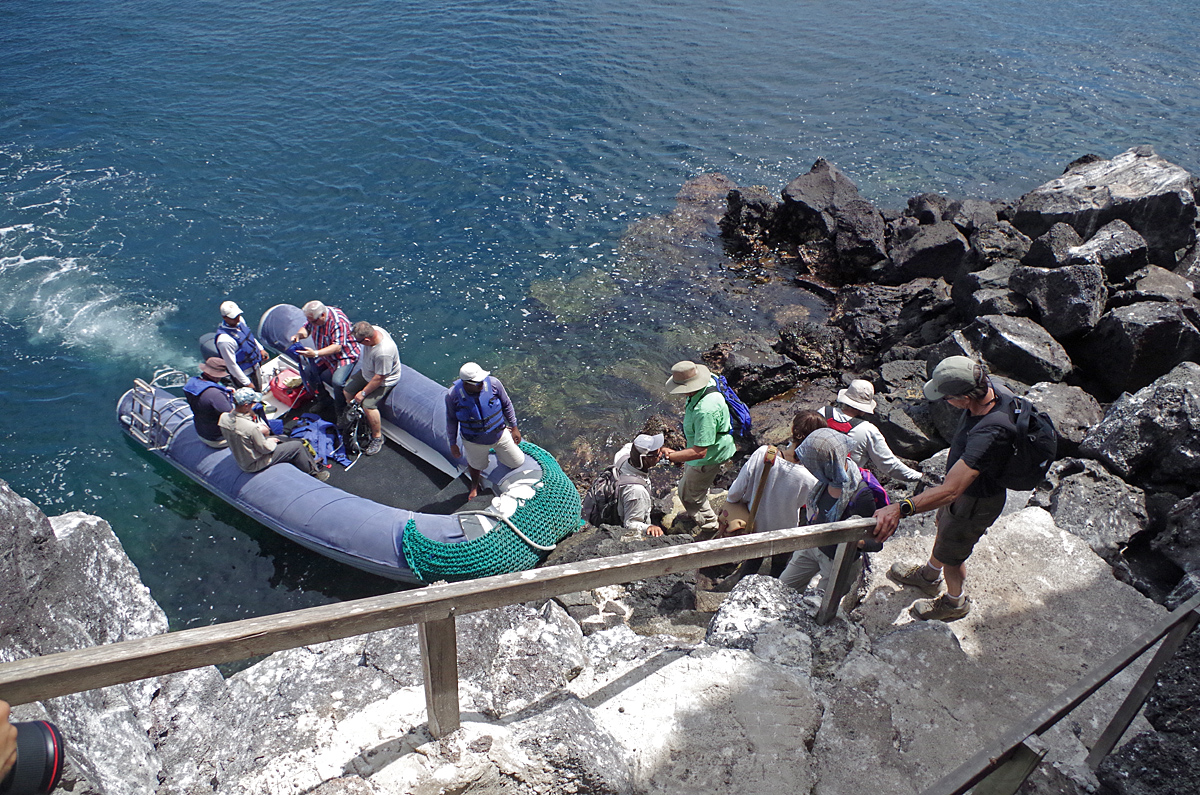
There are perhaps a hundred choices in cruise ships serving the Galapagos Islands, from economy class to luxury class, and from small yachts to larger cruise ships that carry the 100-passenger limit for debarkation within the Galapagos National Park which encompasses the island chain. The ships tend to follow similar itineraries and routes, since park regulations prohibit any ship from landing in the same location more frequently than once every 14 days. In addition to a limited number of landings (some dry but mostly wet landings), land excursions are strictly limited to the hours from sunrise to sunset.
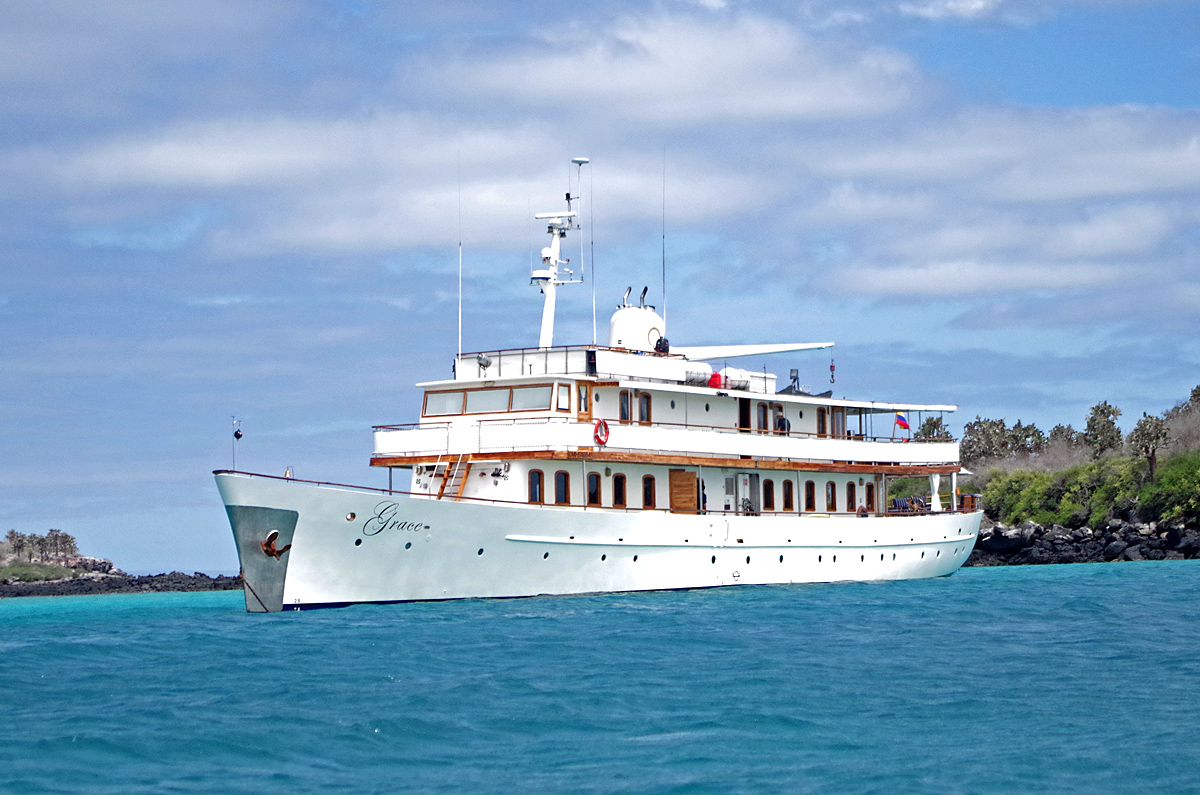
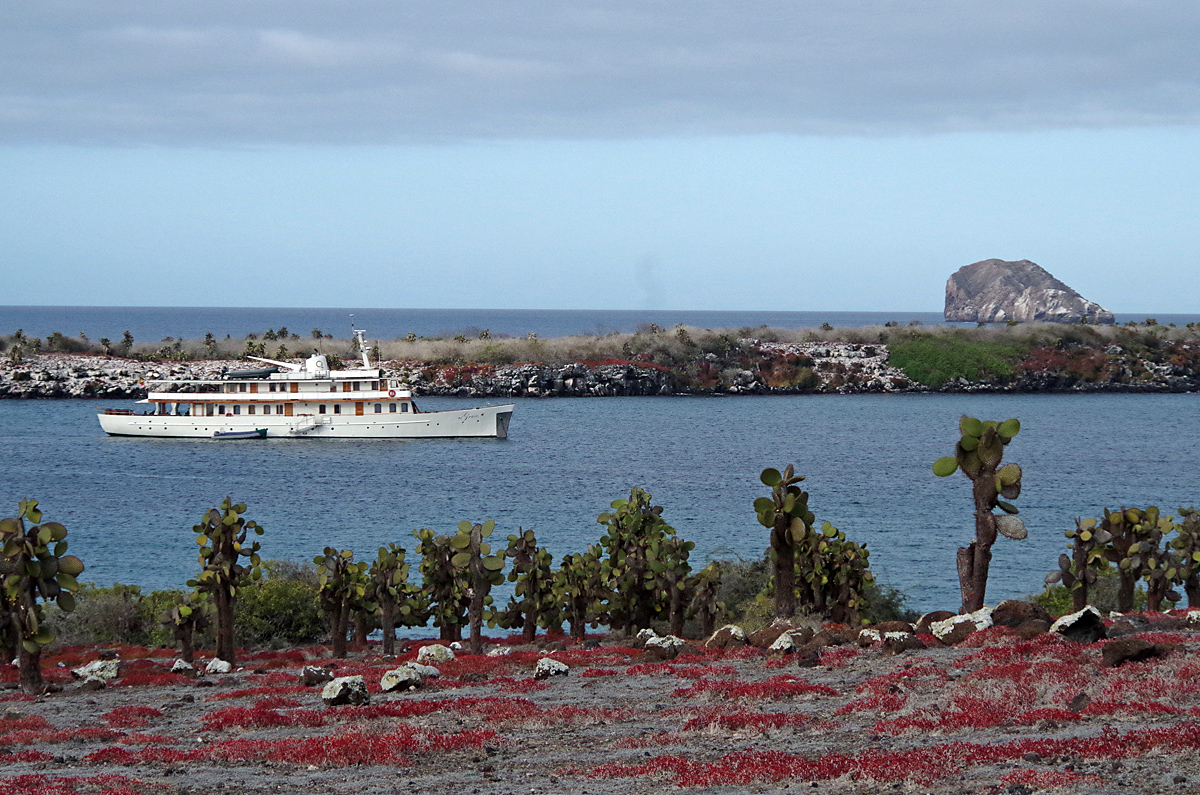
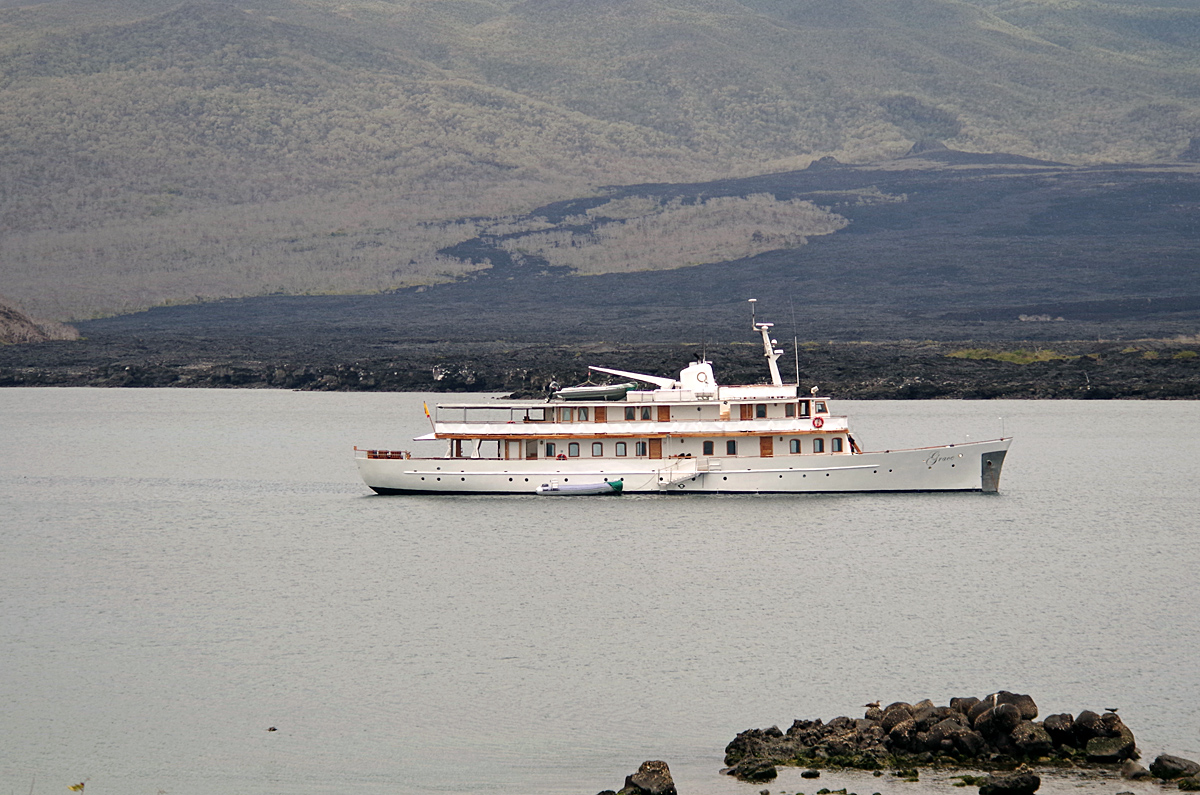
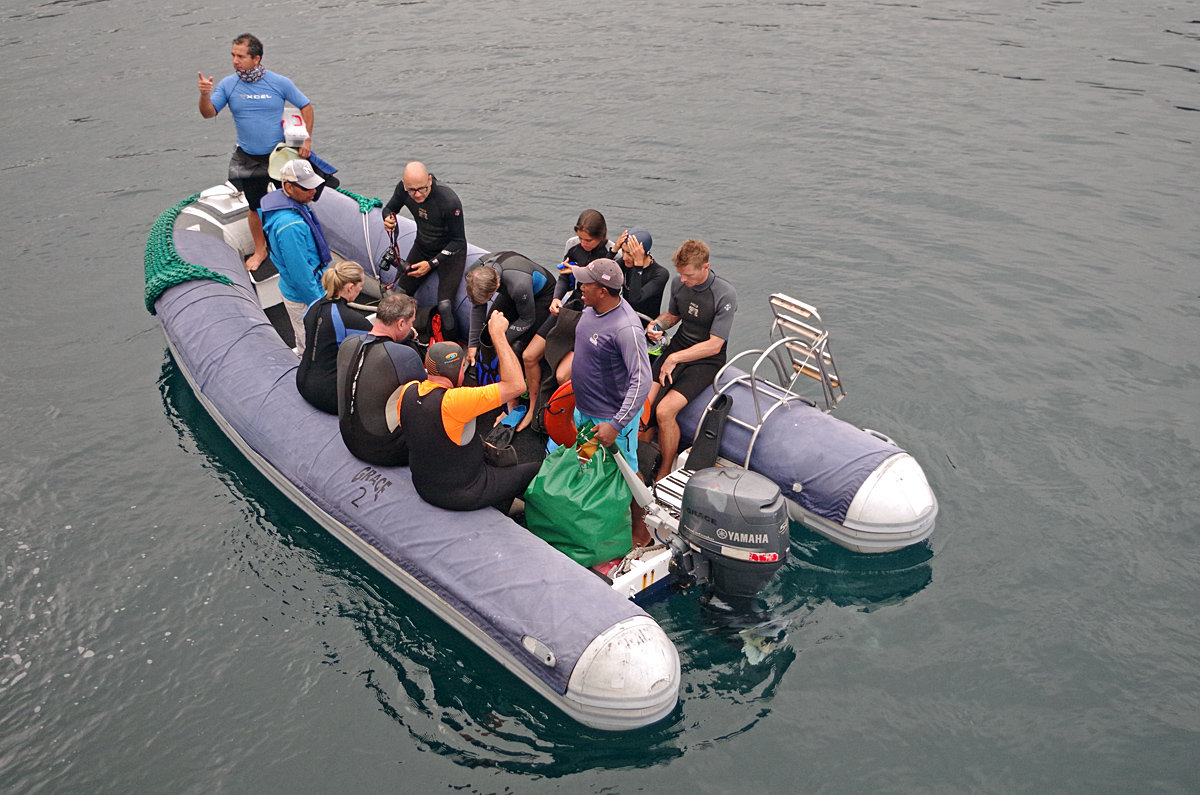
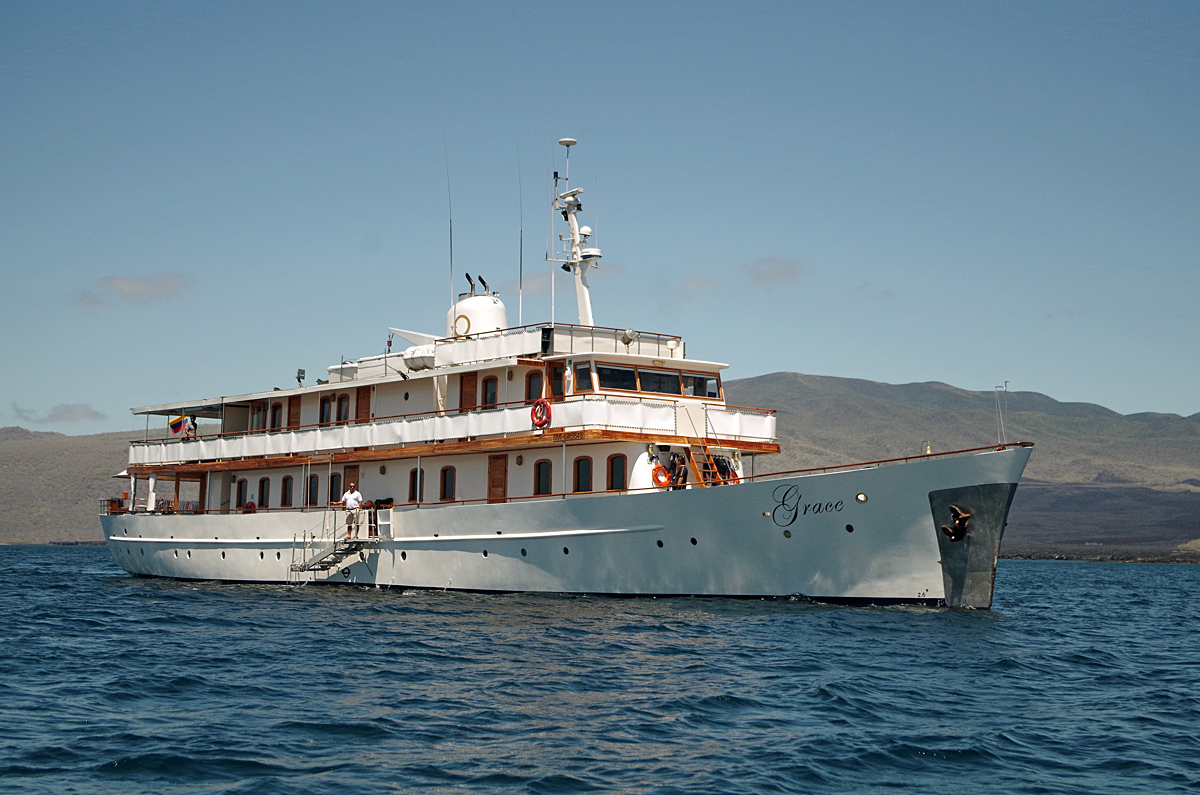
Smaller vessels seem to have an advantage in being able to access locations that cannot accommodate larger ships. Since virtually all land excursions involve access by zodiacs (called pangas in the Galapagos), smaller ships also offer the advantage of more efficient debarkations. For a variety of reasons, we chose Quasar Expeditions and its M/Y Grace. The Grace is one of the smaller luxury yachts carrying passengers in the islands, and its level of service and historical background set it in a class by itself. This promotional video provides an overview of what travelers experience on one of these cruises.
Built in Southampton, England in 1928, the Grace was intended to serve as a private yacht for the rich and famous, but the Great Depression (that impacted the entire world) and the onset of the Second World War changed those plans. In 1939, the ship, then known as the Rion, was conscripted into the British Royal Navy, where she patrolled off the Isle of Wight, ferried troops from Dunkirk to Dover, was responsible for the capture of a German e-boat and the possible sinking of a u-boat, and included Sir Winston Churchill among her post-war passengers.
After the war, the ship then known as the HMS Noir was returned to her pre-war owner, the chairman of the Prudential Insurance Company. Upon his death, the ship was acquired by Aristotle Onassis, who later gave it to Prince Rainier and Princess Grace of Monaco as a wedding gift. The royal couple honeymooned on board the ship that they re-christened Deo Juvente II. From 1960 through 2007, the ship went through periods of private ownership, carrying freight in the Caribbean, seizure and auction by the Jamaican government for non-payment of taxes, then finally restoration, rebuilding and re-christening as the M/Y Grace.
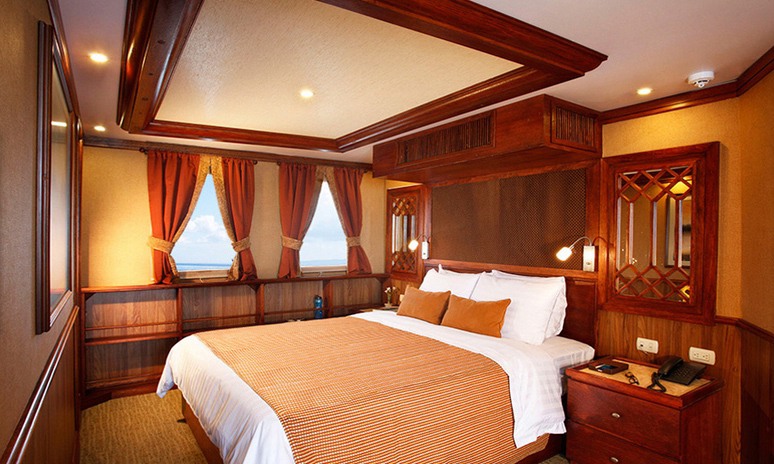
Since the Grace was our home during our expedition in the Galapagos Islands, it is important to share the background of the ship. Designed to carry 18 passengers, there were only 12 of us on board our excursion from Baltra Island to San Cristobal, aptly-named “Following in Darwin’s Footsteps.” We stayed in one of the two master staterooms on the upper deck (our room shown above, in promotional materials), a bit rocky at times during rougher seas. Although the Grace is said to have a stabilization system, the catamaran yachts probably provide somewhat smoother sailing (and sleeping) in choppy waters.
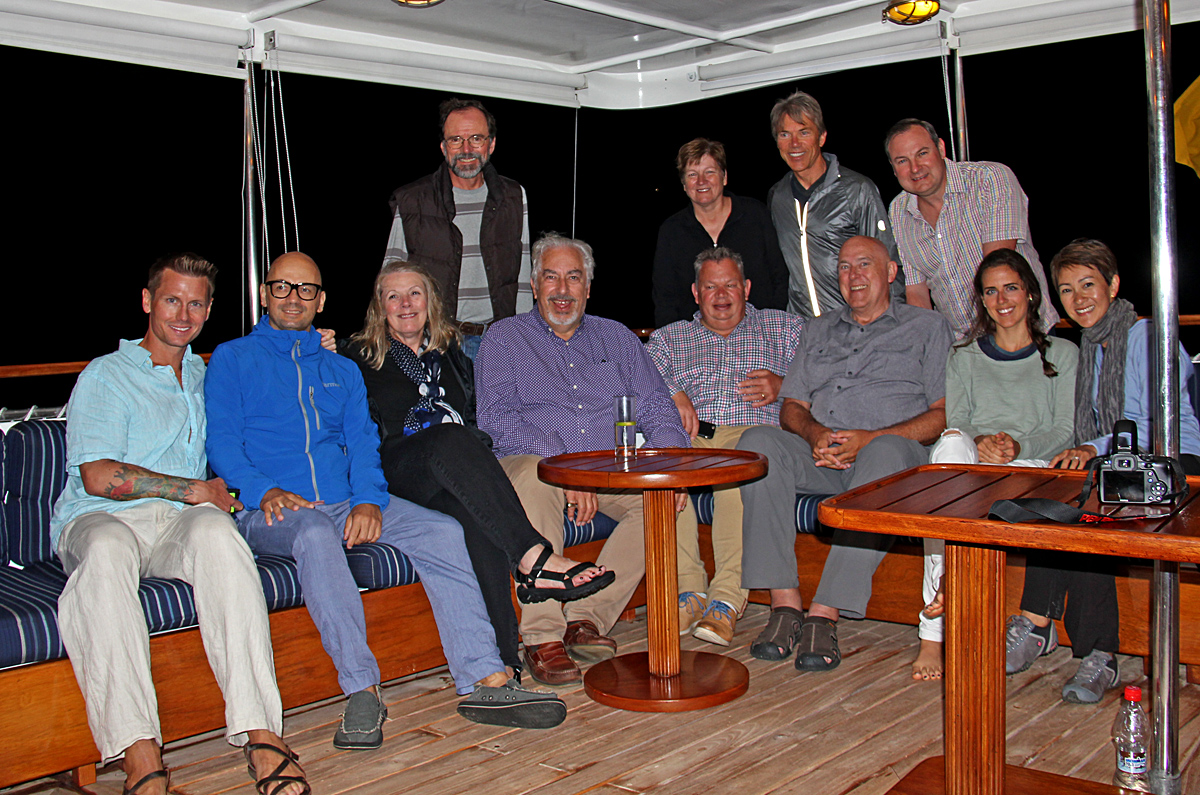
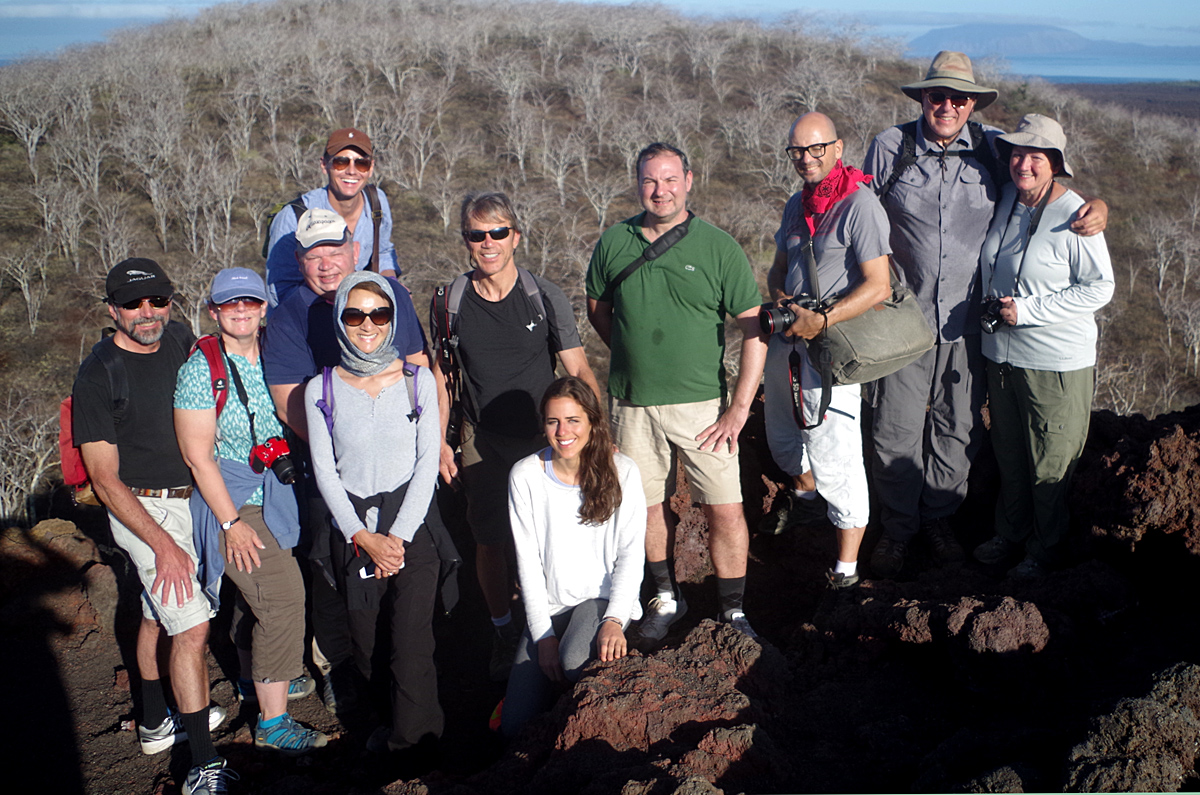
Our fellow passengers consisted of a retired couple from Georgia, a father and daughter from the District of Columbia and Nashville, a couple from Hong Kong and Dublin, a retired couple – a coffee merchant and teacher – from England, and a photographer and journalist from Sweden. The twelve of us had both little in common and everything in common, bonded by our love of nature and adventure and the lure of the Galapagos. We quickly became friends, enjoying the opportunities to spontaneously mix our unassigned seating at tables for four at each of our al fresco meals, and we remain friends after our trip has ended.
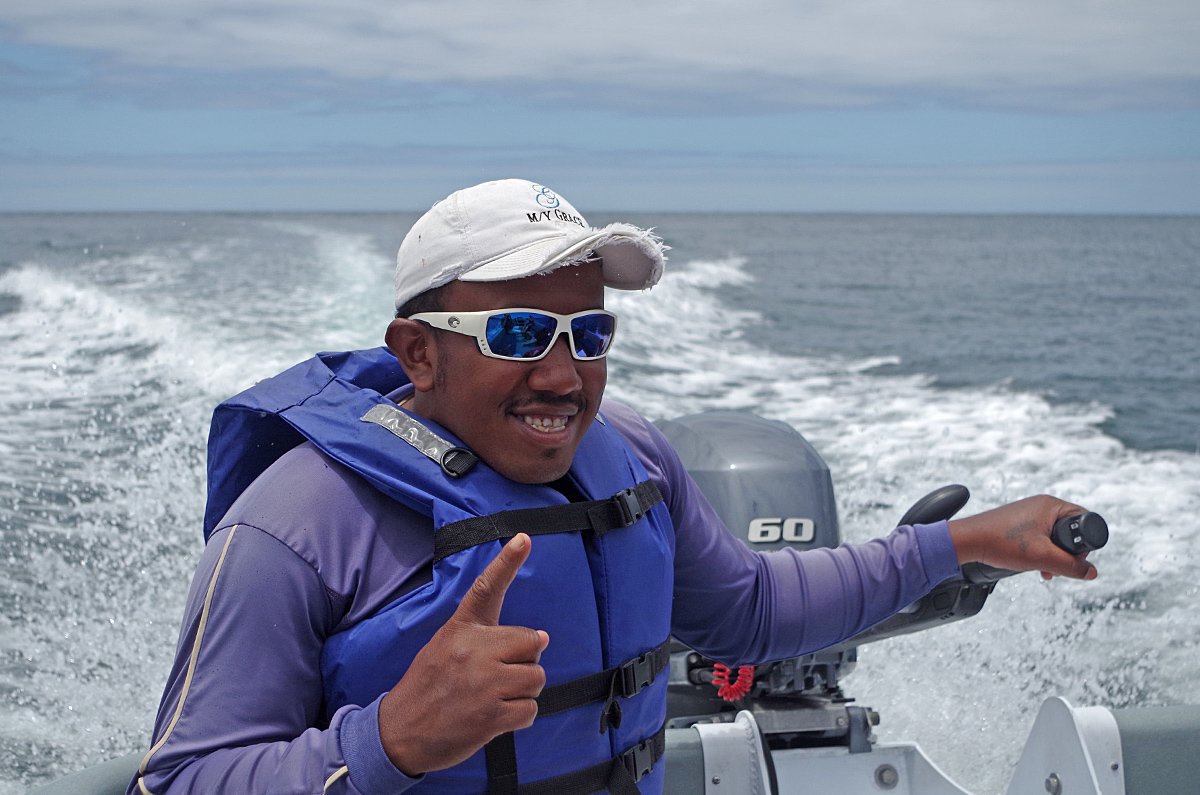
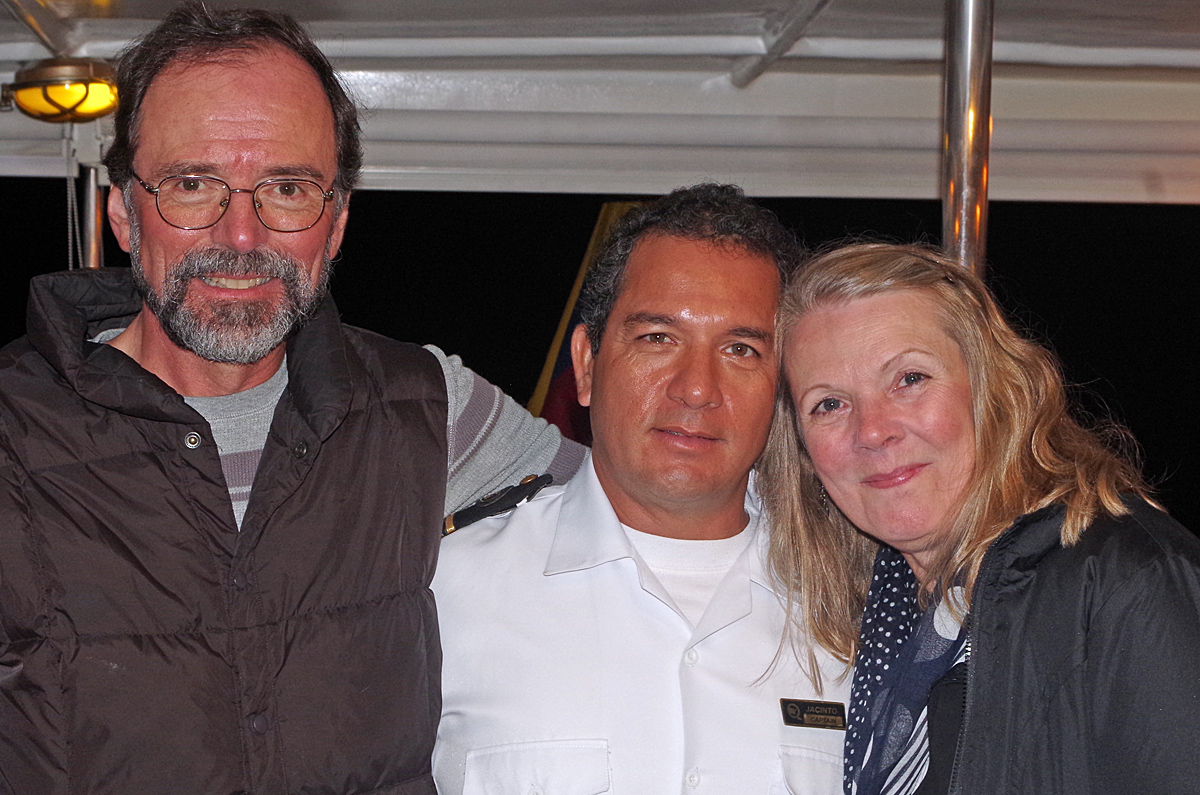
On the Grace, the twelve of us were outnumbered by a crew of thirteen, including Gustavo Andrade, who is consistently rated as one of the most knowledgeable and highly demanded naturalists in the Galapagos Islands. A native of San Cristobal, where his family owns and operates a hotel and convenience store, his knowledge of the islands is extensive and based upon first-hand experience. The other crew members, though not all highly fluent in English, were wonderfully hospitable. We all seemed to particularly like our young cruise director, Jose Silva, who was on his first official cruise. Unfortunately, his brief employment with Quasar Expeditions was terminated immediately after our trip, in reaction to some sort of impropriety that had allegedly occurred by one of the crew members.
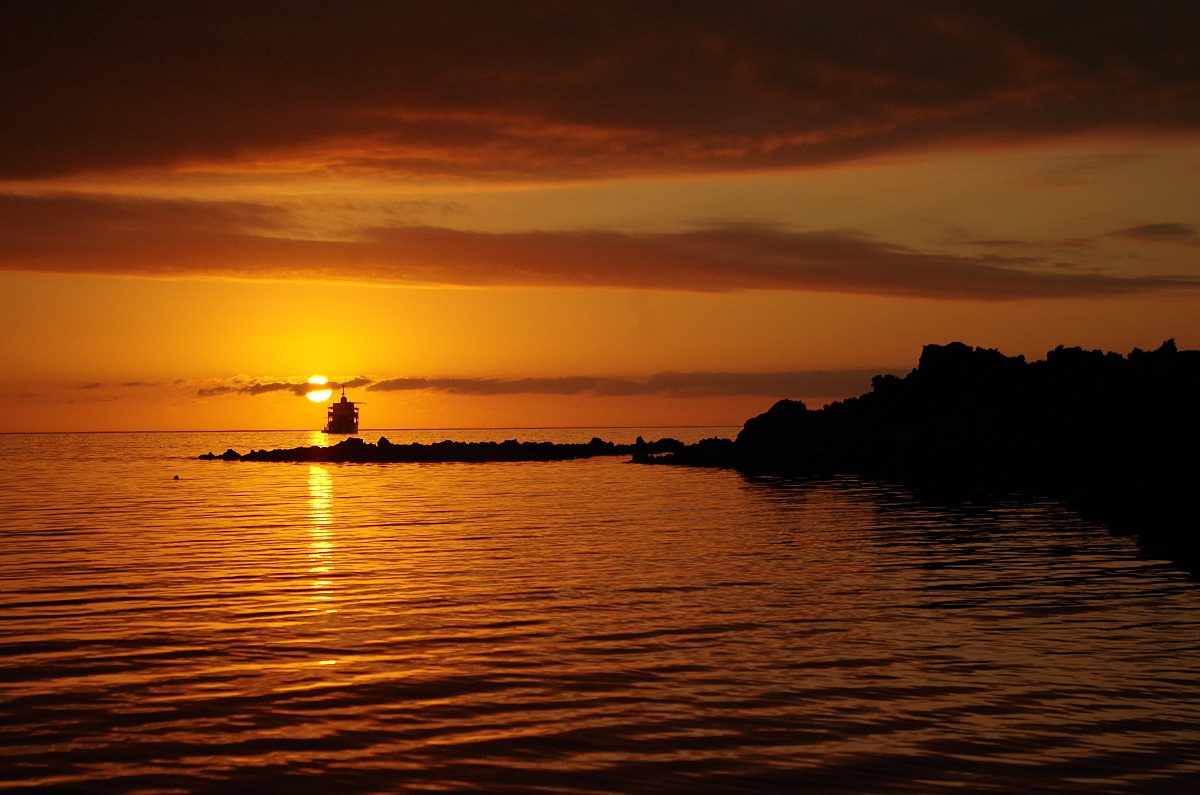
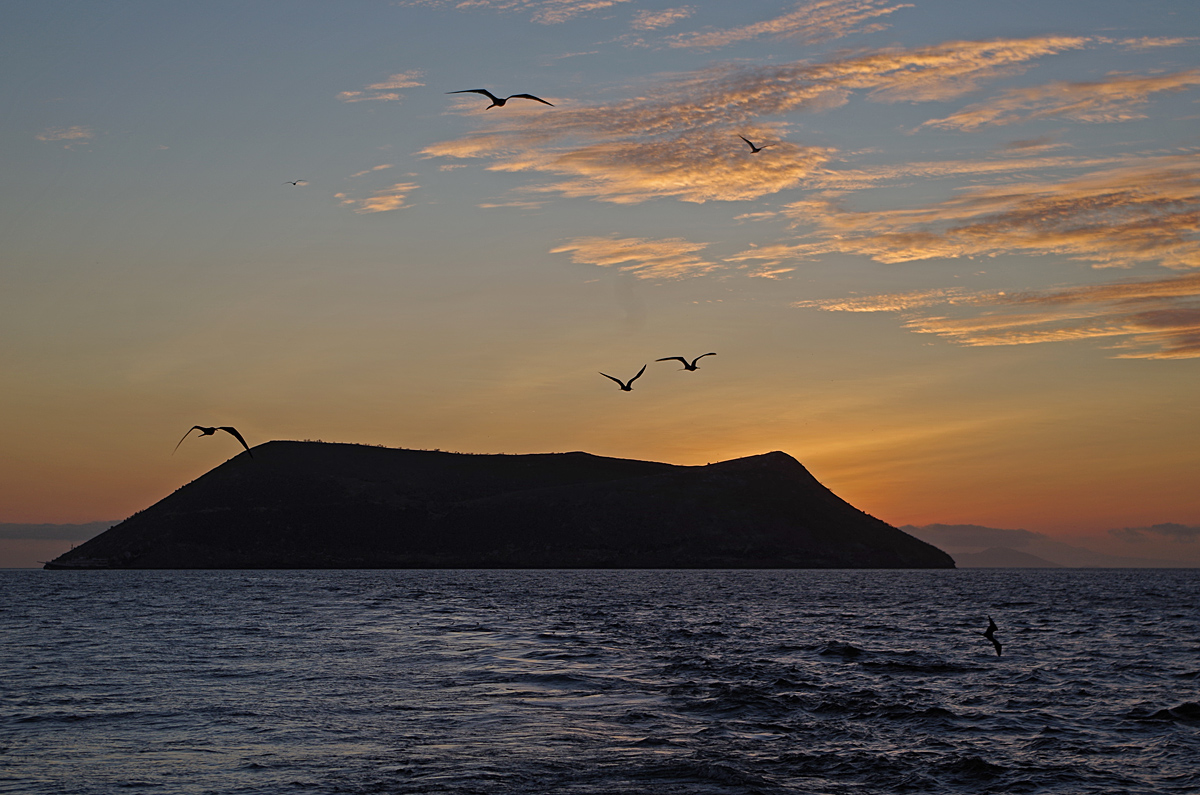
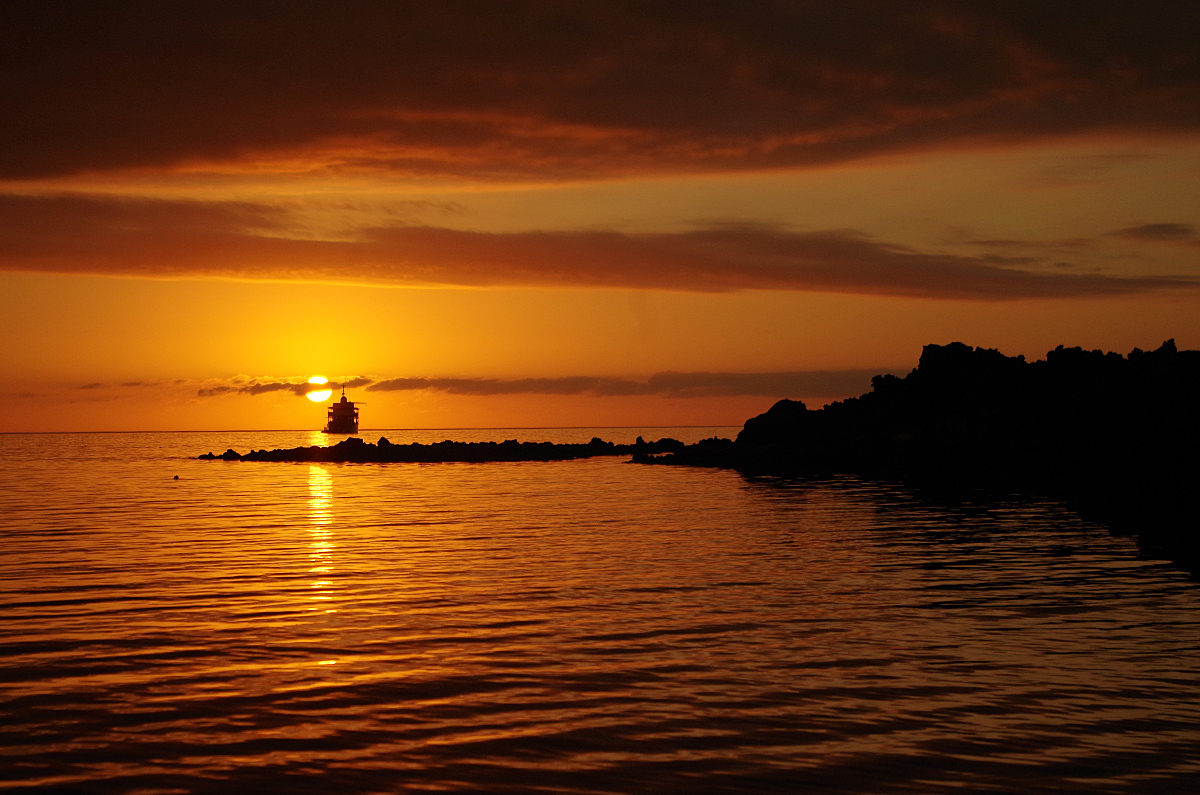
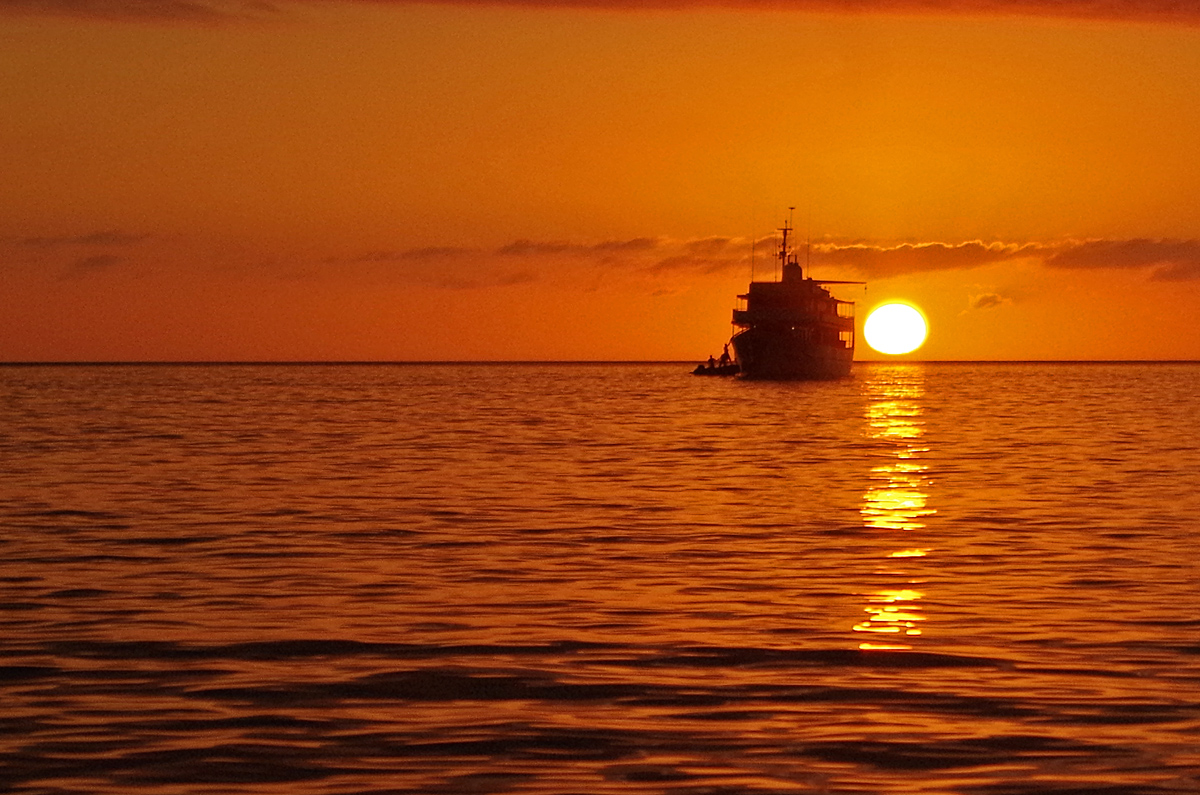
Baltra and San Cristobal are two (along with Santa Cruz) of the inhabited islands in the Galapagos, each with a larger port for ships and a small airport that is served by flights from Guayaquil and Quito that shuttle tourists to the islands. Our trip followed the route that begins in Baltra and ends in San Cristobal. Our first afternoon took us to Daphne Major Islet, where we circumnavigated the small island and got settled on board the Grace, enjoying our first of many outstanding dinners, sunsets, and star-filled nights.
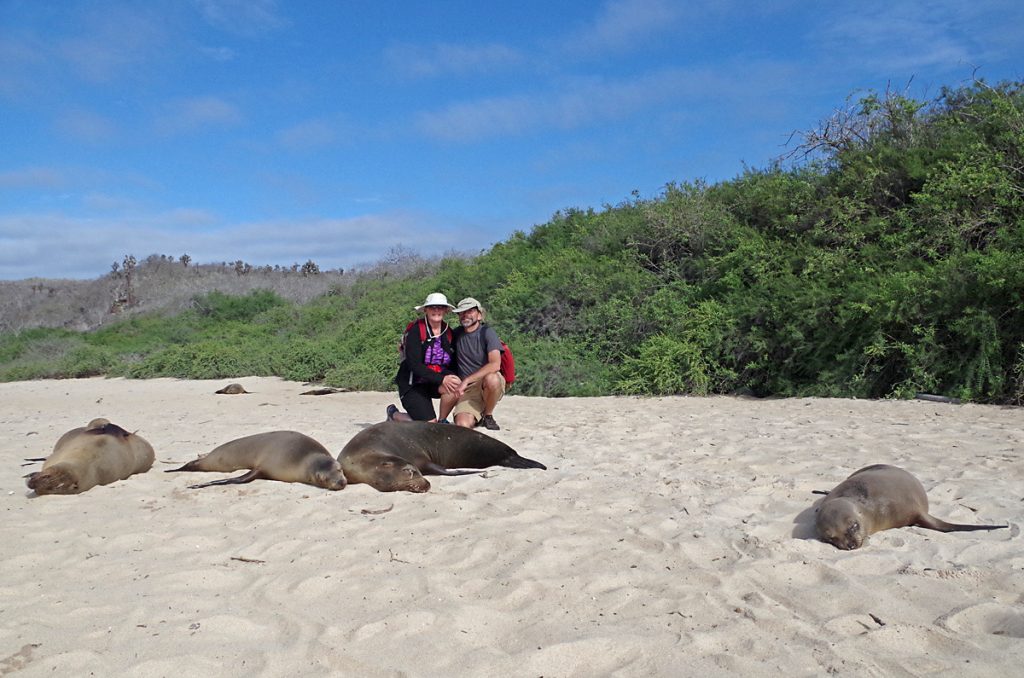
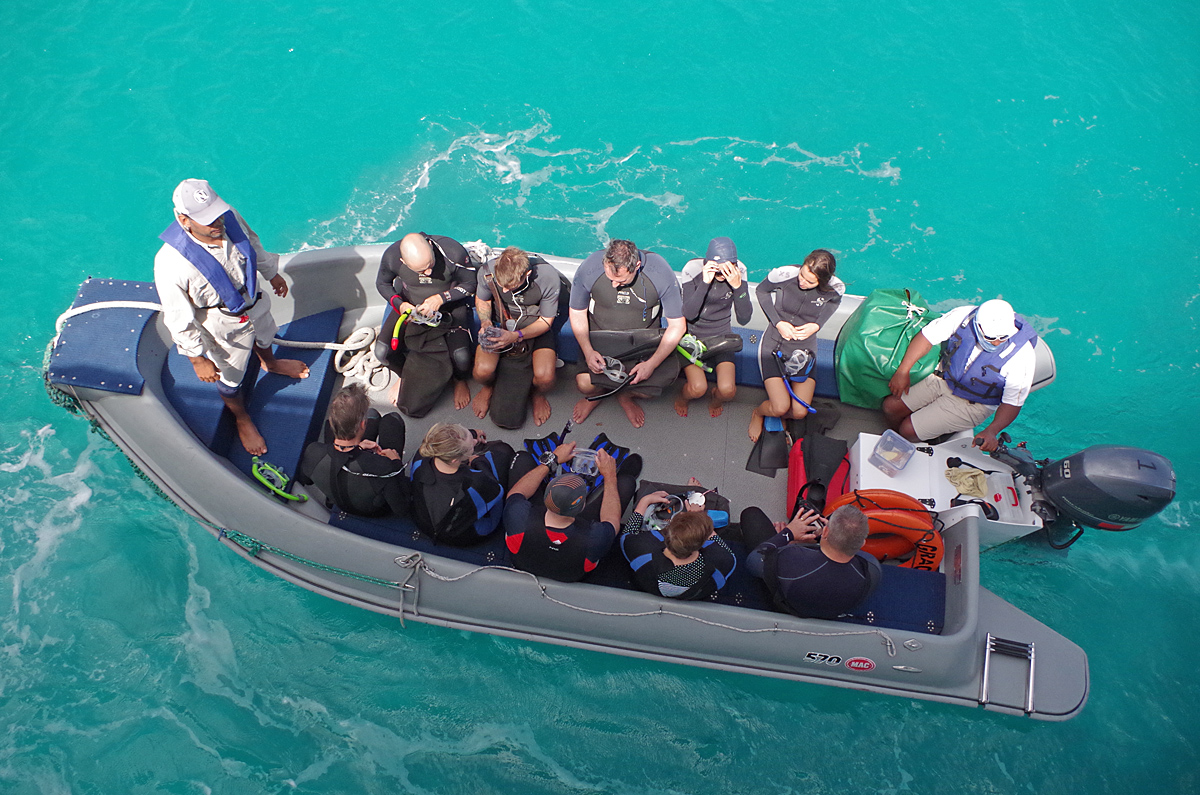
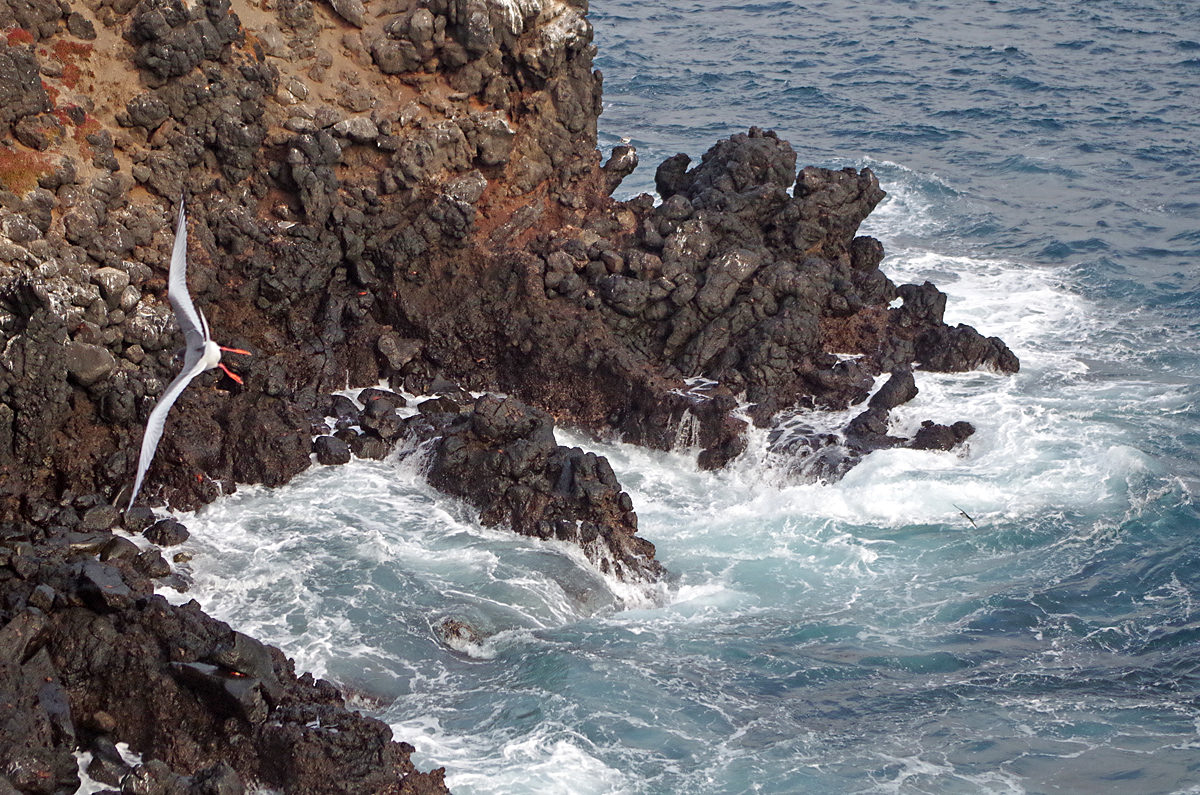
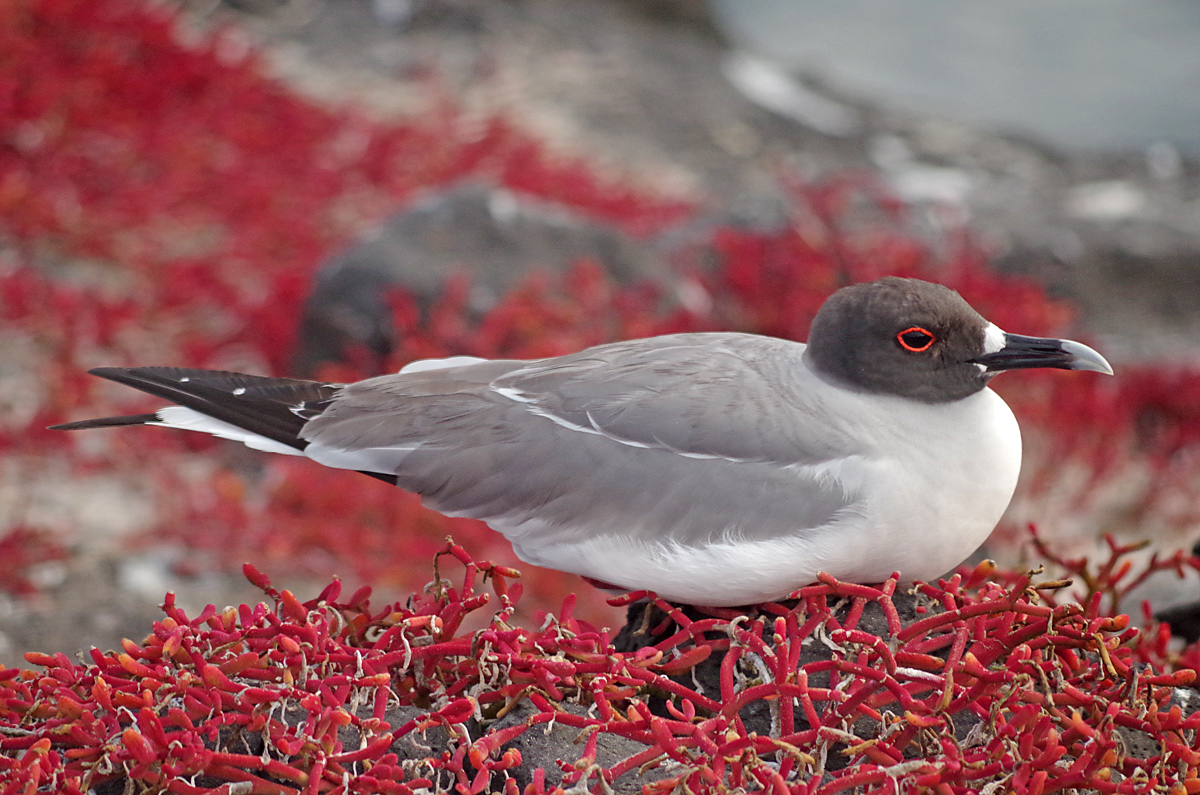
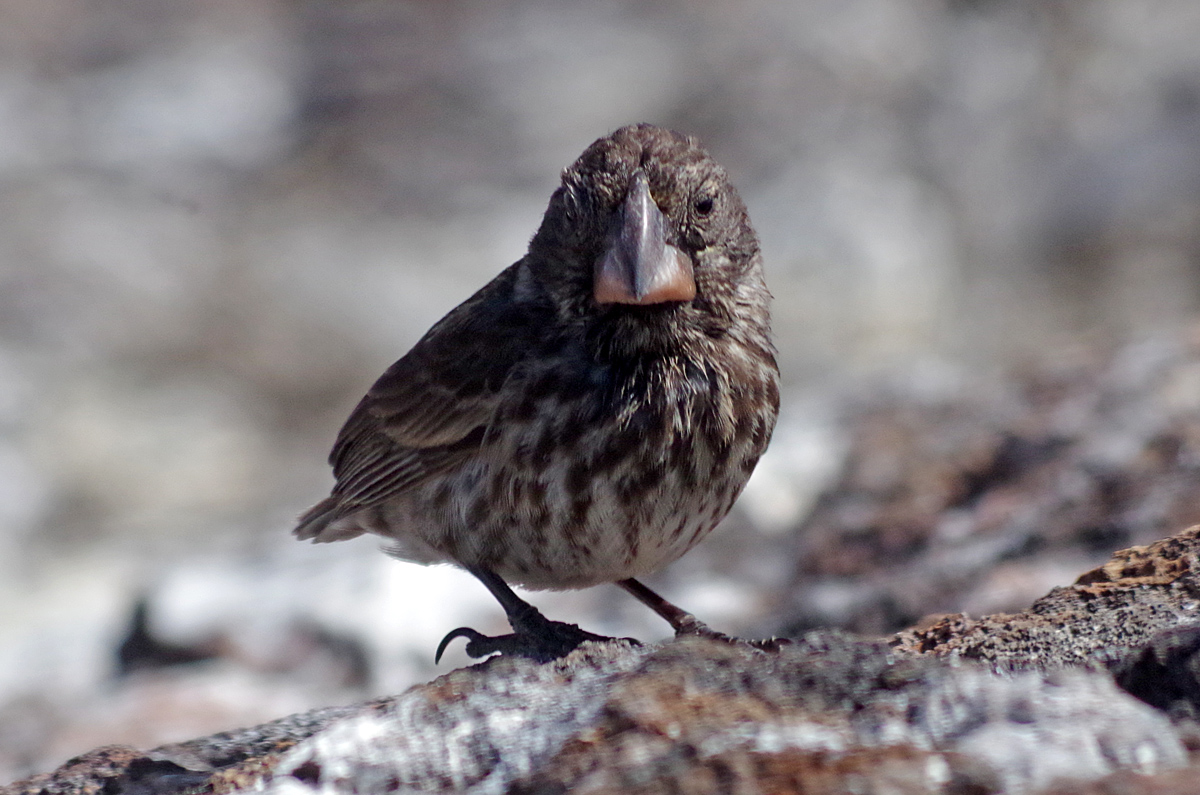
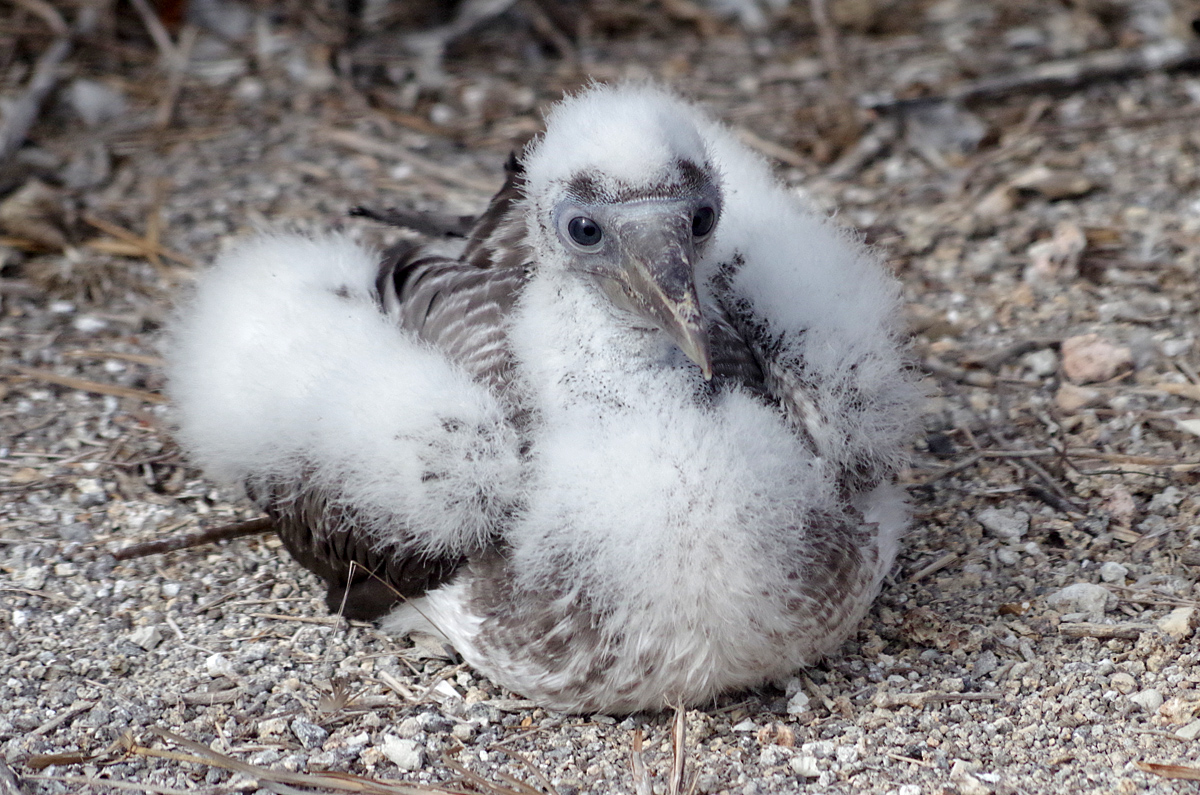
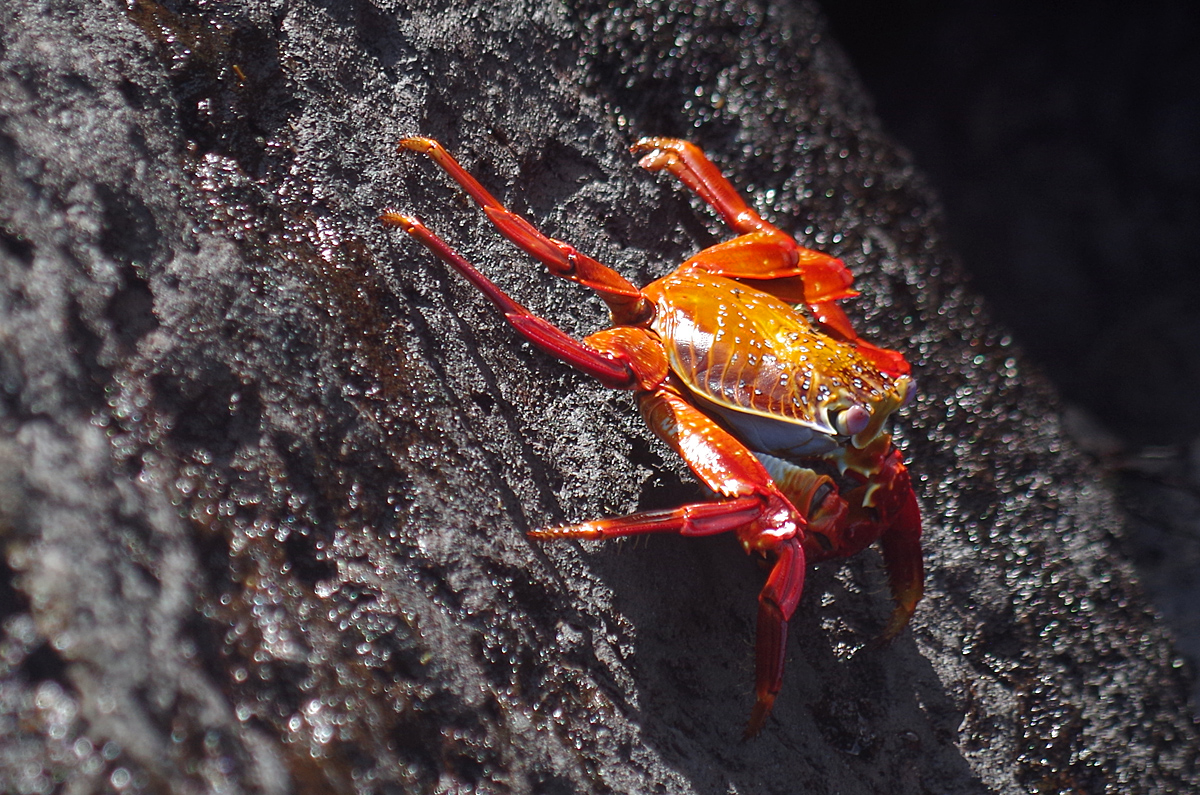
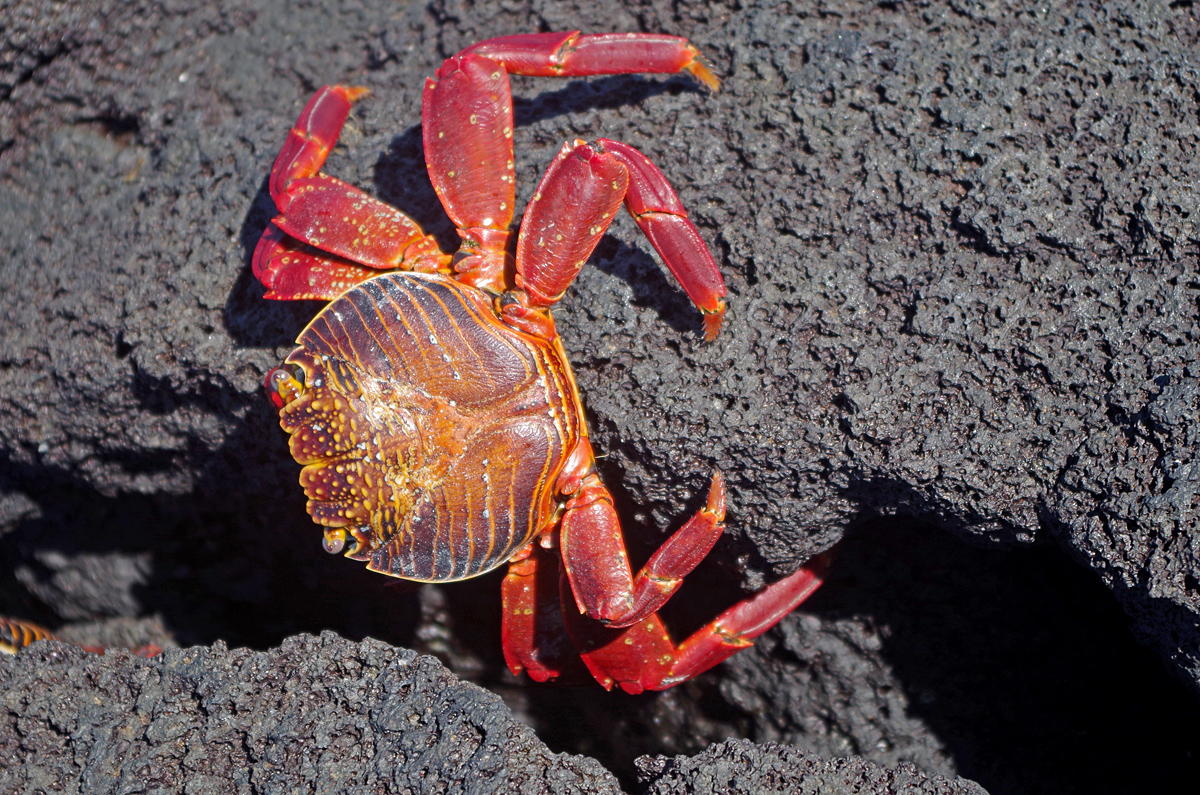
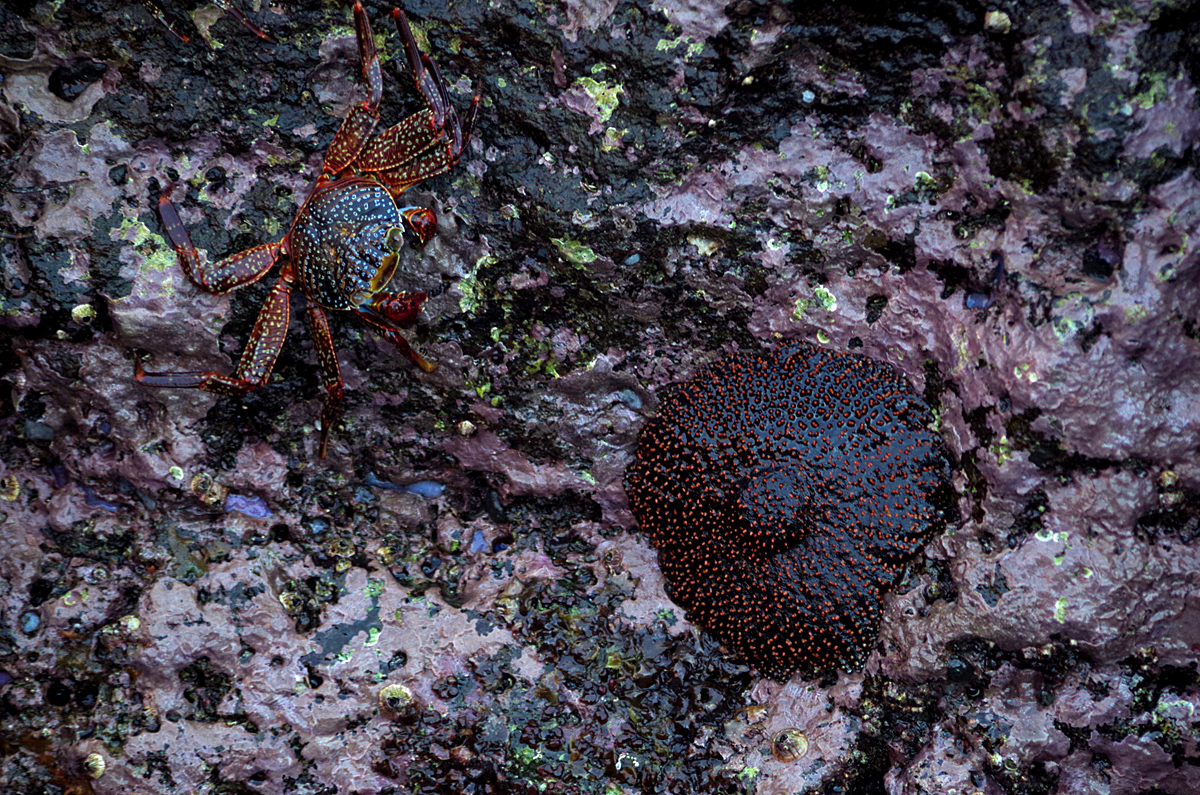
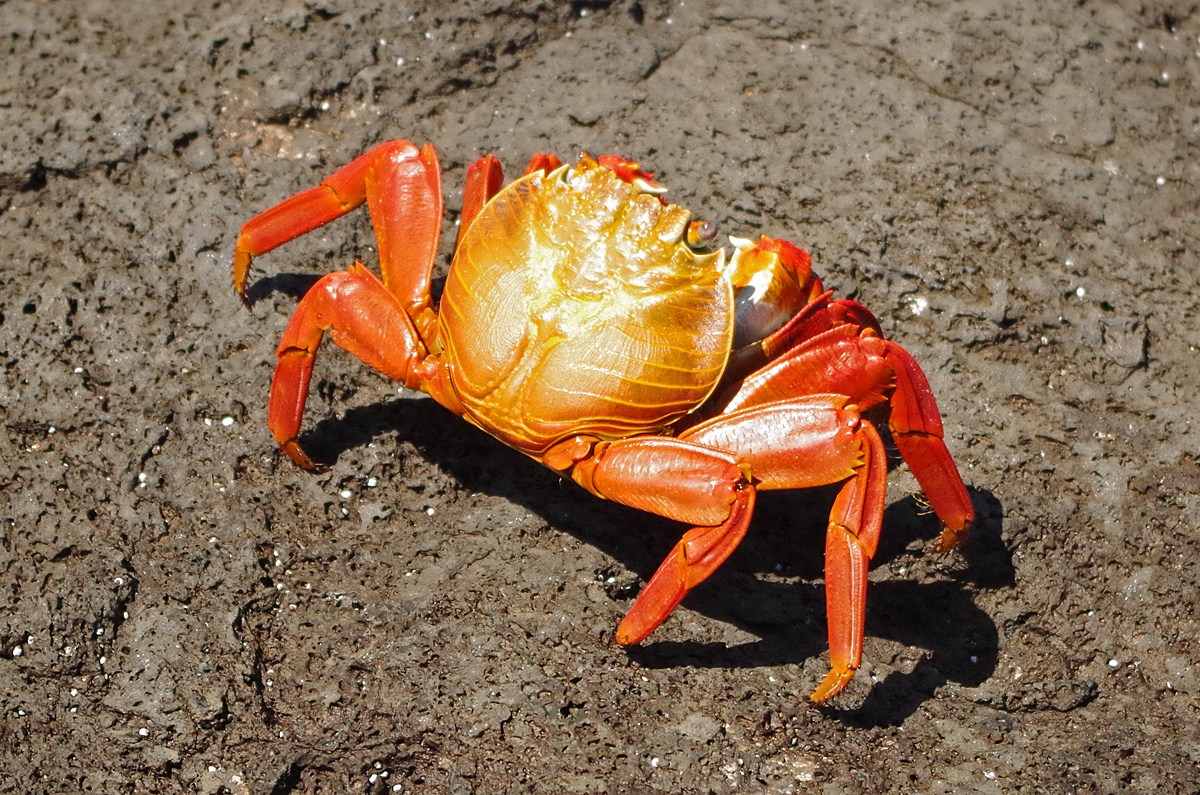
Our first full day, on Sunday, took us to Santa Fe Island, home of Sea Turtles, Sea Lions and Land Iguanas. Most of the passengers had their first snorkel that morning, which included sighting a White Tipped Reef Shark, Sting Rays and Sea Turtles. After lunch, we moved on to South Plaza Island, where we saw our first of many Land Iguanas, Sally Lightfoot Crabs, Swallow-tailed Gulls and Blue-footed Boobies.
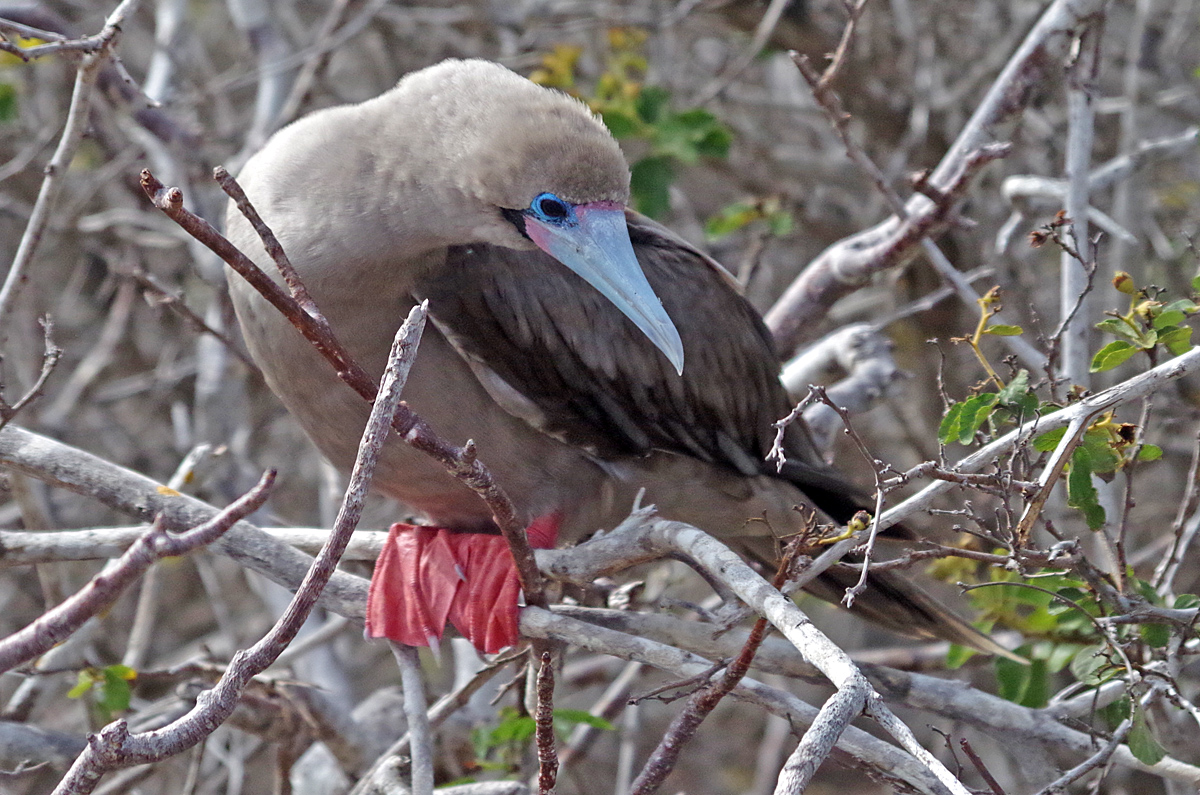
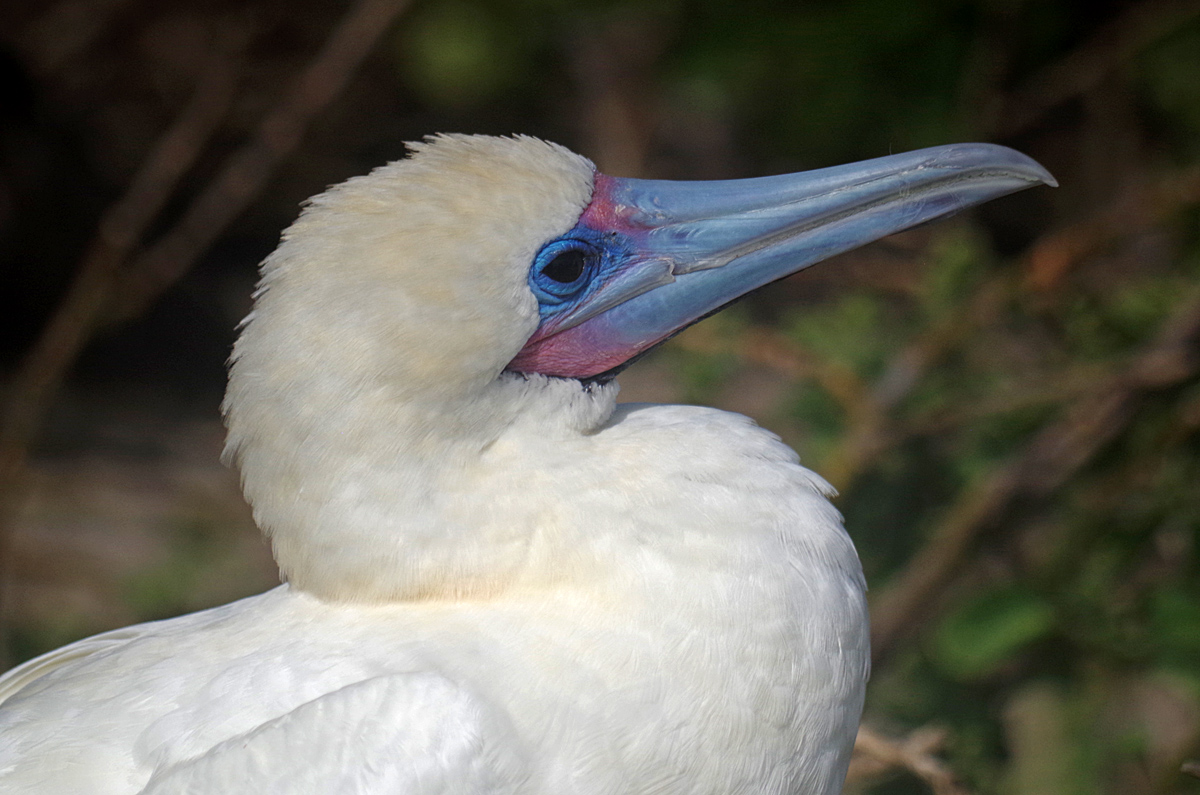
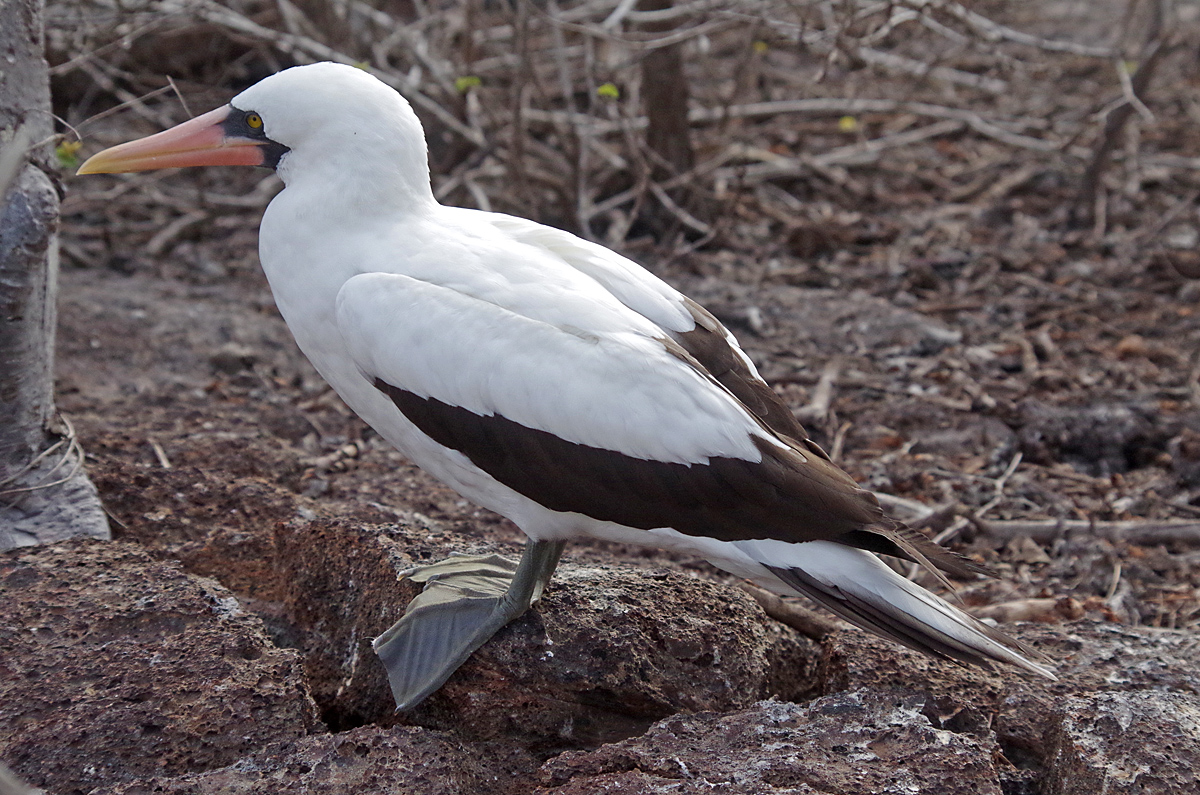
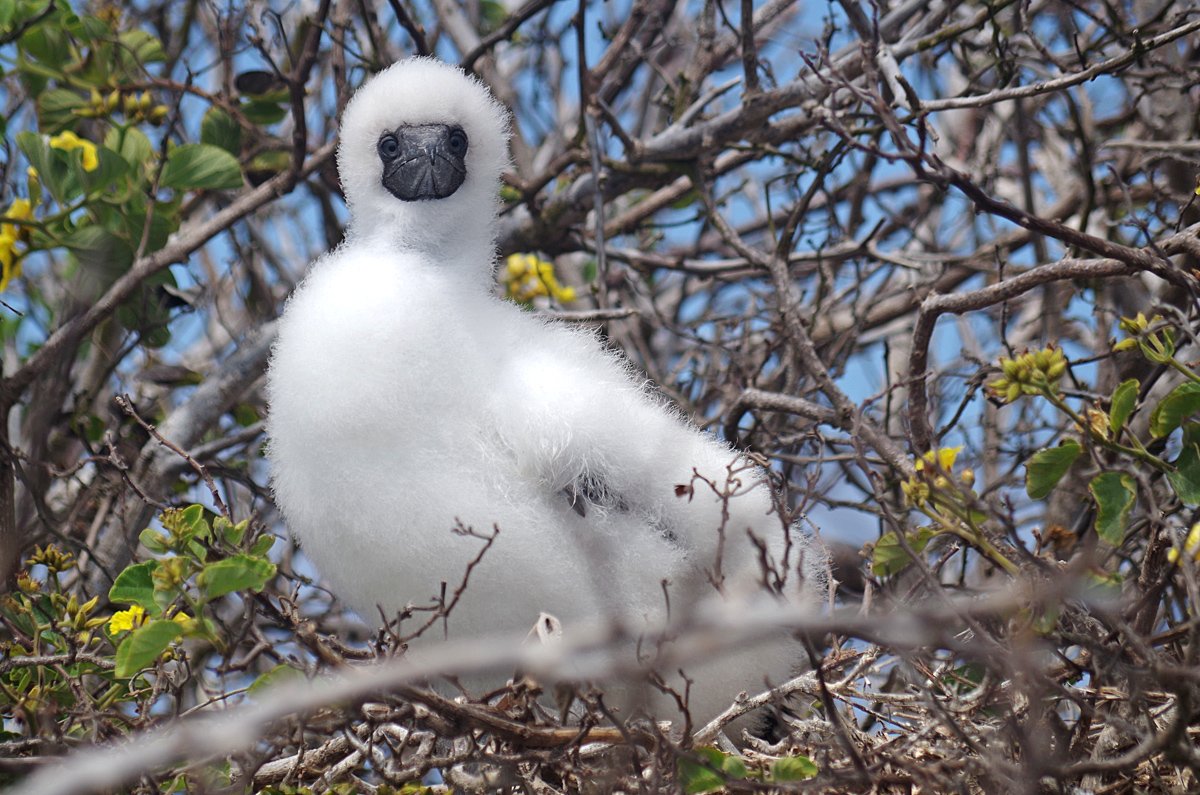
Monday took us to Genovesa Island, where we visited Prince Phillip’s Steps and saw our first Red-footed Boobies, more Blue-footed Boobies, and Nazca Boobies. In the afternoon, our wildlife adventure continued at Darwin Bay.
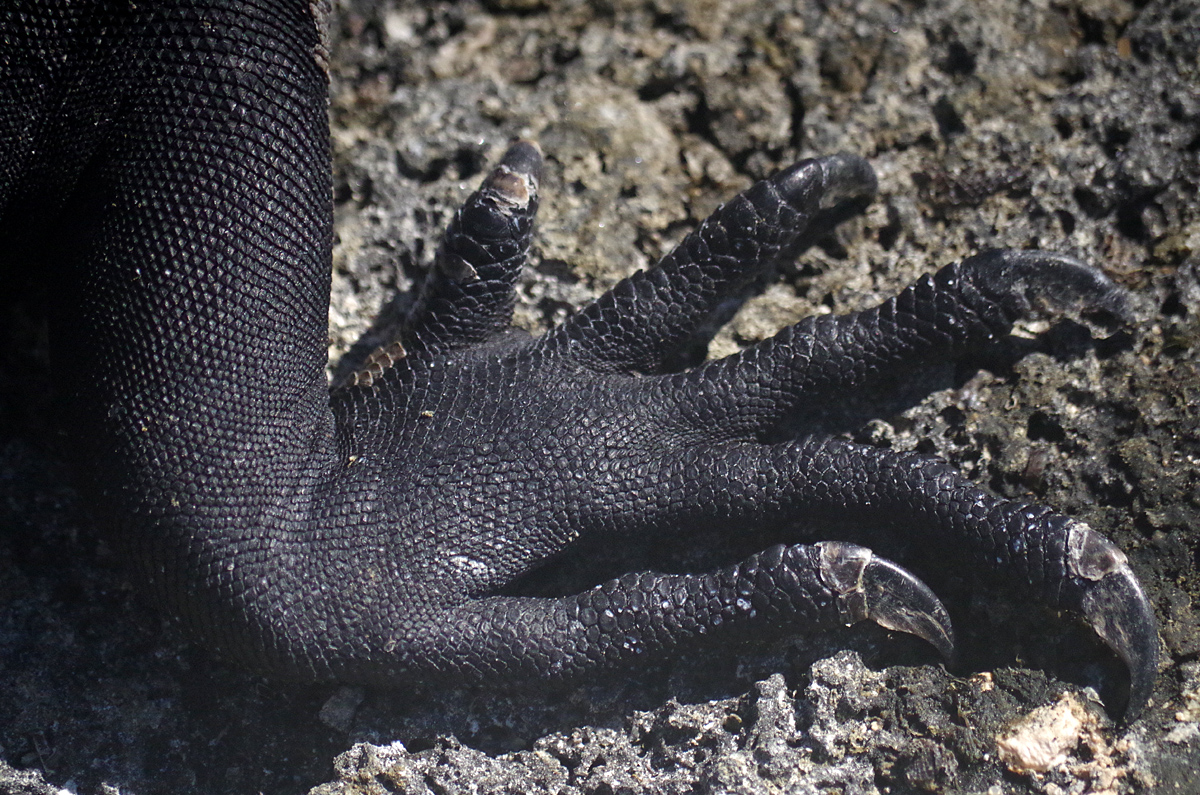
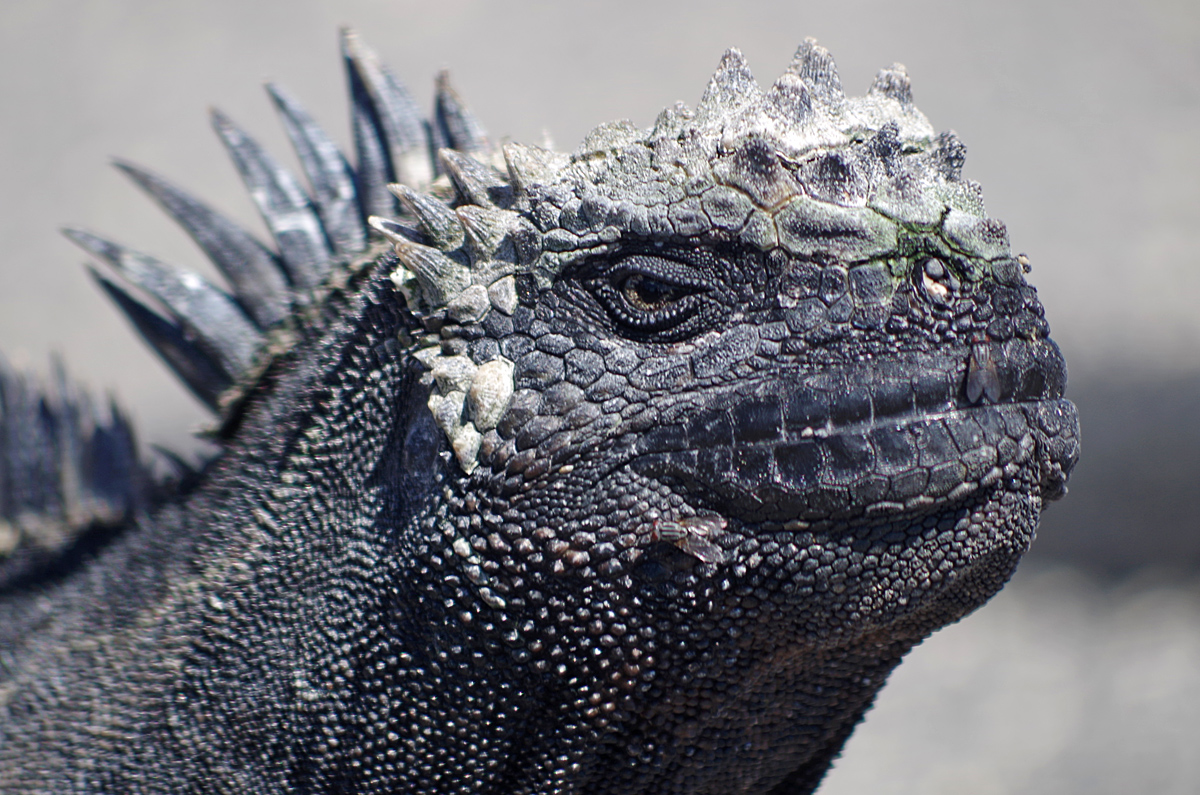
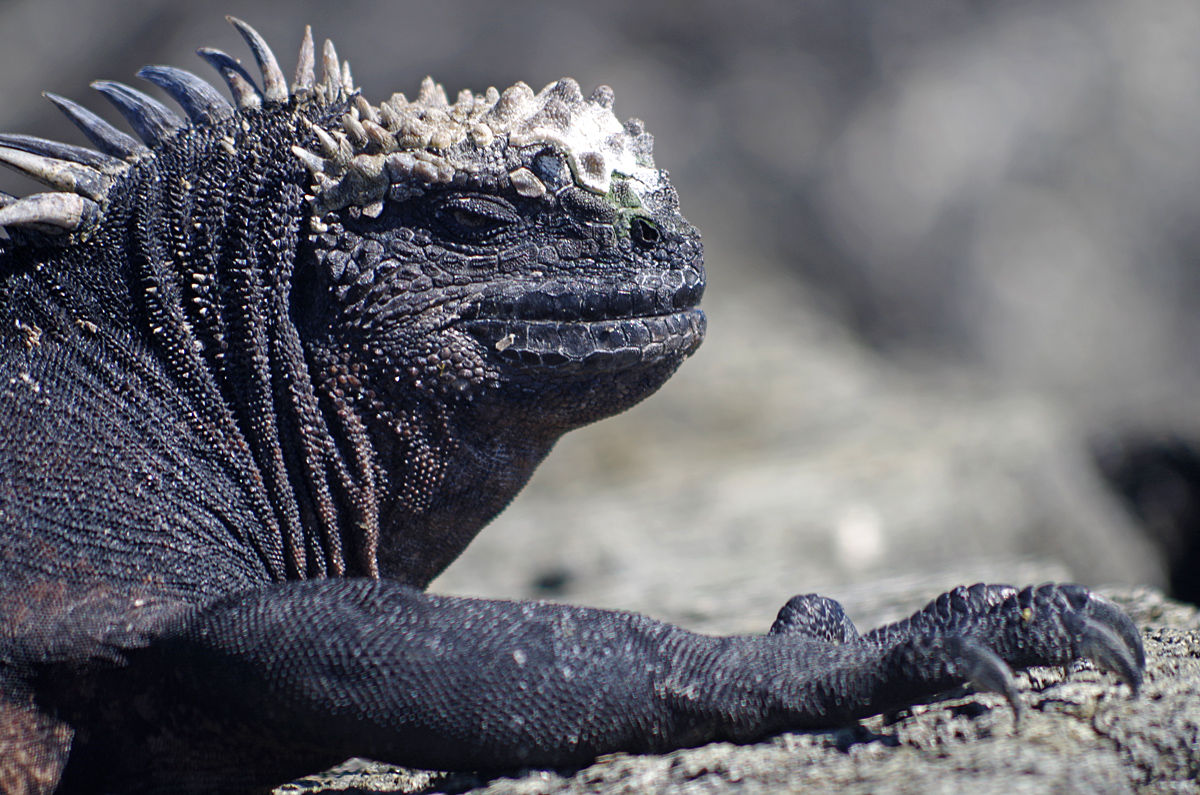
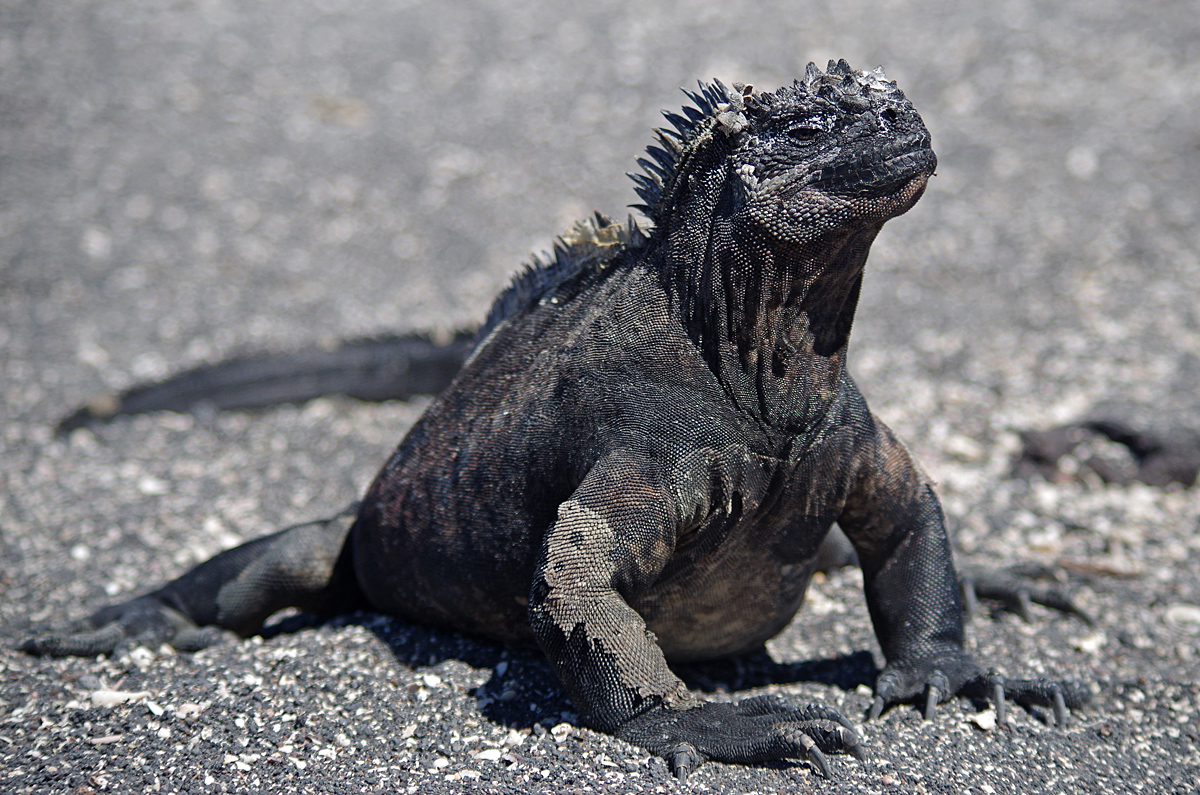
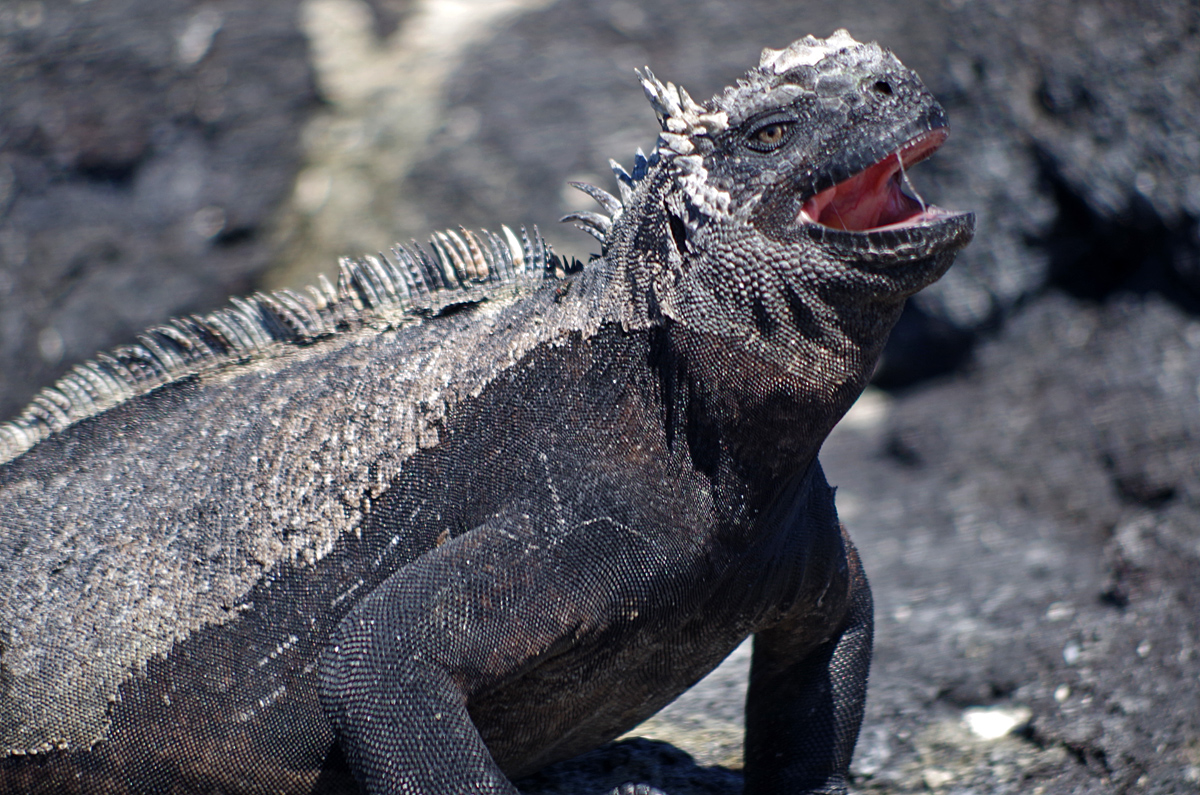
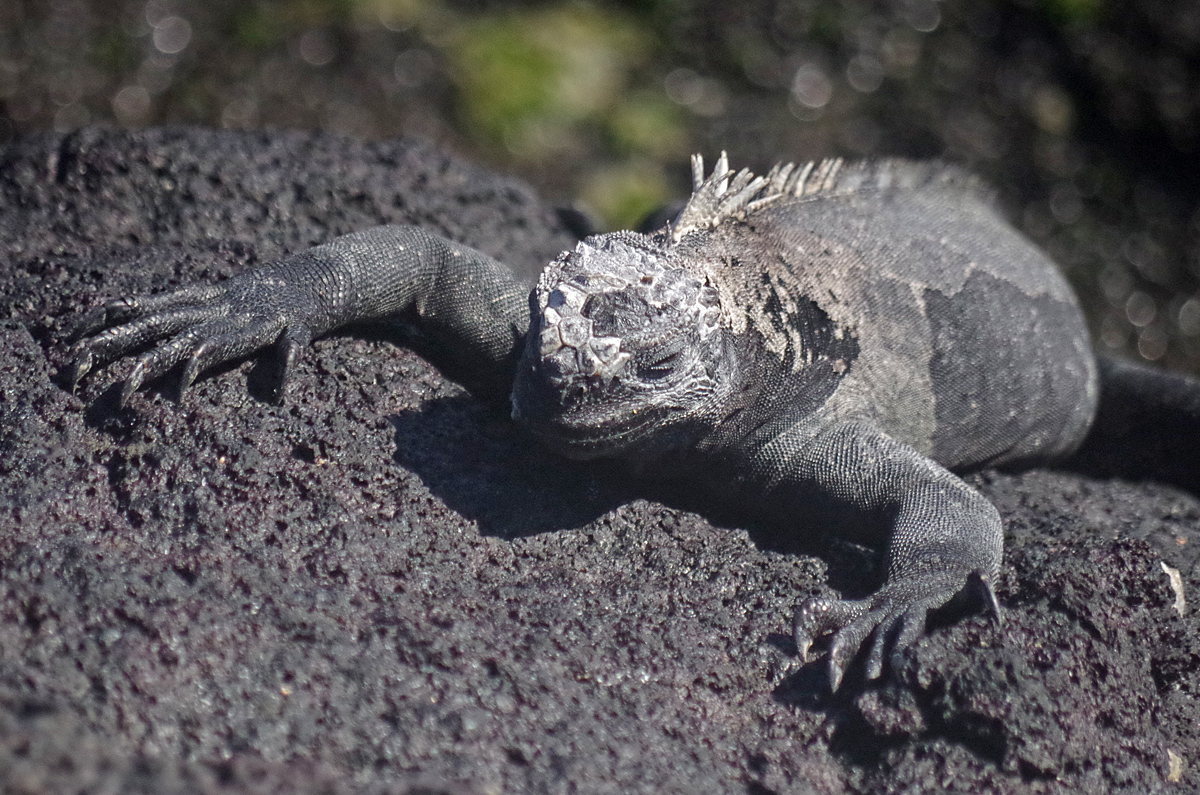
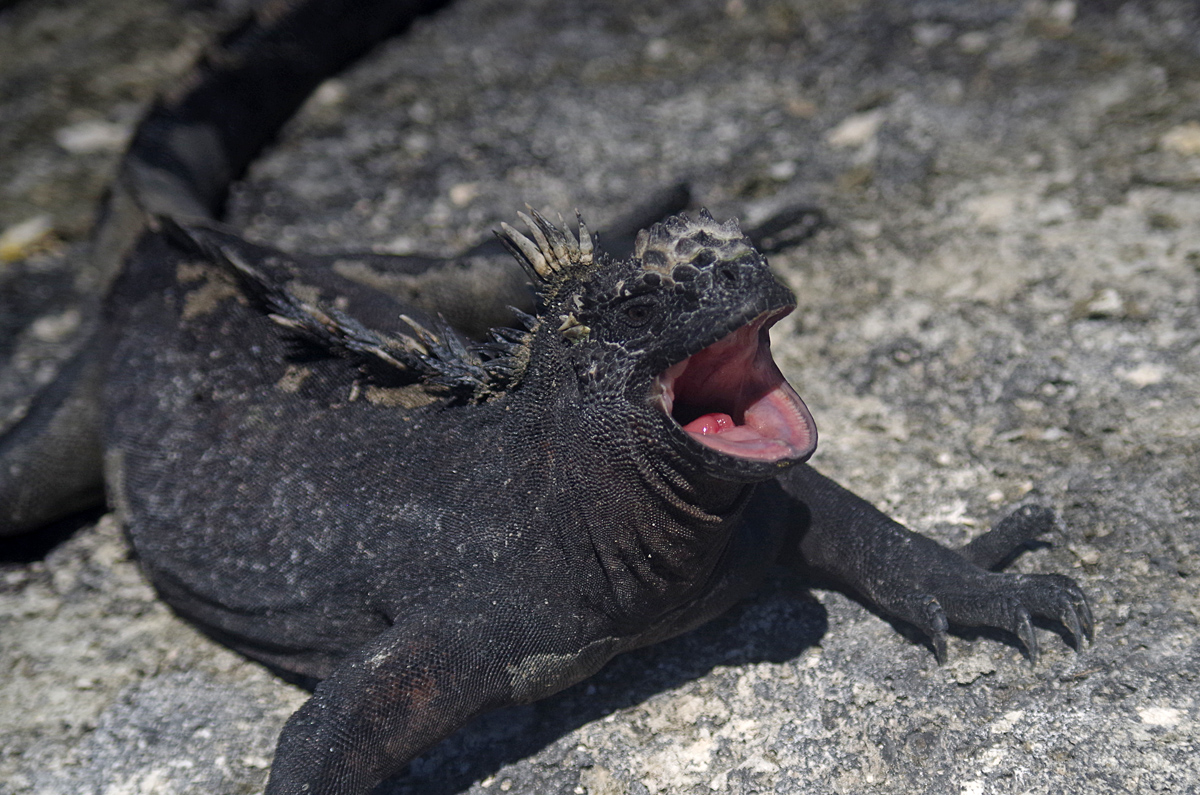
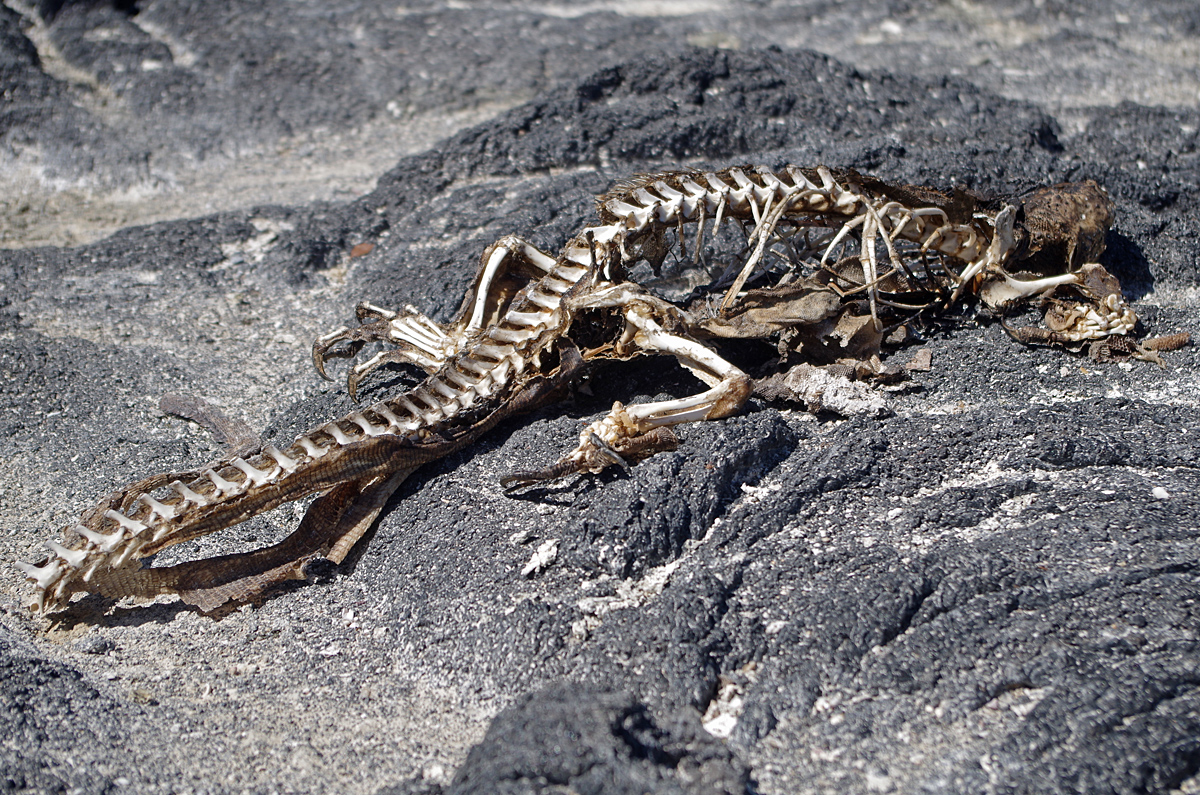
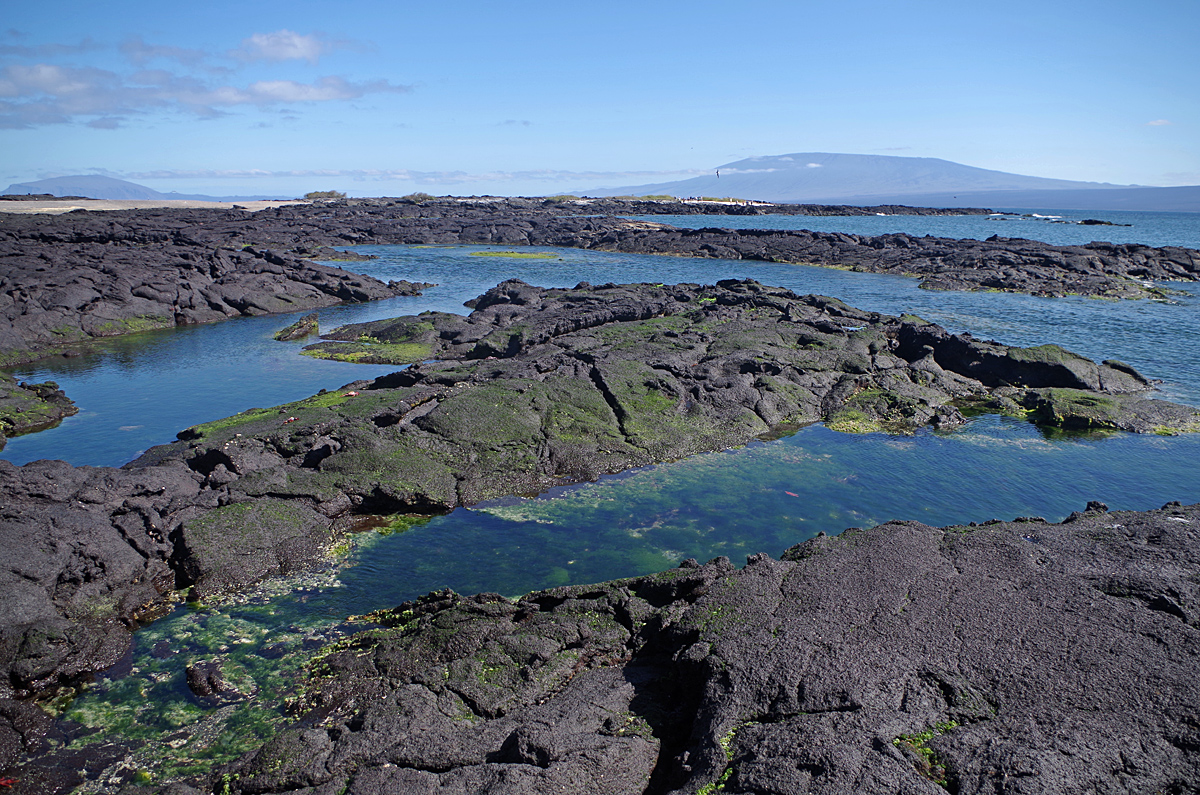
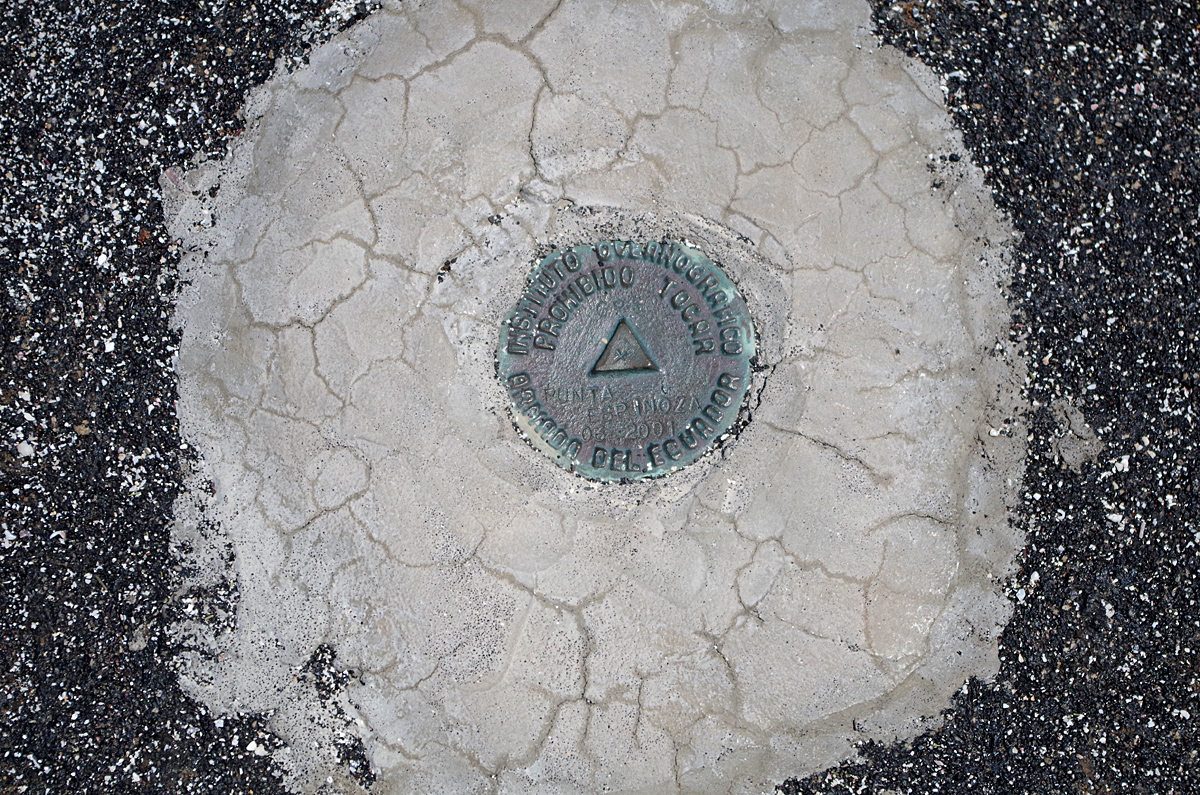
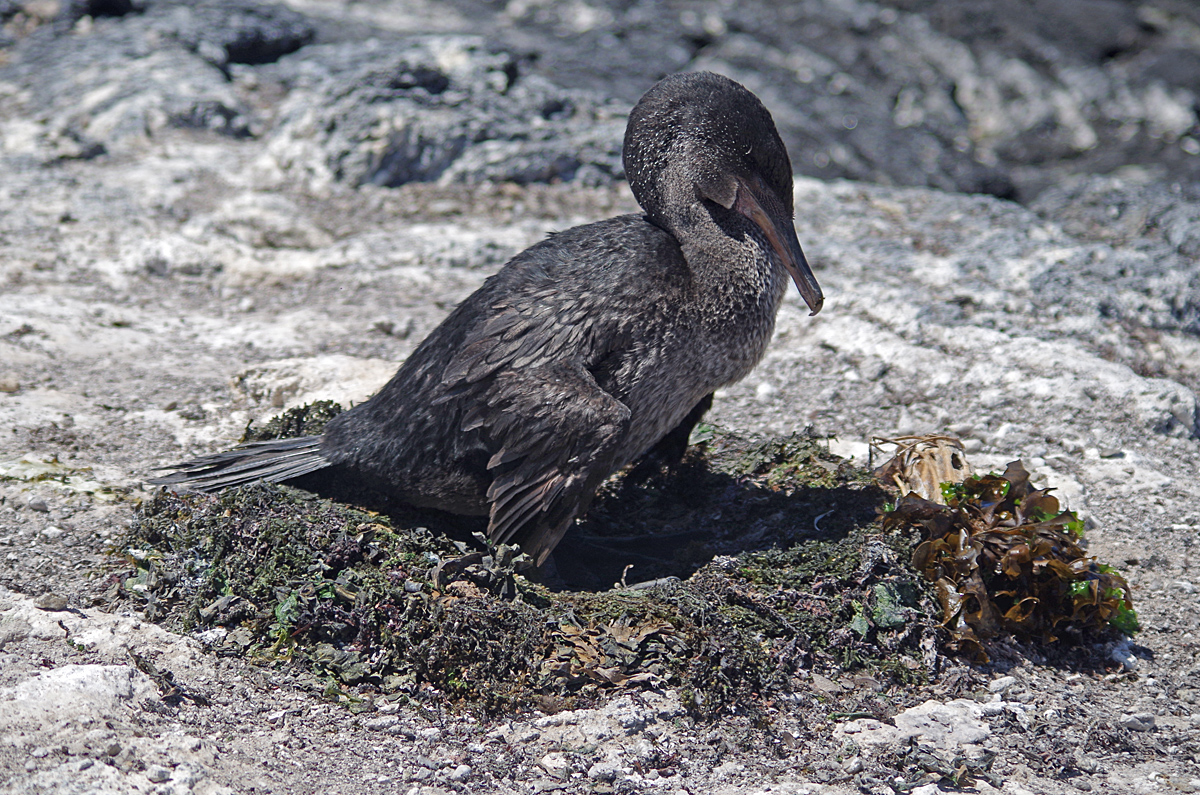
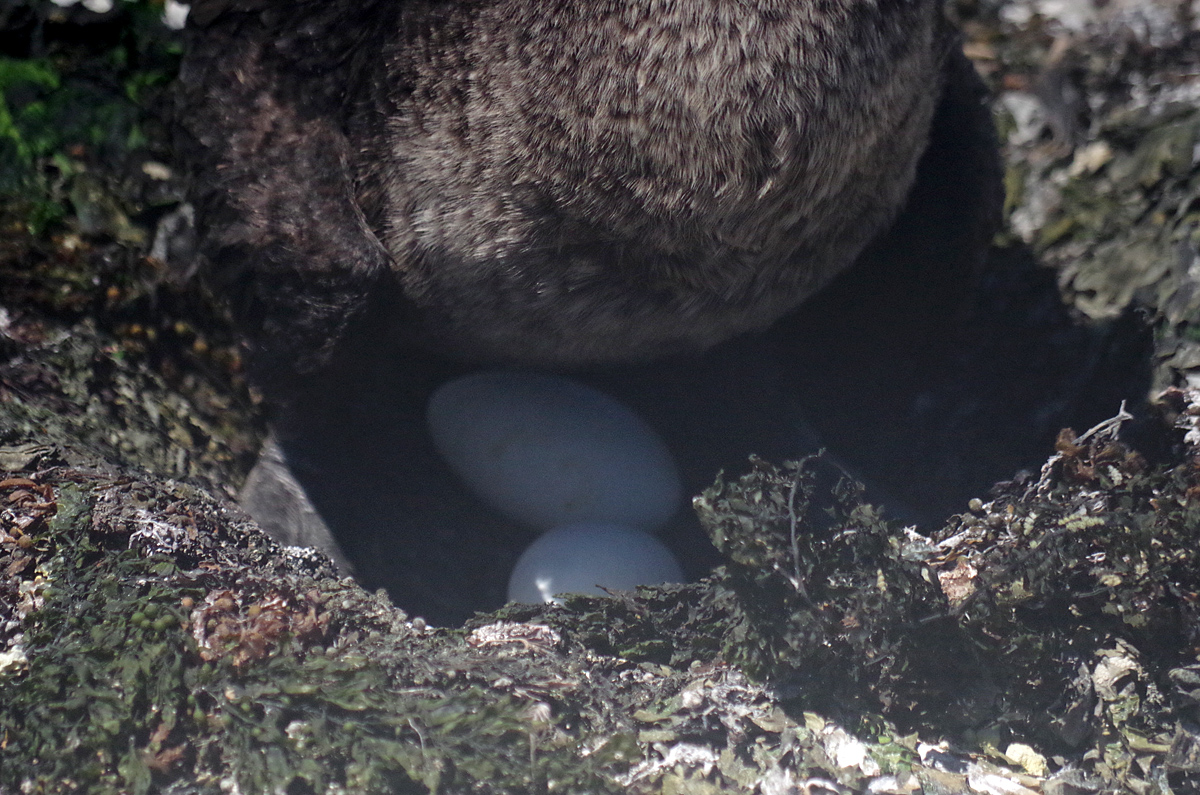
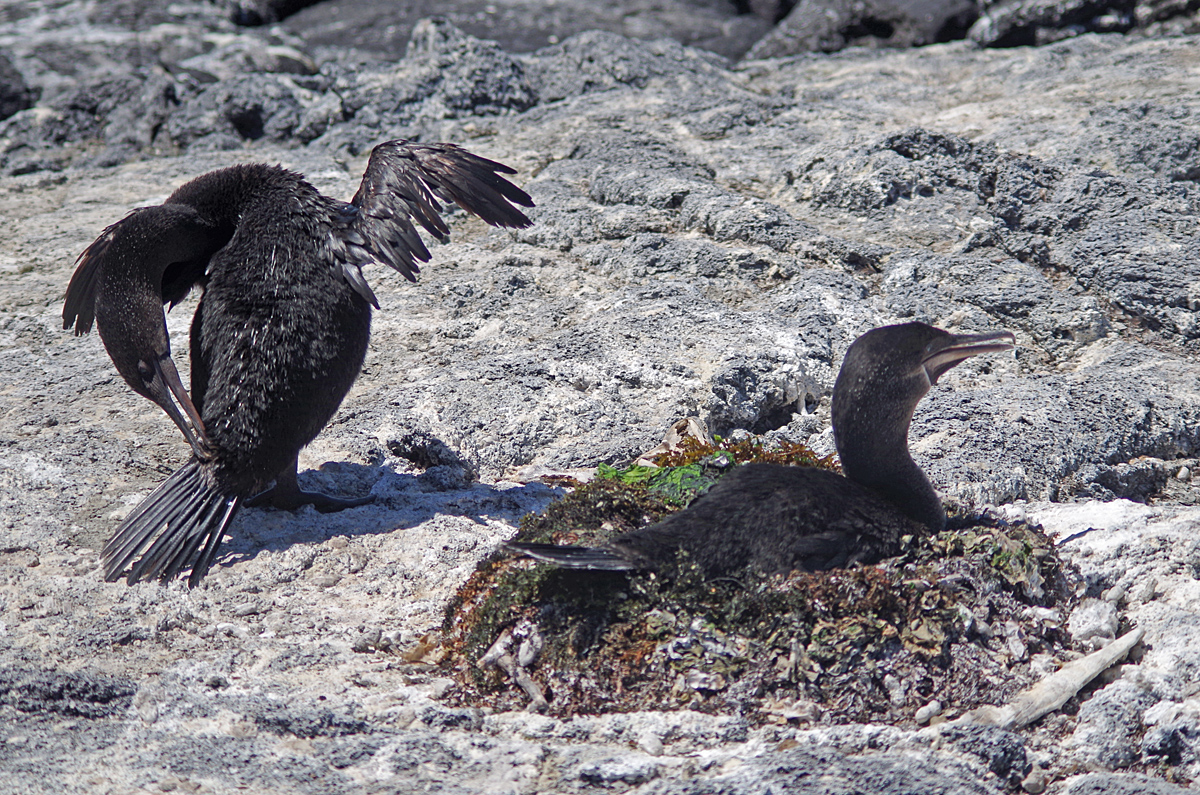
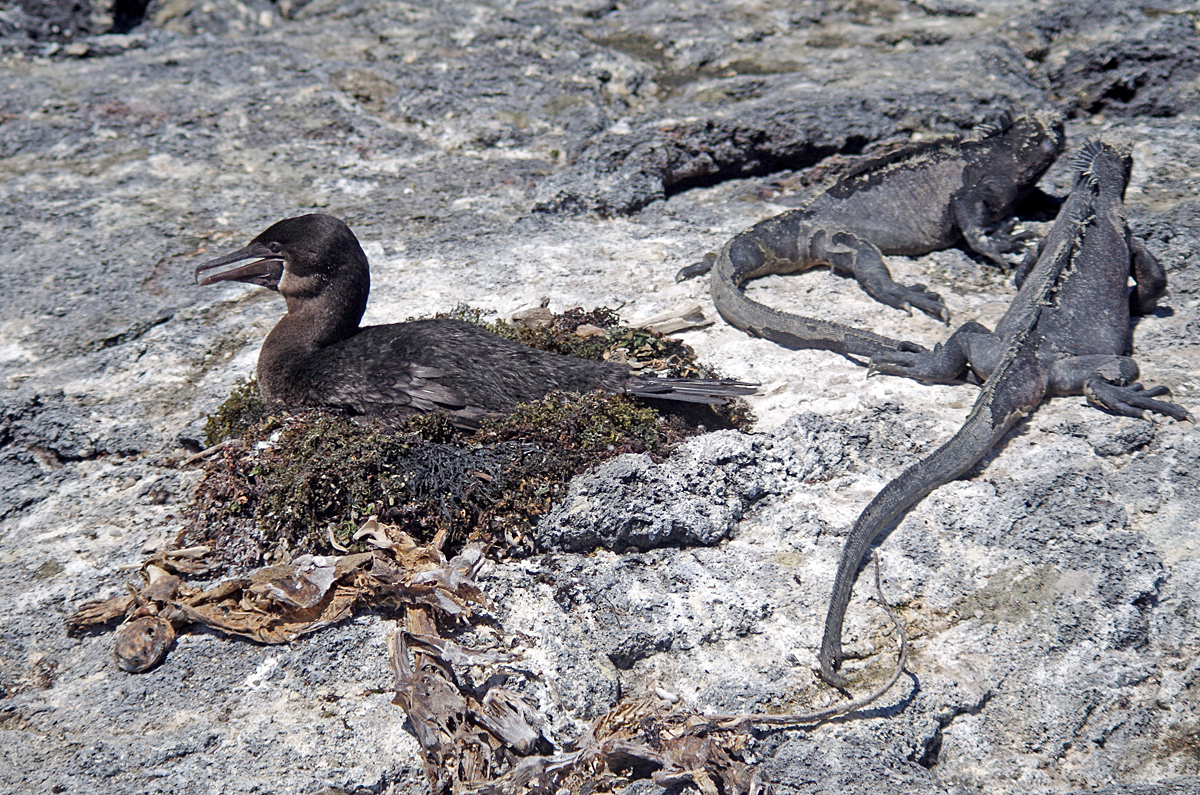
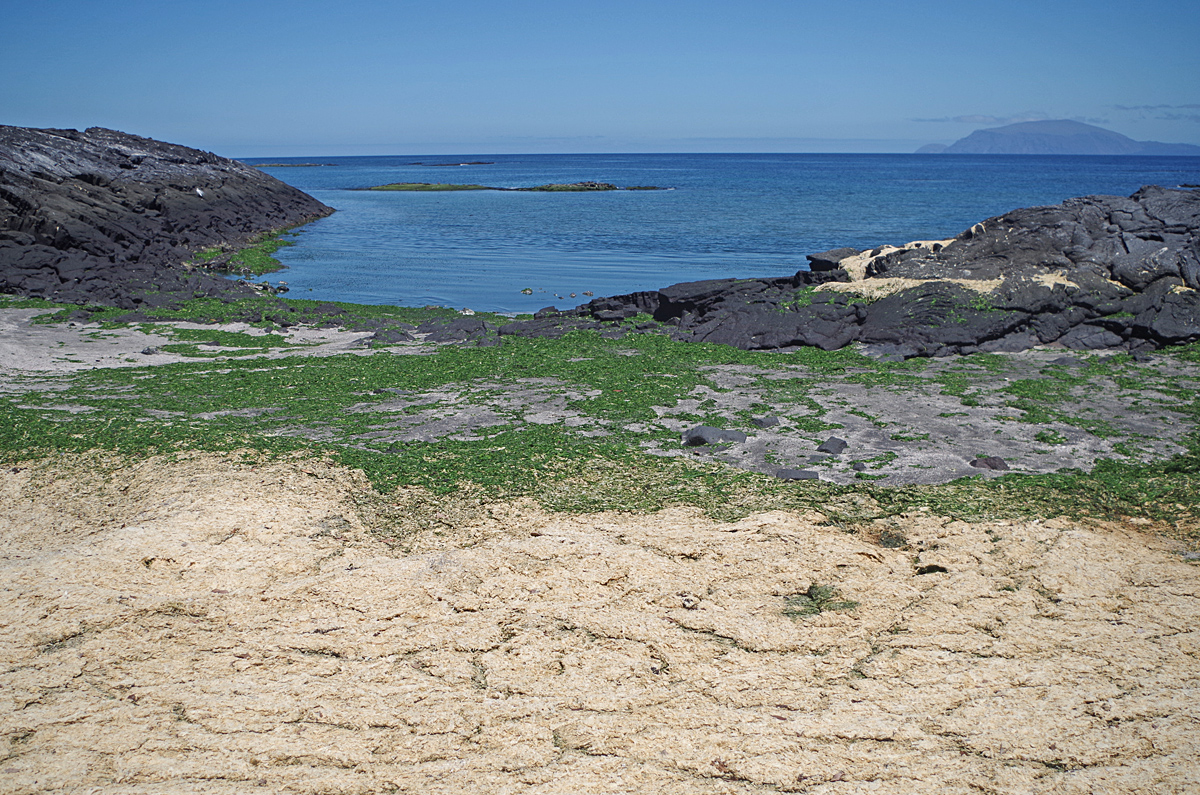
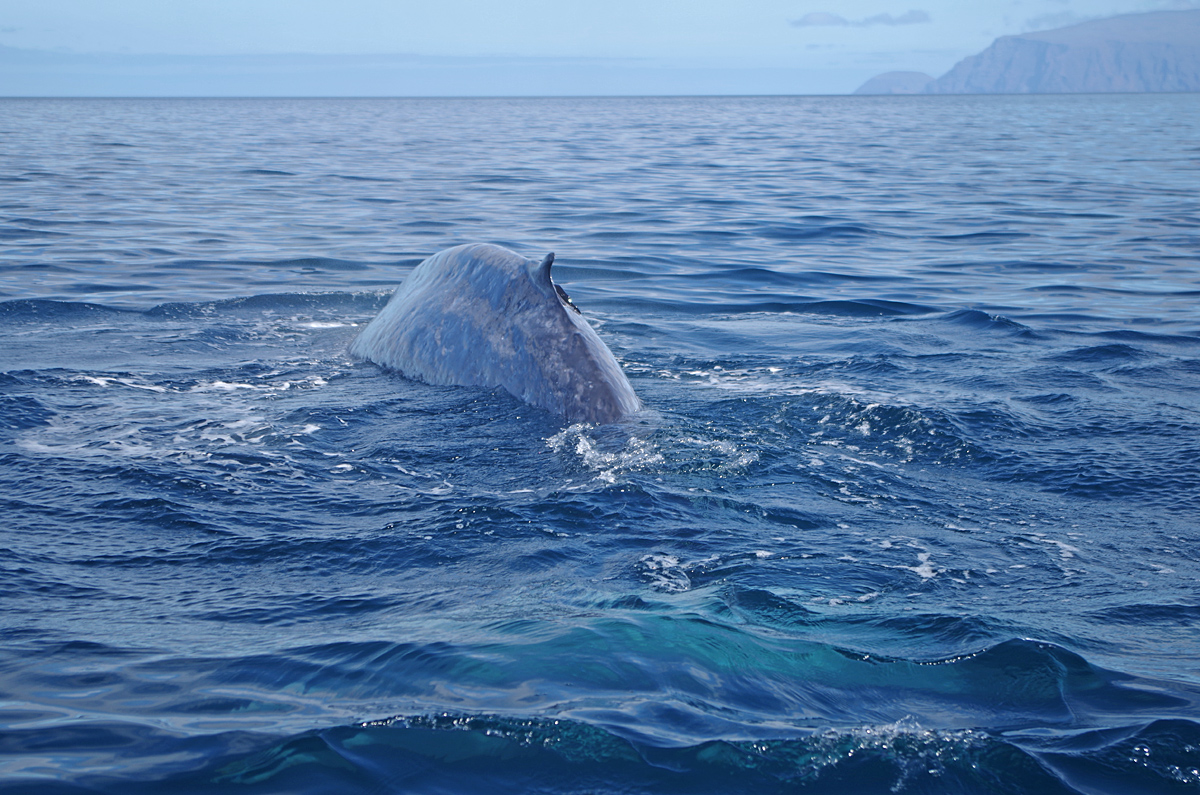
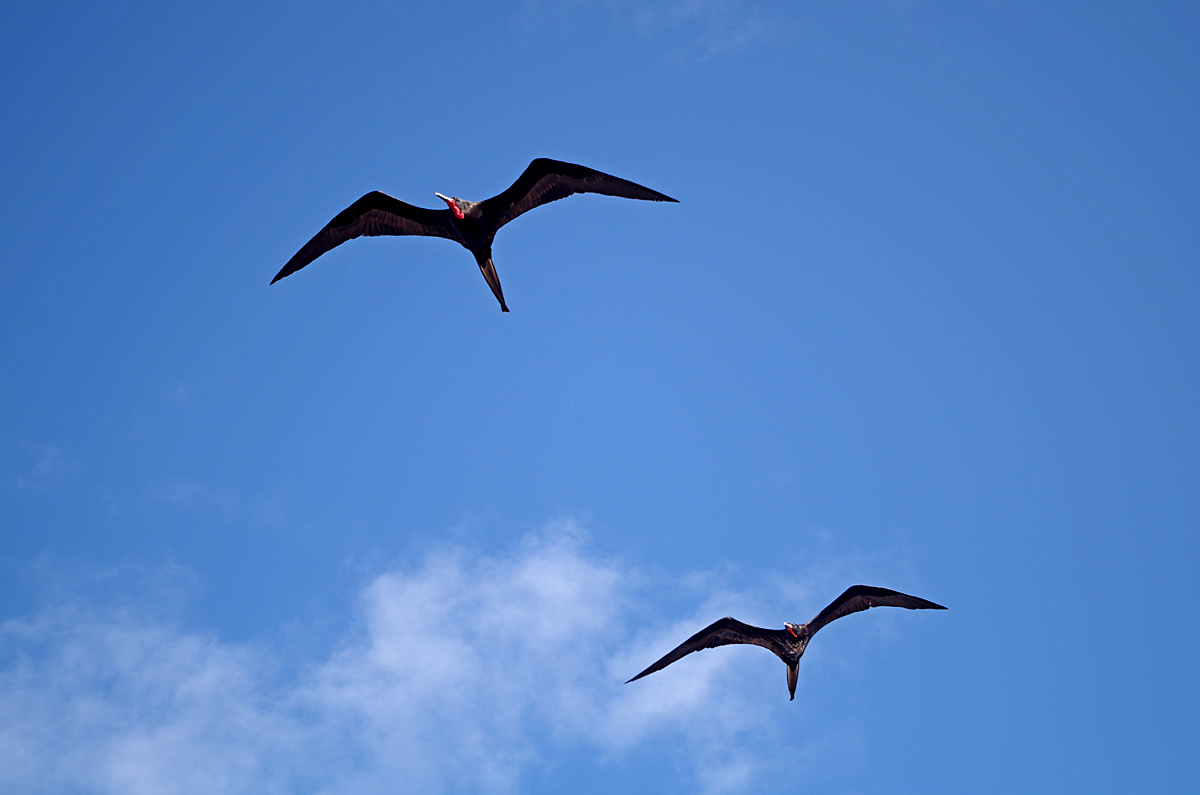
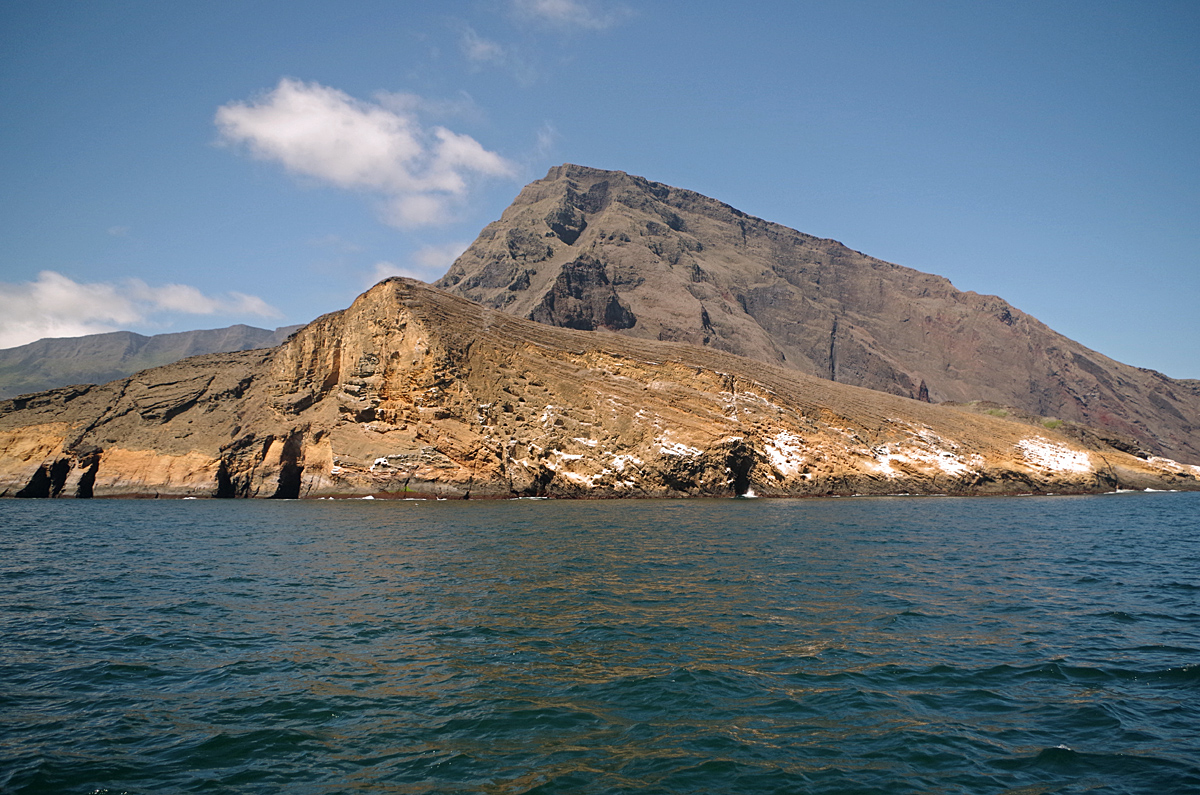
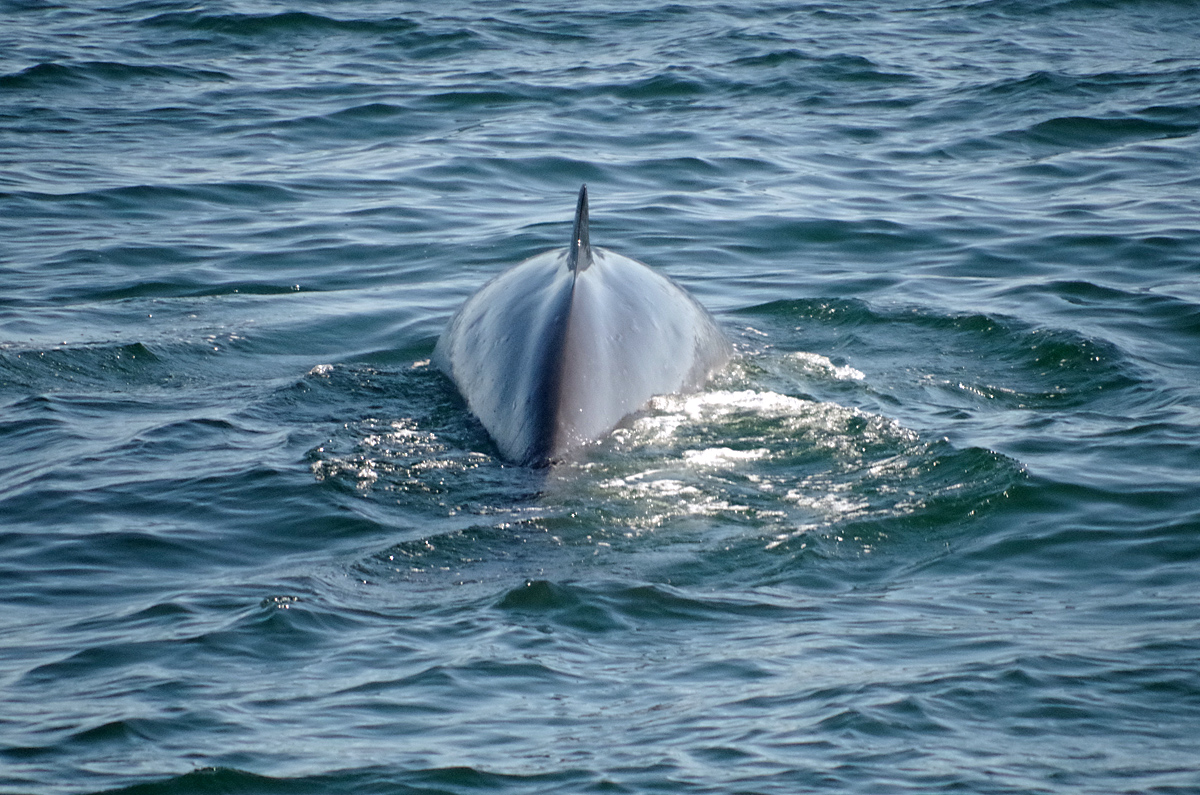
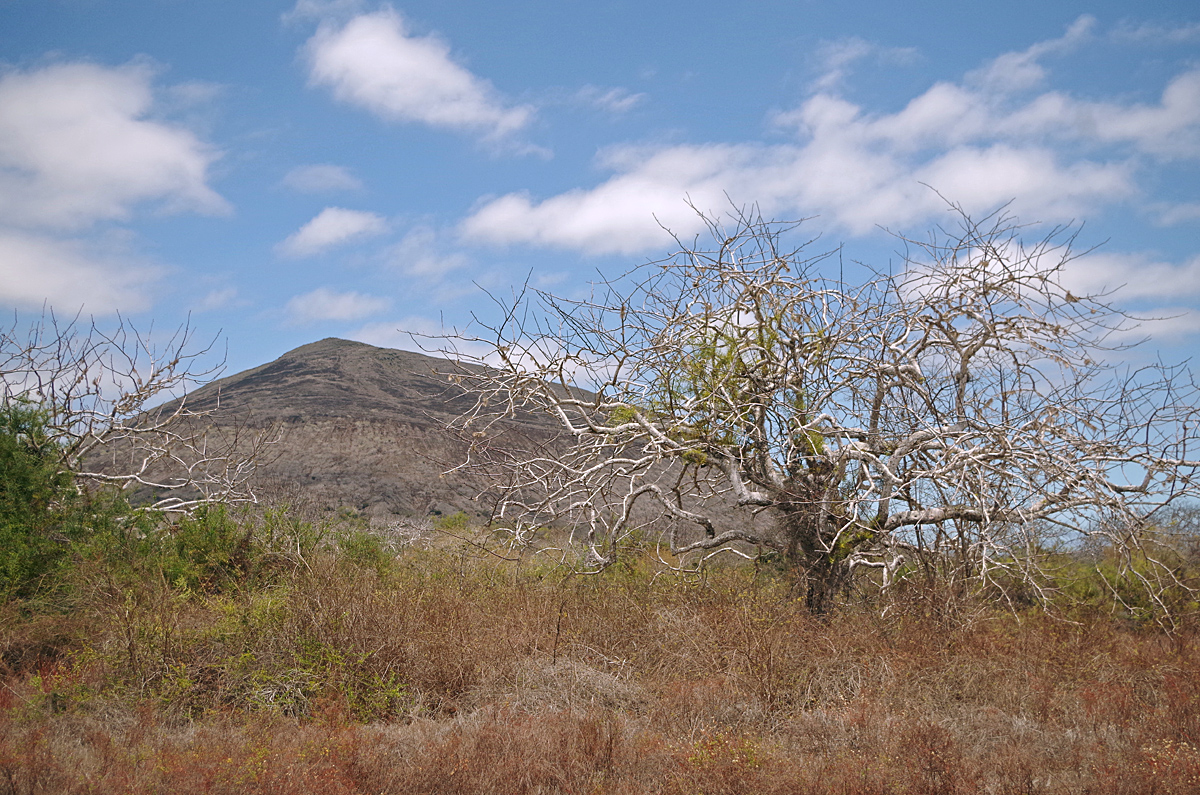
On Tuesday, we visited Punta Espinoza on Fernandina Island in the morning, and Urbina Bay on Isabela Island in the afternoon. Fernandina is formed around the still-active La Cumbre Volcano, and Punta Espinoza is home to Marine Iguanas, Golden Iguanas, Sea Lions, and nesting Flightless Cormorants, among many other endemic species of wildlife. We also saw hundreds of carcasses of Marine Iguanas that starved during the last El Niño, a climatic pattern that severely impacts their food supply. Isabella is home to the Alcedo Volcano, where Urbina Bay provided us with close proximity to Land Iguanas. On our way to Isabela came one of our two whale encounters.
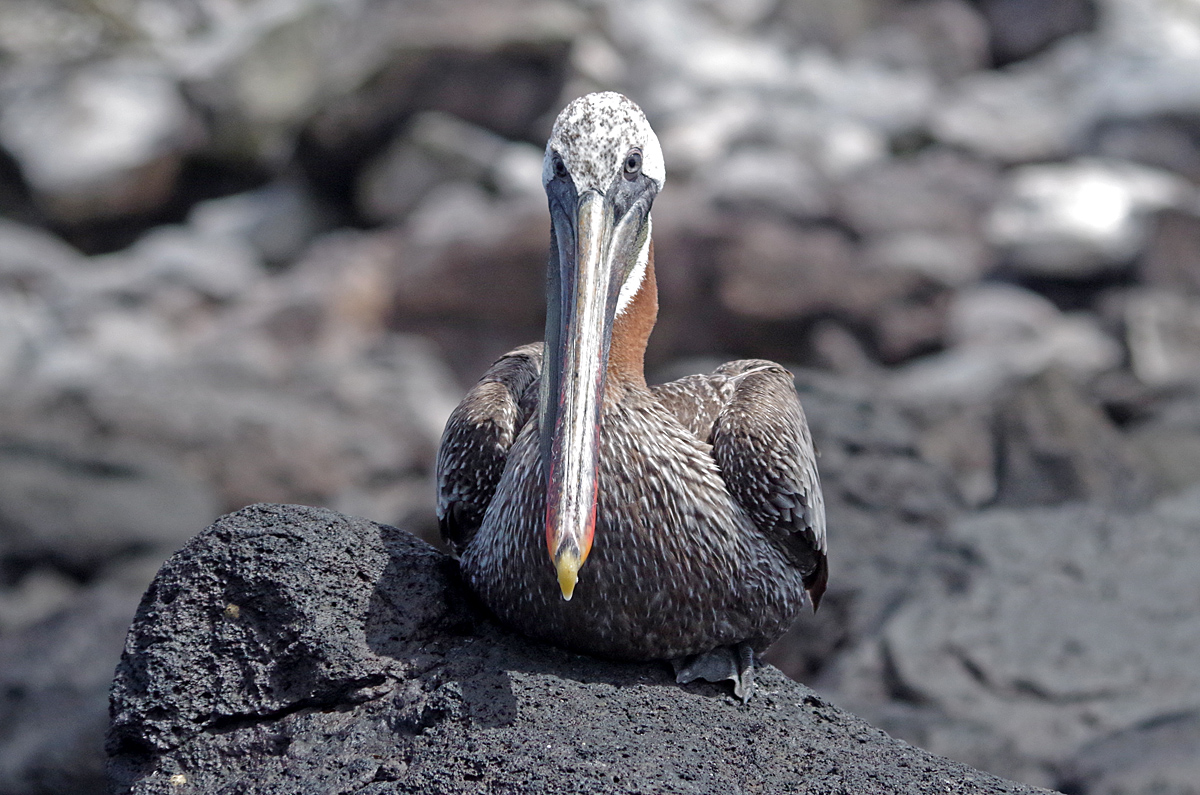
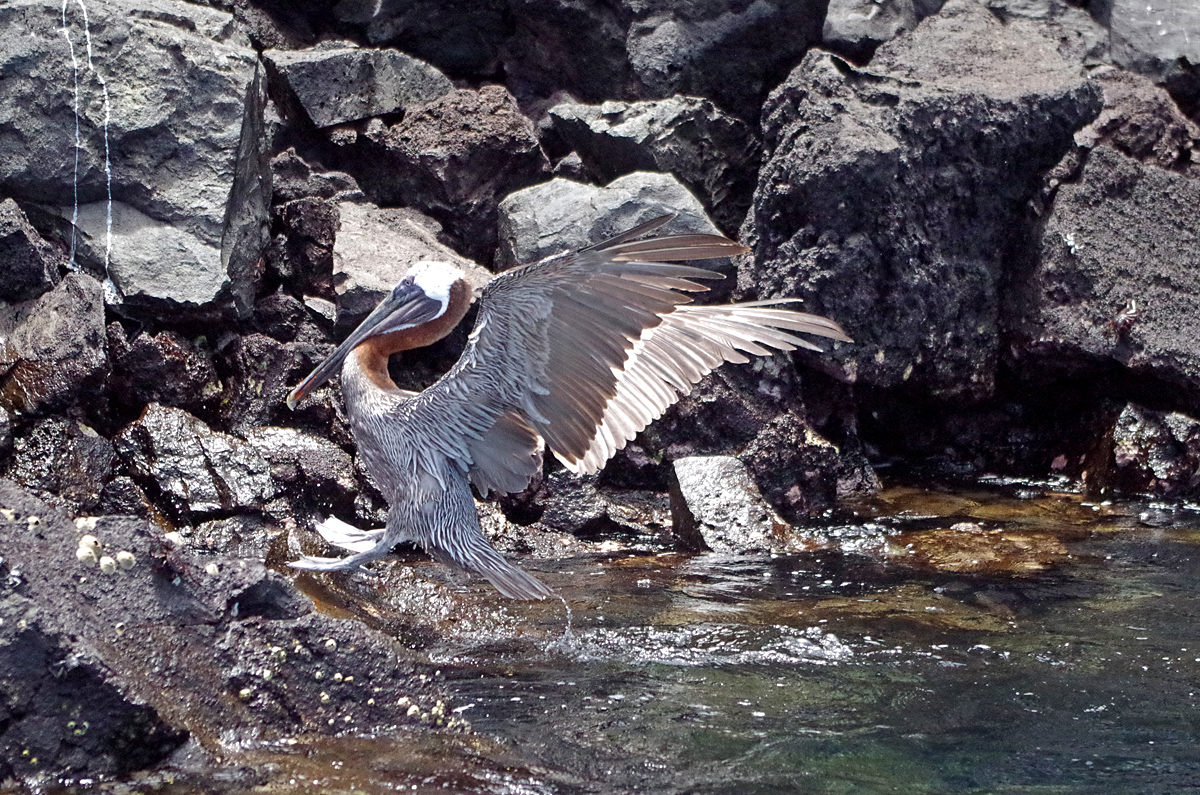
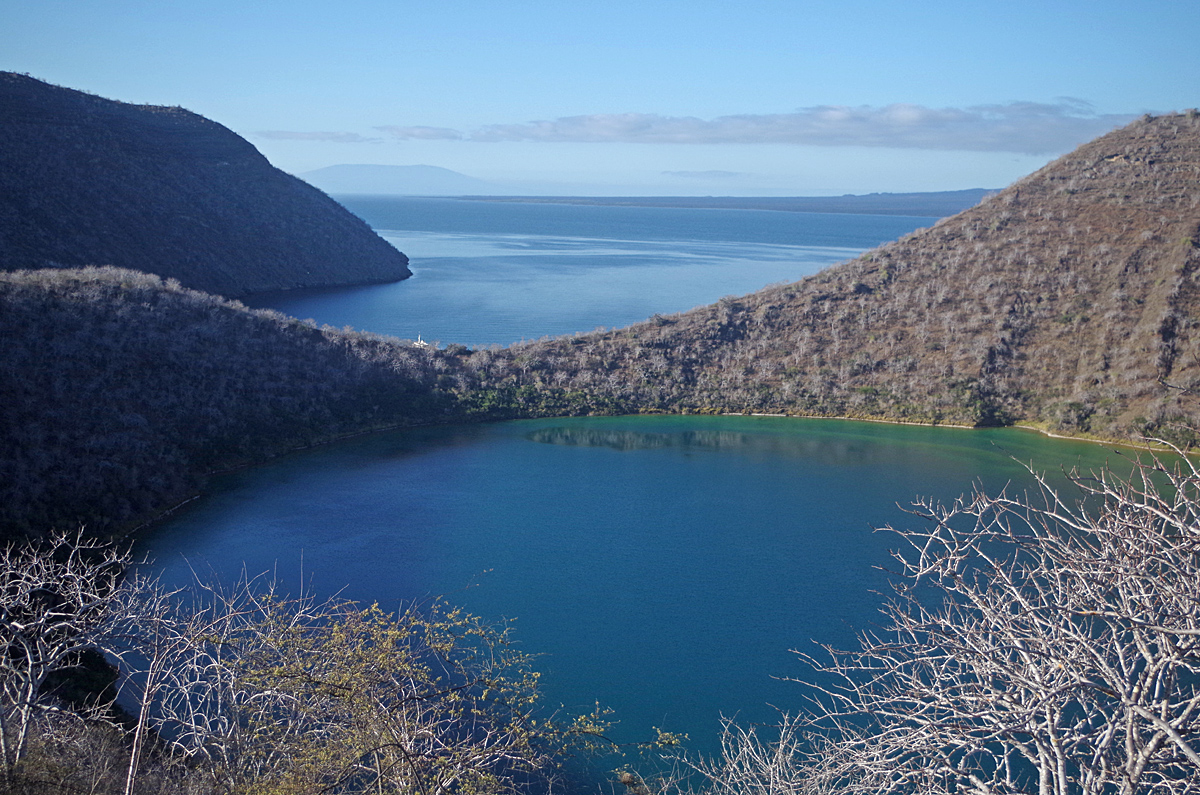
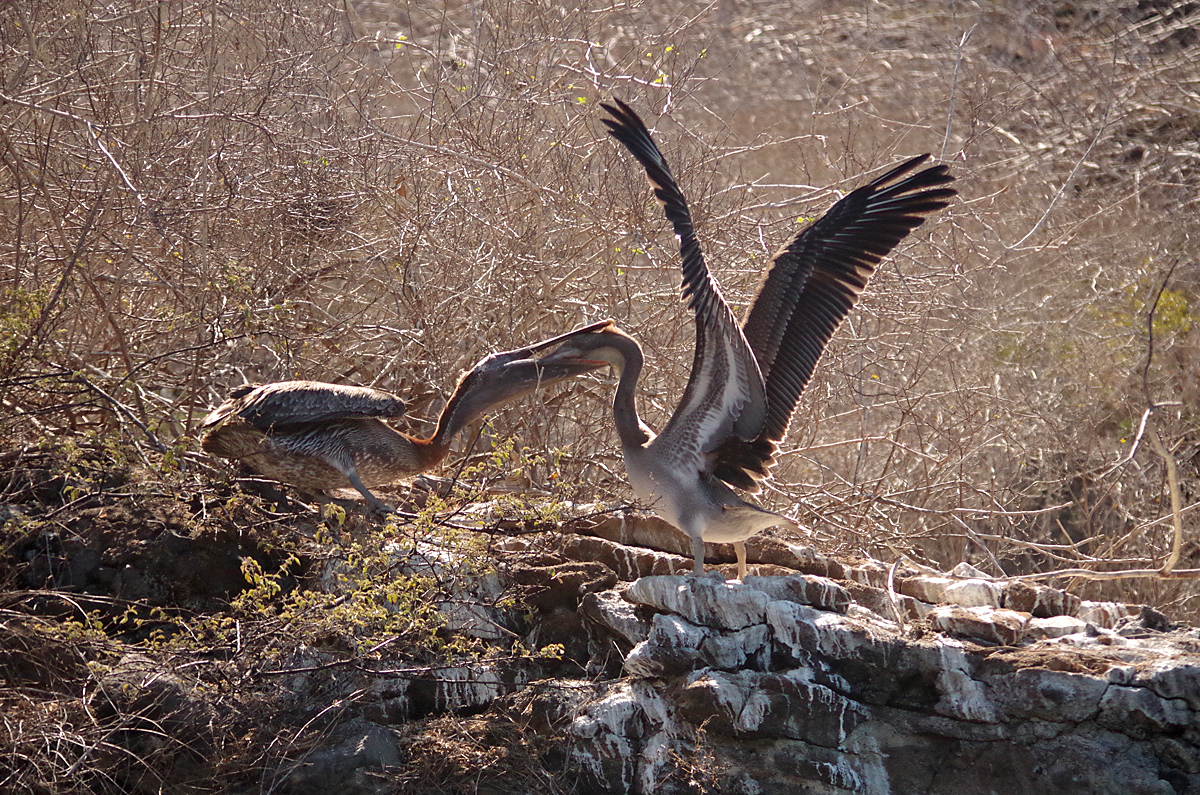
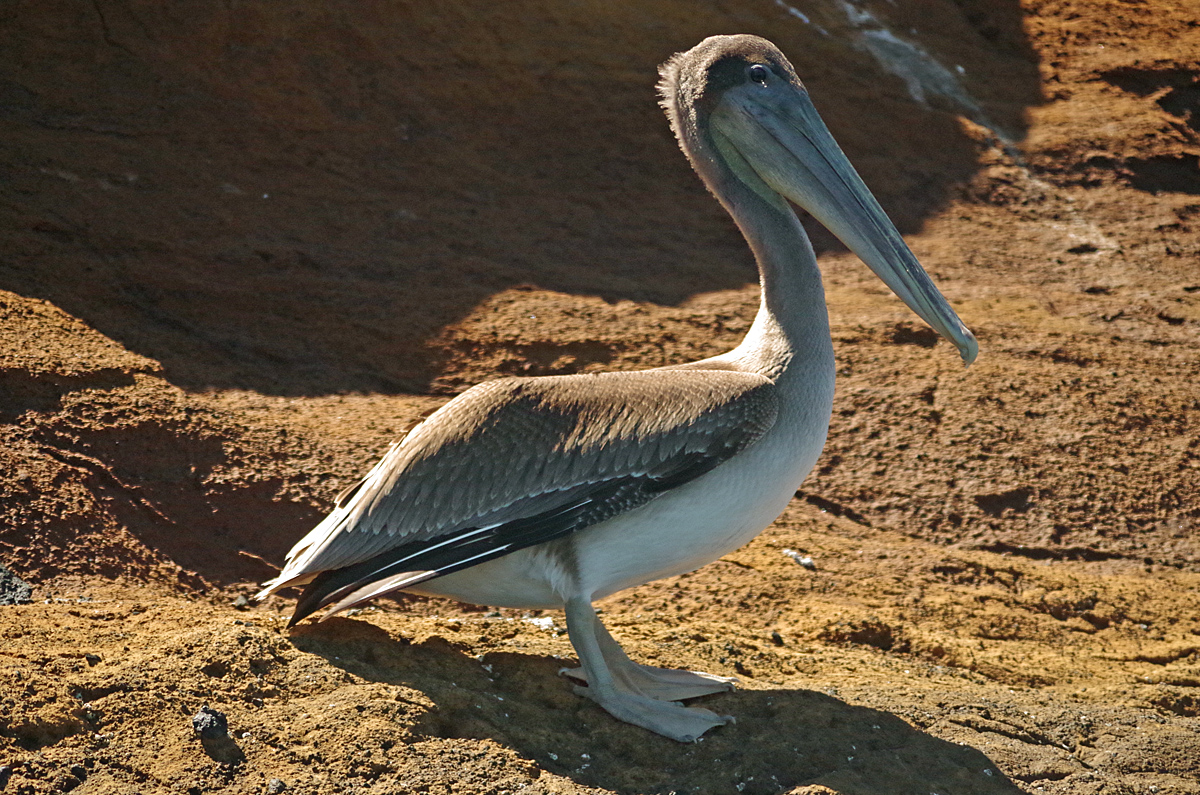
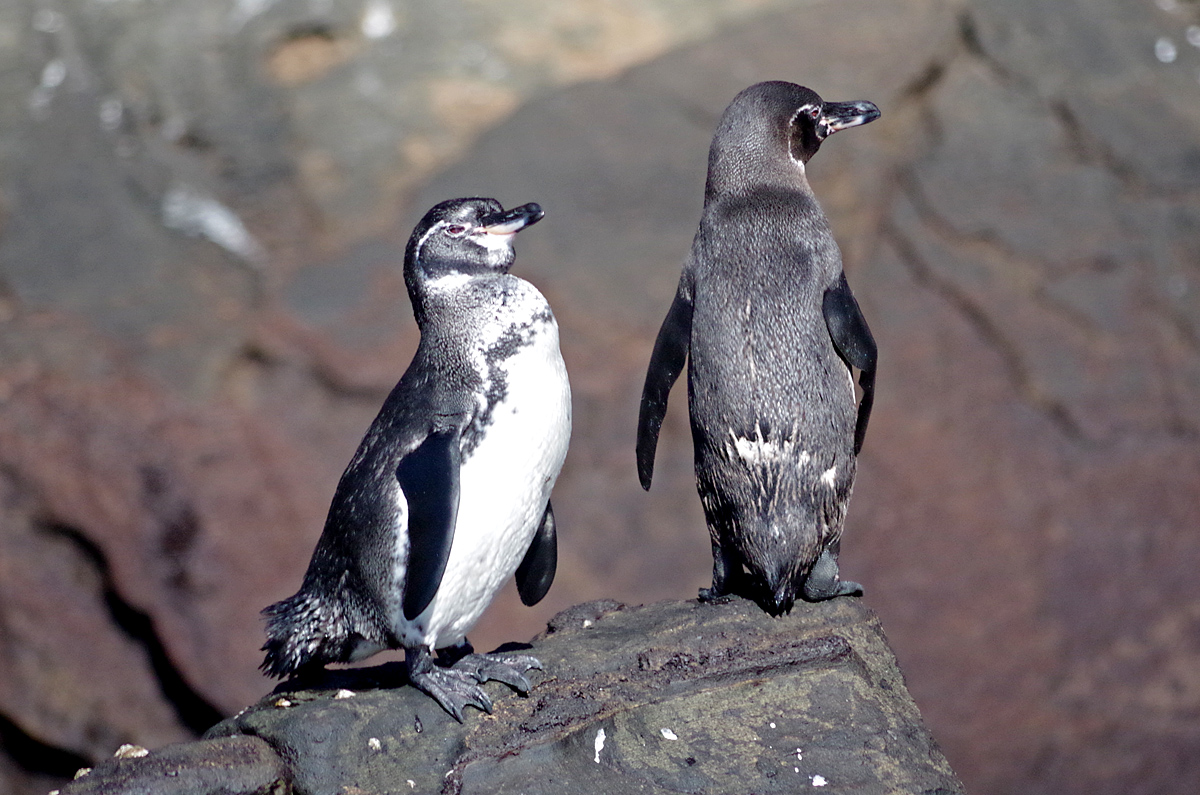
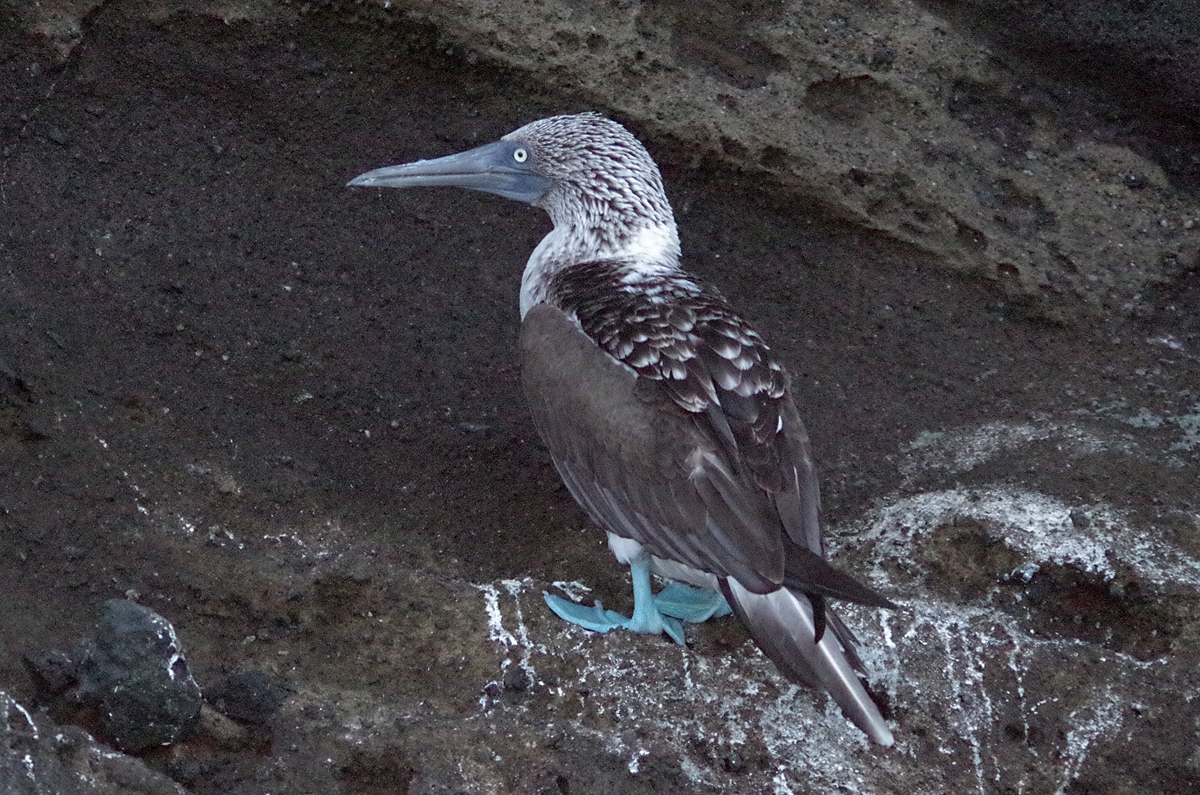
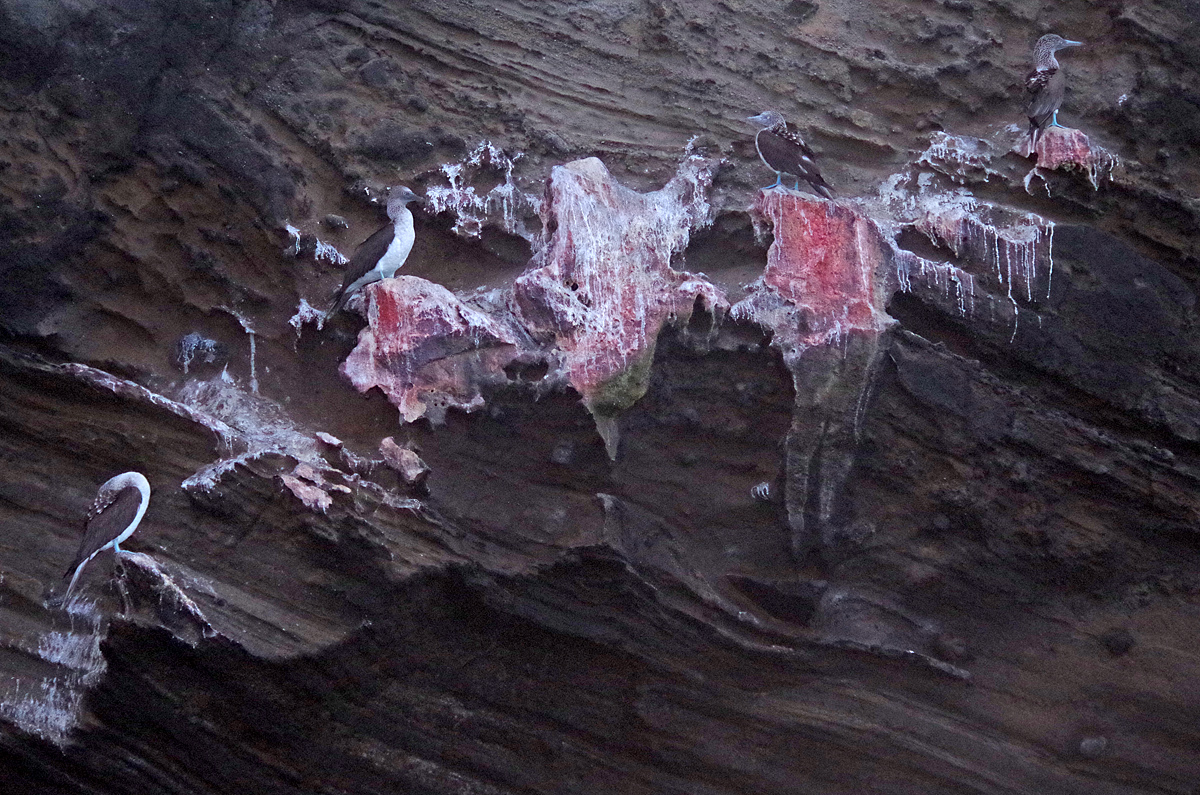
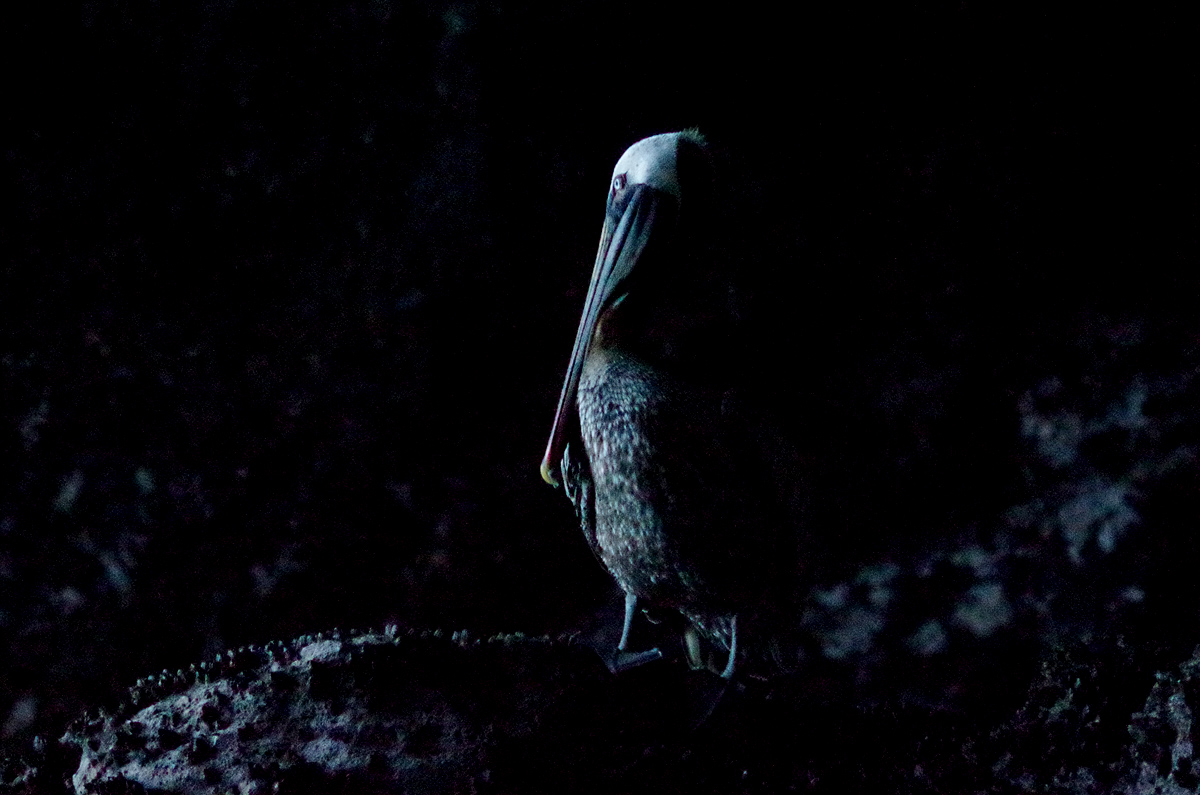
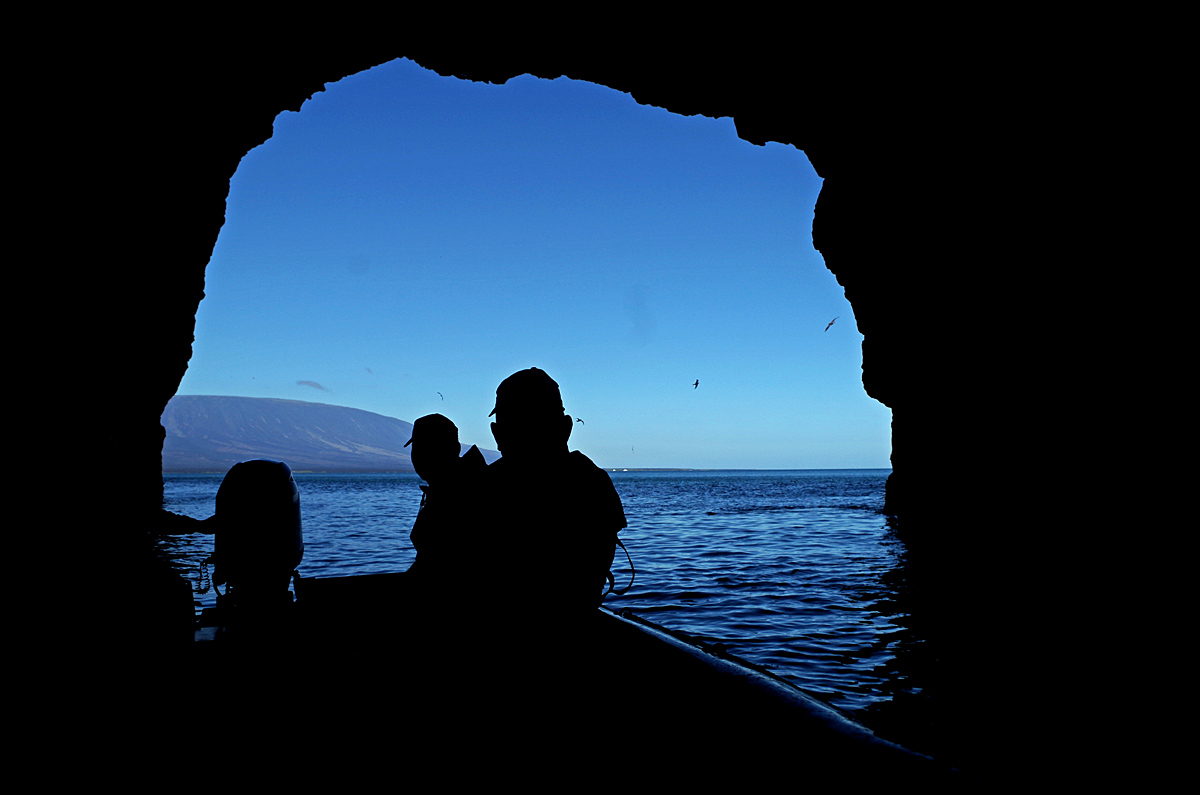
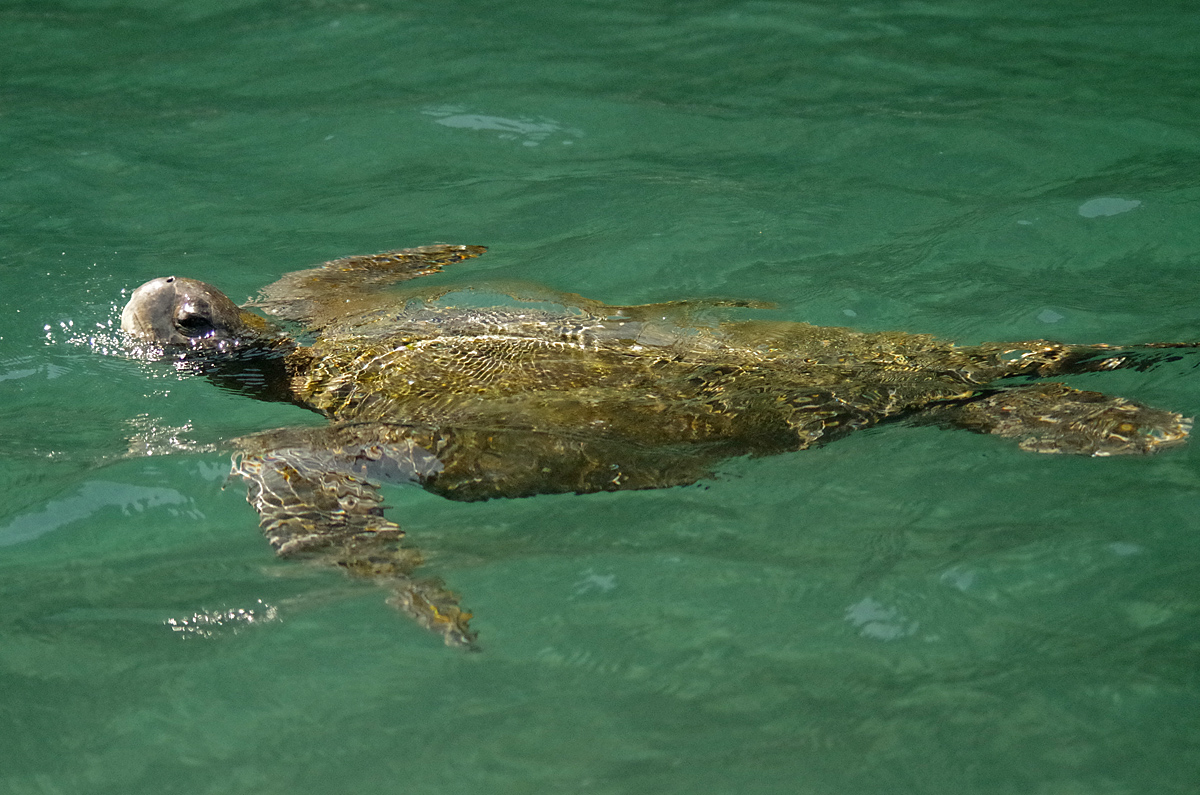
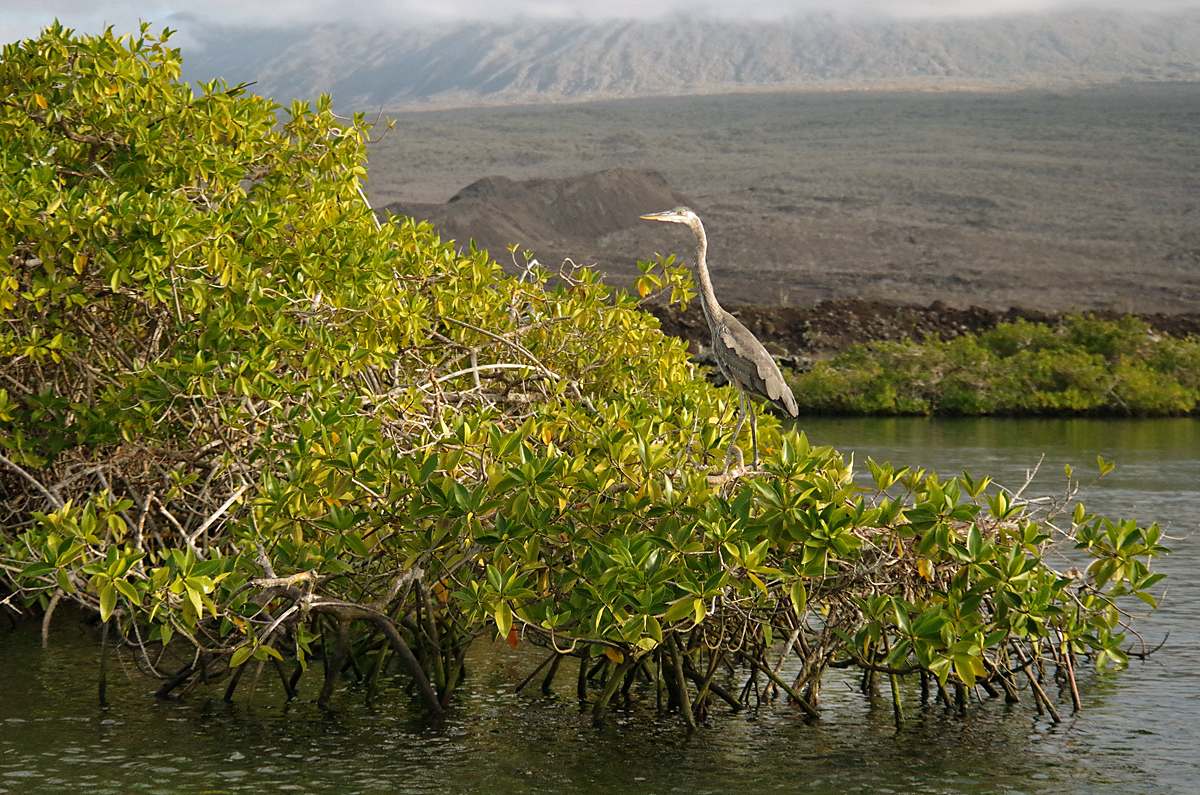
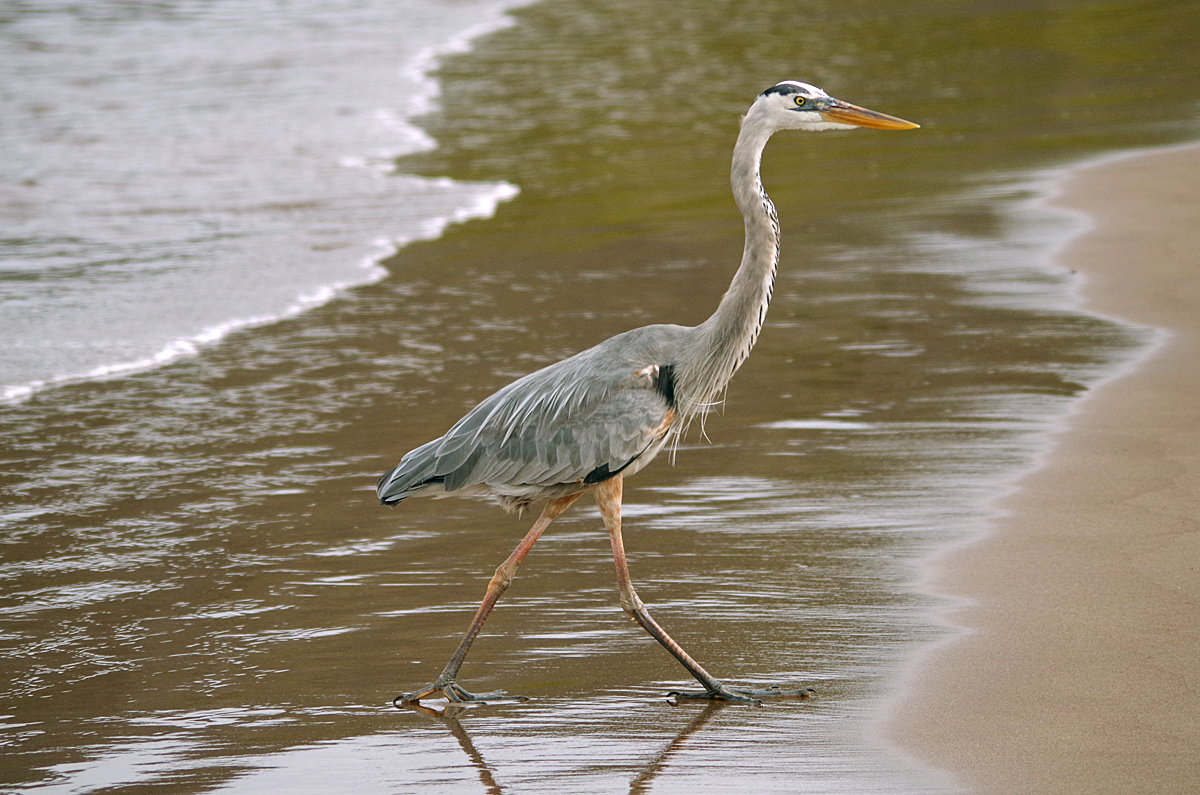
Wednesday’s destination was Isabela Island, where we visited Tagus Cove in the morning. A dry panga landing took us to wooden stairs that climb to the top of the rock face and the entrance to a trail alongside Darwin Lake, with views looking back toward the Grace, at anchor in the bay. There were also views of Darwin and Wolf volcanoes. The afternoon took us to Punta Vicenta Roca, where most of the passengers went on one of many snorkeling expeditions. They snorkeled with a white variety of fish and marine mammals, including Golden Rays. Along the way came another whale encounter. Those of us who did not snorkel explored sea caves in one of the pangas, where we saw Galapagos Penguins, Brown Pelicans, and Blue-footed Boobies. We also encountered amazing numbers of Green Sea Turtles that afternoon. The day’s explorations ended with a sunset panga ride into a mangrove lagoon, with a Great Blue Heron on guard and the Grace in the distance. Half of the passengers explored the lagoon with the kayaks that we towed behind the panga.
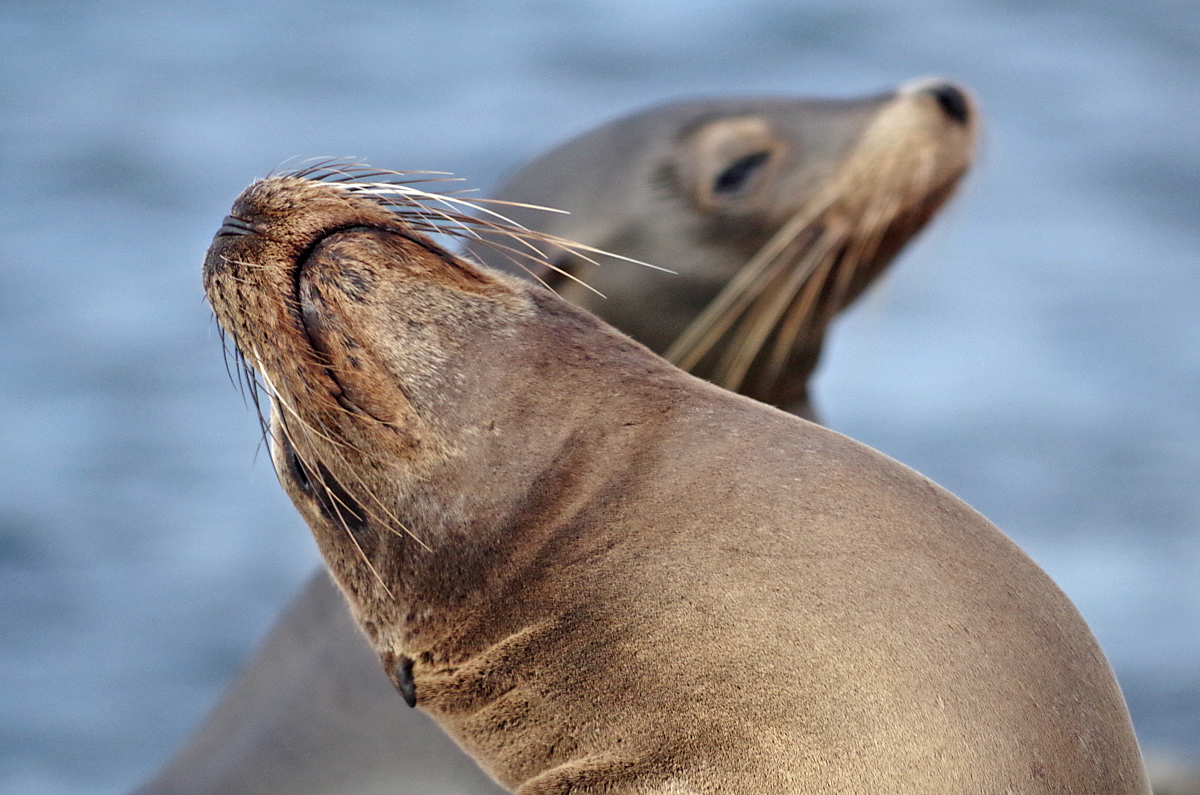
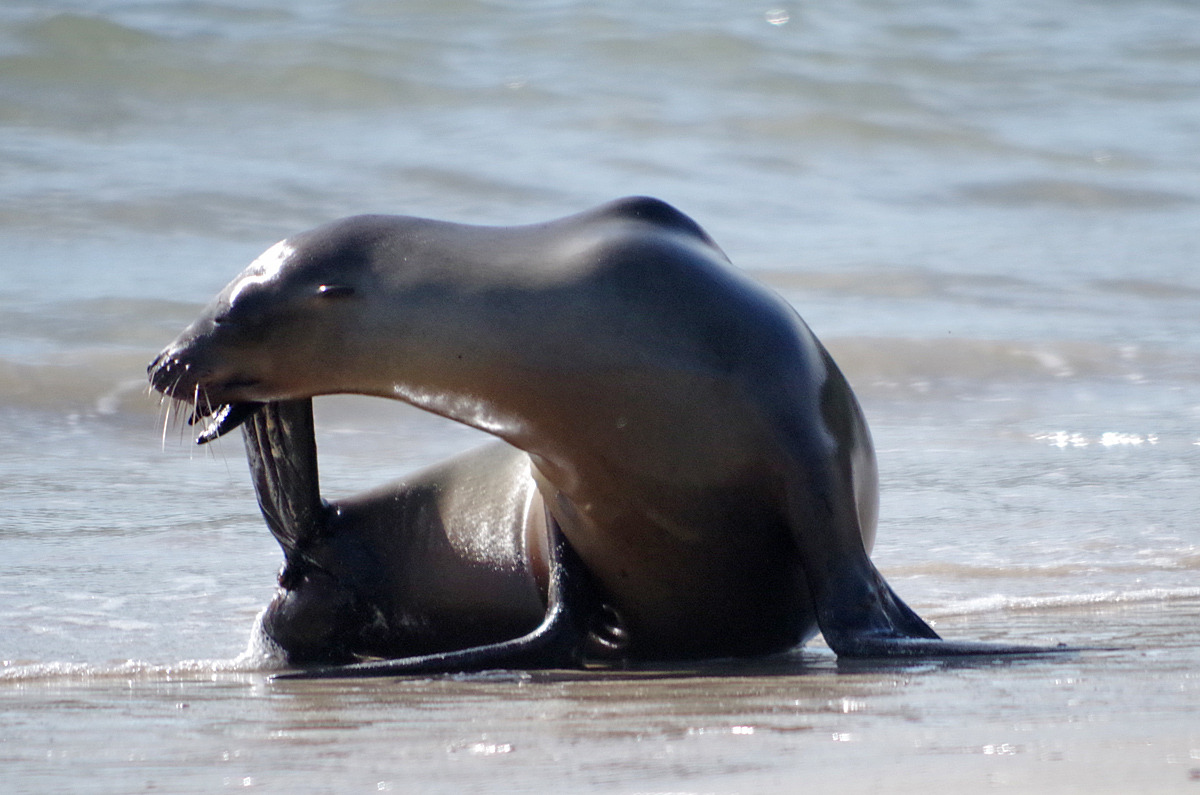
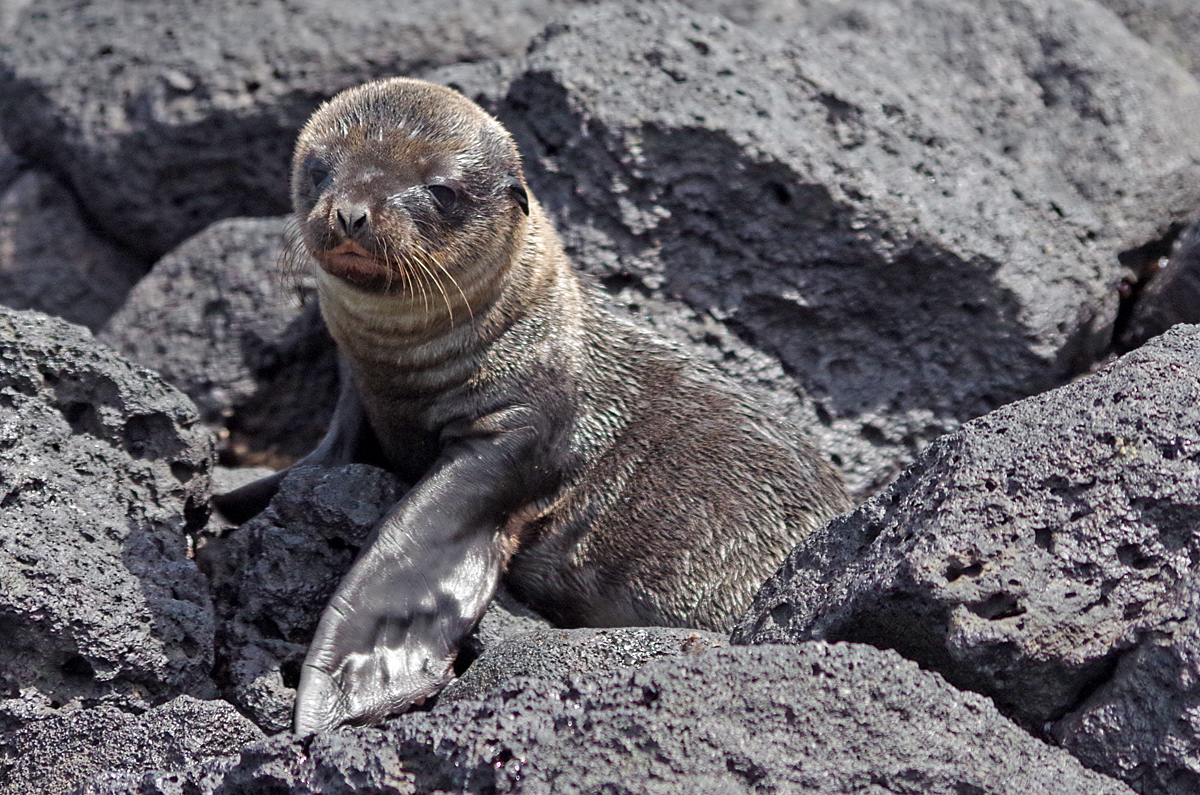
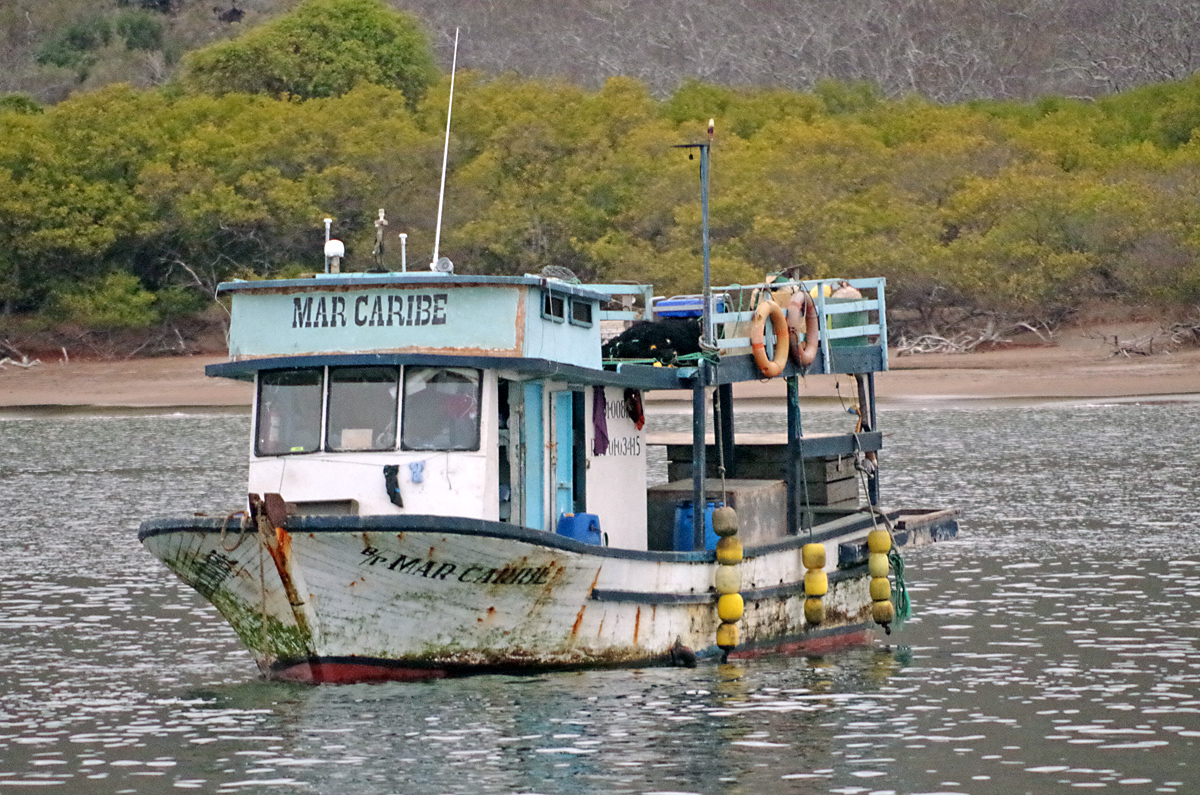
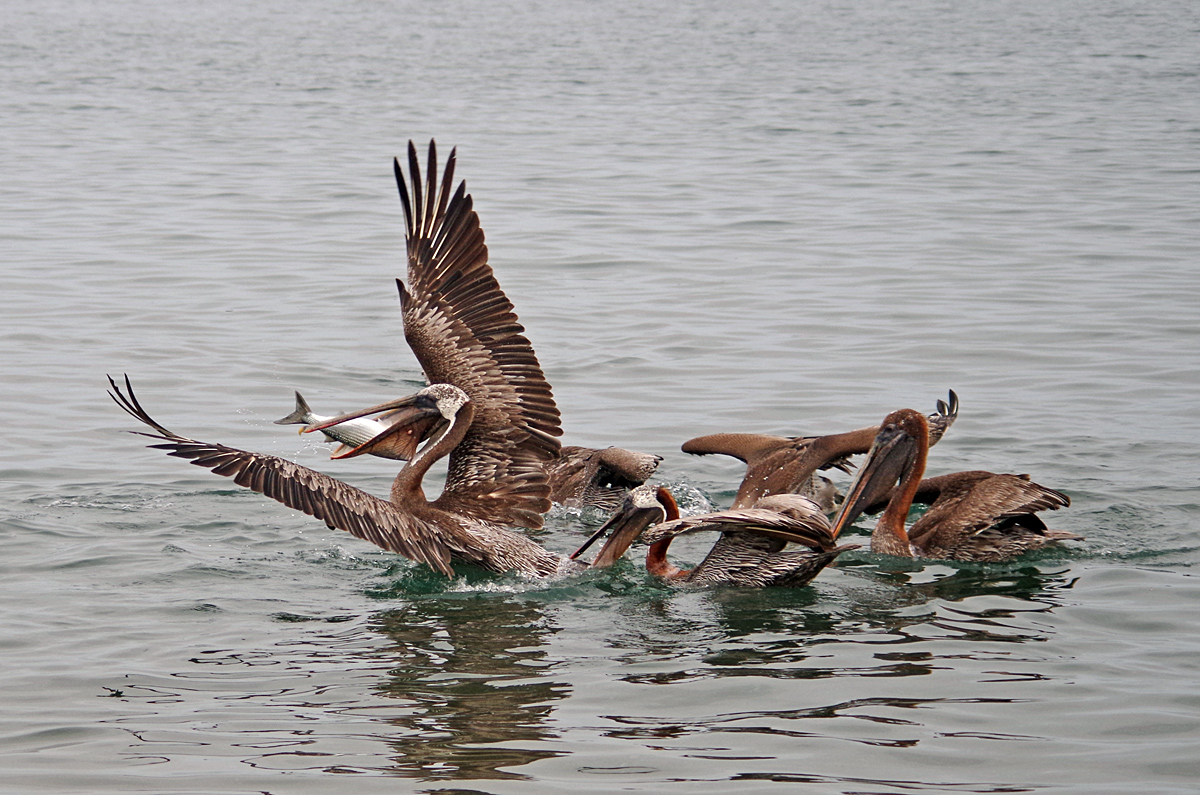
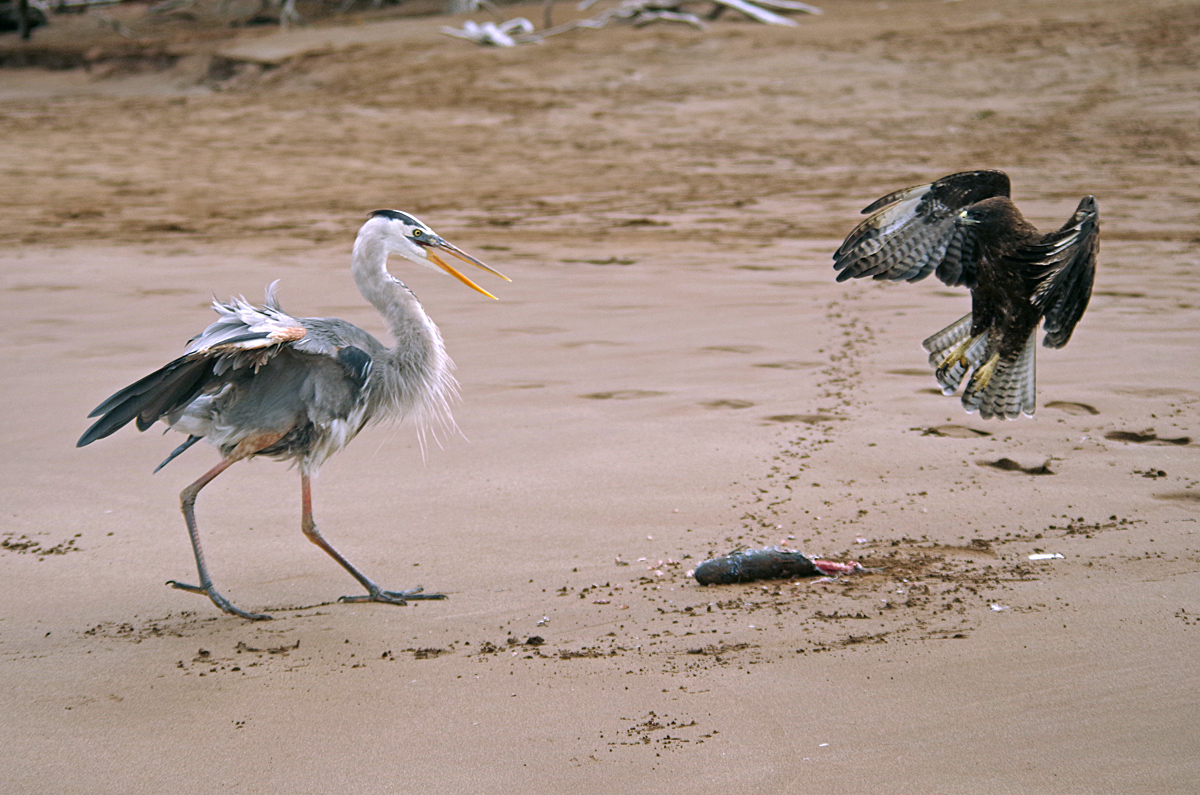
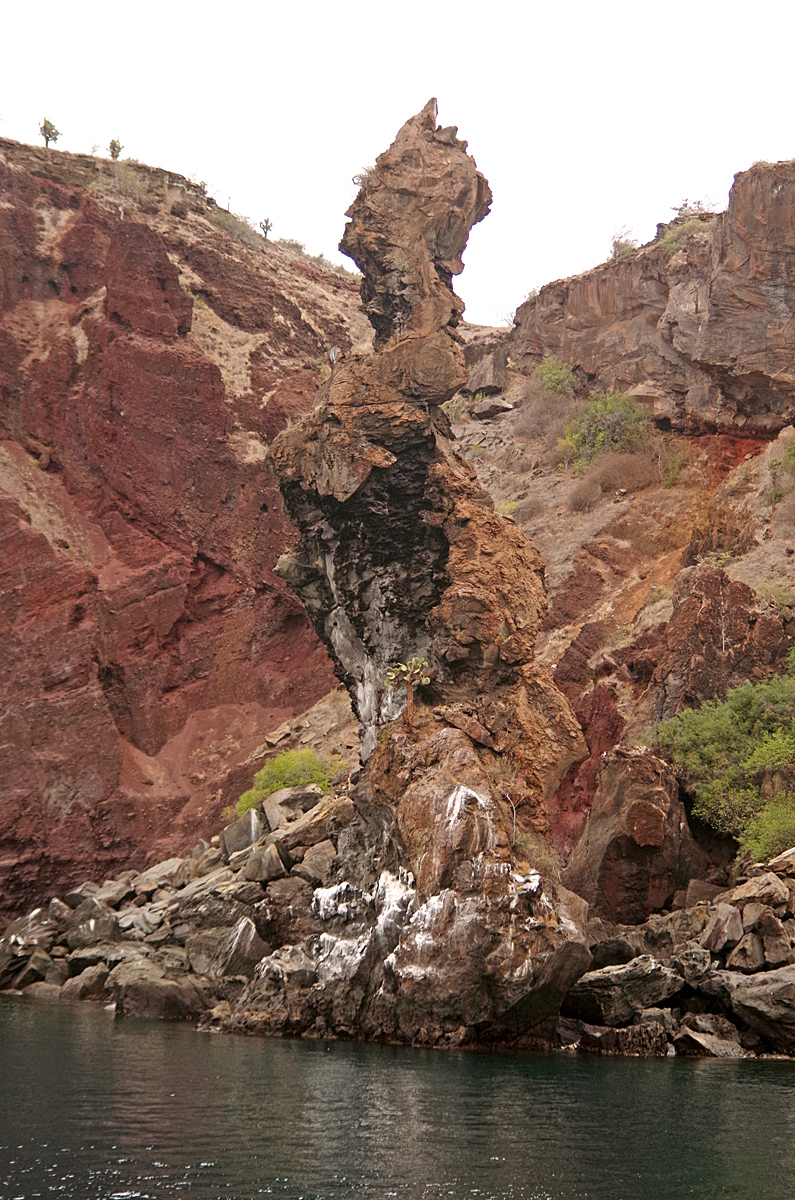
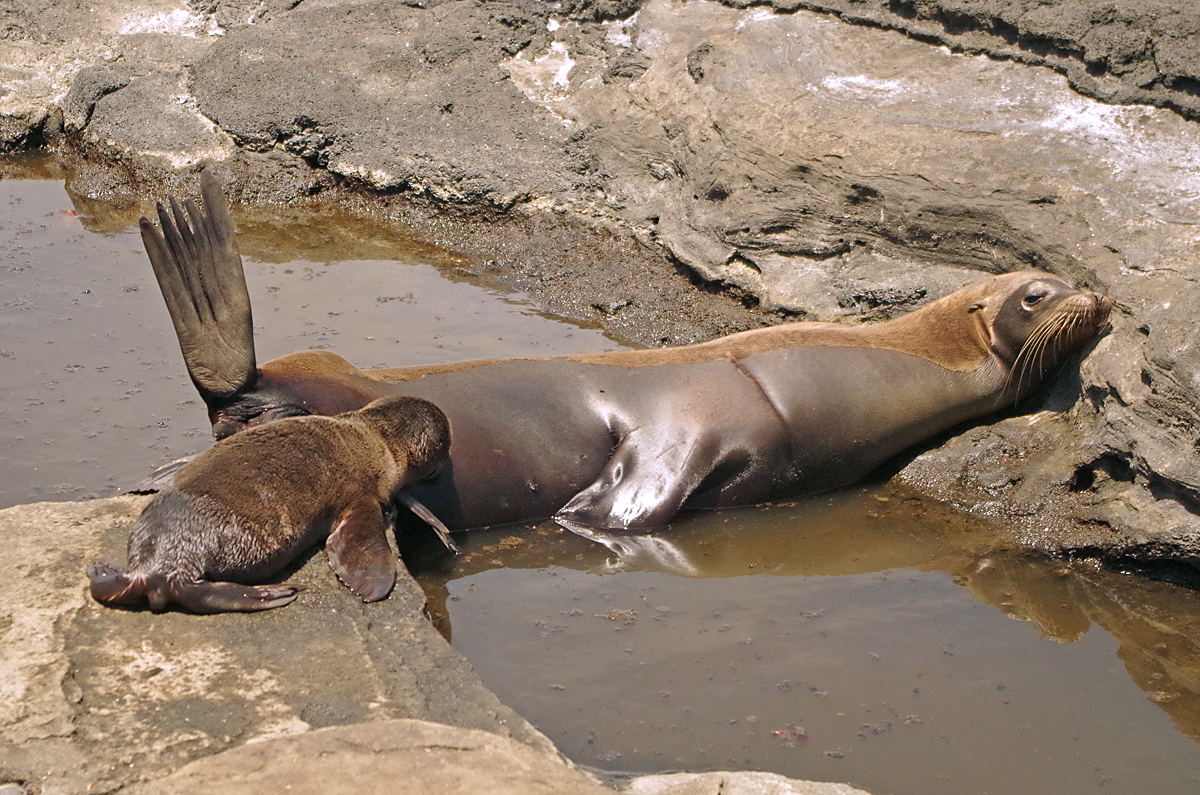
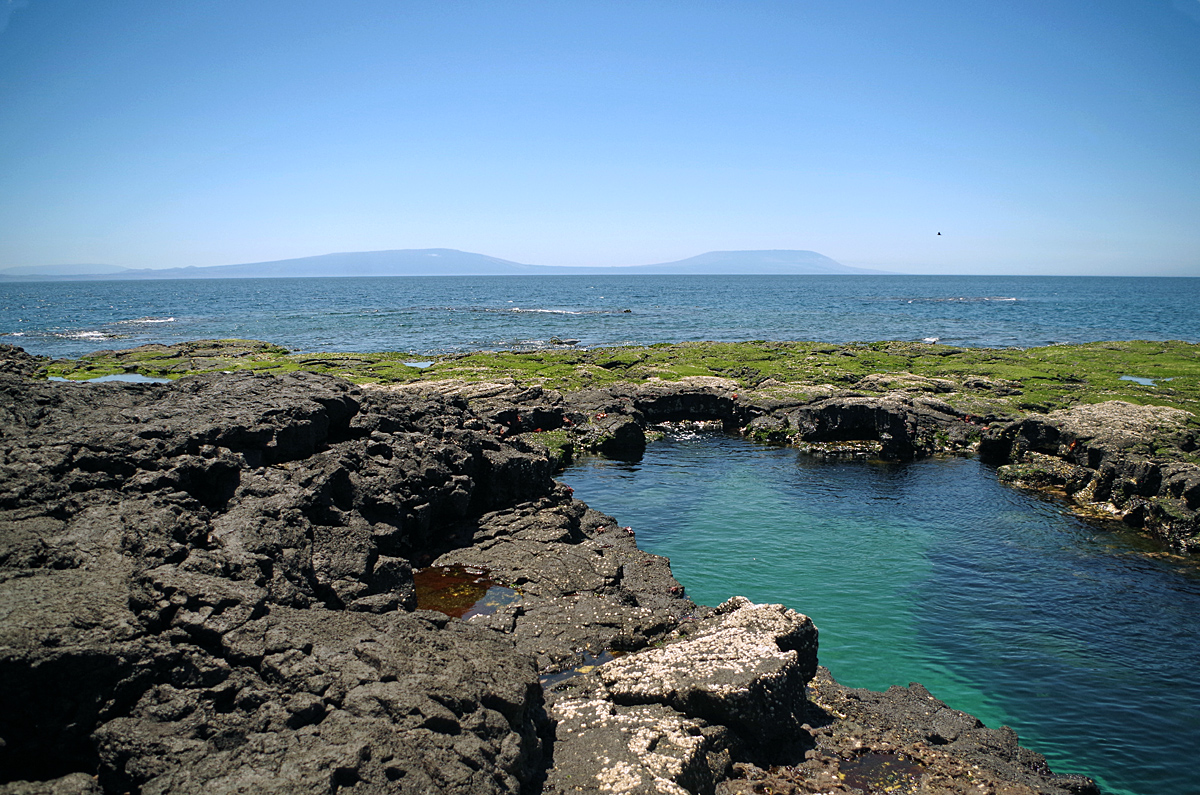
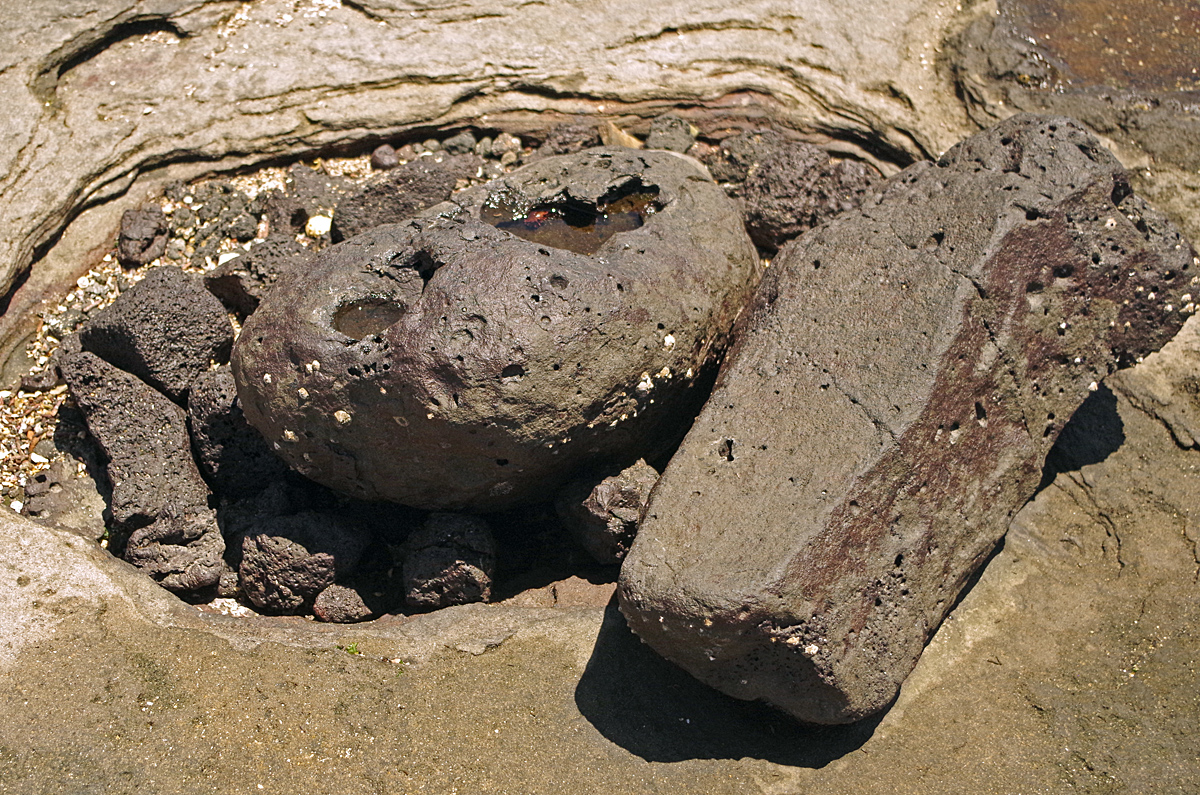
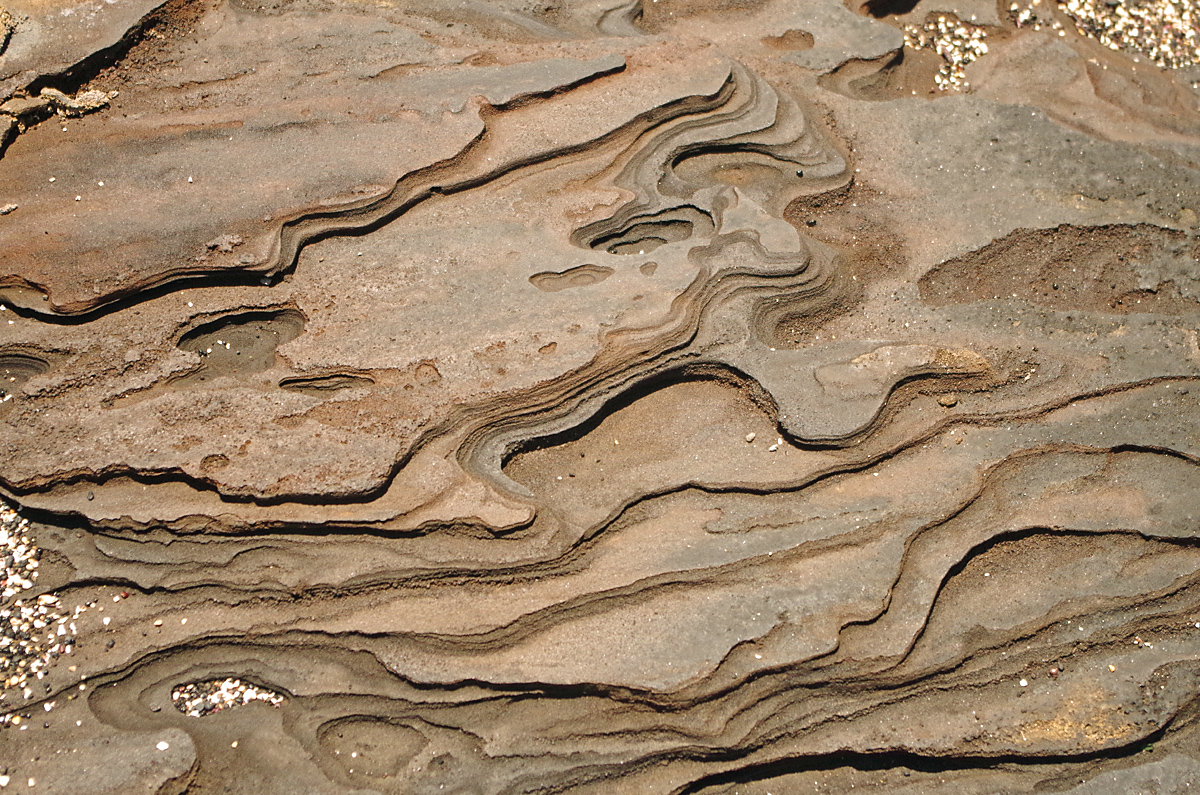
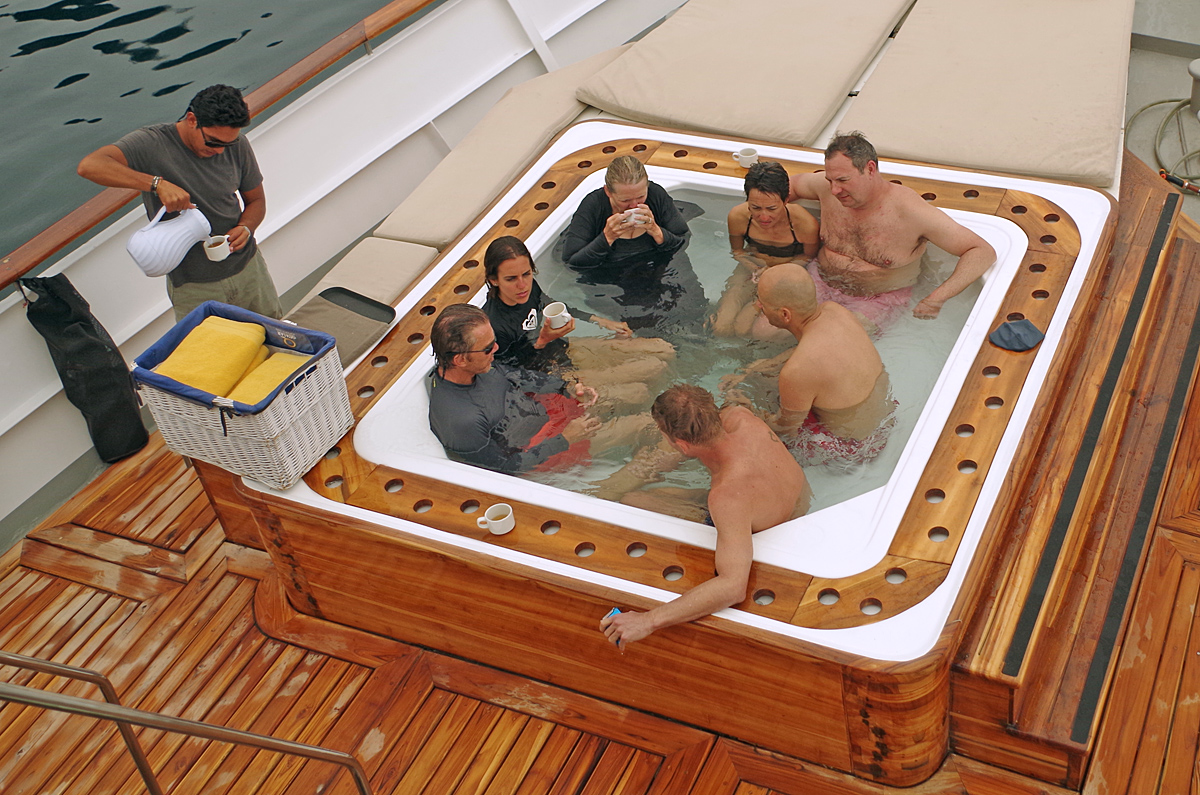
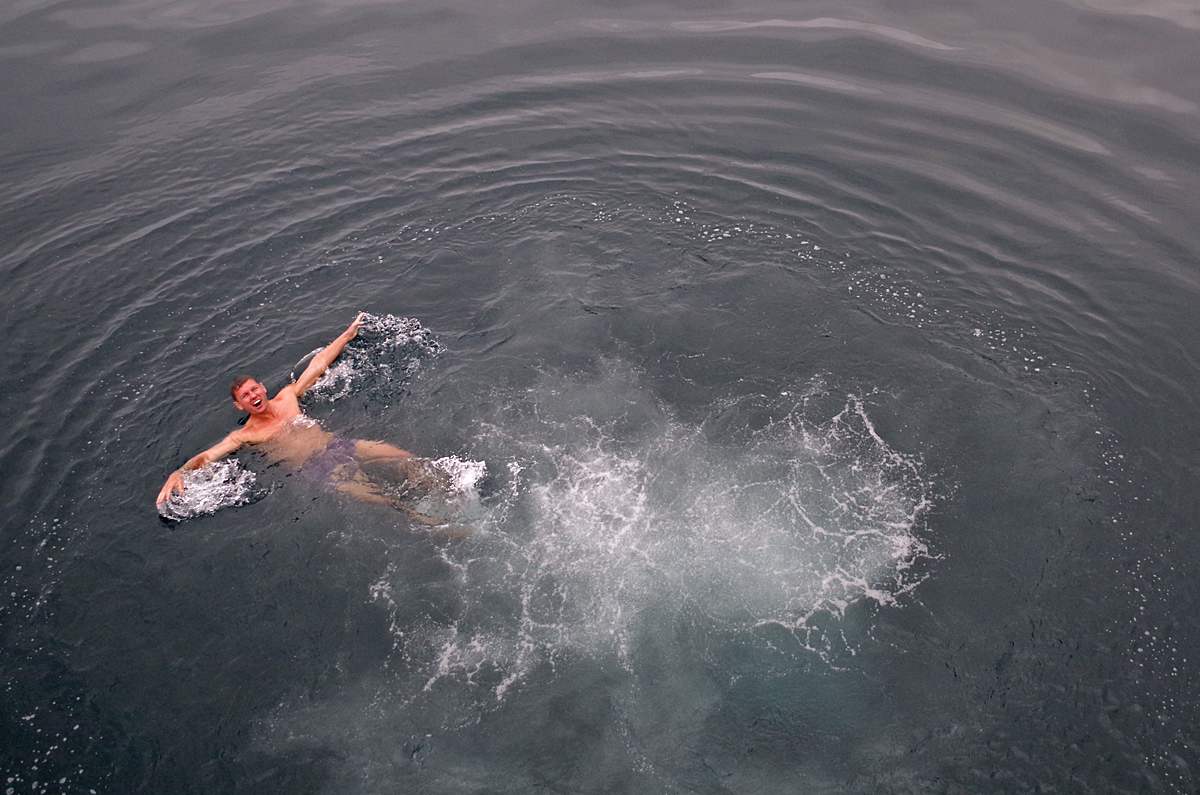
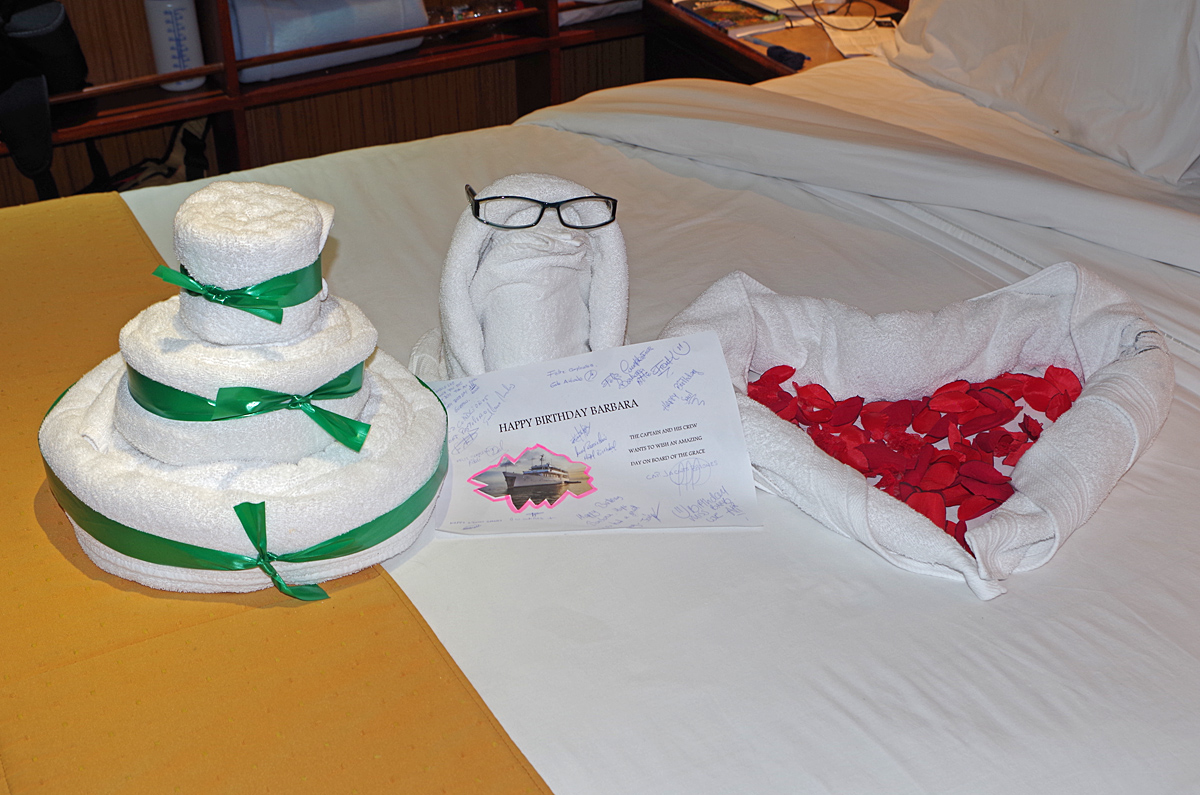
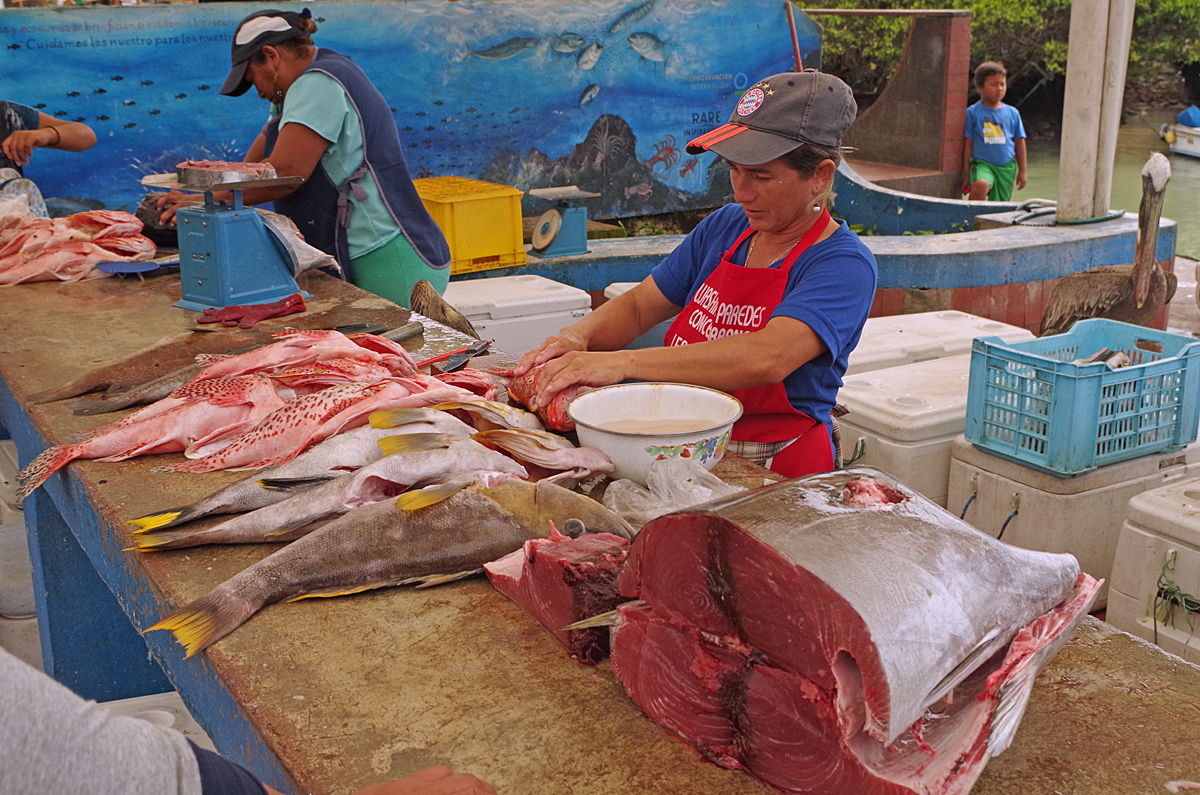
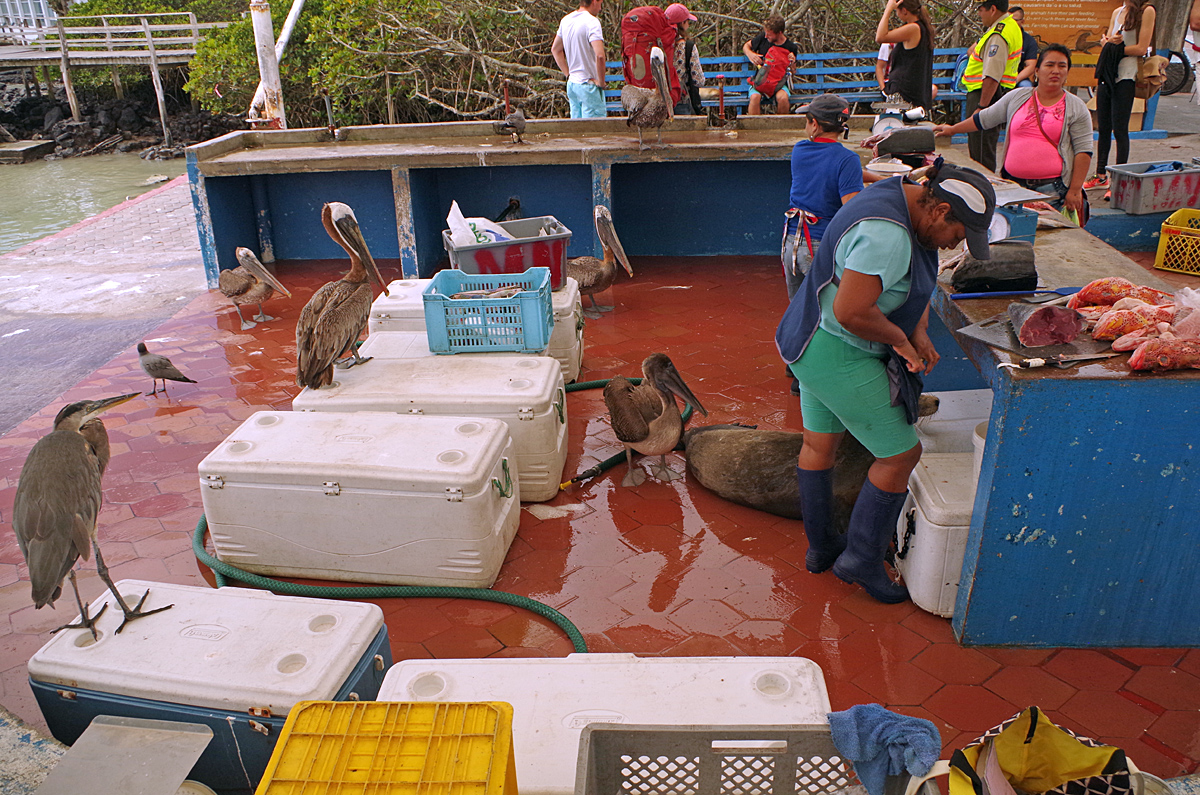
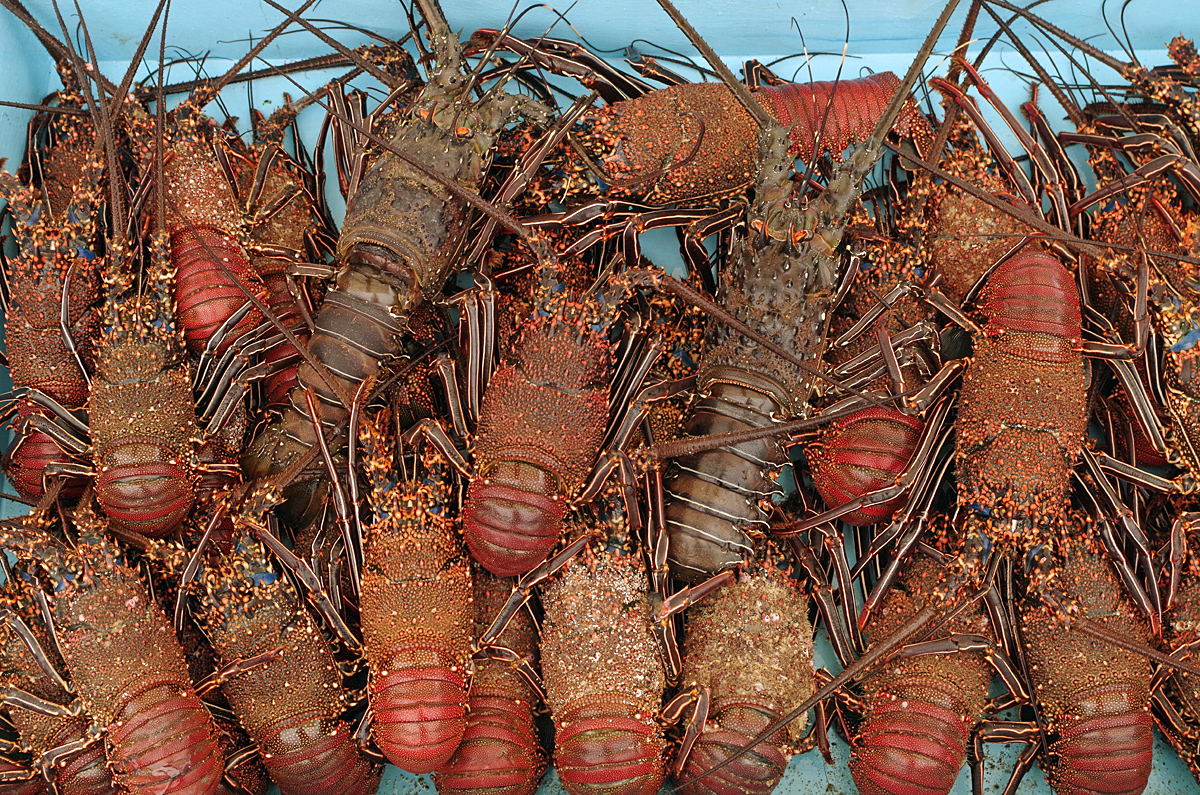
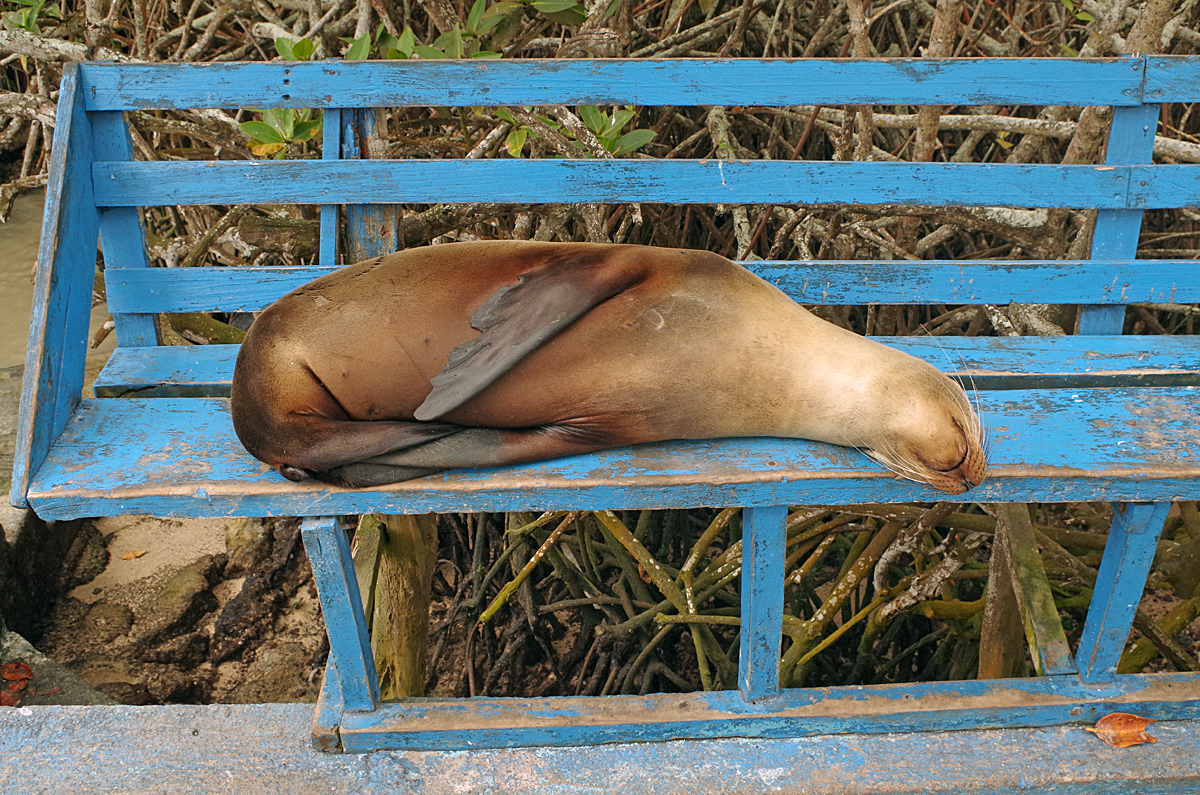
Thursday was a special day because it was Barbara’s birthday! Our adventures took us to Santiago Island’s Espumilla Beach and James Bay, including a lunchtime sail past the aptly-named Monk and Elephant Rocks. At Espumilla Beach, we encountered local fishermen who were catching bait fish using nets. These were the same types of fishing boats that caught up with the Grace each day to provide us with fresh fish, shellfish and lobsters. A group of Brown Pelicans competed for a fish that had been tossed their way by the fishermen, and a remarkable stand-off took place between a Great Blue Heron and a Galapagos Hawk, both wanting to devour the same scrap of fish. James Bay was perhaps our most beautiful land excursion, taking us over lava bridges and crystal-clear blue waters inhabited by Fur Seals, Marine Iguanas and the ever-present Sally Lightfoot Crabs. Some of the lava and stone formations are truly fascinating. The afternoon included another snorkeling opportunity before we returned to the Grace, where our Swedish adventurers dove into the ocean from the upper deck. That evening was Barbara’s birthday dinner.
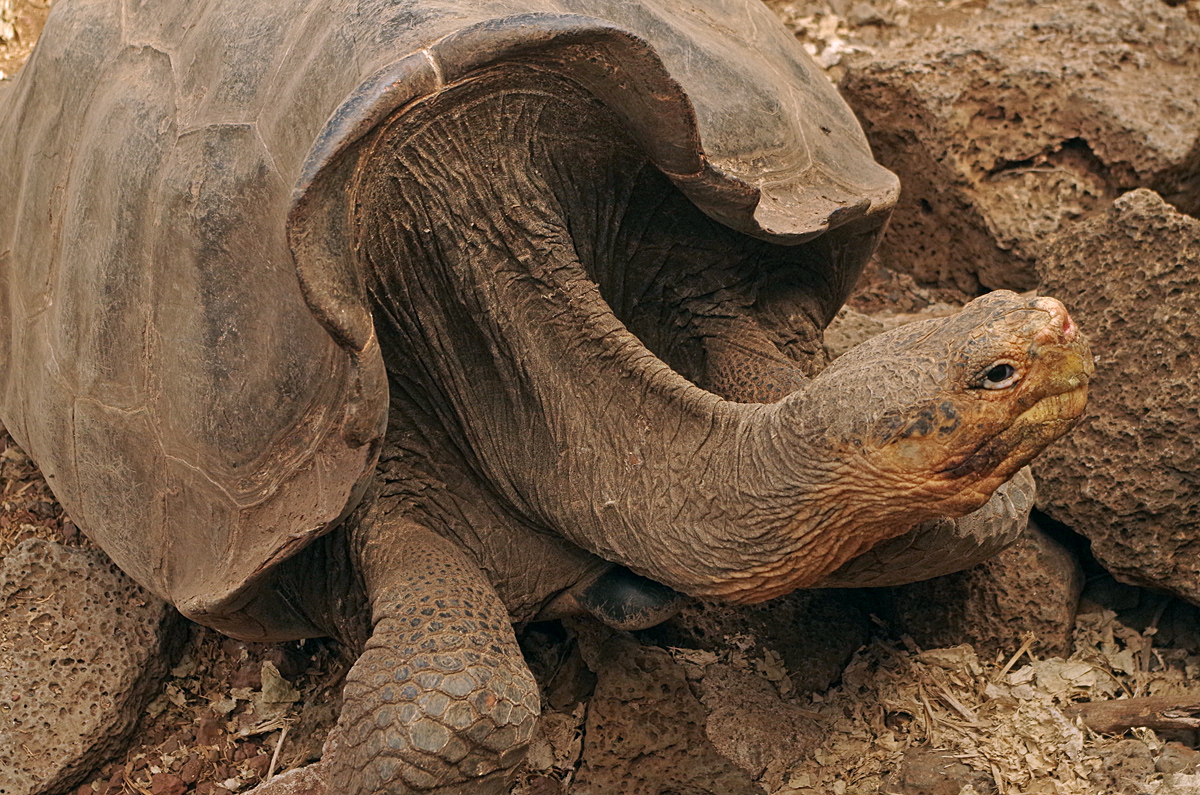
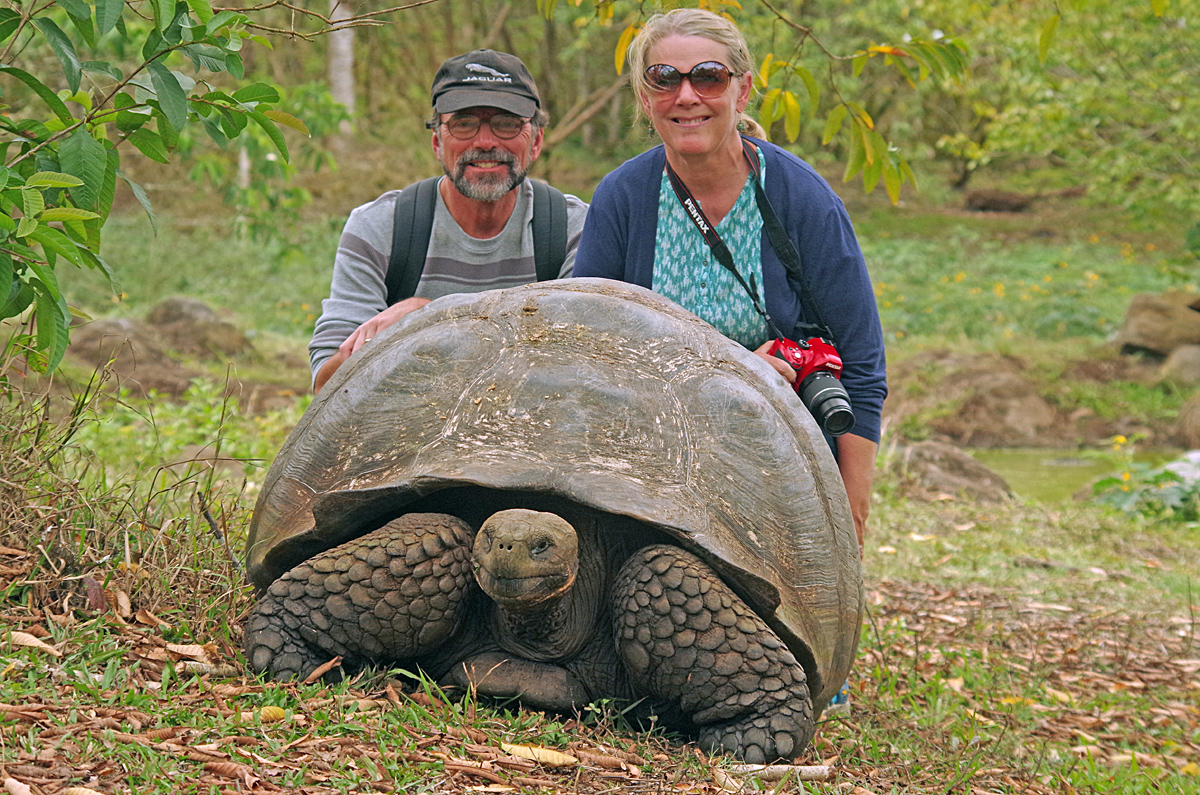
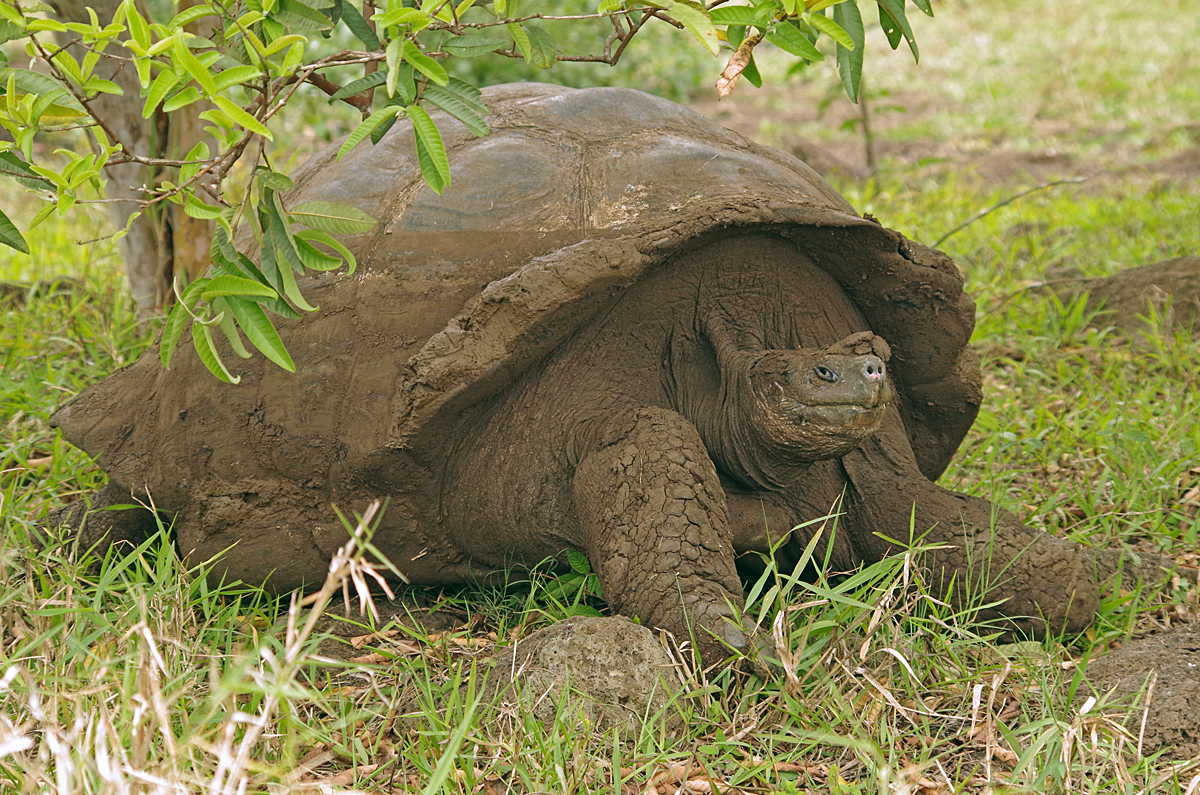
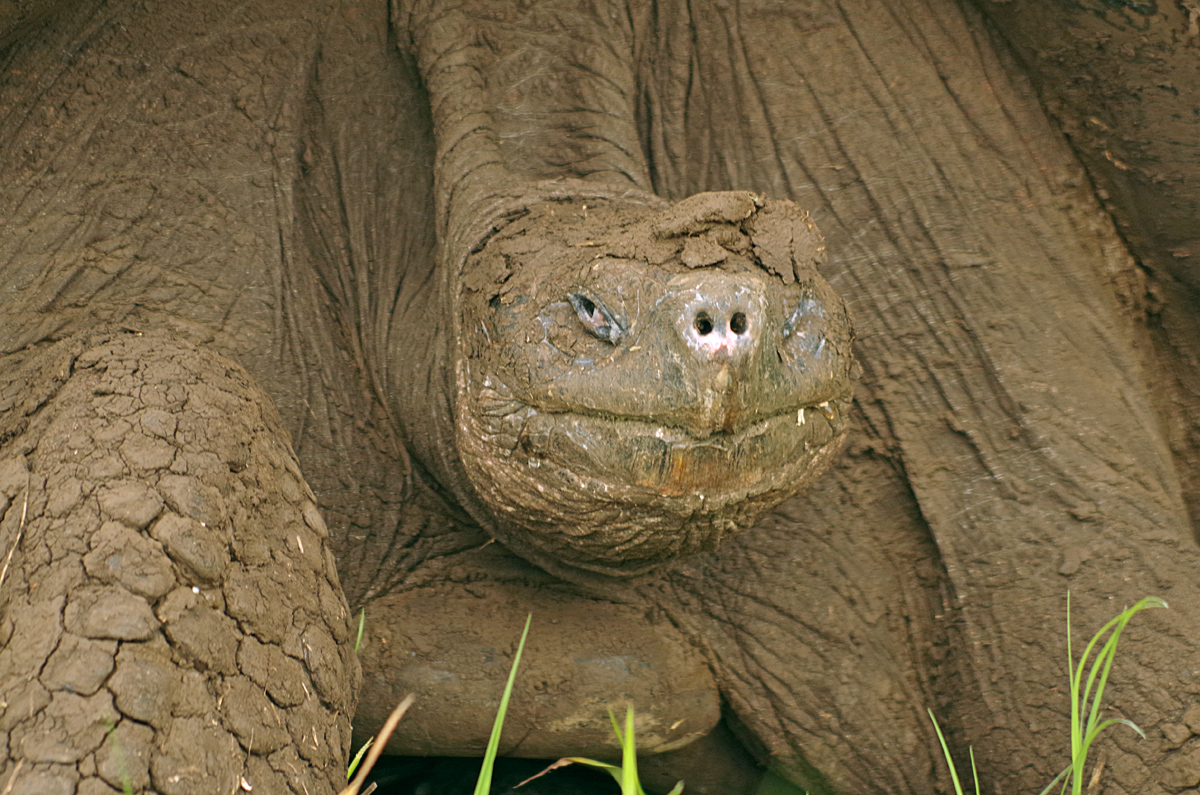
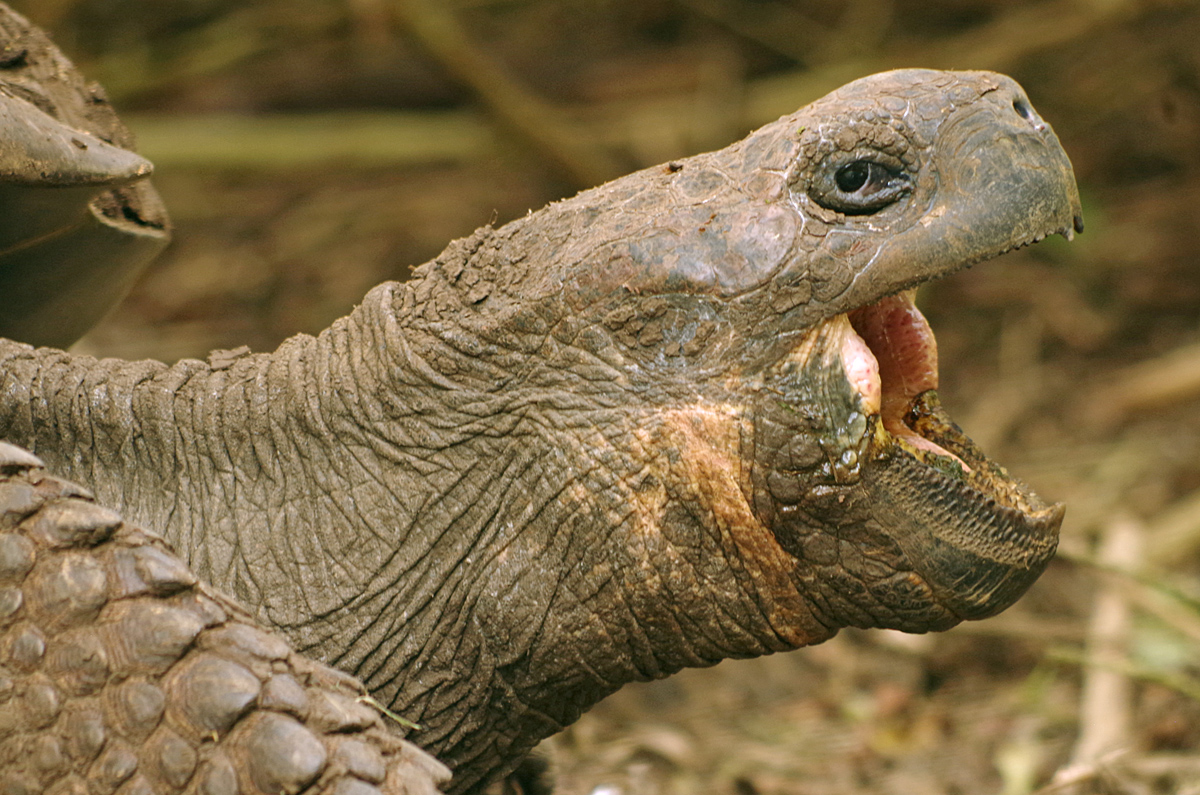
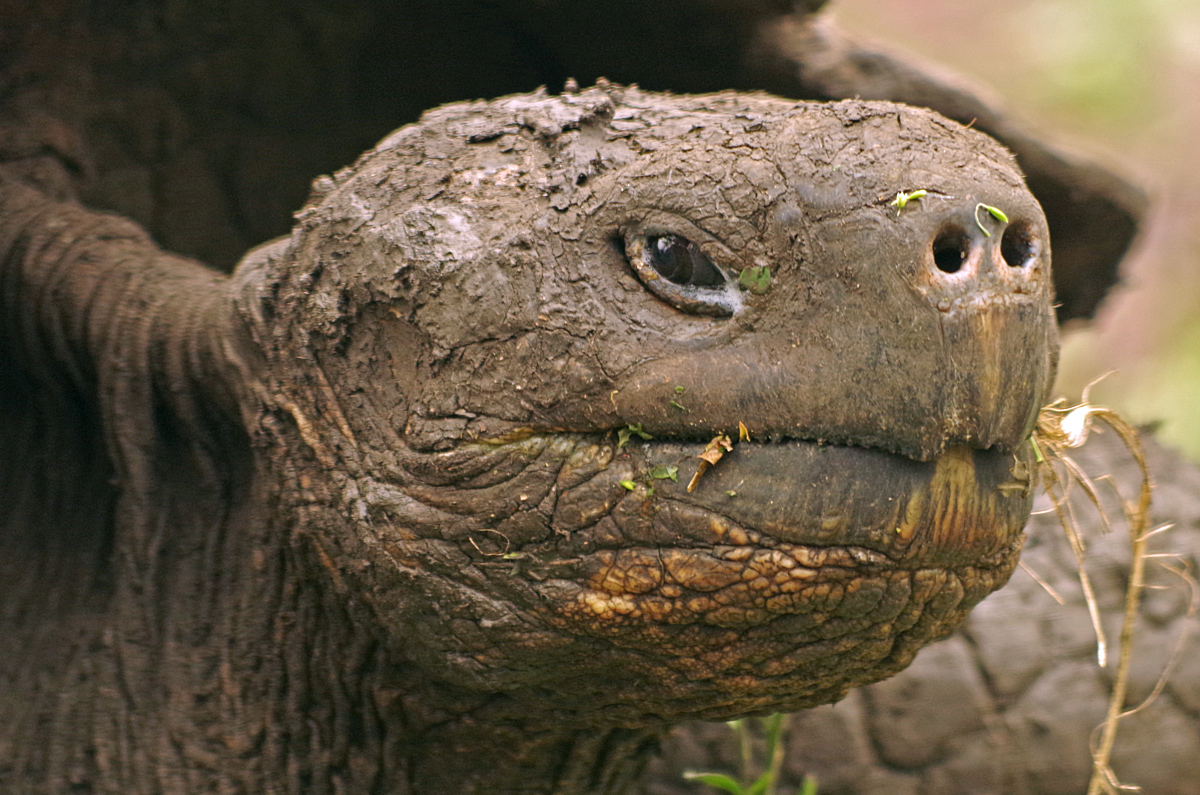
On Friday, we visited Santa Cruz Island, another of the inhabited islands in the Galapagos. It is home to the Charles Darwin Research Station (that we visited), where there is a Giant Tortoise breeding program. We also spent time walking through the streets of Puerto Ayora, including a visit to the open-air fish market near the docks. In the afternoon, we took a bus to the Highlands and the amazing Rancho Primicias tortoise reserve, as well as a nearby lava cave.
On Saturday, we spent time back in the civilization of San Cristobal Island and the Galapagos National Park Visitor Center prior to our flight back to the mainland, where we returned to the capital city of Quito and the remainder of our trip.
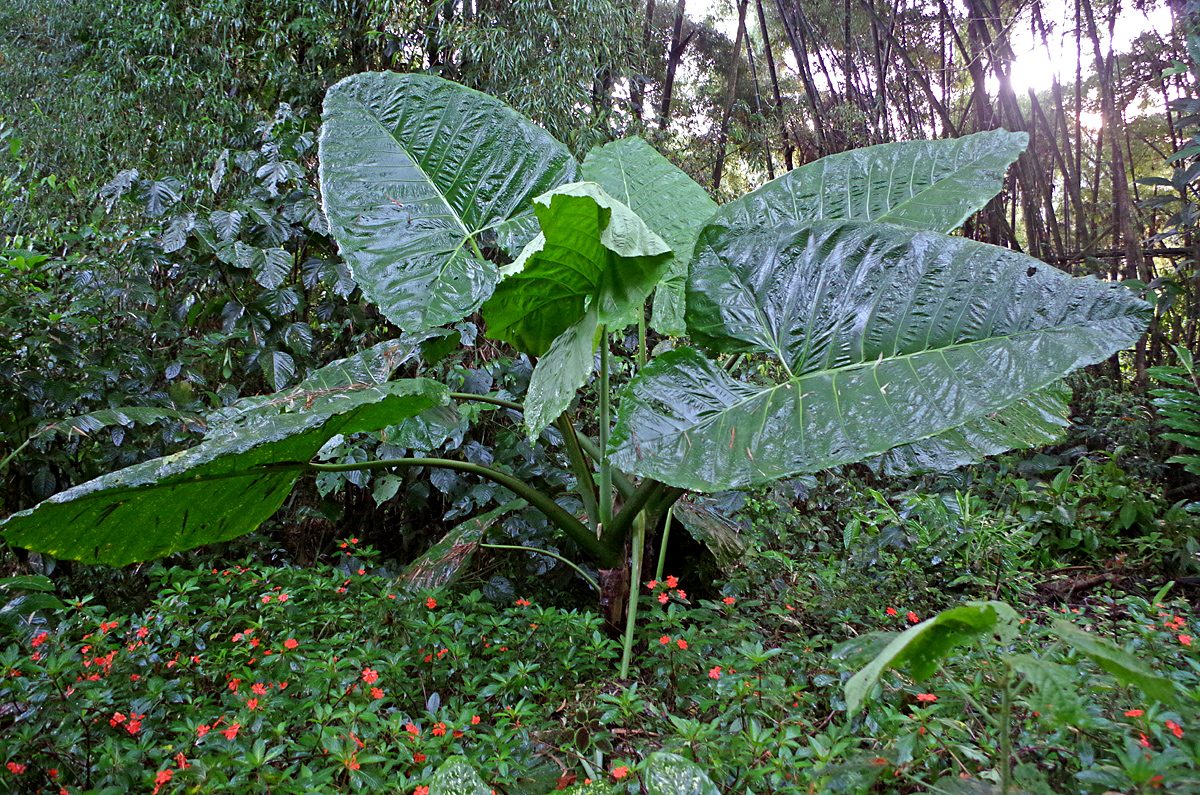
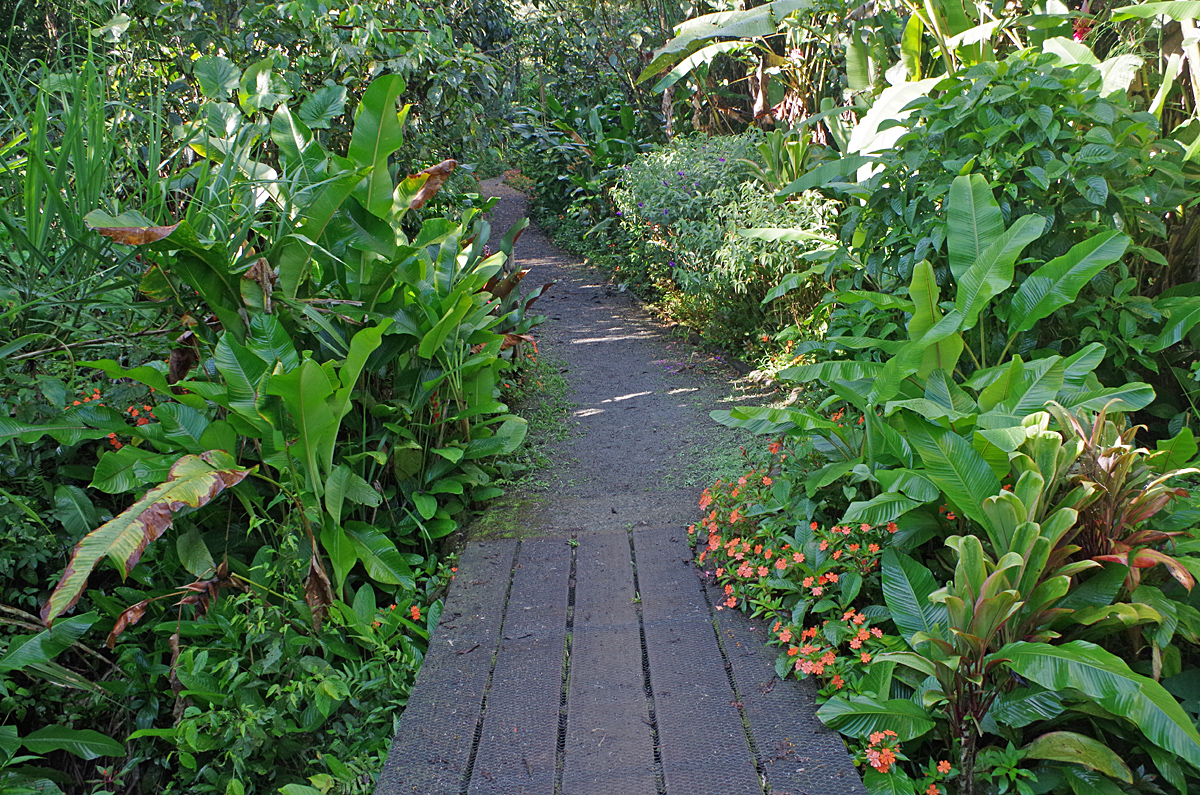
In Mindo, we stayed at Casa Divina Lodge, a remarkable getaway in the Ecuadorian cloud forest, northwest of Quito in the Andes Mountains. Casa Divina is hidden away, perhaps 5 kilometers away from the center of town, over unpaved roads, a steep bridge over the Rio Mindo, and a stream that crosses the road. Upon arrival, there are naturally landscaped boardwalks that lead to the lodge and its very private guest rooms.
The lodge is a big, welcoming space where meals are shared in an atmosphere of camaraderie. Upstairs, there is an open third level that is used as a treetop bird observation area at 6:00 AM, followed by sunrise bird observation walks, prior to a hearty breakfast. The guest rooms are remarkable, with sturdy hand-hewn furniture, beautifully decorated in an understated and eco-friendly manner. The bathrooms are truly beautiful, with stone tubs/showers, and there are porches that provides windows into the forest below, with comfortable furniture and a hammock. Our second-level room had a particularly pretty view into the treetops.
The view into the cloud forest from our porch
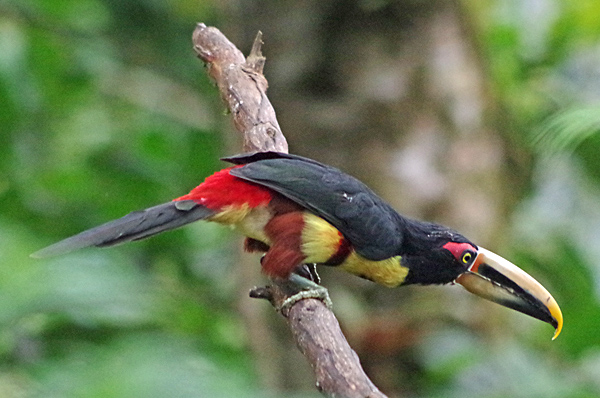
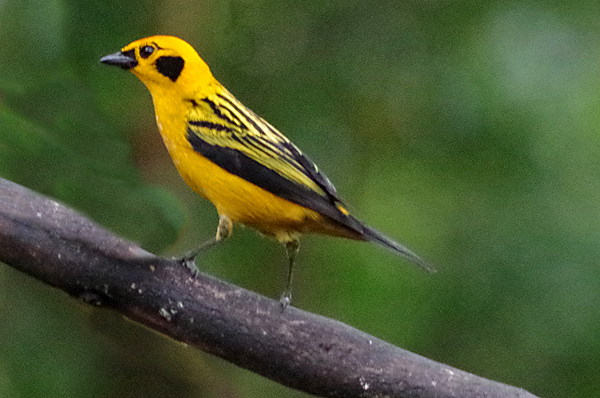
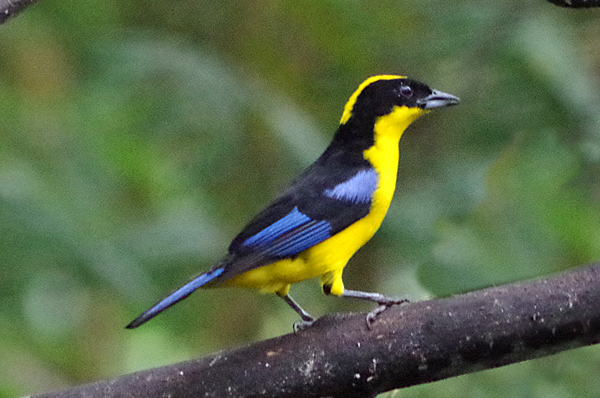
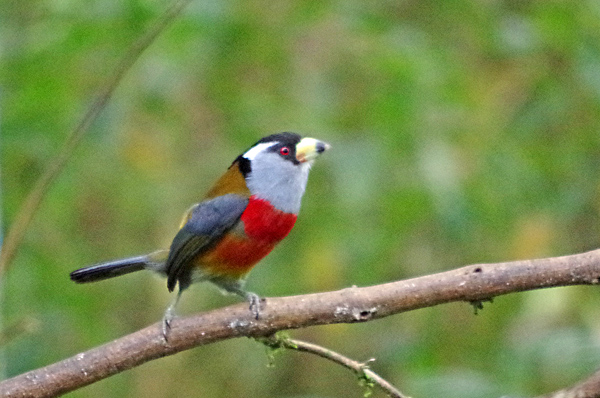
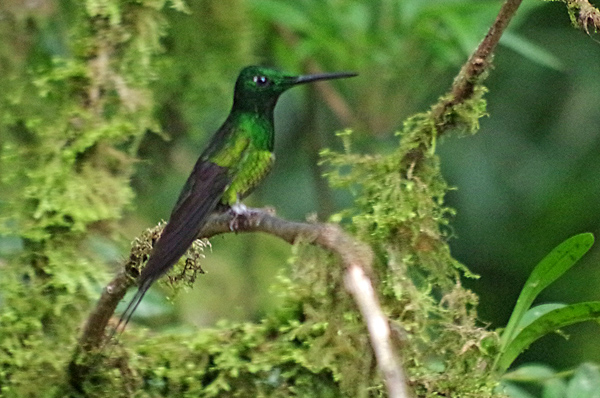
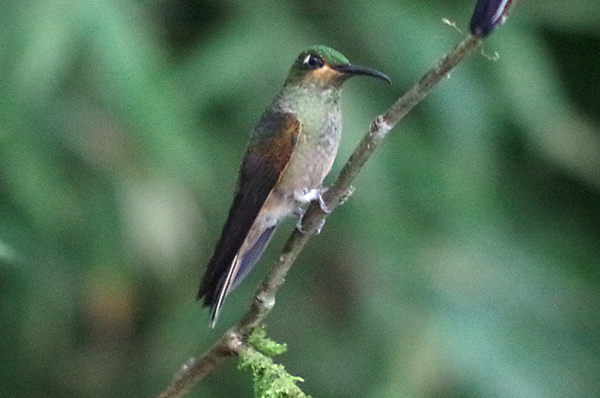
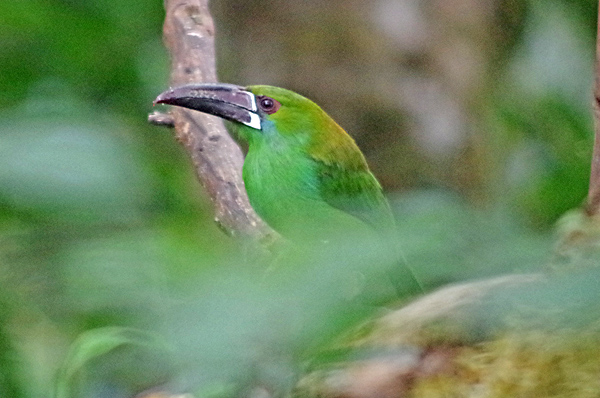
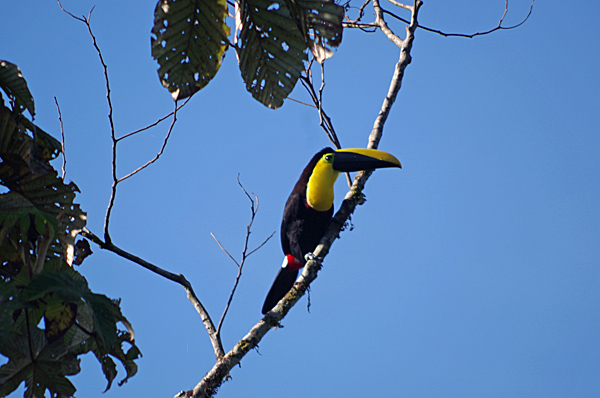
During our stay, owner Efrain Toapanta arranged for one of his fellow guides to take us out for a lengthy session of bird watching. With the assistance of this ornithologist, we identified 74 species of birds in one day, including 18 species of tanagers and 16 species of hummingbirds. Truly remarkable, and utterly amazing.
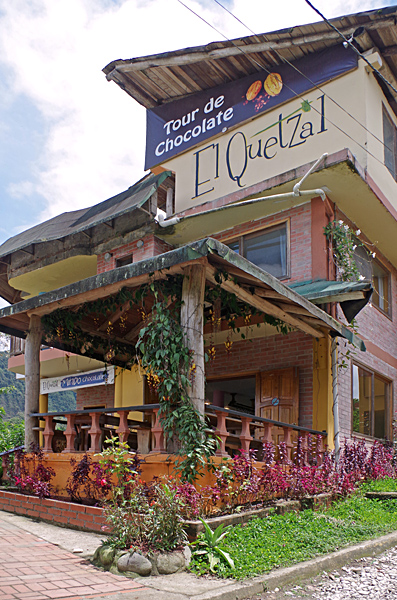
Mindo is seeking to establish a reputation as a destination for birding and a broader range of tourist activities, including white-water rafting on the Rio Mindo, a butterfly conservatory, and ziplines through the forest. Though Casa Divina Lodge concentrates on birding and more natural endeavors, the owners are at the forefront of developing a broad base of tourism appeal. On our way out, we stopped for a tour of the El Quetzal artisan chocolate company – a tasty and highly informative visit.
Rapids in the Rio Mindo
Aracari Toucan in the Mindo Cloud Forest
Golden Tanager in the Mindo Cloud Forest
Blue-Winged Mountain Tanager in the Mindo Cloud Forest
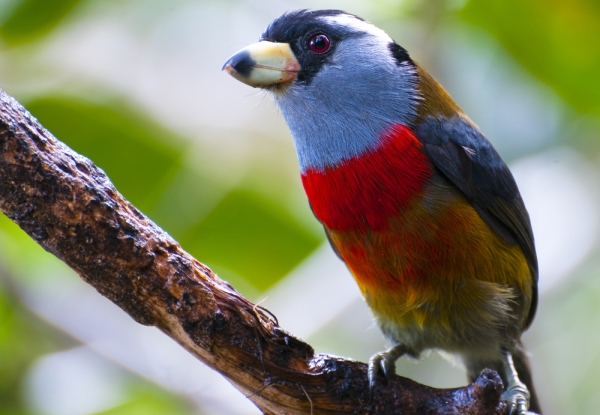
Toucan Barbet in the Mindo Cloud Forest.
Empress Brilliant Hummingbird in the Mindo Cloud Forest
White-Necked Jacobin Hummingbird in the Mindo Cloud Forest
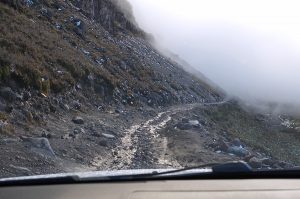
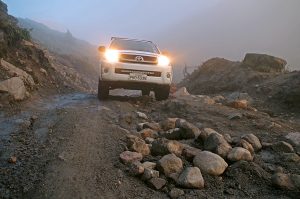
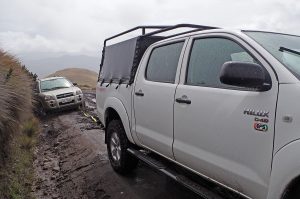
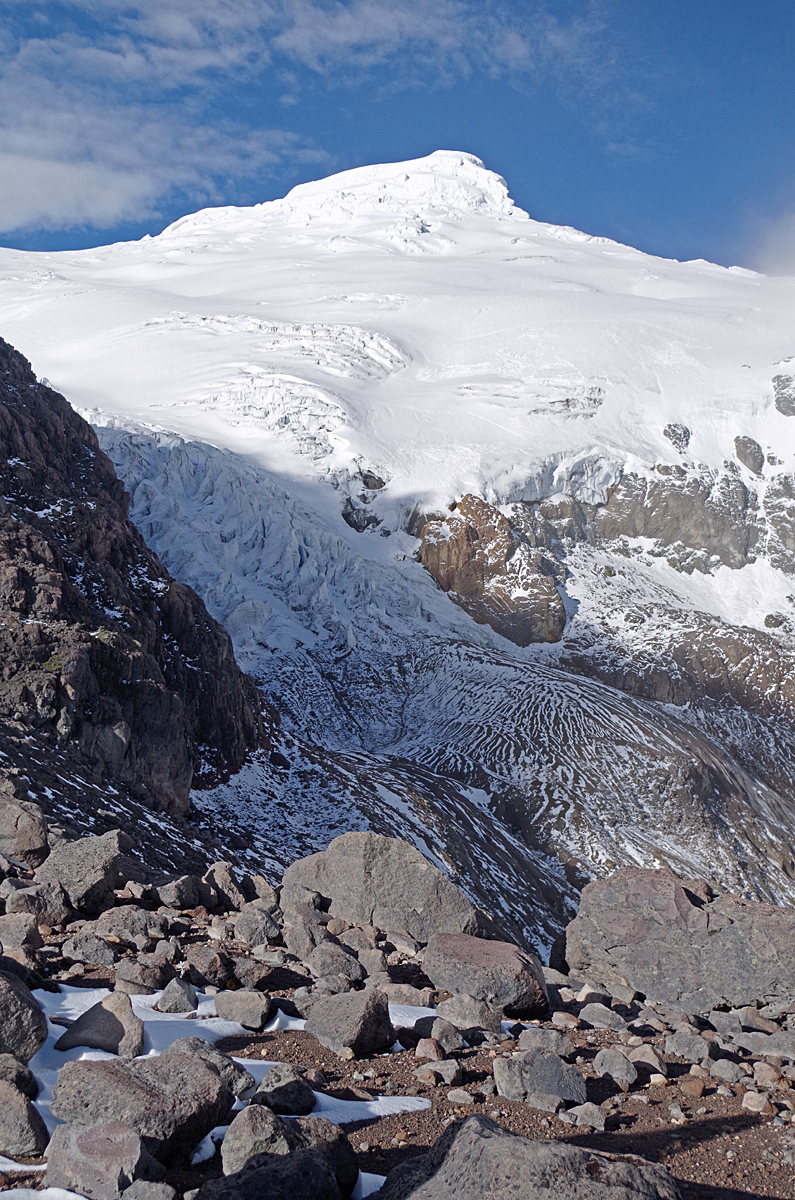
Cayambe-Coca National Park is the largest national park in Ecuador, extending all the way to the Amazon basin, where another highlight of our recent visit to Cayambe was our trip to the base of Cayambe Volcano. The trip from Cayambe to Cayambe-Coca National Park is an adventure in itself, steadily gaining in elevation as you progress from cobblestones and haciendas to the park entrance, treeline, and a single-lane gravel road that is characterized by steep drop-offs to one side and muddy ruts up to 2 feet in depth.
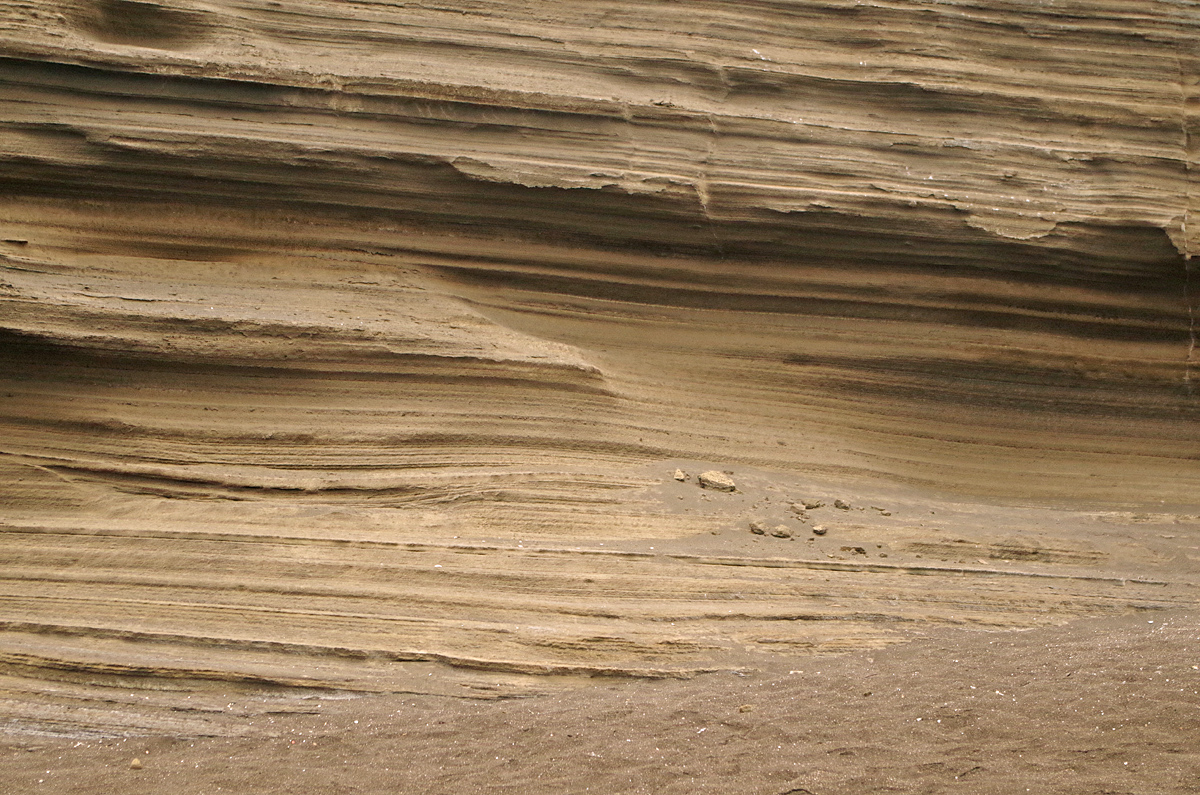
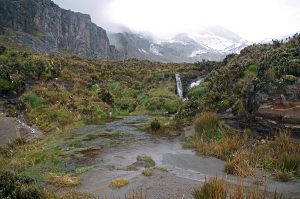
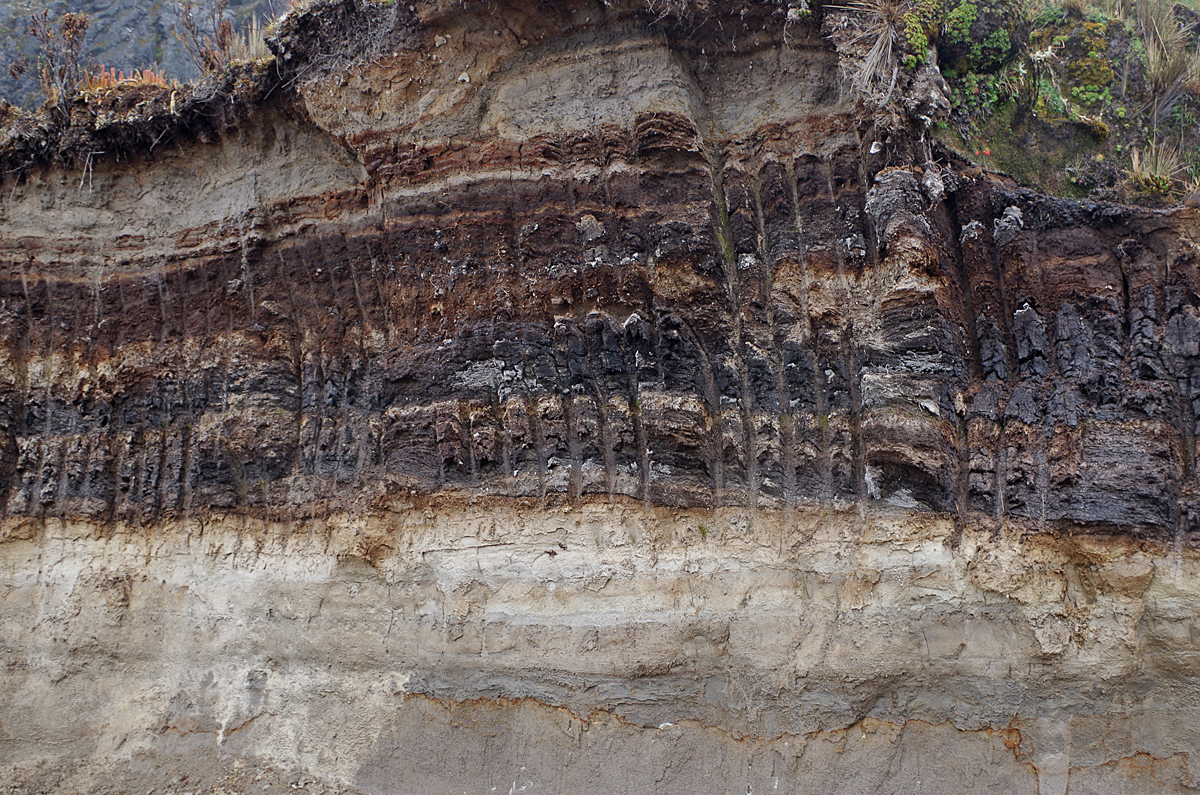
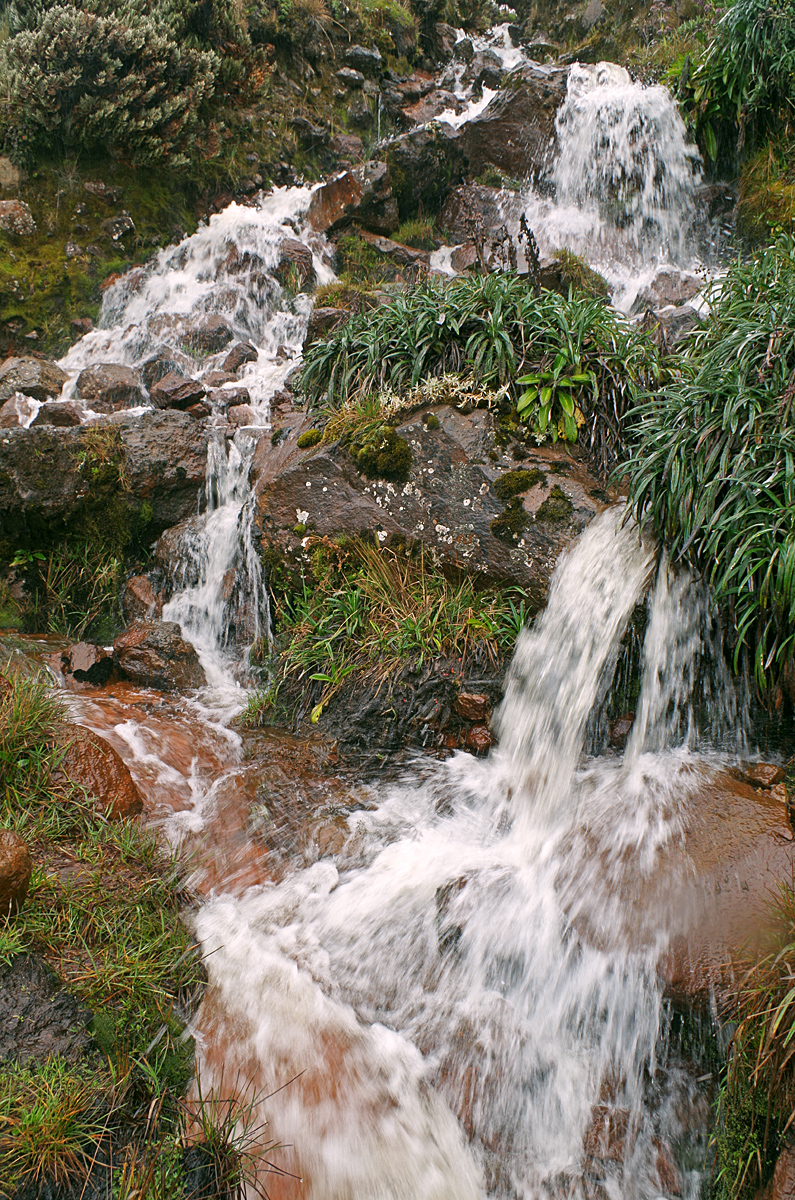
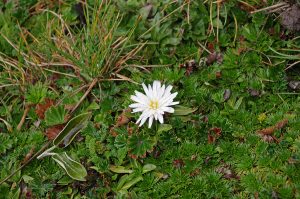
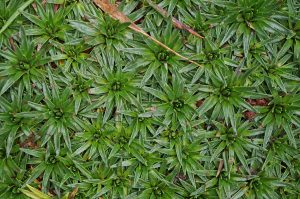
Where the road has cut into the adjacent rock and soil, layers of ash that have been deposited by volcanic eruptions are clearly evident. Along the way, we encountered waterfalls, alpine bogs and wildflowers growing in defiance of an intolerable environment. And, yes, we encountered snowfall at the earth’s equator!
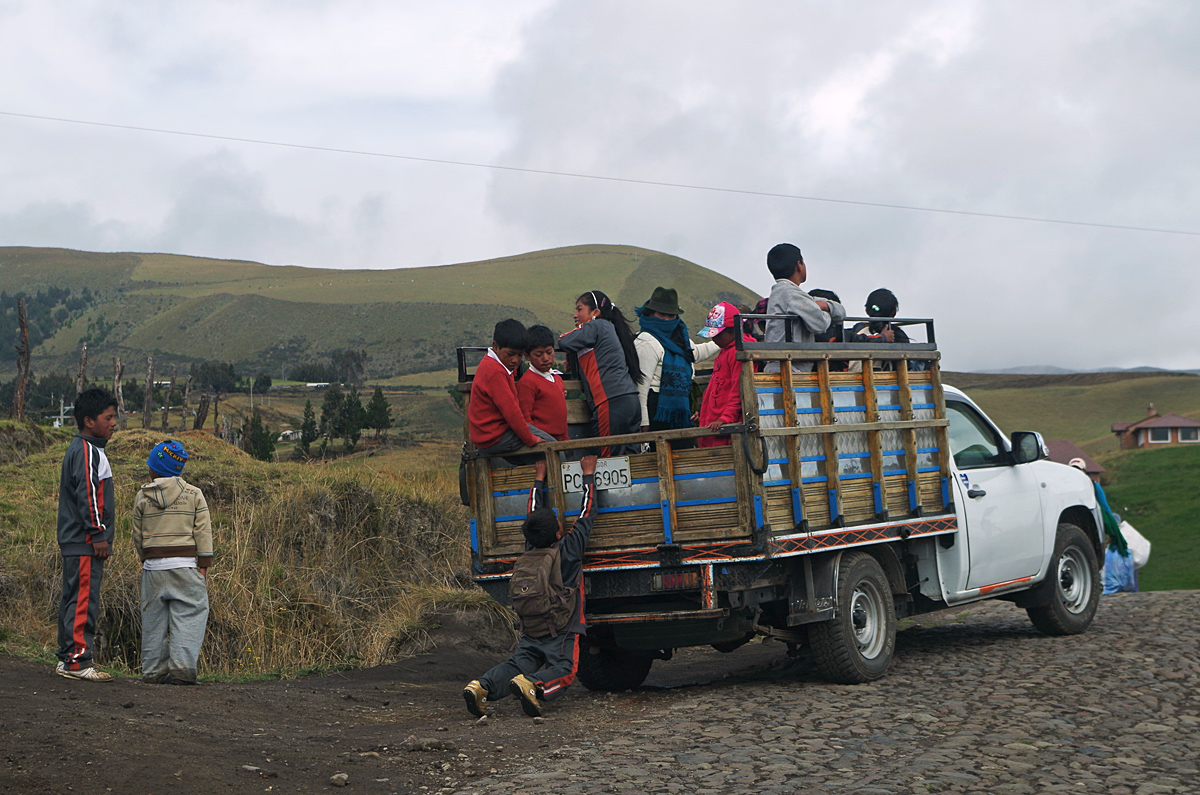
Prior to entering the National Park, we came along many groups of school children riding in the pickup trucks that serve as the local school buses. Others, who either missed their bus or whose families might not afford to pay for the transportation, were making the hour long plus trek on foot. One such group of about 15 children (plus one puppy) was extremely happy to encounter their “American friend”, our guide, who invited them to climb into the back of his truck for the ride home.
One of the other highlights of the route to the Cayambe base camp is the “toll lady” who is positioned about 2 kilometers into the national park and watches for vehicles approaching from either direction. She then jumps into the center of the road, holding her hands in a prayerful position until she sees the driver’s hand held outside his window with her “toll” in hand. I am so sorry that I did not take her photo, particularly on our return trip, when she stood like a deer in our vehicle’s headlights. Less than 5 feet tall, missing most of her teeth and appearing to be partially blind, the toll lady would appear to be an octogenarian but is probably only a woman in her late fifties who has led a hard life.
We were very fortunate to have St. Louis native David Meyer as our guide to Cayambe Volcano. David was hired on our behalf by Jaime Pallares, the manager of Molino San Juan, where we were staying in Cayambe. Jaime wanted to be sure that we had the best guide possible, and David was the answer. As a native American, David was fluent in English and the source of a tremendous amount of information about both the local population but Ecuador in general. In addition to recently beginning his services as a local tour guide, David is without doubt the most accomplished photographer of the Cayambe Volcano and has worked for the past 12 years as a missionary based in Ecuador with Crossworld ministries. He is an all-around good person whom we could not more highly recommend. In addition to offering a ride to school children, we took time to extricate drivers who were hopelessly stuck in the mud while trying to climb the mountain road without even four-wheel drive. David’s go-anywhere vehicle is a Toyota Hi-Luxe (only sold in South America and Australia) 2.5 liter turbo diesel, with ARB front and rear differential lockers among many other customizations.
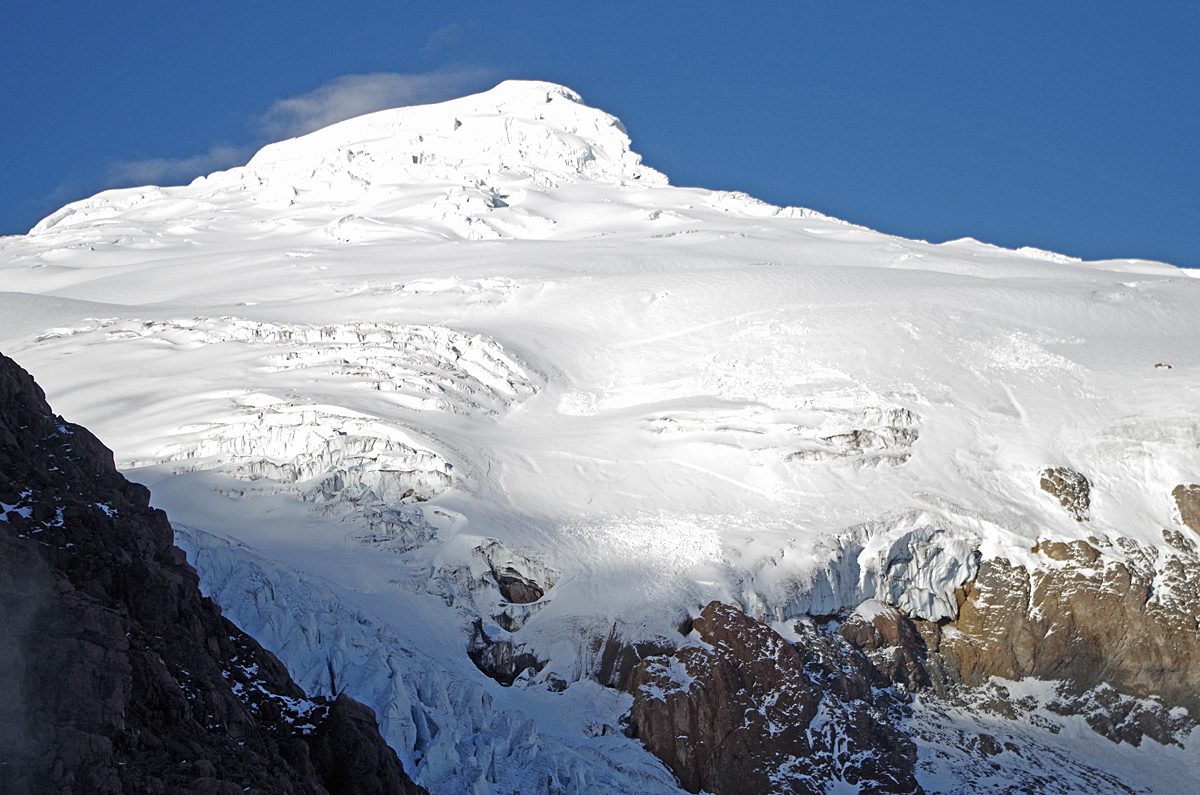
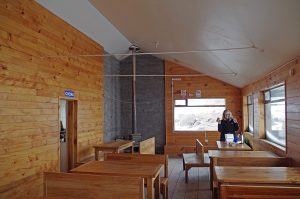
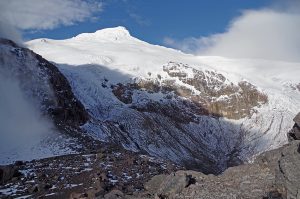
Eventually we reached the Cayambe Volcano base camp, where we took shelter from the wind and snow, consuming fluids and sugars to help us to compensate for the 15,000 ft. elevation. It is this same base camp that is used by the technical ice climbers who continue another 3,991 feet on foot over rock and glaciers to reach the summit. Most of the climbers take taxi trucks to the base camp and begin their ascent at midnight in order to reach the summit for sunrise.
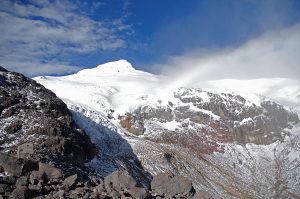
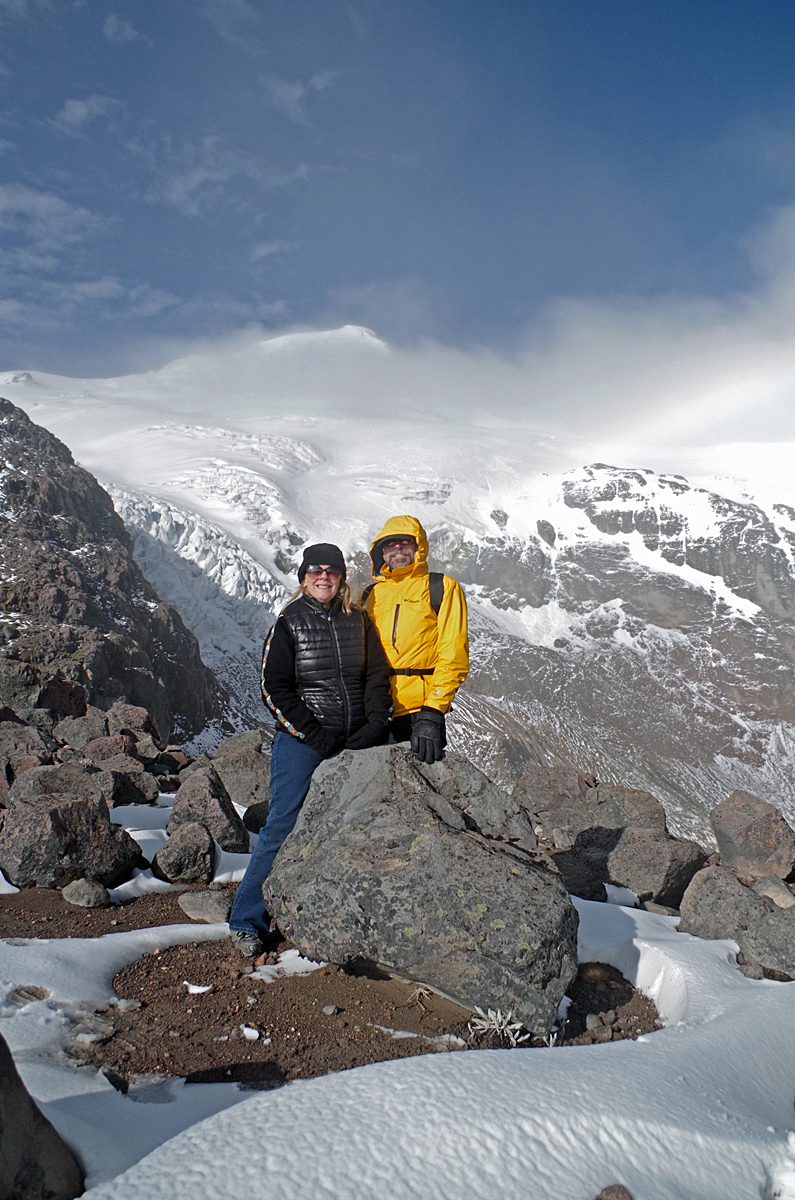
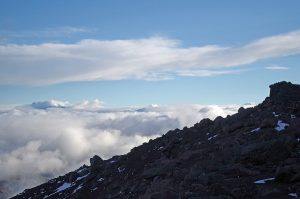
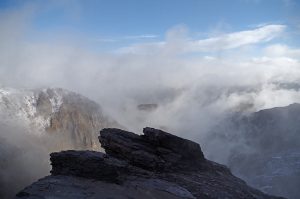
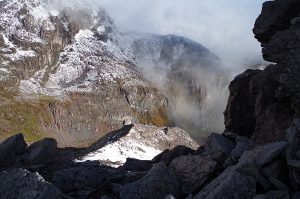
Cayambe Volcano is the only place on Earth that is located on the Equator and gets snow. When we arrived, the summit was obscured by clouds, but the clouds suddenly cleared and a rainbow was added to our unwordly view of the third highest mountain in Ecuador, all volcanoes. As the skies cleared even further, David and I hiked along the ridge line, where we were able to get a view of Antisana Volcano (the fourth highest in Ecuador) in the distance, looking toward the Amazon basin.
It is difficult to adequately express the scale of this grandeur. In one photo, what appears to be a small balanced rock perched in the distance is probably the size of a large truck. Glaciers are difficult to differentiate from the newly fallen snow, standing out only slightly with the bluish color of their ancient ice. Drops beyond jagged outcrops of rock literally descent thousands of feet.
All in all, our visit to Cayambe-Coca National Park and the Cayambe Volcano represents a lifetime experience that we will never forget!
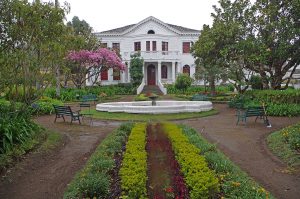
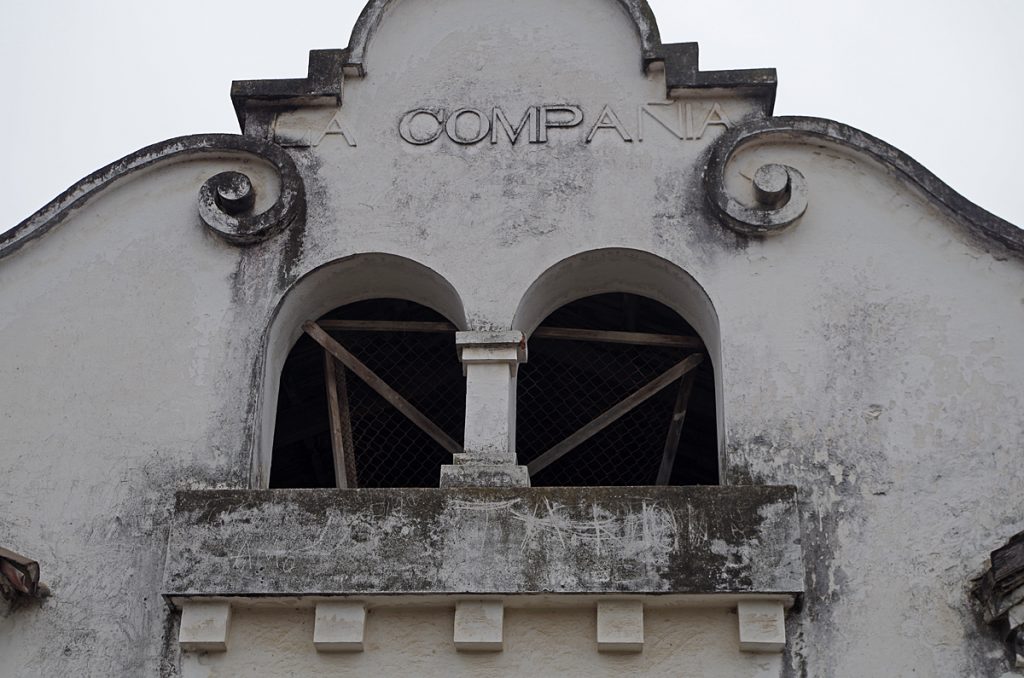
One of the highlights of our recent trip to Ecuador was our two-night stay at Molino San Juan, in the shadow of Cayambe Volcano and on the outskirts of the city of Cayambe, Pichincha province. The history of Molino San Juan, part of Hacienda La Copañia, along with the hospitality extended to us by its manager, Jaime Pallares, and his staff was nothing short of remarkable.
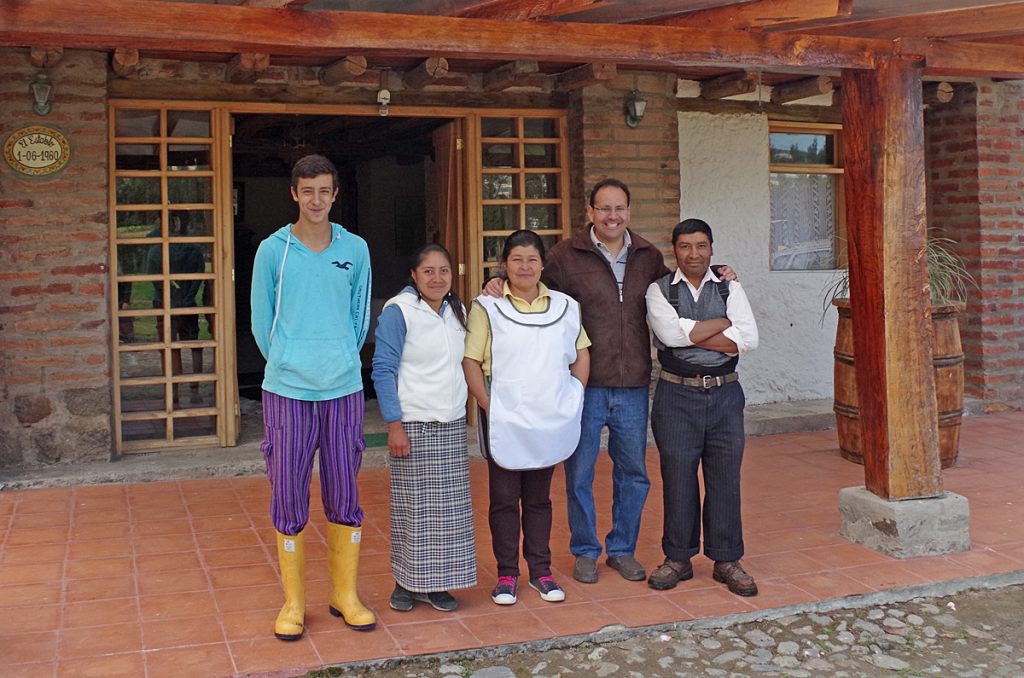
During our off-season stay, we were the only guests at Molino San Juan, considered the “hotel” of Hacienda La Copañia, and we were treated like royalty. Jaime told us that he was there to ensure that we enjoyed our stay, and he proved his commitment to that goal time and again. Let me explain that he is one of the family members who own this remarkable hacienda, an entrepreneur with grand plans and a earlier career with Hilton Hotels. During the first night of our stay, in order to be absolutely certain that everything would be perfect, he actually stayed in an upstairs guestroom rather than going home for the night!
Heated living spaces are not the norm in Ecuador, and our desire for greater warmth in our room was met with additional blankets, a space heater in our room, and hot water bottles in our bed. Simply remarkable!
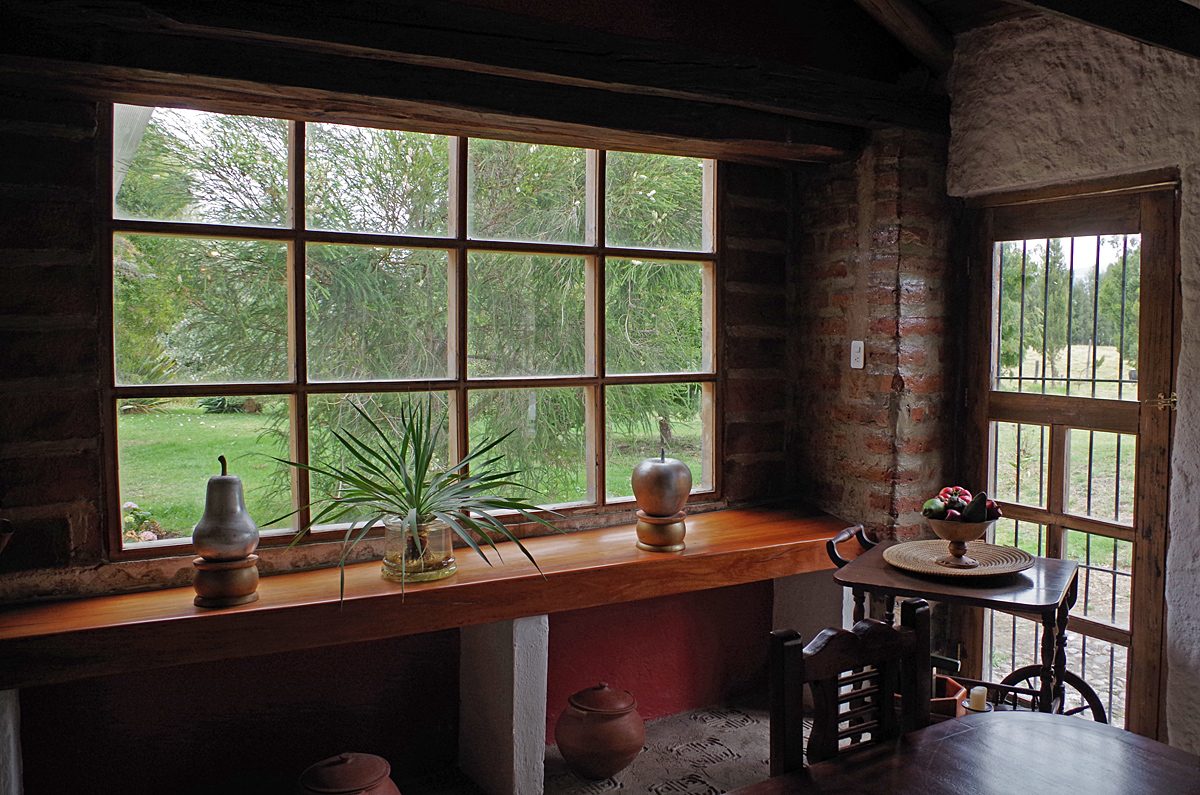
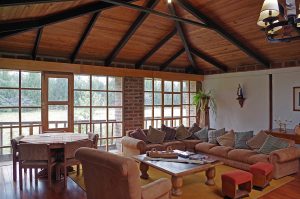
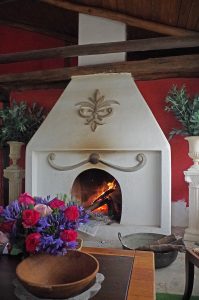
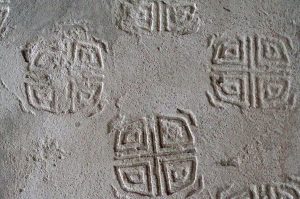
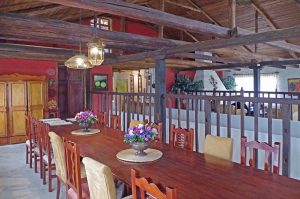
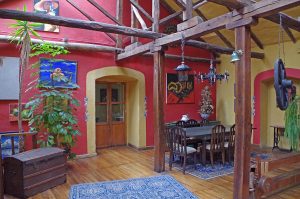
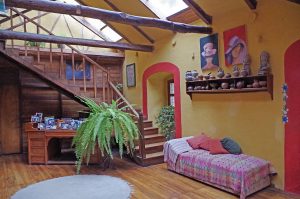
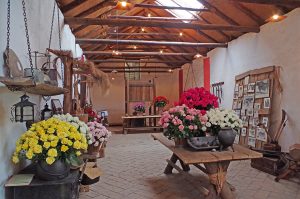
Molino San Juan, part of the family-owned Hacienda, is a former cattle barn that was built in the 1960s and used through the 1970s. The floors bear the original imprint of cheese molds, and the rooms are uniquely built around stanchions and cattle feeding troughs. The walls are decorated with artwork that has been created by Jaime’s wife and mother-in-law. Our stay included half board, and our breakfasts and dinners were carefully prepared and delicious – always of course including bizcochos, the tasty signature pastries of Cayambe. We were also provided with box lunches to take along during our travels away from Molina San Juan.
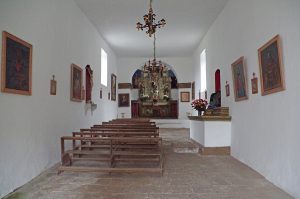
Let me explain more about the Hacienda and its remarkable history. As is the case with other Haciendas in Ecuador, Molina San Juan consists of 500 hectares that was originally founded by Jesuits half a millennium ago. Remarkably, the grand hacienda, chapel, and original buildings still stand, with Sunday Mass still celebrated once monthly in the old chapel. After the Jesuit period, the property was purchased by Roberto Jarrin back in 1860, with the most fascinating period of the Hacienda’s history commencing when Aquiles Jarrin built the Molino San Juan hydraulic grist mill late in the 19th century.
Much of that hydraulic mill greats diners the Hacienda’s fine restaurant and museum, where we were invited to view the inner workings of the mill in the space below the main floor. The mill, which processed grains from surrounding farms for many decades, was built in France, disassembled, and shipped across the Atlantic, around the horn of South America, up the Pacific Coast to Guayaquil, then over the Andes Mountains for a six month trek to Cayambe where it was reassembled. This remarkable feat brought to mind the 1982 Werner Herzog film, Fitzcarraldo.
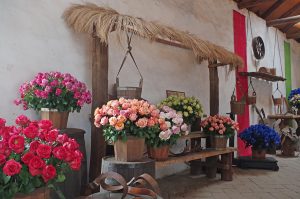
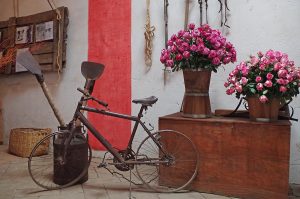
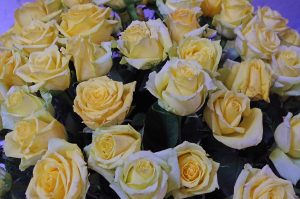
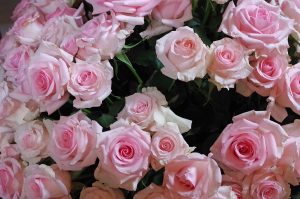
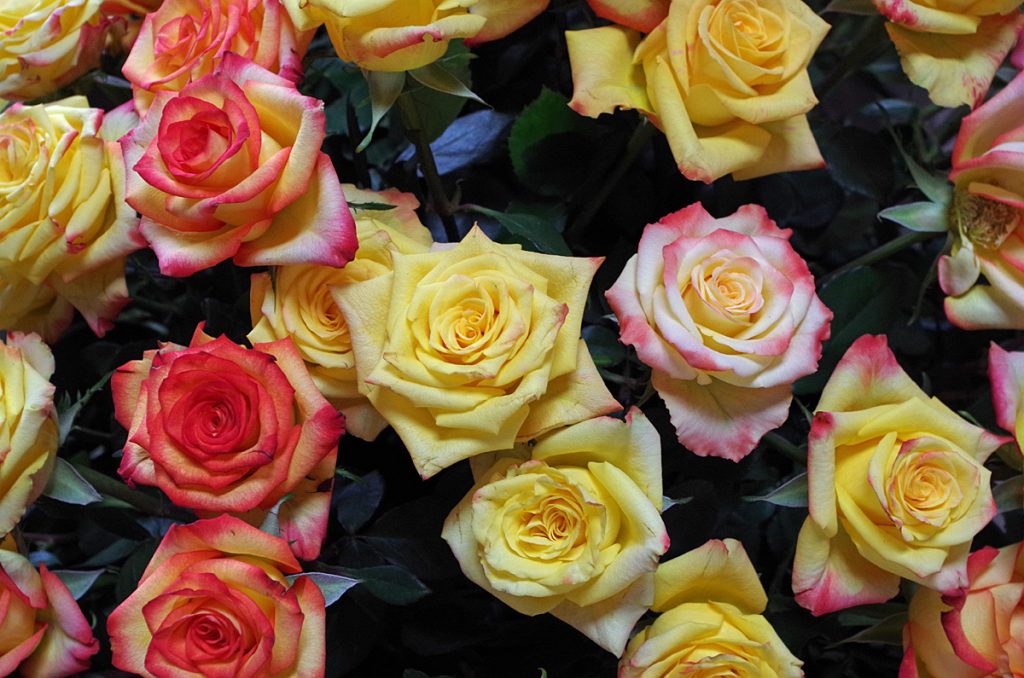
Today, the main source of revenue for the Hacienda is the cultivation of roses. Ecuador is the world’s third largest producer of cut flowers, most of which are roses, and most of which are grown in Pichincha province. Roses are one of the country’s leading exports, after crude oil and bananas – which we also found growing in abundance. Most of the roses grown at the Hacienda are shipped to markets in Russia, the United States, and Holland (where they are re-marketed as local products.)
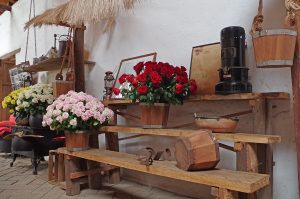
As part of our visit to Molino San Juan, Jaime gave us a personal tour of the Hacienda’s rose showroom. Displaying dozens of artistic arrangements, the roses are replaced every three days, ensuring that the blossoms are at all times nothing less than perfect.
In addition to our personal tour of the hacienda grounds, museum, chapel and rose showroom, Jaime arranged for guide service to Cayambe Volcano – another outstanding part of our visit that will be covered in another post. If you should be fortunate enough to visit Ecuador, be sure to include a visit to Cayambe and a stay at Molino San Juan!
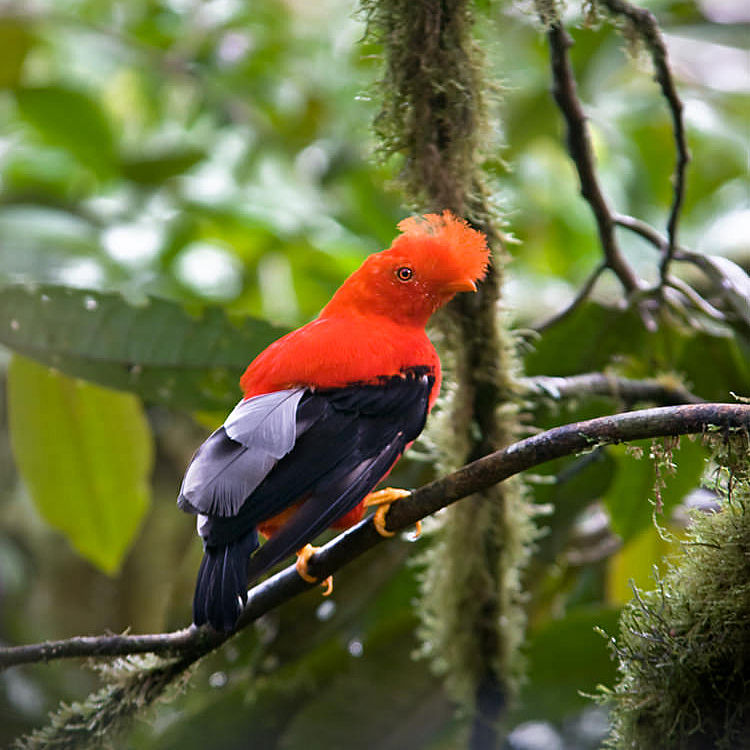
Another exciting component of our upcoming trip will be visits to the cloud forests in the foothills of the Andes Mountains. We will be spending two days and nights in the Mindo Nambillo Cloud Forest Reserve, which consists of 19,537 hectares (48,267 acres) of protected forest that is home to 380 species of birds such as those shown below.
Andean Cock-of-the-Rock in the Mindo Cloud Forest
Toucan Barbet in the Mindo Cloud Forest
The area surrounding the town of Mindo is also noted for its orchids, butterflies, wild rivers (the Mindo, Saloya and Cinto rivers) and waterfalls. Native trout caught in the local rivers are a popular dining option. We will be staying at the Case Divina Lodge, an ecotourism accommodation that includes a hummingbird sanctuary and organizes birding expeditions and night walks into the cloud forest. We expect to explore the Paz de las Aves Bird Refuge. http://www.mindocasadivina.com/birding-in-mindo/
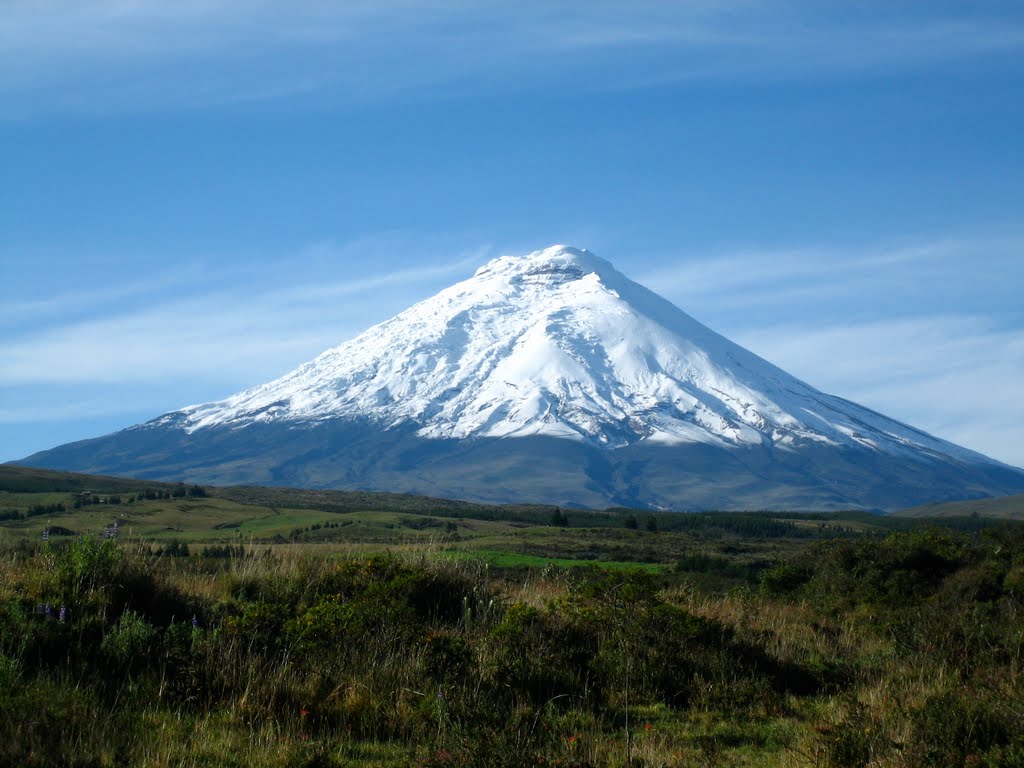
Cayambe Volcano, the highest point on the equator
From Mindo, we will be traveling to Cayambe where we will explore the Cayambe Coca Ecological Reserve. The biodiversity of Cayambe Coca includes 900 species of birds (including the condor, hummingbirds, parrots and toucans), along with 110 species of amphibians, 140 species of reptiles and more than 200 mammals.
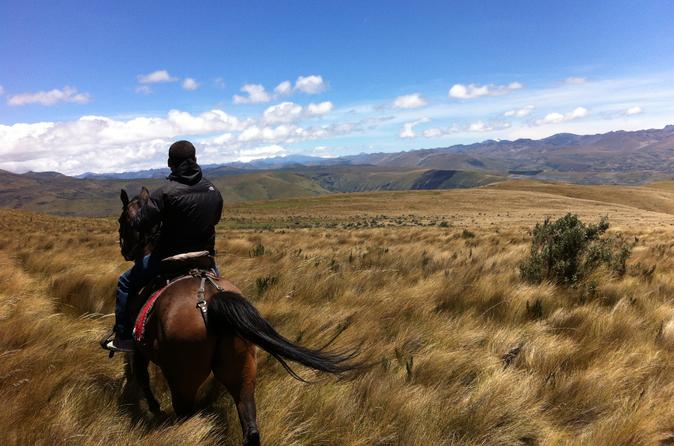
In Cayambe, we hope to ride horses in the foothills of the Cayambe Volcano. We will be spending two nights at Molino San Juan. From there, we plan to hike to the San Rafael Waterfall and other attractions on our way to our first of two visits to the capital city of Quito.
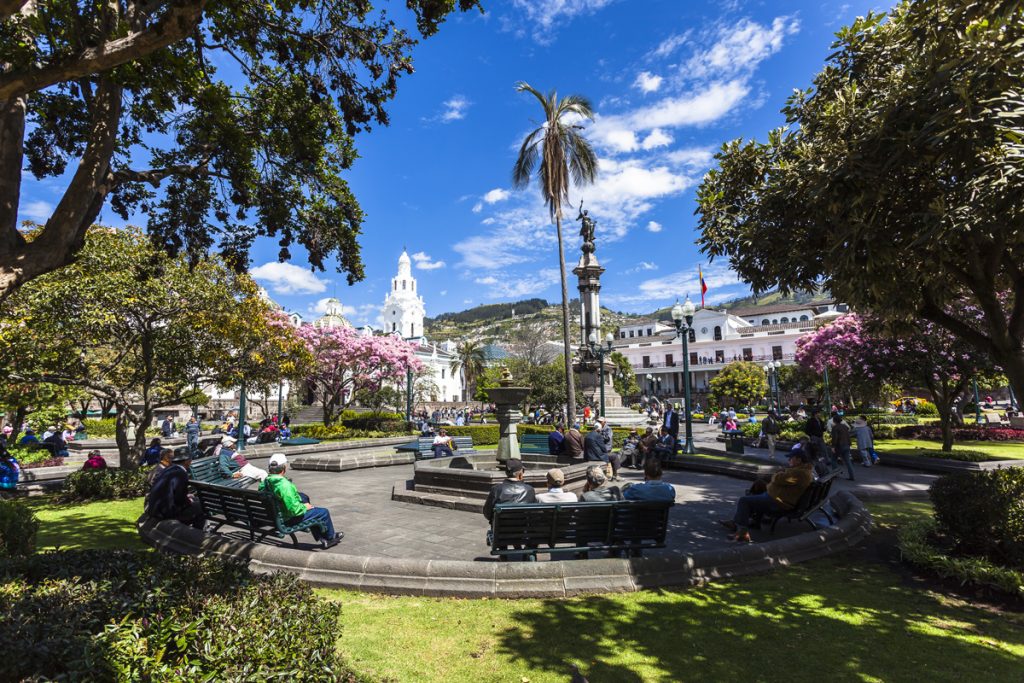
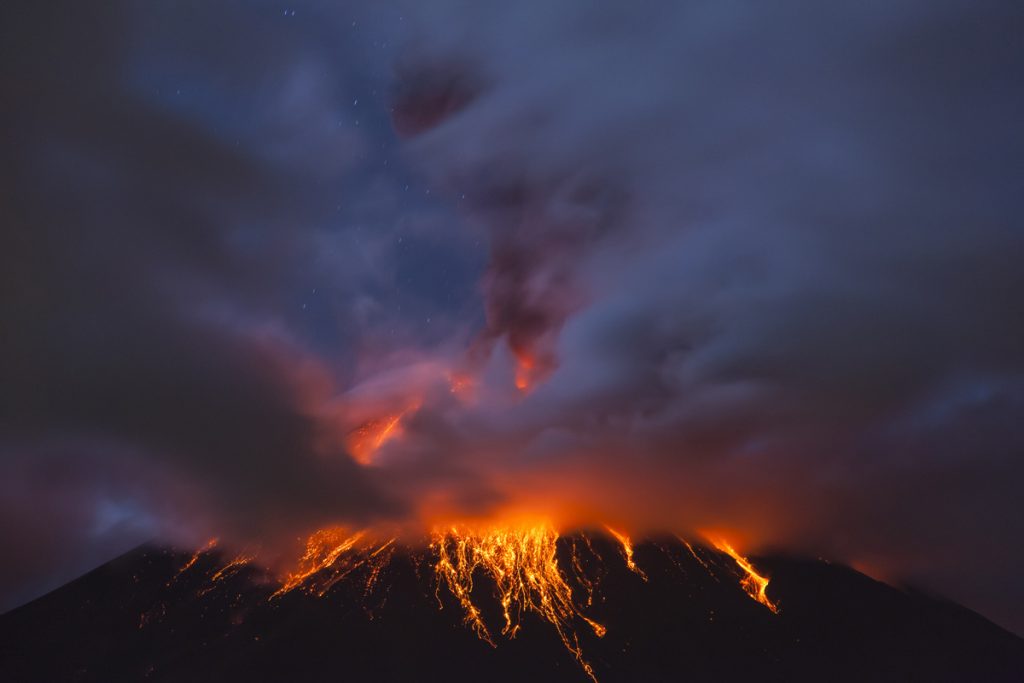
Another key destination in our upcoming adventure is Quito, the capital city of Ecuador, which is one of the first two World Cultural Heritage Sites declared by UNESCO in 1978. Quito is the highest capital city in the world at an altitude of 9,350 feet and is the closest capital city to the equator, with the outskirts of the city less than a kilometer away from zero latitude. The city is built on a plateau alongside the Pichincha Volcano, which last erupted in 1999, and is ringed by a series of snow-capped volcanoes – including Cotopaxi and Cayambe to the East. The Tungurahua Volcano, is the most active in Ecuador. The photo below shows the most recent eruption, as seen from Quito, on March 4, 2016. (This has been a very active seismological year, with the major earthquake that soon afterward caused major destruction in Guayaquil and the surrounding area.) During our stay, we plan to be riding on horseback to Cayambe Volcano.
We will be making two visits to Quito, both before and after our Galapagos cruise. Our first visit, in late September, will be at the end of the four months that are considered “summer”, and our second visit, in early October, will be at the beginning of the eight months that are considered “winter.” When the sun is shining, due to the high elevation, the UV index can be as high as 24 (just when you thought that the scale ends at 10!), so we will be packing (and using) plenty of sunblock. Other than our initial flight into Guayaquil and our subsequent drive to Quito, we will be flying in and out of the new international airport that was opened in 2013.
Our first visit to Quito will be at the end of an adventurous drive from Guayaquil, on the Pacific coast, which will take us along the ocean and through national parks, with stays in cloud forest reserves near Mindo and Cayambe. (More on those in future posts.) We will be guests at the Carlota Boutique Hotel, located in the historic old city, during our first stay in Quito. This will serve as a convenient access point to explore the city’s many historical, architectural and culinary wonders. Upon our return from the Galapagos Islands, we will be staying at the El Crater Hotel, perched high above the city at the edge of the Pululahua volcanic crater. The views from El Crater are said to be spectacular, with the hotel’s restaurant drawing in guests from far and wide.
Although we do not leave for 3 more weeks, here is a bit of a preview of part of our upcoming trip. We will be spending a week on the M/Y Grace, touring the Galapagos Islands, following in the footsteps of Charles Darwin. Unlike most of the larger cruise lines that operate in the Galapagos, the Grace is a luxury yacht (formerly owned by Princess Grace and Prince Rainier of Monaco, a wedding gift to them from Aristotle Onassis) that carries only 16 passengers, with a crew that includes two naturalists. Here is a video tour.
The Grace herself is almost as exciting as the Galapagos Islands themselves, with a remarkable life story that included service to the British Royal Navy during World War II. We will be staying in one of the ship’s two master suites. Here is a view of our stateroom:
Our itinerary will take us from Baltra to San Cristobal, visiting 9 islands in the archipelago. Here is a peek at the itinerary.
We do not take many vacations, so we try to make them count. Plus, this is a very special occasion for Barbara’s birthday. I started planning this aspect of the trip in late December and early January, telling her about it 10 days ago. I will post more details about the rest of our itinerary in Ecuador, both before and after the Galapagos cruise, soon.

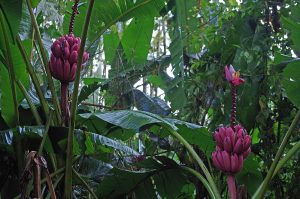
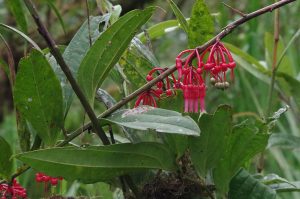
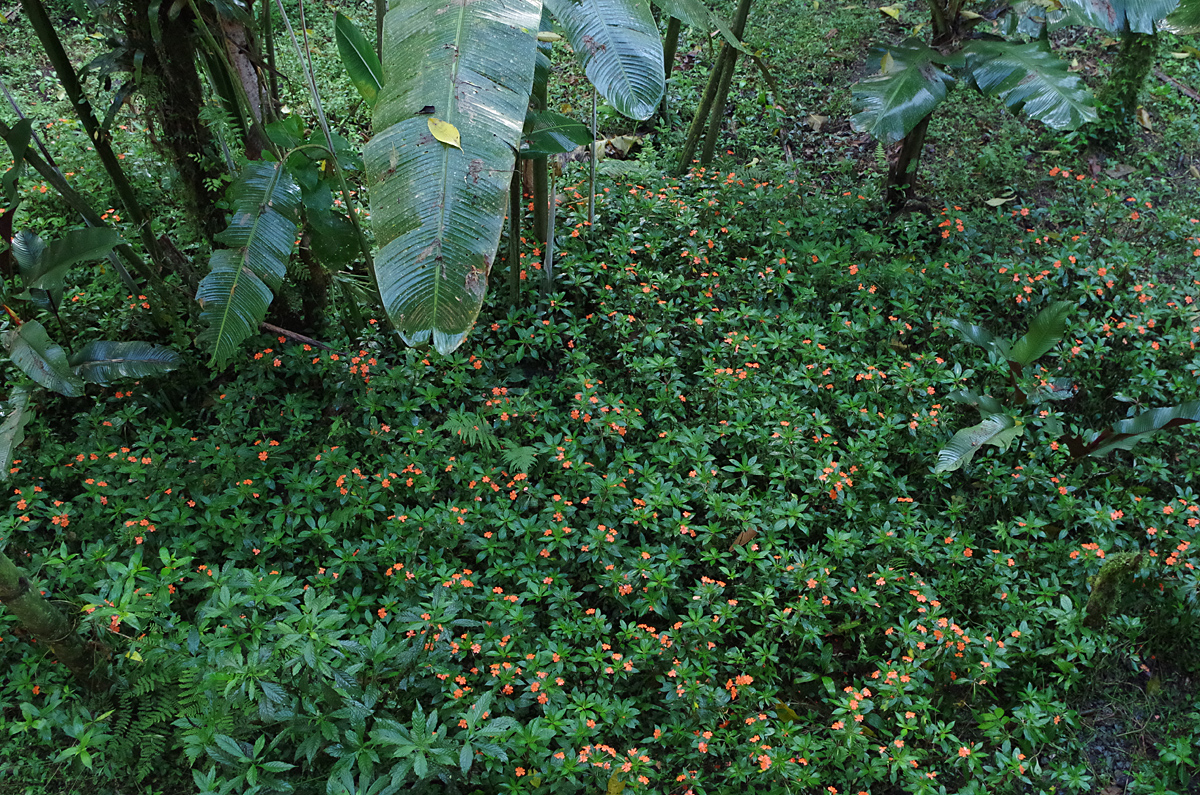
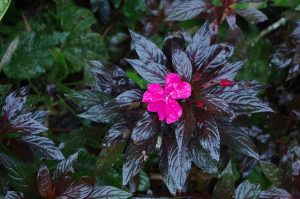 During our stay, owner Efrain Toapanta arranged for one of his fellow guides to take us out for a lengthy session of bird watching. With the assistance of this ornithologist, we identified 74 species of birds in one day, including 18 species of tanagers and 16 species of hummingbirds. Truly remarkable, and utterly amazing.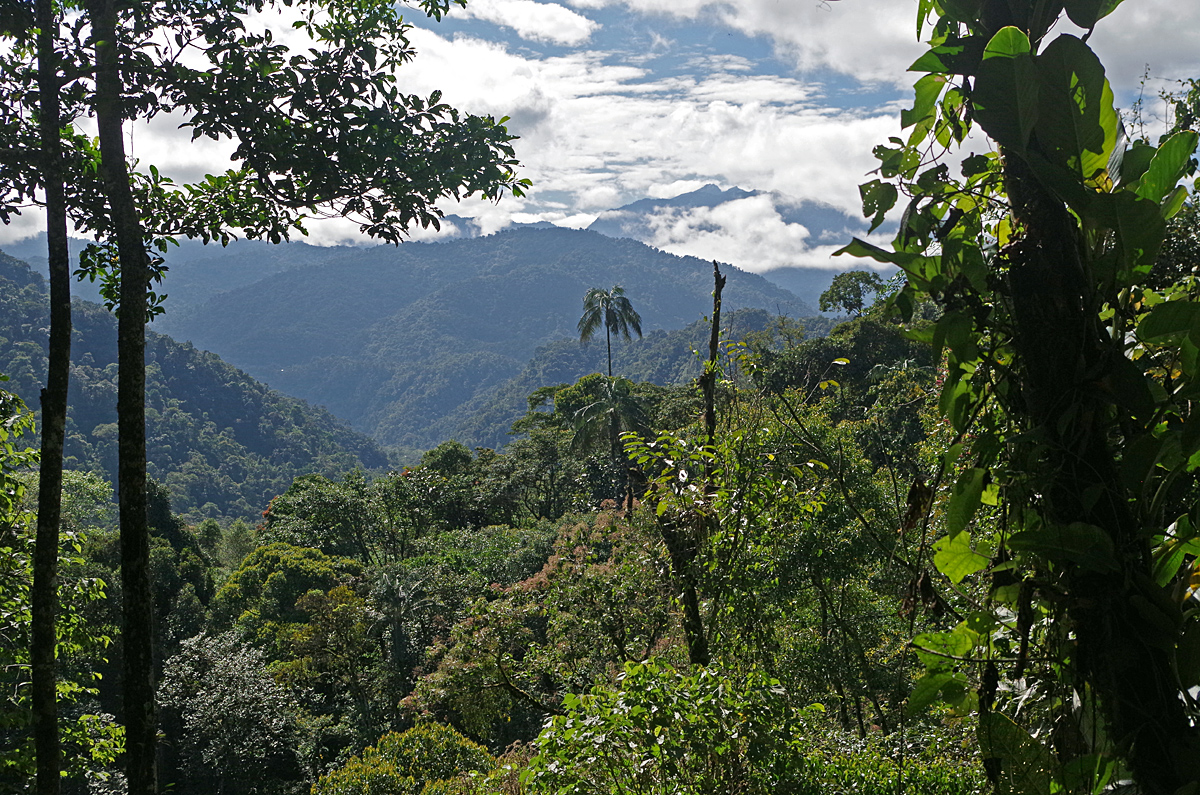
 Mindo is seeking to establish a
  reputation as a destination for birding and a broader range of tourist activities, including white-water rafting on the Rio Mindo, a butterfly conservatory, and ziplines through the forest. Though Casa Divina Lodge concentrates on birding and more natural endeavors, the owners are at the forefront of developing a broad base of tourism appeal. On our way out, we stopped for a tour of the El Quetzal artisan chocolate company – a tasty and highly informative visit.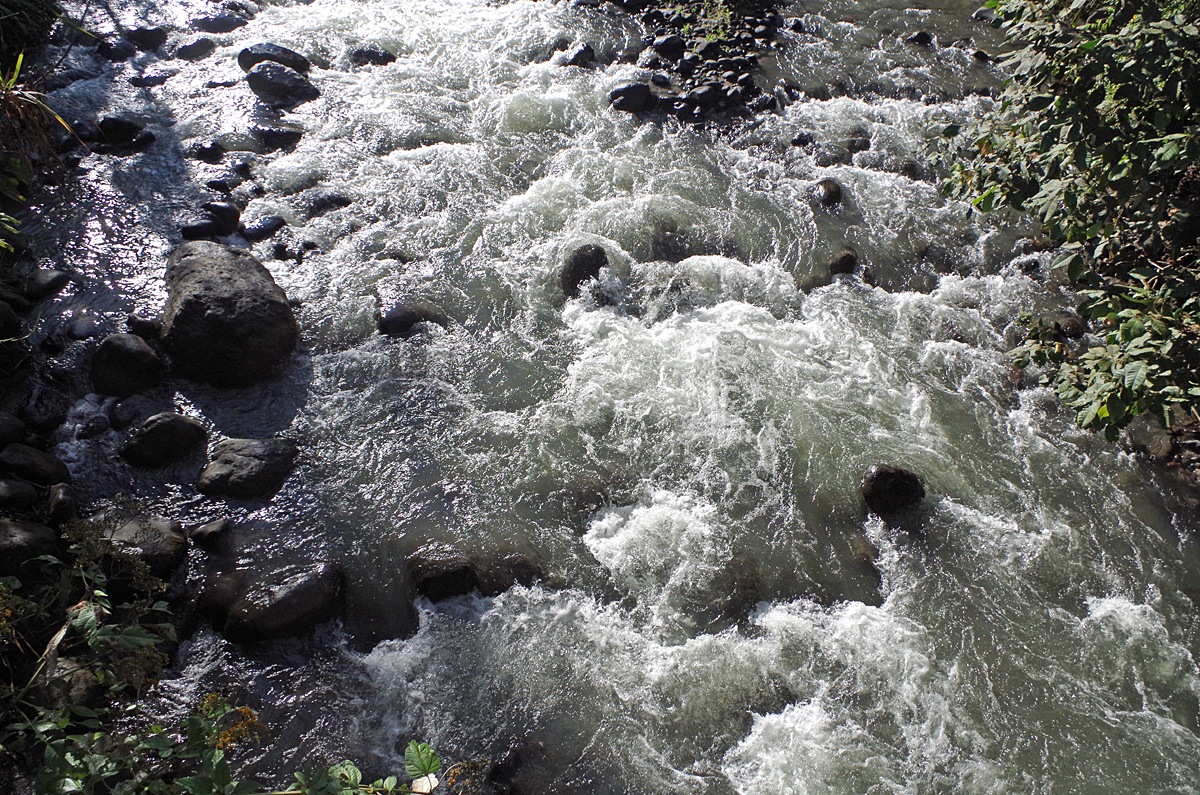
 Andean Cock-of-the-Rock in the Mindo Cloud Forest