The Ecuadorian Cloud Forest

Another exciting component of our upcoming trip will be visits to the cloud forests in the foothills of the Andes Mountains. We will be spending two days and nights in the Mindo Nambillo Cloud Forest Reserve, which consists of 19,537 hectares (48,267 acres) of protected forest that is home to 380 species of birds such as those shown below.
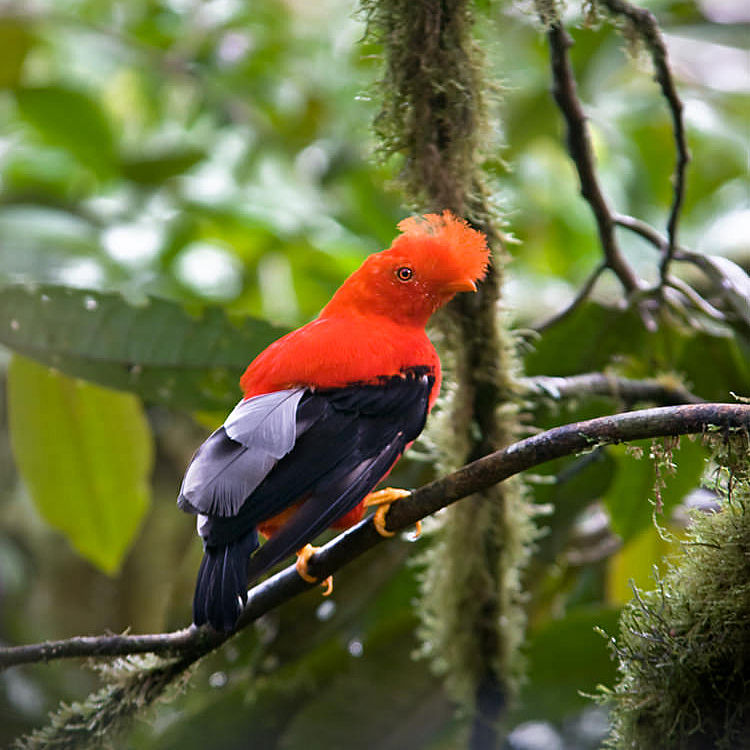
andean-cock-of-the-rock-mindoAndean Cock-of-the-Rock in the Mindo Cloud Forest
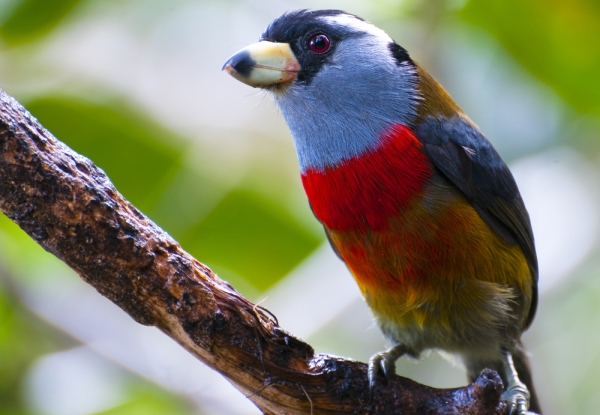
toucan-barbet-bird-in-mindo-cloud-forest-in-ecuador
Toucan Barbet in the Mindo Cloud Forest

The area surrounding the town of Mindo is also noted for its orchids, butterflies, wild rivers (the Mindo, Saloya and Cinto rivers) and waterfalls. Native trout caught in the local rivers are a popular dining option. We will be staying at the Case Divina Lodge, an ecotourism accommodation that includes a hummingbird sanctuary and organizes birding expeditions and night walks into the cloud forest. We expect to explore the Paz de las Aves Bird Refuge.
http://www.mindocasadivina.com/birding-in-mindo/
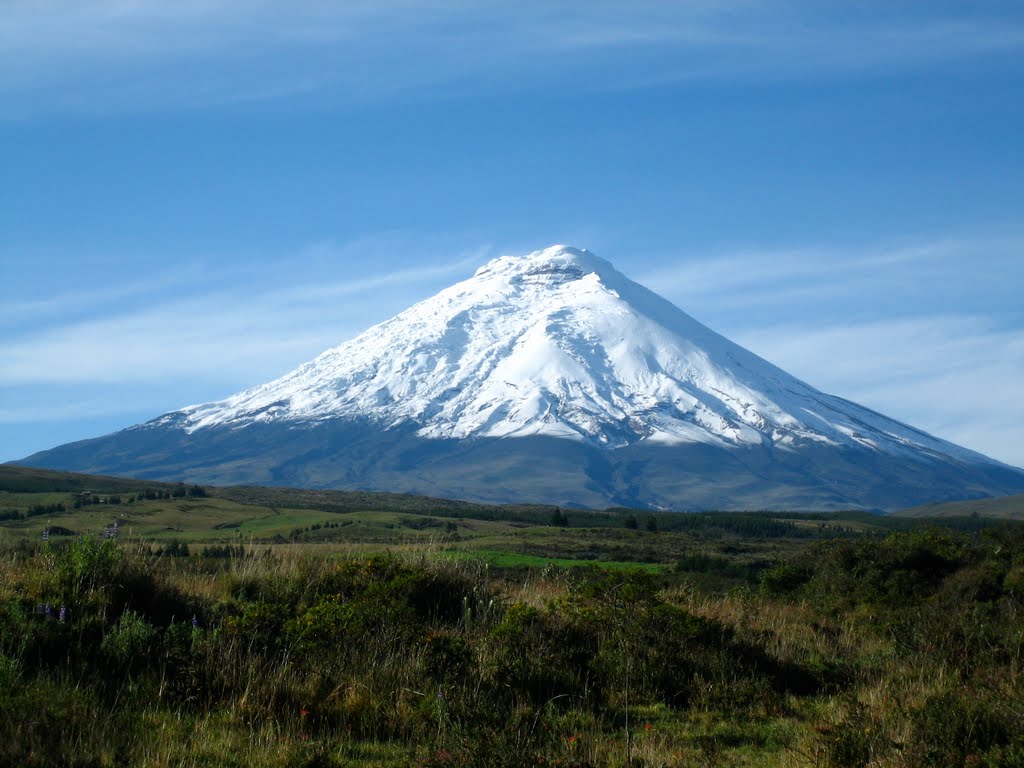
cayambe-volcano
Cayambe Volcano, the highest point on the equator

From Mindo, we will be traveling to Cayambe where we will explore the Cayambe Coca Ecological Reserve. The biodiversity of Cayambe Coca includes 900 species of birds (including the condor, hummingbirds, parrots and toucans), along with 110 species of amphibians, 140 species of reptiles and more than 200 mammals.
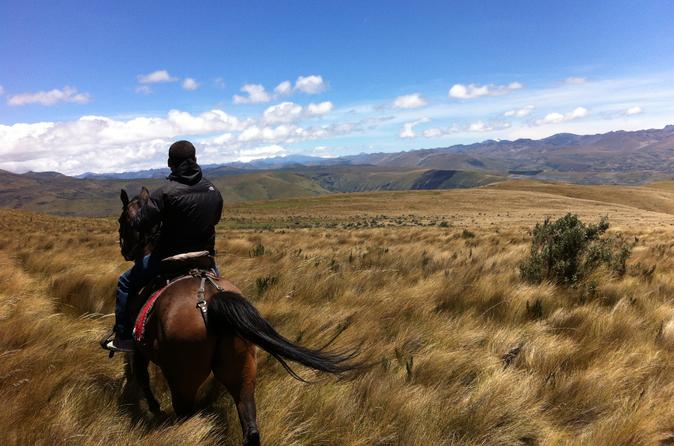
horseback-riding-at-cayambe-volcano-from-quito-in-quito-239880

In Cayambe, we hope to ride horses in the foothills of the Cayambe Volcano. We will be spending two nights at Molino San Juan. From there, we plan to hike to the San Rafael Waterfall and other attractions on our way to our first of two visits to the capital city of Quito.
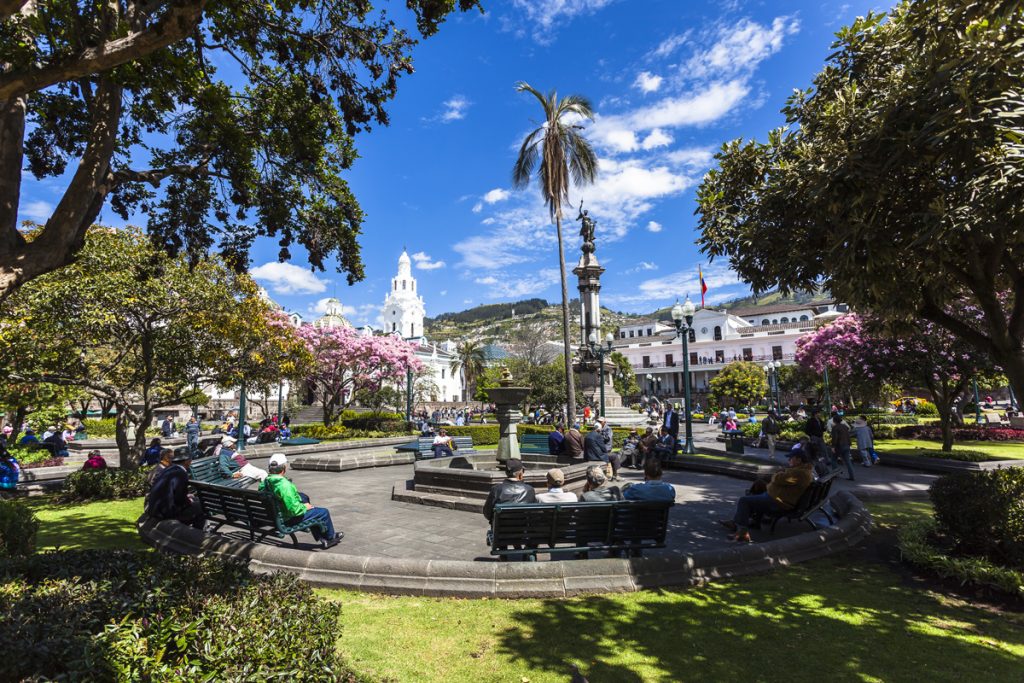
Quito – The Capital City of Ecuador

plaza-de-san-francisco_381303649_1200x800_90

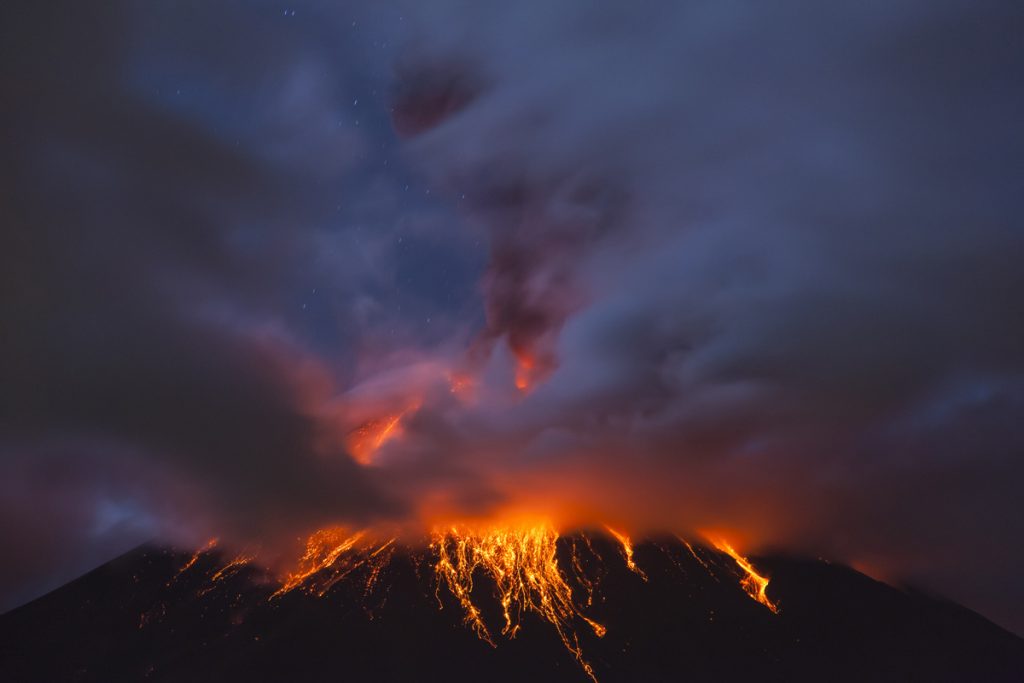
Another key destination in our upcoming adventure is Quito, the capital city of Ecuador, which is one of the first two World Cultural Heritage Sites declared by UNESCO in 1978. Quito is the highest capital city in the world at an altitude of 9,350 feet and is the closest capital city to the equator, with the outskirts of the city less than a kilometer away from zero latitude. The city is built on a plateau alongside the Pichincha Volcano, which last erupted in 1999, and is ringed by a series of snow-capped volcanoes – including Cotopaxi and Cayambe to the East. The Tungurahua Volcano, is the most active in Ecuador. The photo below shows the most recent eruption, as seen from Quito, on March 4, 2016. (This has been a very active seismological year, with the major earthquake that soon afterward caused major destruction in Guayaquil and the surrounding area.) During our stay, we plan to be riding on horseback to Cayambe Volcano.

tungurahua-volcano_386250763_1200x800_90

We will be making two visits to Quito, both before and after our Galapagos cruise. Our first visit, in late September, will be at the end of the four months that are considered “summer”, and our second visit, in early October, will be at the beginning of the eight months that are considered “winter.” When the sun is shining, due to the high elevation, the UV index can be as high as 24 (just when you thought that the scale ends at 10!), so we will be packing (and using) plenty of sunblock. Other than our initial flight into Guayaquil and our subsequent drive to Quito, we will be flying in and out of the new international airport that was opened in 2013.

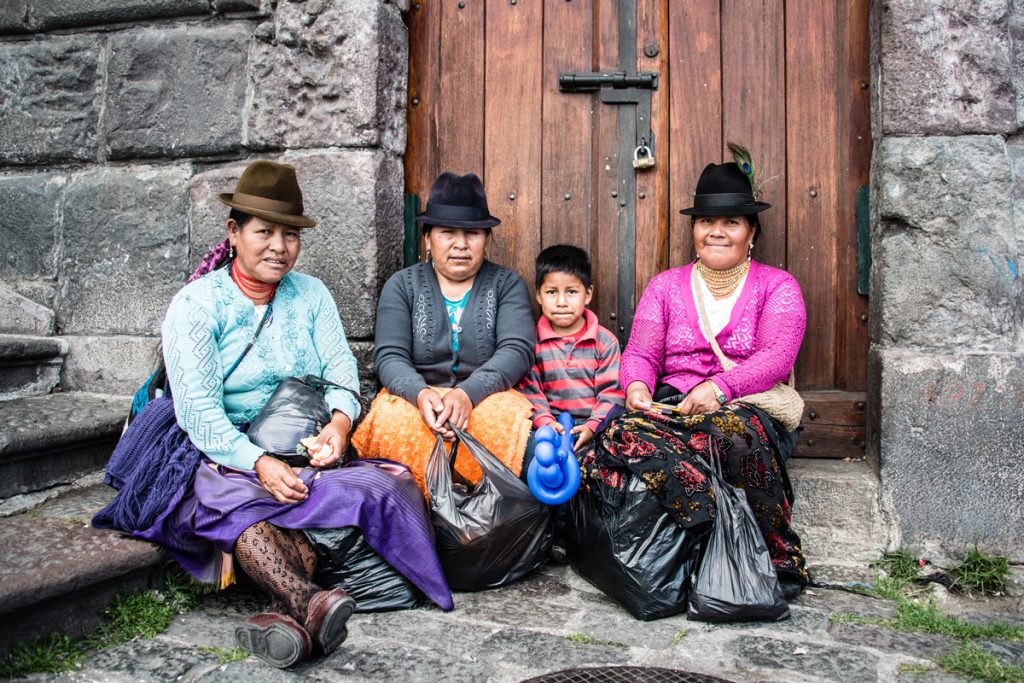
indigenous-people_364839266_1200x800_90

Our first visit to Quito will be at the end of an adventurous drive from Guayaquil, on the Pacific coast, which will take us along the ocean and through national parks, with stays in cloud forest reserves near Mindo and Cayambe. (More on those in future posts.) We will be guests at the Carlota Boutique Hotel, located in the historic old city, during our first stay in Quito. This will serve as a convenient access point to explore the city’s many historical, architectural and culinary wonders. Upon our return from the Galapagos Islands, we will be staying at the El Crater Hotel, perched high above the city at the edge of the Pululahua volcanic crater. The views from El Crater are said to be spectacular, with the hotel’s restaurant drawing in guests from far and wide.