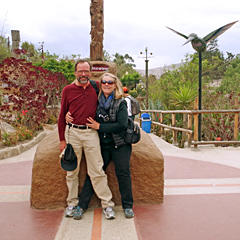
We traveled to Ecuador from September 22nd thru October 10th of 2016, celebrating Barbara’s birthday on October 6th with the trip to the Galapagos Islands that had always been one of her dreams. There was a lot of advance planning prior to the announcement of the surprise about a month prior to our departure. Although our travels took us to many wonderful destinations within Ecuador, we knew that the highlight of our trip would be the 8 days and 7 nights that we spent in the Galapagos Islands. In fact, the rest of our trip – as spectacular as it may have been – was designed as an extension of our time in Ecuador’s famous archipelago.
There are perhaps a hundred choices in cruise ships serving the Galapagos Islands, from economy class to luxury class, and from small yachts to larger cruise ships that carry the 100-passenger limit for debarkation within the Galapagos National Park which encompasses the island chain. The ships tend to follow similar itineraries and routes, since park regulations prohibit any ship from landing in the same location more frequently than once every 14 days. In addition to a limited number of landings (some dry but mostly wet landings), land excursions are strictly limited to the hours from sunrise to sunset.
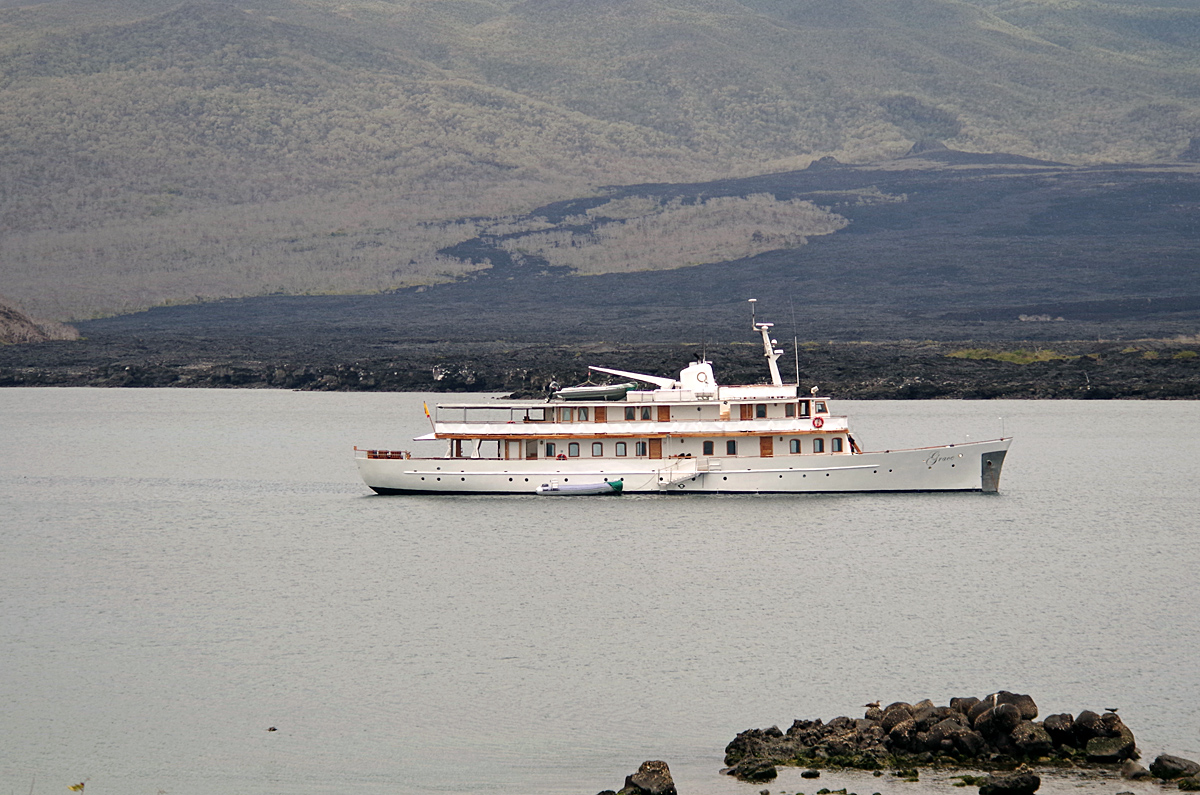
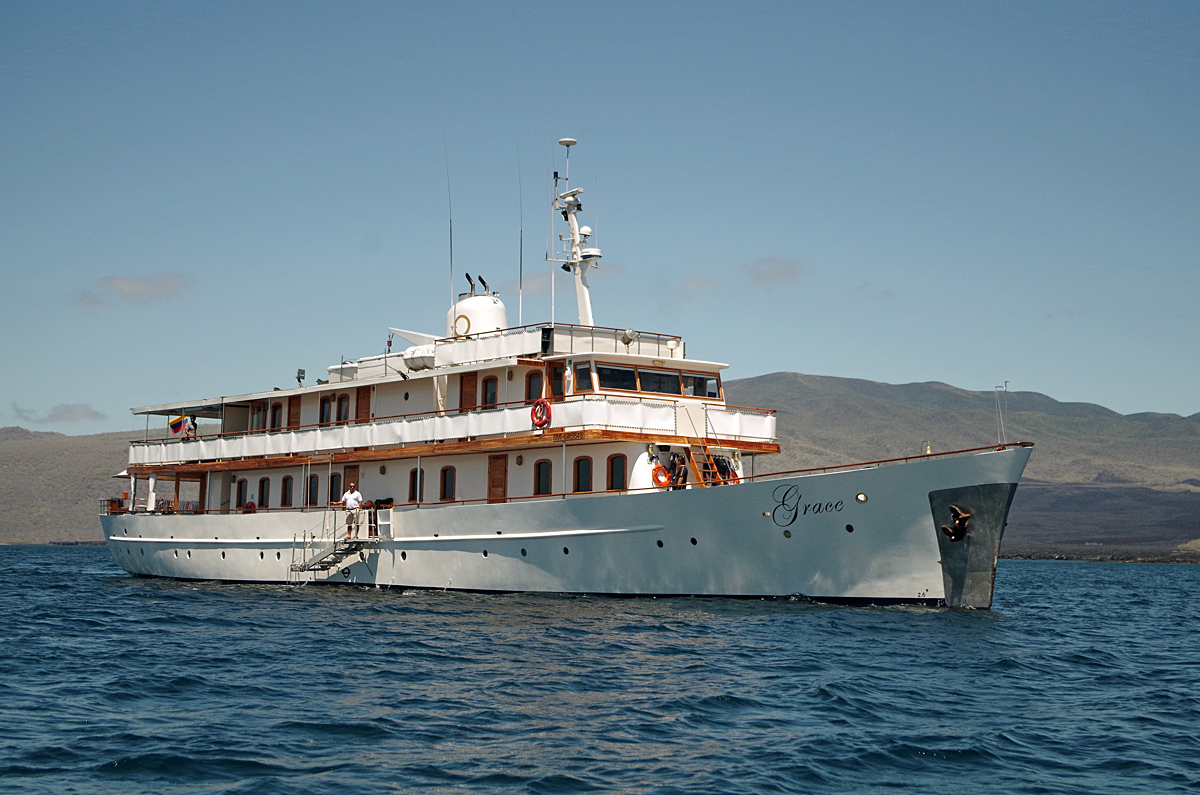
Smaller vessels seem to have an advantage in being able to access locations that cannot accommodate larger ships. Since virtually all land excursions involve access by zodiacs (called pangas in the Galapagos), smaller ships also offer the advantage of more efficient debarkations. For a variety of reasons, we chose Quasar Expeditions and its M/Y Grace. The Grace is one of the smaller luxury yachts carrying passengers in the islands, and its level of service and historical background set it in a class by itself. This promotional video provides an overview of what travelers experience on one of these cruises.
Built in Southampton, England in 1928, the Grace was intended to serve as a private yacht for the rich and famous, but the Great Depression (that impacted the entire world) and the onset of the Second World War changed those plans. In 1939, the ship, then known as the Rion, was conscripted into the British Royal Navy, where she patrolled off the Isle of Wight, ferried troops from Dunkirk to Dover, was responsible for the capture of a German e-boat and the possible sinking of a u-boat, and included Sir Winston Churchill among her post-war passengers.
After the war, the ship then known as the HMS Noir was returned to her pre-war owner, the chairman of the Prudential Insurance Company. Upon his death, the ship was acquired by Aristotle Onassis, who later gave it to Prince Rainier and Princess Grace of Monaco as a wedding gift. The royal couple honeymooned on board the ship that they re-christened Deo Juvente II. From 1960 through 2007, the ship went through periods of private ownership, carrying freight in the Caribbean, seizure and auction by the Jamaican government for non-payment of taxes, then finally restoration, rebuilding and re-christening as the M/Y Grace.
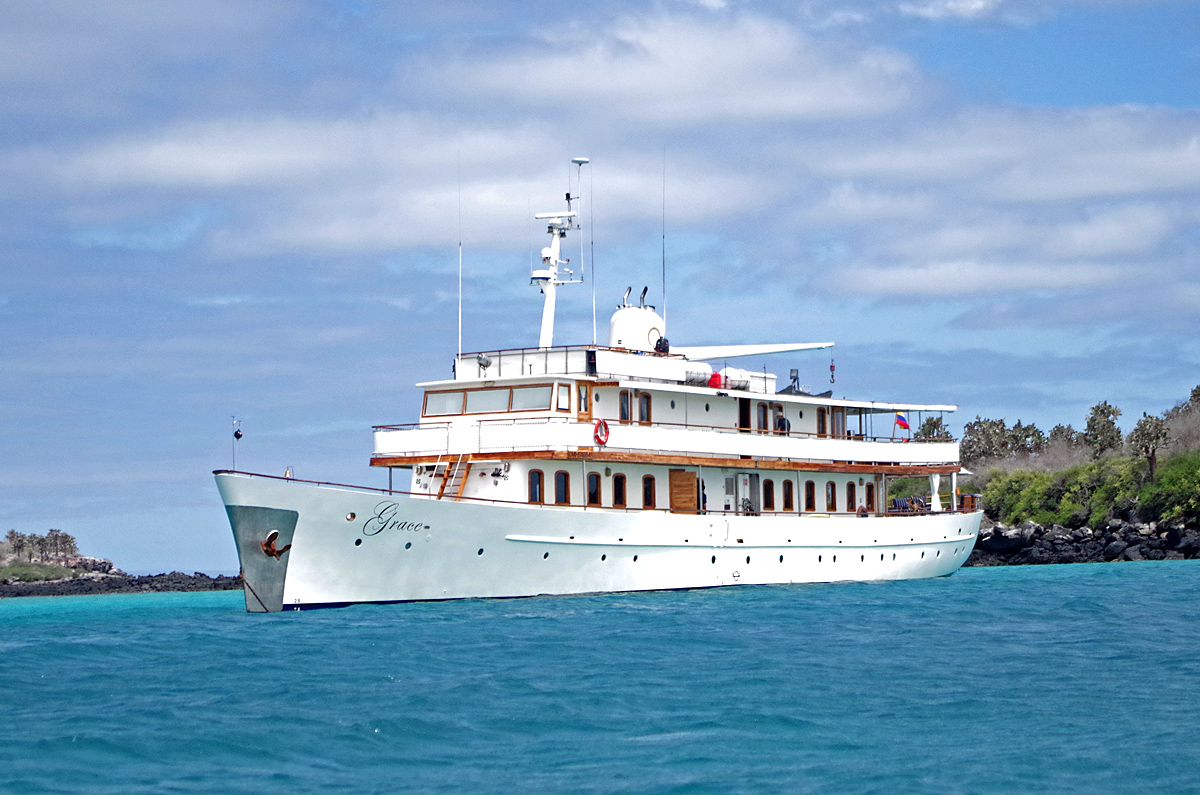
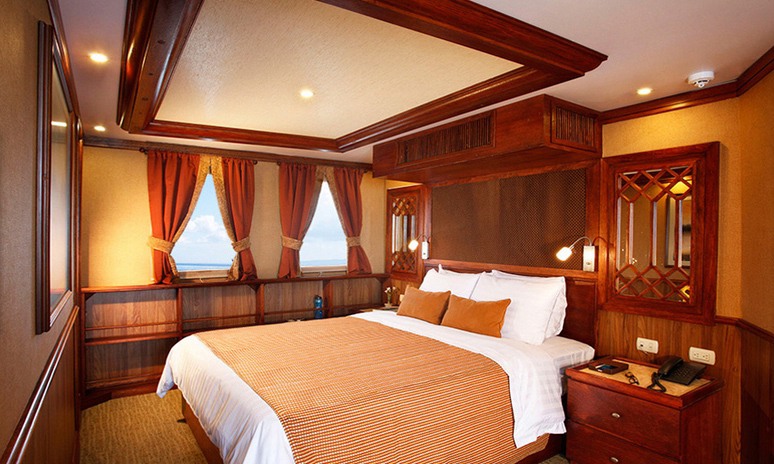 Since the Grace was our home during our expedition in the Galapagos Islands, it is important to share the background of the ship. Designed to carry 18 passengers, there were only 12 of us on board our excursion from Baltra Island to San Cristobal, aptly-named “Following in Darwin’s Footsteps.” We stayed in one of the two master staterooms on the upper deck (our room shown above, in promotional materials), a bit rocky at times during rougher seas. Although the Grace is said to have a stabilization system, the catamaran yachts probably provide somewhat smoother sailing (and sleeping) in choppy waters.
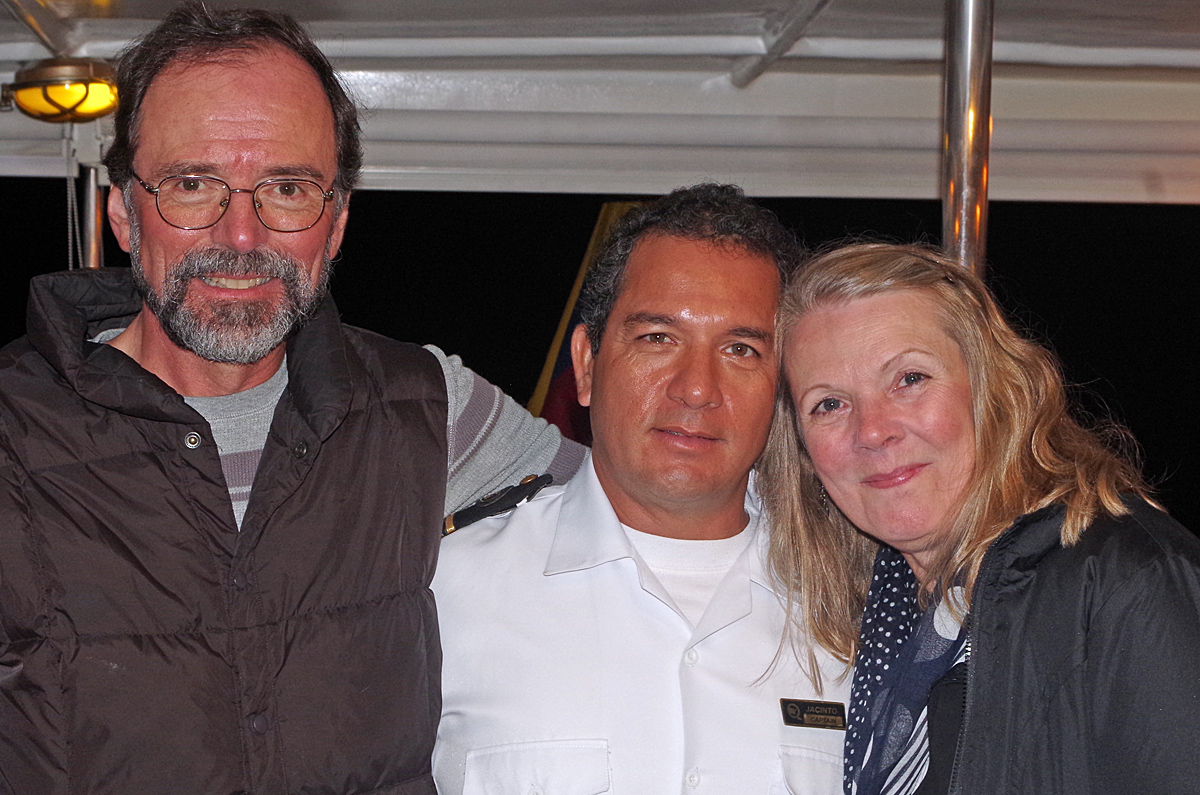
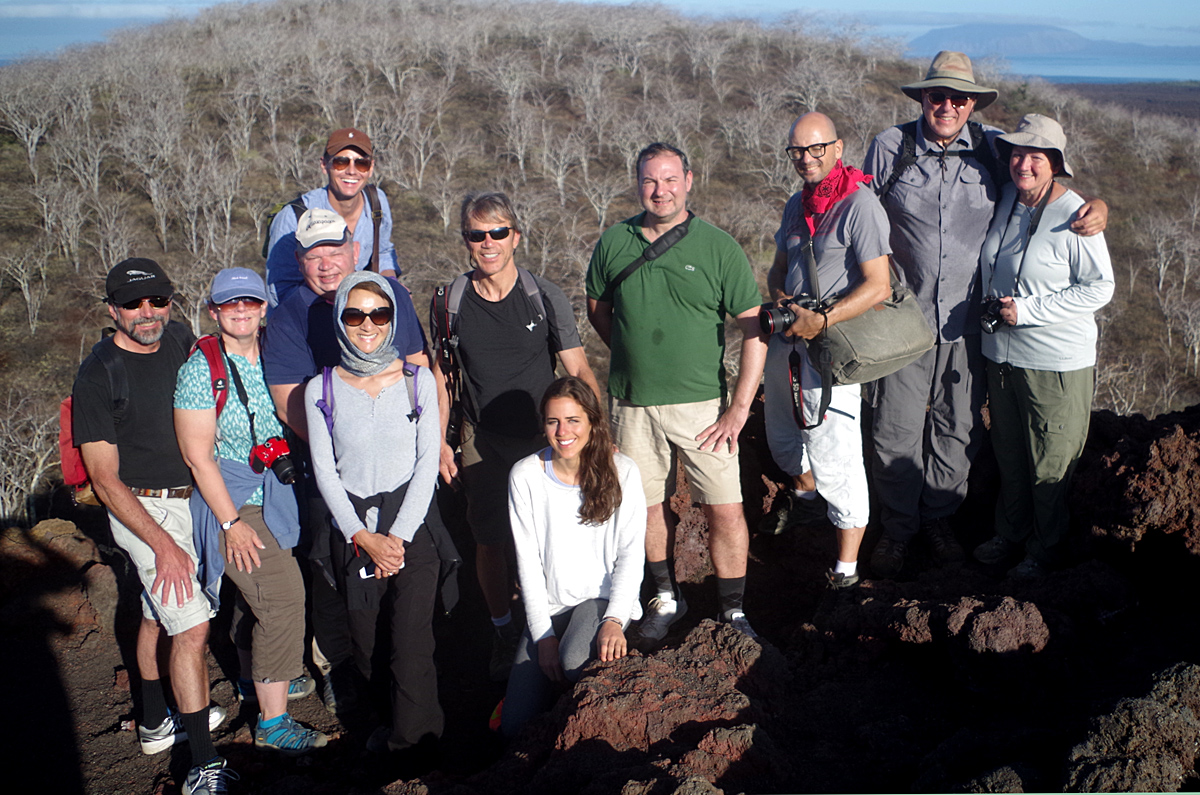
Our fellow passengers consisted of a retired couple from Georgia, a father and daughter from the District of Columbia and Nashville, a couple from Hong Kong and Dublin, a retired couple – a coffee merchant and teacher – from England, and a photographer and journalist from Sweden. The twelve of us had both little in common and everything in common, bonded by our love of nature and adventure and the lure of the Galapagos. We quickly became friends, enjoying the opportunities to spontaneously mix our unassigned seating at tables for four at each of our al fresco meals, and we remain friends after our trip has ended.
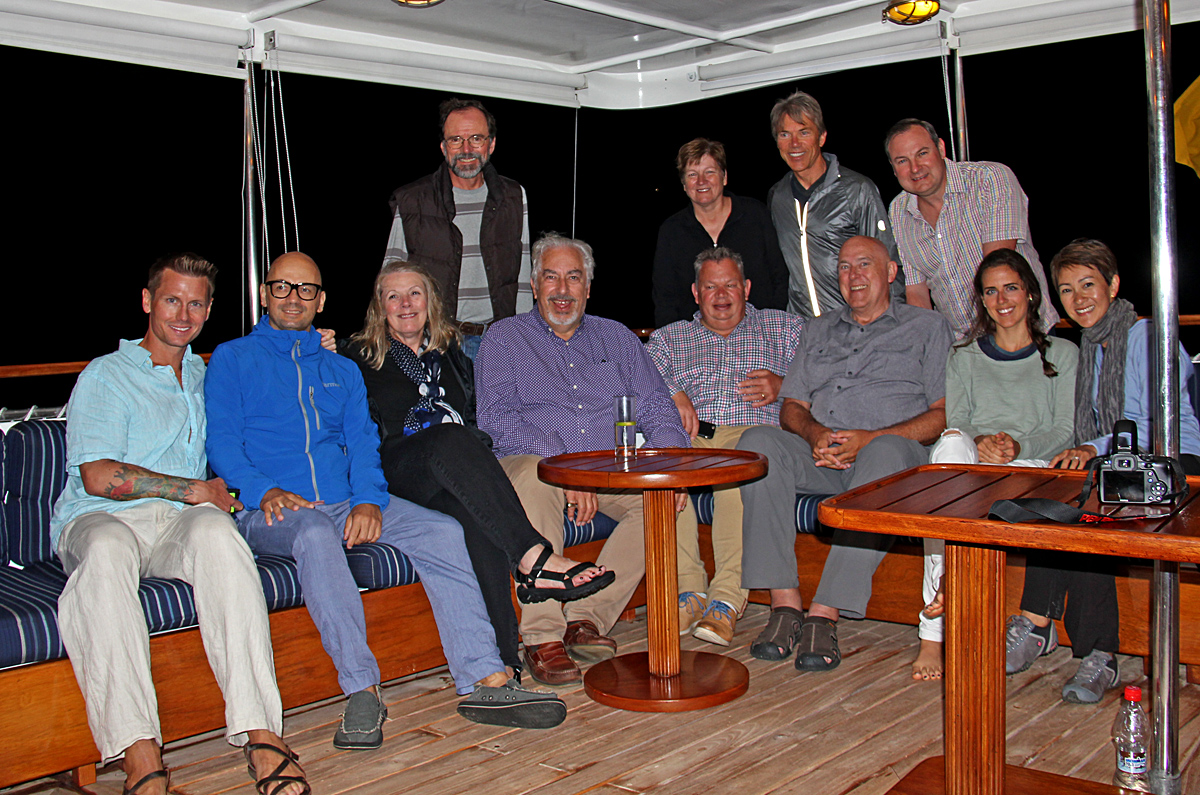 On the Grace, the twelve of us were outnumbered by a crew of thirteen, including Gustavo Andrade, who is consistently rated as one of the most knowledgeable and highly demanded naturalists in the Galapagos Islands. A native of San Cristobal, where his family owns and operates a hotel and convenience store, his knowledge of the islands is extensive and based upon first-hand experience. The other crew members, though not all highly fluent in English, were wonderfully hospitable. We all seemed to particularly like our young cruise director, Jose Silva, who was on his first official cruise. Unfortunately, his brief employment with Quasar Expeditions was terminated immediately after our trip, in reaction to some sort of impropriety that had allegedly occurred by one of the crew members.
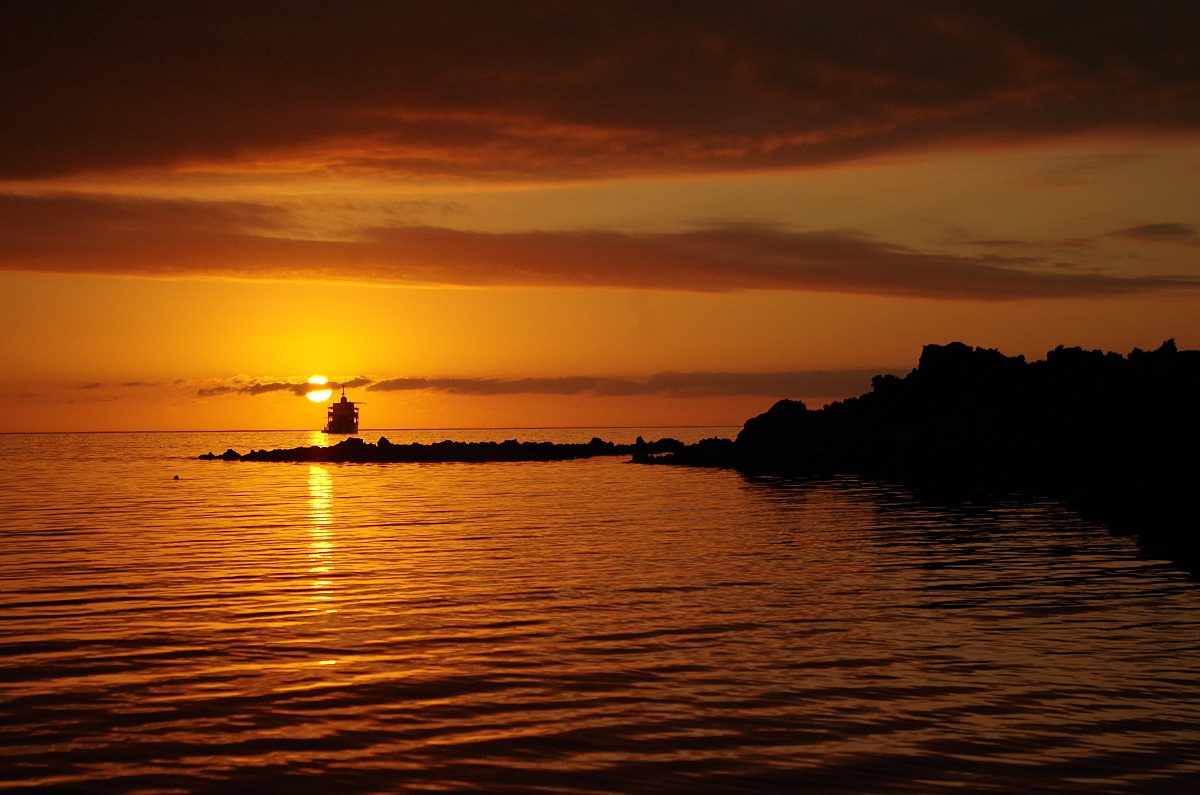
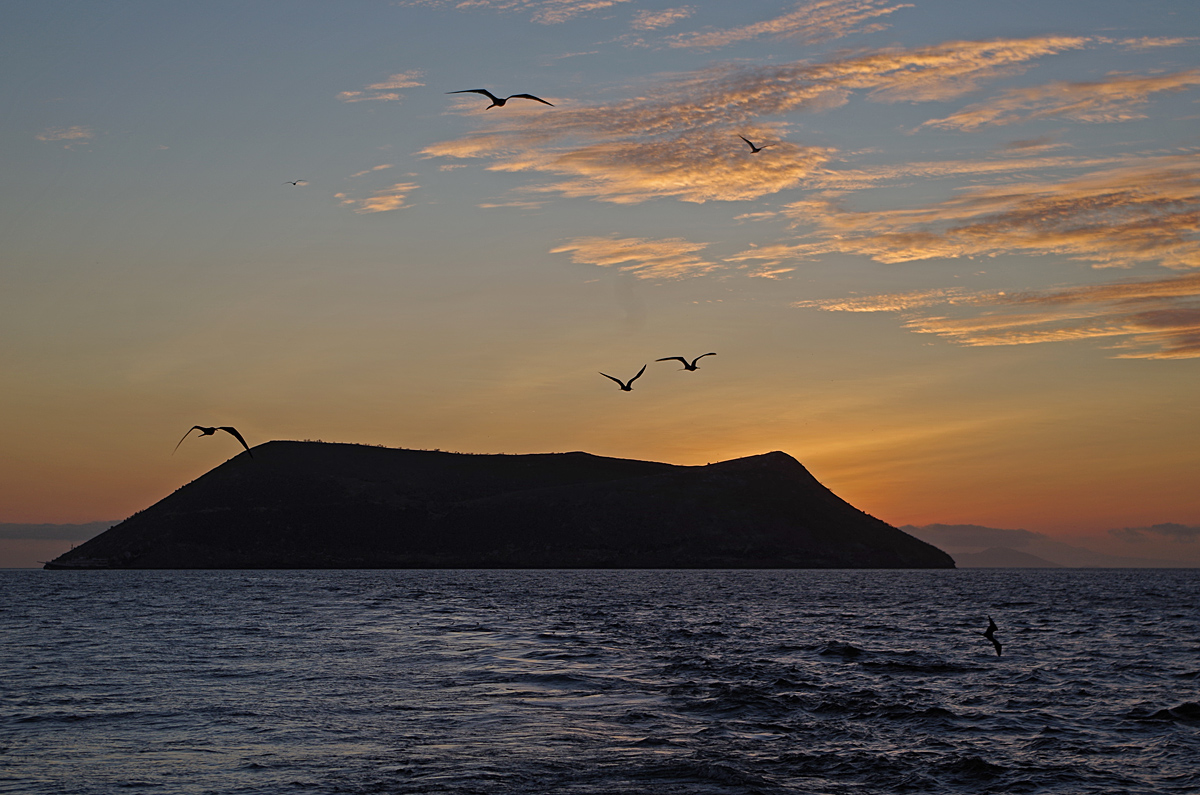
Baltra and San Cristobal are two (along with Santa Cruz) of the inhabited islands in the Galapagos, each with a larger port for ships and a small airport that is served by flights from Guayaquil and Quito that shuttle tourists to the islands. Our trip followed the route that begins in Baltra and ends in San Cristobal. Our first afternoon took us to Daphne Major Islet, where we circumnavigated the small island and got settled on board the Grace, enjoying our first of many outstanding dinners, sunsets, and star-filled nights.
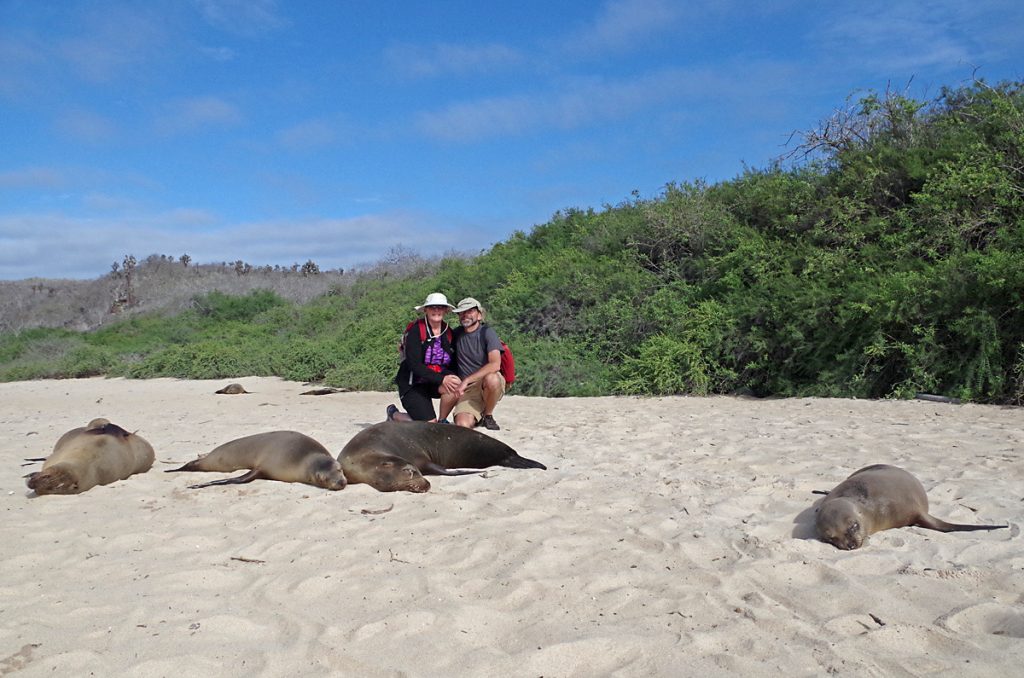
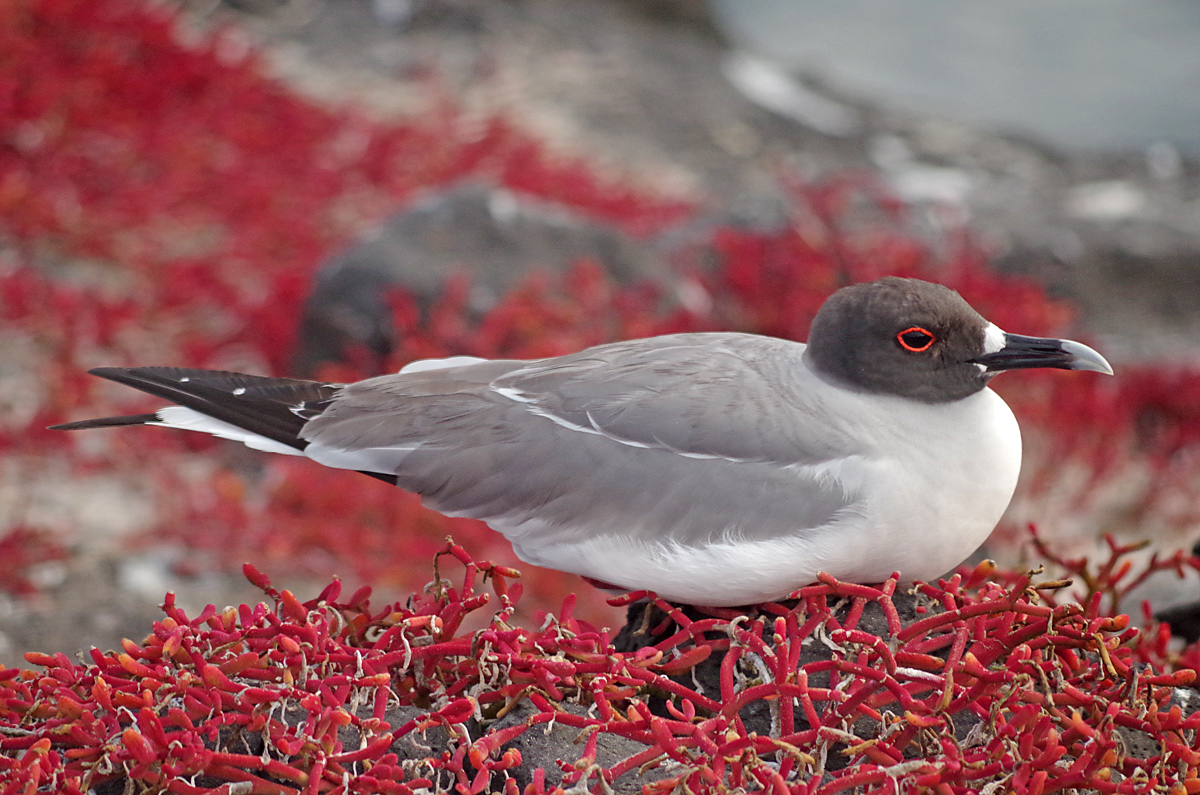
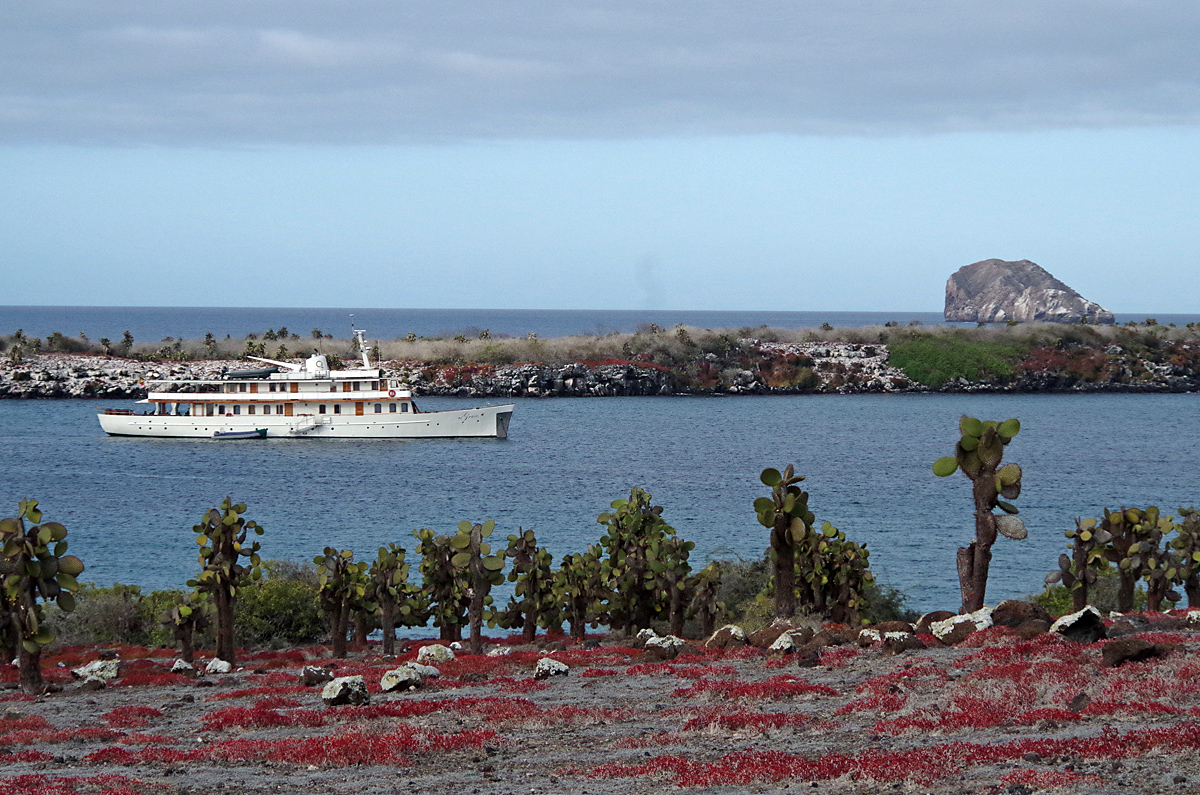
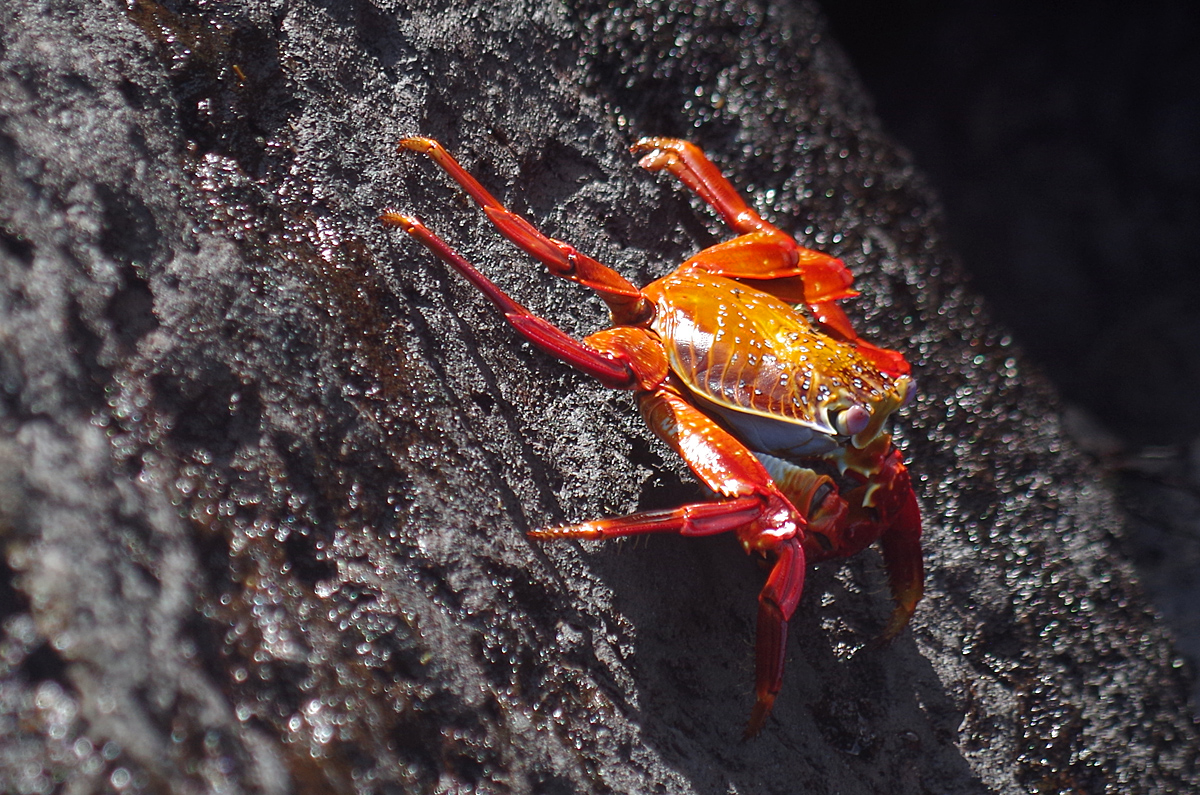
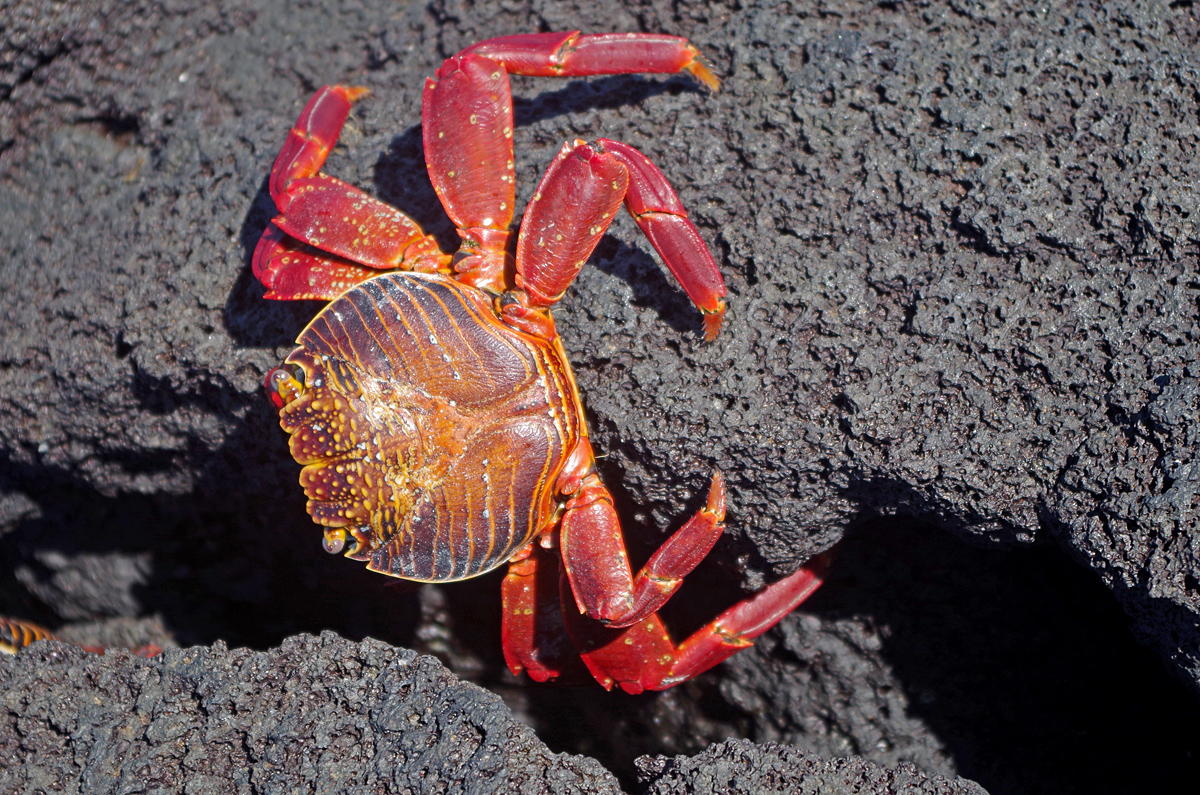
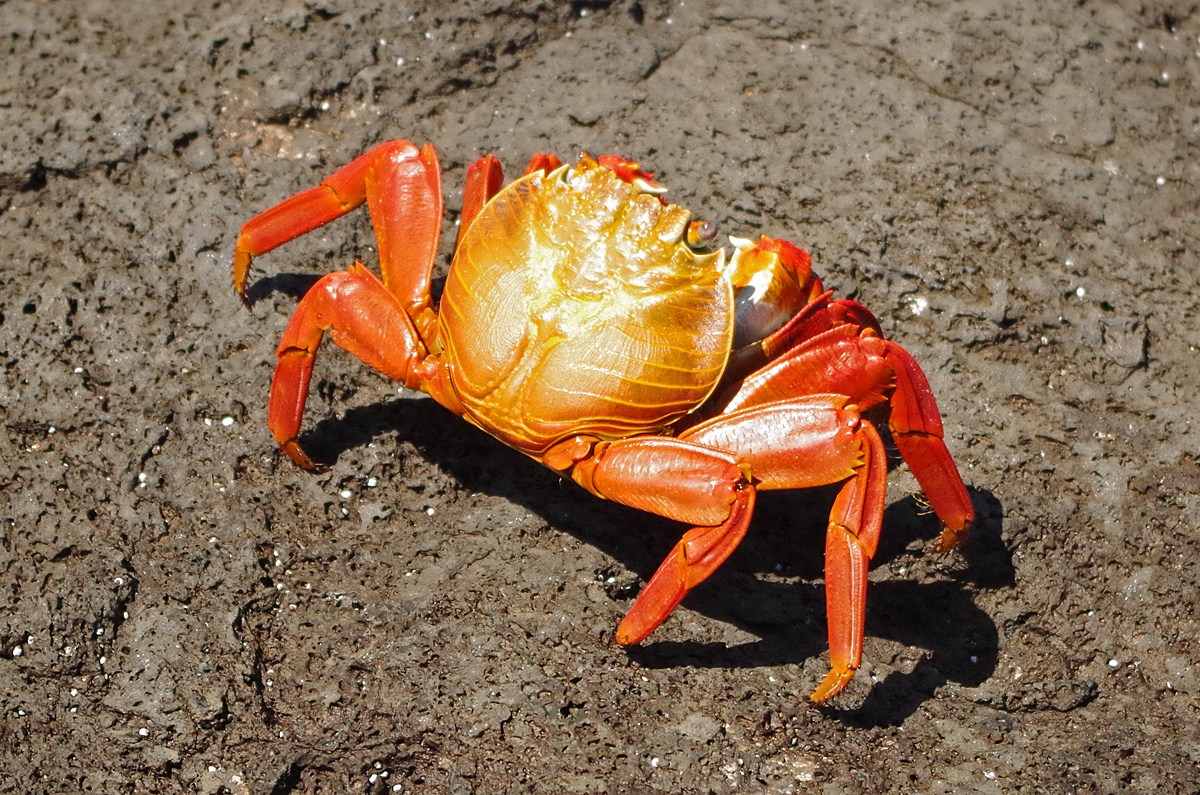
 Our first full day, on Sunday, took us to Santa Fe Island, home of Sea Turtles, Sea Lions and Land Iguanas. Most of the passengers had their first snorkel that morning, which included sighting a White Tipped Reef Shark, Sting Rays and Sea Turtles. After lunch, we moved on to South Plaza Island, where we saw our first of many Land Iguanas, Sally Lightfoot Crabs, Swallow-tailed Gulls and Blue-footed Boobies.
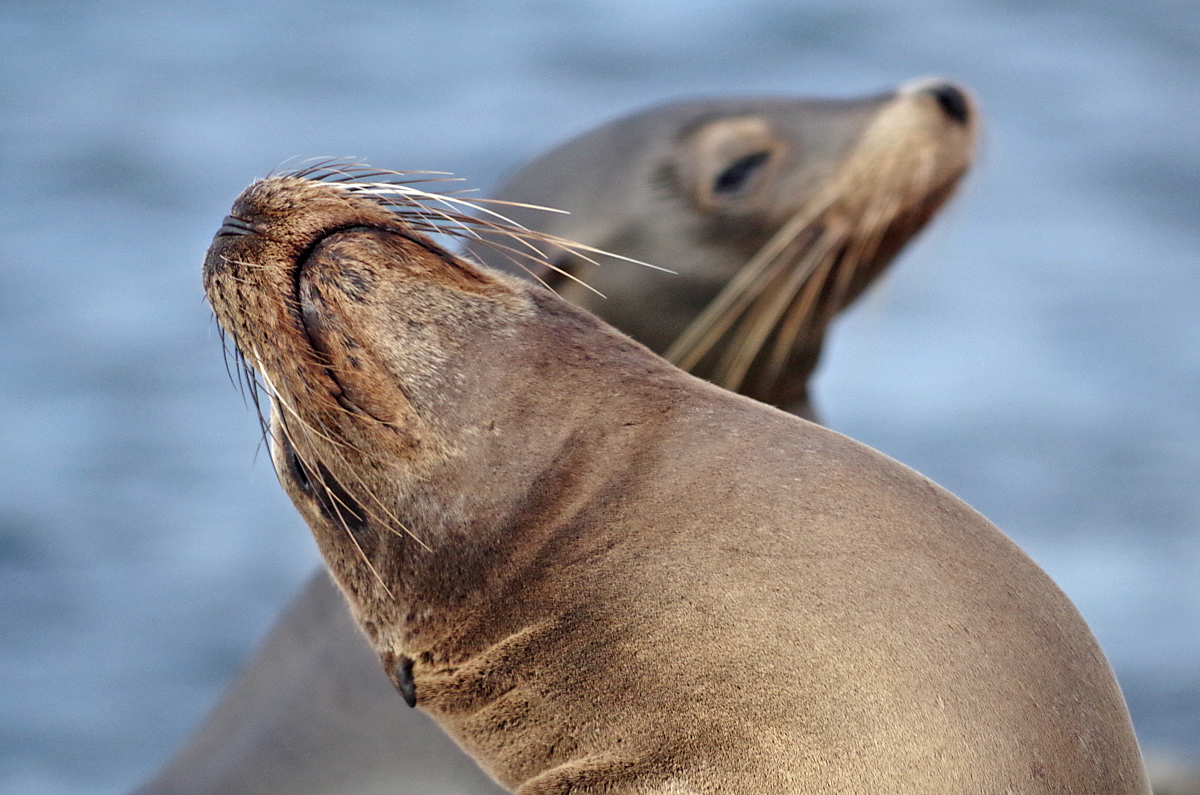
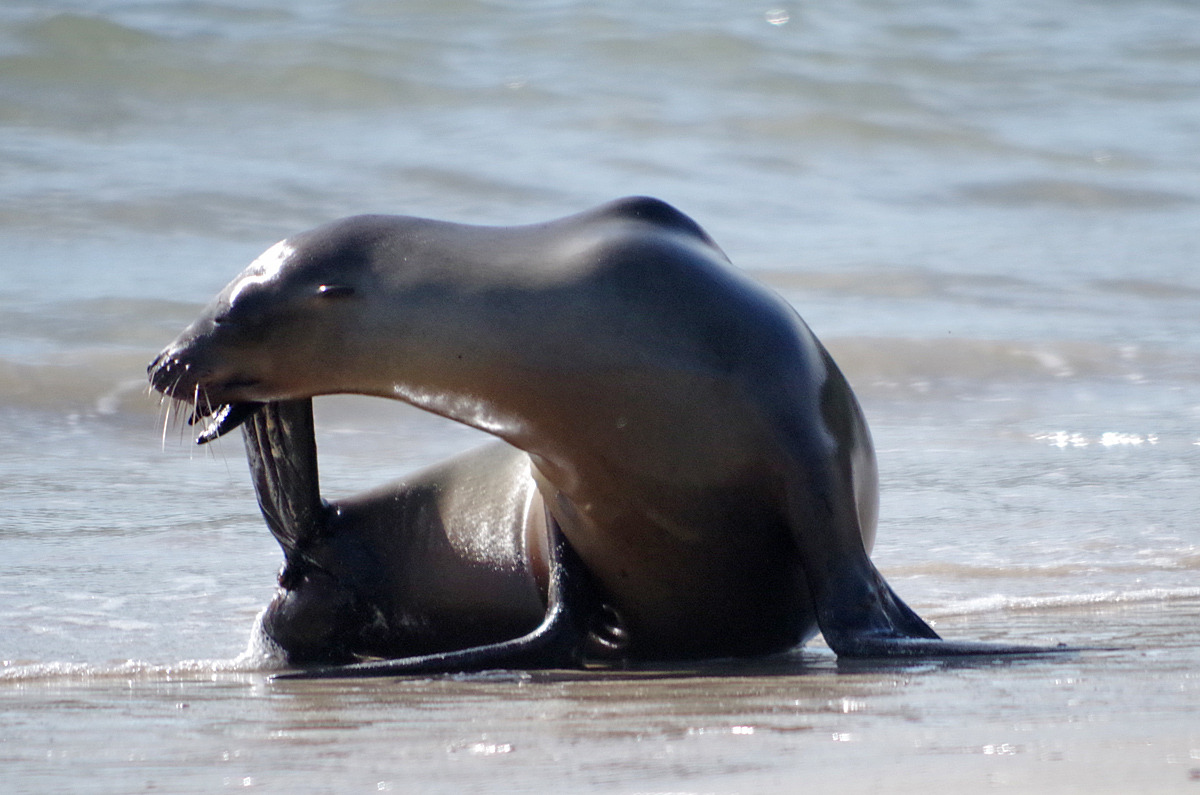
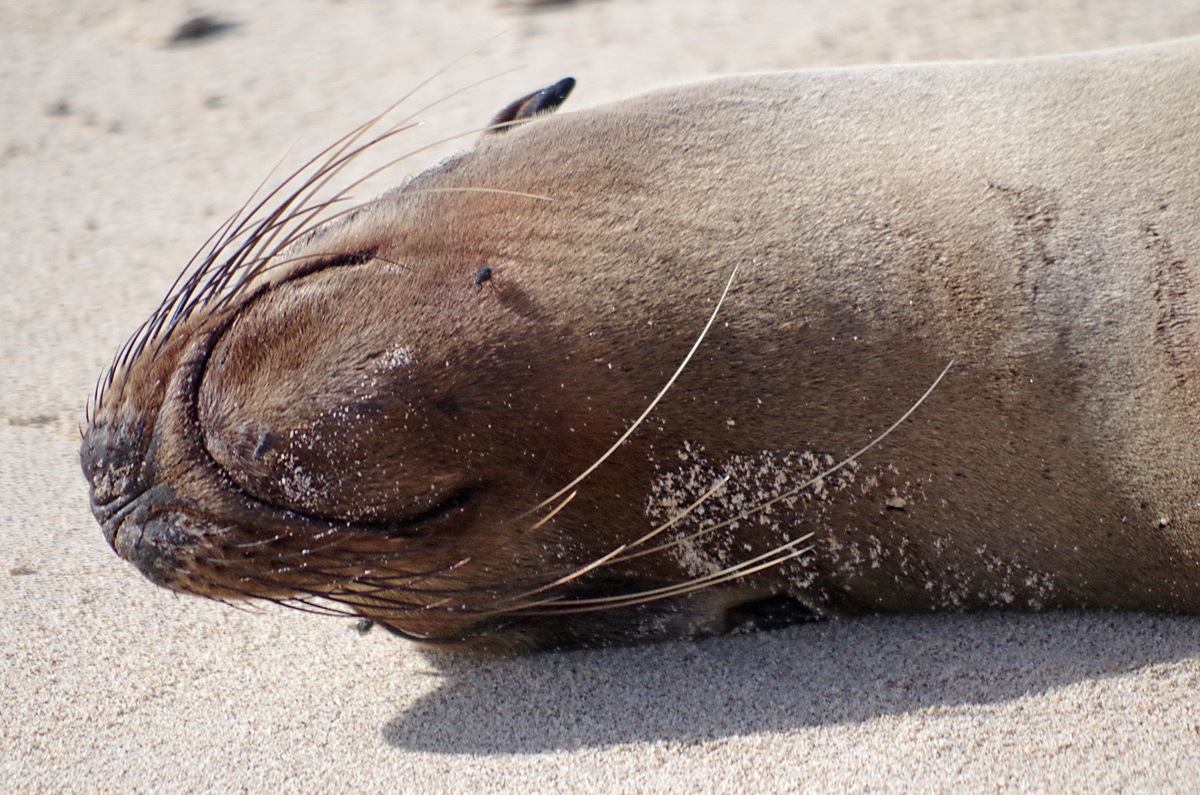
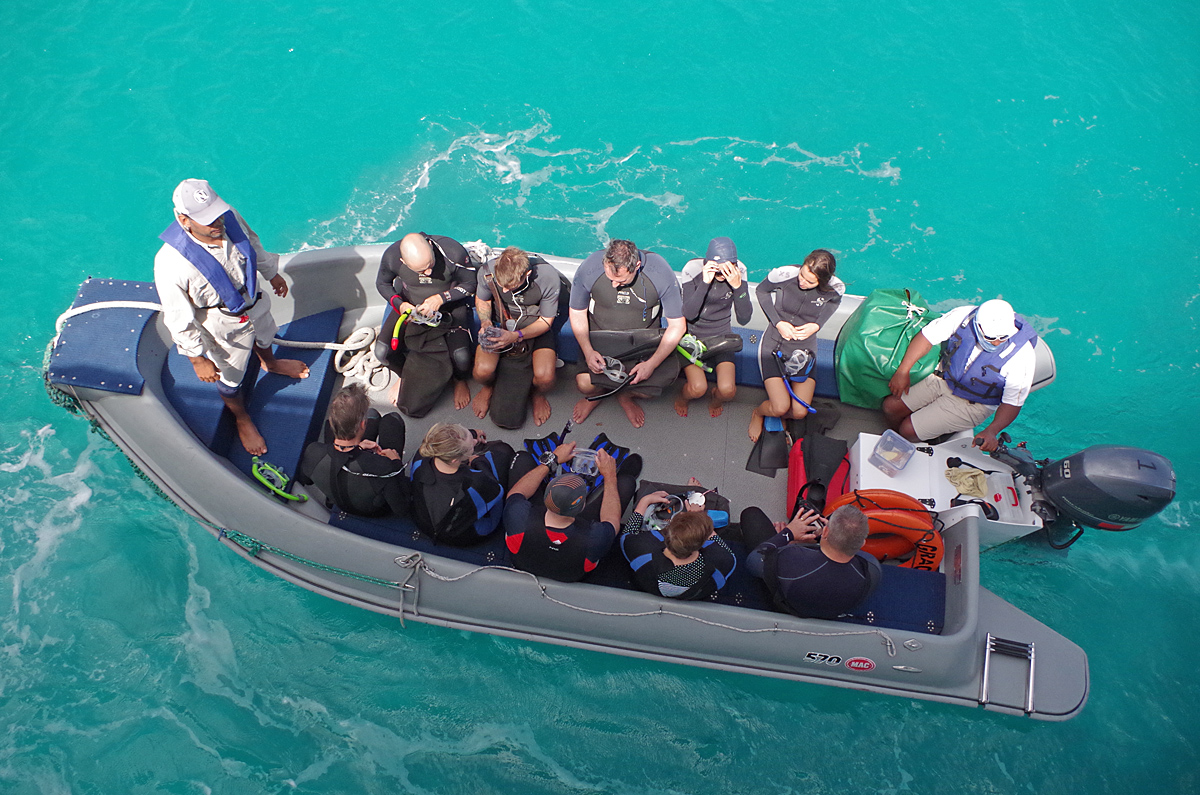
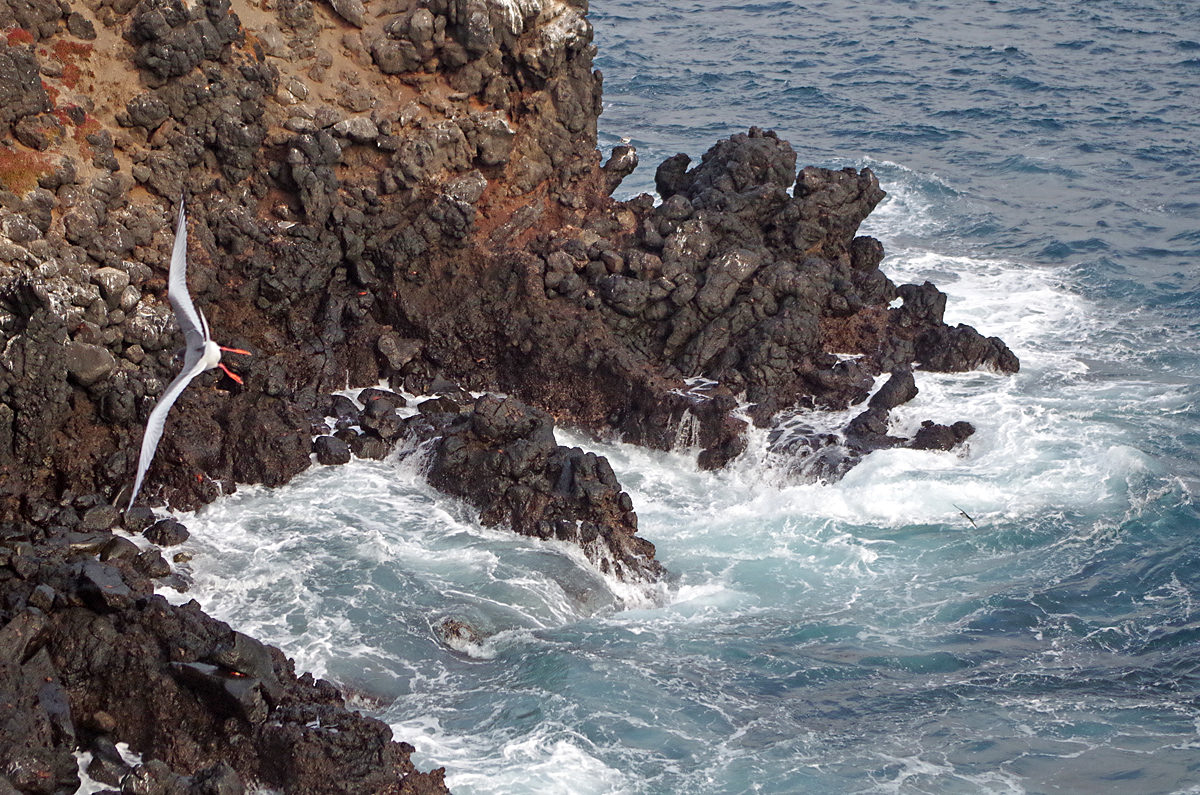
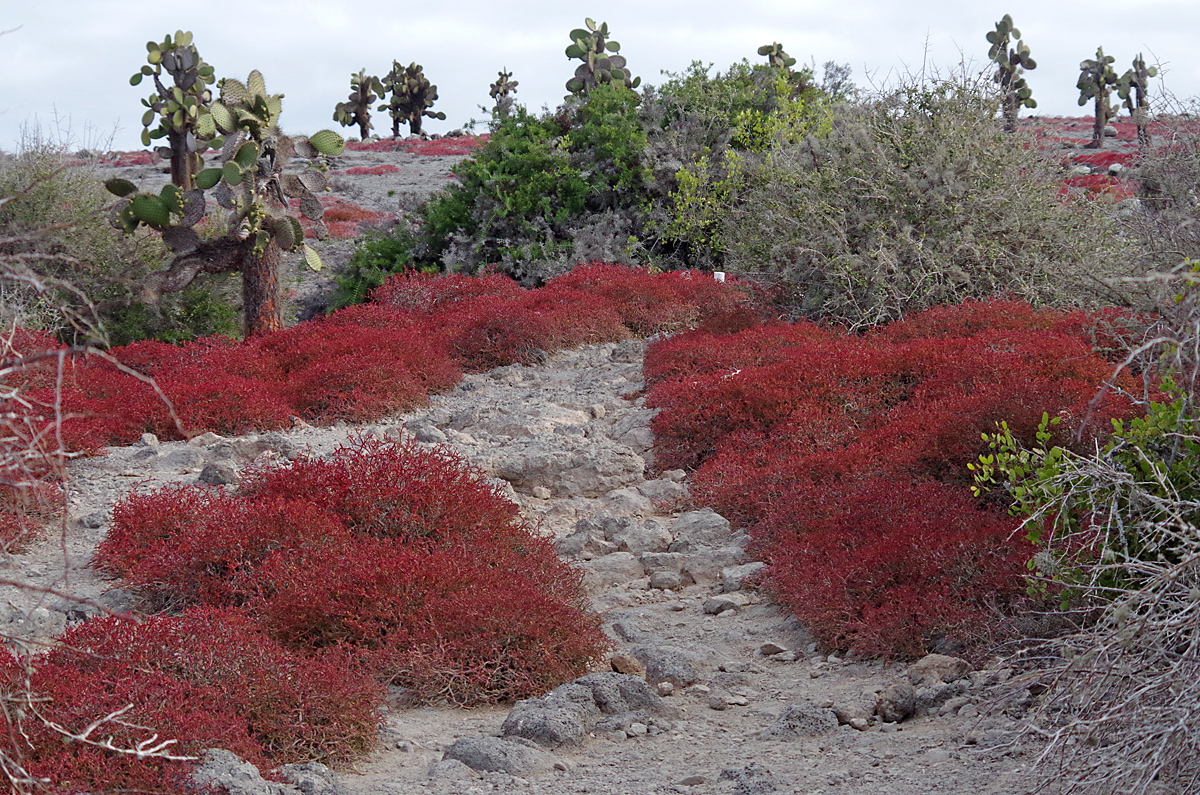
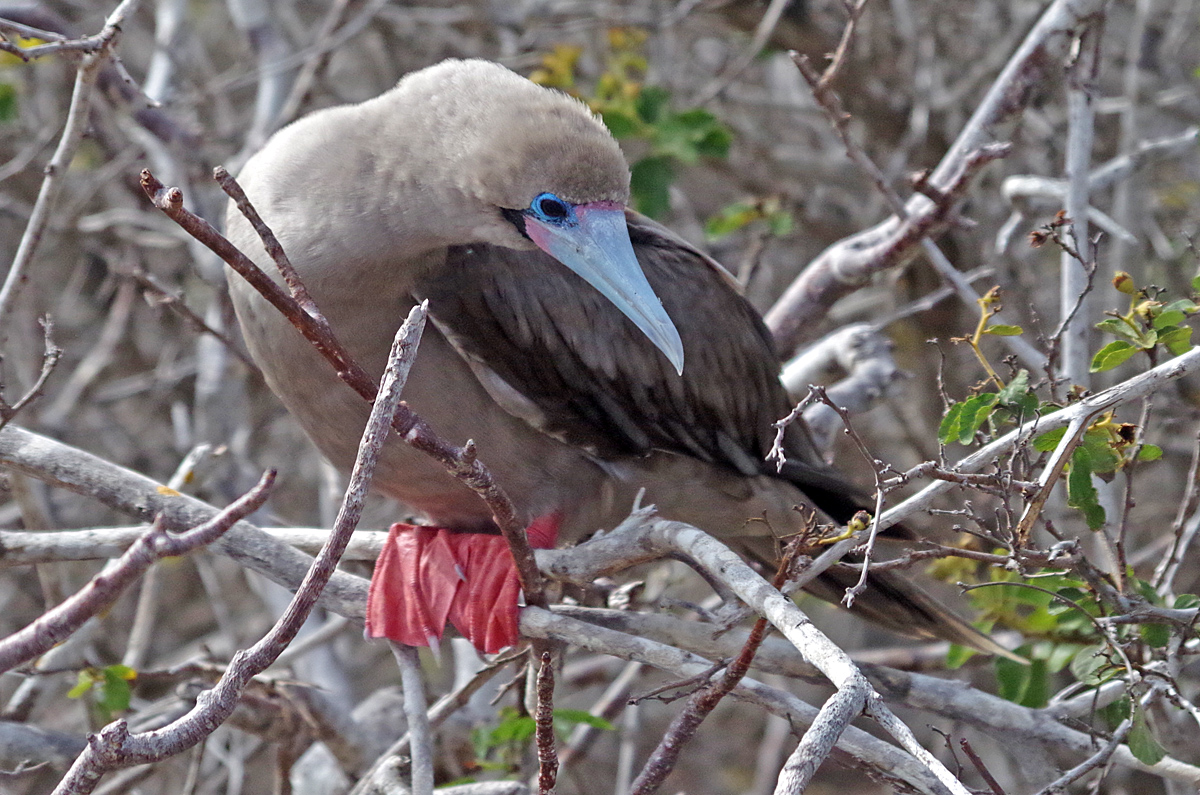
 Monday took us to Genovesa Island, where we visited Prince Phillip’s Steps and saw our first Red-footed Boobies, more Blue-footed Boobies, and Nazca Boobies. In the afternoon, our wildlife adventure continued at Darwin Bay.
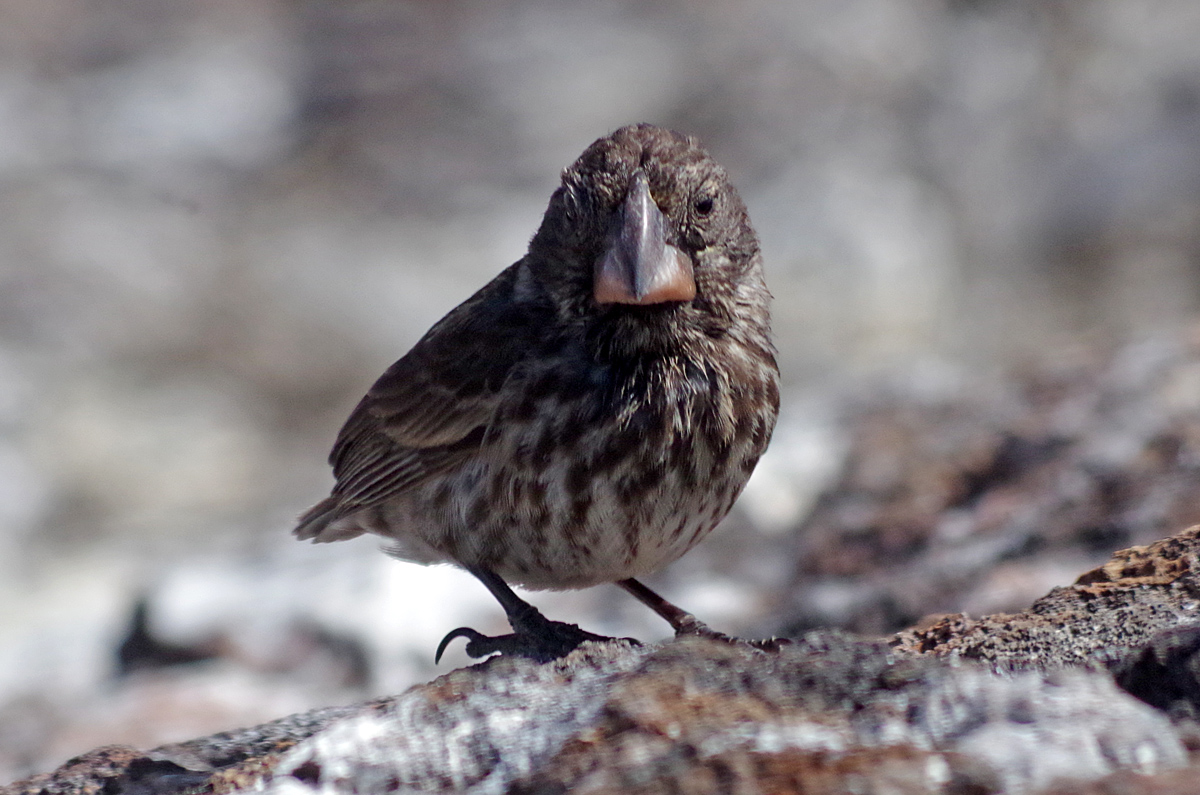
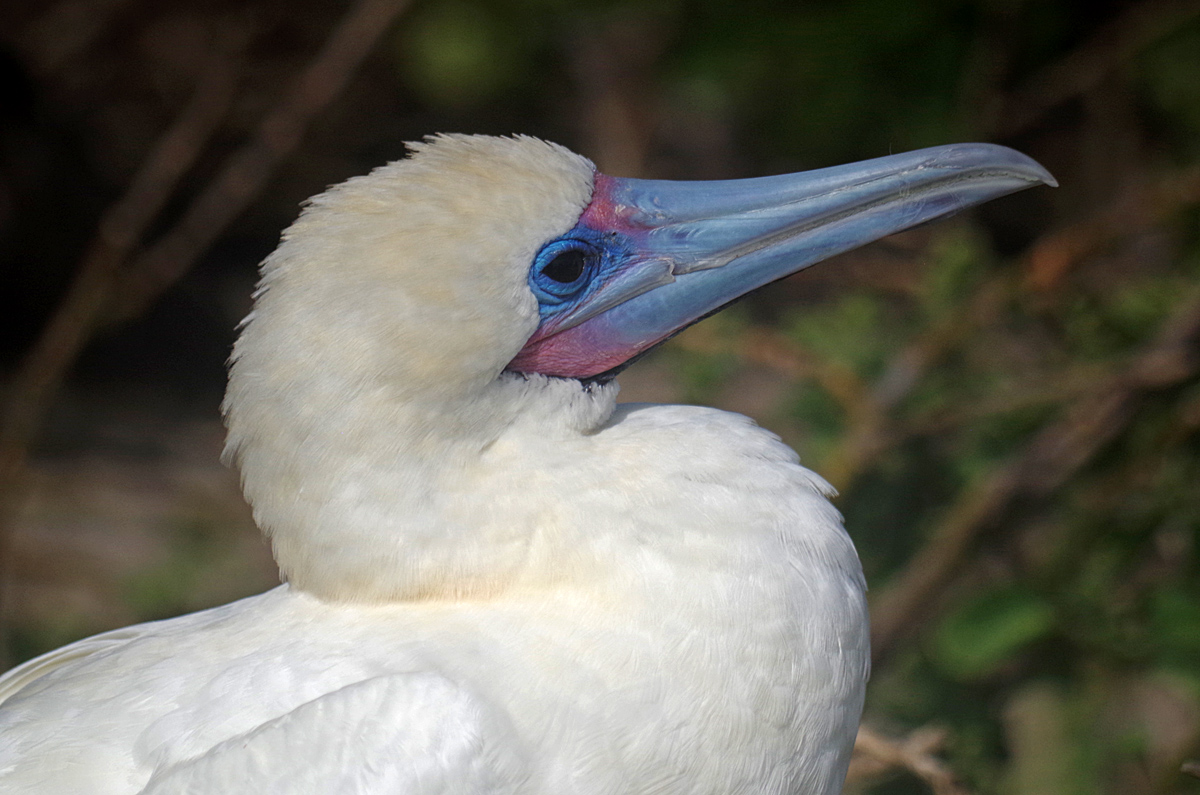
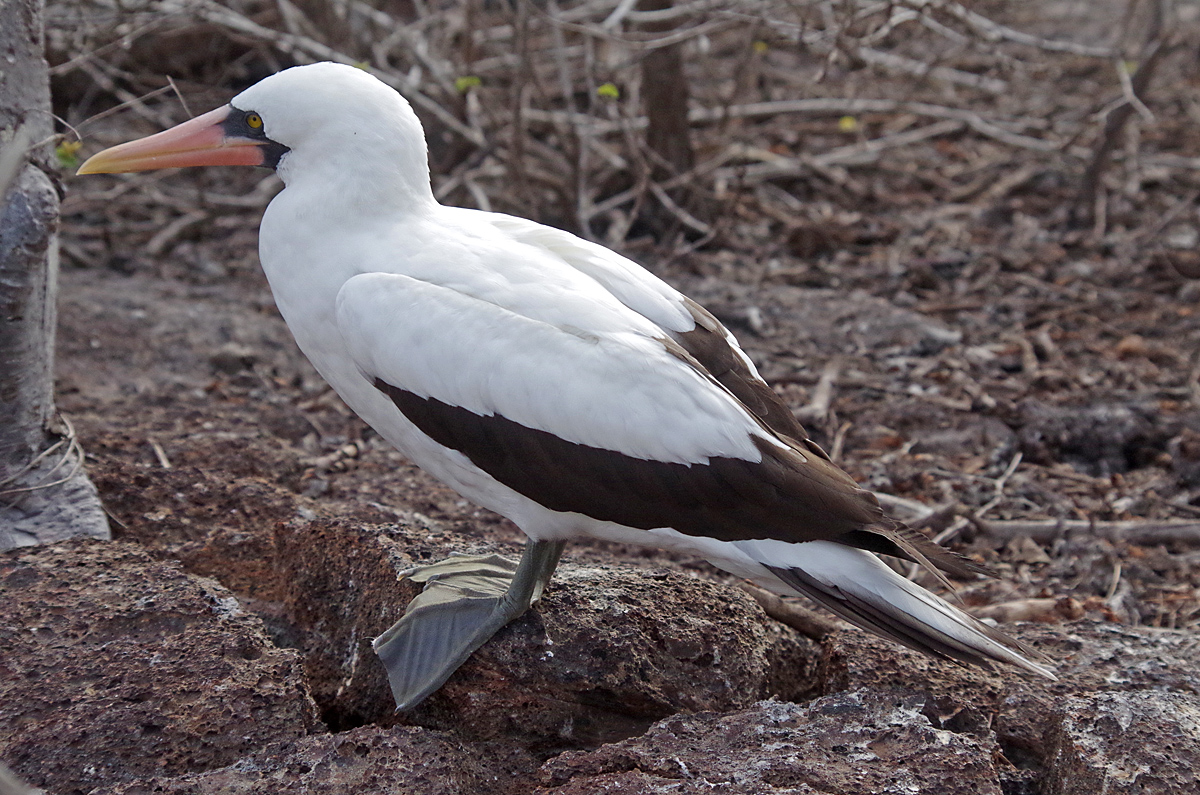
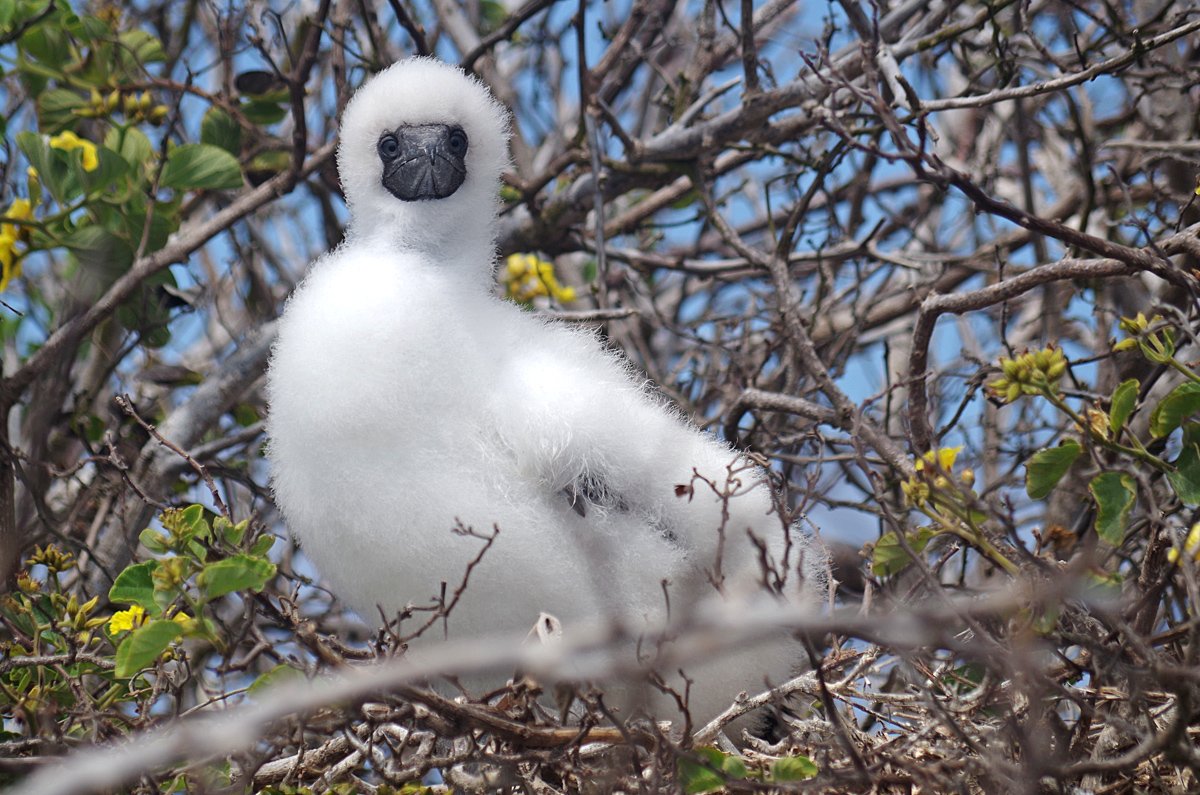
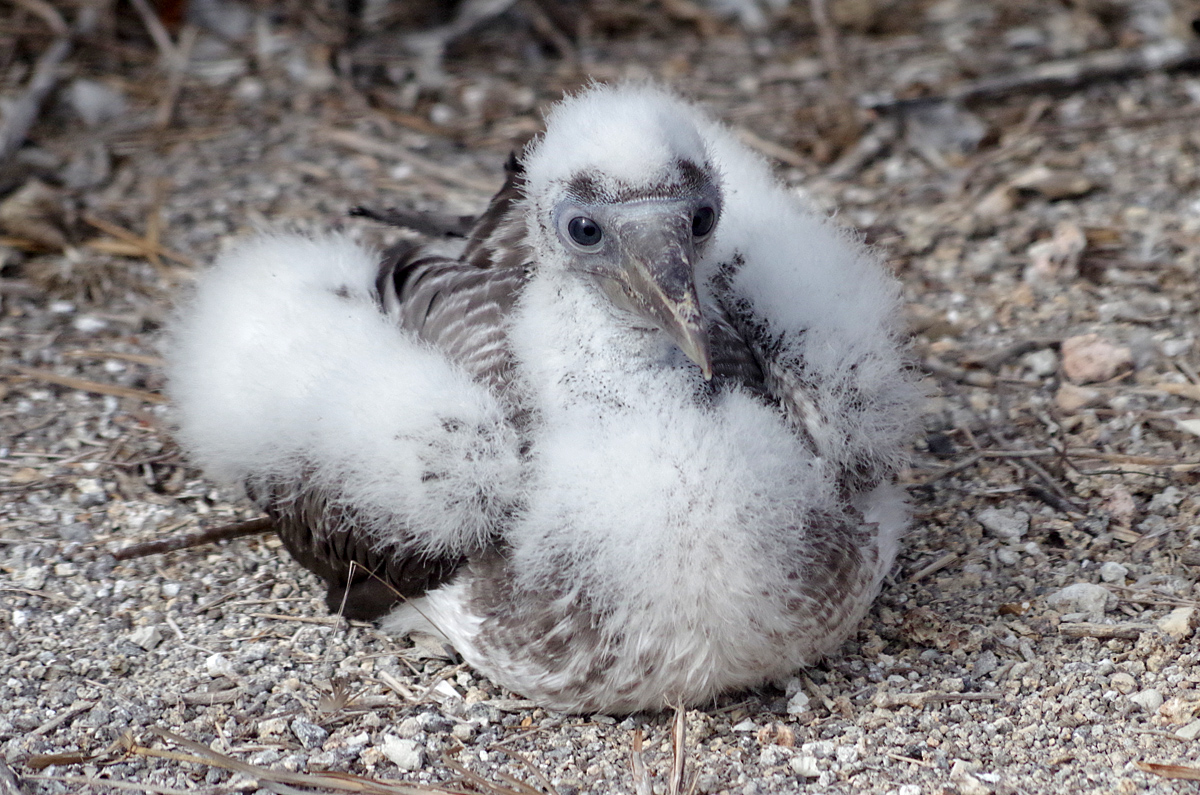
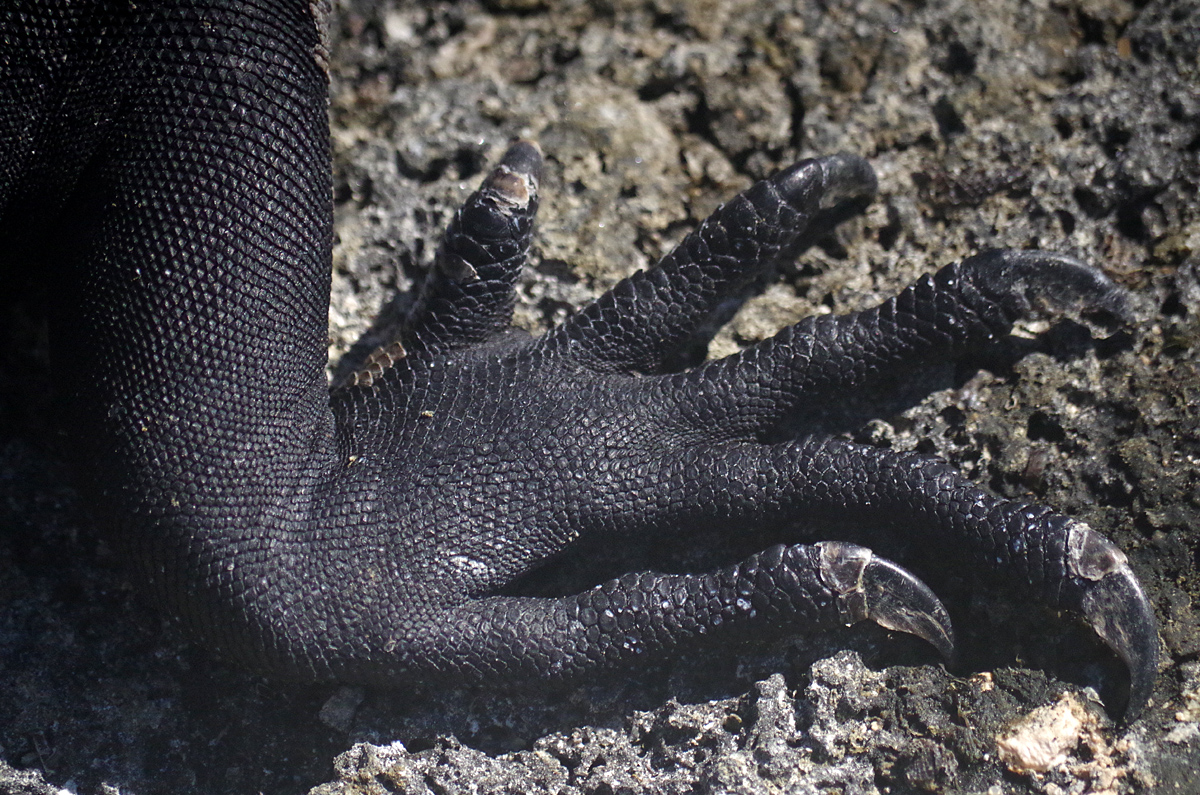
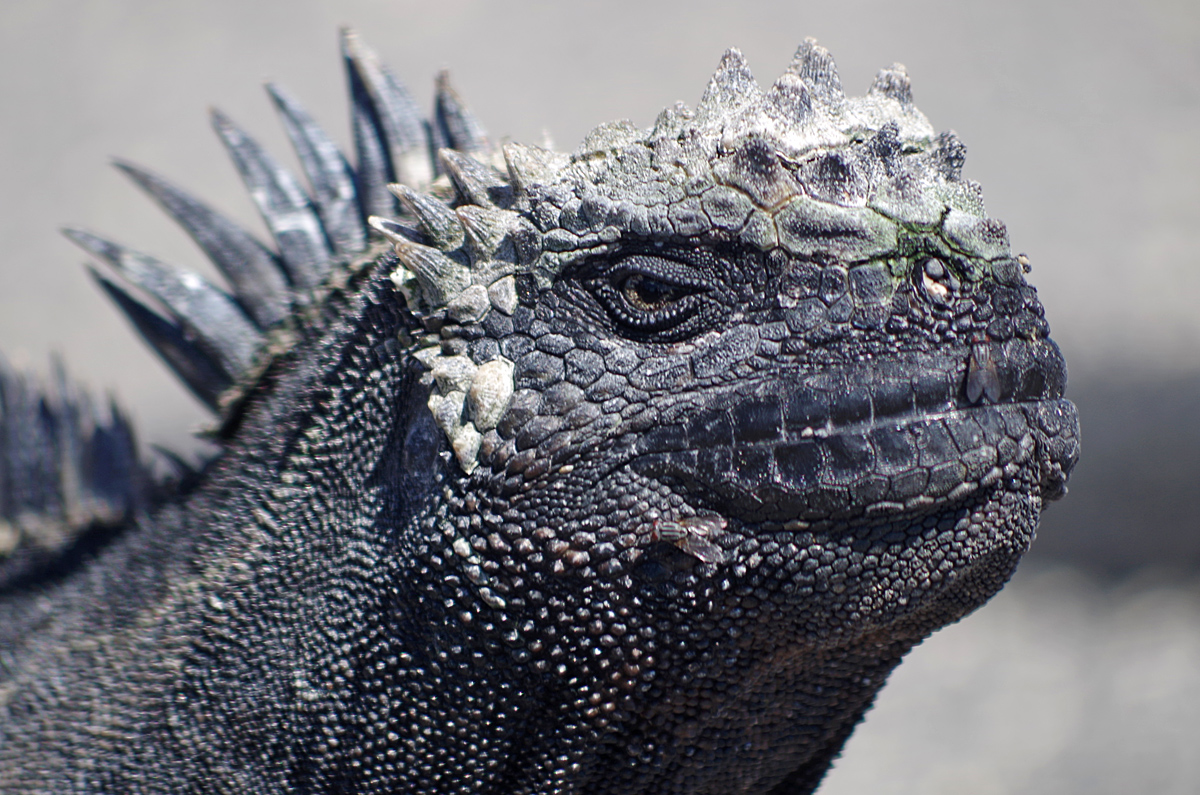
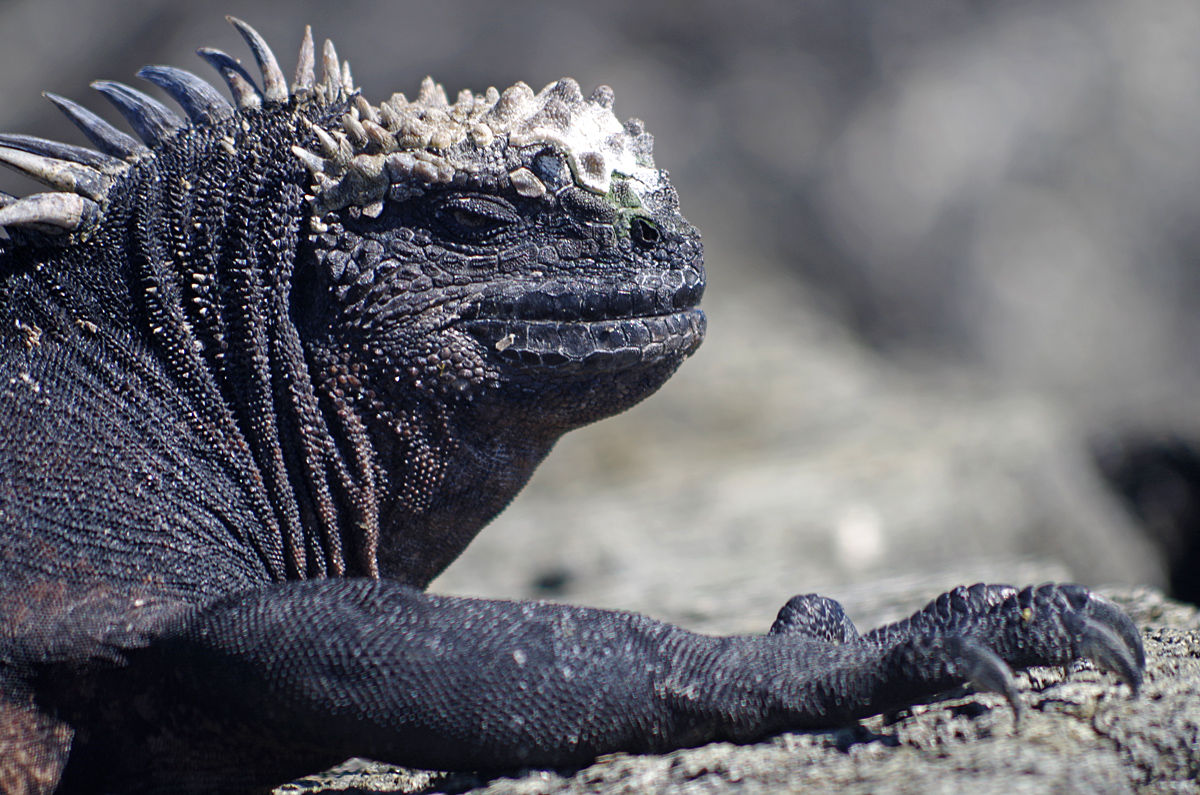
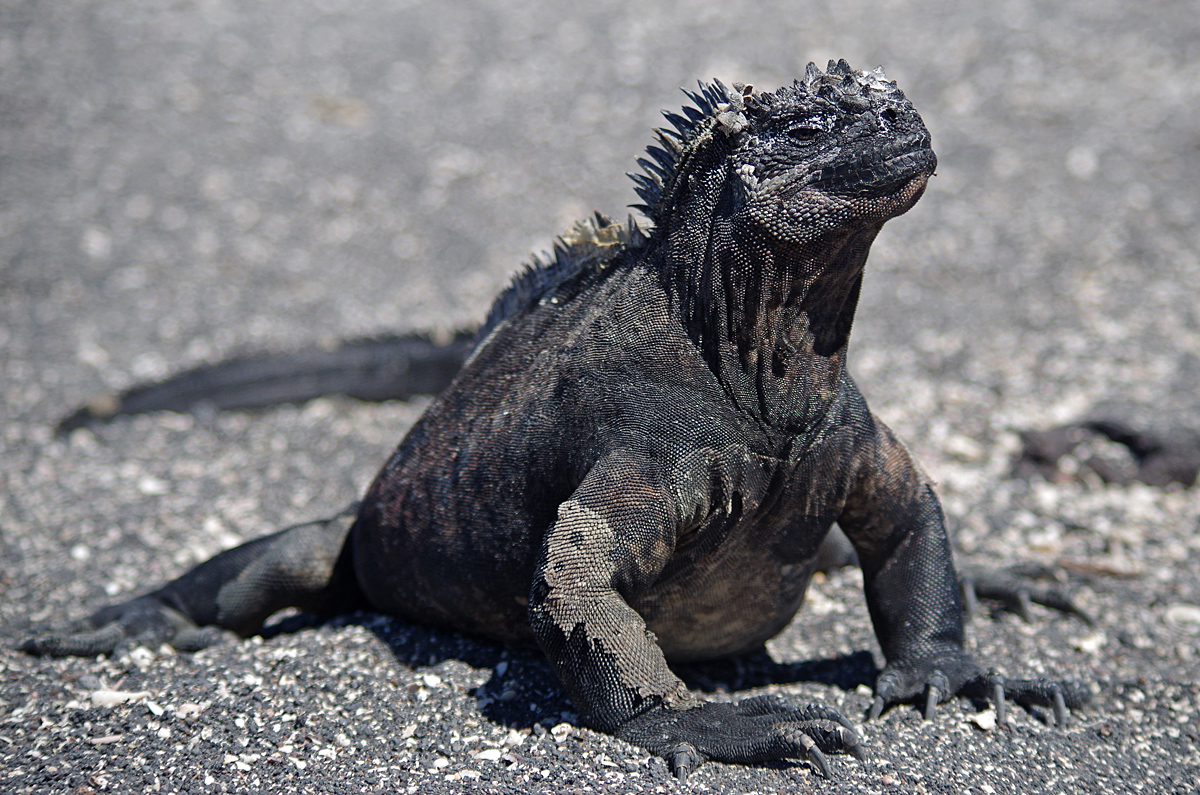
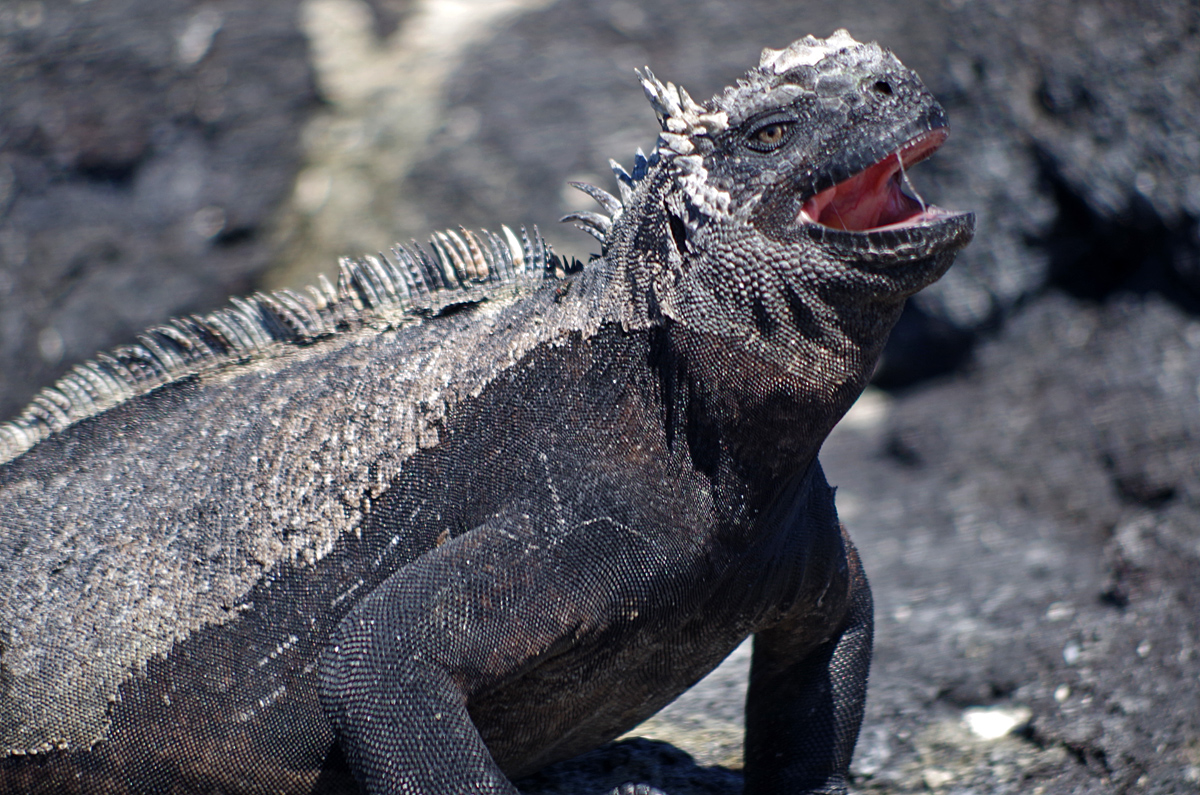
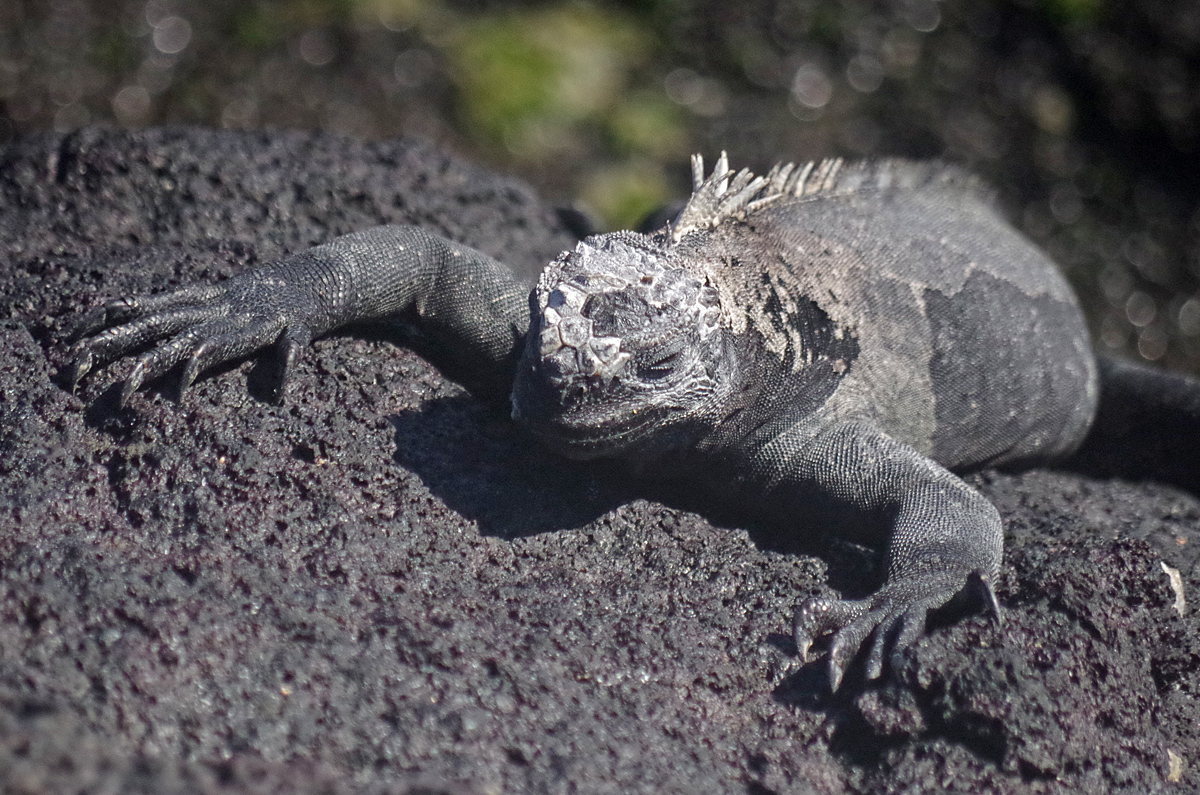
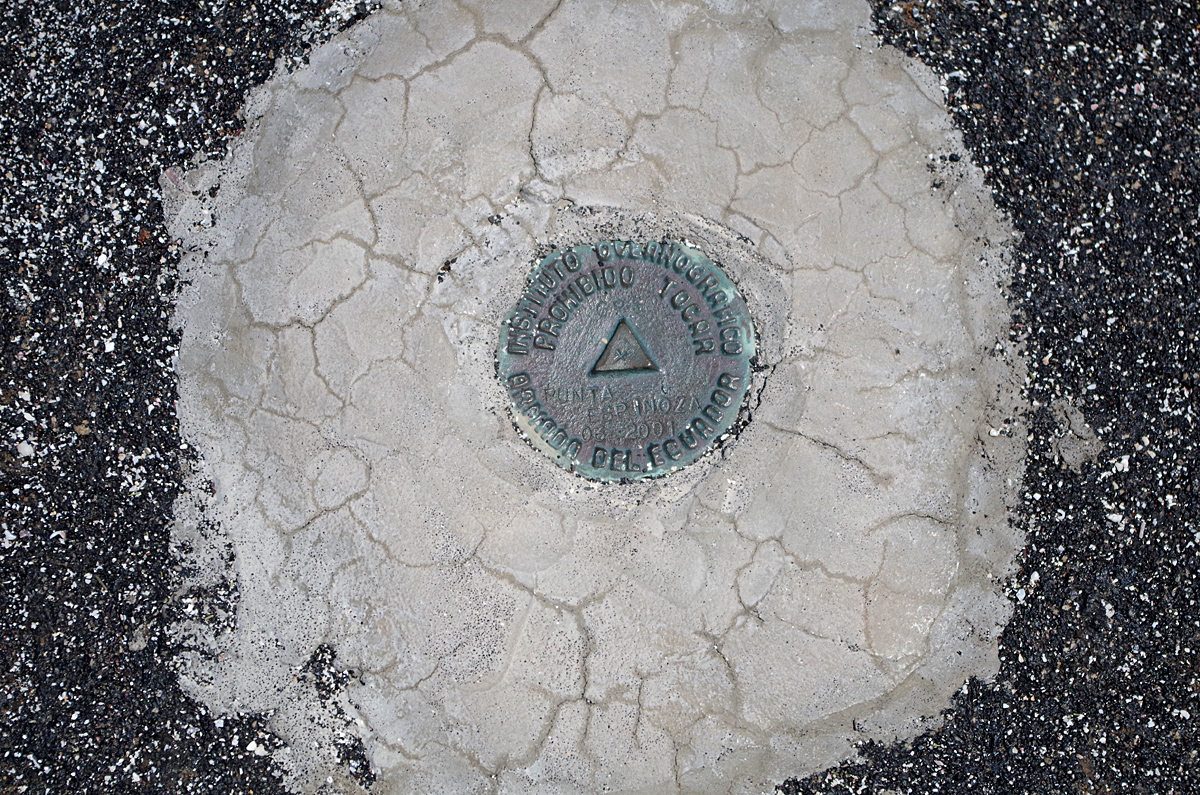
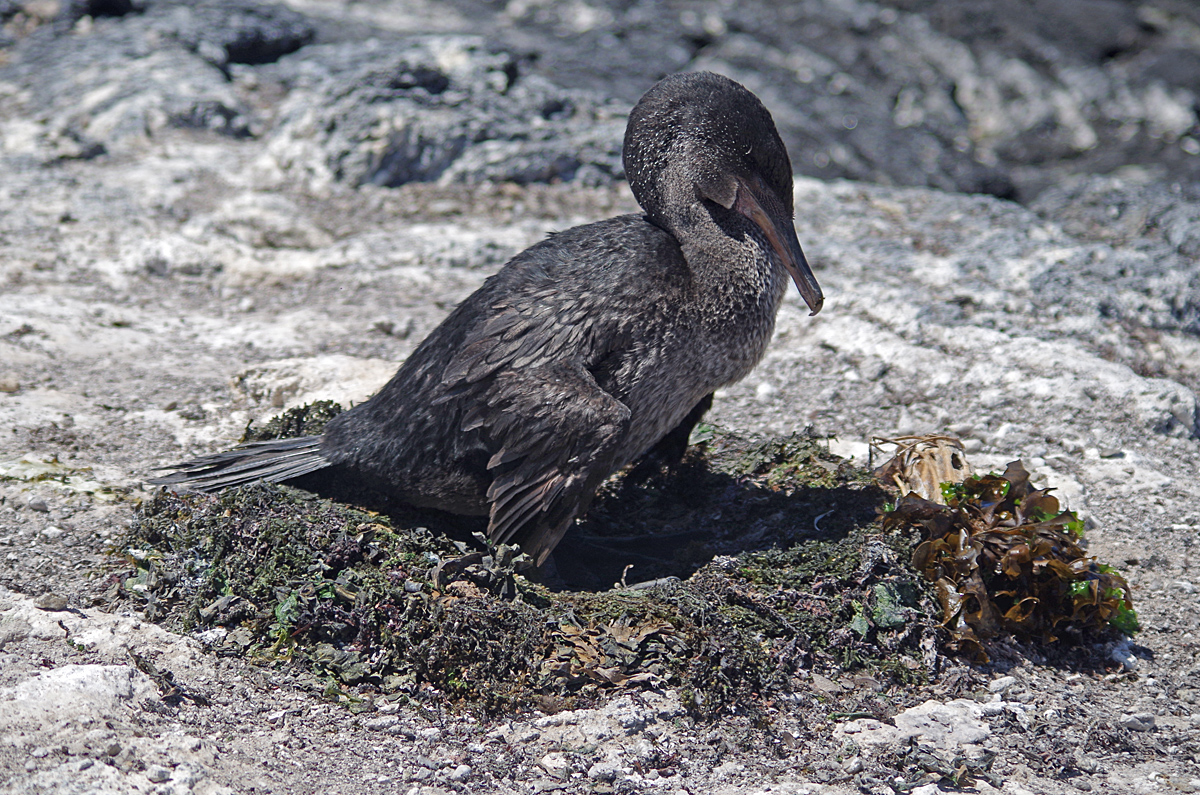
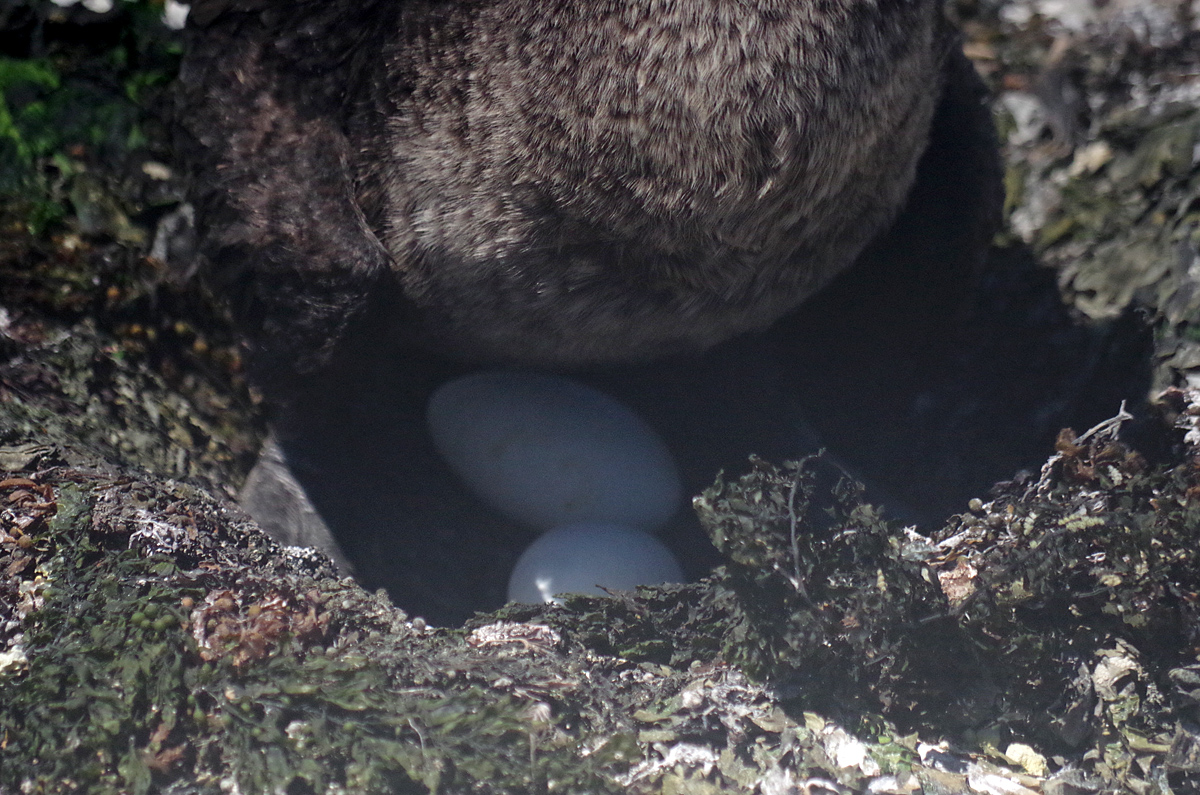
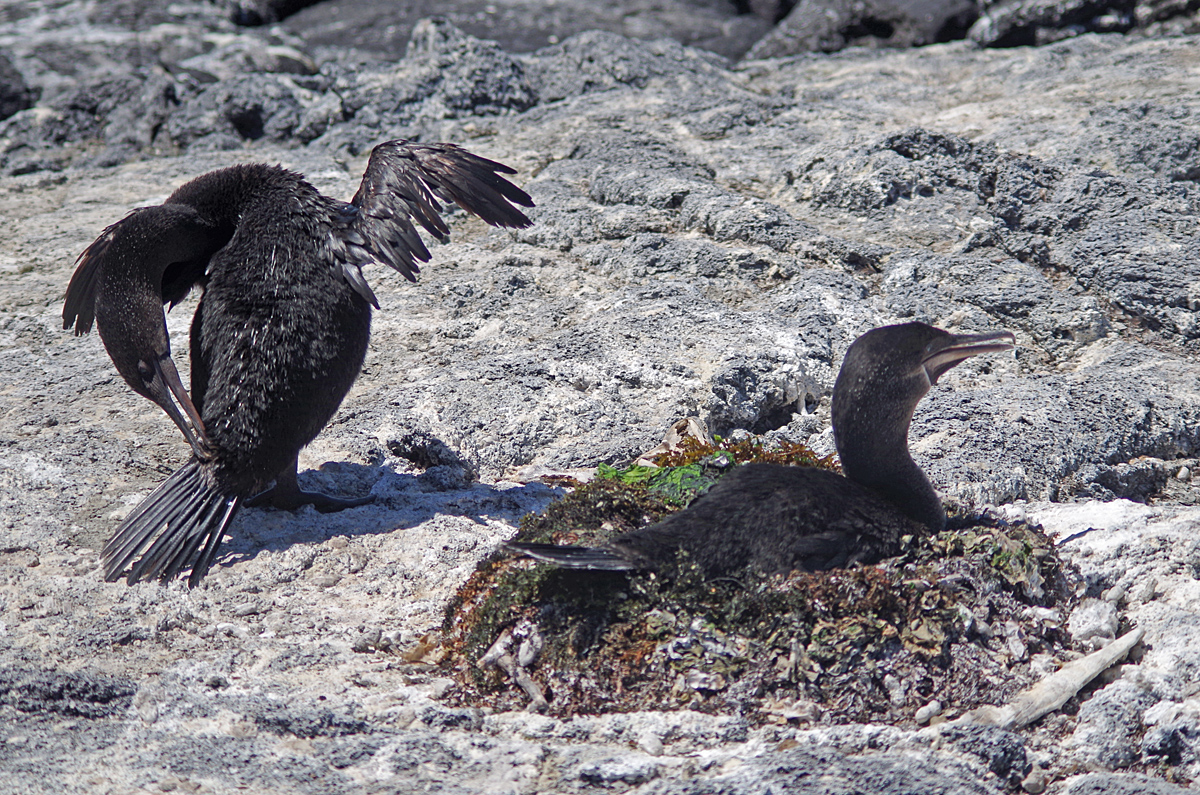
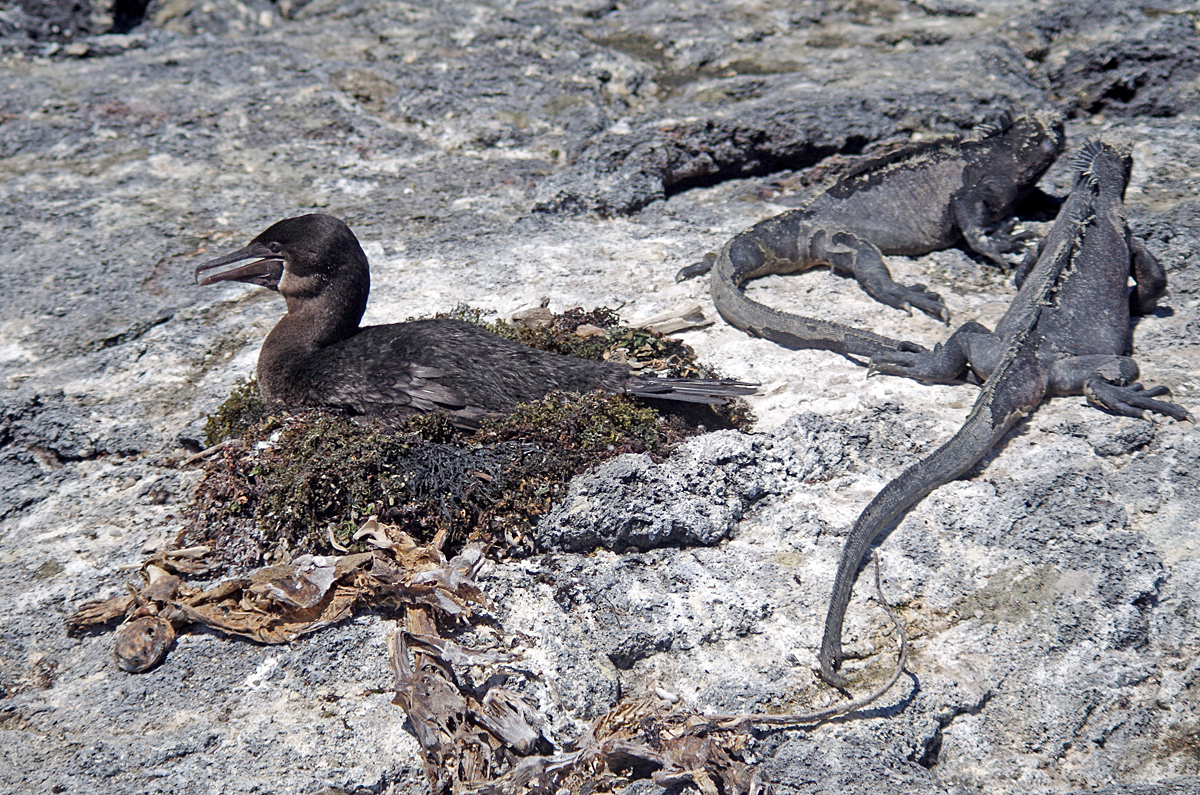
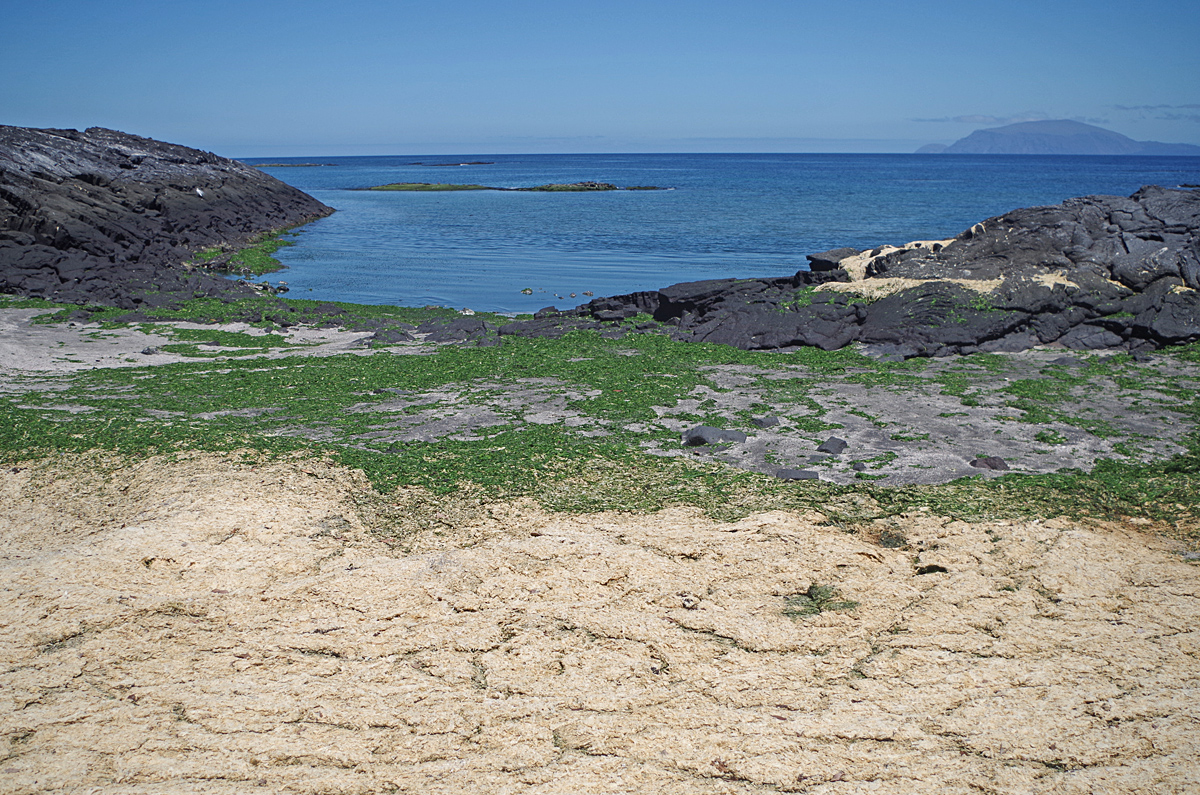
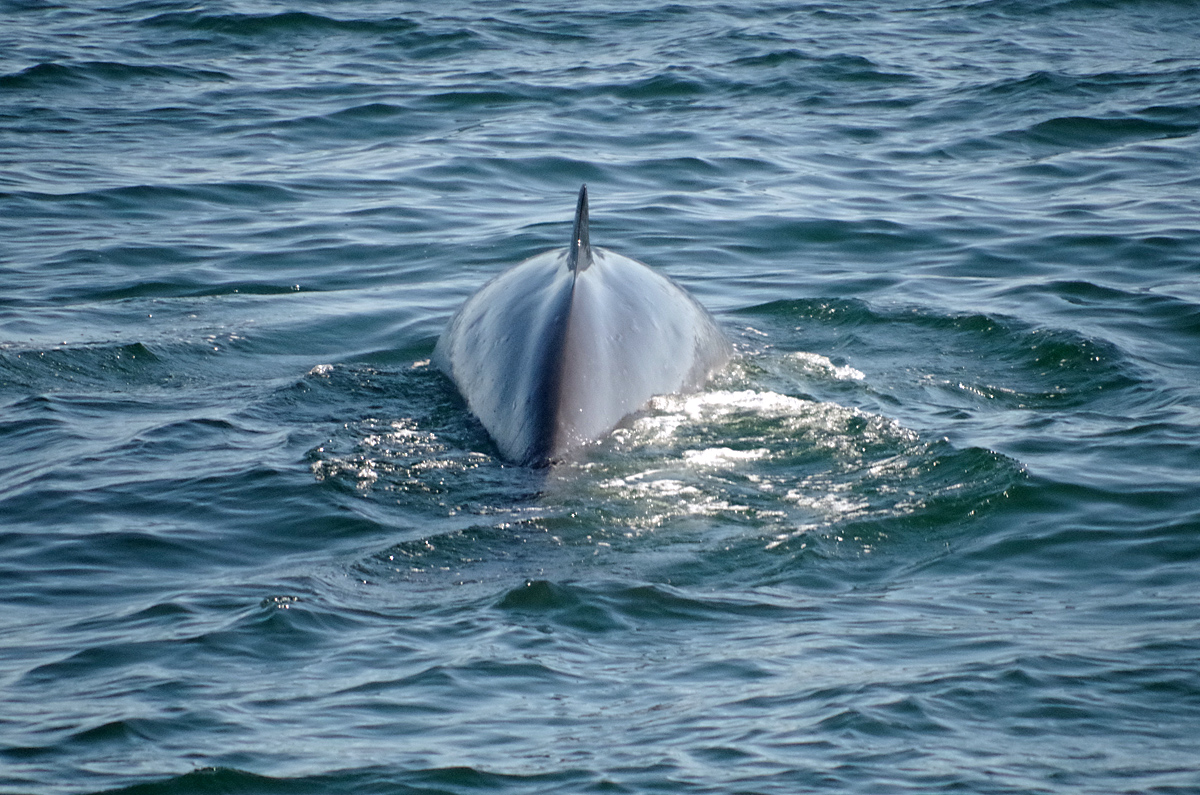
 On Tuesday, we visited Punta Espinoza on Fernandina Island in the morning, and Urbina Bay on Isabela Island in the afternoon. Fernandina is formed around the still-active La Cumbre Volcano, and Punta Espinoza is home to Marine Iguanas, Golden Iguanas, Sea Lions, and nesting Flightless Cormorants, among many other endemic species of wildlife. We also saw hundreds of carcasses of Marine Iguanas that starved during the last El Niño, a climatic pattern that severely impacts their food supply. Isabella is home to the Alcedo Volcano, where Urbina Bay provided us with close proximity to Land Iguanas. On our way to Isabela came one of our two whale encounters.
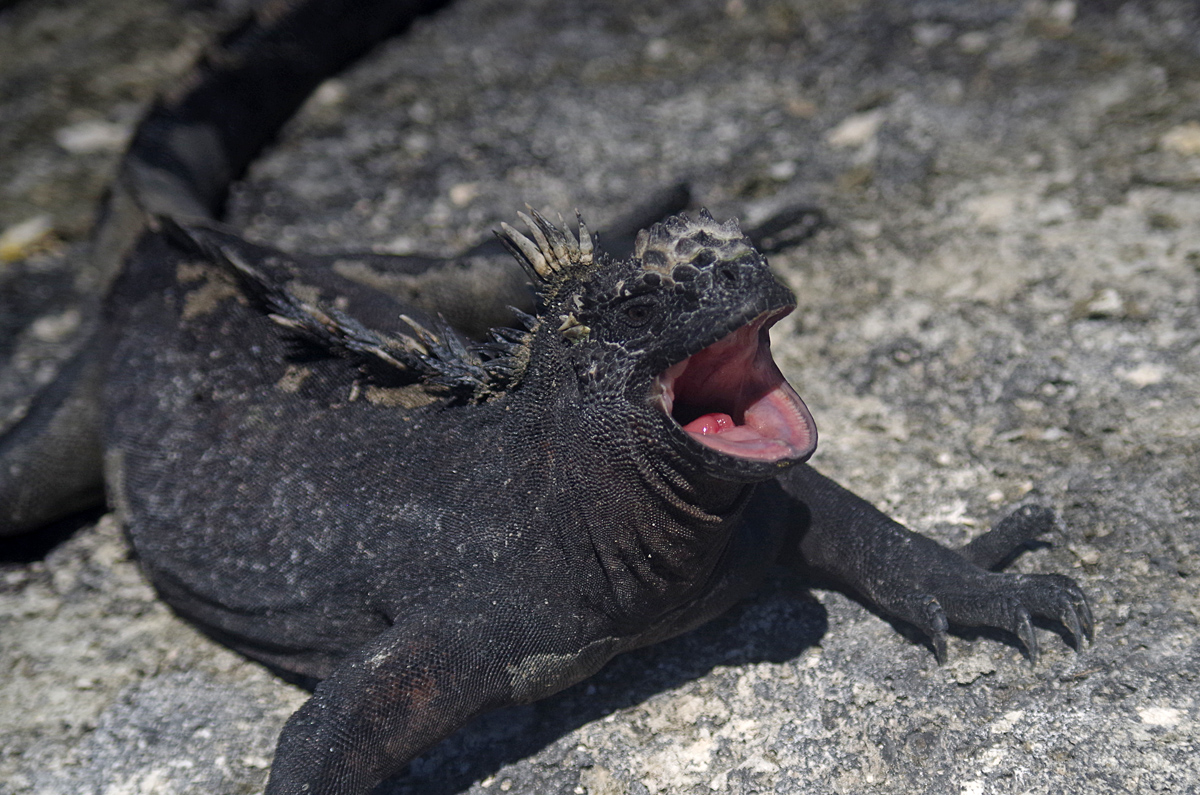
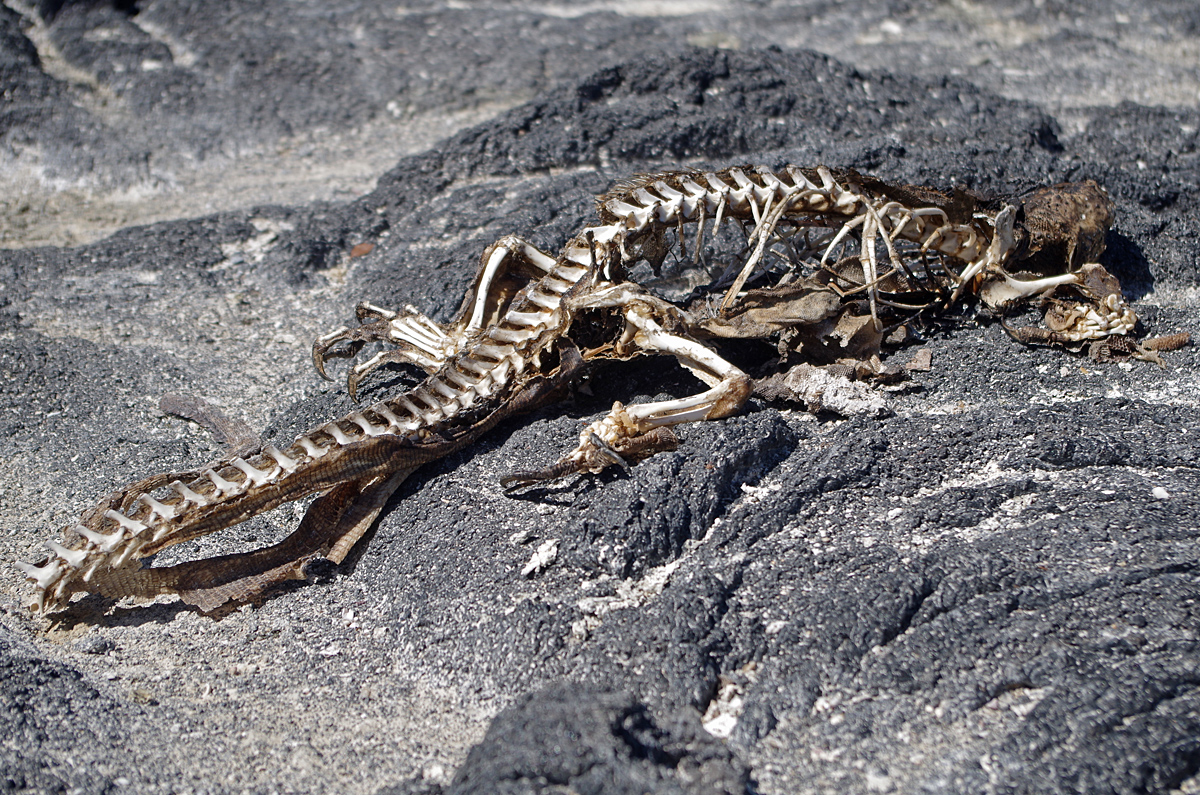
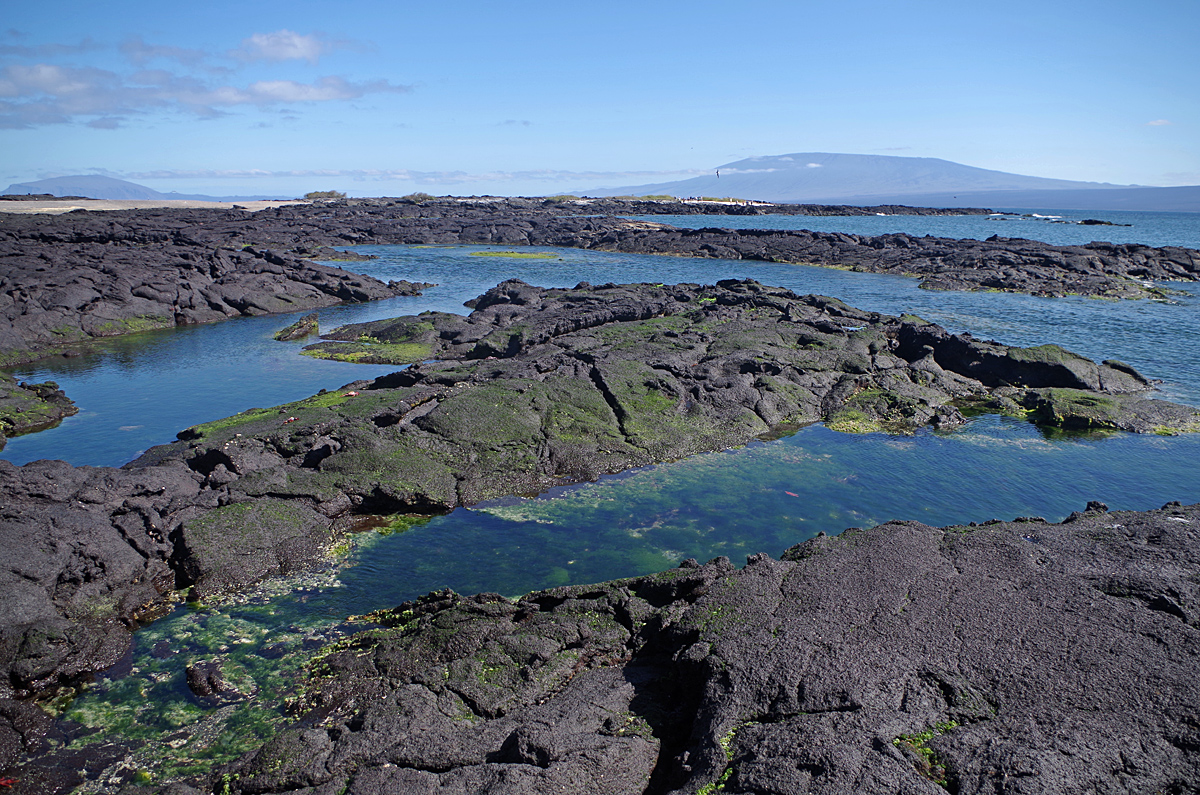

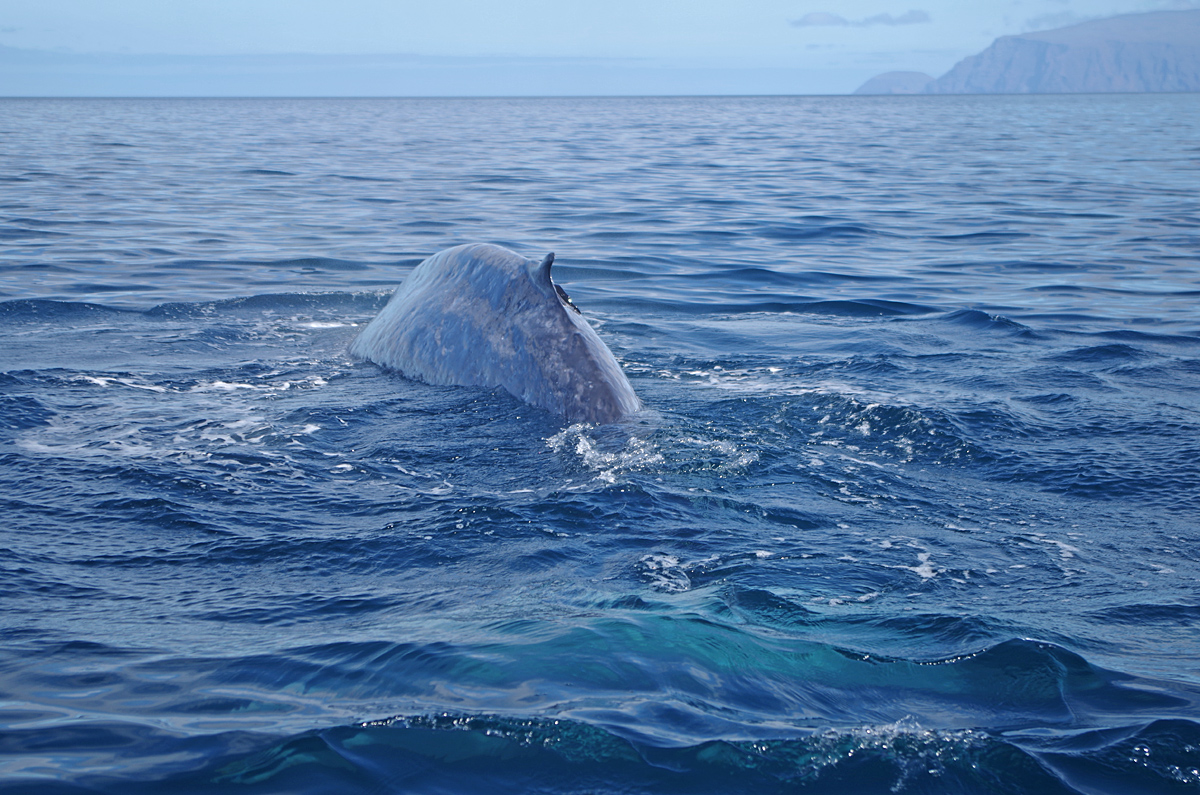
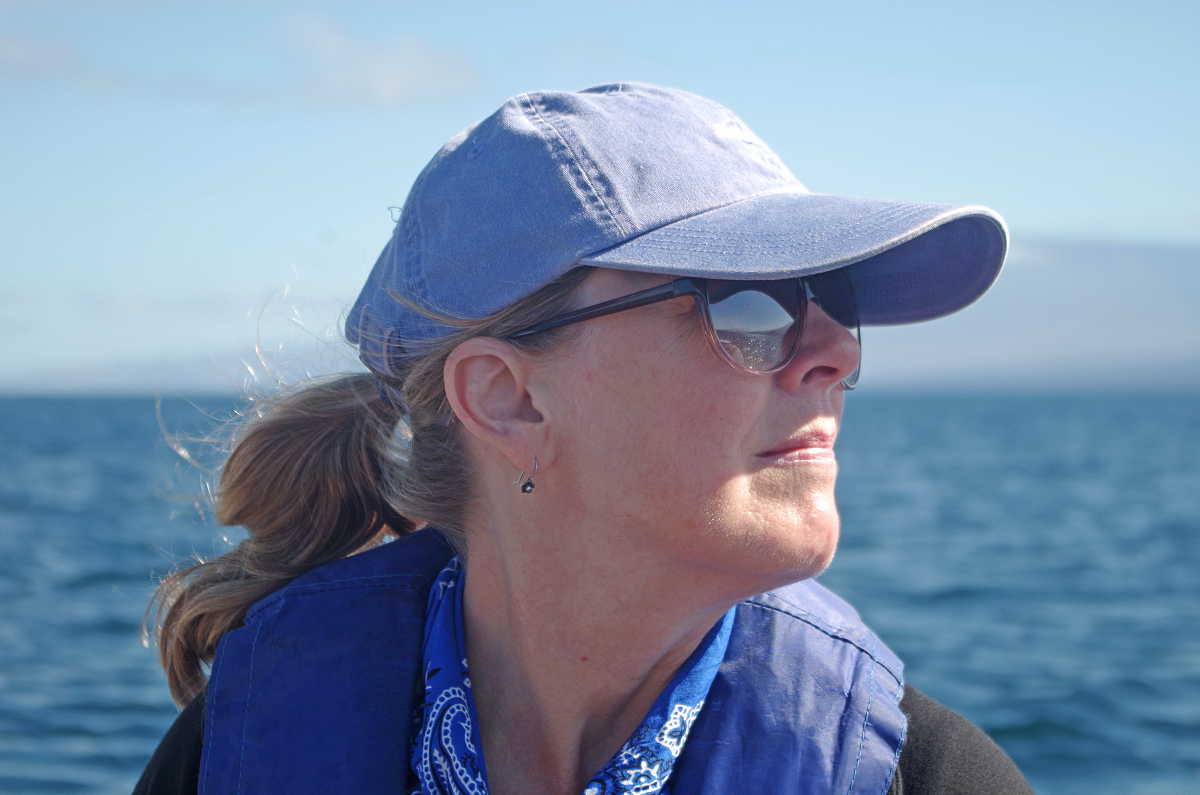
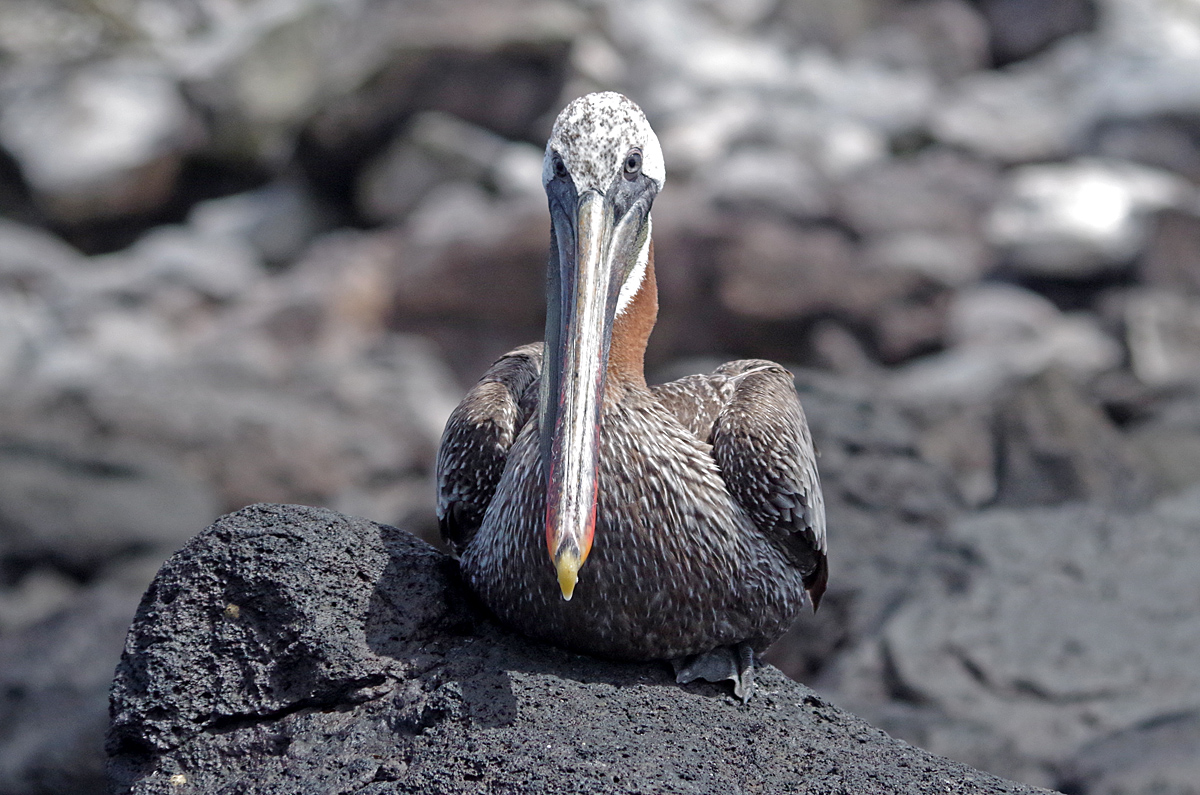
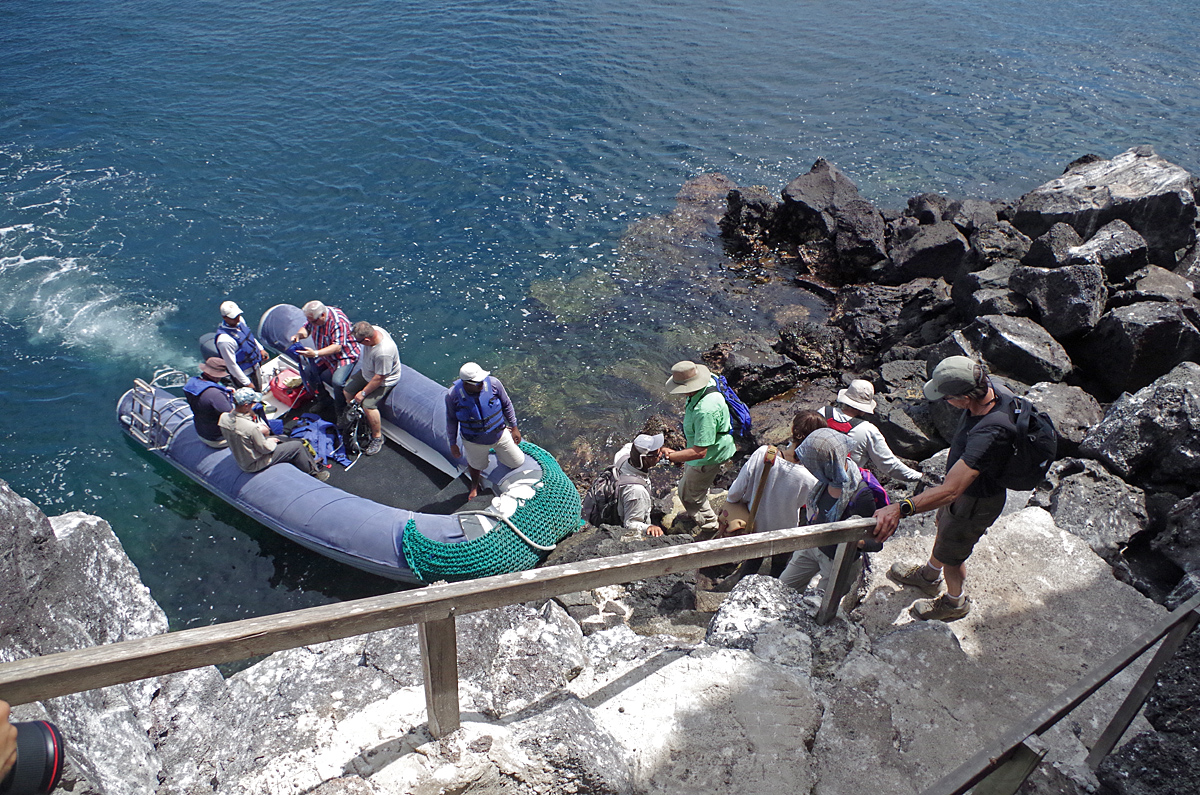
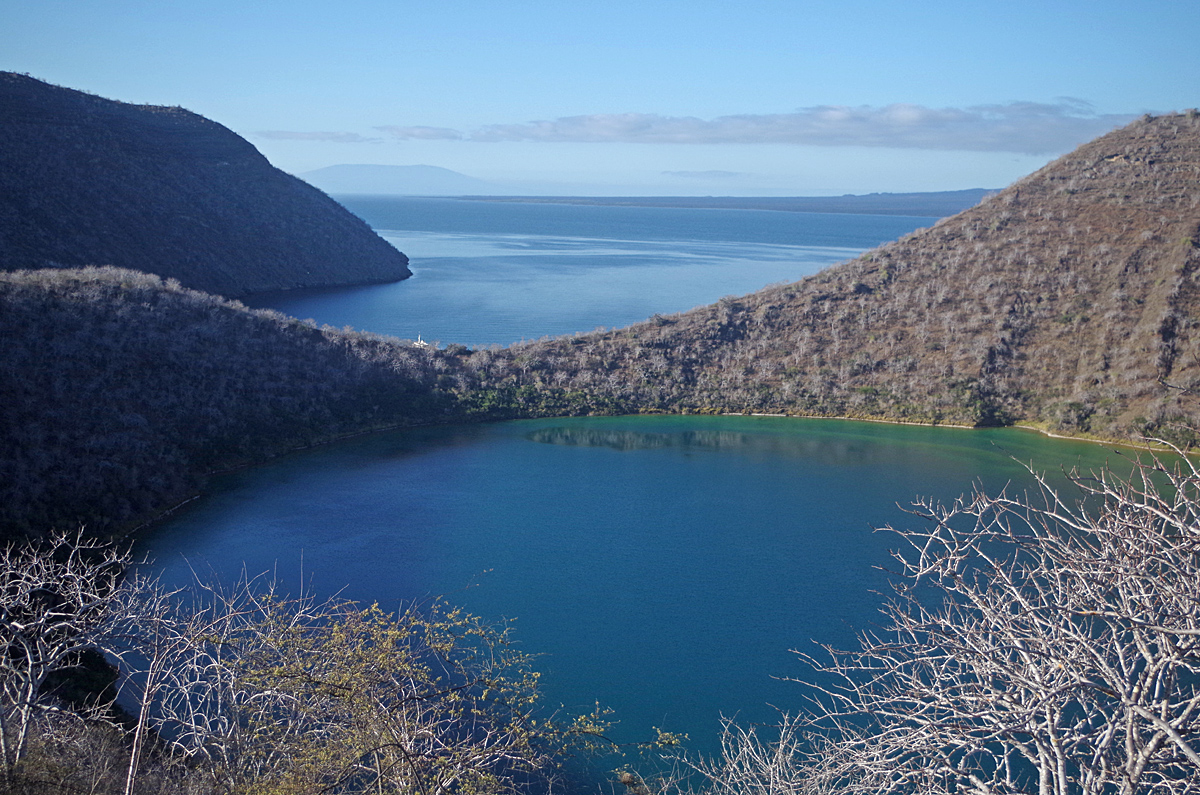
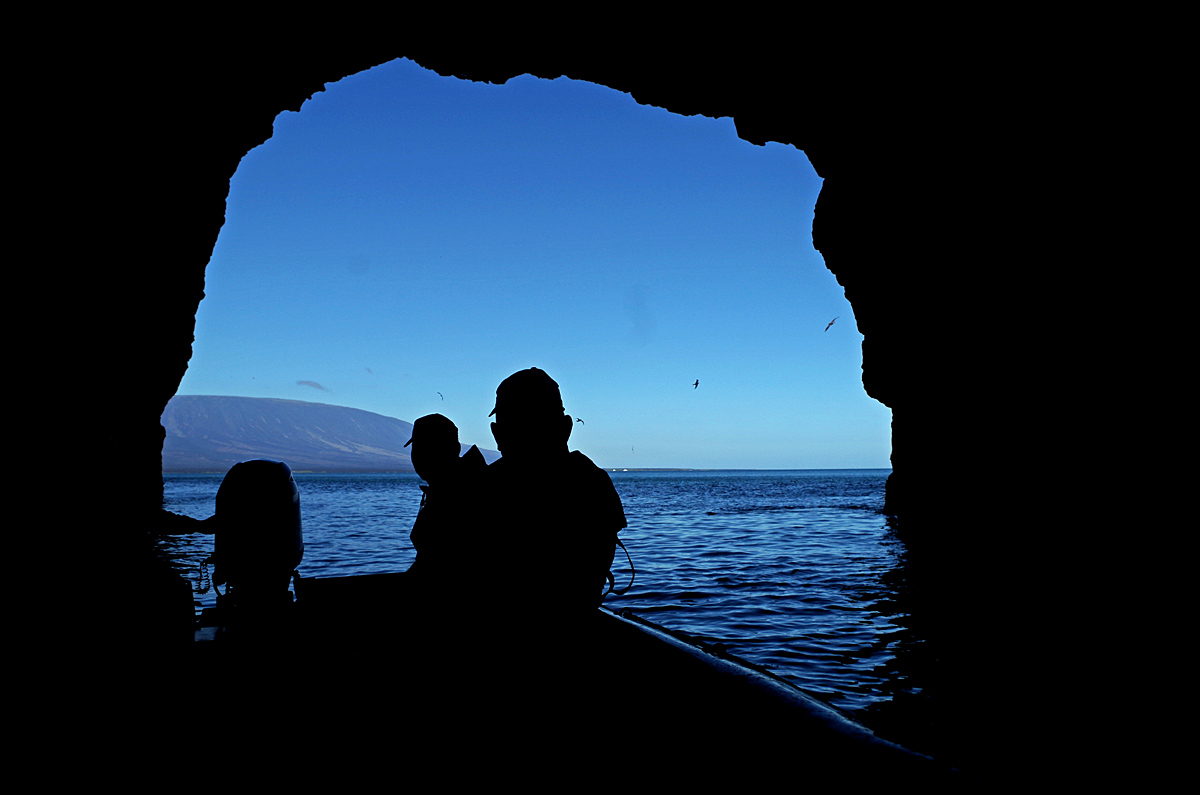
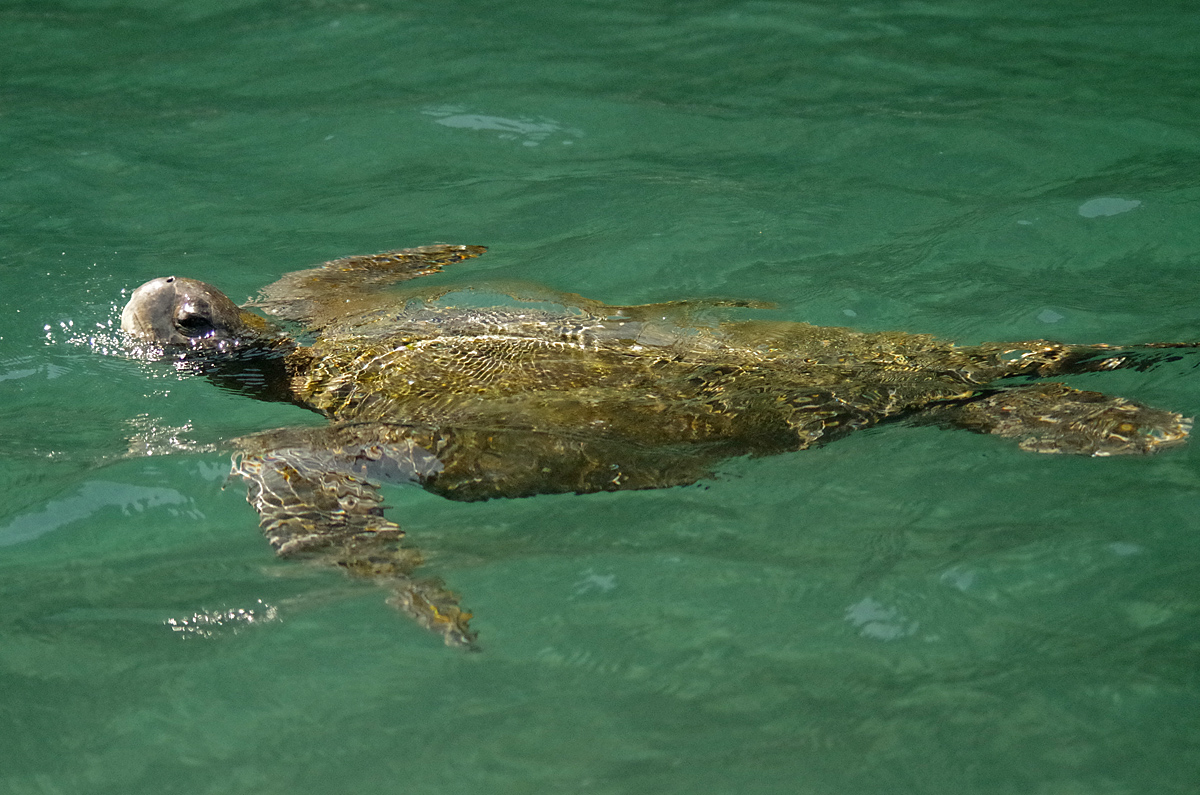
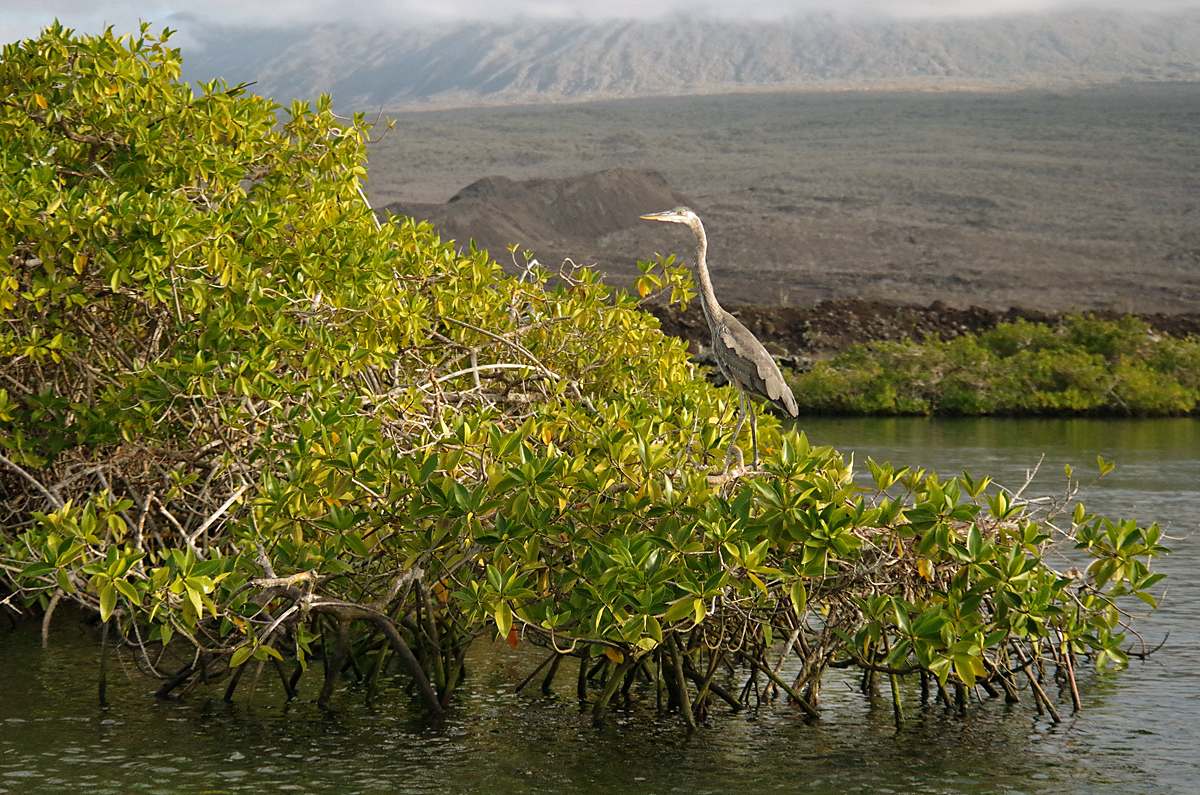
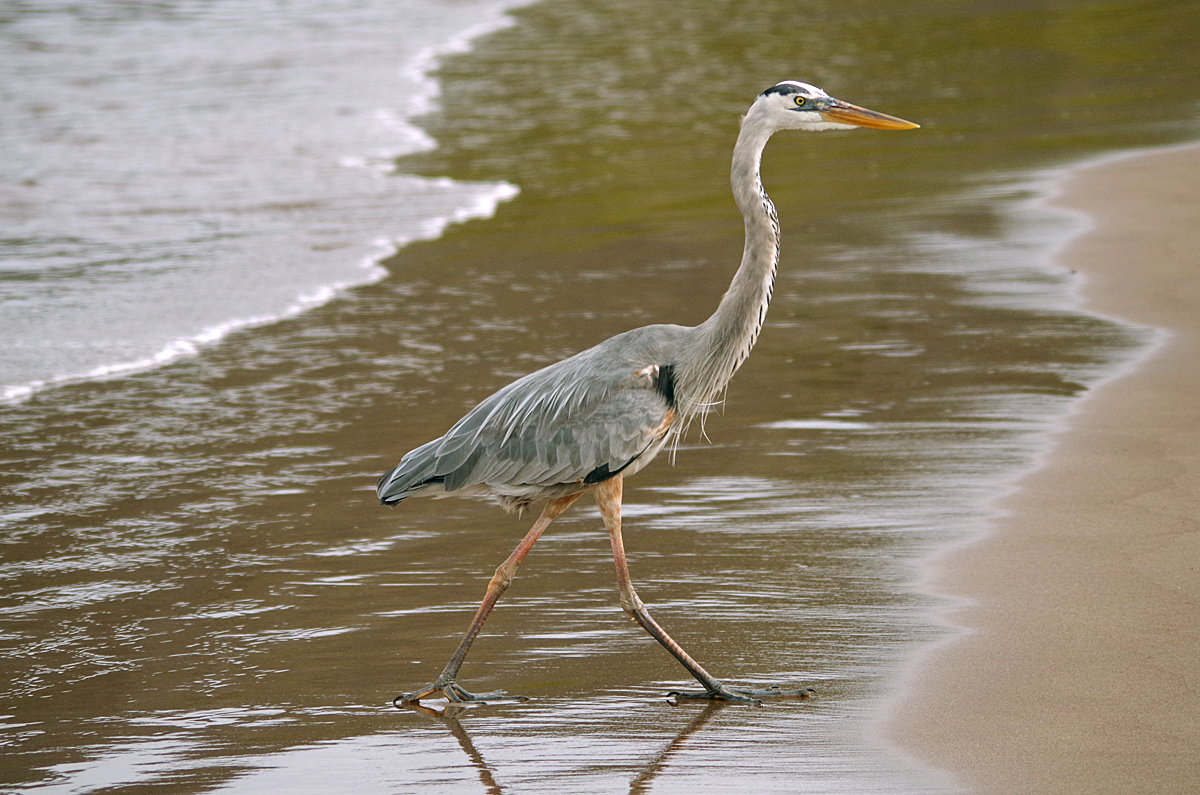
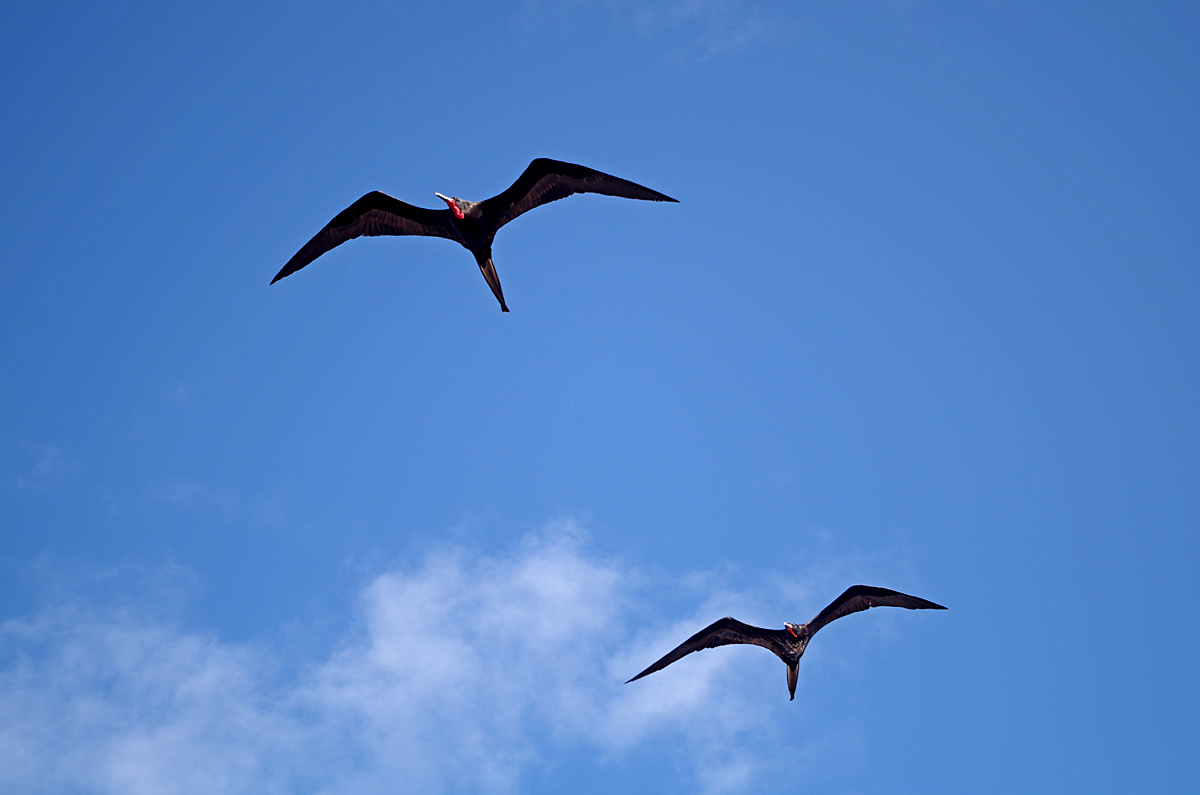 Wednesday’s destination was Isabela Island, where we visited Tagus Cove in the morning. A dry panga landing took us to wooden stairs that climb to the top of the rock face and the entrance to a trail alongside Darwin Lake, with views looking back toward the Grace, at anchor in the bay. There were also views of Darwin and Wolf volcanoes. The afternoon took us to Punta Vicenta Roca, where most of the passengers went on one of many snorkeling expeditions. They snorkeled with a white variety of fish and marine mammals, including Golden Rays. Along the way came another whale encounter. Those of us who did not snorkel explored sea caves in one of the pangas, where we saw Galapagos Penguins, Brown Pelicans, and Blue-footed Boobies. We also encountered amazing numbers of Green Sea Turtles that afternoon. The day’s explorations ended with a sunset panga ride into a mangrove lagoon, with a Great Blue Heron on guard and the Grace in the distance. Half of the passengers explored the lagoon with the kayaks that we towed behind the panga.
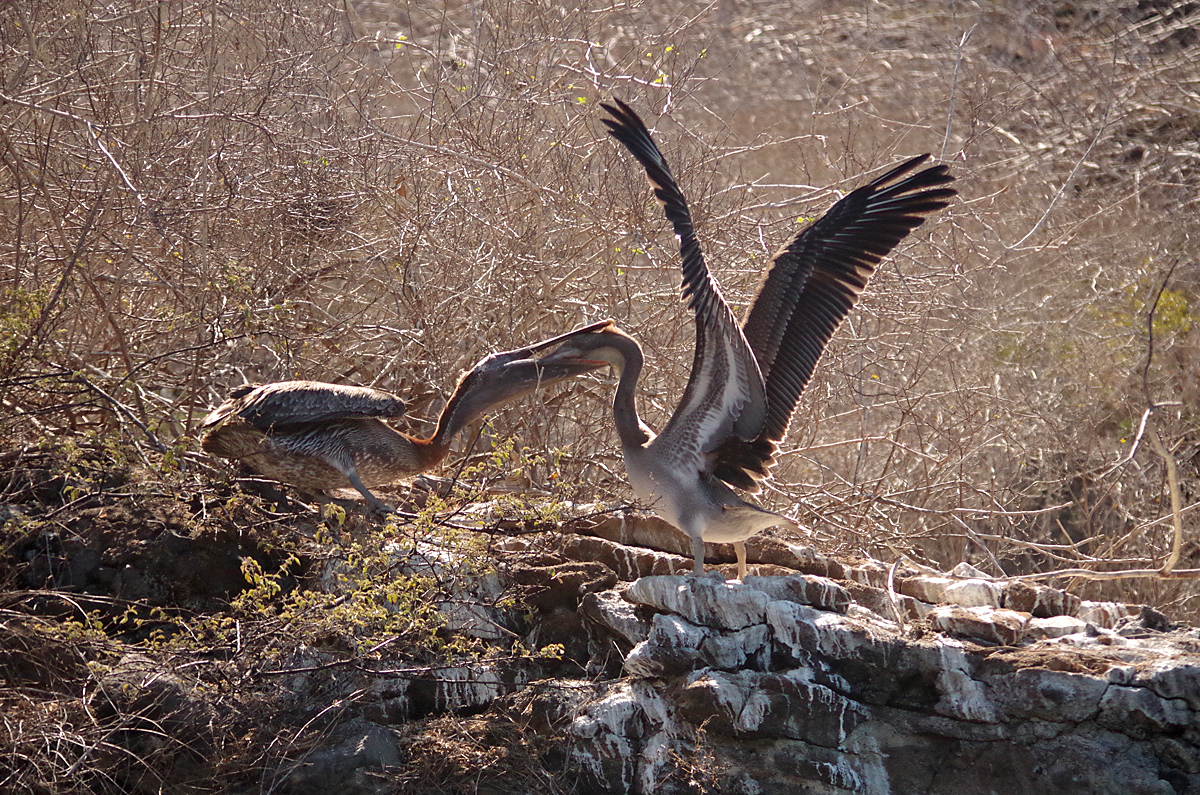
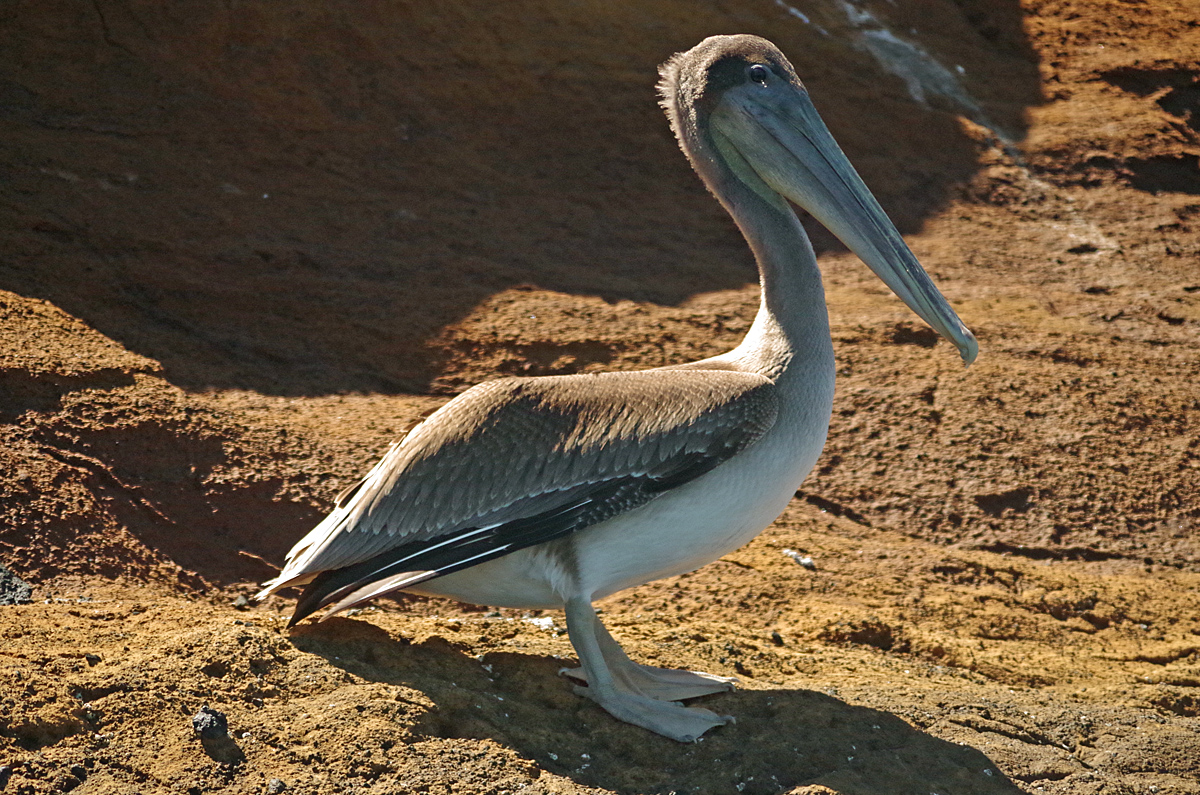
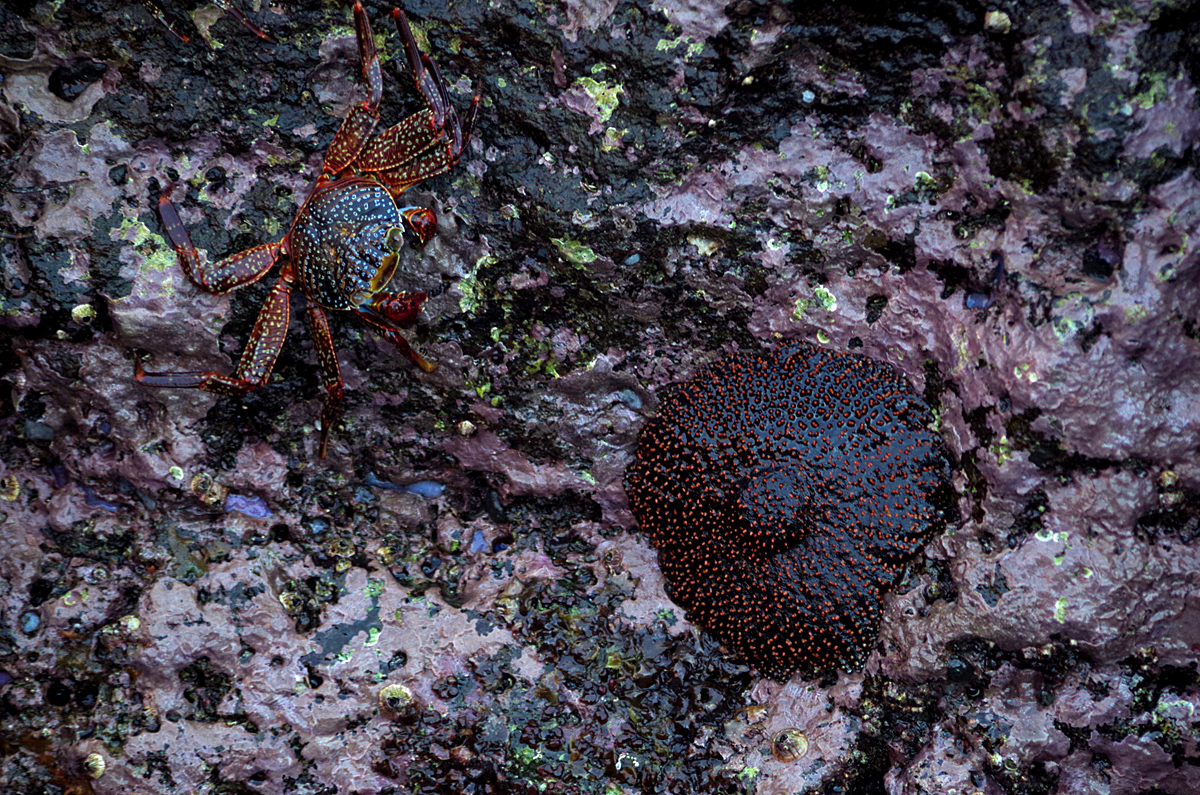
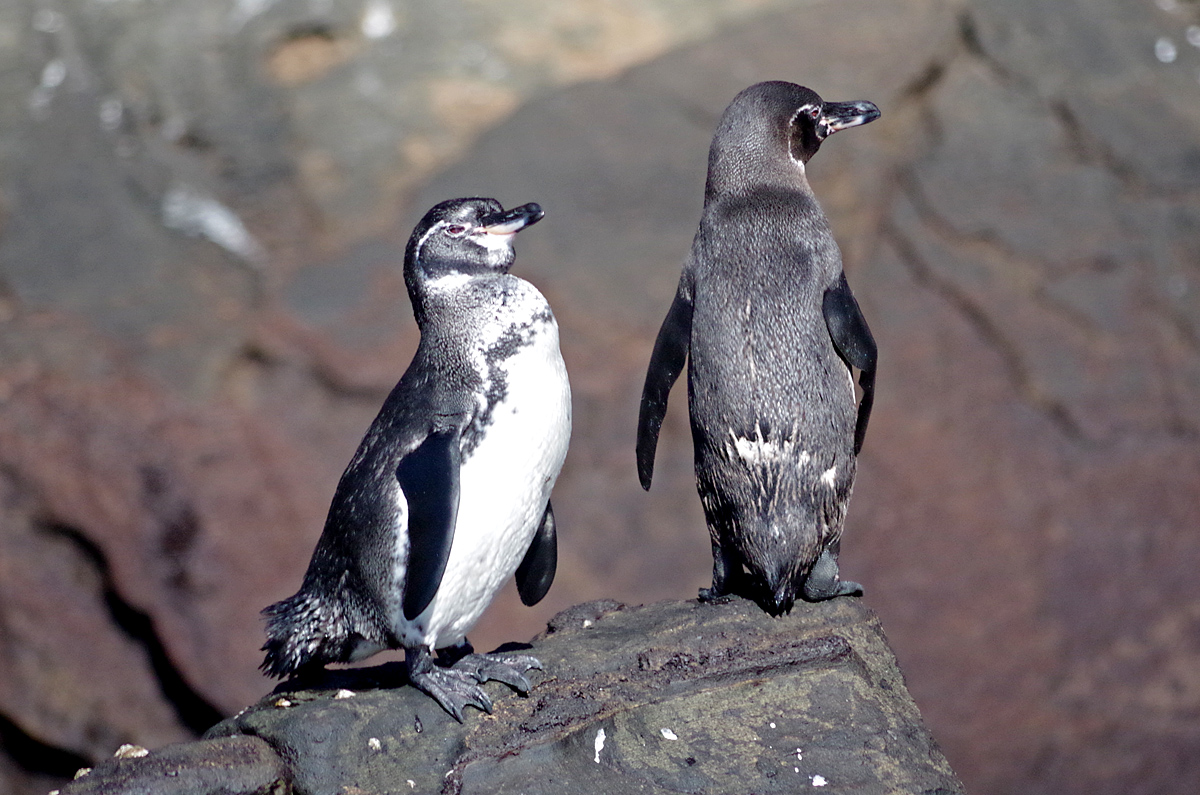
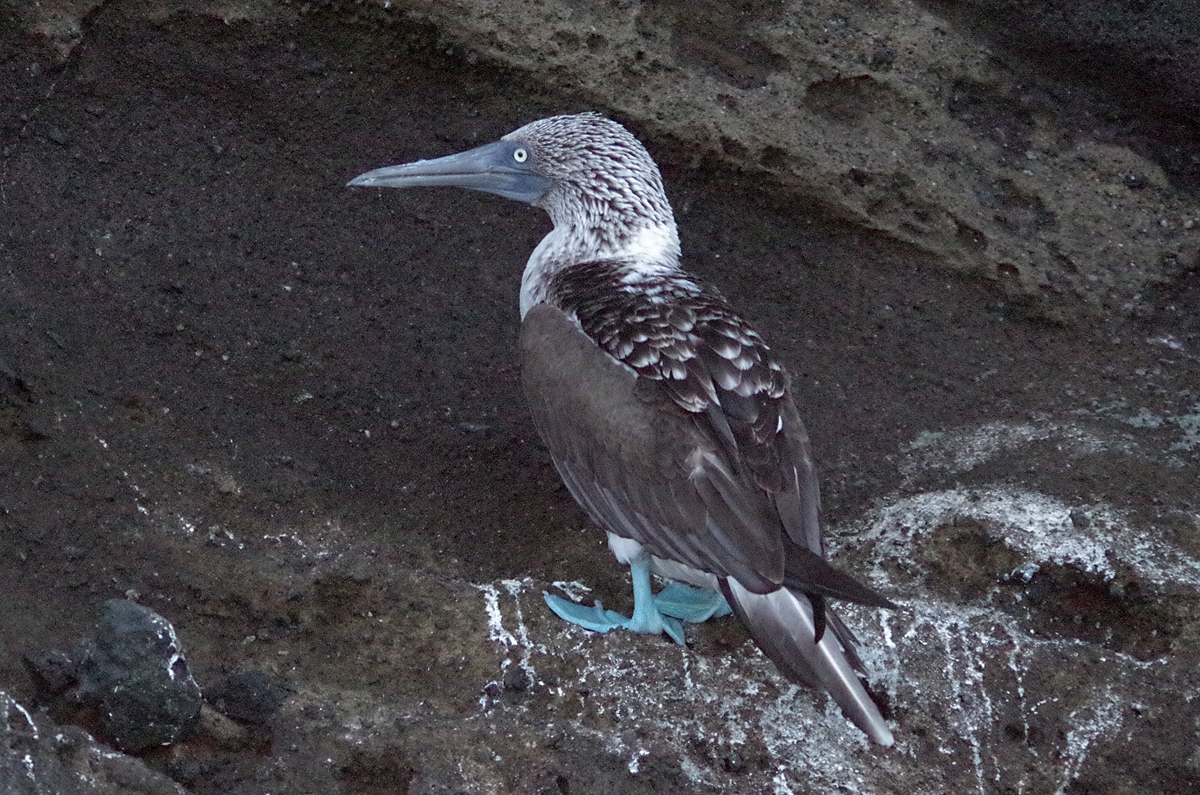
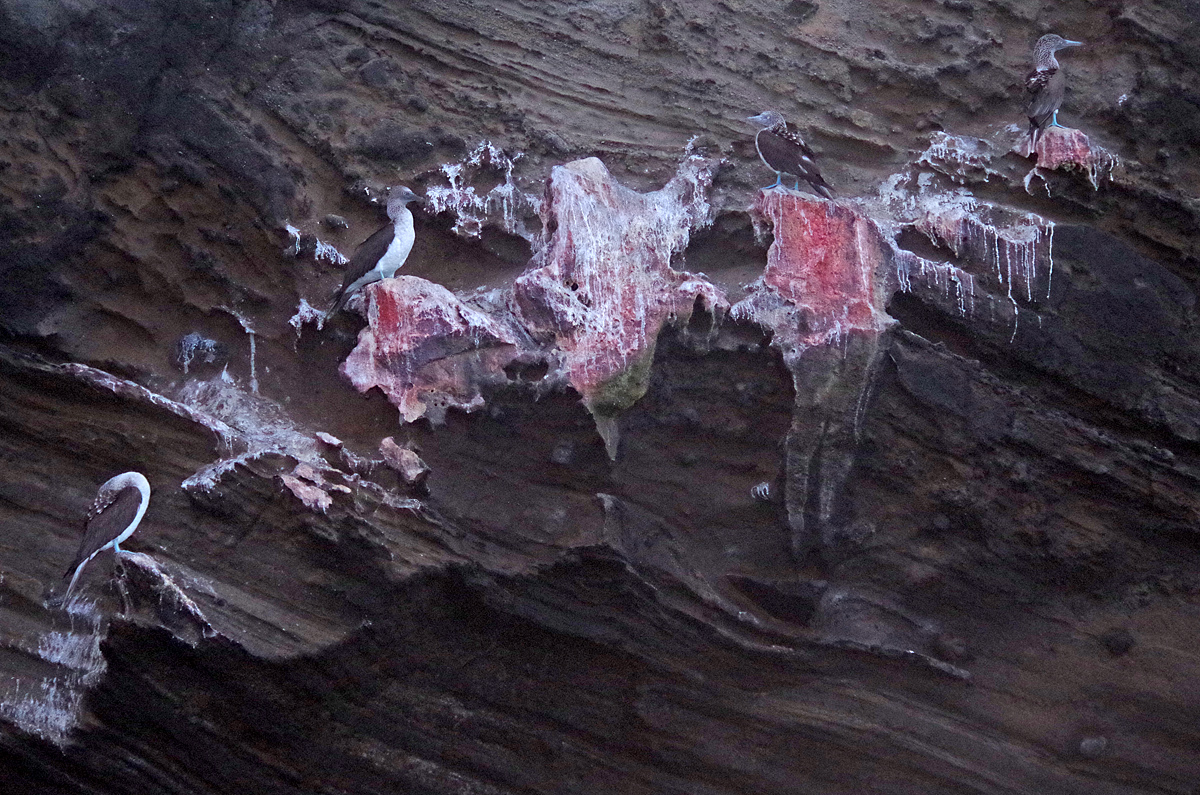
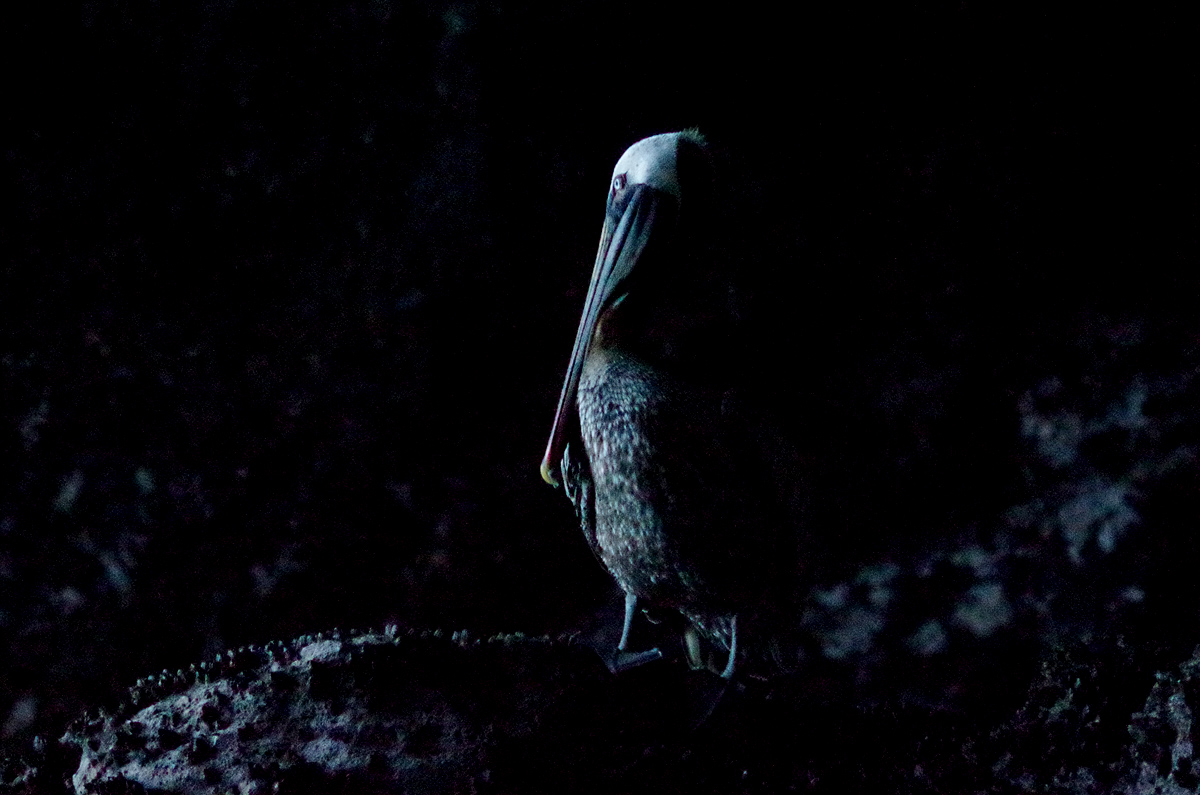
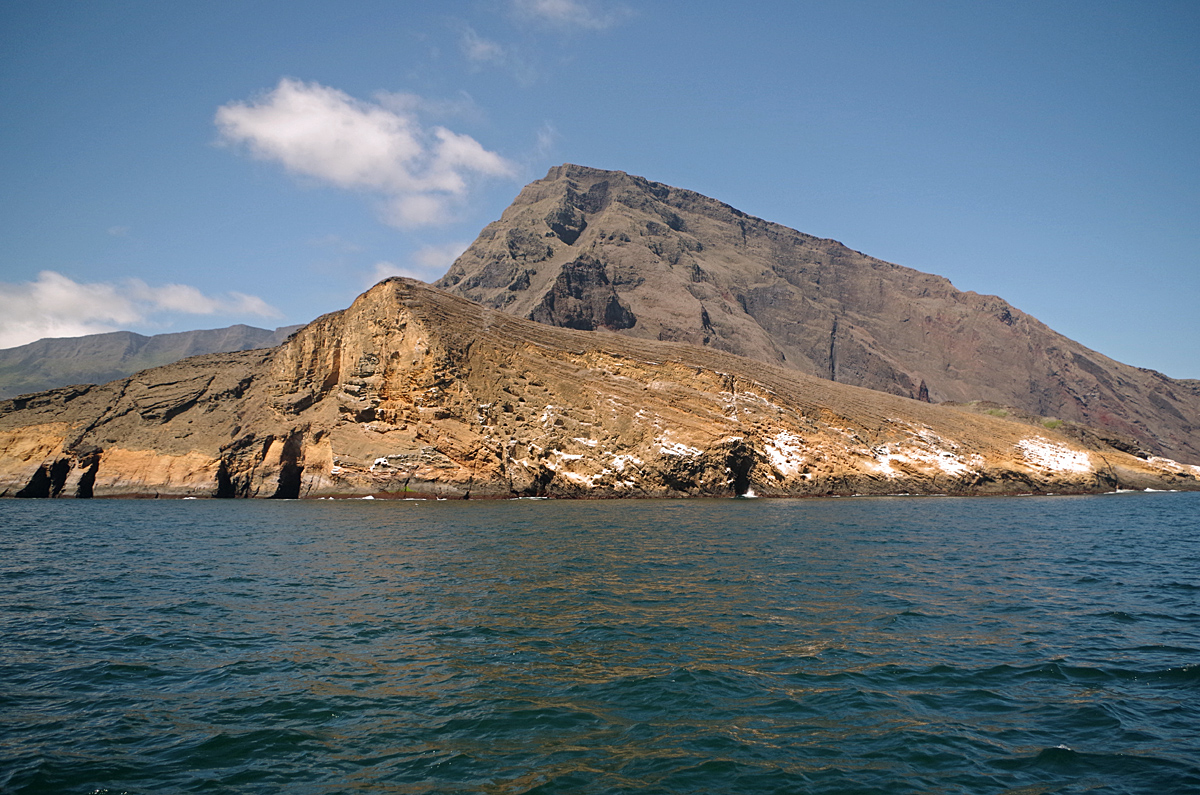
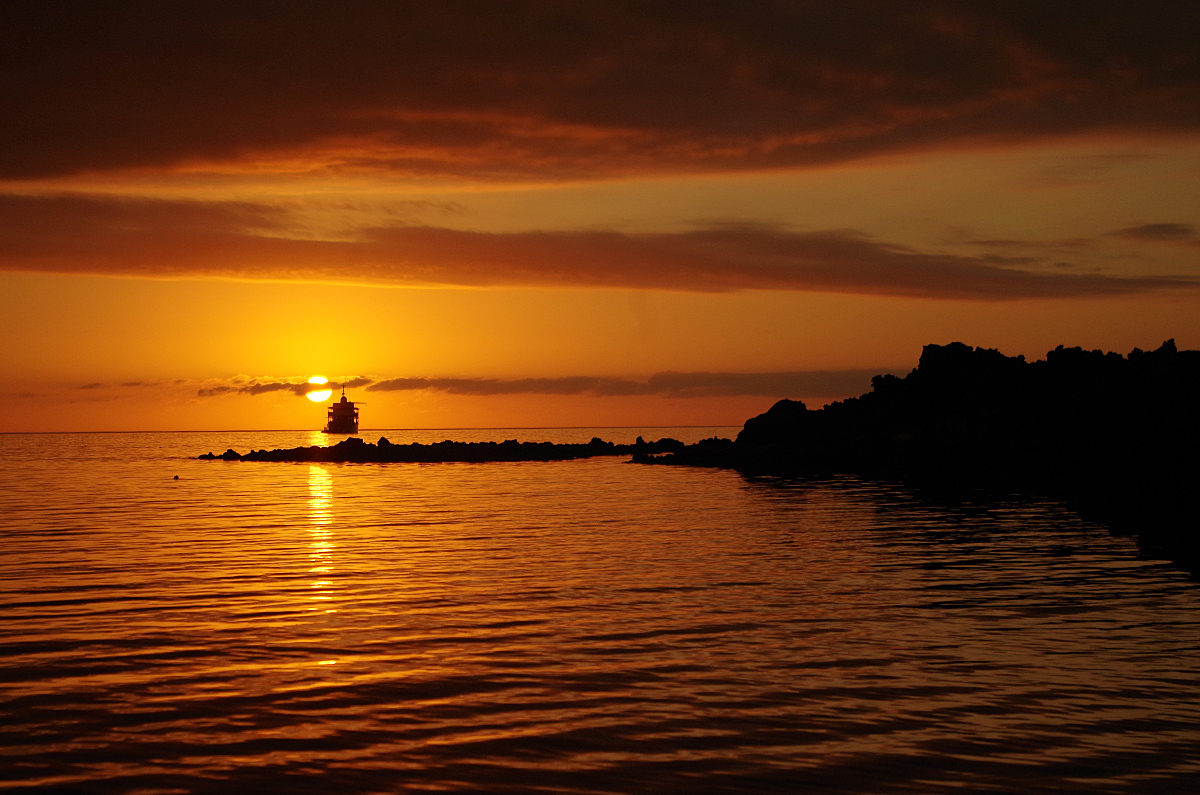
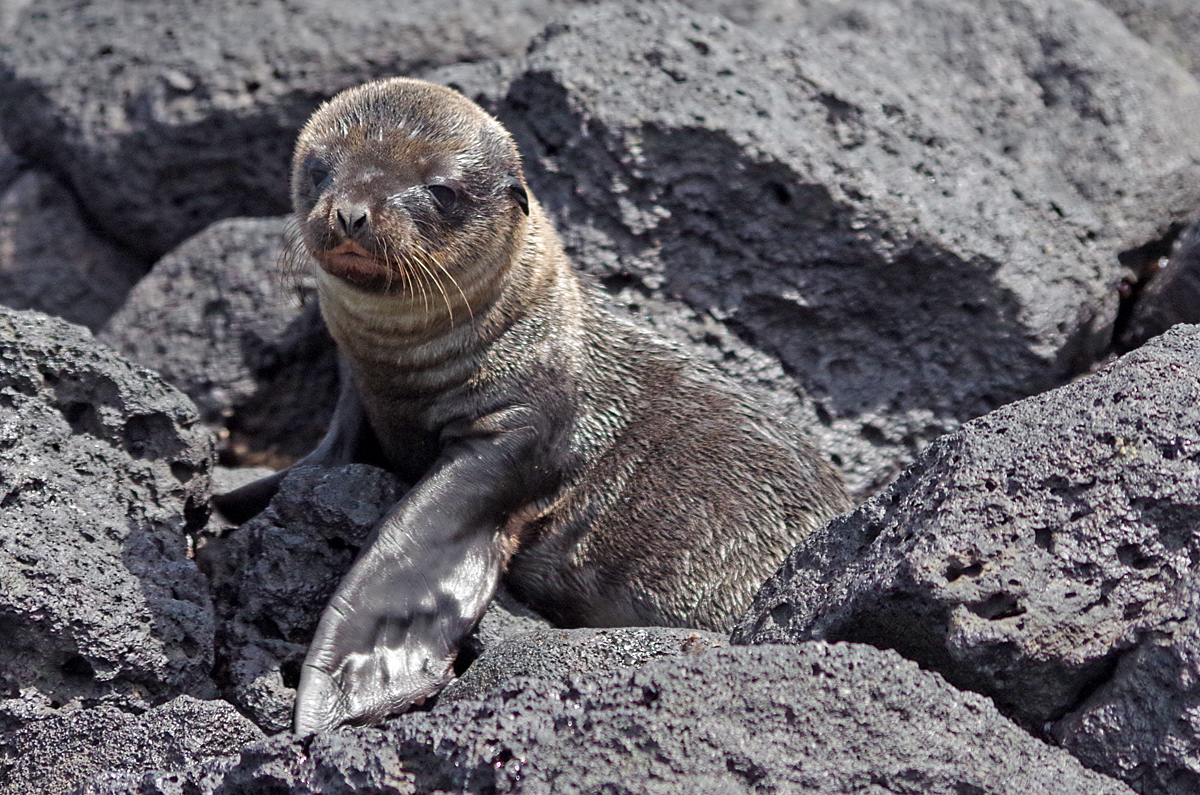
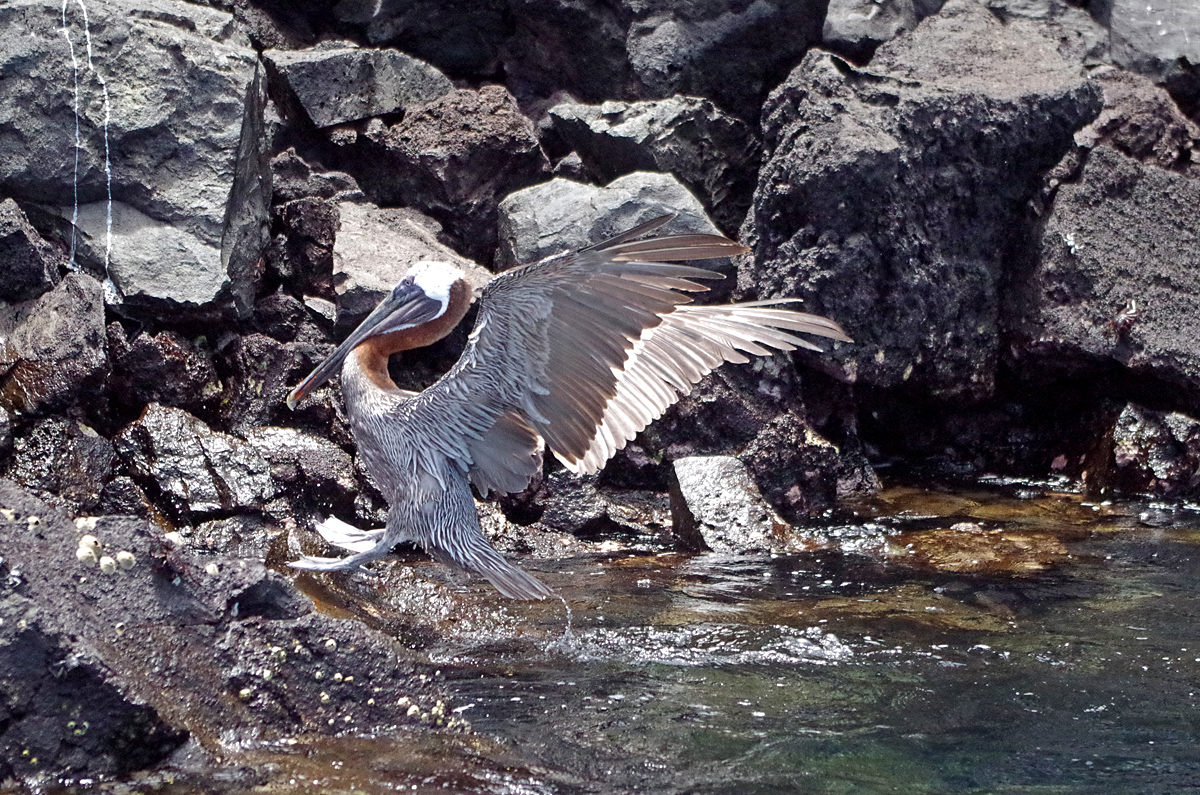
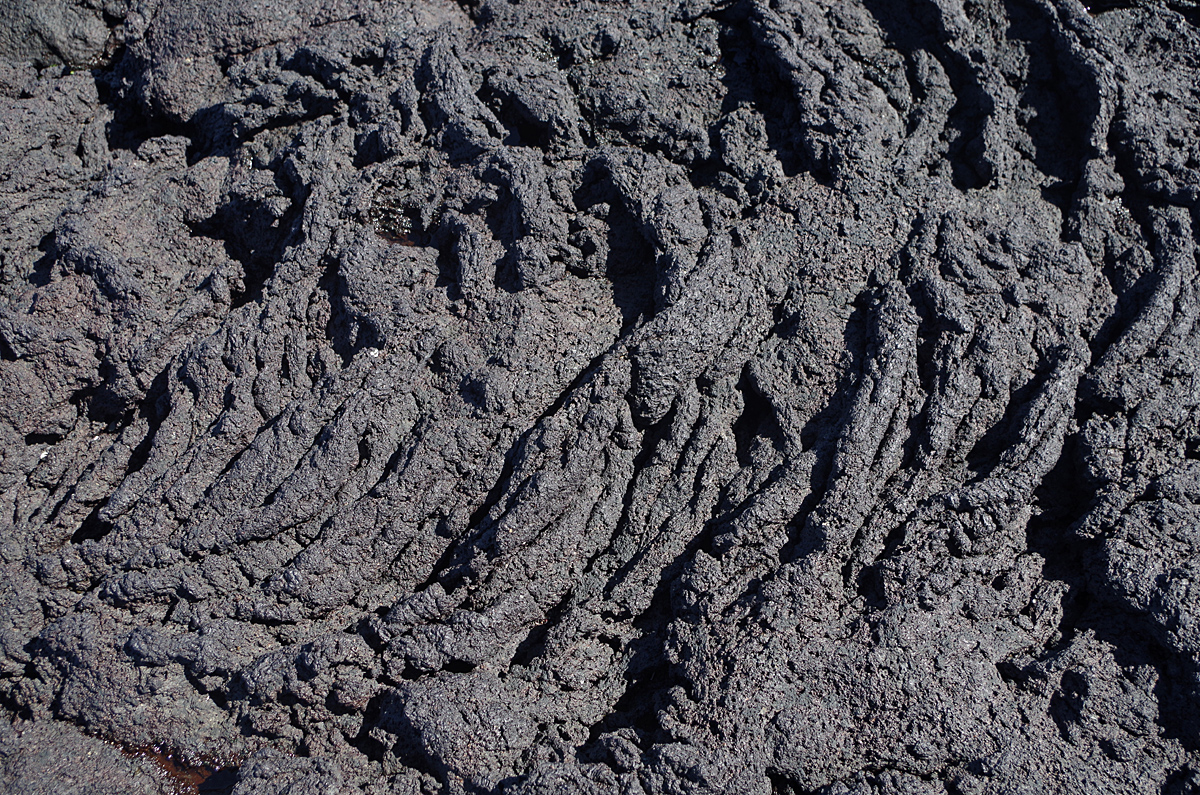
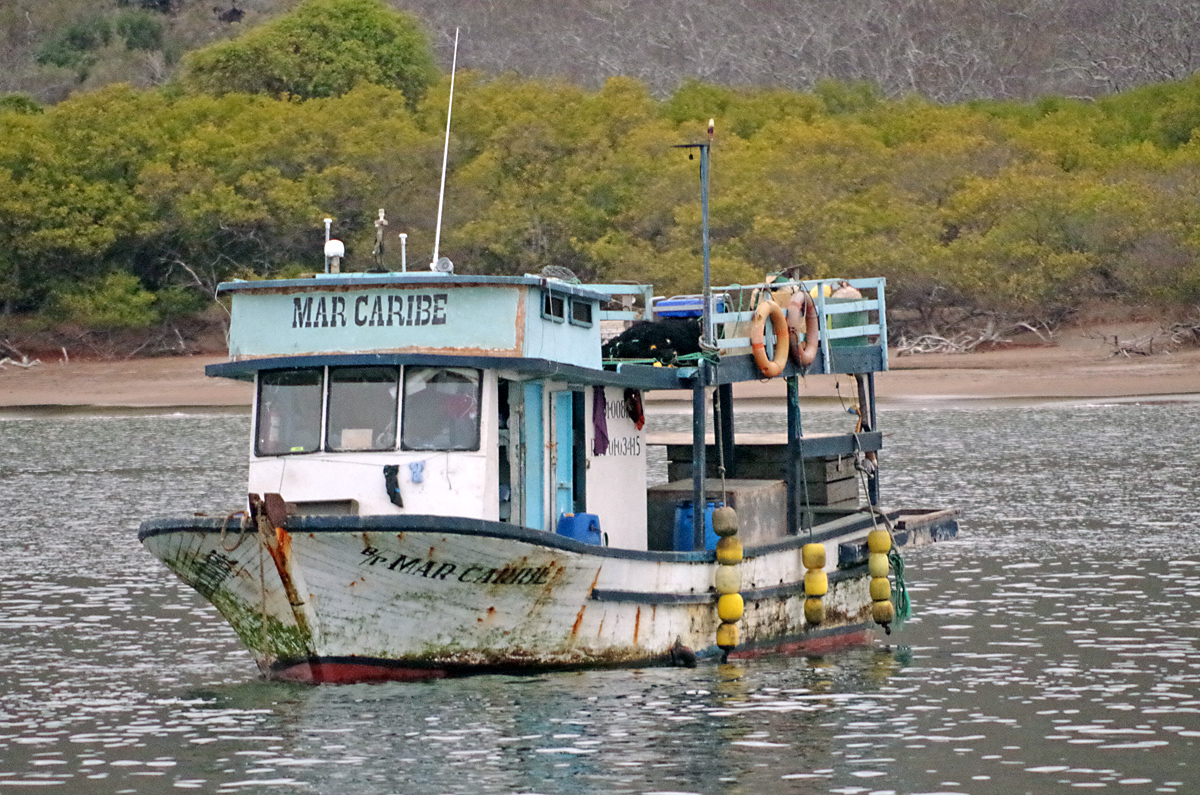
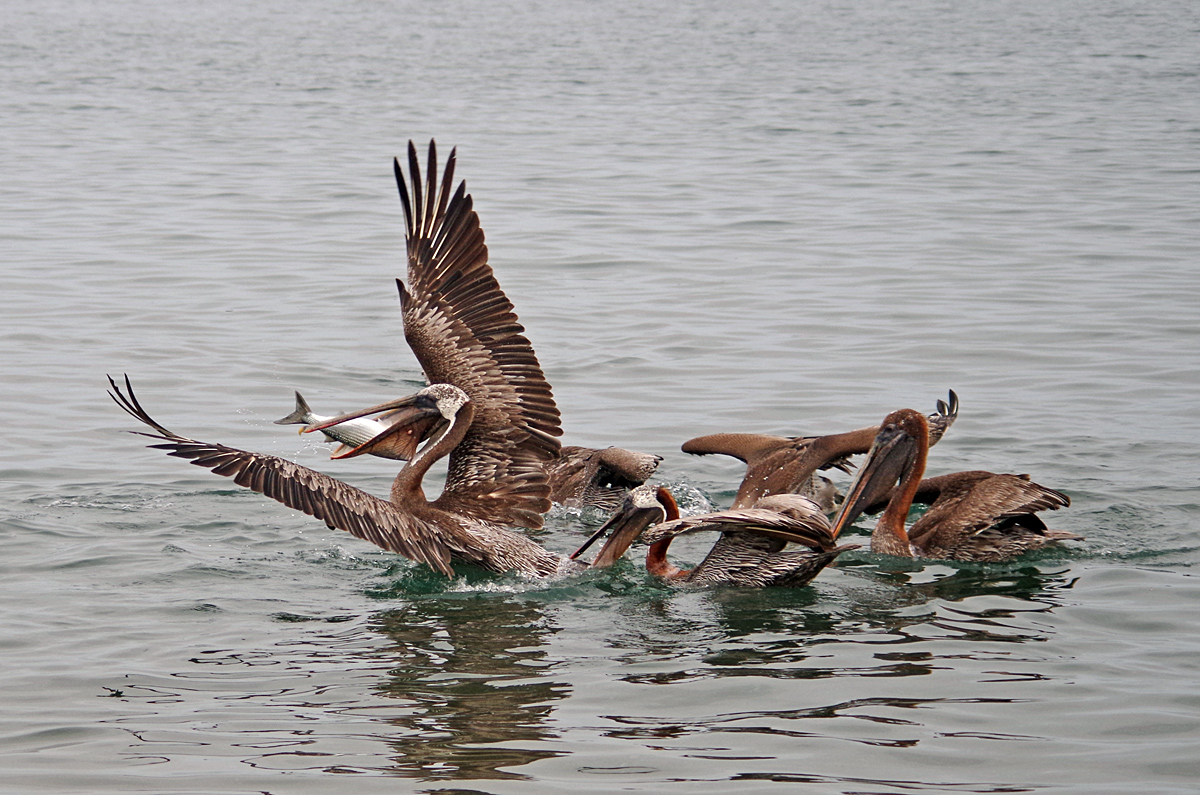
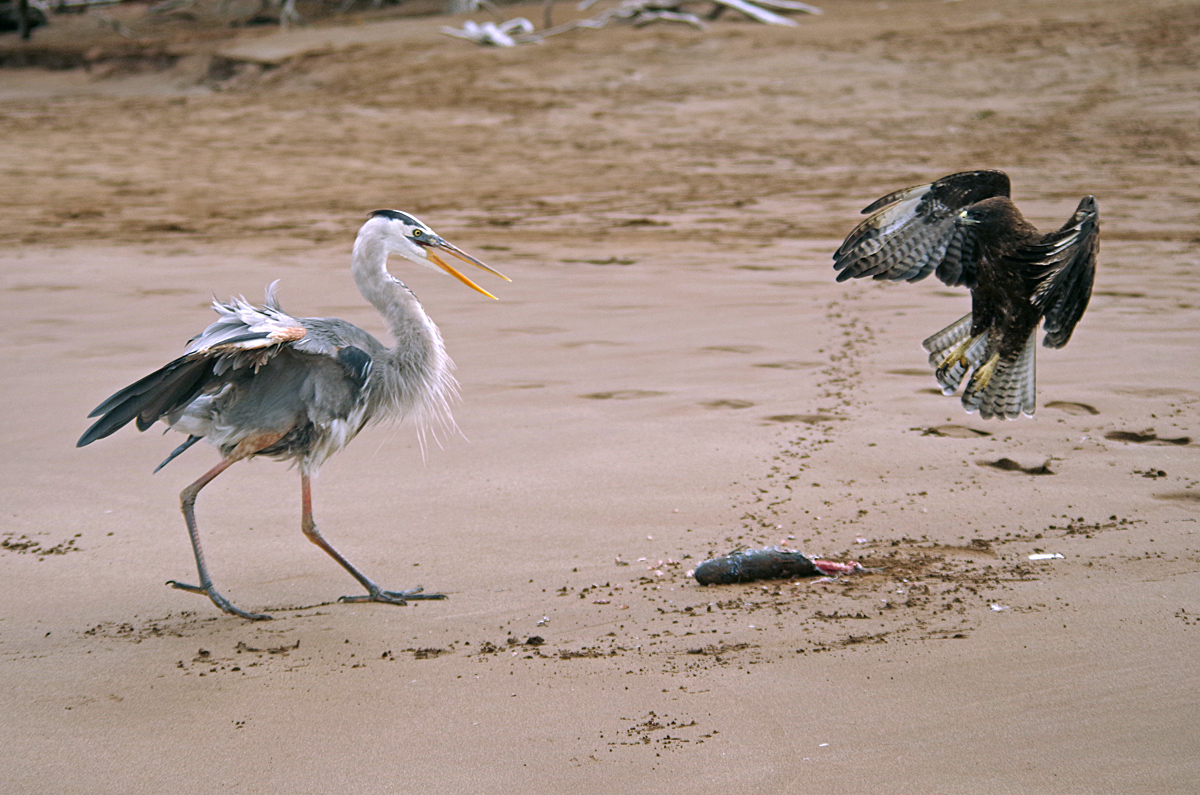
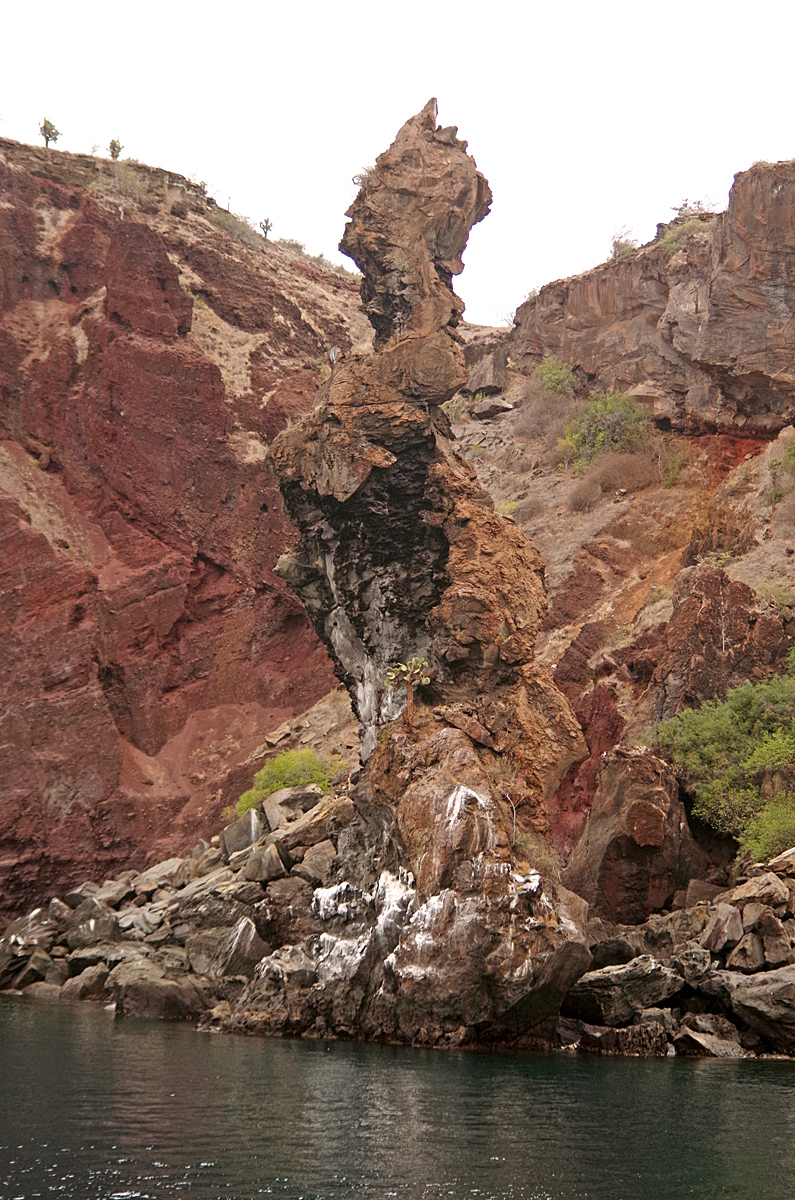
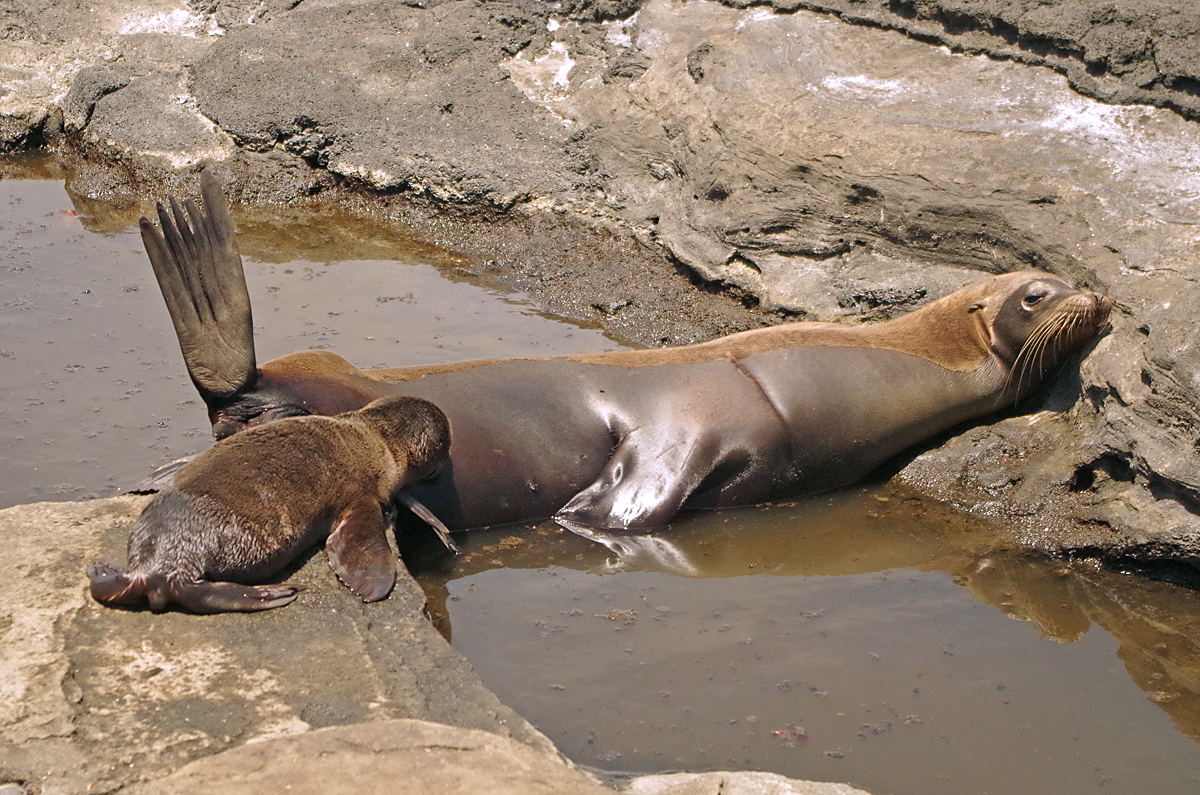
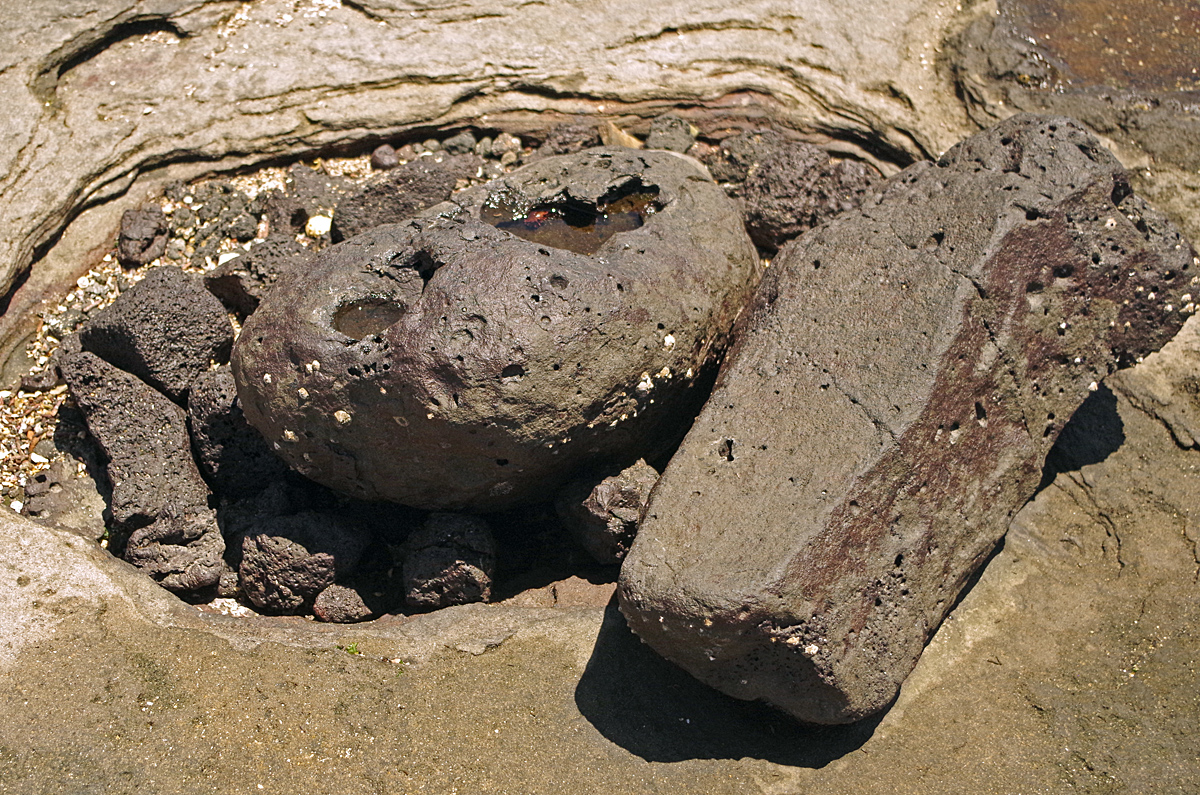
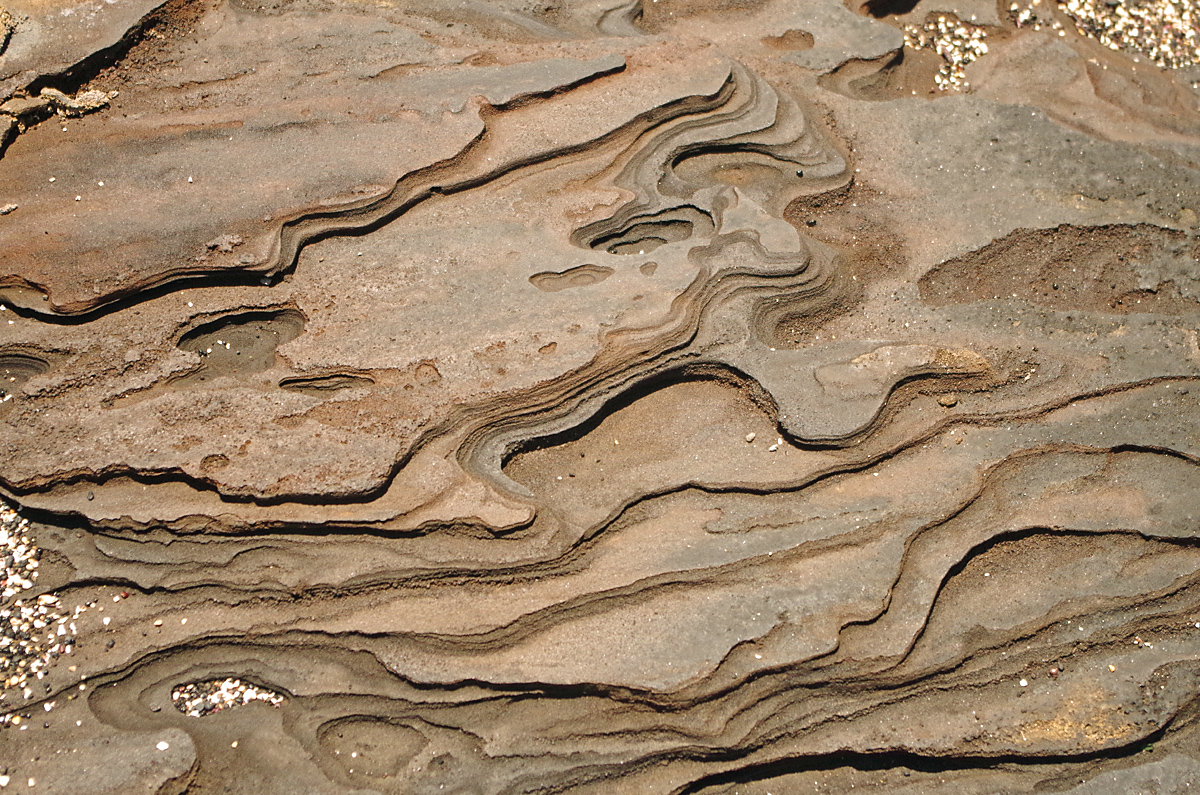
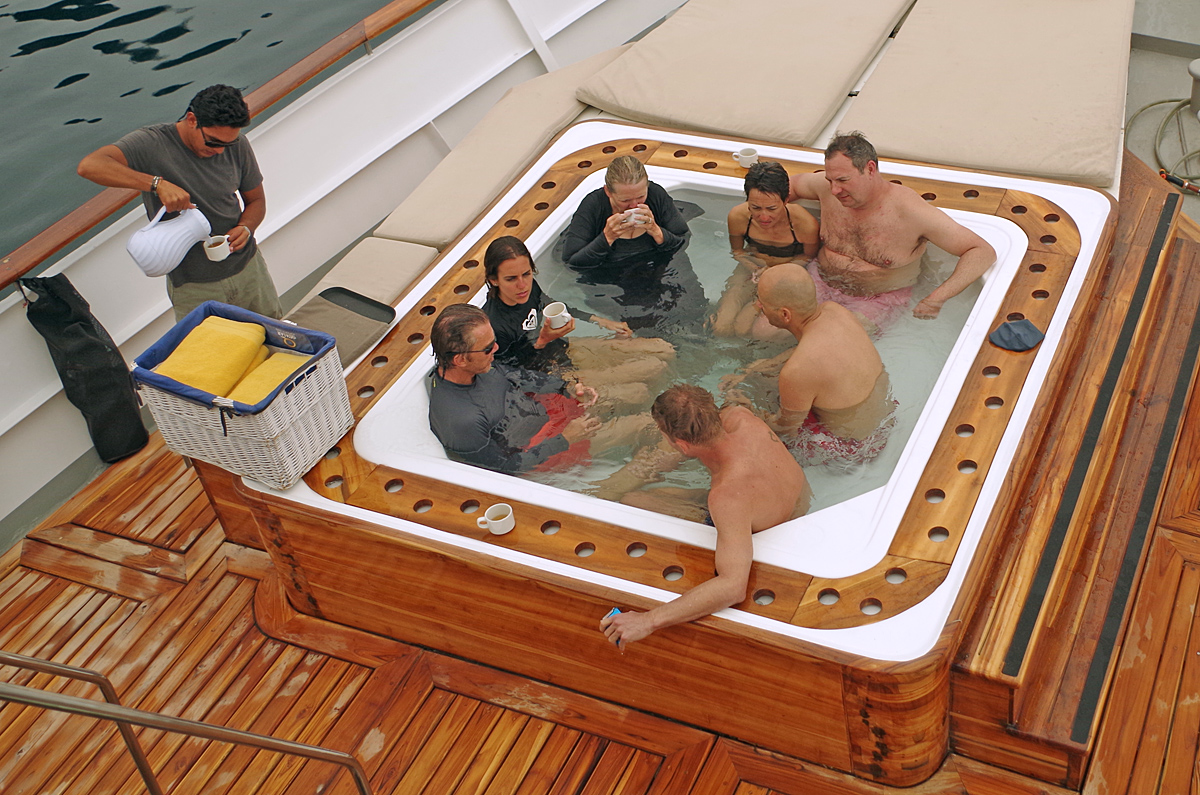
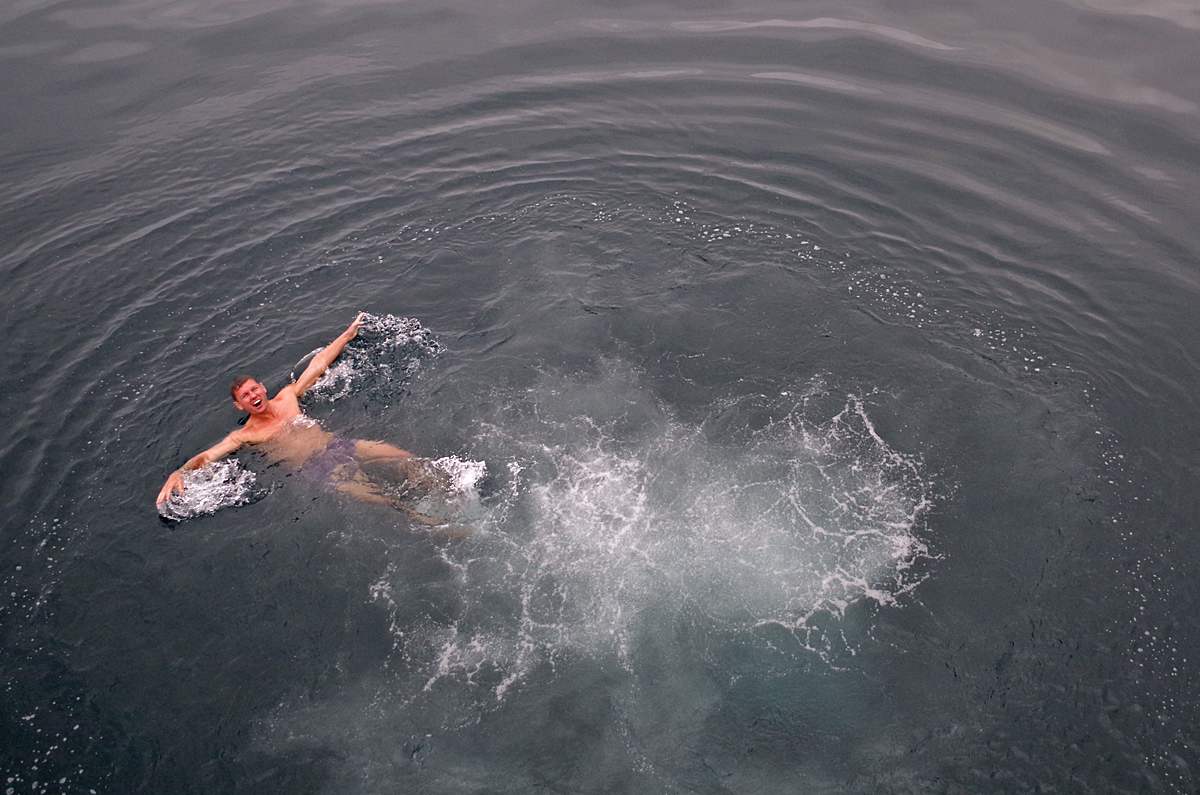
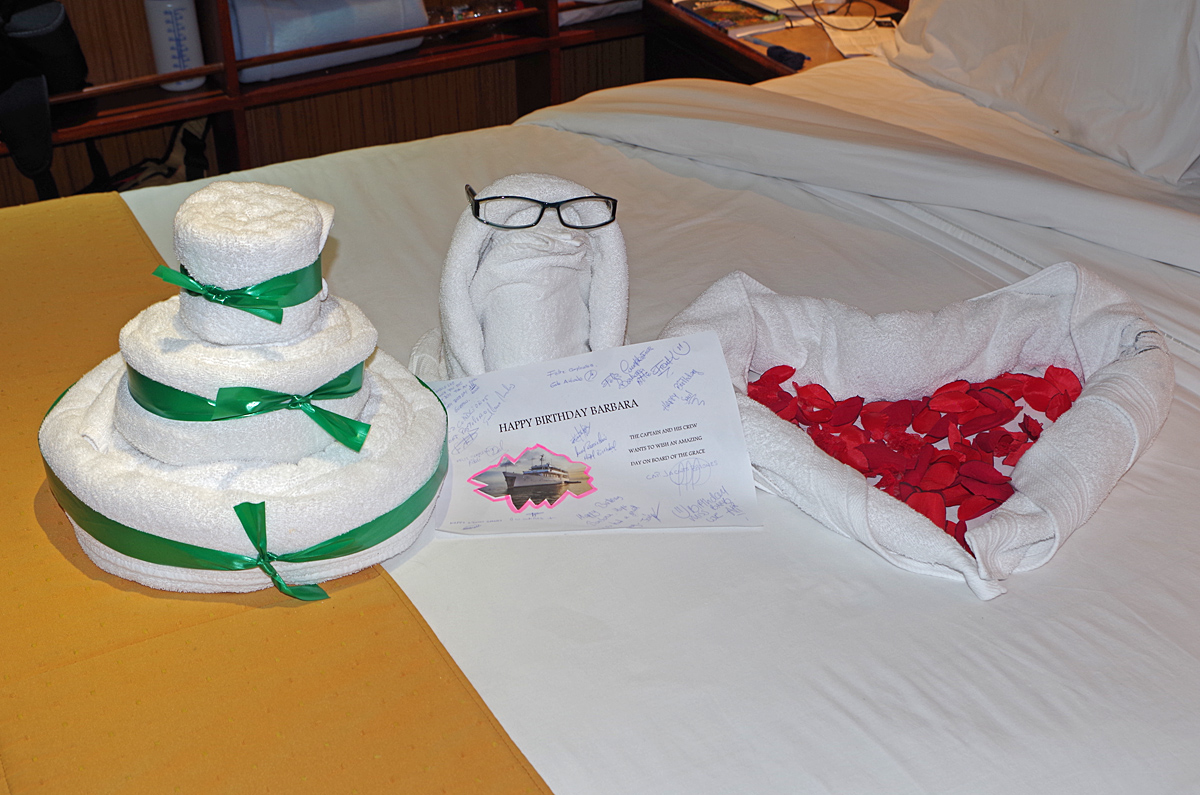
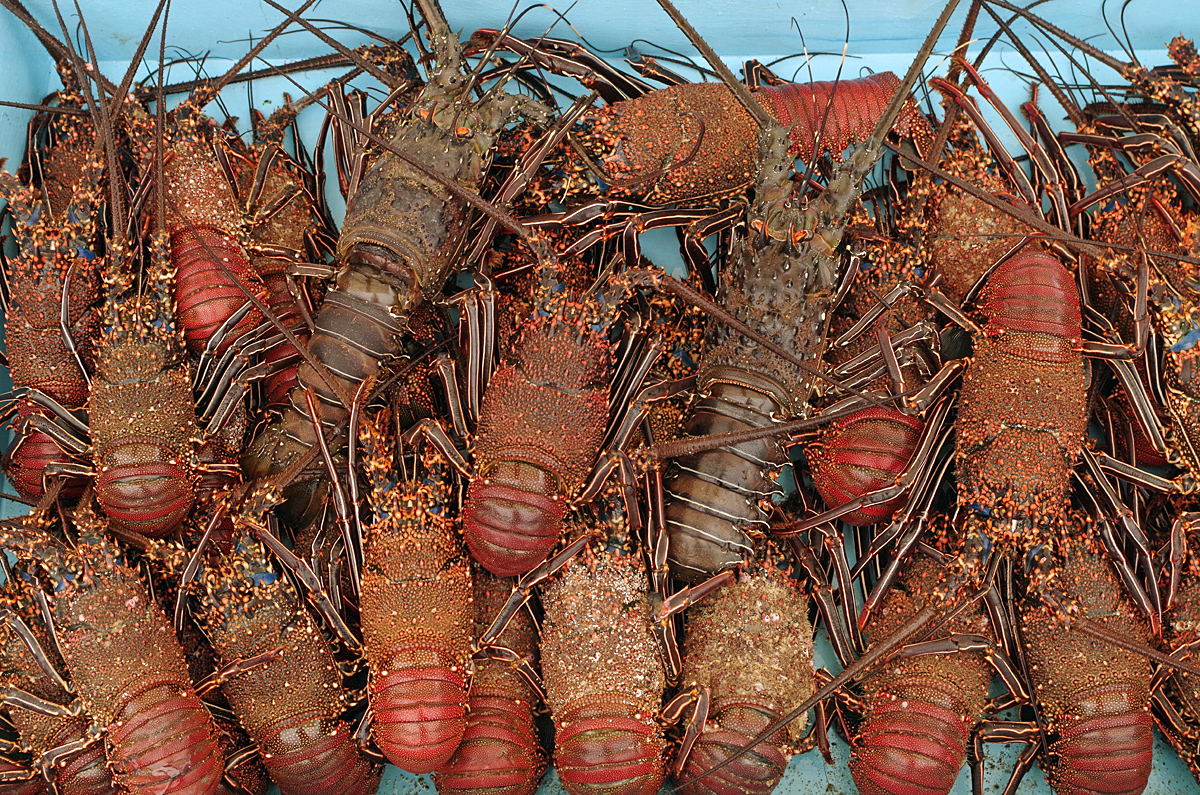
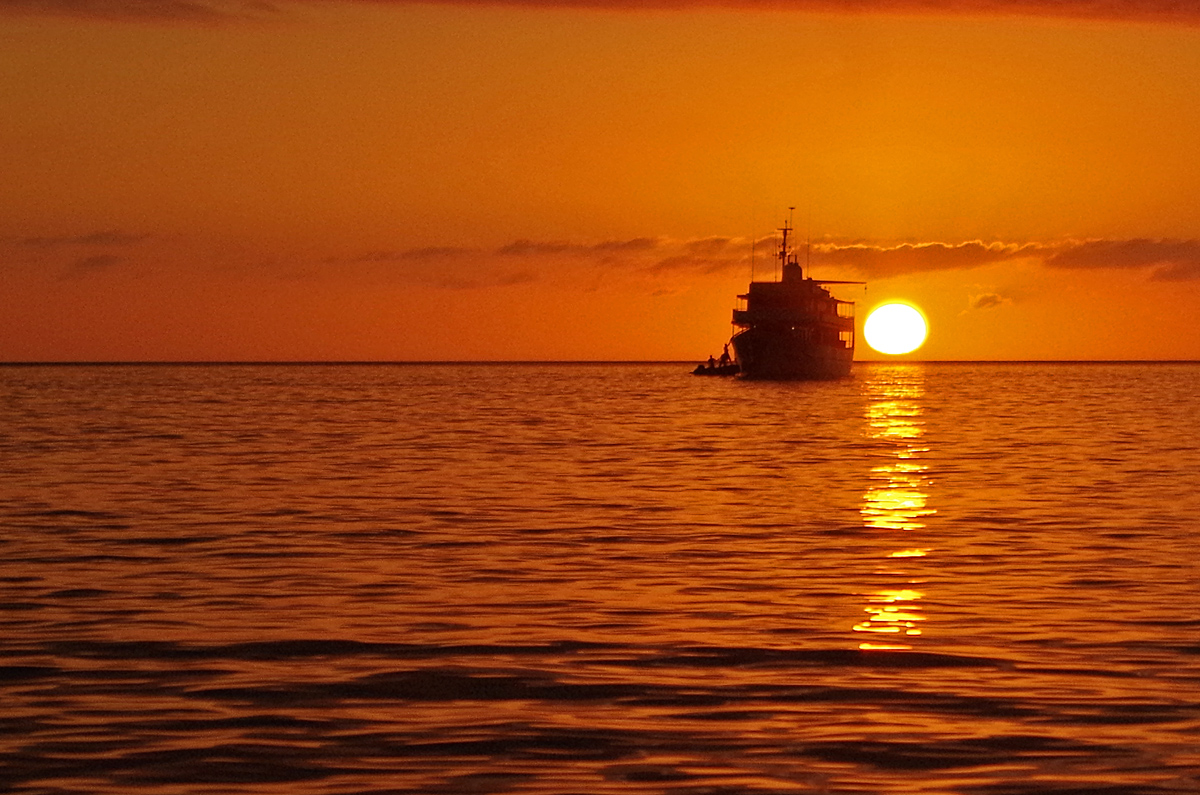 Thursday was a special day because it was Barbara’s birthday! Our adventures took us to Santiago Island’s Espumilla Beach and James Bay, including a lunchtime sail past the aptly-named Monk and Elephant Rocks. At Espumilla Beach, we encountered local fishermen who were catching bait fish using nets. These were the same types of fishing boats that caught up with the Grace each day to provide us with fresh fish, shellfish and lobsters. A group of Brown Pelicans competed for a fish that had been tossed their way by the fishermen, and a remarkable stand-off took place between a Great Blue Heron and a Galapagos Hawk, both wanting to devour the same scrap of fish. James Bay was perhaps our most beautiful land excursion, taking us over lava bridges and crystal-clear blue waters inhabited by Fur Seals, Marine Iguanas and the ever-present Sally Lightfoot Crabs. Some of the lava and stone formations are truly fascinating. The afternoon included another snorkeling opportunity before we returned to the Grace, where our Swedish adventurers dove into the ocean from the upper deck. That evening was Barbara’s birthday dinner.
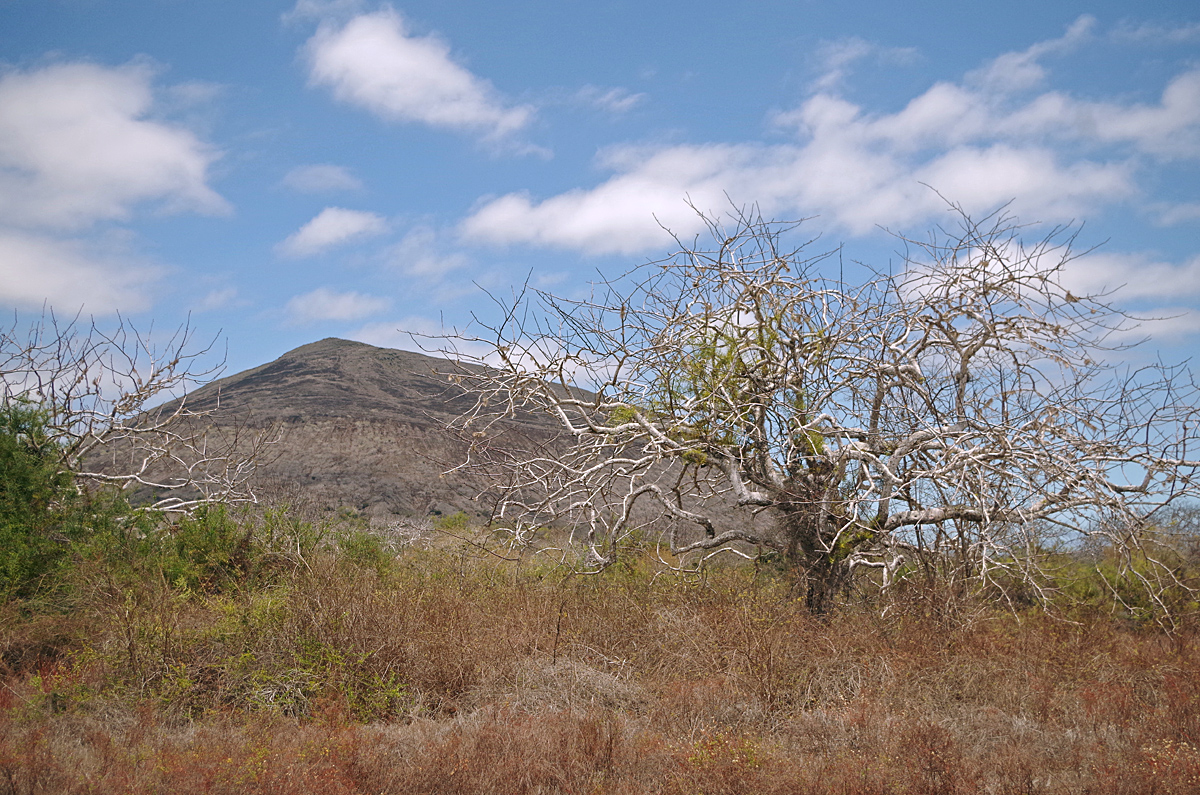
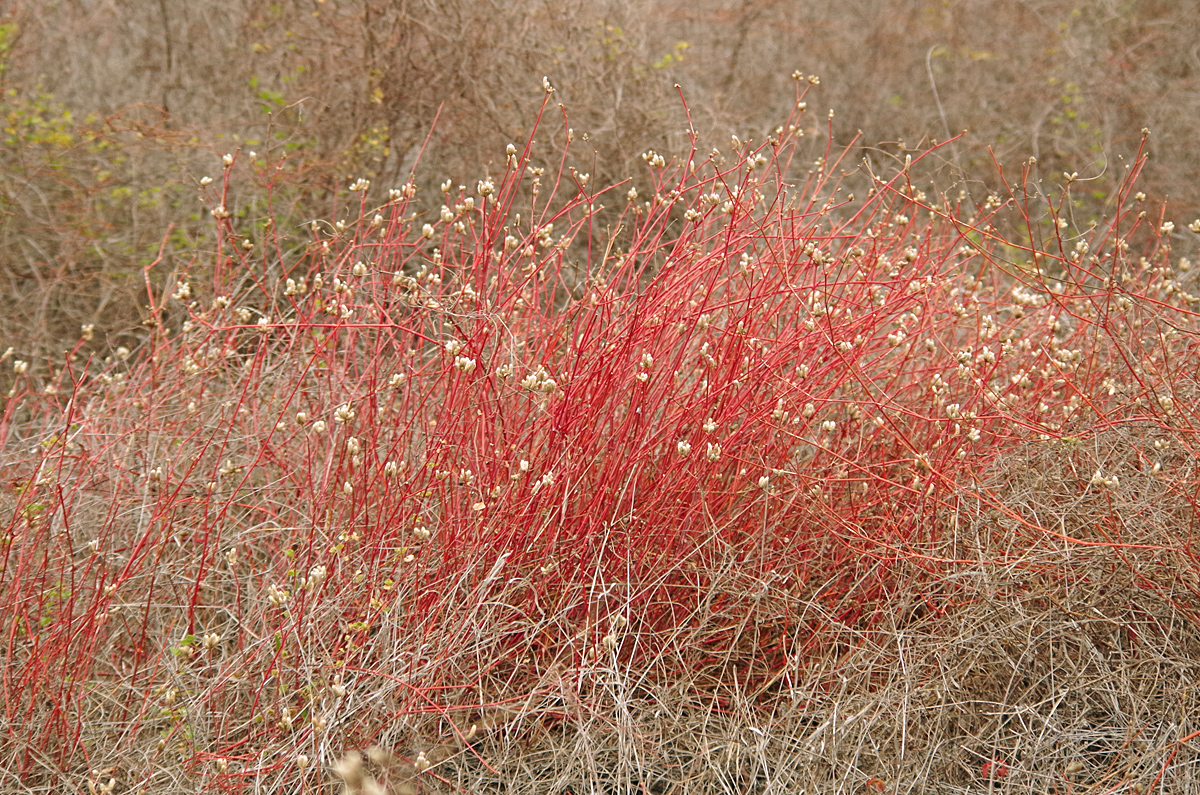
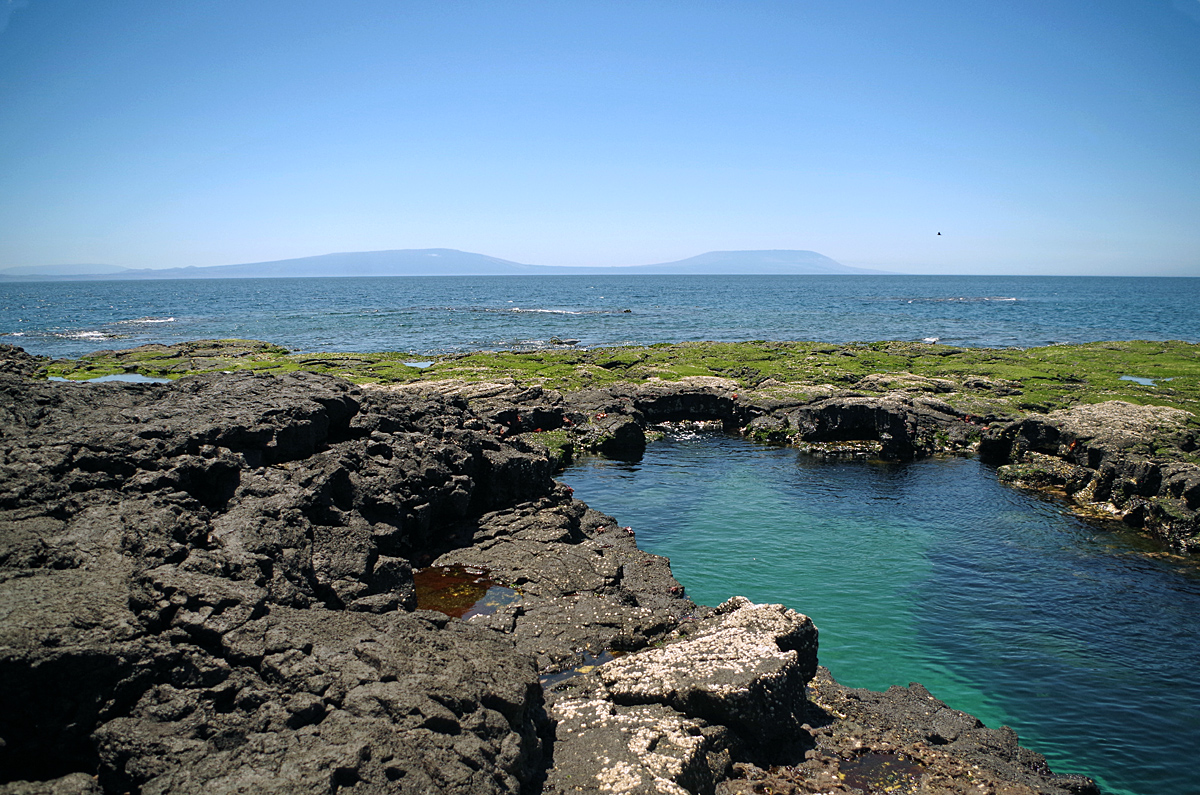
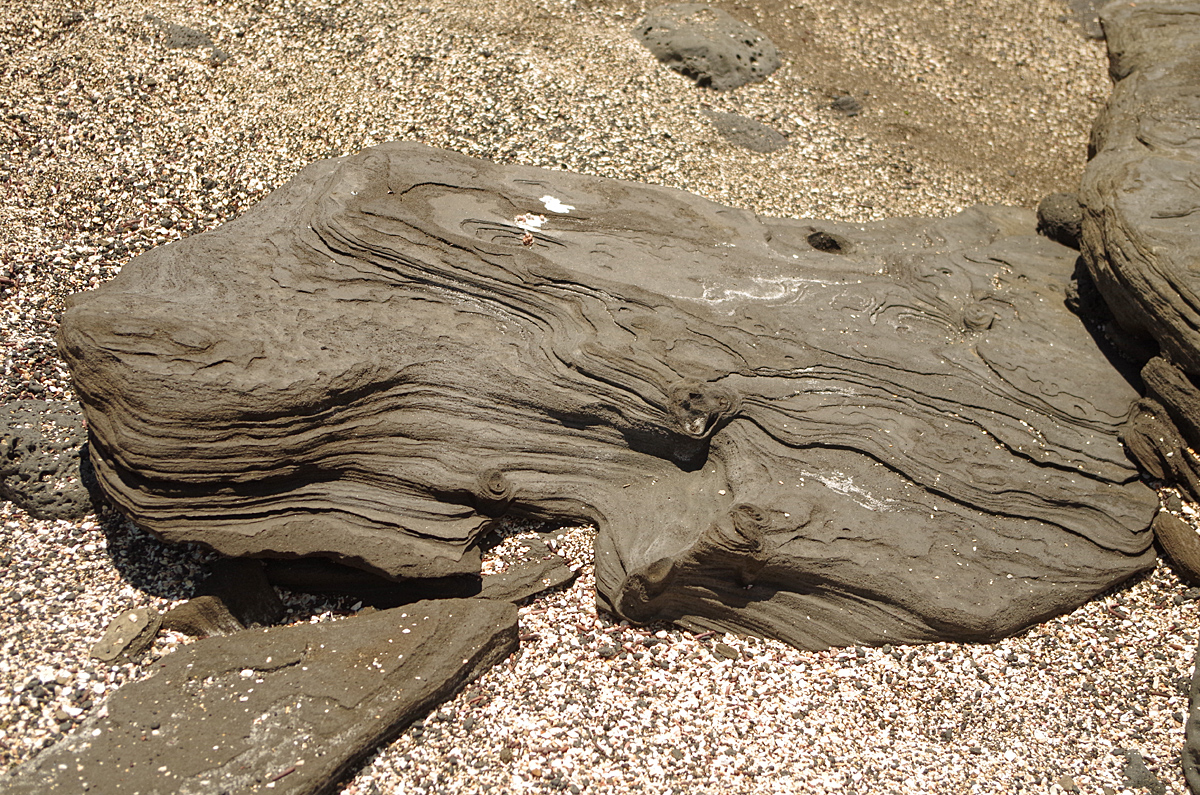
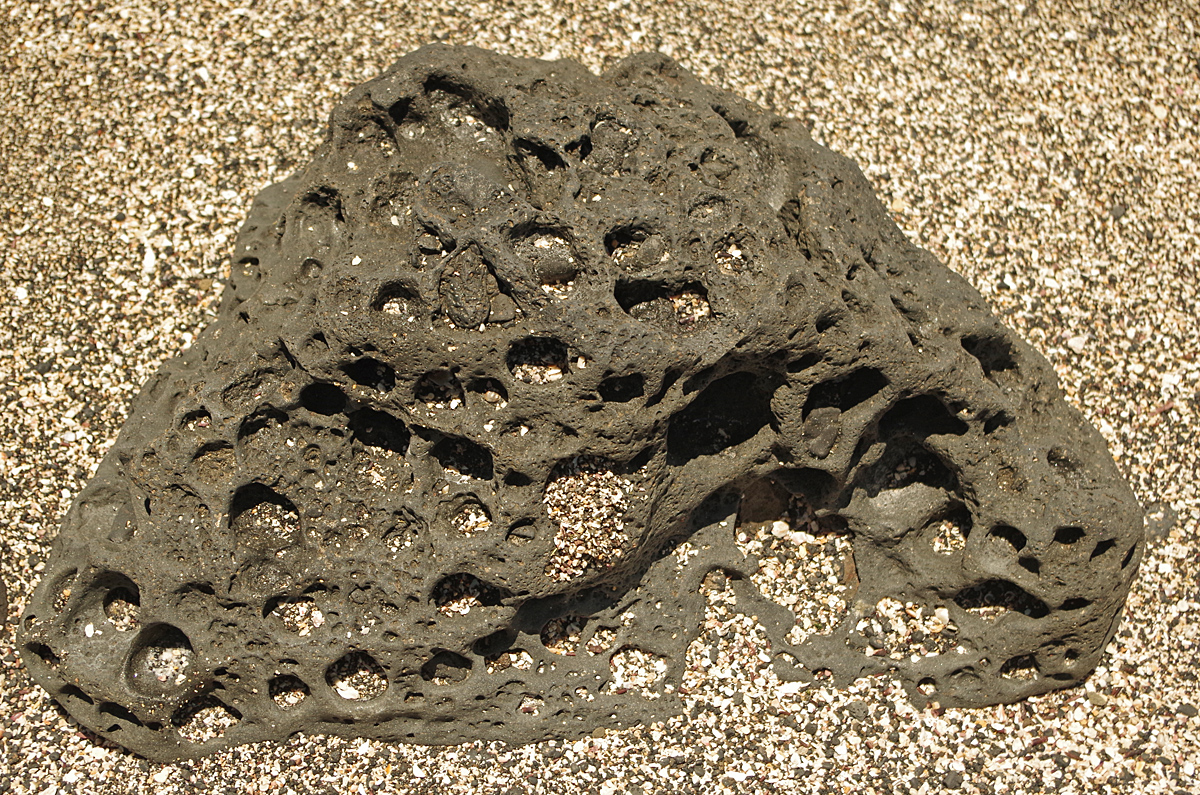
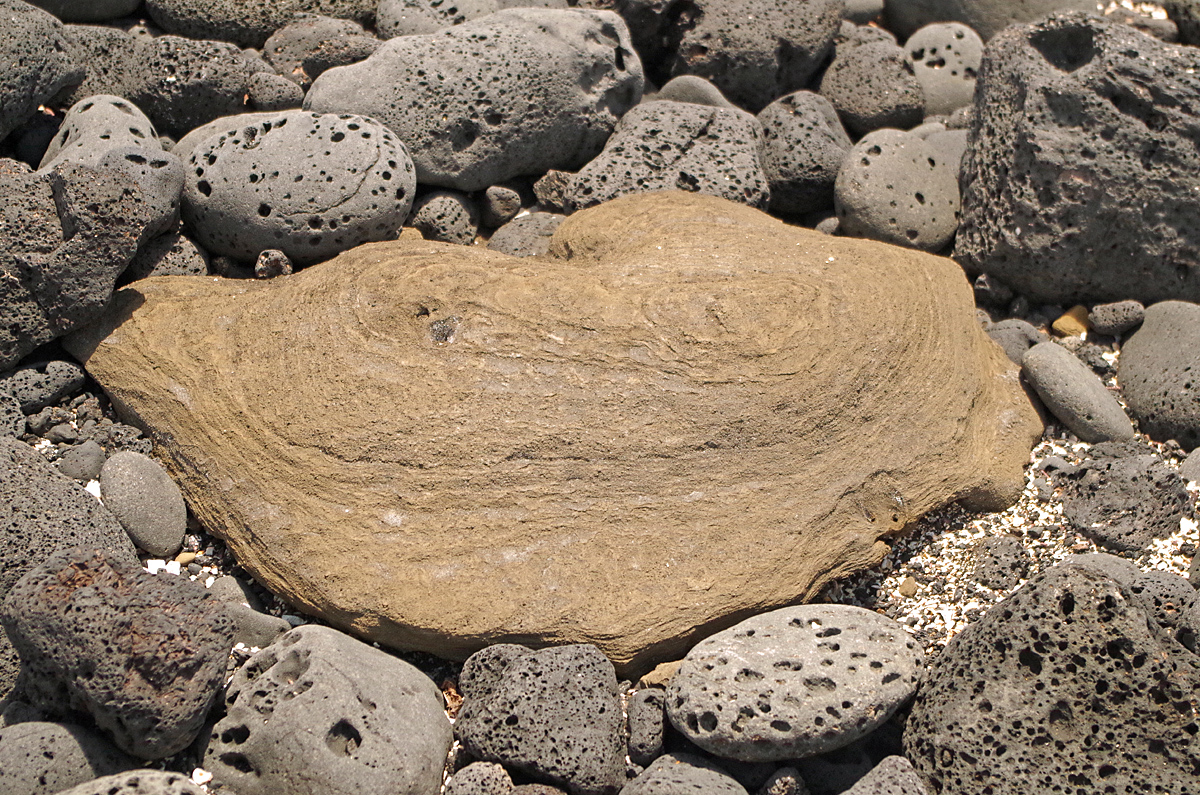
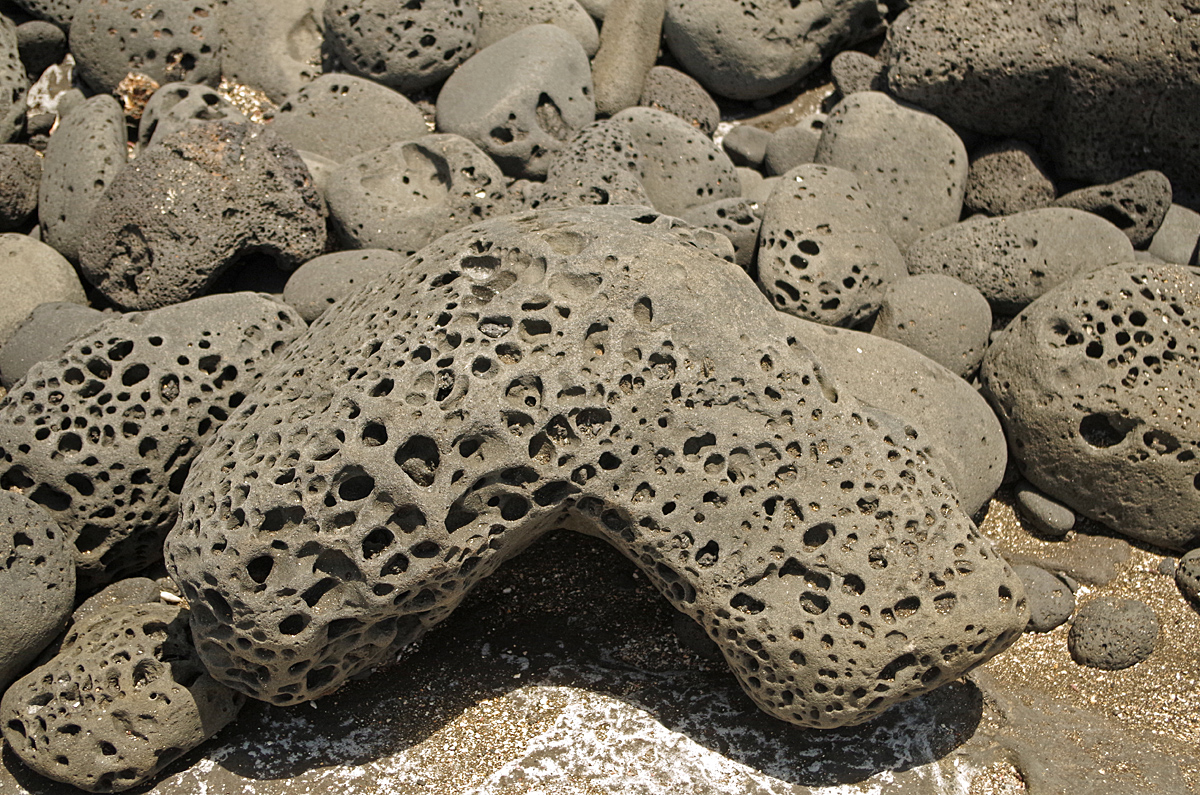
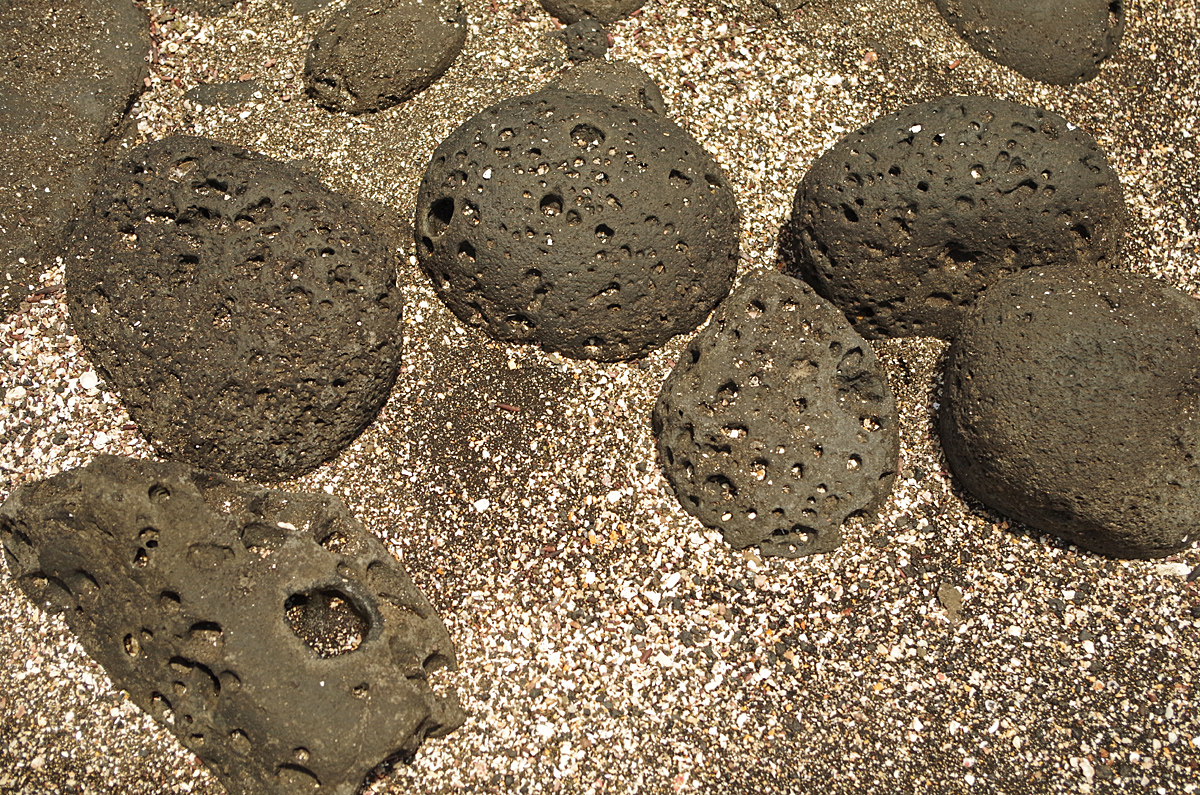
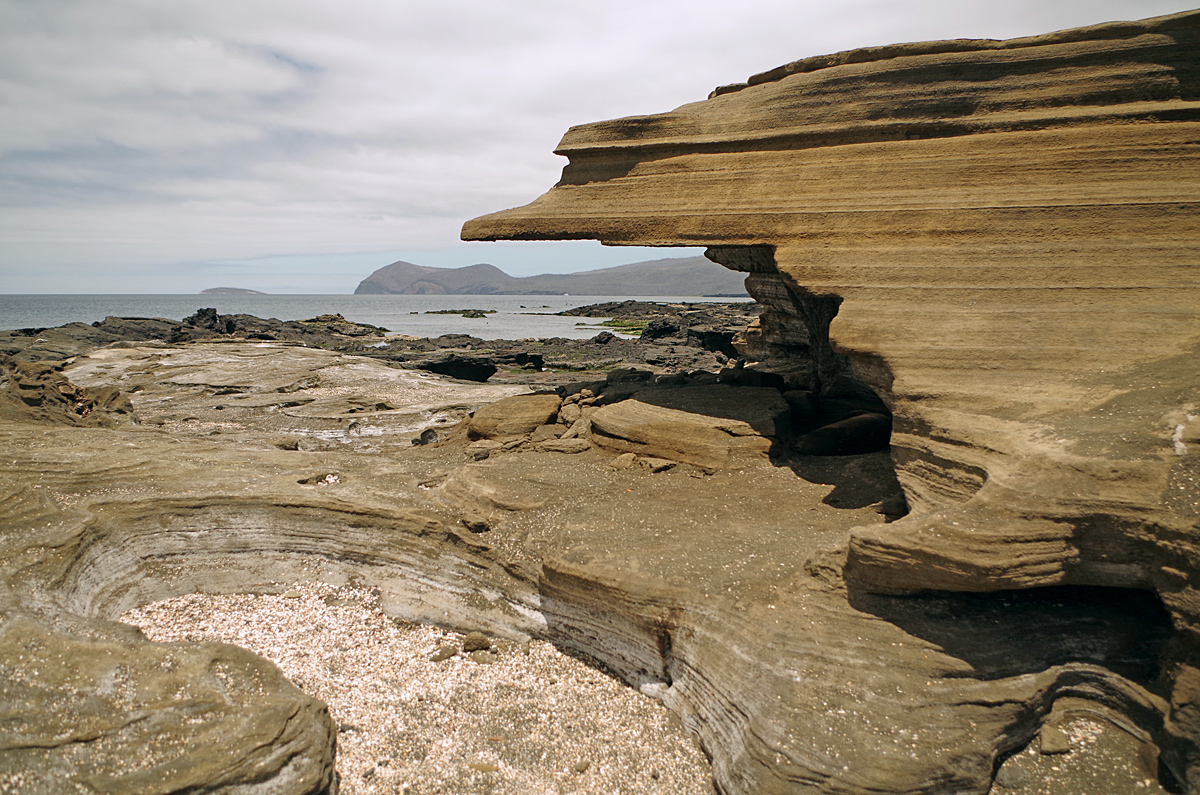
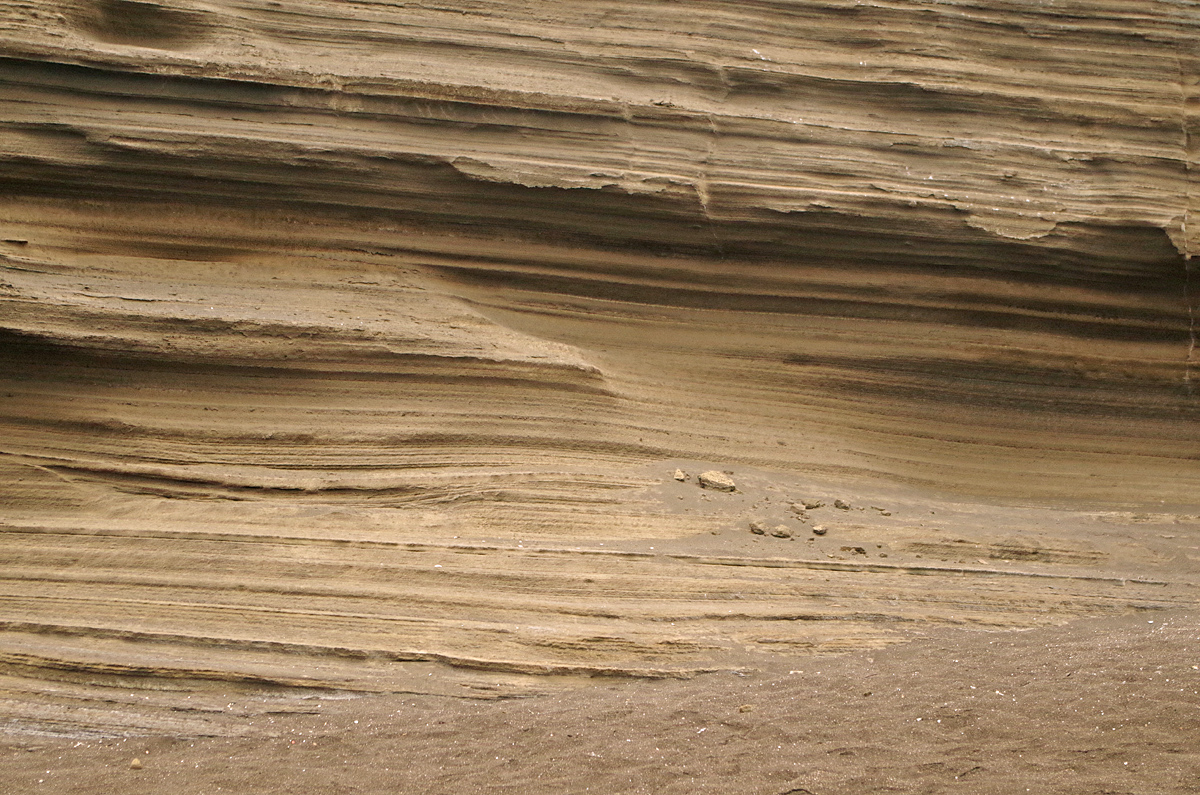
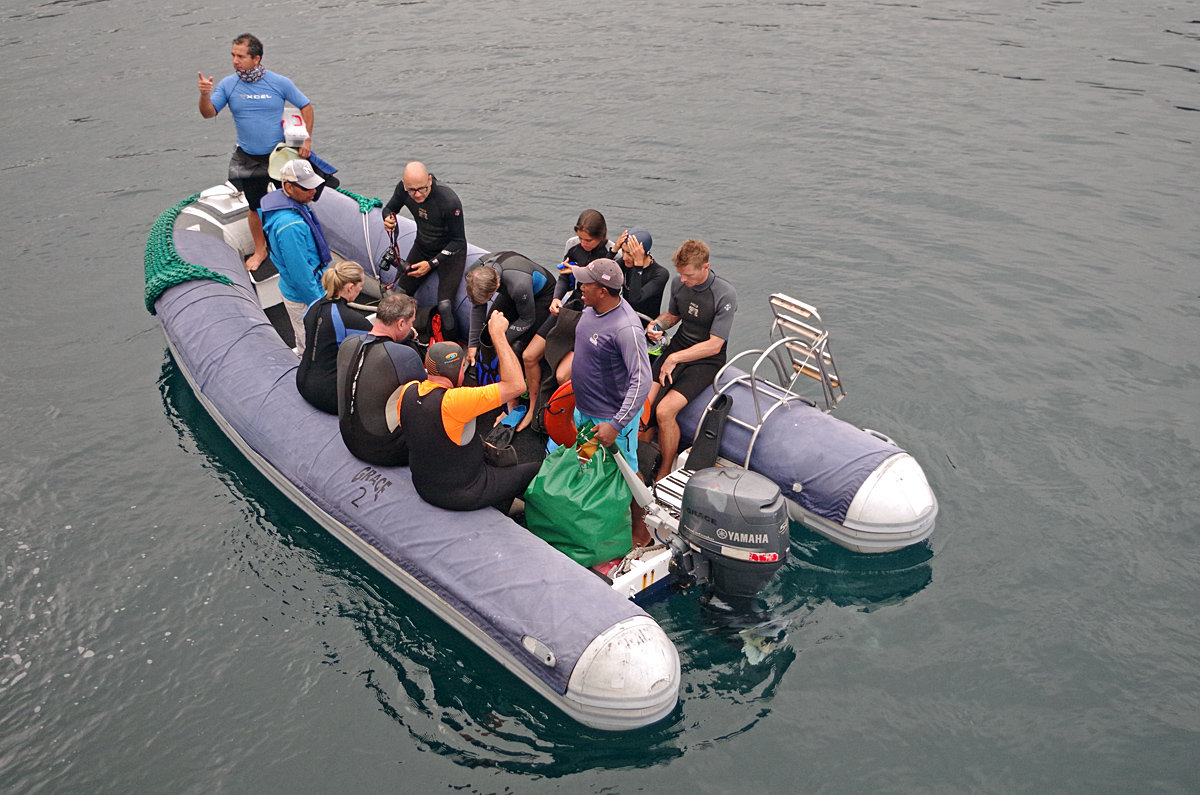
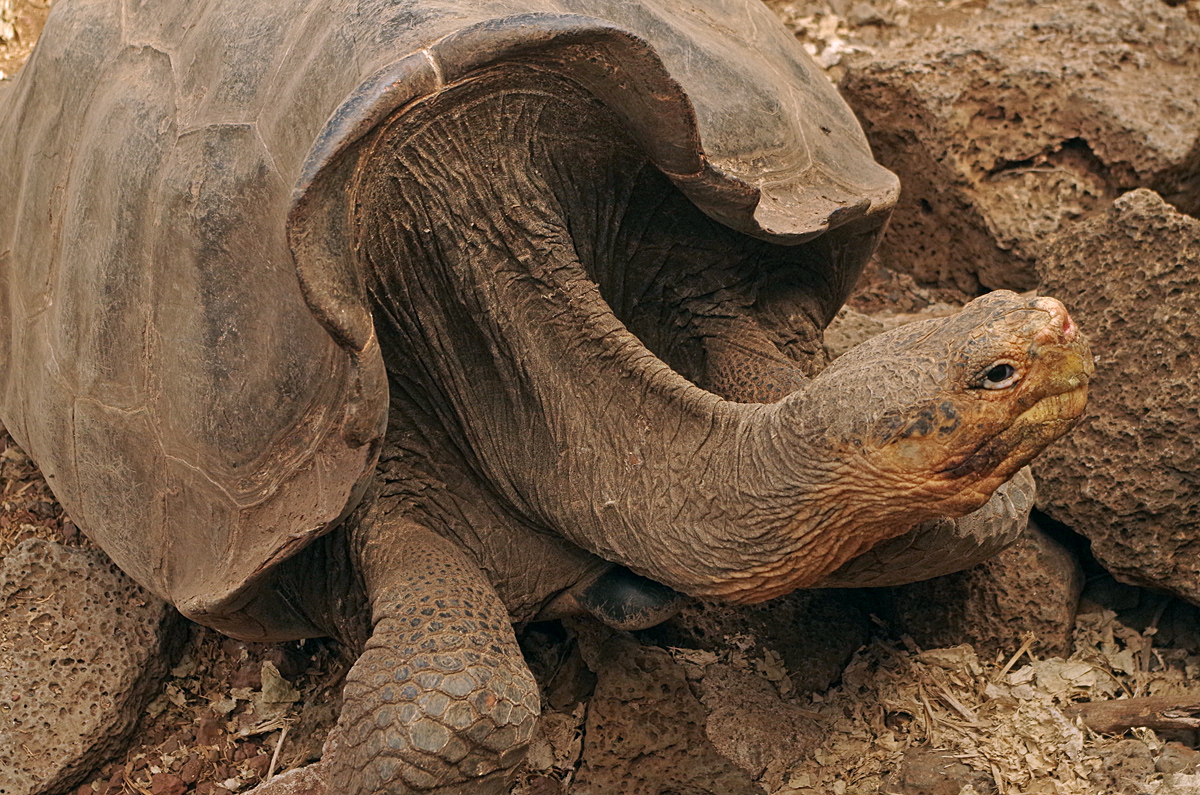
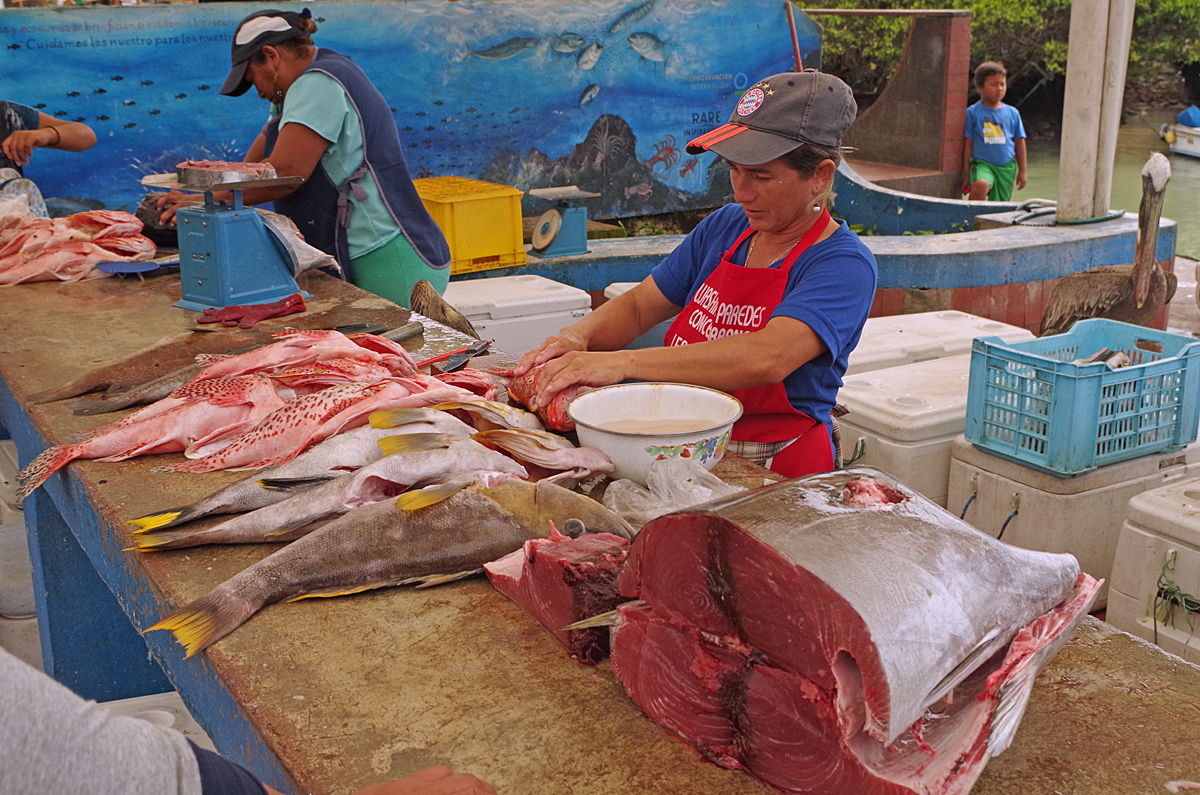
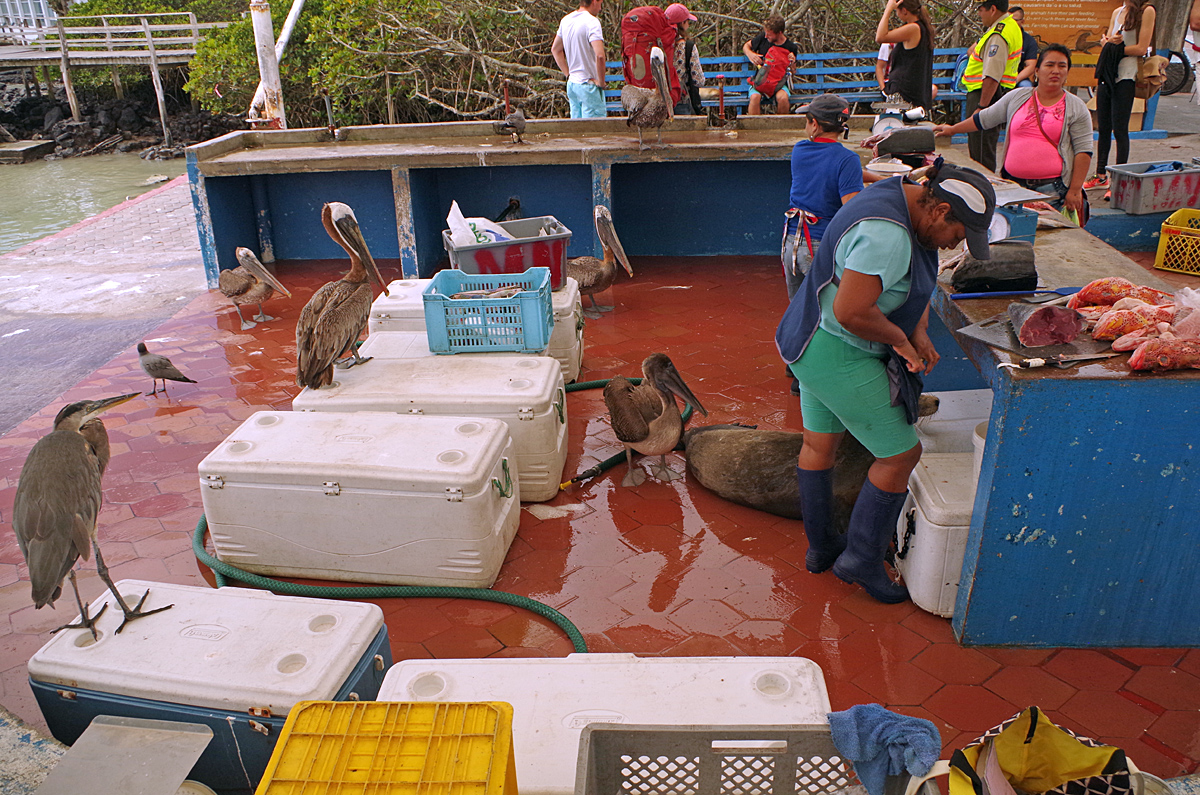
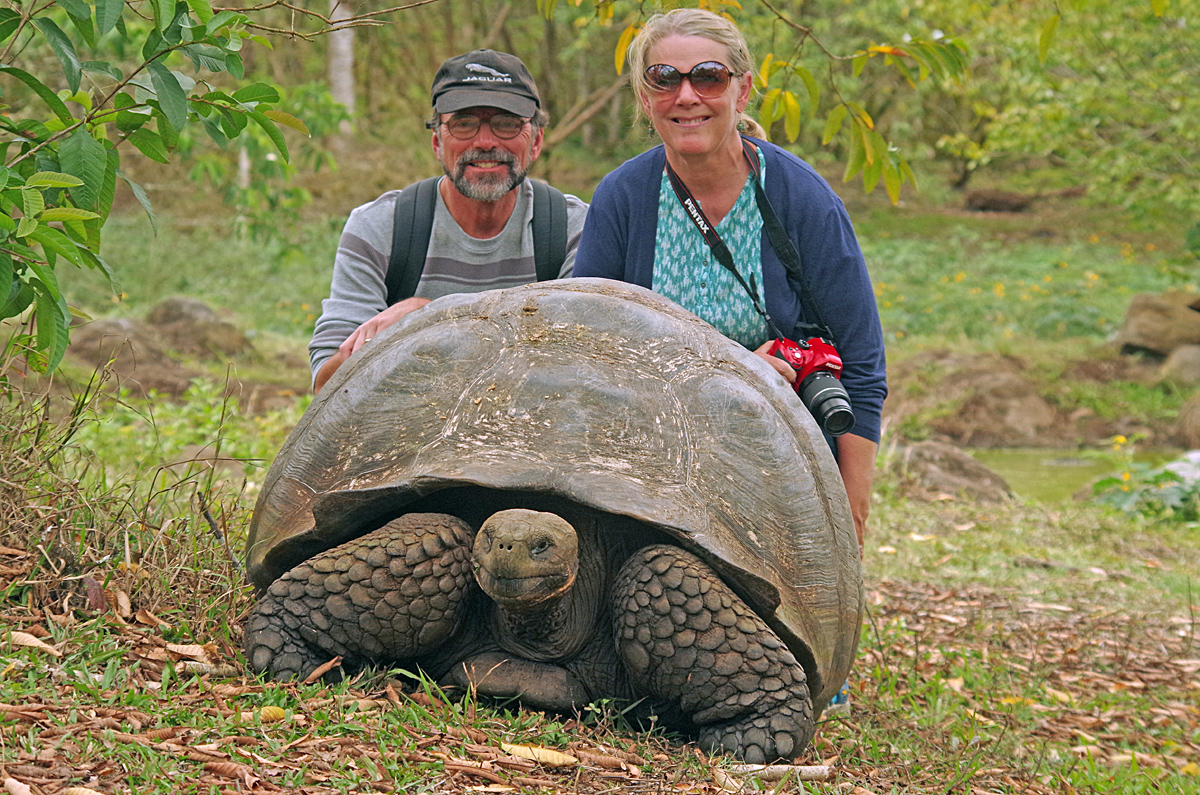
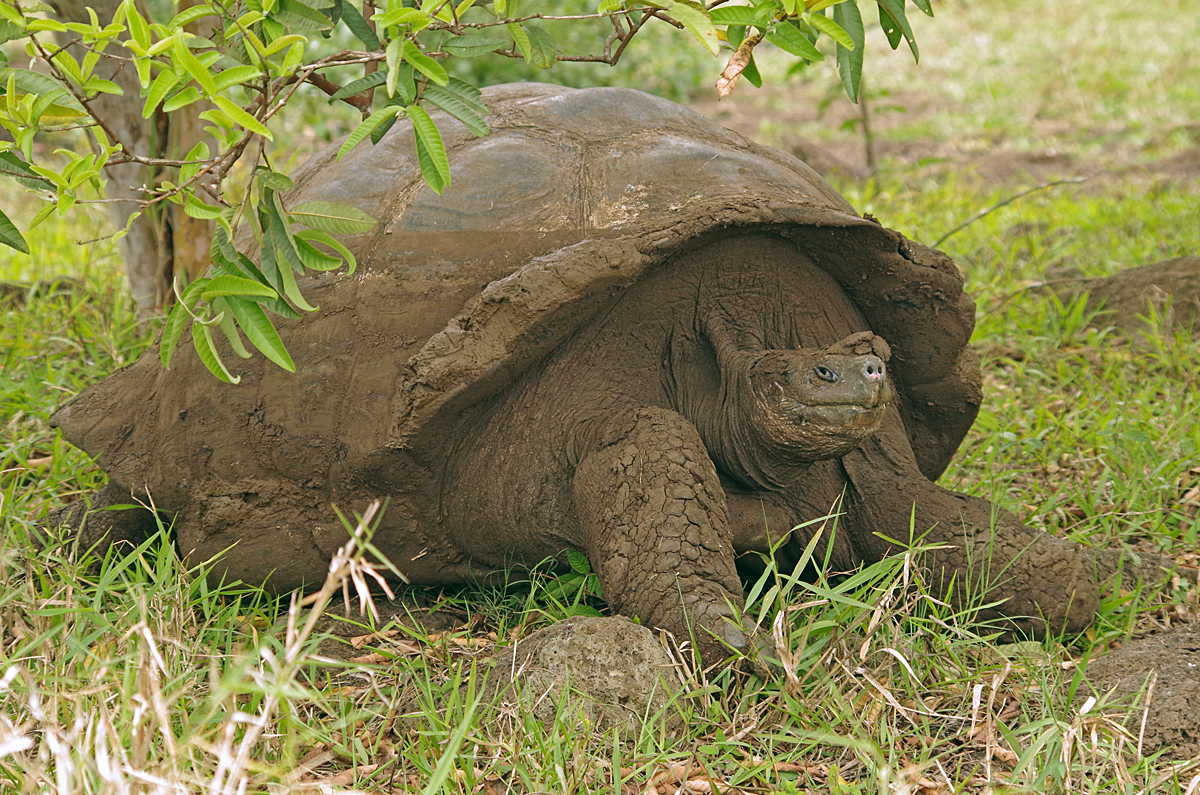
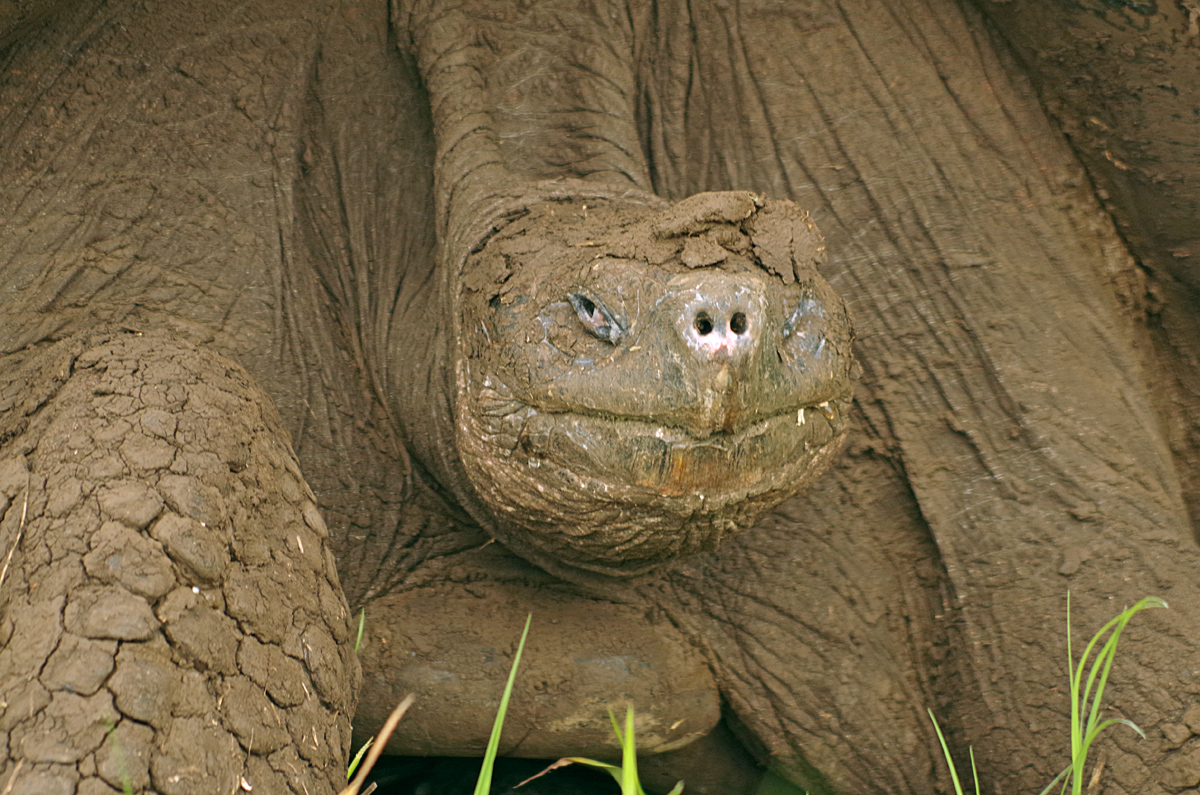
 On Friday, we visited Santa Cruz Island, another of the inhabited islands in the Galapagos. It is home to the Charles Darwin Research Station (that we visited), where there is a Giant Tortoise breeding program. We also spent time walking through the streets of Puerto Ayora, including a visit to the open-air fish market near the docks. In the afternoon, we took a bus to the Highlands and the amazing Rancho Primicias tortoise reserve, as well as a nearby lava cave.
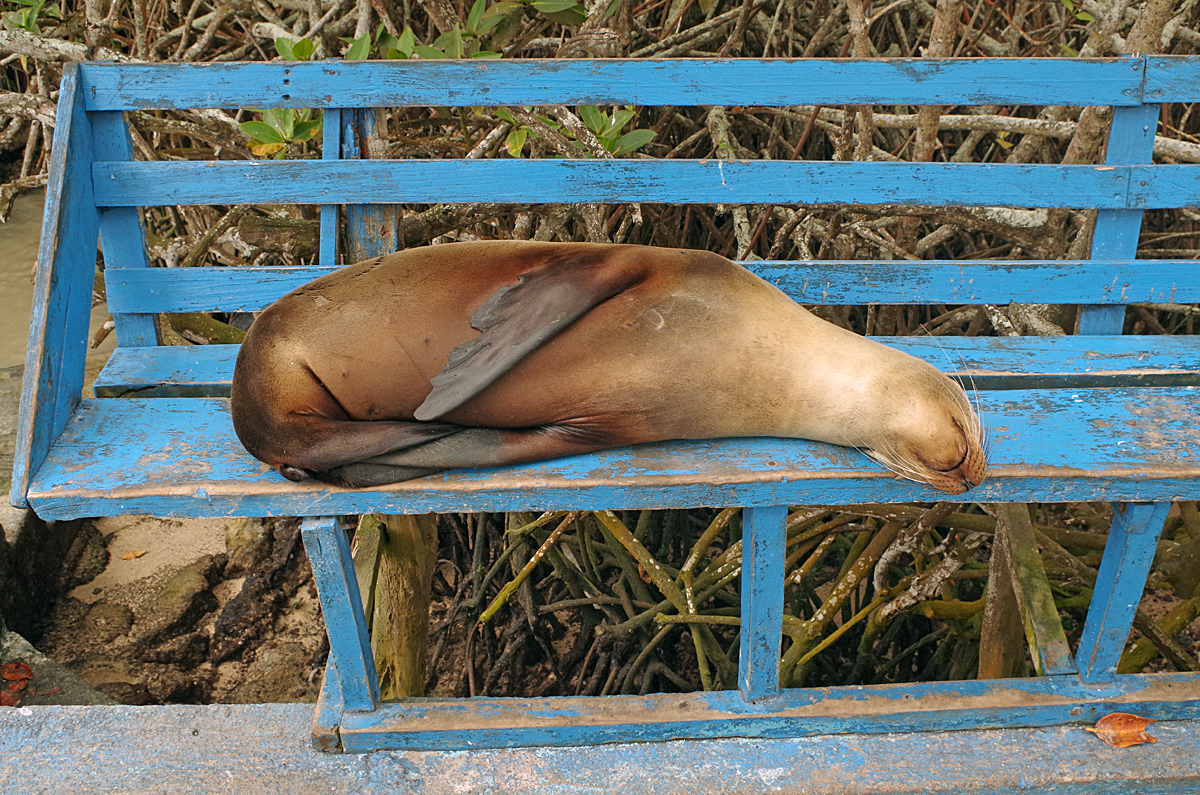
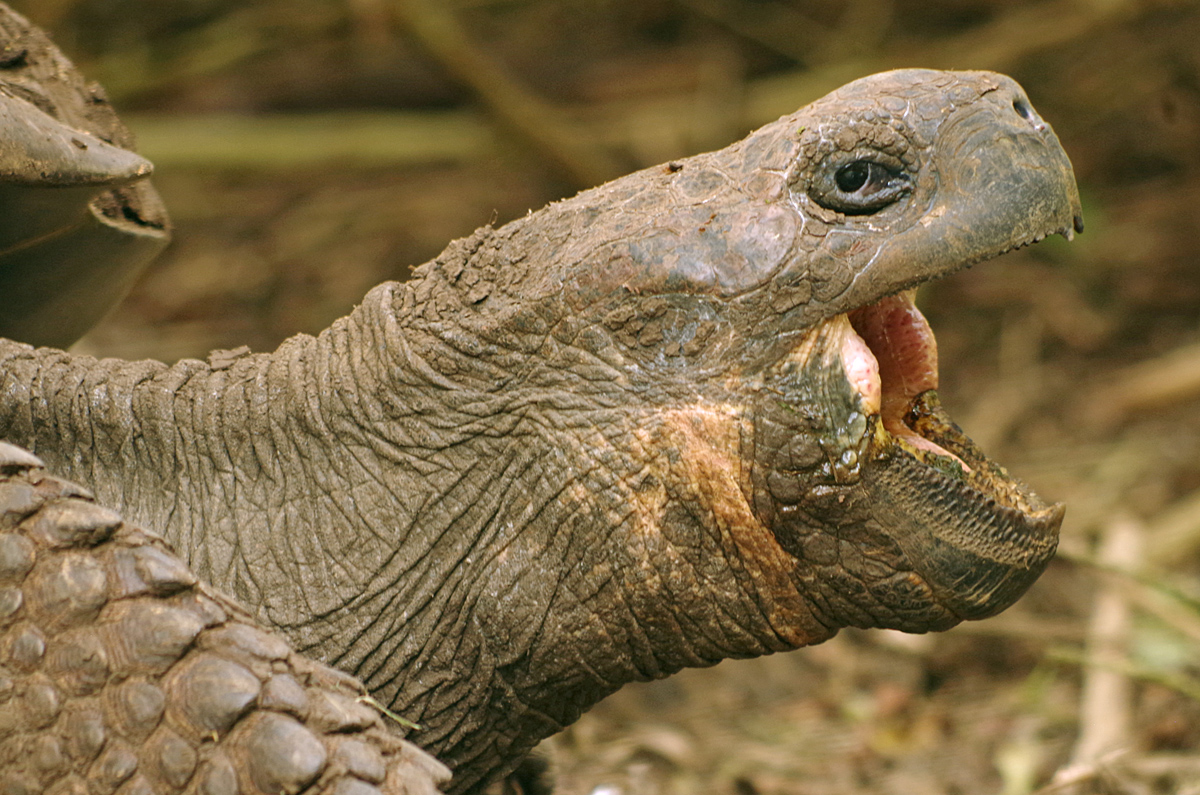
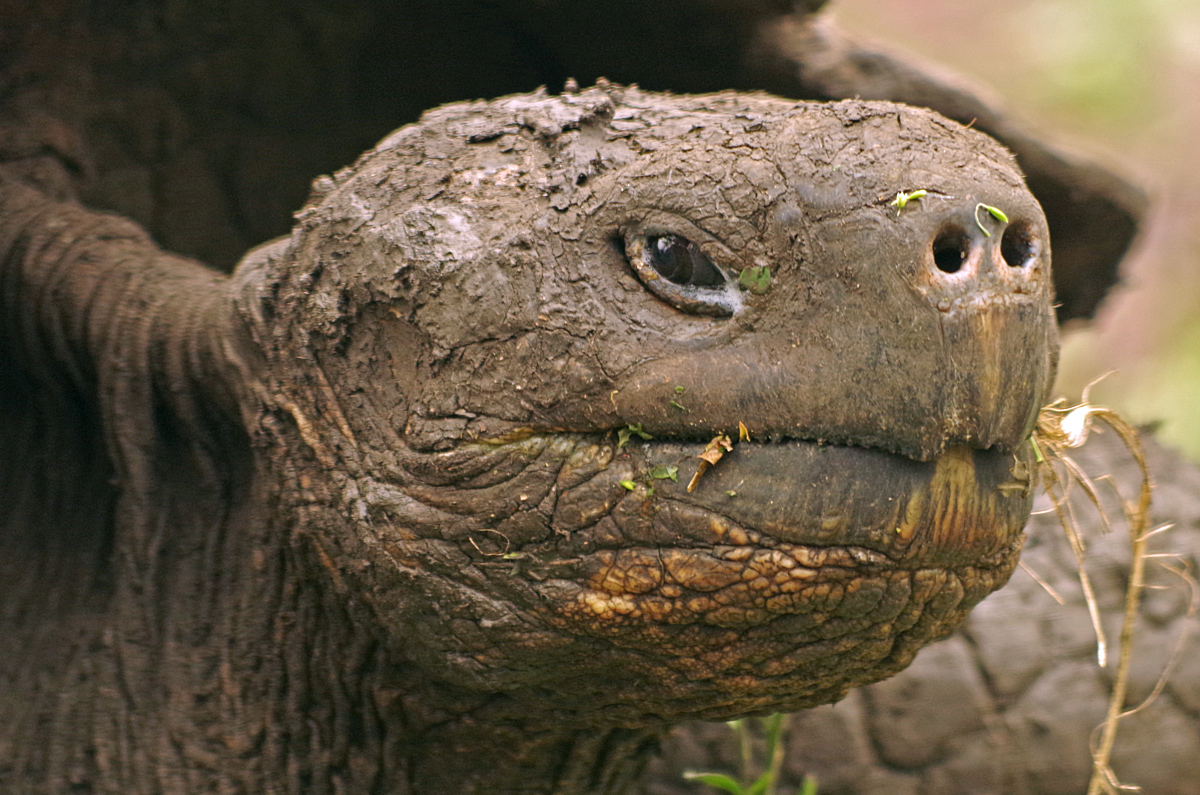 On Saturday, we spent time back in the civilization of San Cristobal Island and the Galapagos National Park Visitor Center prior to our flight back to the mainland, where we returned to the capital city of Quito and the remainder of our trip.