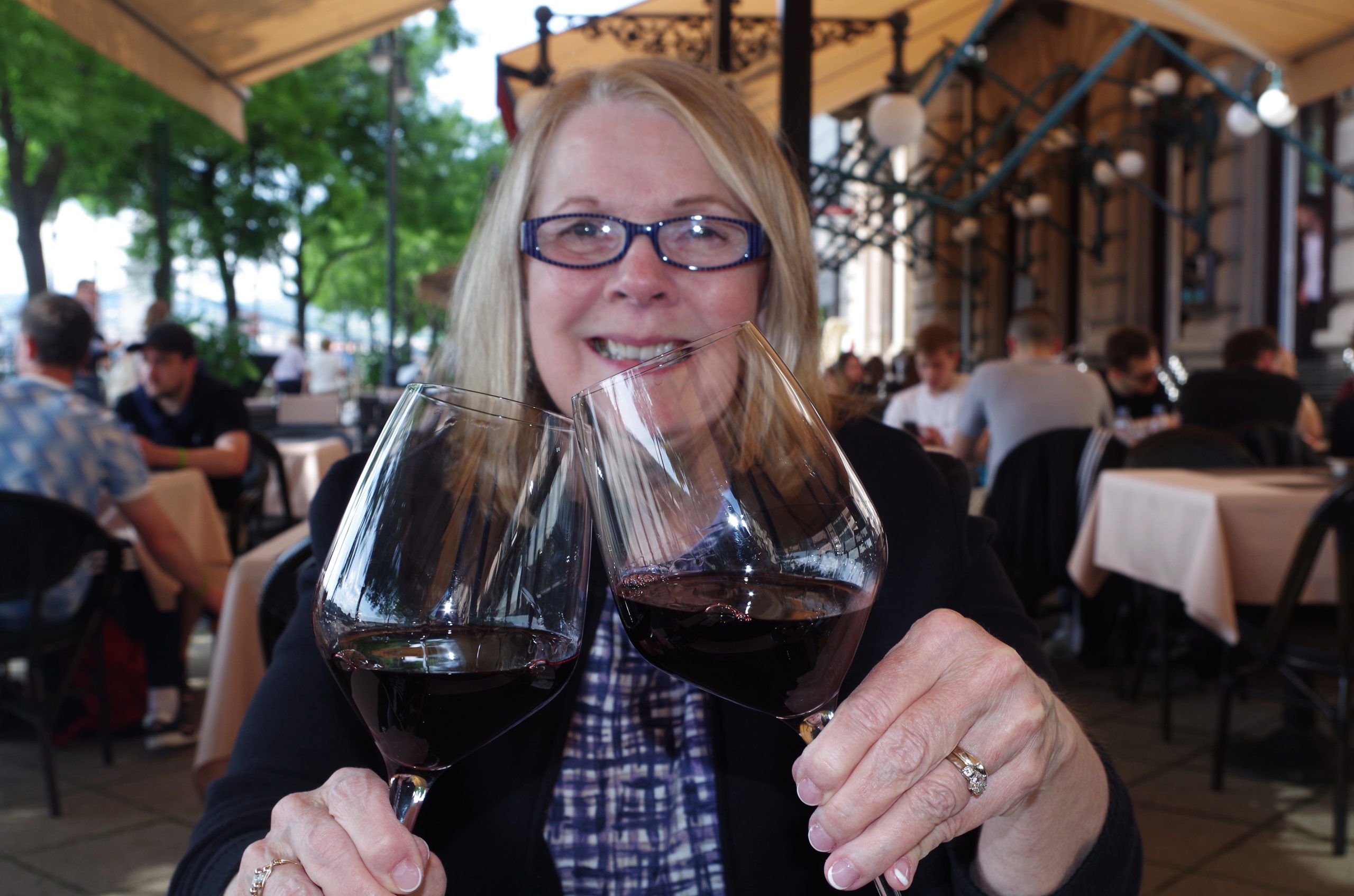
We were quite tired upon our arrival in Budapest, with Central European Time being 6 hours ahead of our body clocks. Scenic had booked our stay at the Budapest Marriott Hotel, which is located directly on the Danube in the Pest side of the city. Our room was quite pleasant, with a river view. There are a number of cafes and restaurants right along the river, where we enjoyed a relaxing meal and drinks.
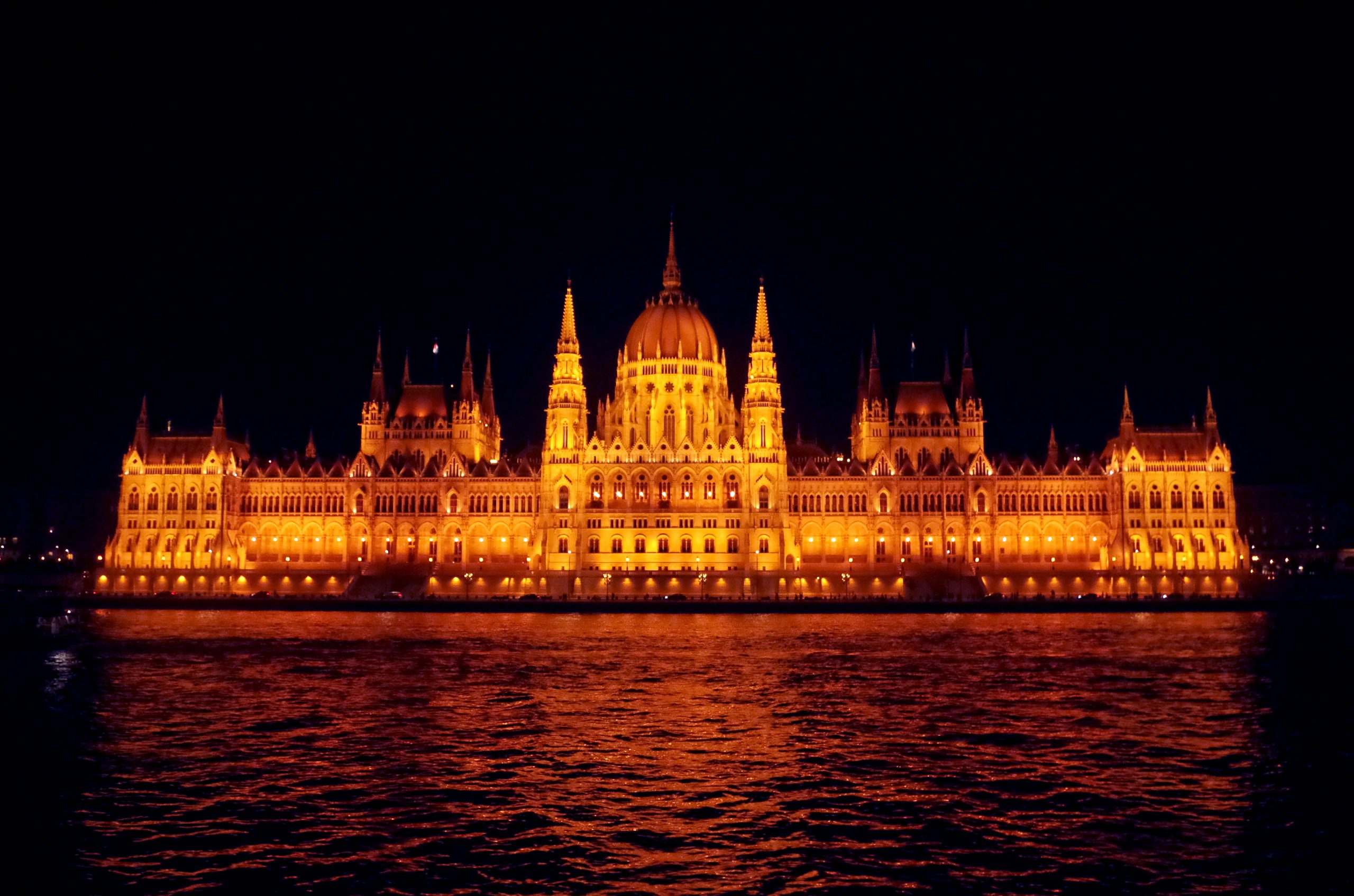
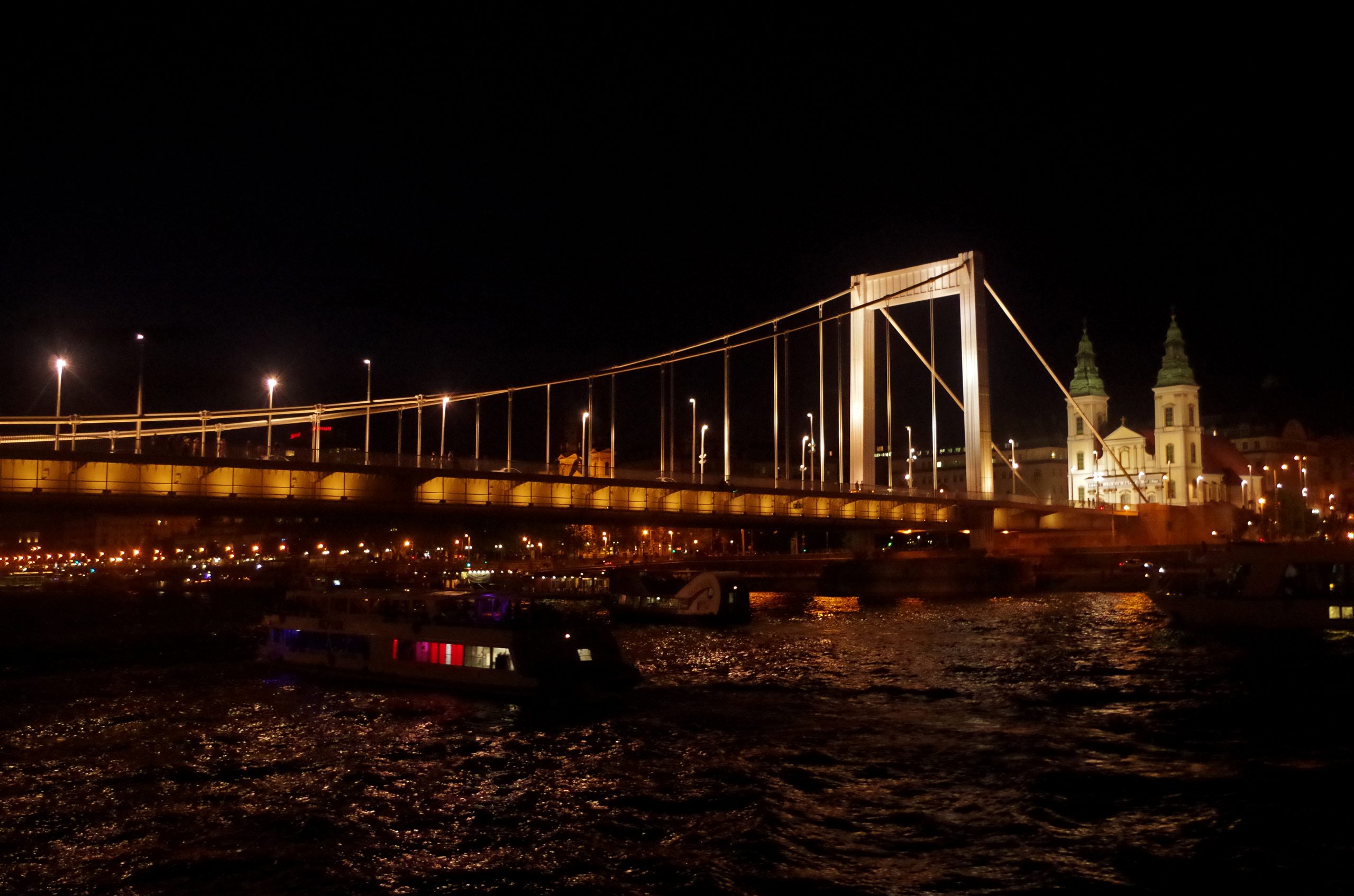
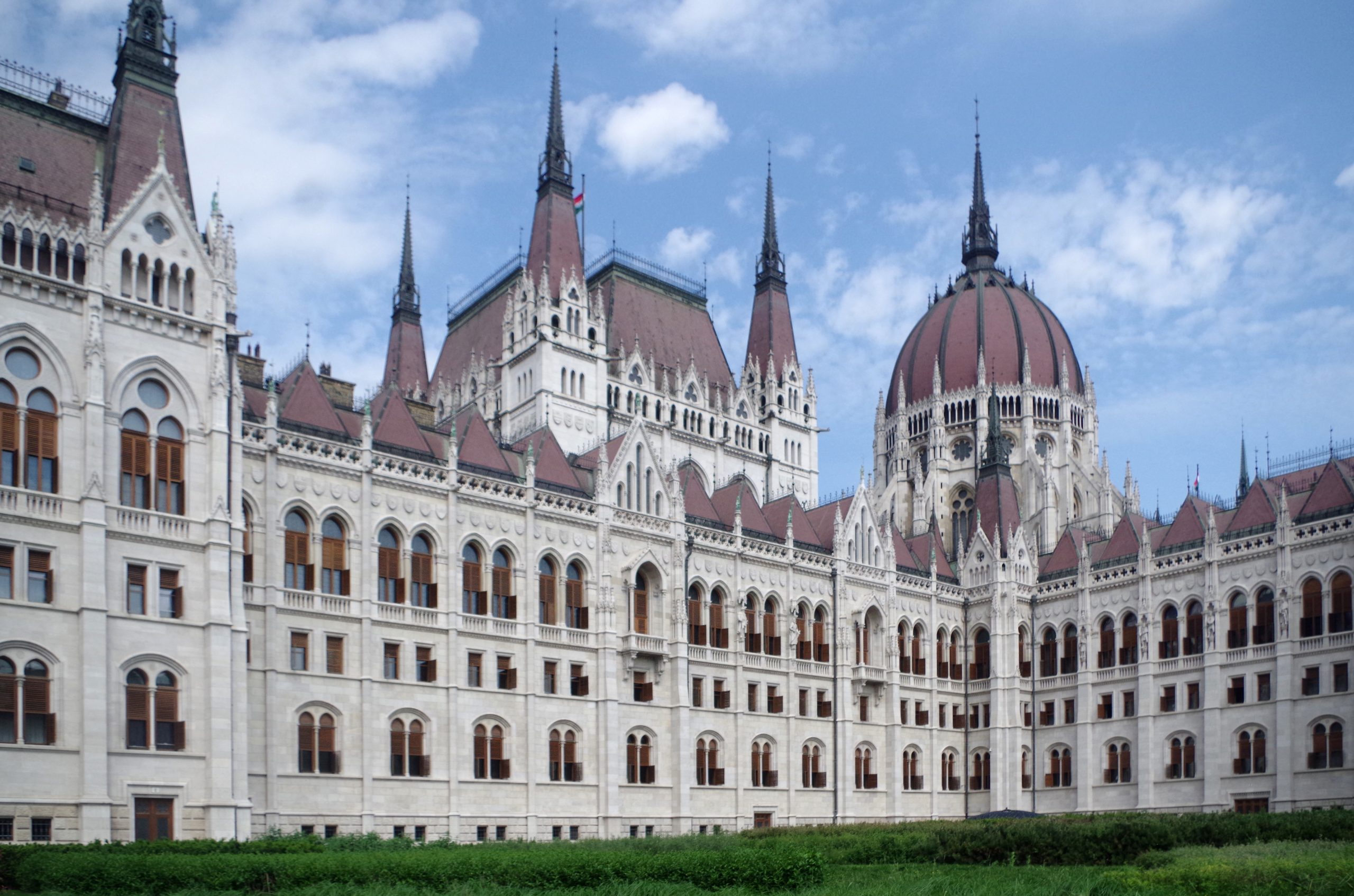
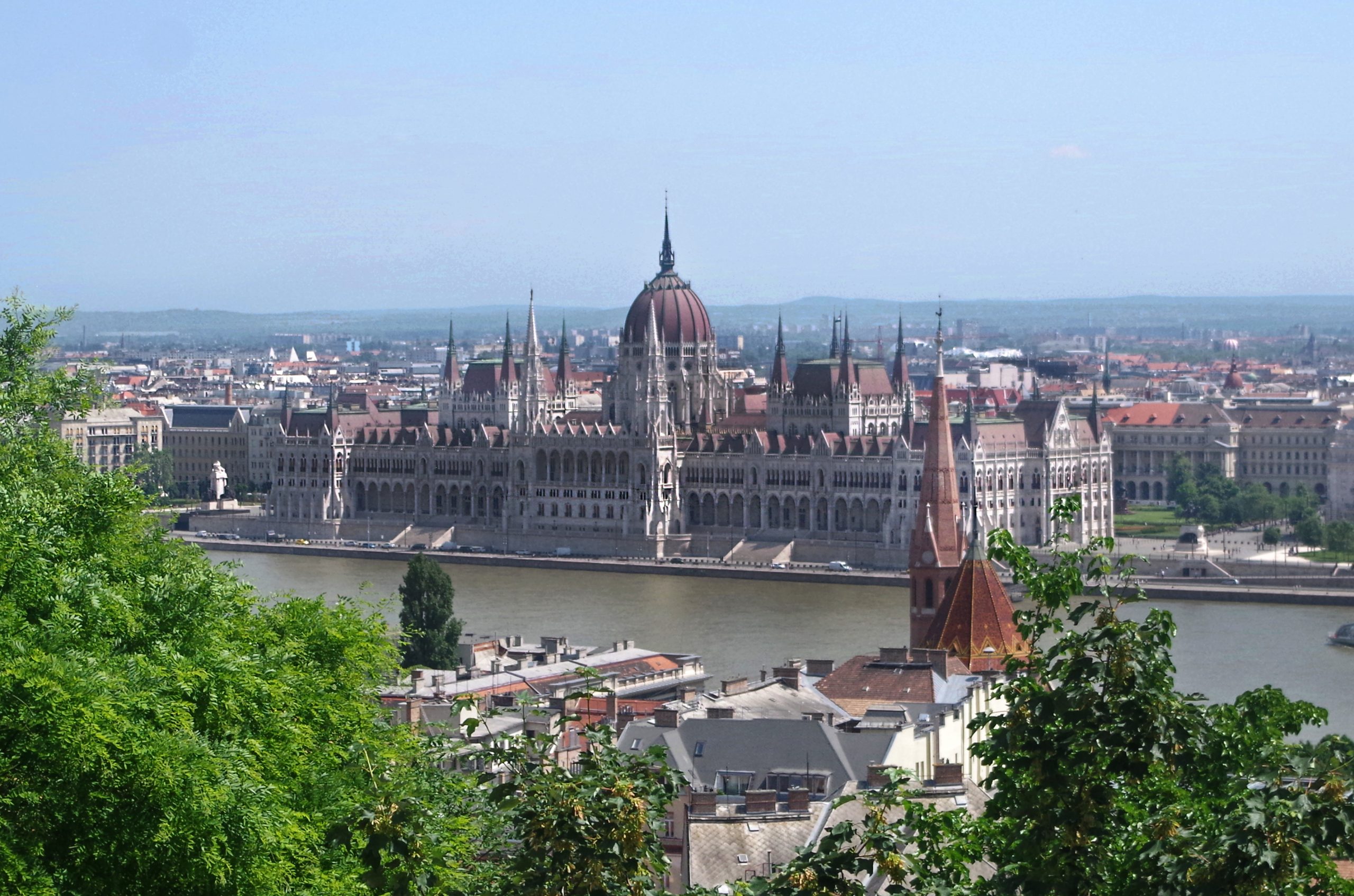
Later that evening, tired or not, I ventured out to explore the city on a Sunday night, which was a wonderful experience. Roadways are closed to motor vehicles (perhaps only nights on weekends), creating a wonderfully relaxed pedestrian experience. Here are a few photos that I took that evening, culminating when the fabulous Hungarian Parliament building comes into view. It is difficult to portray the expansiveness of this complex in photos. It is based upon the Parliament in London and is the third largest such government building in the world.
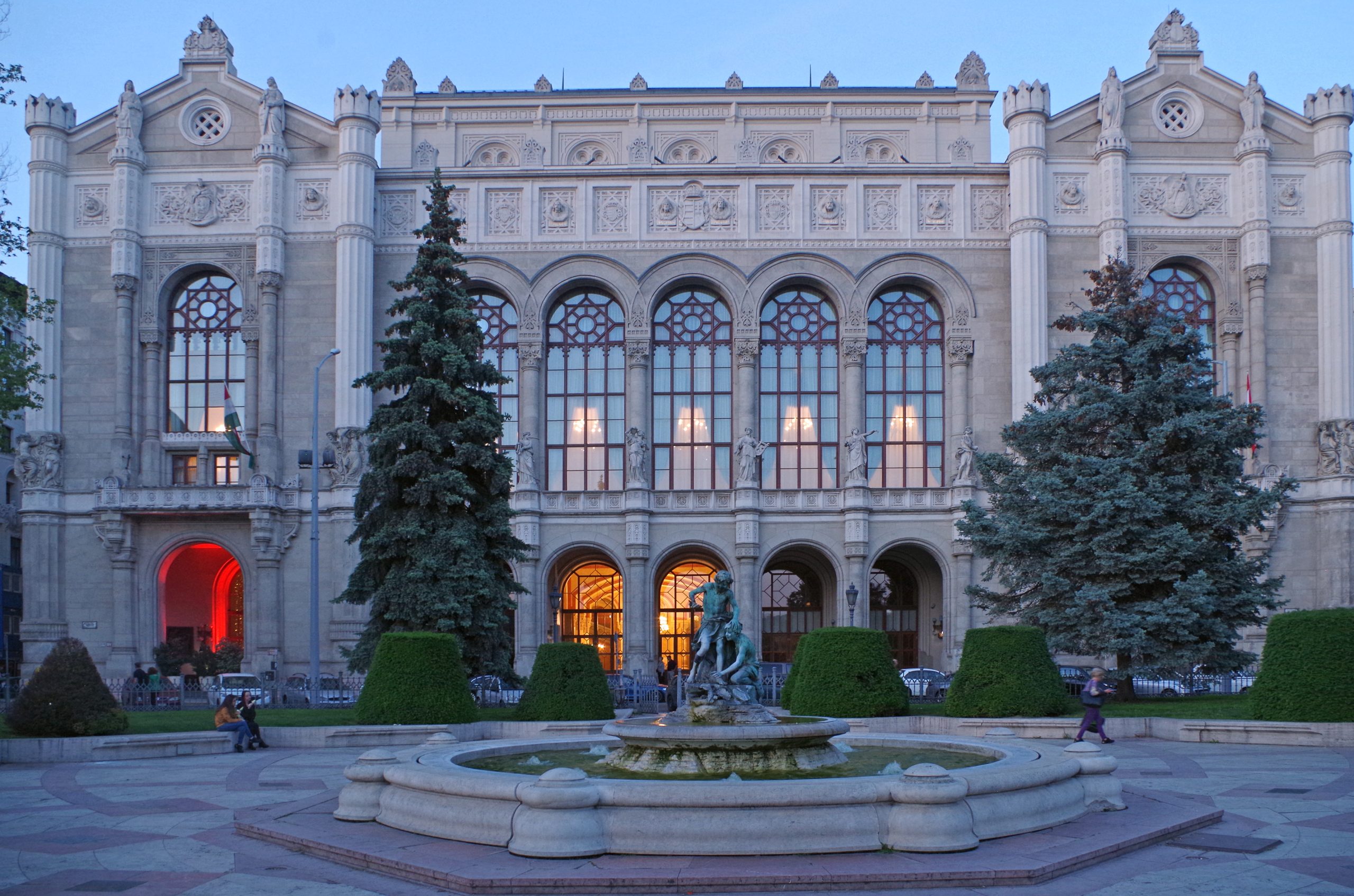
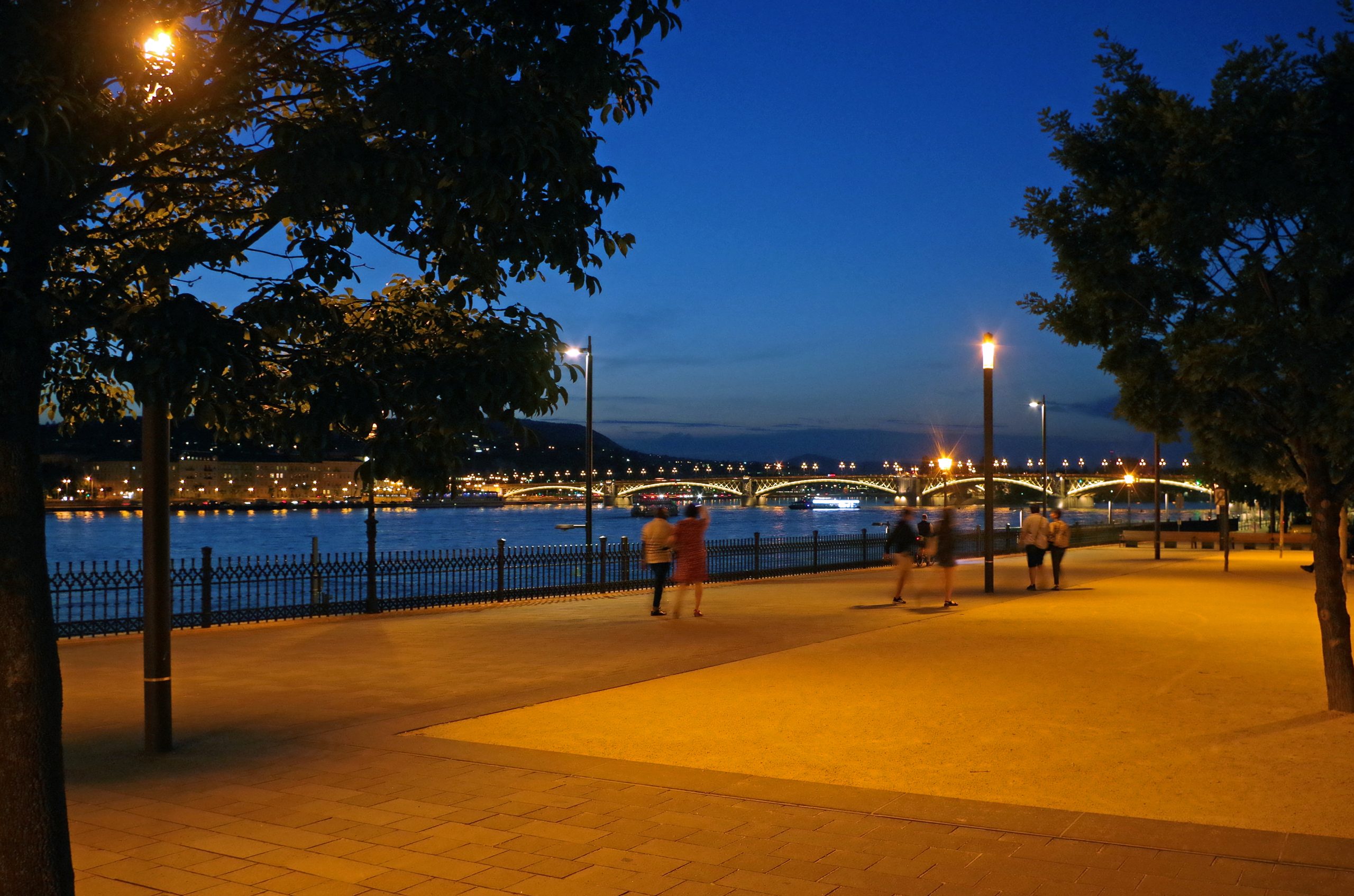
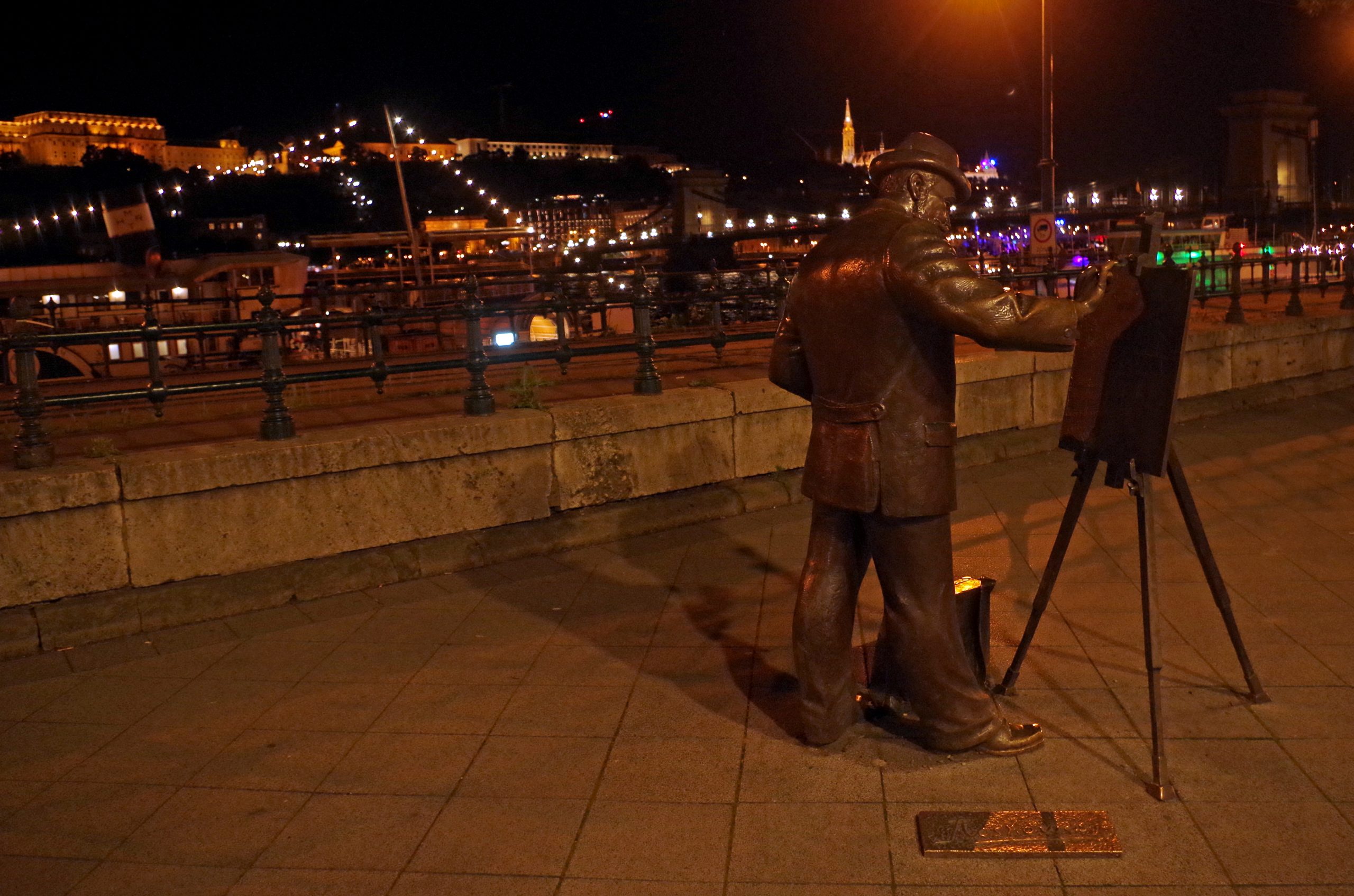
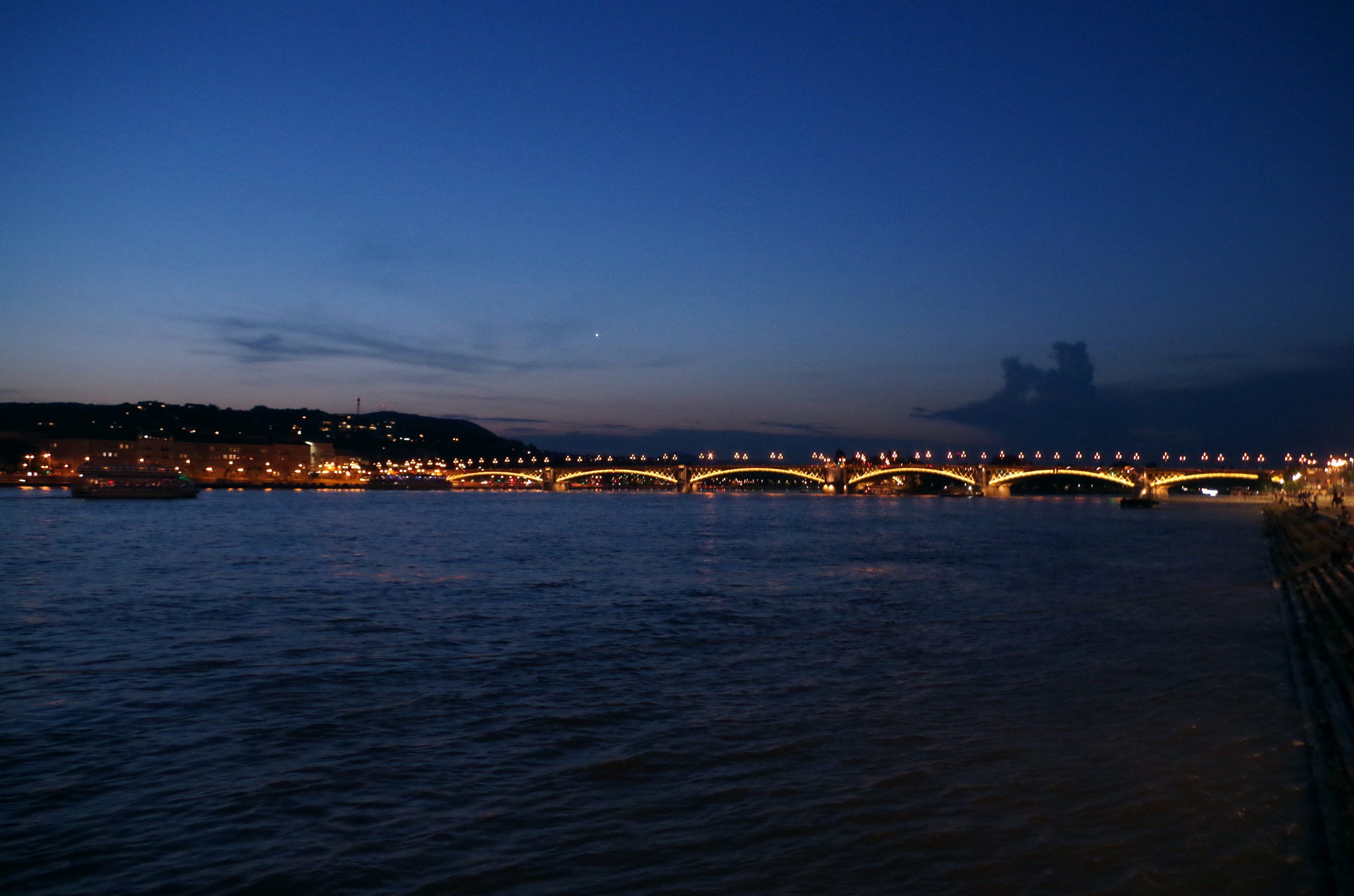
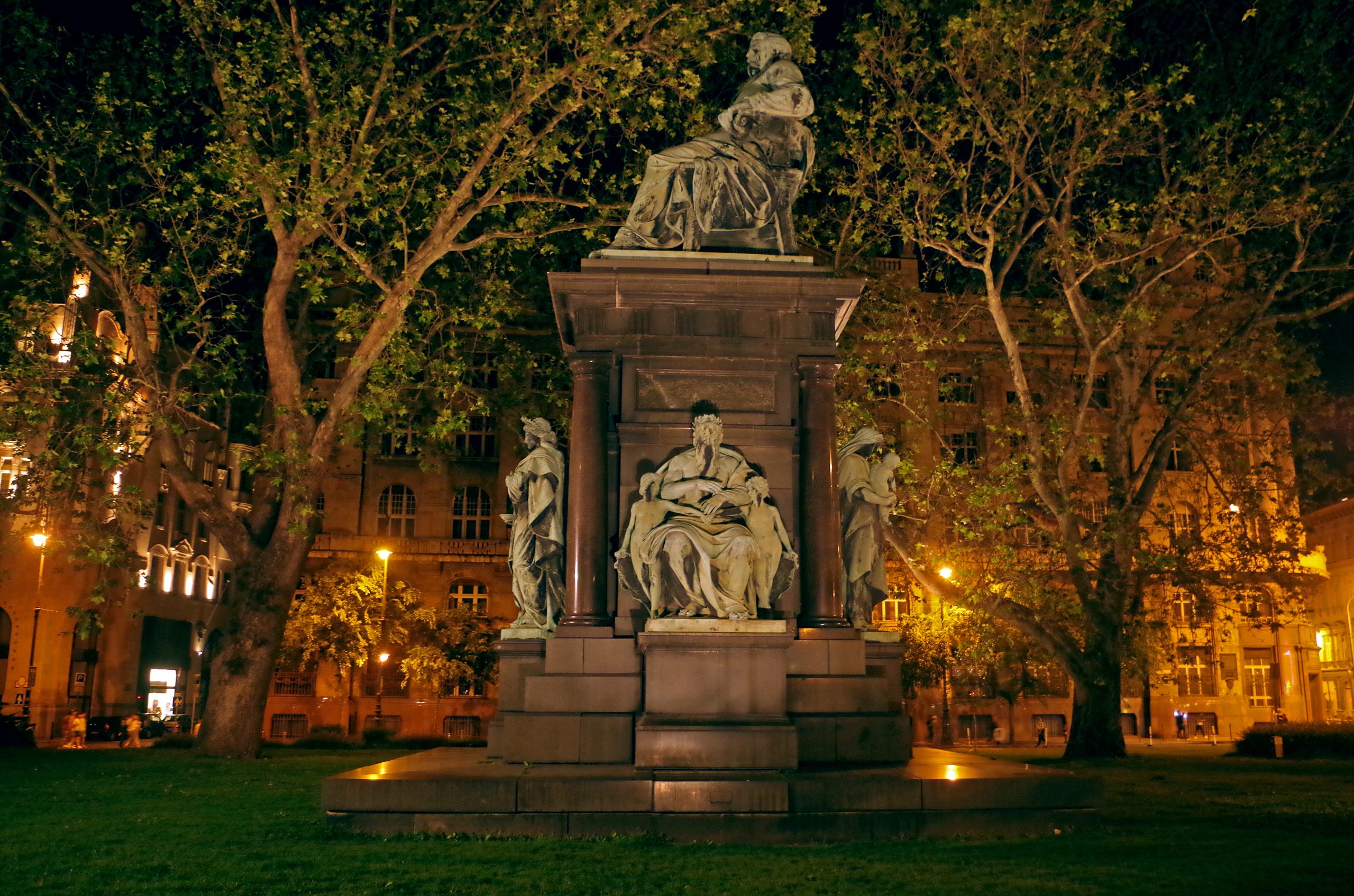
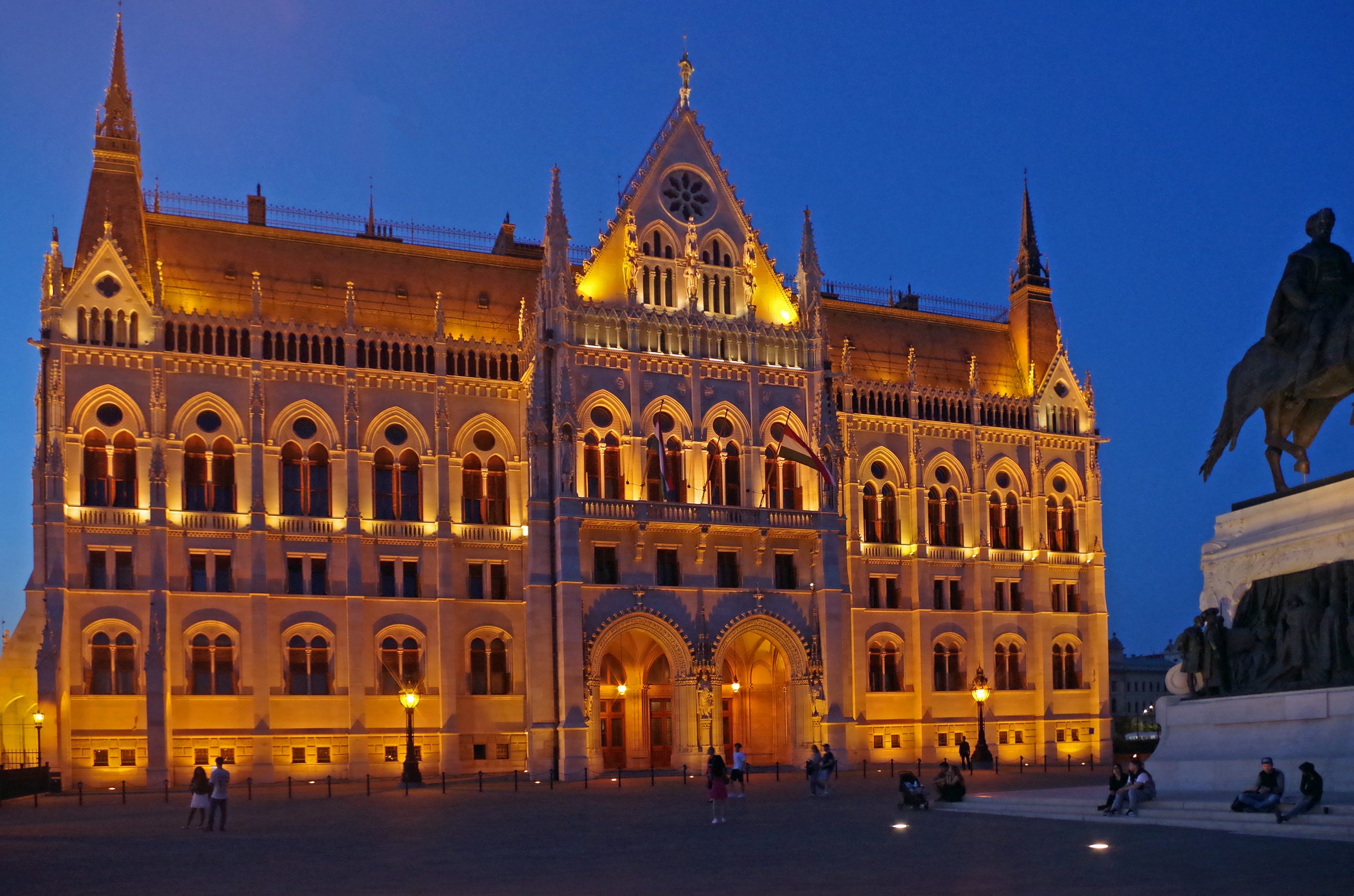
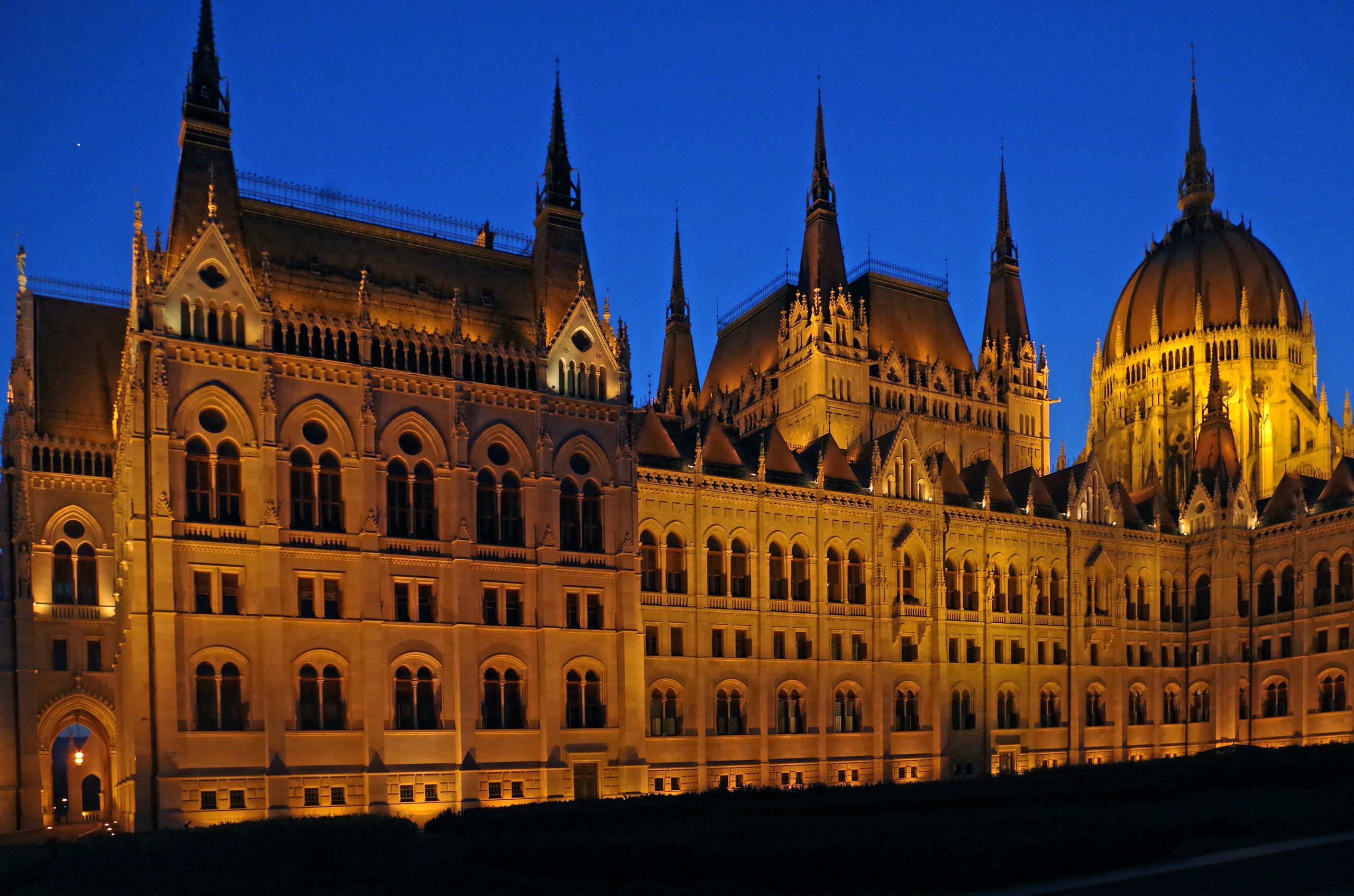
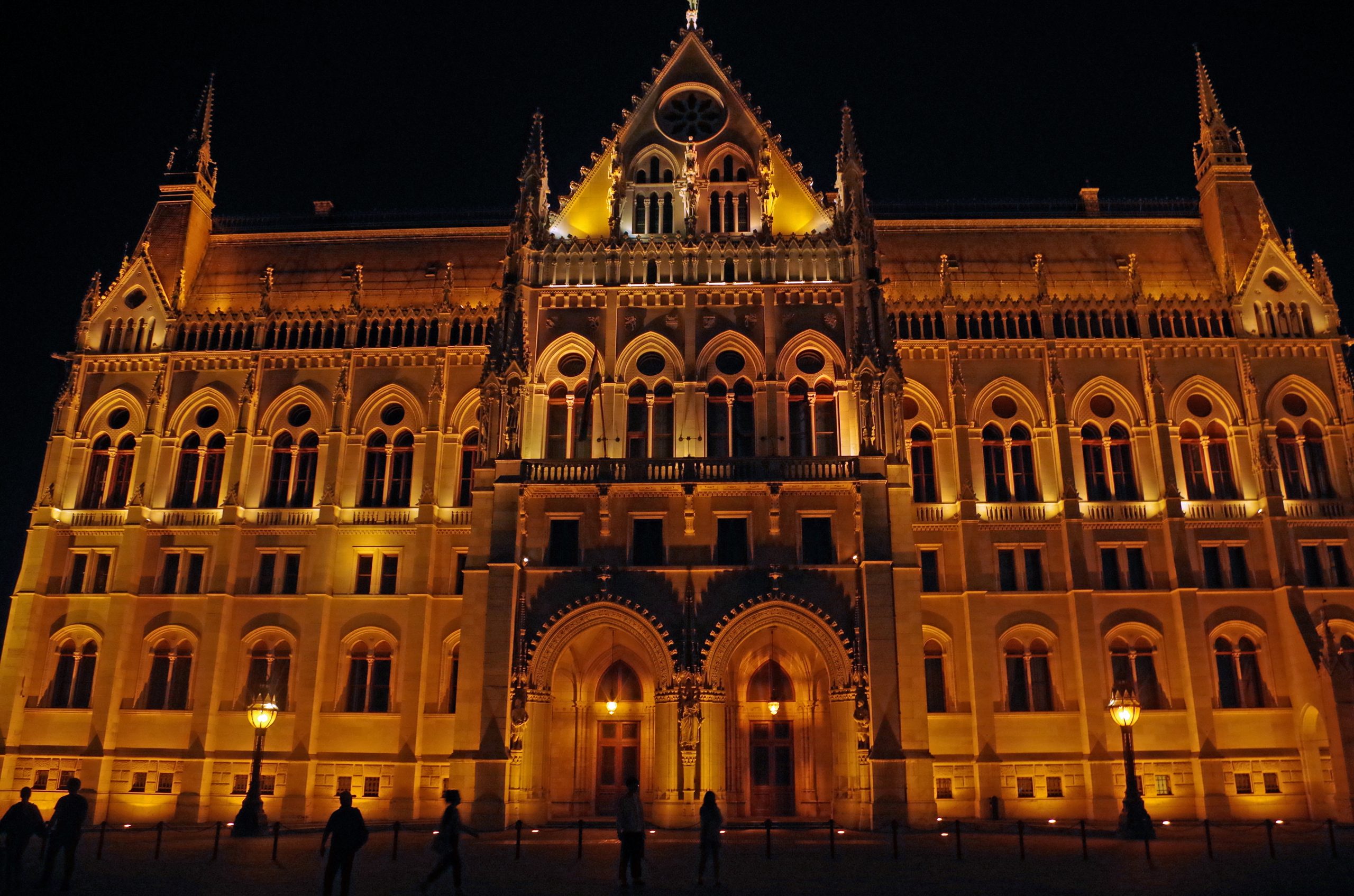
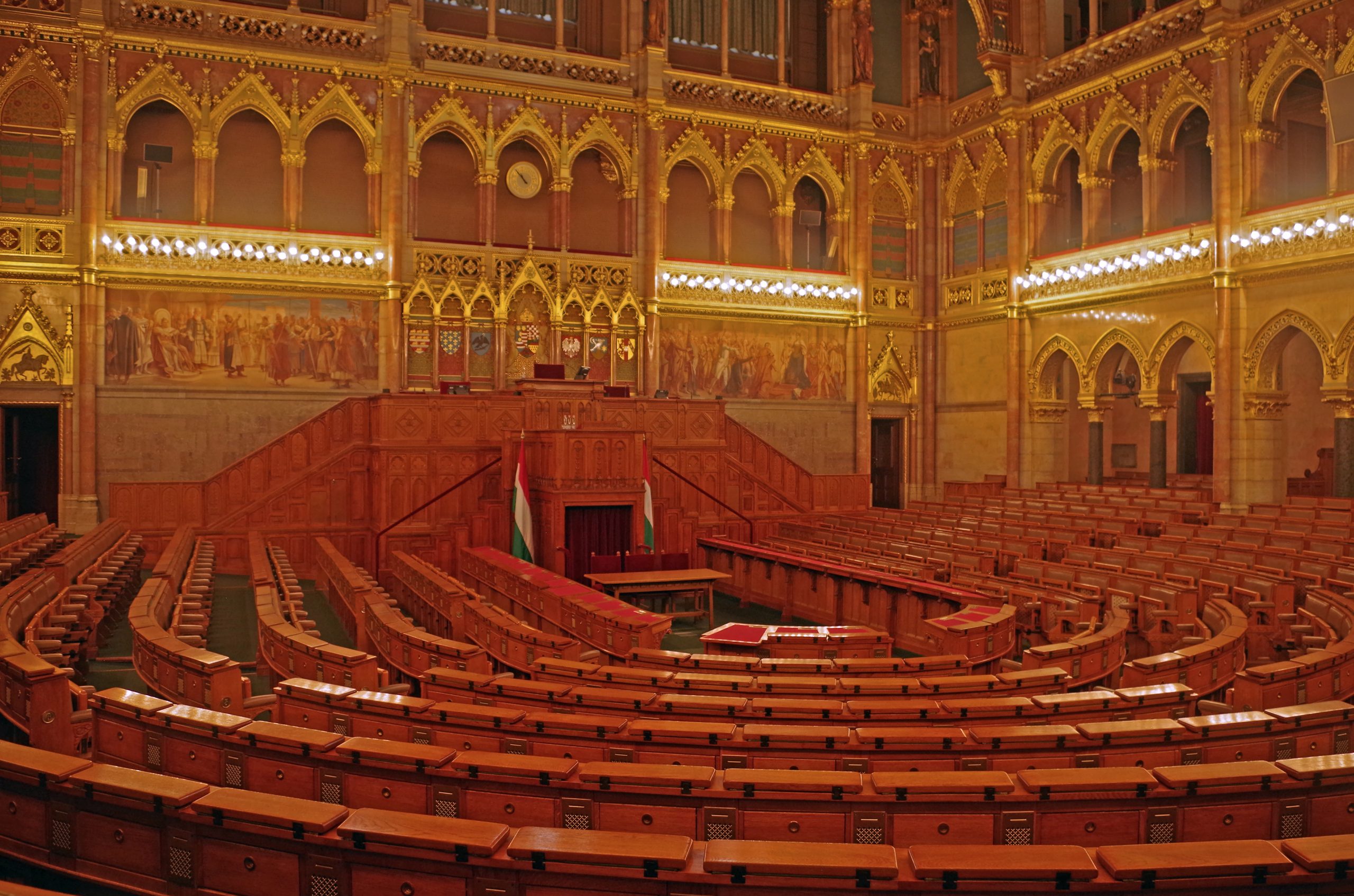
The following morning, we headed out for a guided tour of the inside of the Hungarian Parliament building, along with an unguided walking tour of the Pest side of the city between Parliament and our hotel, prior to our boarding the Jasper that afternoon. The only way to book a tour of Parliament was to accept a tour in the Spanish language. Upon our arrival, we found that we were among half a dozen ticket holders who did not speak Spanish. After enough polite begging, we were given the English language devices that were available under the counter. Our tour guide spoke fluent English and provided us with even more information.
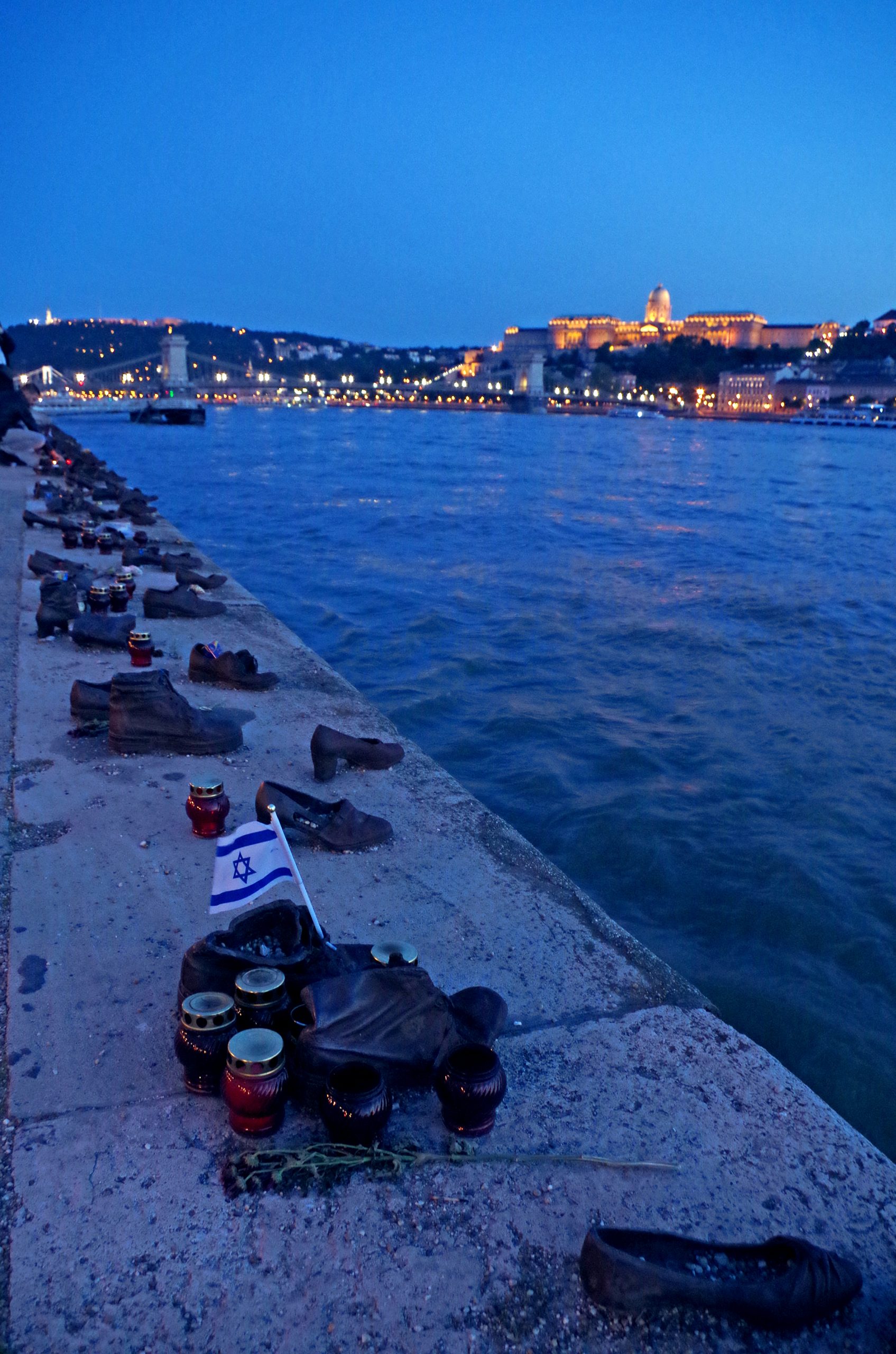
This tour really aroused my interest in the history of Hungary and the Austro-Hungarian Empire, which at one point consisted of Hungary, Austria, and all or parts of Italy, Slovenia, Croatia, Bosnia and Herzegovina, Serbia, Romania, Ukraine, Slovakia, the Czech Republic and Poland, making Hungary a major force in Europe with a massive land area. The first king of Hungary, installed by the Pope, was Stephen I, later to become St. Stephen. During World War II, Hungary was part of the Tri-Partite Pact, along with Romania, Bulgaria, the Independent State of Croatia, Slovakia, and (for two days) Yugoslavia, making them Axis participants with Germany, Italy and Japan. For five and a half months at the end of the war, the Arrow Cross Party gained control in Hungary. Essentially Hungary’s Nazi Party and highly antisemitic, the Arrow Cross militiamen deported tens of thousands of civilians (mostly Jewish) to slave labor camps, murdering another 10,000 in the streets. Hungarian Jews were frequently shot on the banks of the Danube, after removing their shoes (a valuable commodity, subsequently either worn or sold by their murderers), allowing their bodies to float downstream. A memorial to this atrocity was erected in 2005, displaying 60 pairs of iron shoes anchored to the ground.
At the end of World War II, Hungary was one of the countries that was “liberated” by the Red Army, and was later occupied by the Soviet Union as one of its “satellites” (along with Poland, Bulgaria, Czechoslovakia, and Romania.) The Hungarian people resented this occupation, leading to an uprising and massacre in the Hungarian Revolution of 1956, when Soviet tanks rolled into Budapest to quash the rebellion. Freedom and democracy finally returned in 1989, with the fall of the Soviet Union and the Eastern Bloc.
The basement of the Parliament building contains a museum that includes the 10 ft. tall once-glowing red star, reassembled from broken fragments, that stood atop the Parliament building from 1950 until 1990. At the time when the star was erected, mimicking a similar adornment on the Kremlin in Moscow, the autocratic leader of Hungary was Matyas Rakosi, who was proud to be referred to as “Stalin’s best pupil”. On the outskirts of Budapest, people now may visit Szoborpark (Memento Park), displaying a collection of Soviet-era statues that have been dismantled in recent years. The Soviet period is resented by most Hungarians today, with both manufacturing and tourism flourishing, although the country’s current prime minister is not exactly a champion of democracy and human rights.
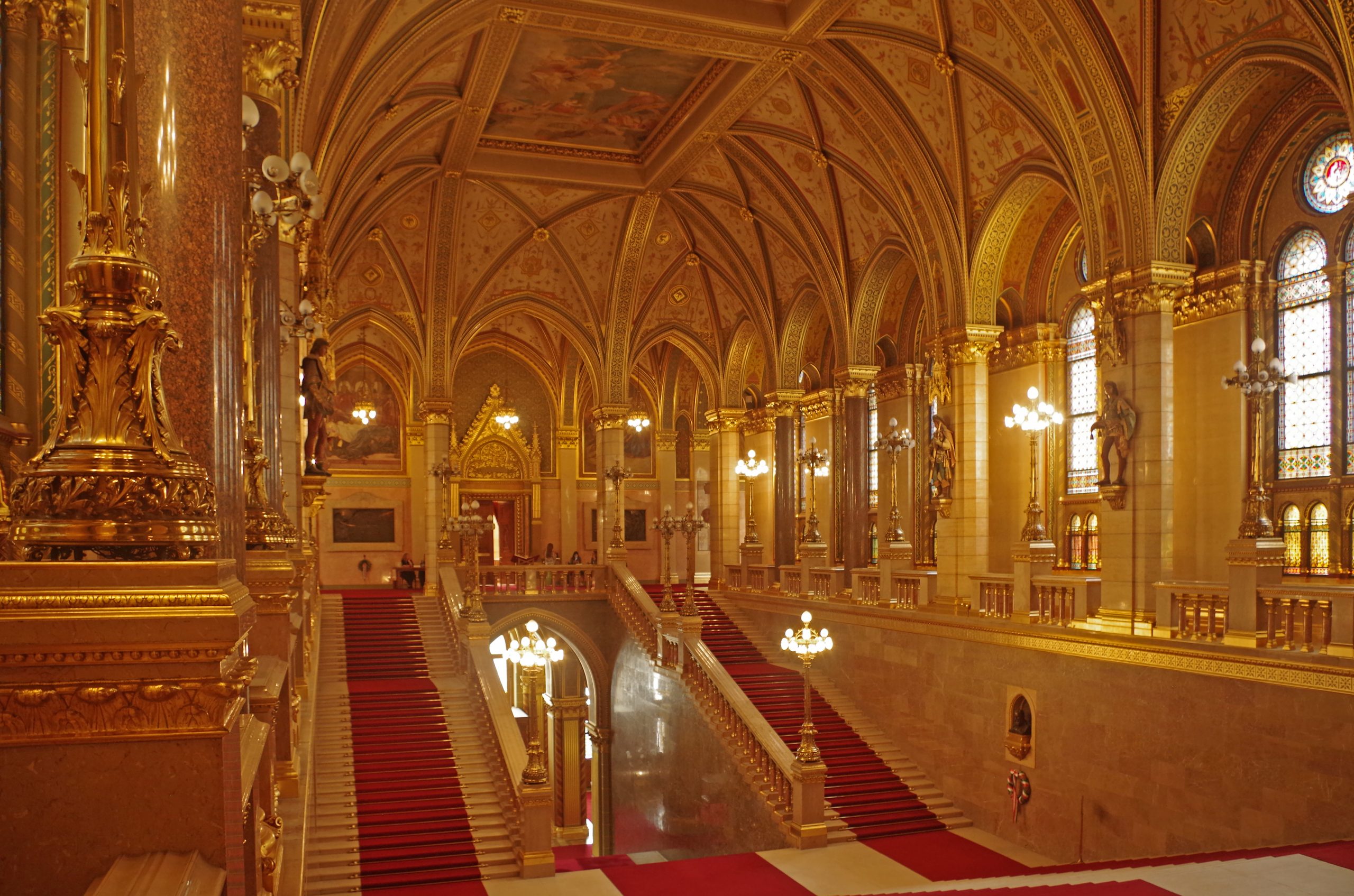
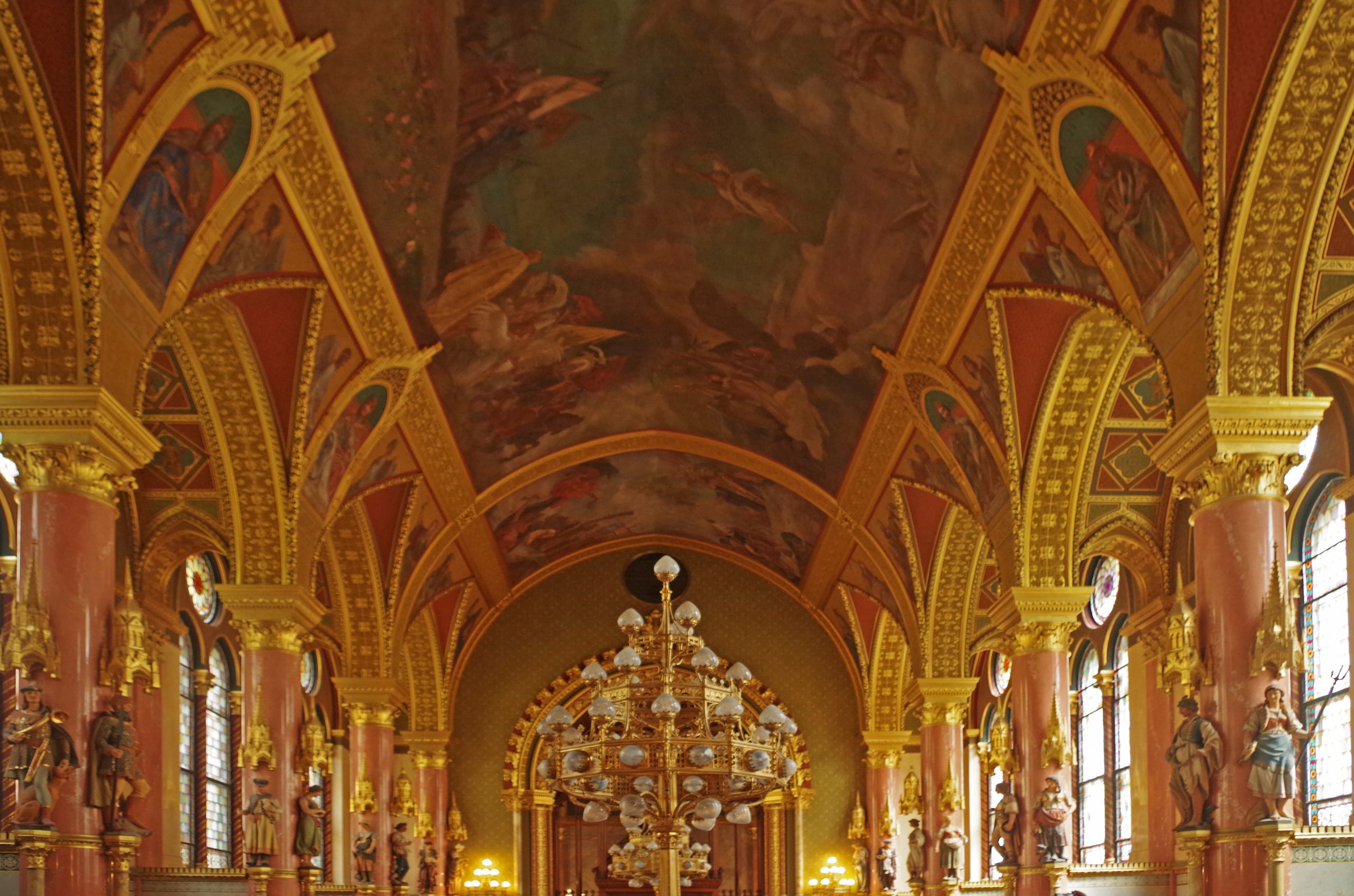
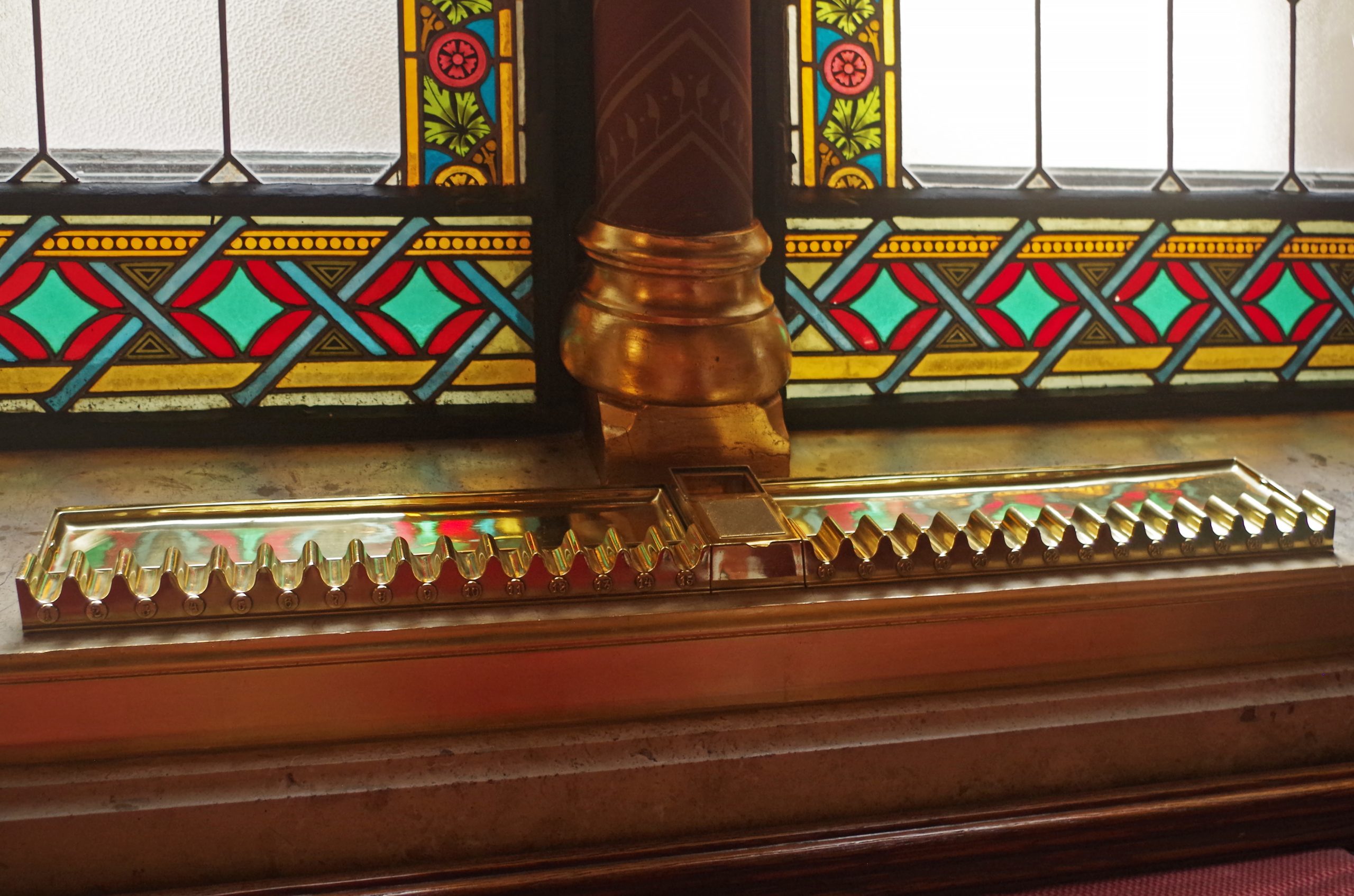
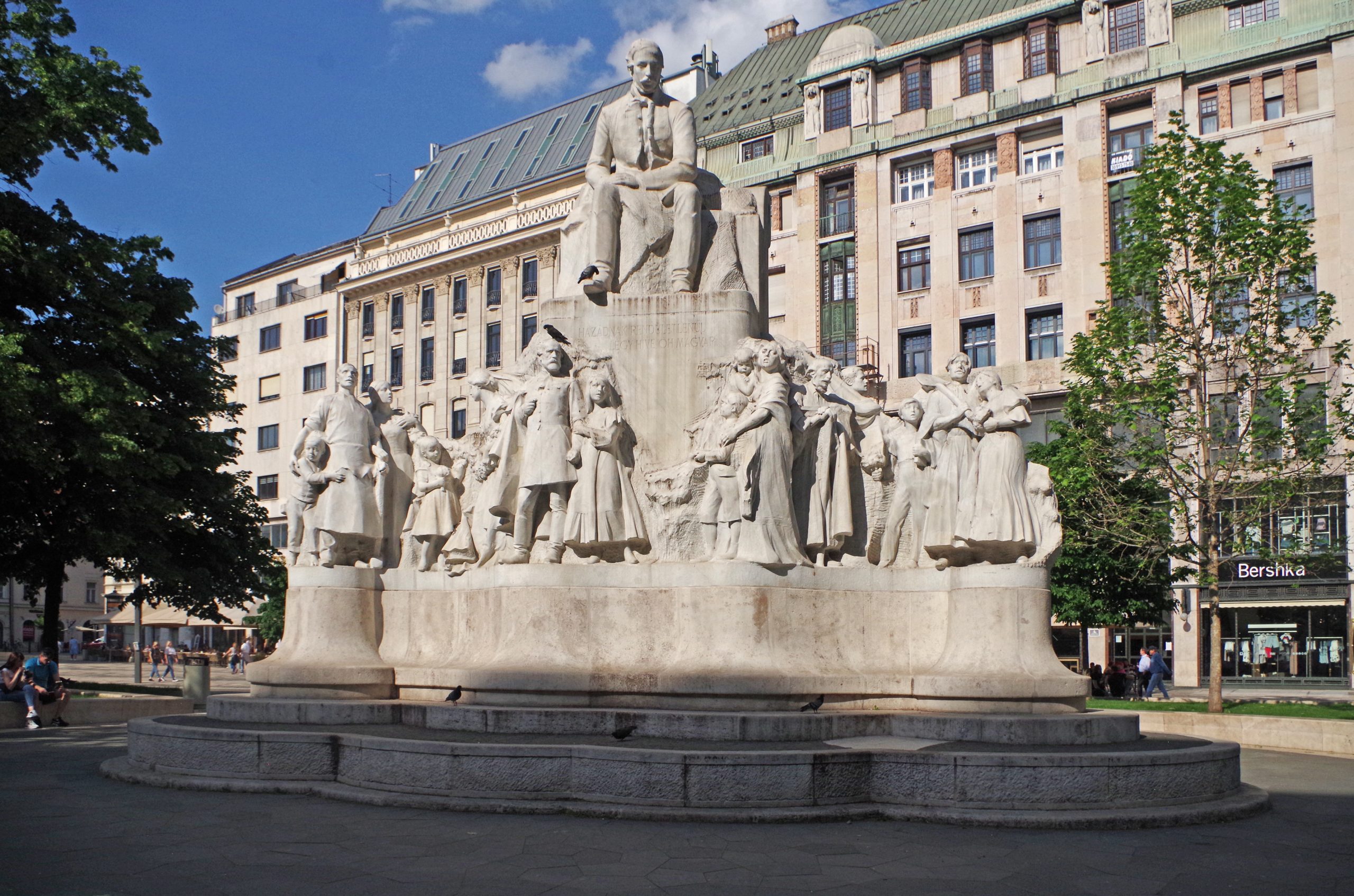
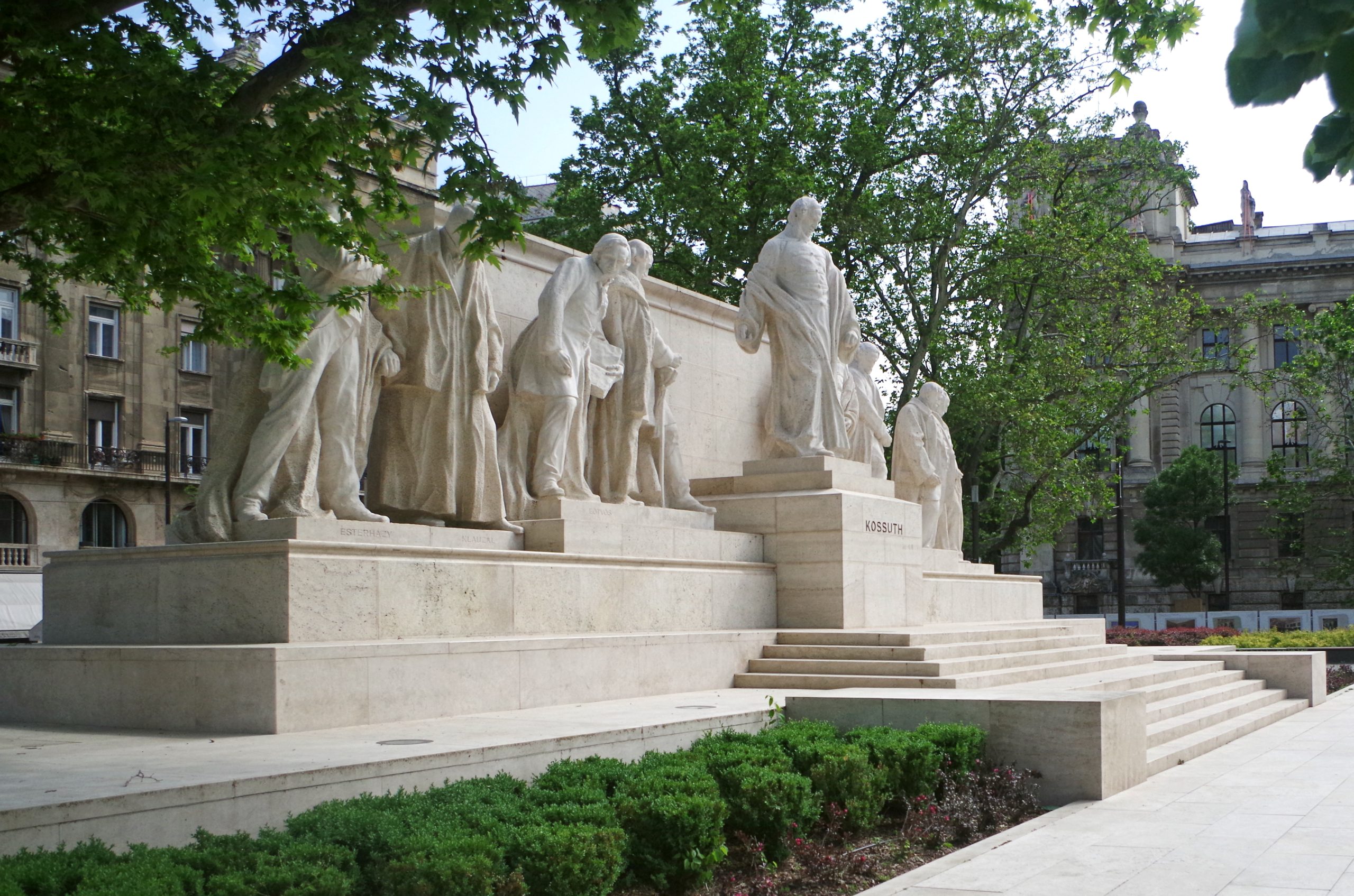
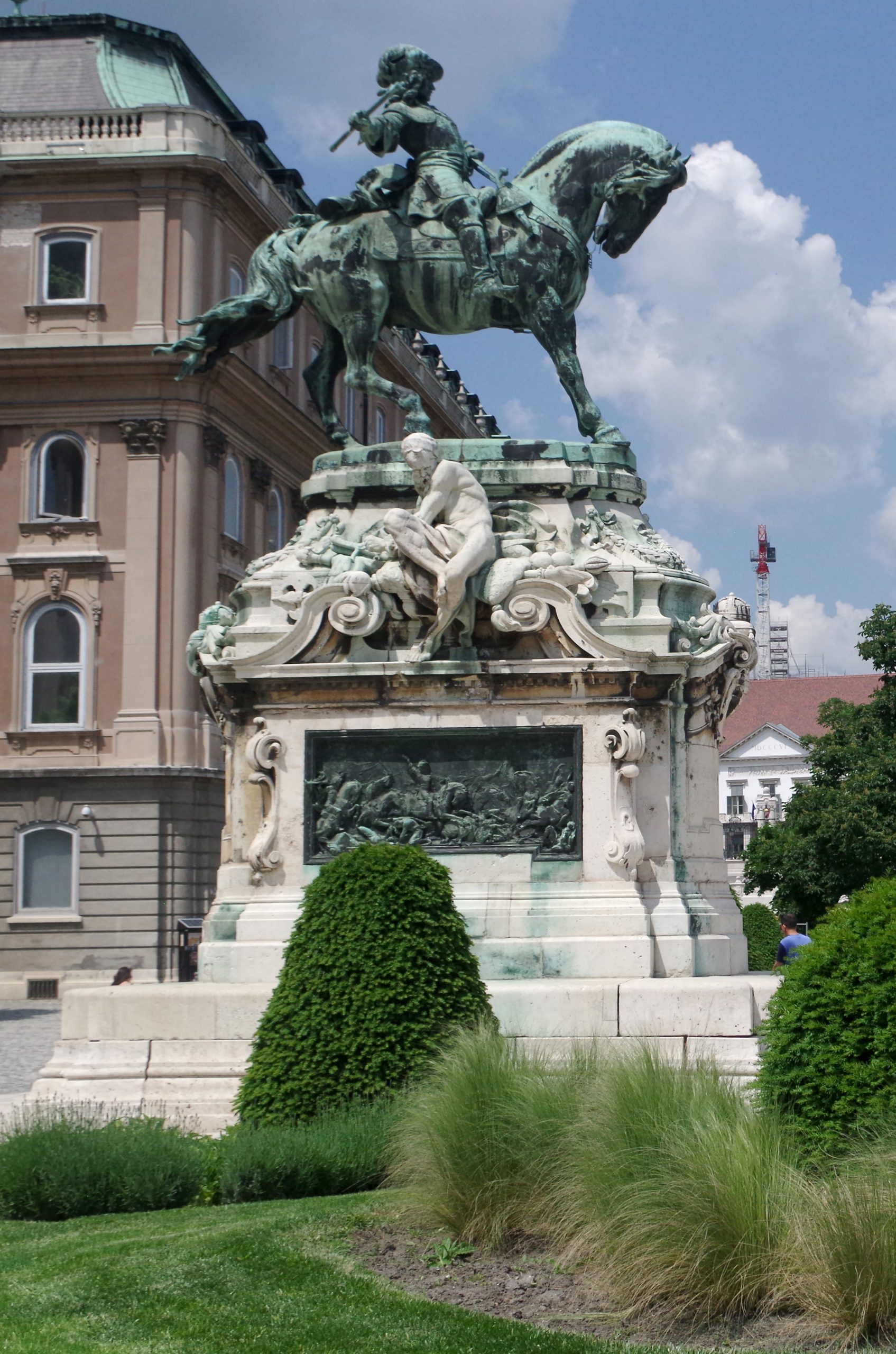
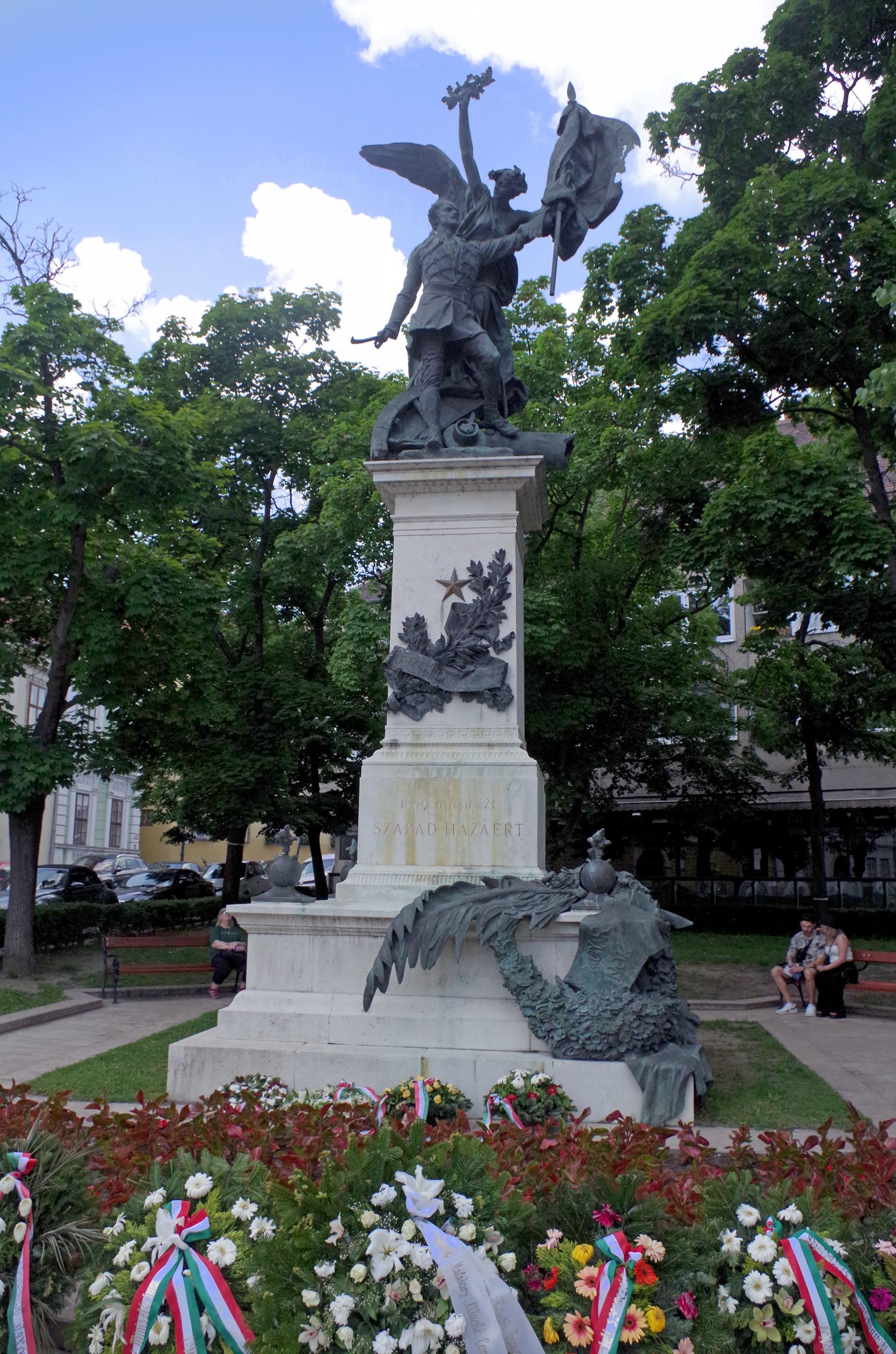
Here are a few of the photos that I took in the Parliament building that morning, along with other photos taken along our walk. Unfortunately, St. Stephen’s Crown and other precious items are under armed military guard and may not be photographed. As you will see, the Hungarians love their monuments!
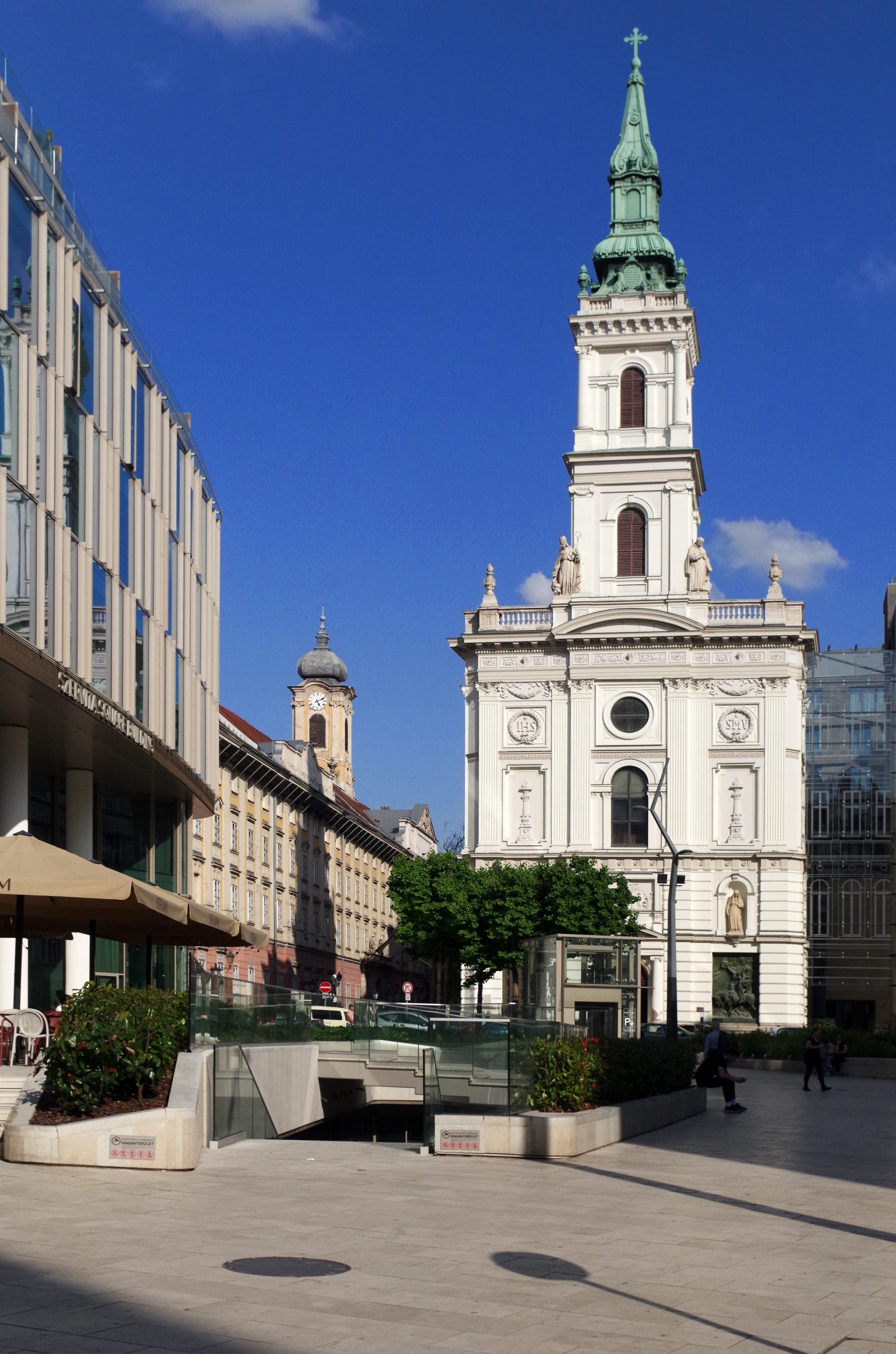
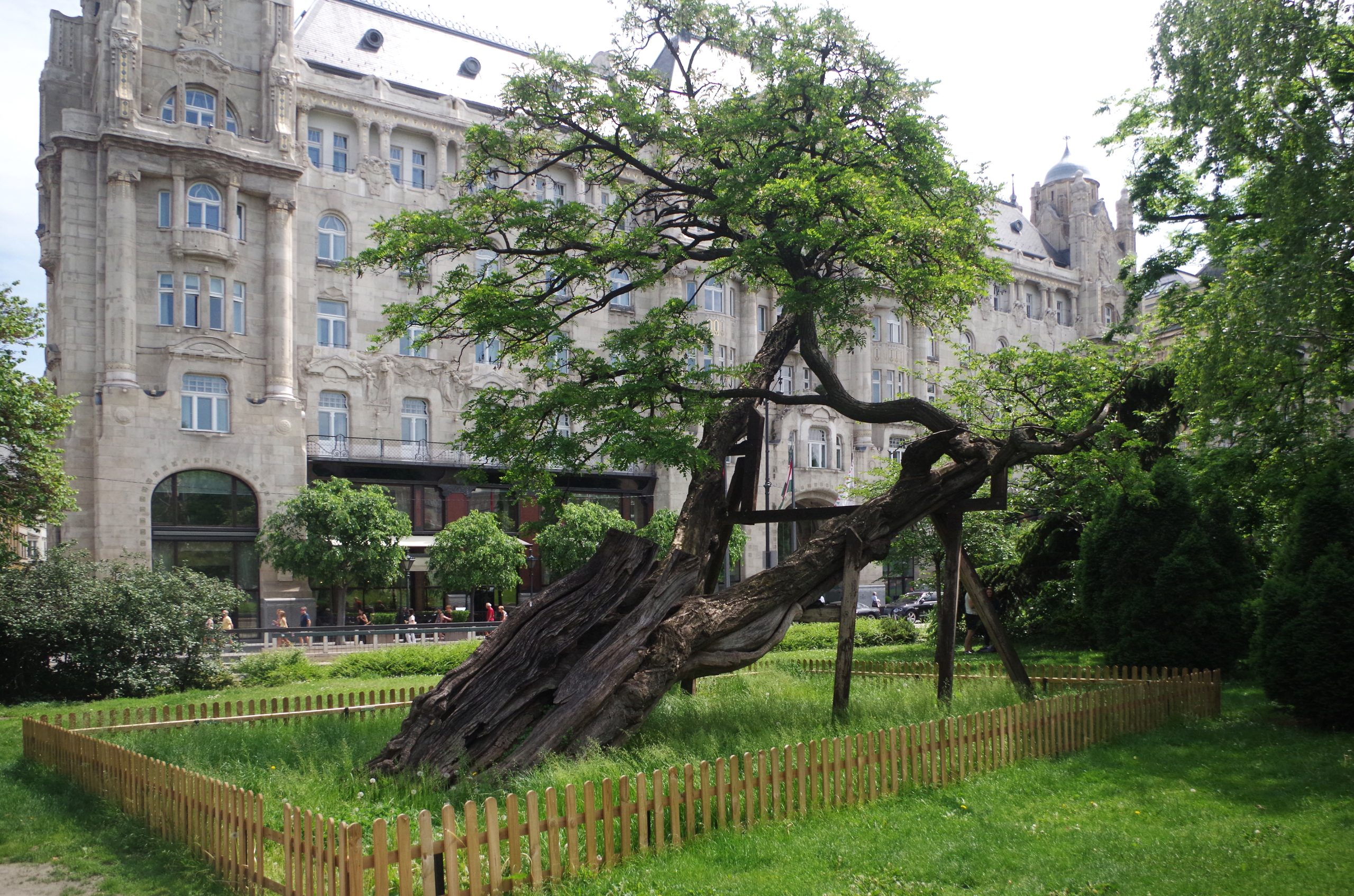
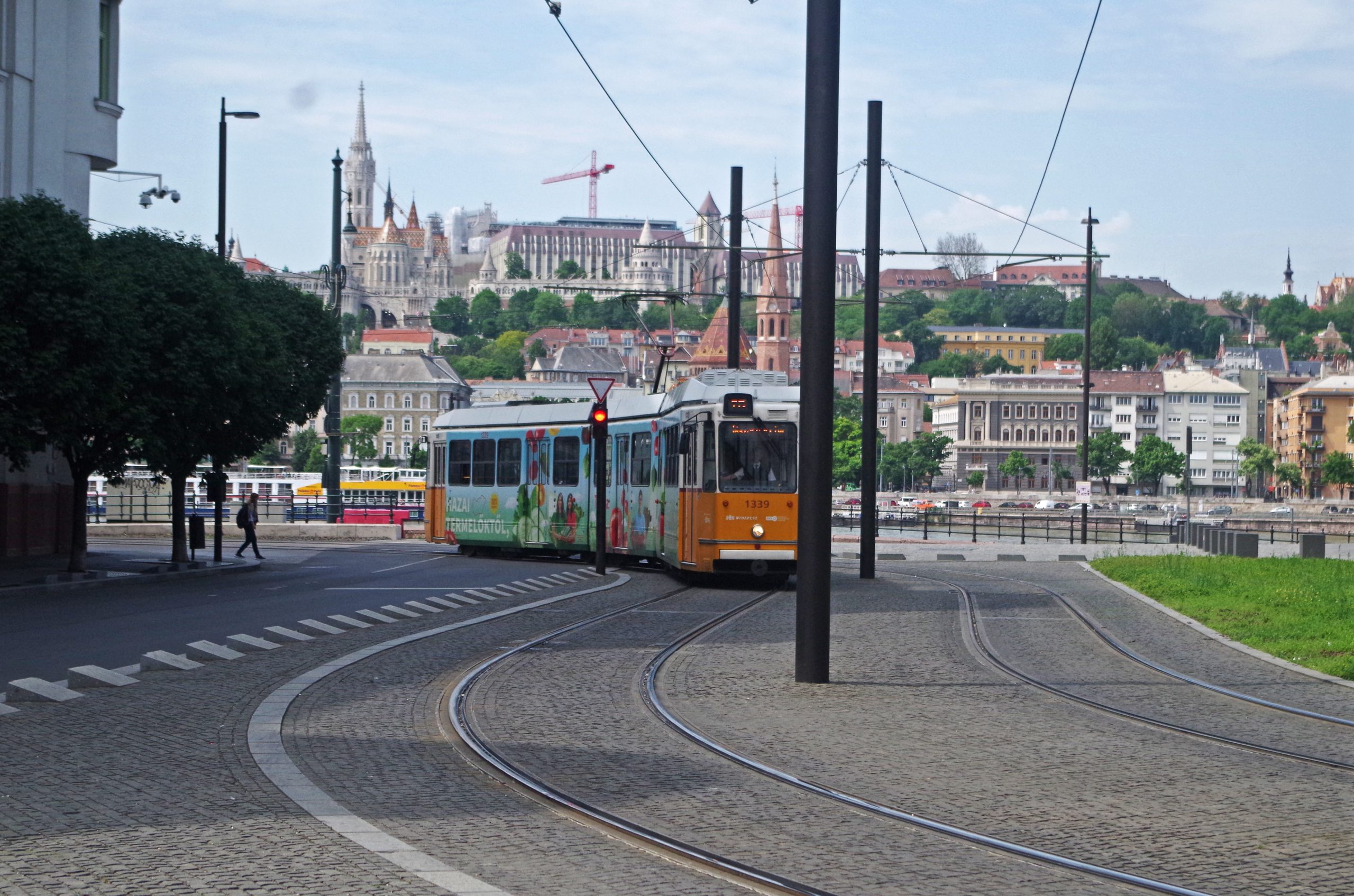
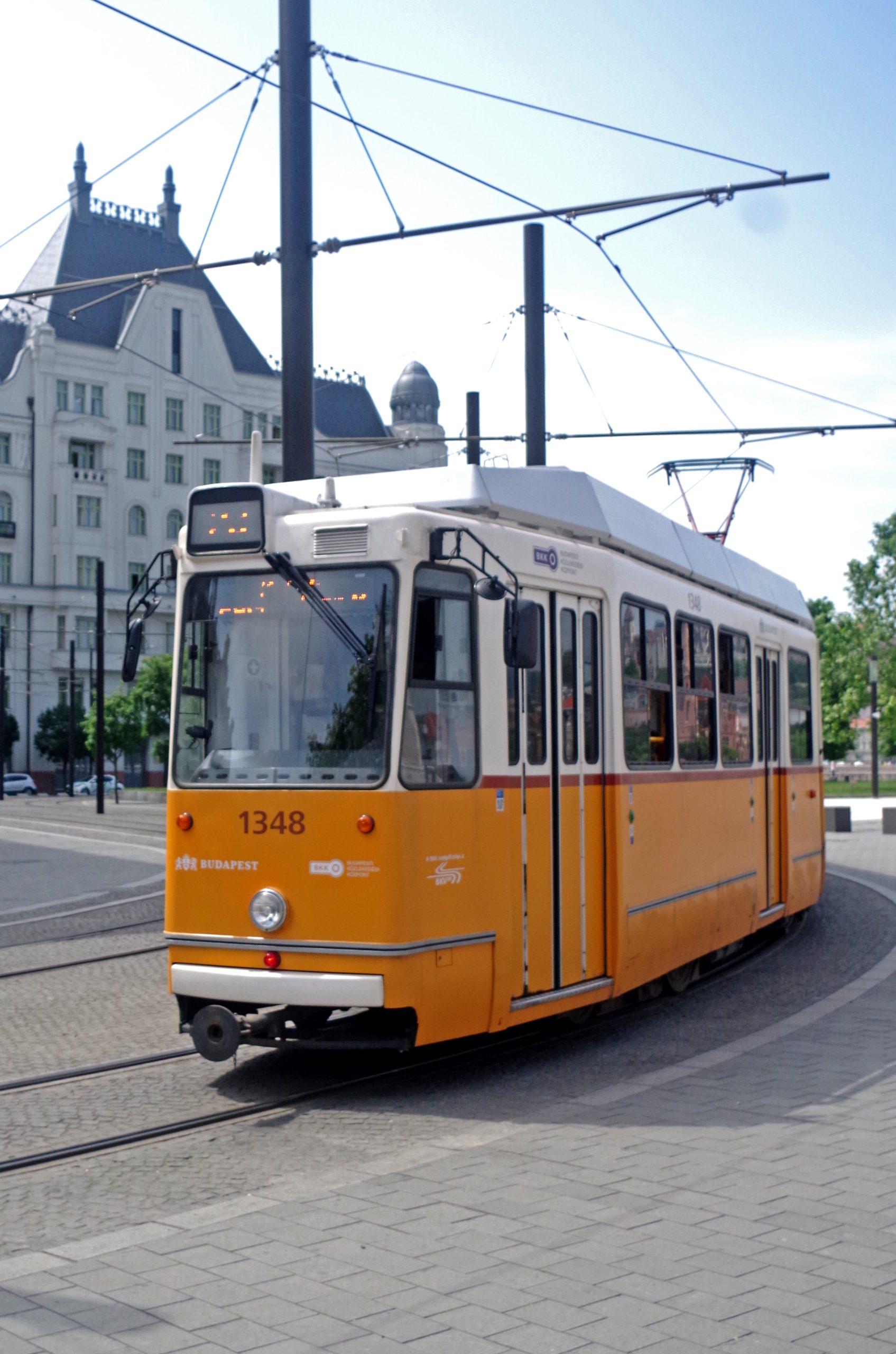
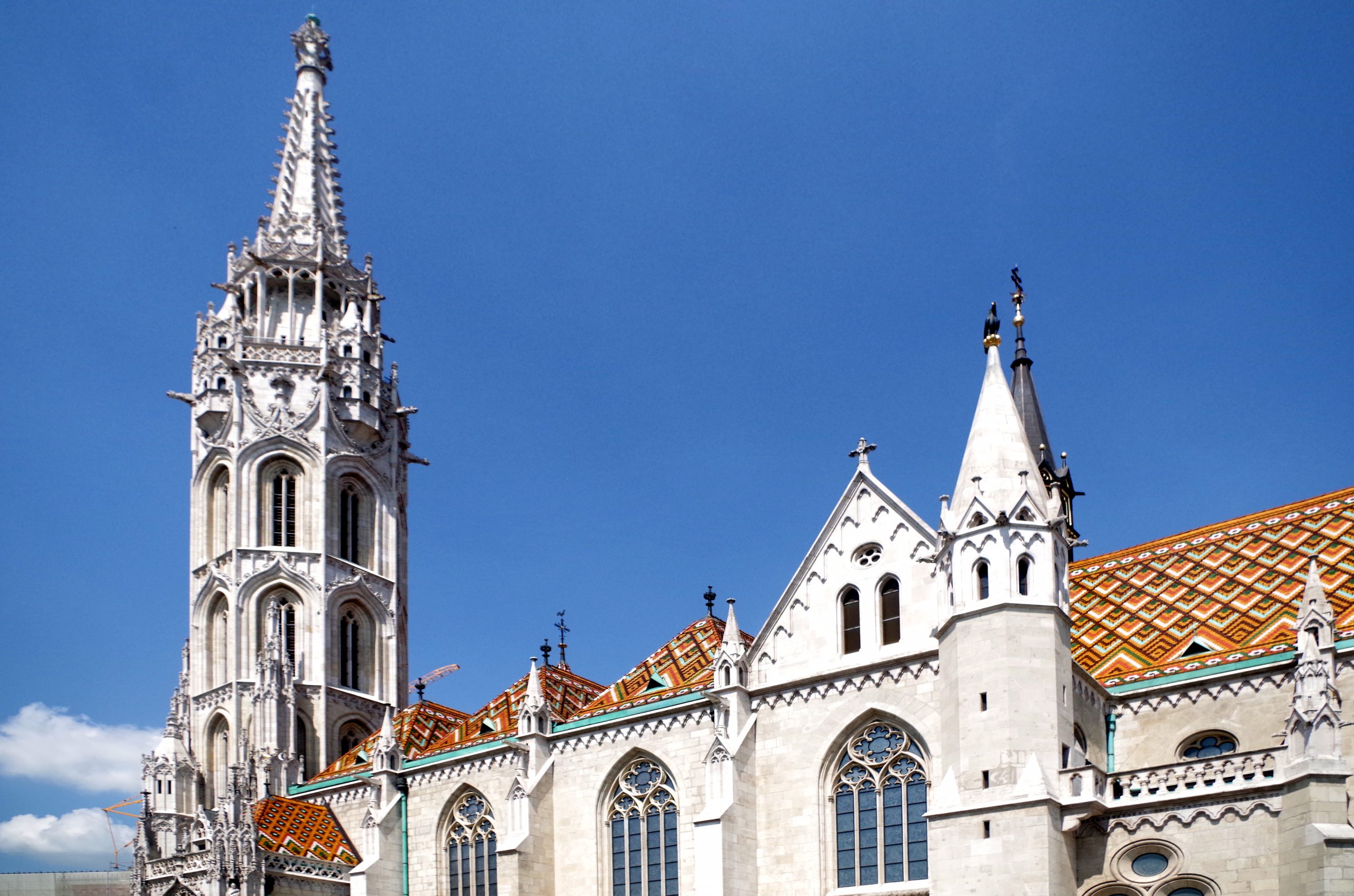
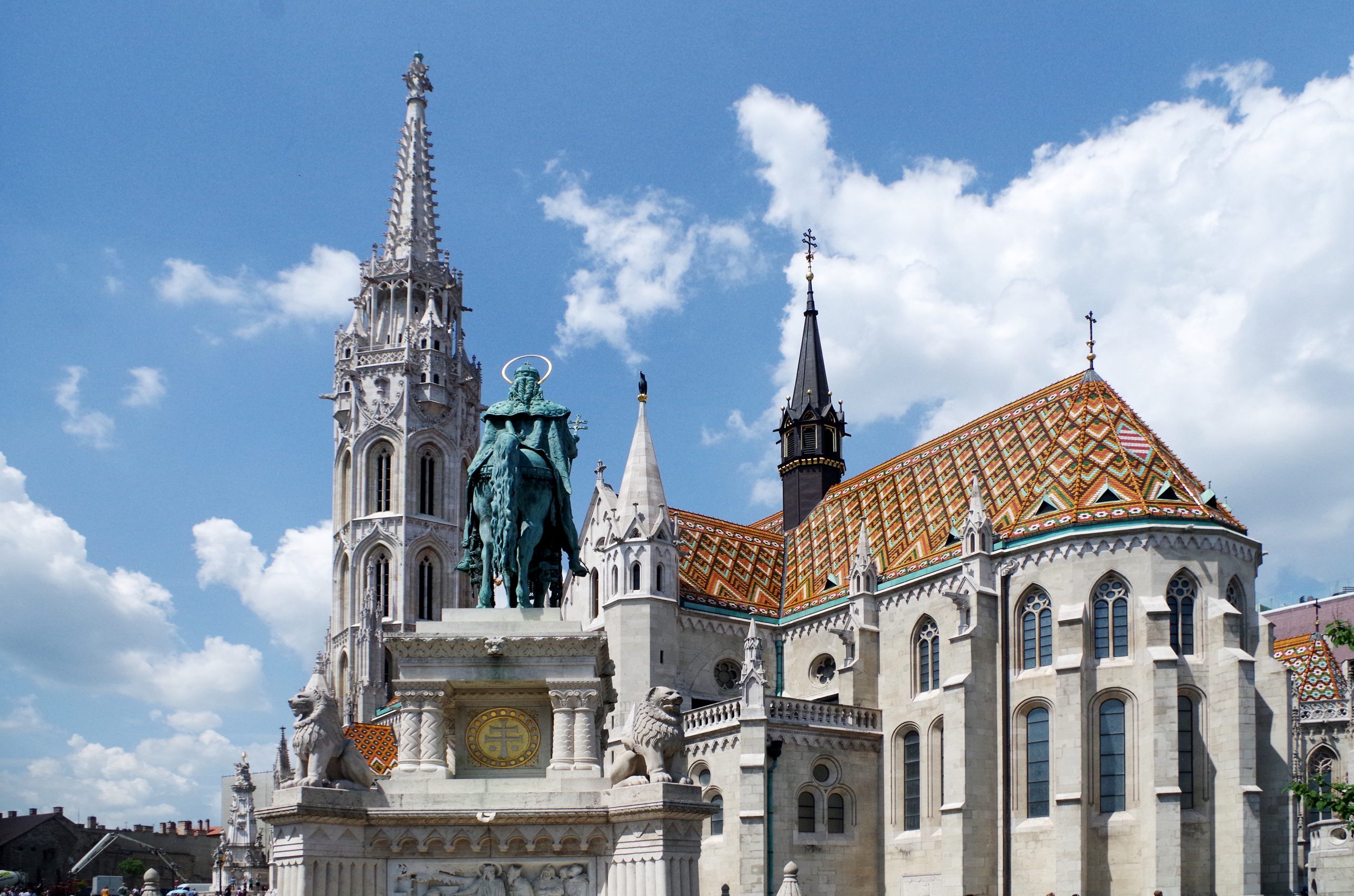
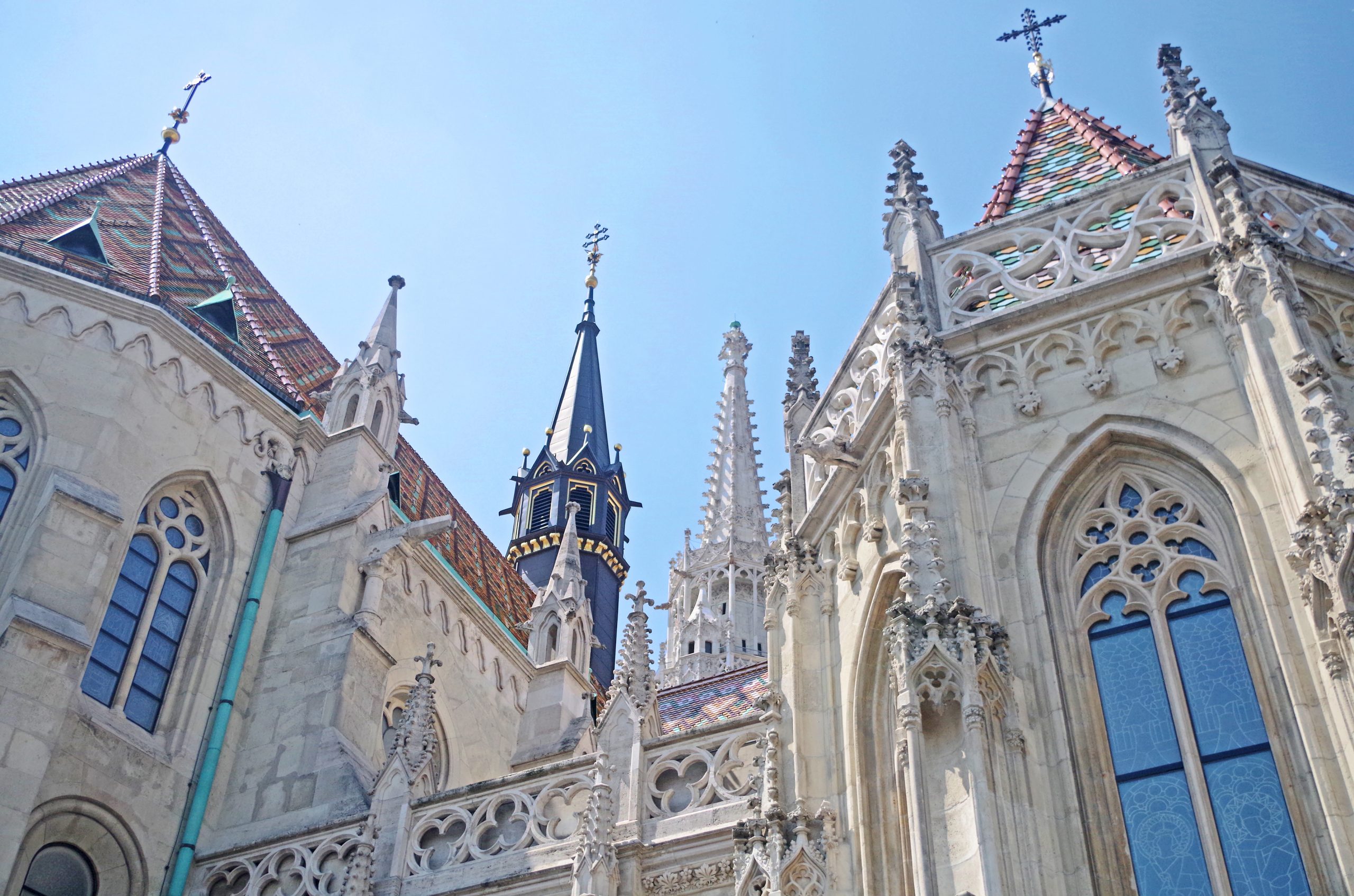
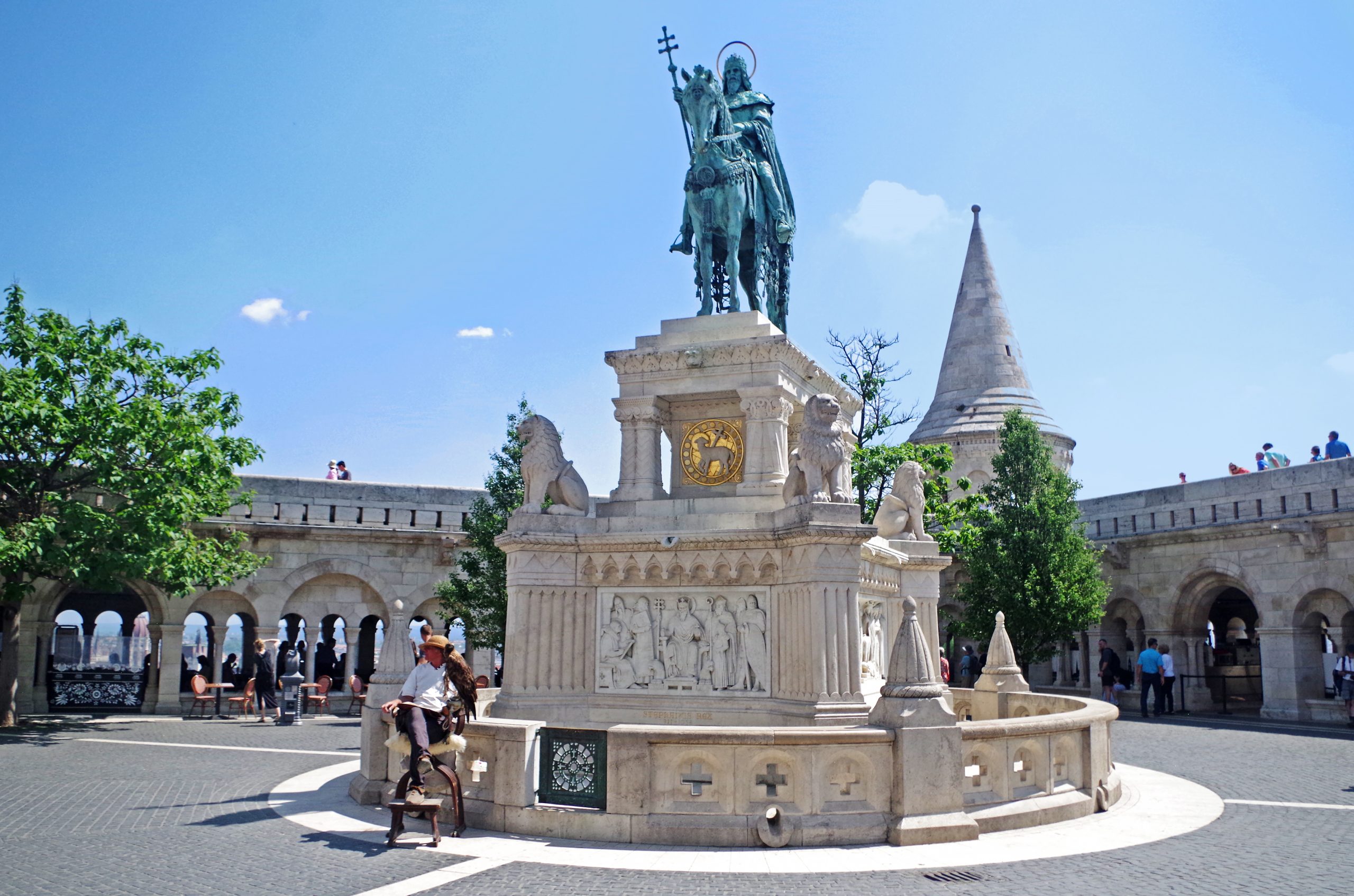
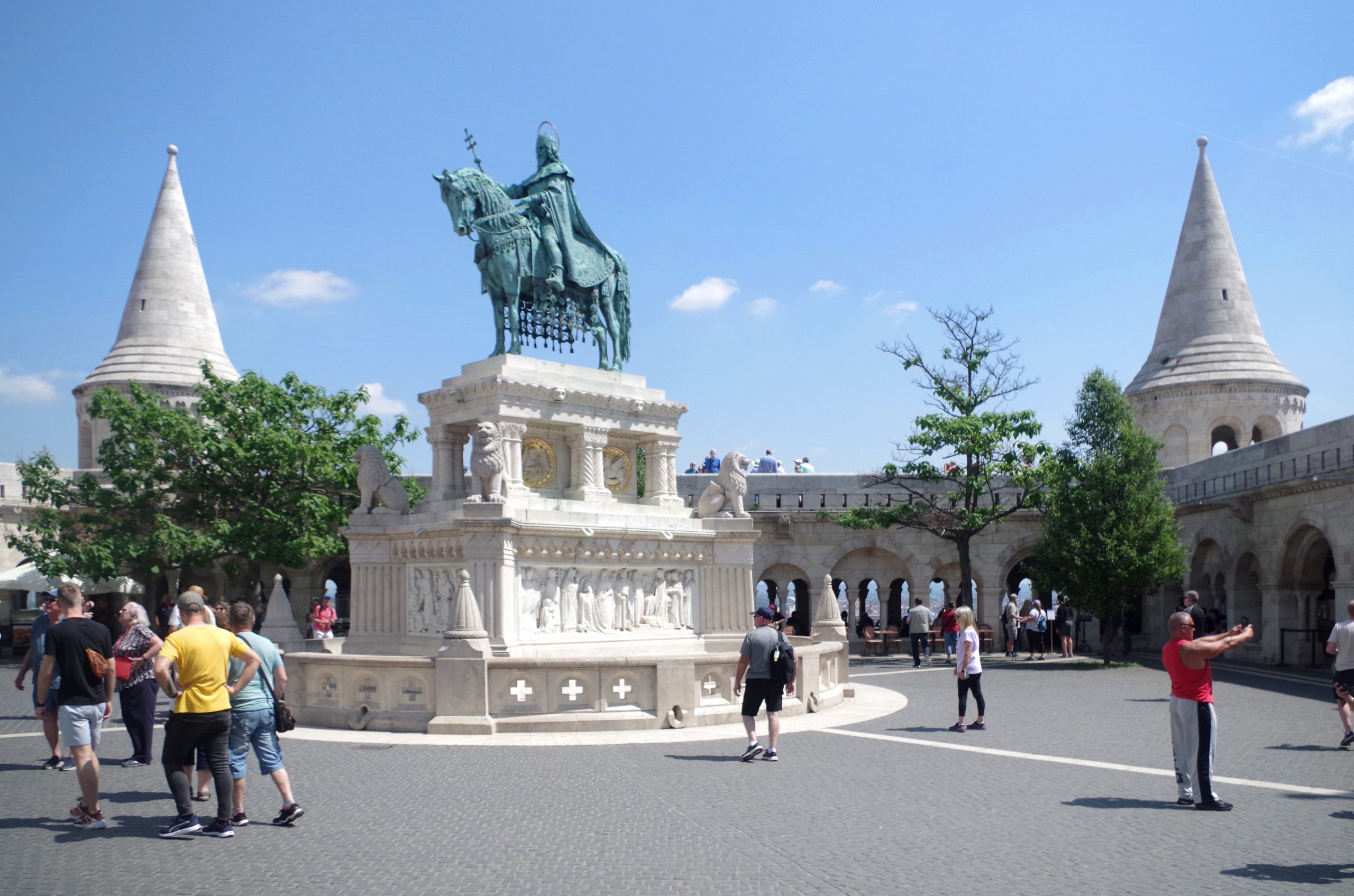
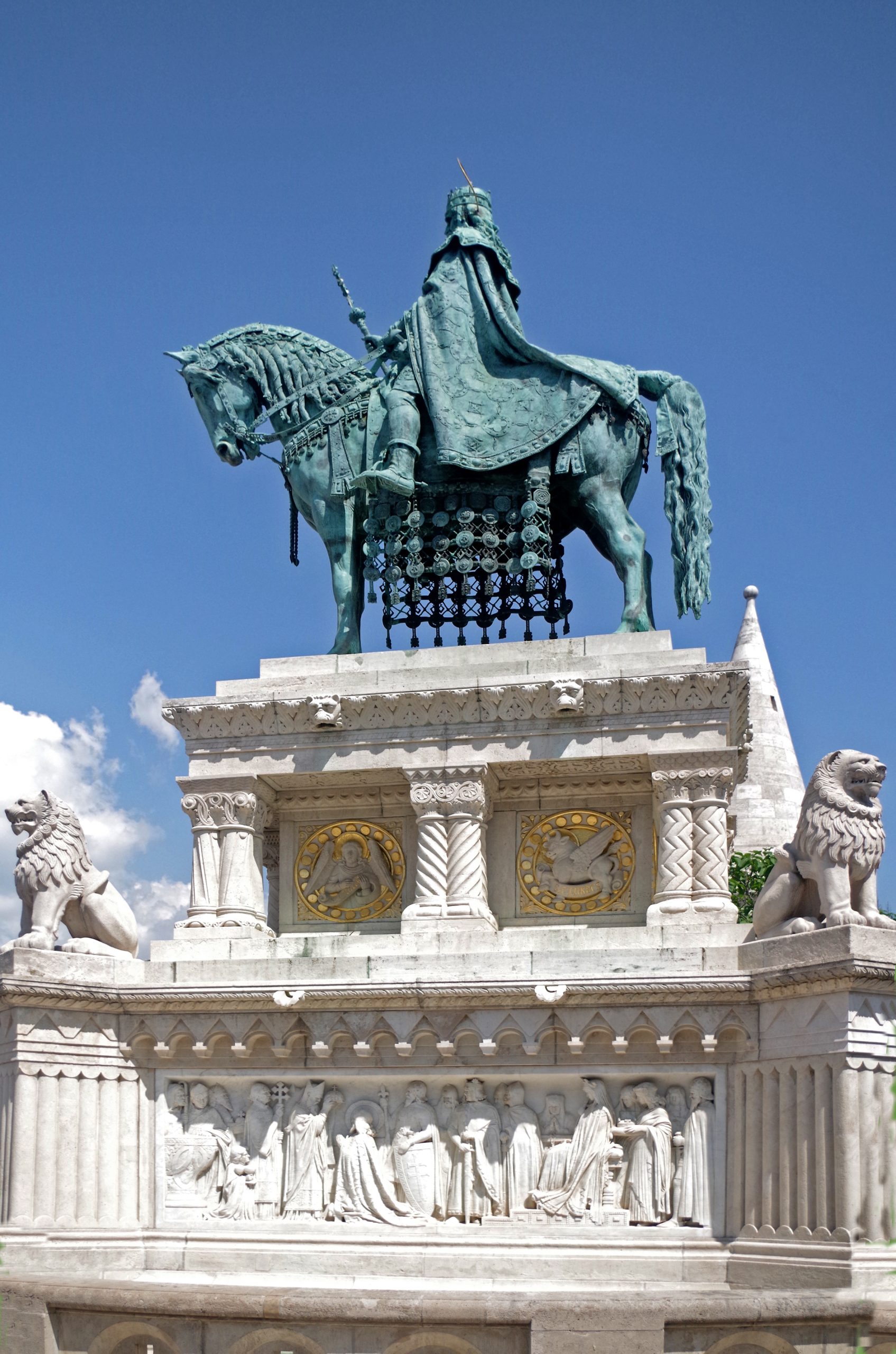
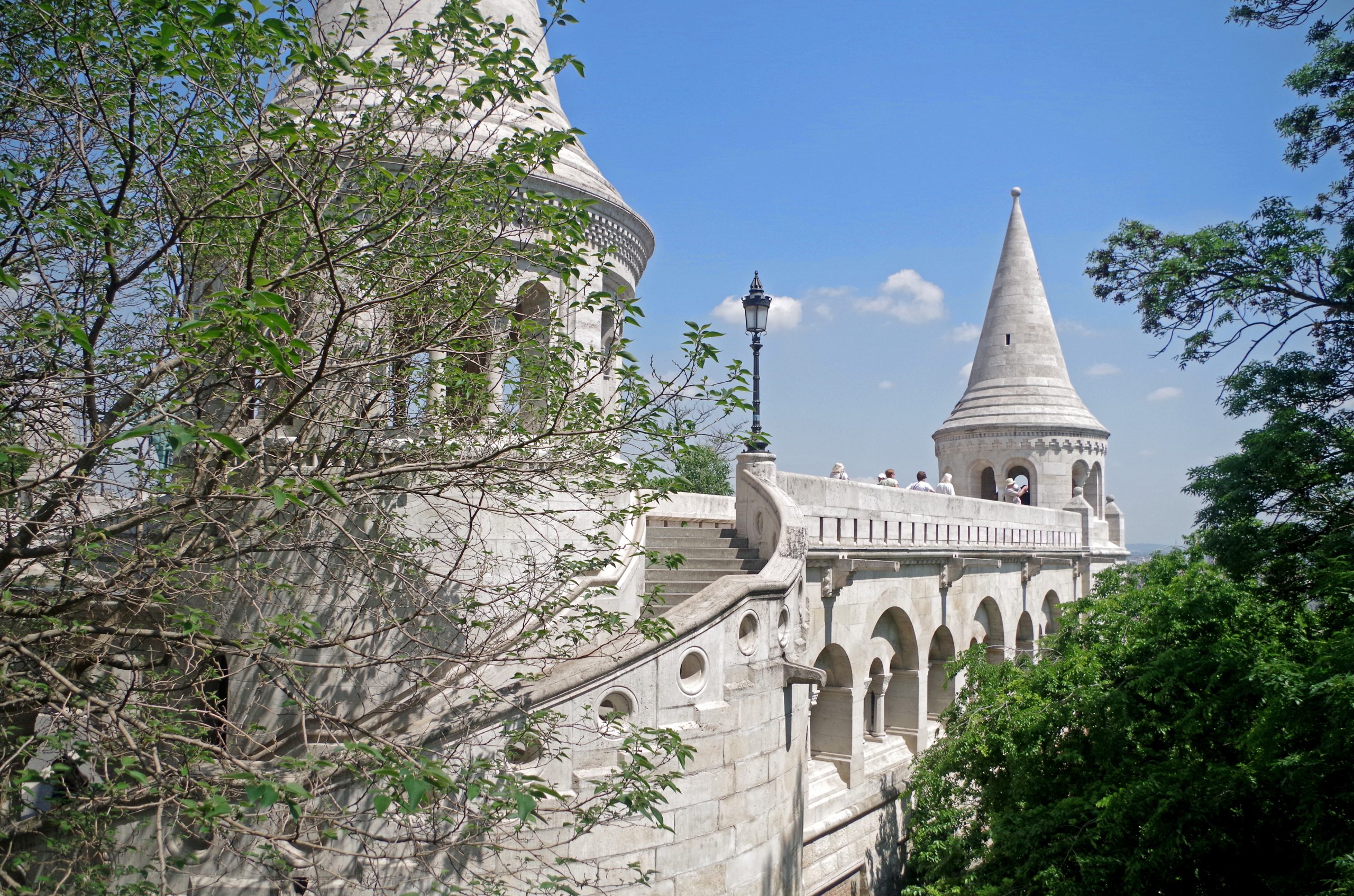
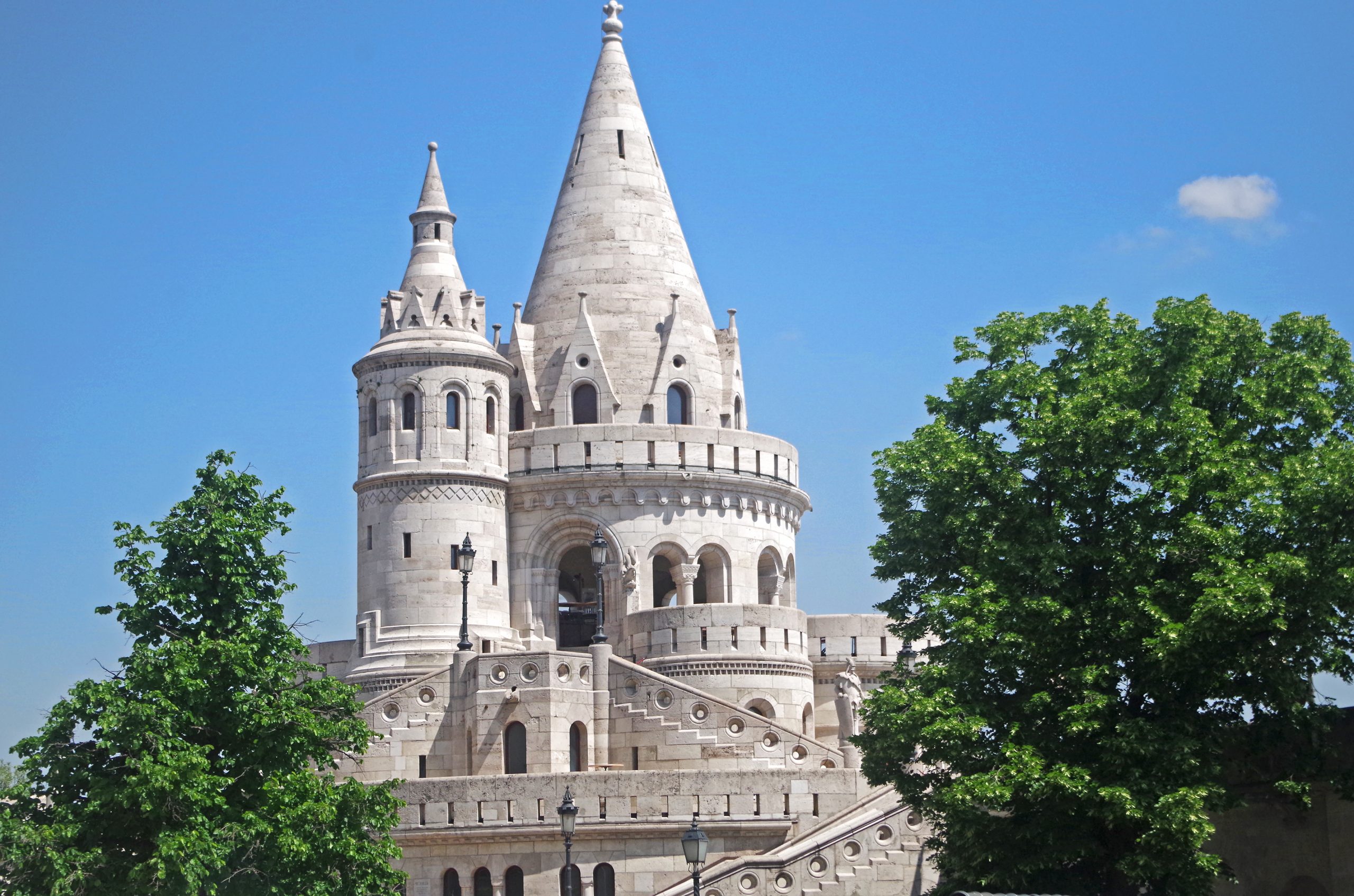
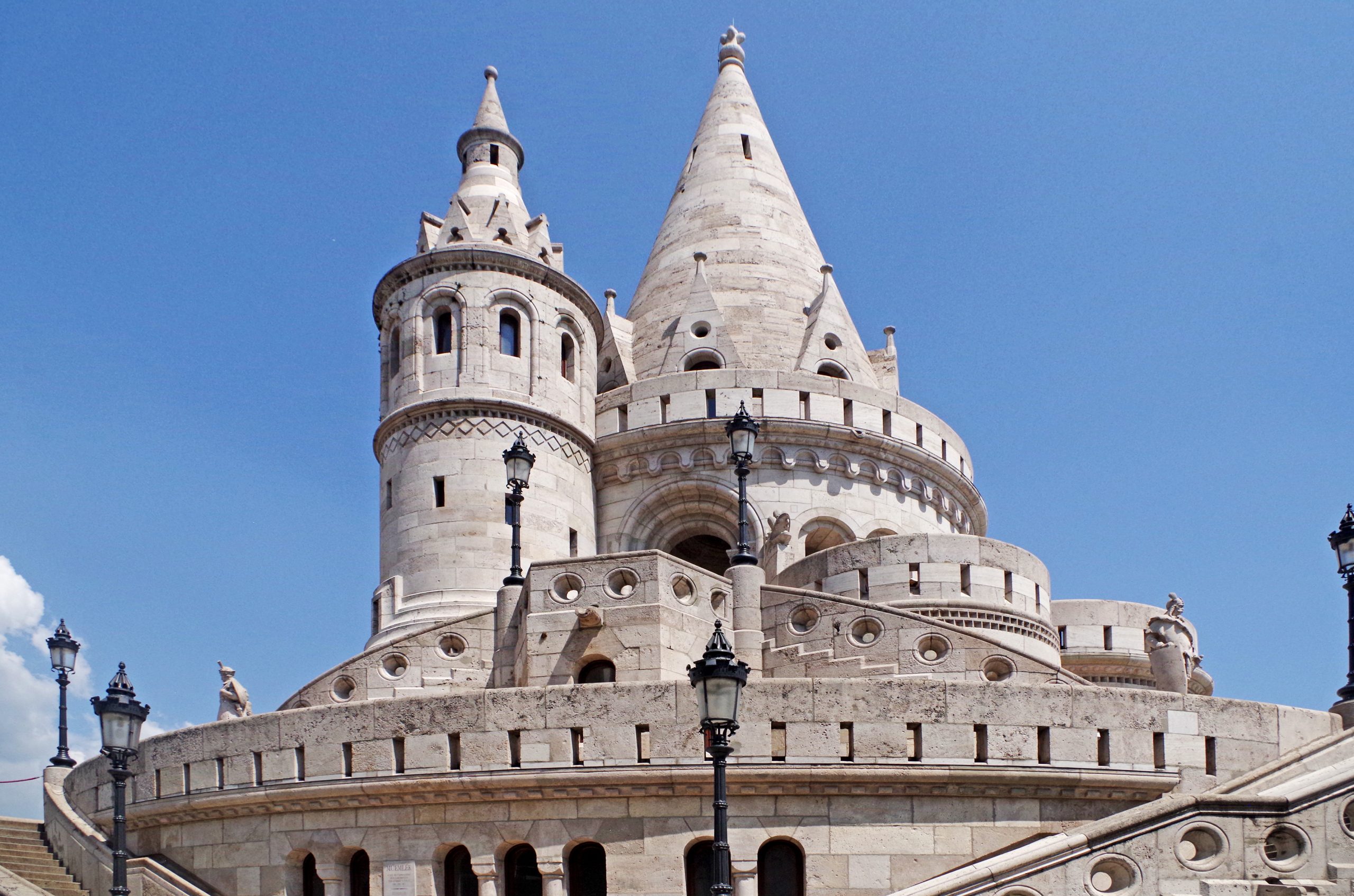
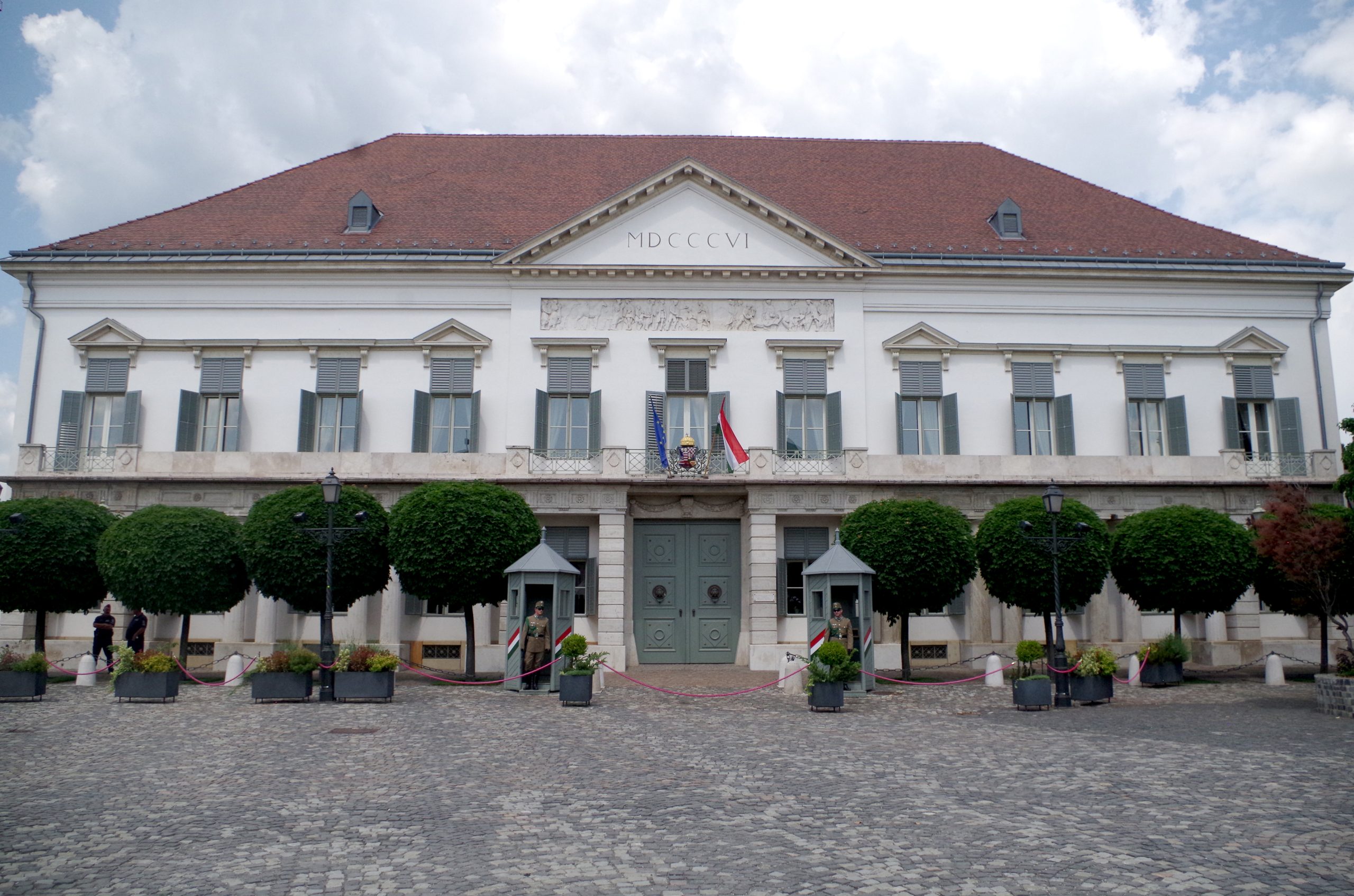
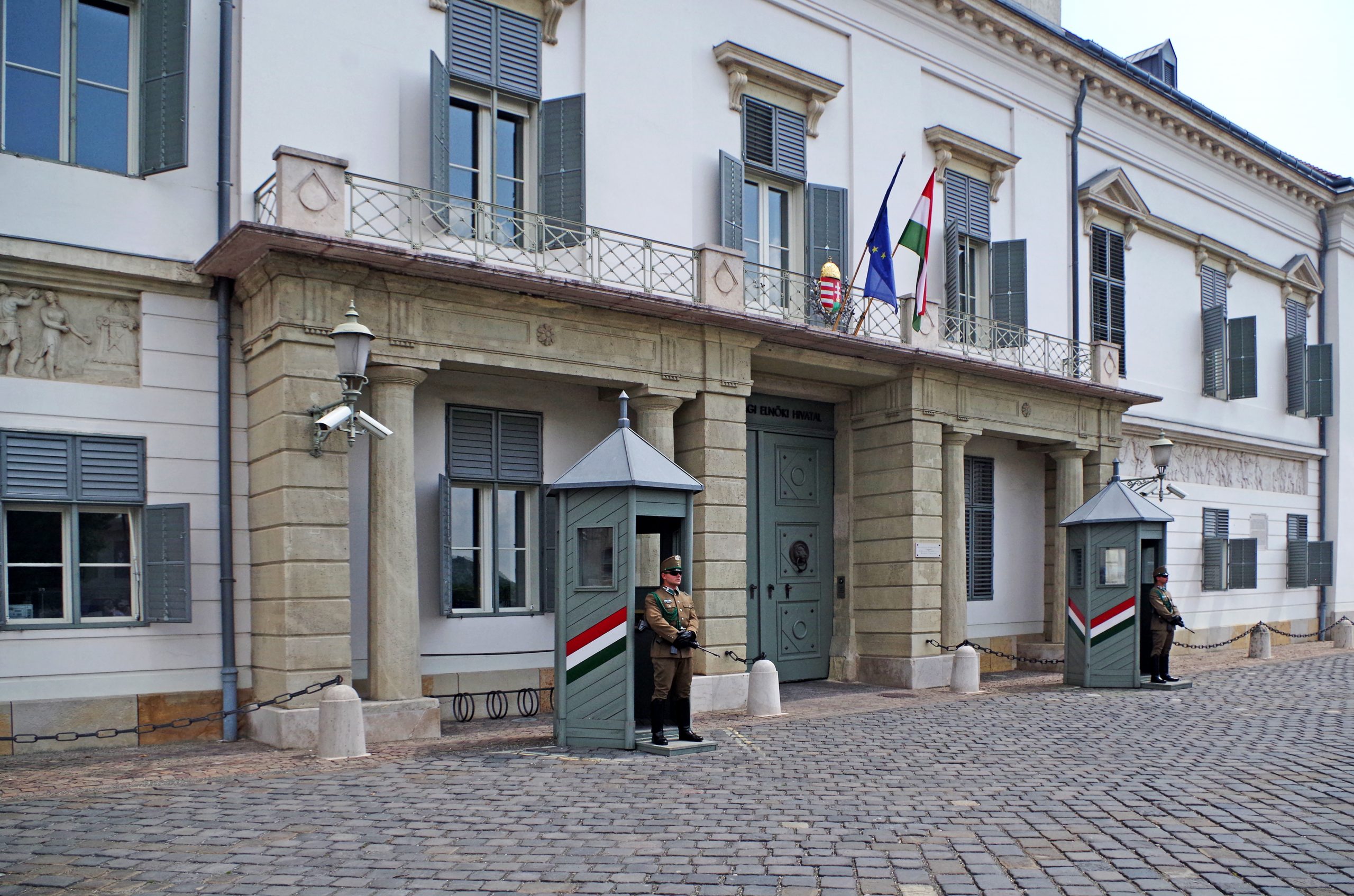
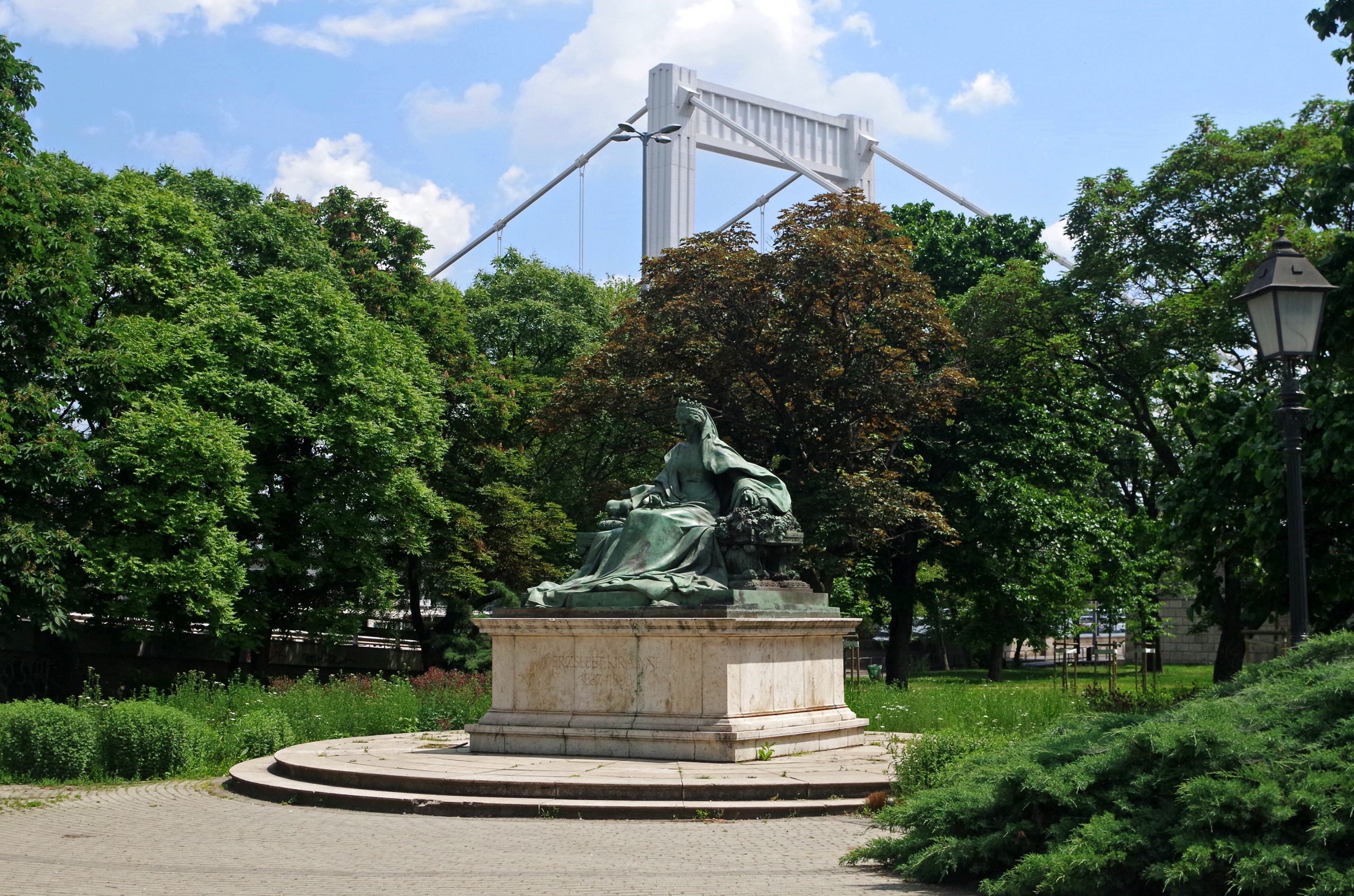
On the following day, I took a small walking tour of the Buda side of the city, climbing up Castle Hill to the city’s most famous attractions. The crowds were enormous up at Castle Hill, around the Matthias Church (under renovation) and the Fisherman’s Bastion. These are photos taken there and on the walk back down to the cruise ship docks.
On our departure from Budapest, on our way to Vienna, we had our final views of the city taken from the Danube River.