The city of Nuremberg was one of the most historic stops on our trip. One must understand that the history of Germany and all of Central Europe is quite muddled throughout the last two millennia. None of the modern republics – including Germany – can trace its origins back to any particular people, as borders changed with wars and invasions from every direction, and people migrated throughout the region. One consistency over the millennia has been the brutal atrocities that took place by both those in power and those seeking to gain control. Those atrocities continued through the reign of the Emperor Charlemagne and the Holy Roman Empire, despite the broad conversions to Catholic Christianity, usually out of either expediency or compulsion. Emperors and kings were crowned by the pope, monasteries served as military fortifications, and those in power, in turn, chose the men who would be popes – or, particularly in the 13th century, anti-popes. We are all familiar with the Crusades, and the Jewish population was consistently massacred during the 13th and 14th centuries, all in the name of righteousness.
Given this highly abbreviated historical perspective, it is no surprise that Nuremberg became the epicenter of the Nazi party movement in the 1920s, 1930s and throughout World War II, embracing Hitler’s insanity about a pure Arian race that never in fact actually existed, and continuing the scapegoating of the Jewish people to the most horrific extreme imaginable. There was not a single Jewish resident remaining in Nuremberg at the end of World War II.
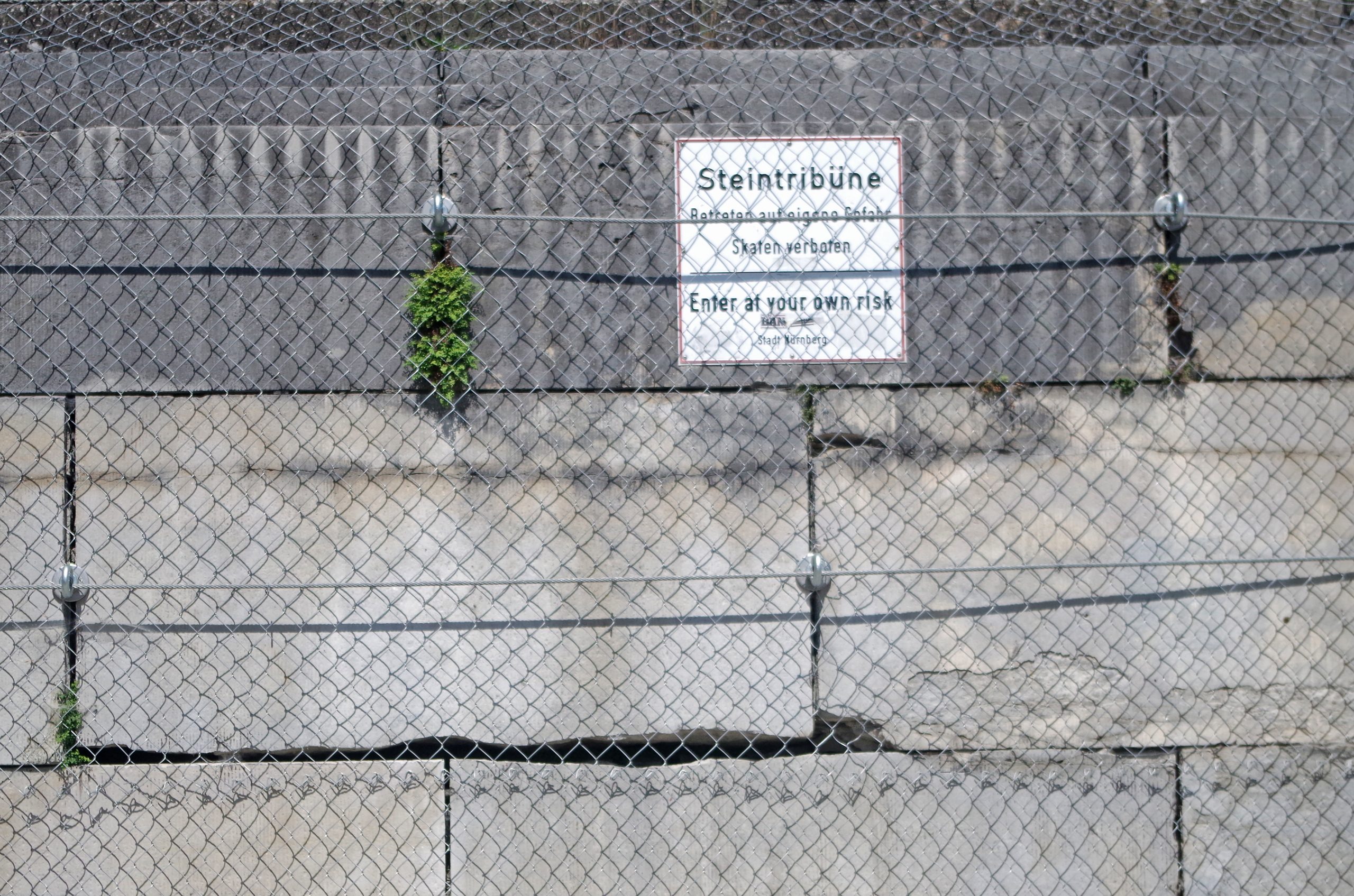
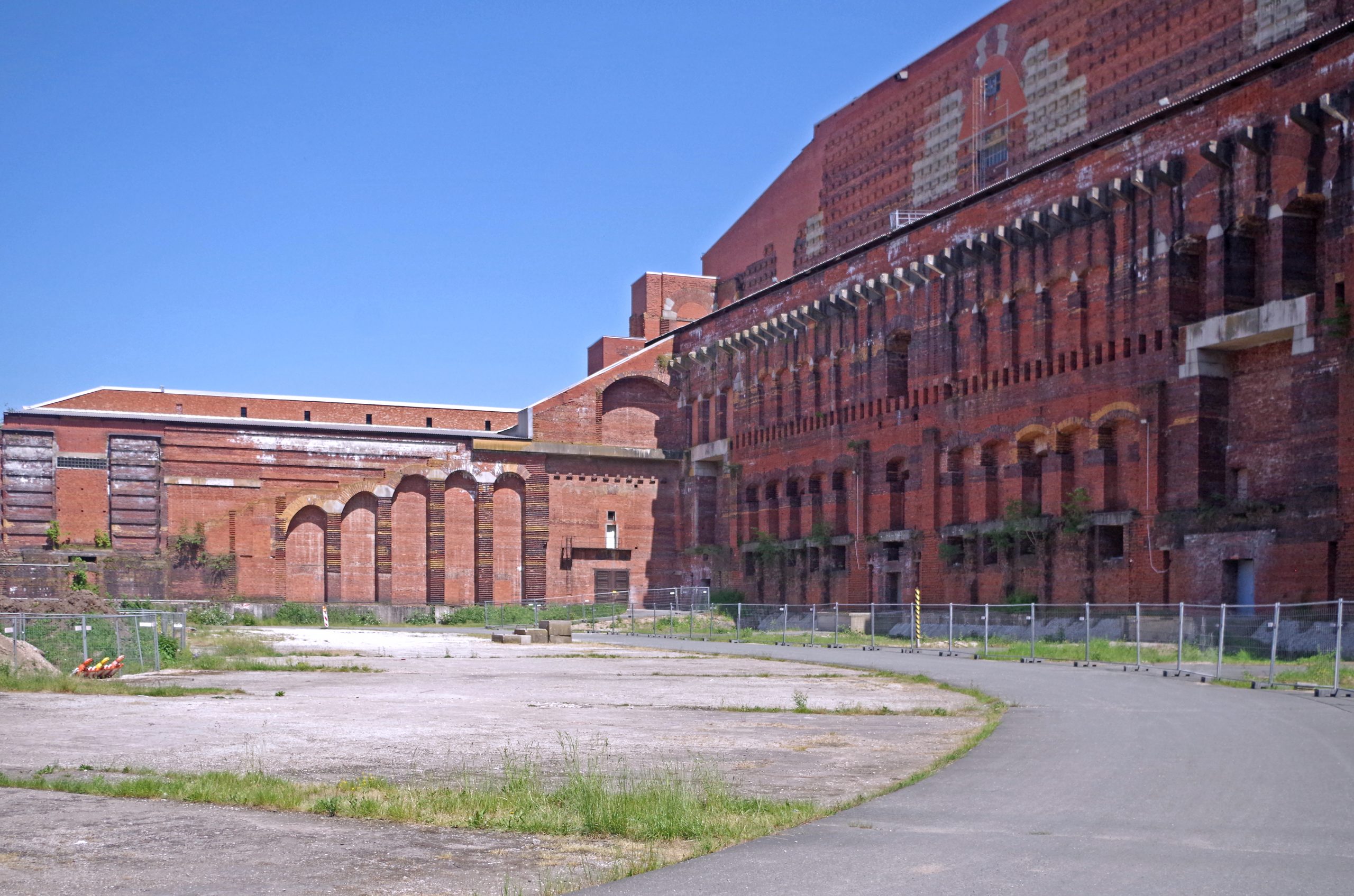
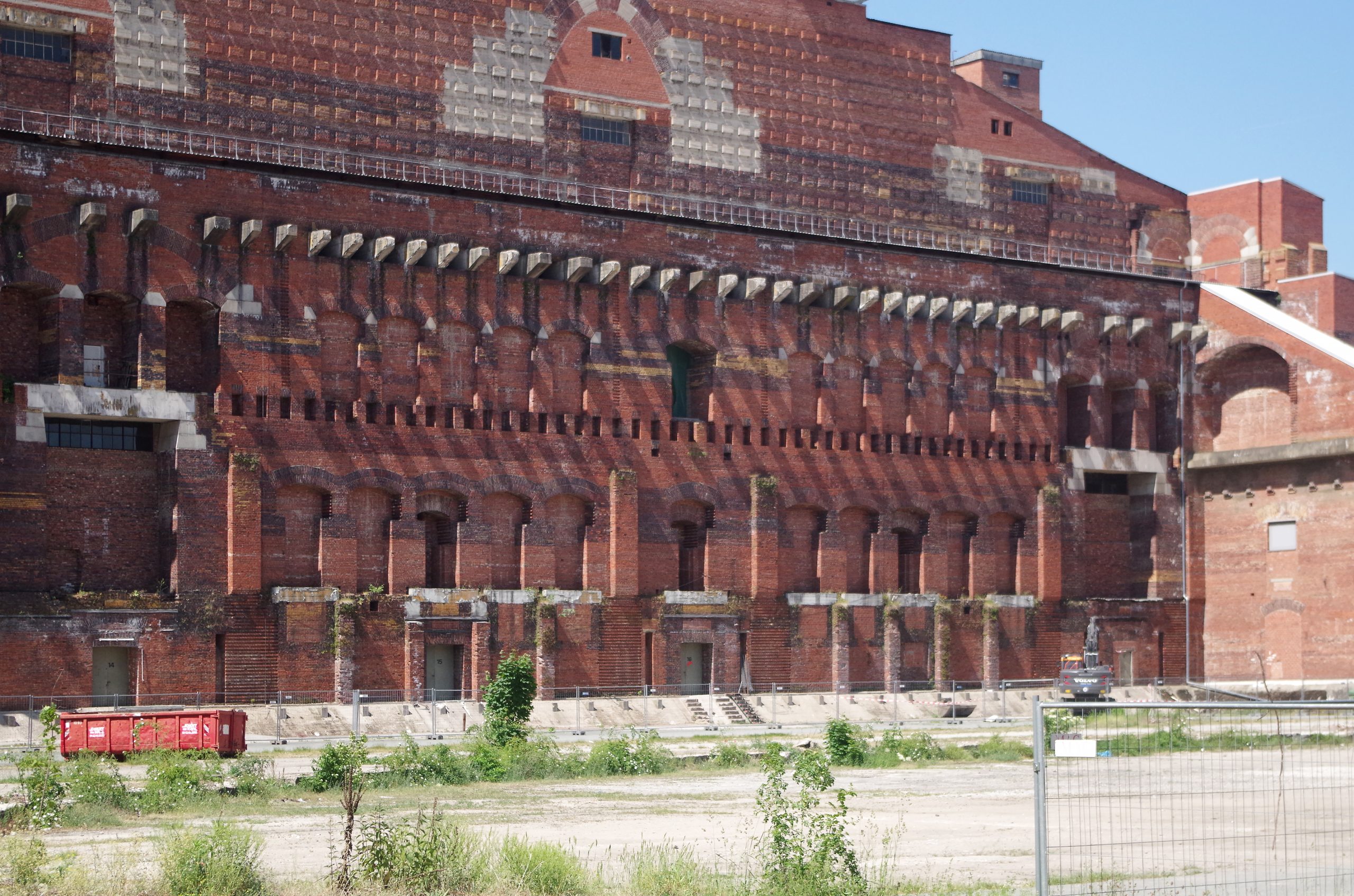
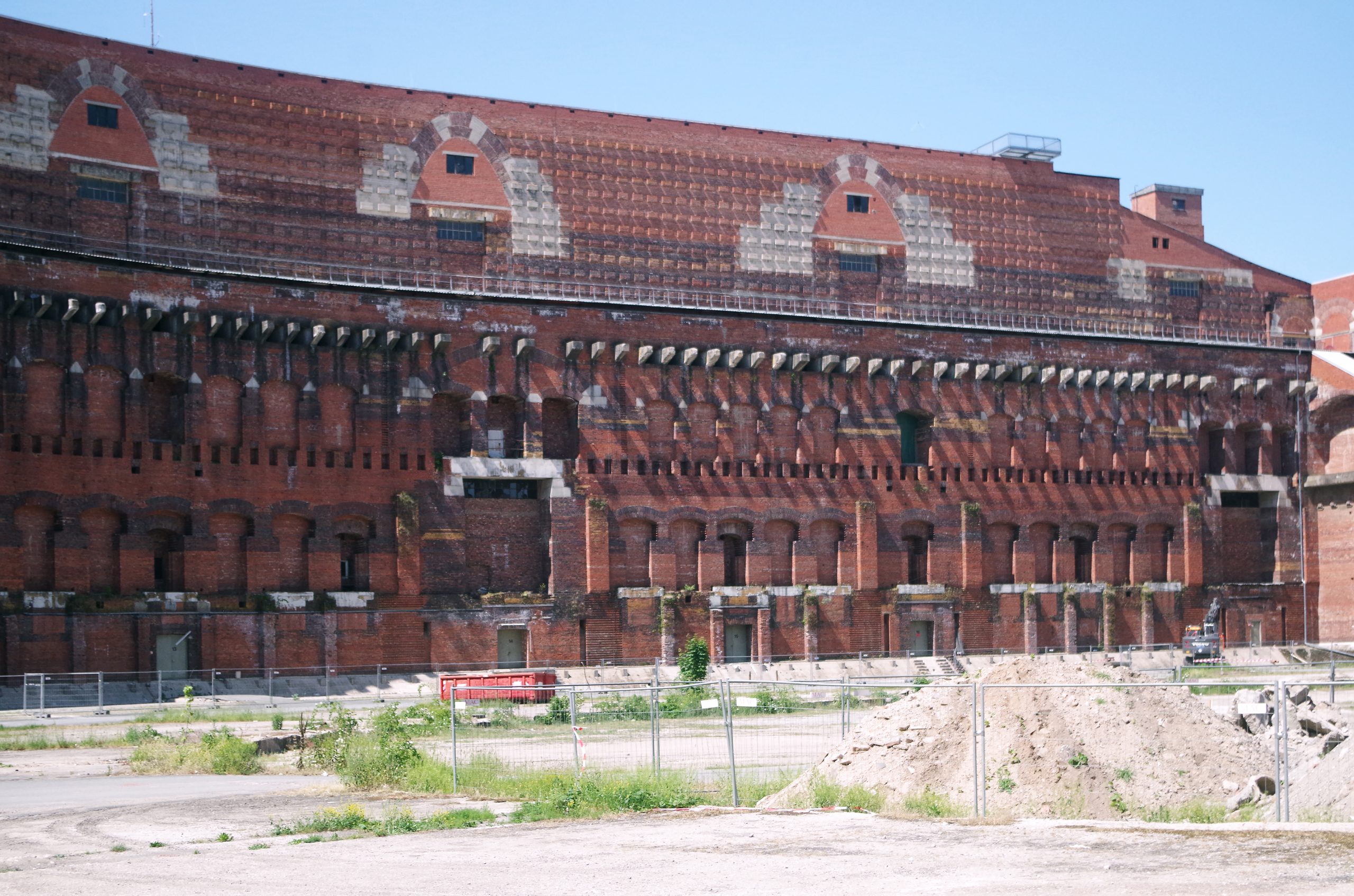
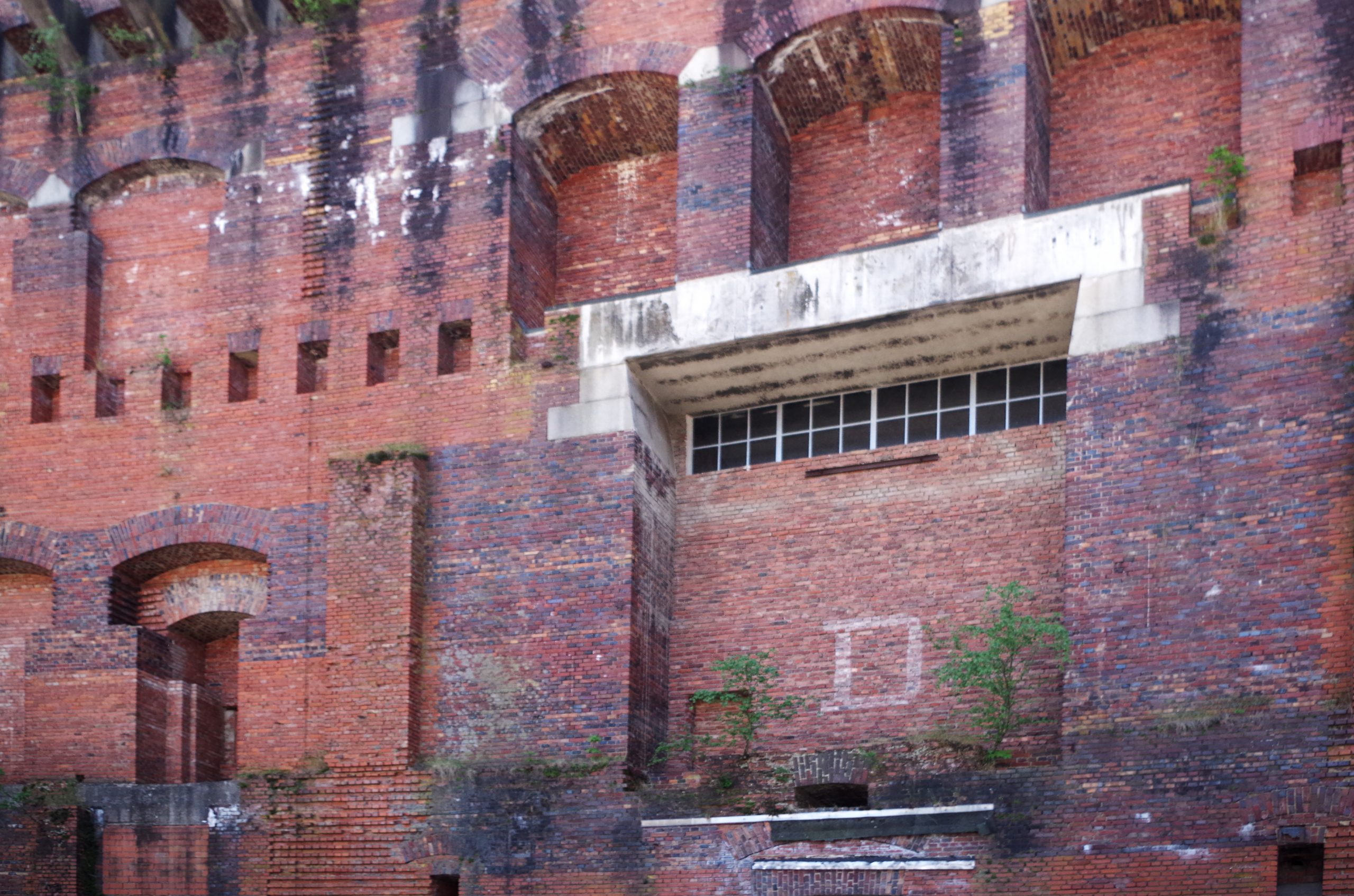
Due to its strategic importance due to the manufacturing of aircraft, submarines and tank engines, ninety percent of the city of Nuremberg was destroyed during one hour of intense bombing by the Royal Air Force and the U.S. Army Air Forces on January 2, 1945. Despite the destruction, several historic sites from this era remain, including the Zeppelinfield that was the site of the Nuremberg Rallies and the location for the Nazi propaganda film “Triumph of the Will” and the New Congress Hall, modeled after the Roman Colosseum and never completed. Also surviving is the massive building that was formerly the SS barracks, now quite symbolically serving as the Federal Office for Migration and Refugees.
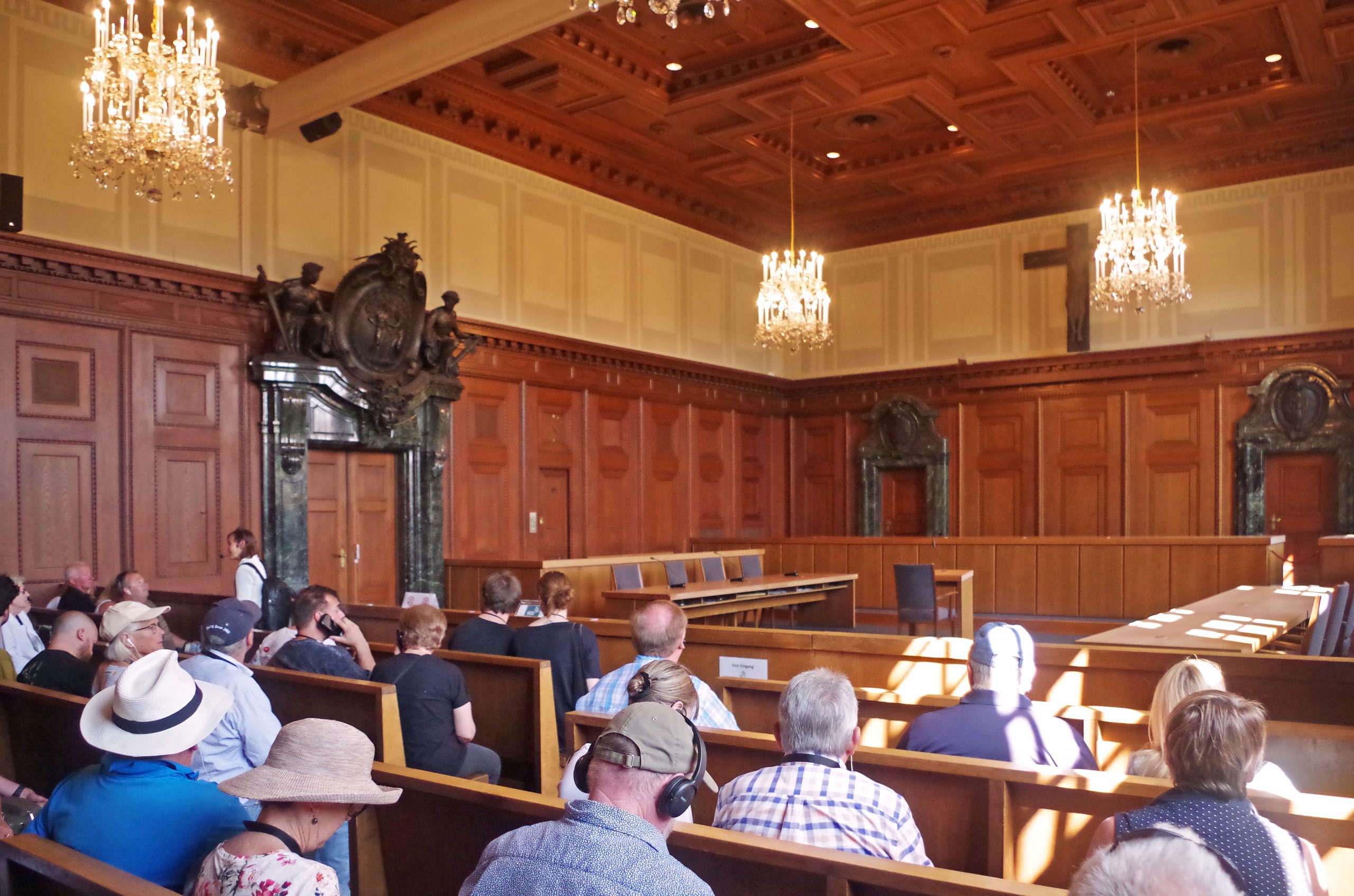
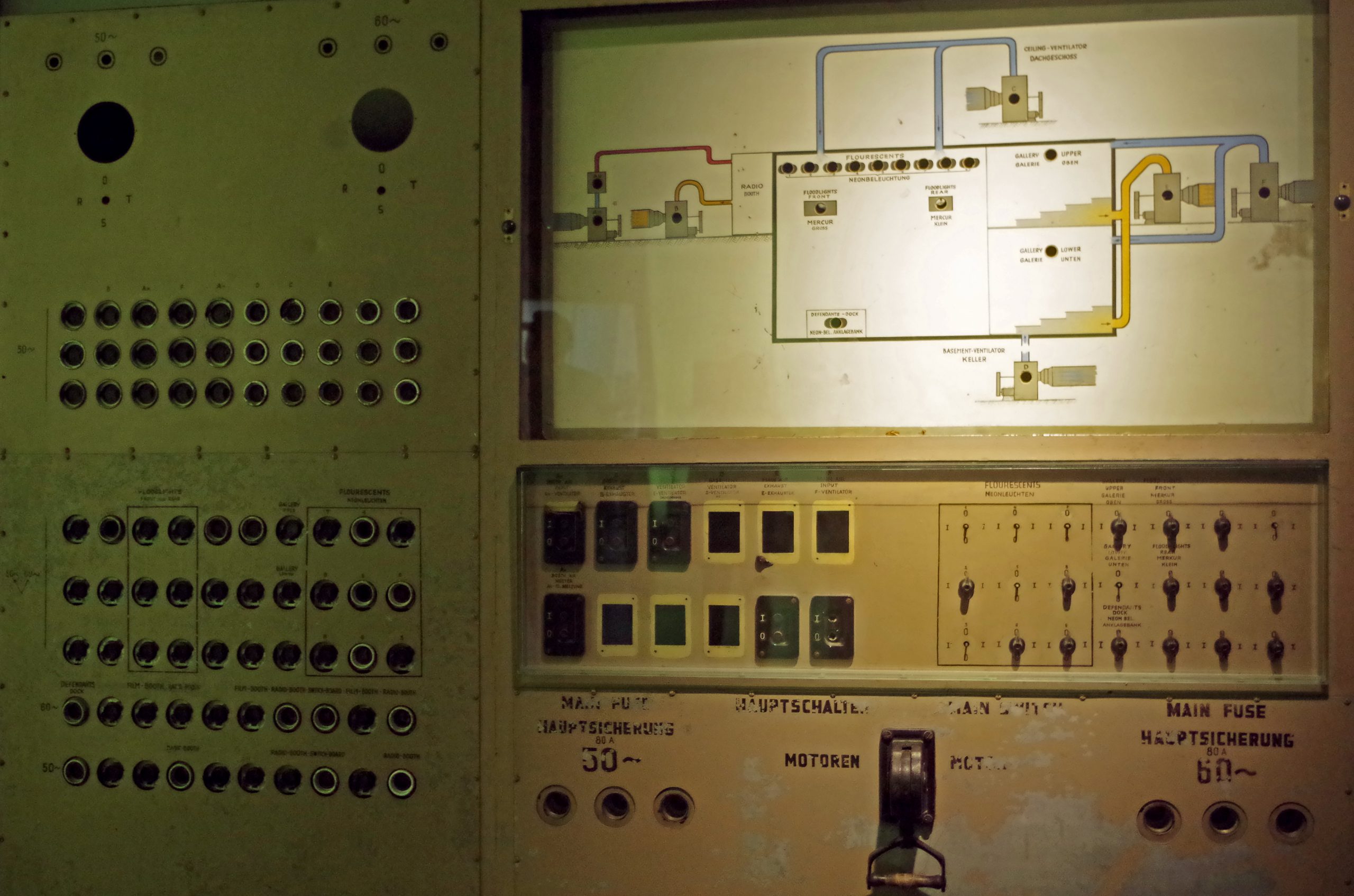
Nuremberg was also fittingly chosen as the site of the 1945 and 1946 trials of German officers for war crimes and crimes against humanity, known as the Nuremberg Trials. The defendants in these widely televised trials included Rudolf Hess, Ernst Kaltenbrunner, Wilhelm Keitel, Alfred Rosenberg, Fritz Sauckel, Wilhelm Frick, Albert Speer, Julius Streicher, Hermann Göring, and Martin Bormann (who committed suicide prior to his trial).
We were unable to see much of the Zeppelinfield grounds, due to security and a rock music festival that was starting the following day. Quite a transformation from an assembly of 170,000 Hitler Youth.
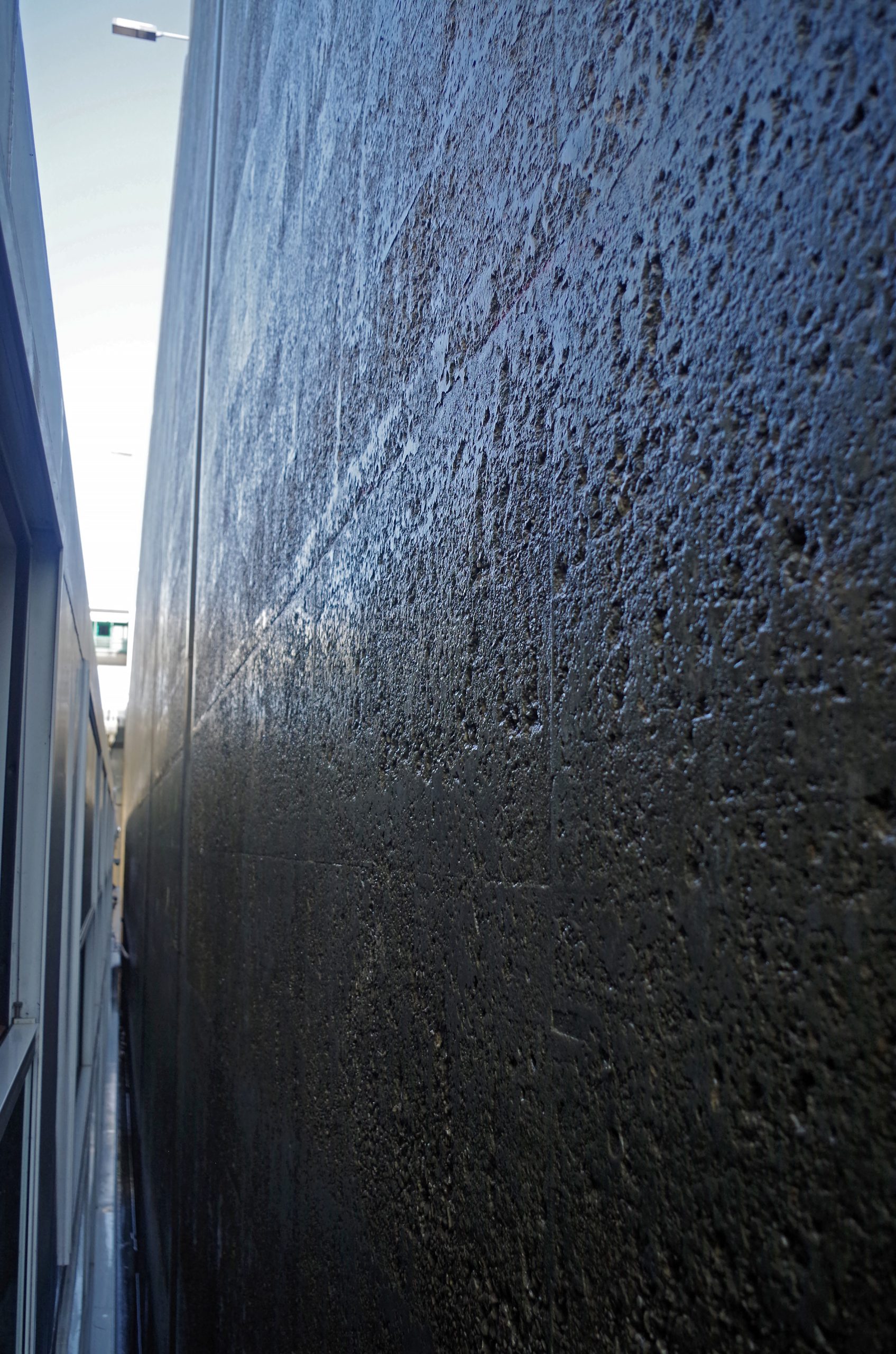
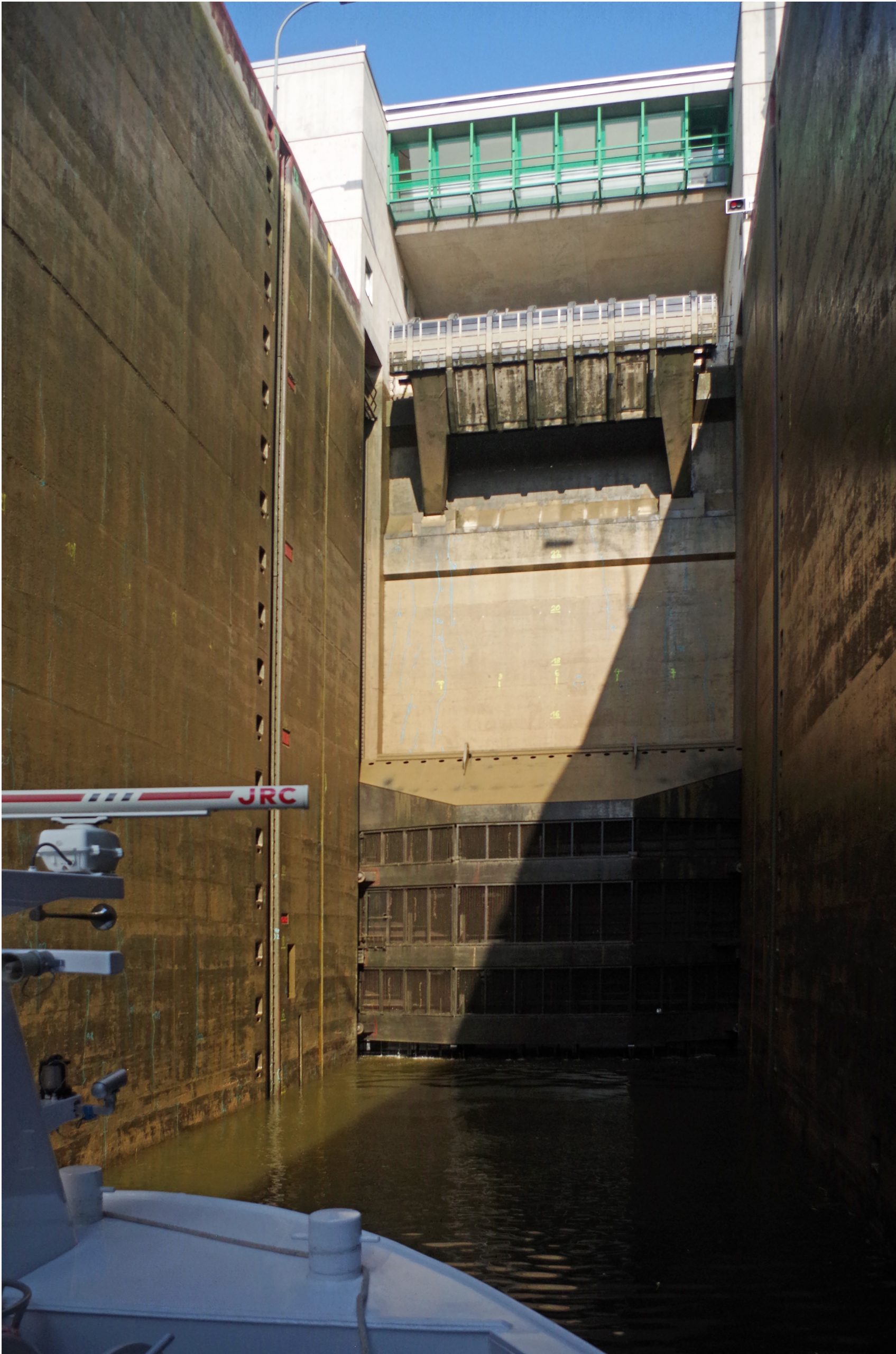
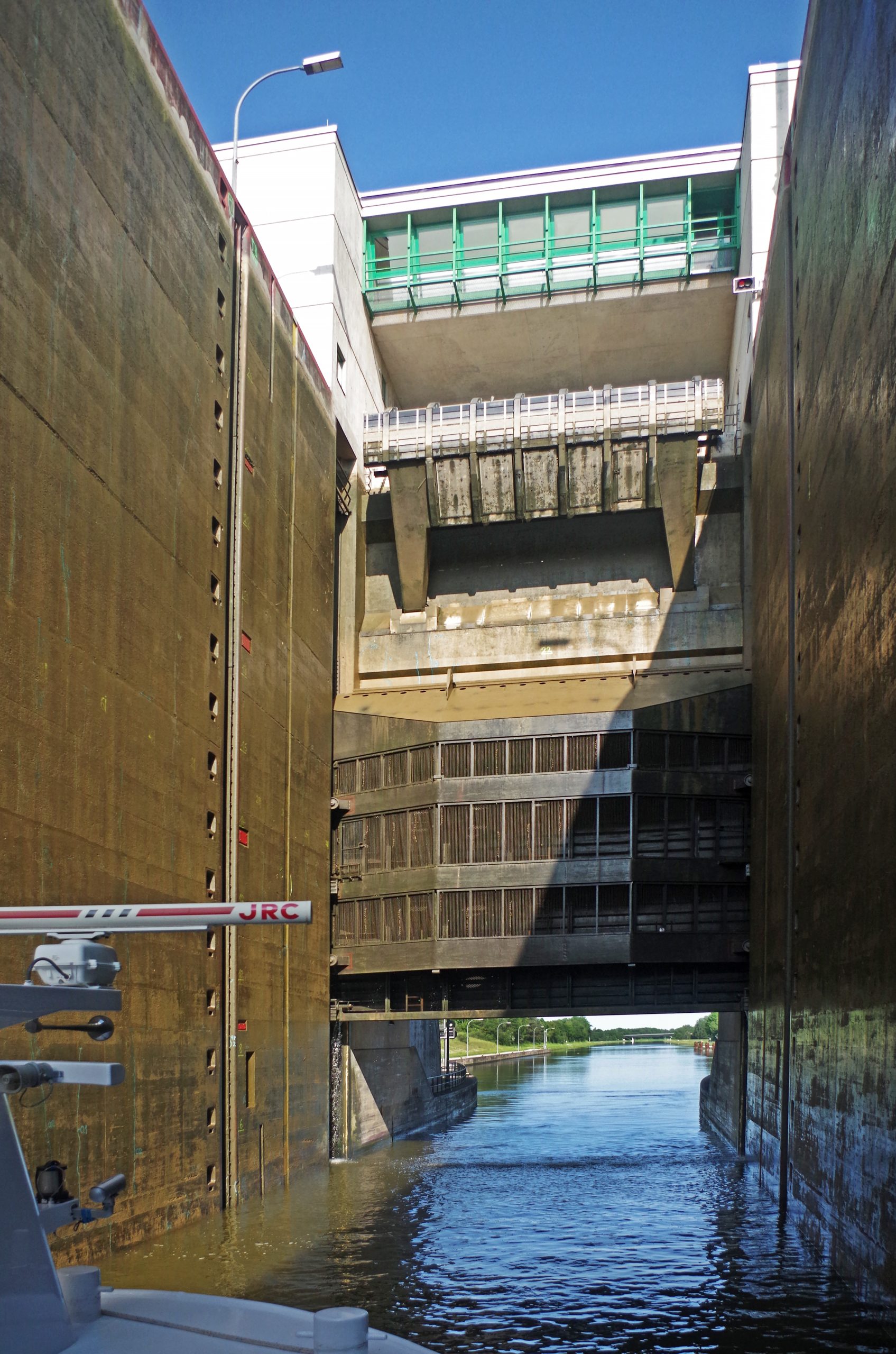
As we moved on from Nuremberg, we passed through some of the tallest locks of our trip, on the Rhine-Main-Danube Canal, an engineering project that was completed in 1992. There are a total of 16 locks on the 106 mile long canal, 13 of which are engineered to conserve water, three of which are as tall as 24.67 meters (or 81 feet). Most of the locks also generate hydroelectricity.
We were really impressed with the engineering, commerce and energy efficiency in Germany, including river barge traffic, high-speed passenger and freight trains, and the country’s 27,000 wind turbines. Going back to its historical roots, there are also 25,000 stone castles or castle ruins in Germany.