Amsterdam, The Netherlands

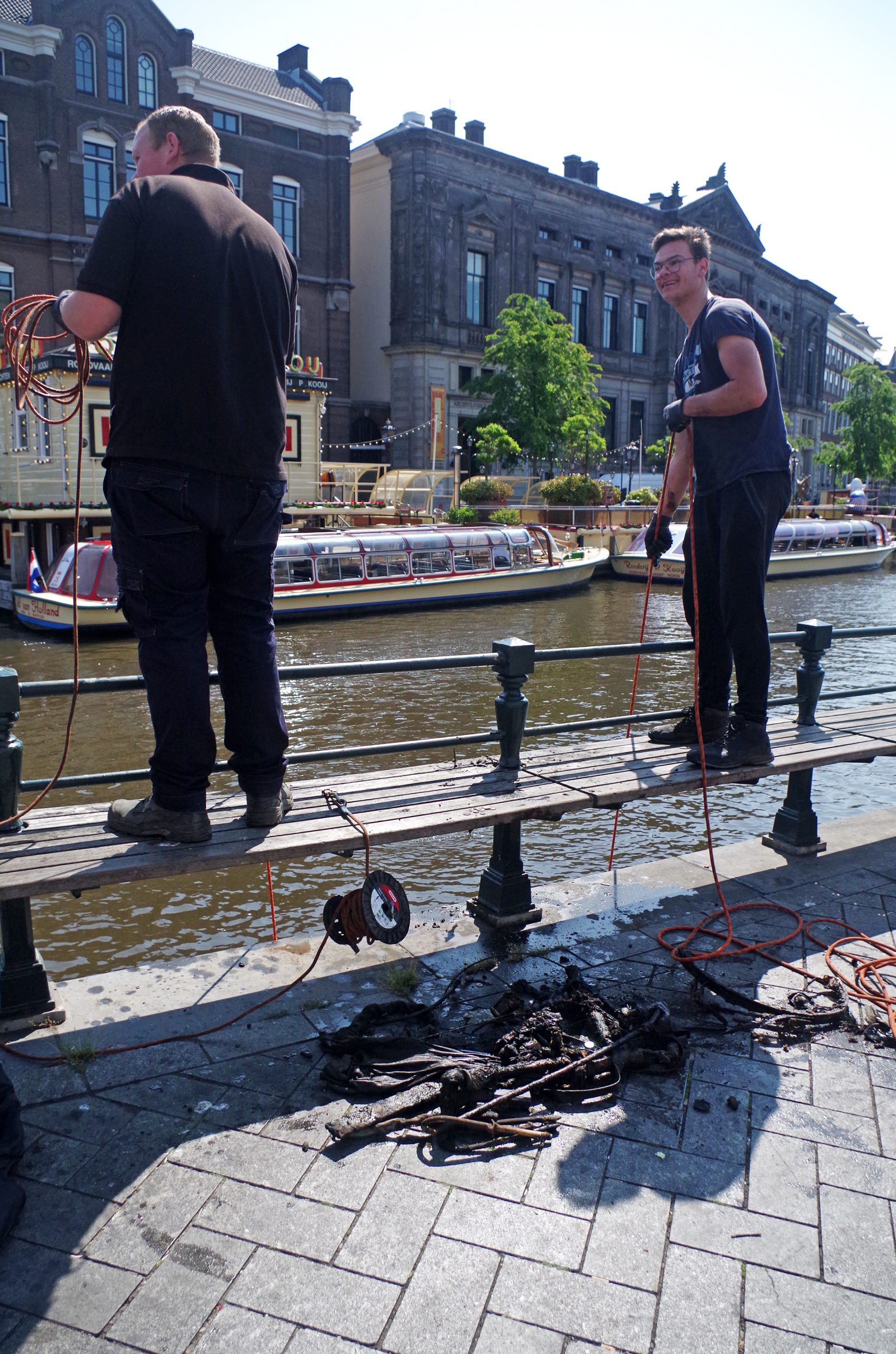
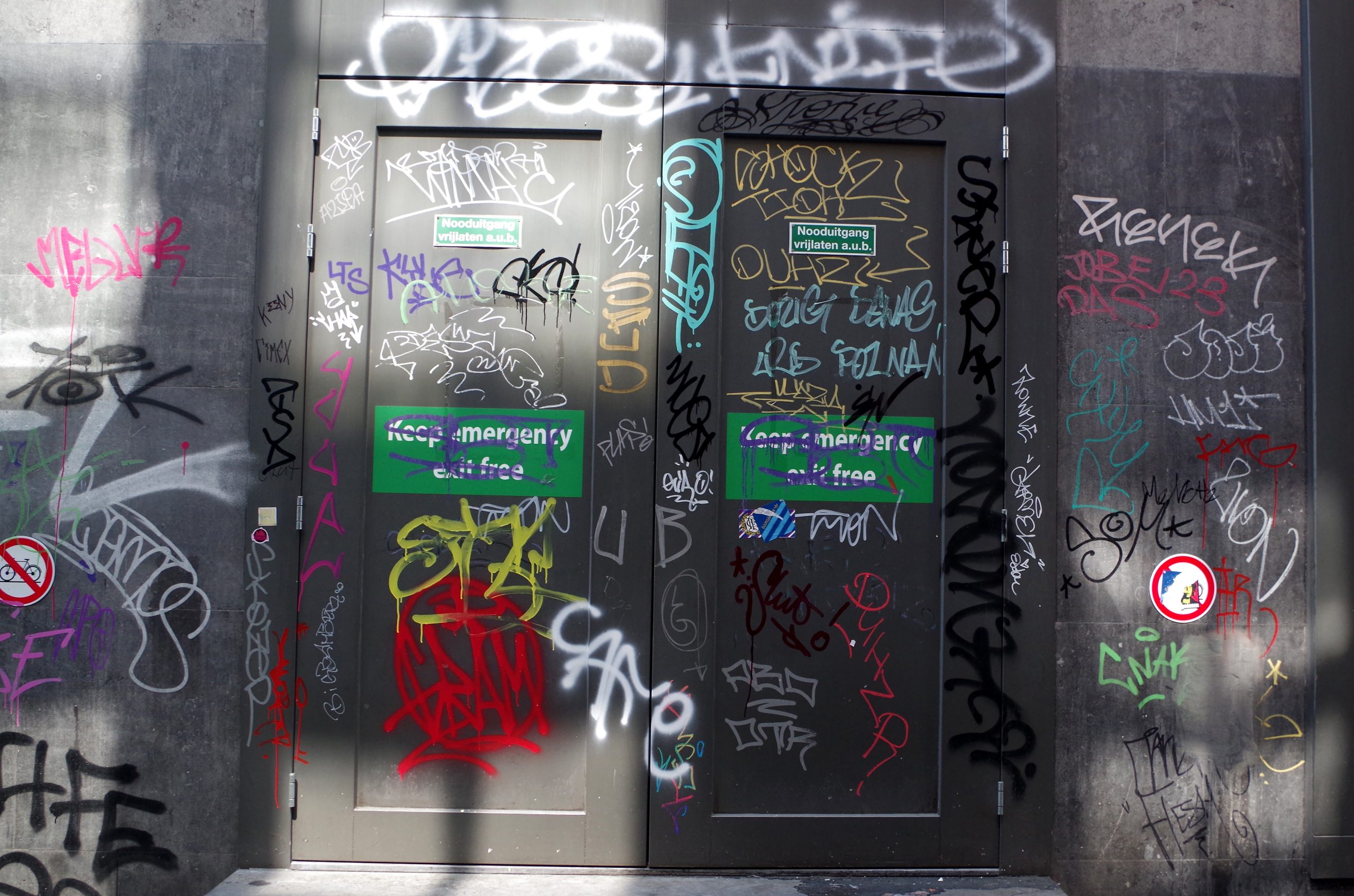
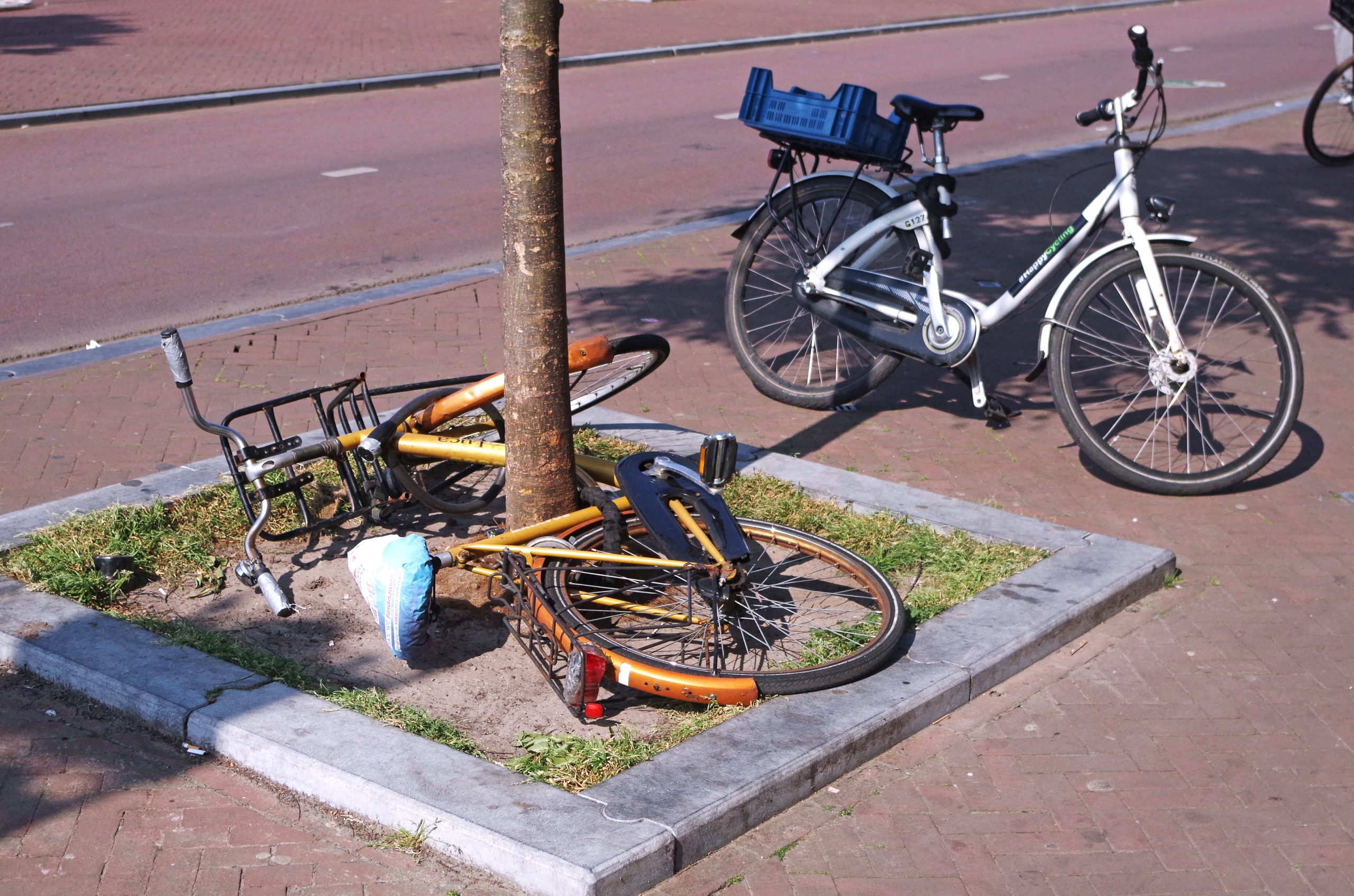
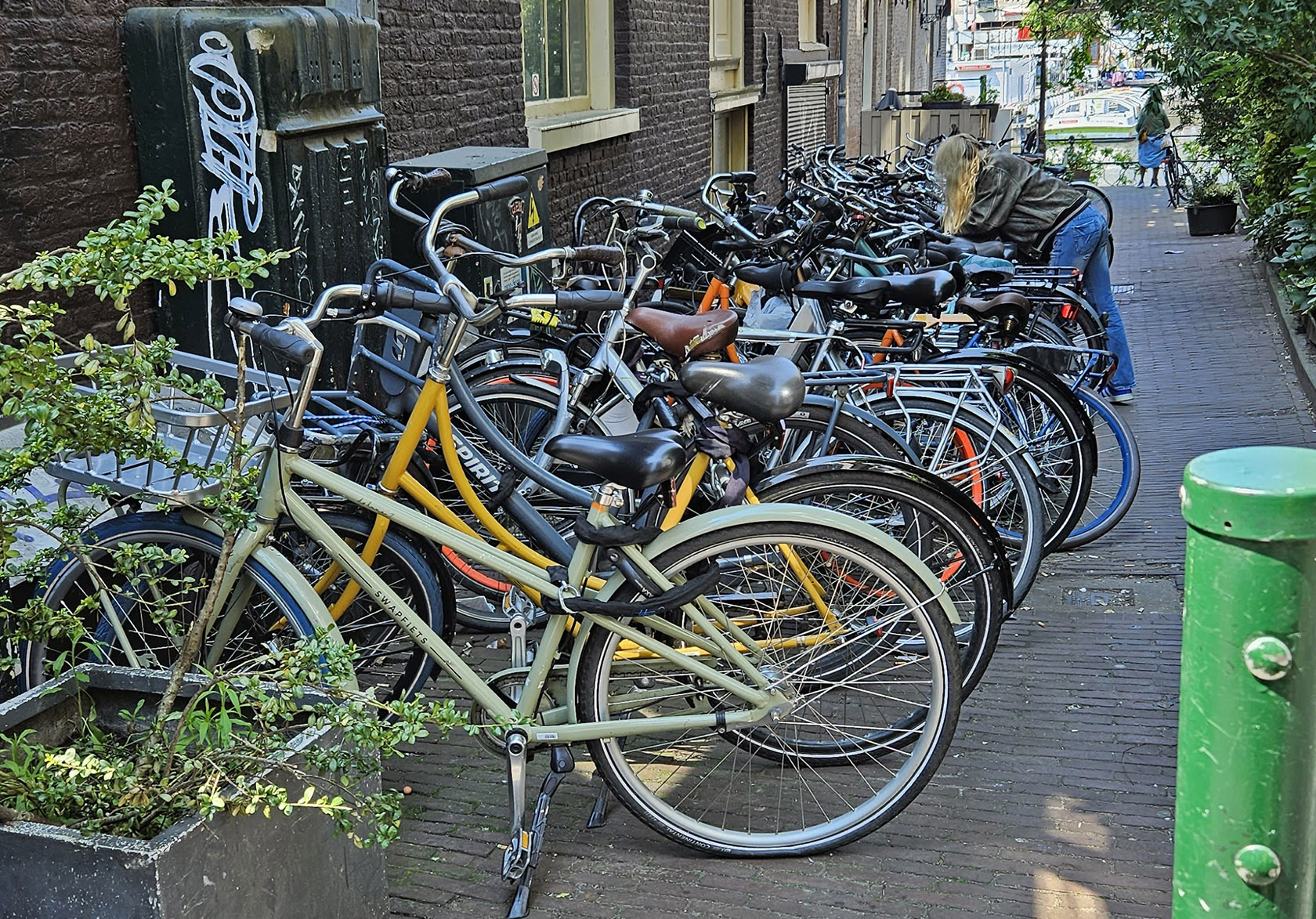
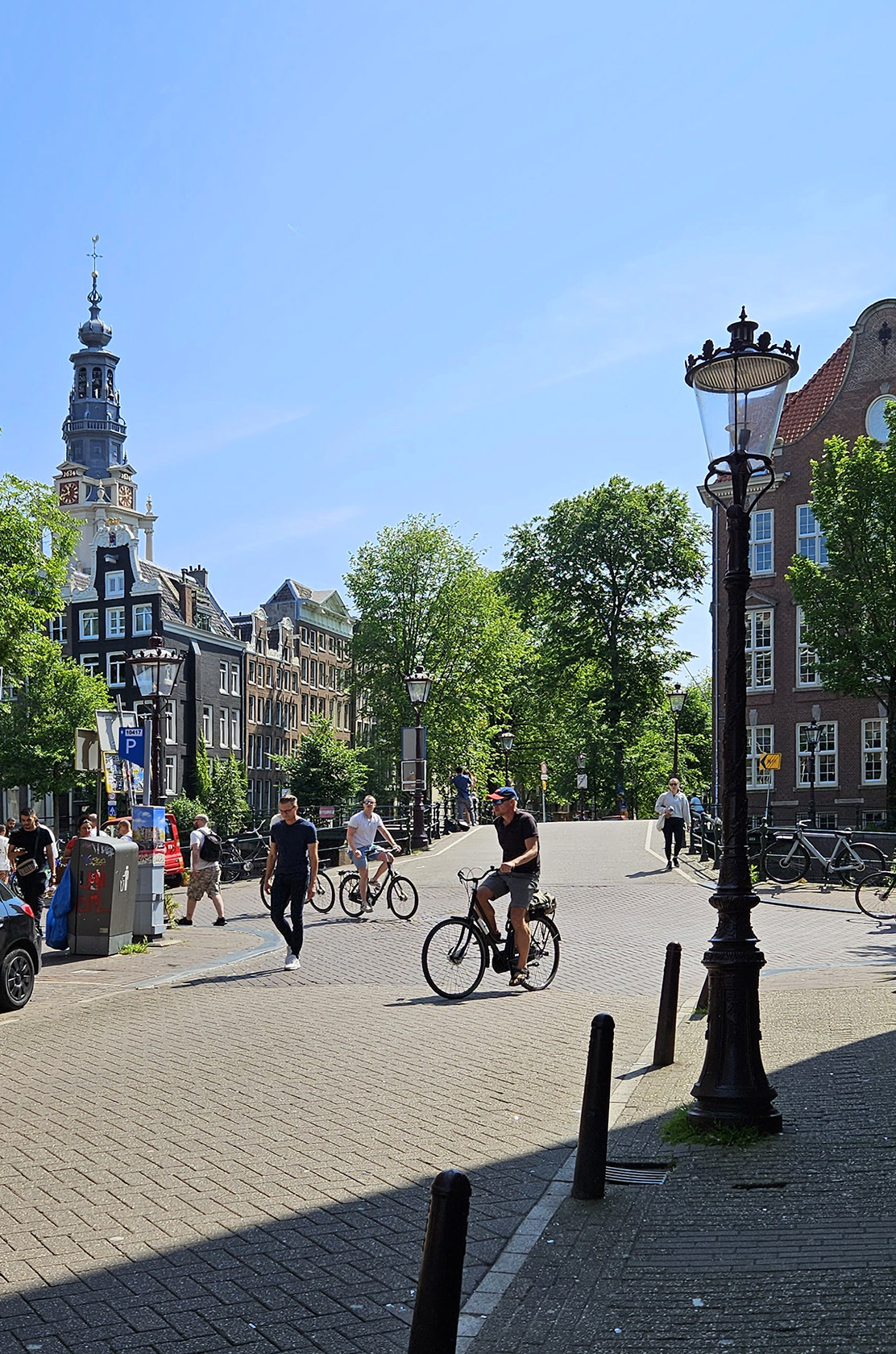
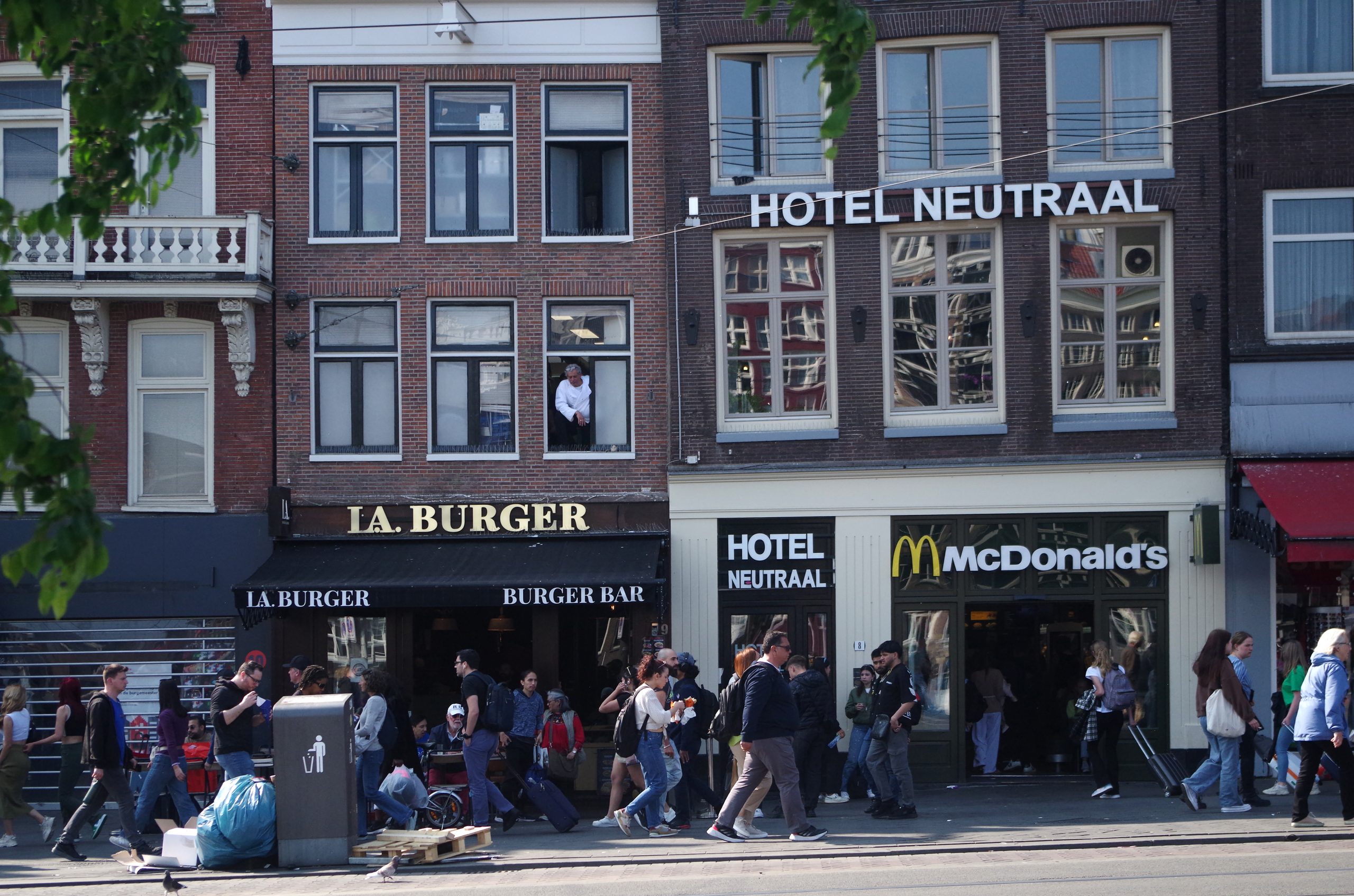
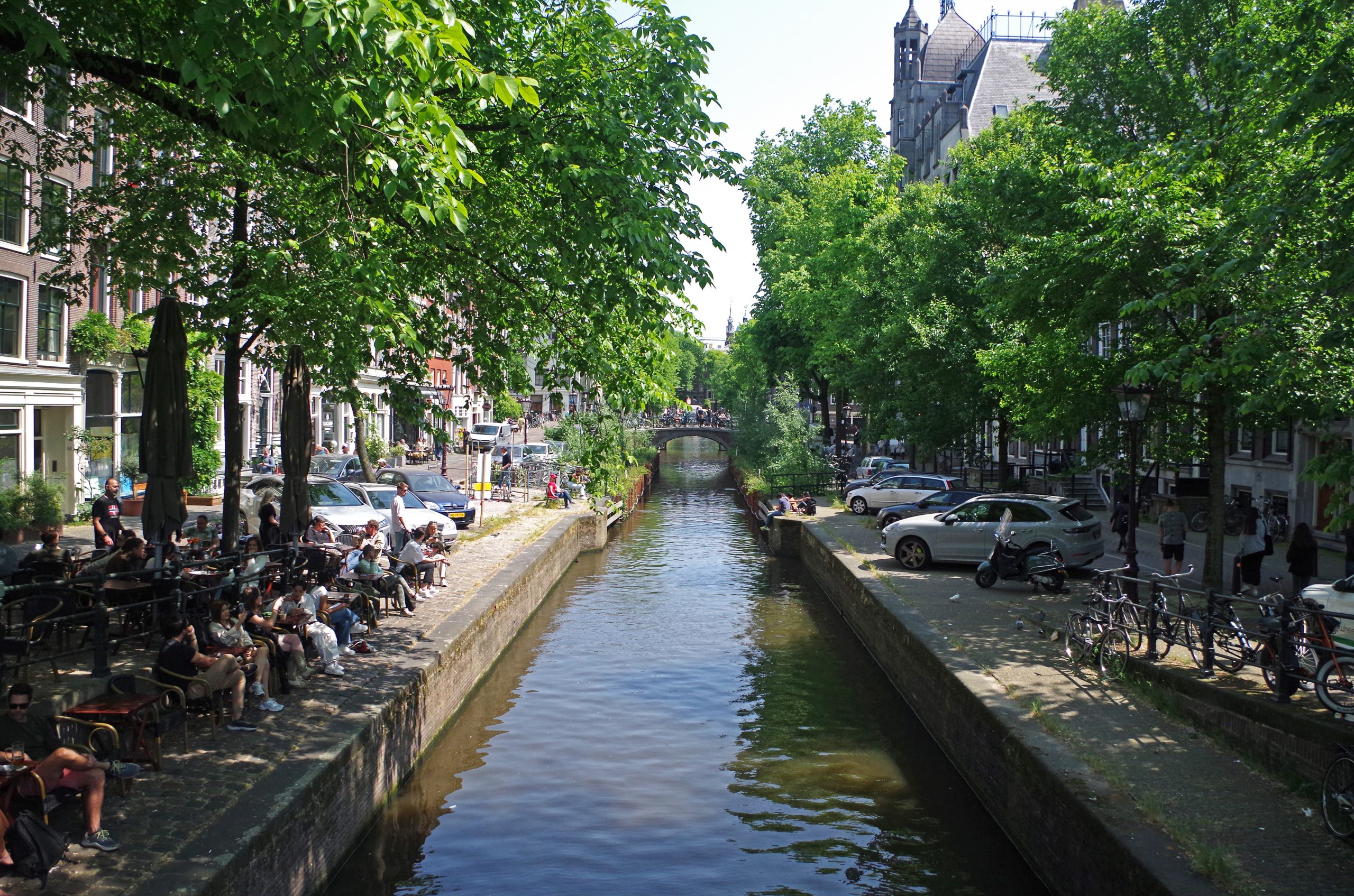
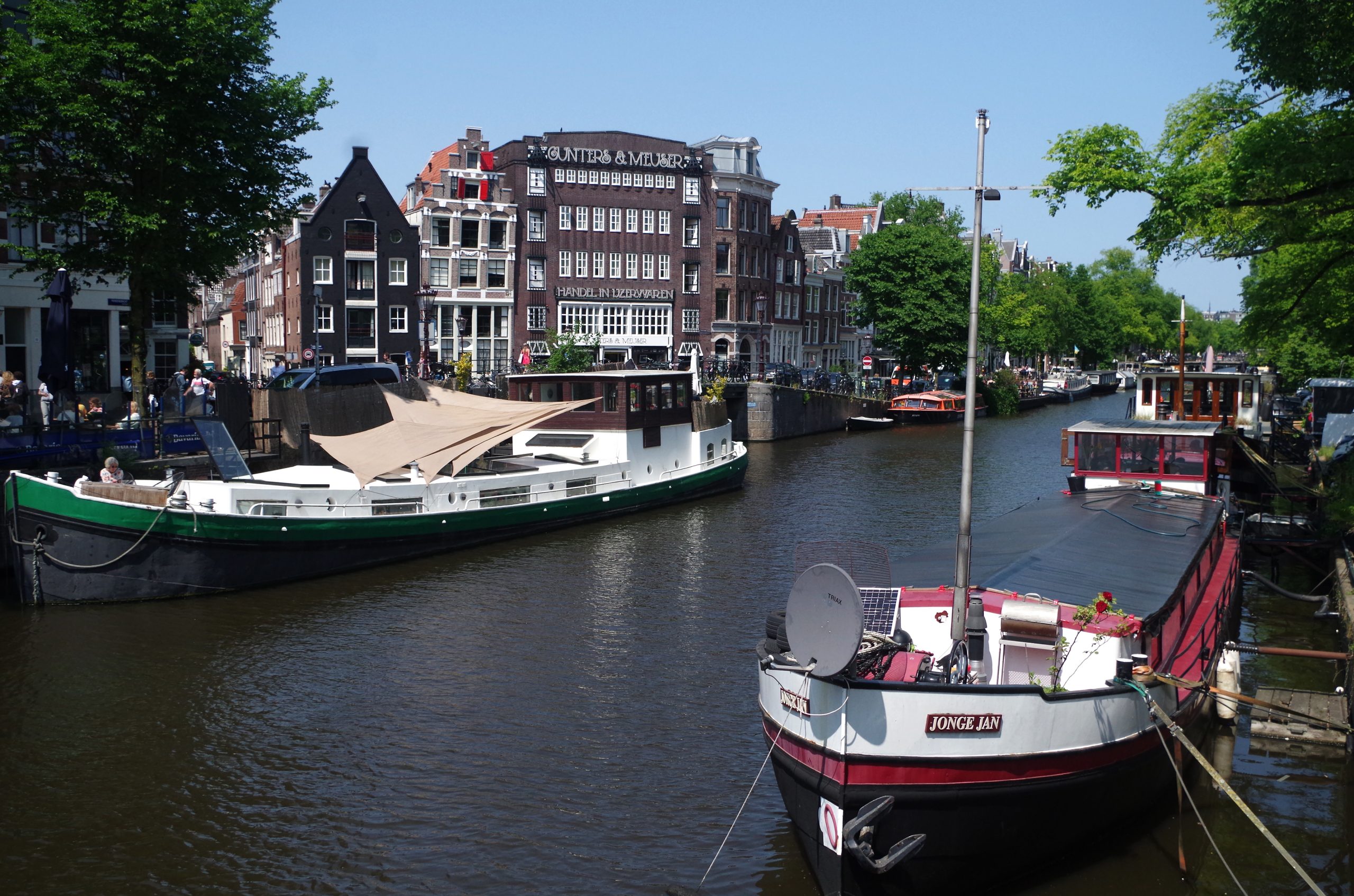
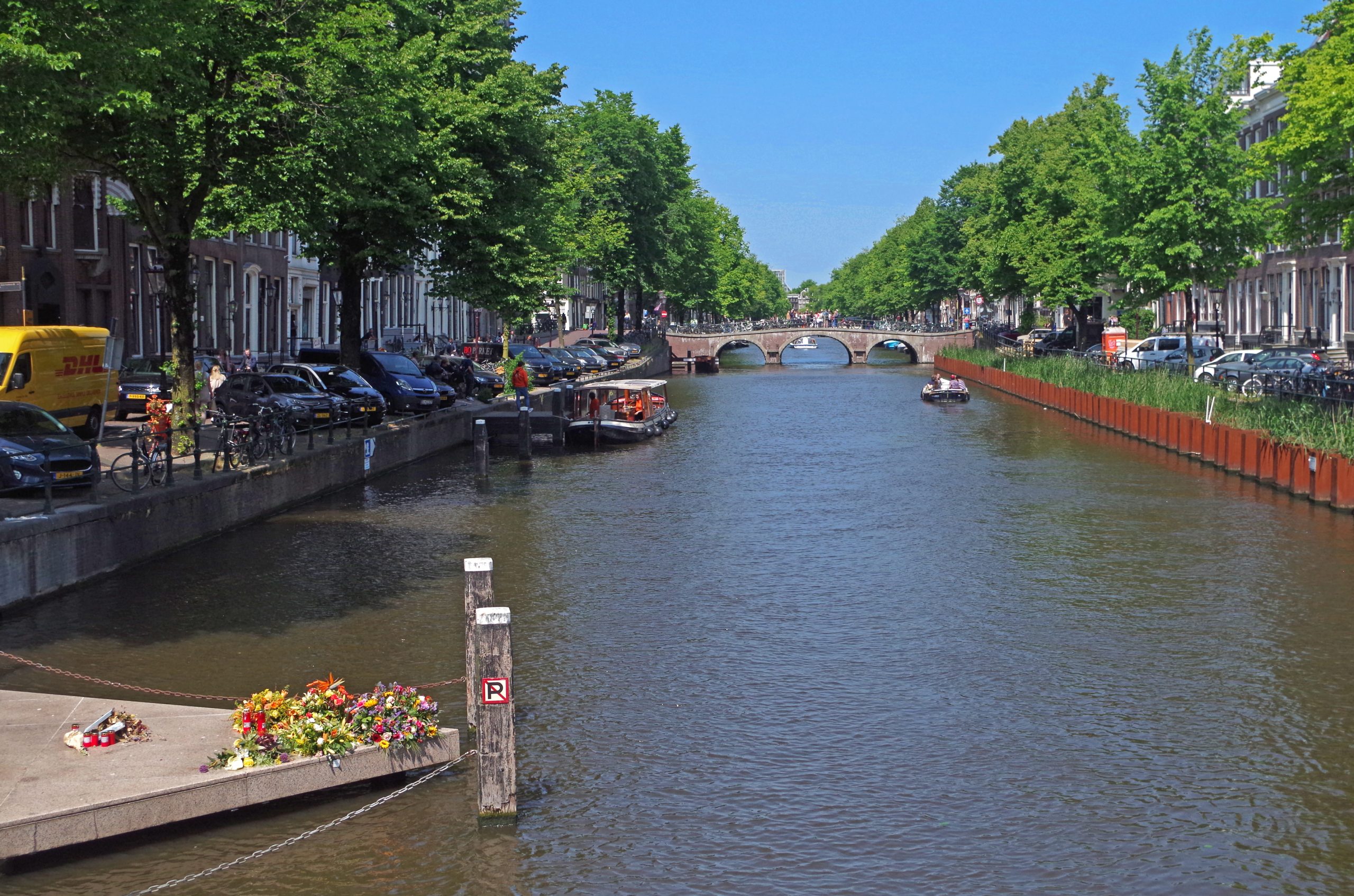
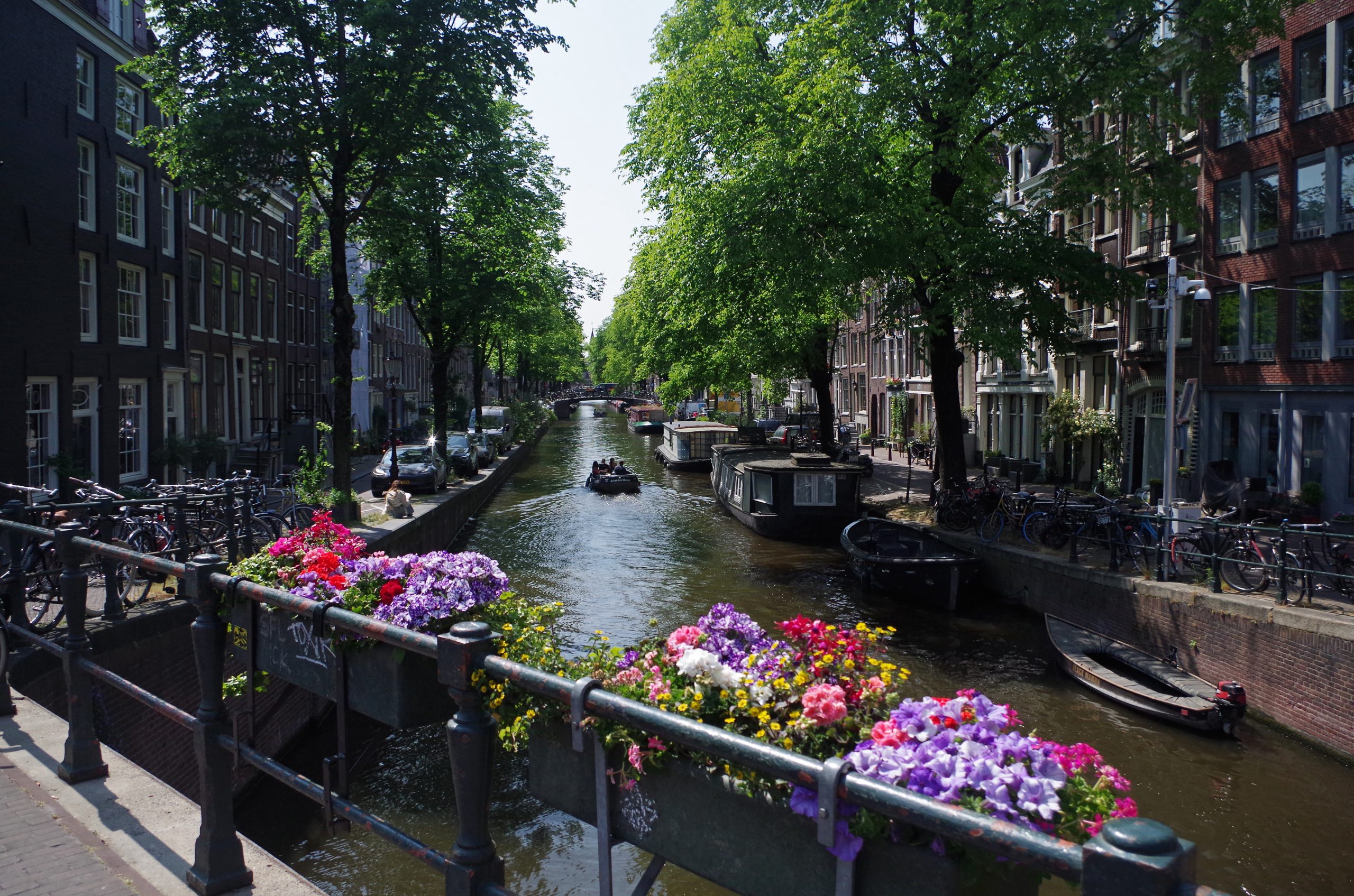
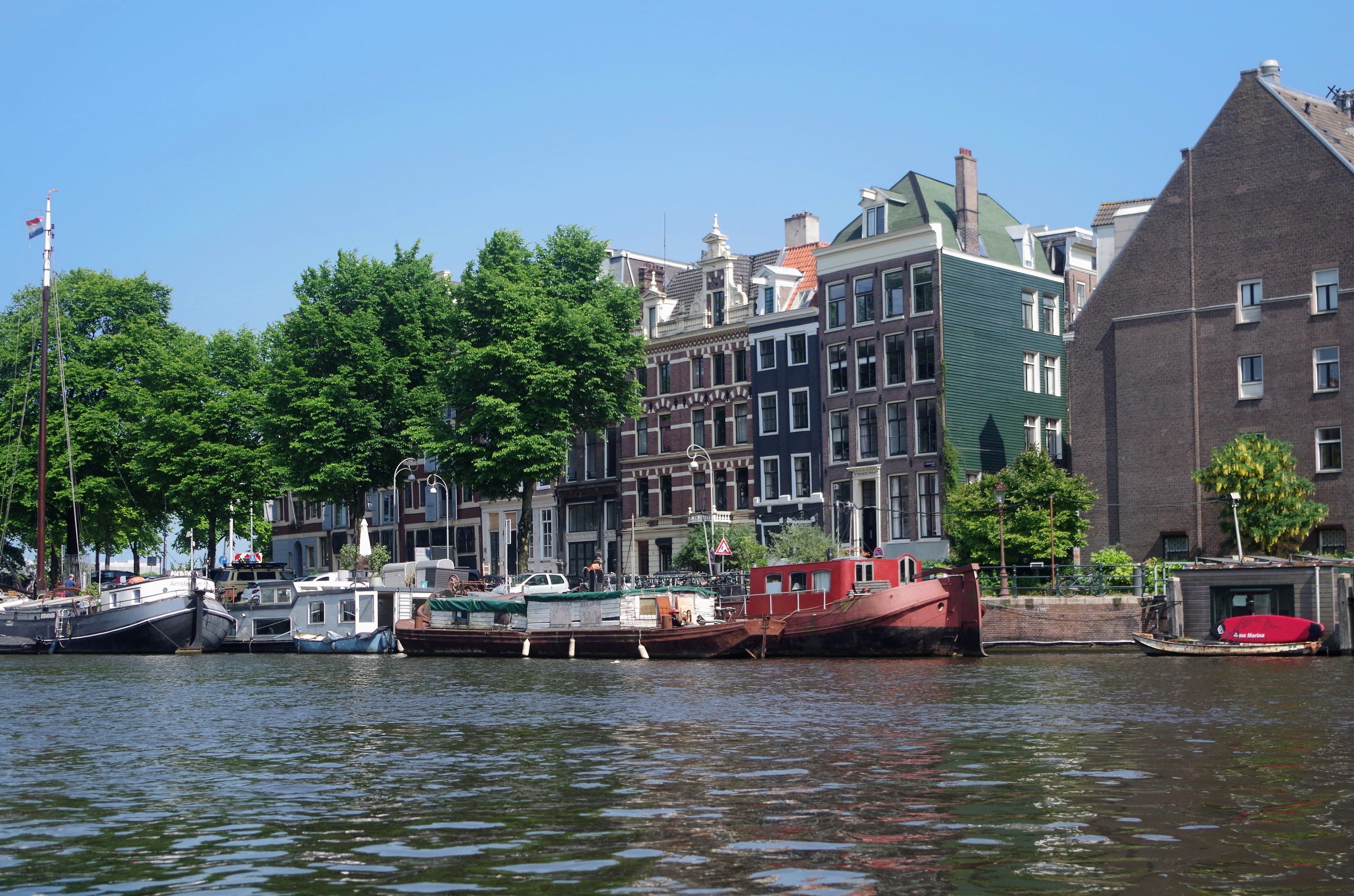
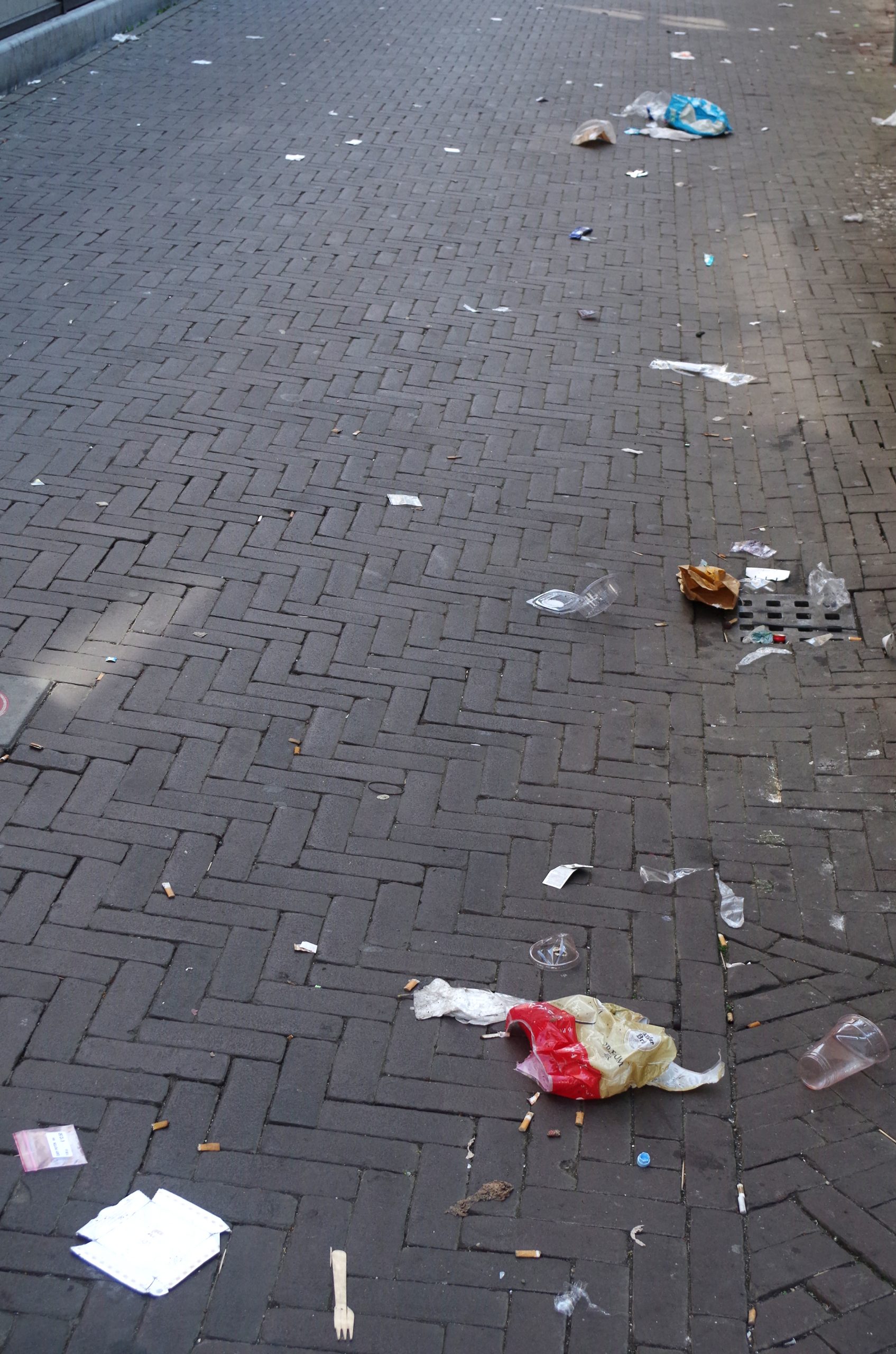
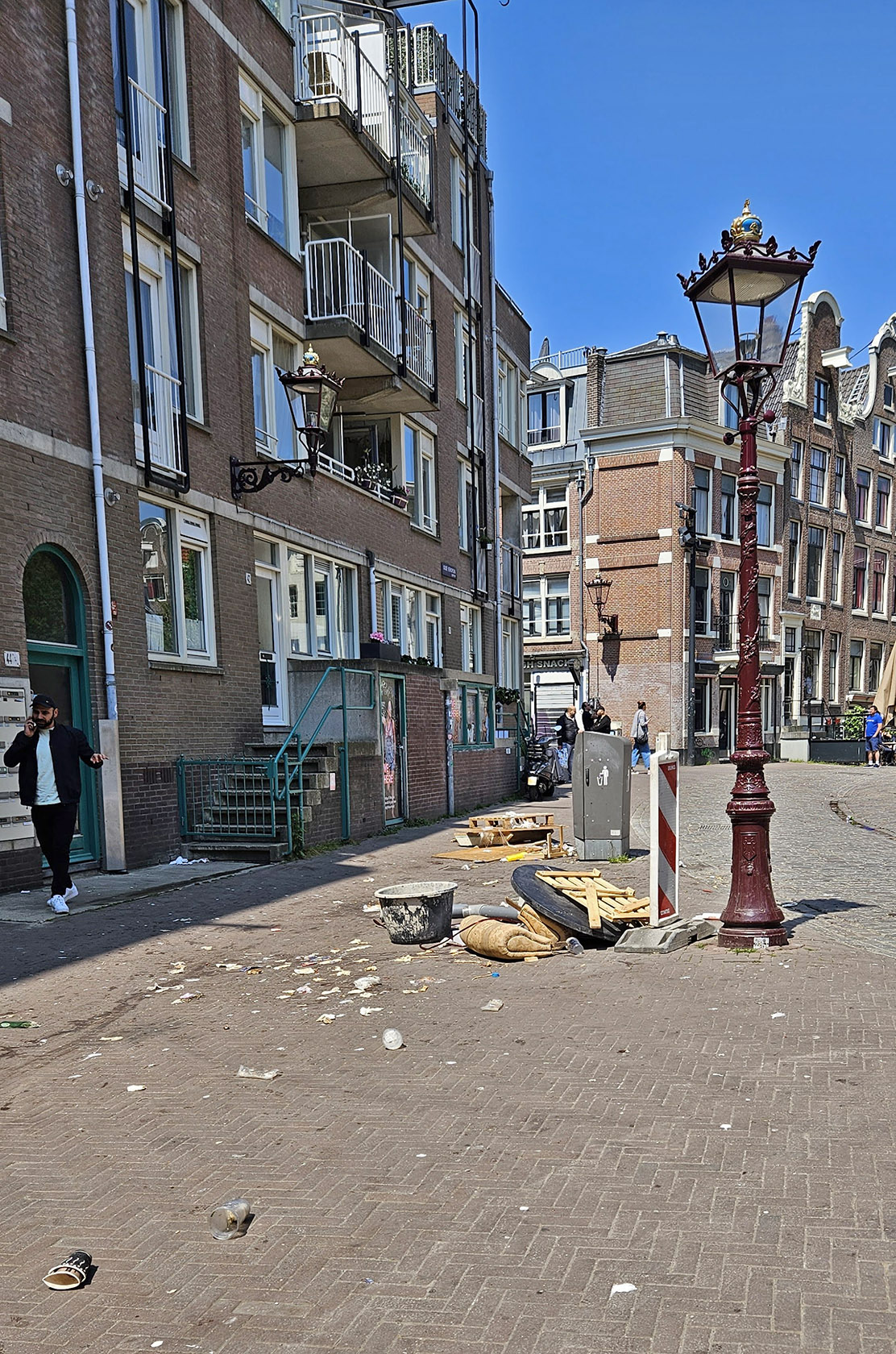
The city of Amsterdam was the last stop on our two-week river cruise, where we spent an extra day in order to see more of the city. Perhaps because it was the end of our trip or perhaps because we were anxious to return home, but Amsterdam was generally disappointing. Our first impression was trash-filled streets, during a Sunday morning walking tour, along cafés where people get legally high, massive crowds of people (many of whom were stoned in public), and bicyclists who have the right-of-way and no regard for the safety and well-being of pedestrians. We were told that 12,000 unlocked bicycles per year are thrown into the canals by vandals in this city where bicycles outnumber permanent residents. We even witnessed three men “fishing” in one of the canals with large magnets. They said that they find everything from coins to pistols.

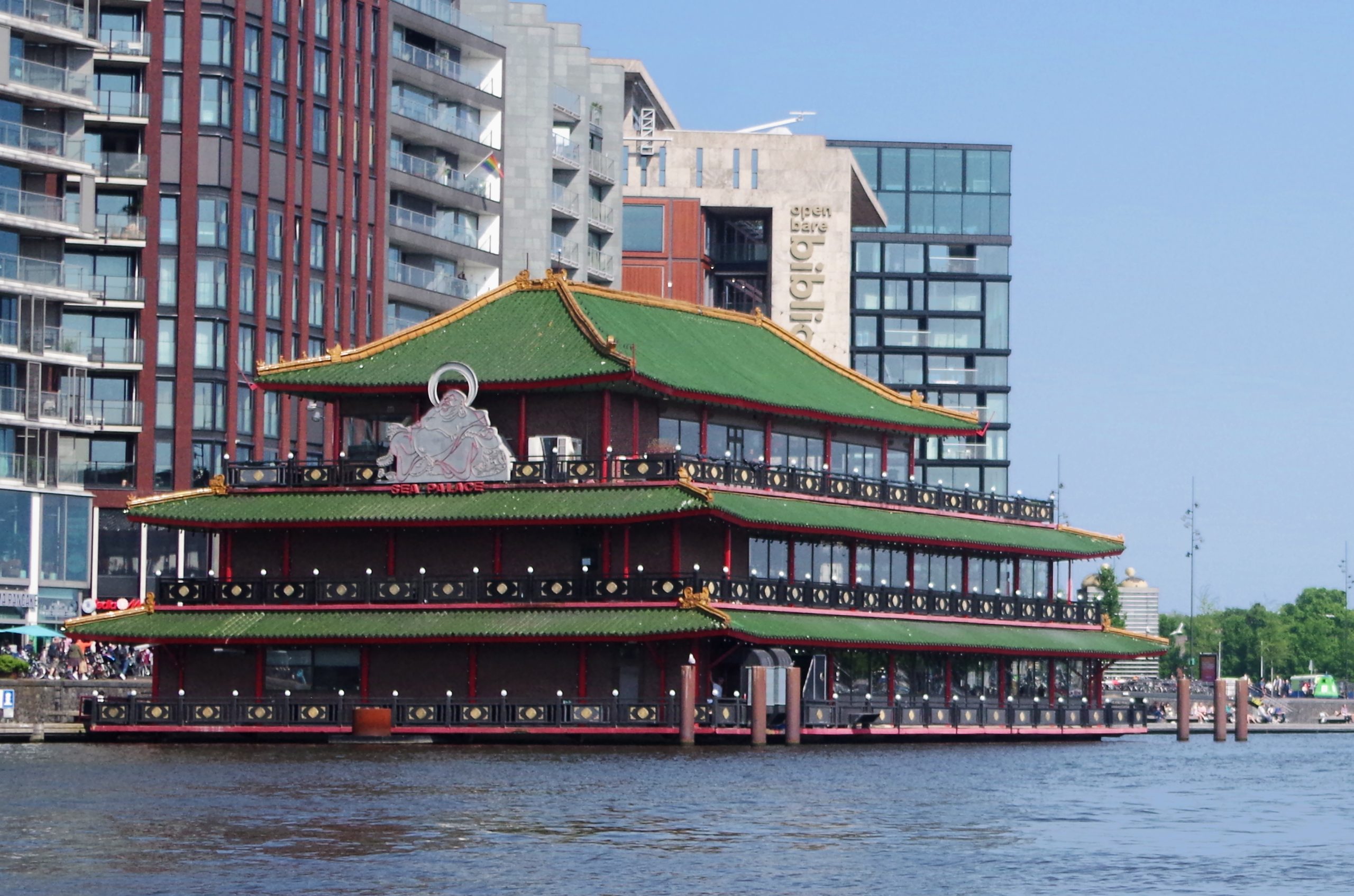
On our first day, we took a walking tour of the old city, including a stop at a Gouda cheese shop and a pickled herring stand, as well as a stroll through the city’s well-known red light district. On our second day, when we were on our own, we tried to make the best of our time, walking through parts of the old city, visiting a coffee and bakery shop, and taking a canal boat guided tour. Perhaps our favorite stops were a visit to OBA, the main city library in Amsterdam, one of the most modern (and impressive!) libraries in Europe, and dinner at the Sea Palace, a floating Chinese restaurant that has seating capacity of 900 diners.

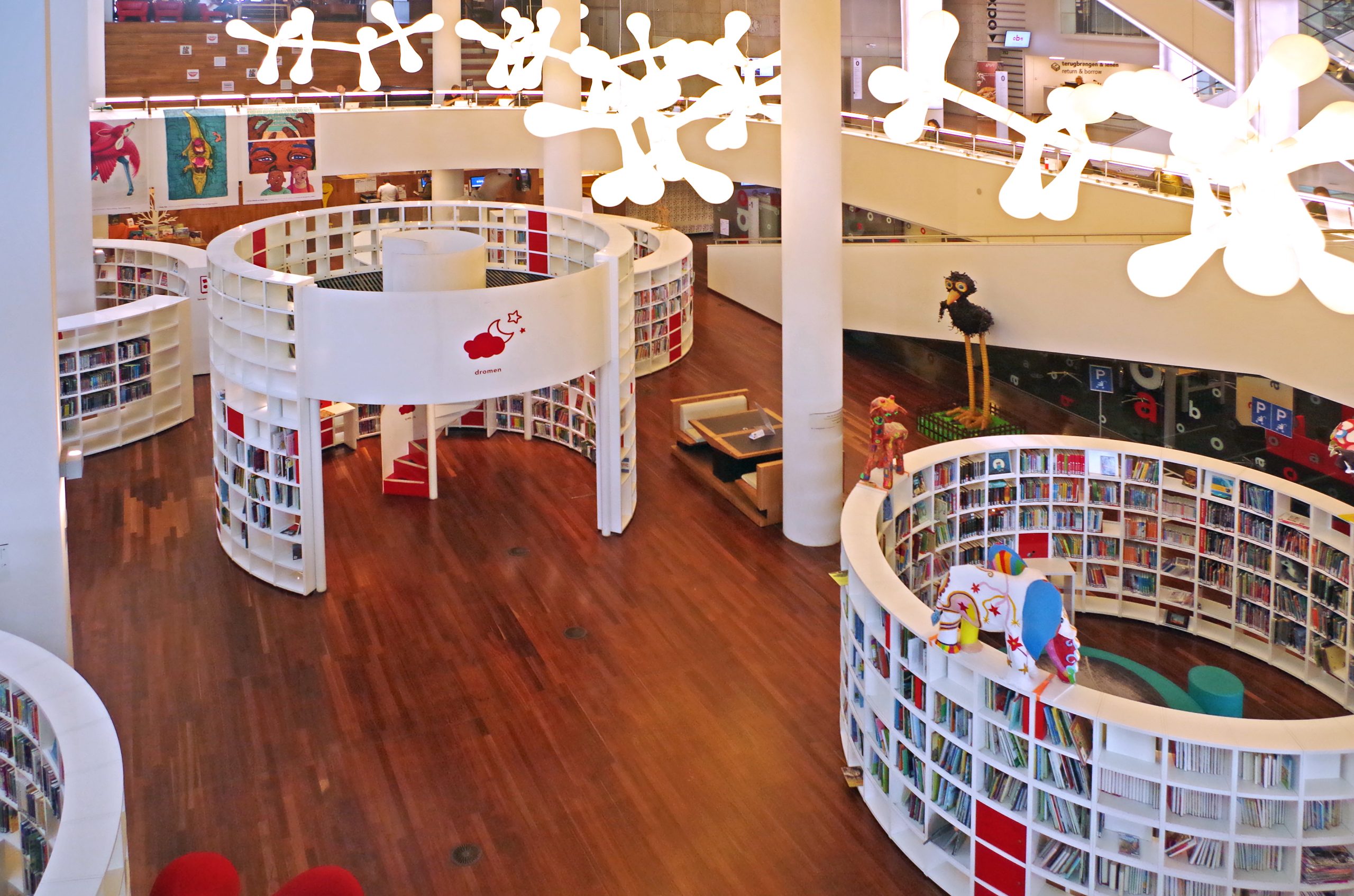
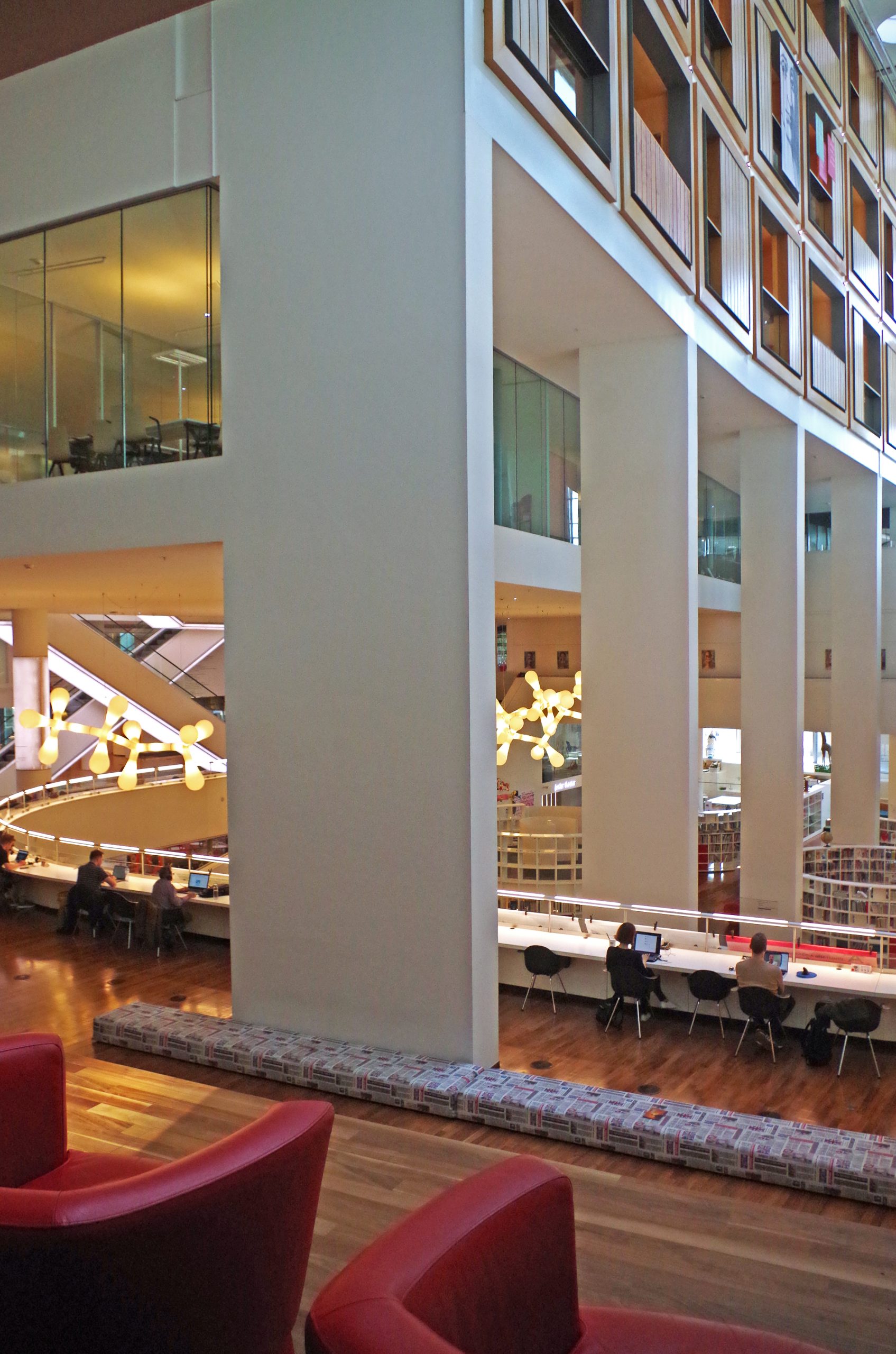
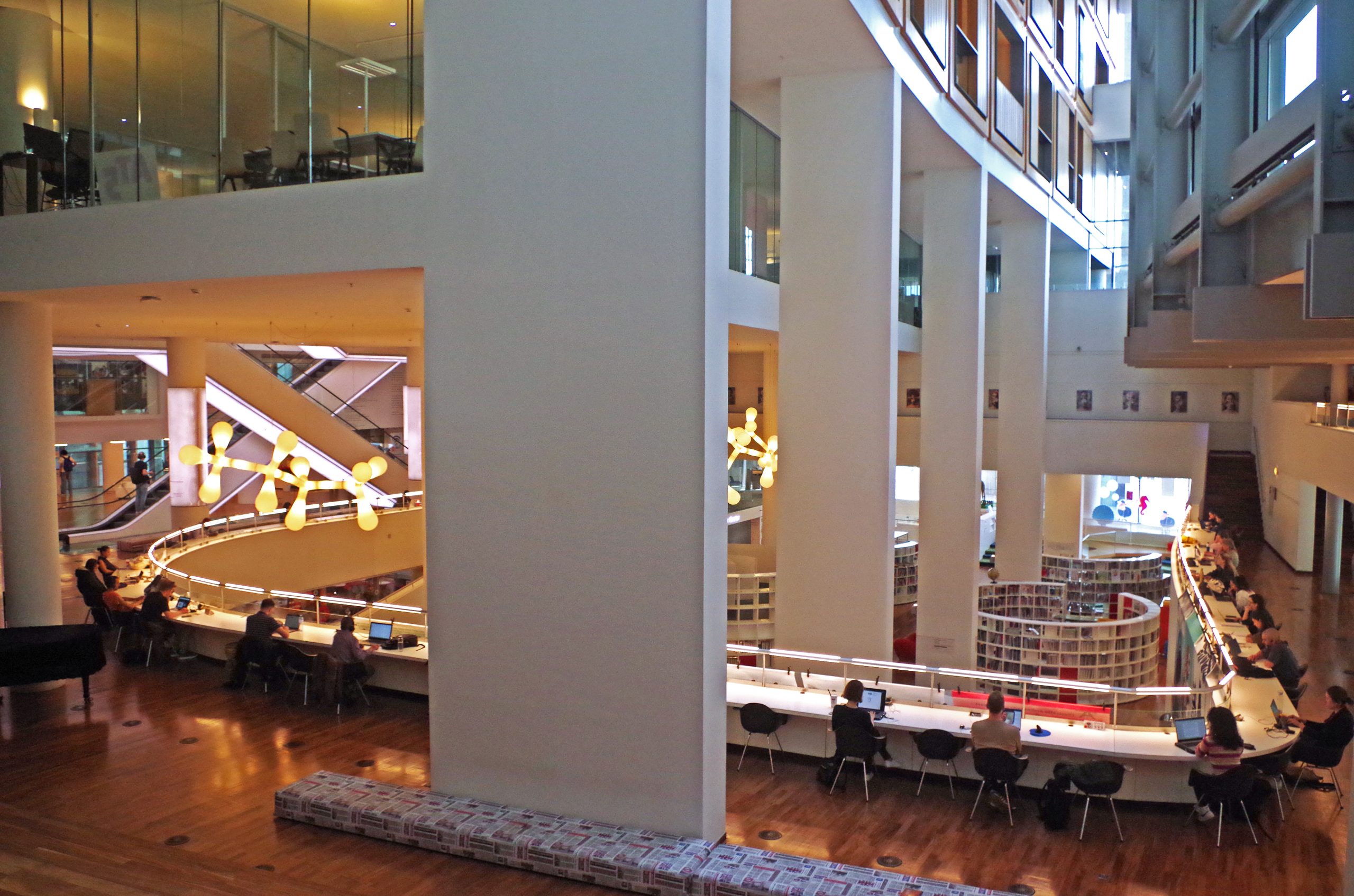
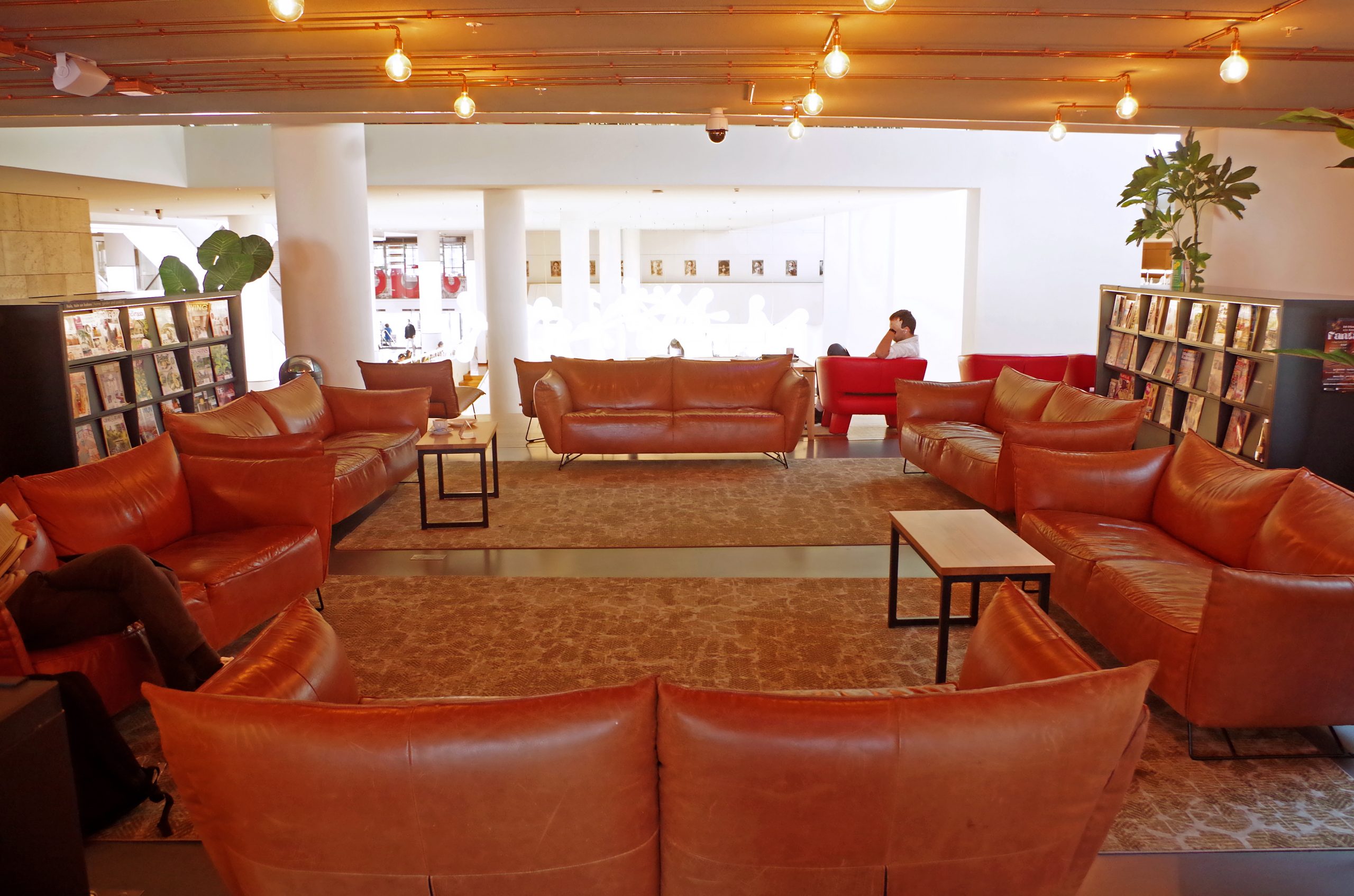
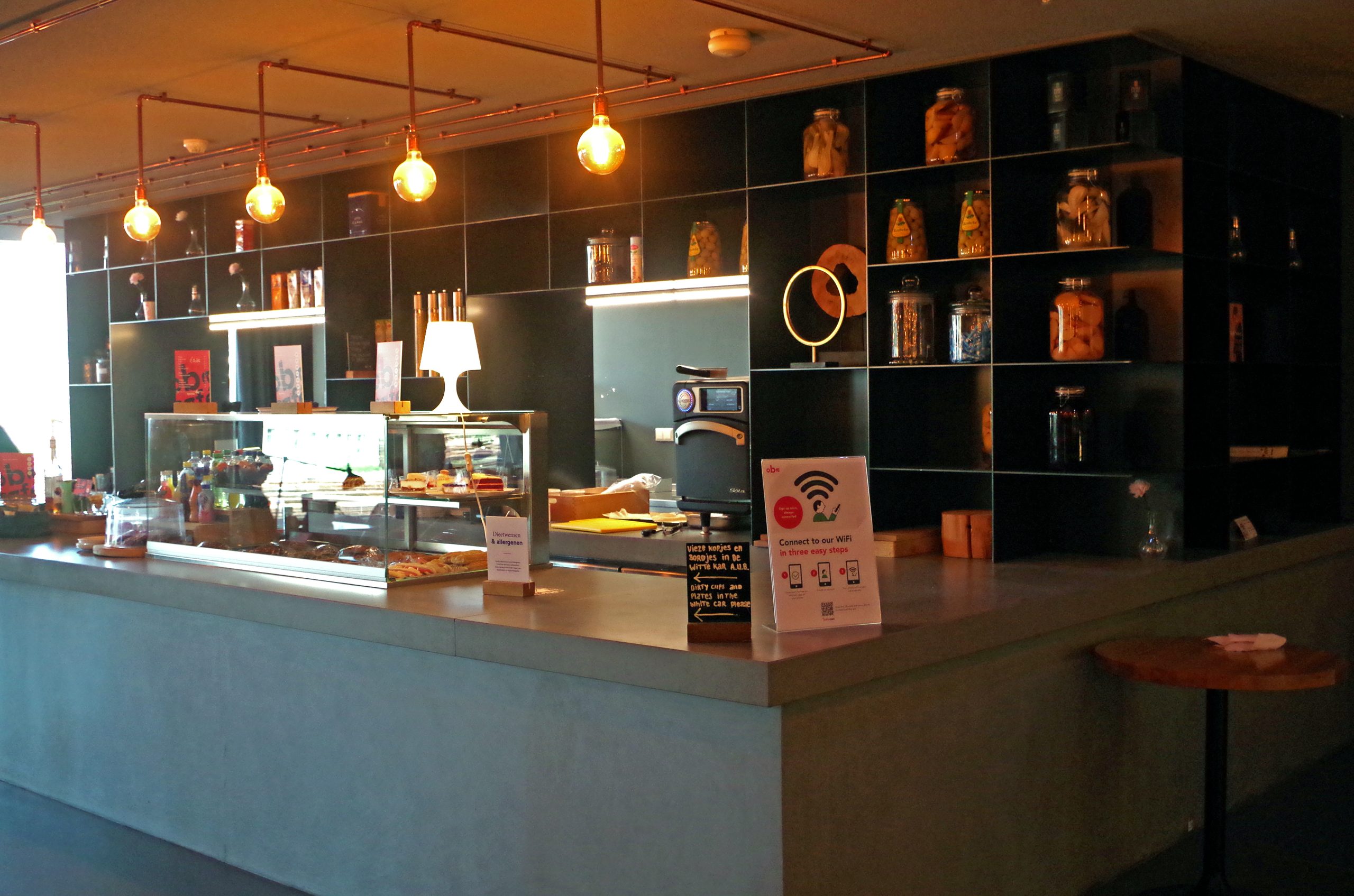
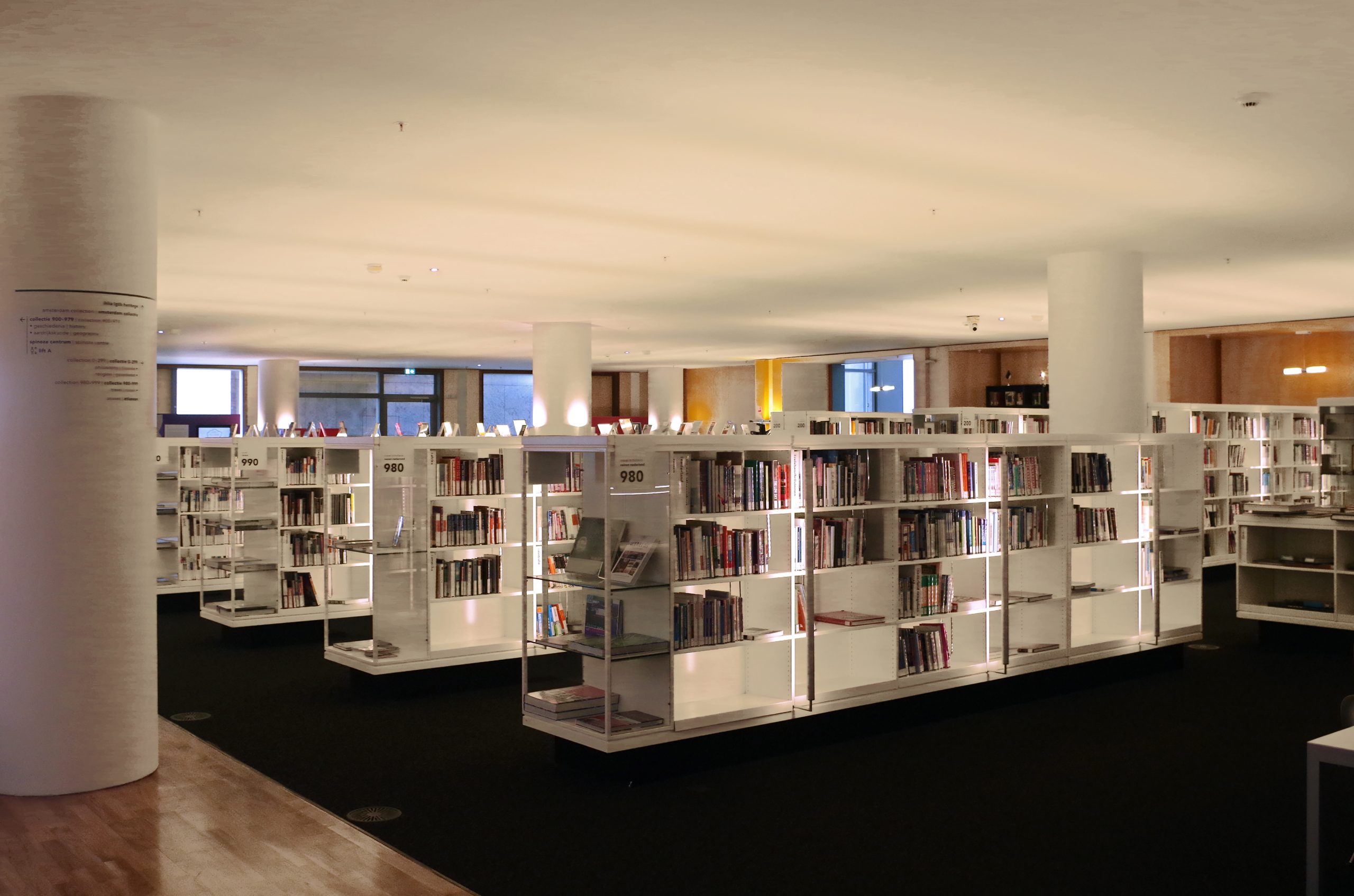
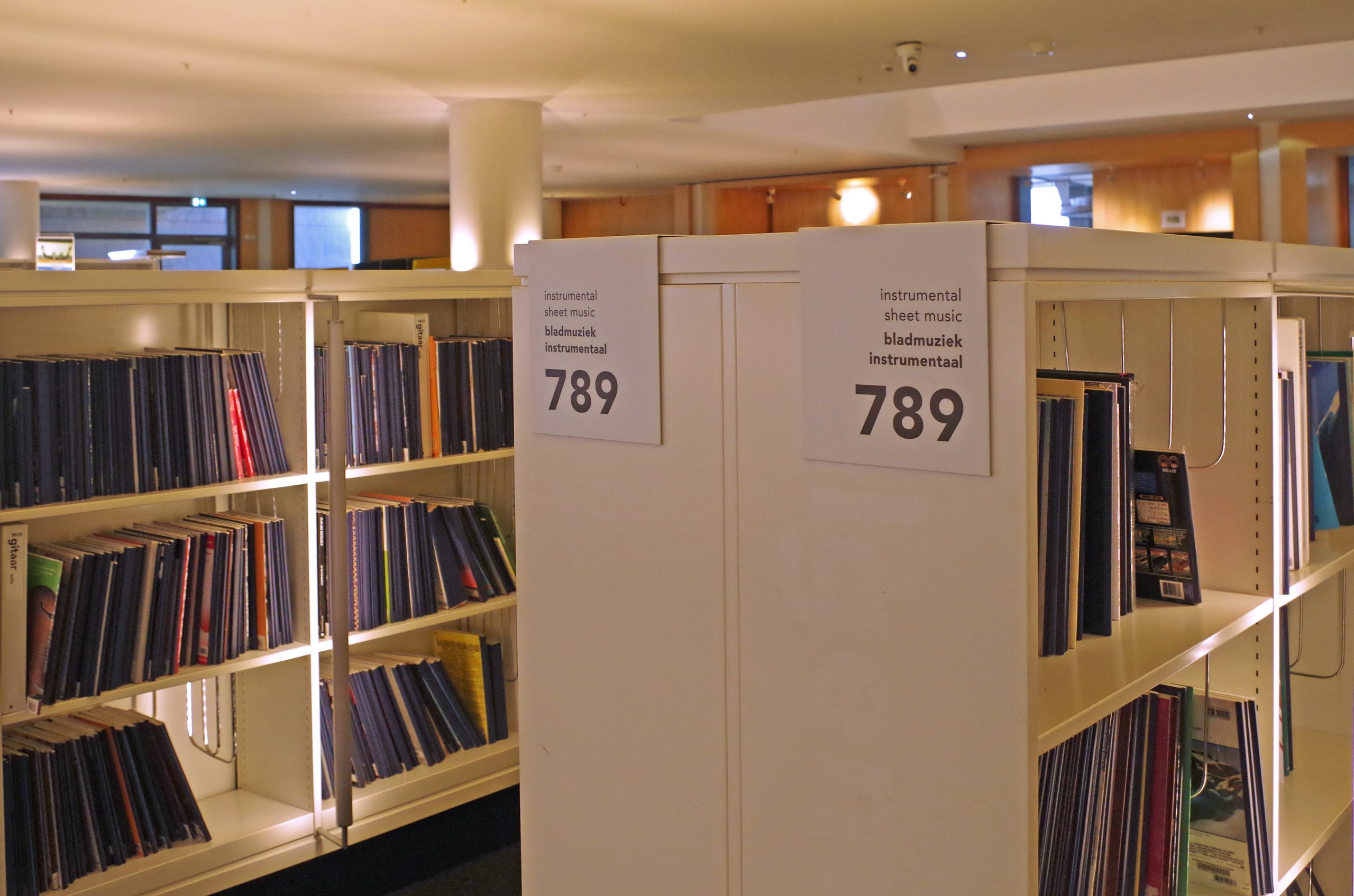
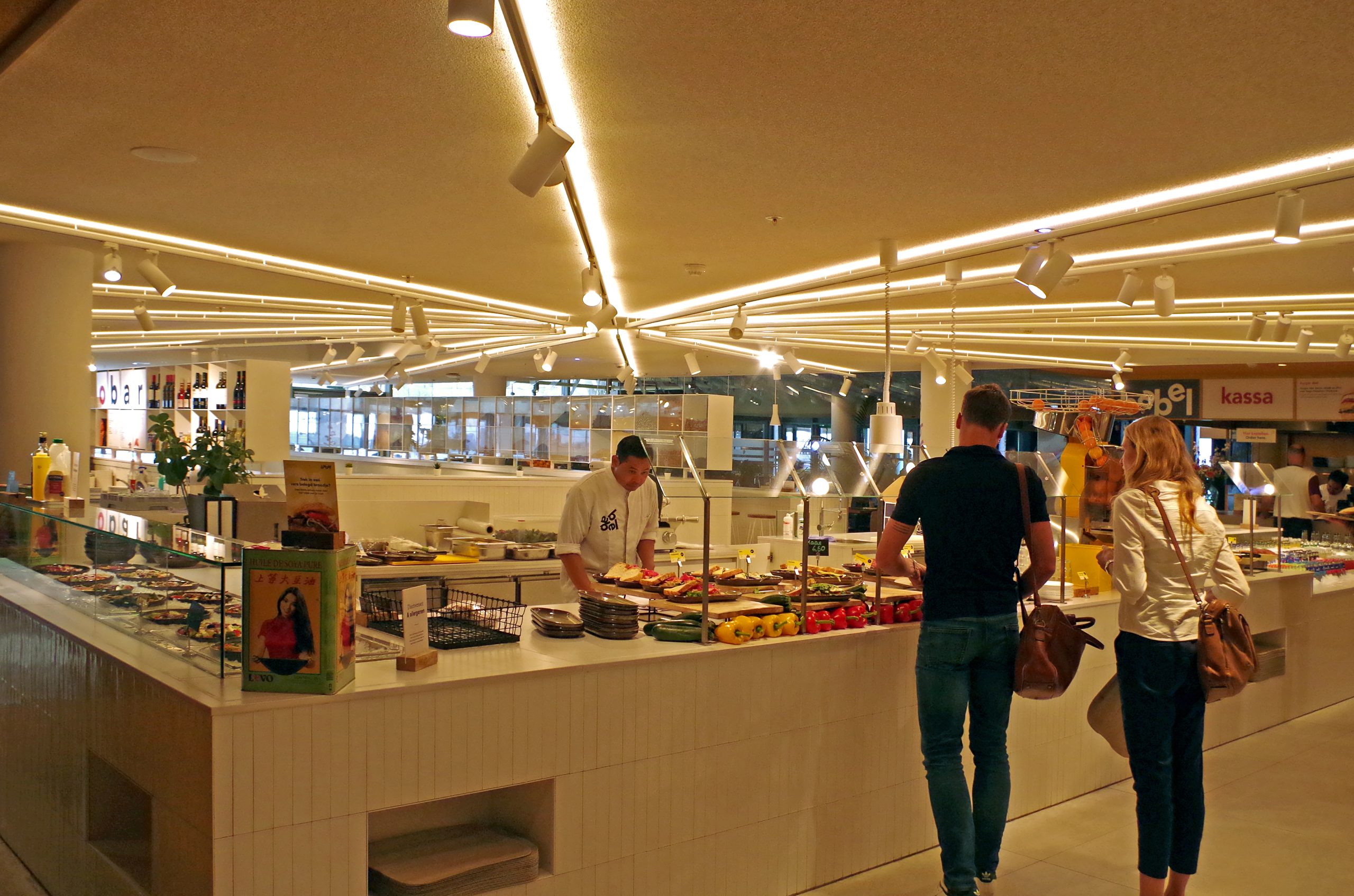
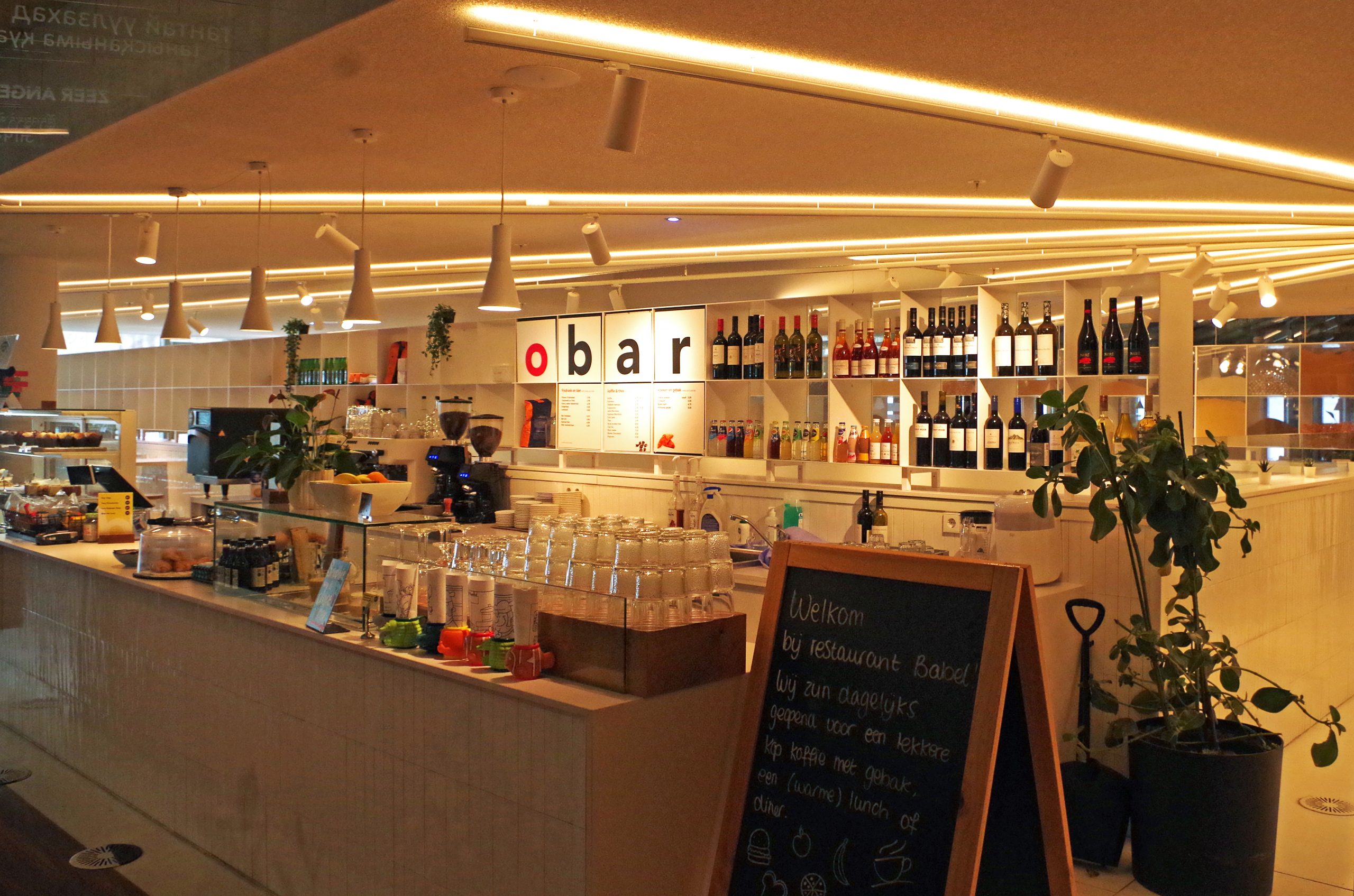
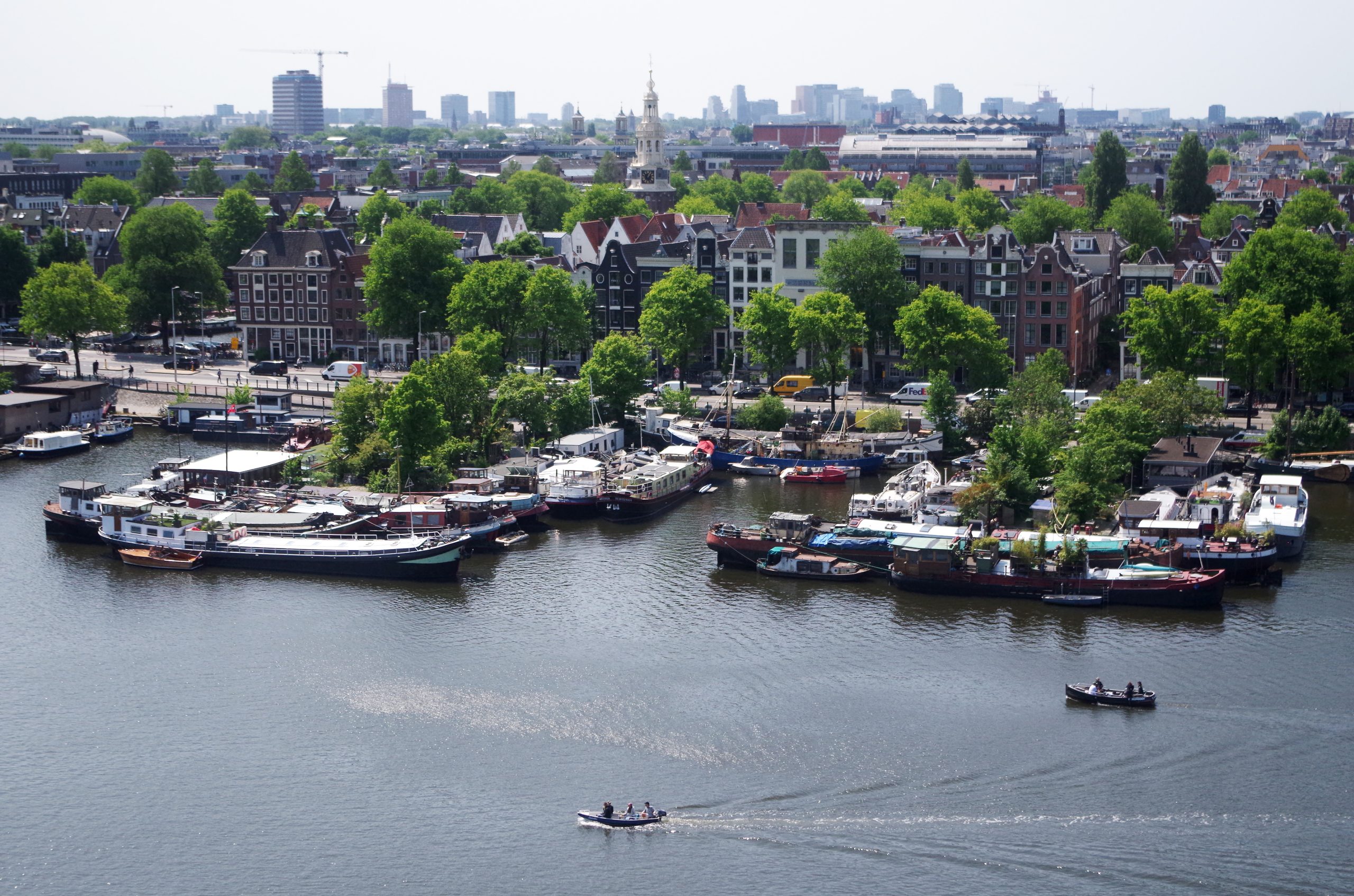
The Openbare Bibliotheek Amsterdam (OBA) is a truly spectacular, seven story library. The first floor is devoted to children, with stacks and study spaces throughout the building, with primary access via escalators. There is an impressive multimedia collection, including stacks of sheet music, an extensive collection of newspapers and periodicals, as well as foreign language texts. There is a wonderful café on a lower level, along with an impressive cafeteria – including beer and wine, of course – on the 7th level. The café includes outdoor seating (which we enjoyed) with a stunning view of Amsterdam’s waterfront, the IJ.

At Sea Palace, the food comes out from the kitchen on robots (but served by human waiters), after being ordered online using a QR code, and the food and drinks are really quite excellent. There are apparently several urban legends about this restaurant, including one that it will sink if the owners attempt to seat more than 700 people. The restaurant, which is now the world’s largest floating restaurant, was modeled after the even larger Jumbo Floating Restaurant that was located in Hong Kong for nearly 50 years. That restaurant seated 2,000 diners, with guests including luminaries from Queen Elizabeth II to President Jimmy Carter, until it sunk when it was being moved to an undisclosed location in June 2022.

Forget about visiting the city’s many world-class museums unless you have reservations made months in advance. Even the Anne Frank House, which we had hoped to visit, requires reservations made far in advance, with tickets going on sale every Tuesday at 10:00 AM for the next six weeks of timeslots. We also disliked our hotel for our last night in Europe, the DoubleTree by Hilton Amsterdam Centraal Station, although the hotel offered a spectacular breakfast buffet.
Our first impression in Amsterdam
Trash in Amsterdam
Trash, our second impression in Amsterdam
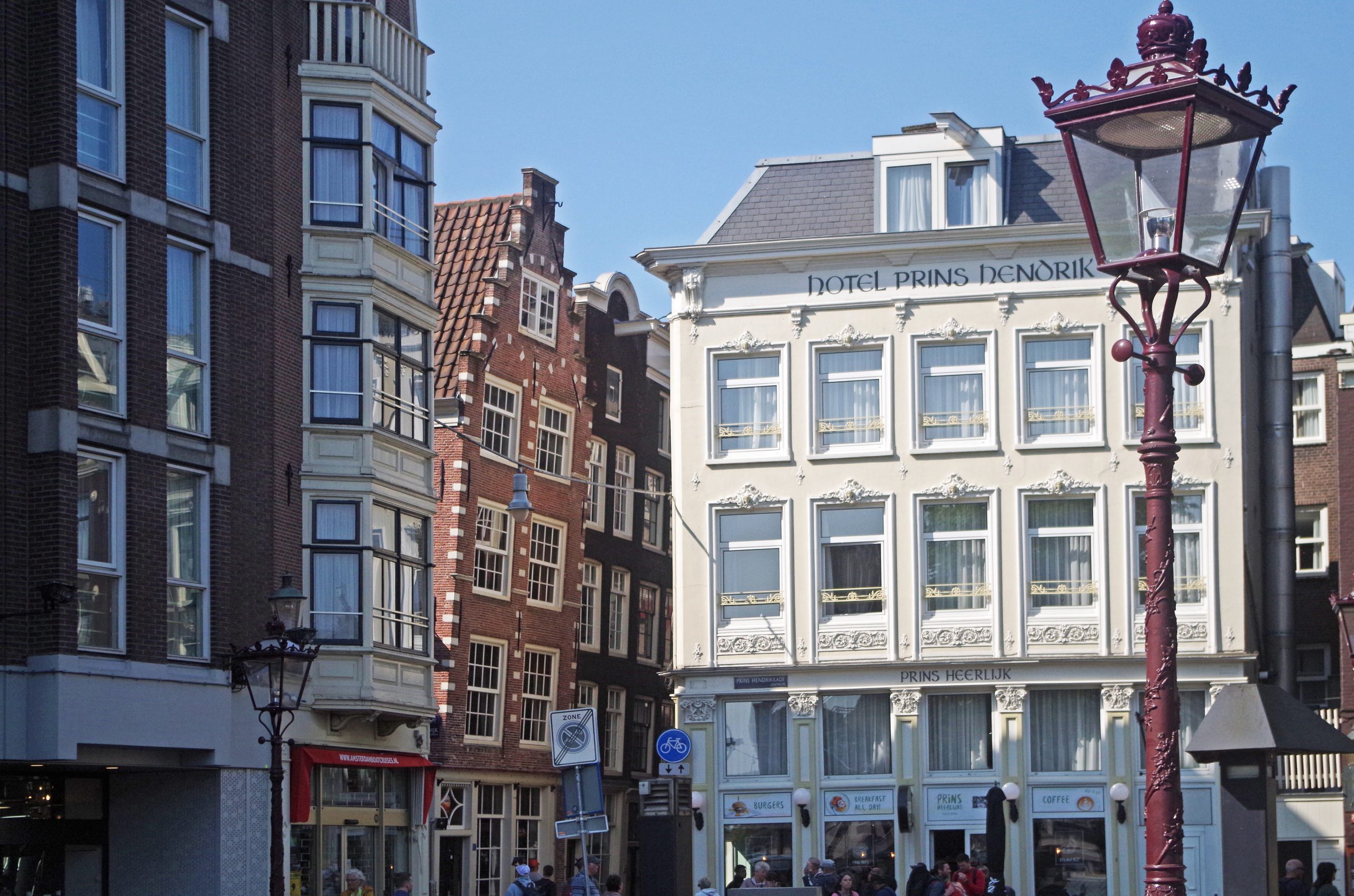
Unique residential architecture in Amsterdam
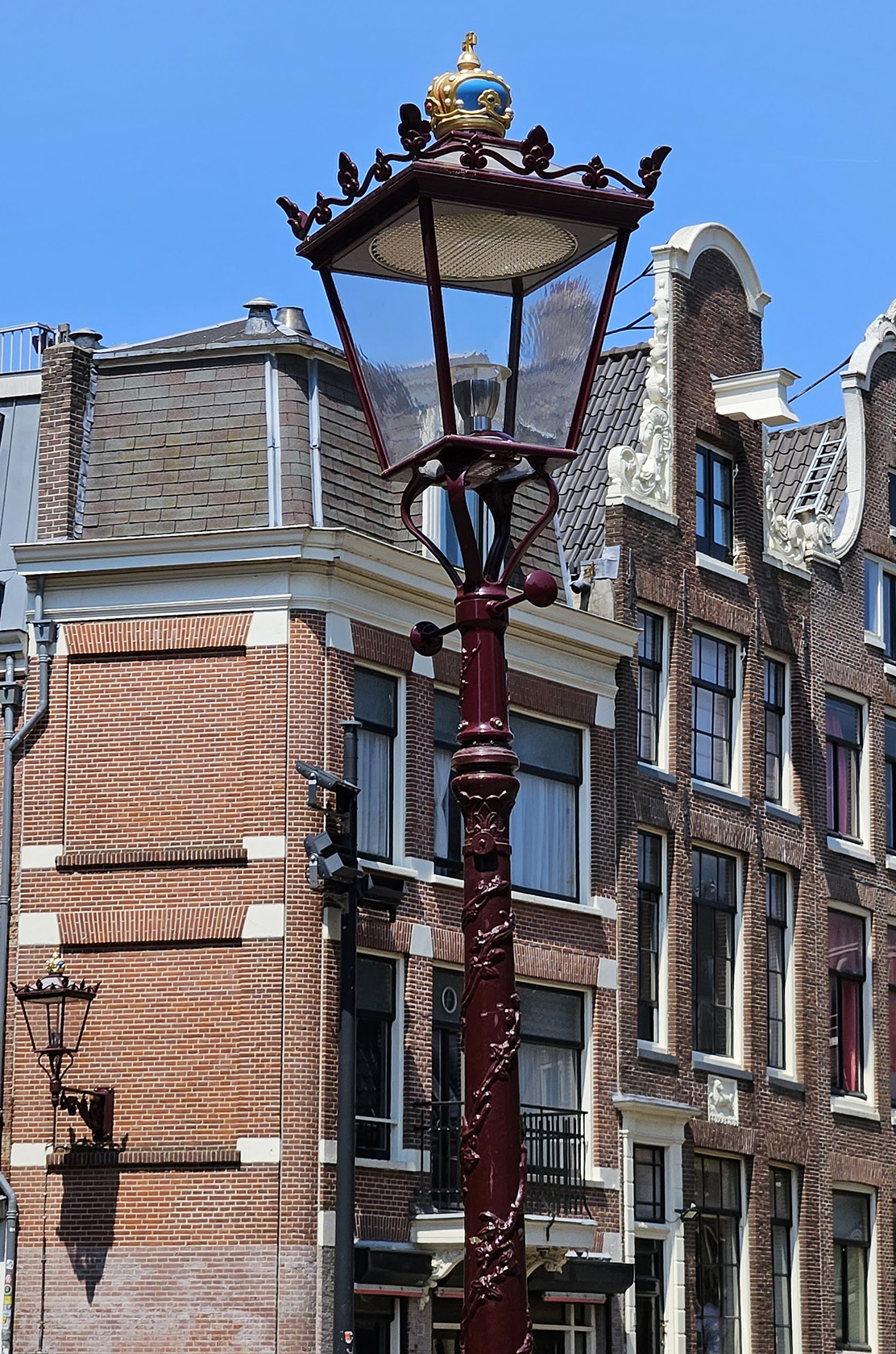
Gaslights in Amsterdam
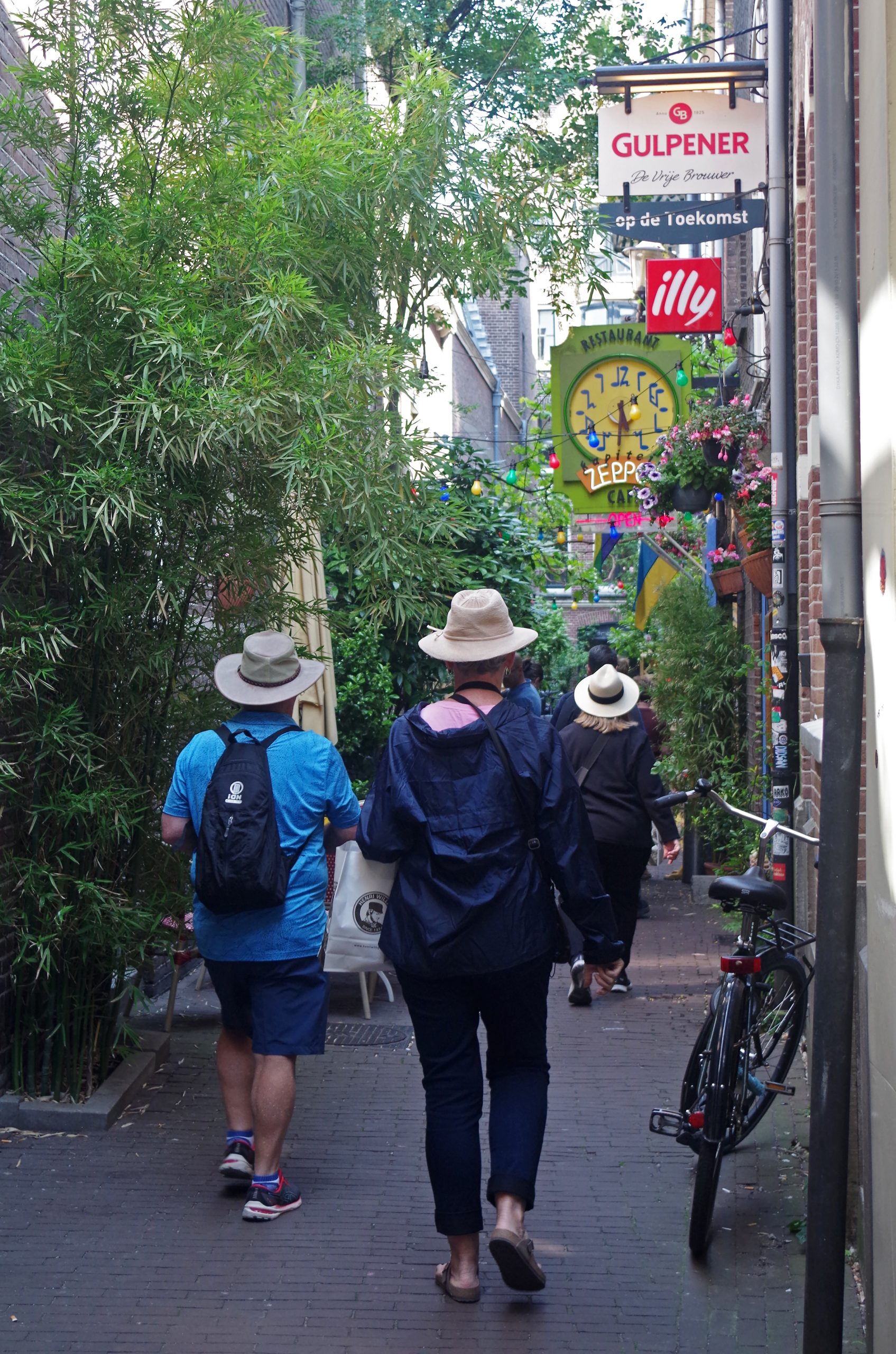
An alleyway in Amsterdam
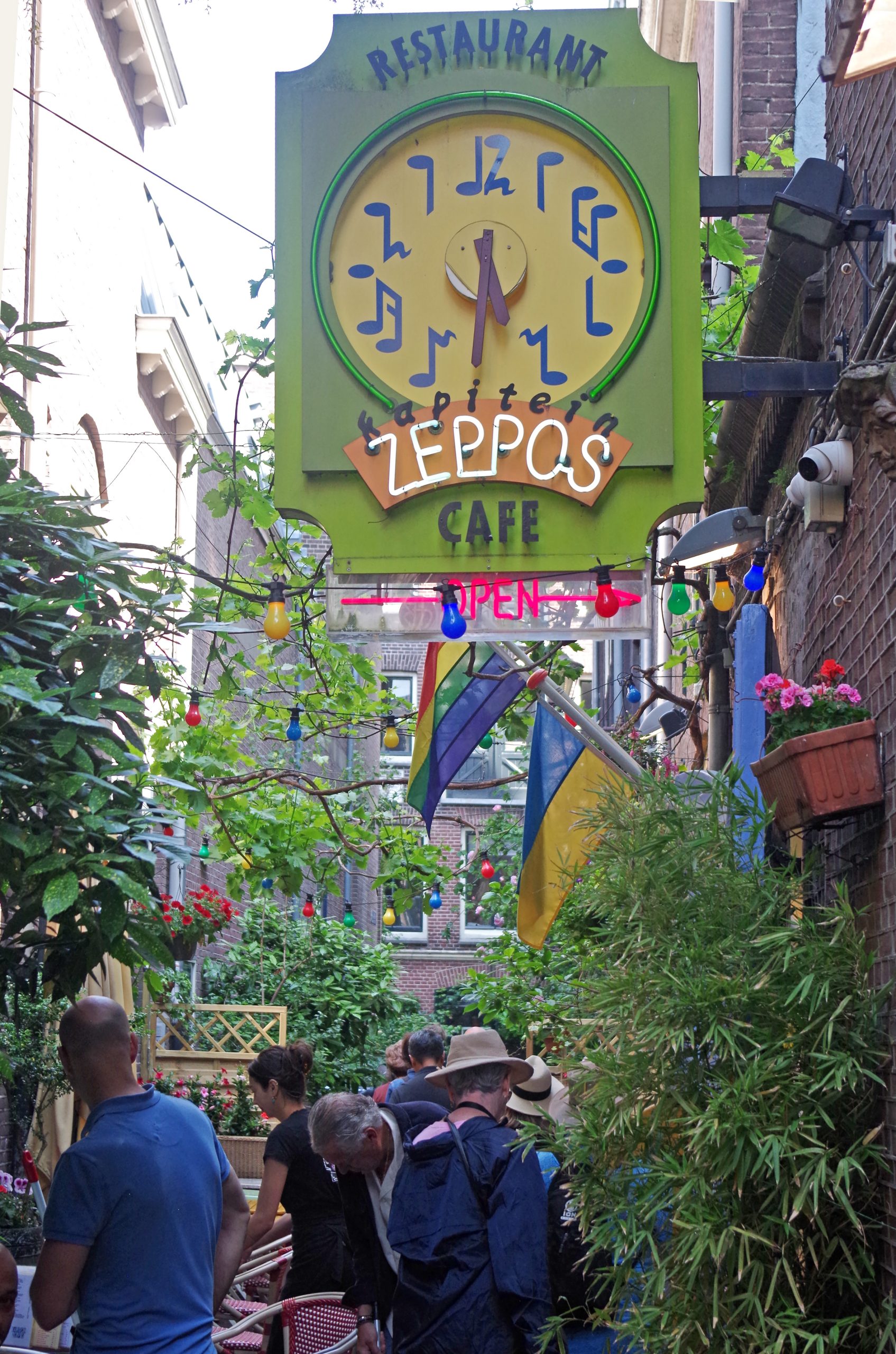
An alleyway clock in Amsterdam
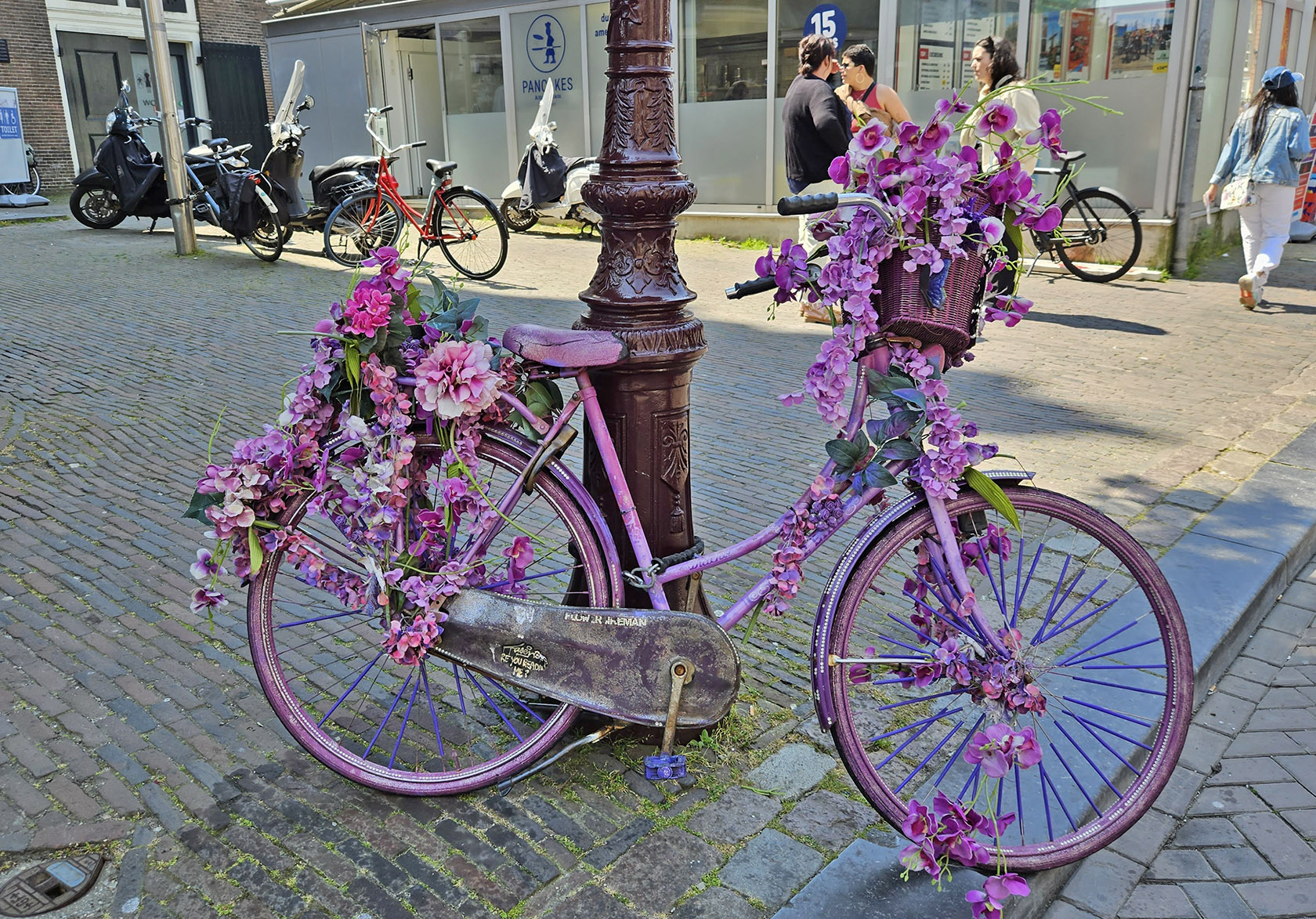
Flower Bike Man Bike, Amsterdam
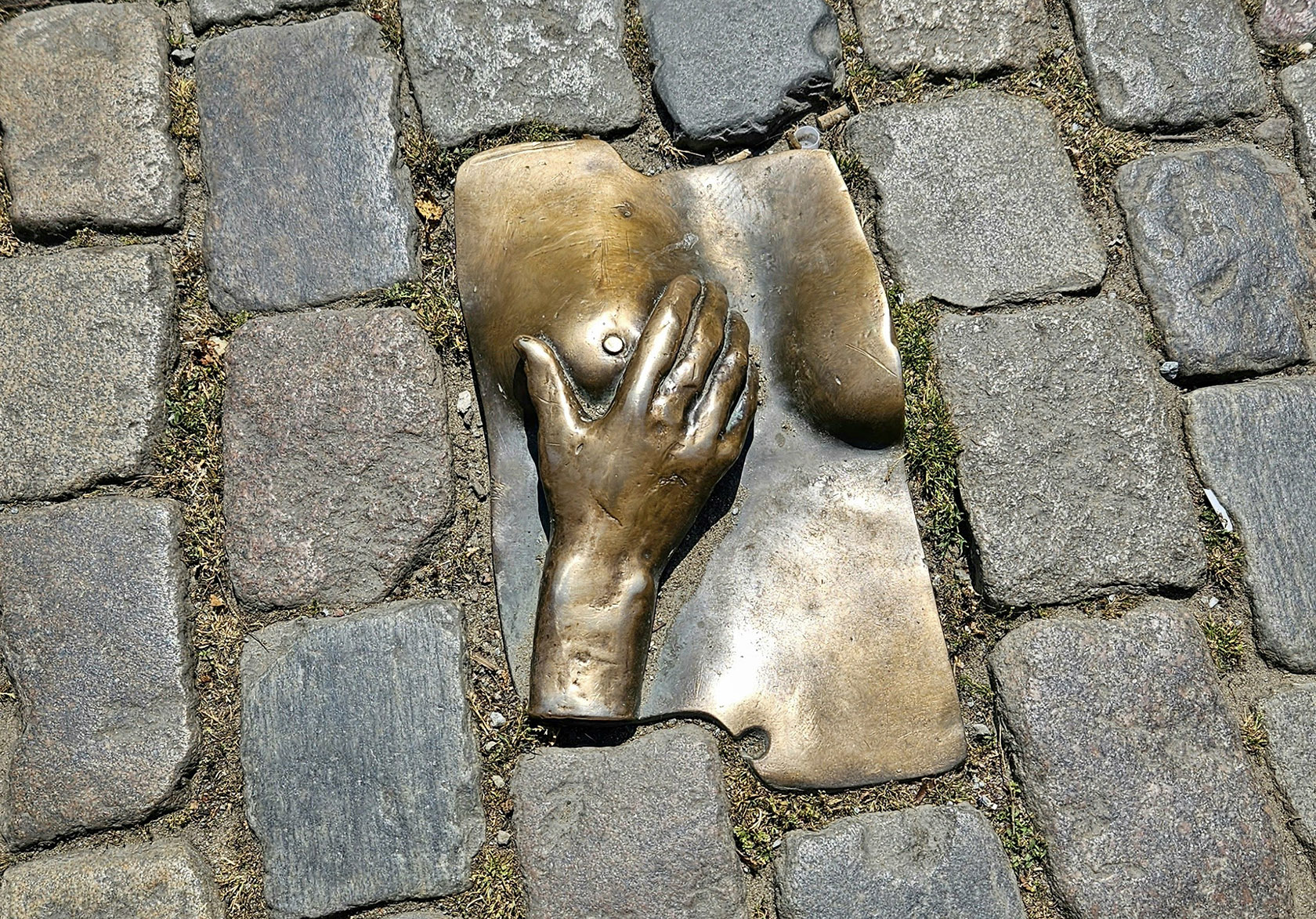
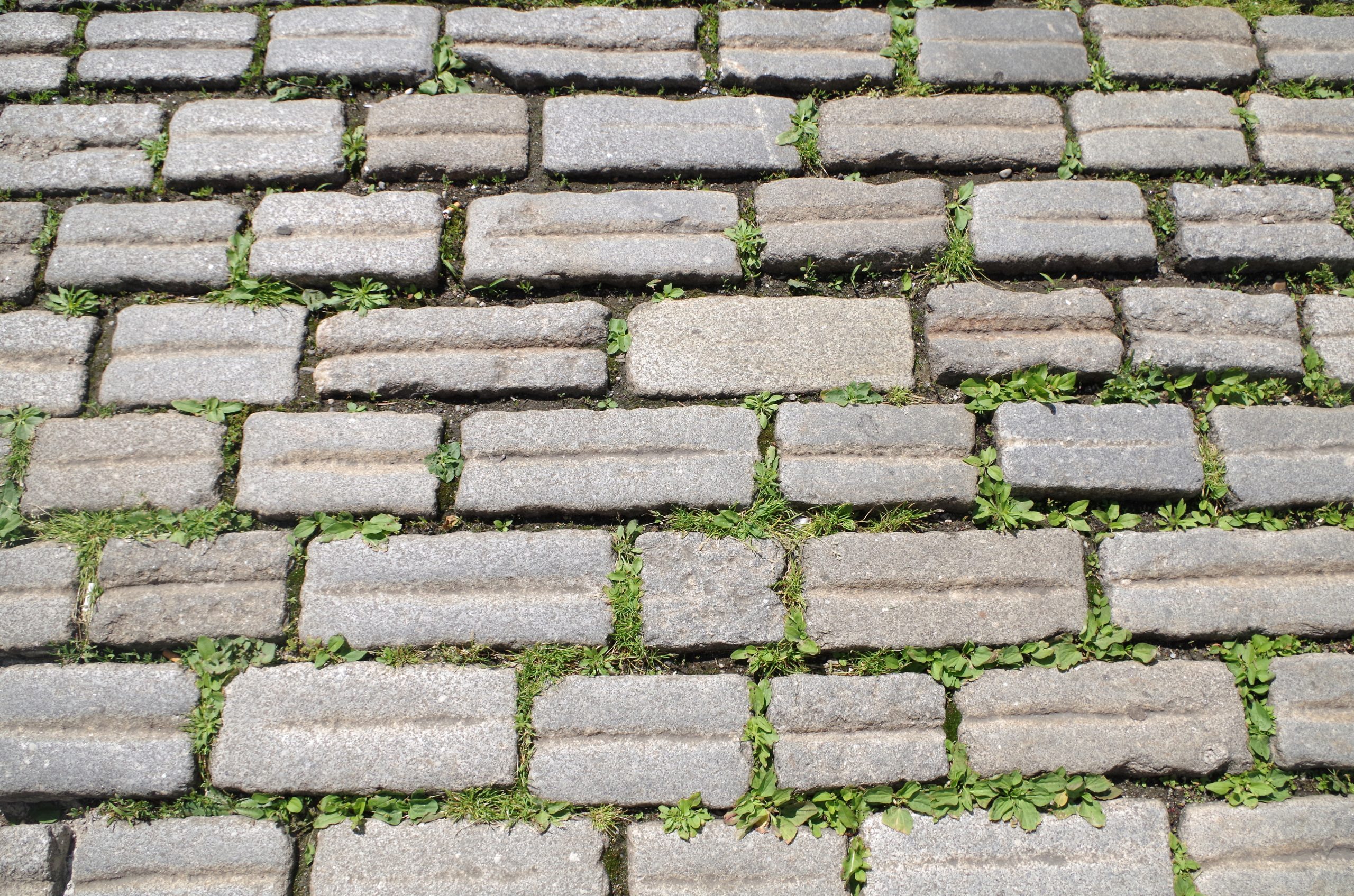
Cobblestone Sculpture, Amsterdam
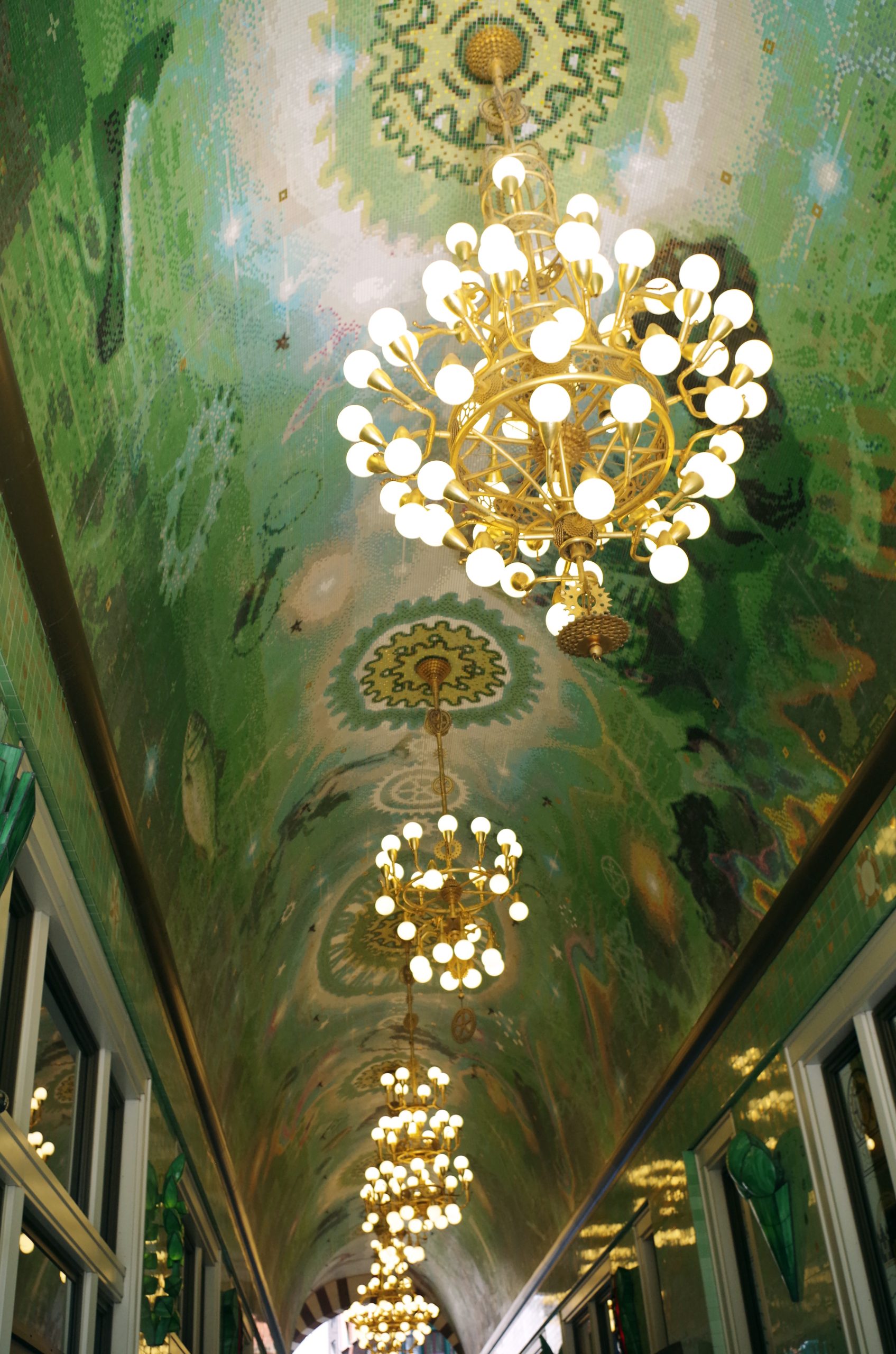
Pedestrian mall ceiling in Amsterdam
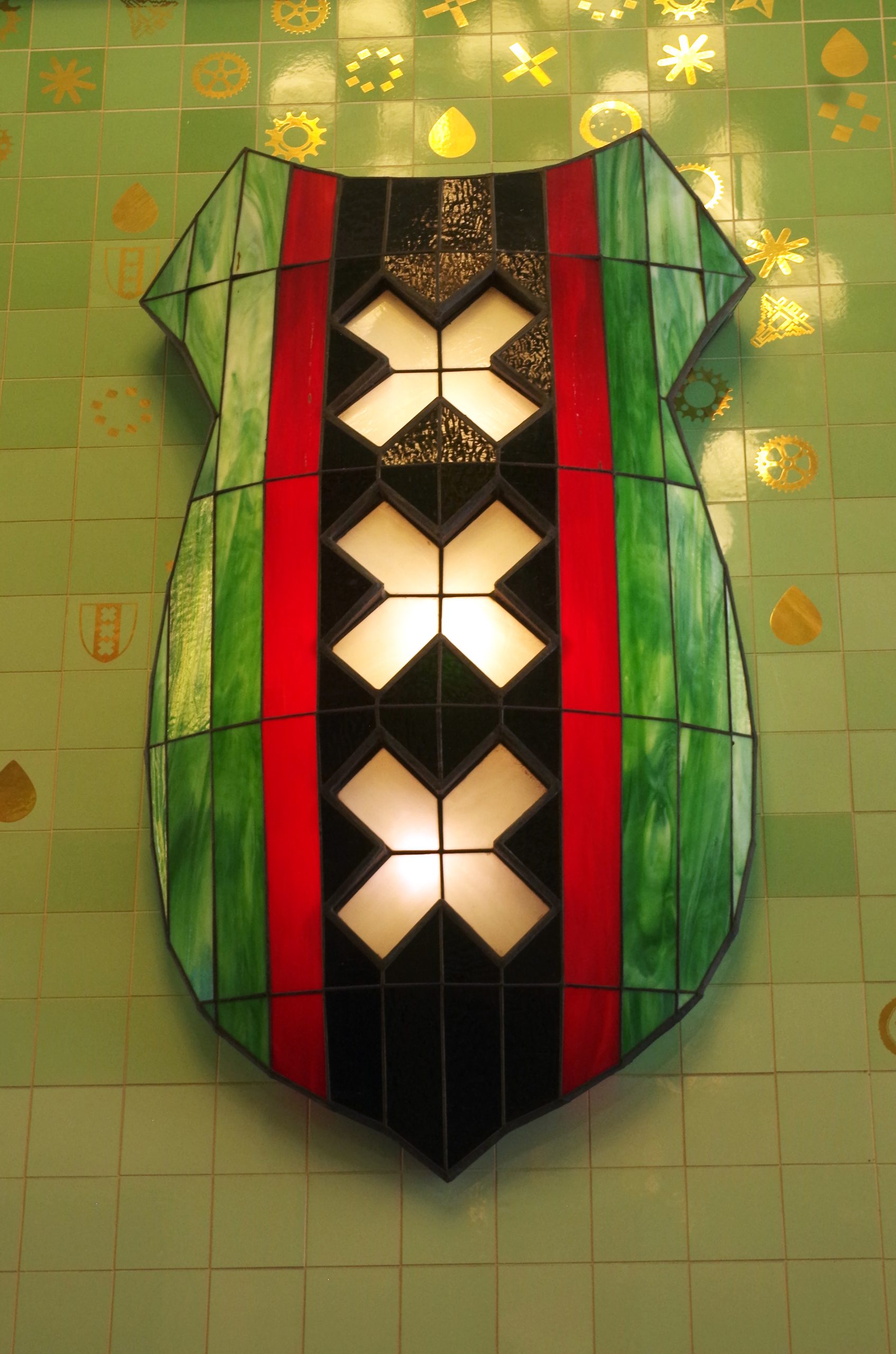
The royal coat in pedestrian mall in Amsterdam
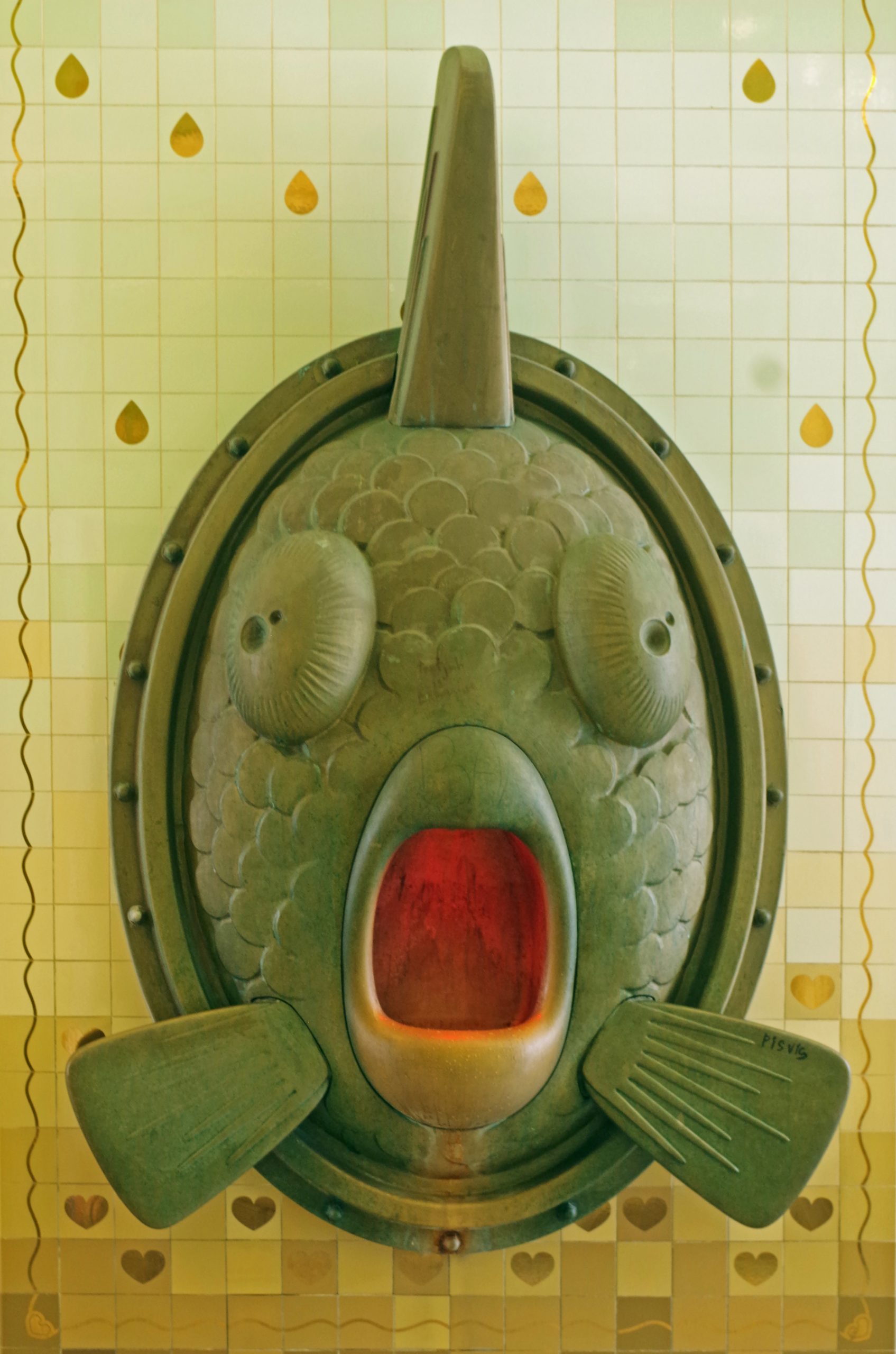
Water bottle filler in pedestrian mall in Amsterdam
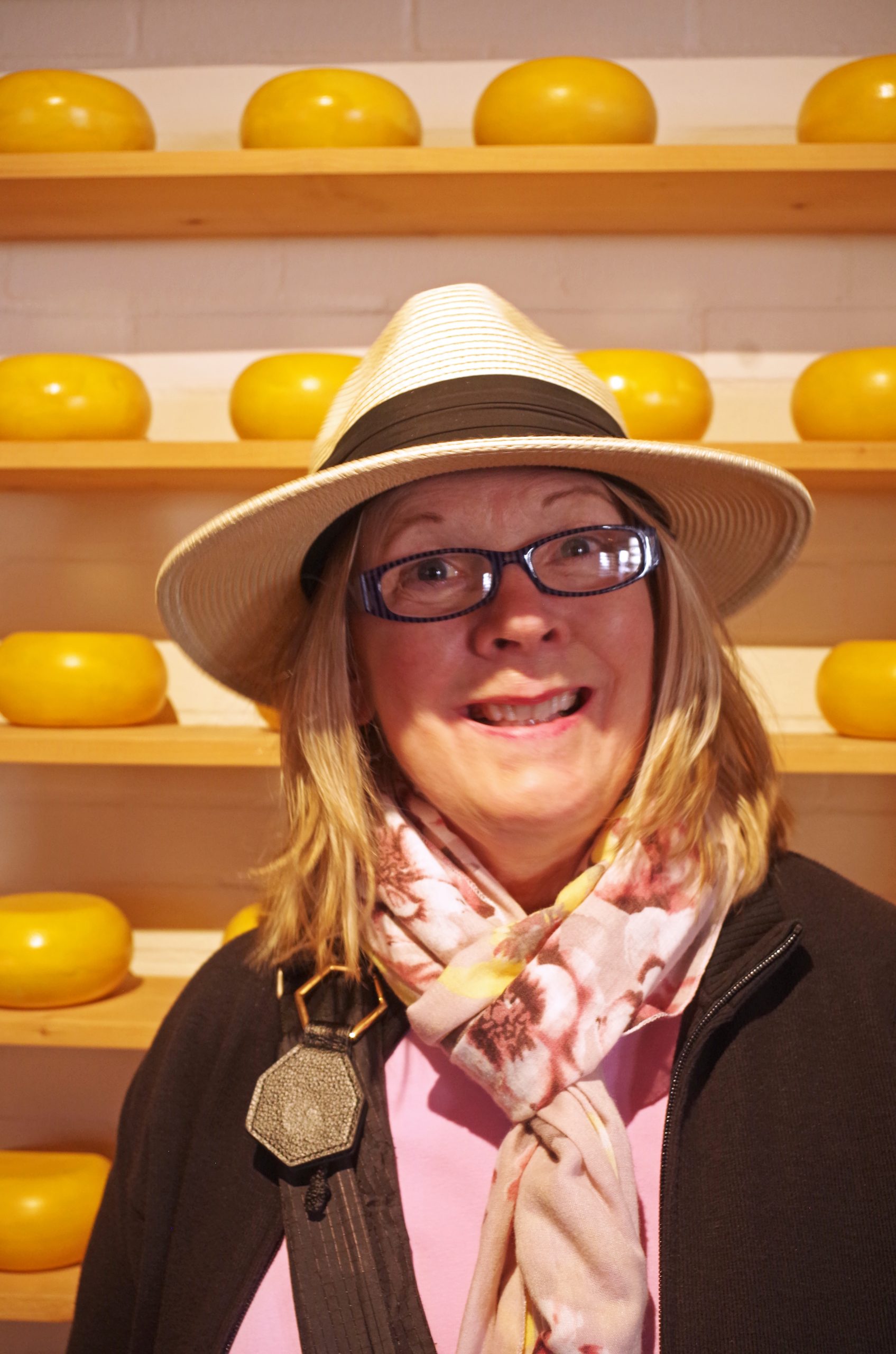
Did someone say cheese?
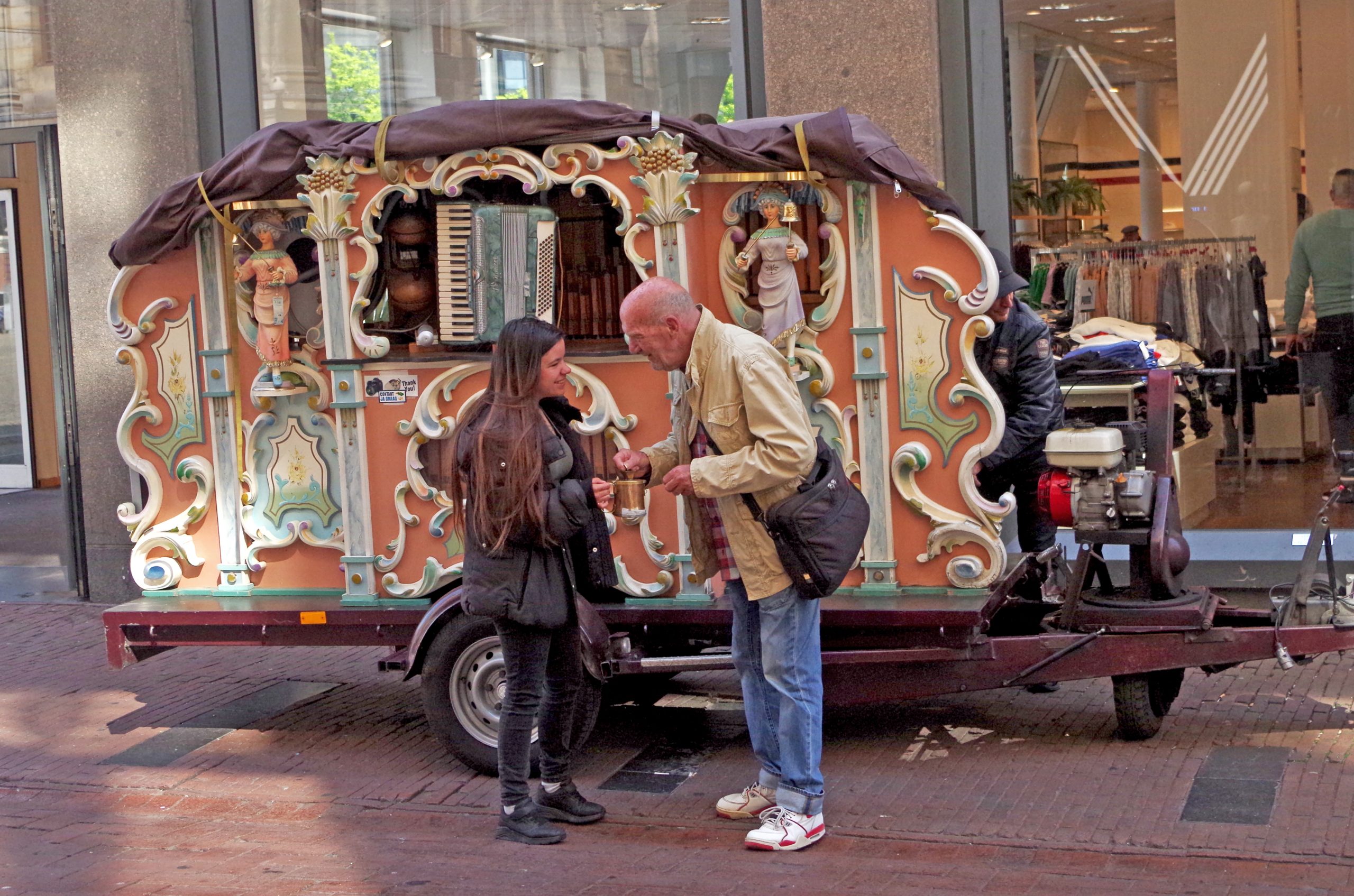
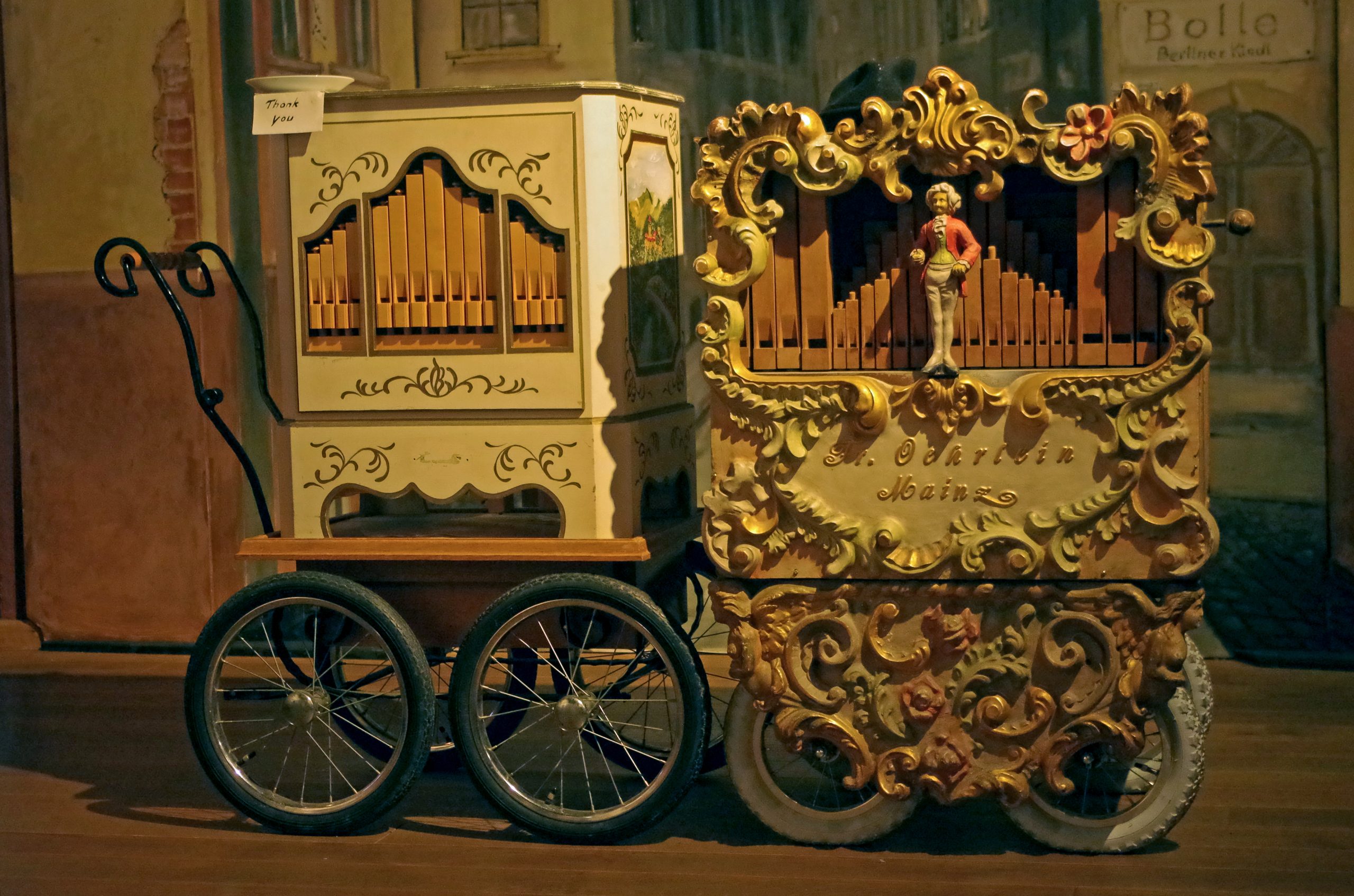
A draaiorgel (music wagon) in Amsterdam
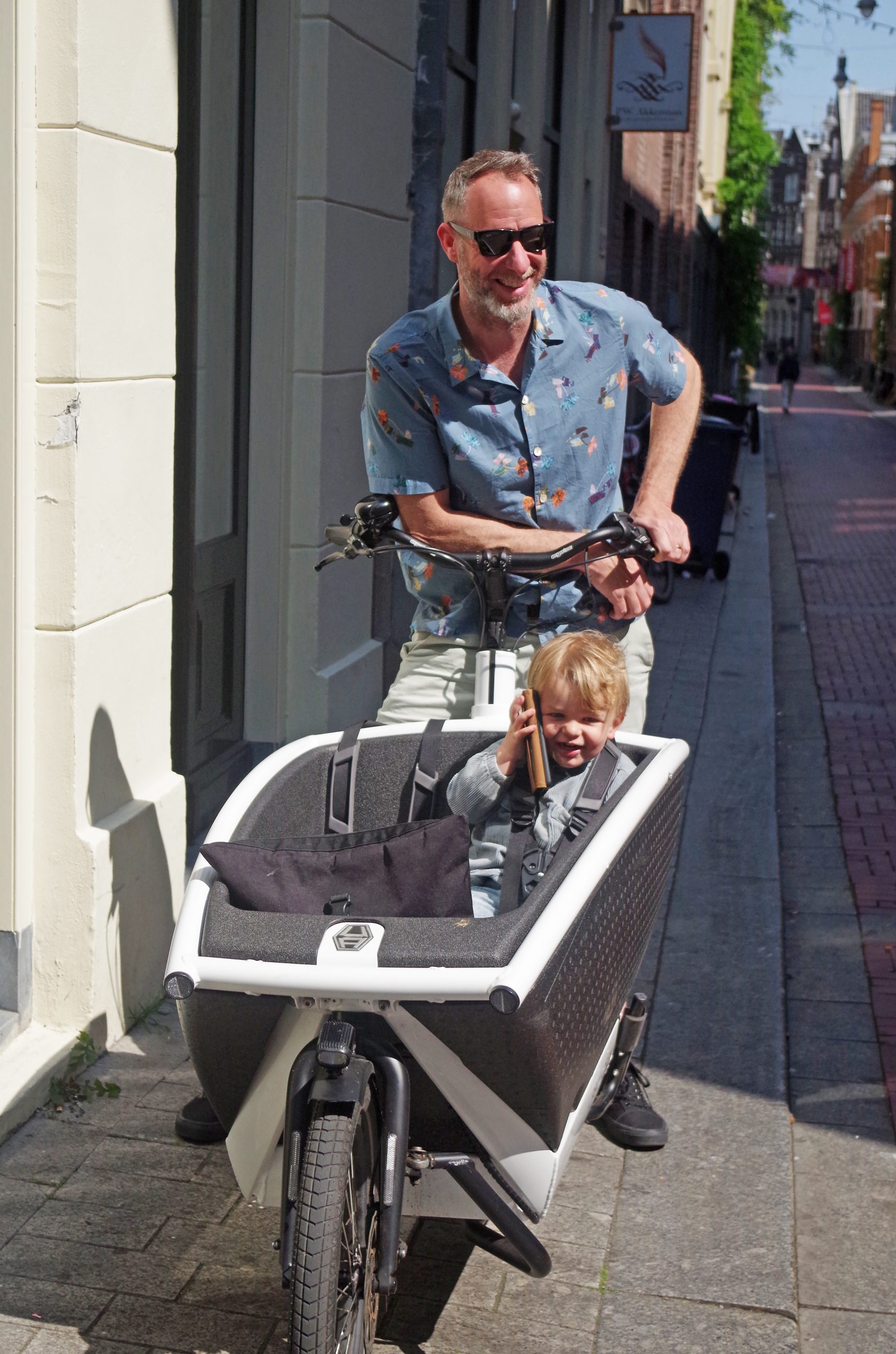
A classic bicycle child carrier in Amsterdam
Searching for treasure with magnets in a canal, Amsterdam
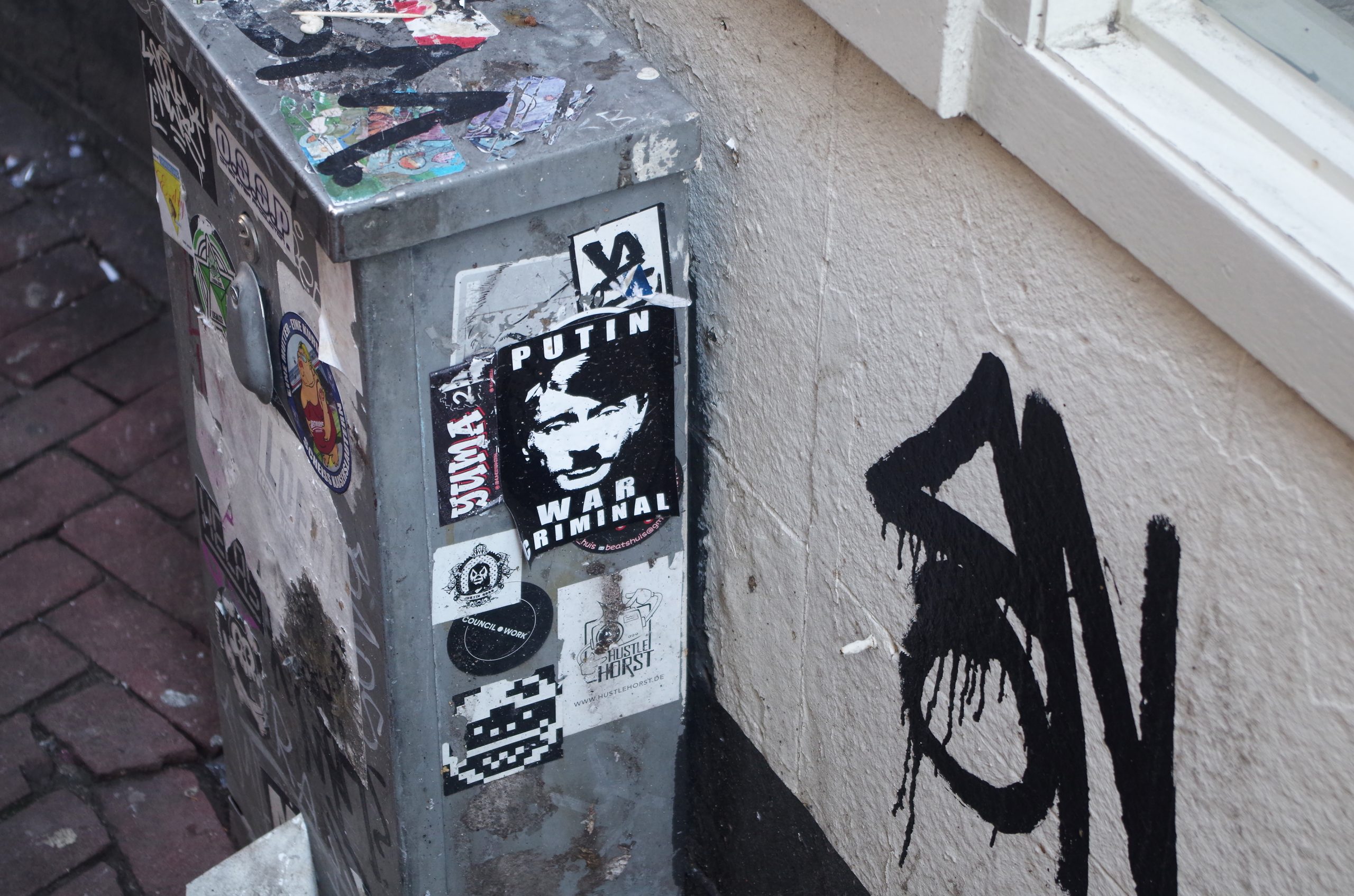
Political commentary in Amsterdam
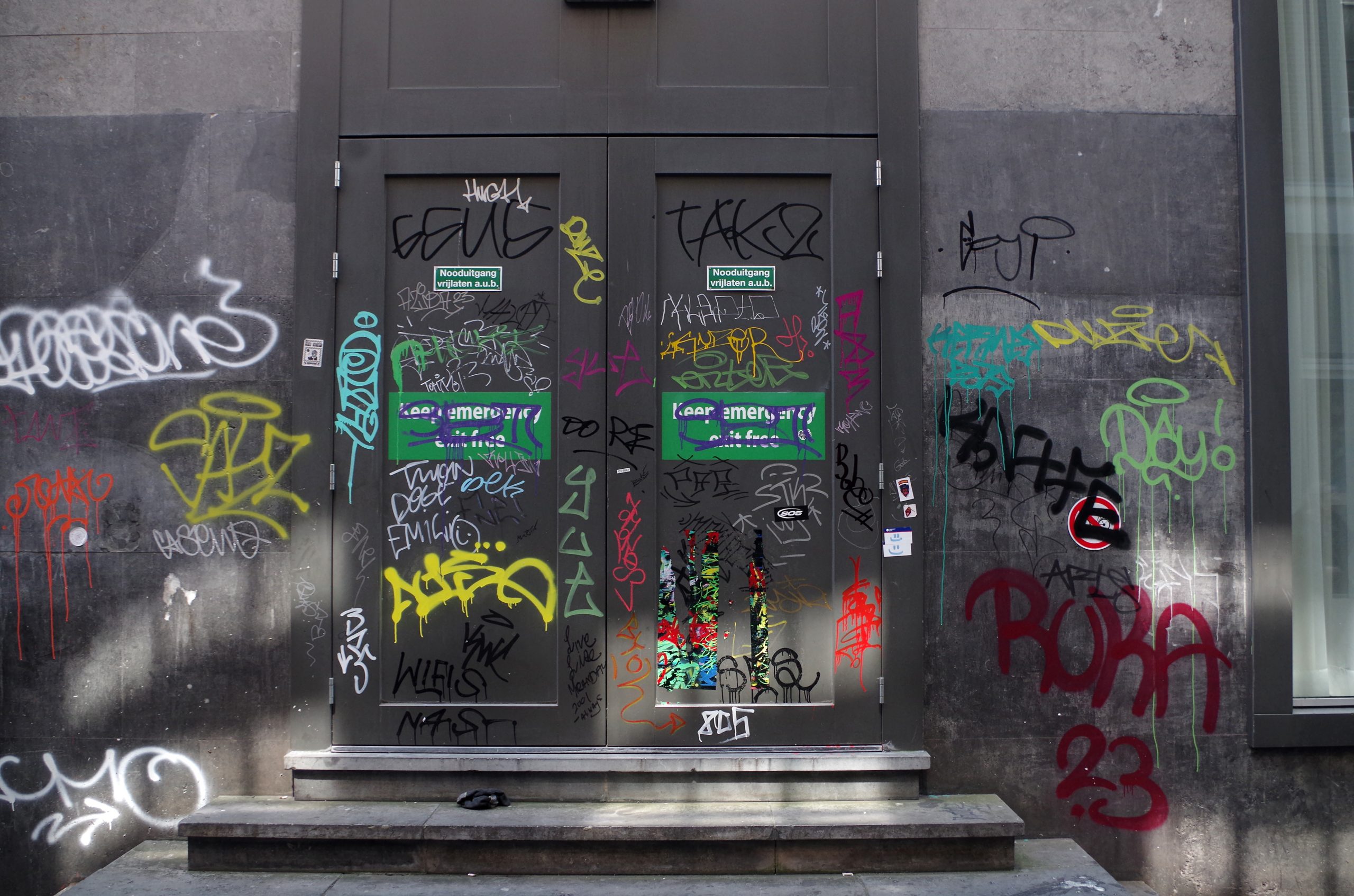
A doorway in Amsterdam
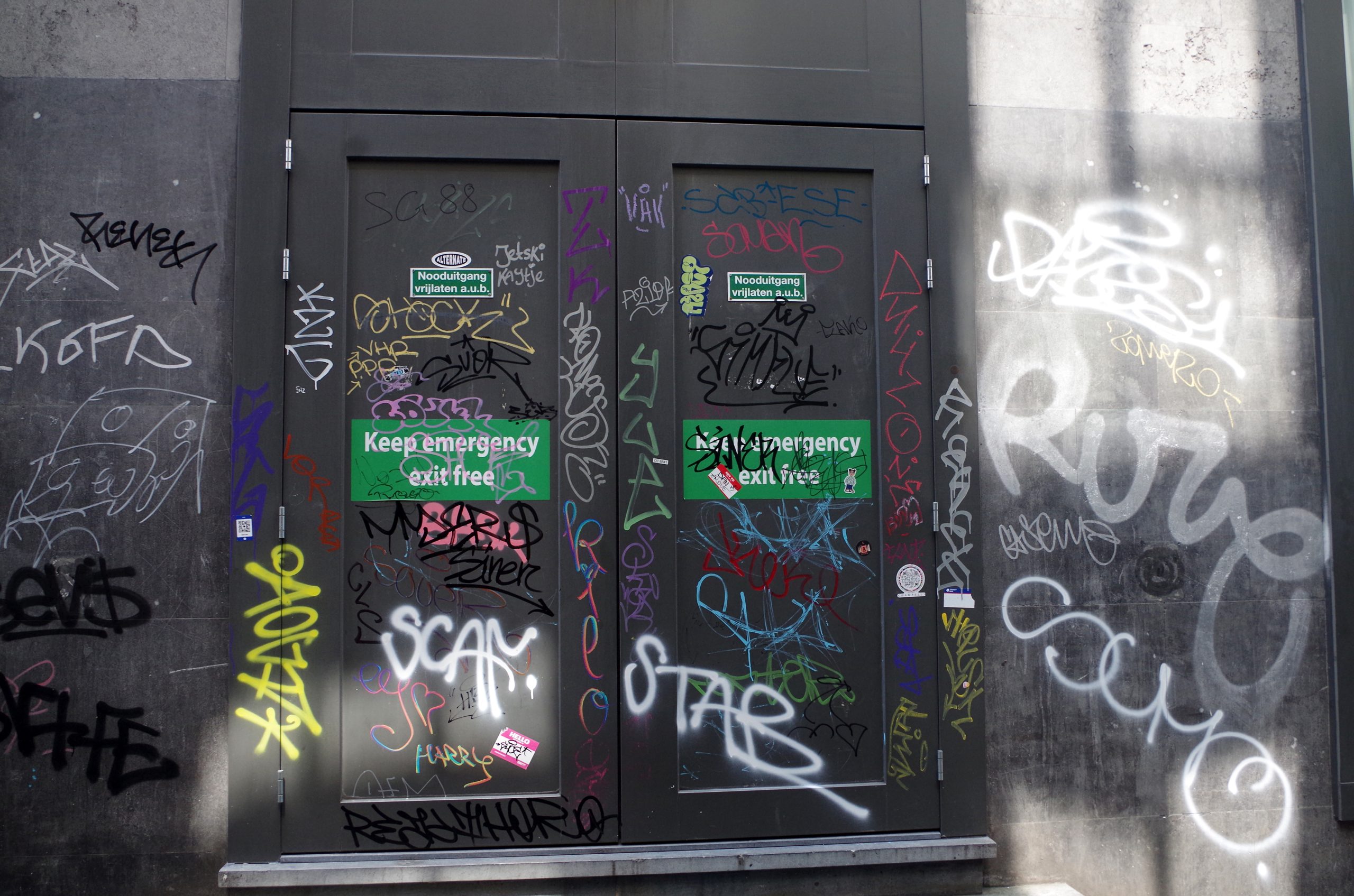
Another doorway in Amsterdam
Bicycles in Amsterdam
Bicycles, Amsterdam
Bicycles, Amsterdam
Bicycles, Amsterdam
Bicycles, Amsterdam
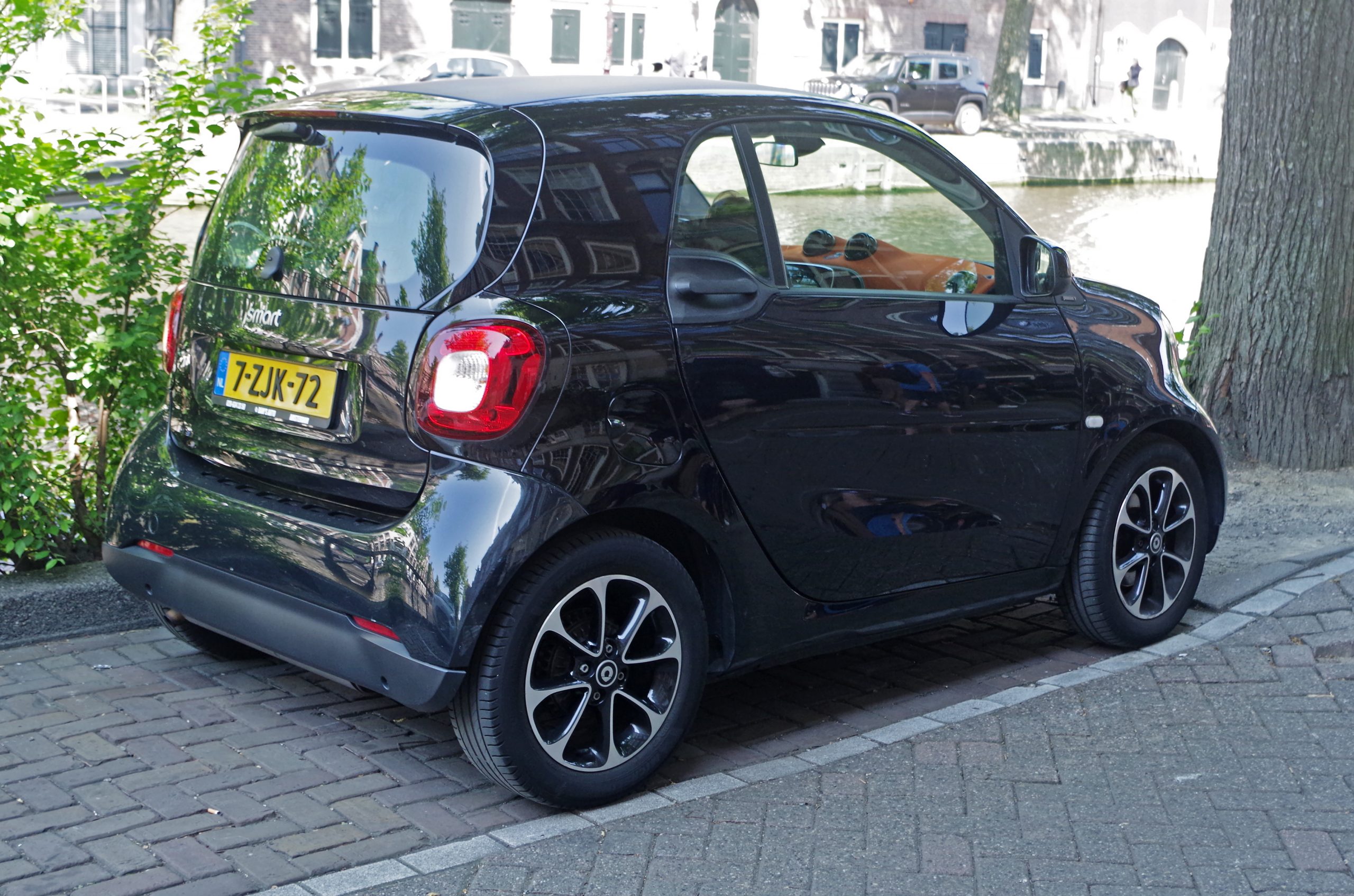
A SmartCar in Amsterdam
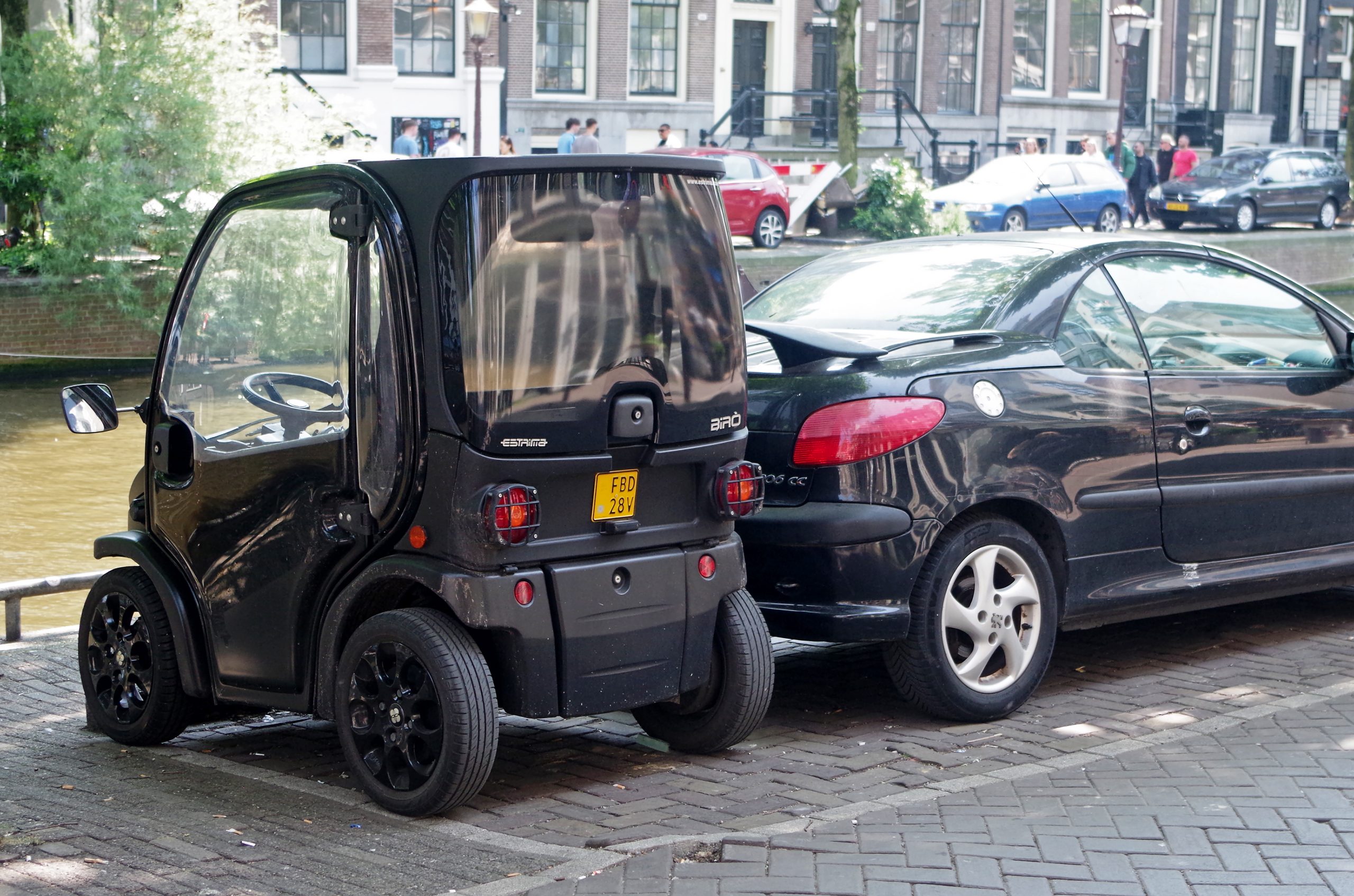
Another SmartCar in Amsterdam
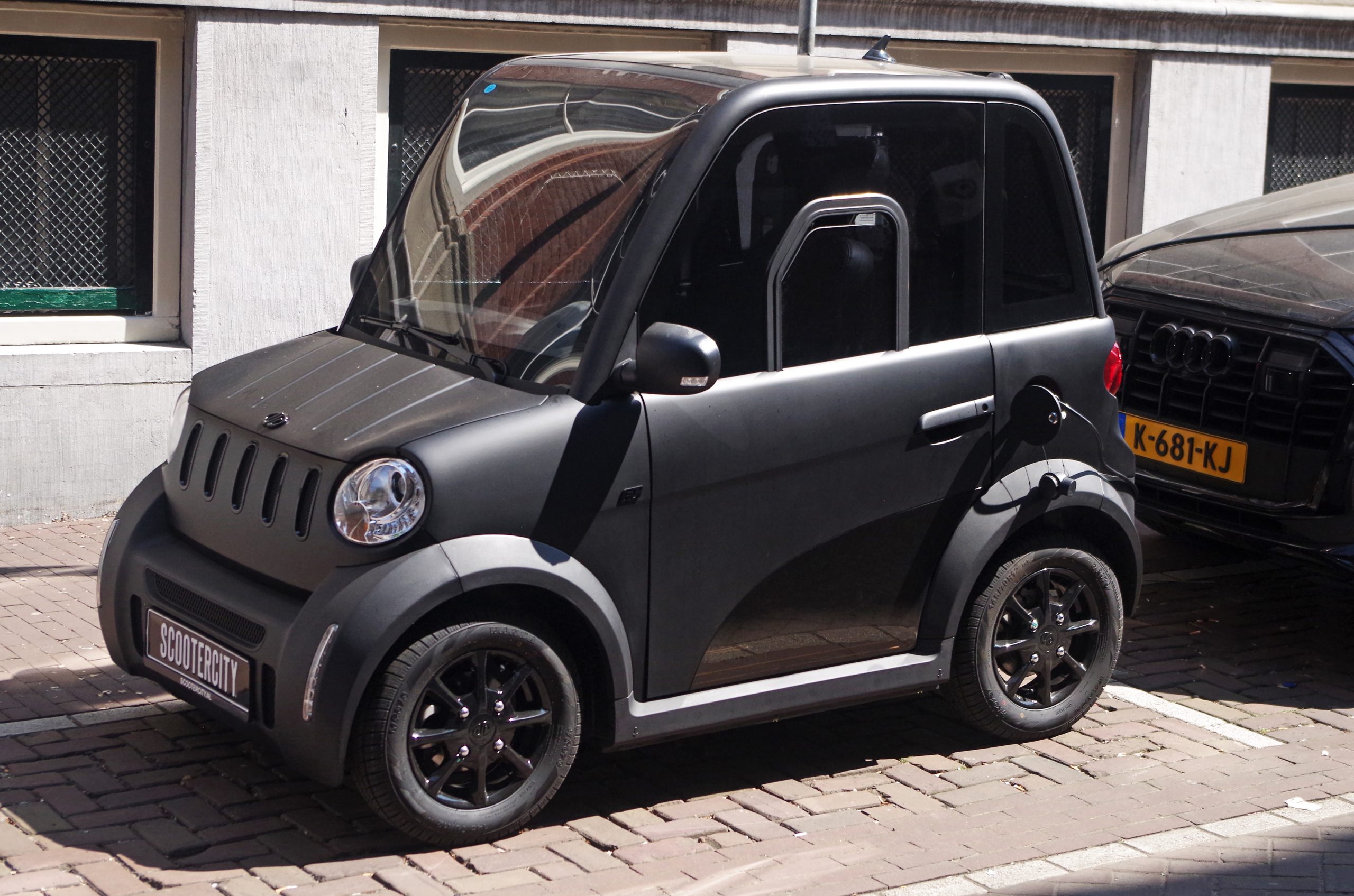
SmartCar EV in Amsterdam
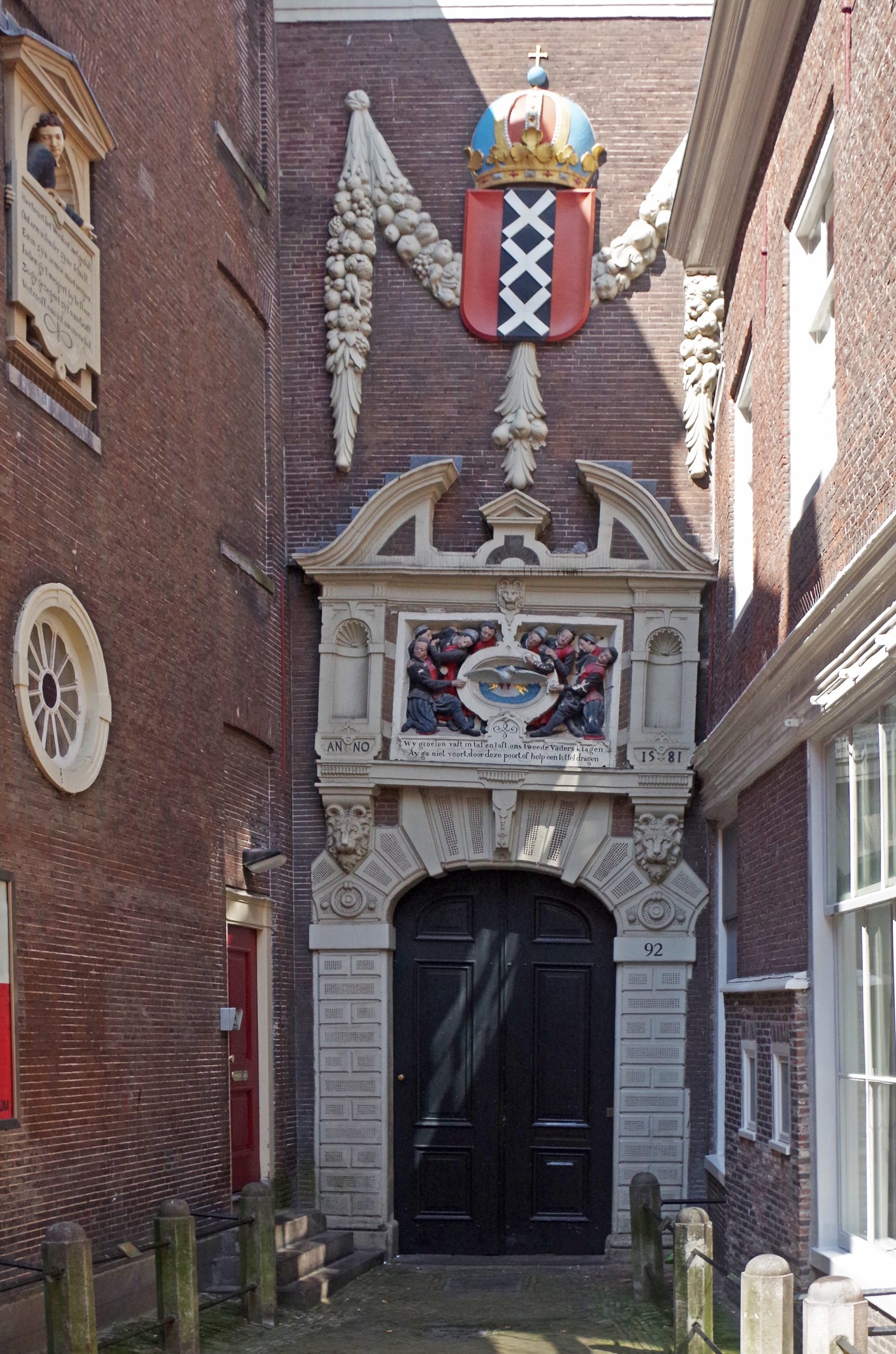
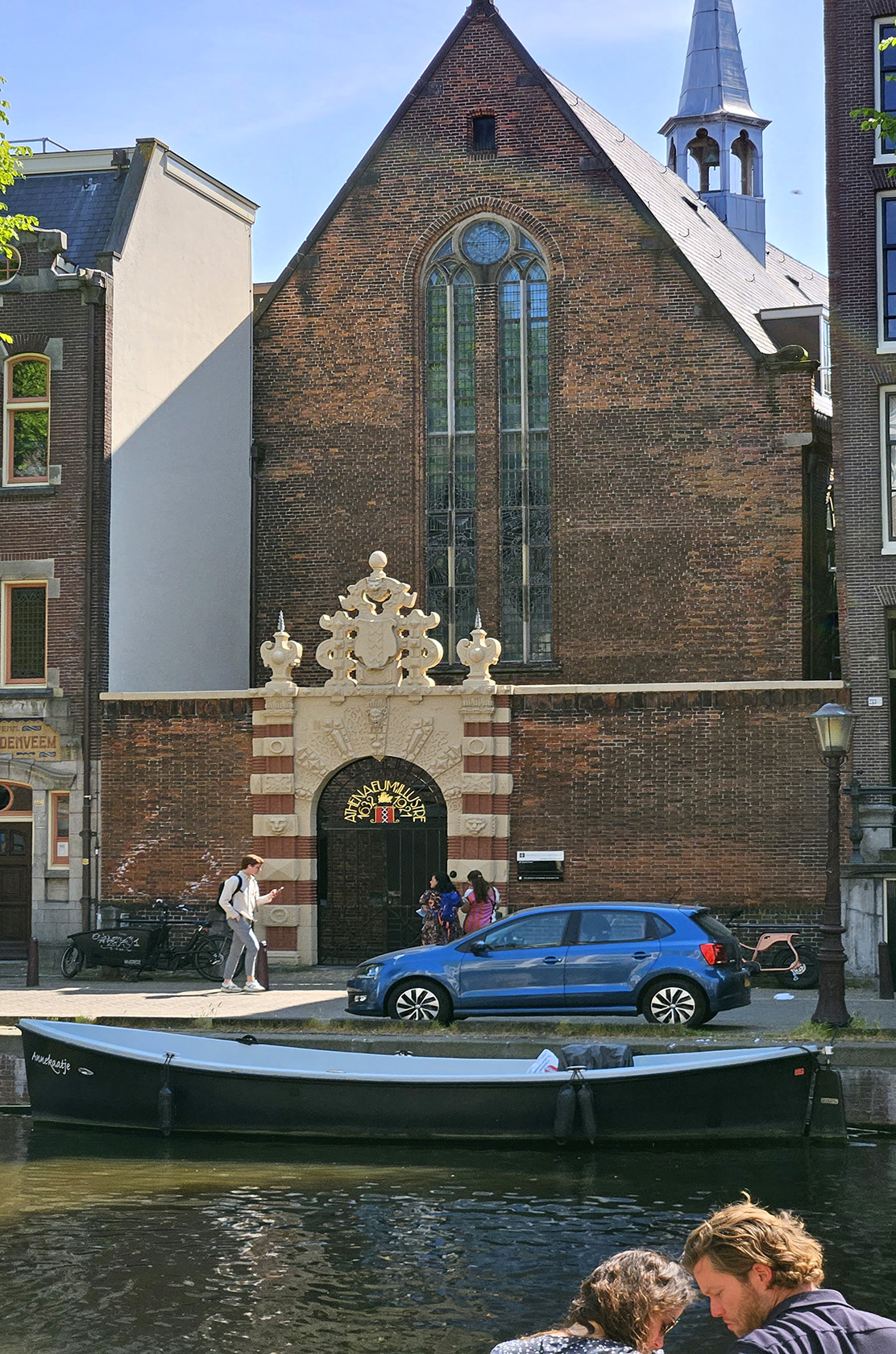
Former orphanage in Amsterdam
An Amsterdam street scene
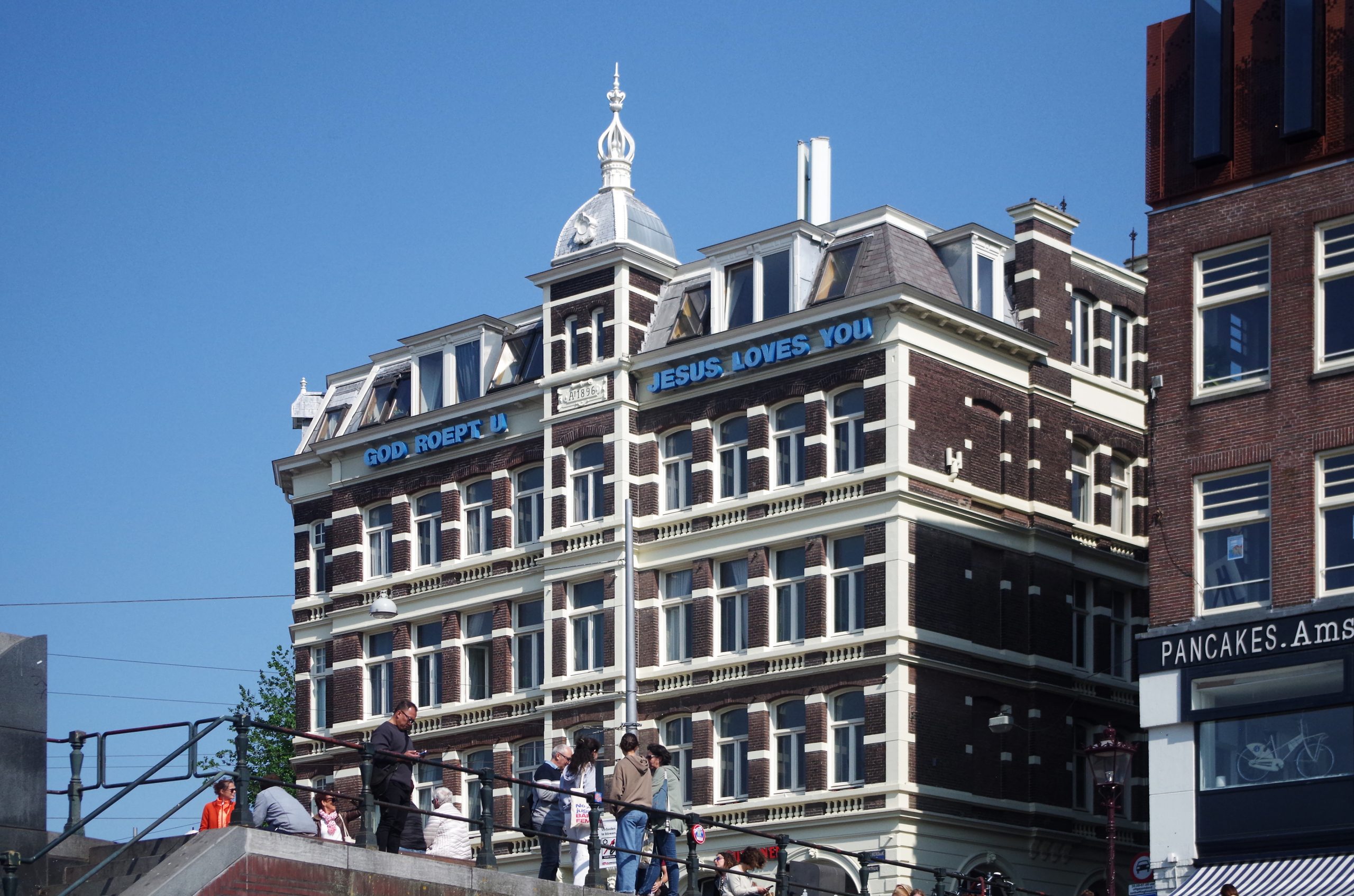
Jesus Loves You in Amsterdam
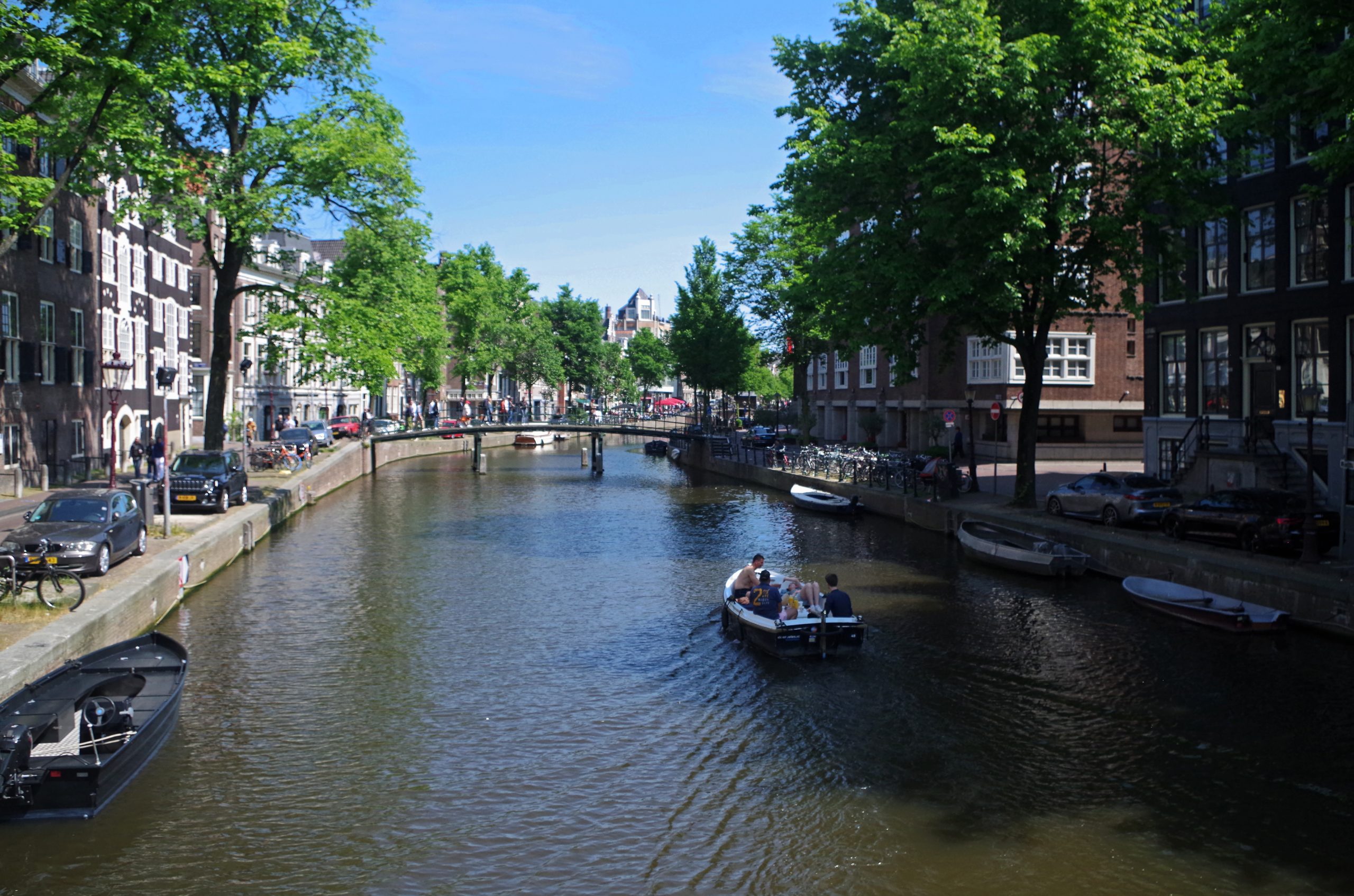
An Amsterdam canal
An Amsterdam canal
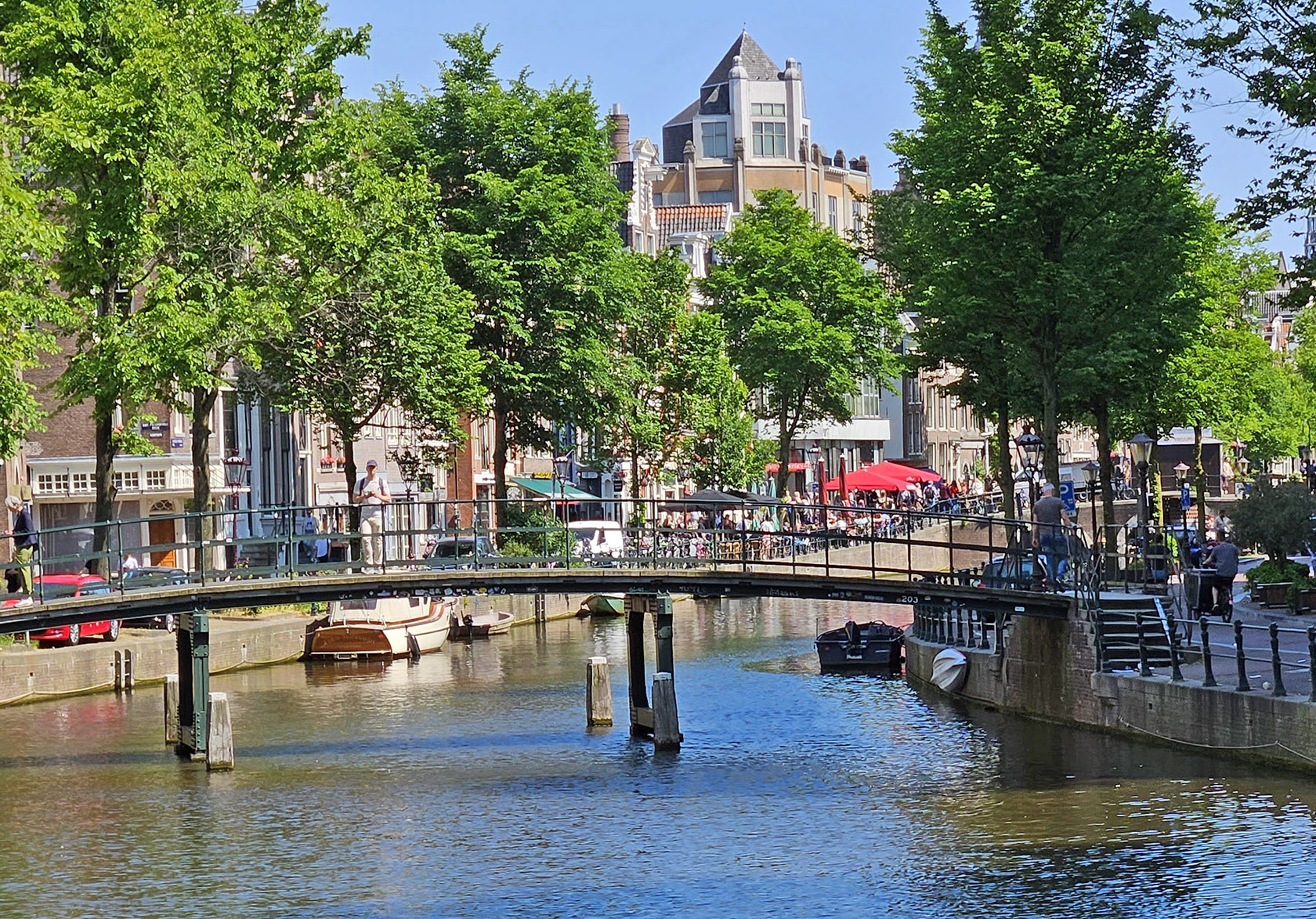
Canal, Amsterdam
Canal, Amsterdam
An Amsterdam canal
An Amsterdam canal
An Amsterdam canal
An Amsterdam canal
An Amsterdam canal
An Amsterdam canal
An Amsterdam canal
An Amsterdam canal
Canal Scene, Amsterdam
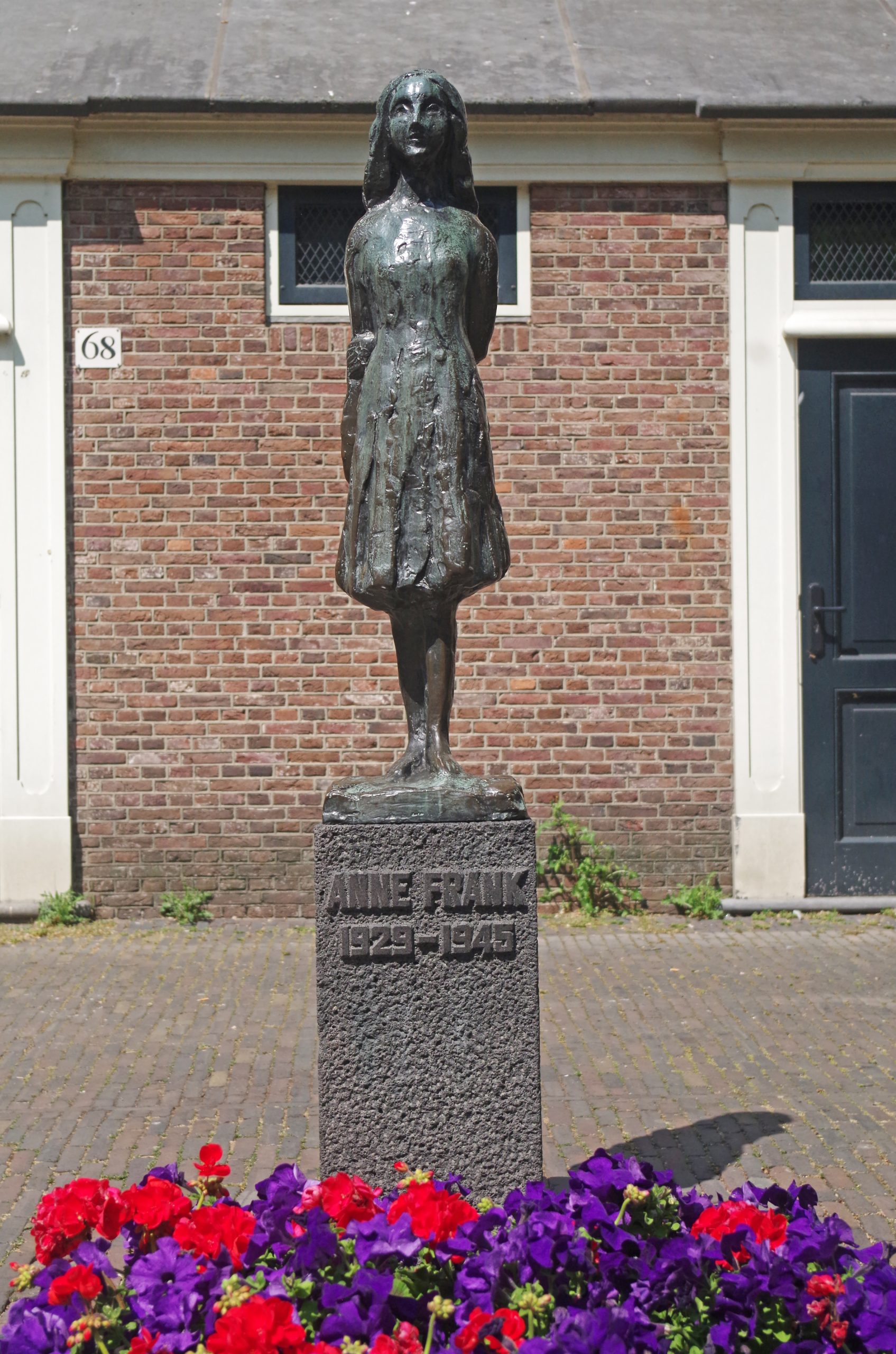
Anne Frank statue, Amsterdam
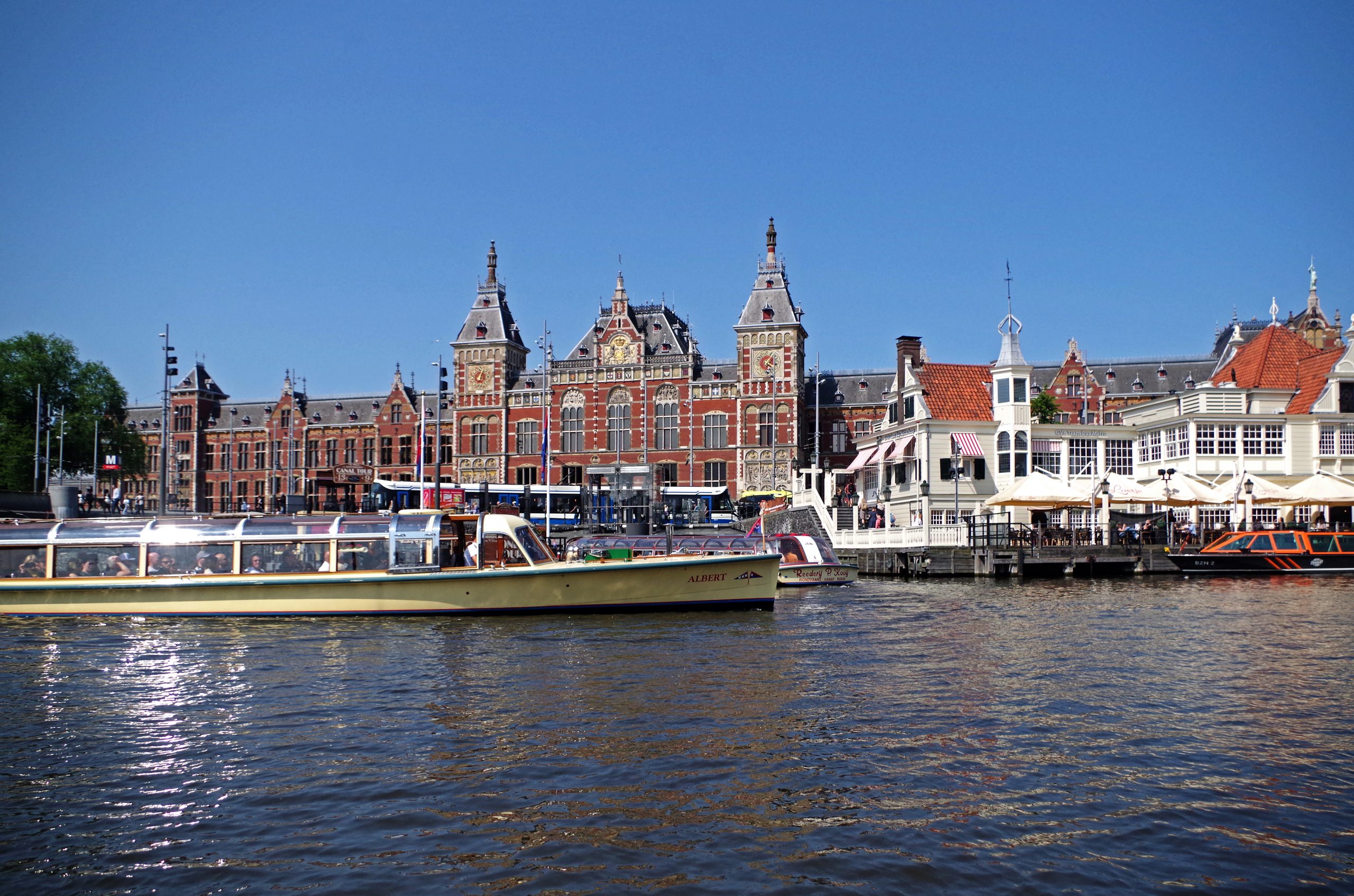
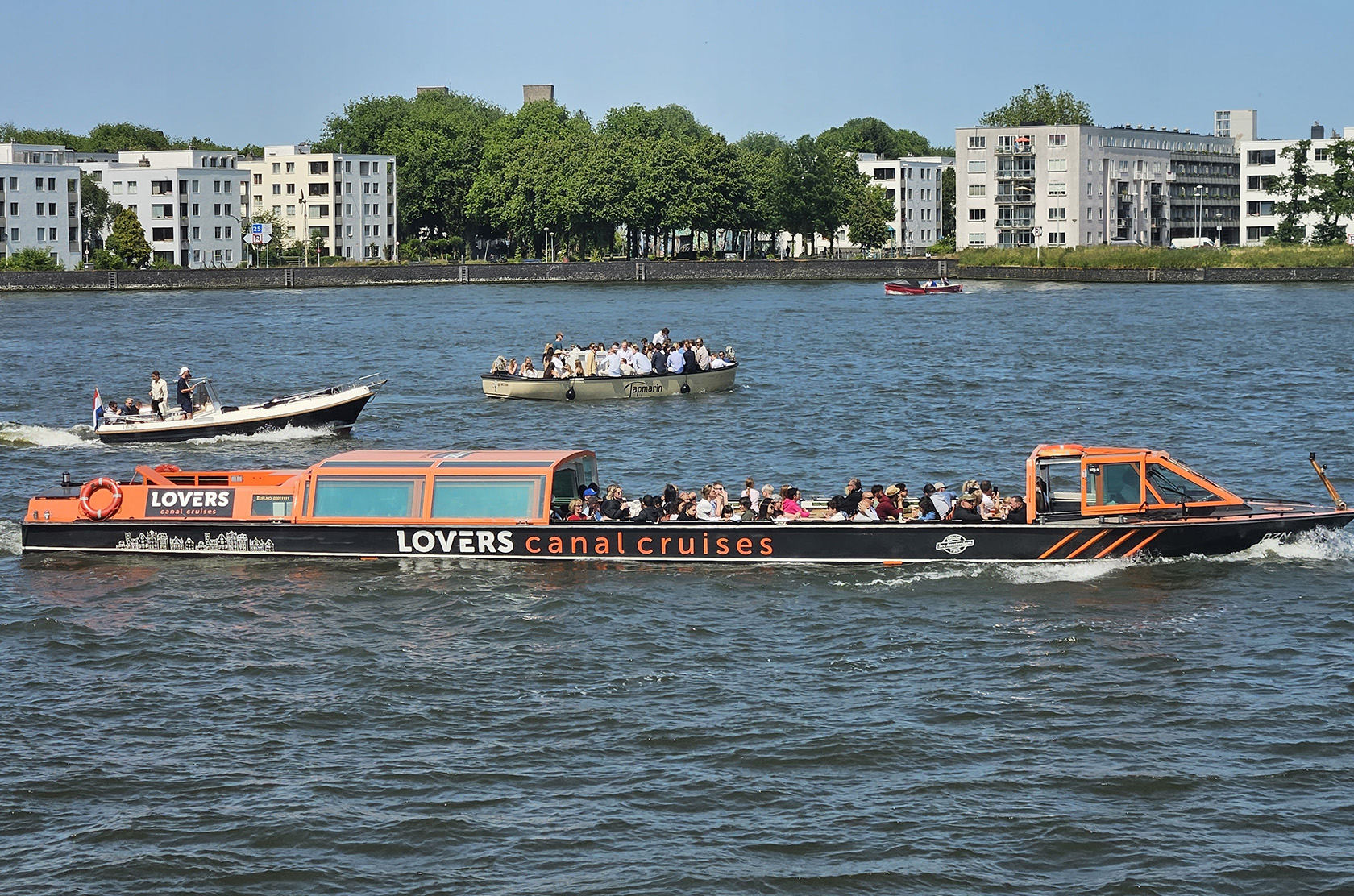
A canal tour boat in Amsterdam
Canal Tour Boats, Amsterdam
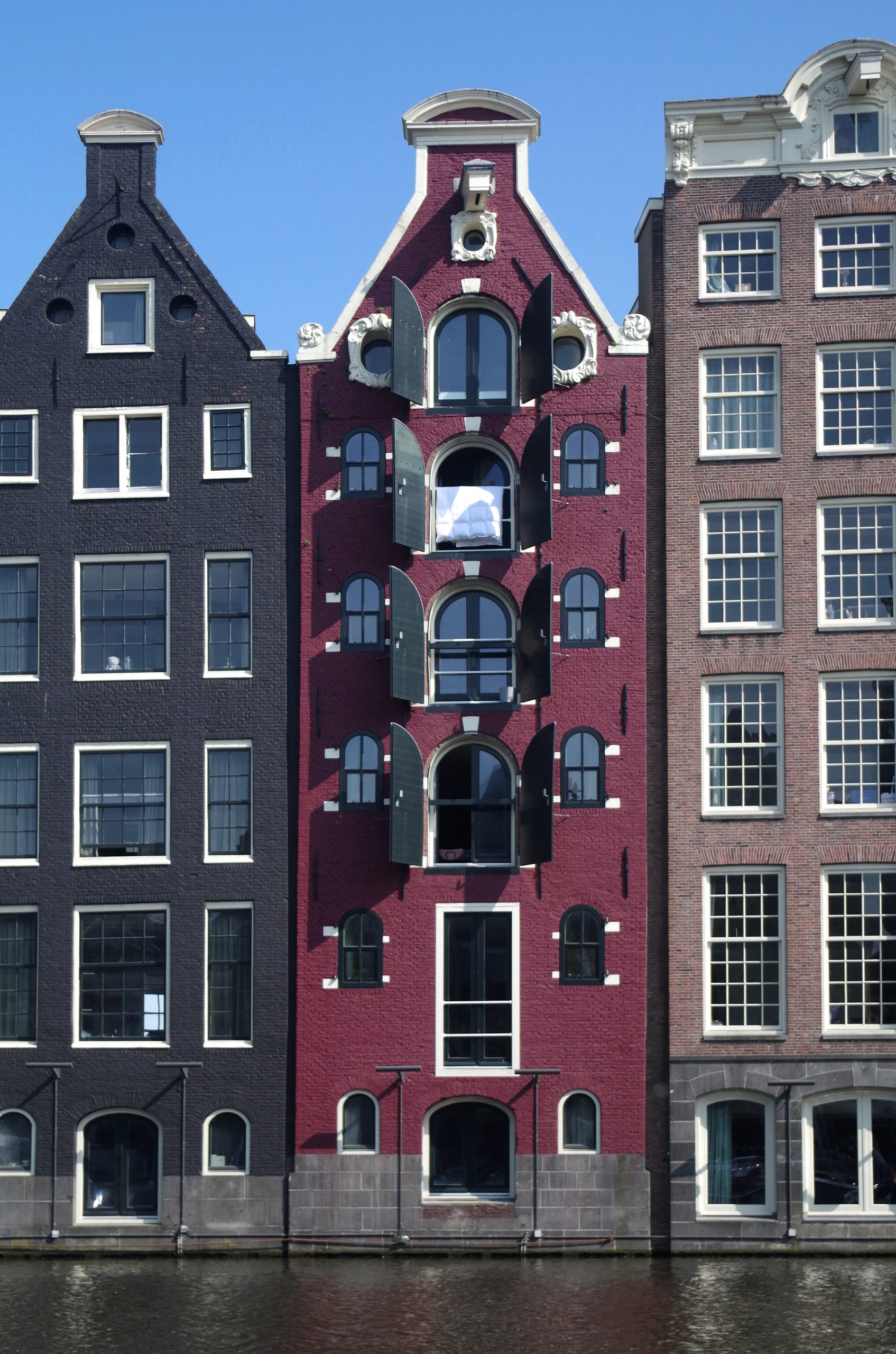
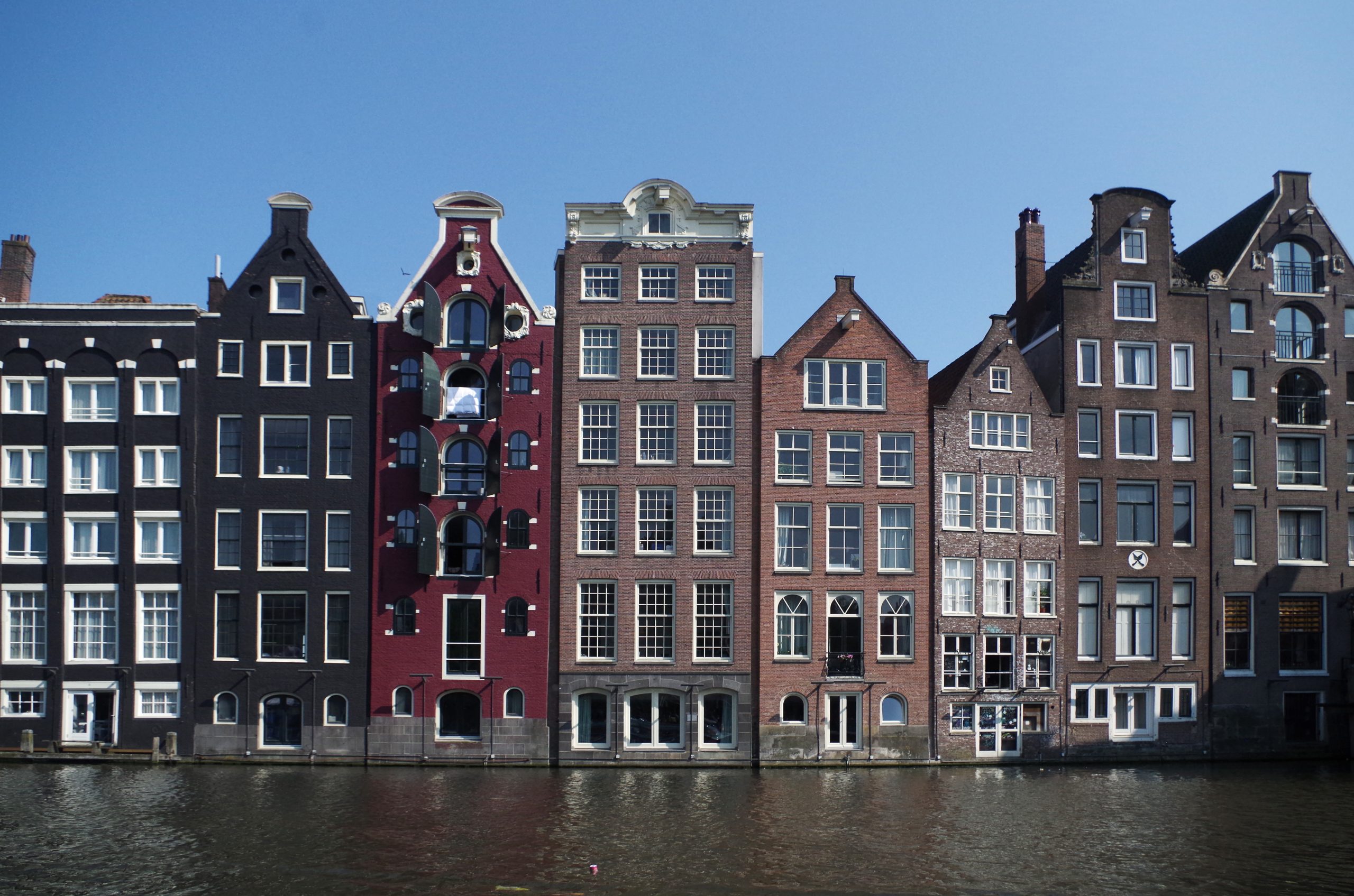
Canal houses, Amsterdam
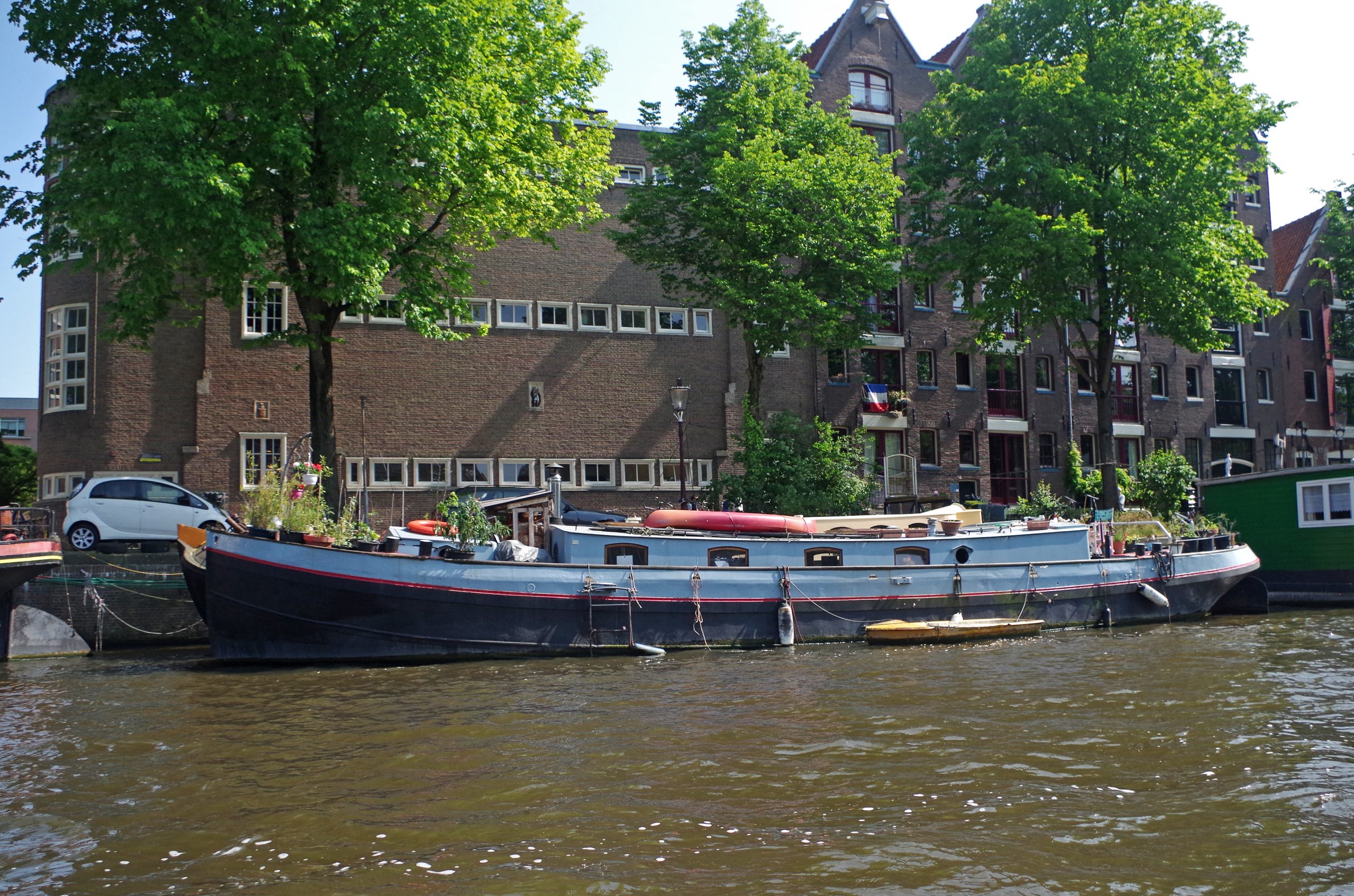
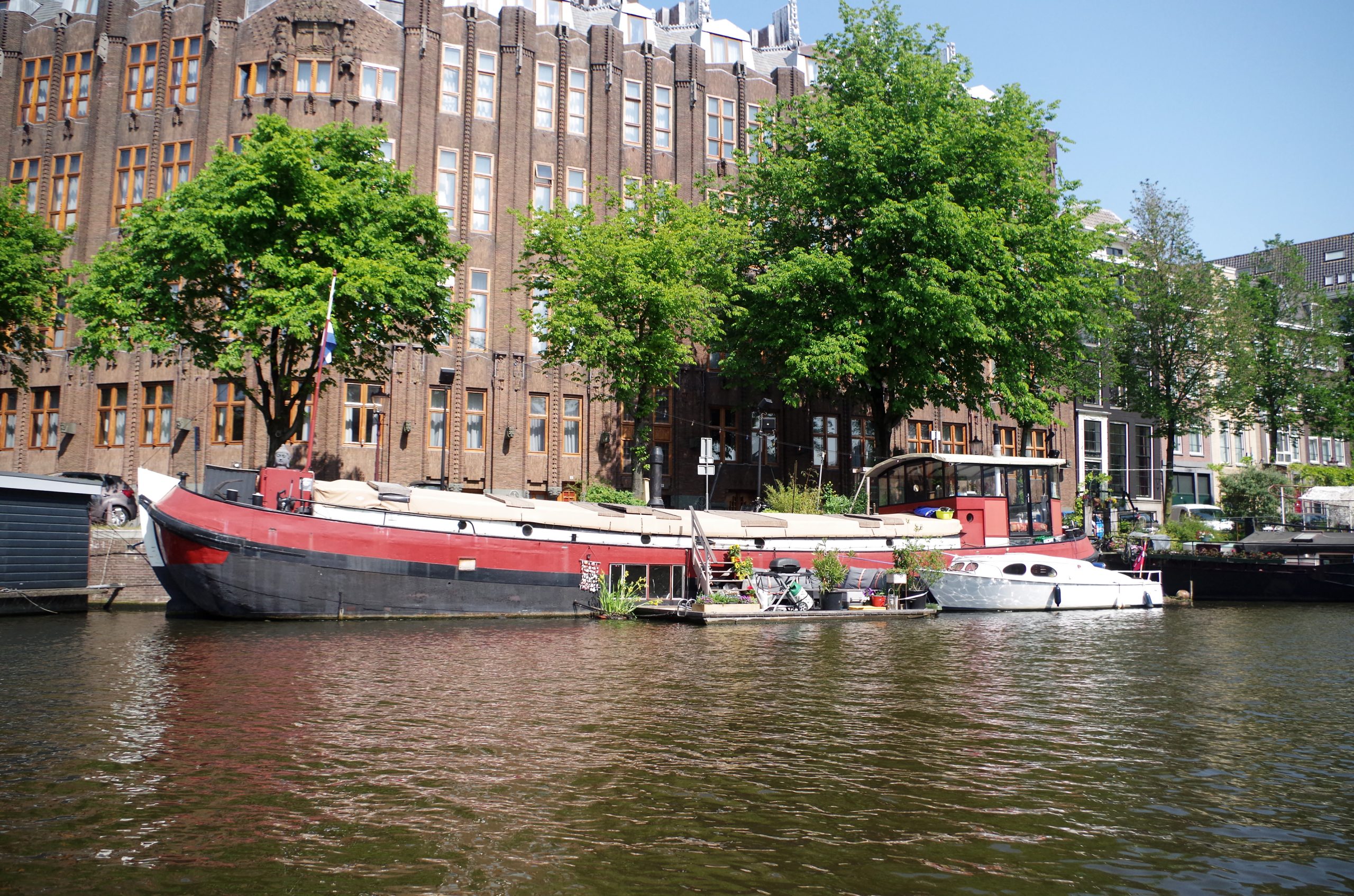
Houseboats along the canals, Amsterdam
A houseboat along a canal, Amsterdam
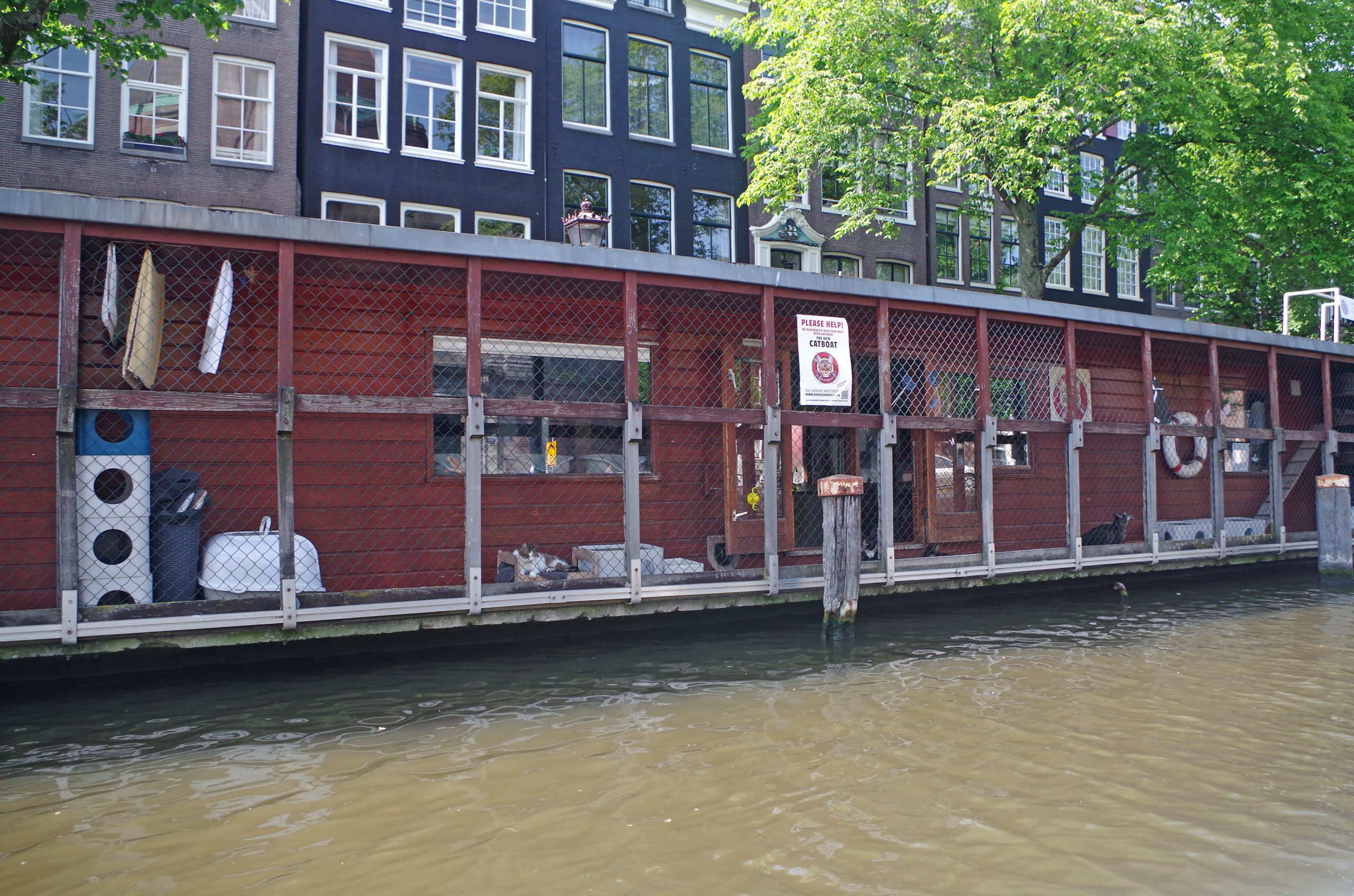
CatBoat (cat rescue boat) along a canal, Amsterdam
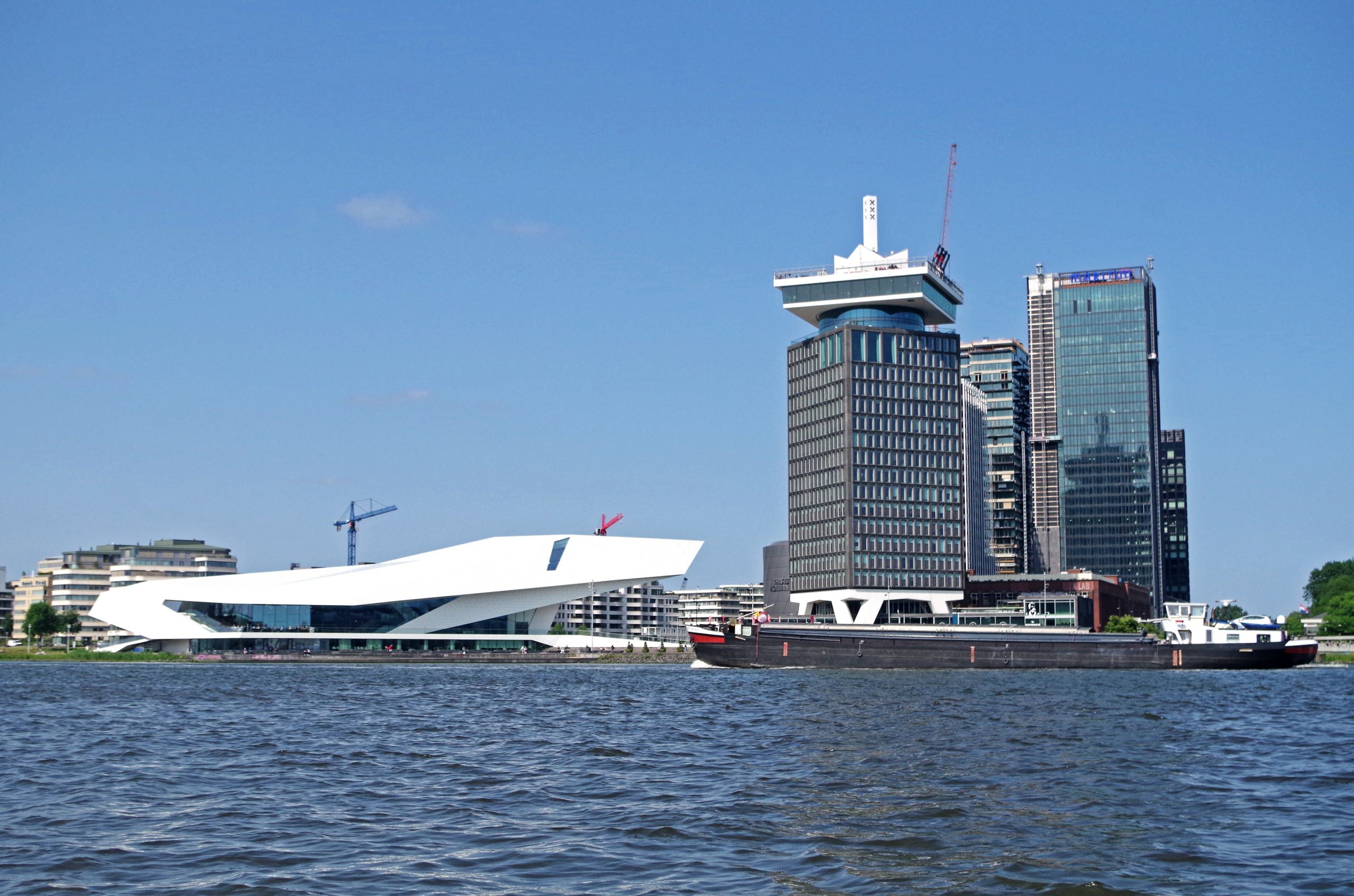
The Eye Film Museum and ADAM Tower (noted for its swings), Amsterdam
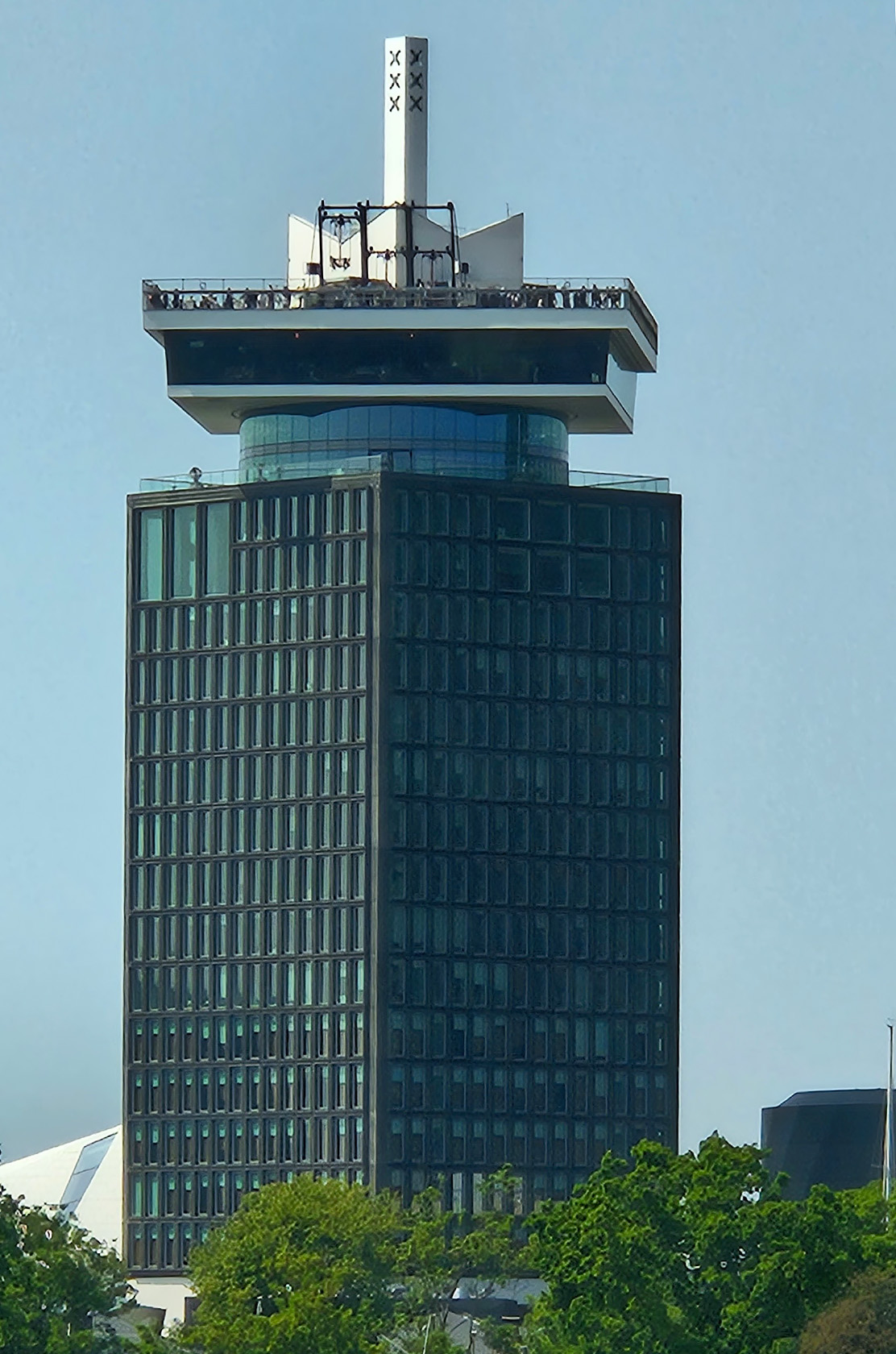
ADAM Tower Swings, Amsterdam
The Sea Palace restaurant, Amsterdam
The children’s floor at Openbare Bibliotheek Amsterdam (OBA), Amsterdam
Mezzanine at Openbare Bibliotheek Amsterdam (OBA), Amsterdam
Furnishings at Openbare Bibliotheek Amsterdam (OBA), Amsterdam
Café at Openbare Bibliotheek Amsterdam (OBA), Amsterdam
Stacks at Openbare Bibliotheek Amsterdam (OBA), Amsterdam
Vocal and instrumental sheet music stacks at Openbare Bibliotheek Amsterdam (OBA), Amsterdam
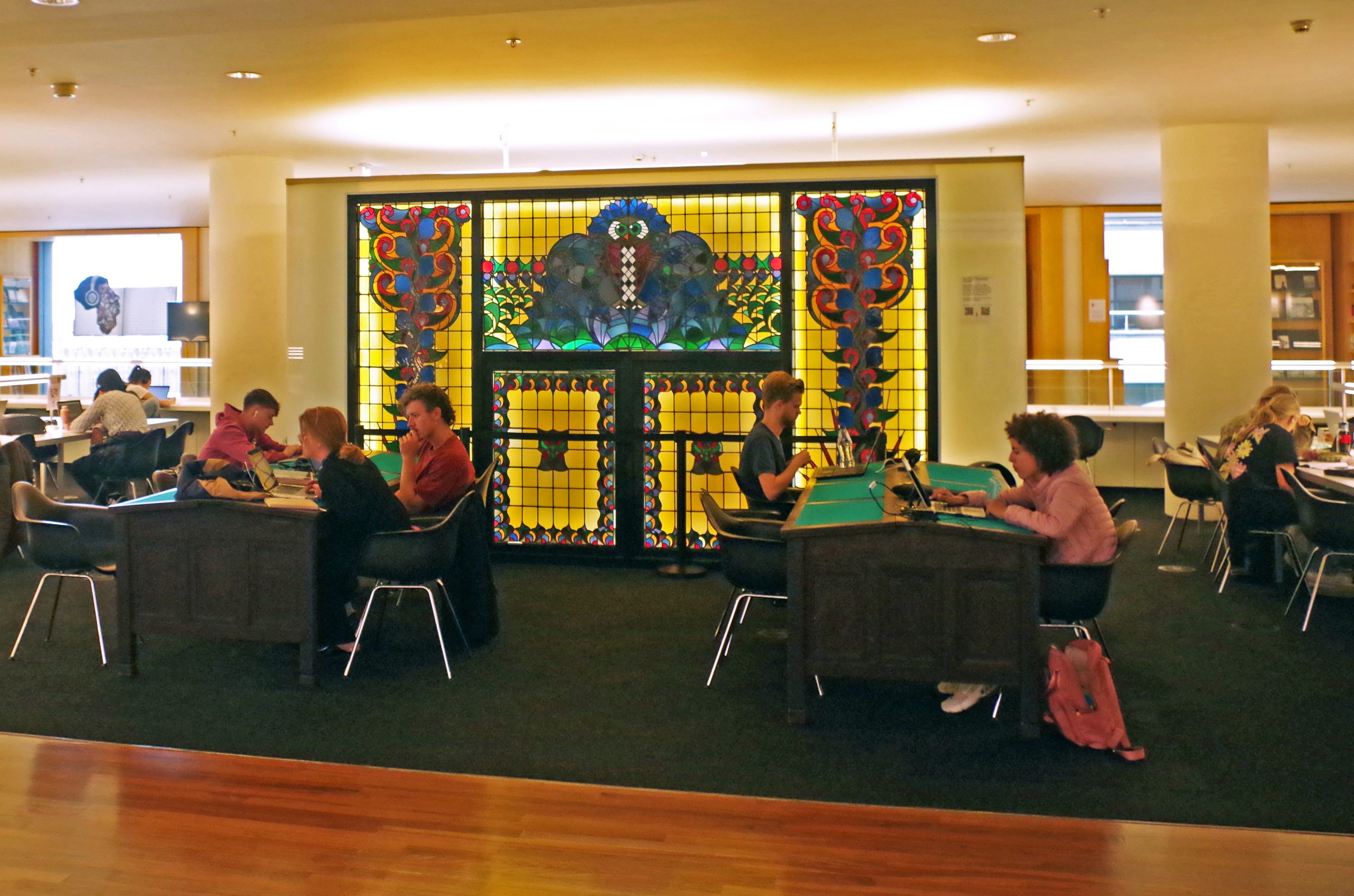
One of many unique study spaces at Openbare Bibliotheek Amsterdam (OBA), Amsterdam
The cafeteria on the seventh floor of Openbare Bibliotheek Amsterdam (OBA), Amsterdam
The view of the IJ from the outdoor seating area of the cafeteria in the Openbare Bibliotheek Amsterdam (OBA), Amsterdam


Cologne, Germany

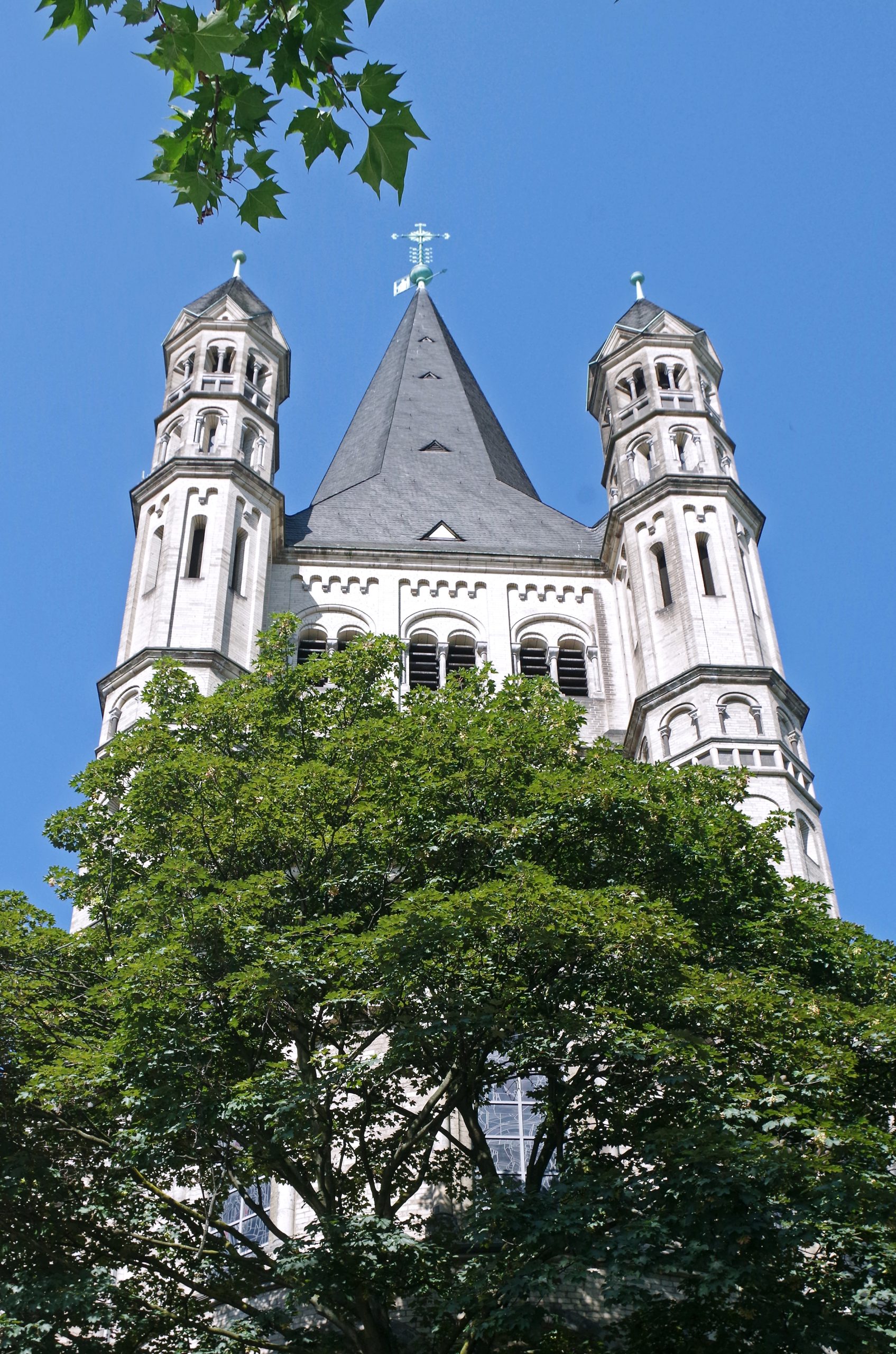
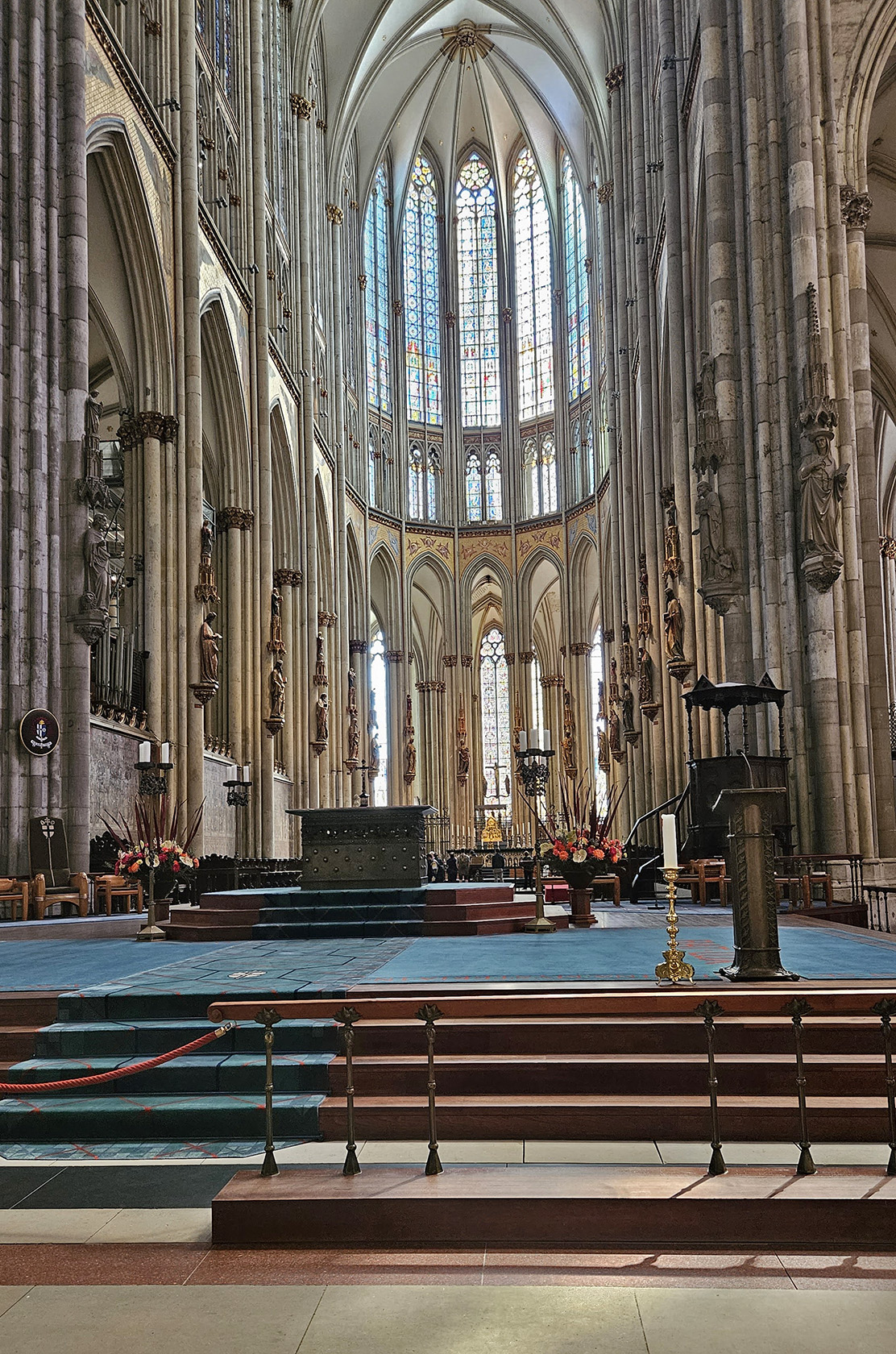
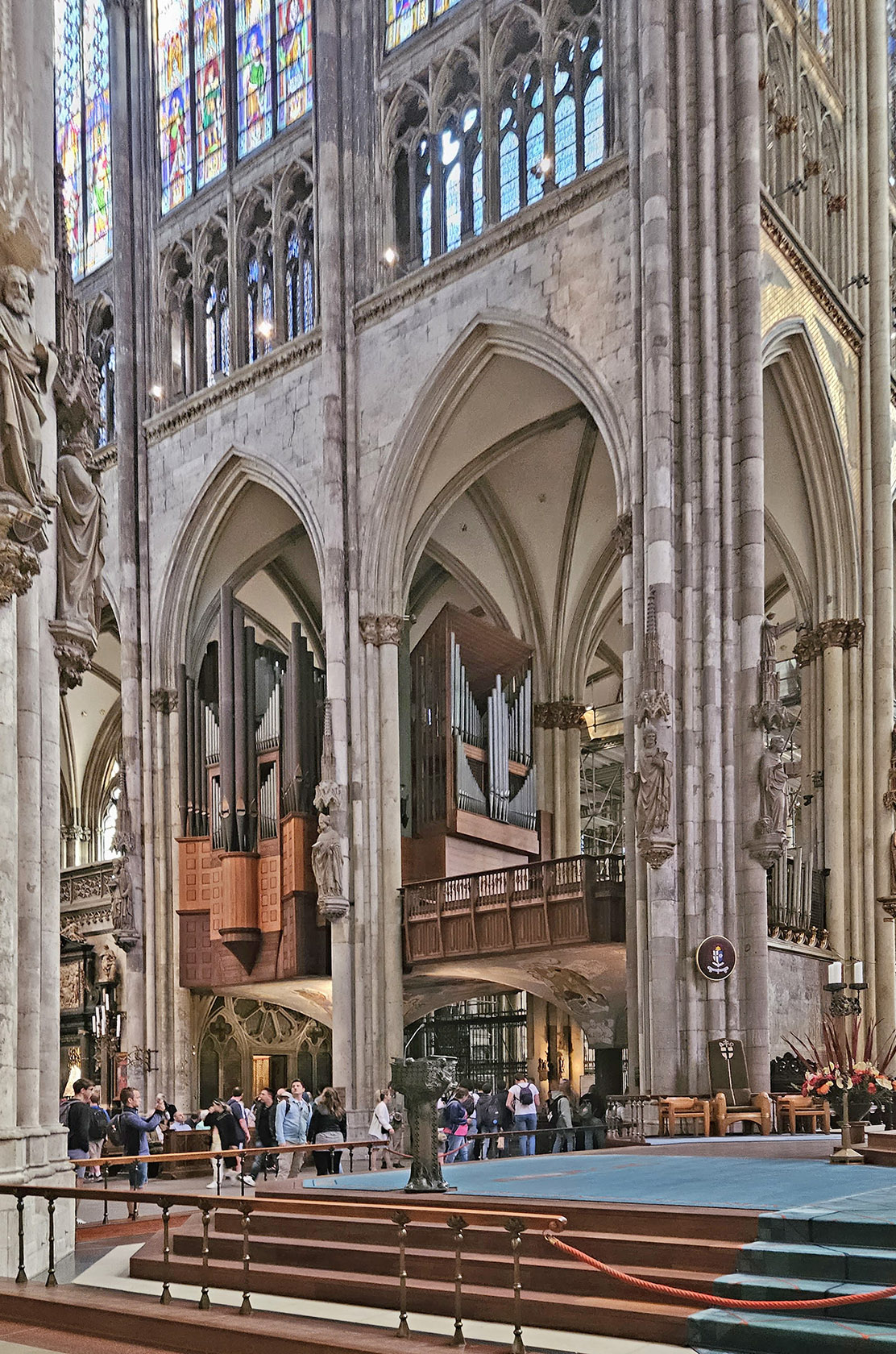
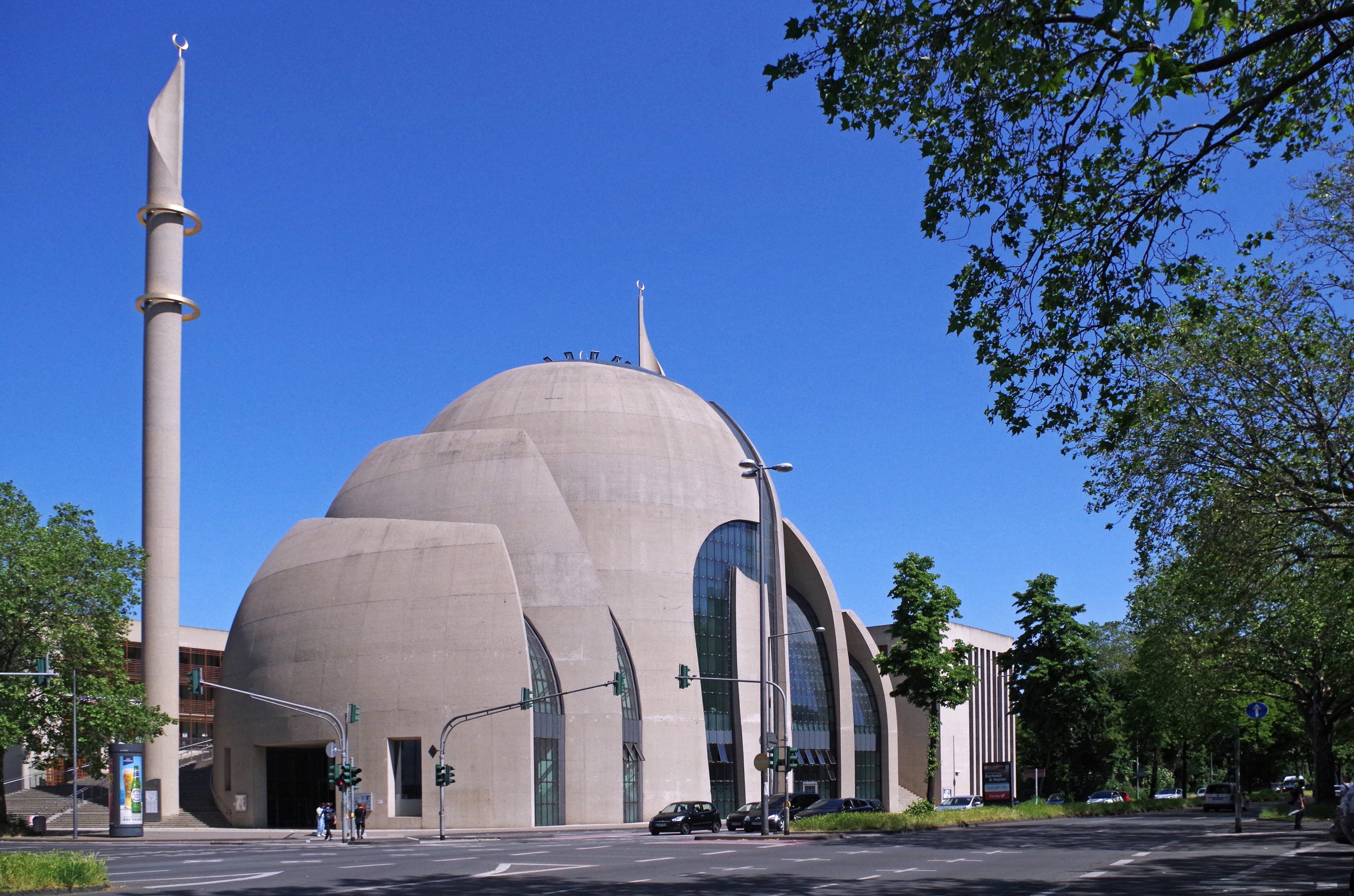
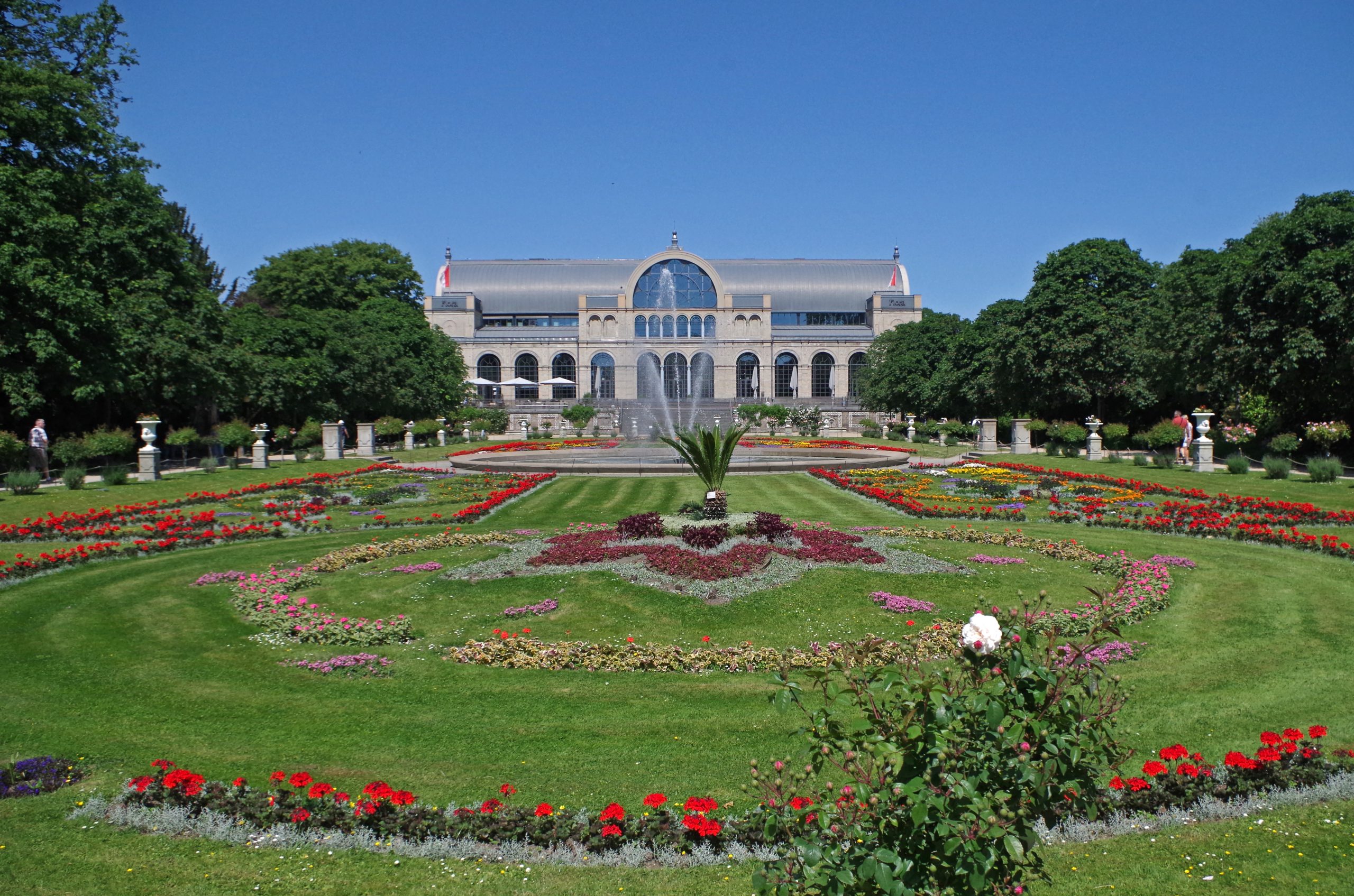
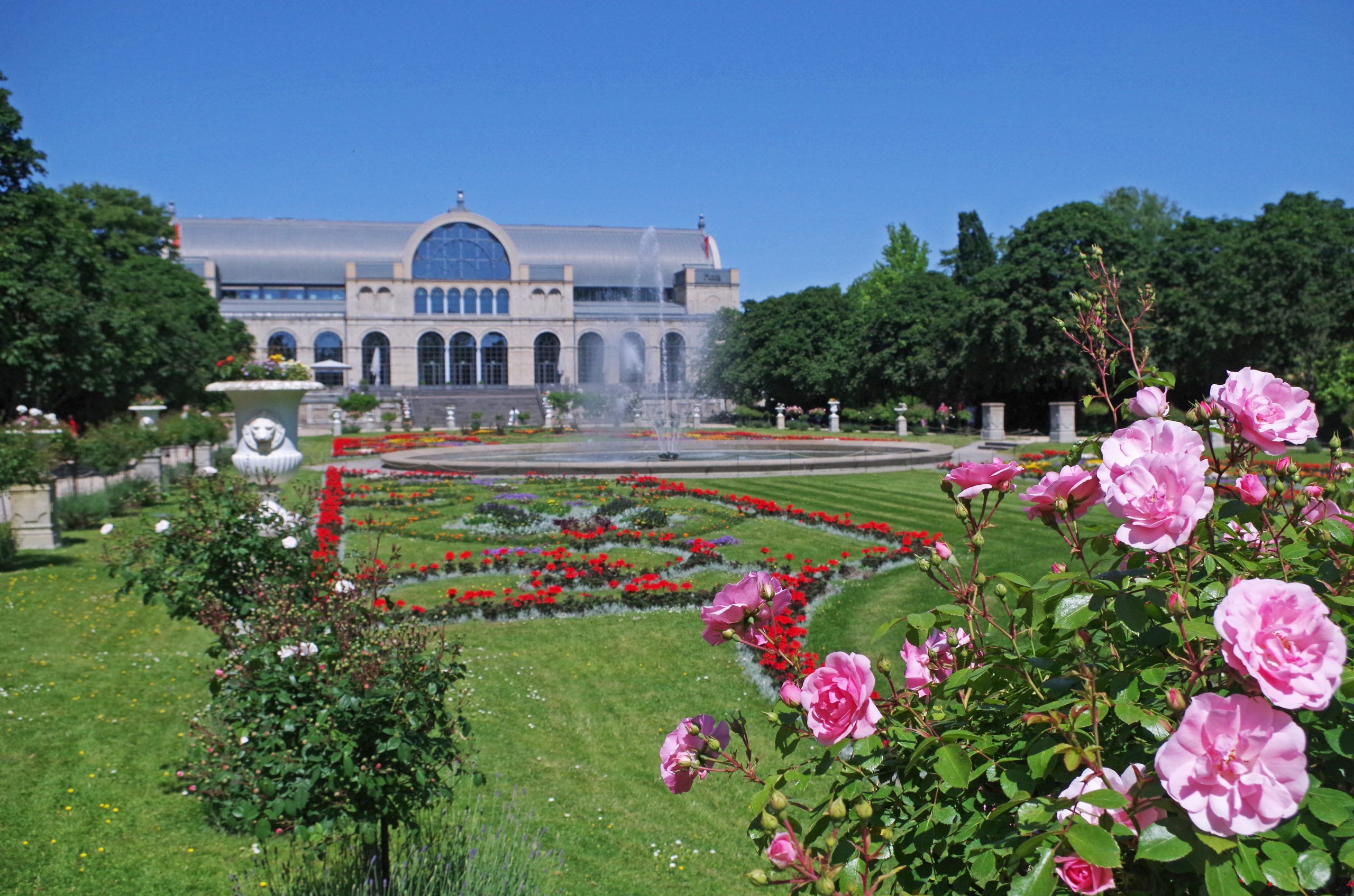
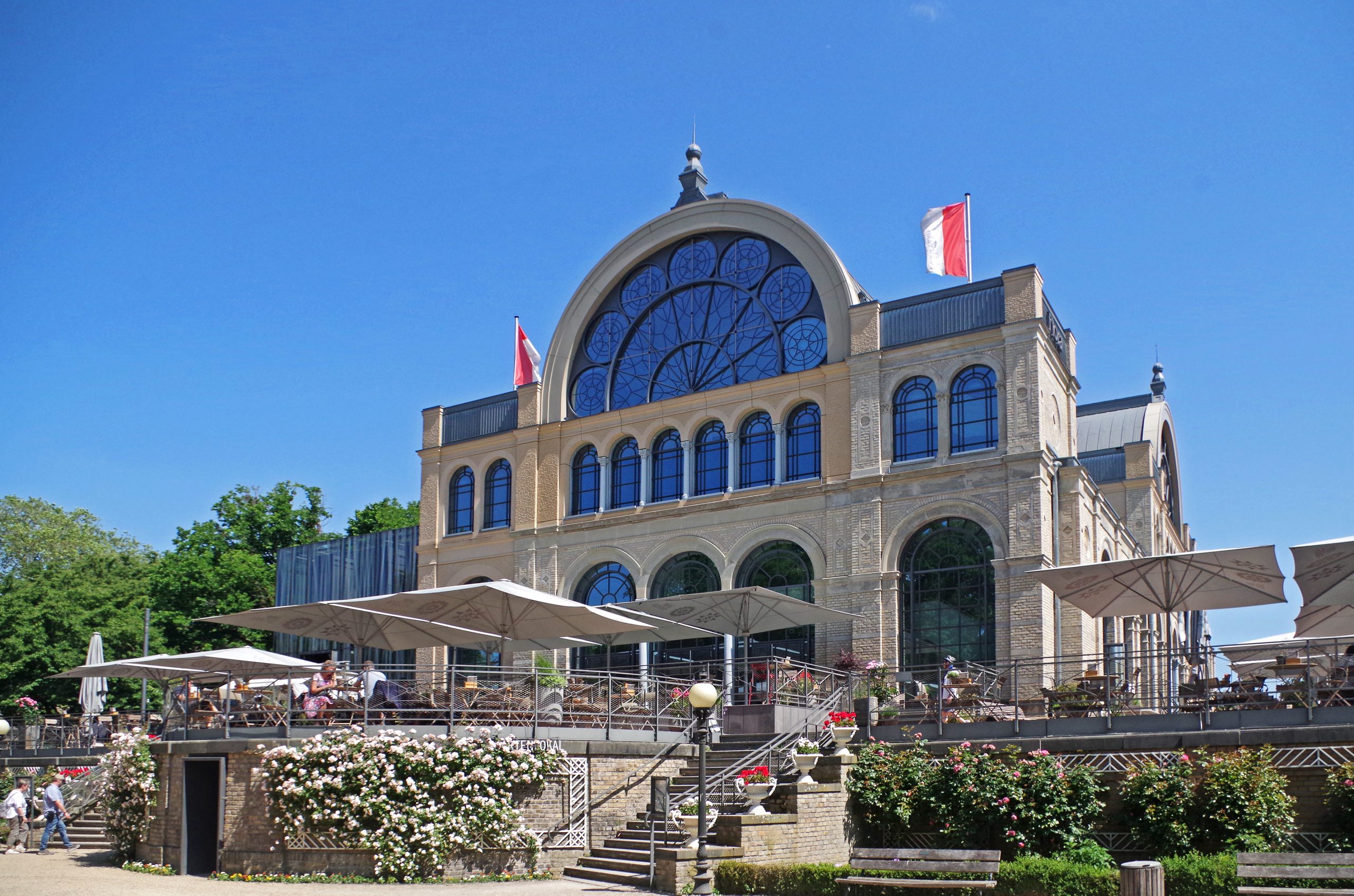
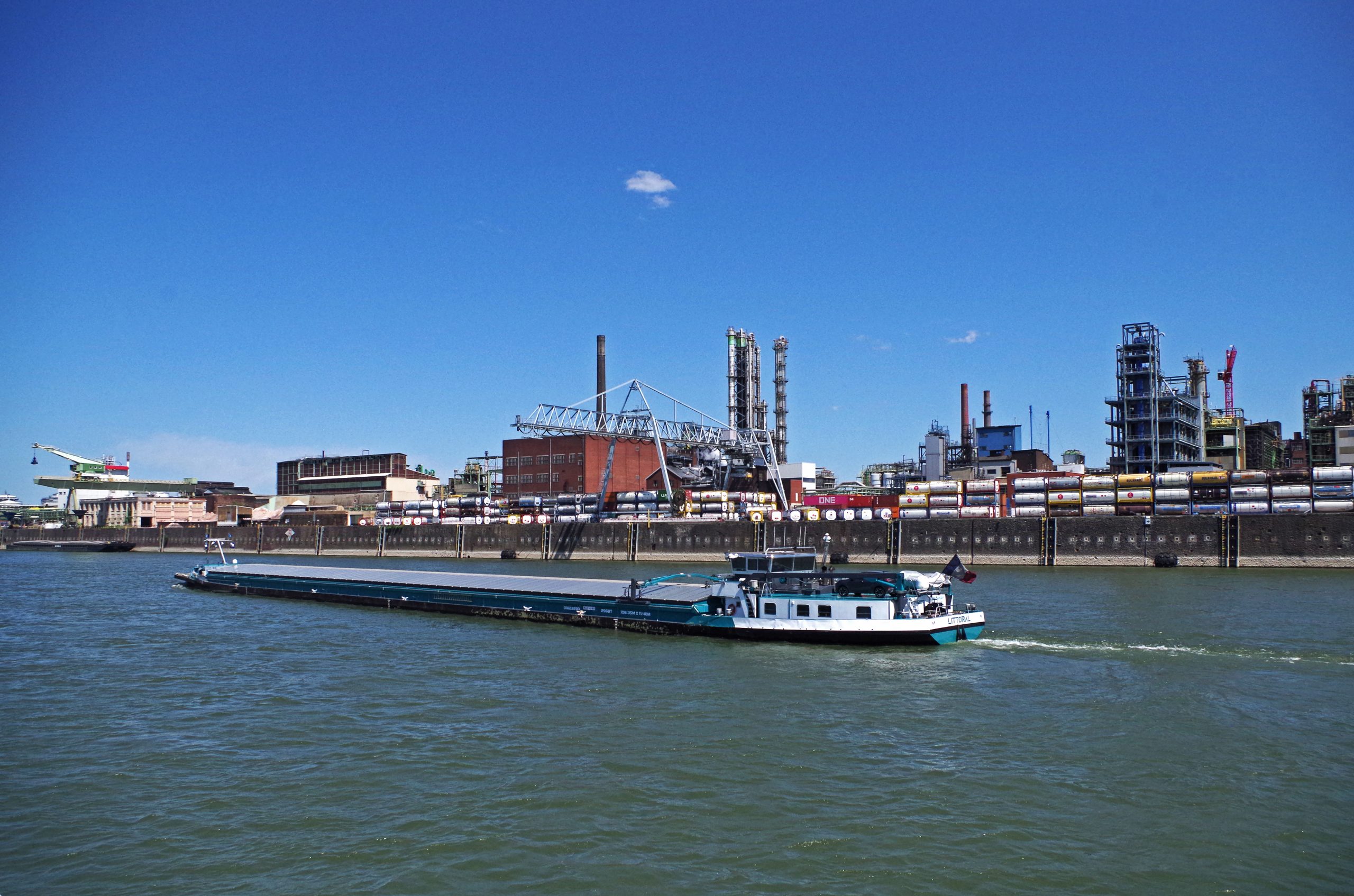
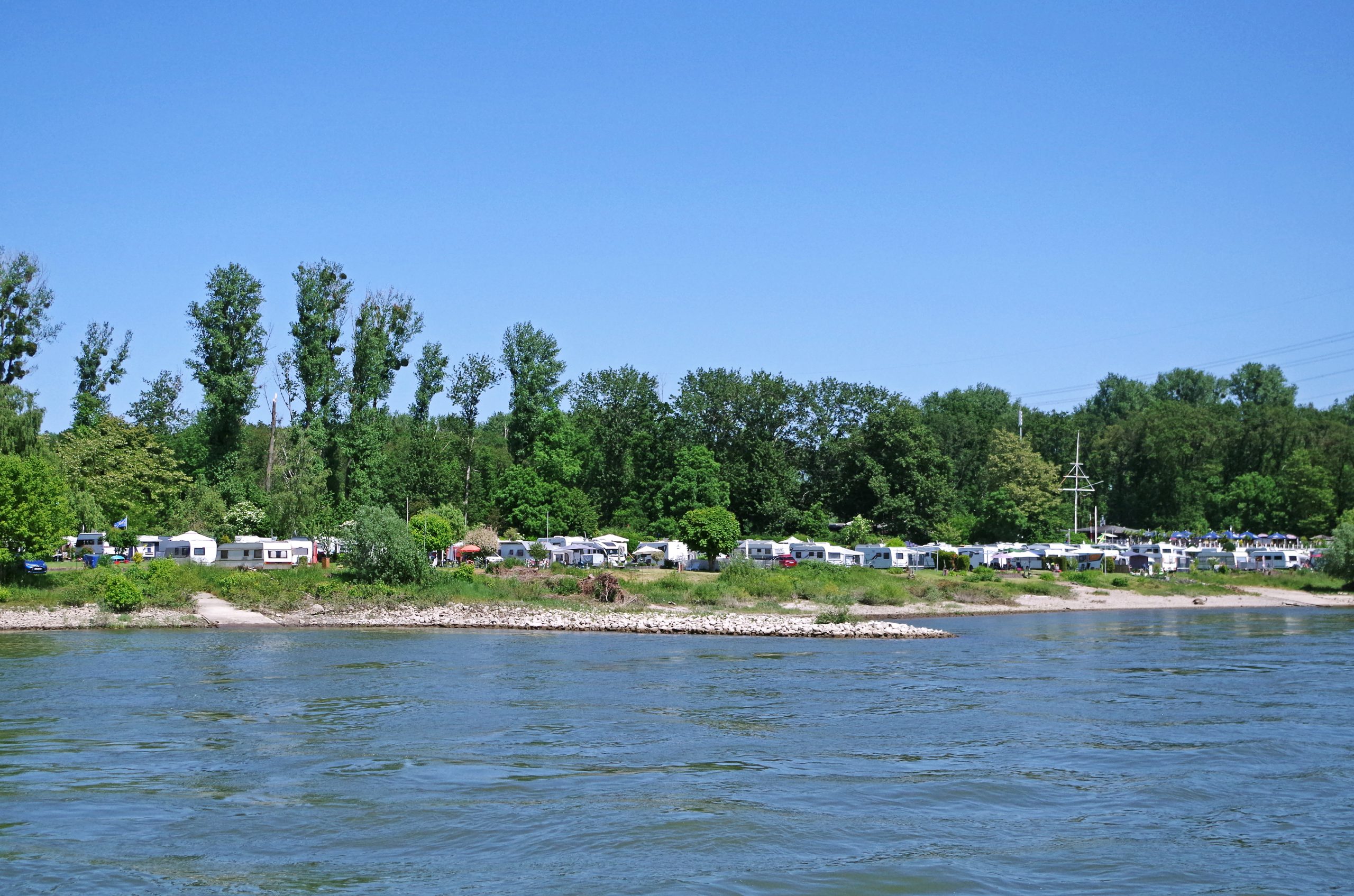
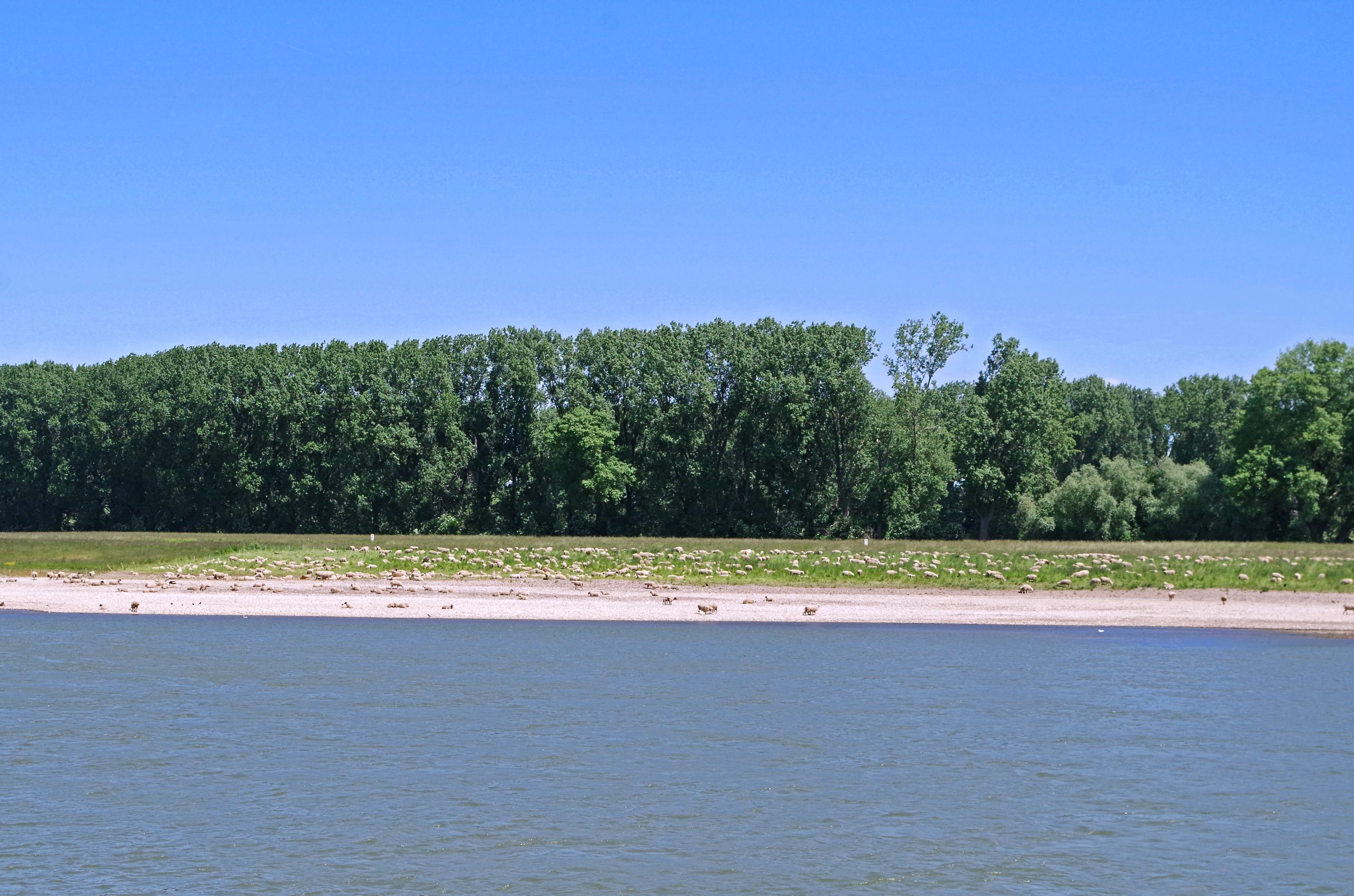
Our last port of call in Germany was the city of Cologne, where we marveled and stepped inside the world-famous Cologne Cathedral. Barbara chose a walking tour of the cathedral and other highlights, while I chose an e-bike tour of the city, where the highlight was a visit to the Cologne Botanical Gardens. As was the case with Nuremberg earlier in our travels, ninety percent of the city of Cologne was destroyed by Allied bombing in World War II, though the air strikes intentionally avoided the cathedral. As a result, Cologne is a very modern city, with only small remnants visible of the old city walls. It also embraces a wide range of cultures, as exemplified by the city’s new mosque that was designed by a Catholic architect. Ironically, while I was wandering on my own through the botanical gardens, air ride sirens began loudly blaring from every direction. I was unaware in advance that this was a test of Germany’s air raid alert system. It is quite apparent that Russia’s Vladimir Putin has all of Europe on edge. Later, as we continued or cruise into The Netherlands, we passed campgrounds, sheep grazing along the river, and signs of Germany’s mighty industrial power.
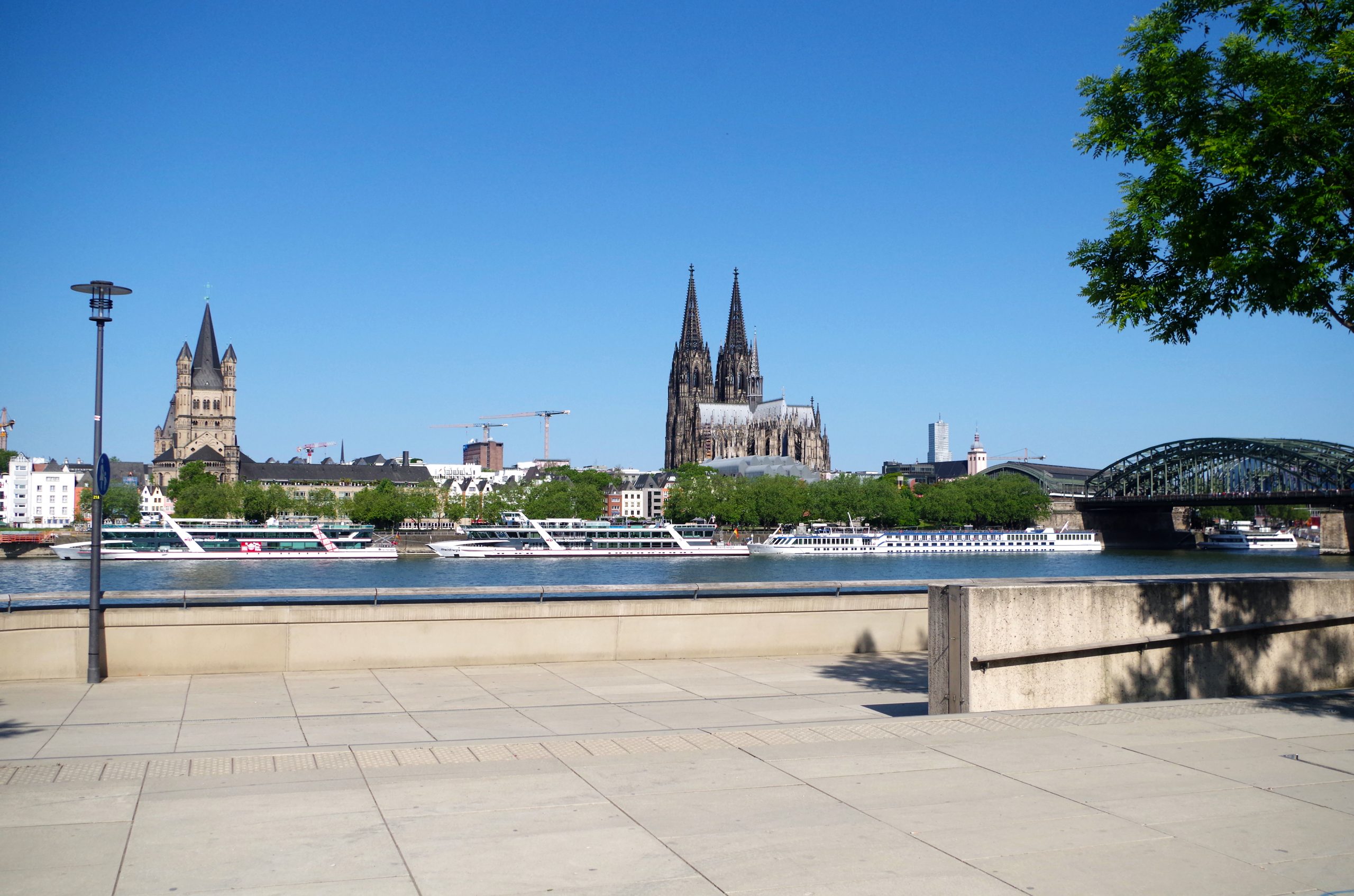
River cruise ships at Cologne
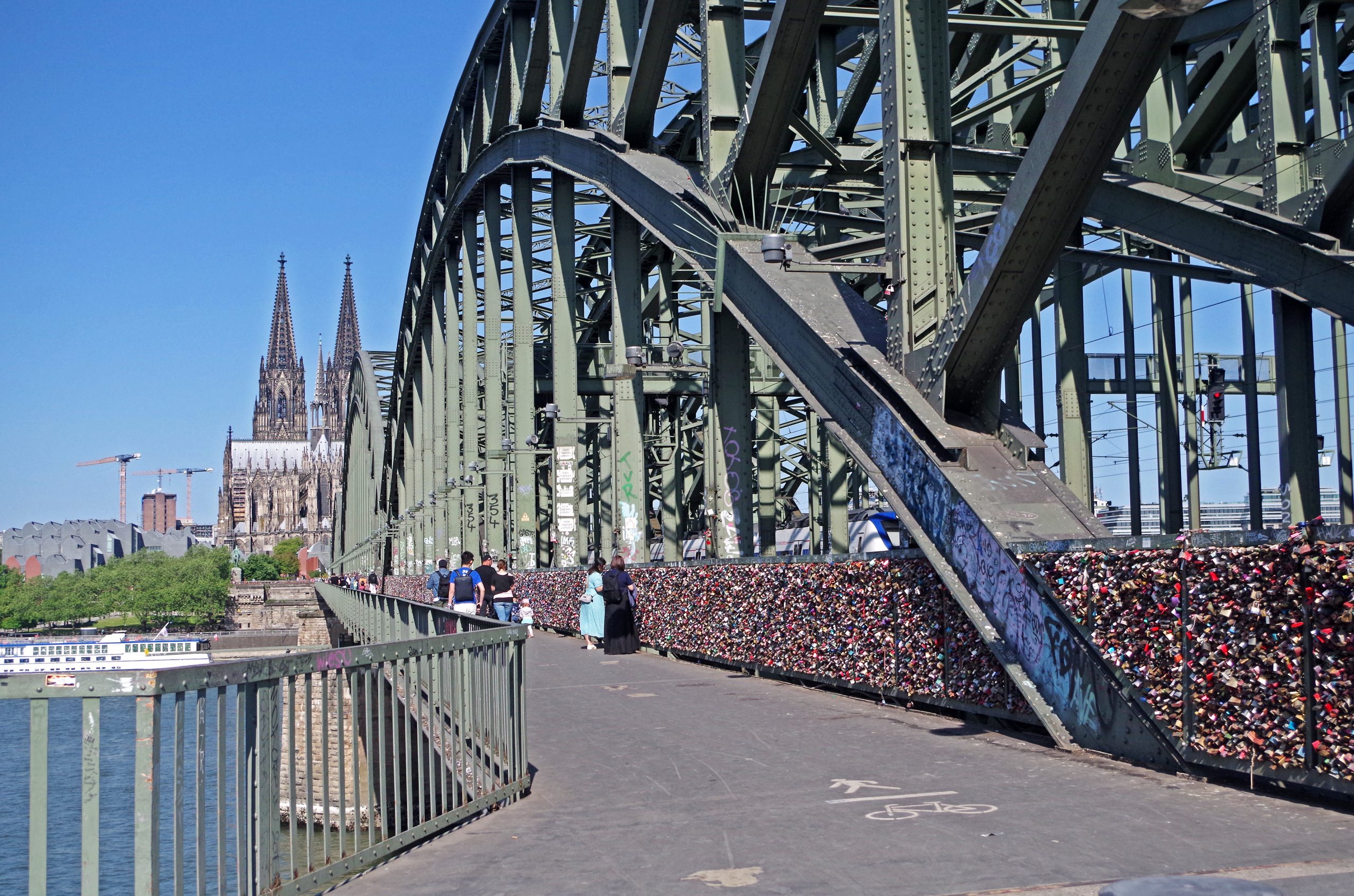
It seems that every major European city has a bridge that is covered by so-called “love locks”, put in place by social media lemmings
Cologne Cathedral
Cologne Cathedral
Cologne Cathedral
Cologne Cathedral
Cologne Cathedral
Cologne Cathedral
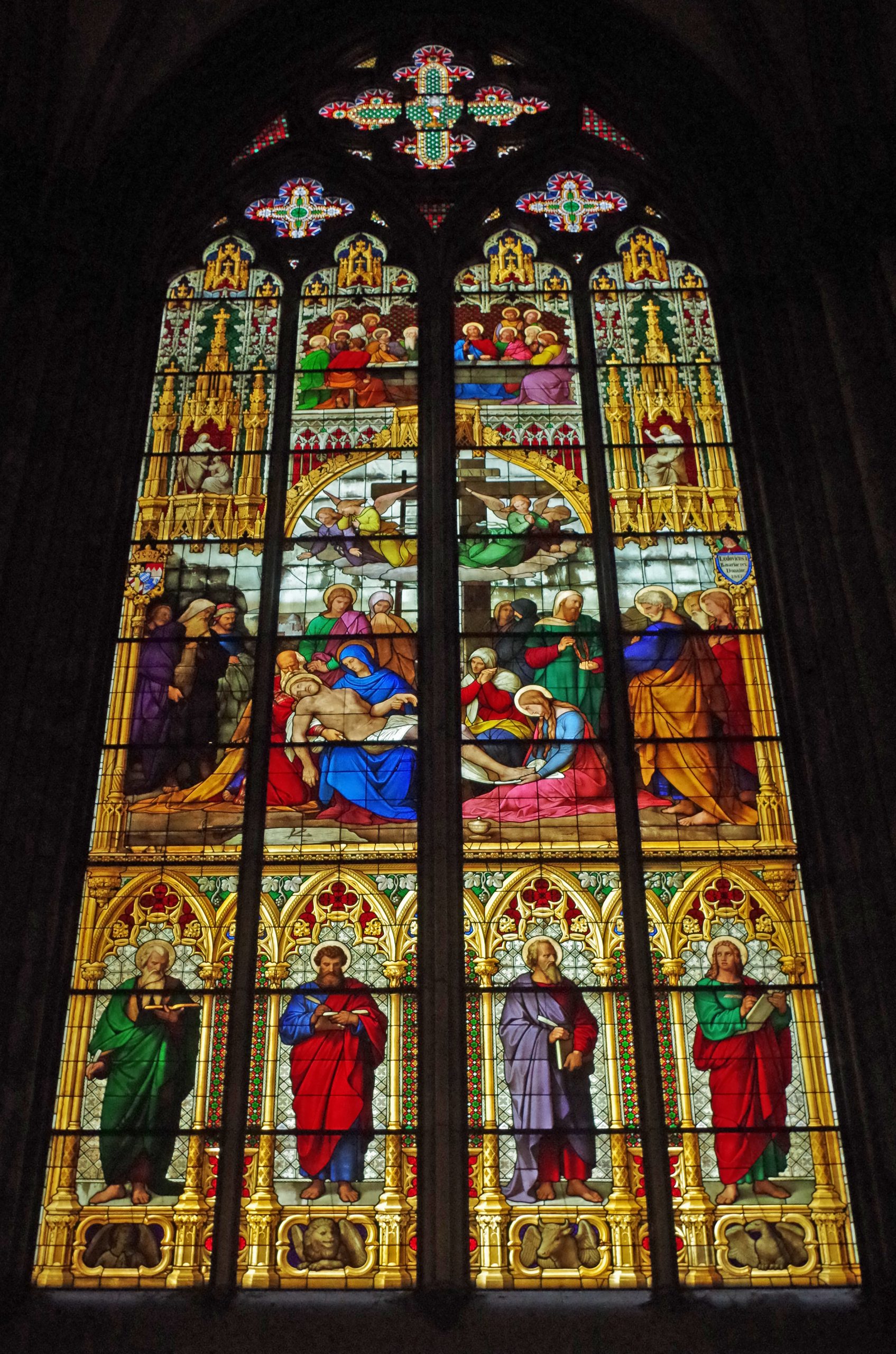
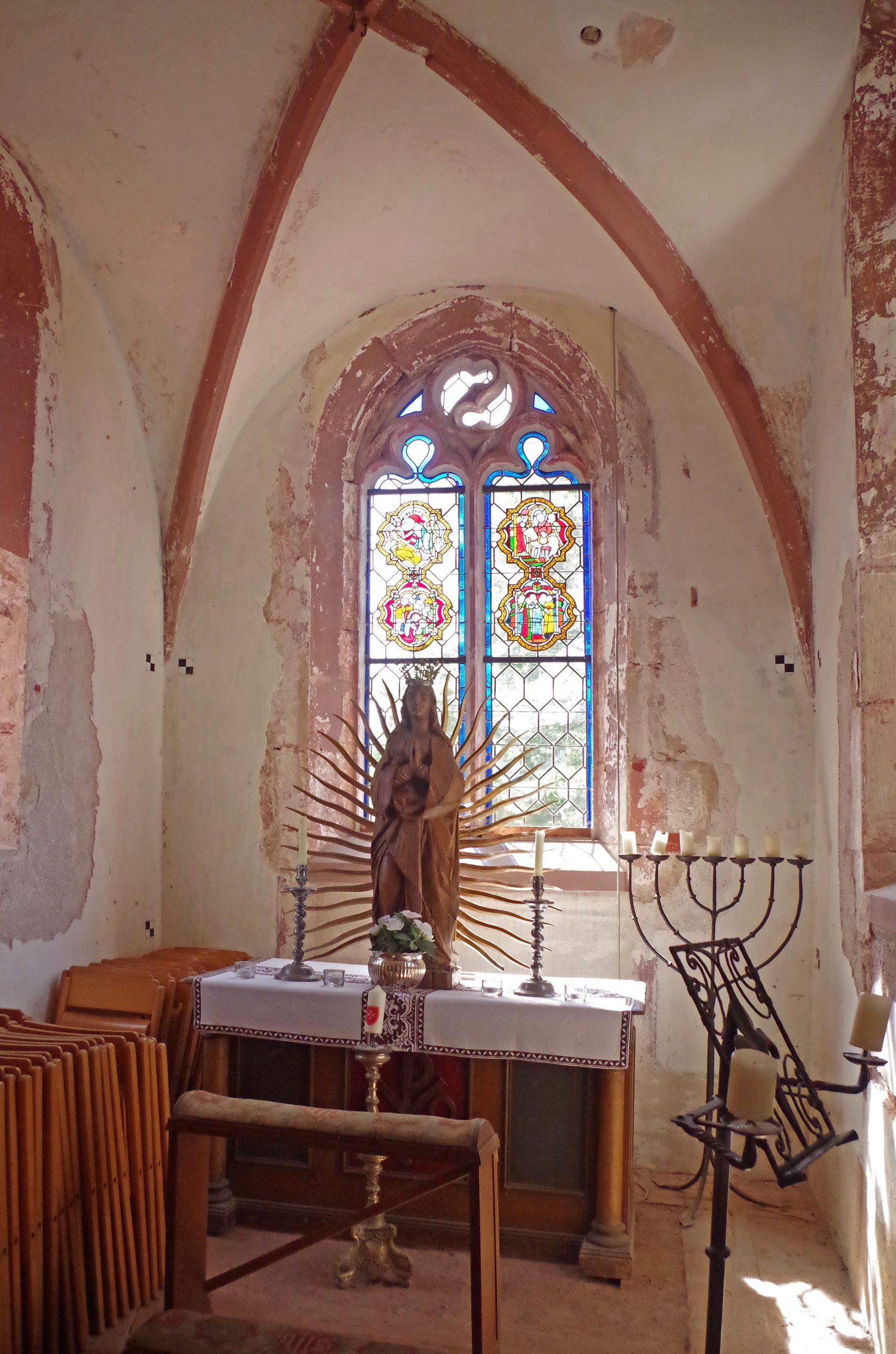
A stained glass window in Cologne Cathedral
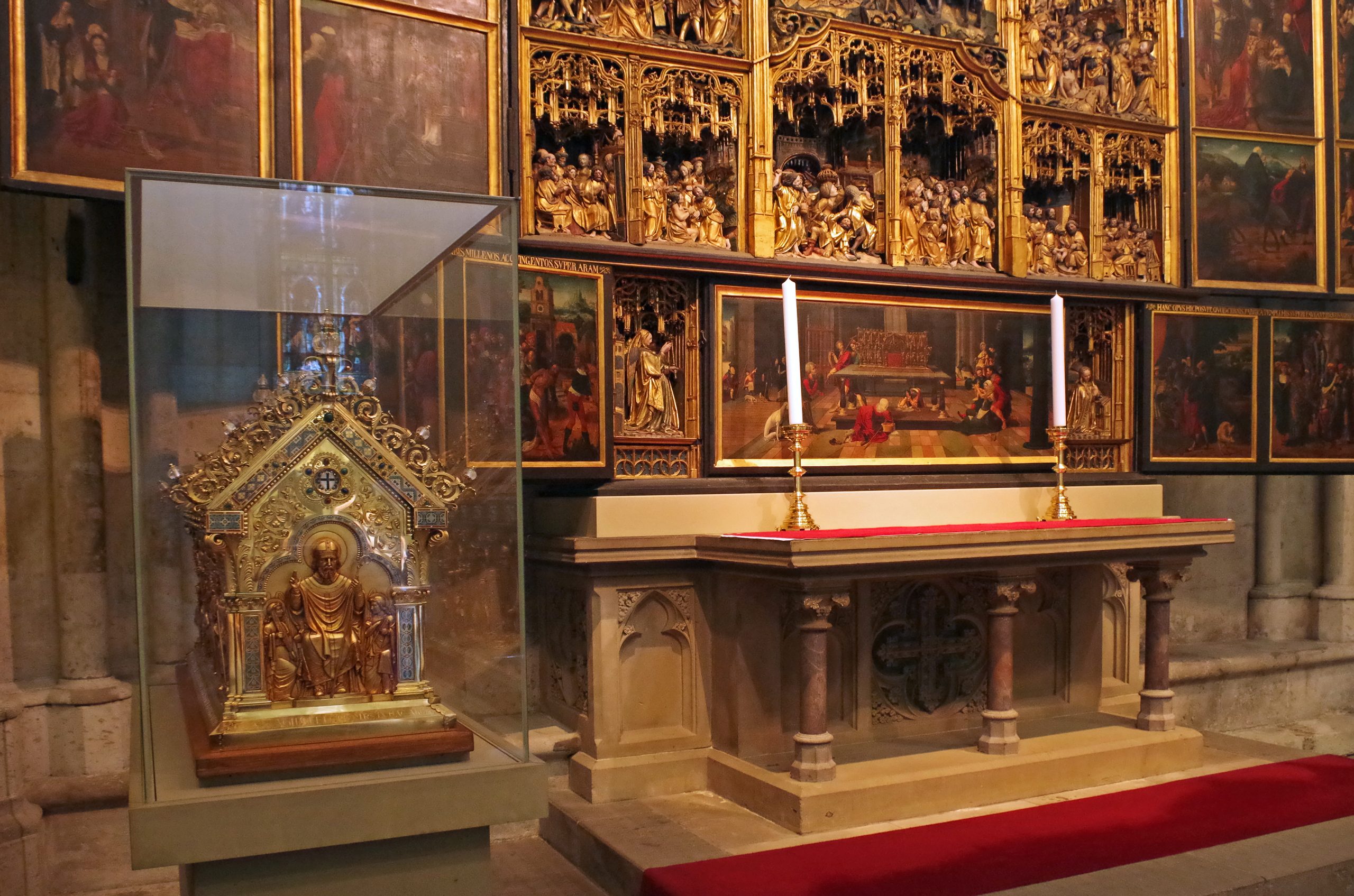
A side chapel in Cologne Cathedral
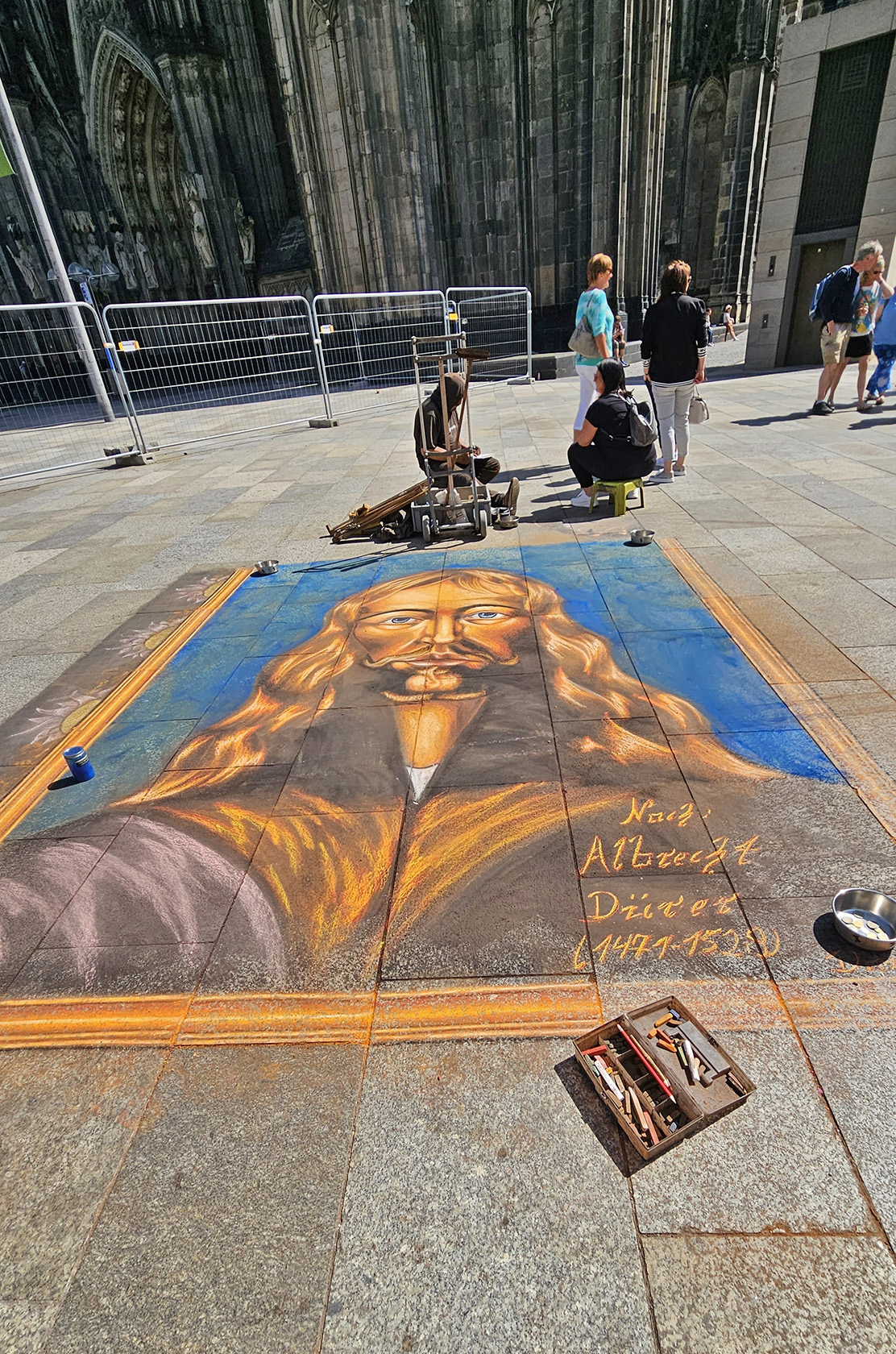
Sidewalk Art Near Cologne Cathedral
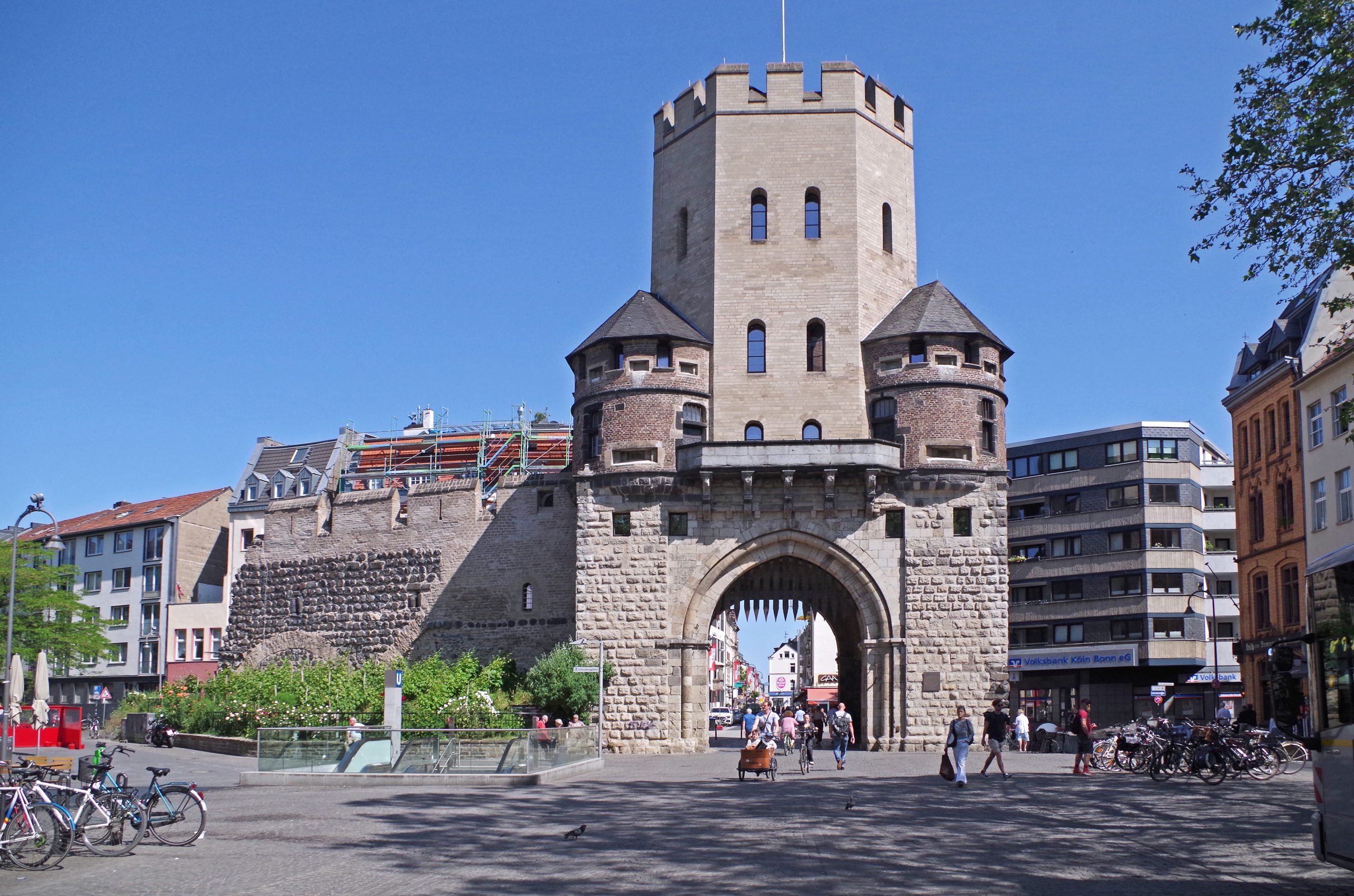
A remnant of the old city wall, Cologne
Cologne Walking Tour
The modern mosque in the city of Cologne
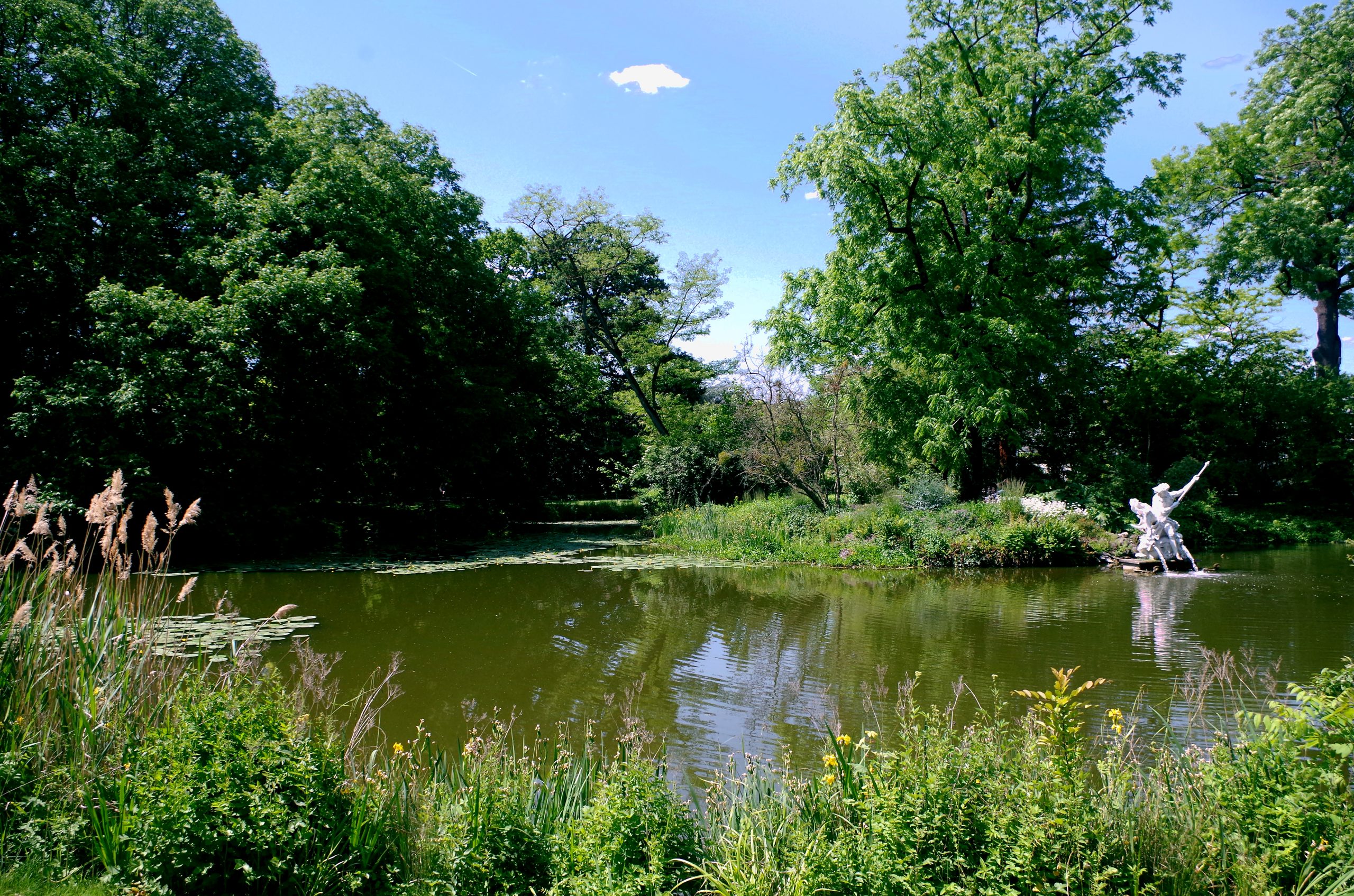
Cologne Botanical Gardens
Restaurant in the Cologne Botanical Gardens
A small hideaway in the Cologne Botanical Gardens
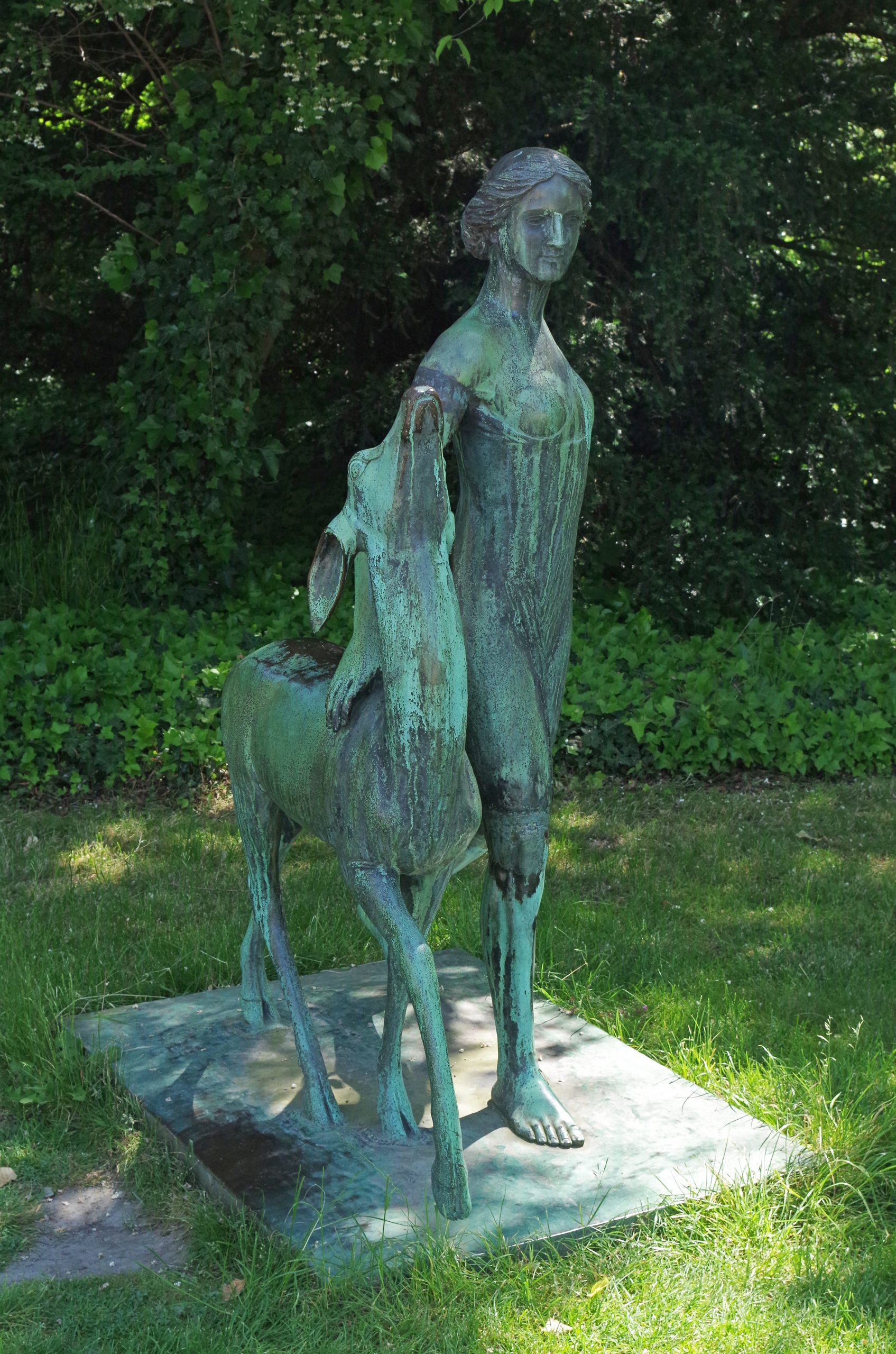
A sculpture in the Cologne Botanical Gardens
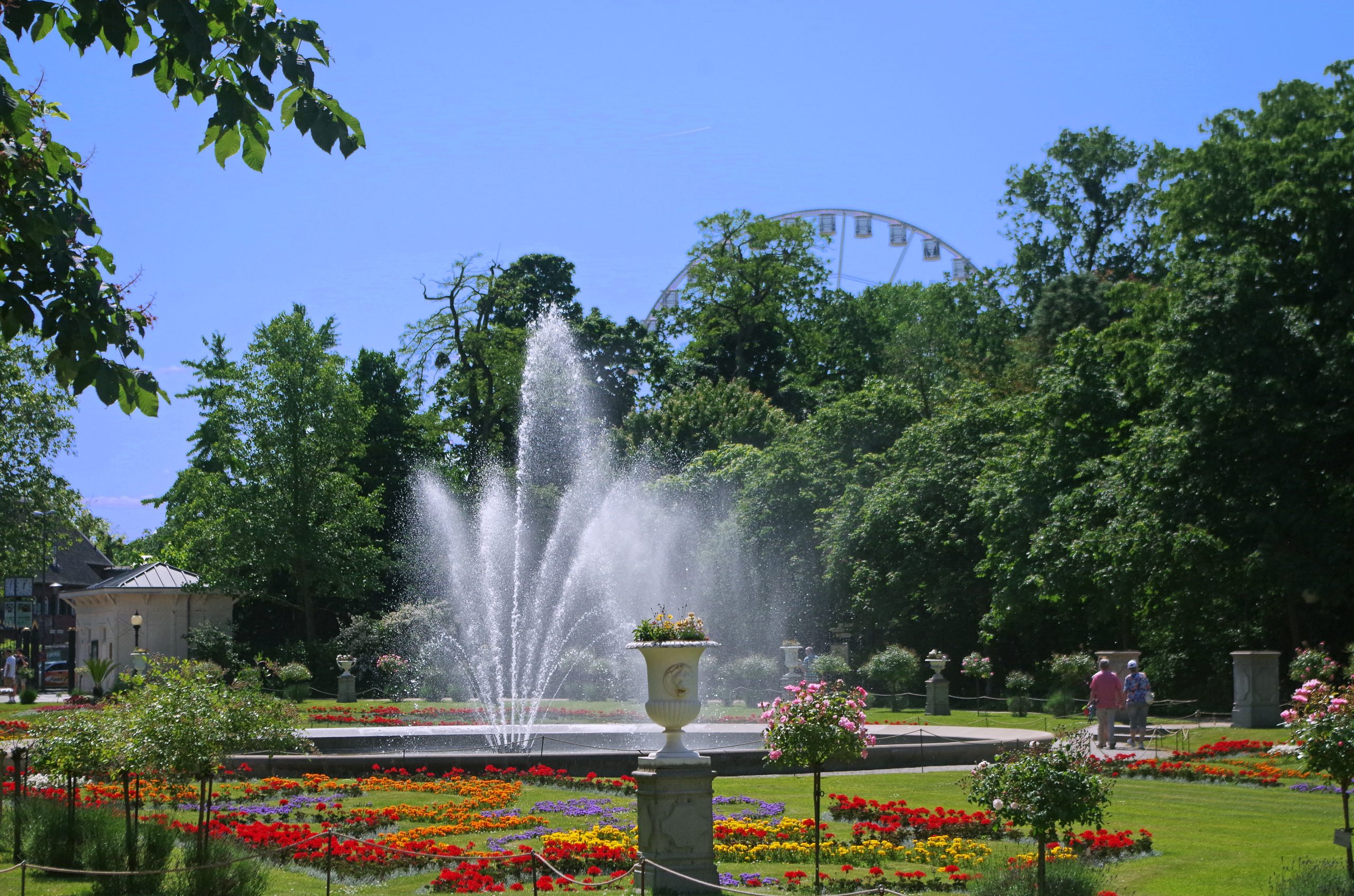
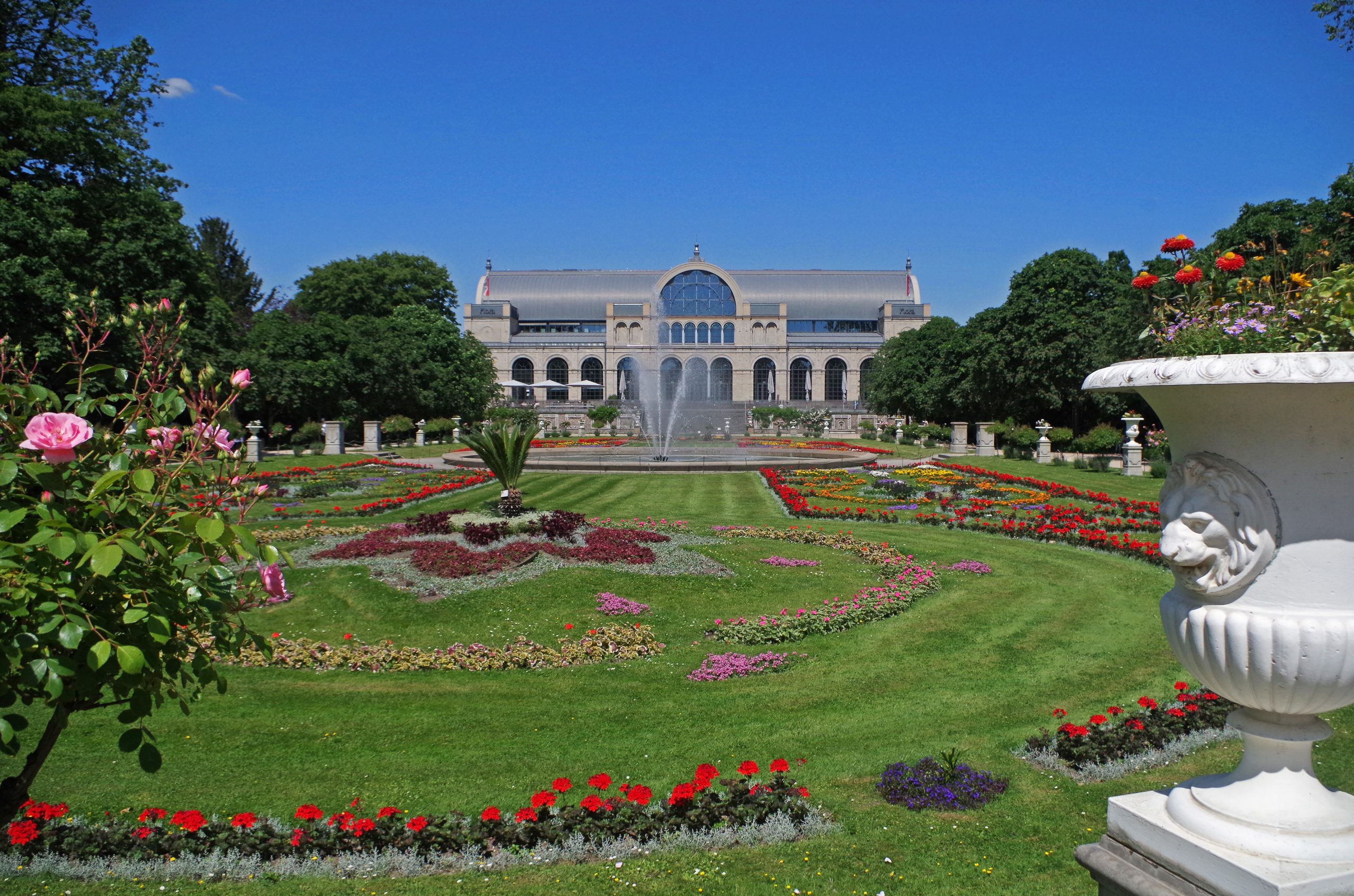
Cologne Botanical Gardens
Giant Chempark and a barge along the Rhine near Cologne
A campground along the Rhine near Cologne
Sheep grazing along the Rhine near Cologne

Rüdesheim & The Rhine Gorge, Germany

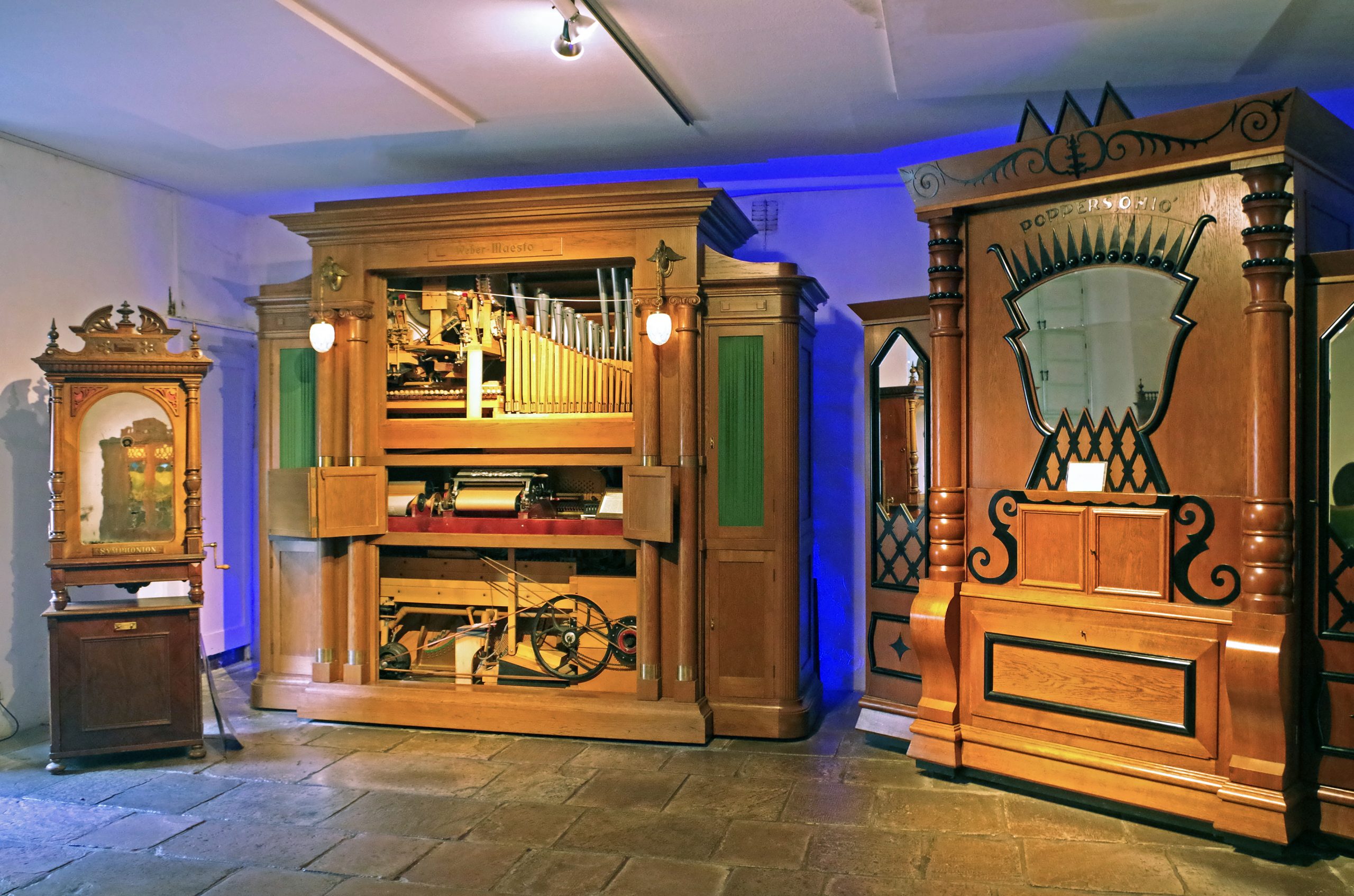
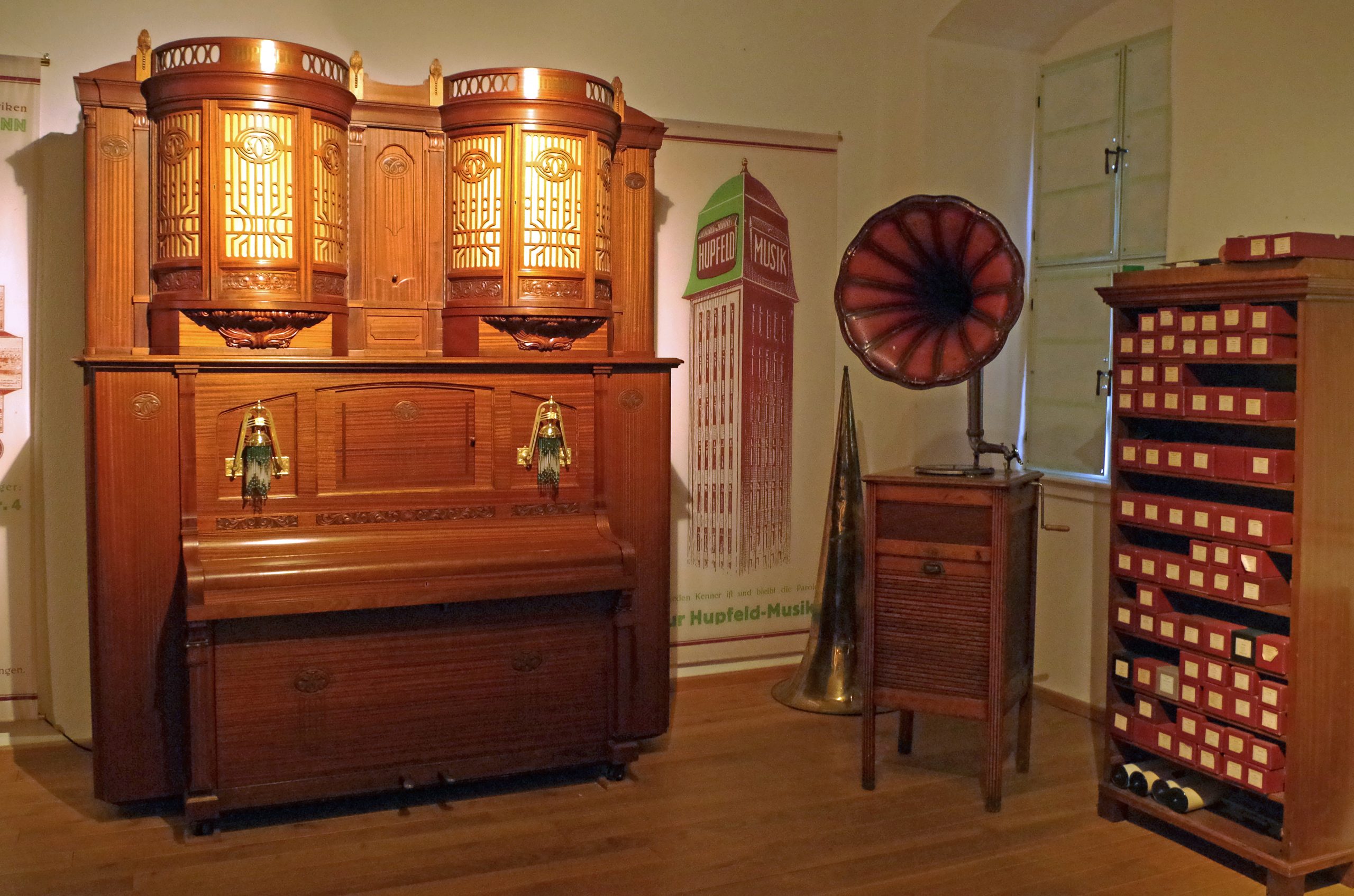
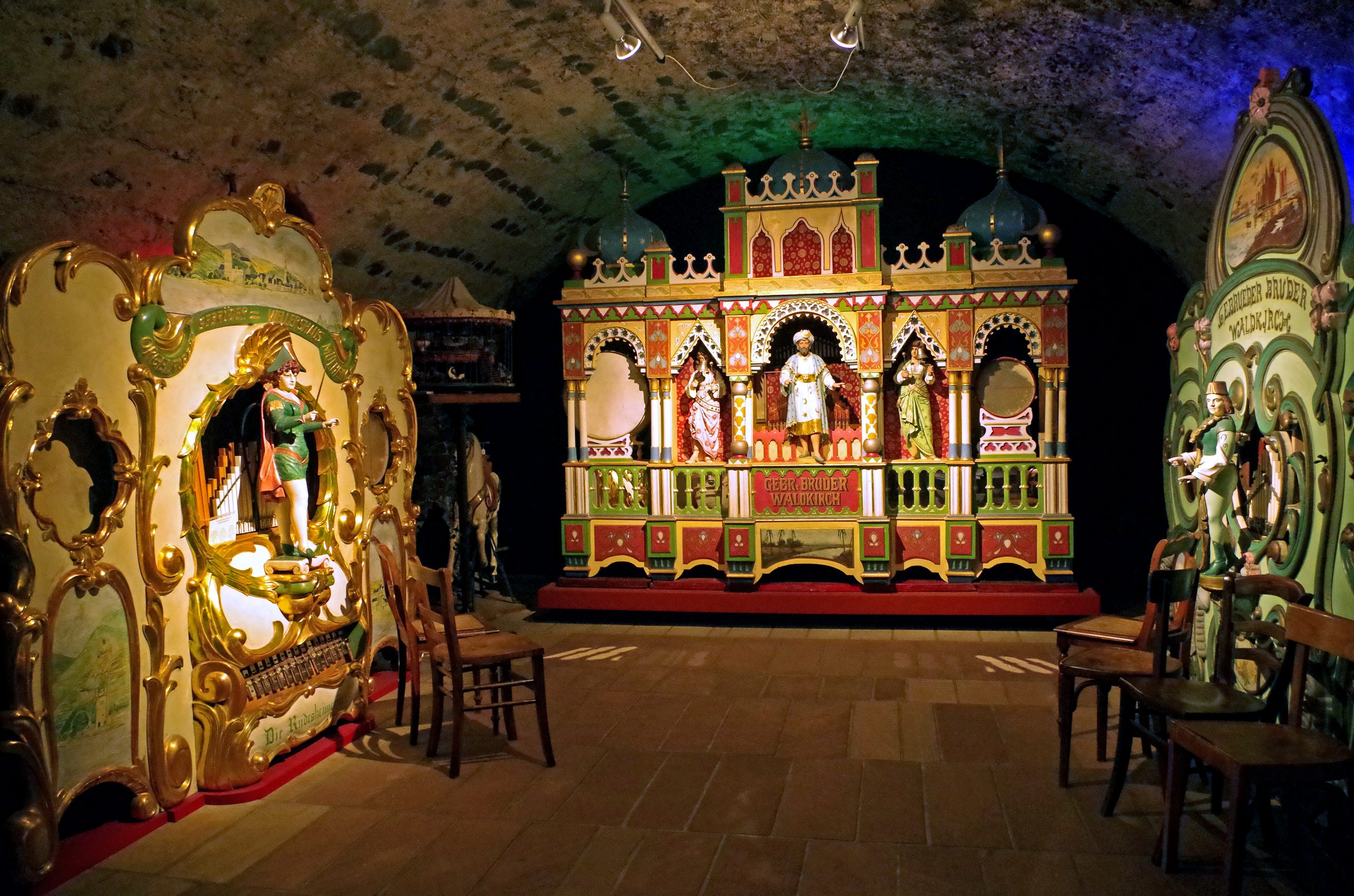
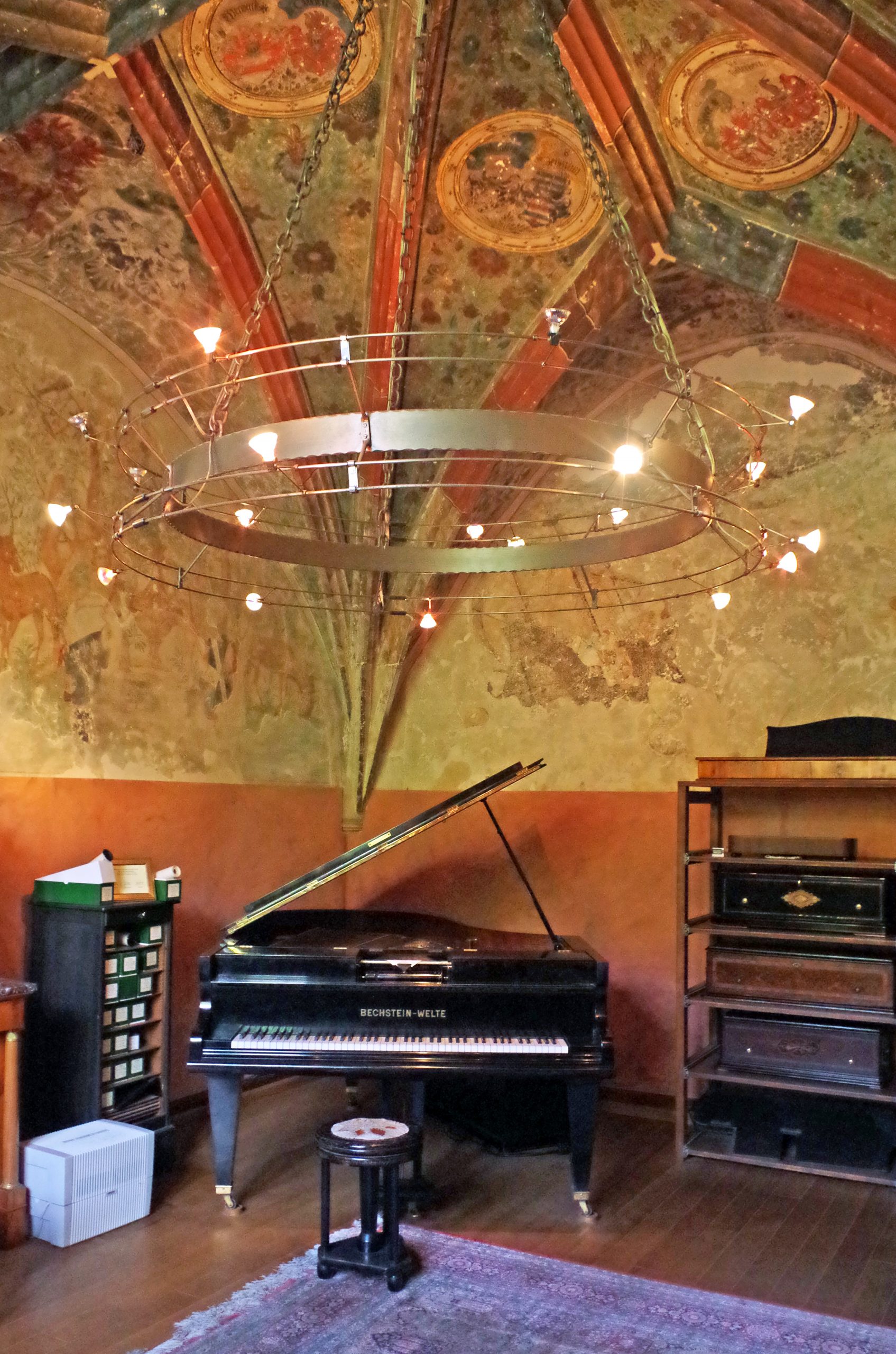
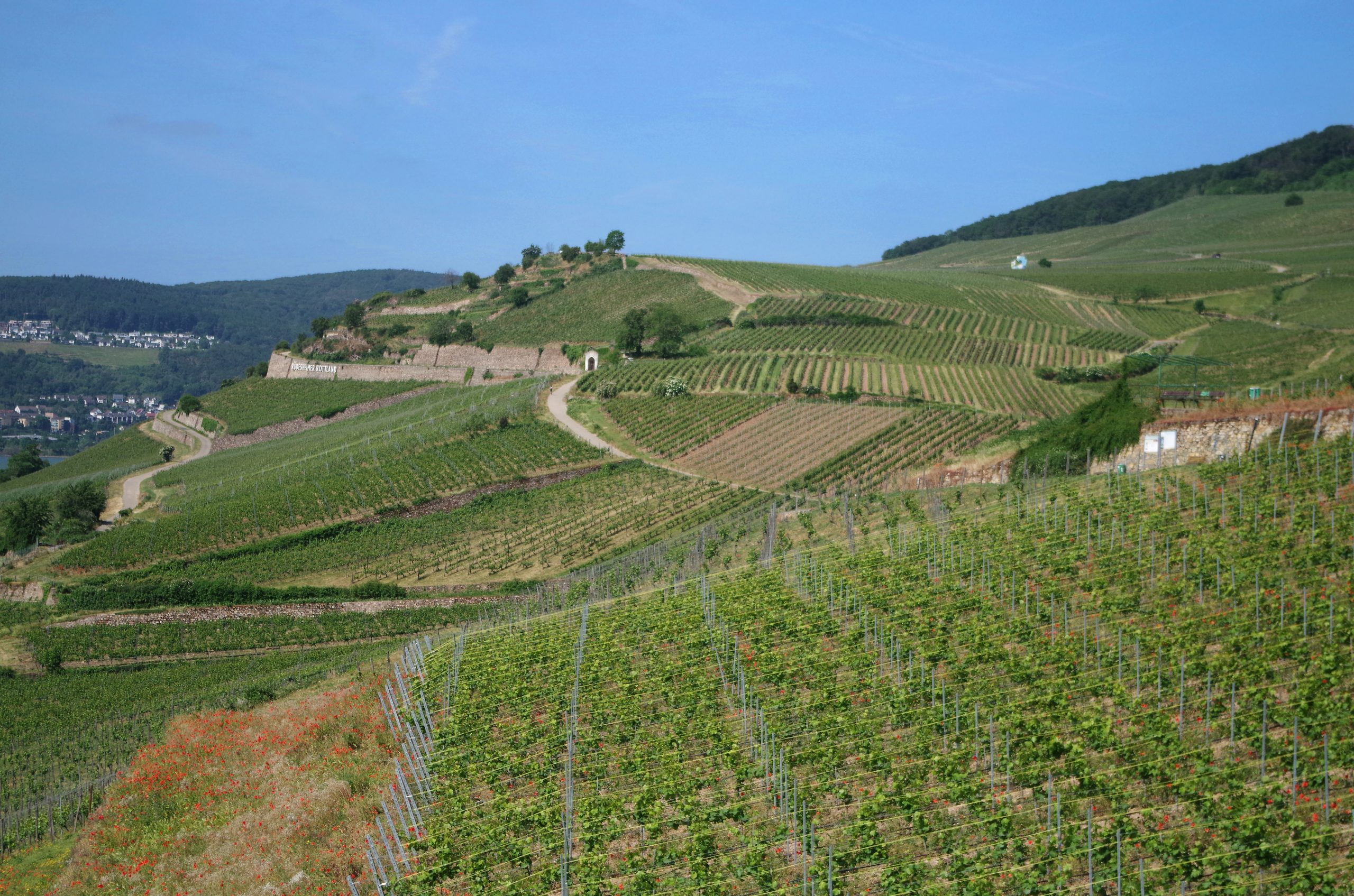
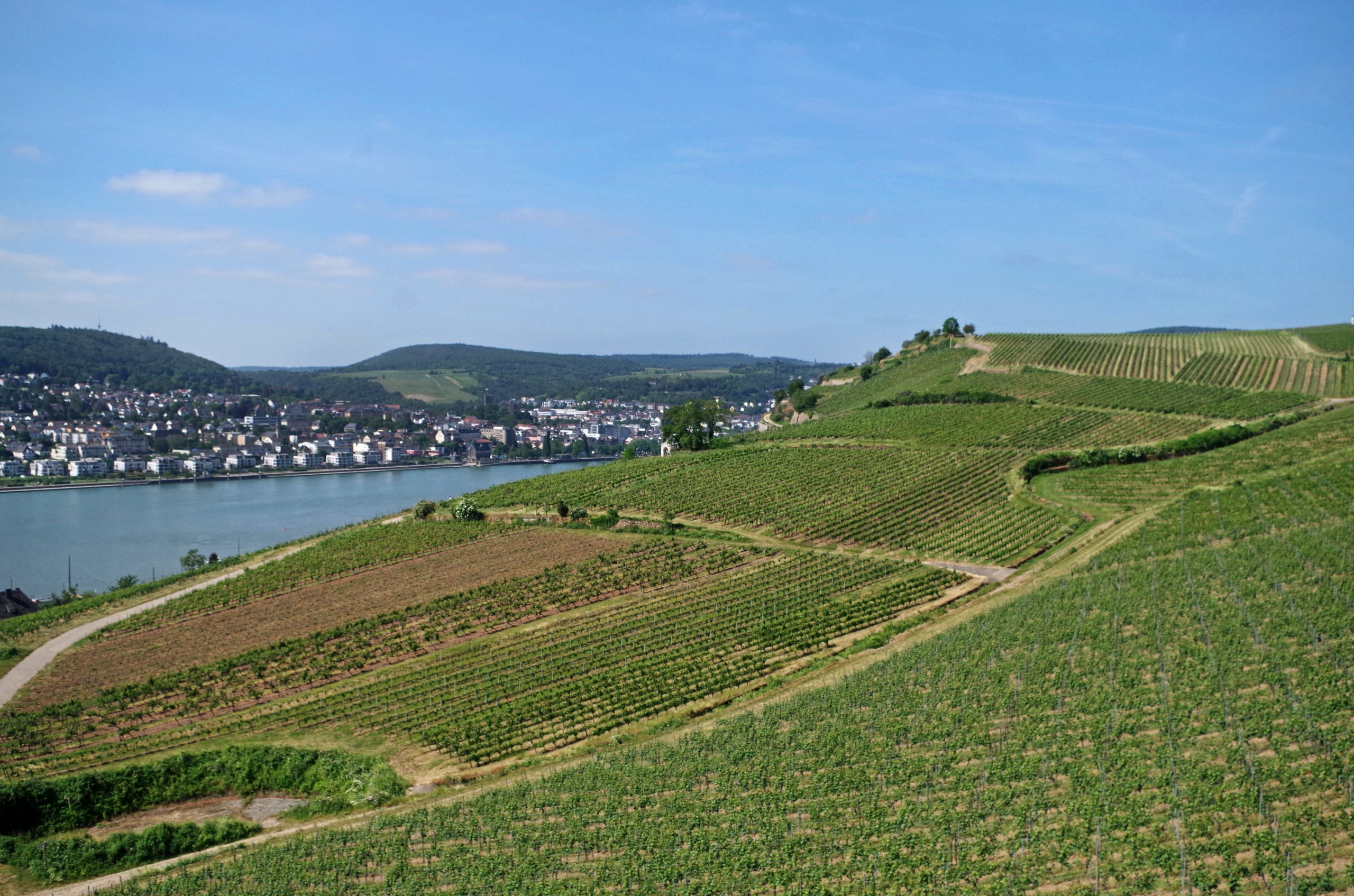
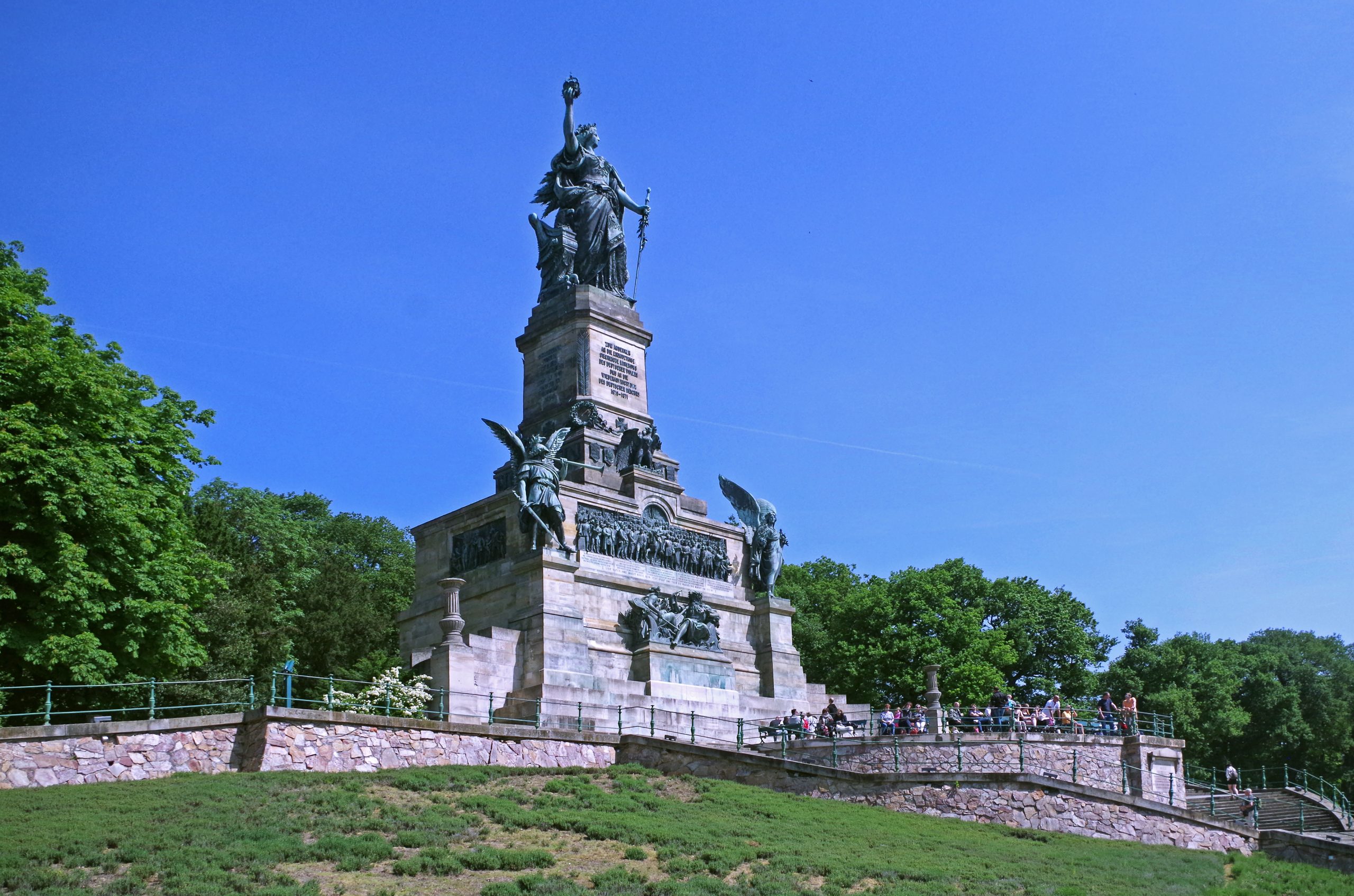
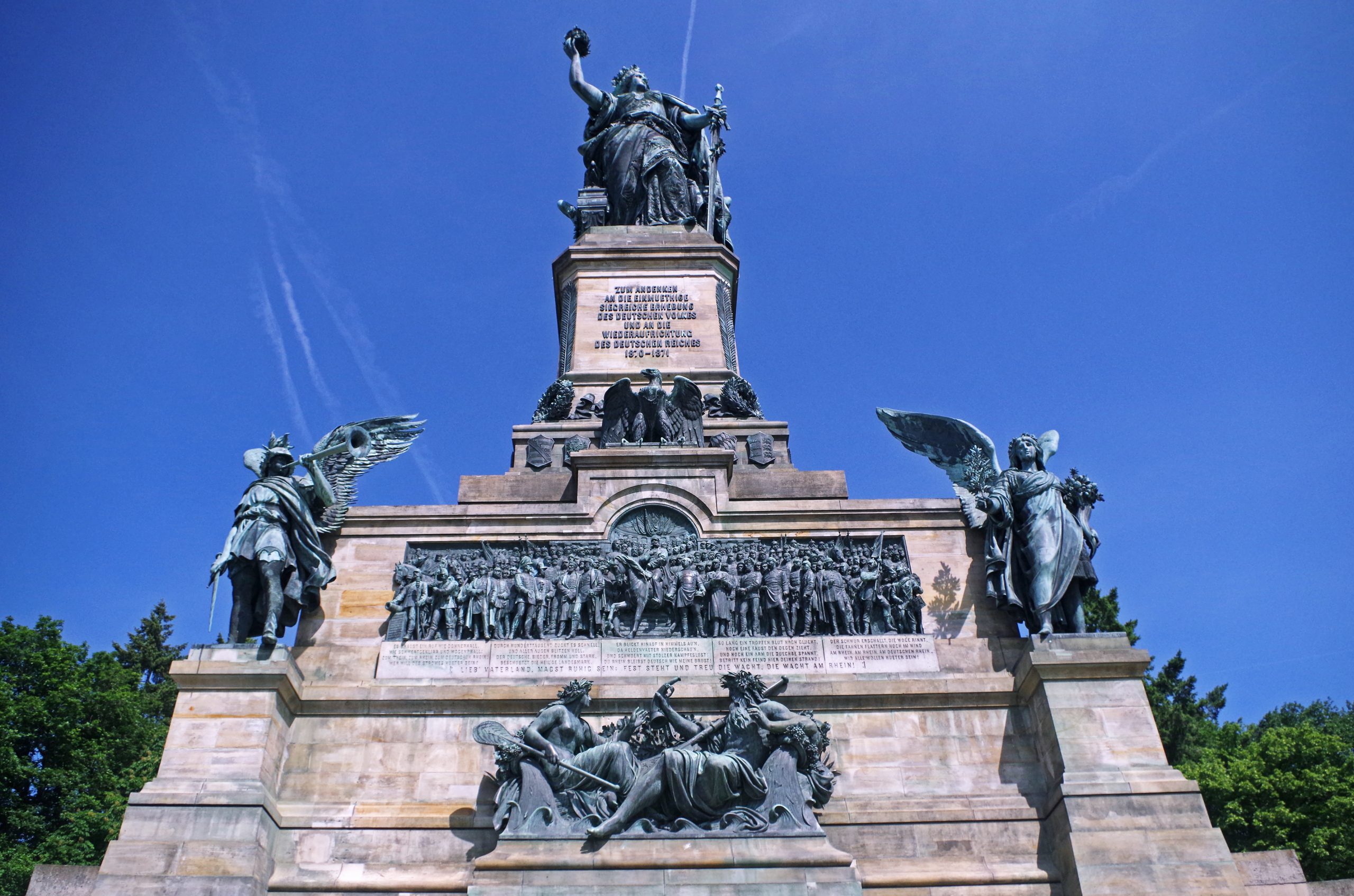
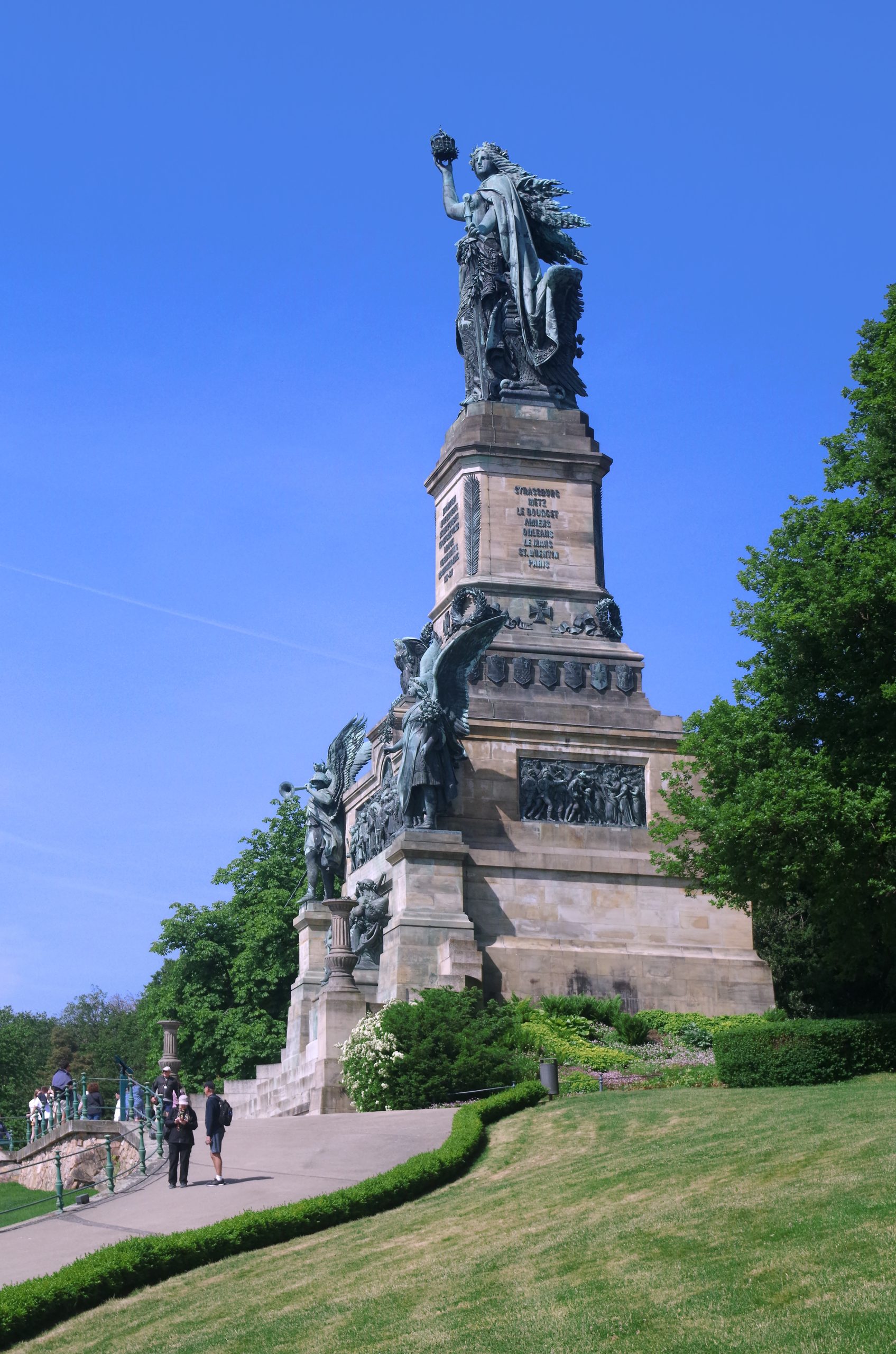
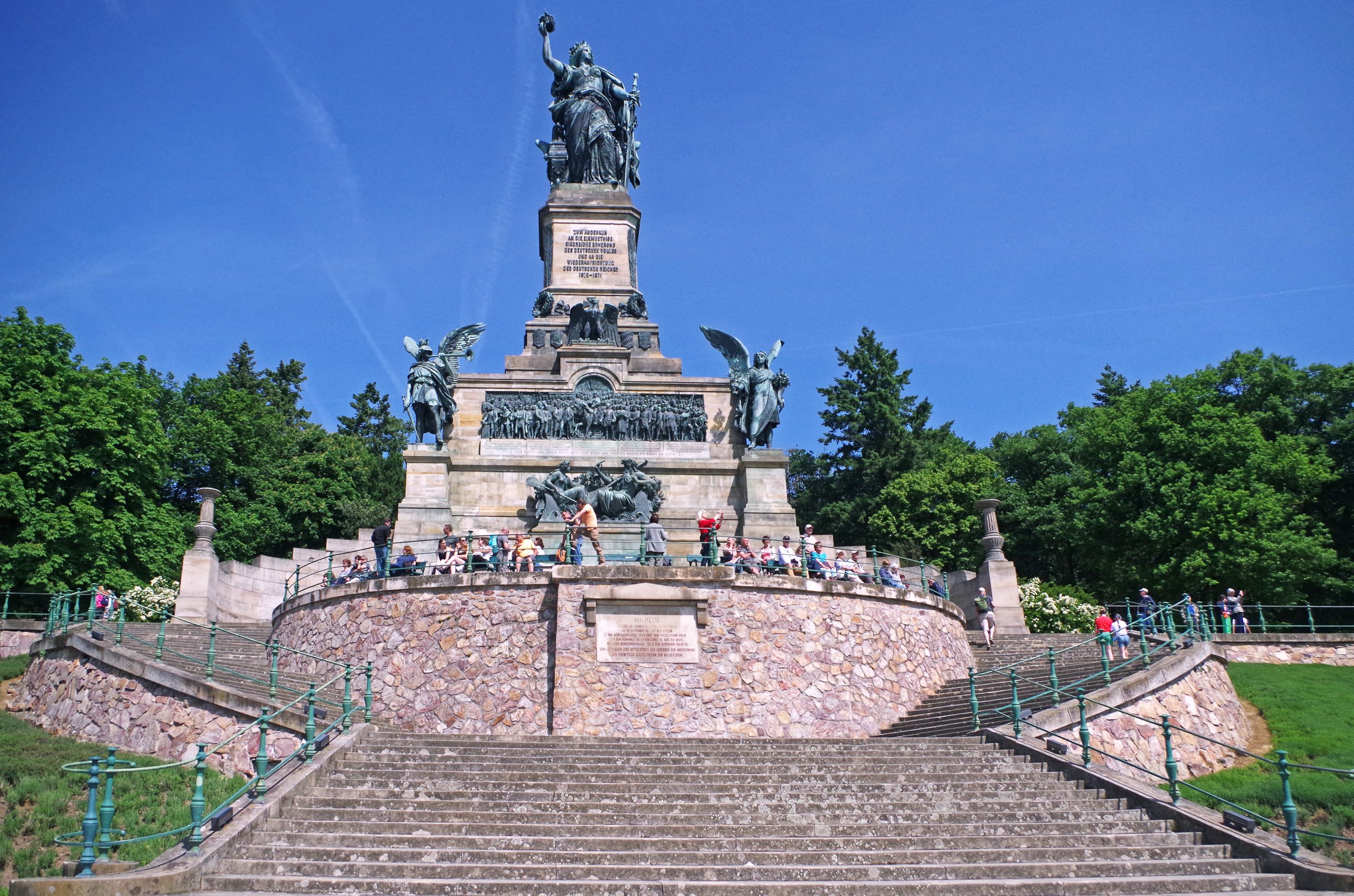
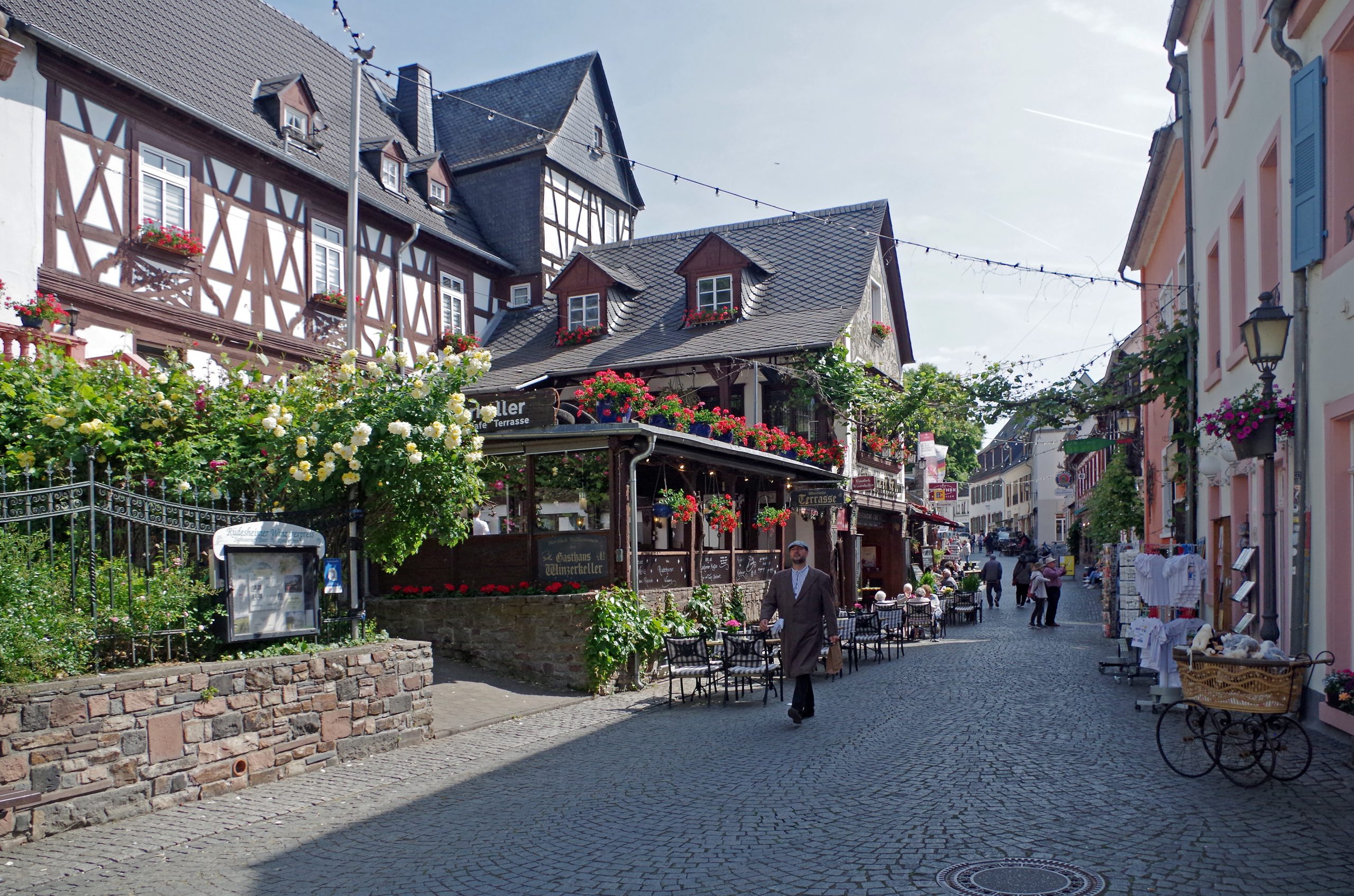
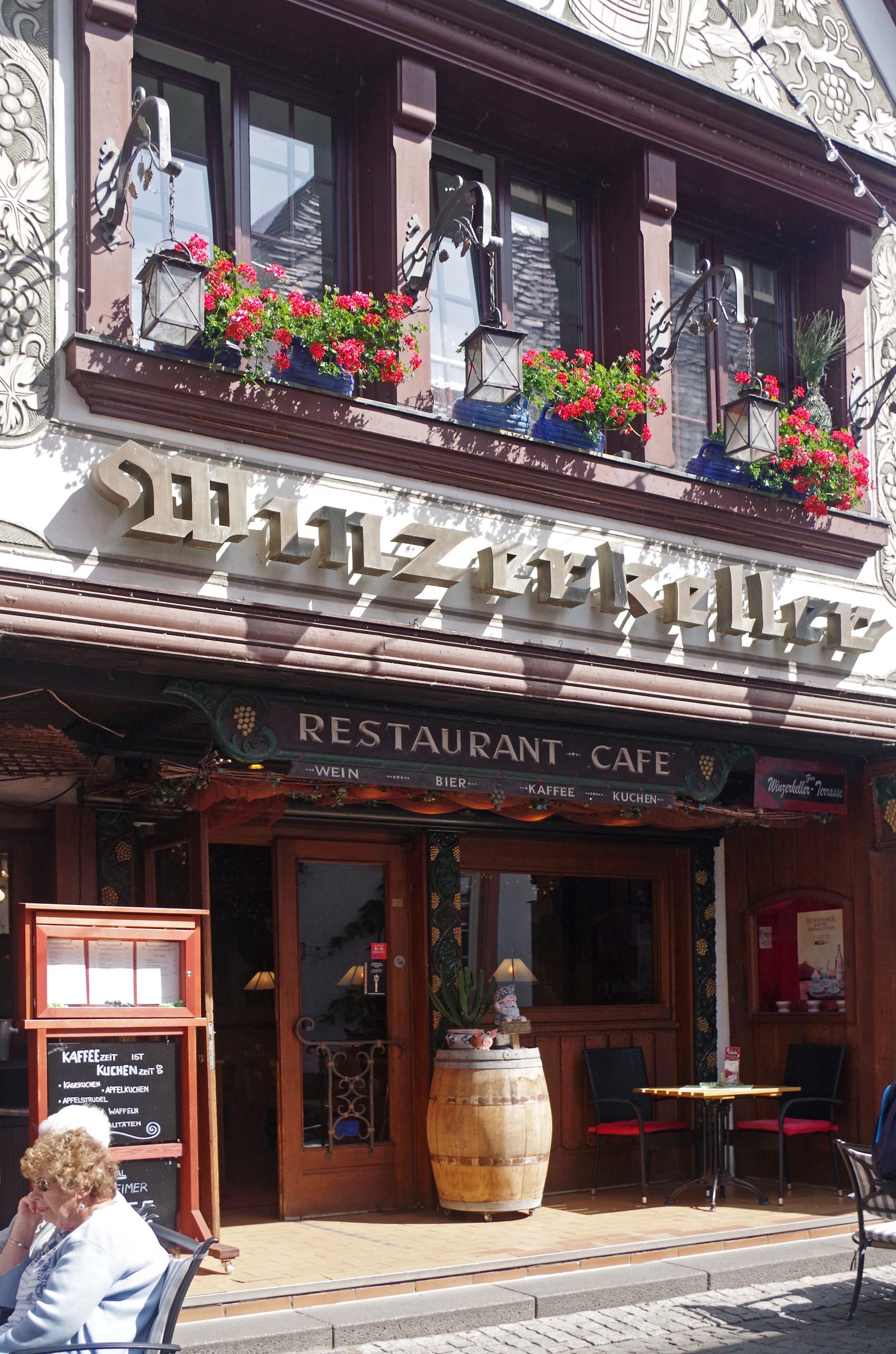
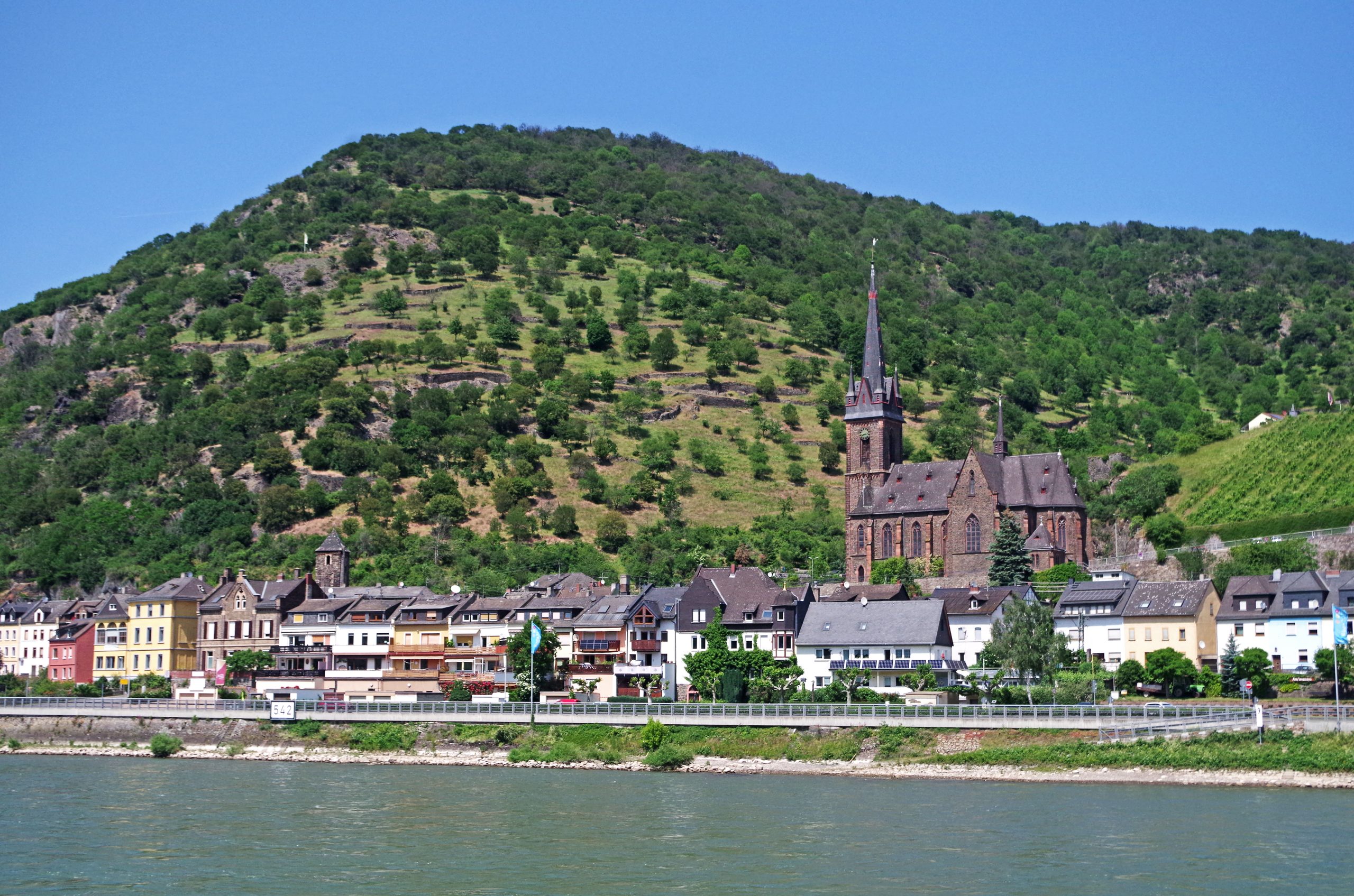
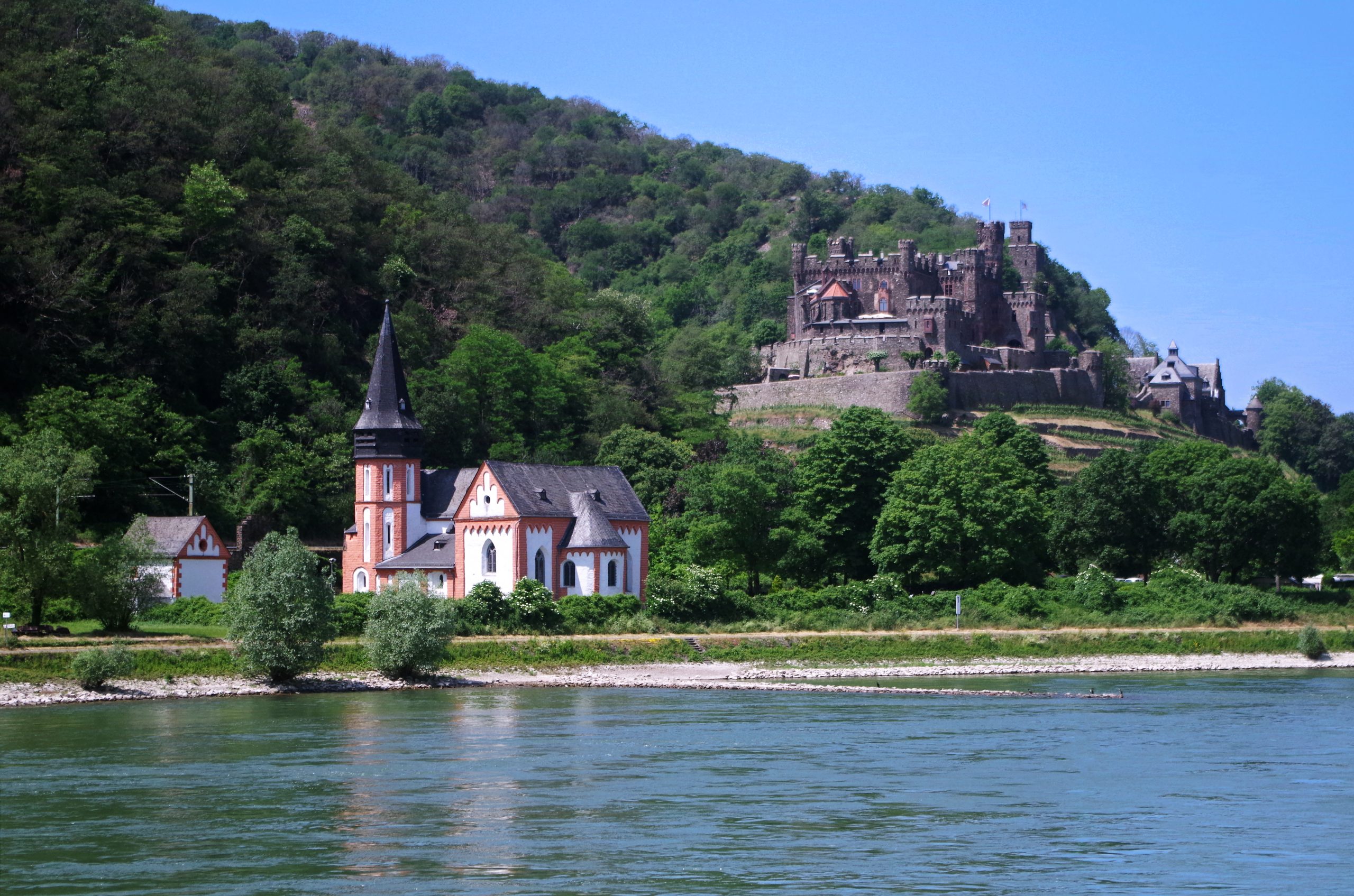
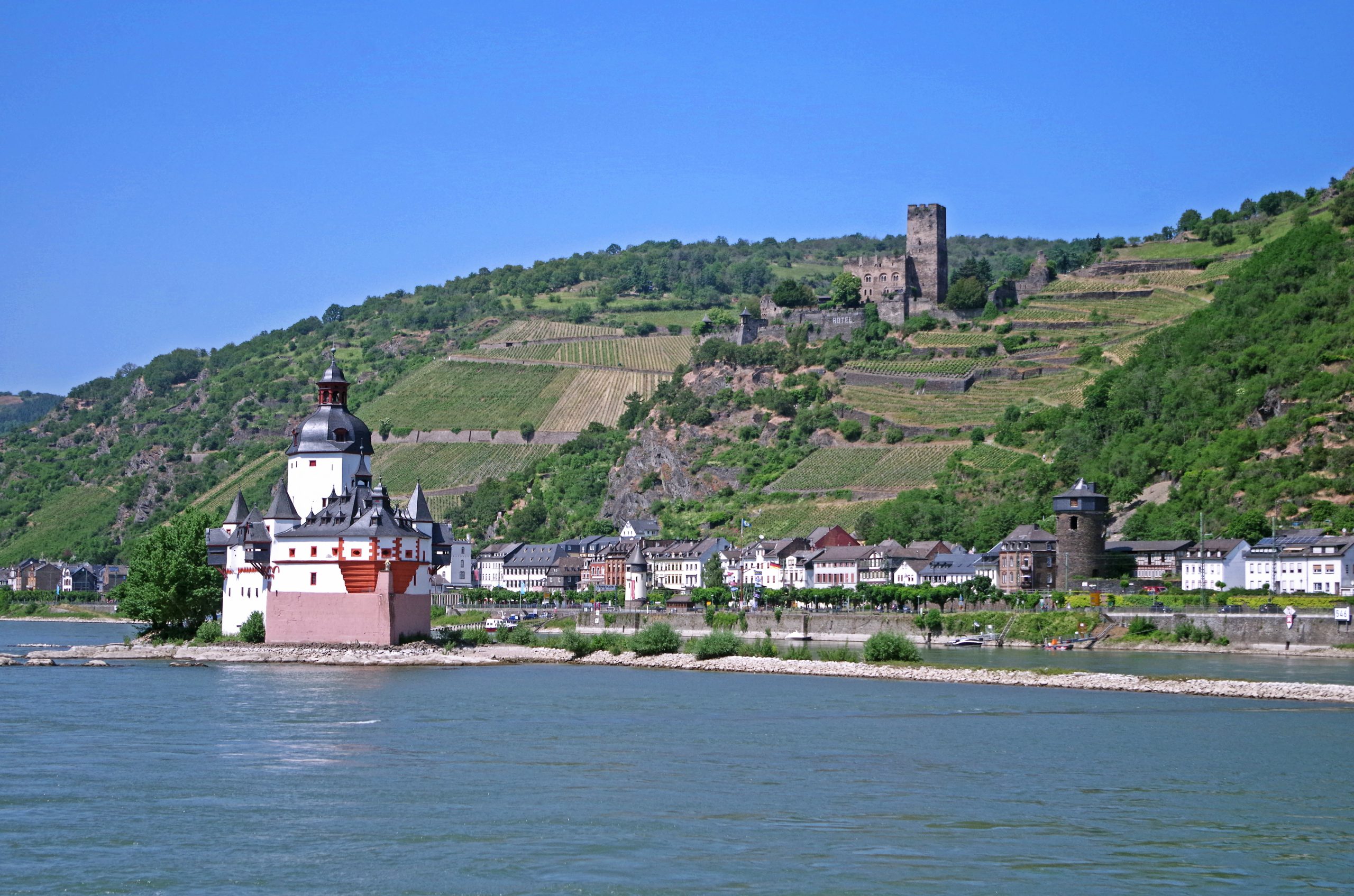
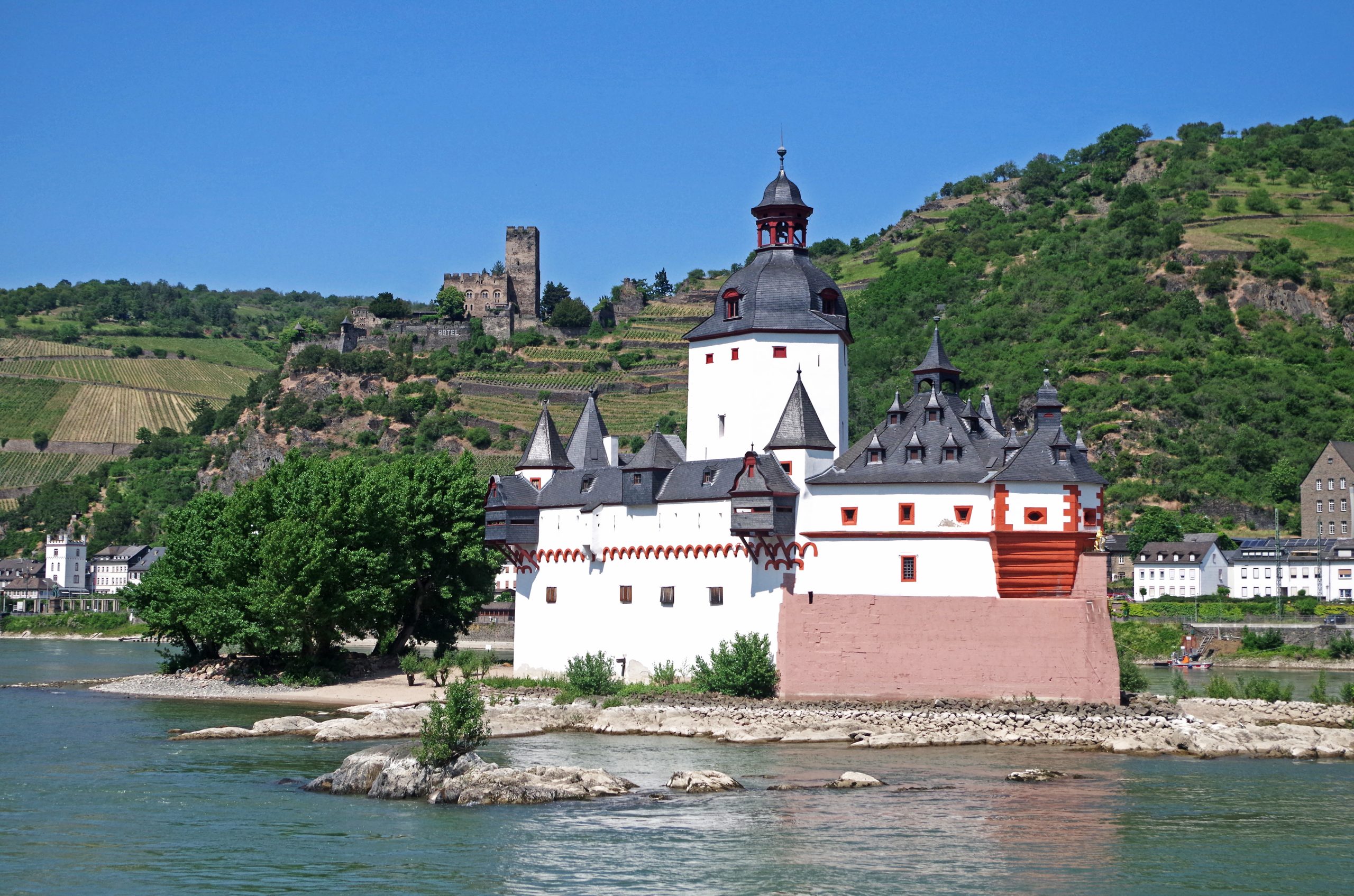
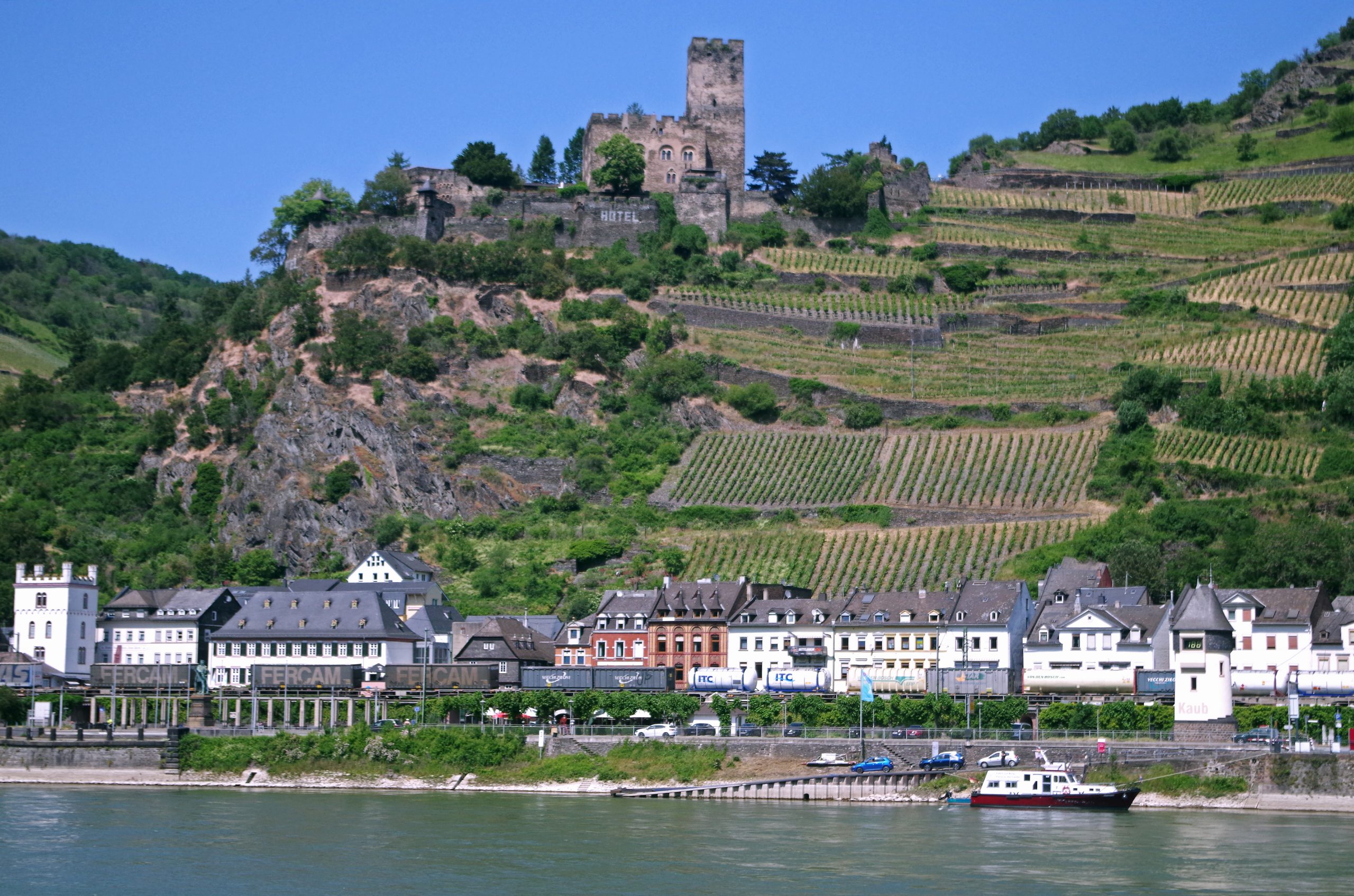
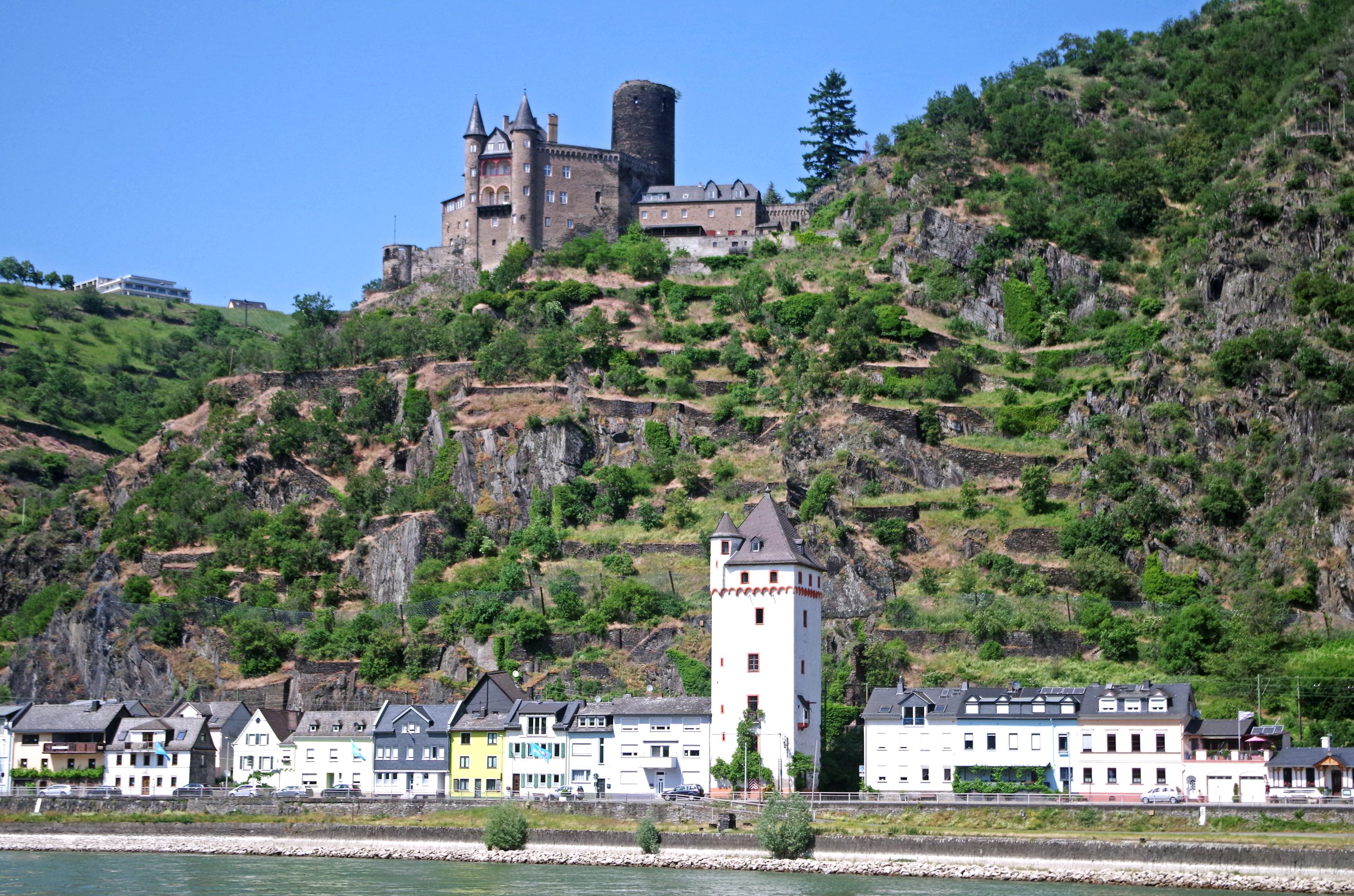
We were now on the Rhine River portion of our cruise. Rüdesheim am Rhein is a truly spectacular town in the Rhine Valley, famous for its Riesling wines. In the morning, we visited Siegfried’s Mechanical Music Cabinet, a fascinating museum of priceless antique automated musical instruments, not to mention bird boxes. Afterward, I took the gondola over the vineyards to the Niederwald Monument and the Germania Statue,  built between 1871 and 1883 to commemorate the Unification of Germany at the end of the Franco-Prussian War. This is one of the most cherished monuments in  Germany. Later in the day, we took a quick visit through the town of Rüdesheim, with a stop at a biergarten prior to cruising to our next destination, Cologne, where we passed through the Rhine Gorge and got a quick view of the Lorelei statue.

Siegfried’s Mechanical Musical Instrument Museum
Gondola over the vineyards, Rüdesheim
Niederwald Monument and the Germania Statue, Rüdesheim
A street view in Rüdesheim
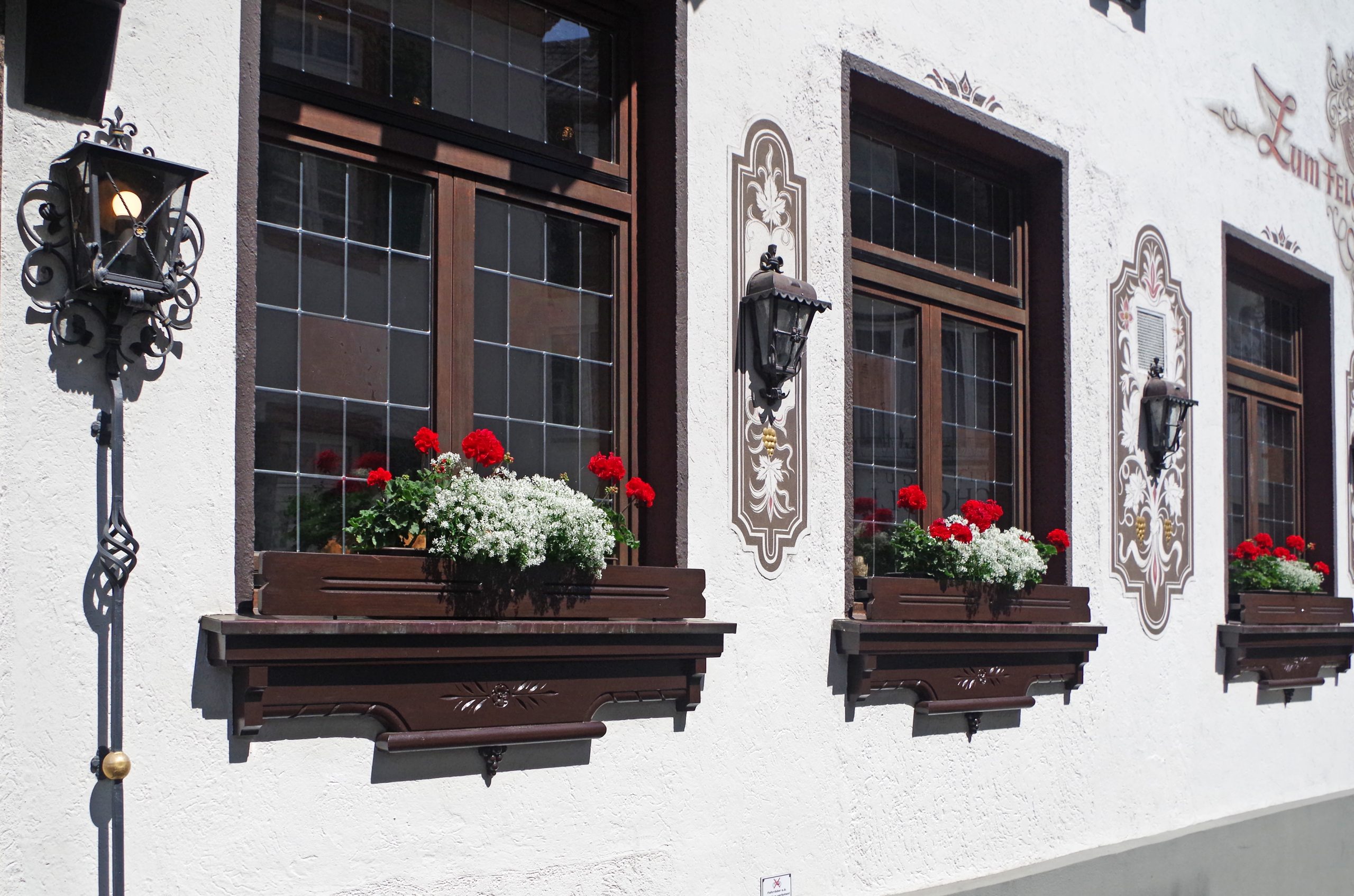
Window boxes in Rüdesheim
Rüdesheim Square
Rüdesheim Square
A biergarten in Rüdesheim
Cruising along the Rhine from Cruising by Rüdesheim to Cologne
Cruising by Rüdesheim Burg Rheinstein Castle
Cruising along the Rhine from Cruising by Rüdesheim to Cologne
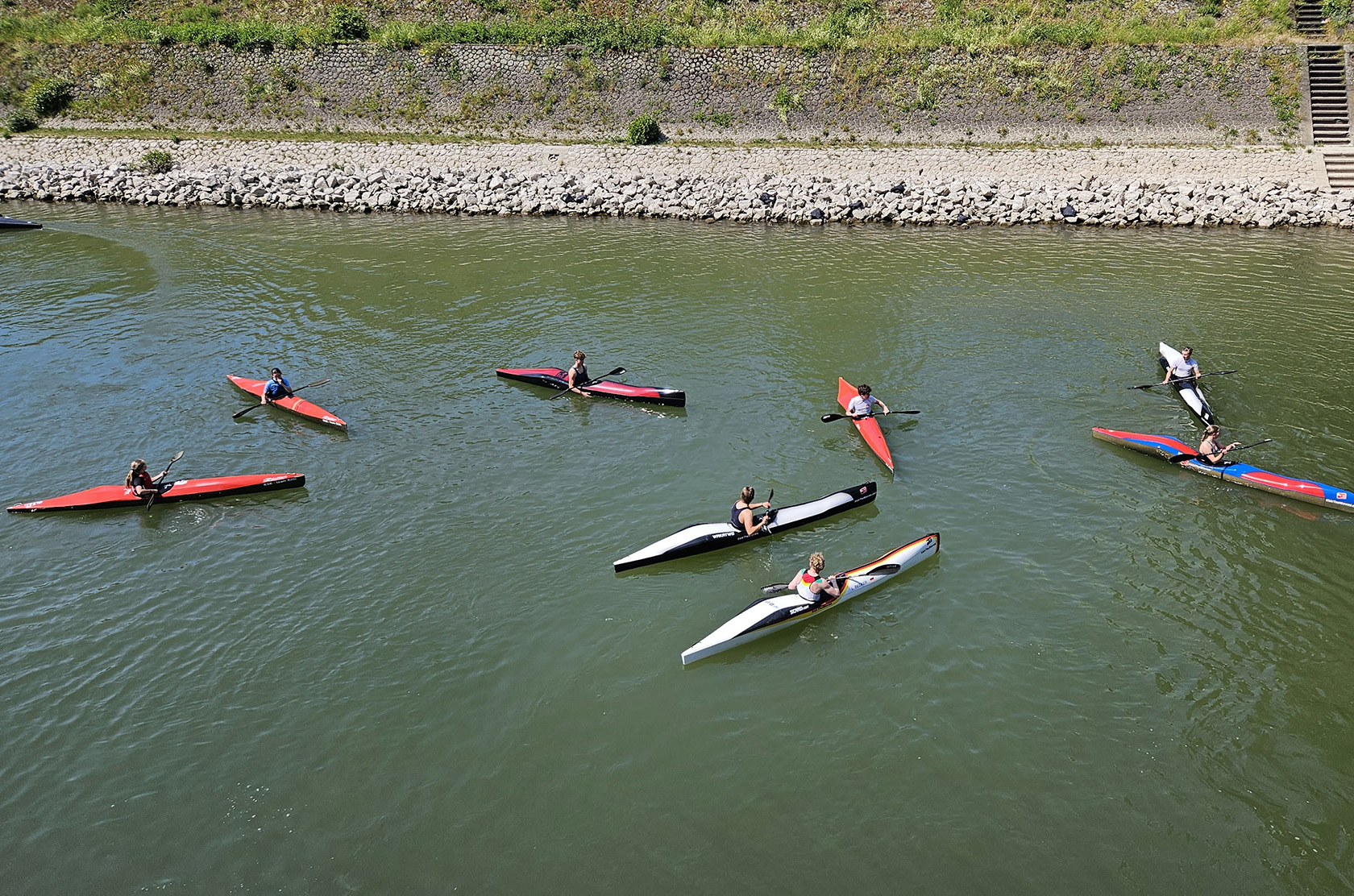
Kayak Class on the Rhine
Cruising along the Rhine from Cruising by Rüdesheim to Cologne
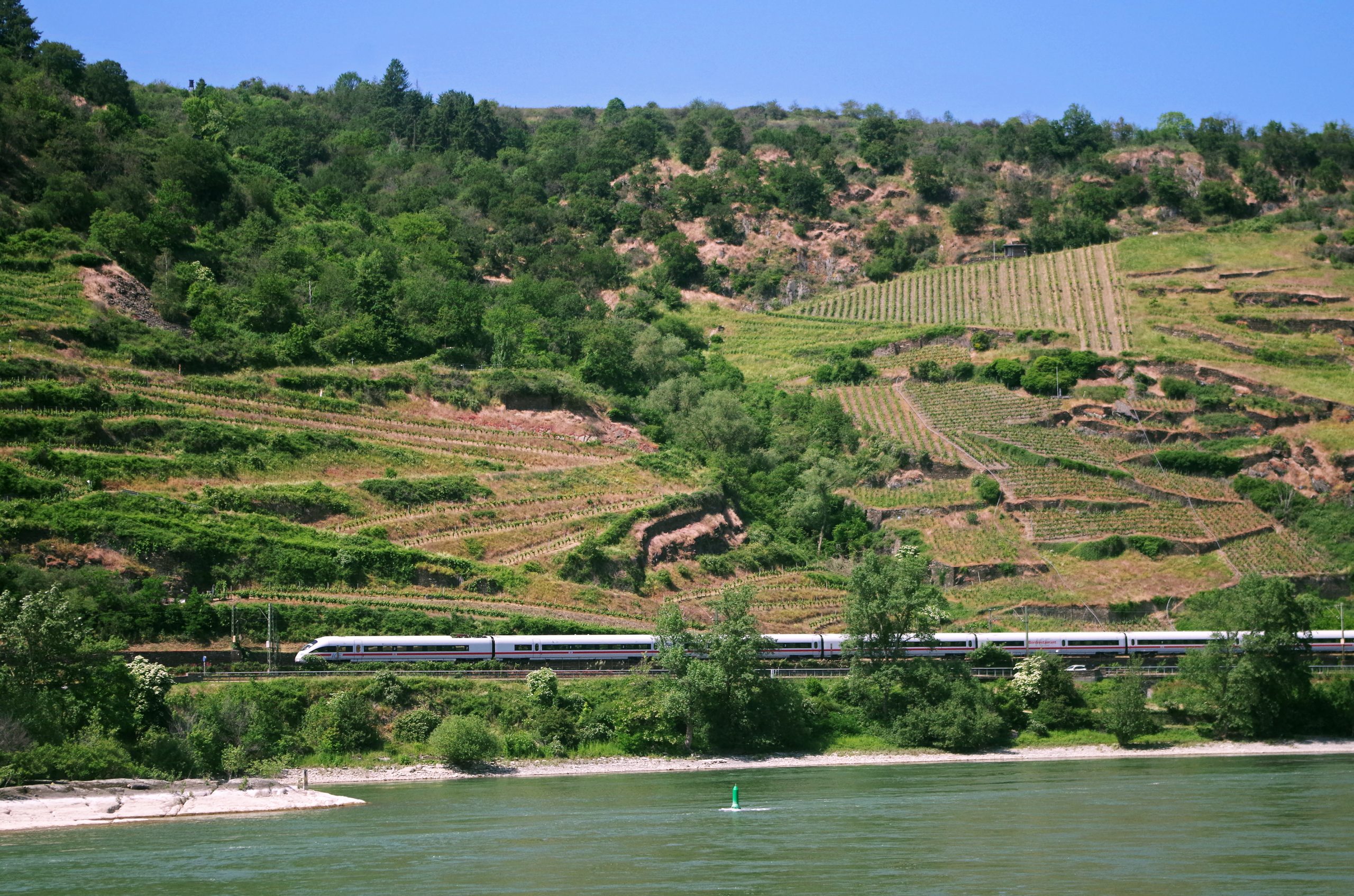
A high-speed passenger train along the route from Rüdesheim to Cologne
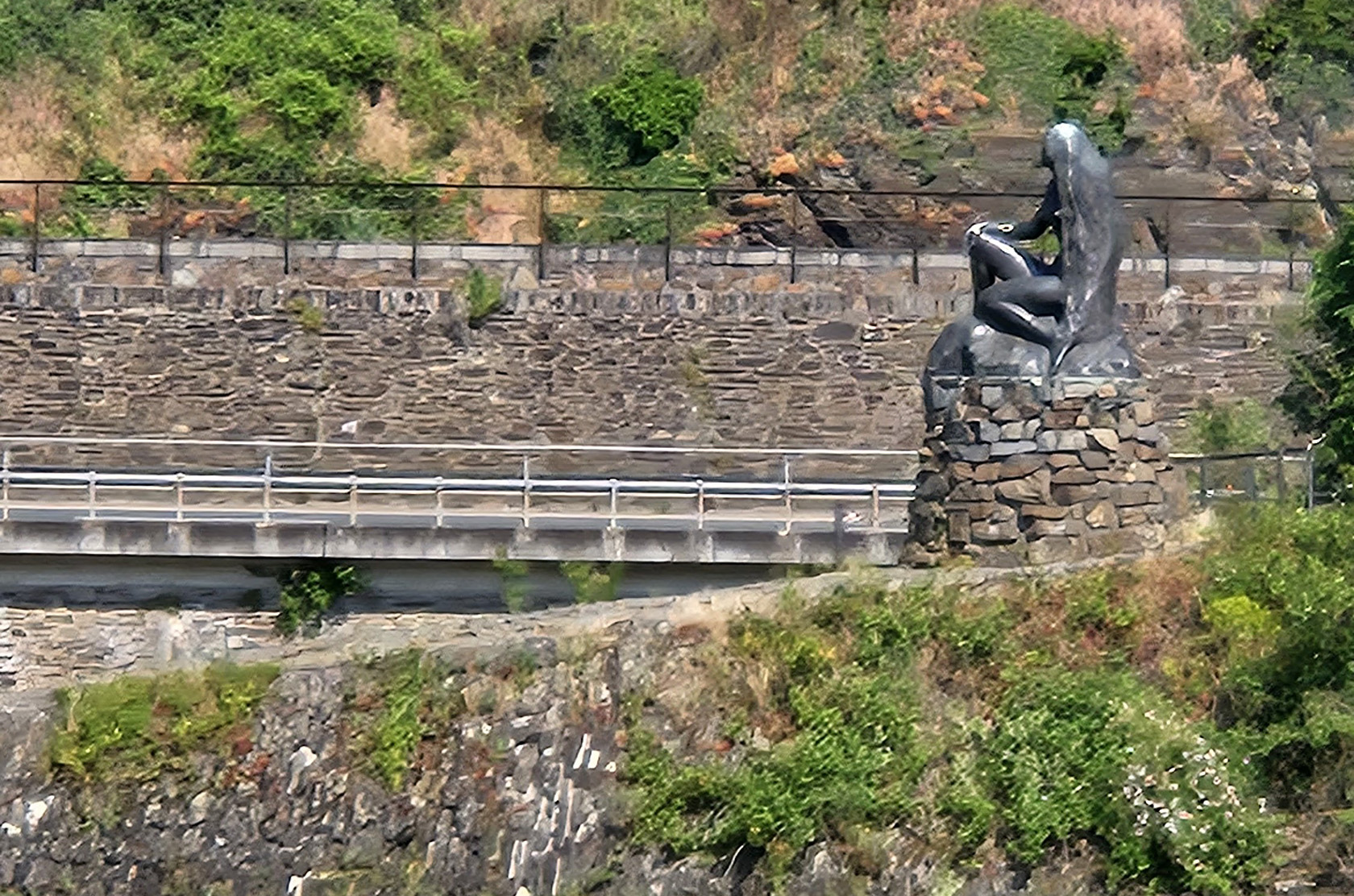
Lorelei Statue at Rhine Gorge

Miltenberg, Germany

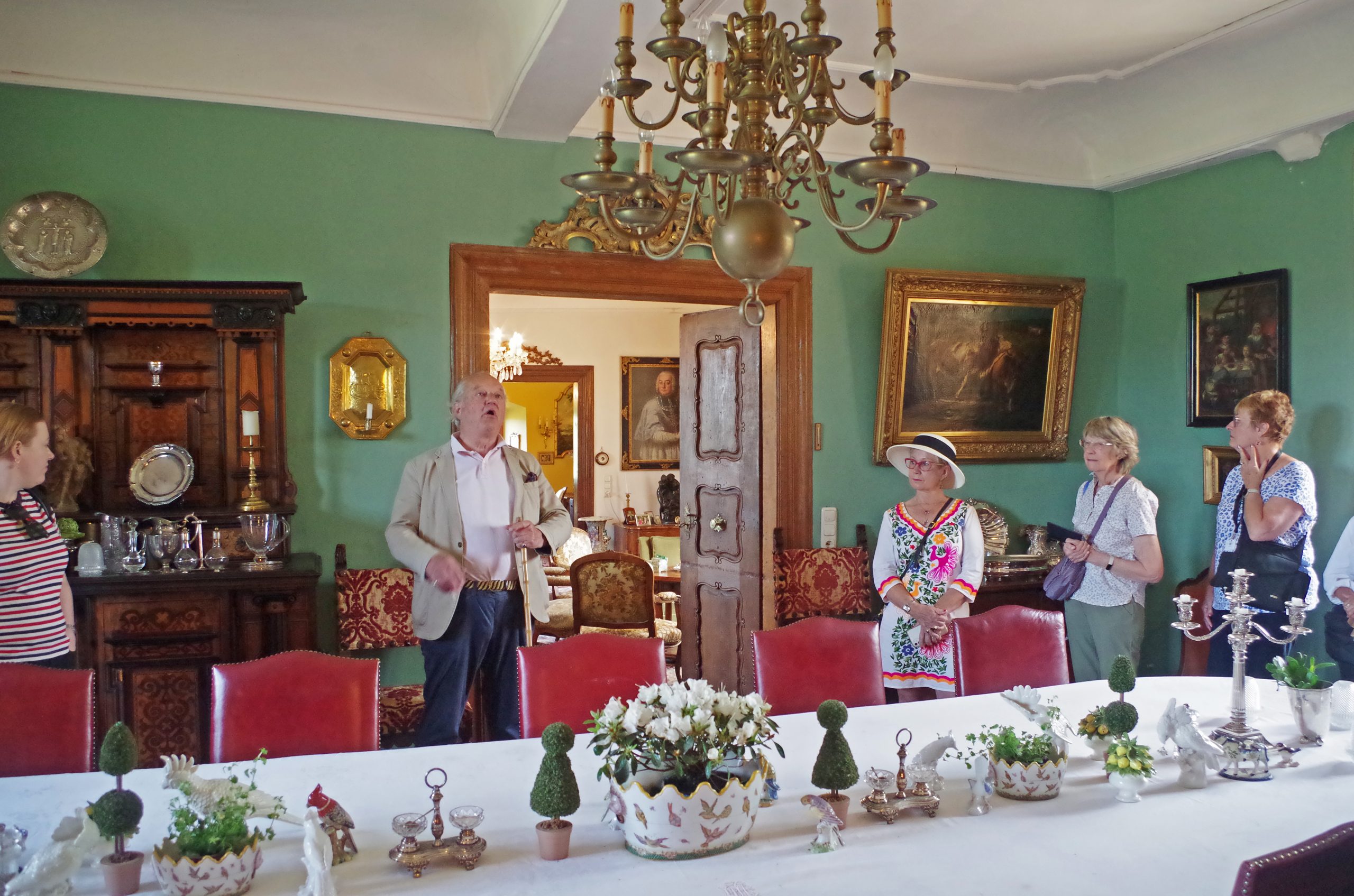
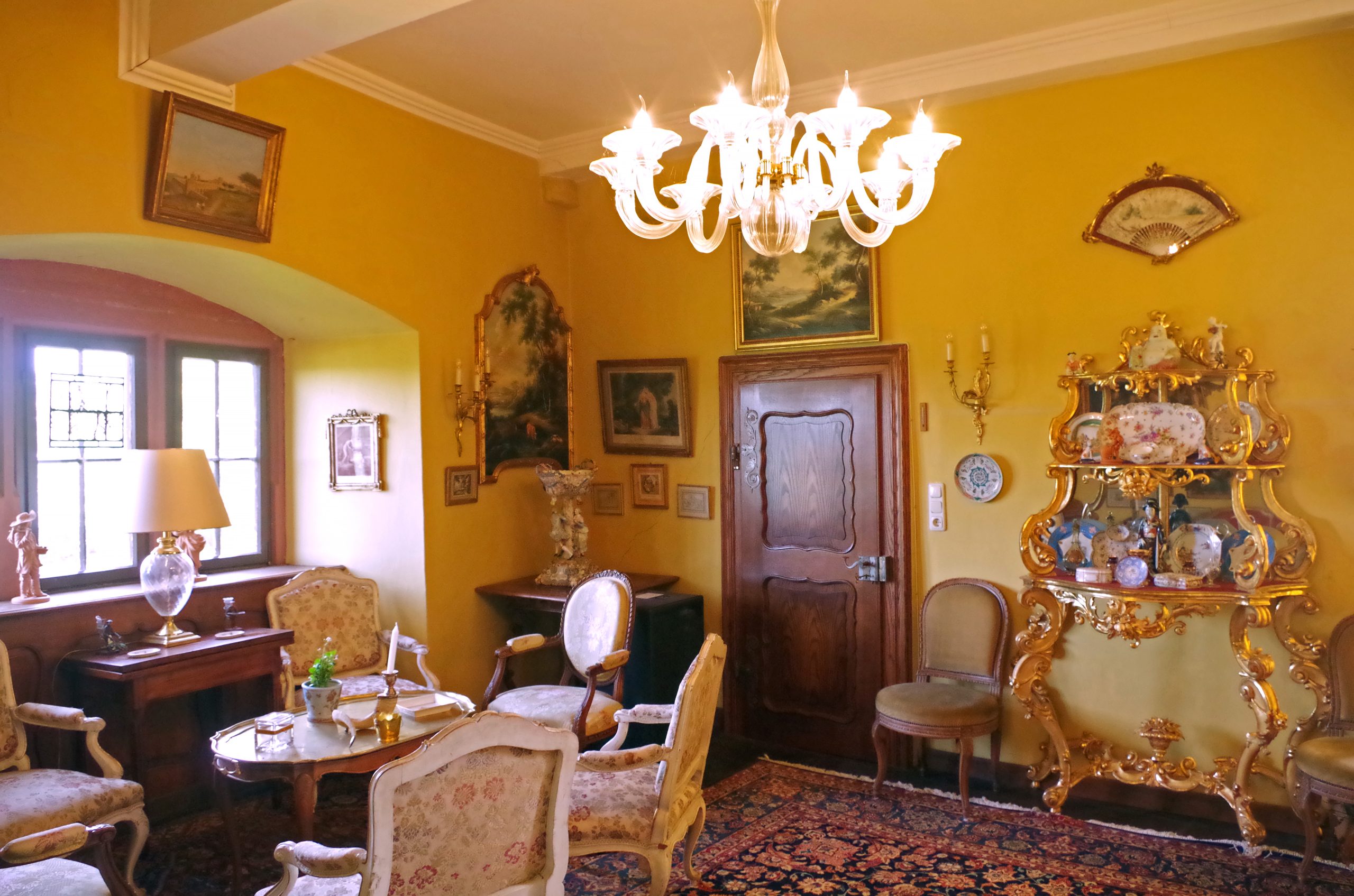
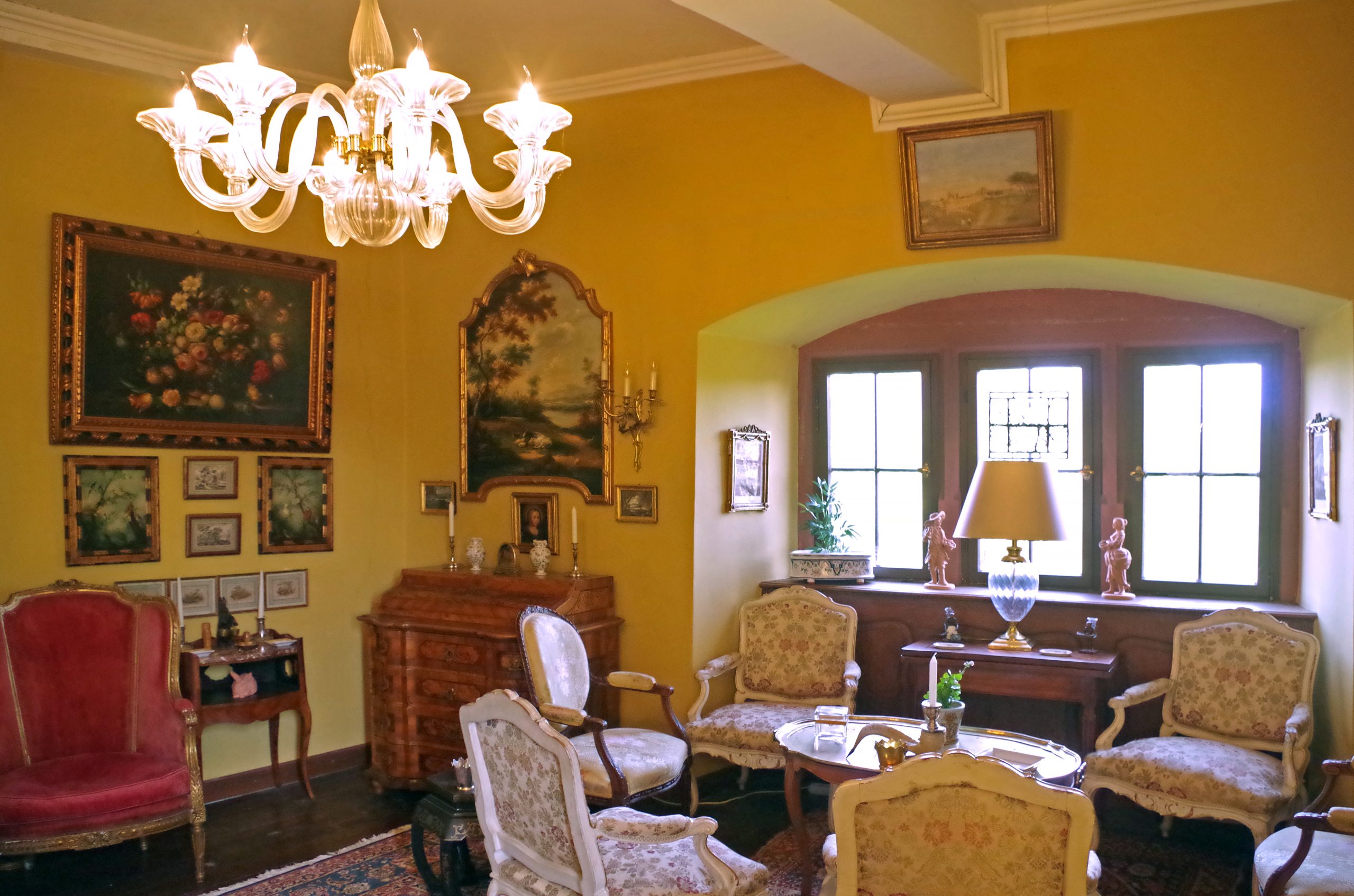
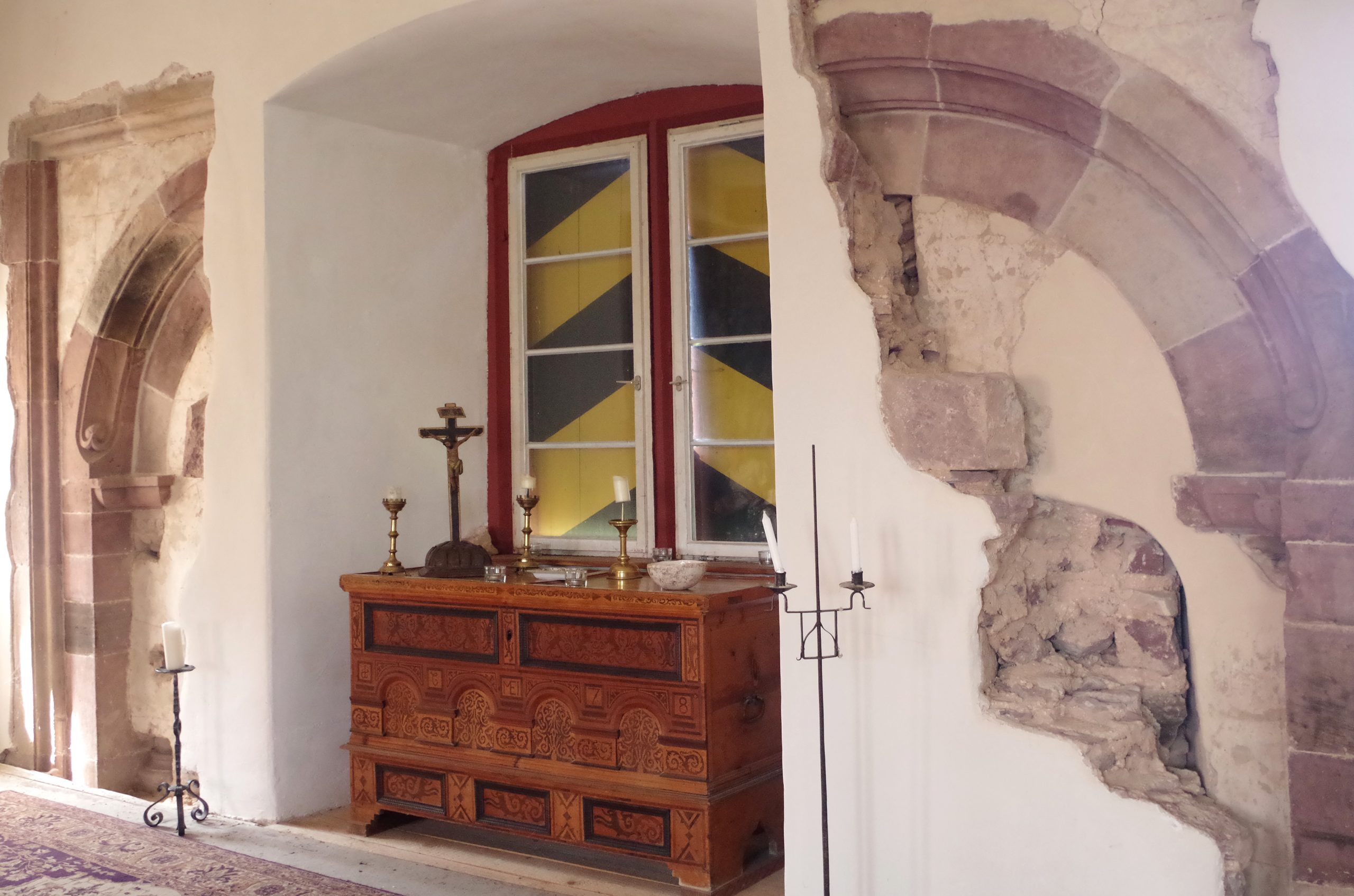
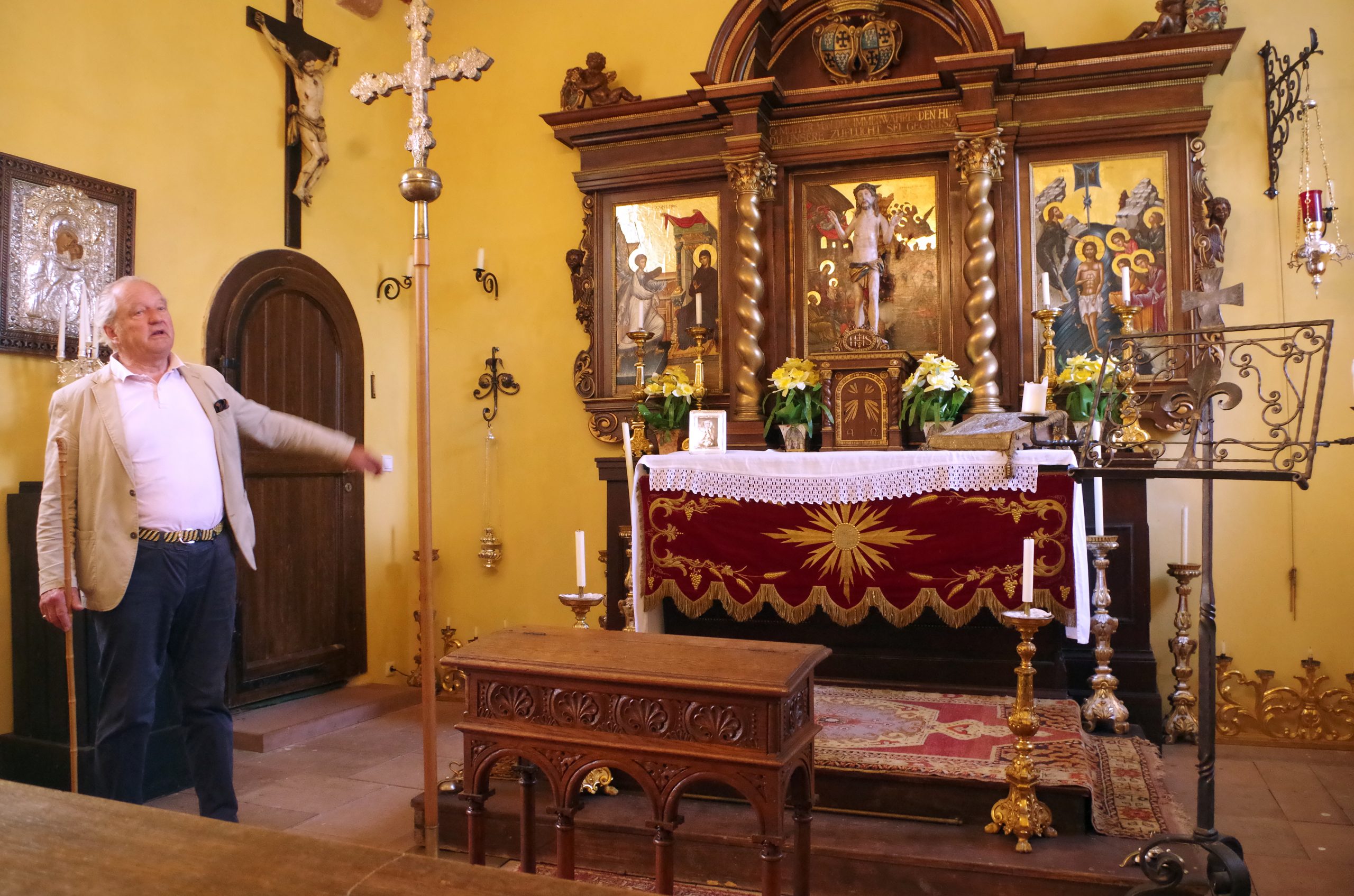
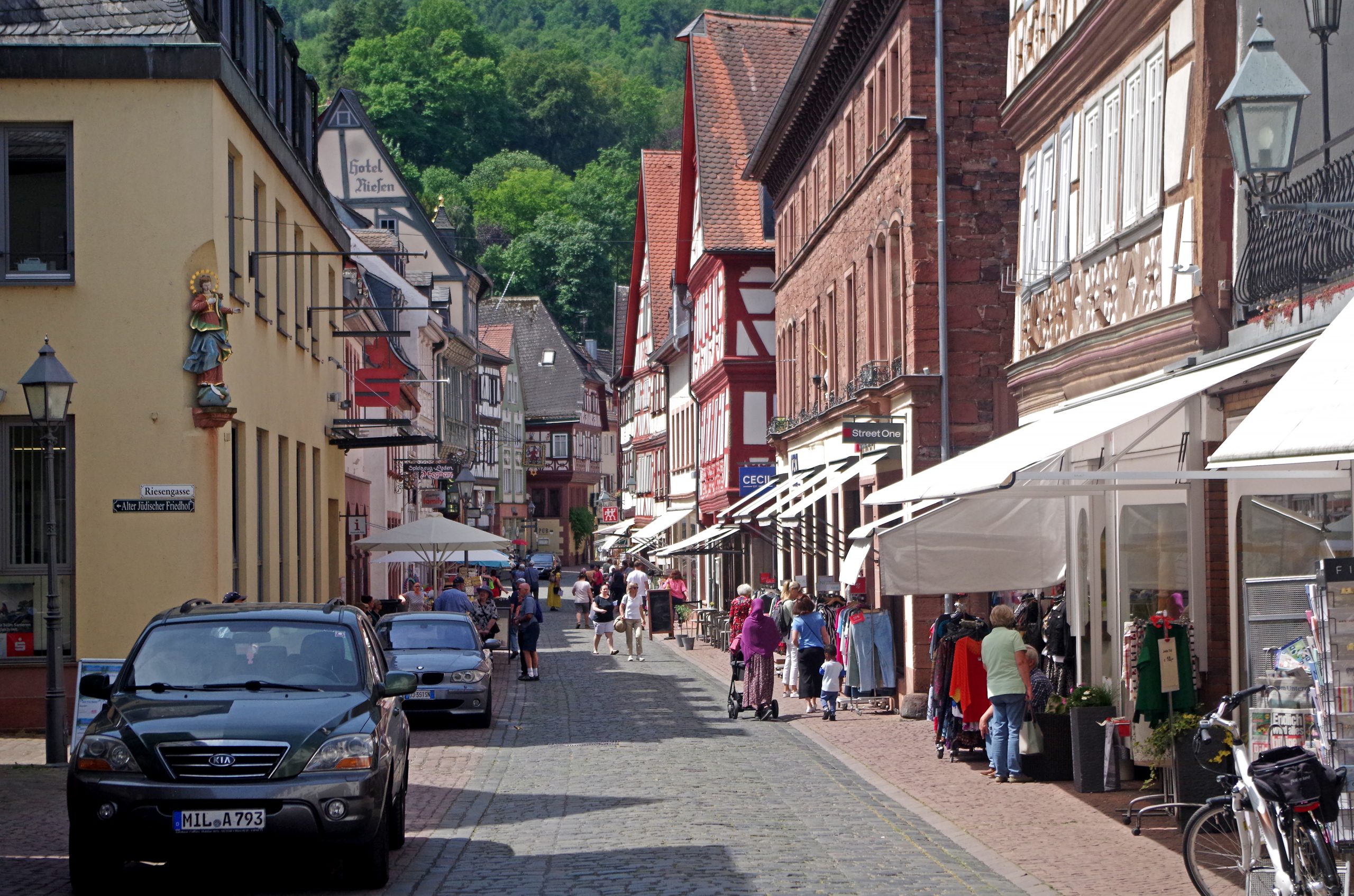
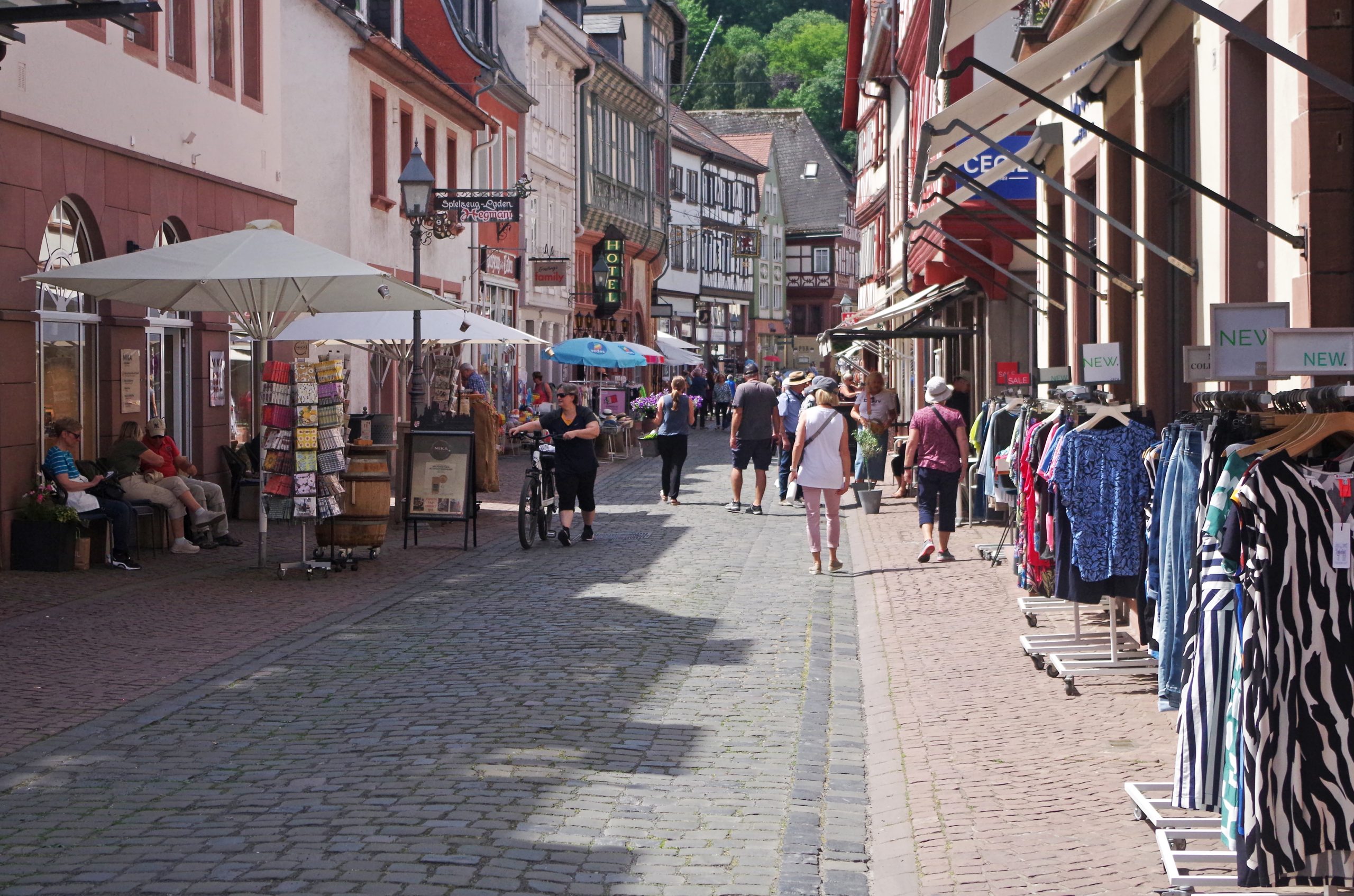
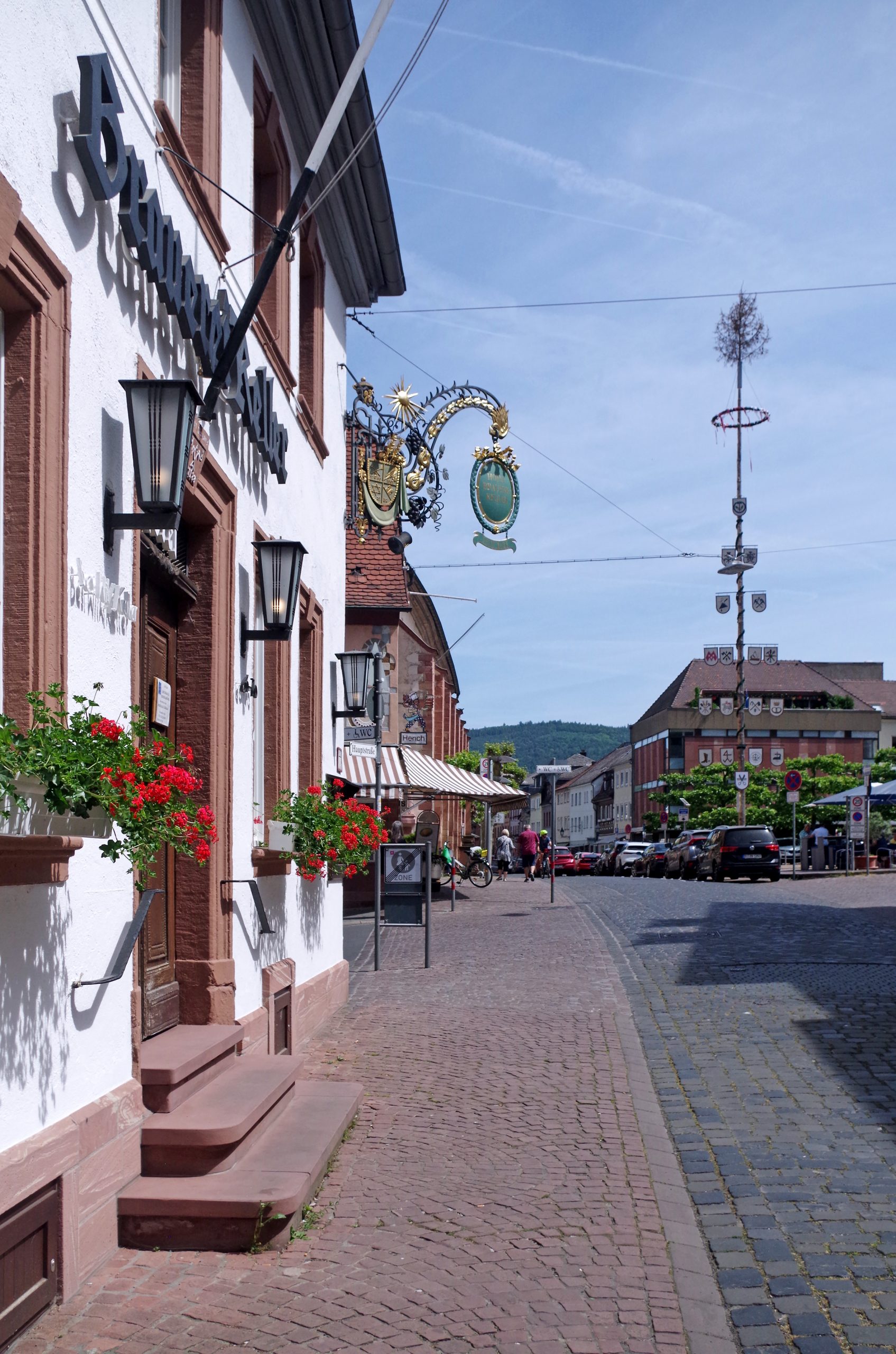
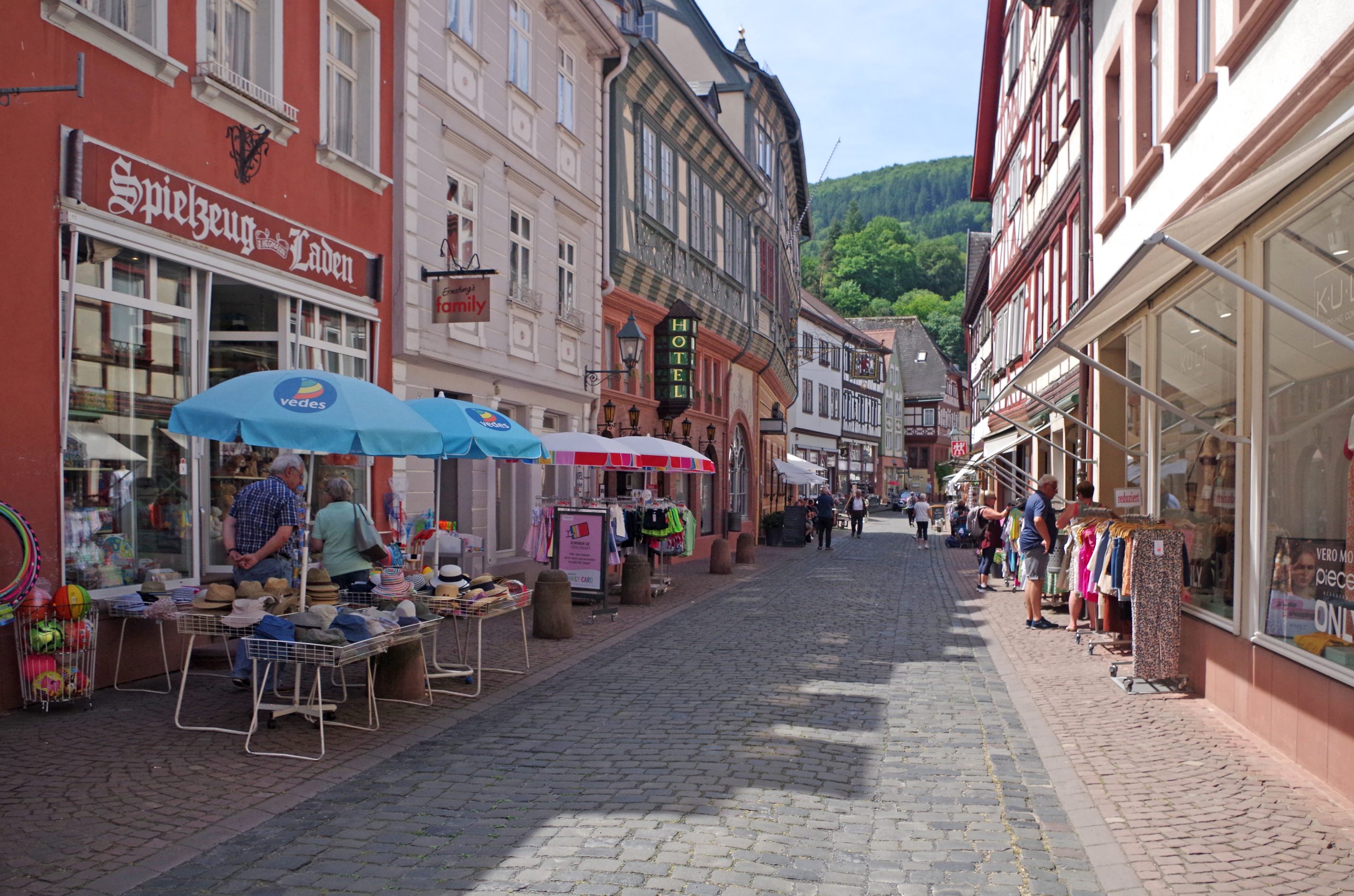
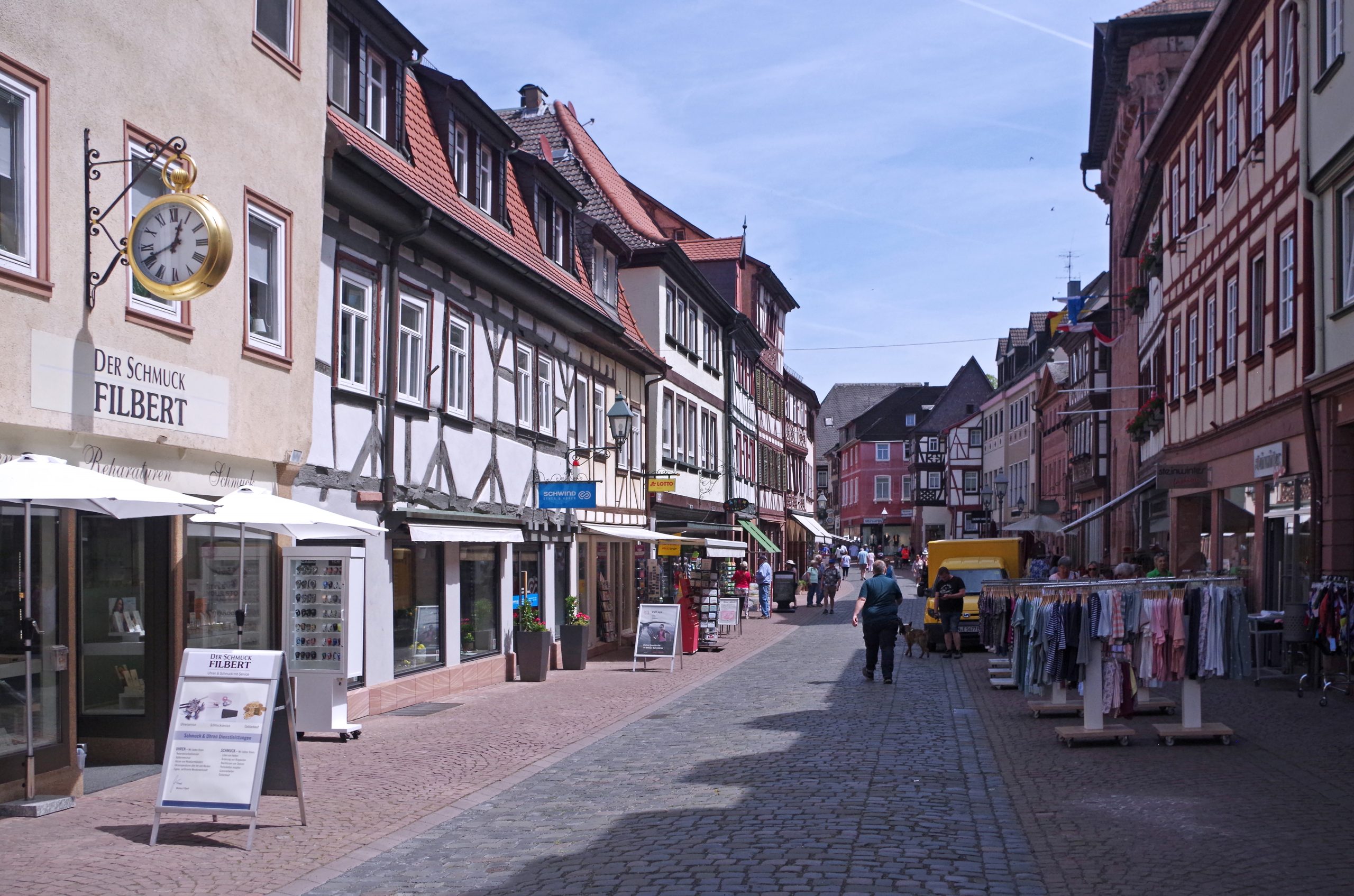
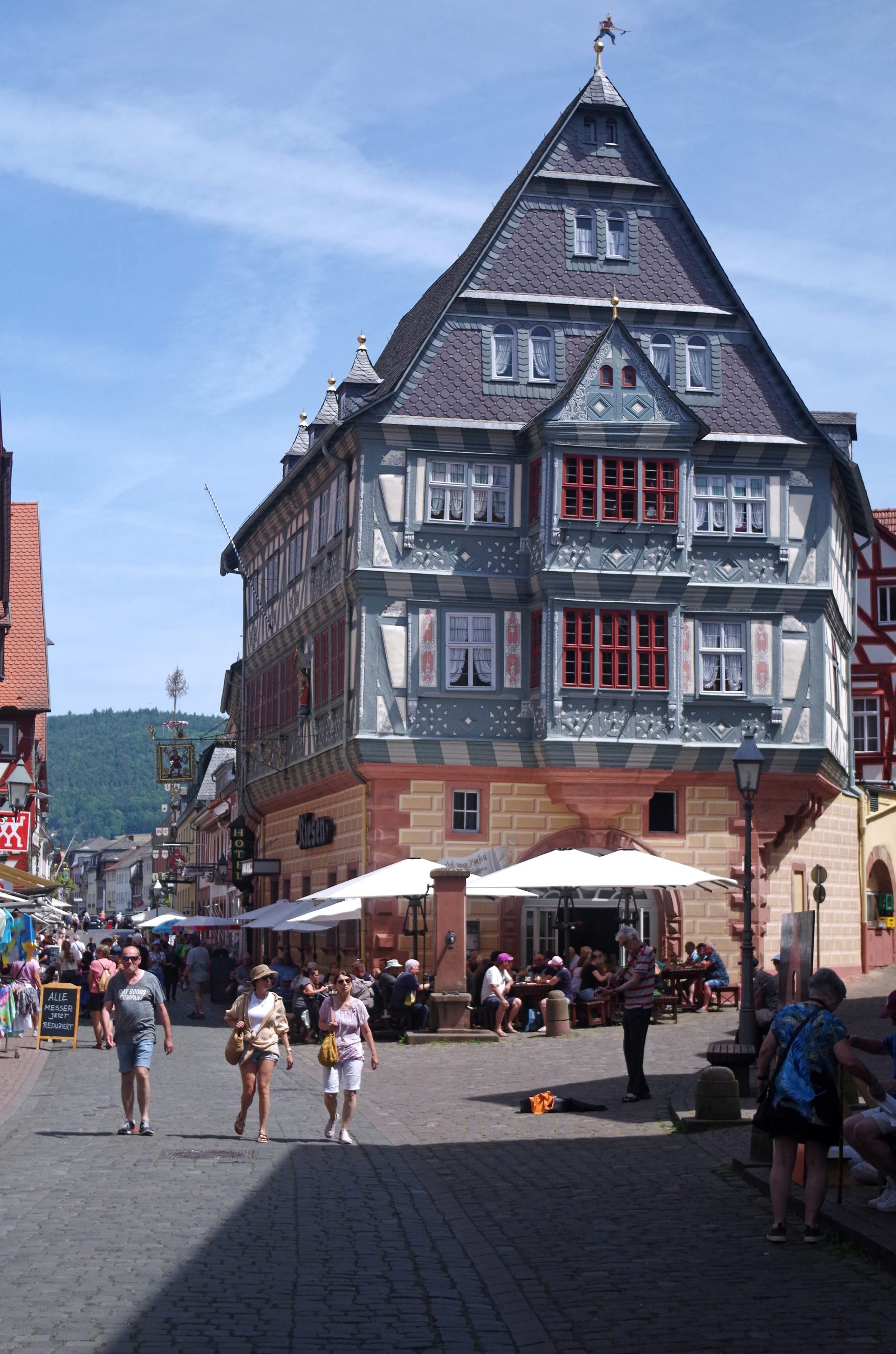
The small Bavarian town of Miltenberg was one of our favorite destinations in Germany. We visited a baron and baroness in their private castle, a fascinating ongoing work of restoration. Afterward, we spent time on our own in a walking tour of this charming town with its half-timbered historical buildings. Located on a bend of the Main River, the town is often referred to as the Pearl of the Main, and we concur with that characterization.

On the grounds of the aristocrats’ castle, Miltenberg
Doorway at the aristocrats’ castle, Miltenberg
The baron in the dining room at the aristocrats’ castle, Miltenberg
The baroness’s personal room at the aristocrats’ castle, Miltenberg
Historic discovery at the aristocrats’ castle, Miltenberg
Small chapel at the aristocrats’ castle, Miltenberg
The baron in the main chapel at the aristocrats’ castle, Miltenberg
A scene in the charming town of Miltenberg
Maypole in downtown Miltenberg
Downtown Miltenberg
Downtown Miltenberg
Downtown Miltenberg
Downtown Miltenberg
Hotel and street performer in downtown Miltenberg
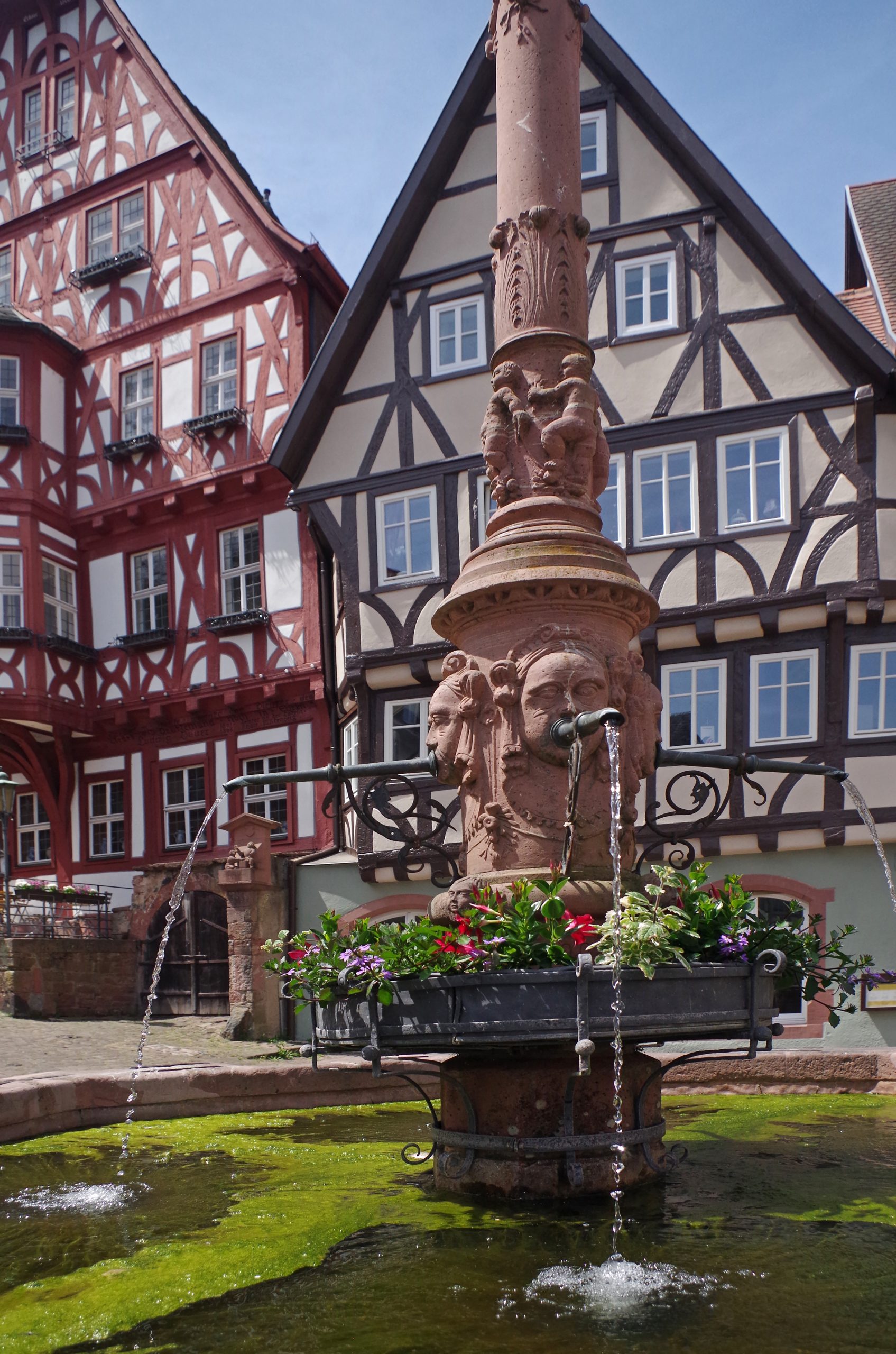
Fountain in downtown Miltenberg
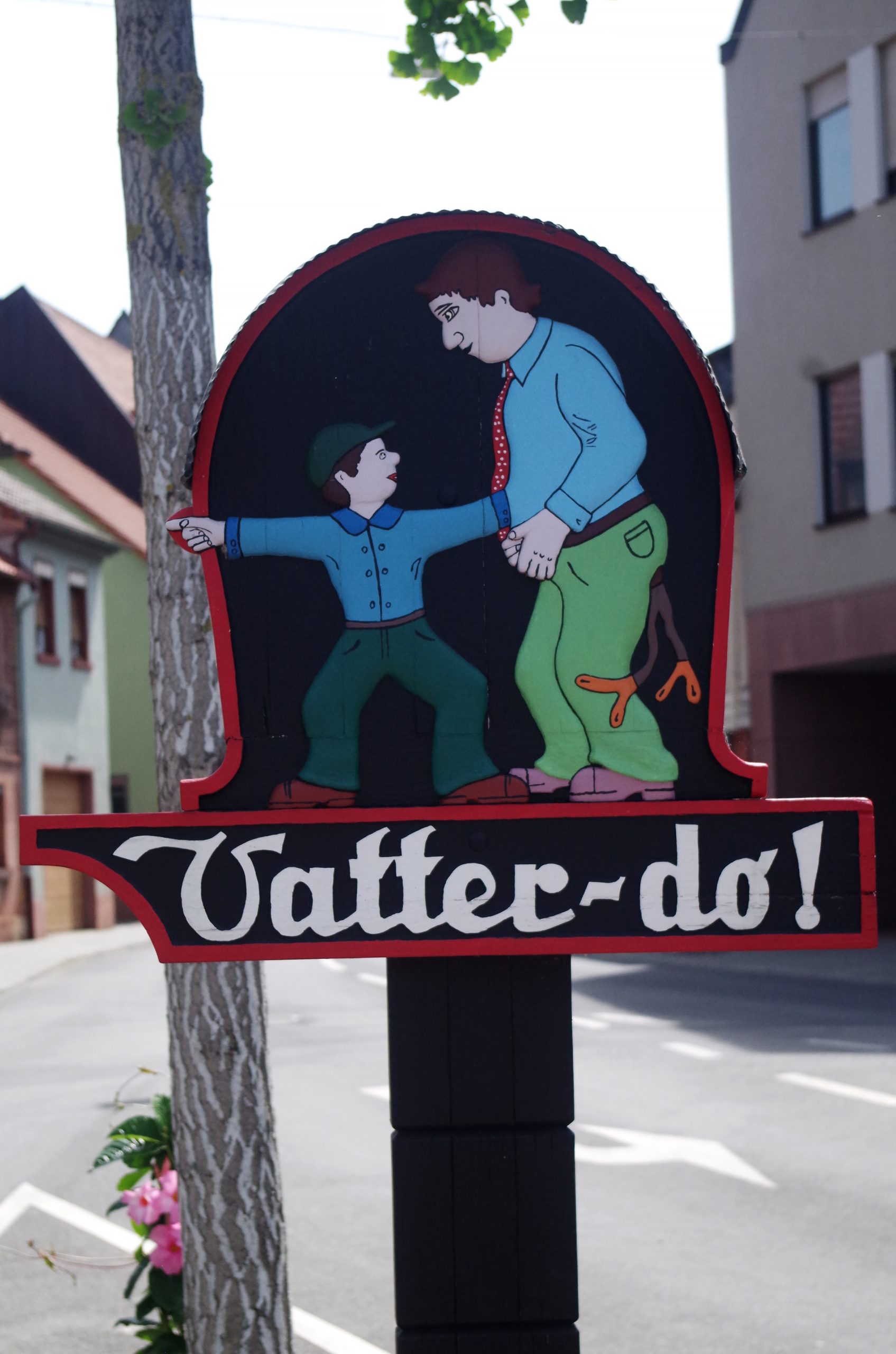
Sign in downtown Miltenberg
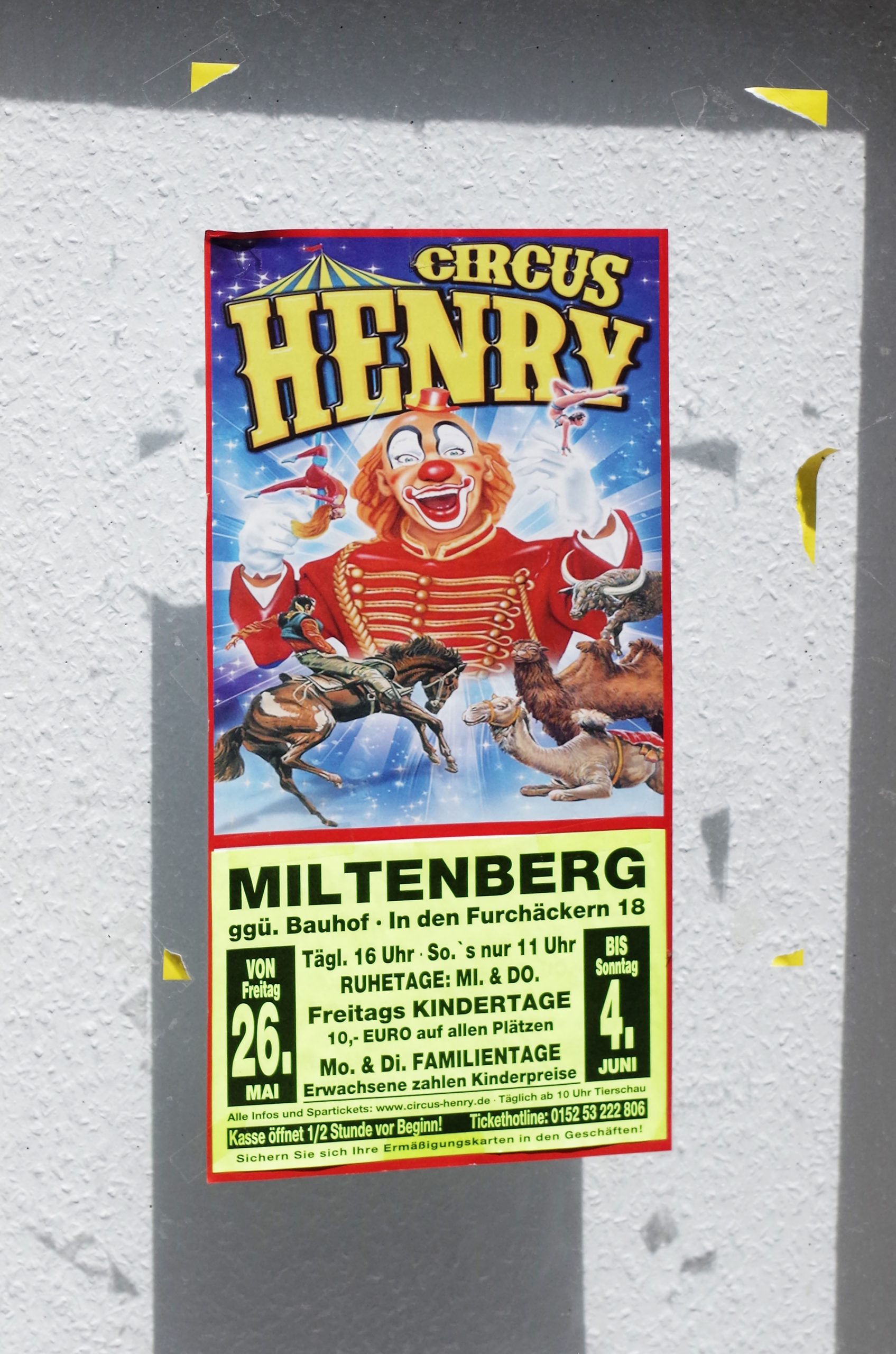
The circus was coming to town, Miltenberg
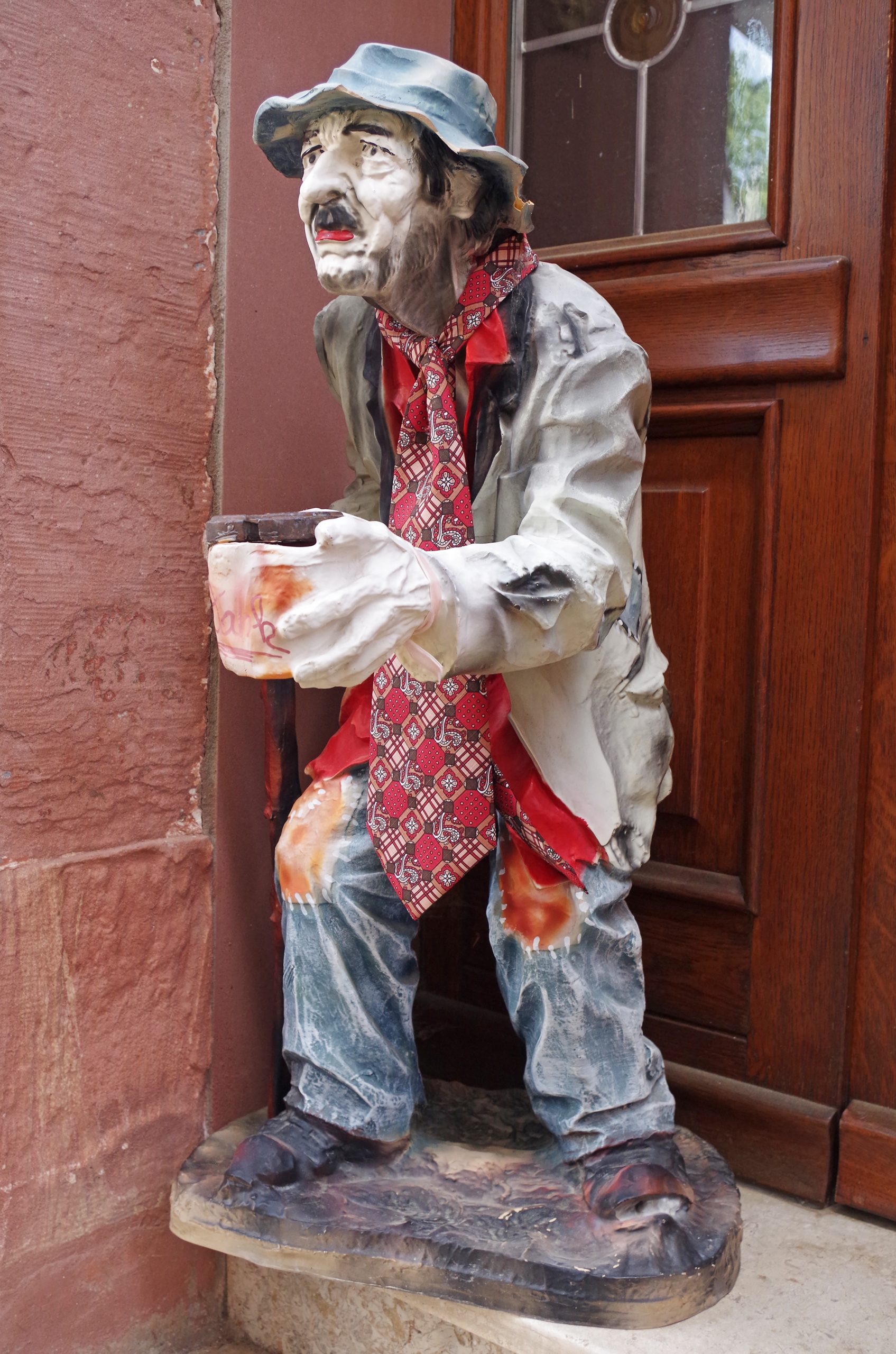
Doorway statue in downtown Miltenberg
Cobblestones in downtown Miltenberg
Walking trail in downtown Miltenberg
Walking trails in downtown Miltenberg
Sign along walking trail in downtown Miltenberg

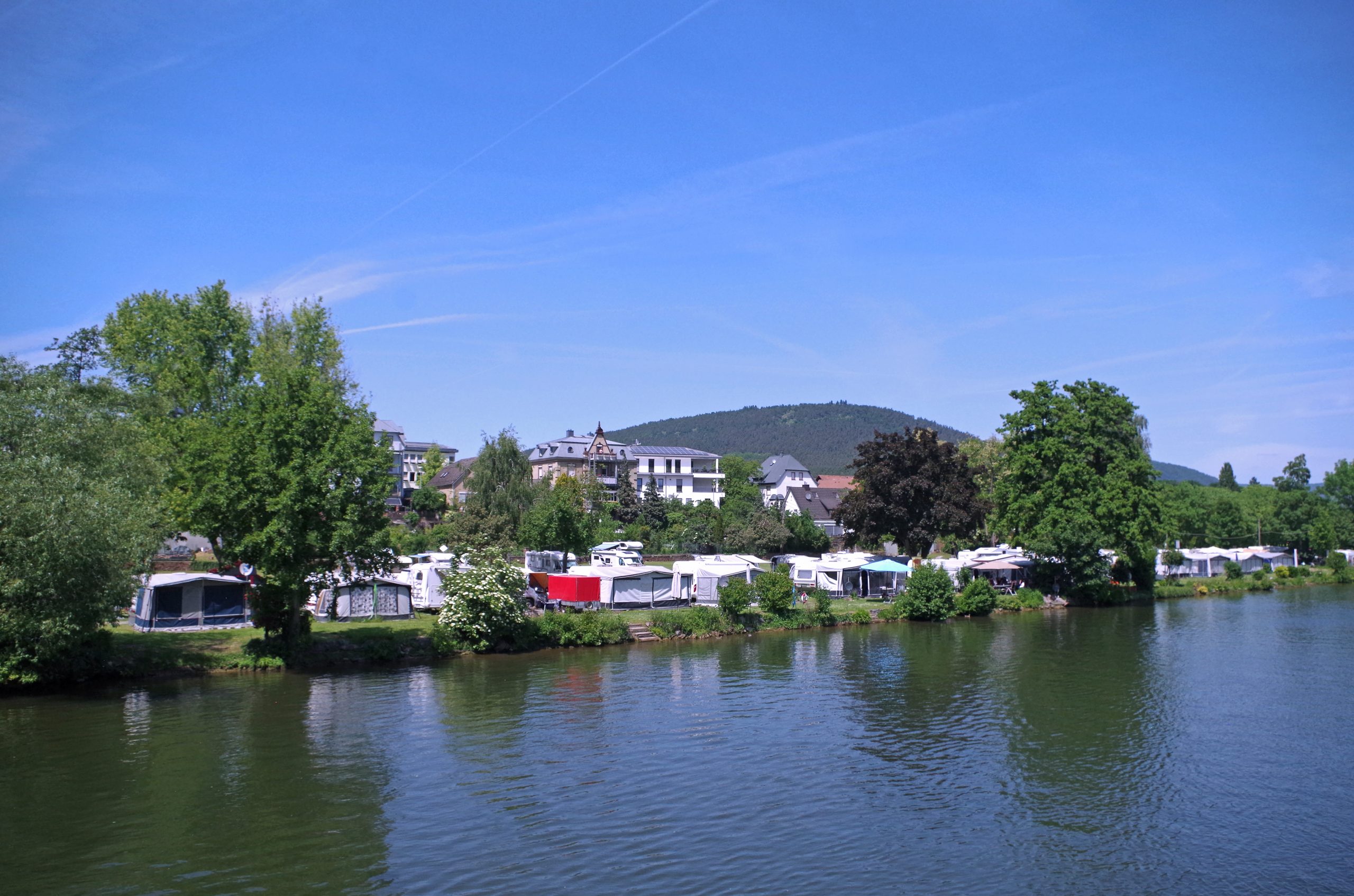
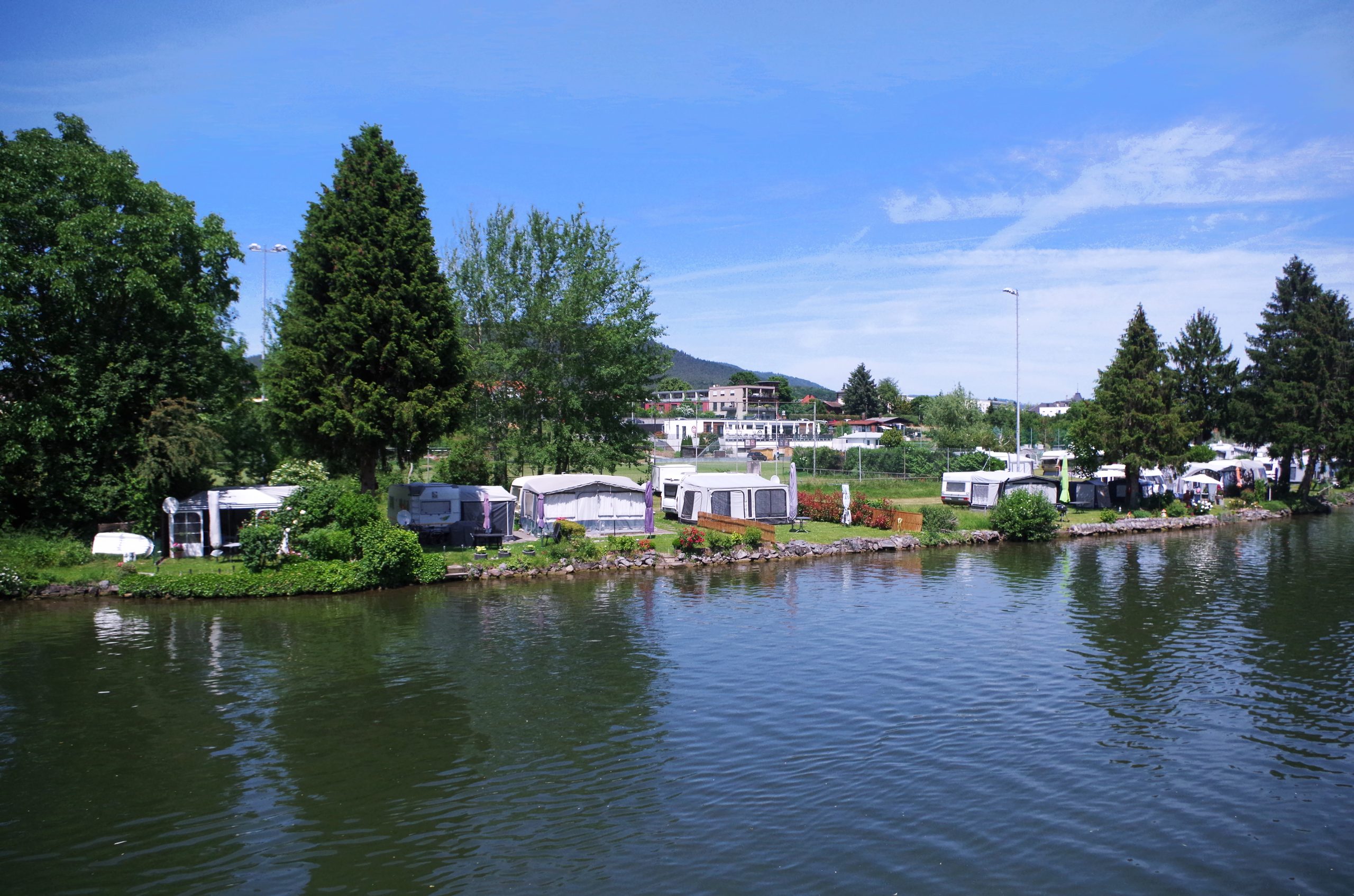
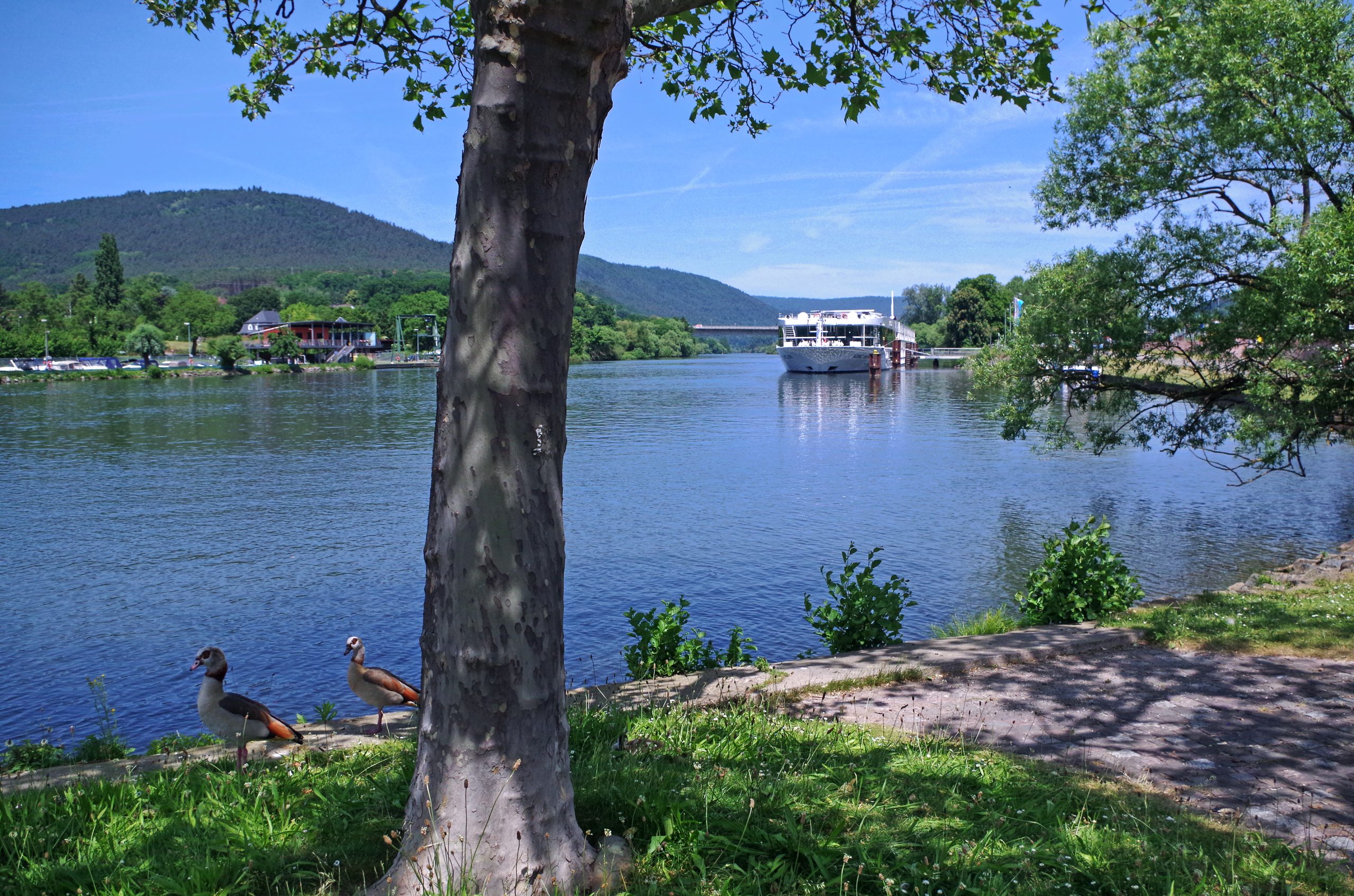
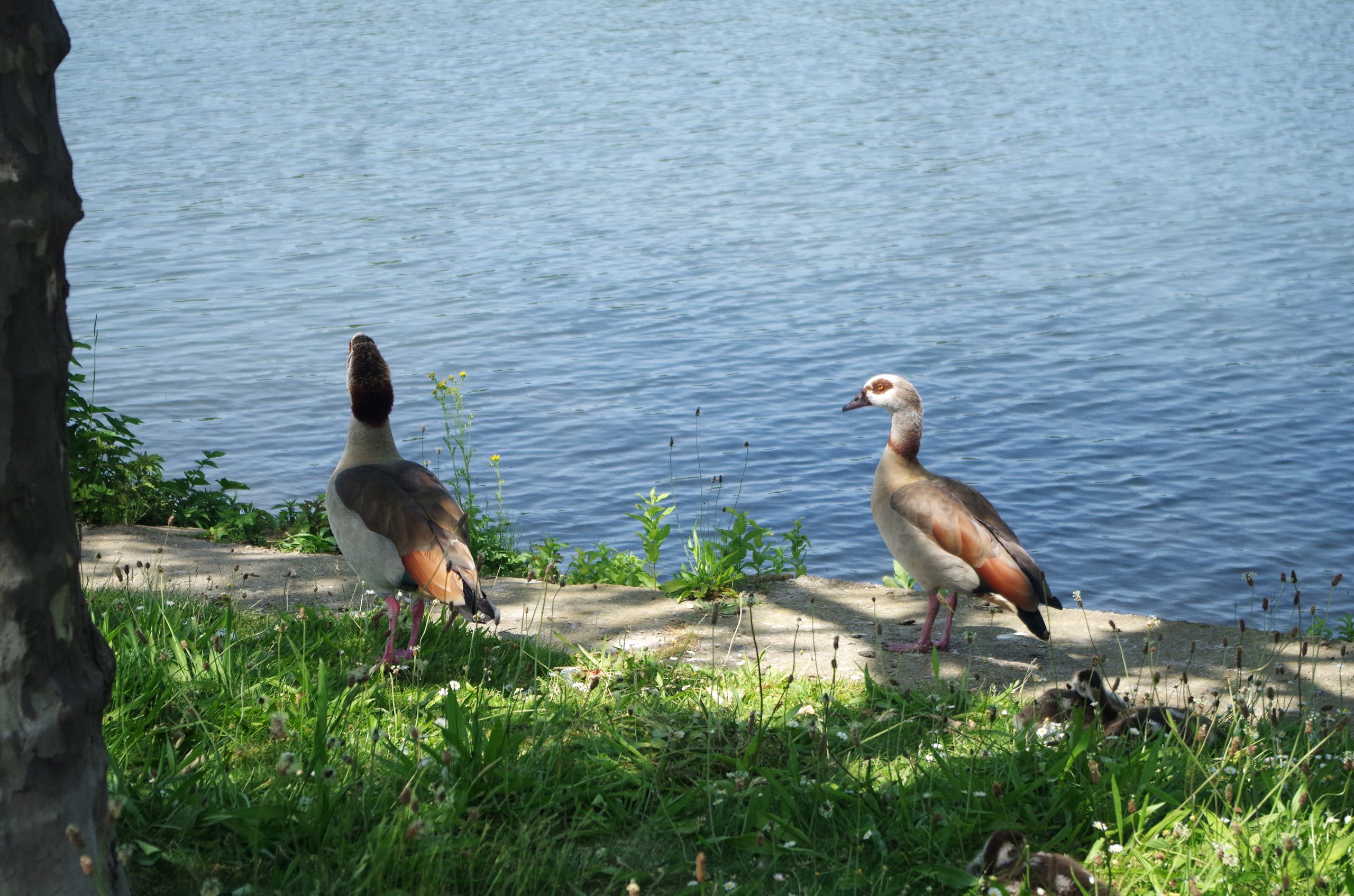
Continuing our cruise, we encountered campgrounds and Nile Geese along the river. Throughout Bavaria, it was fascinating to hear cuckoos calling from the treetops.

One of many riverside campgrounds in Germany.
Nile geese along the river.

Würzburg and Weikersheim, Germany

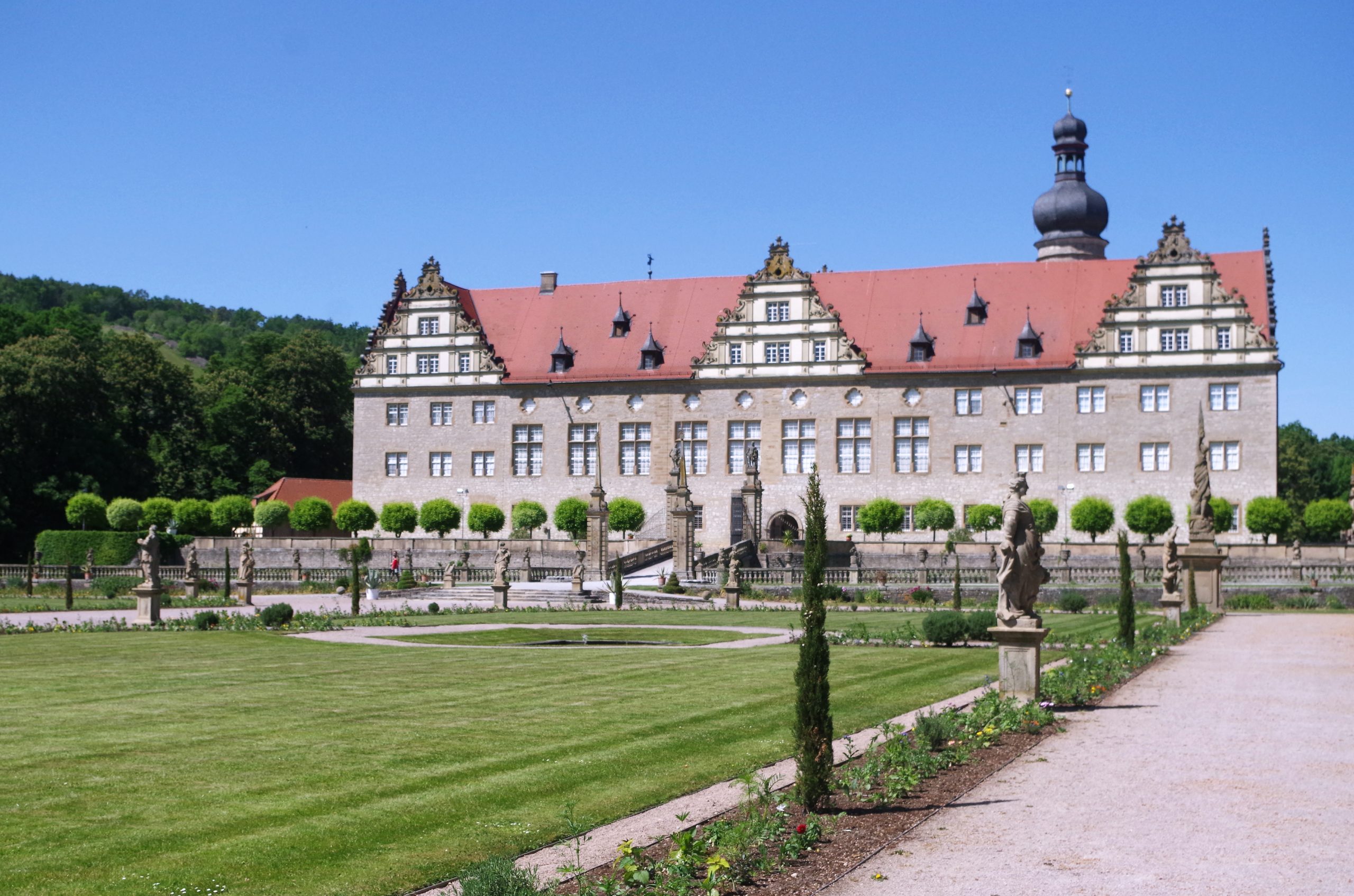
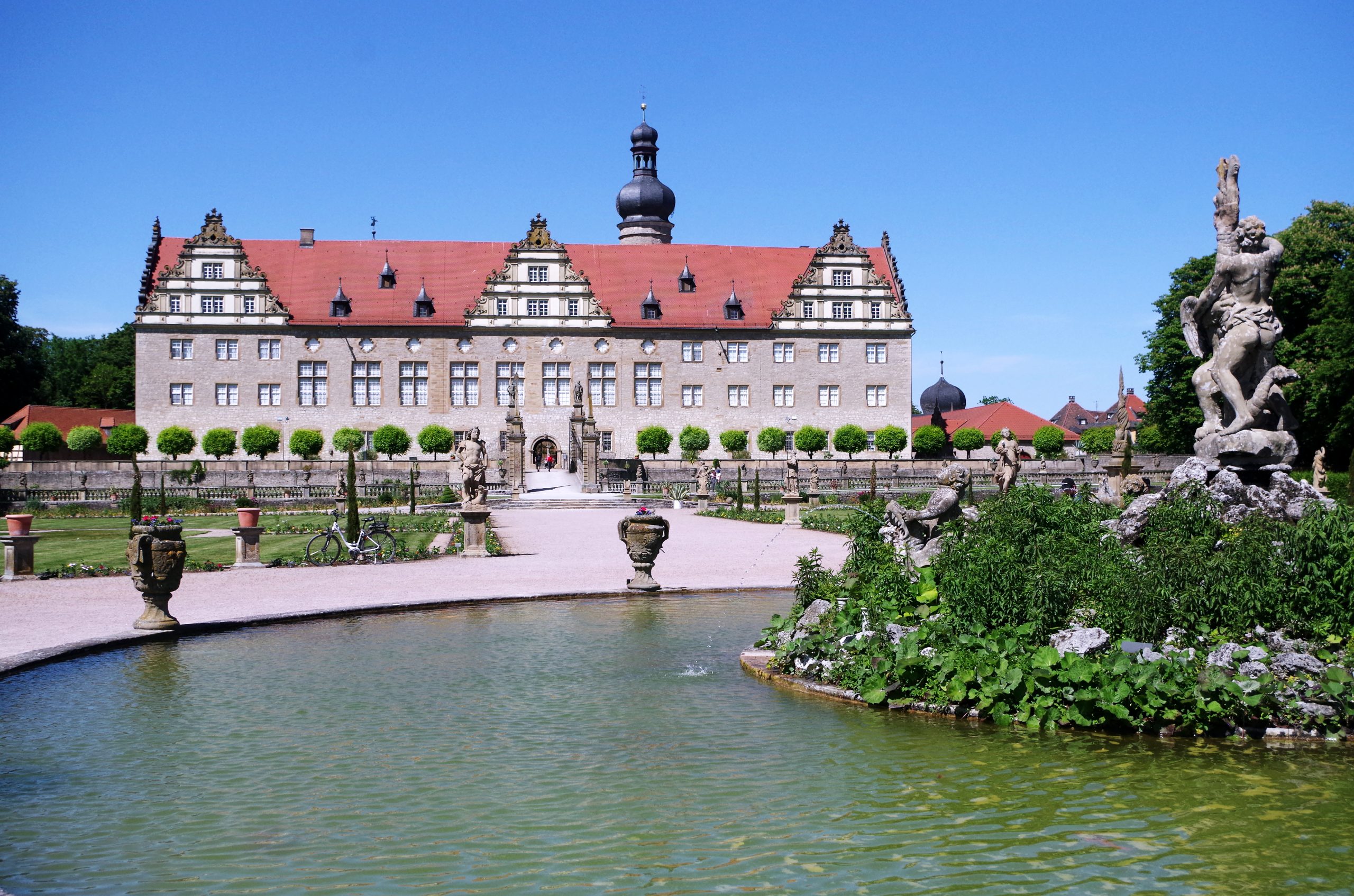
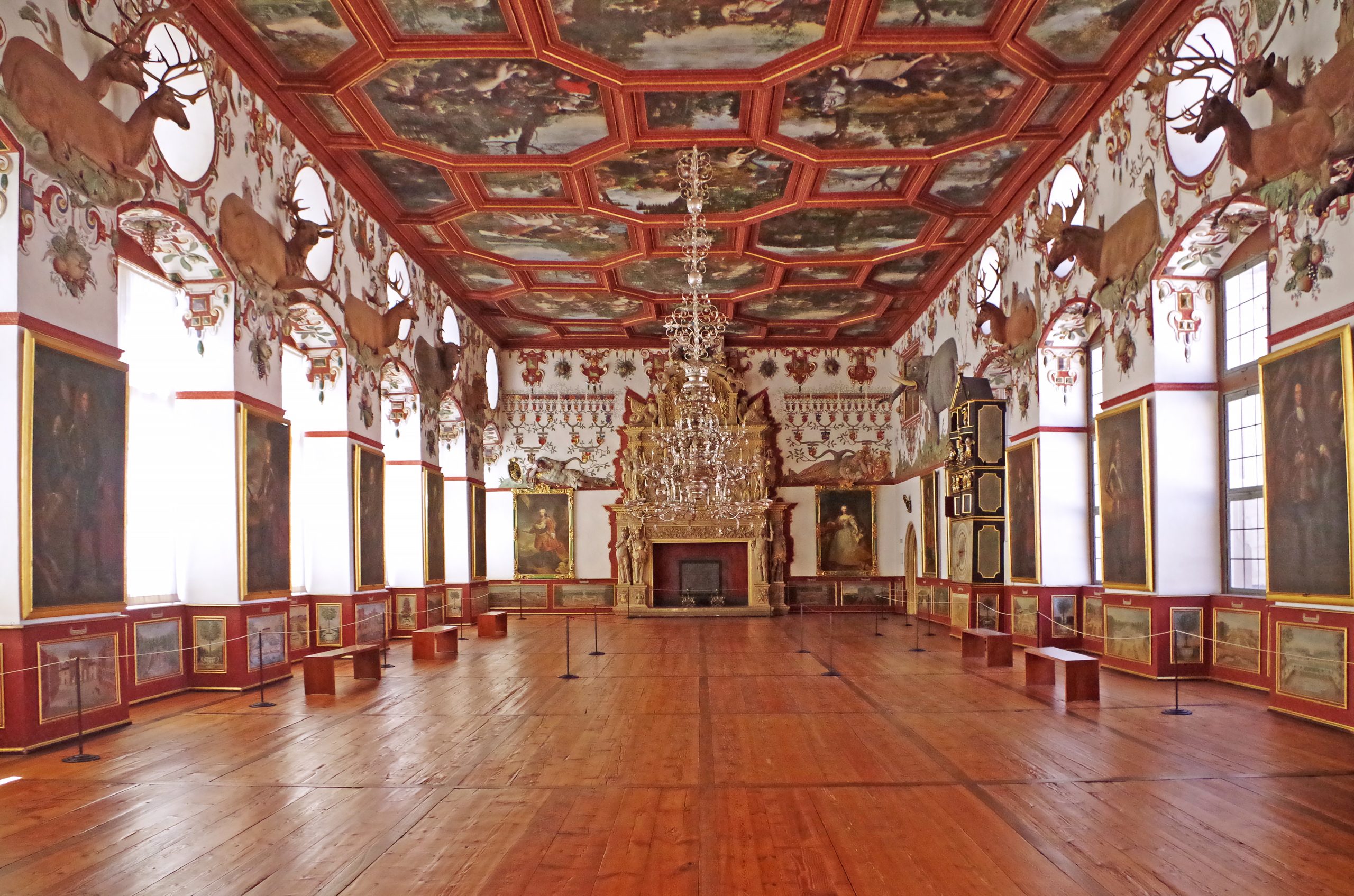
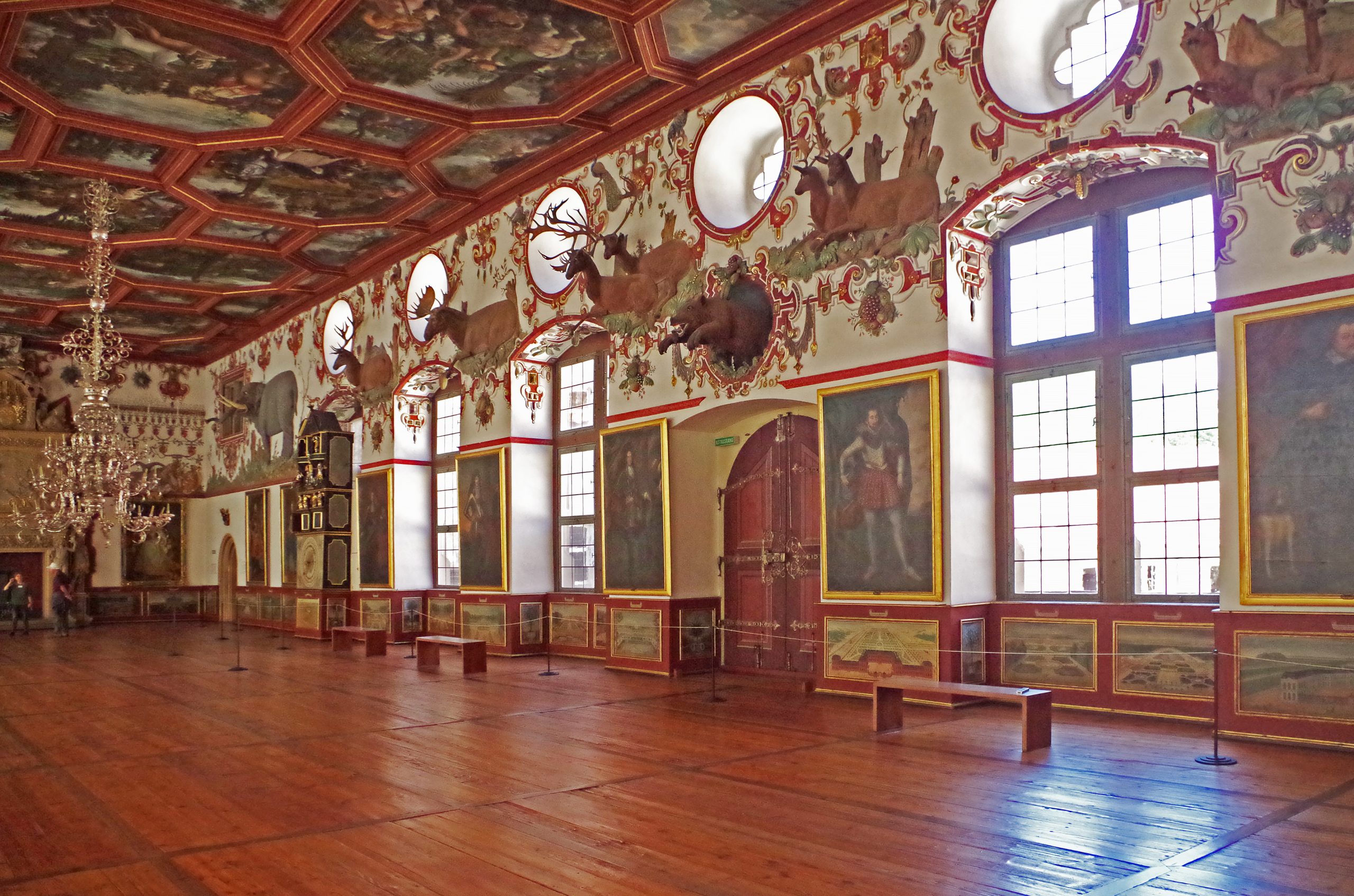
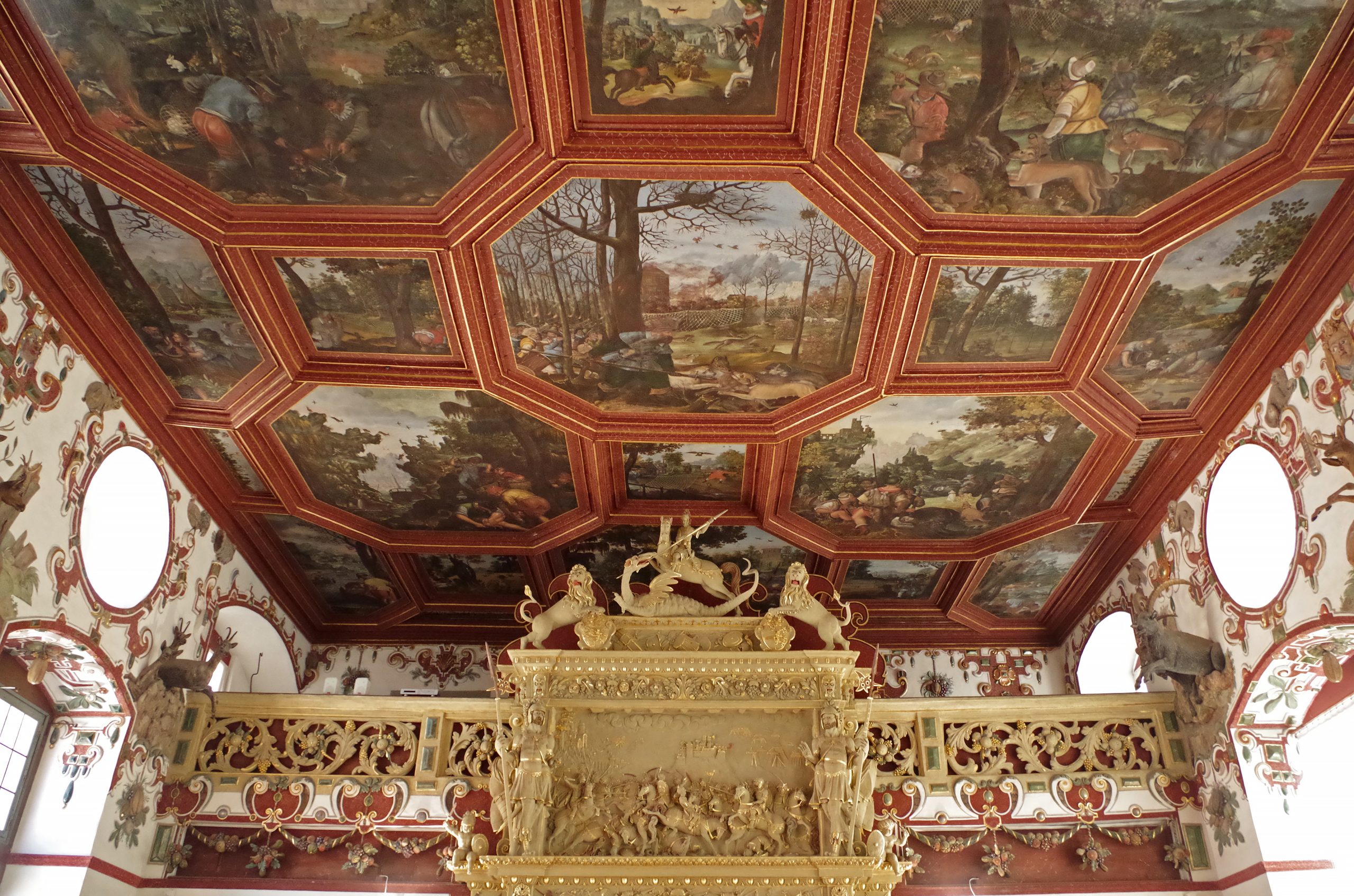
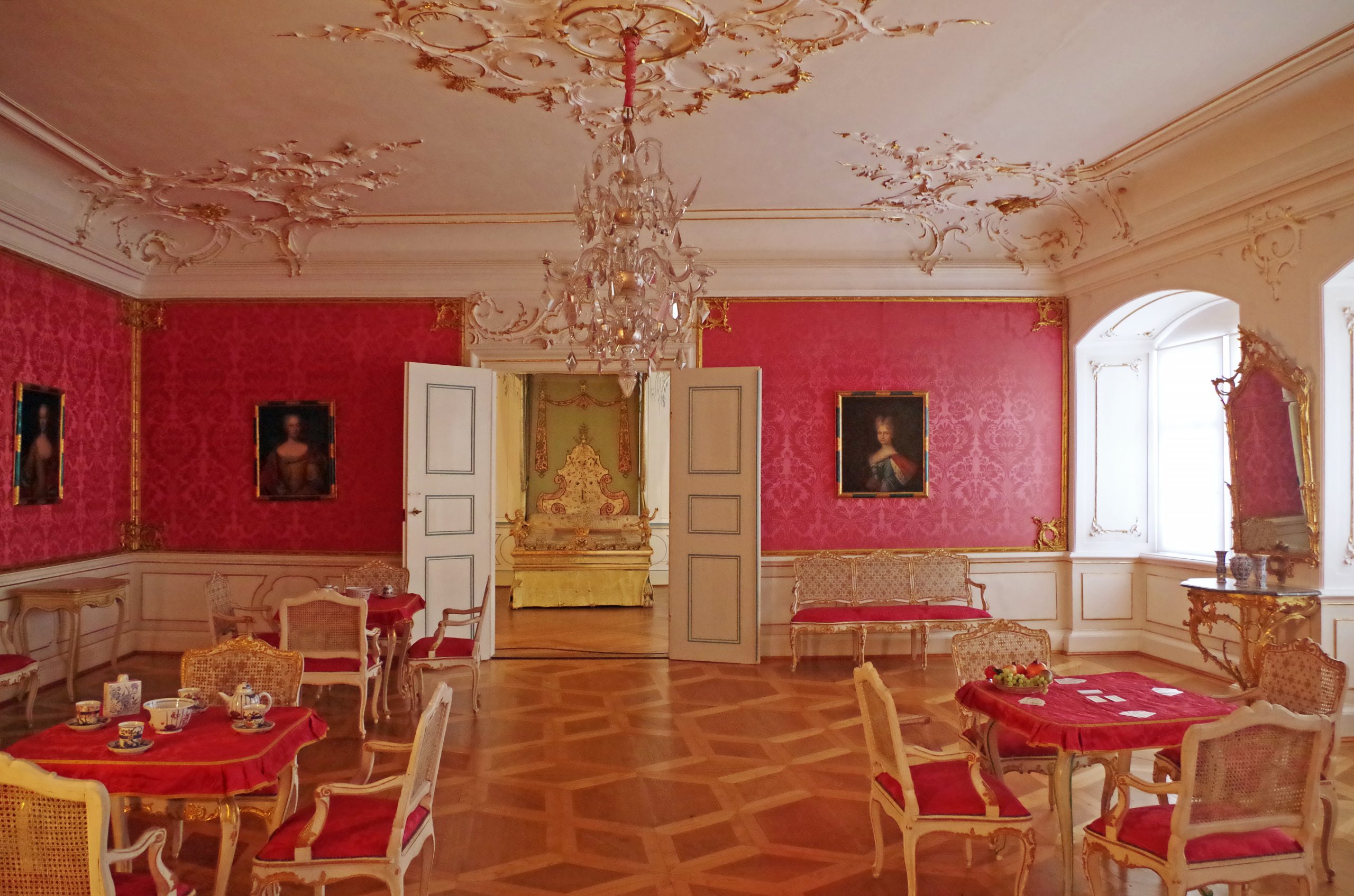
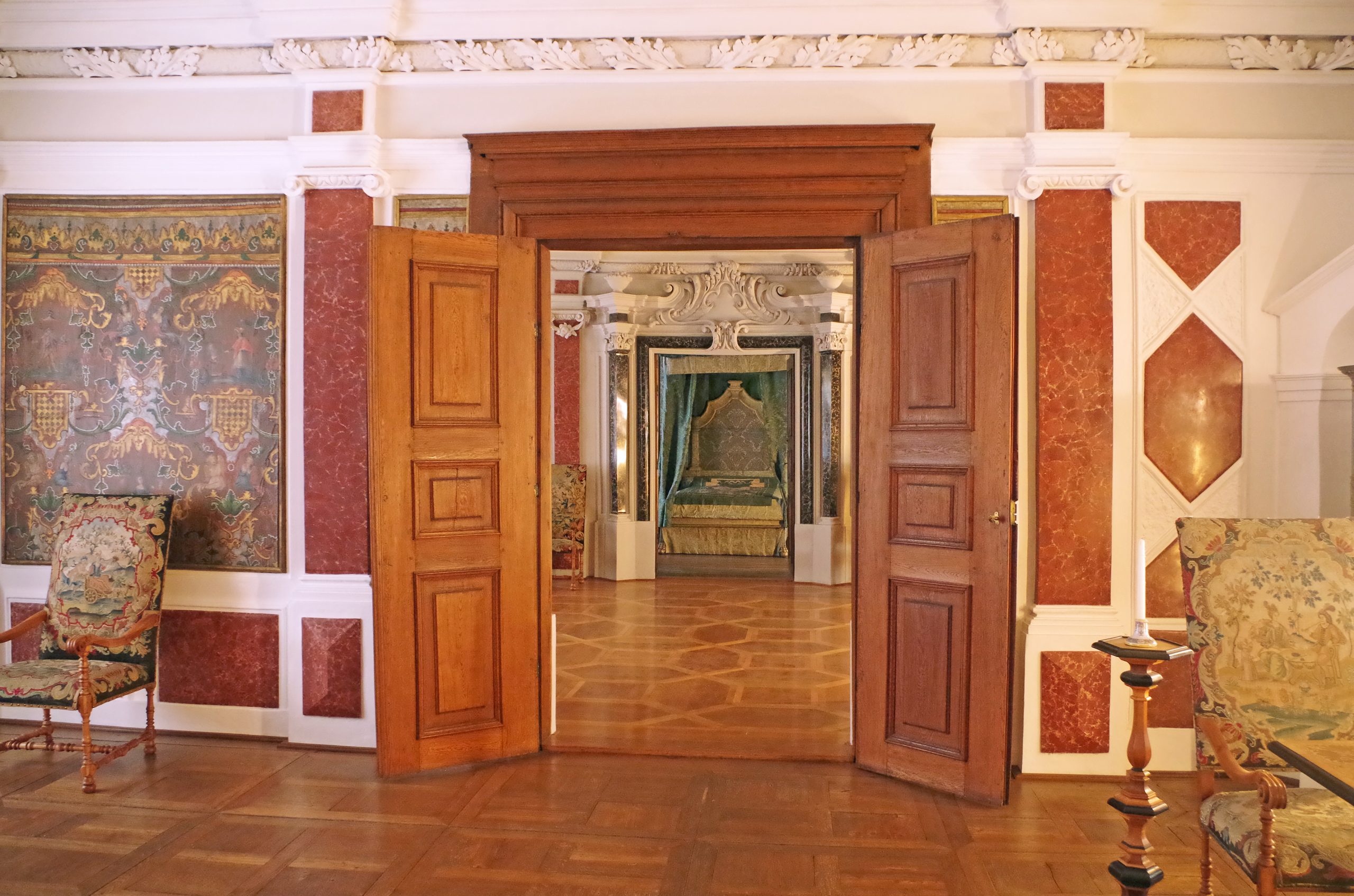
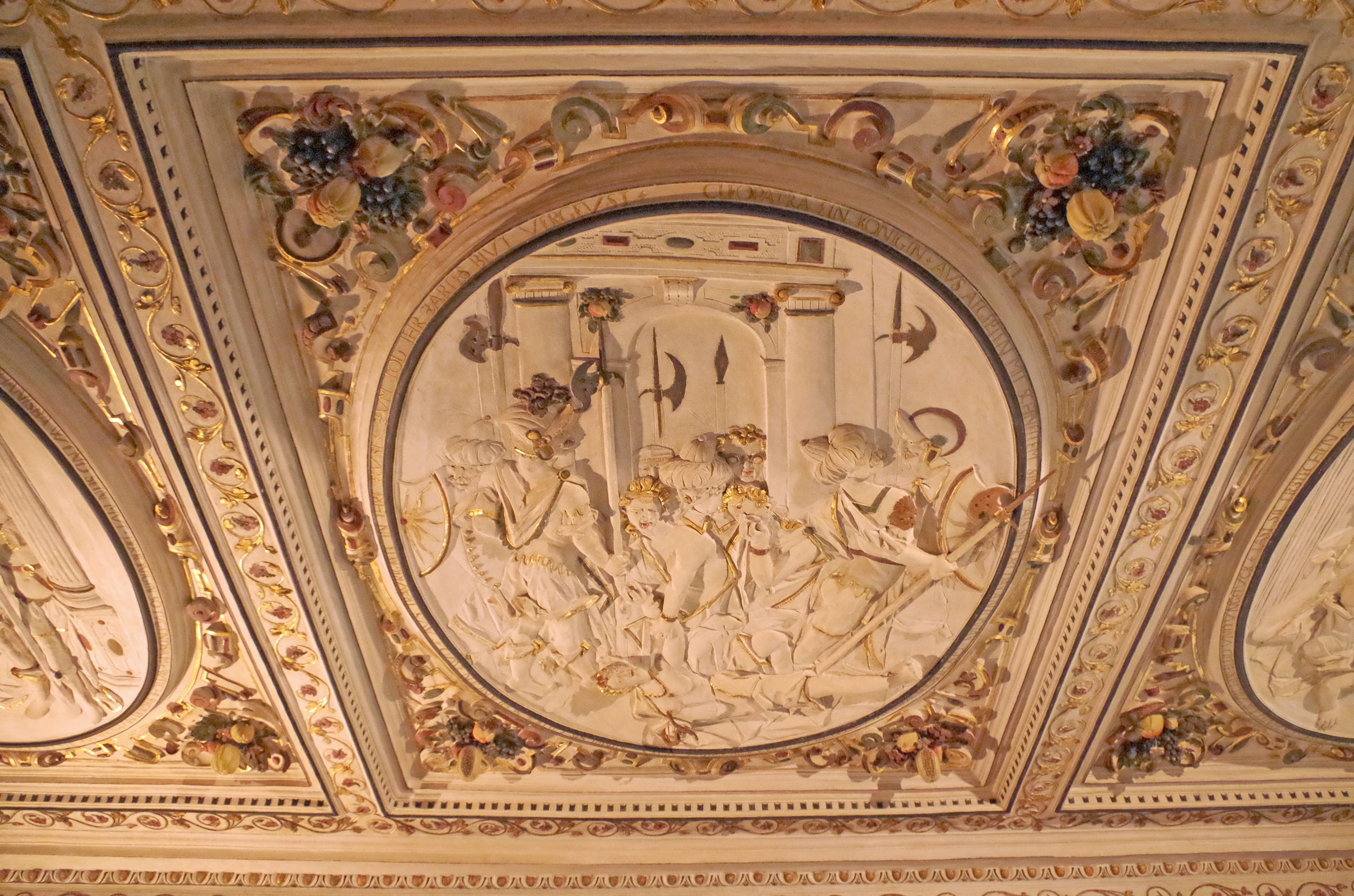
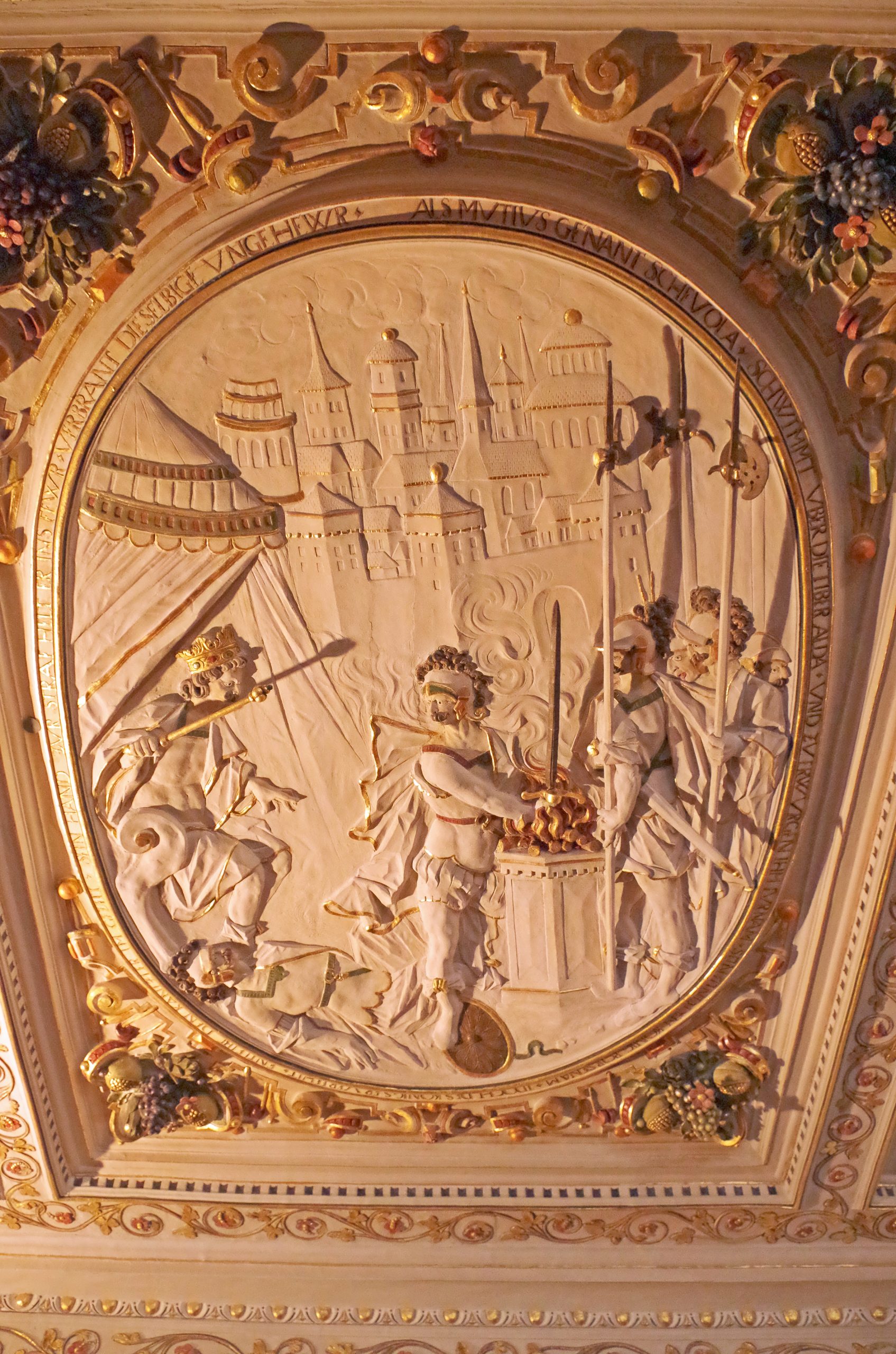
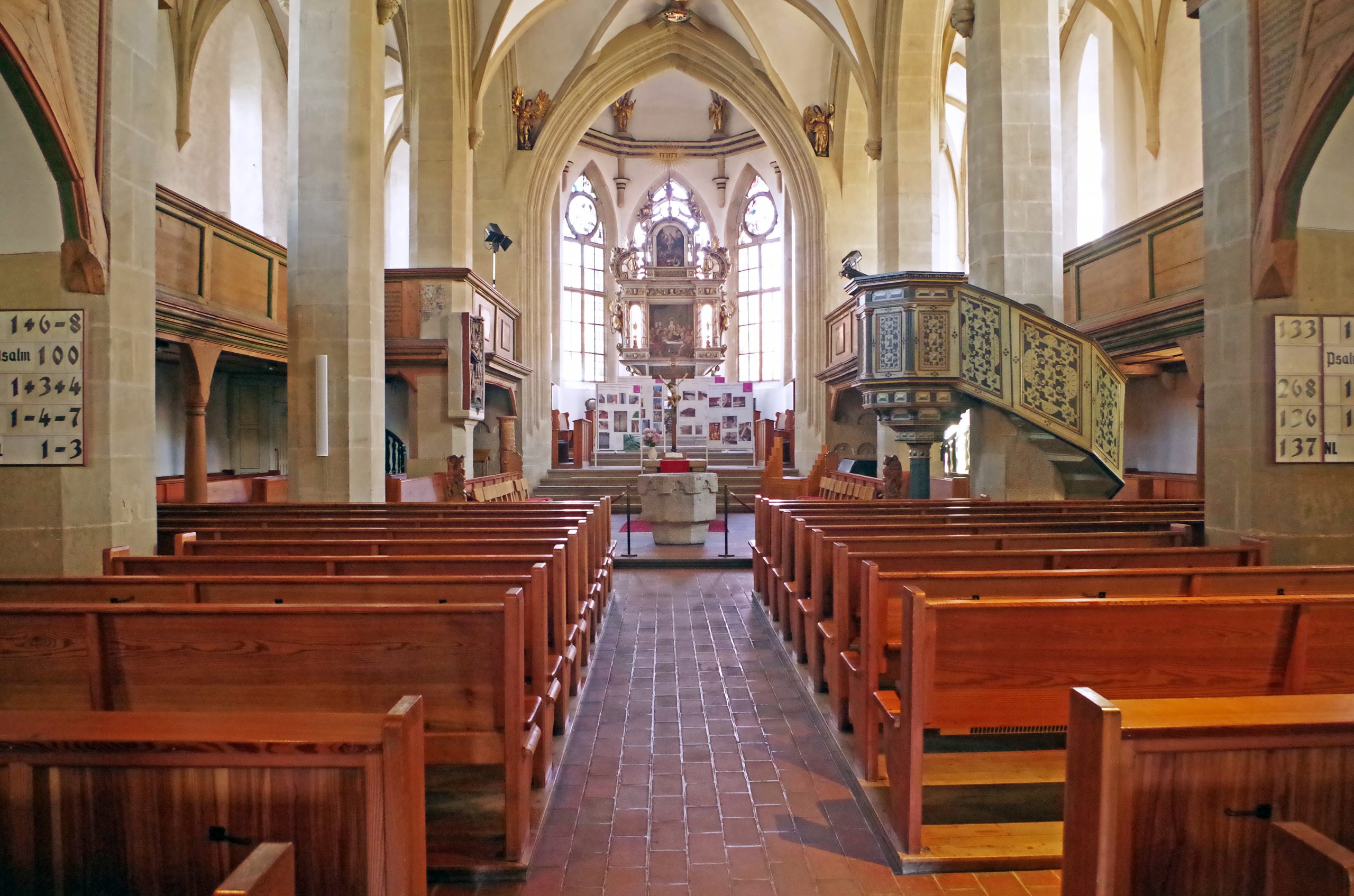
From our port in Würzburg, we traveled to Weikersheim, where we visited the Schloss Weikersheim Palace and  Gardens. Located in the Tauber valley, Weikersheim Palace (Schloss Weikersheim) lies at the heart of the small town of Weikersheim. With its beautiful garden, the palace embodies the Renaissance ideal of a country estate. A highlight is the richly decorated Rittersaal (knights’ hall), an exquisite example of Renaissance architecture in southwestern Germany. Dating from 1600, it is one of the best preserved halls from that era. The vast panelled ceiling, with its colourful hunting scenes is remarkably preserved. Afterward, we visited the Church of St Georg, also in Weikersheim.

Schloss Weikersheim Palace
The Rittersaal at Schloss Weikersheim Palace, Weikersheim
Ceilings in the Rittersaal at Schloss Weikersheim Palace, Weikersheim
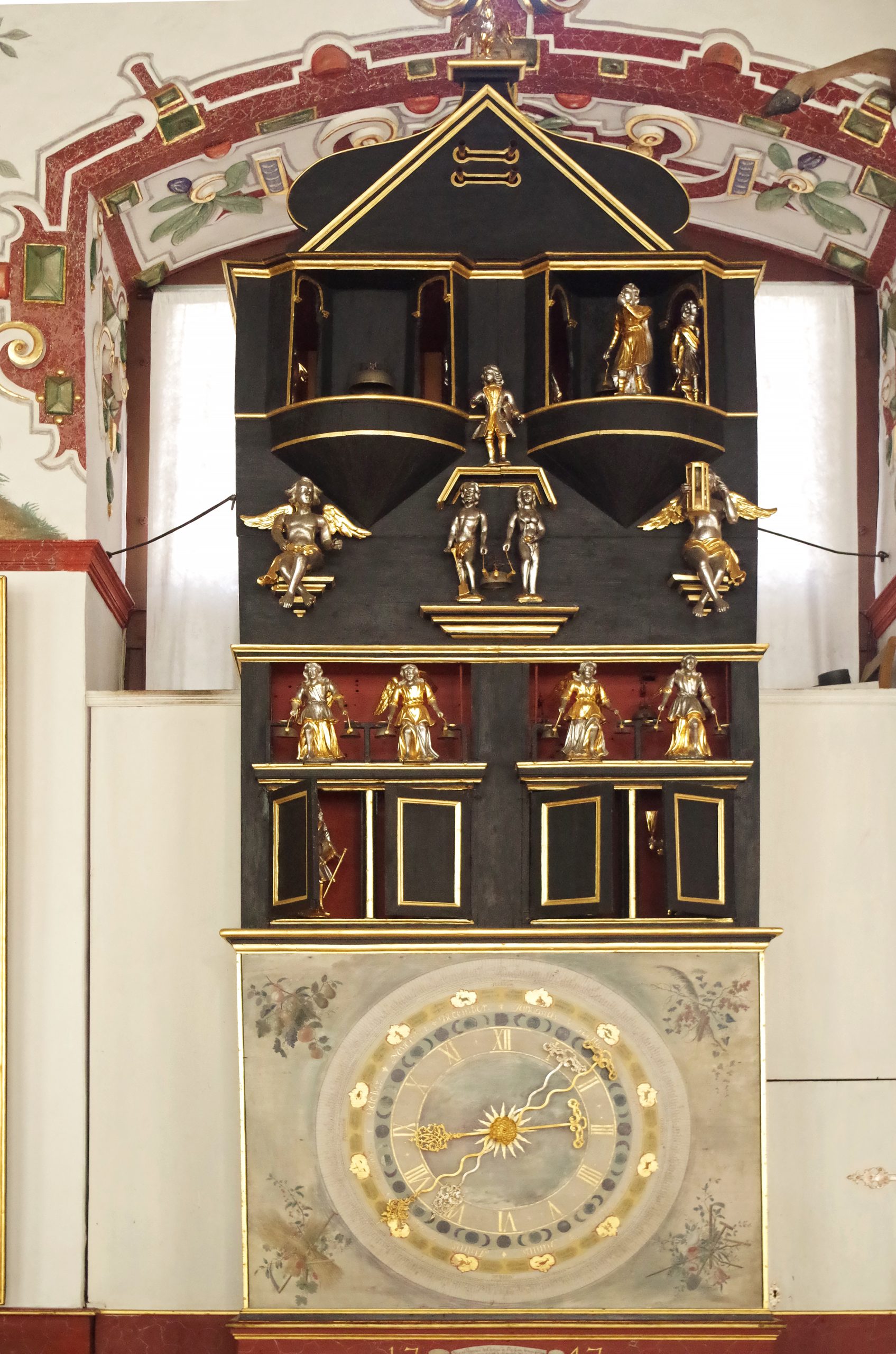
Ceilings in the Clockworks in the Rittersaal at Schloss Weikersheim Palace, Weikersheim
Clockworks in the Rittersaal at Schloss Weikersheim Palace, Weikersheim
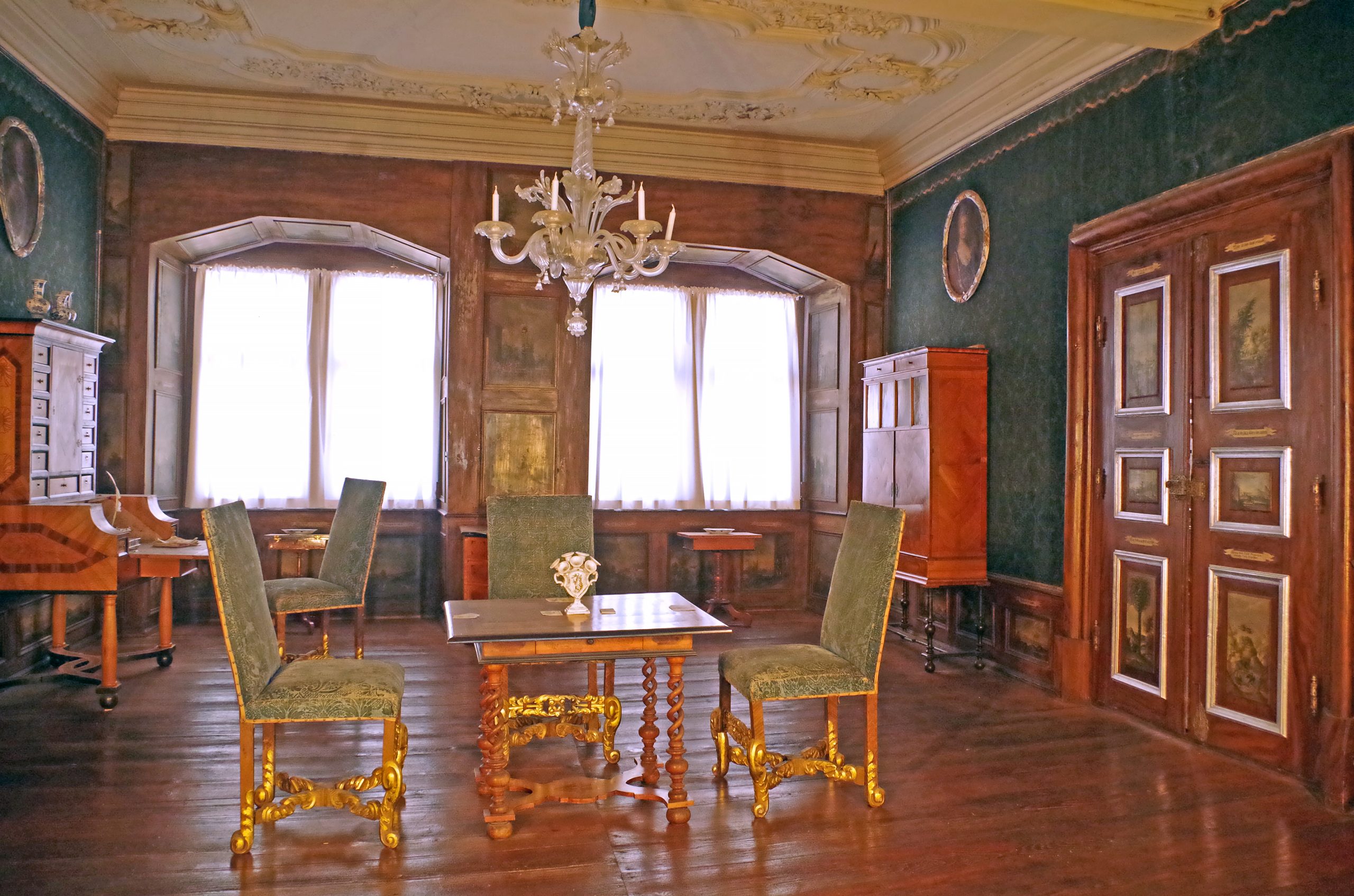
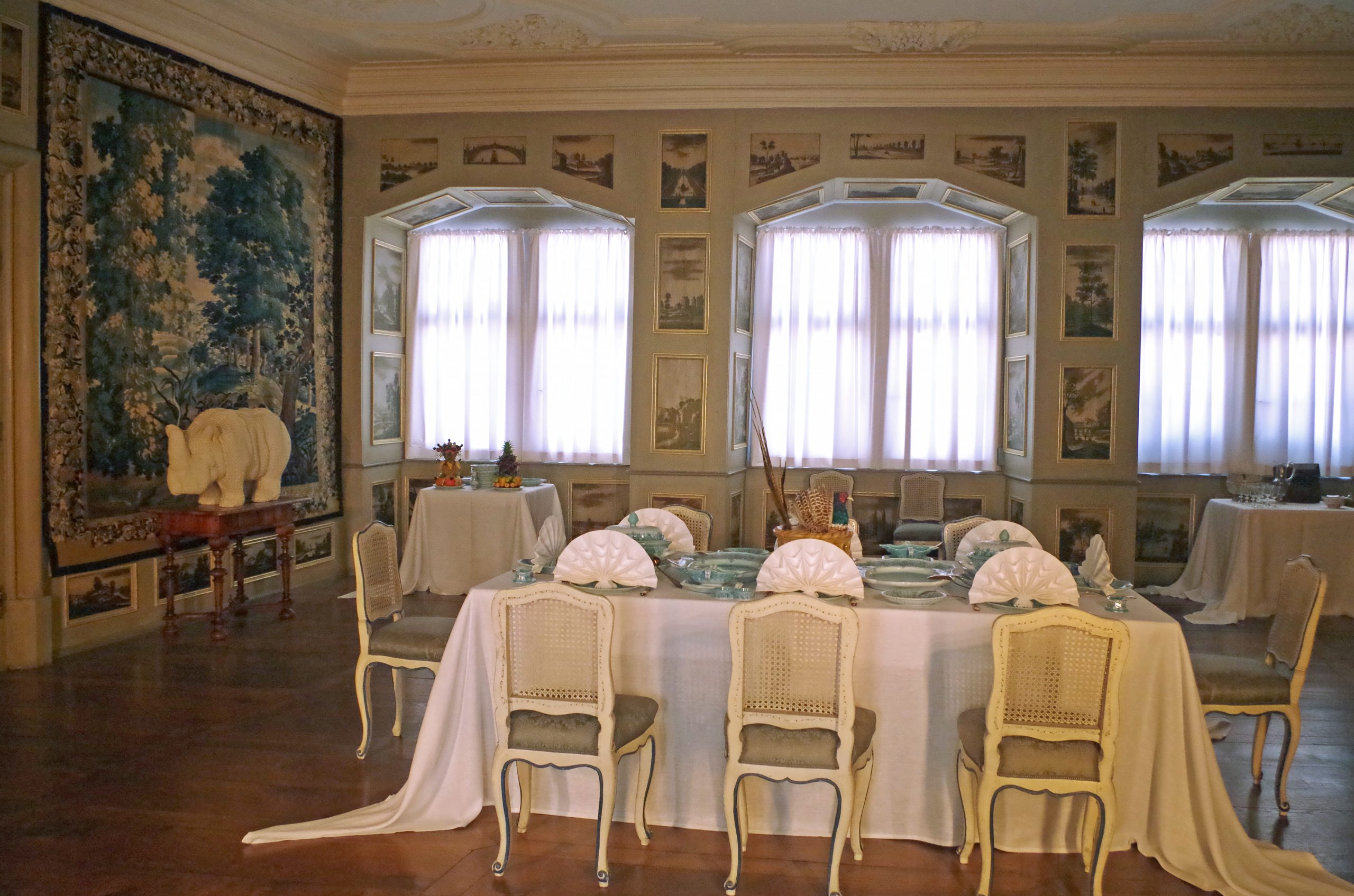
Room in the Schloss Weikersheim Palace, Weikersheim
Rooms in the Schloss Weikersheim Palace, Weikersheim
Ceiling in the Schloss Weikersheim Palace, Weikersheim
Ceiling detail in the Schloss Weikersheim Palace, Weikersheim
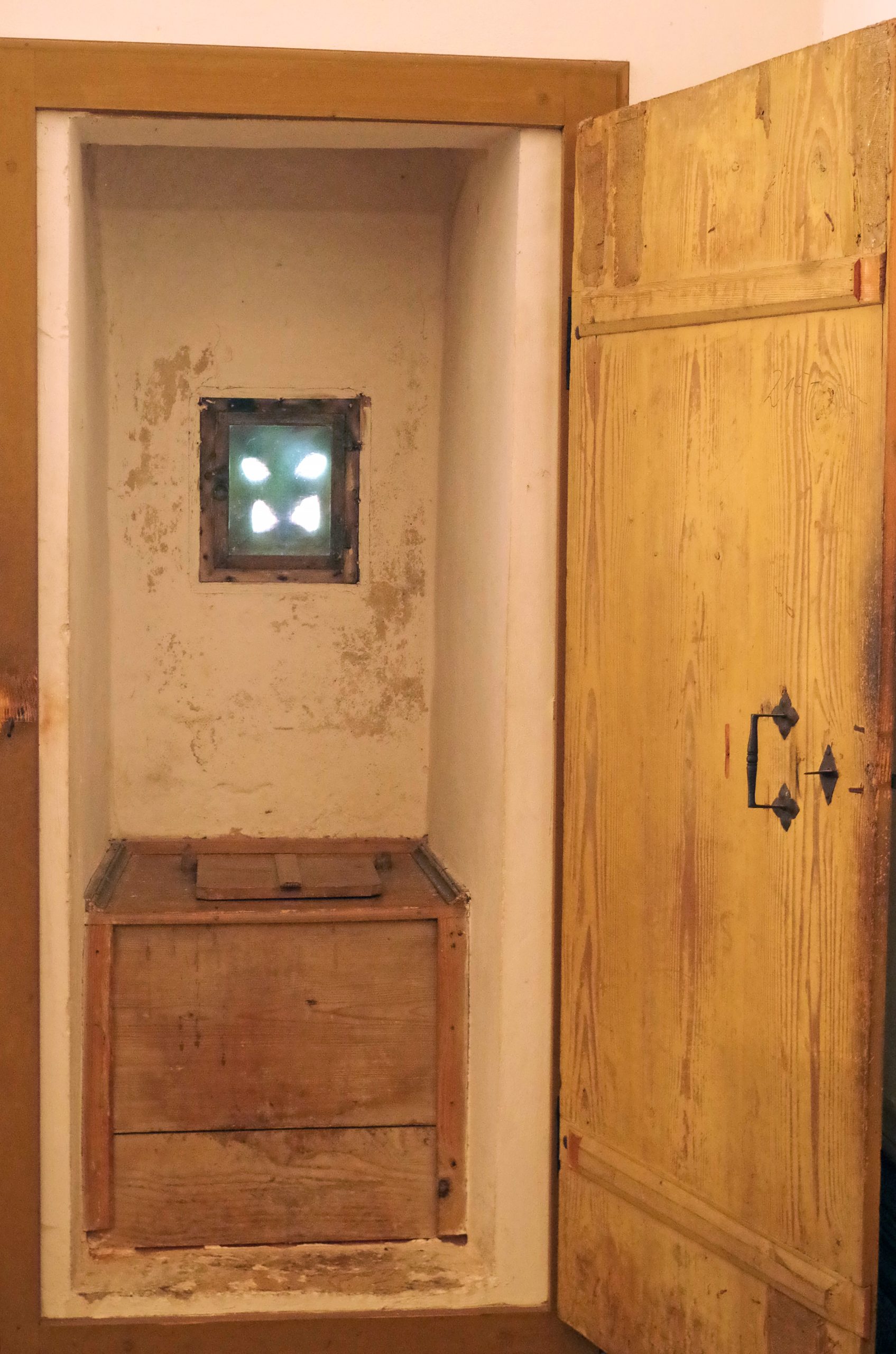
Early plumbing in the Schloss Weikersheim Palace, Weikersheim
Church of St Georg, Weikersheim
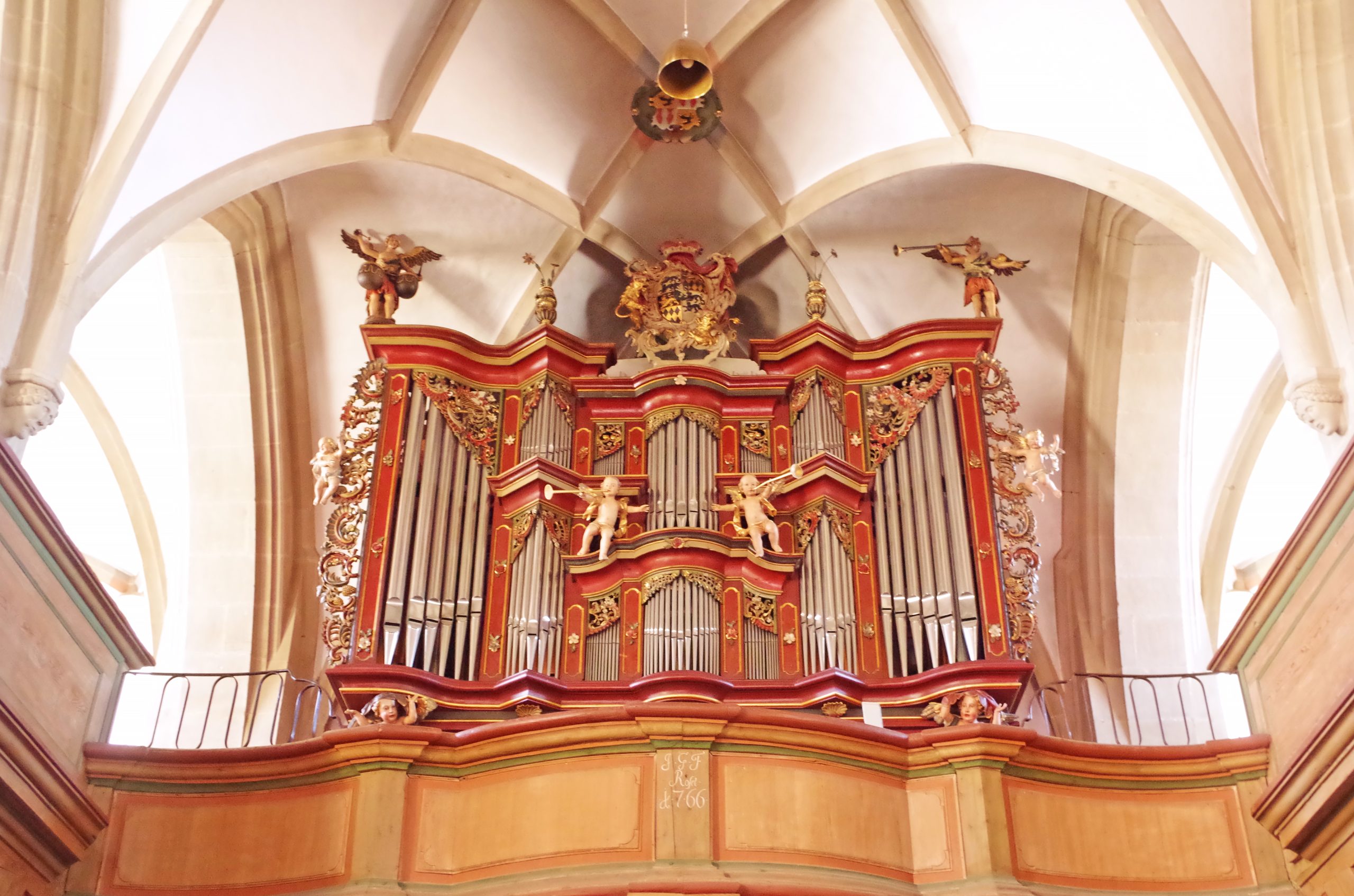
Organ at Church of St Georg, Weikersheim

Bamberg, Germany

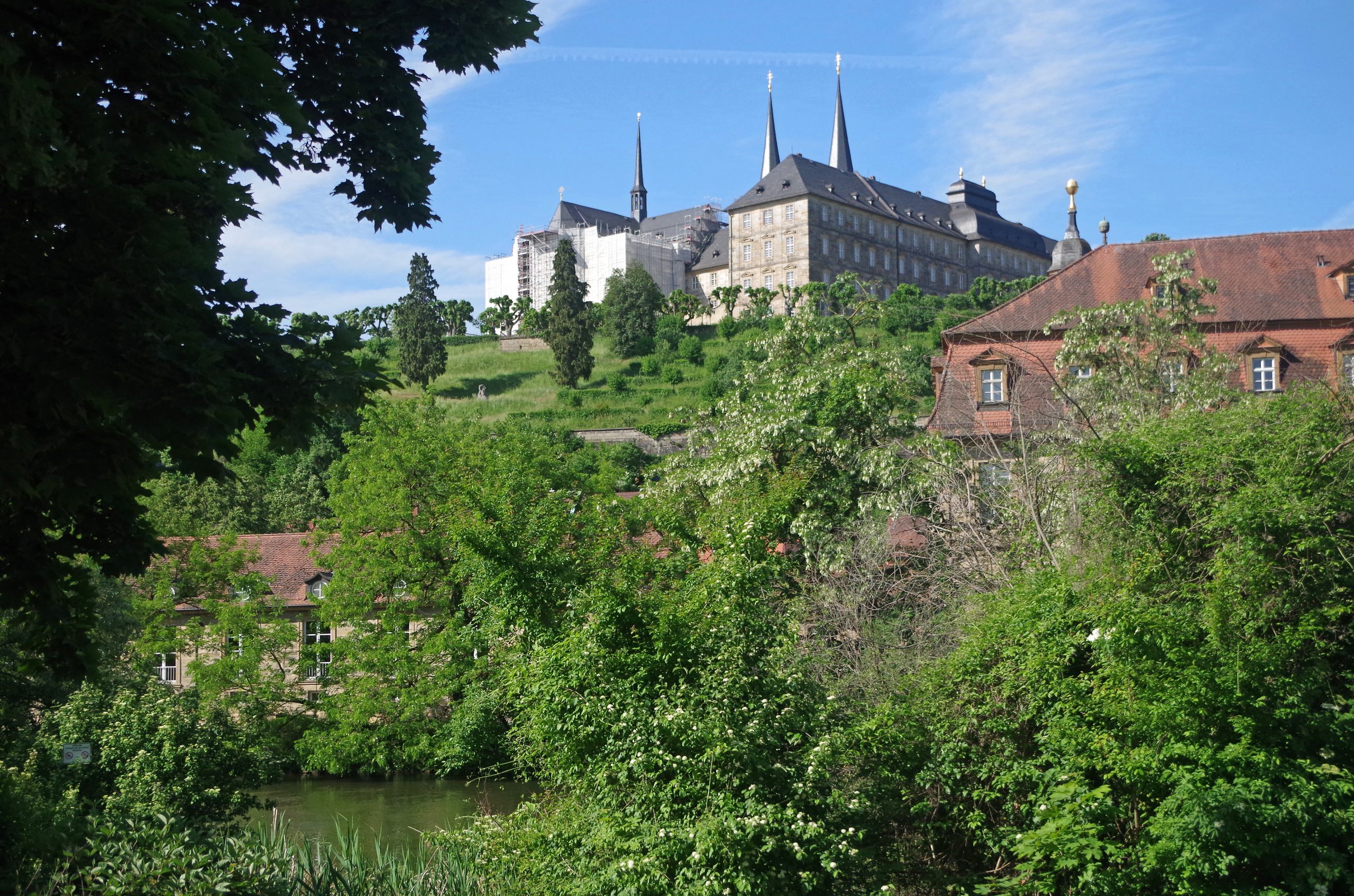
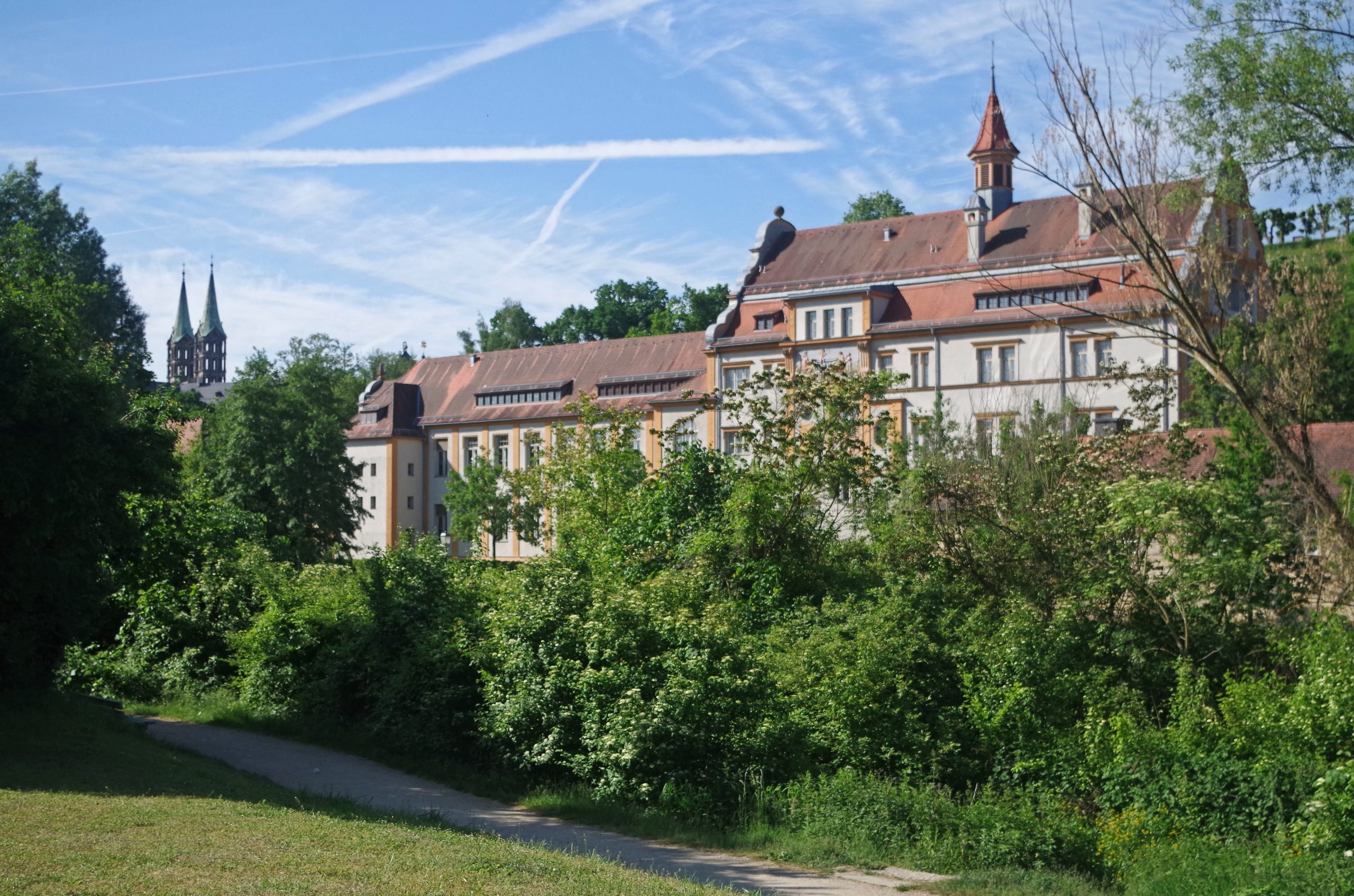
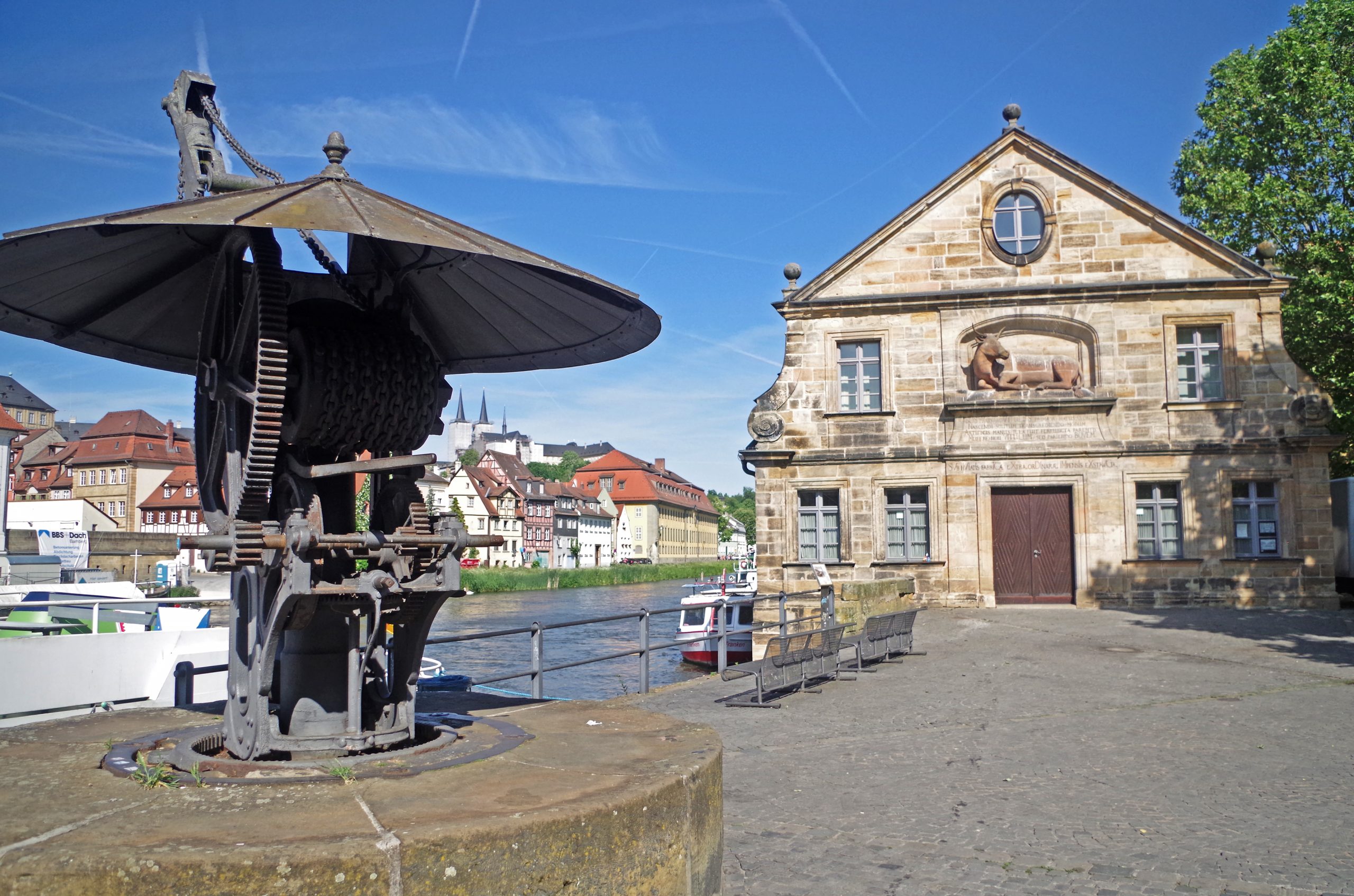
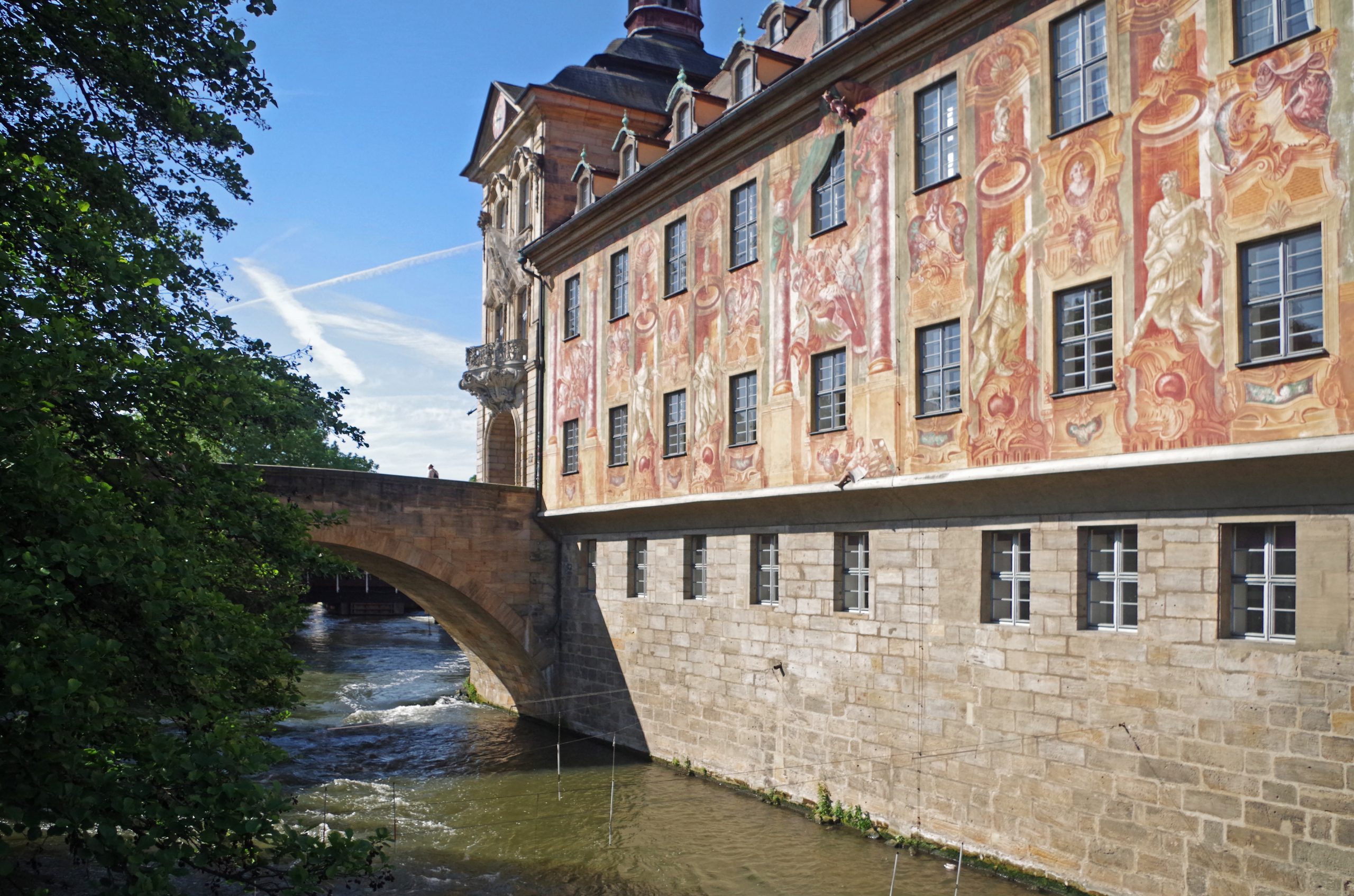
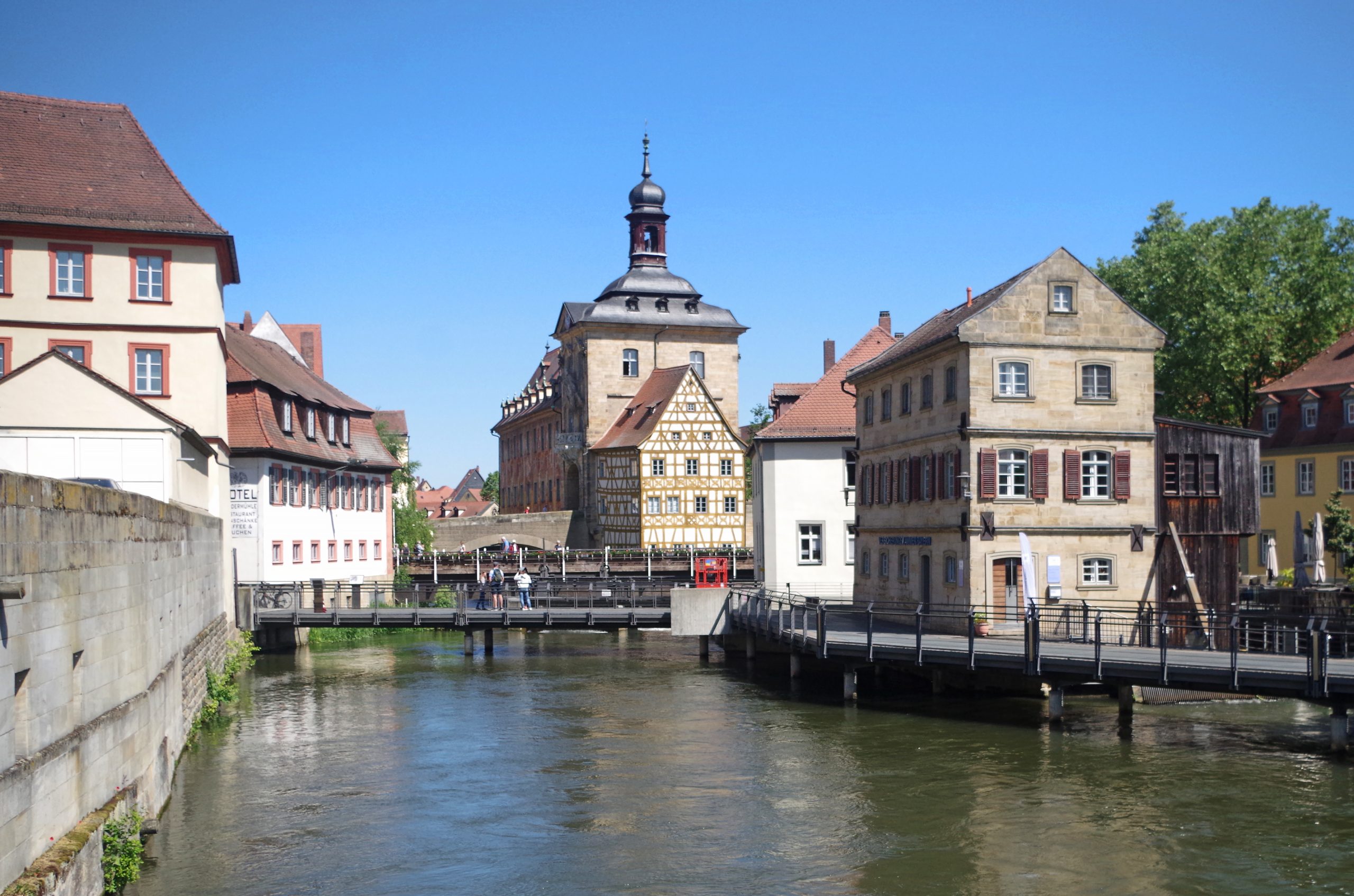
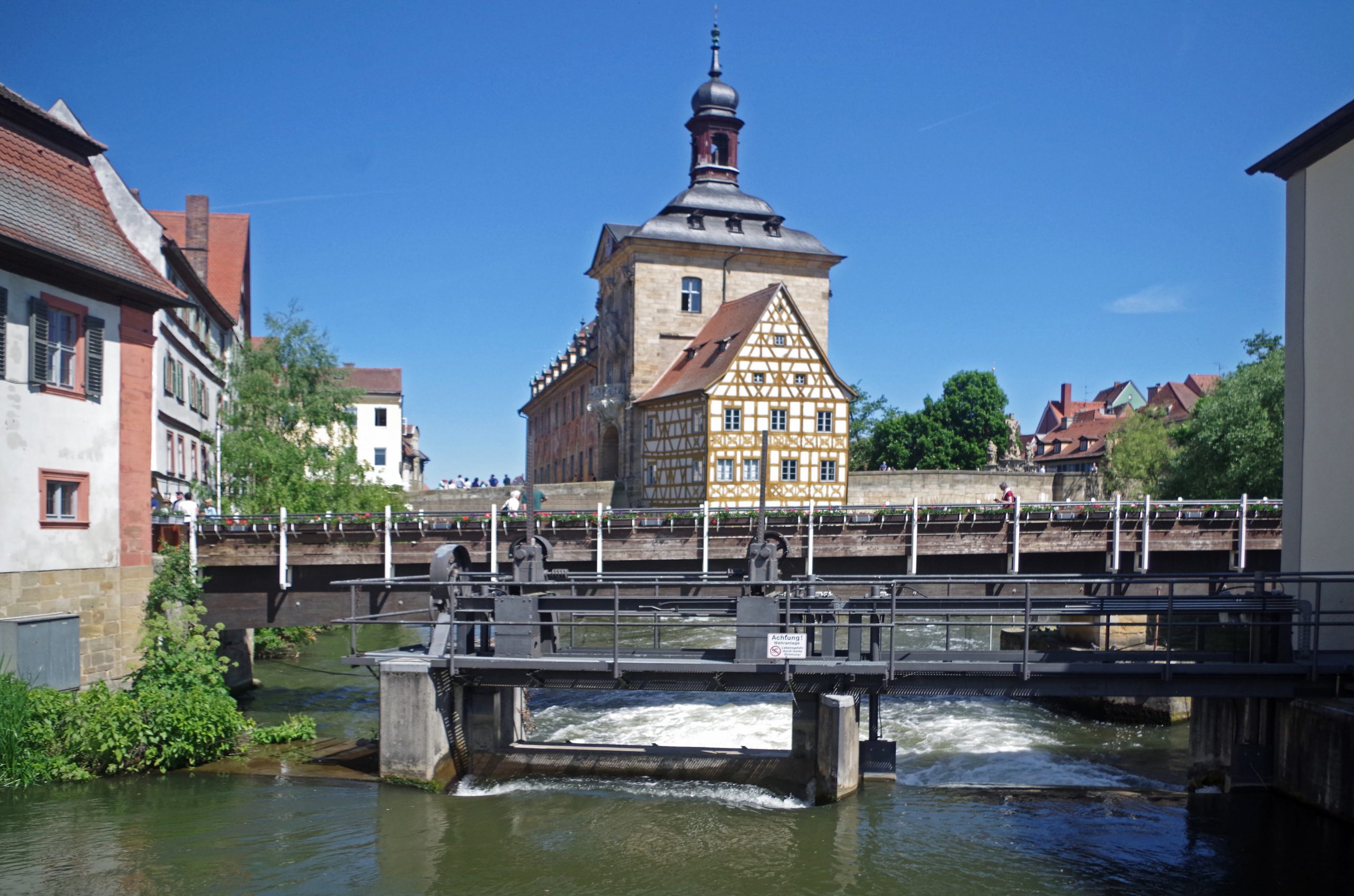
Our next stop was Bamberg, a town in Northern Bavaria, which is nonetheless in Southern Germany. We took a walking tour of the Old Town of Bamberg, which is otherwise a university town with a vibrant student population. Bamberg is also the home of Schlenkerla, its famous smoked beer, which we were served along with Bavarian pretzels. Considered one of Germany’s most beautiful towns, with its medieval street and old city wall, Bamberg is also a UNESCO World Heritage Site.

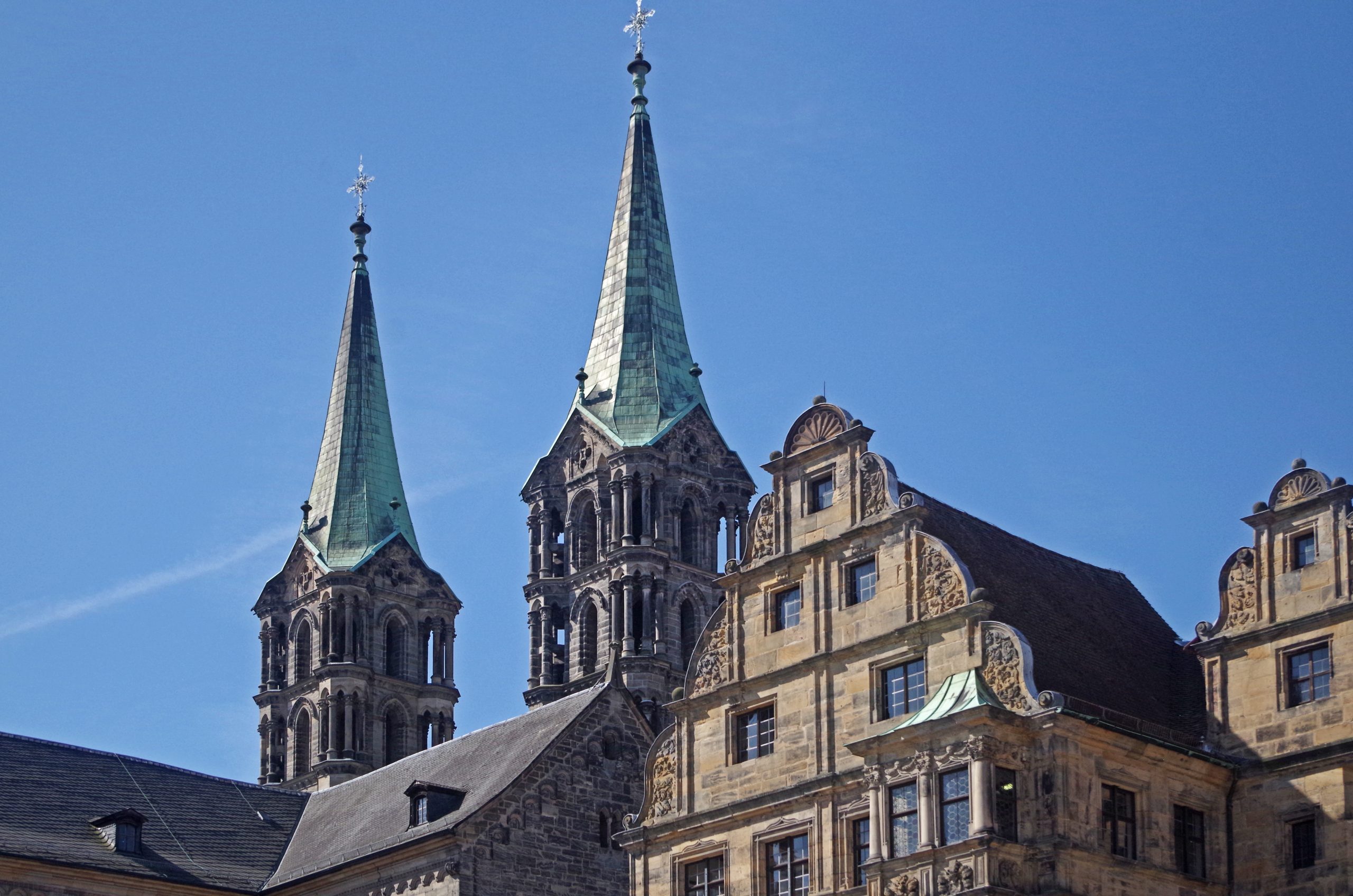
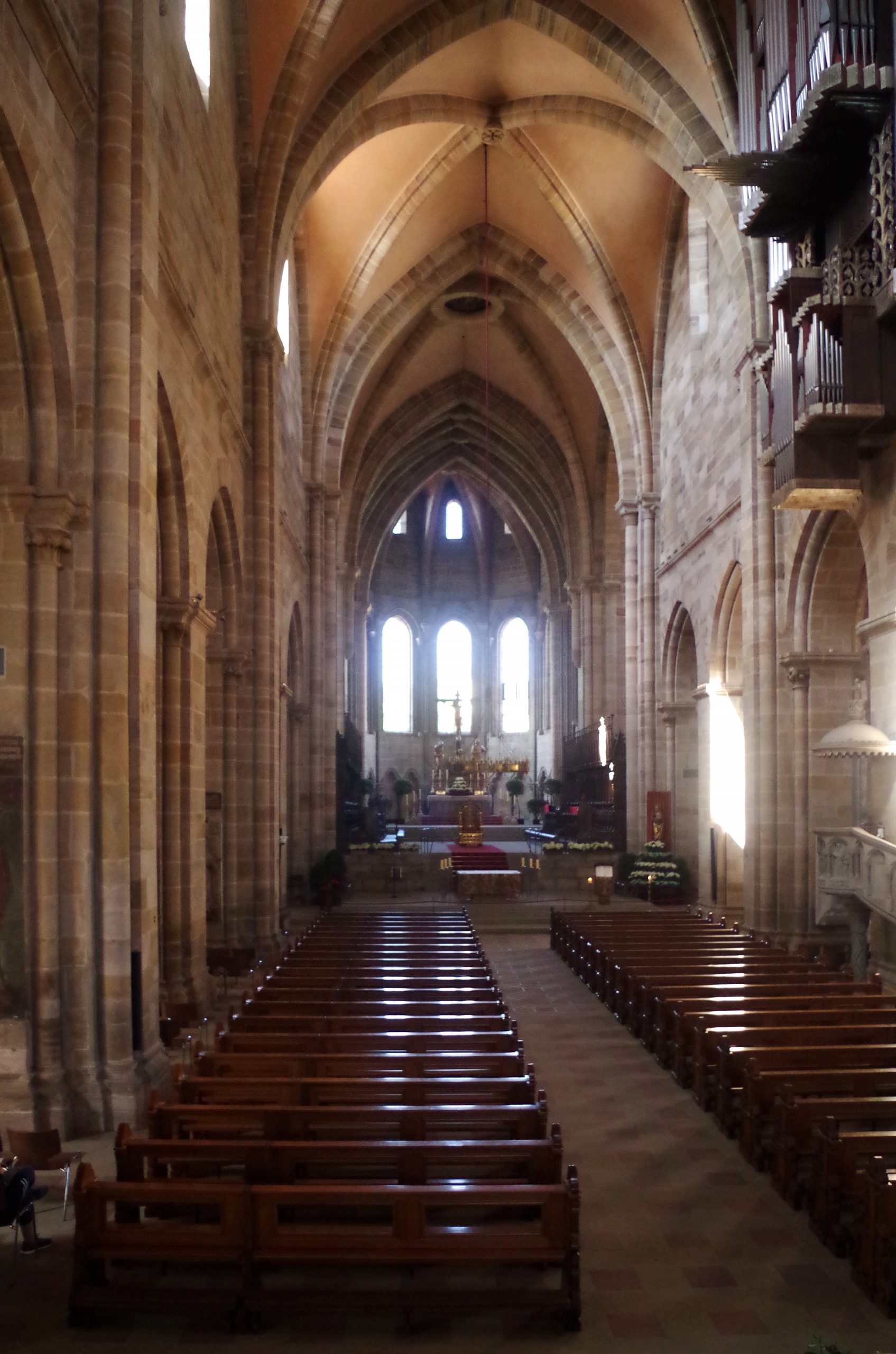
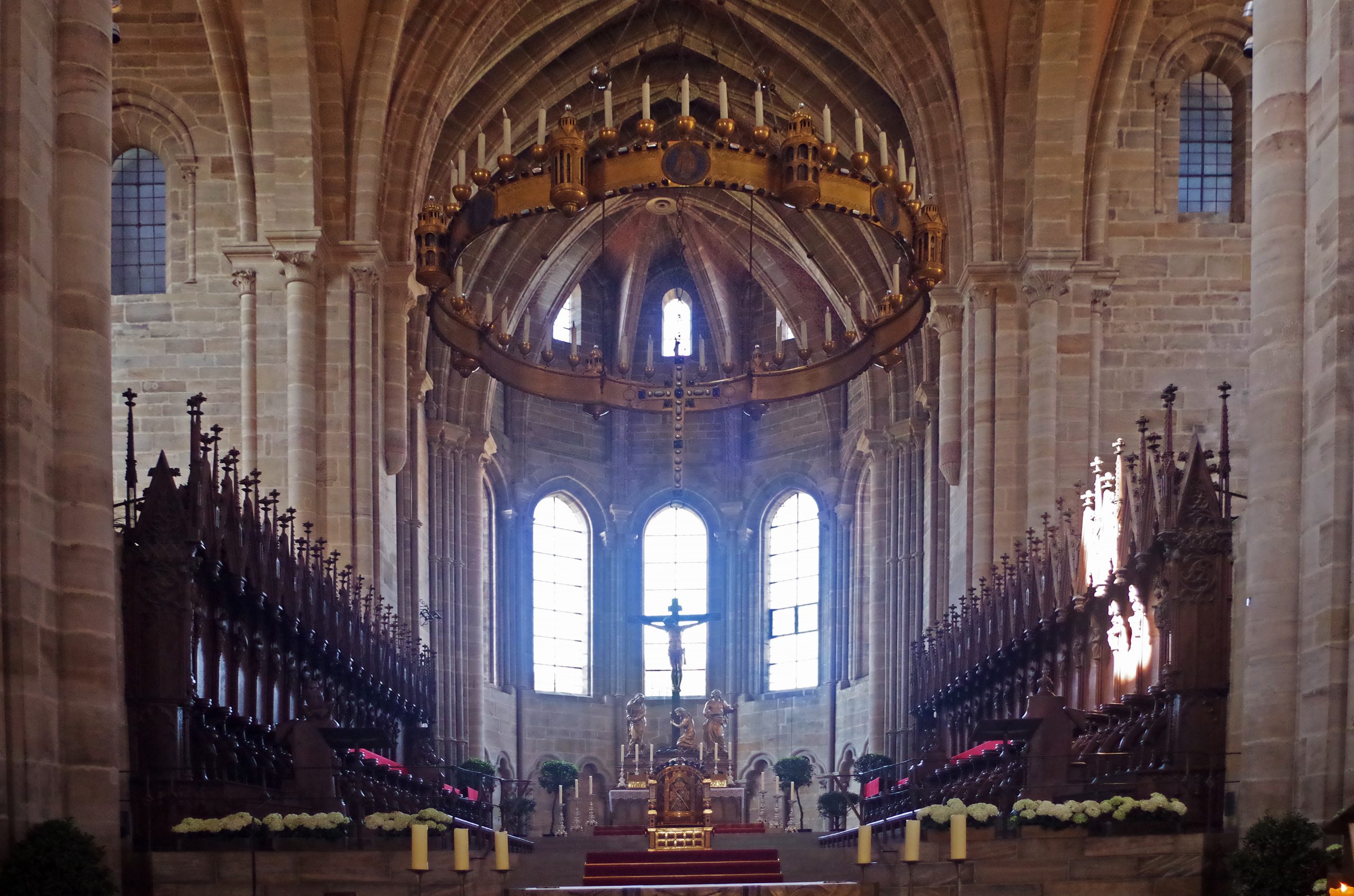
Bamberg Cathedral
Bamberg Cathedral
Bamberg Cathedral
Bamberg Cathedral
Bamberg Cathedral
Bamberg Cathedral
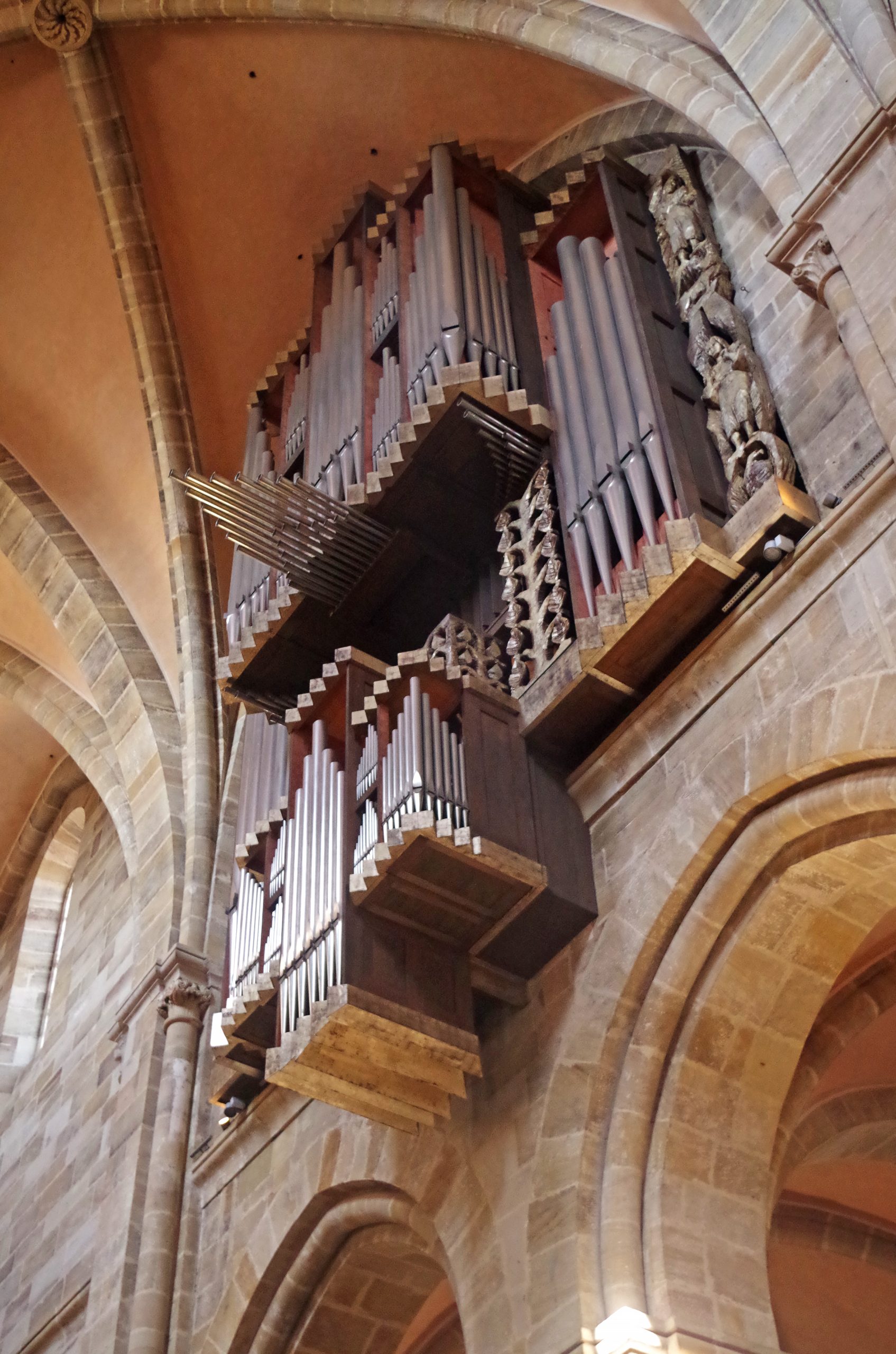
Bamberg Cathedral Organ
Walking tour of the Old City, Bamberg
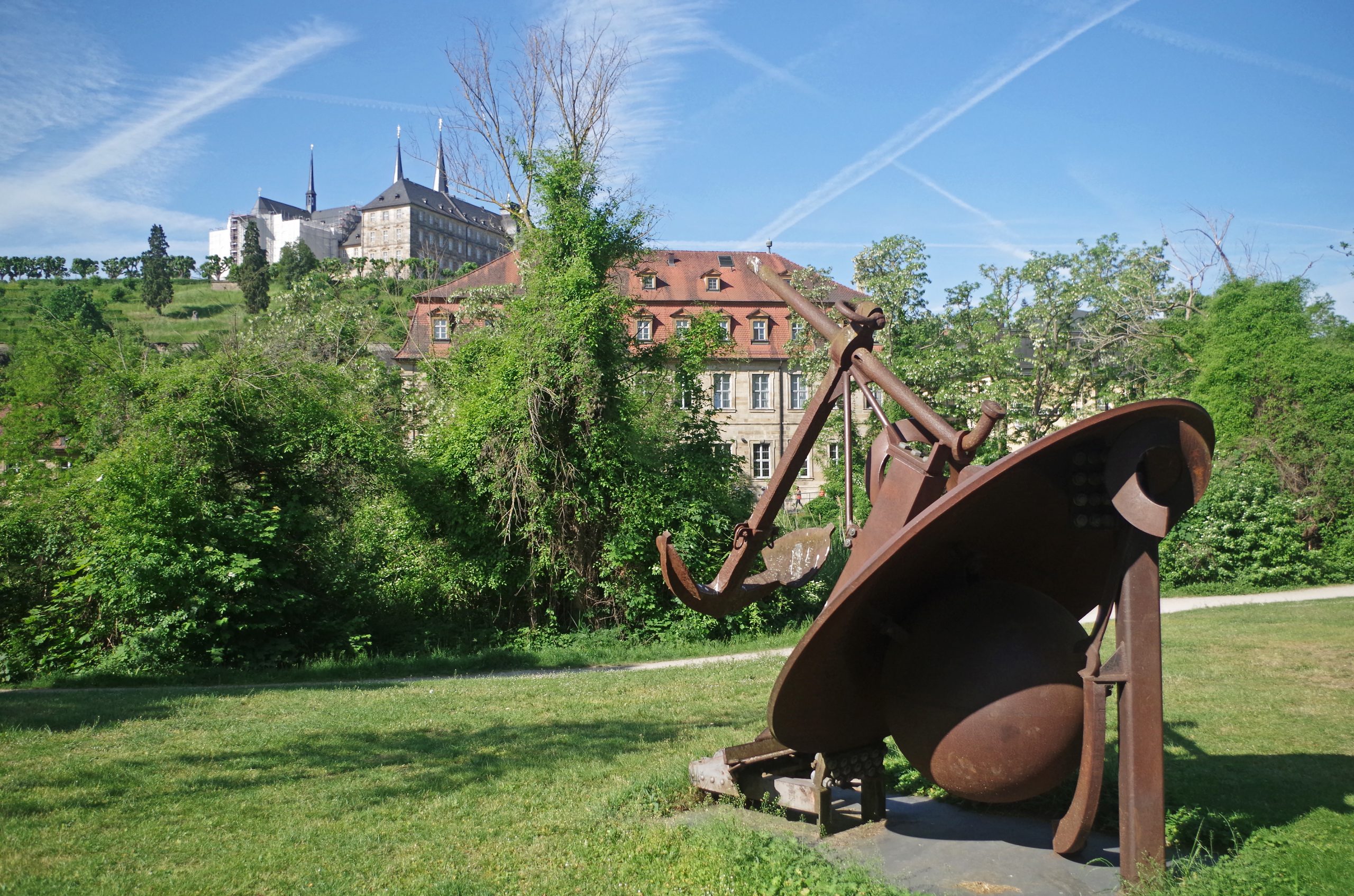
Bernhard Luginbuhl Sculpture Anchor Figure,Bamberg
Walking tour of the Old City, Bamberg
Doorway along walking tour of the Old City, Bamberg
Walking tour of the Old City, Bamberg
Mural along walking tour of the Old City, Bamberg
Canal along walking tour of the Old City, Bamberg
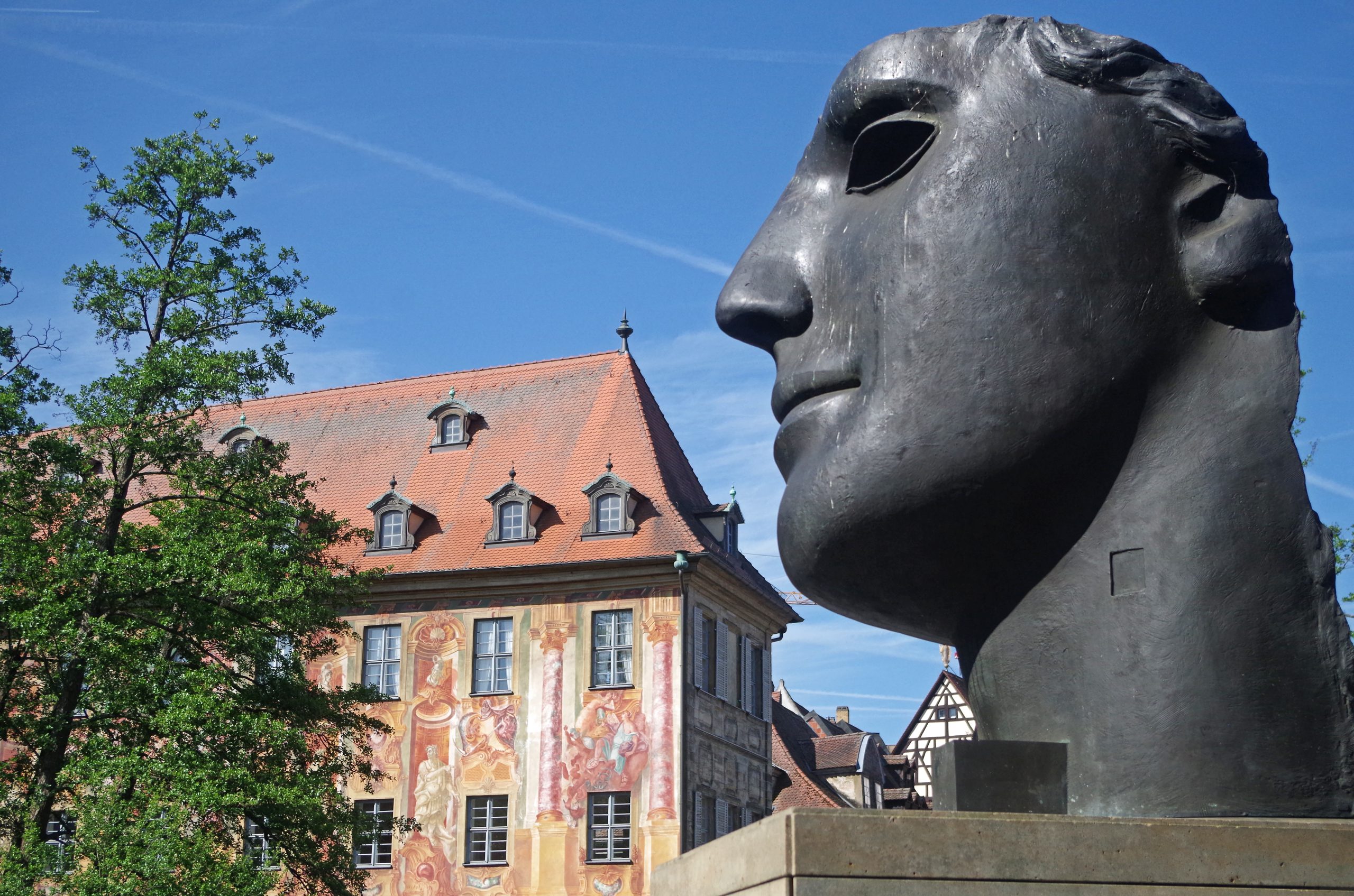
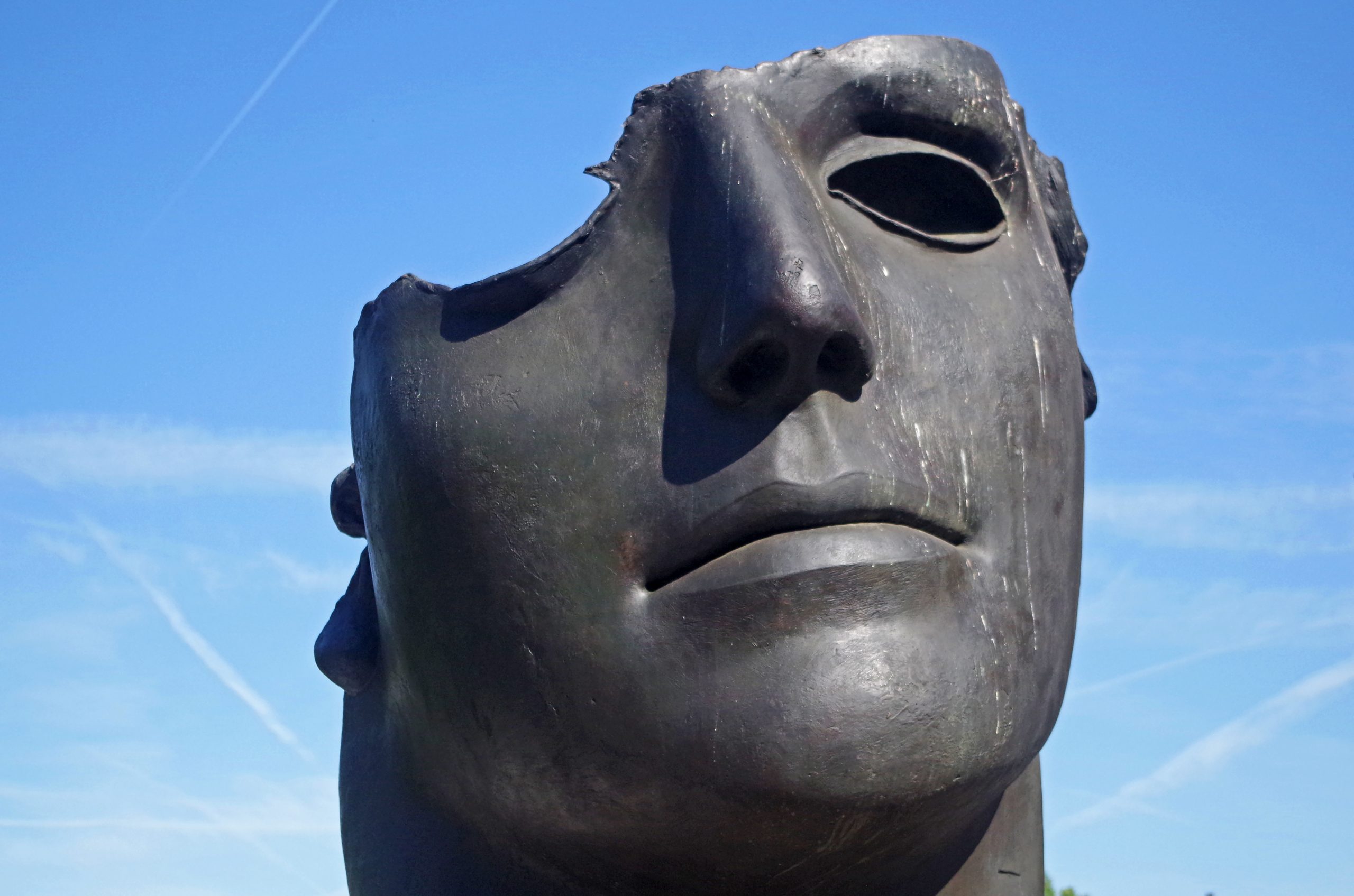
Igor Mitoraj Centurione I Sculpture in the Old City, Bamberg
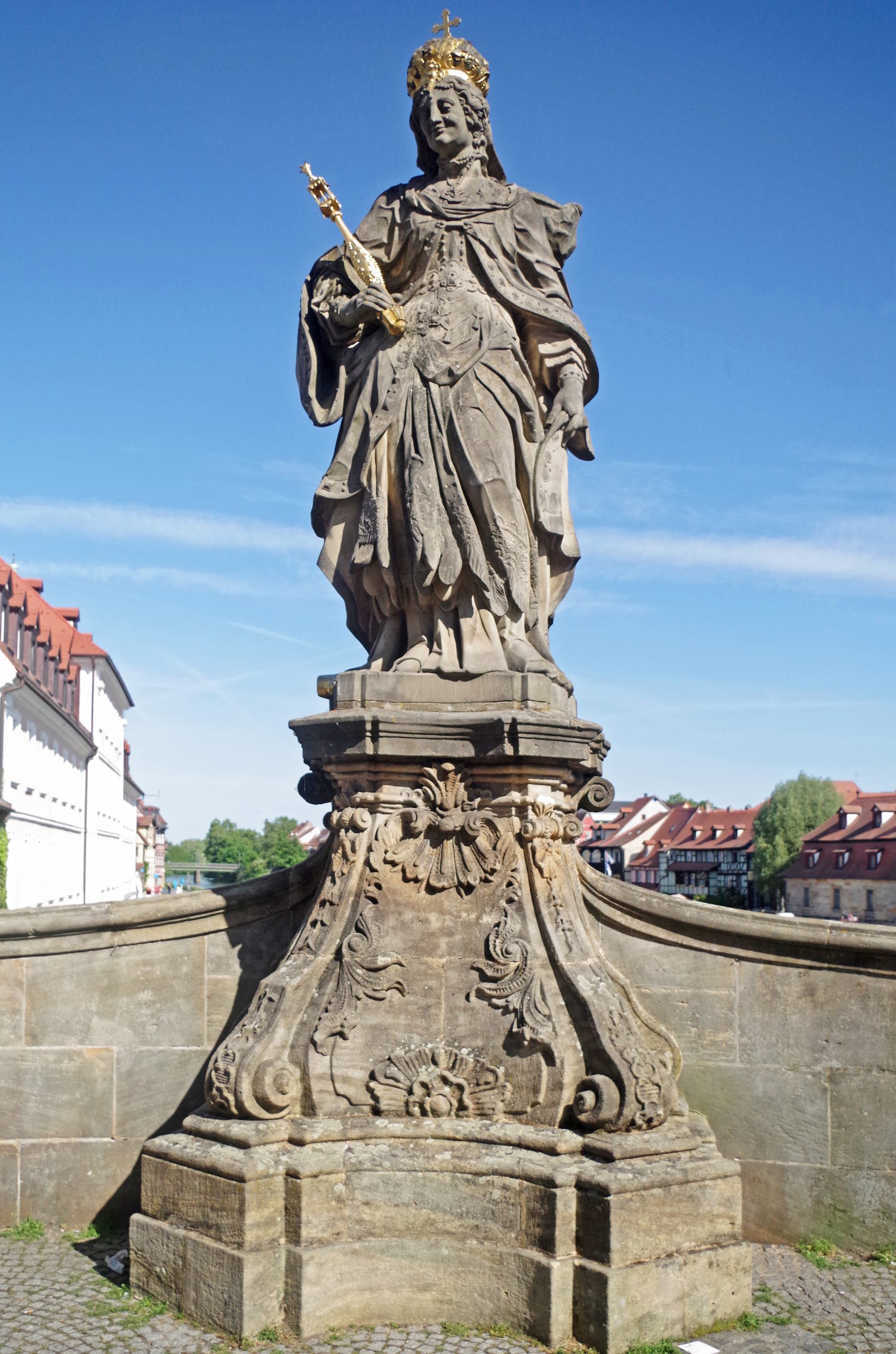
Kaiserin Kunigunde Statue in the Old City, Bamberg
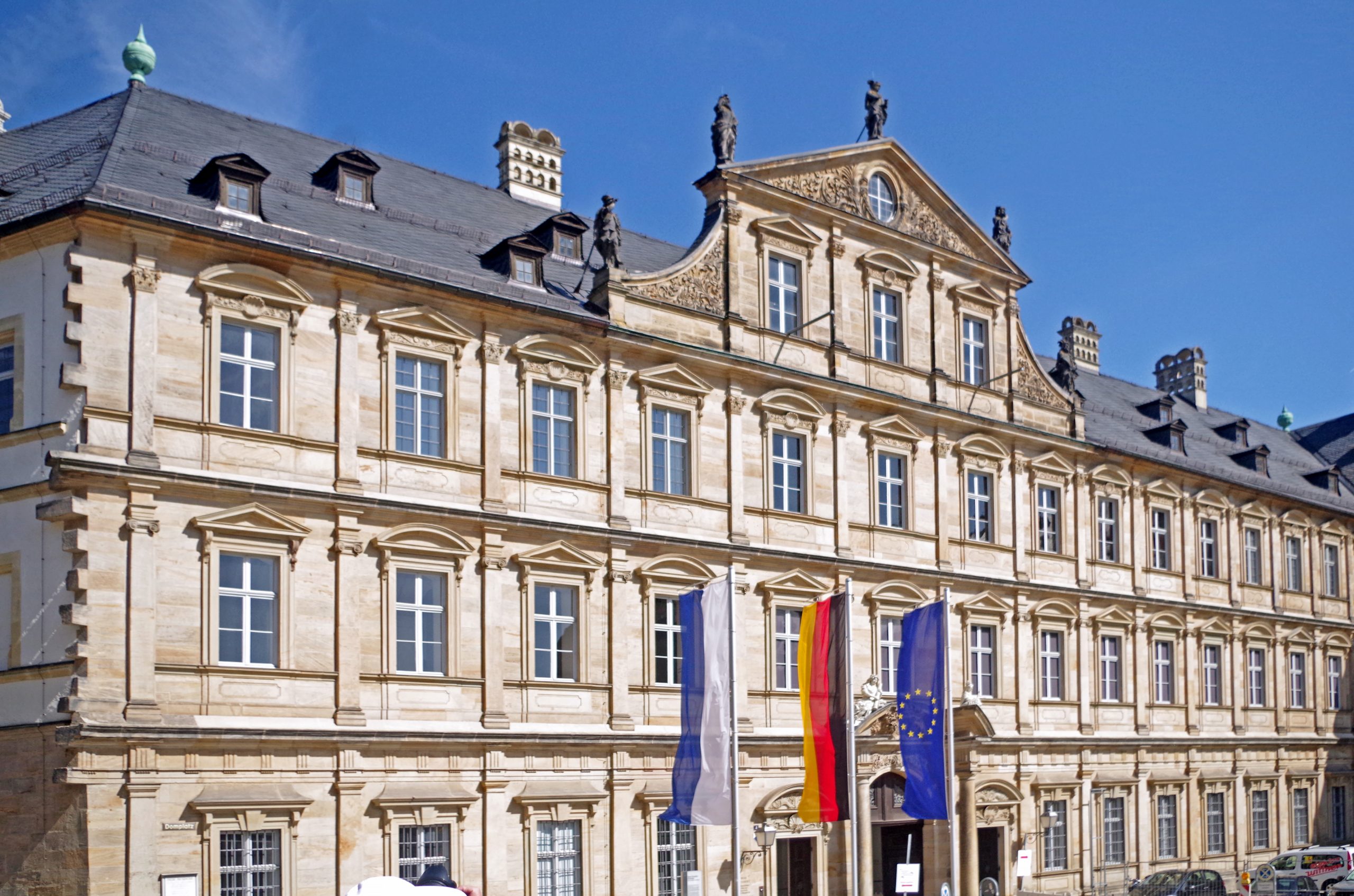
Neue Residenz in the Old City, Bamberg
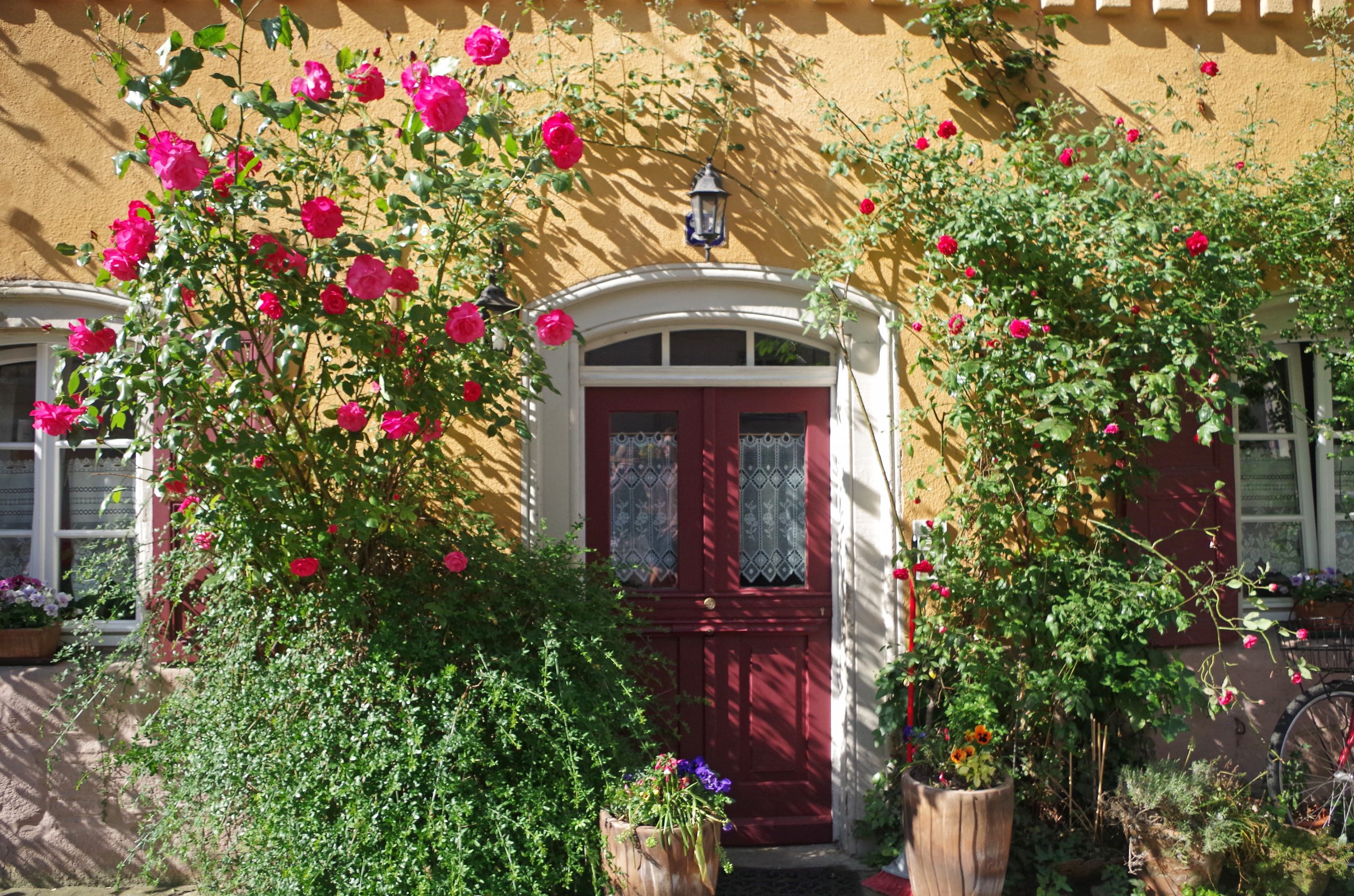
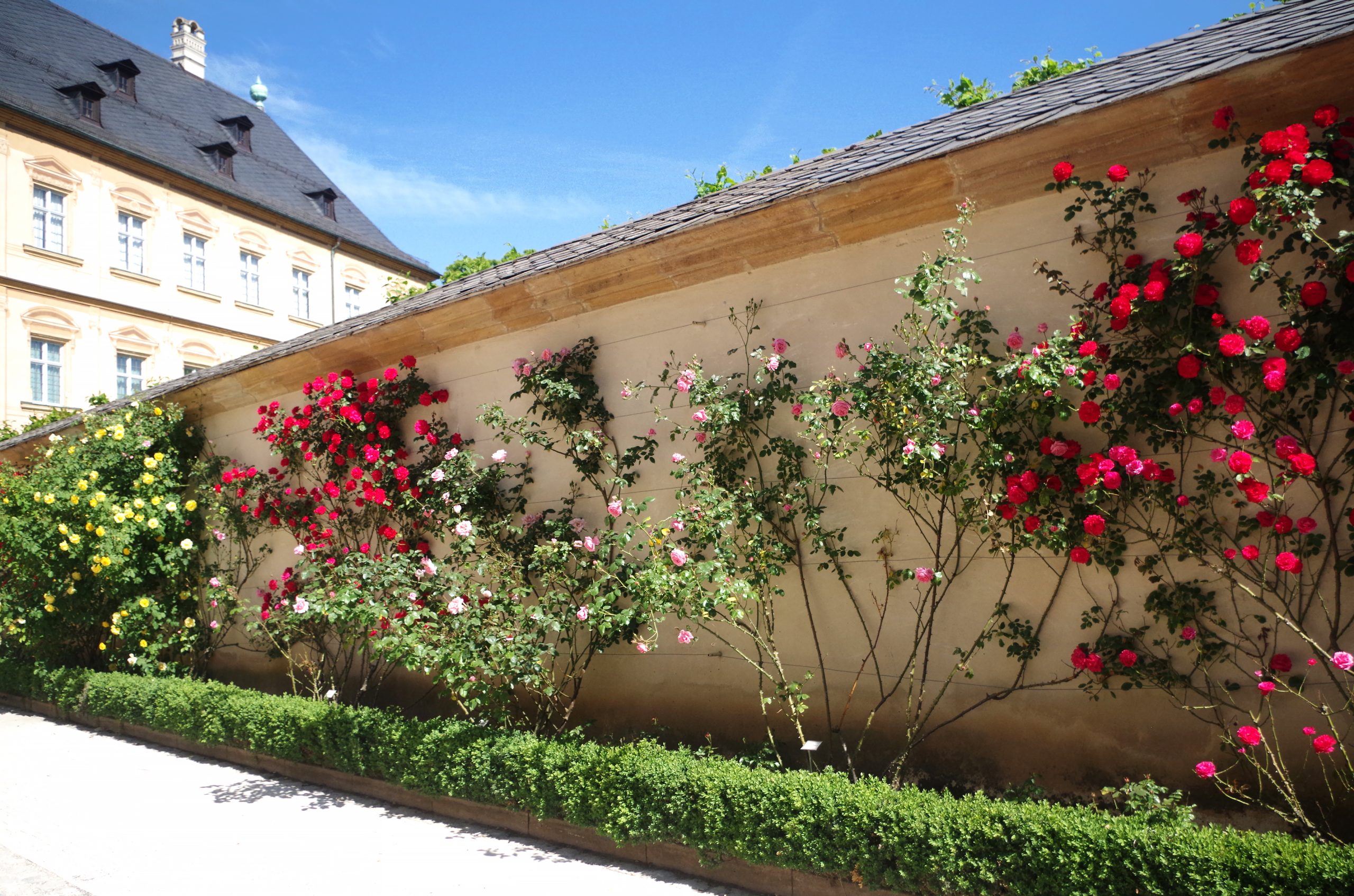
Rose wall at the Neue Residenz in the Old City, Bamberg
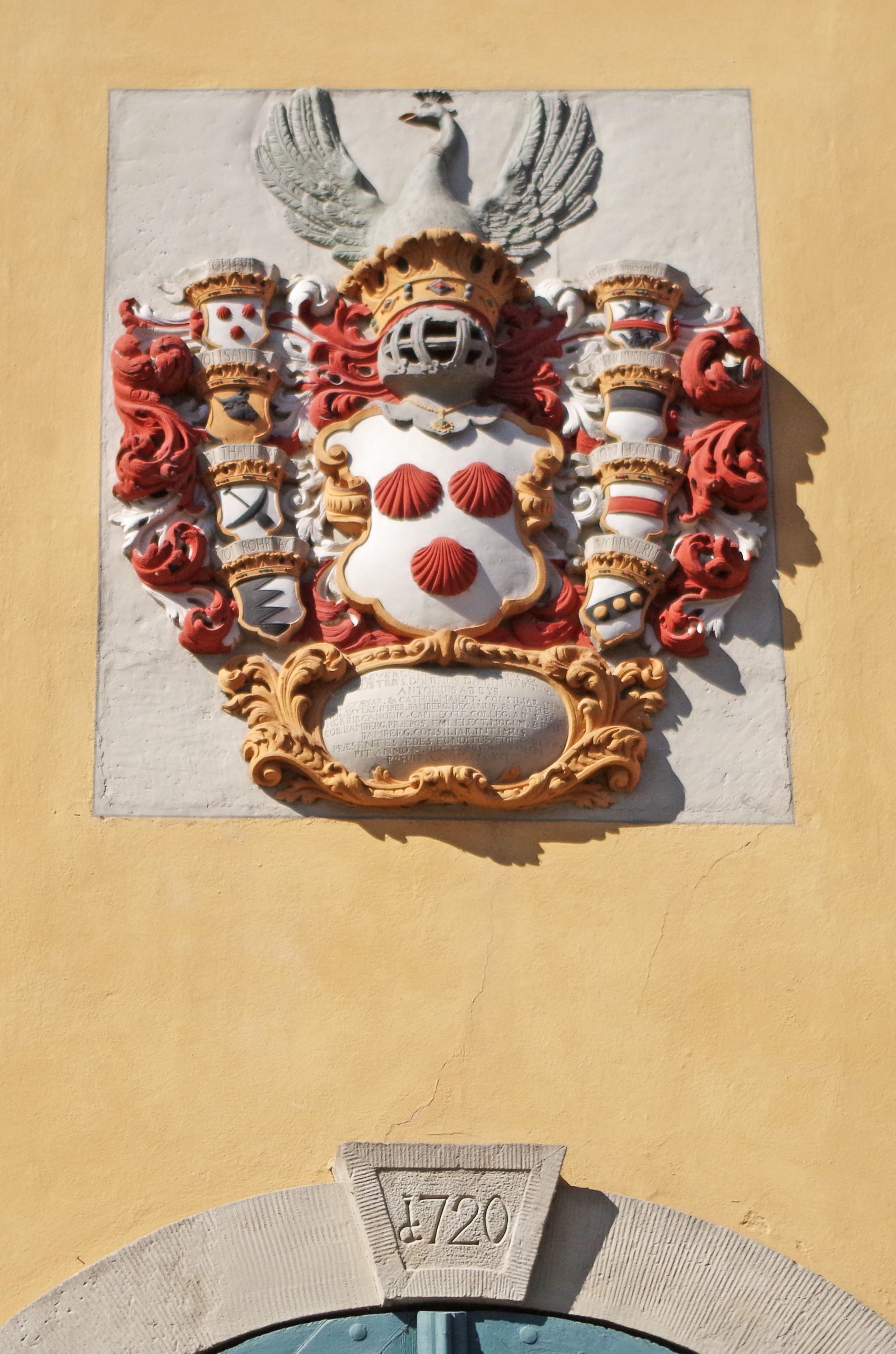
Crest above doorway in the Old City, Bamberg
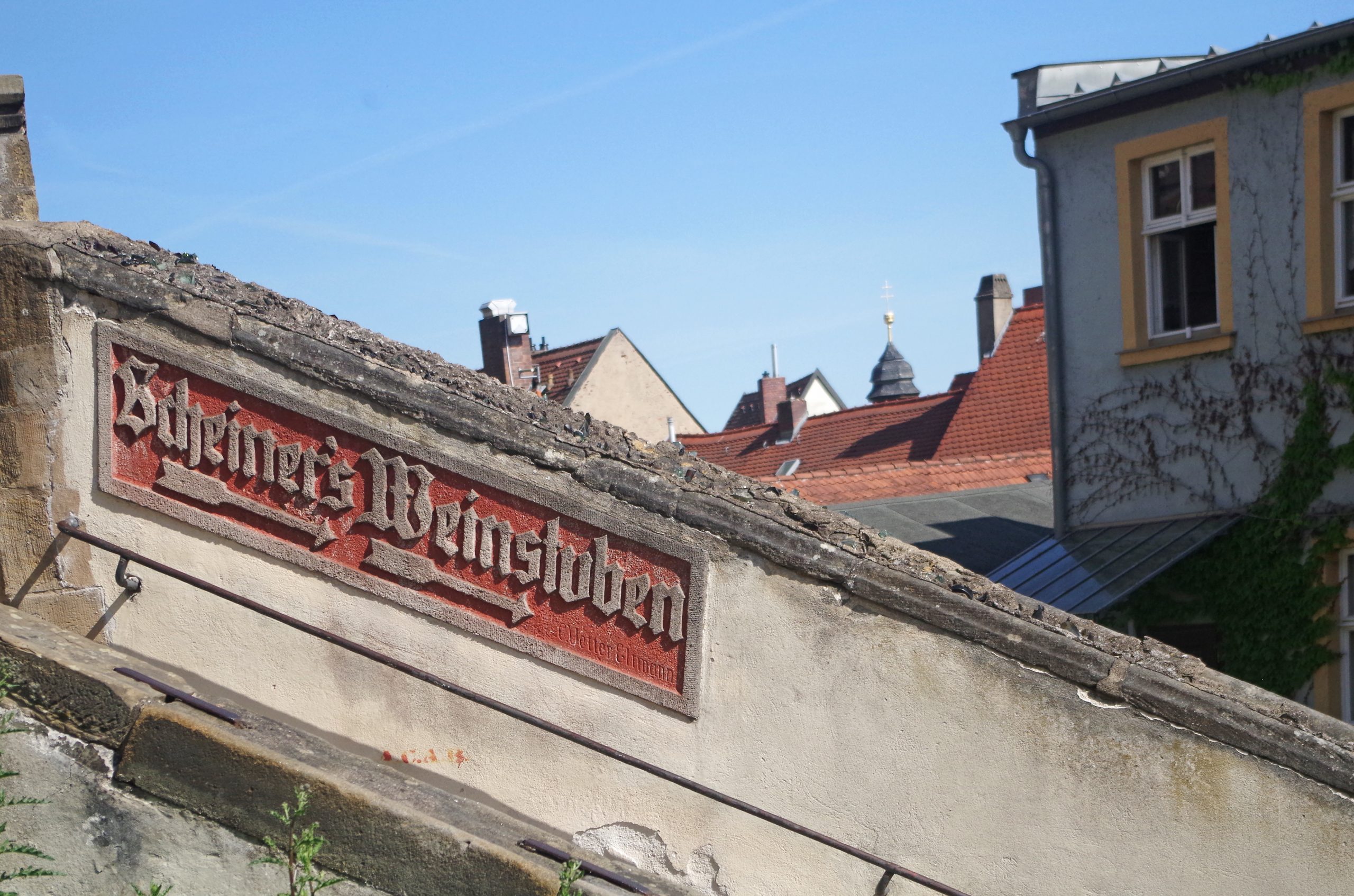
Scheiners Weinstuben Sign in the Old City, Bamberg
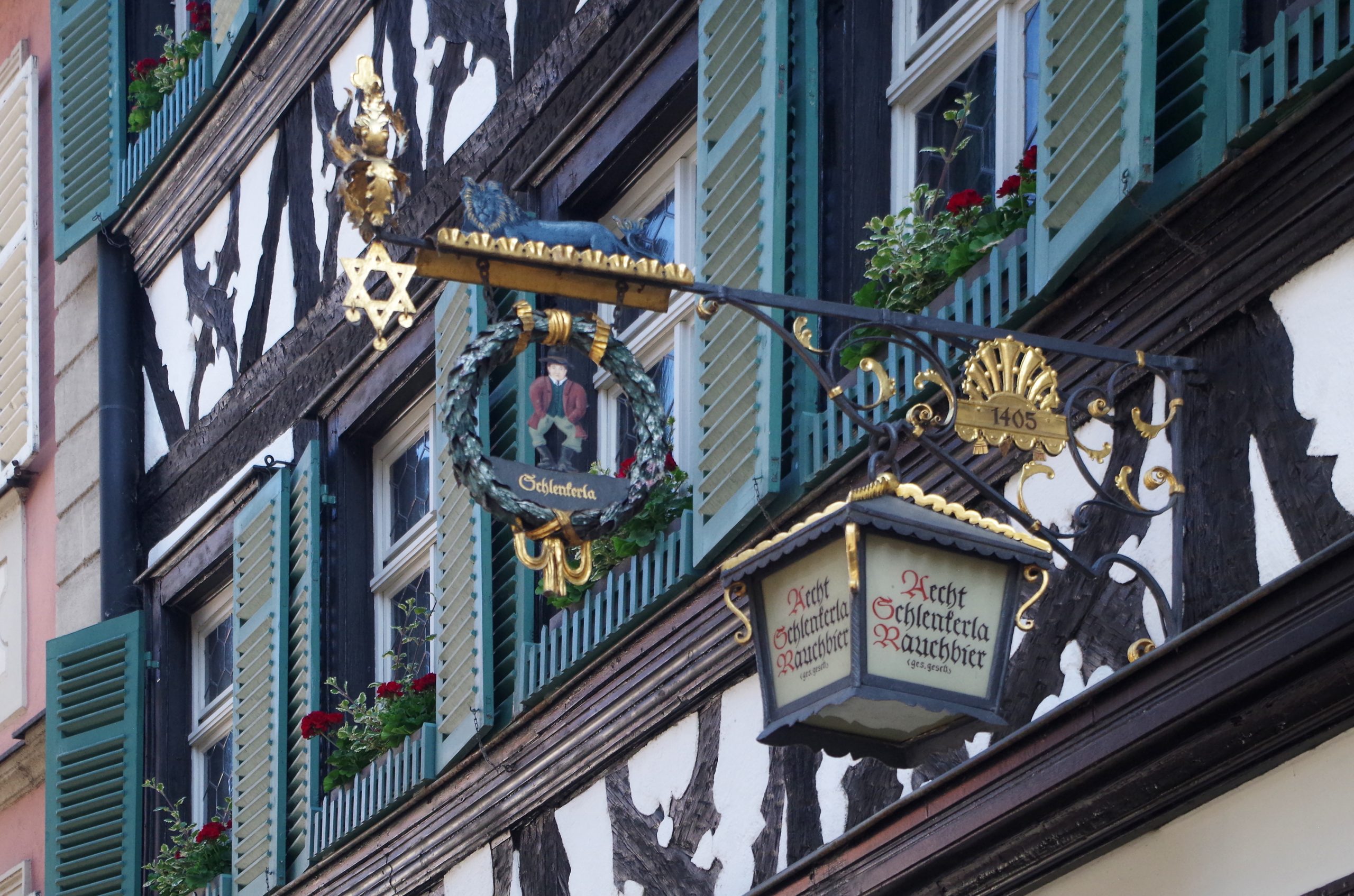
Schlenkerla Smoked Beer Sign in the Old City, Bamberg
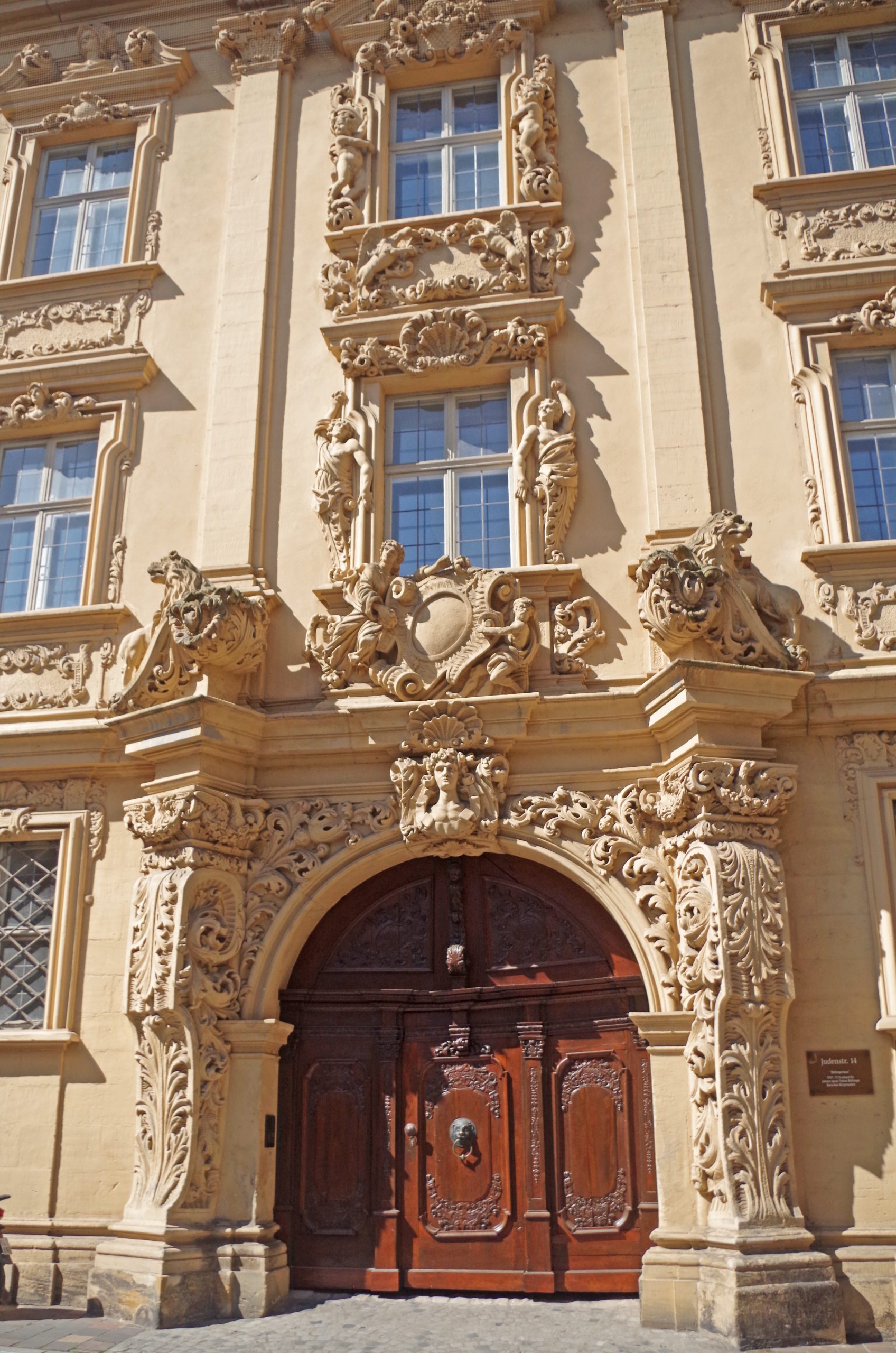
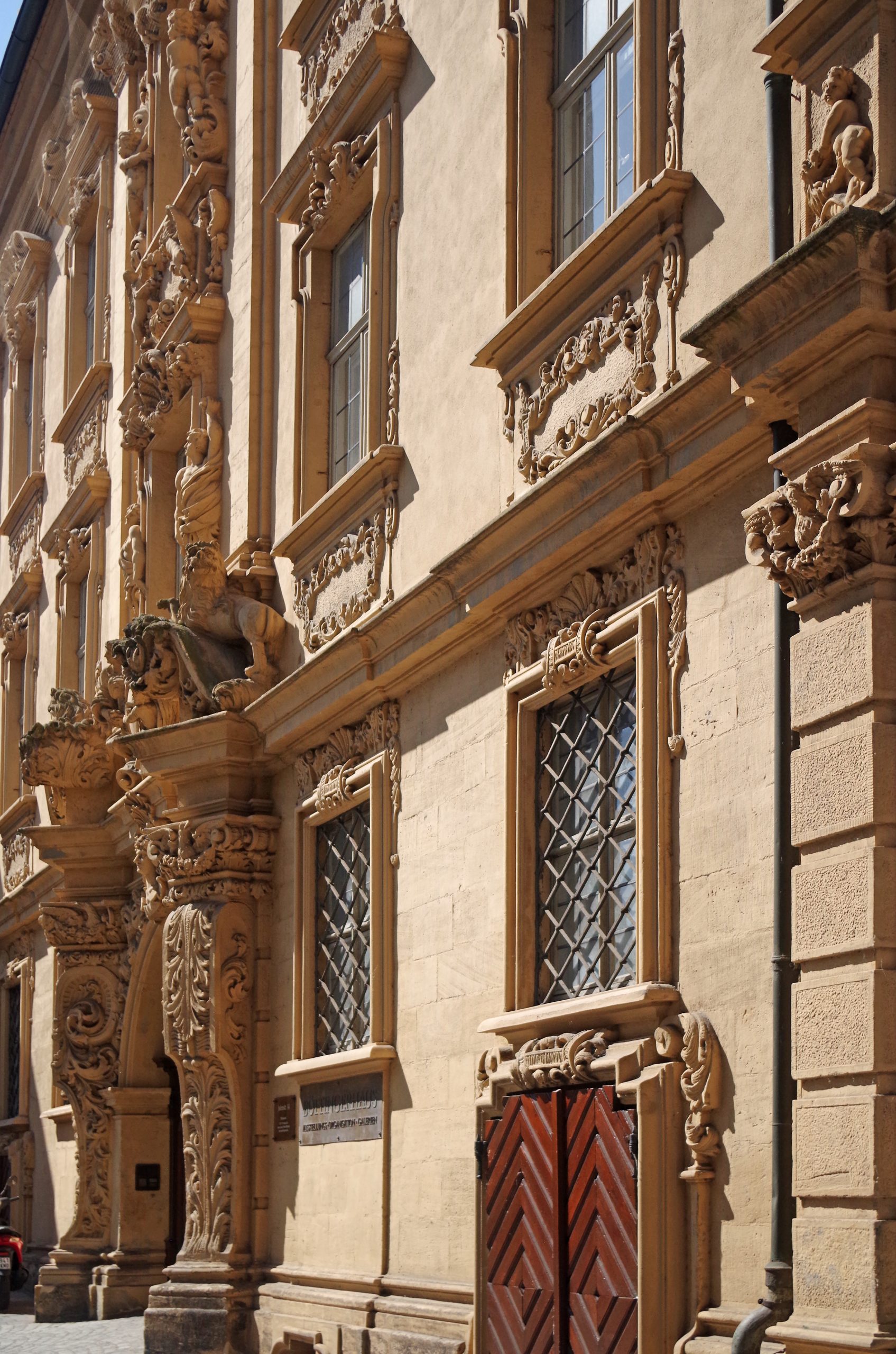
Bottingerhaus in the Old City, Bamberg
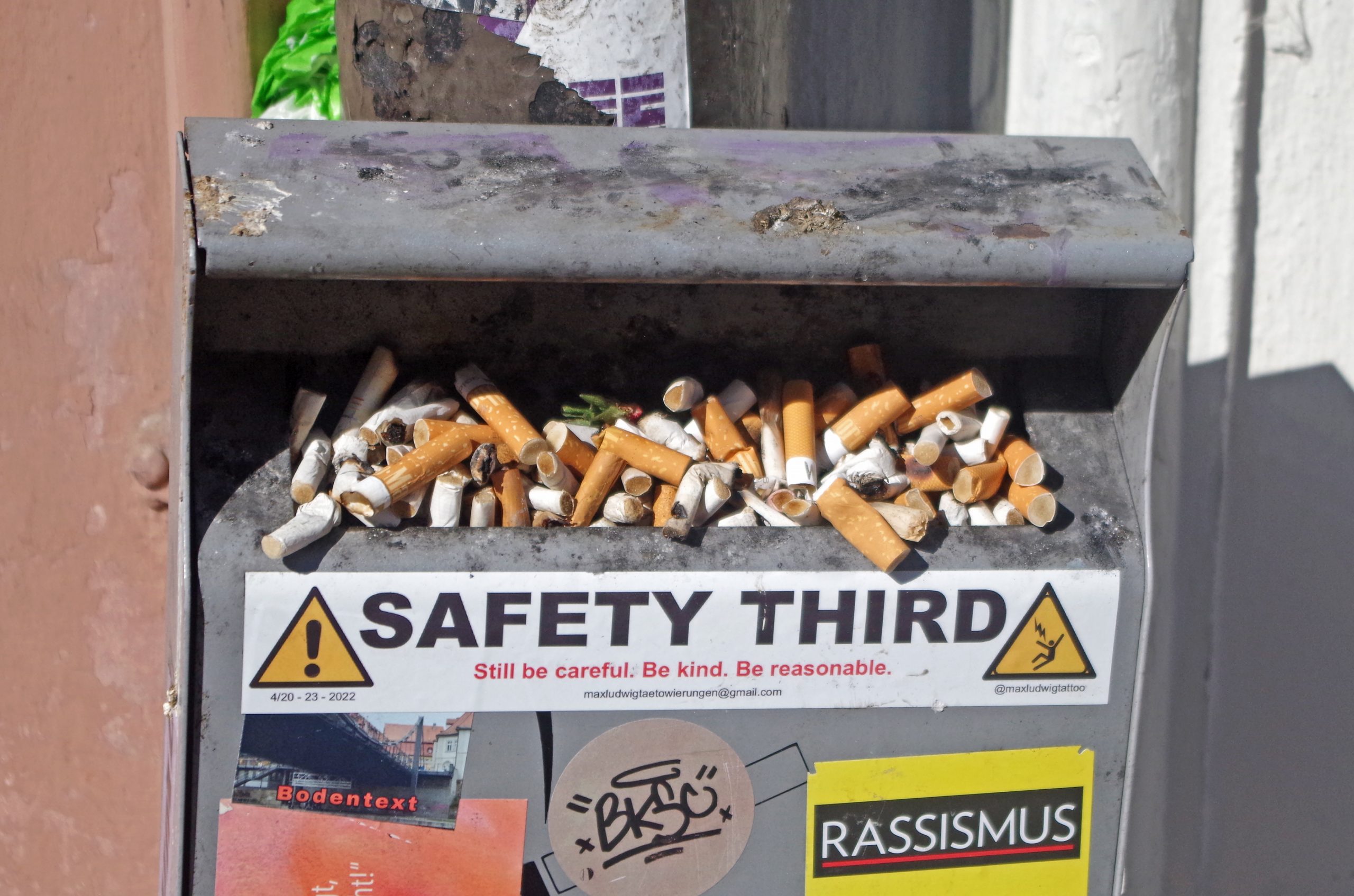
Are there smokers in Bamberg?
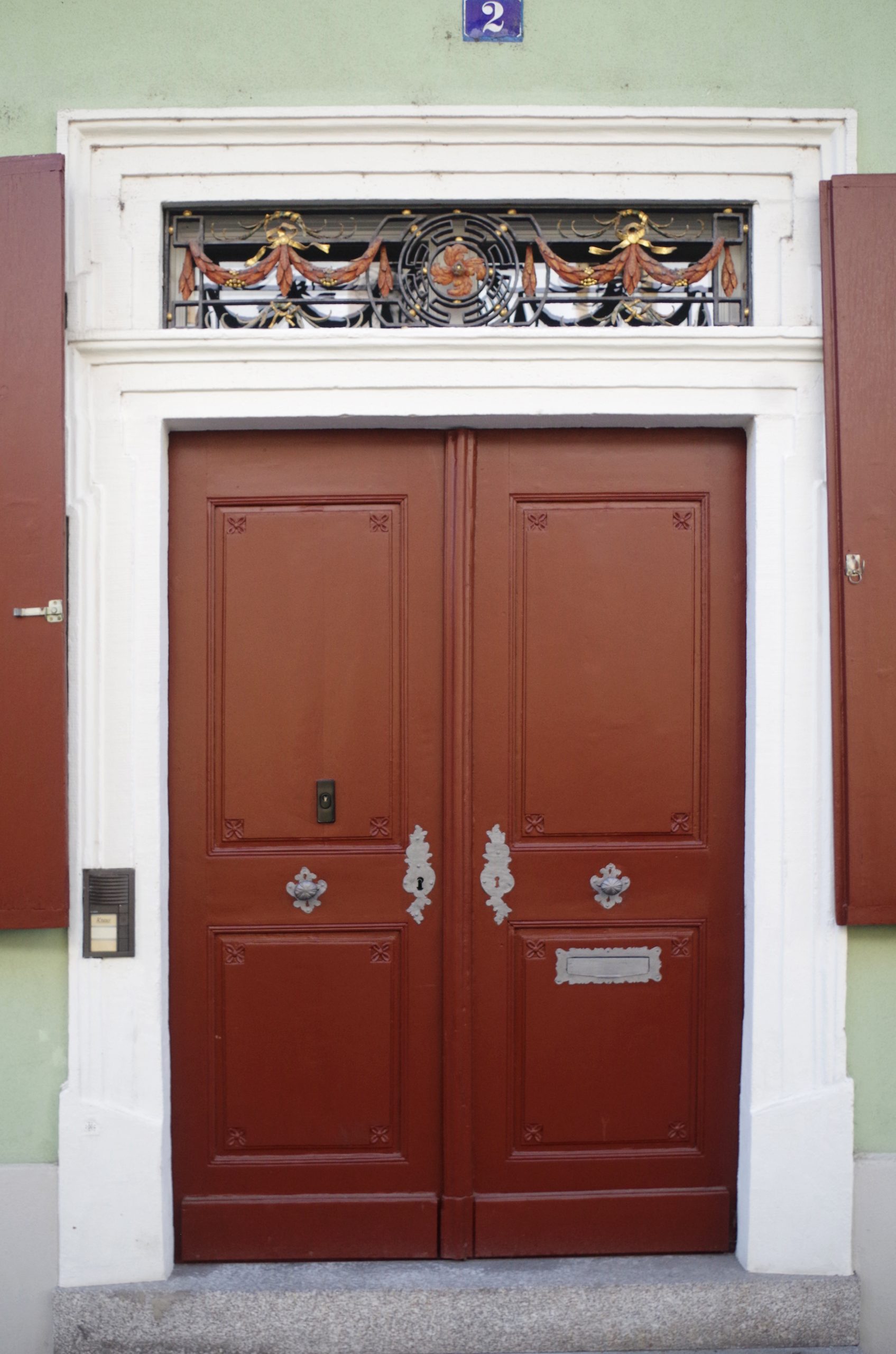
Doorway in the Old Town, Bamberg
Old Town, Bamberg
Old Town, Bamberg
Rooftops in the Old Town, Bamberg


Nuremberg, Germany

The city of Nuremberg was one of the most historic stops on our trip. One must understand that the history of Germany and all of Central Europe is quite muddled throughout the last two millennia. None of the modern republics – including Germany – can trace its origins back to any particular people, as borders changed with wars and invasions from every direction, and people migrated throughout the region. One consistency over the millennia has been the brutal atrocities that took place by both those in power and those seeking to gain control. Those atrocities continued through the reign of the Emperor Charlemagne and the Holy Roman Empire, despite the broad conversions to Catholic Christianity, usually out of either expediency or compulsion. Emperors and kings were crowned by the pope, monasteries served as military fortifications, and those in power, in turn, chose the men who would be popes – or, particularly in the 13th century, anti-popes. We are all familiar with the Crusades, and the Jewish population was consistently massacred during the 13th and 14th centuries, all in the name of righteousness.

Given this highly abbreviated historical perspective, it is no surprise that Nuremberg became the epicenter of the Nazi party movement in the 1920s, 1930s and throughout World War II, embracing Hitler’s insanity about a pure Arian race that never in fact actually existed, and continuing the scapegoating of the Jewish people to the most horrific extreme imaginable. There was not a single Jewish resident remaining in Nuremberg at the end of World War II.

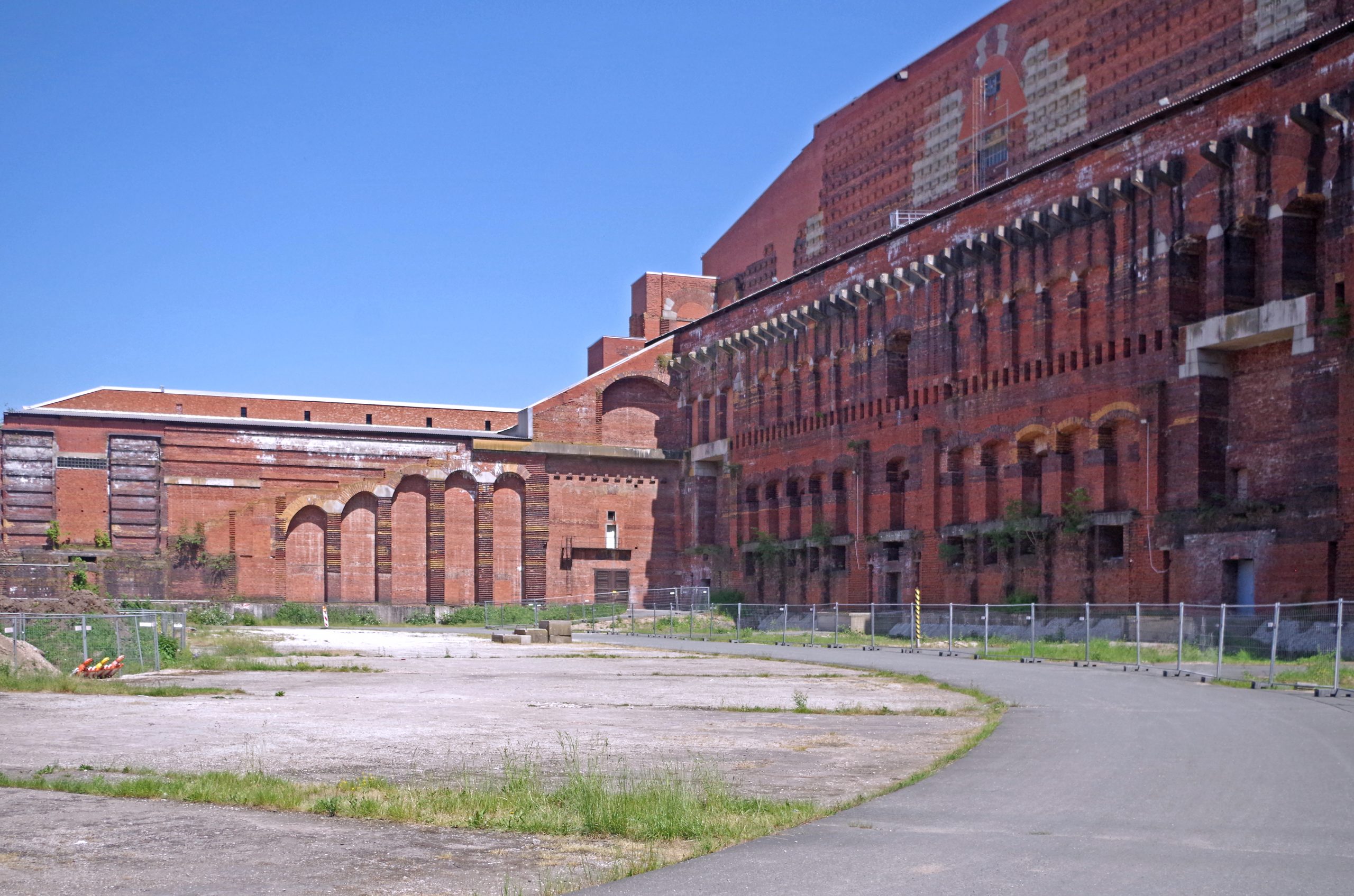
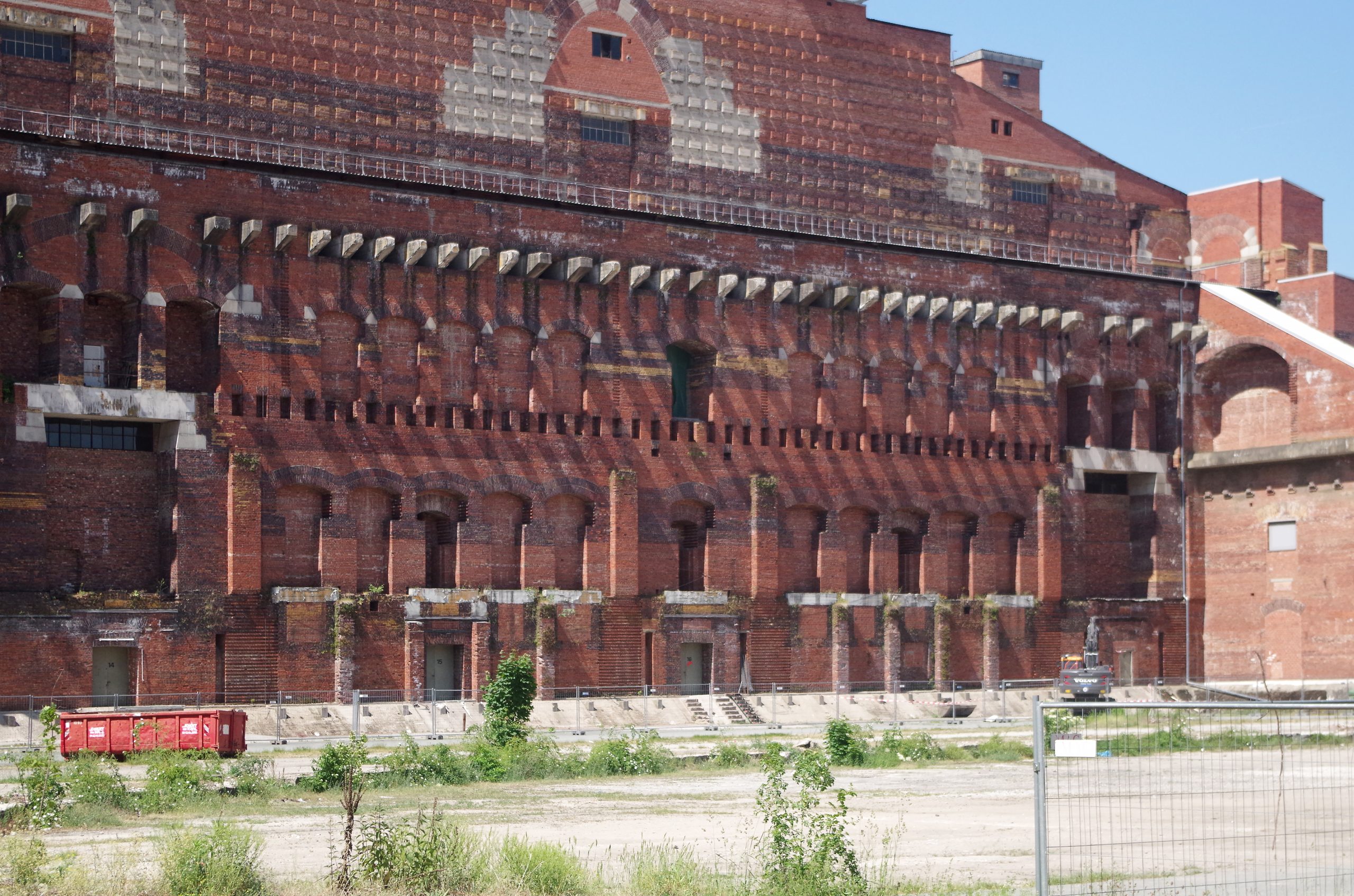
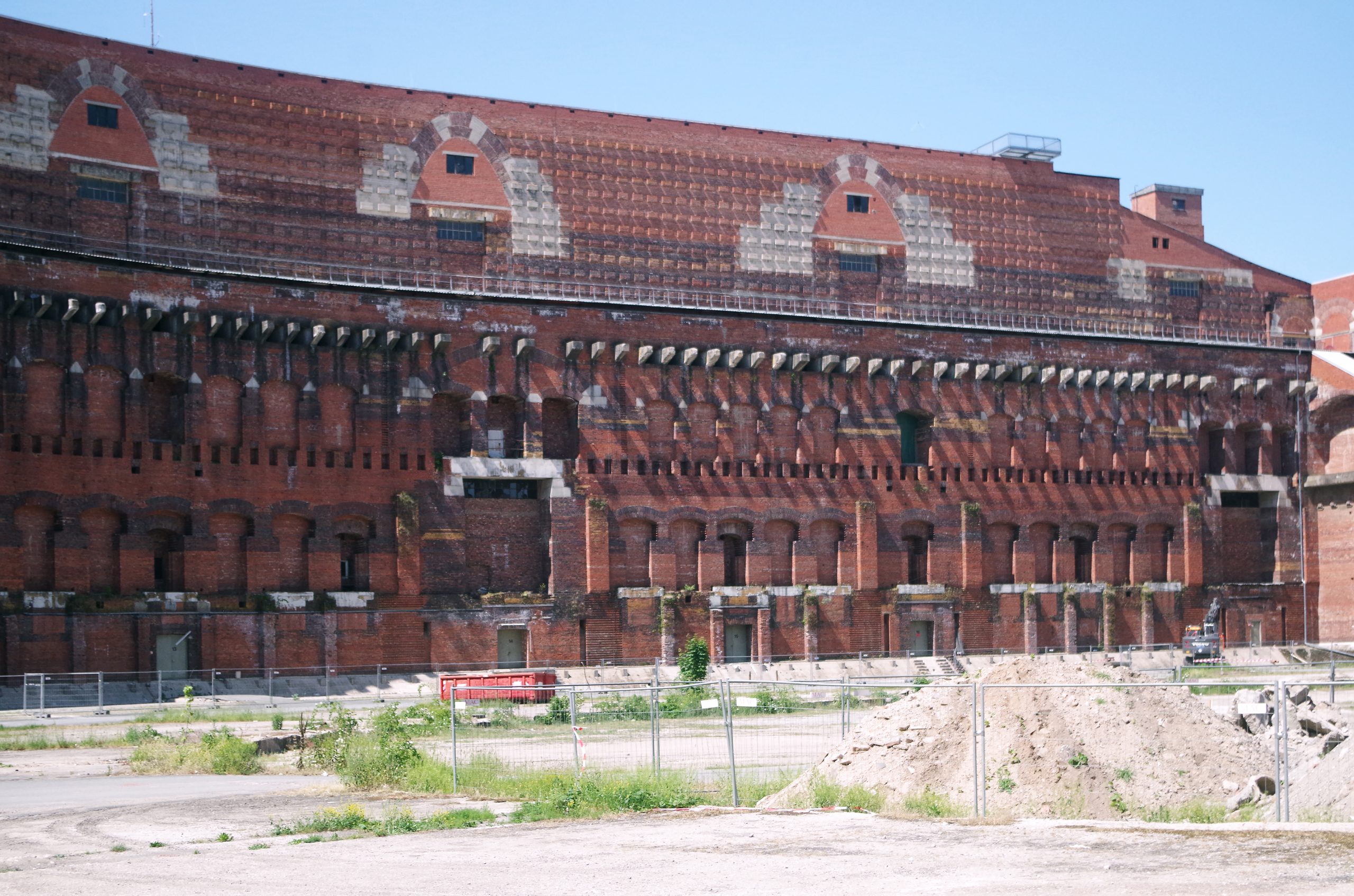
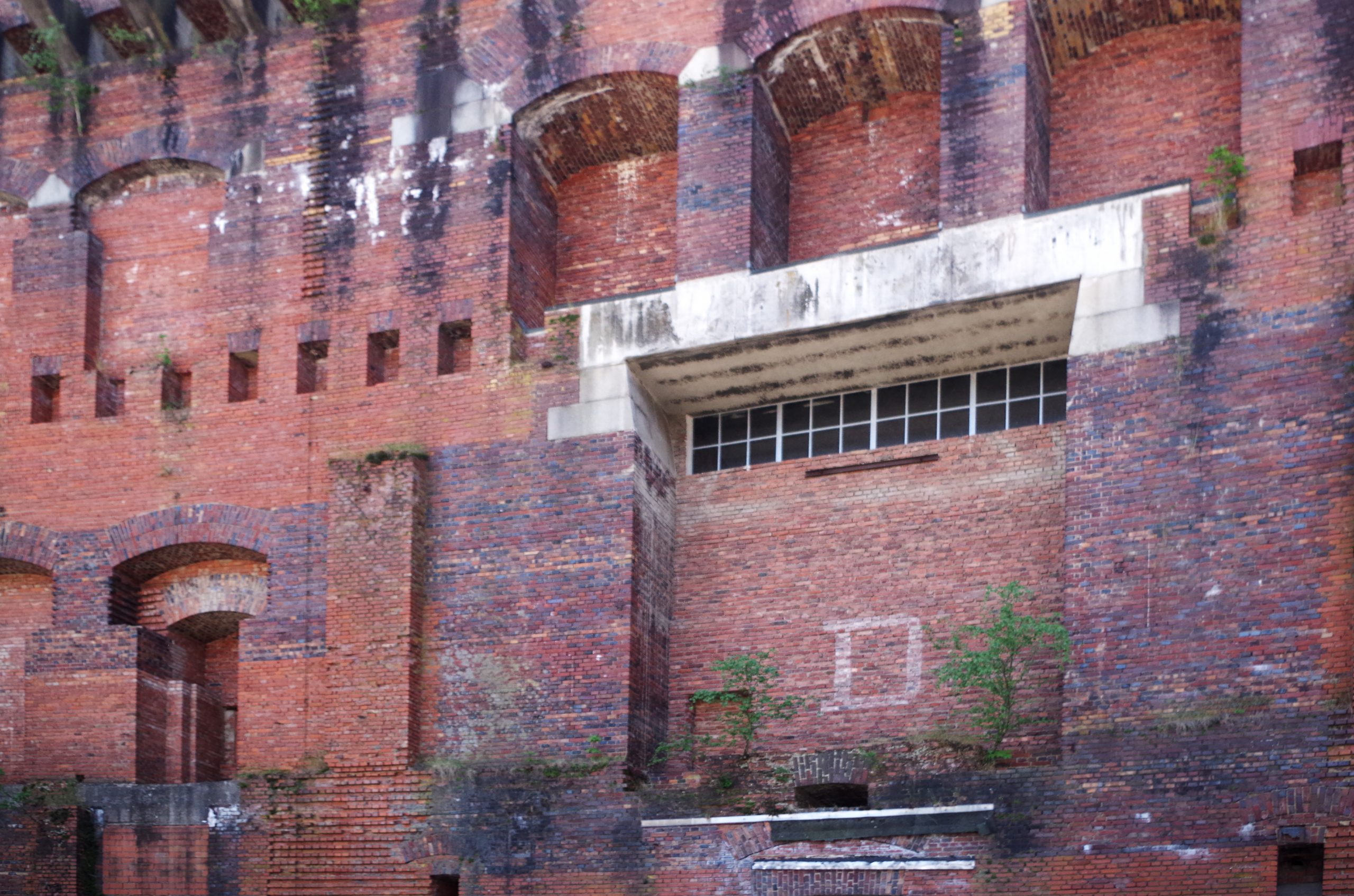
Due to its strategic importance due to the manufacturing of aircraft, submarines and tank engines, ninety percent of the city of Nuremberg was destroyed during one hour of intense bombing by the Royal Air Force and the U.S. Army Air Forces on January 2, 1945. Despite the destruction, several historic sites from this era remain, including the Zeppelinfield that was the site of the Nuremberg Rallies and the location for the Nazi propaganda film “Triumph of the Will” and the New Congress Hall, modeled after the Roman Colosseum and never completed. Also surviving is the massive building that was formerly the SS barracks, now quite symbolically serving as the Federal Office for Migration and Refugees.

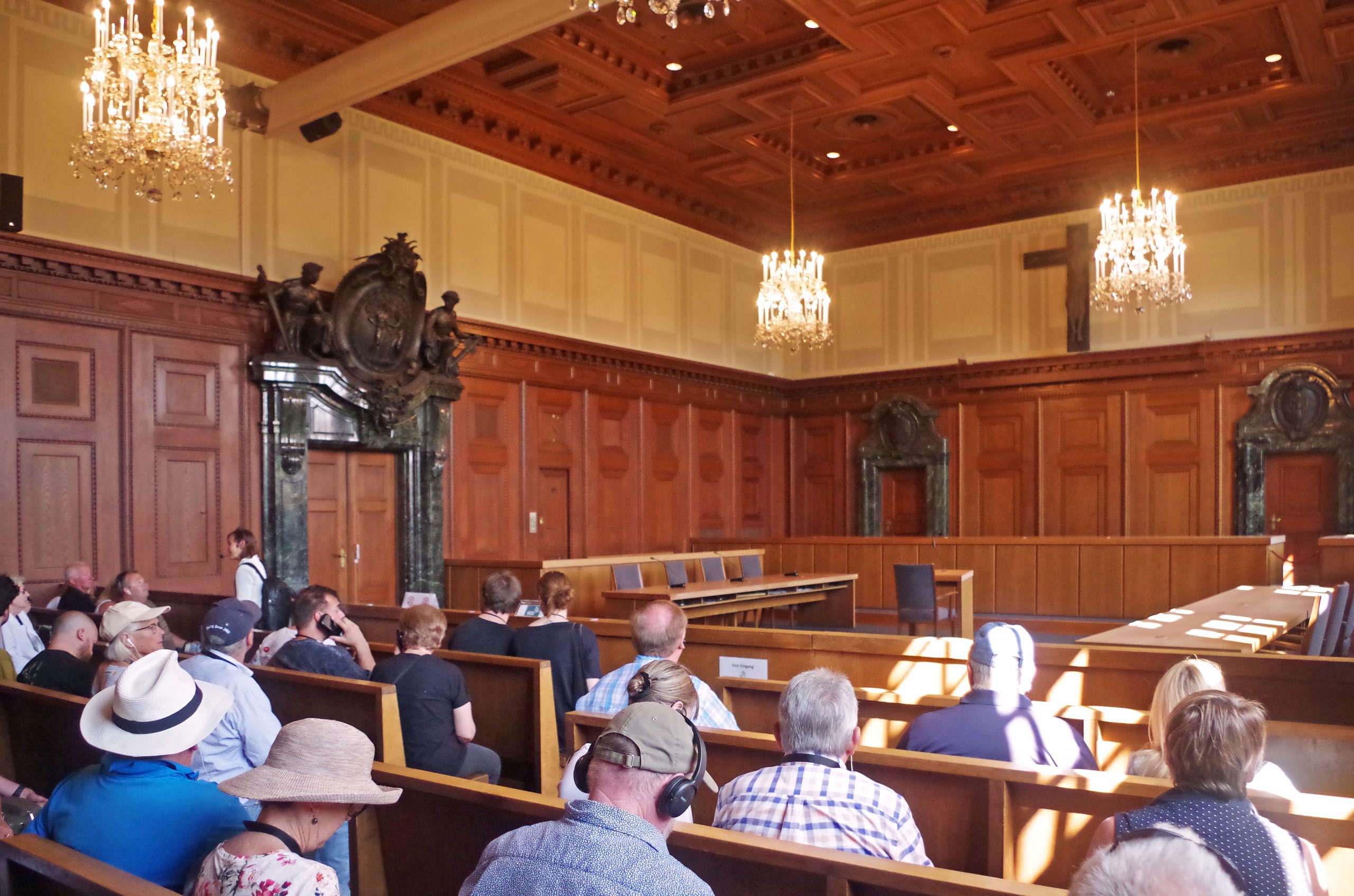
Nuremberg was also fittingly chosen as the site of the 1945 and 1946 trials of German officers for war crimes and crimes against humanity, known as the Nuremberg Trials. The defendants in these widely televised trials included Rudolf Hess, Ernst Kaltenbrunner, Wilhelm Keitel, Alfred Rosenberg, Fritz Sauckel, Wilhelm Frick, Albert Speer, Julius Streicher, Hermann Göring, and Martin Bormann (who committed suicide prior to his trial).

We were unable to see much of the Zeppelinfield grounds, due to security and a rock music festival that was starting the following day. Quite a transformation from an assembly of 170,000 Hitler Youth.

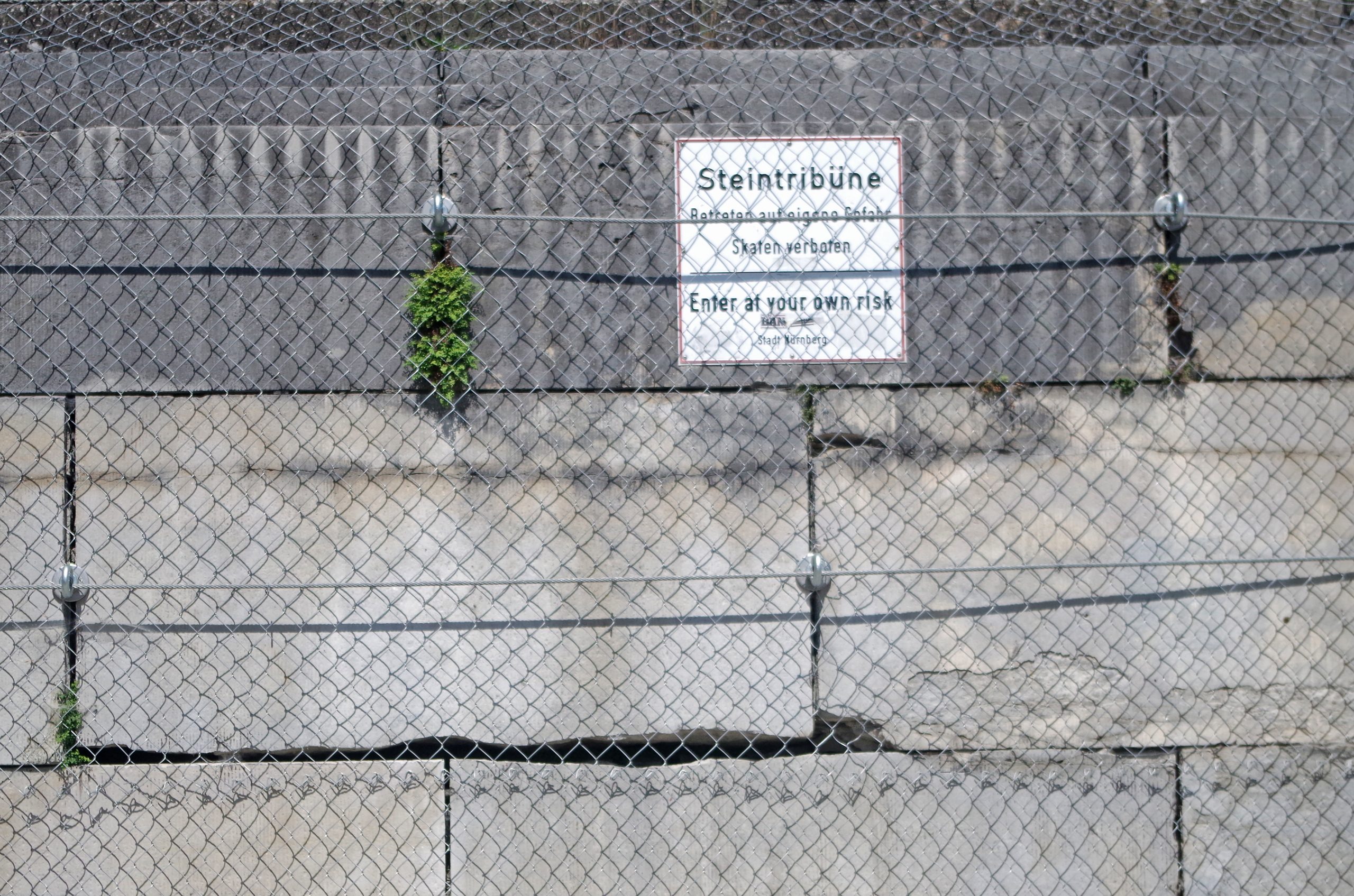
Warning sign at the Zeppelinfield
Neue Kongresshalle (New Congress Hall), Nuremberg
Nuremberg Trials Courtroom
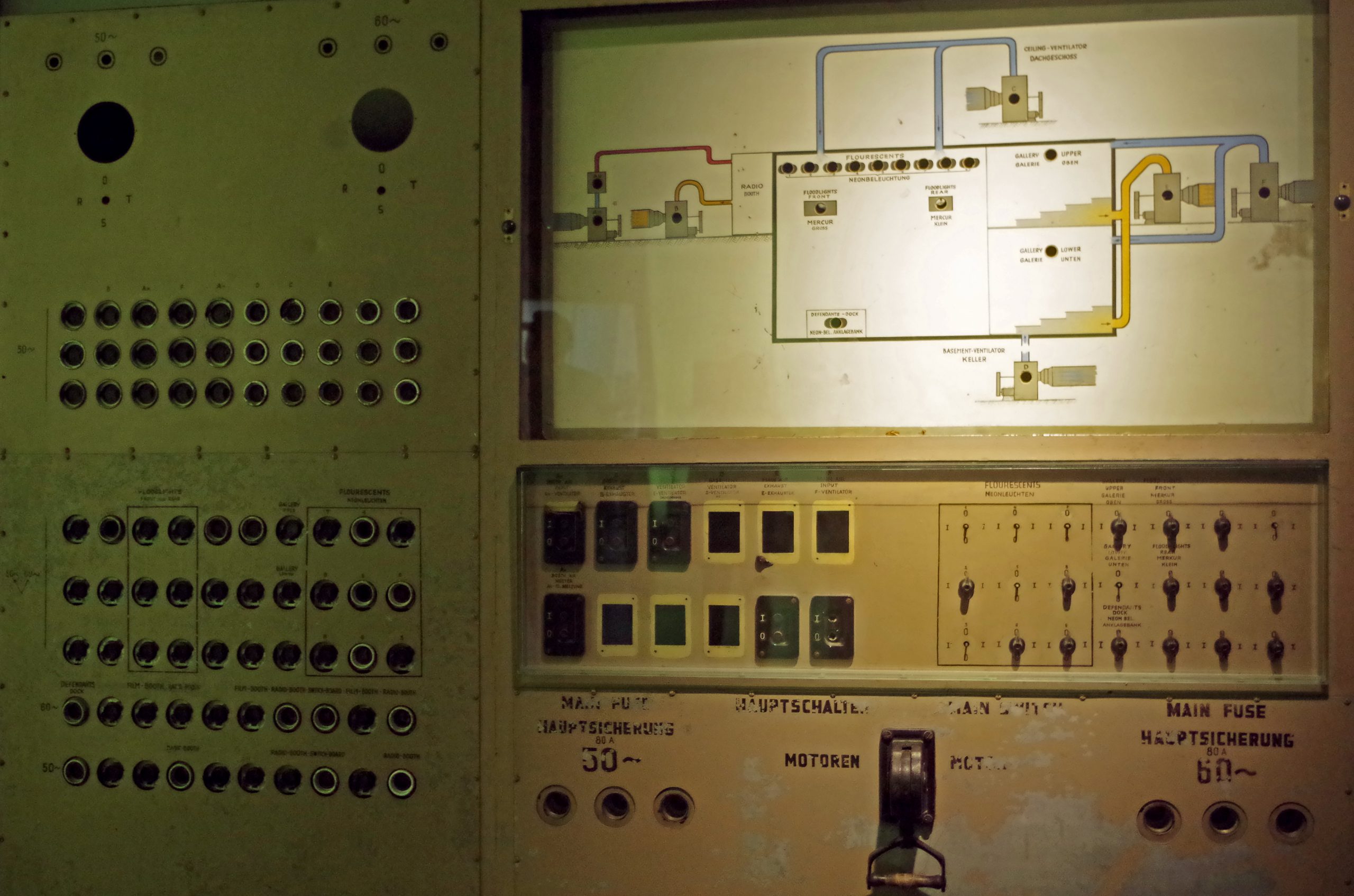
Nuremberg Trials Lighting Control Panel

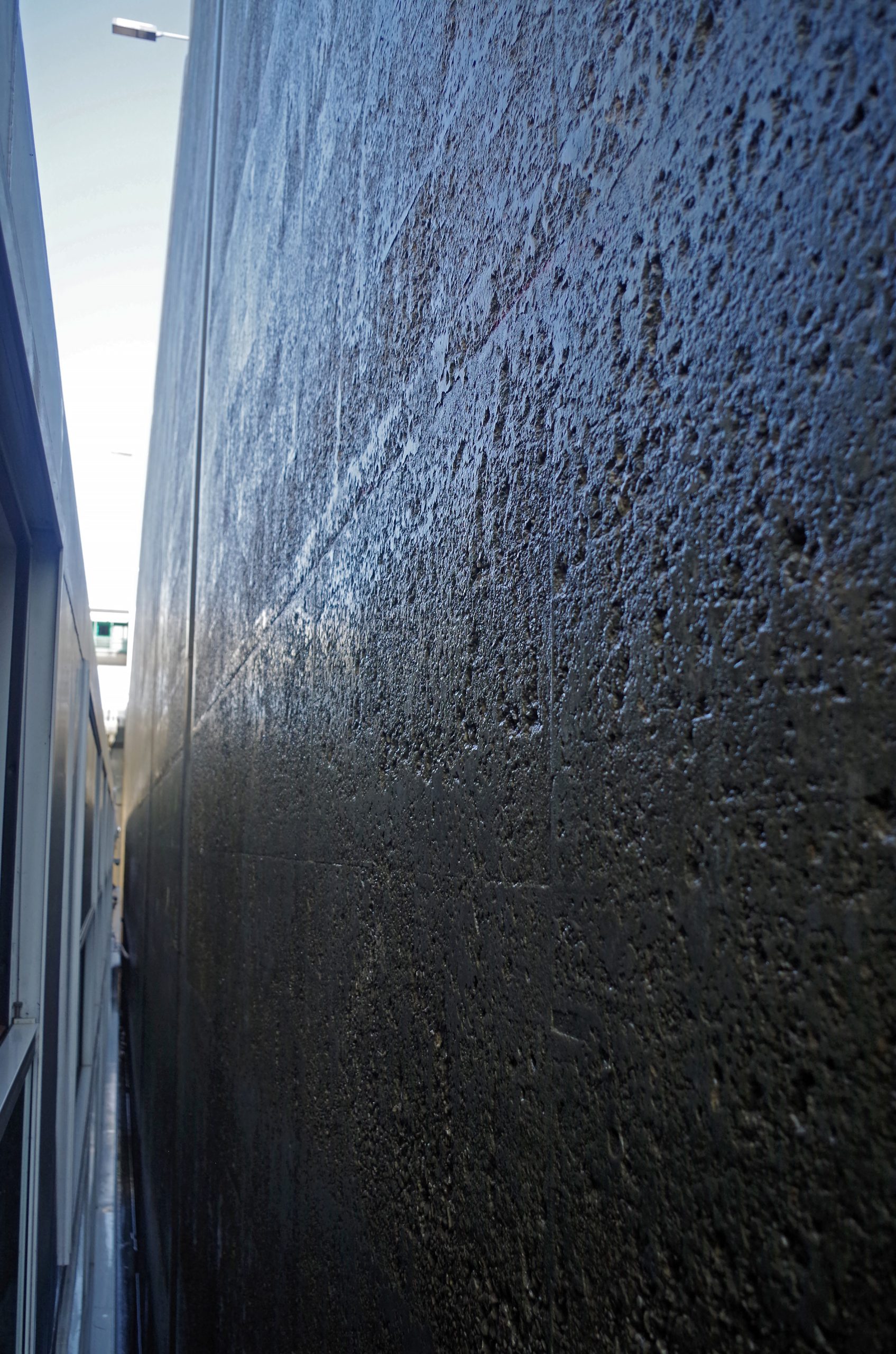
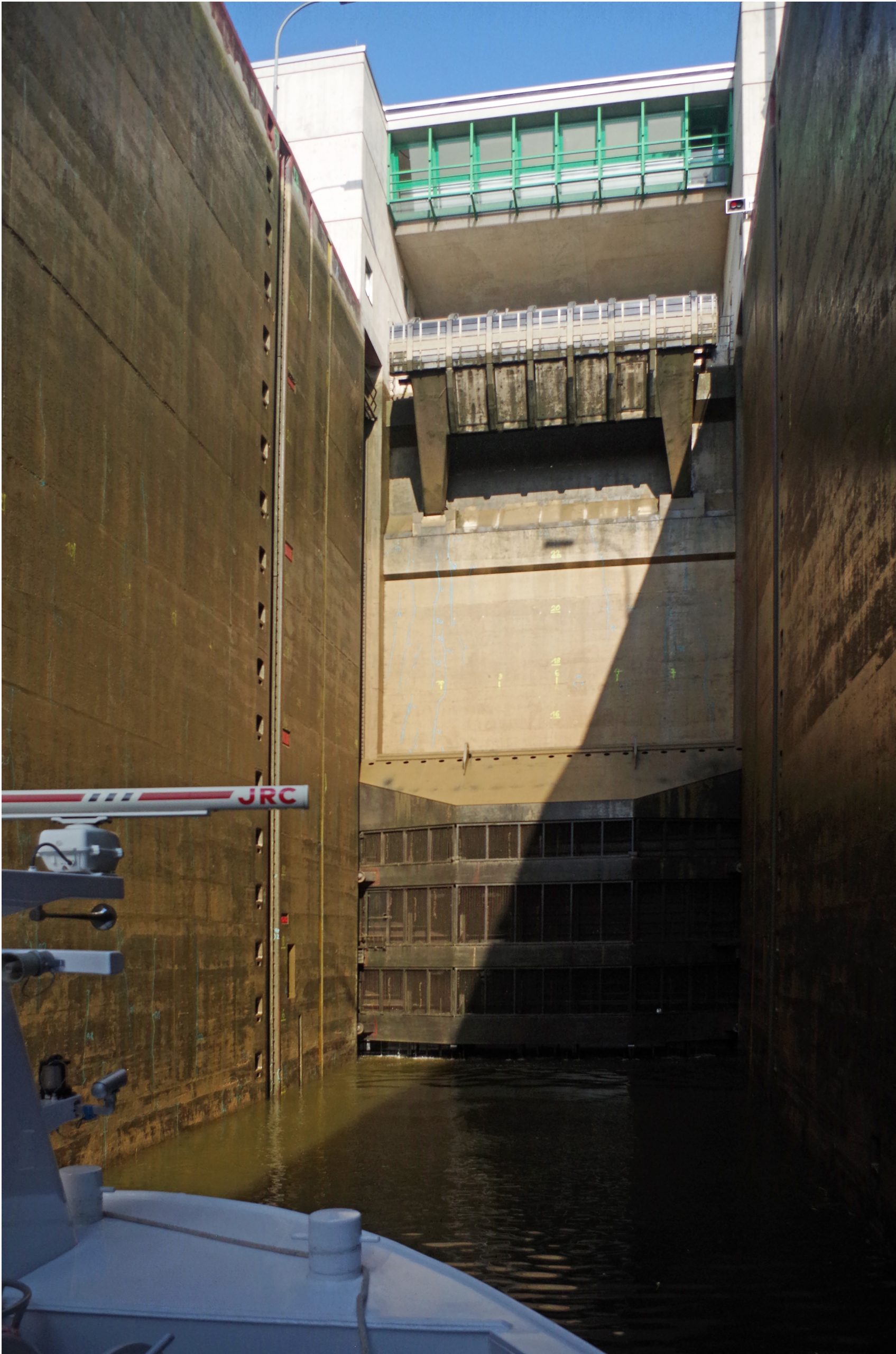
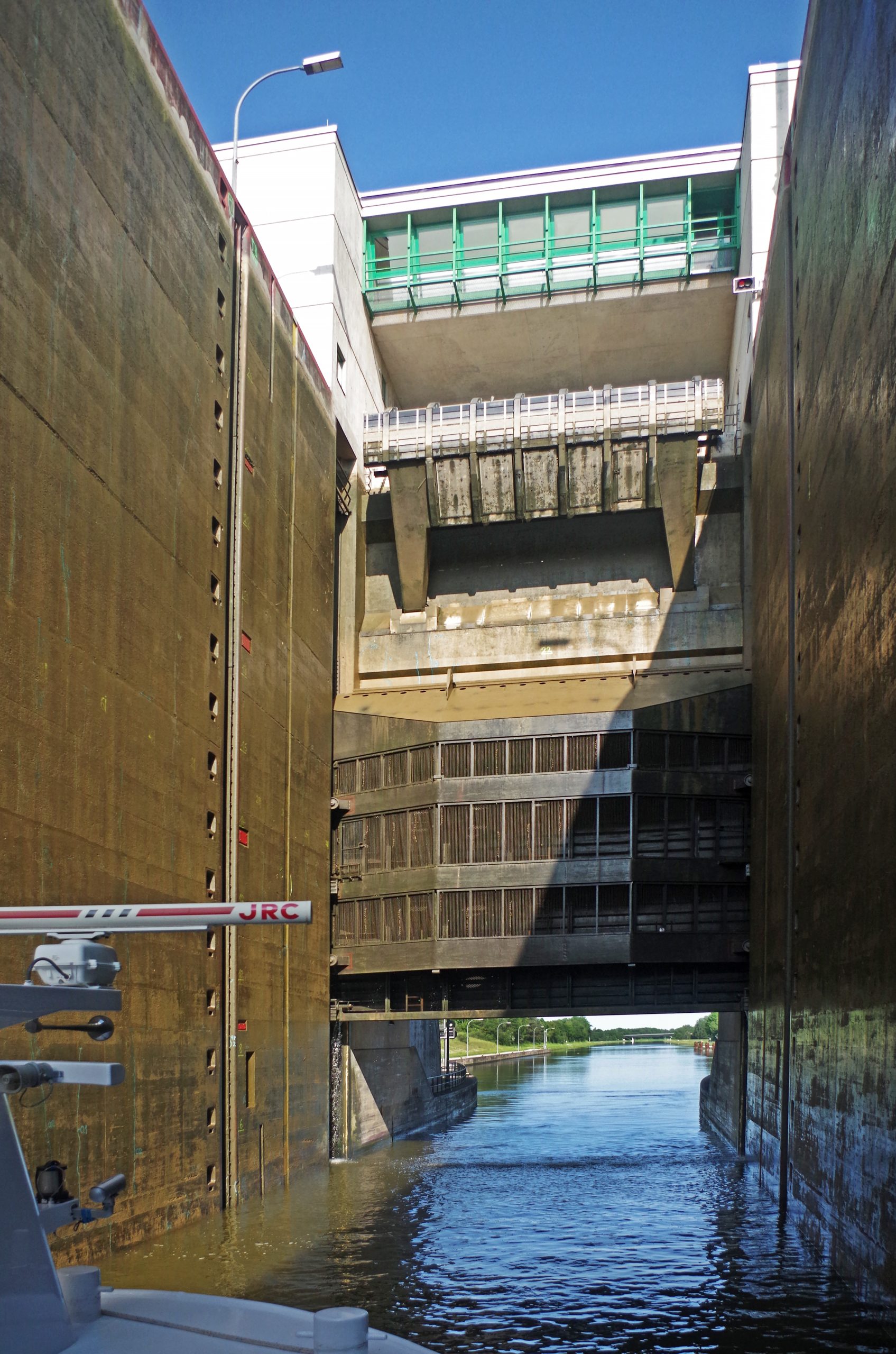
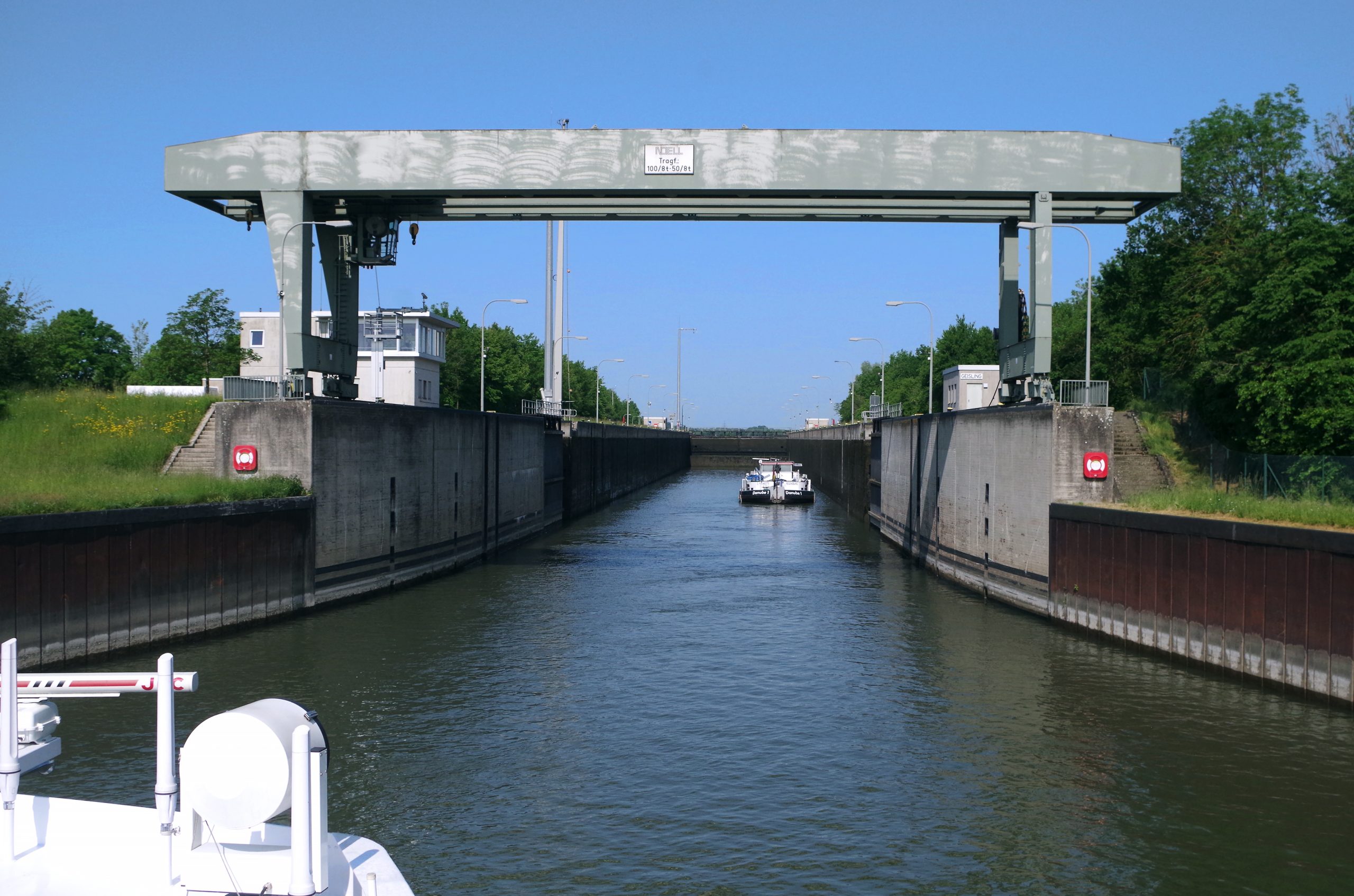
As we moved on from Nuremberg, we passed through some of the tallest locks of our trip, on the Rhine-Main-Danube Canal, an engineering project that was completed in 1992. There are a total of 16 locks on the 106 mile long canal, 13 of which are engineered to conserve water, three of which are as tall as 24.67 meters (or 81 feet). Most of the locks also generate hydroelectricity.

We were really impressed with the engineering, commerce and energy efficiency in Germany, including river barge traffic, high-speed passenger and freight trains, and the country’s 27,000 wind turbines. Going back to its historical roots, there are also 25,000 stone castles or castle ruins in Germany.

Tall lock on the Rhine-Main-Danube Canal, with inches to spare alongside our ship
Tall lock on the Rhine-Main-Danube Canal

Dürnstein & Melk, in the Wachau Valley of Austria

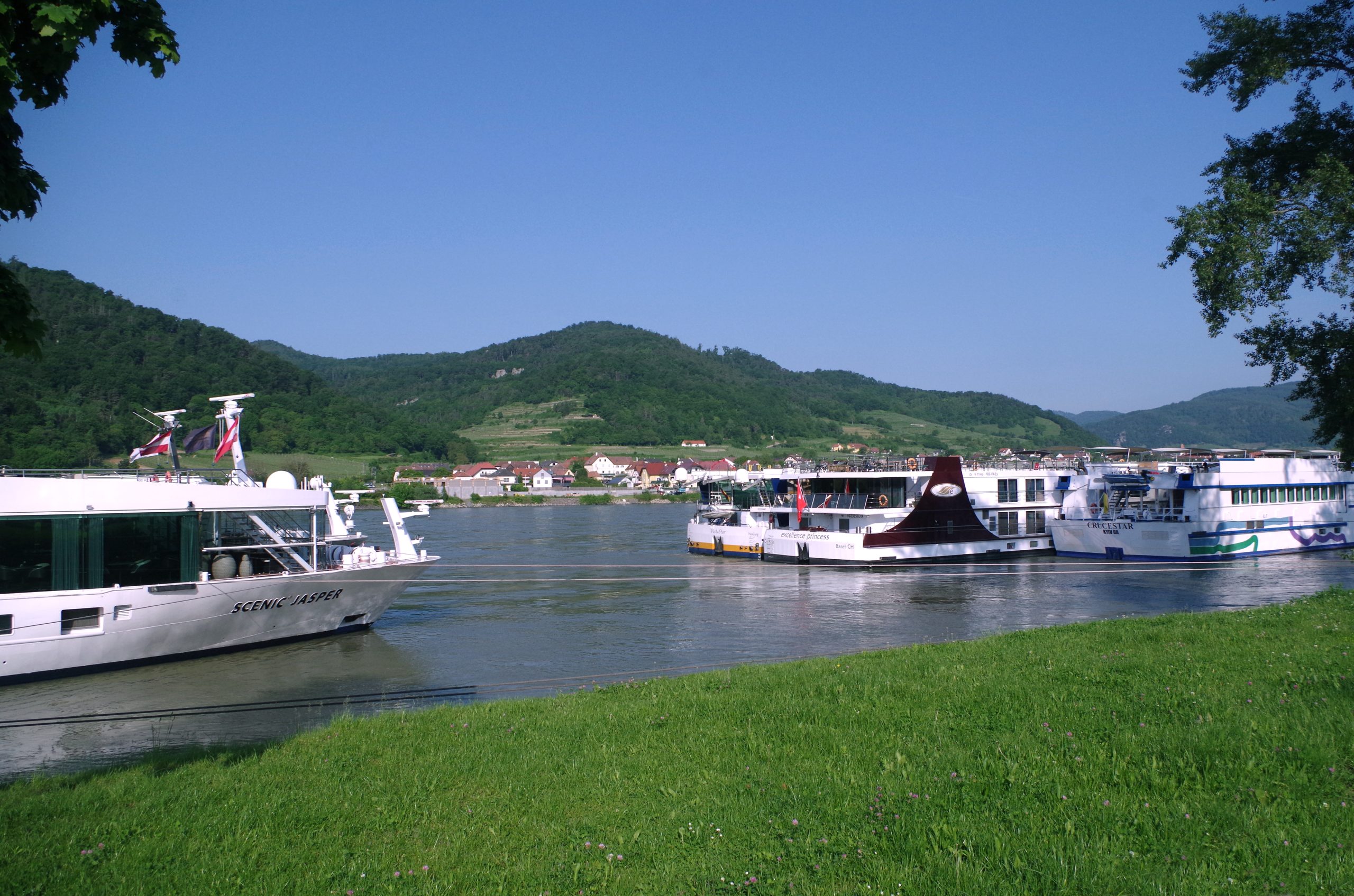
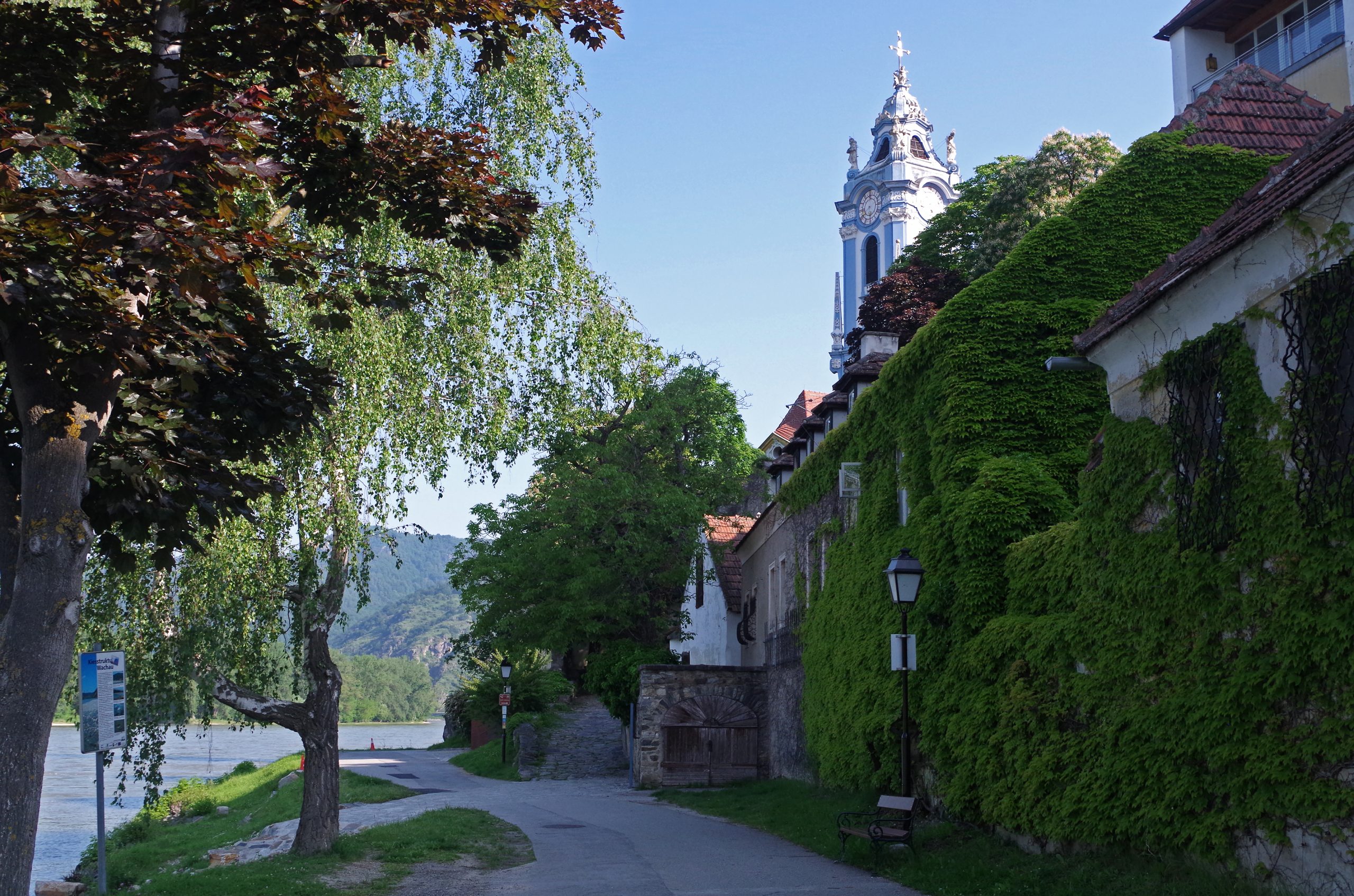
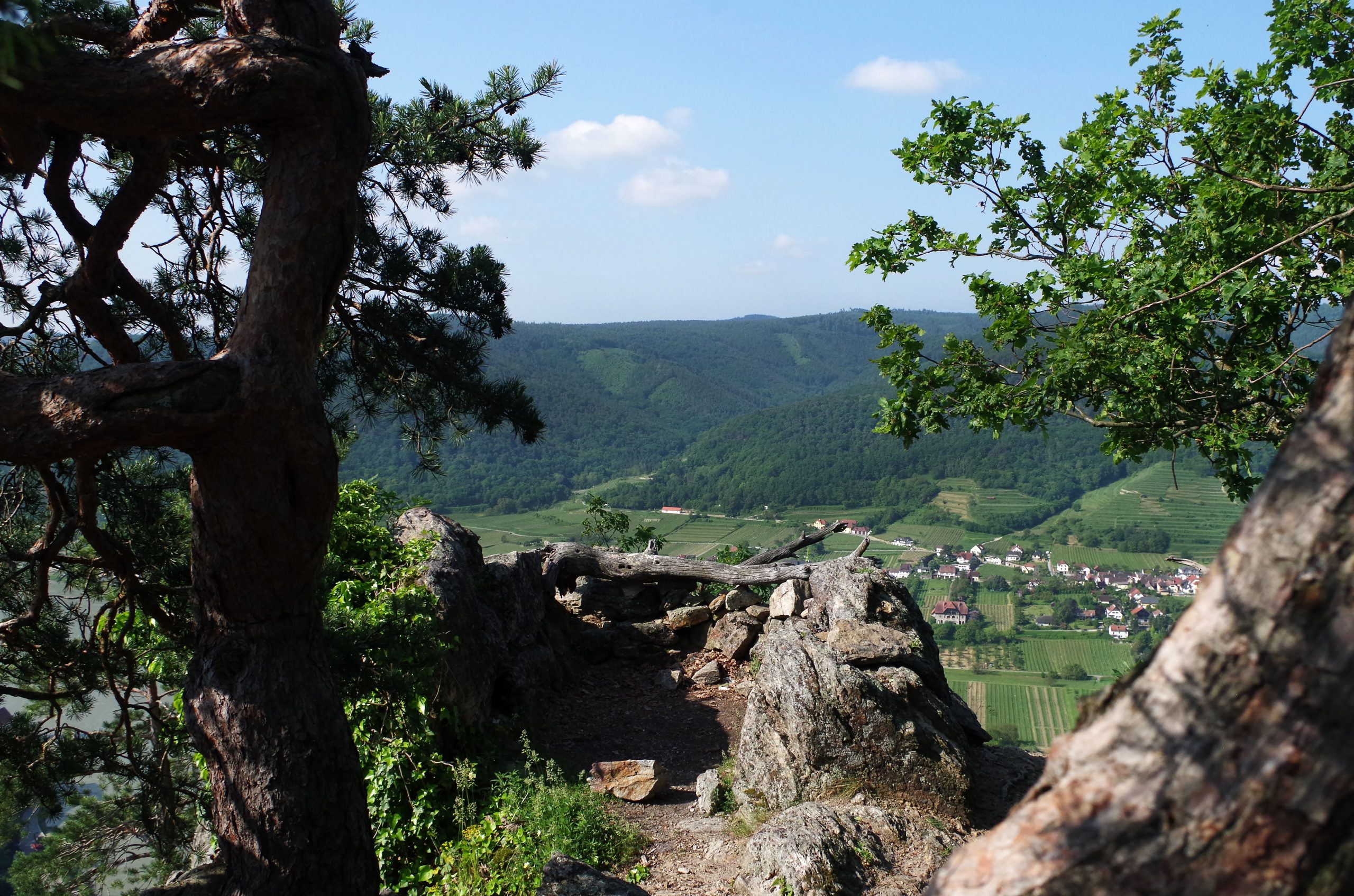
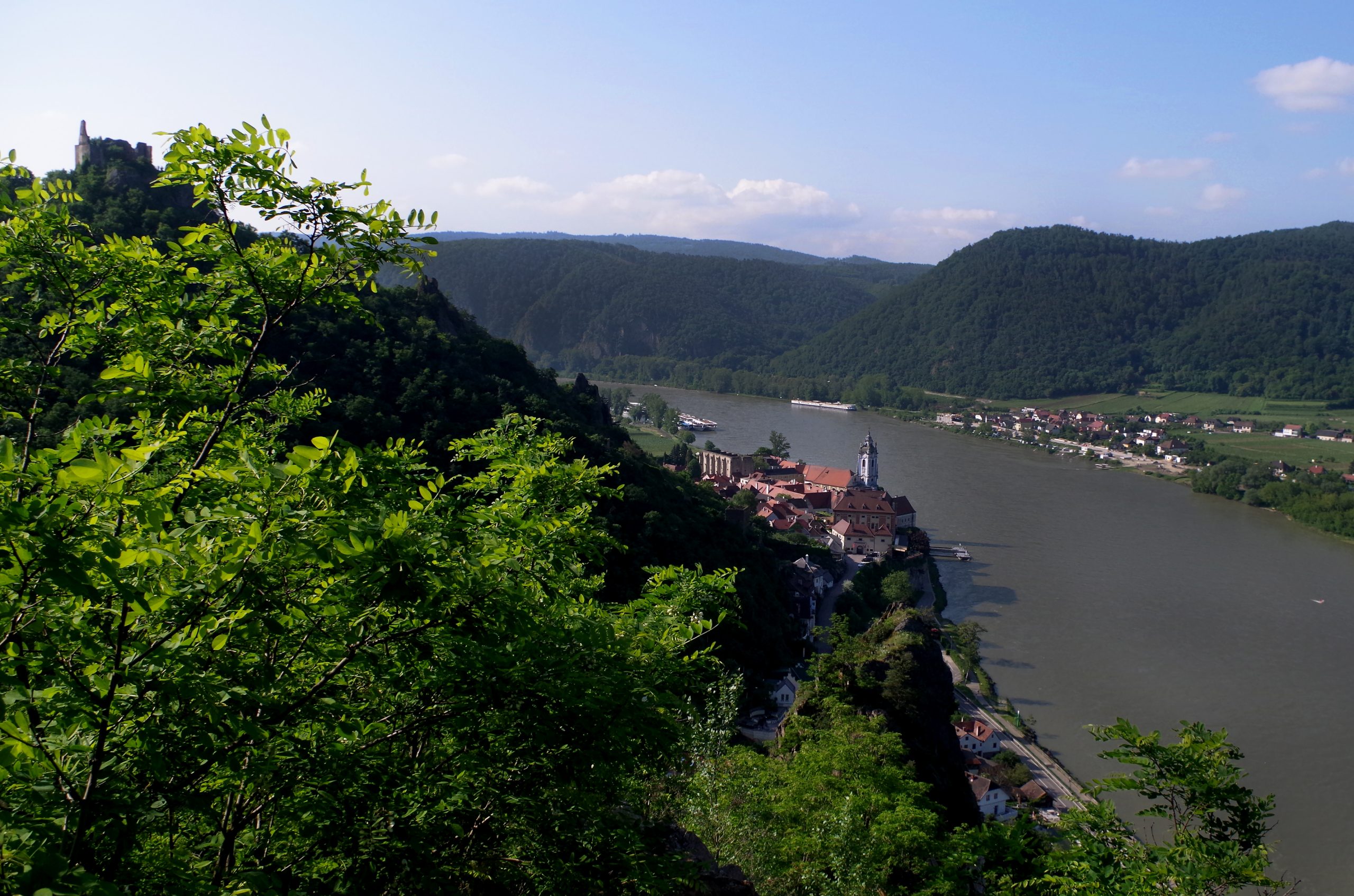
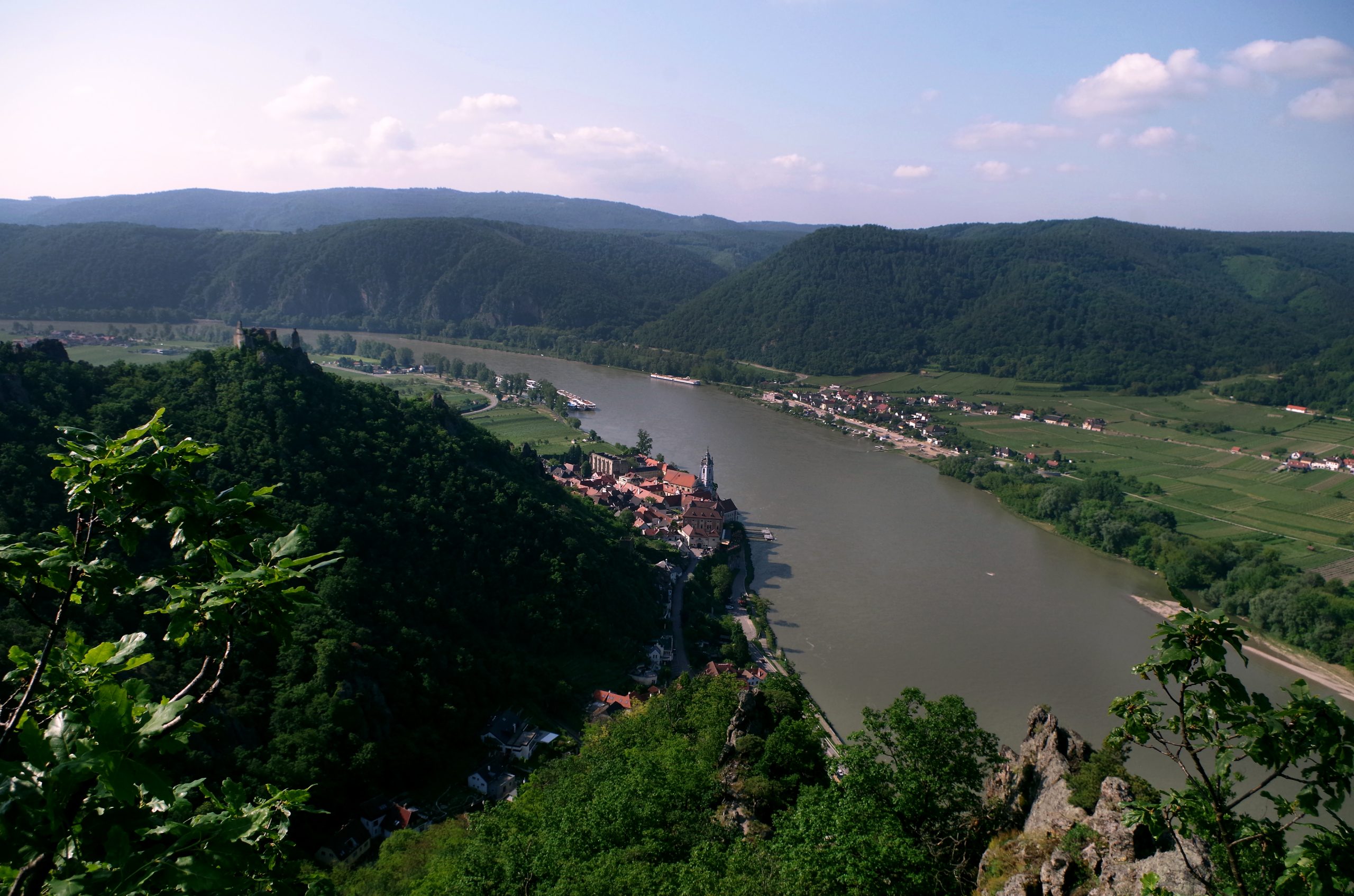
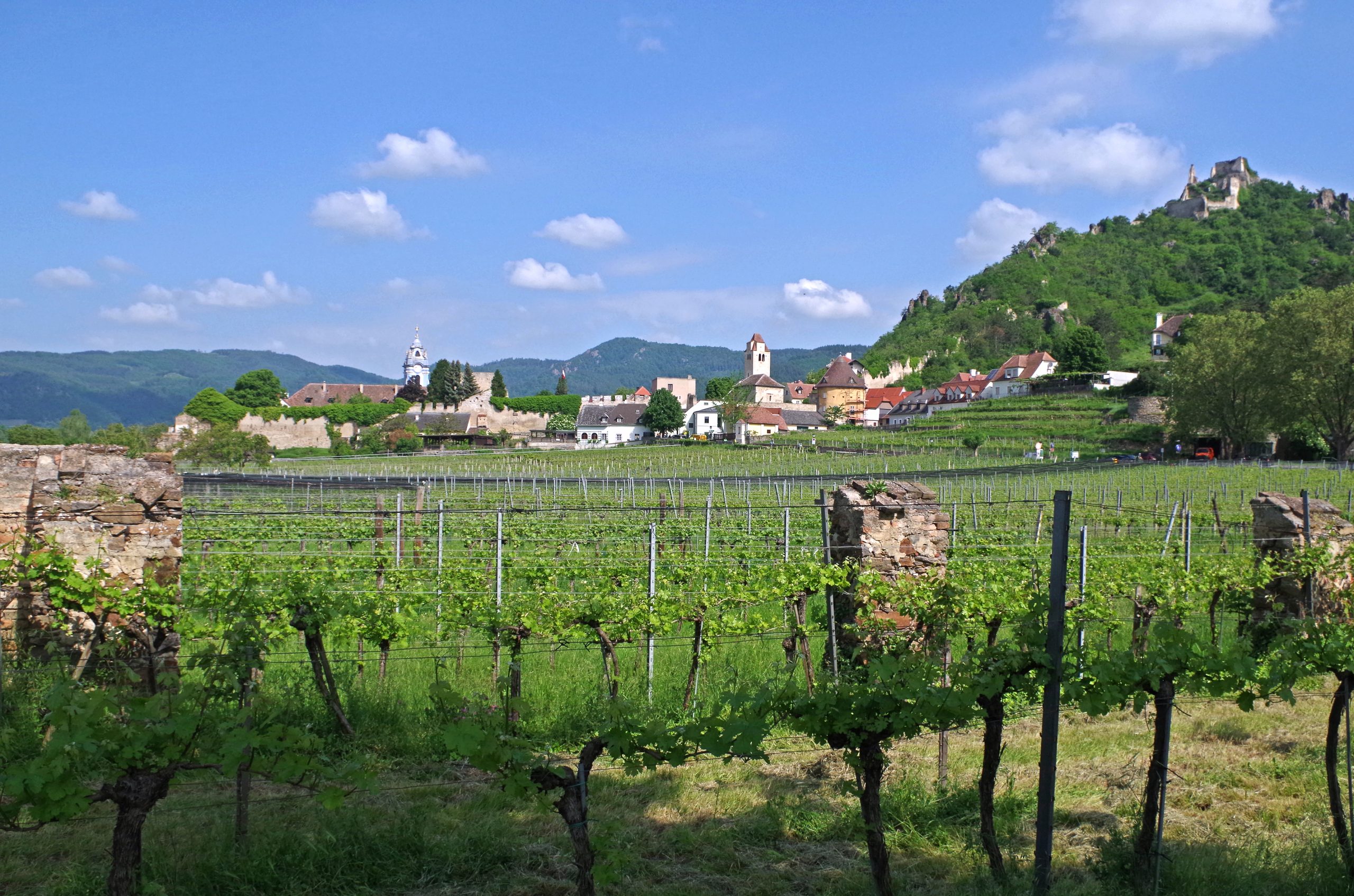
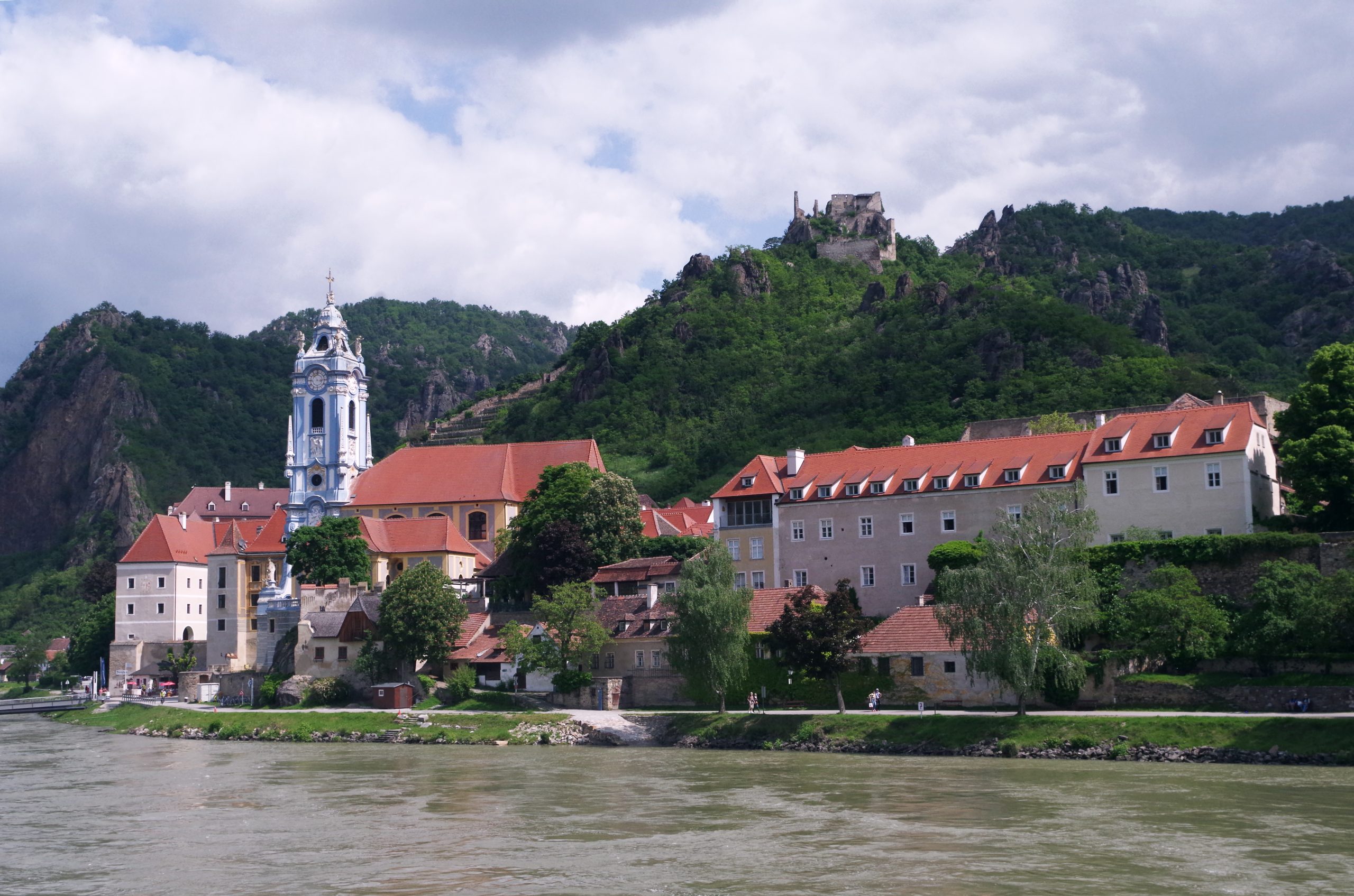
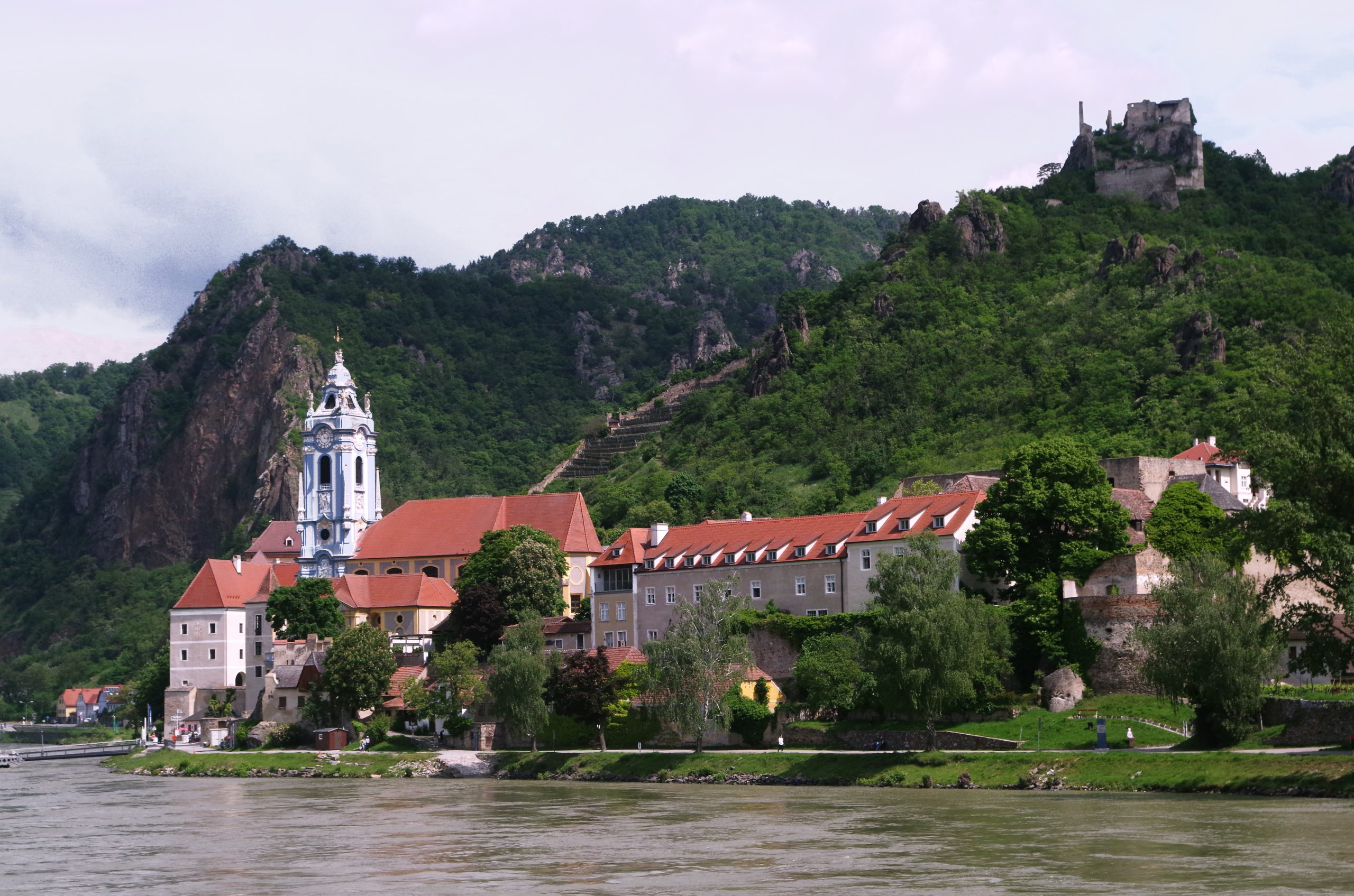
Dürnstein and Melk are located in the spectacular Wachau Valley of Austria. A leisurely day started from our port in Dürnstein, a charming small Austrian village. During morning free time, I took a hike to a pretty Danube overlook, then Barbara and I walked along the Domane Wachau Vineyards. On the return from my hike, I encountered a busker with an accordion. Might he be playing Austrian melodies? No, I think he knew that there were Aussies in town, so he was playing a medley of “Waltzing Matilda” and “Tie Me Kangaroo Down”.

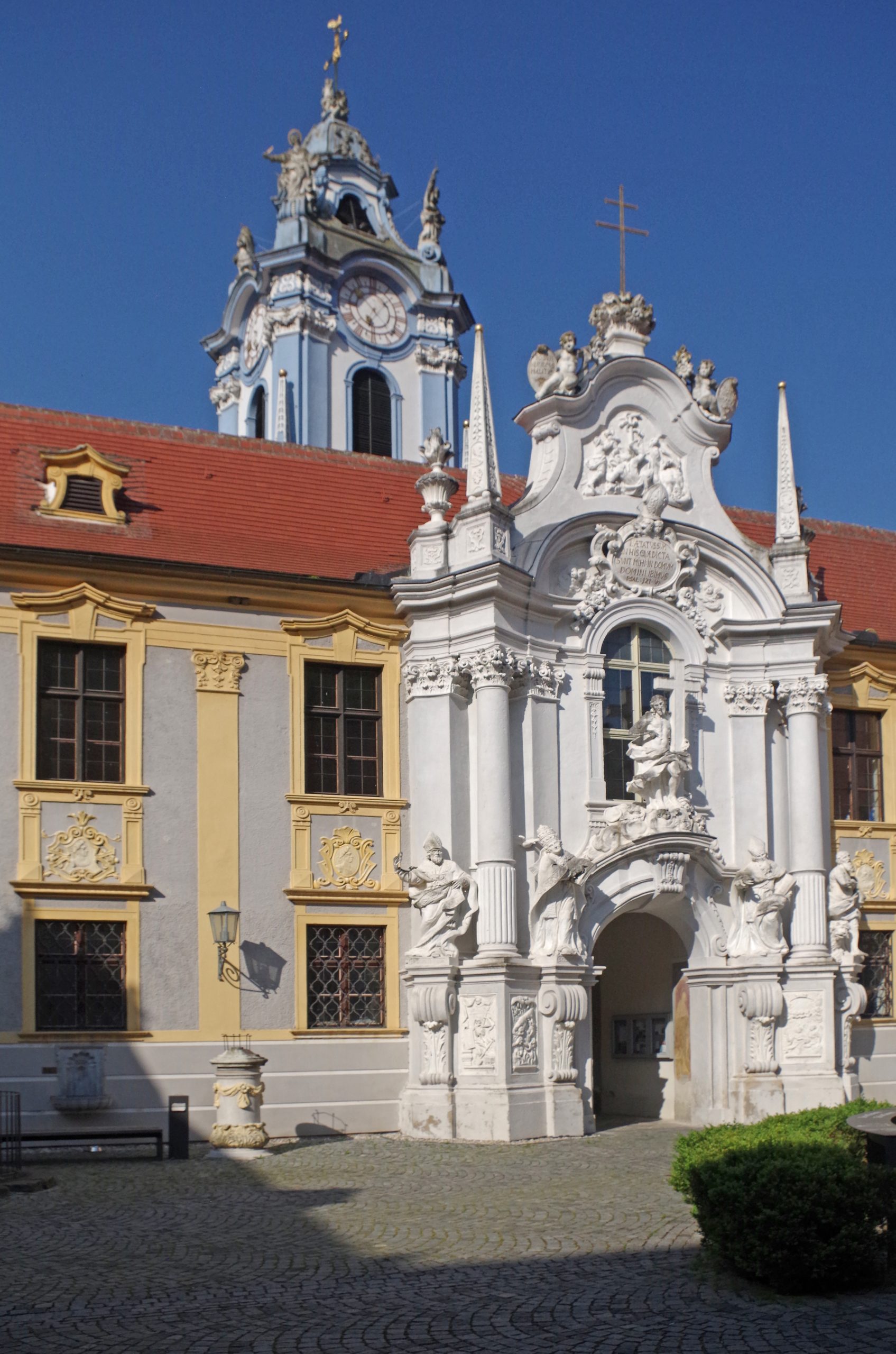
We then cruised to our next port in Melk, passing fairytale castles of the Wachau Valley all along the way. I visited the remains of the 12th century Burg Aggstein Castle, and Barbara visited the 18th century Benedictine Abbey. Sometimes the decisions were difficult to make, with our choices occasionally changing at the last minute. You should clearly see how small towns were our favorite places to visit.
The Scenic Jasper at port in Dürnstein
A charming street along the Danube, in Dürnstein
The church in Dürnstein
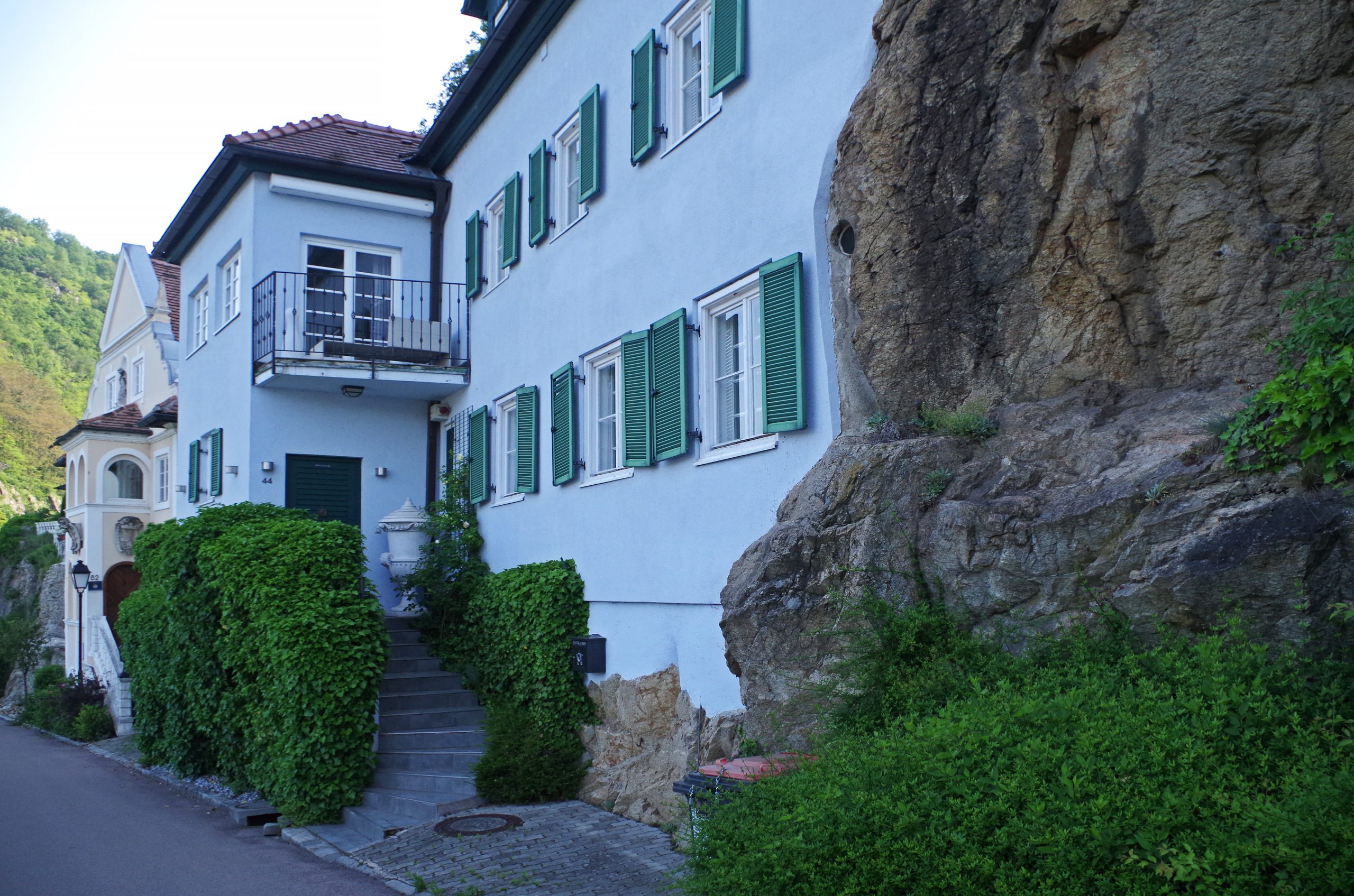
A home built into the rock in Dürnstein
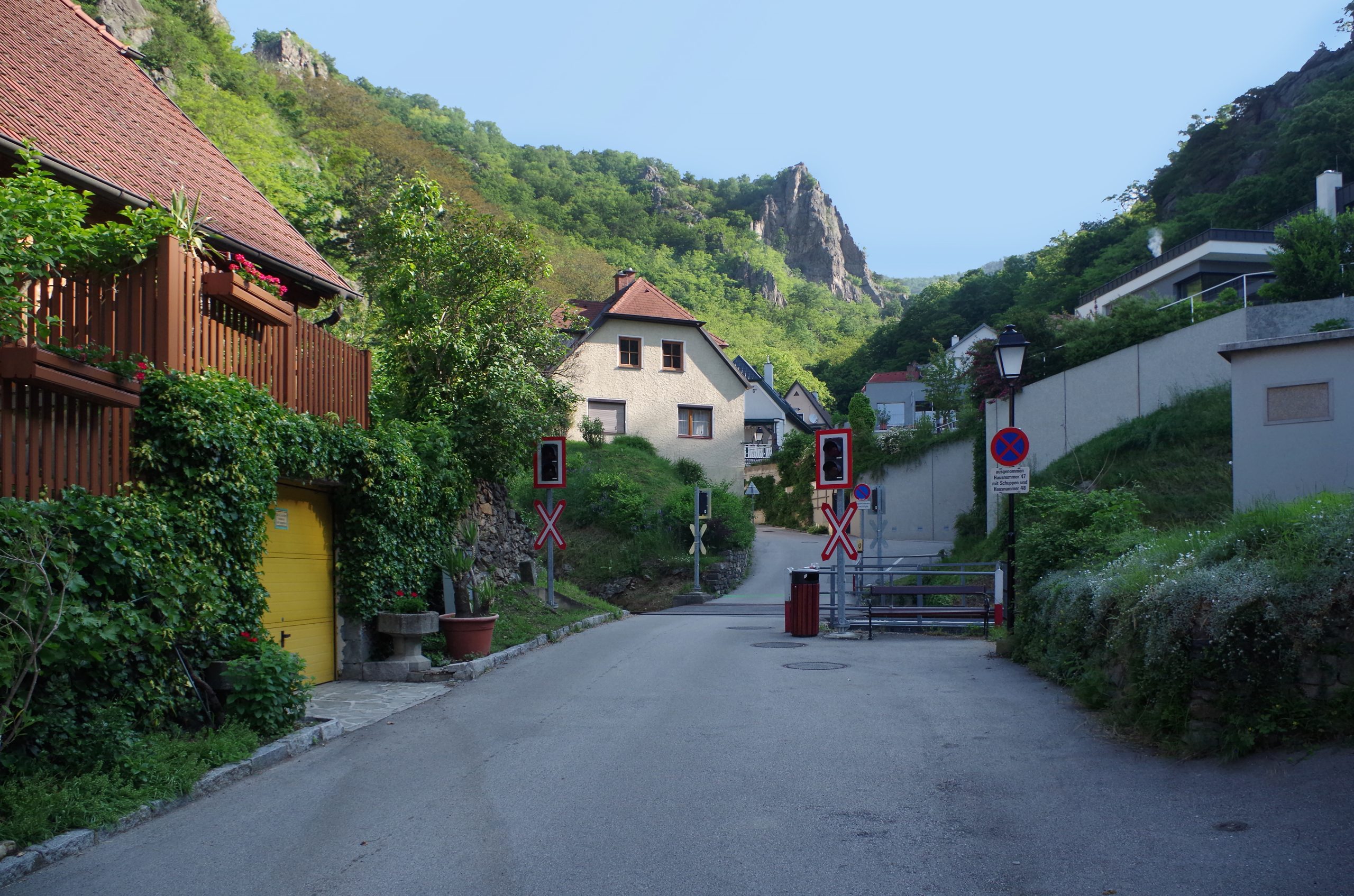
A railroad crossing on a tiny road in Dürnstein
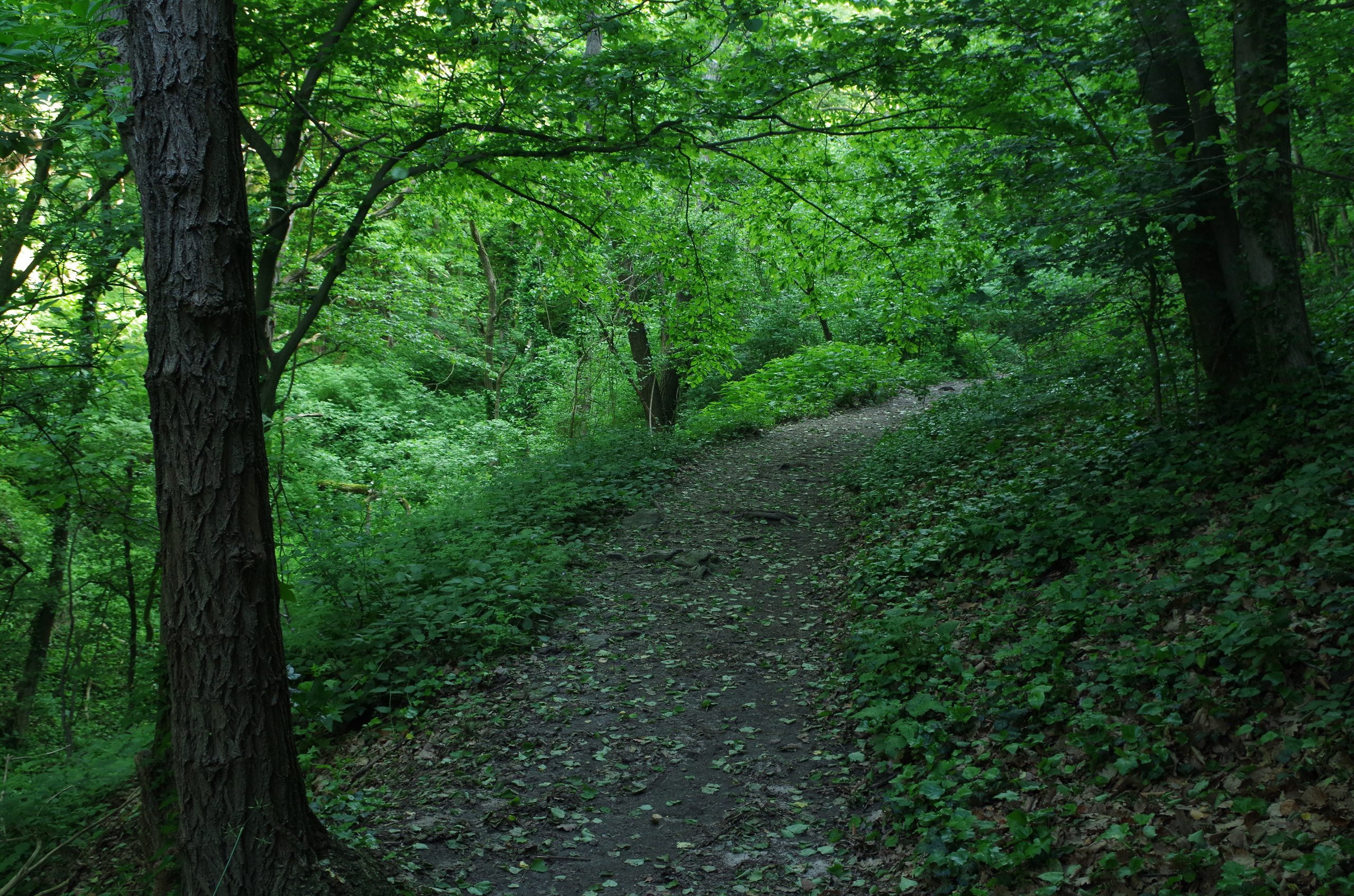
The start of my hike in Dürnstein
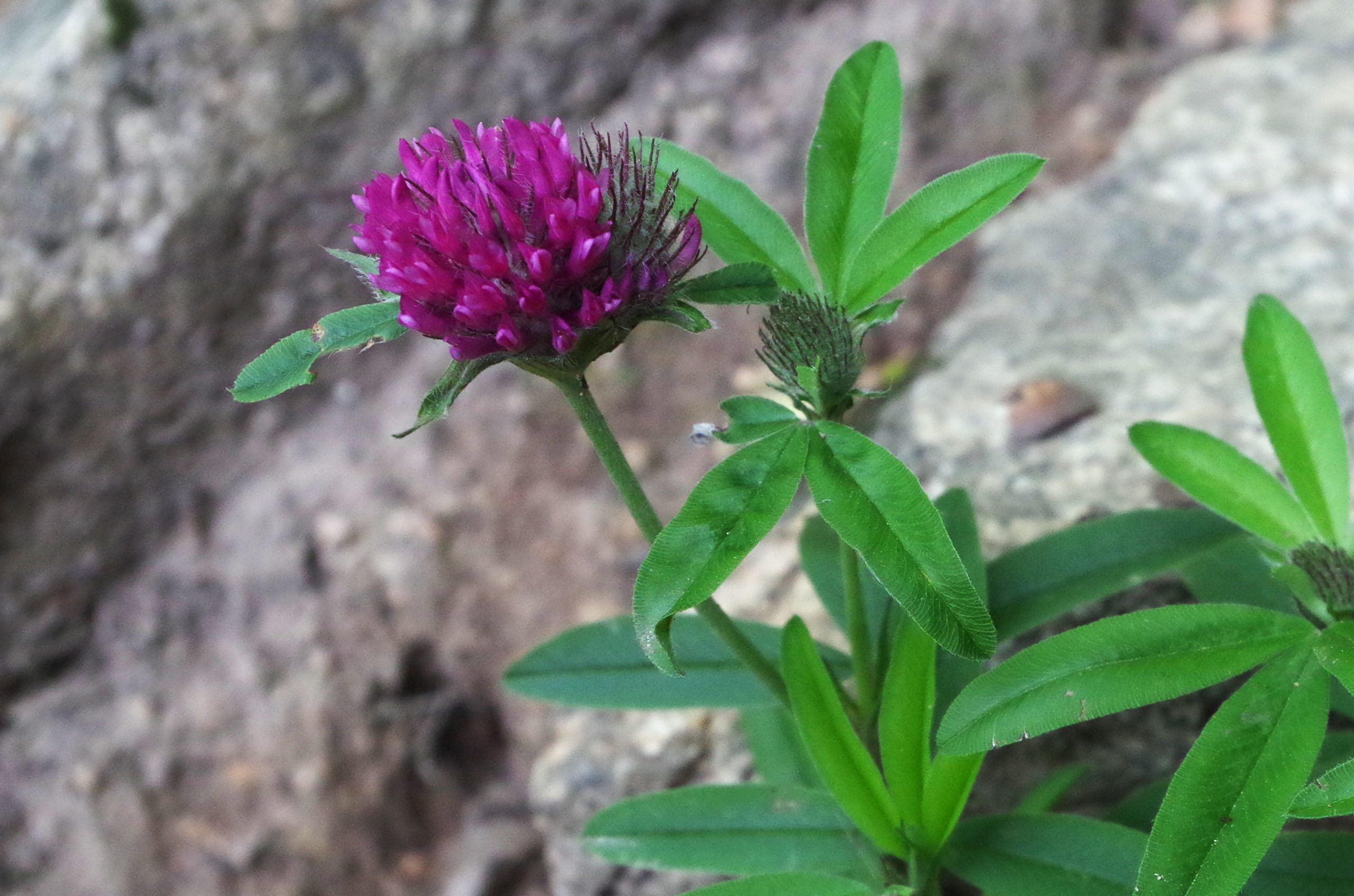
Wildflowers along the way of my hike in Dürnstein
More hiking, with only the sound of songbirds
The summit of my morning hike in Dürnstein
The view from the summit, with castle ruins in the upper left
The view from the summit, overlooking the Danube
The Domane Wachau Vineyards, with the town of Dürnstein in the background
Saying goodbye to Dürnstein as we cruise through the Wachau Valley on our way to Melk
Passing by the Melk Abbey, along the Danube
Burg Aggstein Castle ruins

Regensburg, Germany

When we crossed the border on the Danube into Germany, our first destination was the charming Bavarian city of Regensburg. Also a UNESCO World Heritage site, the downtown maintains its 12th and 13th century charm, largely spared from the bombings of World War II that devasted other more strategic German cities. We chose to take a river cruise through the Danube Gorge, then visited the Weltenburg Abbey.
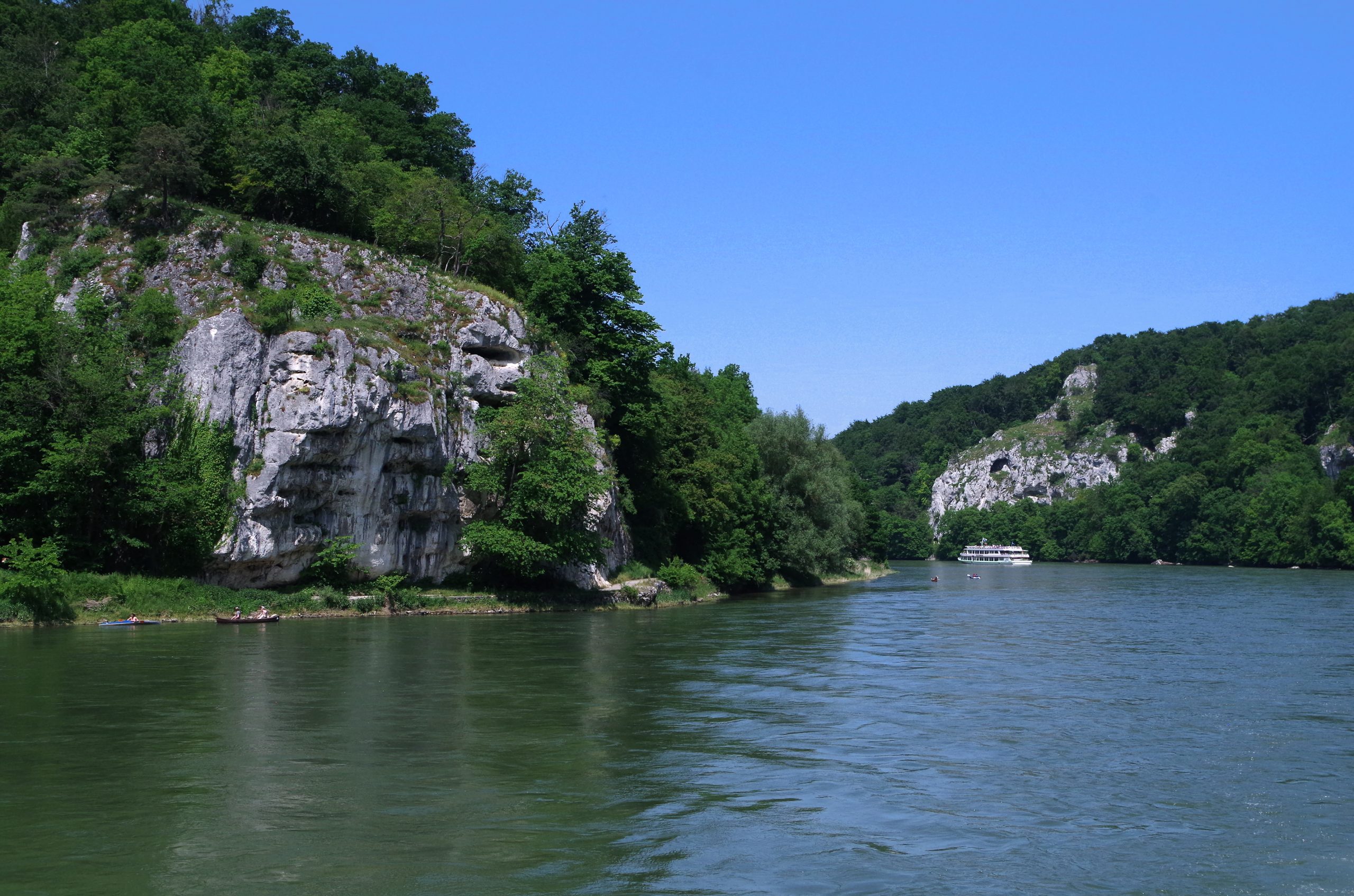
Entering the Danube Gorge, in Regensburg
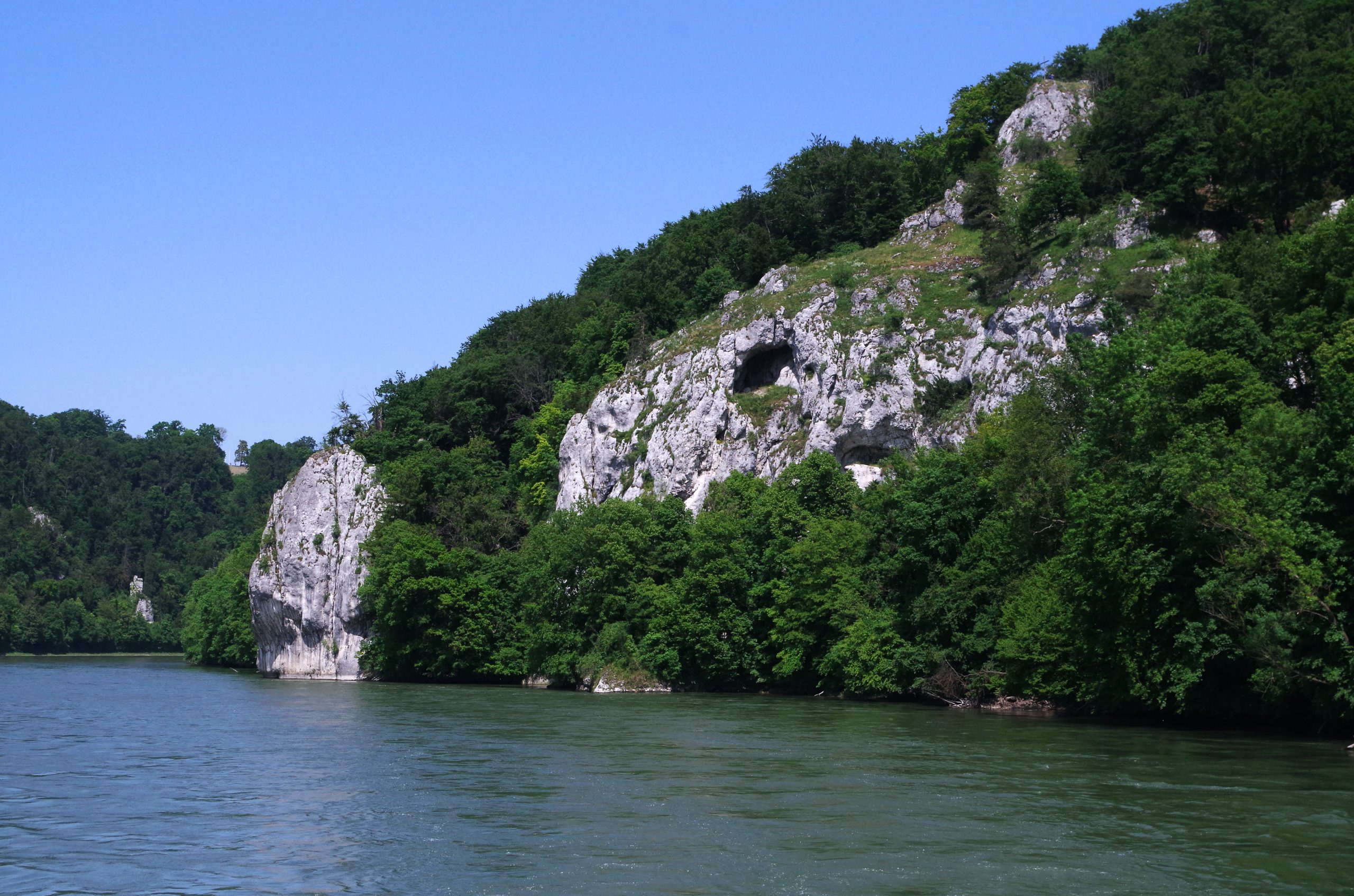
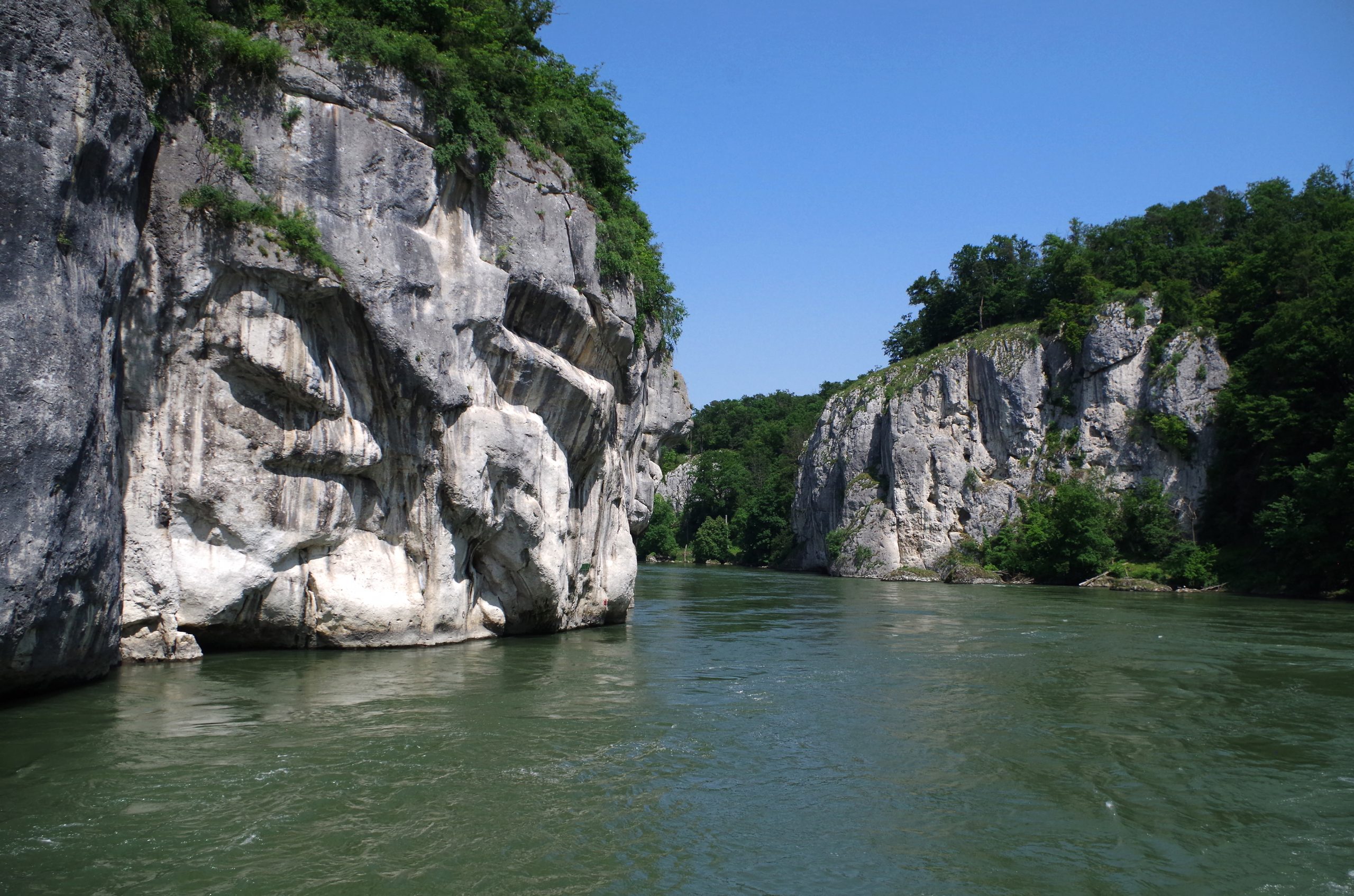
The Danube Gorge, in Regensburg
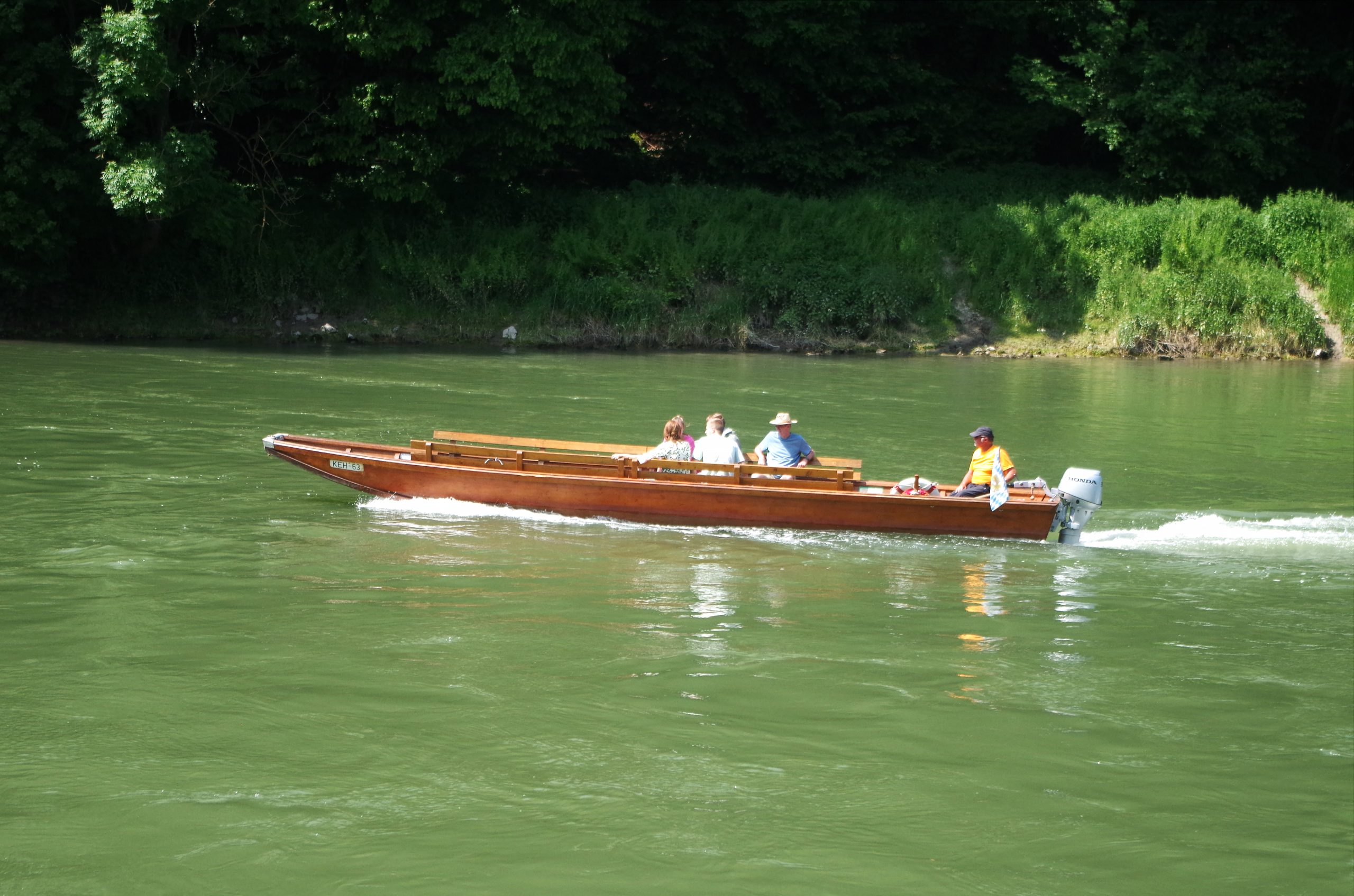
A beautiful wooden boat in the Danube Gorge
The Danube Gorge, in Regensburg
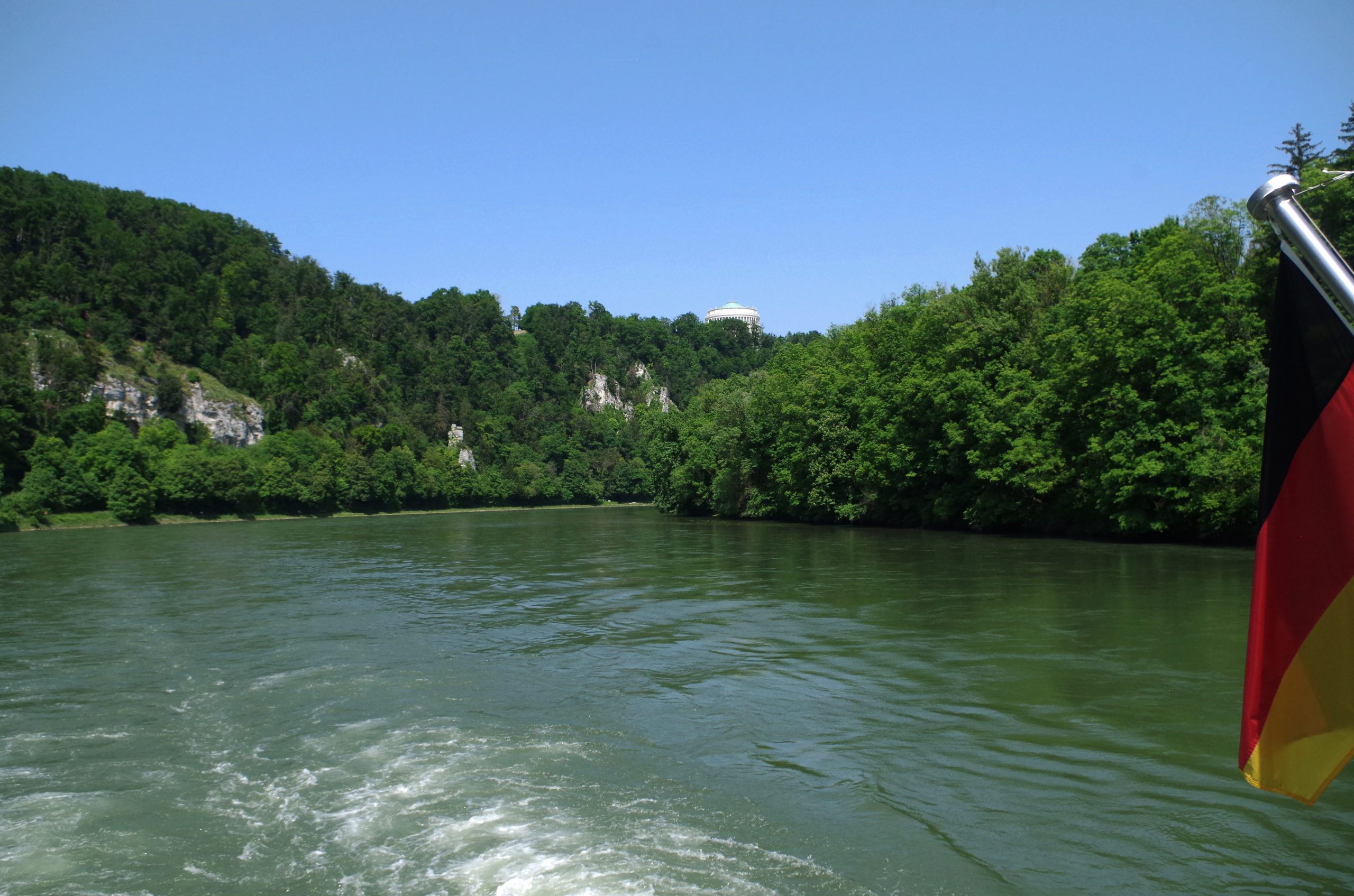
The Danube Gorge, with Befreiungshalle in the distance, Regensburg
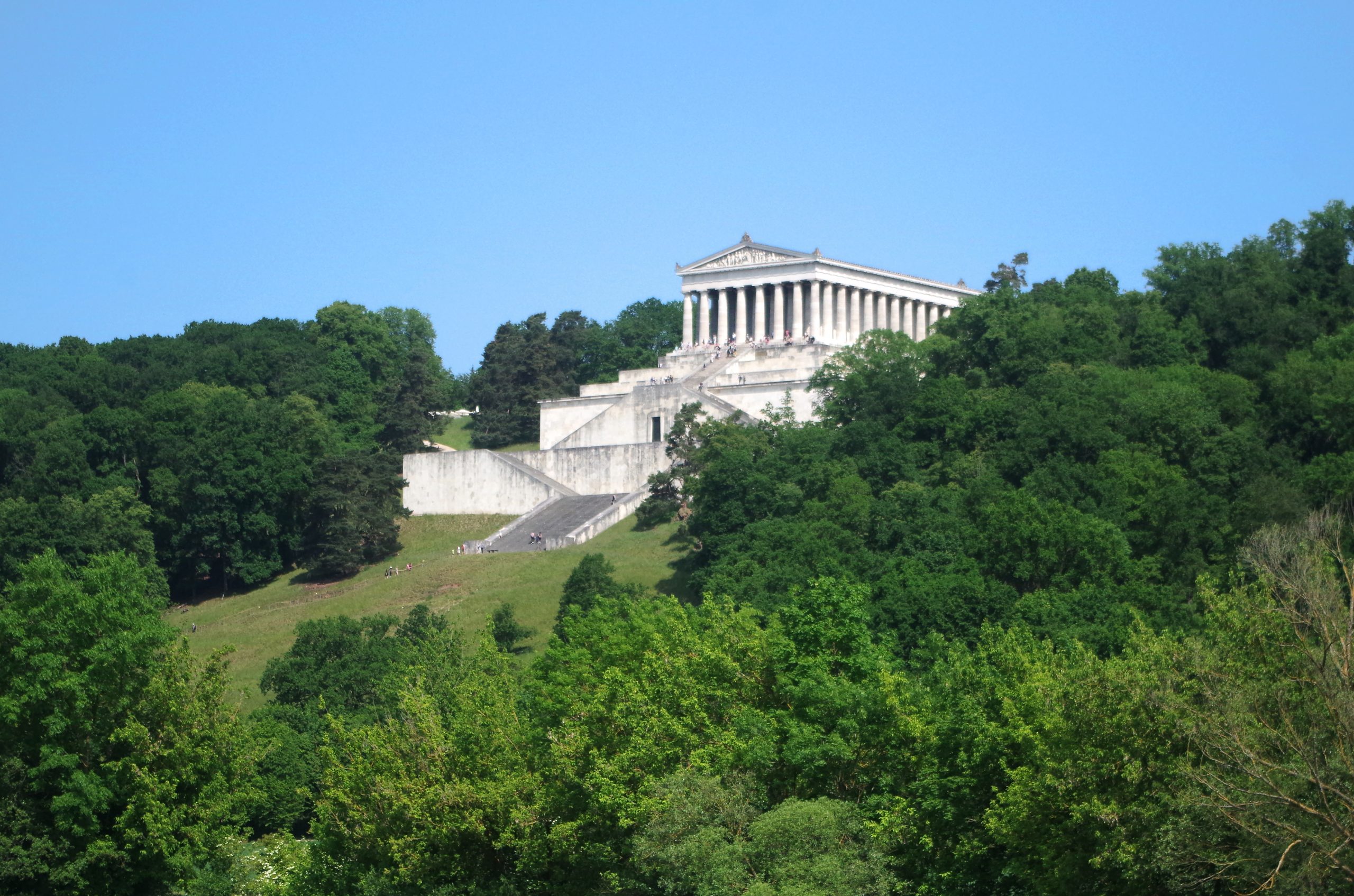
A view of the Walhalla Temple, along the Danube River, Regensburg
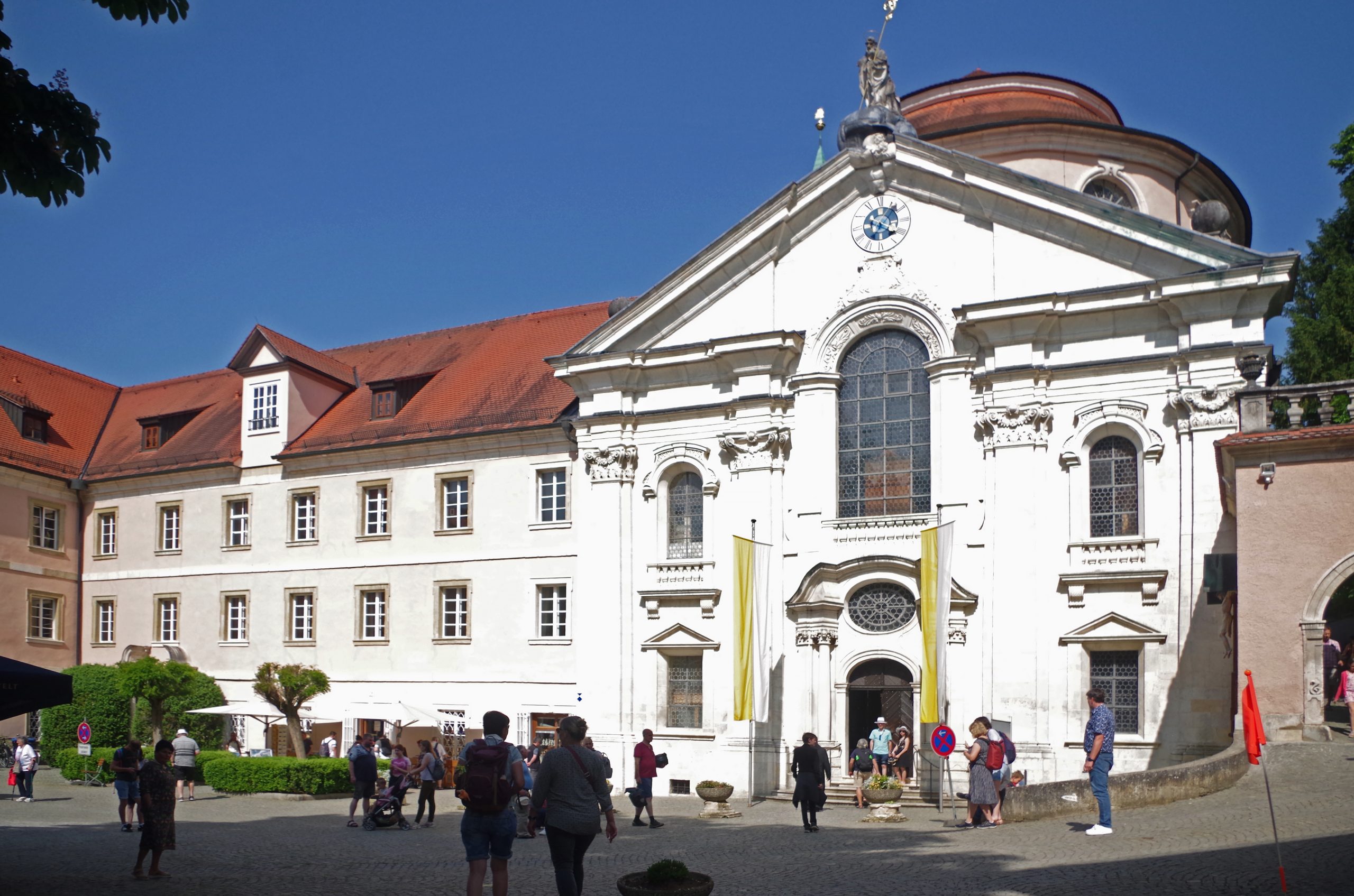
The Weltenburg Abbey, Regensburg
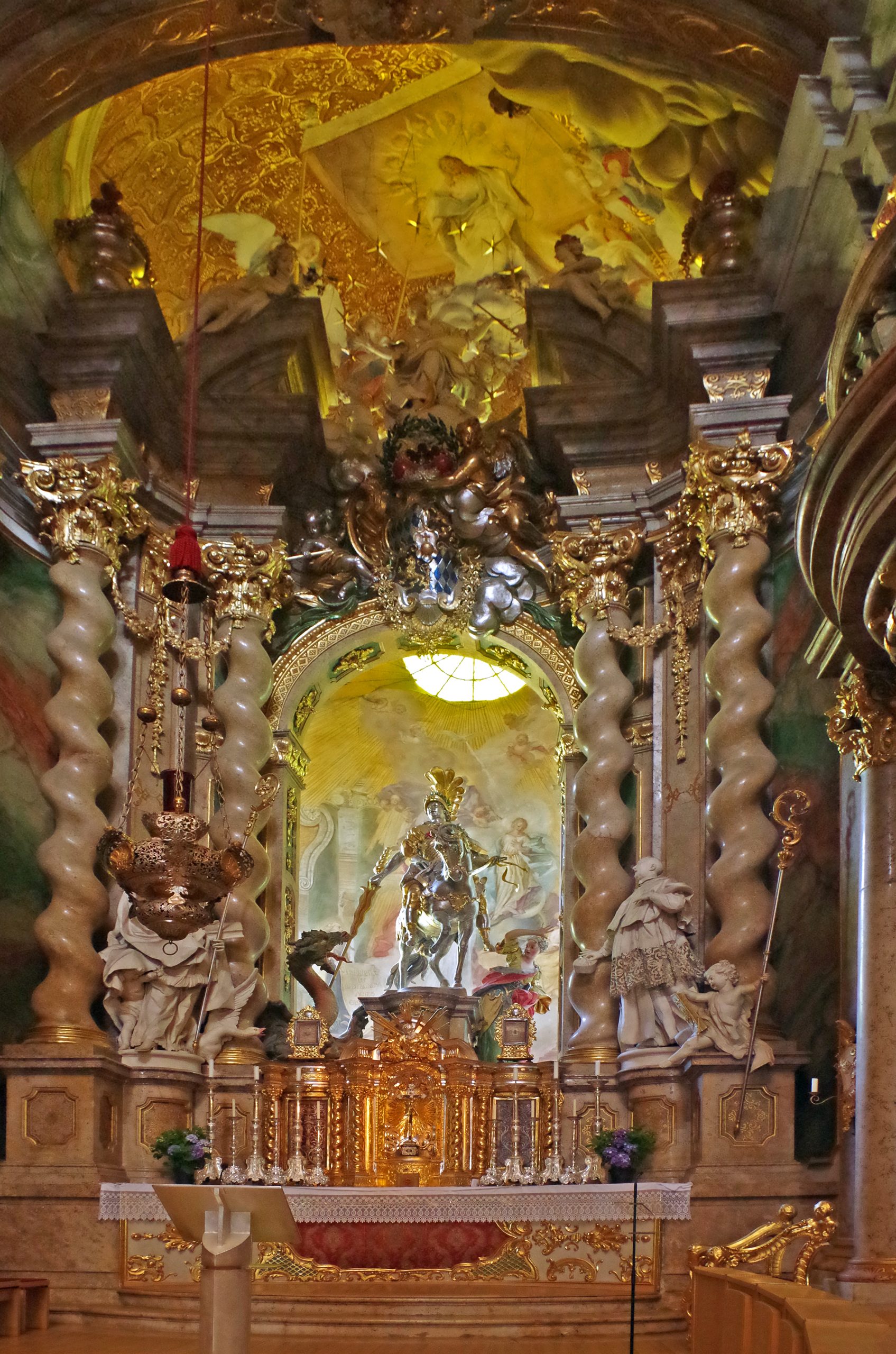
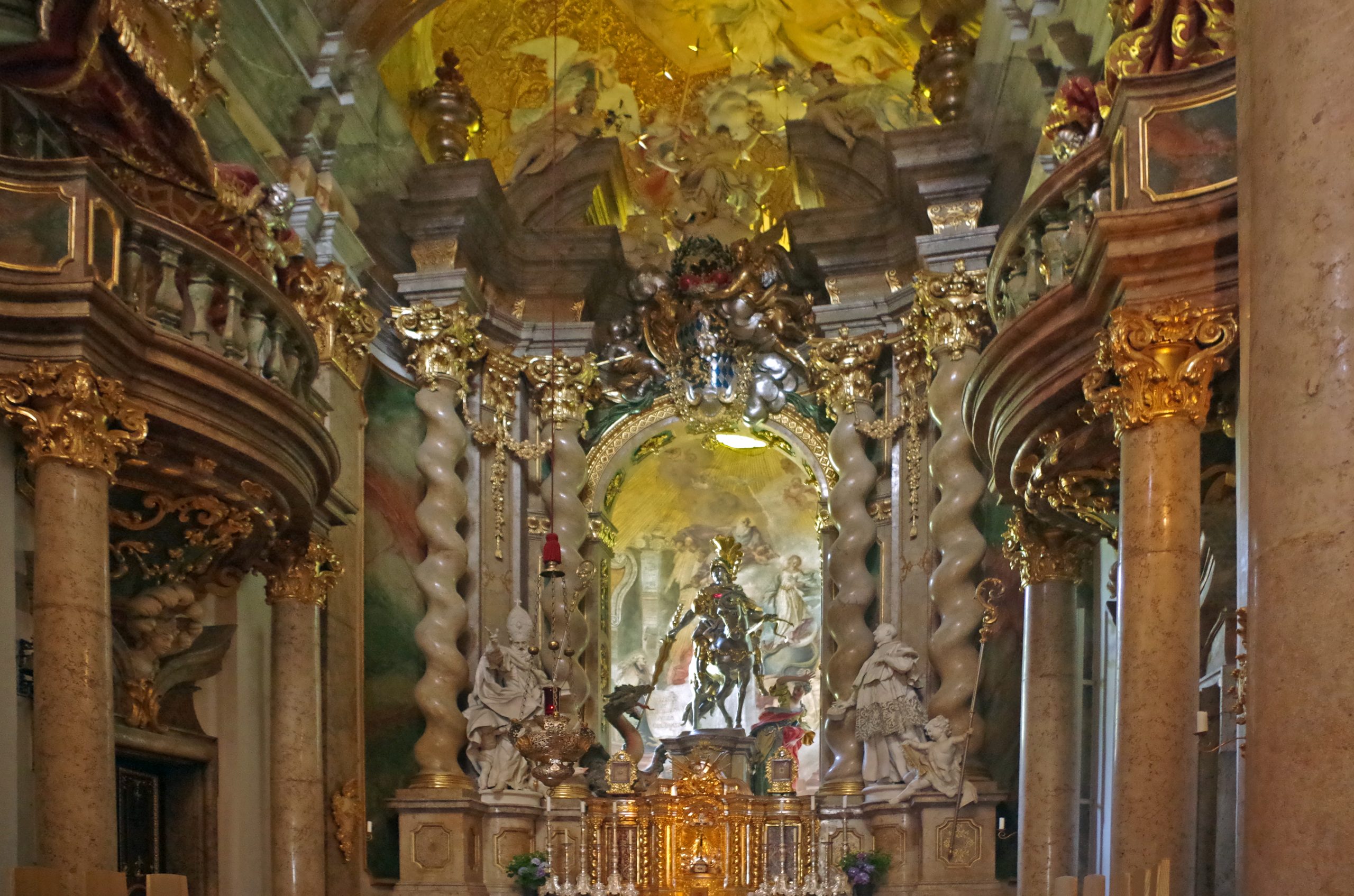
Altar and St. George Statue at the Weltenburg Abbey, Regensburg
St. George Statue at the Weltenburg Abbey, Regensburg
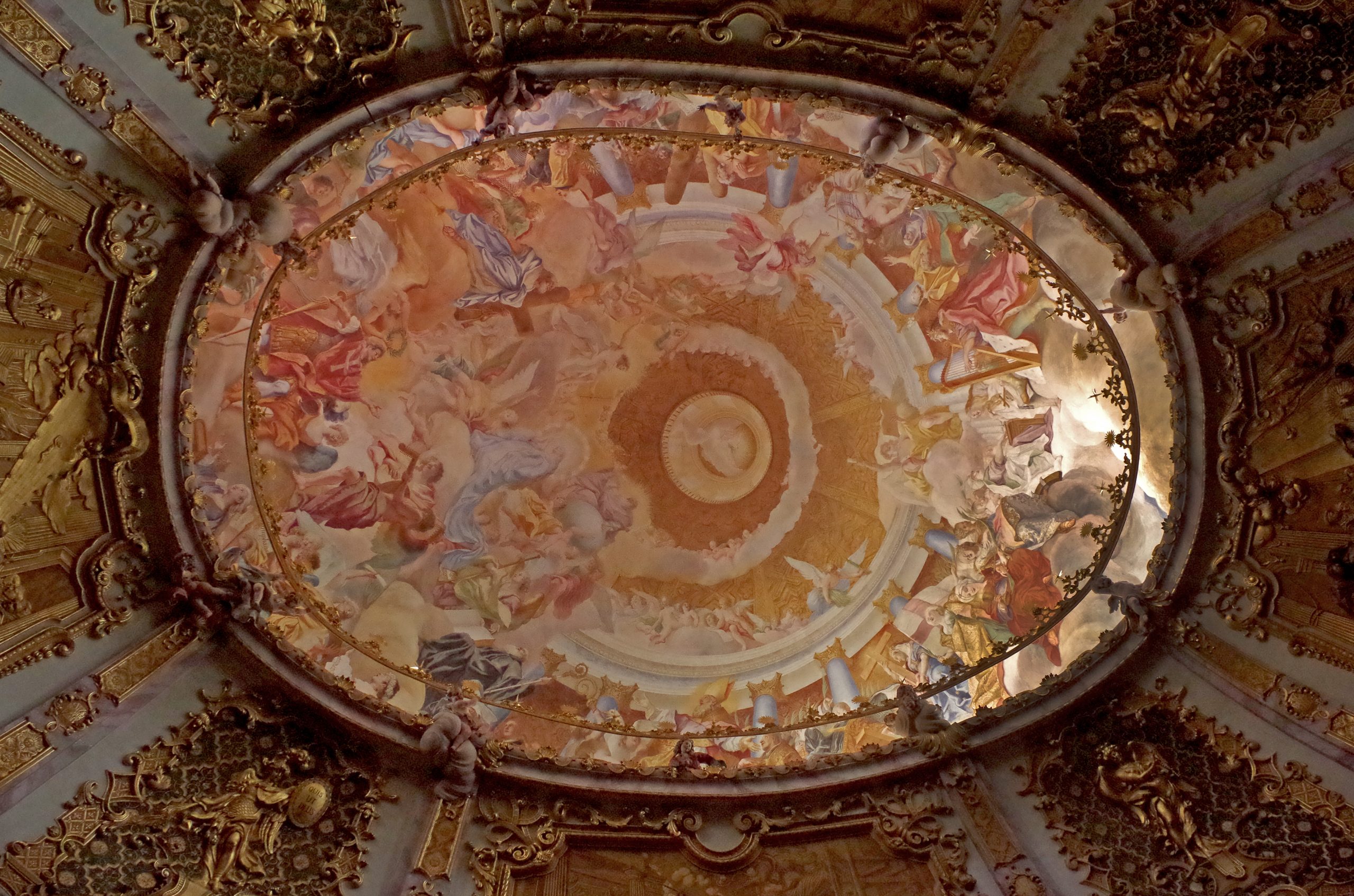
Ceiling at the Weltenburg Abbey, Regensburg
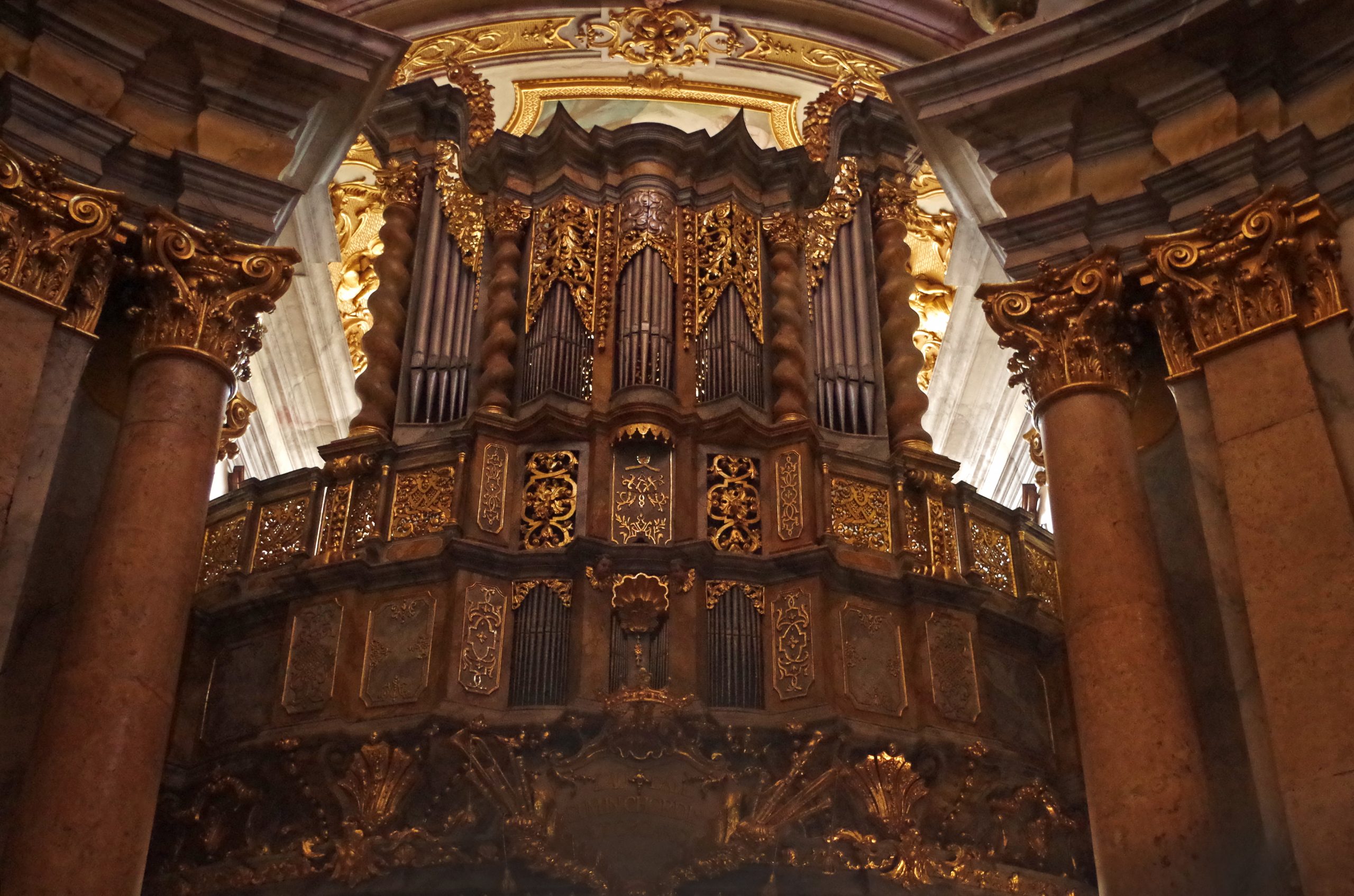
Pipe organ at the Weltenburg Abbey, Regensburg
A lock on the Danube River in Regensburg
Did I mention that we passed through 68 locks?

Salzburg, Austia

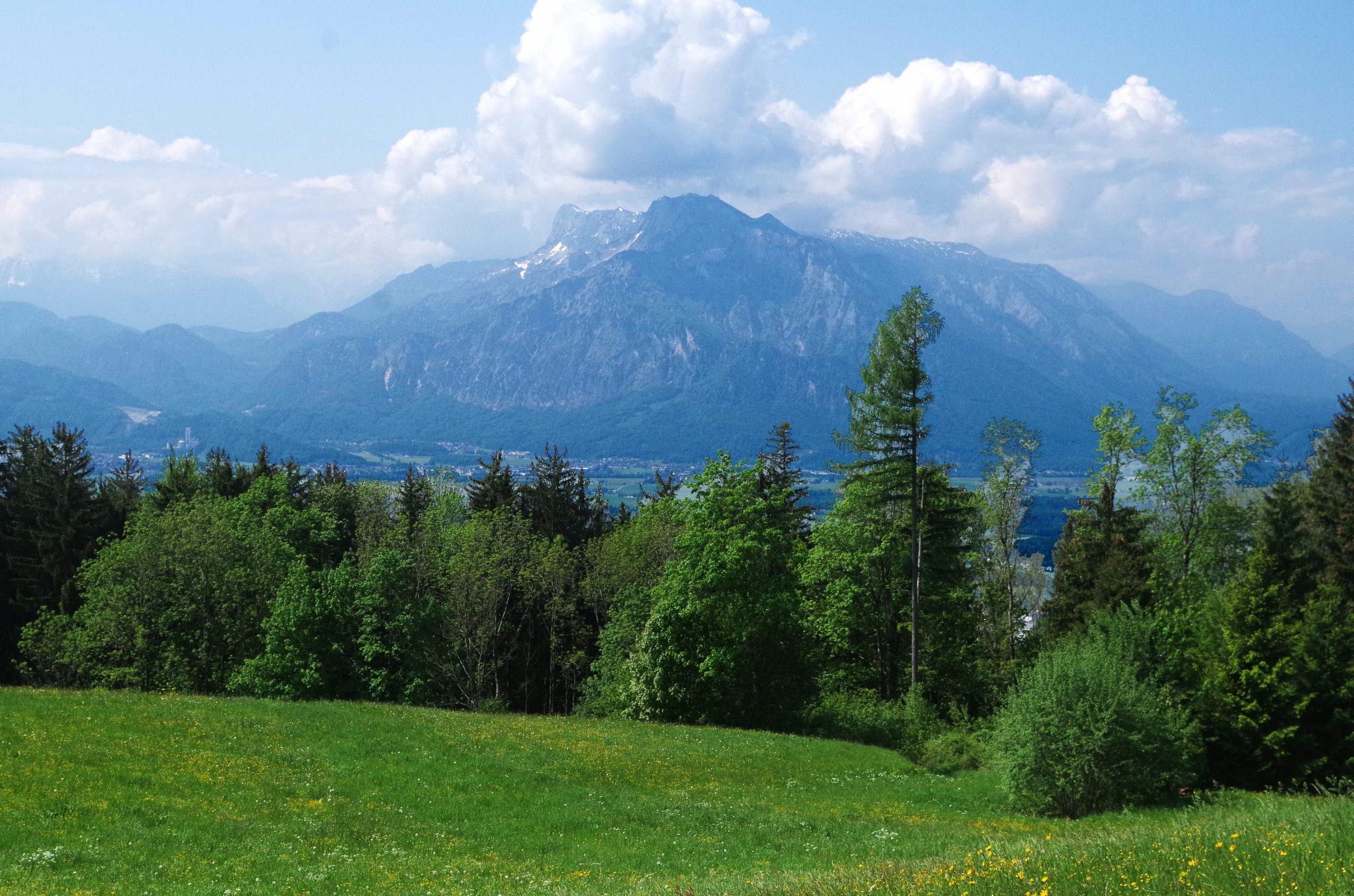
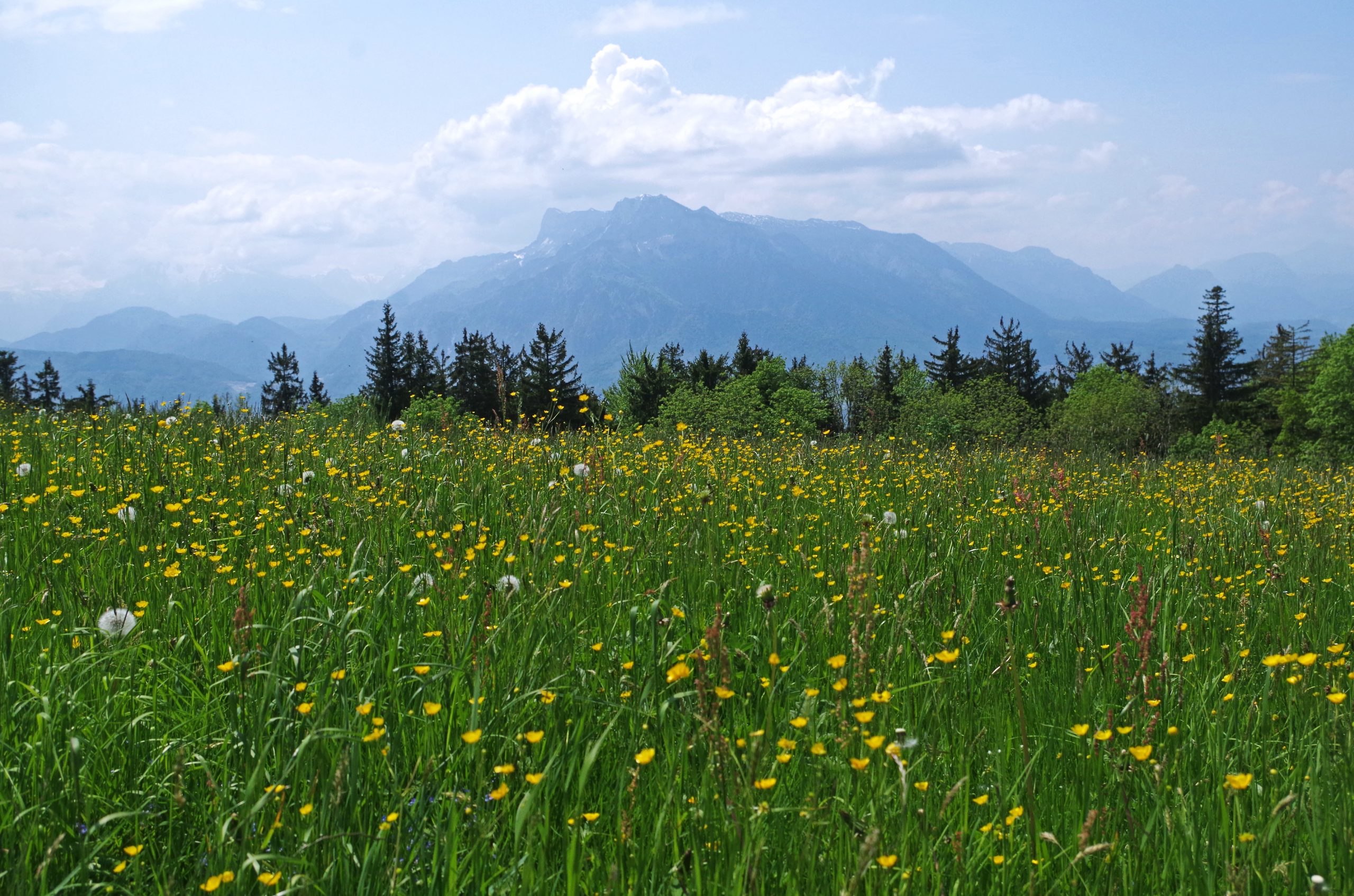
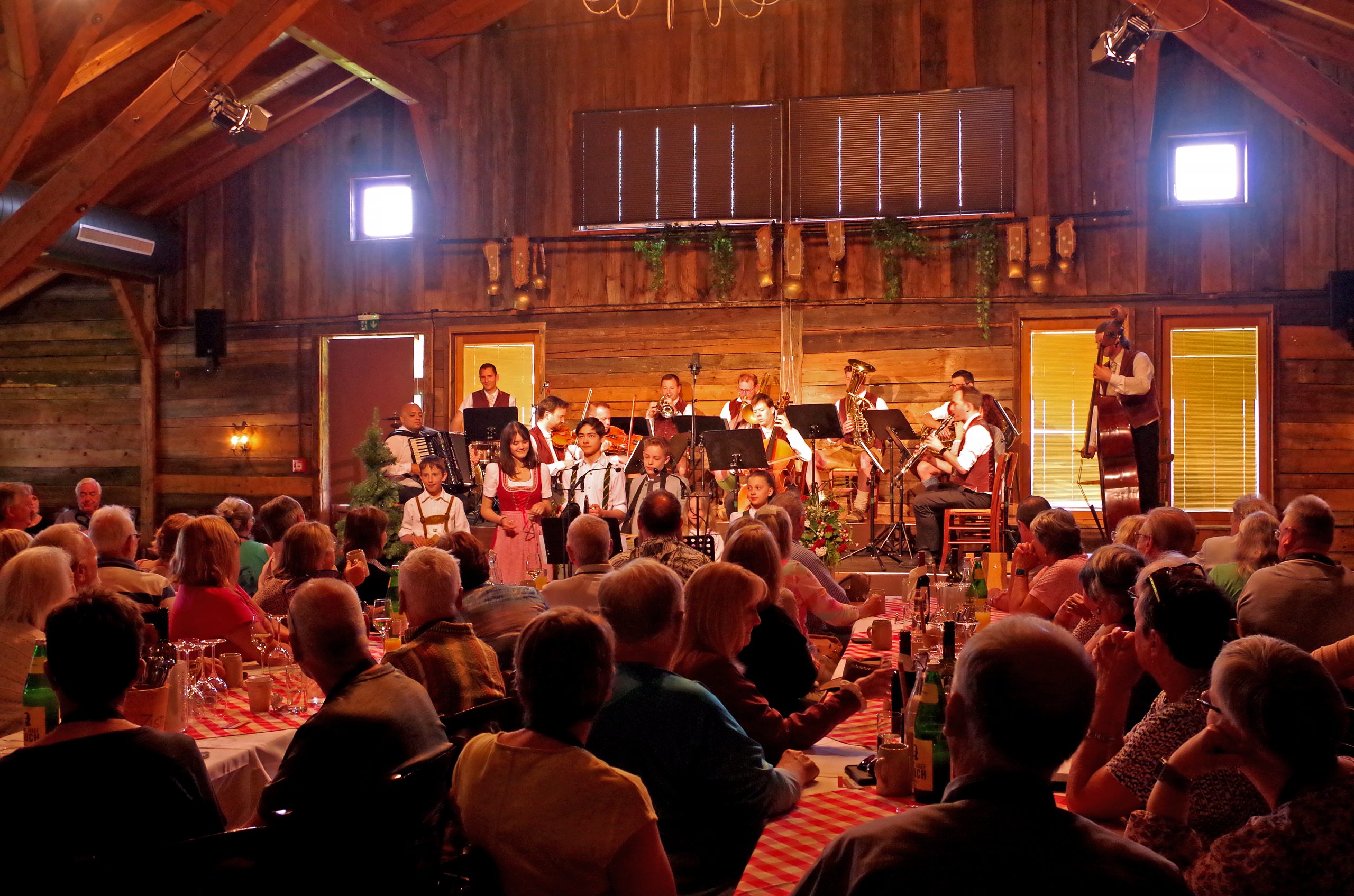
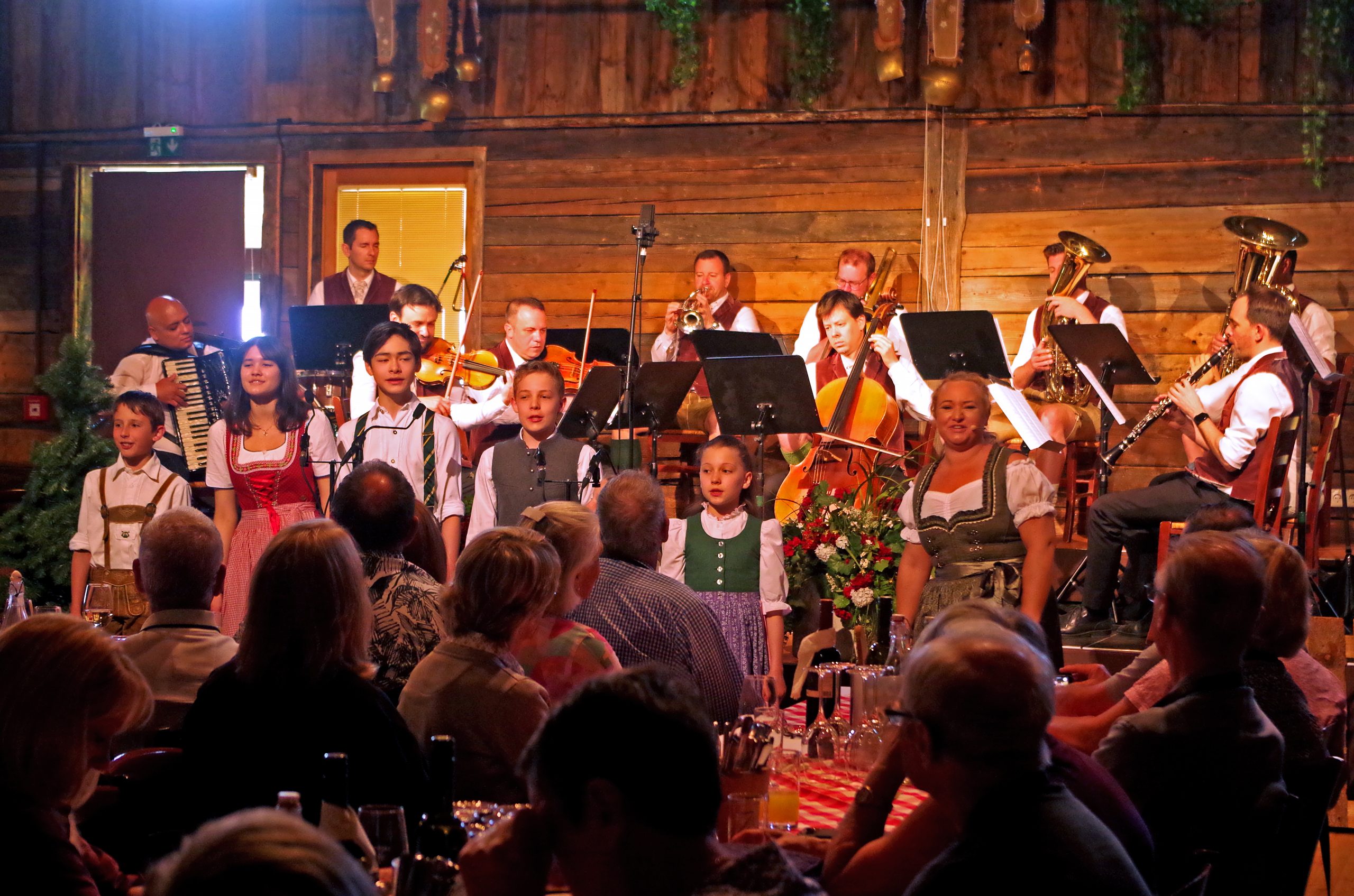
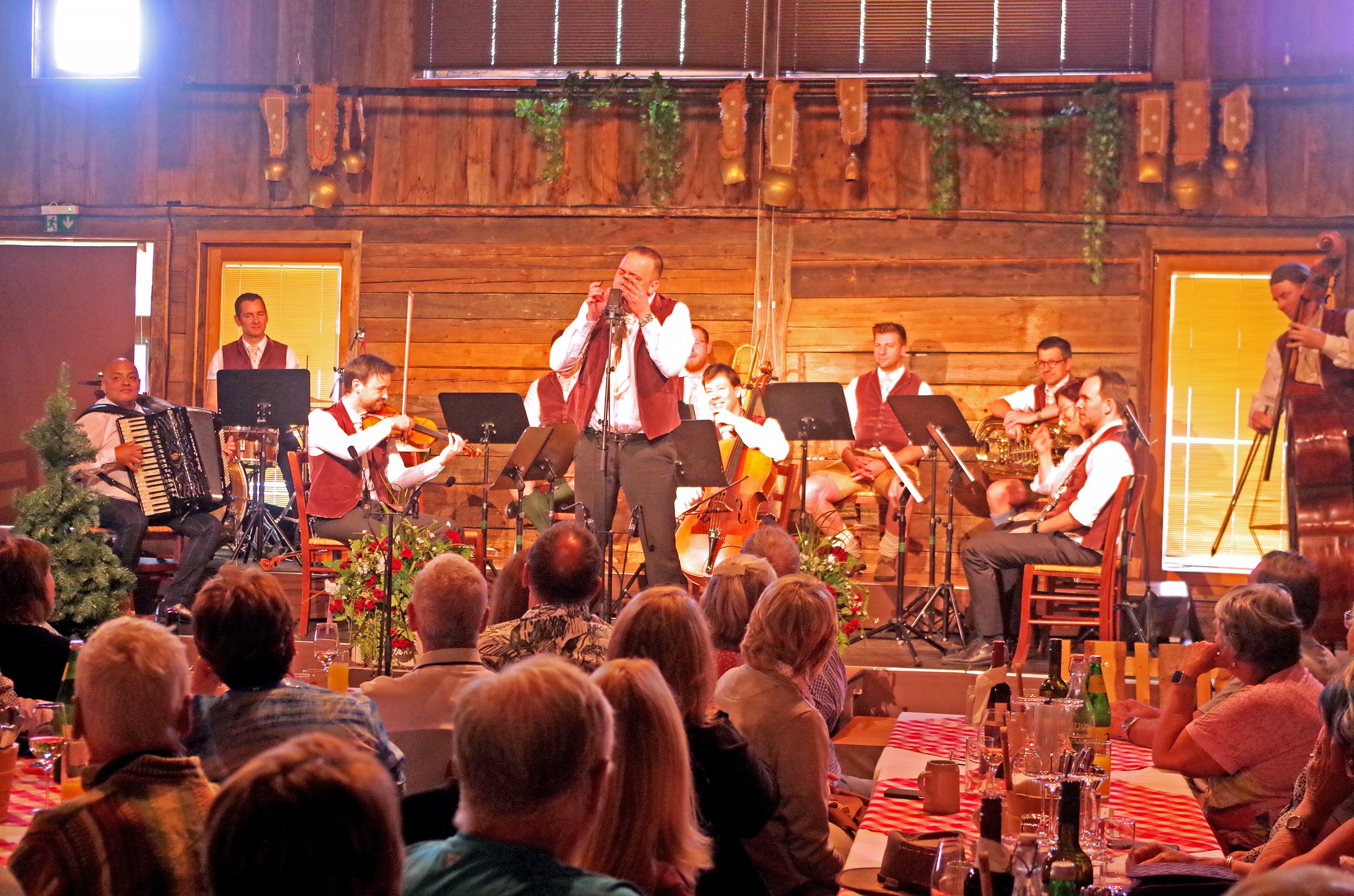
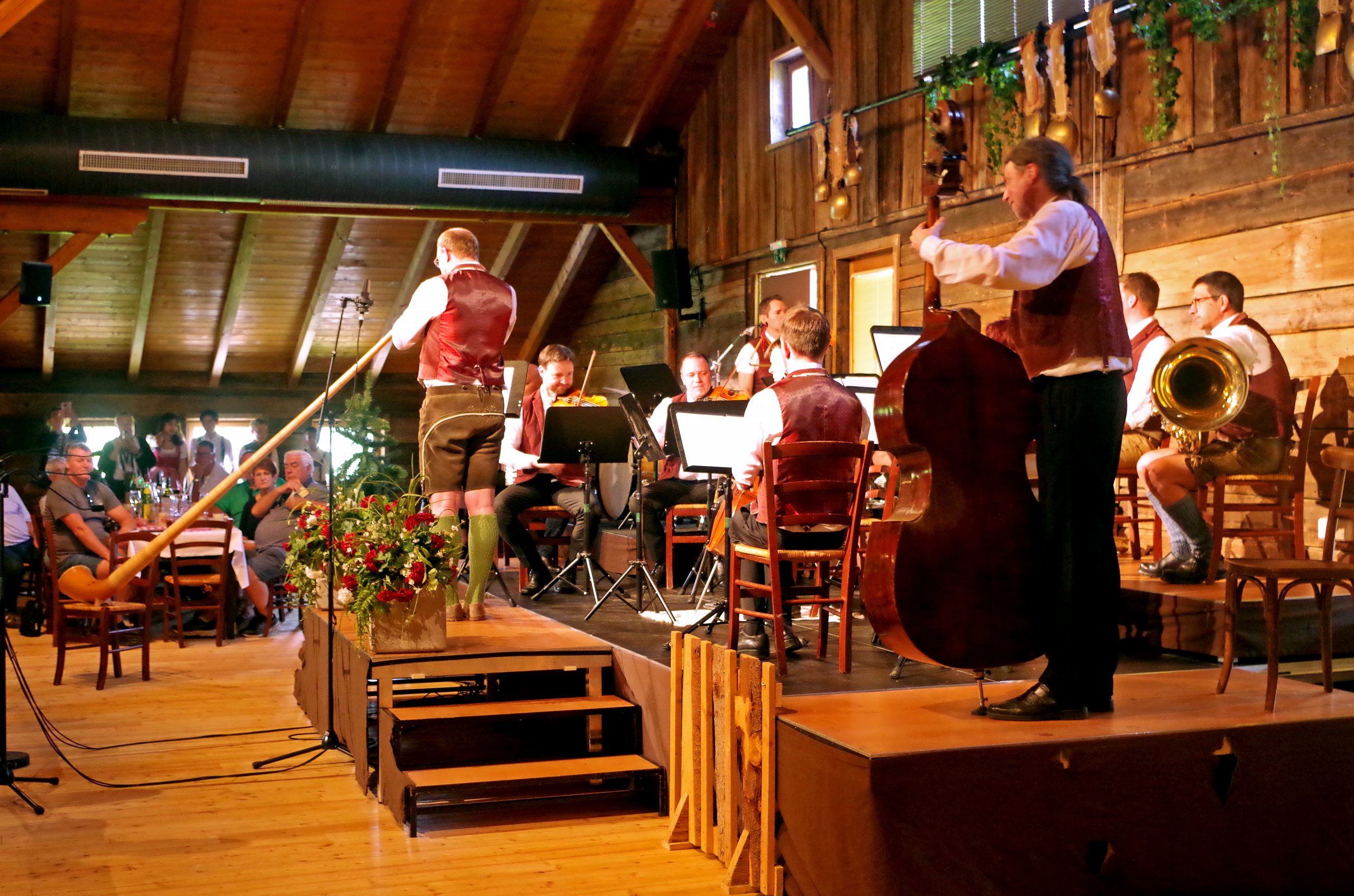
Salzburg is the birthplace of Mozart and a UNESCO World Heritage Site. Our visit to Salzburg was a bit over-the-top unless you are obsessed with the movie “The Sound of Music”. We were told that the locals were unaware of the film when it was released, but they are certainly capitalizing upon it now. One of the Scenic Freechoice tours took participants to various film locations, but we chose the slightly more subtle “Best of The Sound of Music and Salzburg Show”. It was tailored for tourists, but was an enjoyable enough experience, including a lunch and local beer. The children in the performance were exceptionally enjoyable, probably thrilled to  be paid an hourly wage while taking time off from school on a weekday. As you will see, the views of the Eastern Alps from this hilltop were admittedly superb, even on a slightly hazy day.

Welcoming us upon our arrival in Salzburg
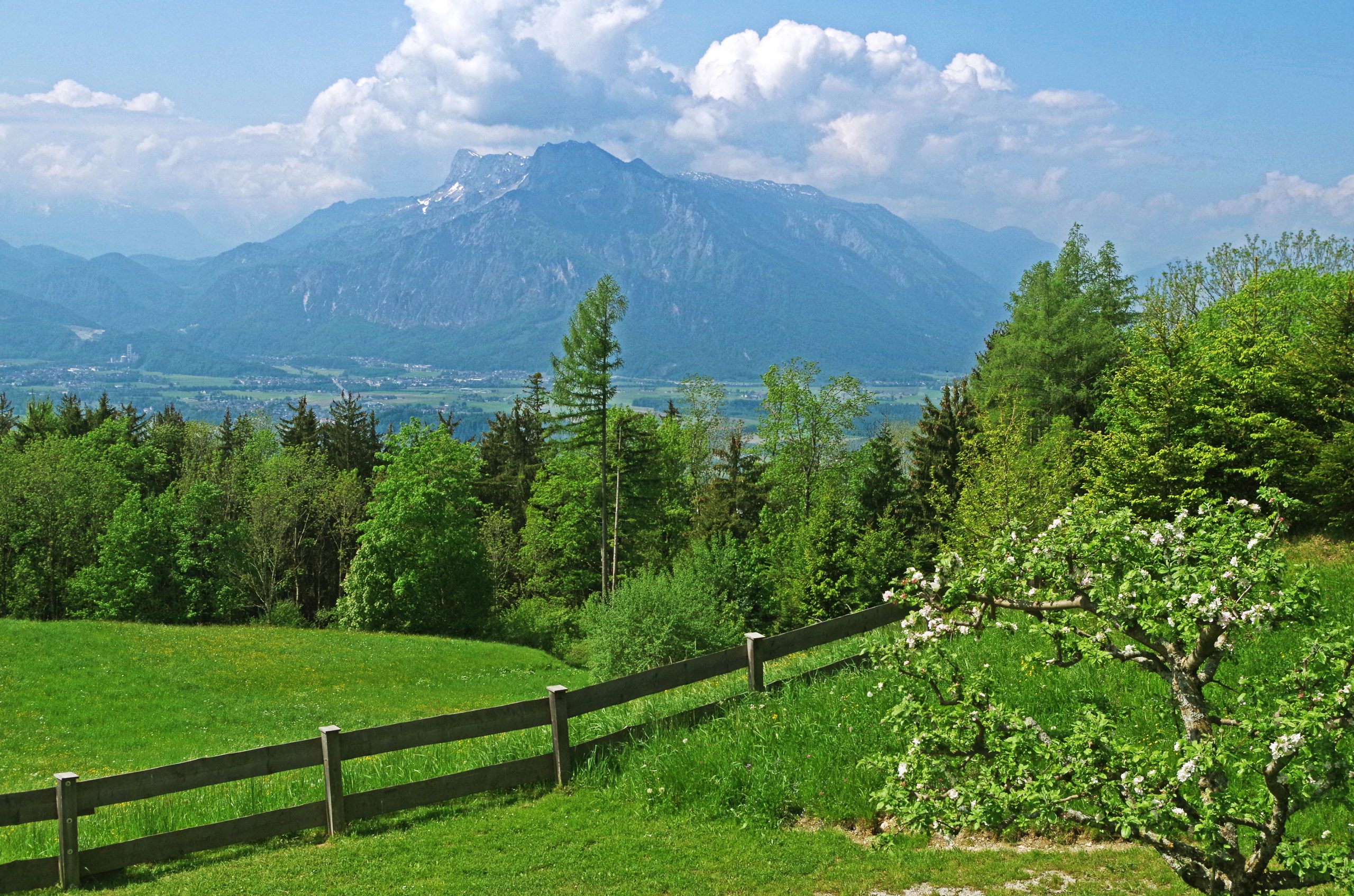
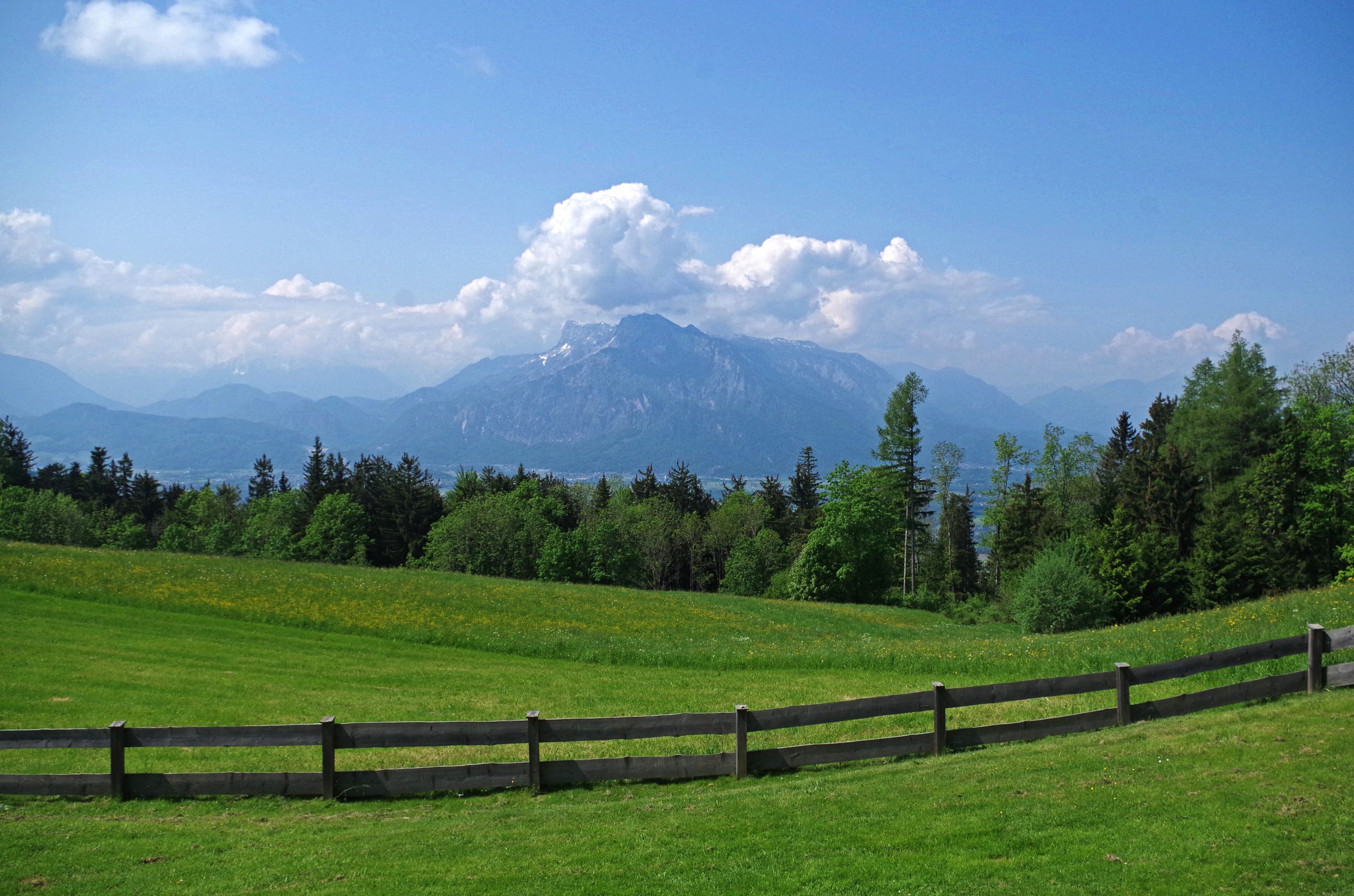
The view from our lunchtime retreat in Salzburg
Another view from our lunchtime retreat in Salzburg
Yet another view from our lunchtime retreat in Salzburg
Can you hear that the Hills Are Alive?
Our lunchtime entertainment in Salzburg
Another scene of our lunchtime entertainment in Salzburg
A Jew’s Harp performance in Salzburg
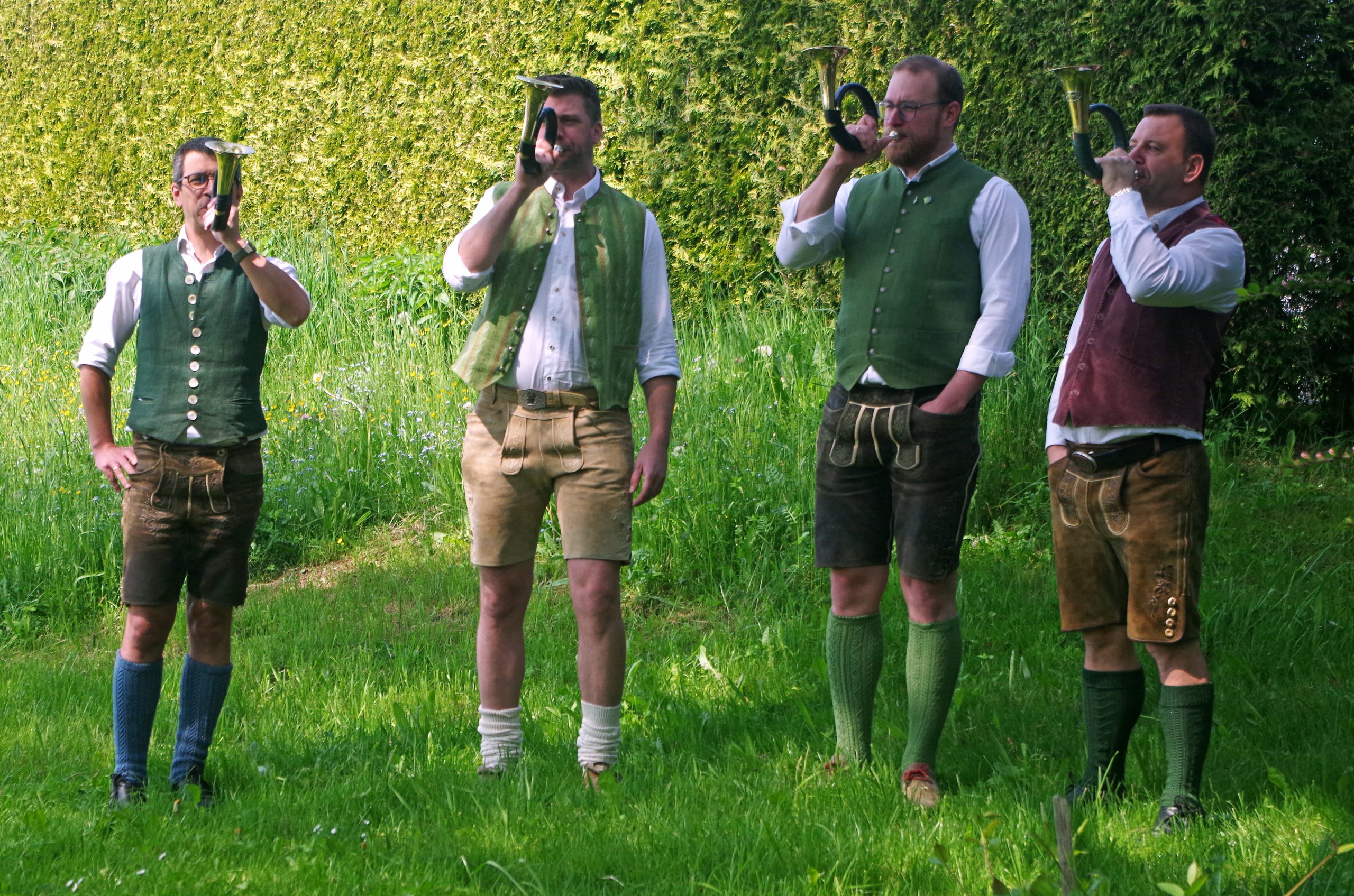
An alpenhorn performance in Salzburg

Vienna, Austria & Bratislava, Slovakia

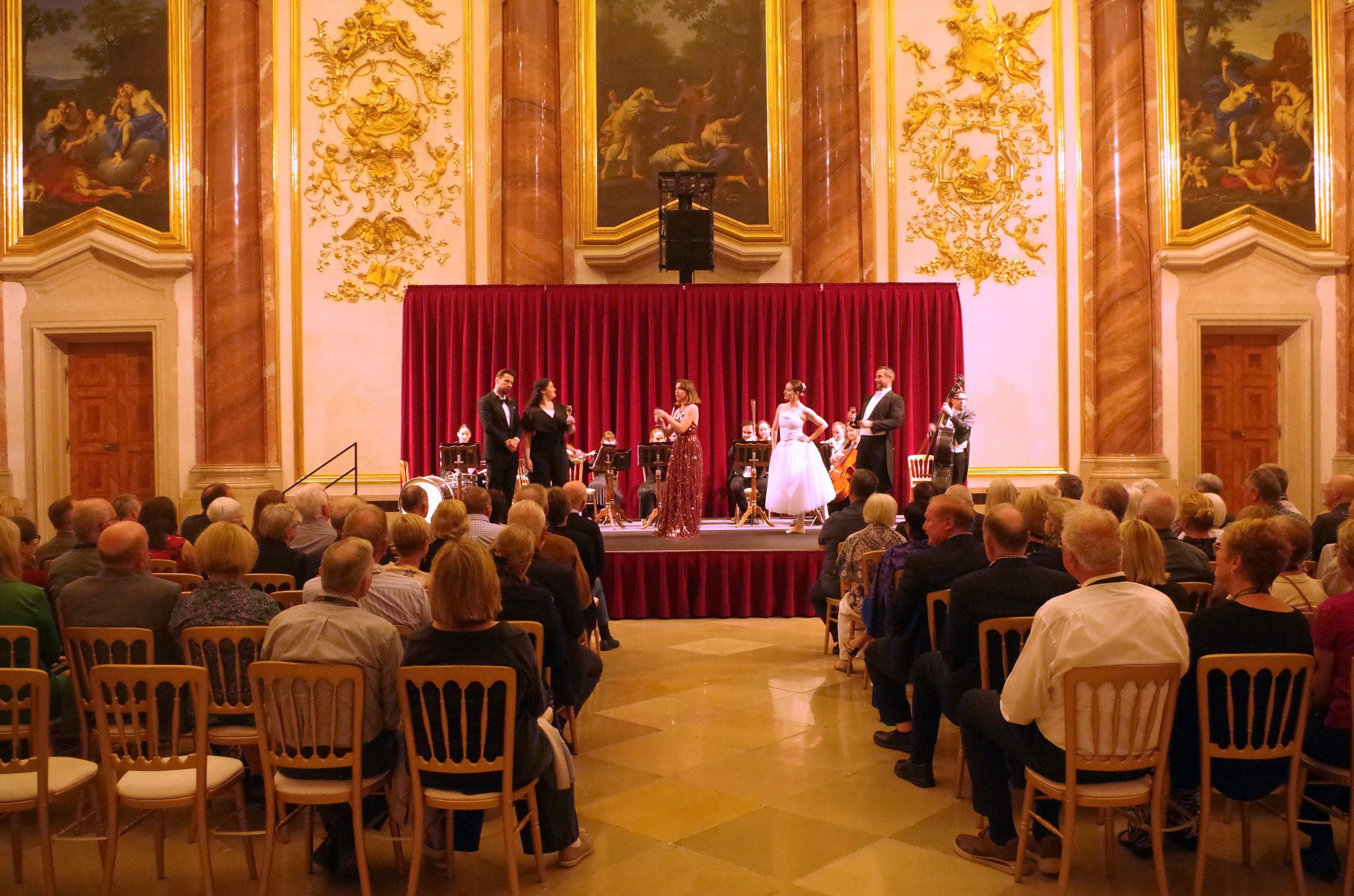
Our next destination was the City of Vienna, with an evening concert at the Palais Liechtenstein, followed by a one-hour coach ride to the City of Bratislava – the capital of Slovakia – the following morning. Along the way, we drove through the Austrian countryside, small towns, and extensive farmland. Despite the opulence and historical context of Vienna, it always proved to be the case that we had a greater appreciation for the smaller cities and towns that we visited.

On our way to Bratislava, located very close to the border with Austria, we were told to have our passports ready, just in case there would be a security check, despite the open borders within the European Union. This was due to the GLOBSEC Bratislava Forum taking place, with 1200 attendees from 60 countries, including 11 heads of state from Central and Eastern European countries and beyond. The most recognizable name here in the United States was President Emmanuel Macron, of France. As it turned out, we were waved through the border.

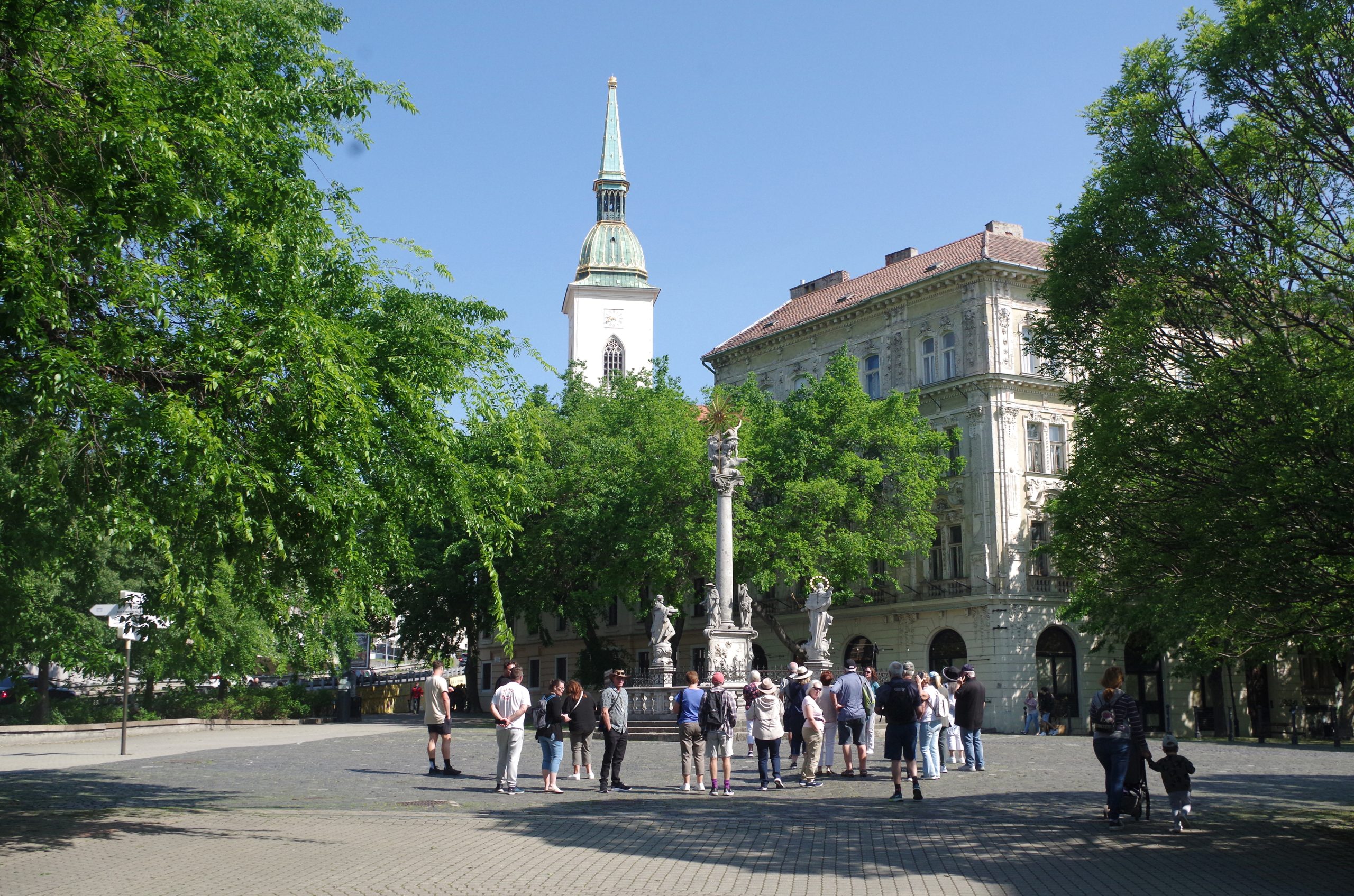
Formerly part of Czechoslovakia and then known as the Slovak Socialist Republic, this was a heavily guarded border between the East and the West until the Slovak Republic – more commonly known as Slovakia – was formed in 1993. On the outskirts of the city, the socialist-style concrete block architecture is still the dominant housing, where the masses were all supposed to be equals, unless one happened to be a Communist Party official. The only difference today is that the formerly all-gray buildings are now being colorfully painted, in an attempt to bring some personality to the housing. As seems to be the case everywhere with people who formerly lived under the occupation and political oppression of the Soviet Union, the people in Slovakia appear to truly cherish their new freedom and democracy. In Bratislava, as you will see, the people also love their sculptures, statues, monuments, and fountains.

Palais Liechtenstein concert, Vienna
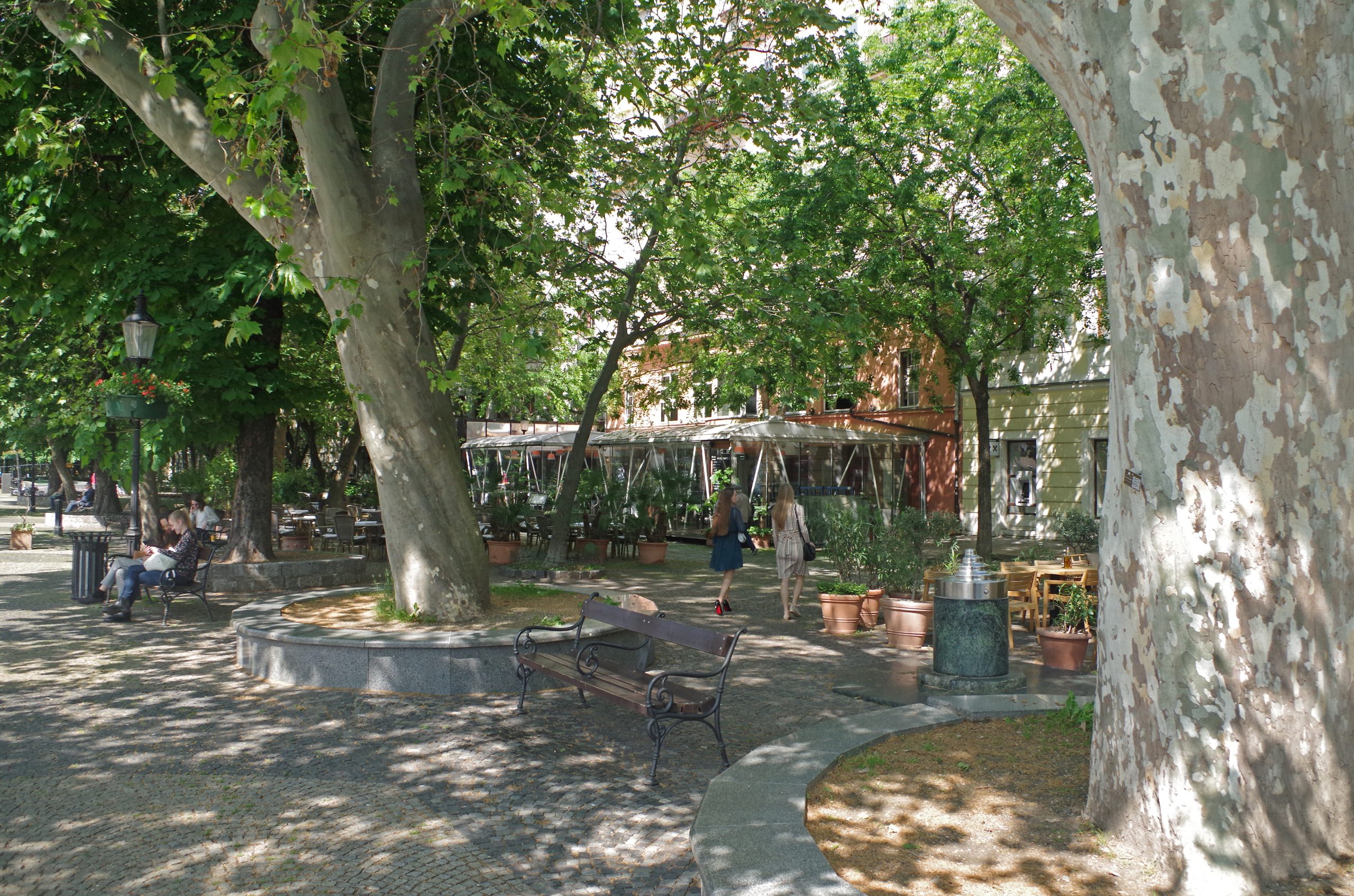
Old City, Bratislava
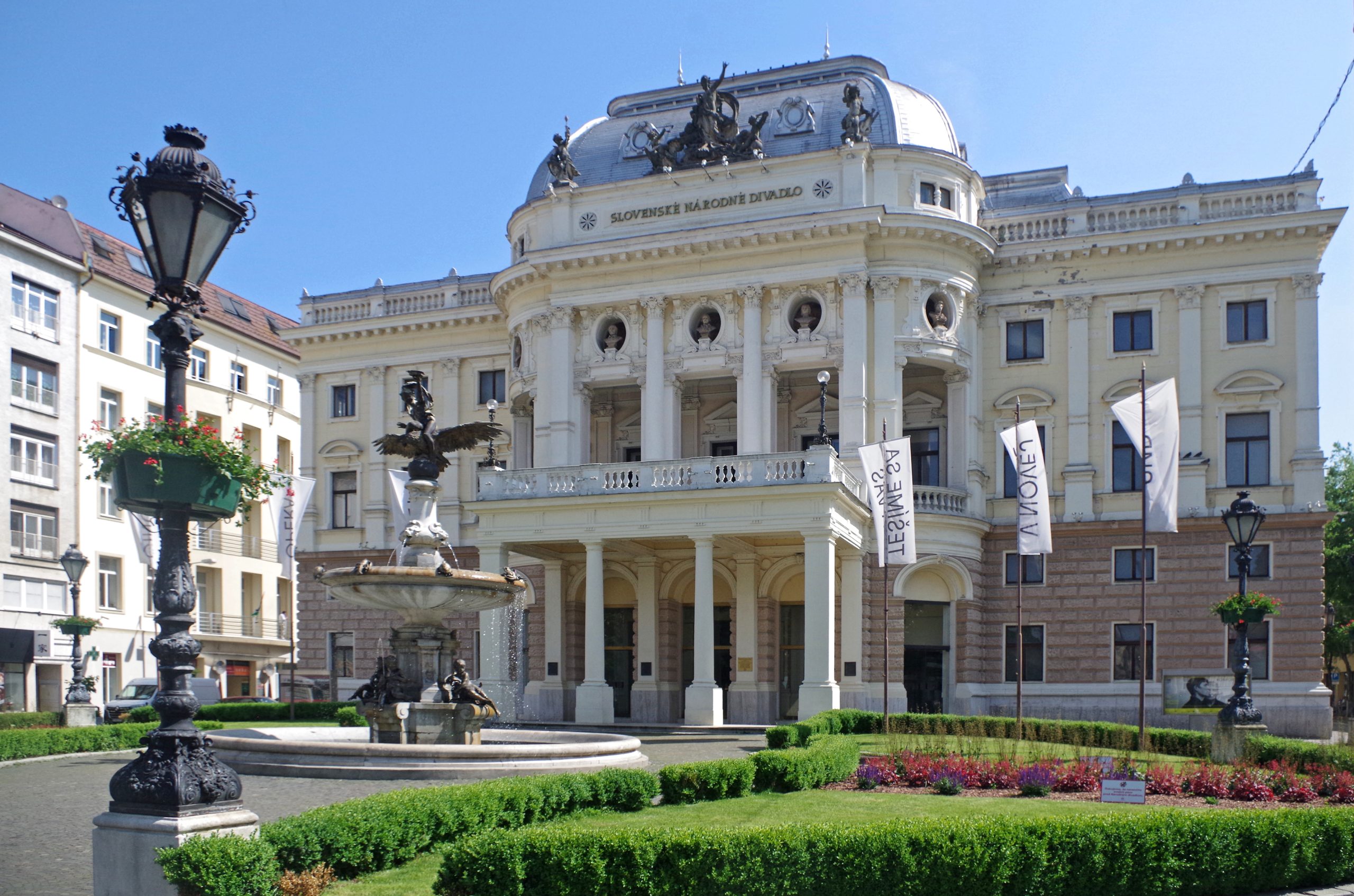
Slovak National Theatre, Bratislava
Ganymede Fountain in the Central Square, Bratislava
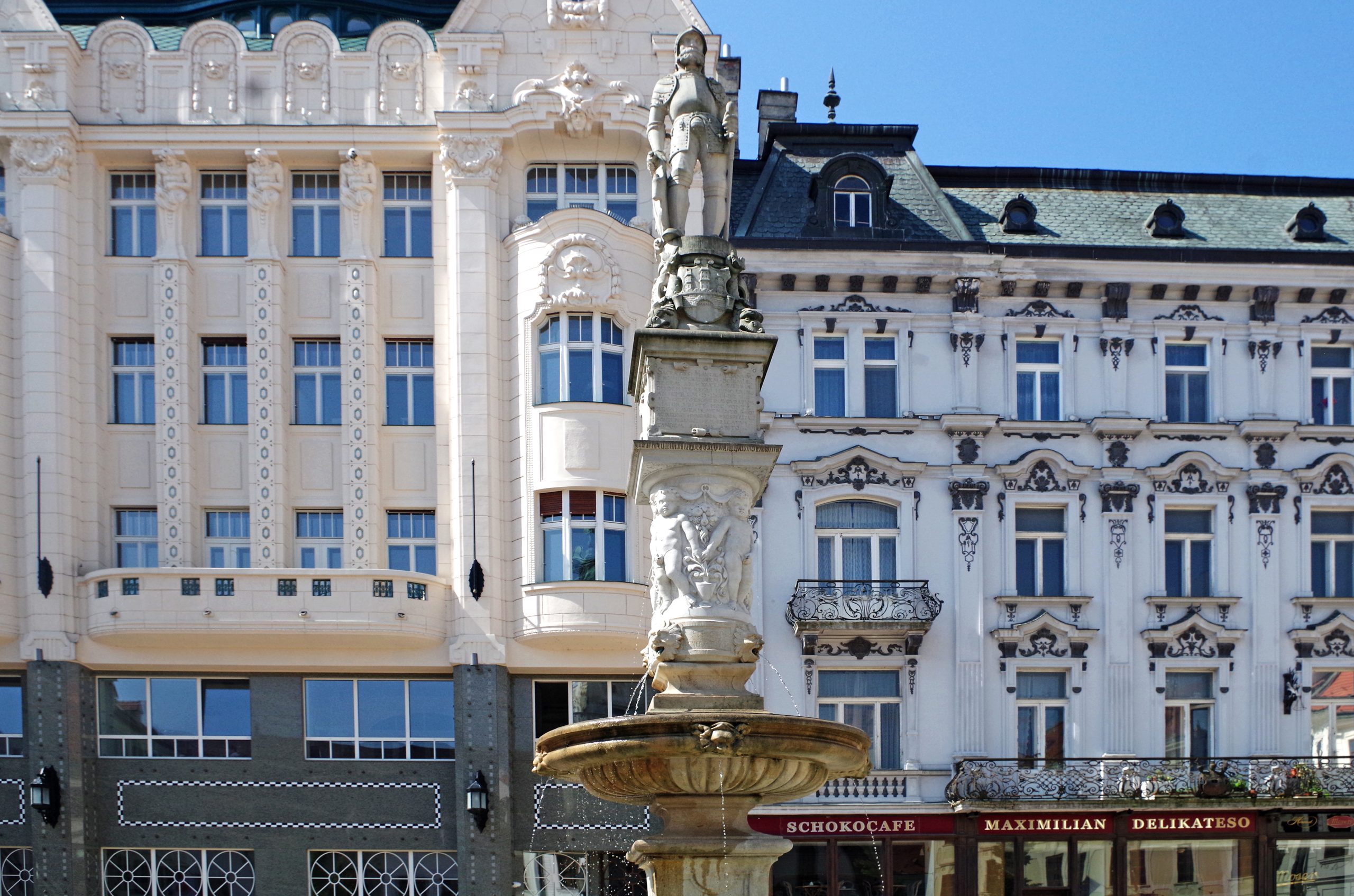
Hlavne Namestie, the Main Square, Bratislava
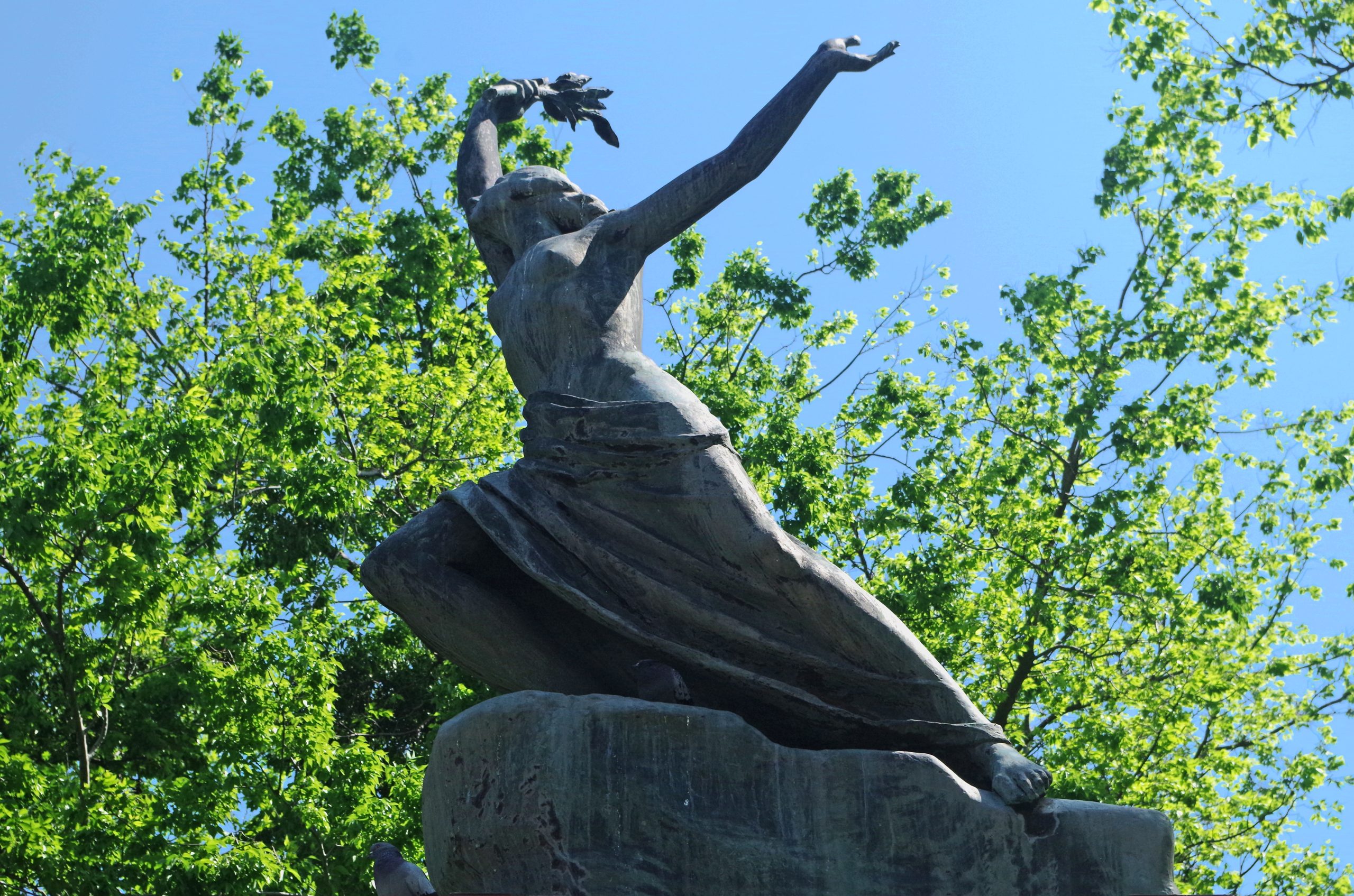
Victory Monument, in the Old City, Bratislava
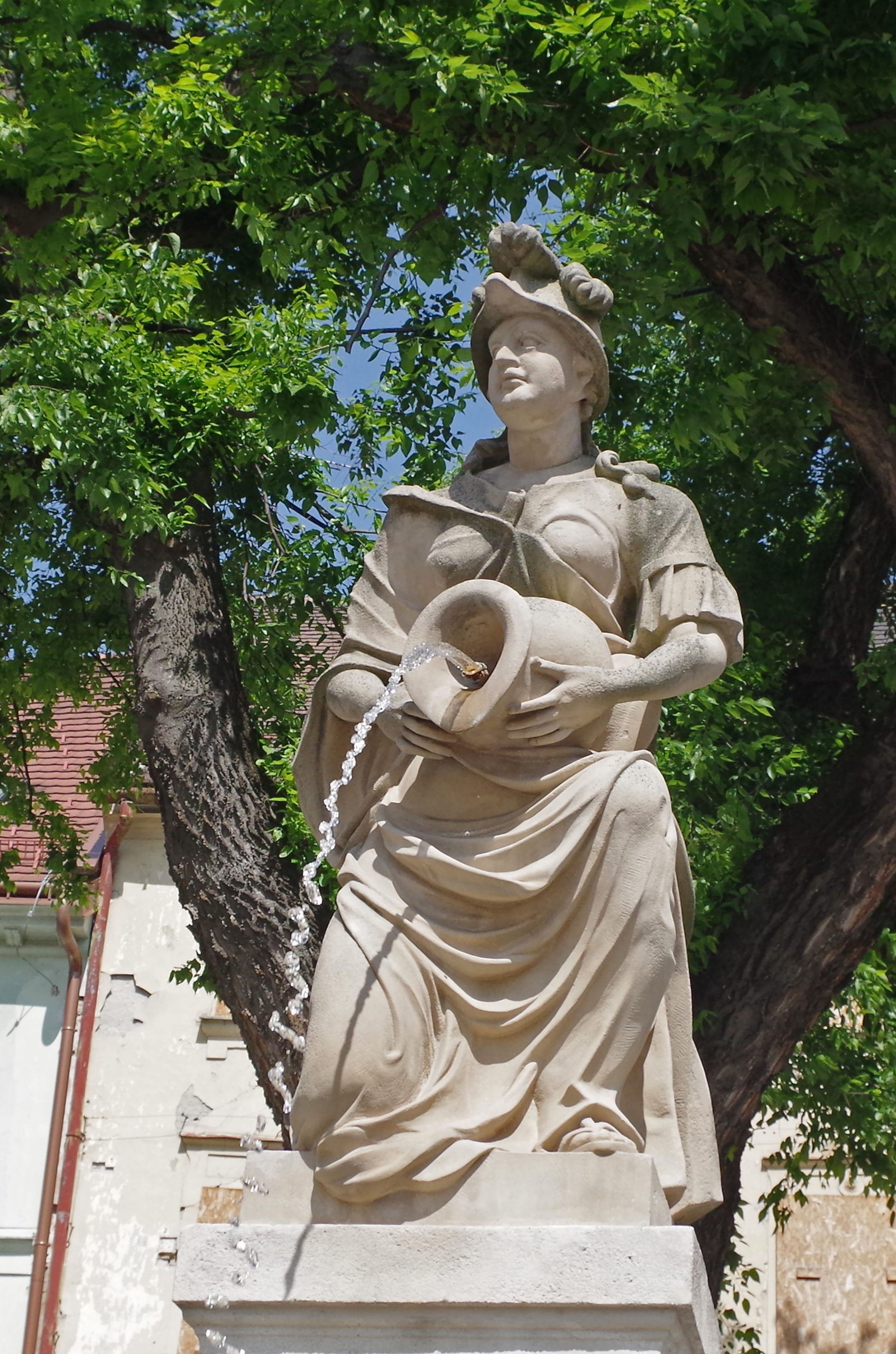
Woman with Jug fountain, in the Old City, Bratislava
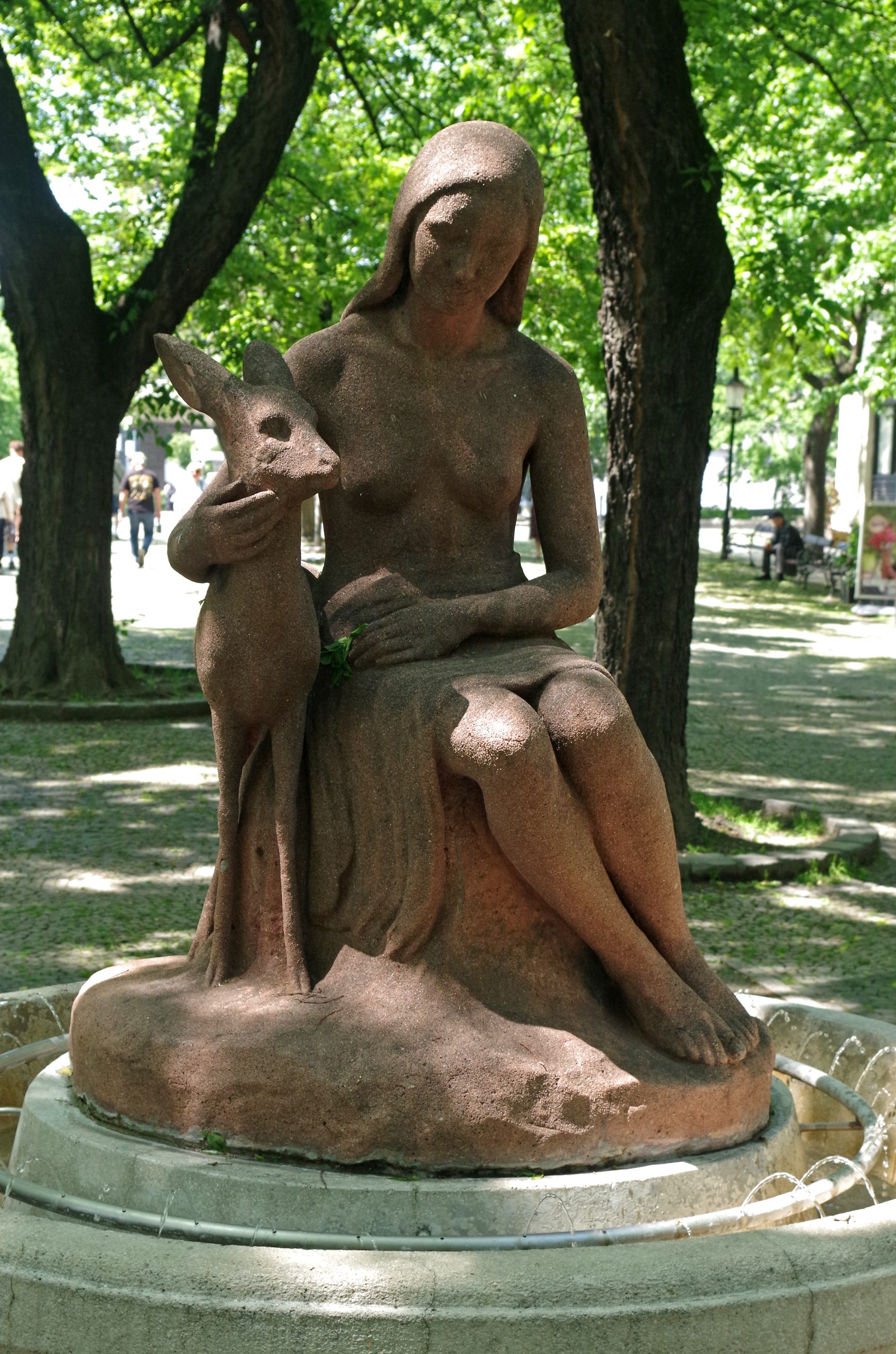
Girl with Fawn fountain, in the Old City, Bratislava
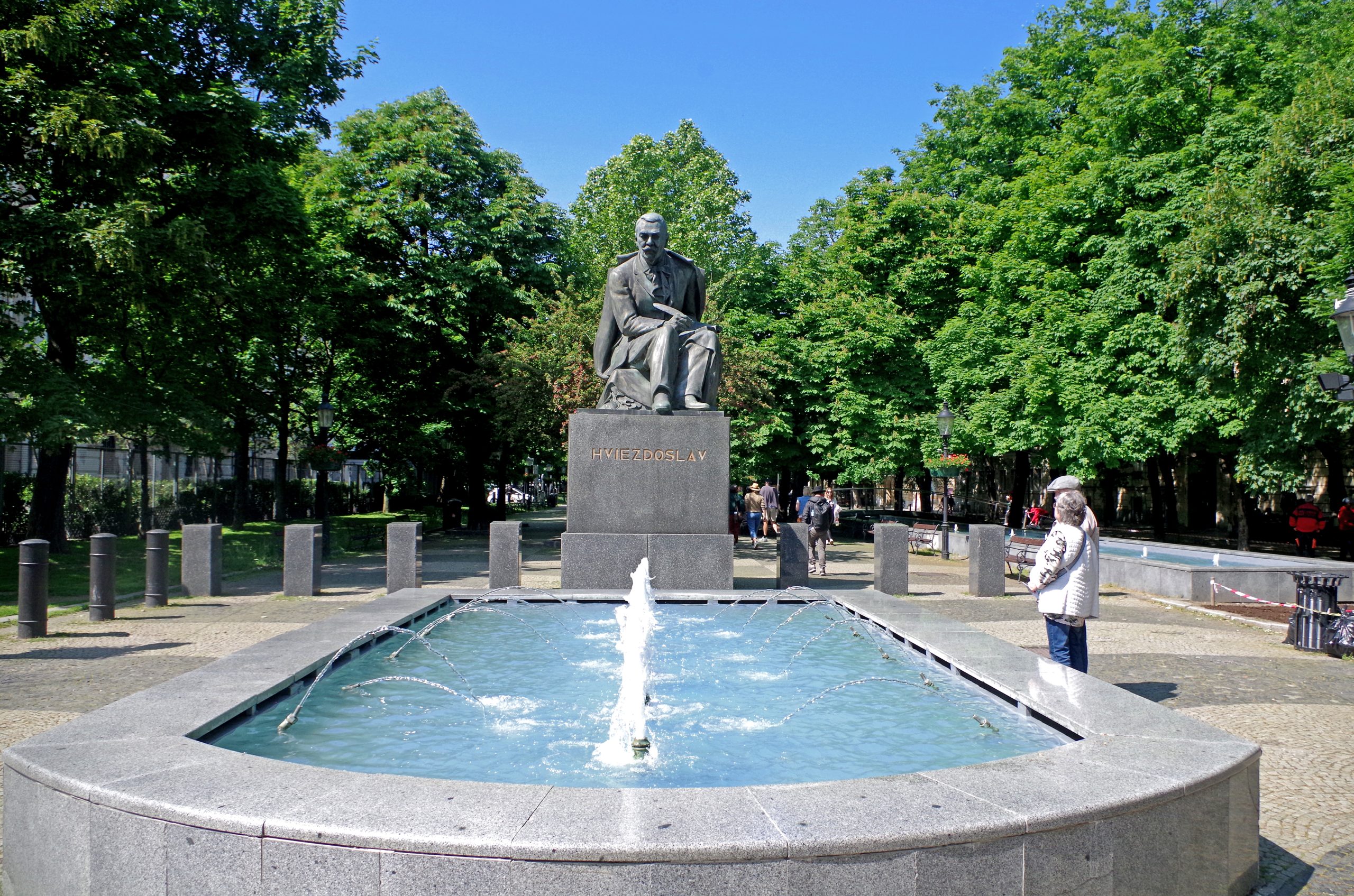
The Hviezdoslav Statue and Fountain, in the Main Square, Bratislava
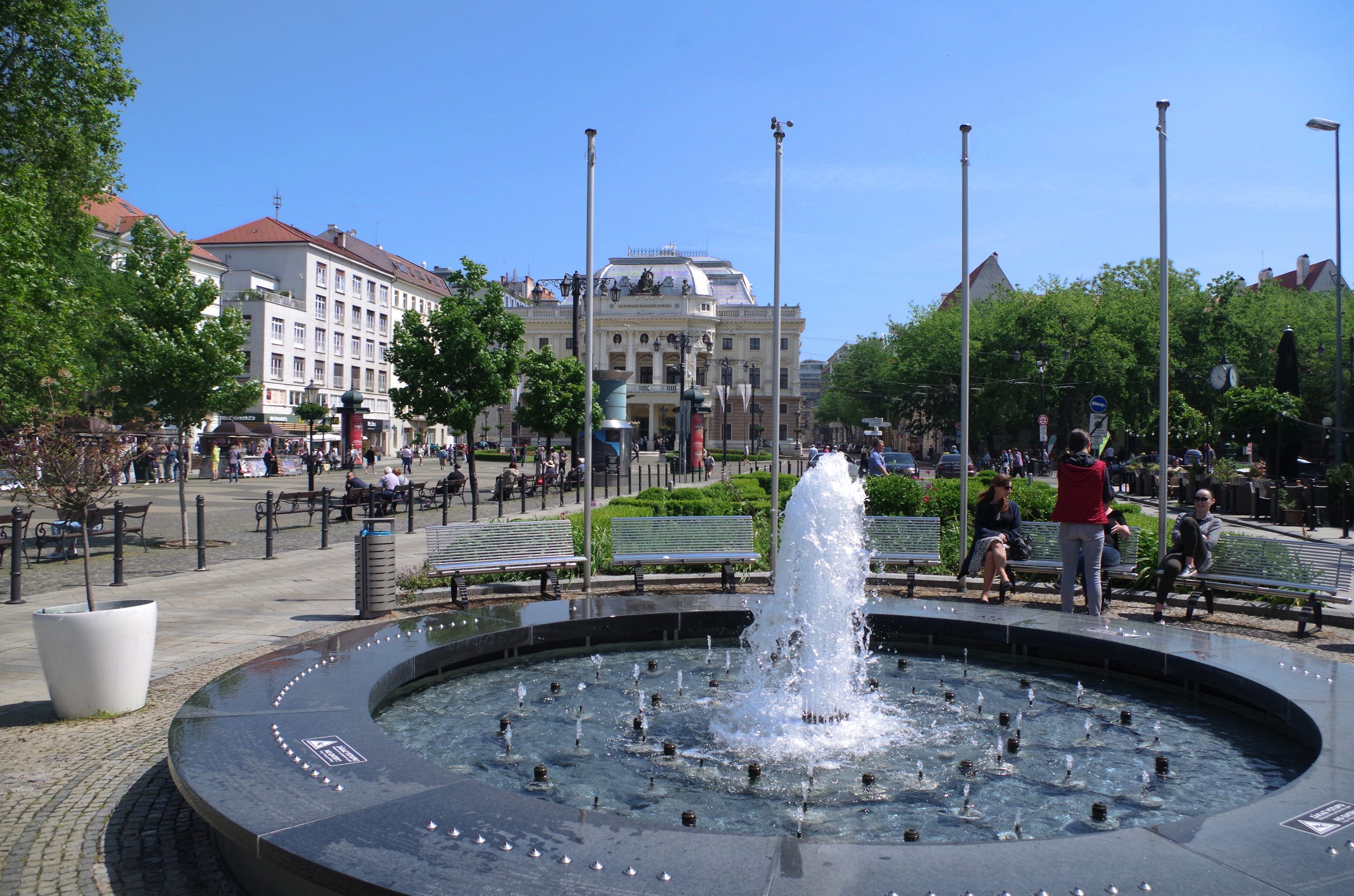
A modern fountain in the Central Square, Bratislava
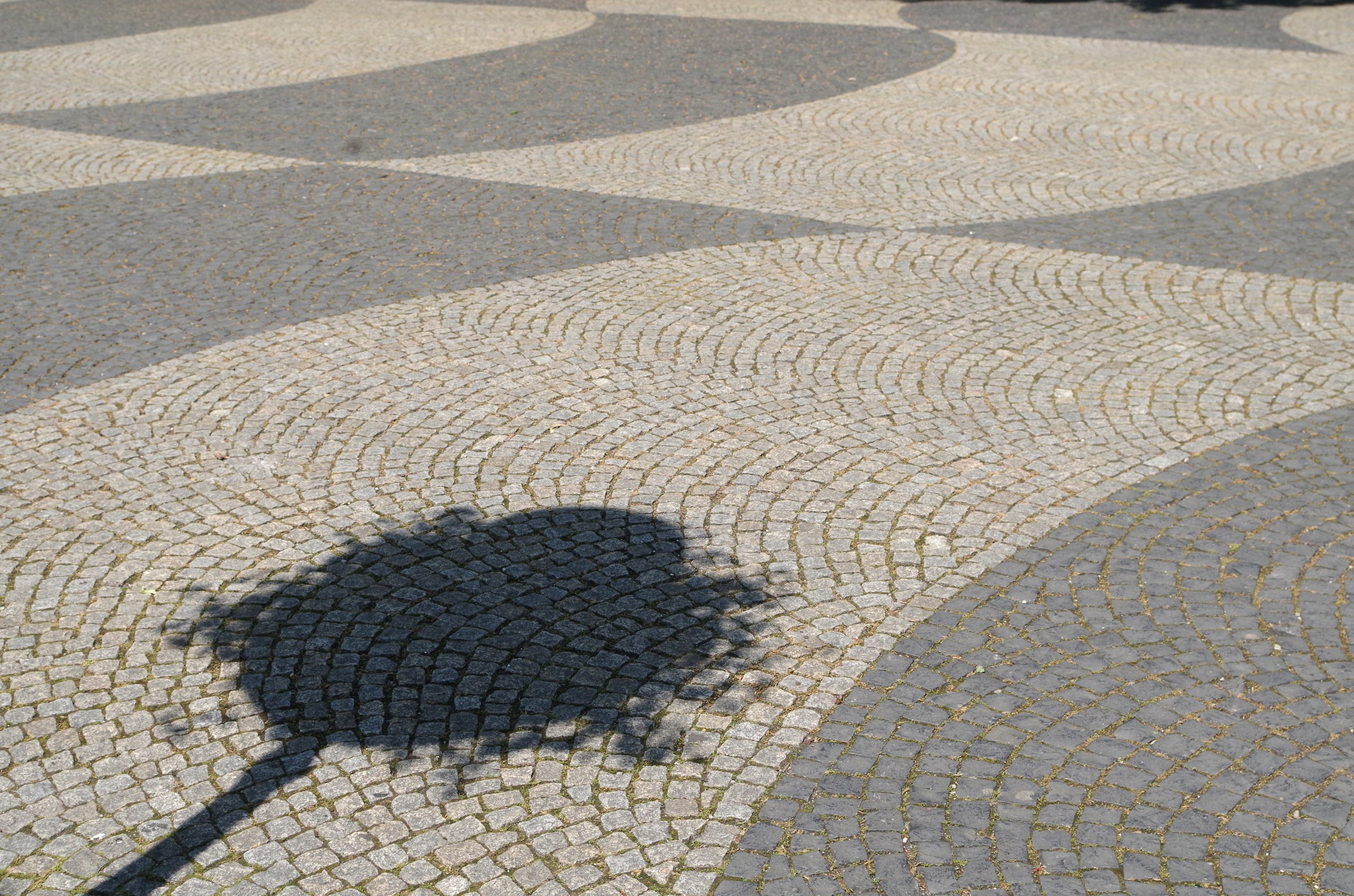
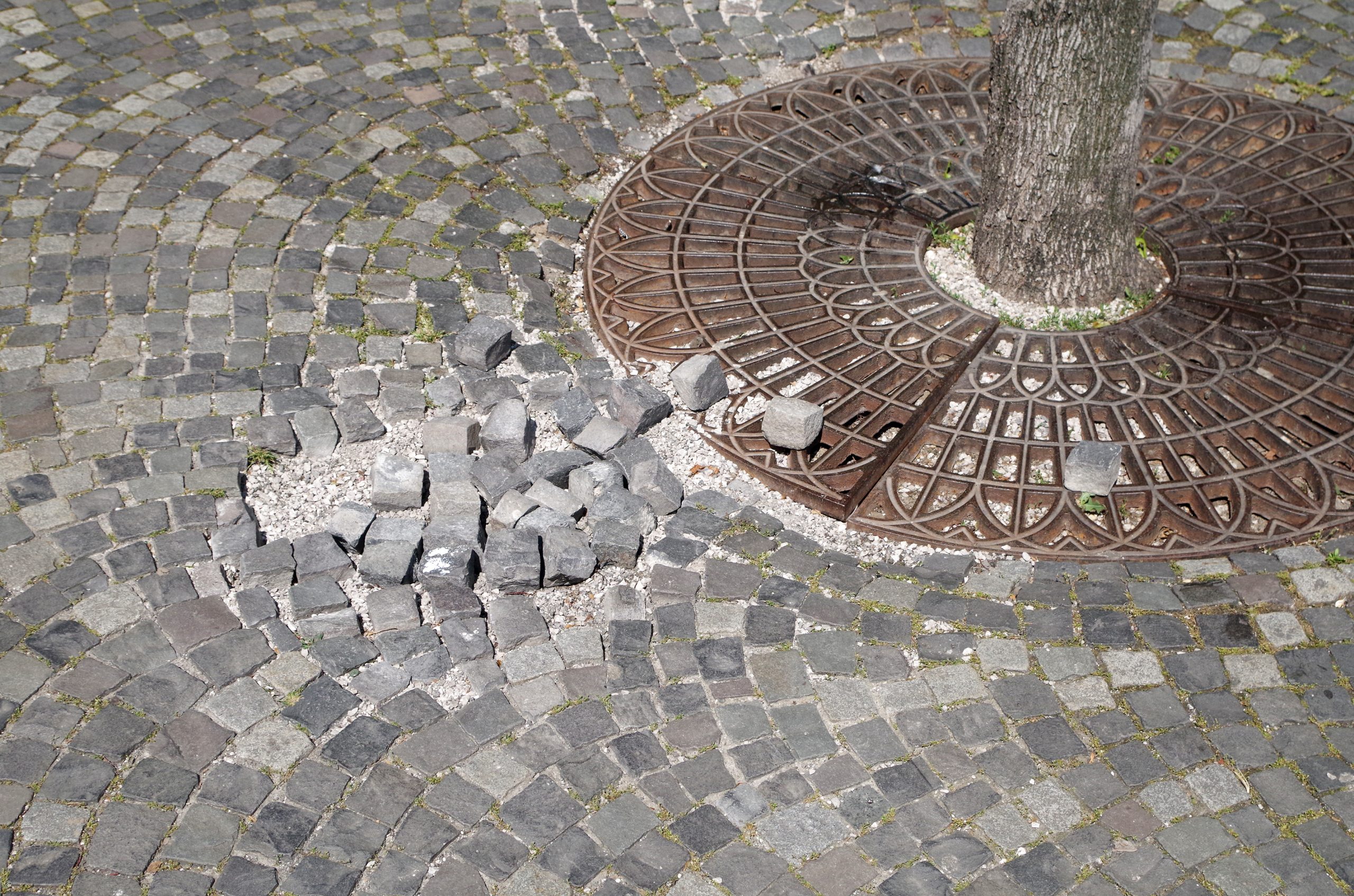
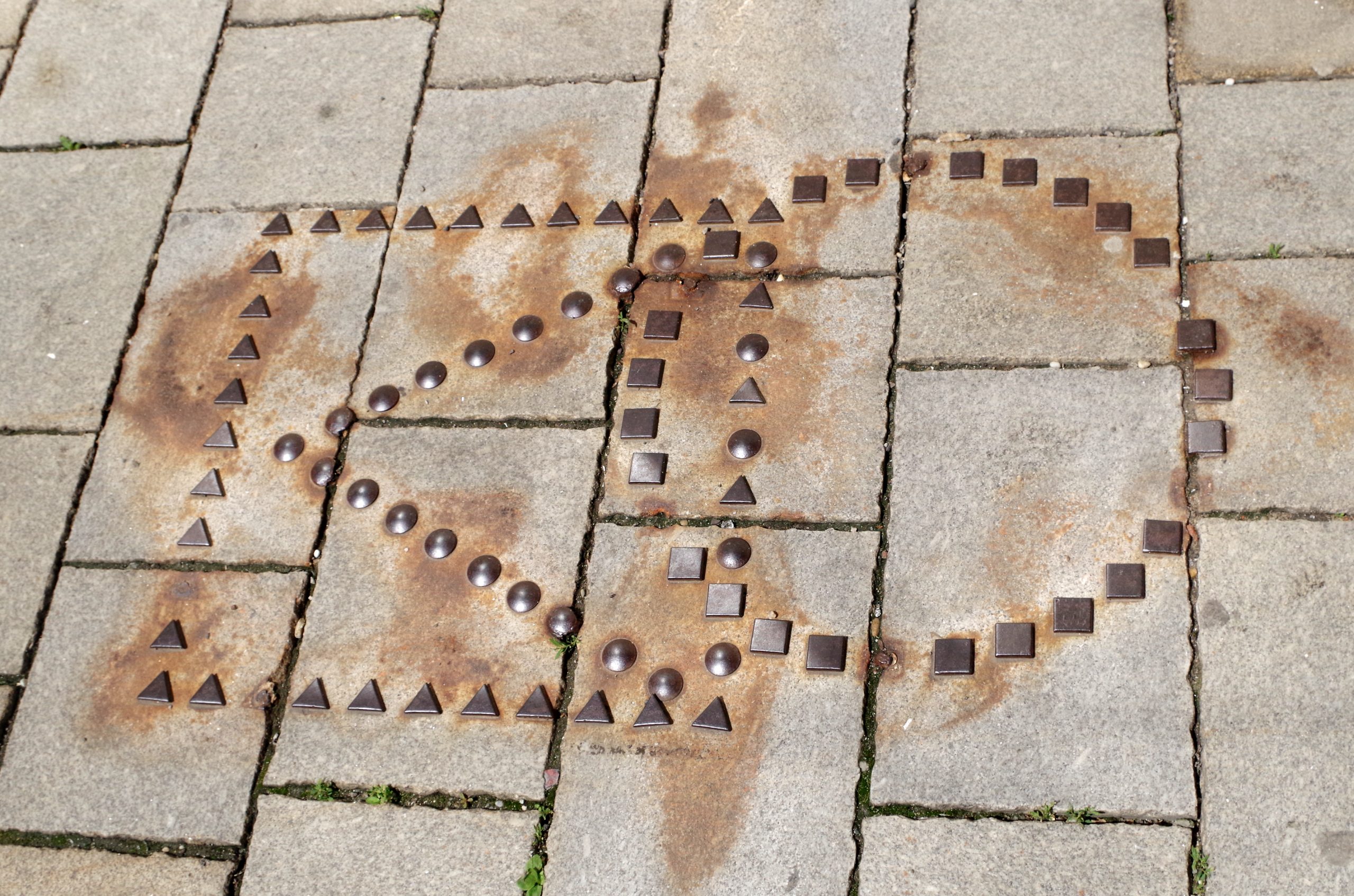
Cobblestones, Bratislava
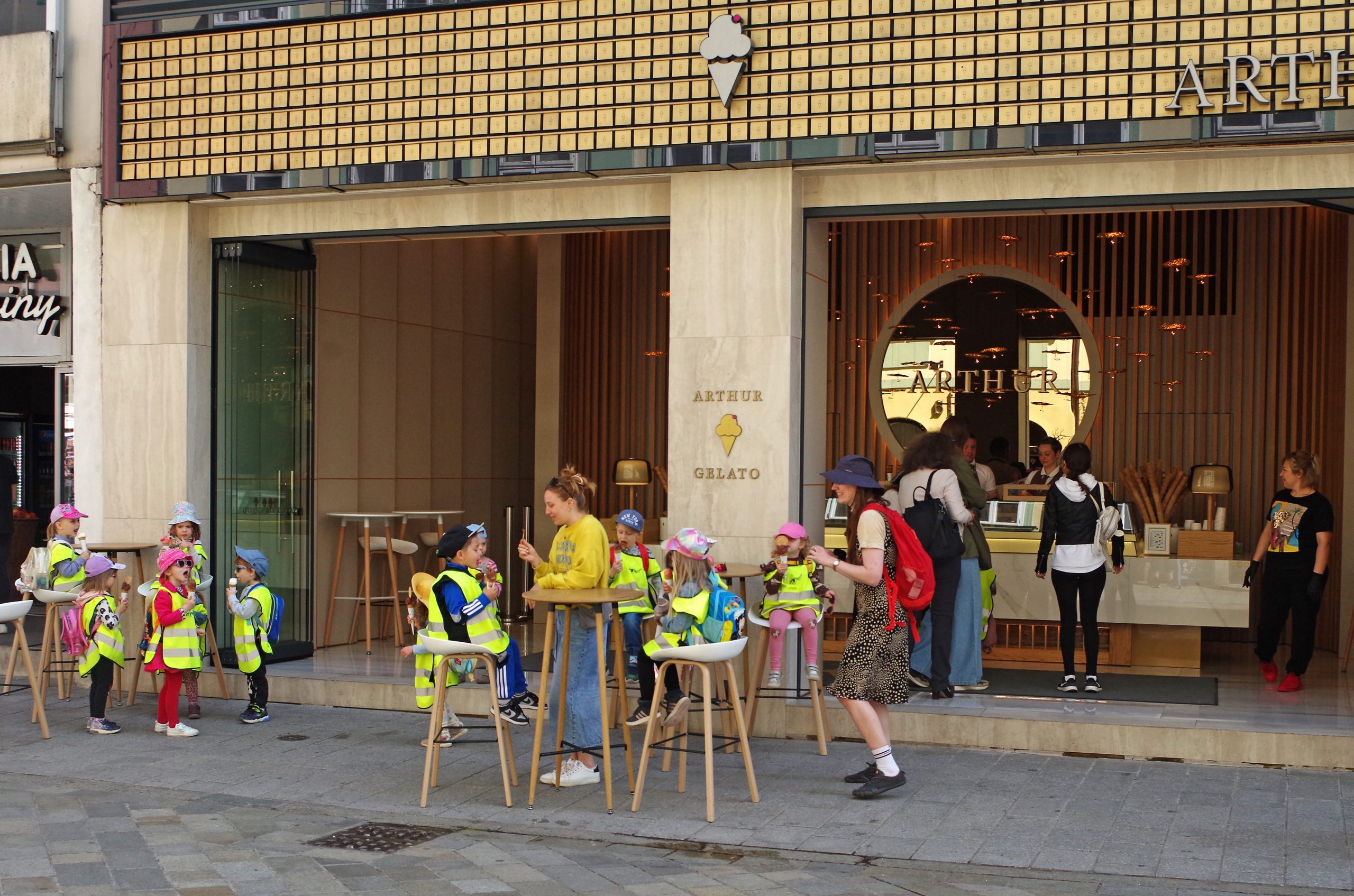
School children on an outing to a gelato shop
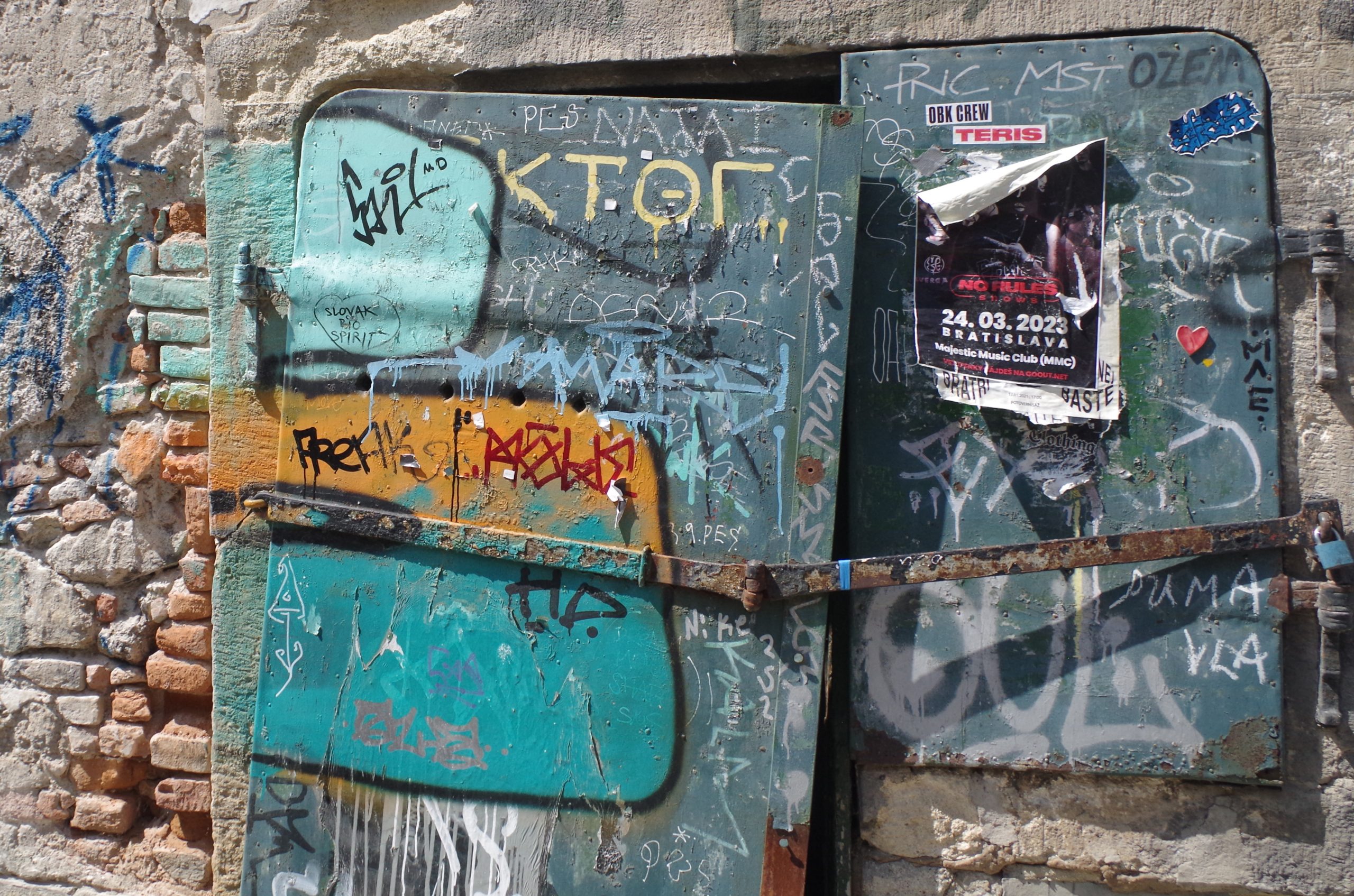
Graffiti, Bratislava
Crosswalk lighting in the Main Square, Bratislava
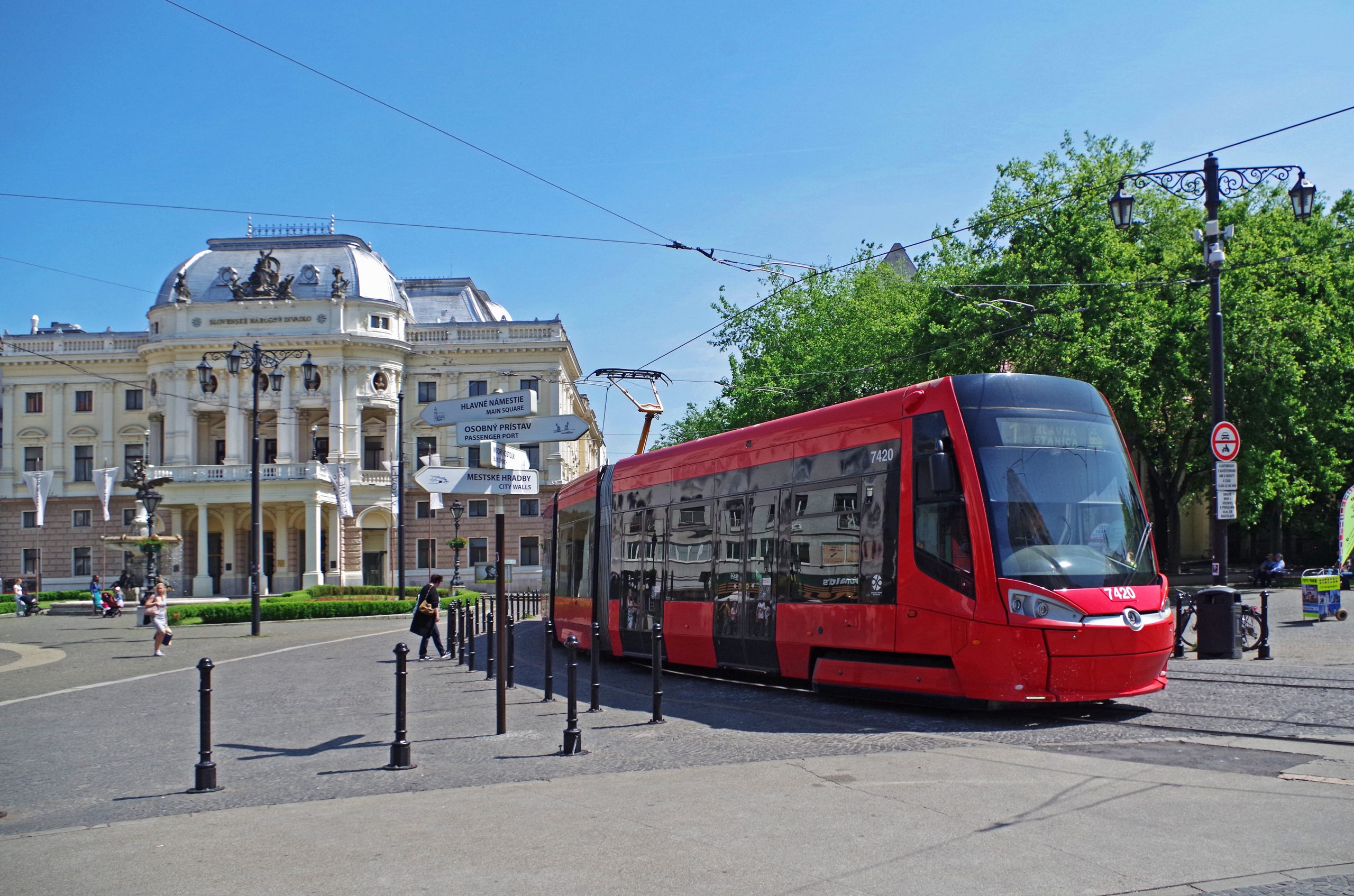
Streetcar near the Slovak National Theatre, Bratislava

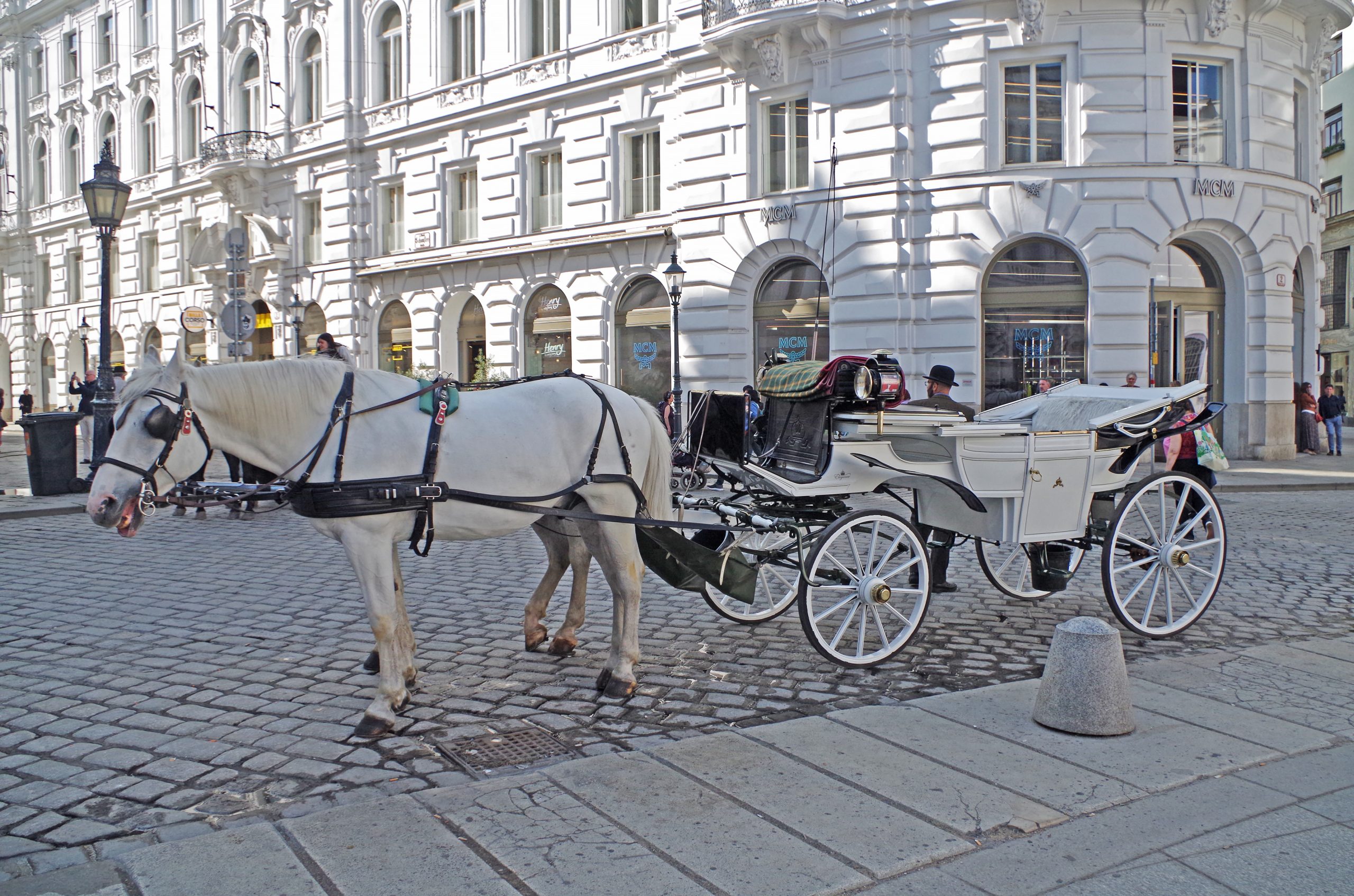
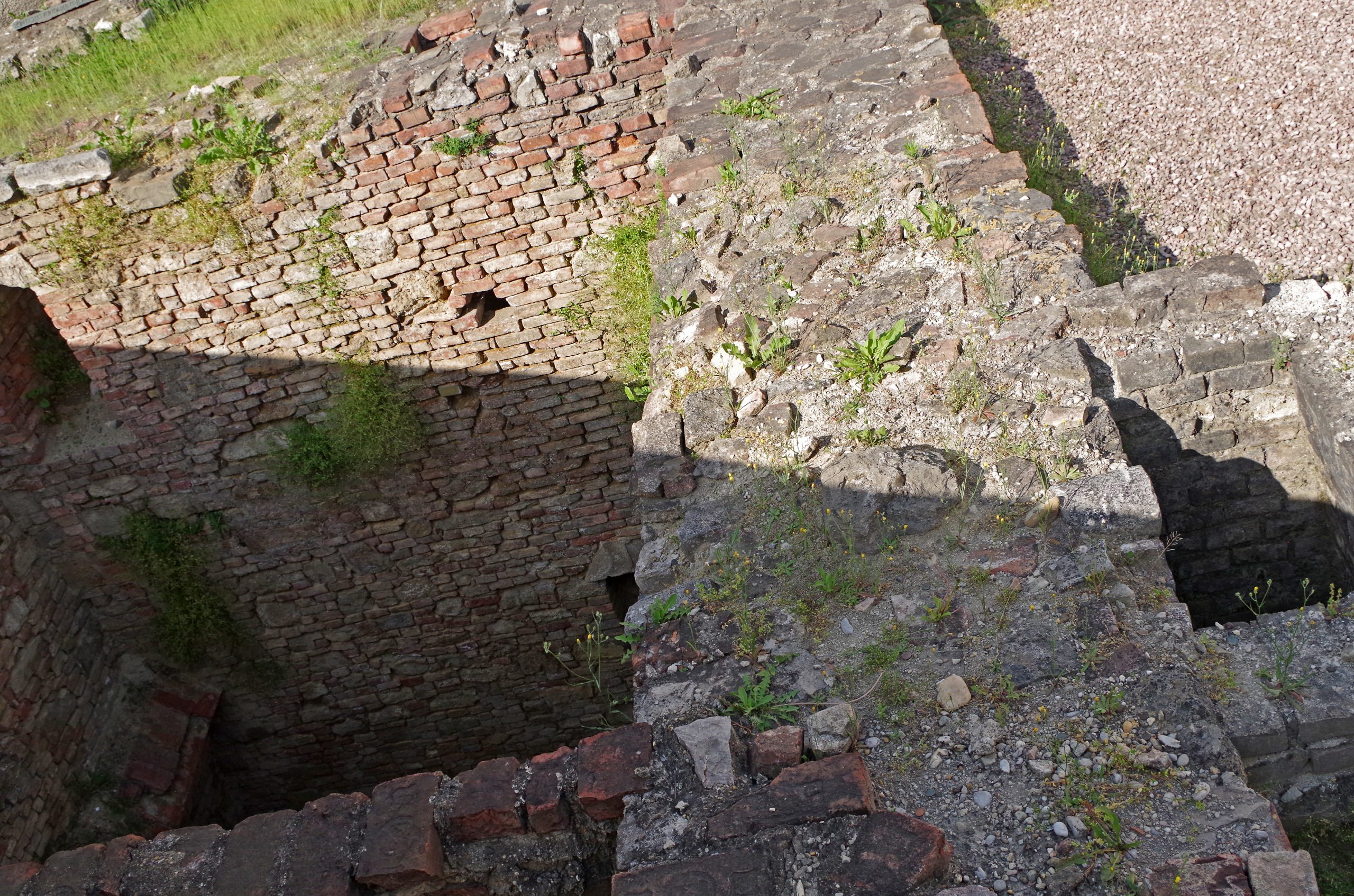
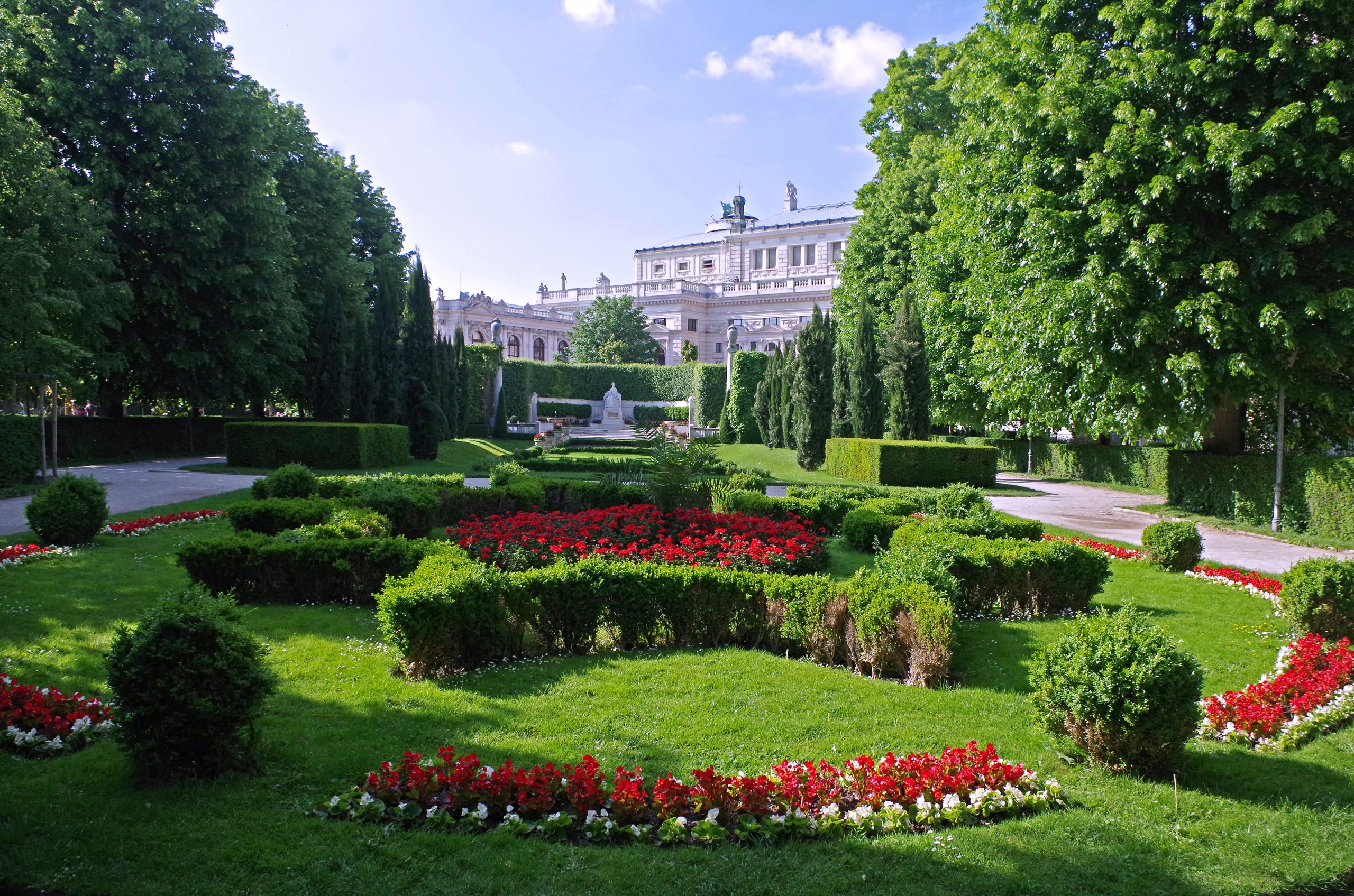
Upon our return to Vienna, we took a walking tour through the Old City. Difficult to navigate on foot in the short time allotted, a carriage ride seemed to be our better alternative, though difficult to take photos when rolling over cobblestone streets. At one point, our carriage driver became furious when an inexperienced cab driver cut him off and caused the horses to rear. One of the more fascinating sites was the Roman ruins that had been preserved during the halted excavation for a new metro station. After our carriage ride, we took a walk through the peaceful Volksgarten.

Our carriage in the Old City of Vienna
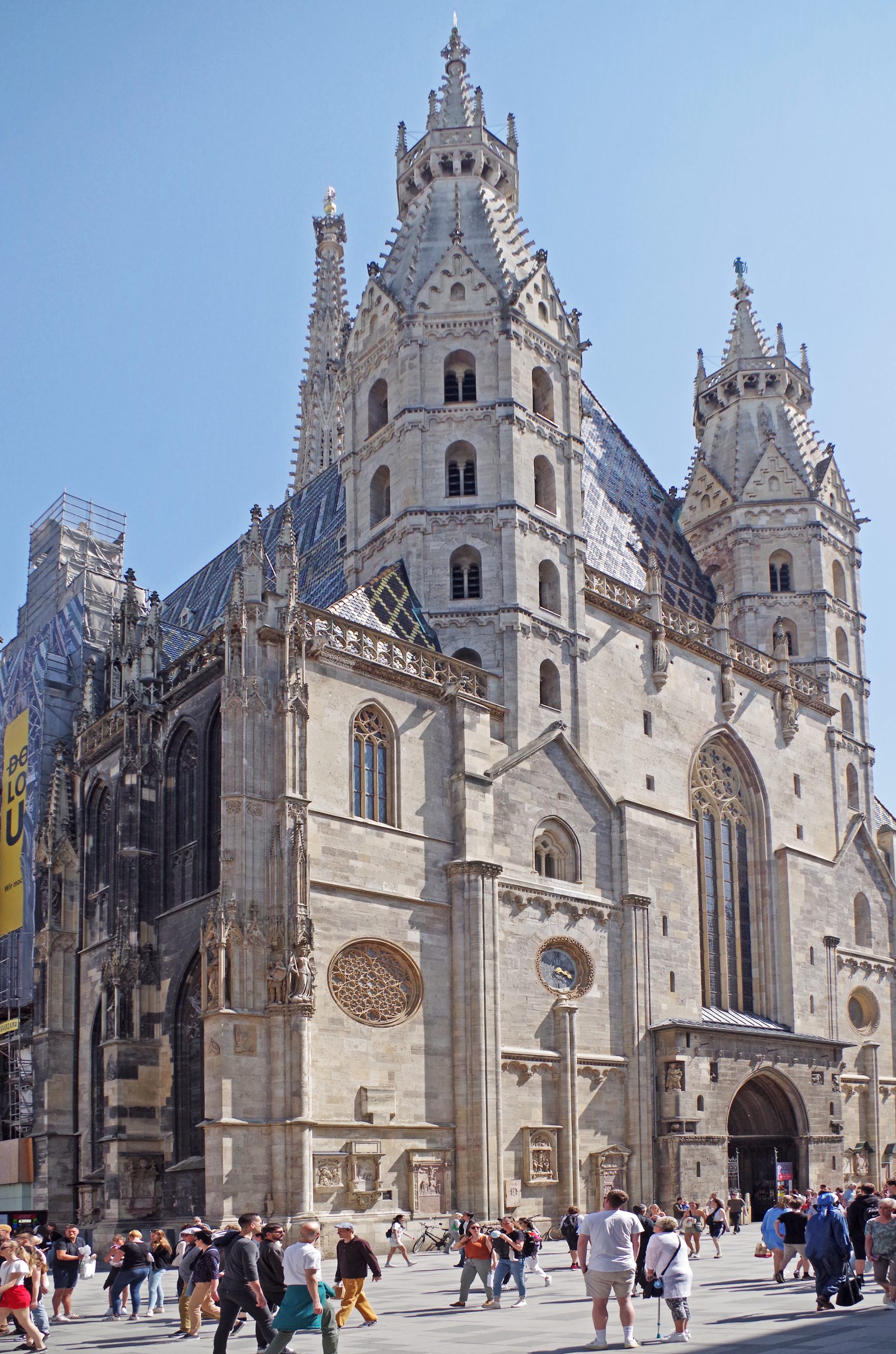
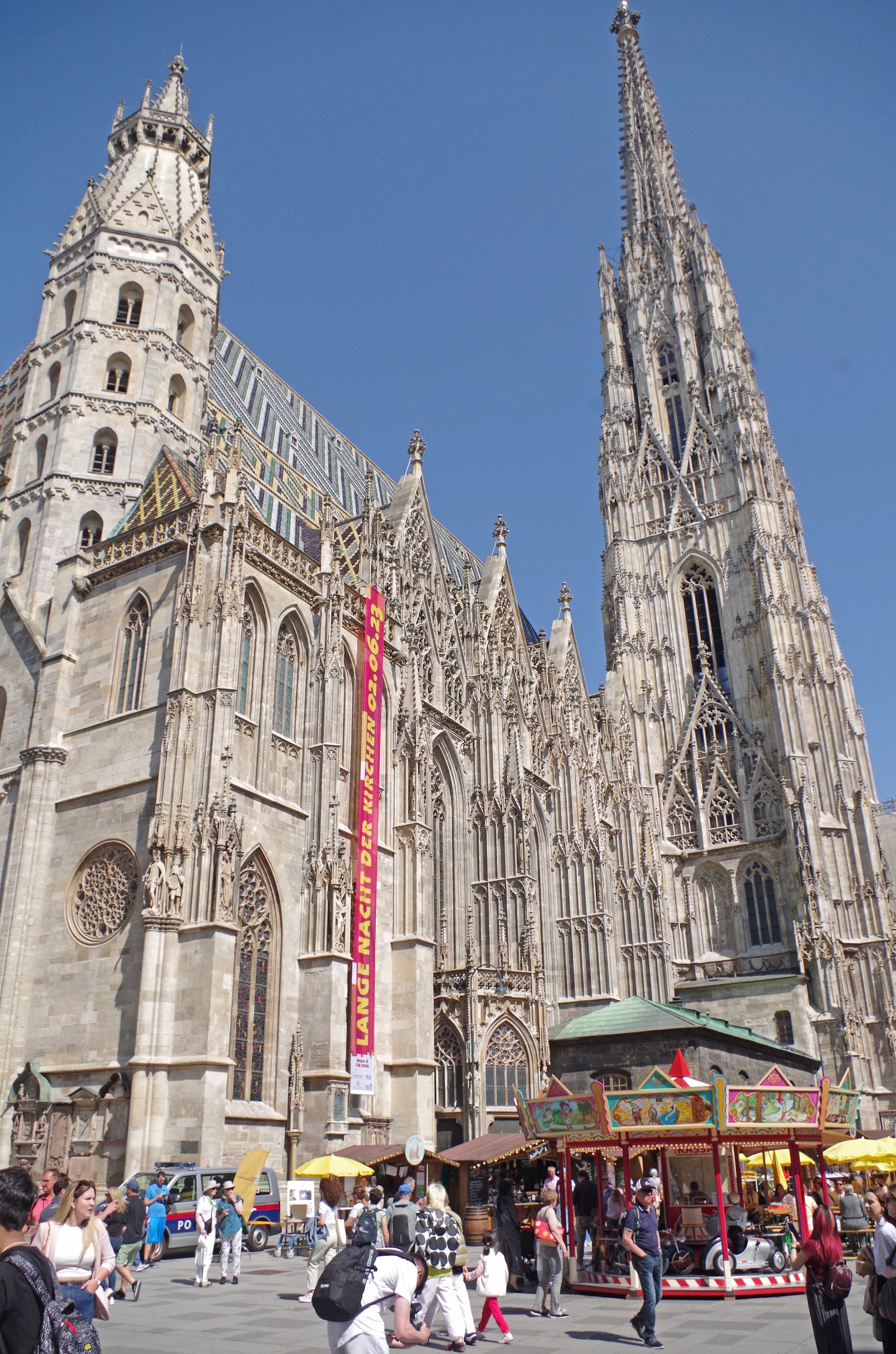
St. Stephen’s Cathedral, Vienna
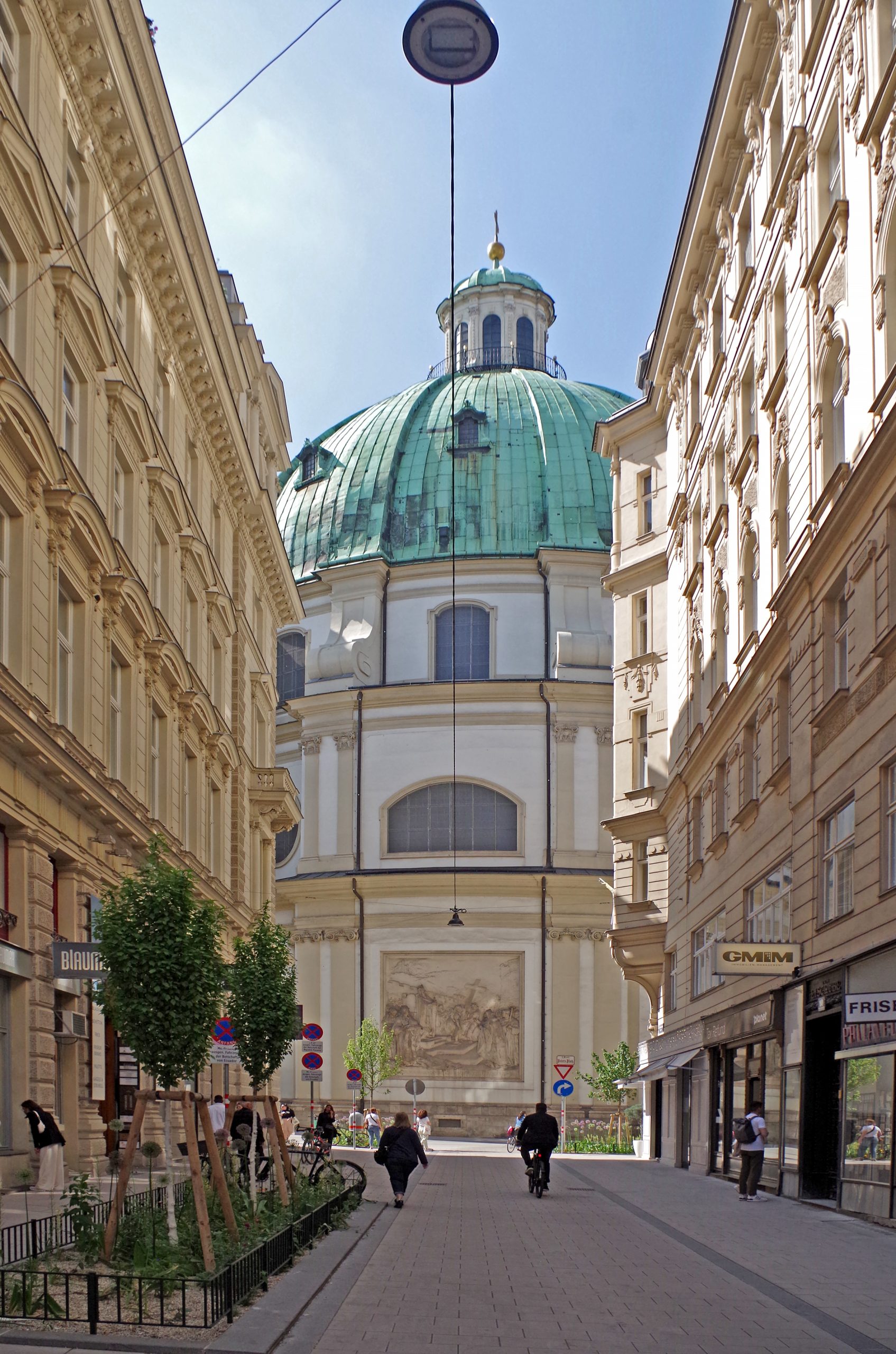
Peterskirche and the Old City, Vienna
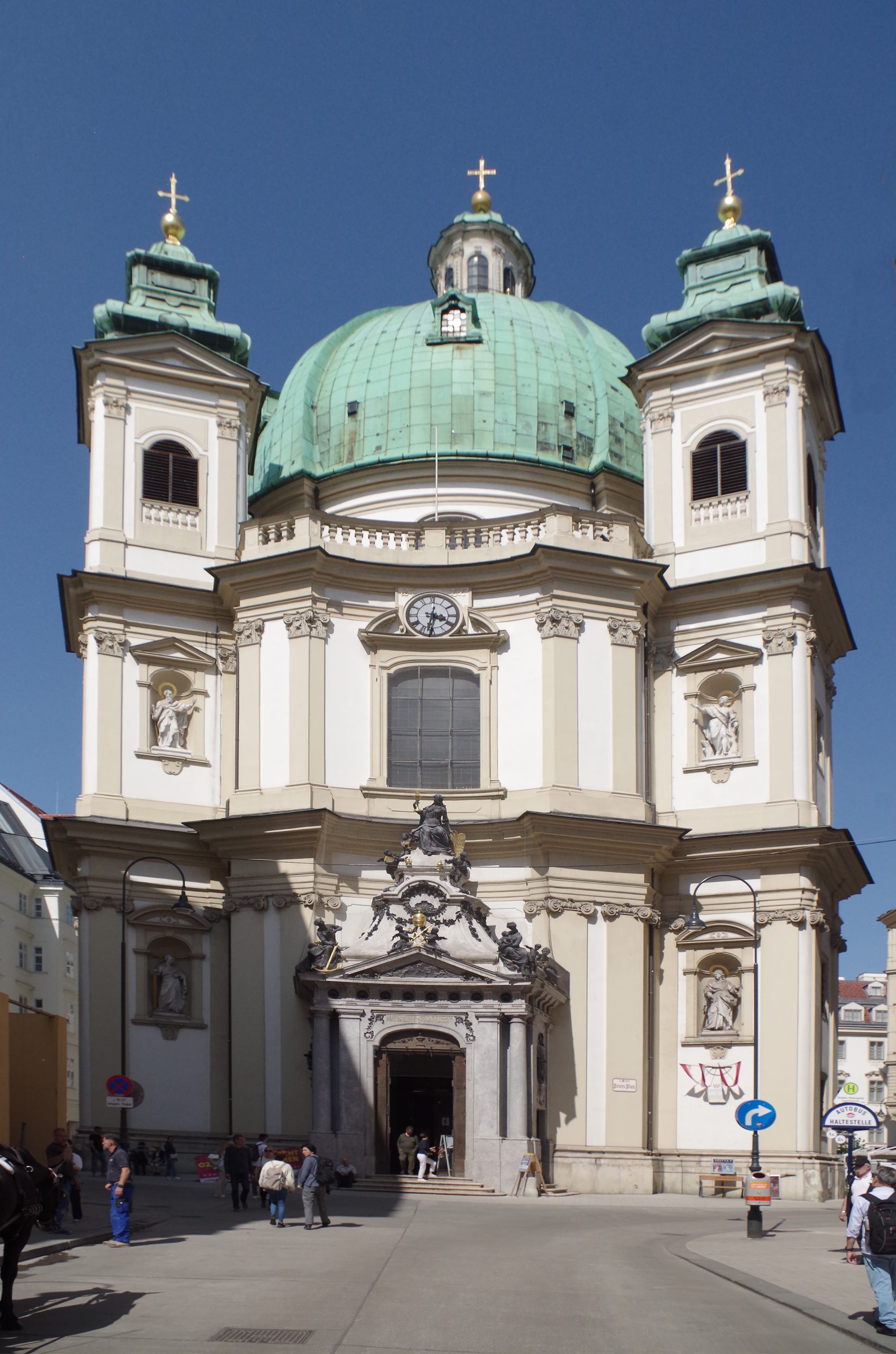
Peterskirche in the Old City, Vienna
The Old City, Vienna
Doorway in the Old City, Vienna
Roman Ruins, Vienna
Roman Ruins, Vienna
Roman Ruins, Vienna
Roman Ruins, Vienna
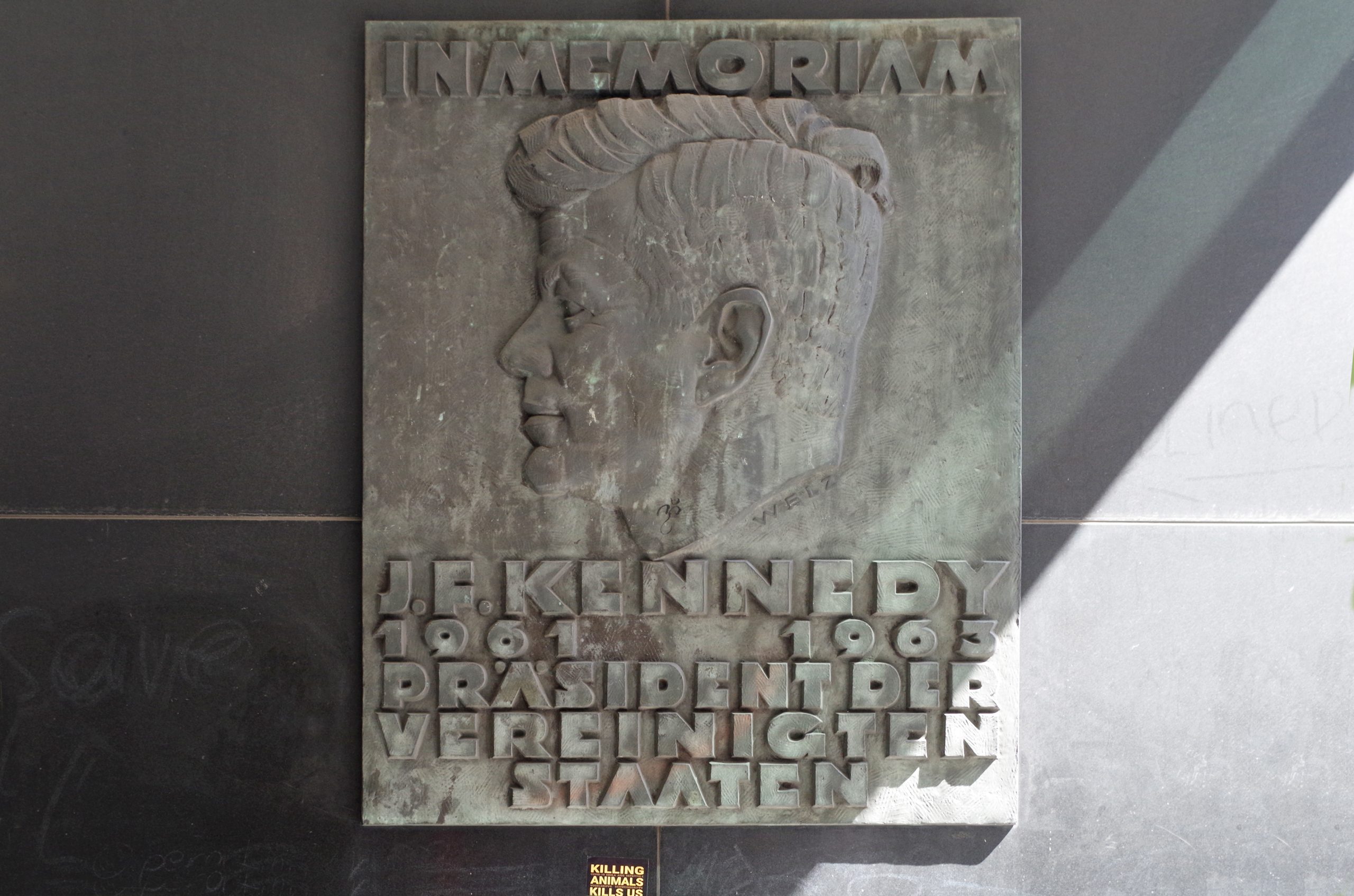
Kennedy Plaque, Vienna
Volksgarten, Vienna
Volksgarten, Vienna

Budapest, Hungary

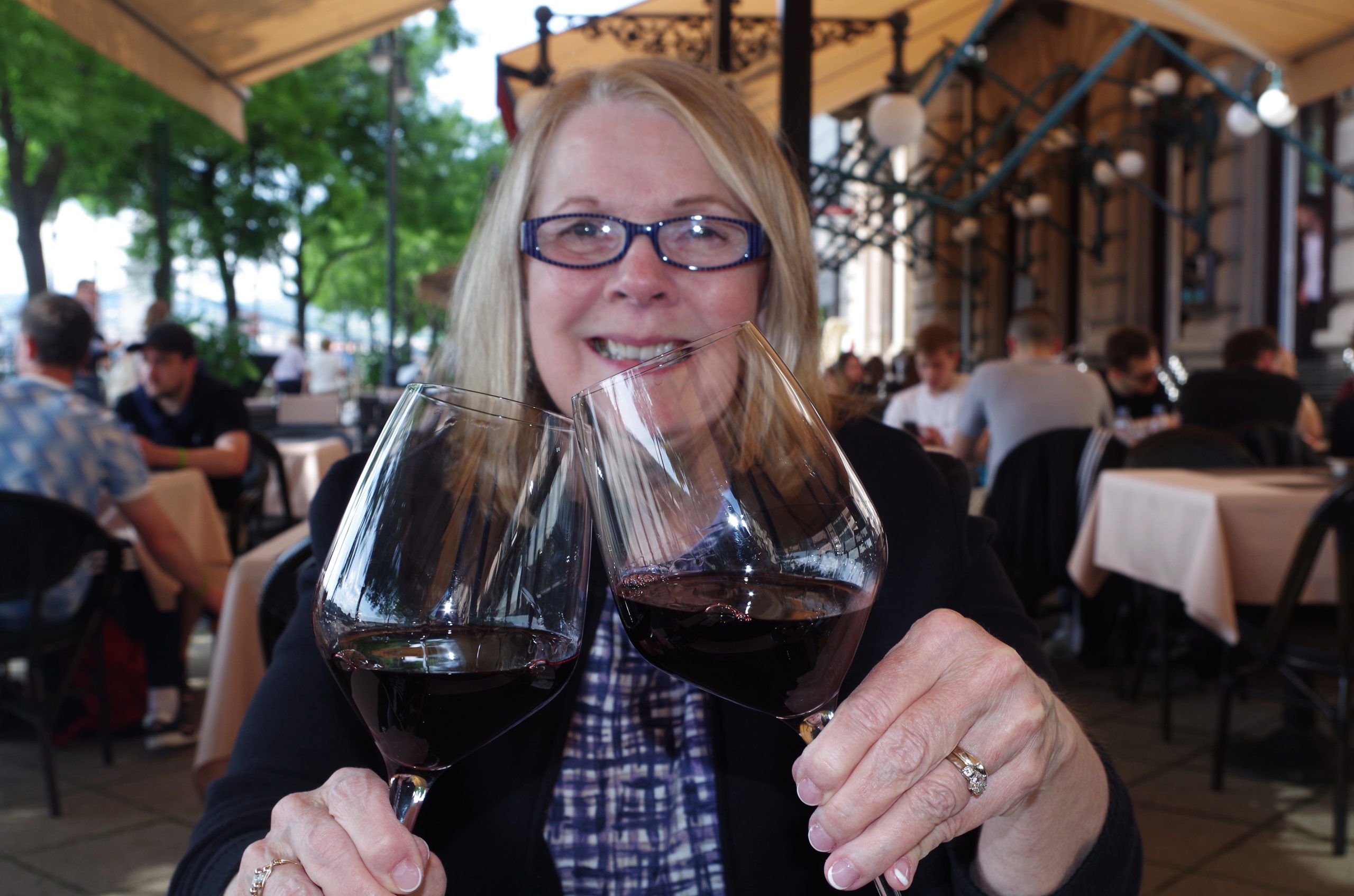
We were quite tired upon our arrival in Budapest, with Central European Time being 6 hours ahead of our body clocks. Scenic had booked our stay at the Budapest Marriott Hotel, which is located directly on the Danube in the Pest side of the city. Our room was quite pleasant, with a river view. There are a number of cafes and restaurants right along the river, where we enjoyed a relaxing meal and drinks.

Outdoor dining in Budapest

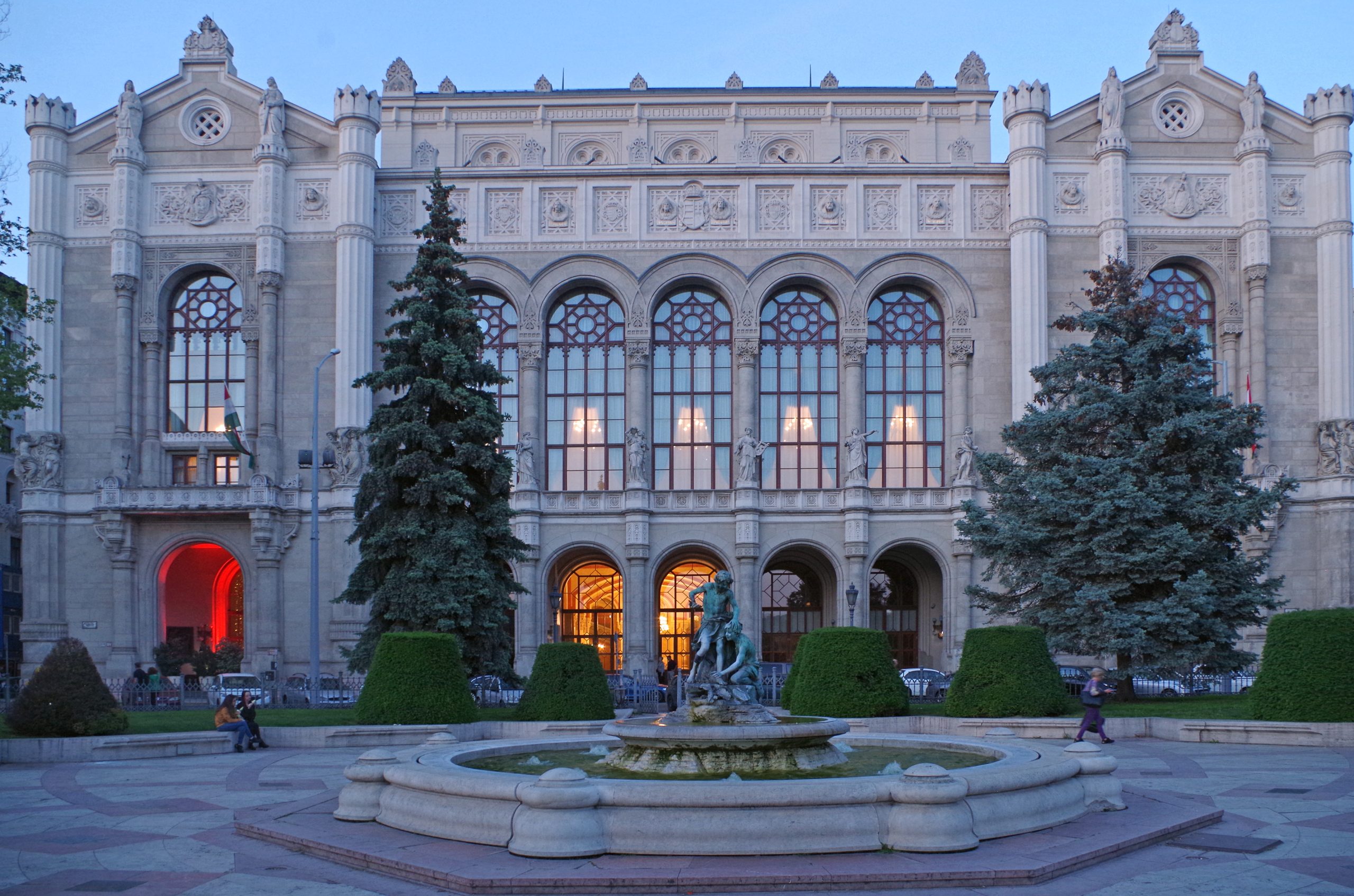
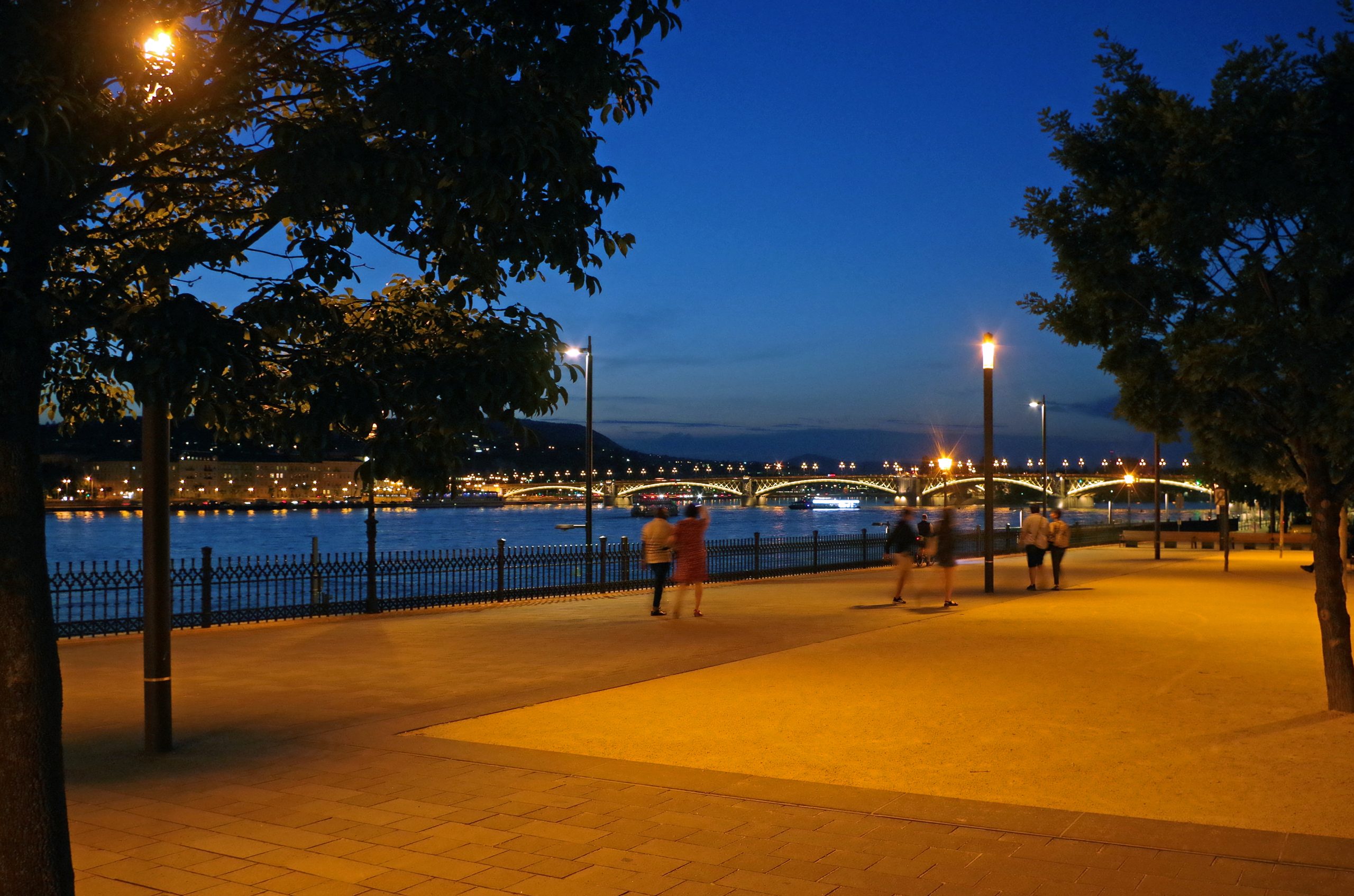
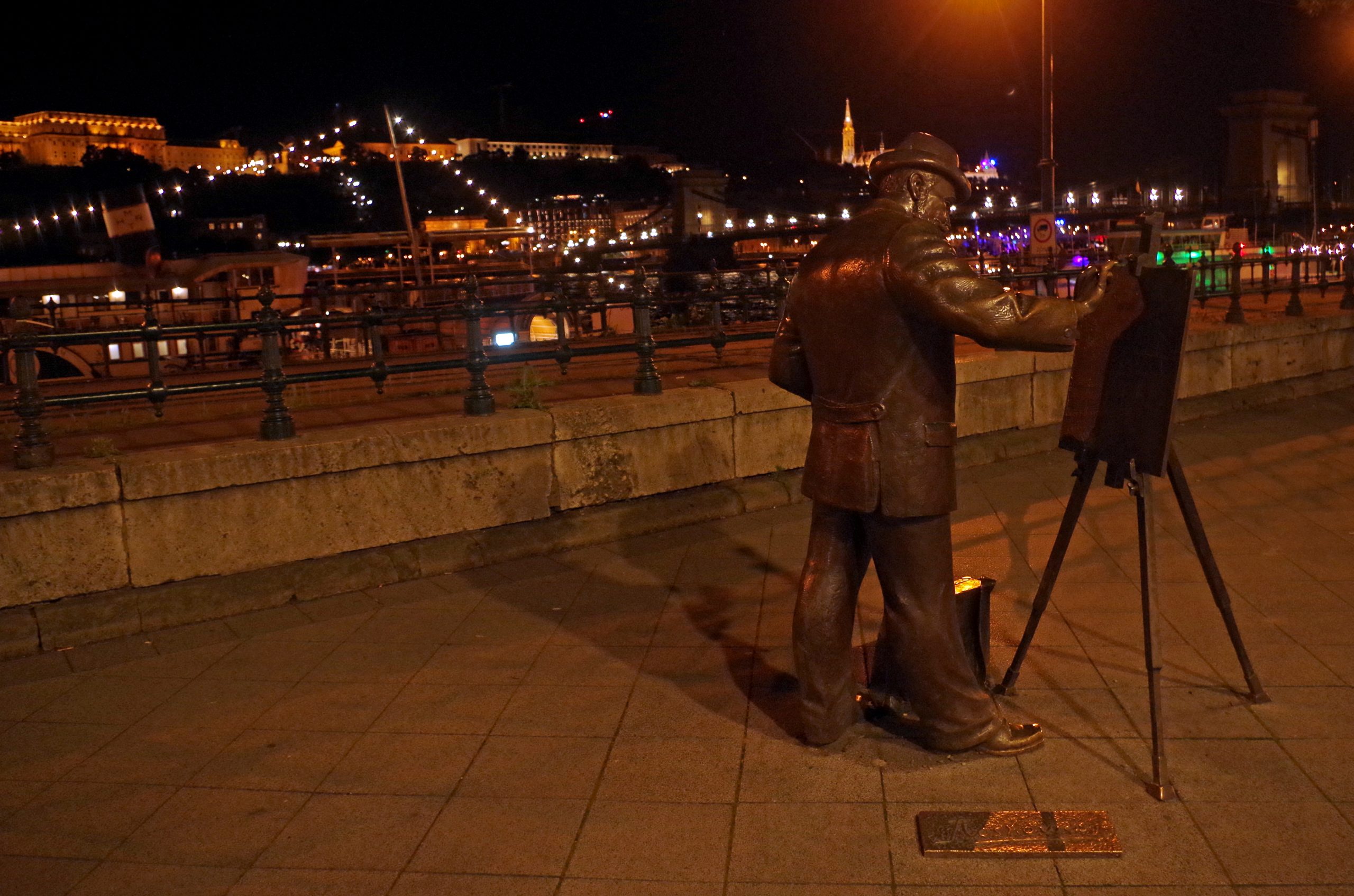
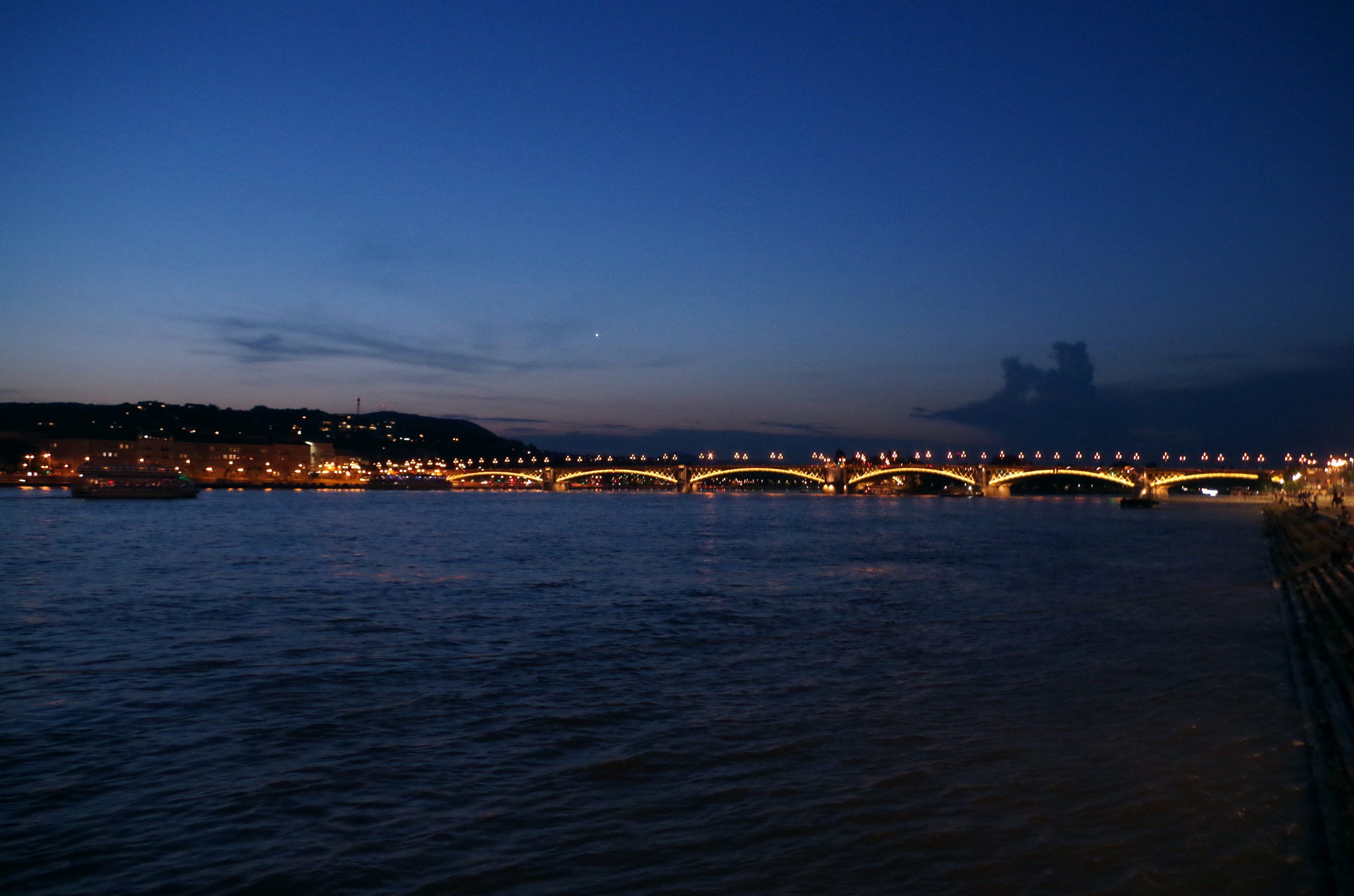
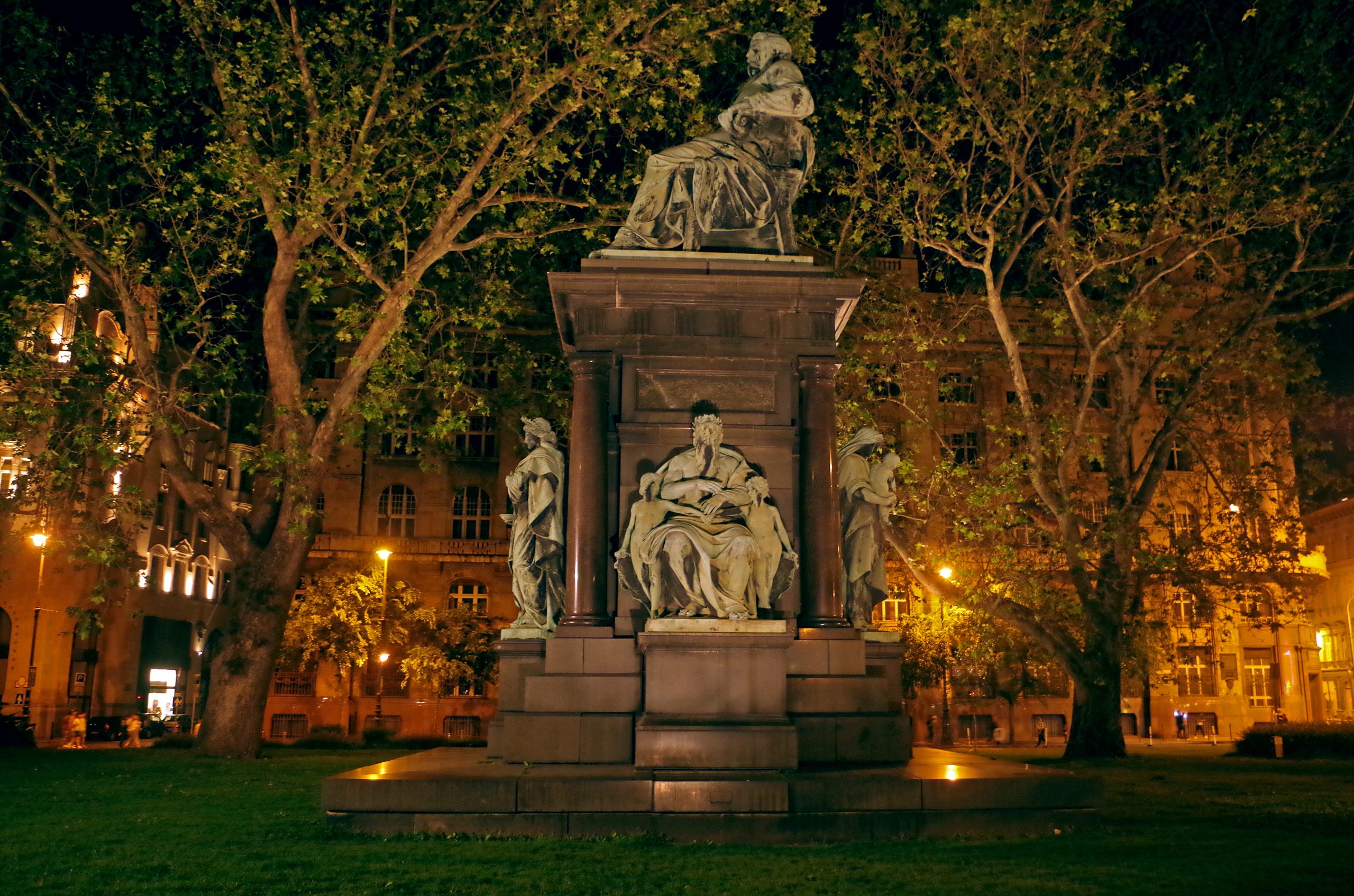
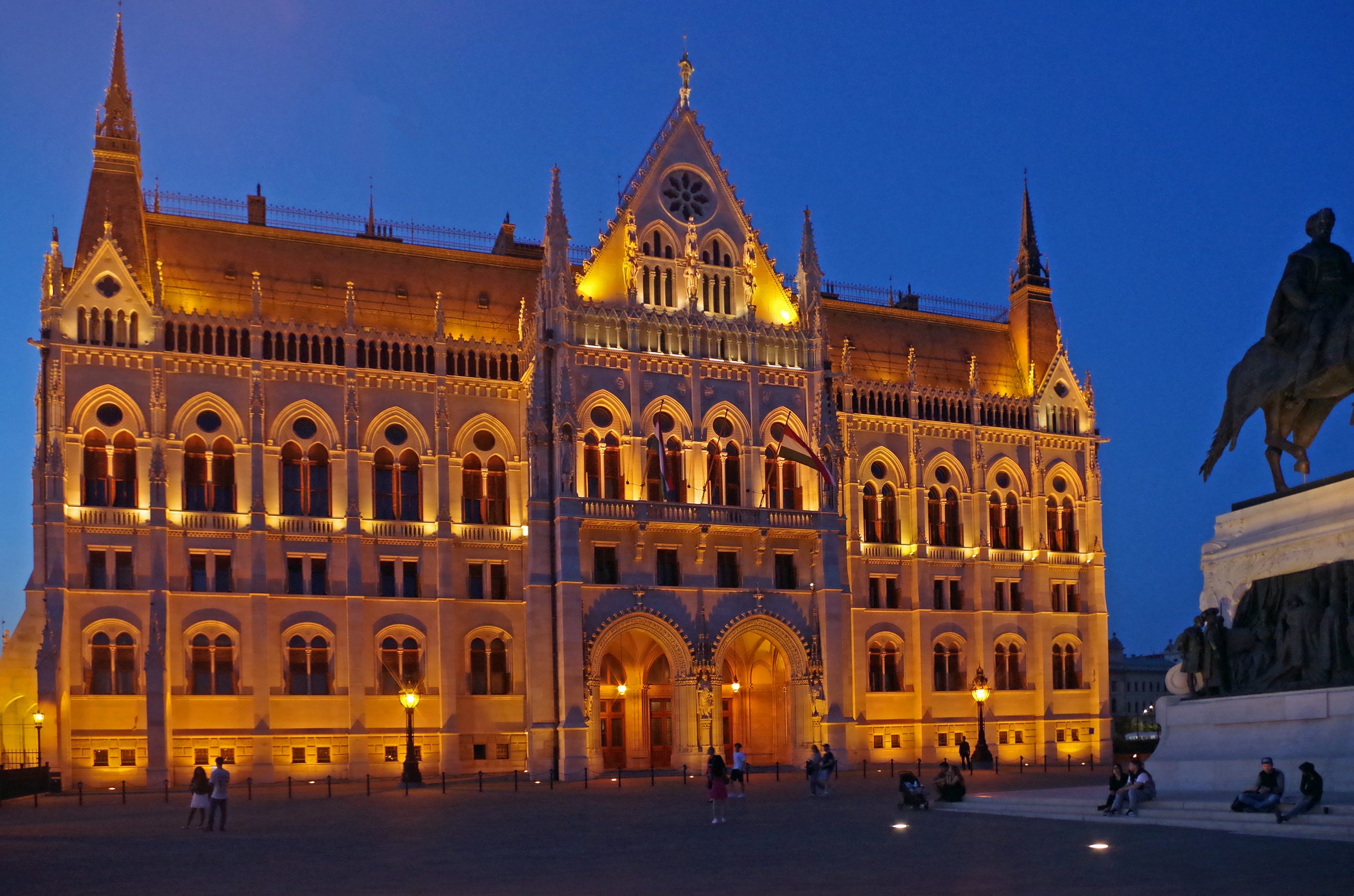
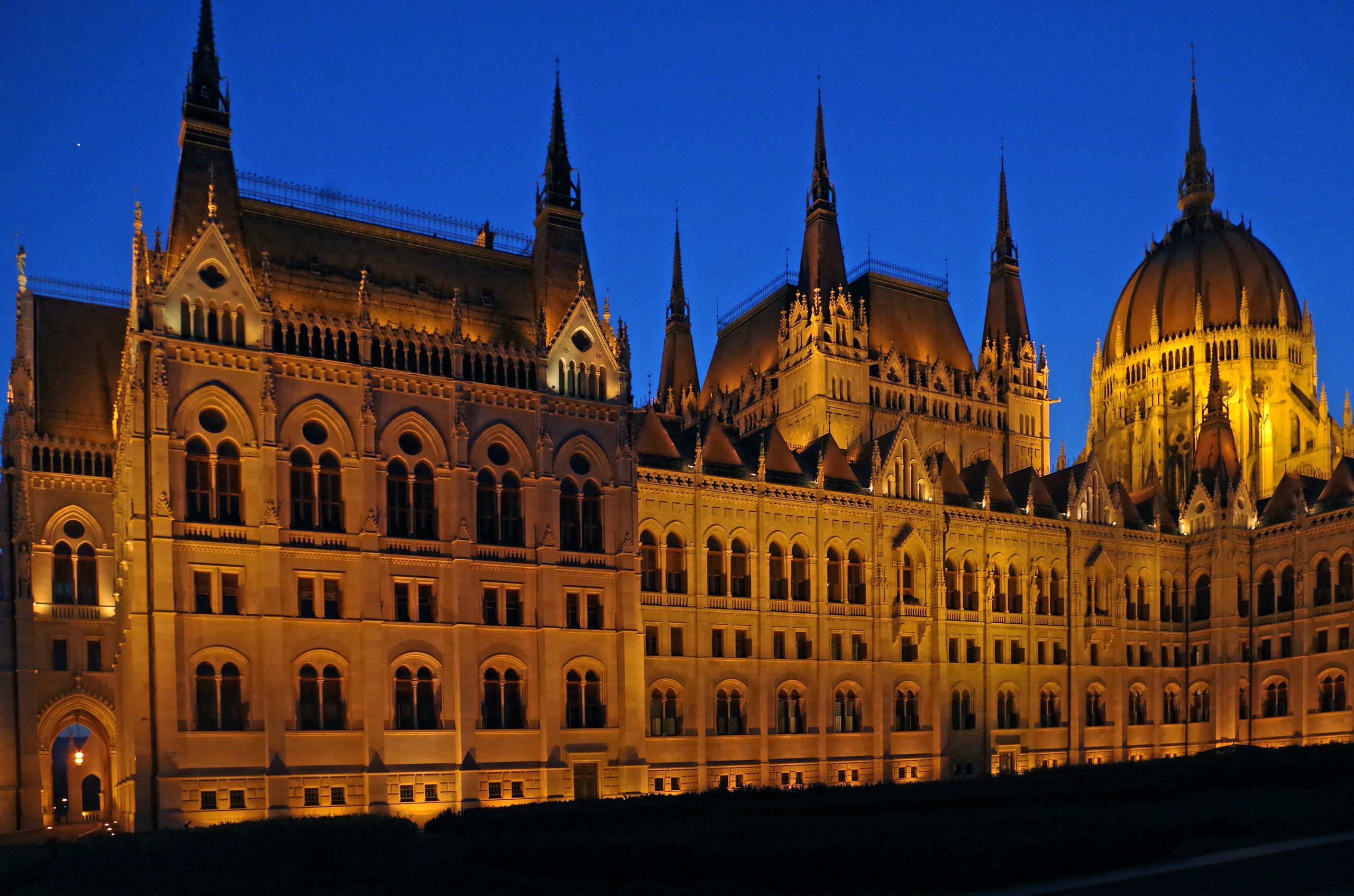
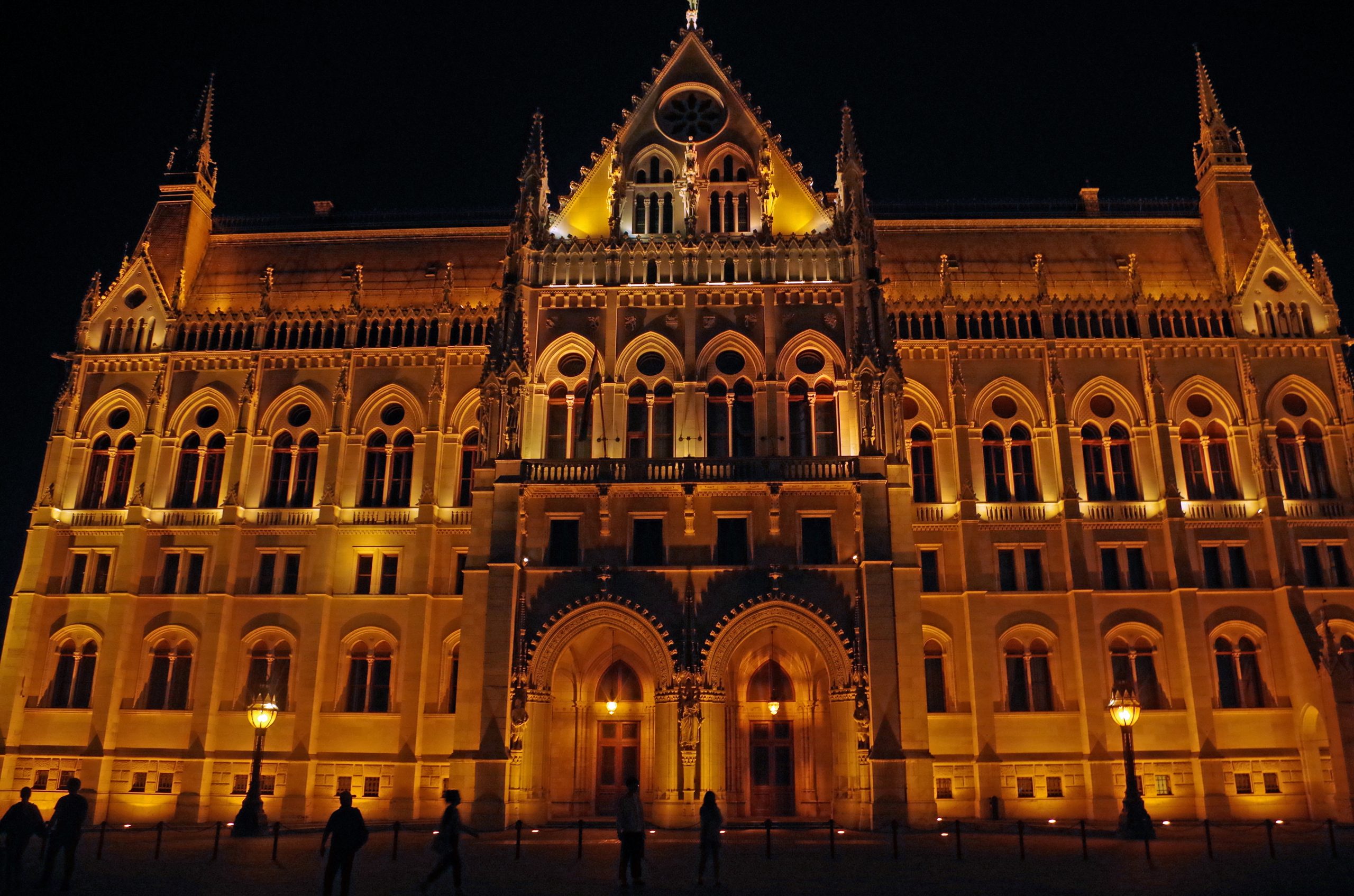
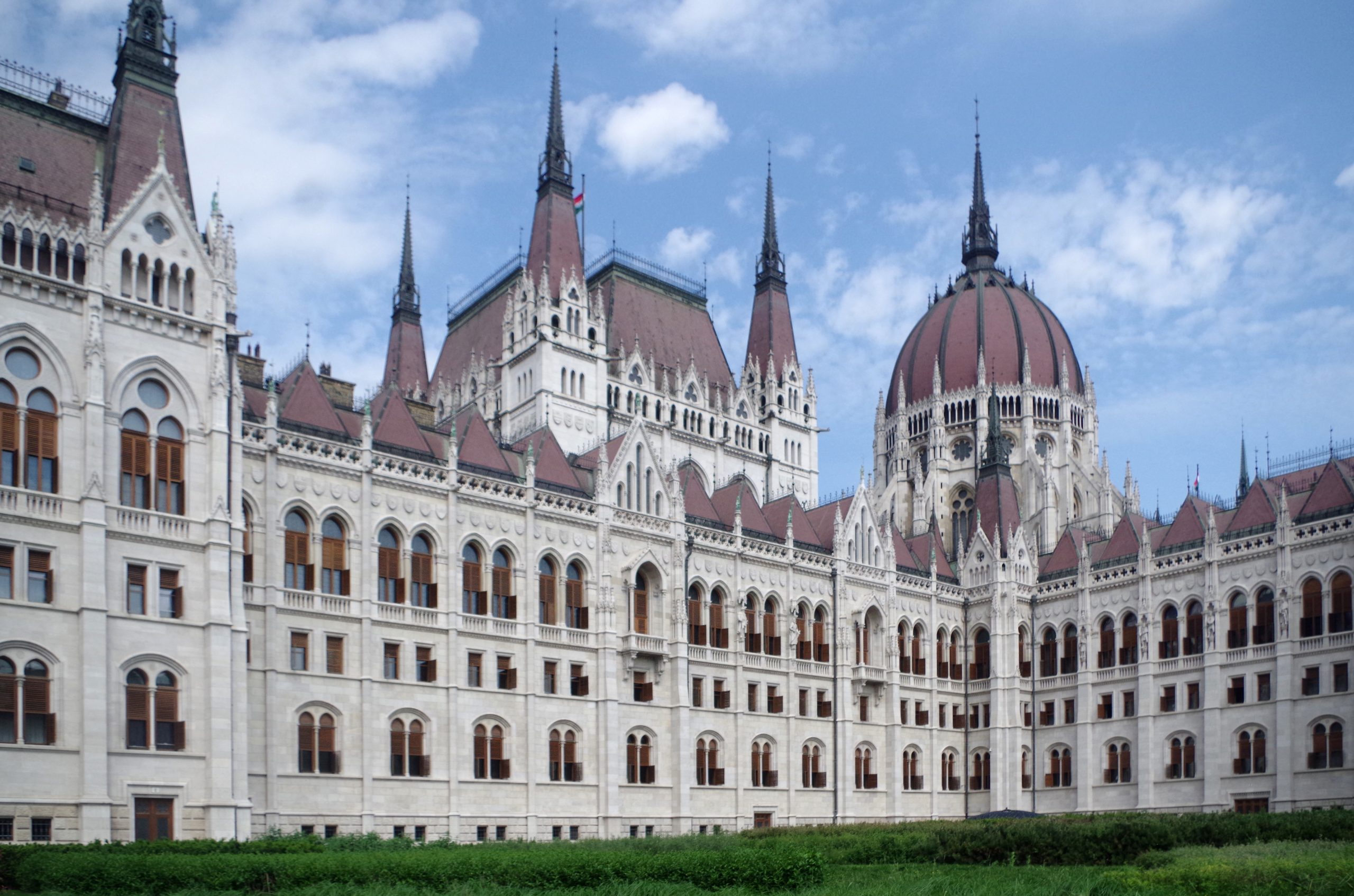
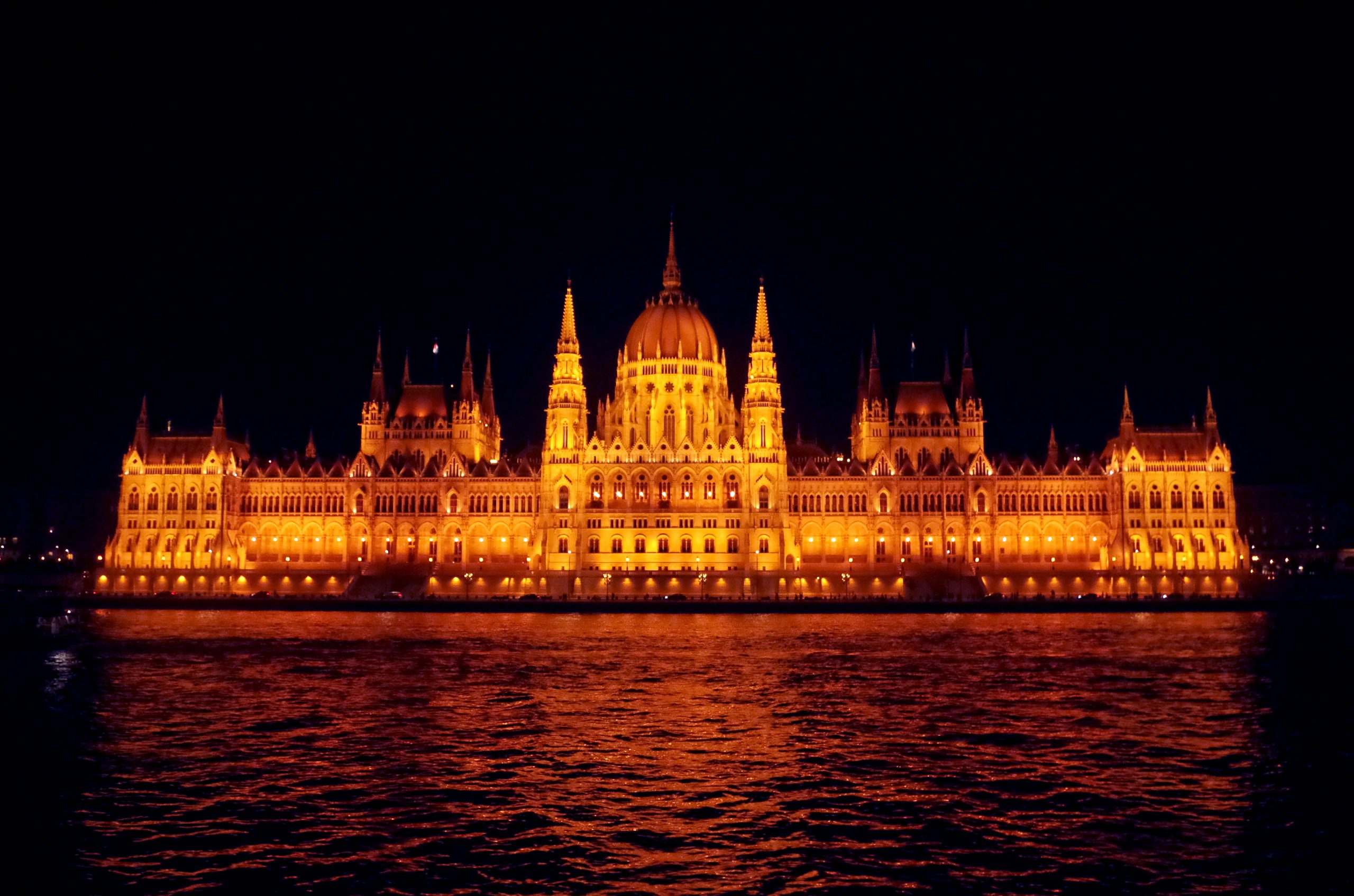
Later that evening, tired or not, I ventured out to explore the city on a Sunday night, which was a wonderful experience. Roadways are closed to motor vehicles (perhaps only nights on weekends), creating a wonderfully relaxed pedestrian experience. Here are a few photos that I took that evening, culminating when the fabulous Hungarian Parliament building comes into view. It is difficult to portray the expansiveness of this complex in photos. It is based upon the Parliament in London and is the third largest such government building in the world.

Hungarian State Opera House, Budapest
Strolling along the Danube on Sunday evening
A sculpture along the Danube River in Budapest
The Margaret Bridge in Budapest
A monument in Budapest
Hungarian Parliament, Budapest

The following morning, we headed out for a guided tour of the inside of the Hungarian Parliament building, along with an unguided walking tour of the Pest side of the city between Parliament and our hotel, prior to our boarding the Jasper that afternoon. The only way to book a tour of Parliament was to accept a tour in the Spanish language. Upon our arrival, we found that we were among half a dozen ticket holders who did not speak Spanish. After enough polite begging, we were given the English language devices that were available under the counter. Our tour guide spoke fluent English and provided us with even more information.

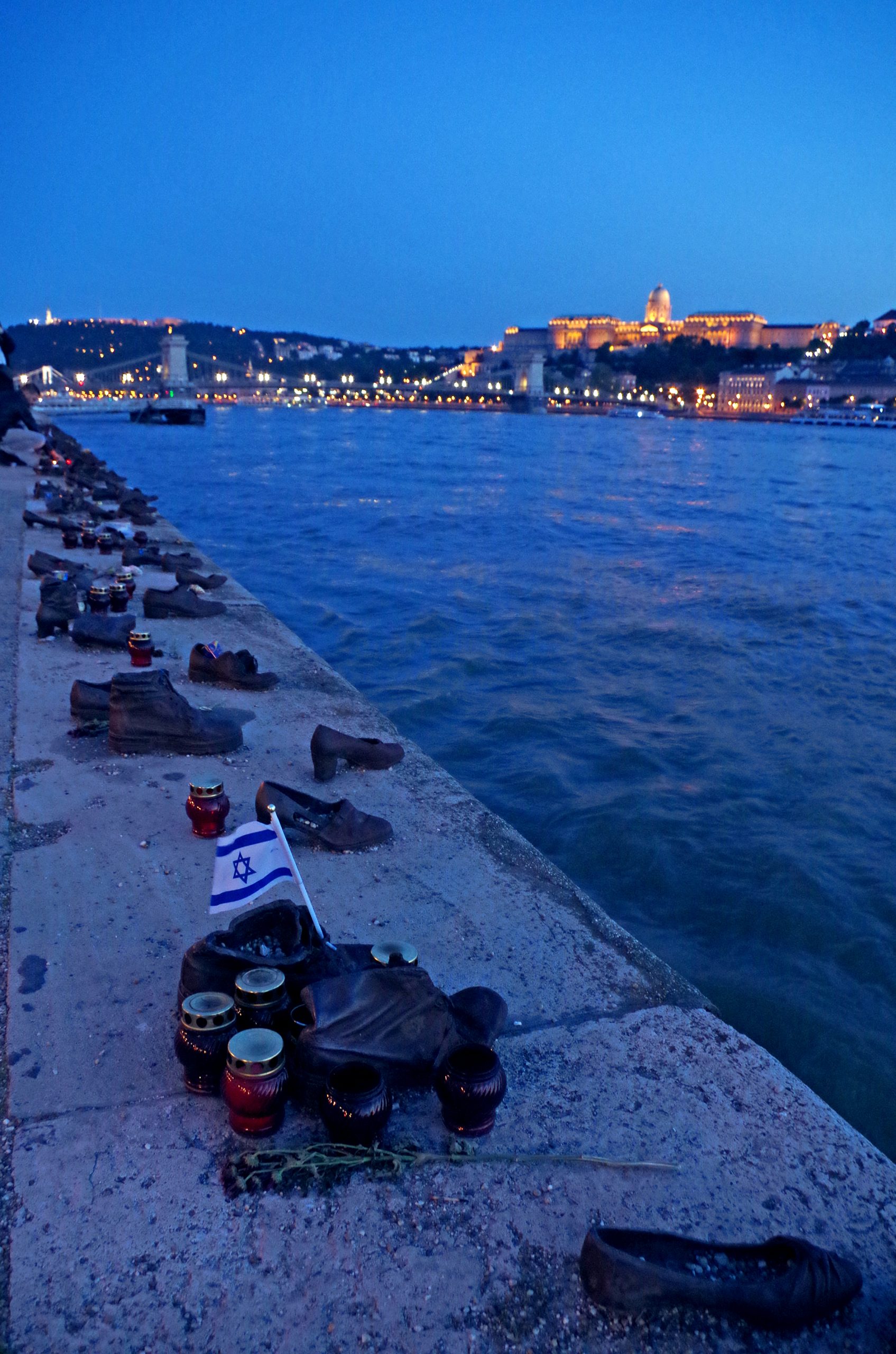
This tour really aroused my interest in the history of Hungary and the Austro-Hungarian Empire, which at one point consisted of Hungary, Austria, and all or parts of Italy, Slovenia, Croatia, Bosnia and Herzegovina, Serbia, Romania, Ukraine, Slovakia, the Czech Republic and Poland, making Hungary a major force in Europe with a massive land area. The first king of Hungary, installed by the Pope, was Stephen I, later to become St. Stephen. During World War II, Hungary was part of the Tri-Partite Pact, along with Romania, Bulgaria, the Independent State of Croatia, Slovakia, and (for two days) Yugoslavia, making them Axis participants with Germany, Italy and Japan. For five and a half months at the end of the war, the Arrow Cross Party gained control in Hungary. Essentially Hungary’s Nazi Party and highly antisemitic, the Arrow Cross militiamen deported tens of thousands of civilians (mostly Jewish) to slave labor camps, murdering another 10,000 in the streets. Hungarian Jews were frequently shot on the banks of the Danube, after removing their shoes (a valuable commodity, subsequently either worn or sold by their murderers), allowing their bodies to float downstream. A memorial to this atrocity was erected in 2005, displaying 60 pairs of iron shoes anchored to the ground.

Shoes on the Danube Memorial, Budapest
Shoes on the Danube Memorial, Budapest. A photo taken the prior evening.

At the end of World War II, Hungary was one of the countries that was “liberated” by the Red Army, and was later occupied by the Soviet Union as one of its “satellites” (along with Poland, Bulgaria, Czechoslovakia, and Romania.) The Hungarian people resented this occupation, leading to an uprising and massacre in the Hungarian Revolution of 1956, when Soviet tanks rolled into Budapest to quash the rebellion. Freedom and democracy finally returned in 1989, with the fall of the Soviet Union and the Eastern Bloc.

The basement of the Parliament building contains a museum that includes the 10 ft. tall once-glowing red star, reassembled from broken fragments, that stood atop the Parliament building from 1950 until 1990. At the time when the star was erected, mimicking a similar adornment on the Kremlin in Moscow, the autocratic leader of Hungary was Matyas Rakosi, who was proud to be referred to as “Stalin’s best pupil”. On the outskirts of Budapest, people now may visit Szoborpark (Memento Park), displaying a collection of Soviet-era statues that have been dismantled in recent years. The Soviet period is resented by most Hungarians today, with both manufacturing and tourism flourishing, although the country’s current prime minister is not exactly a champion of democracy and human rights.

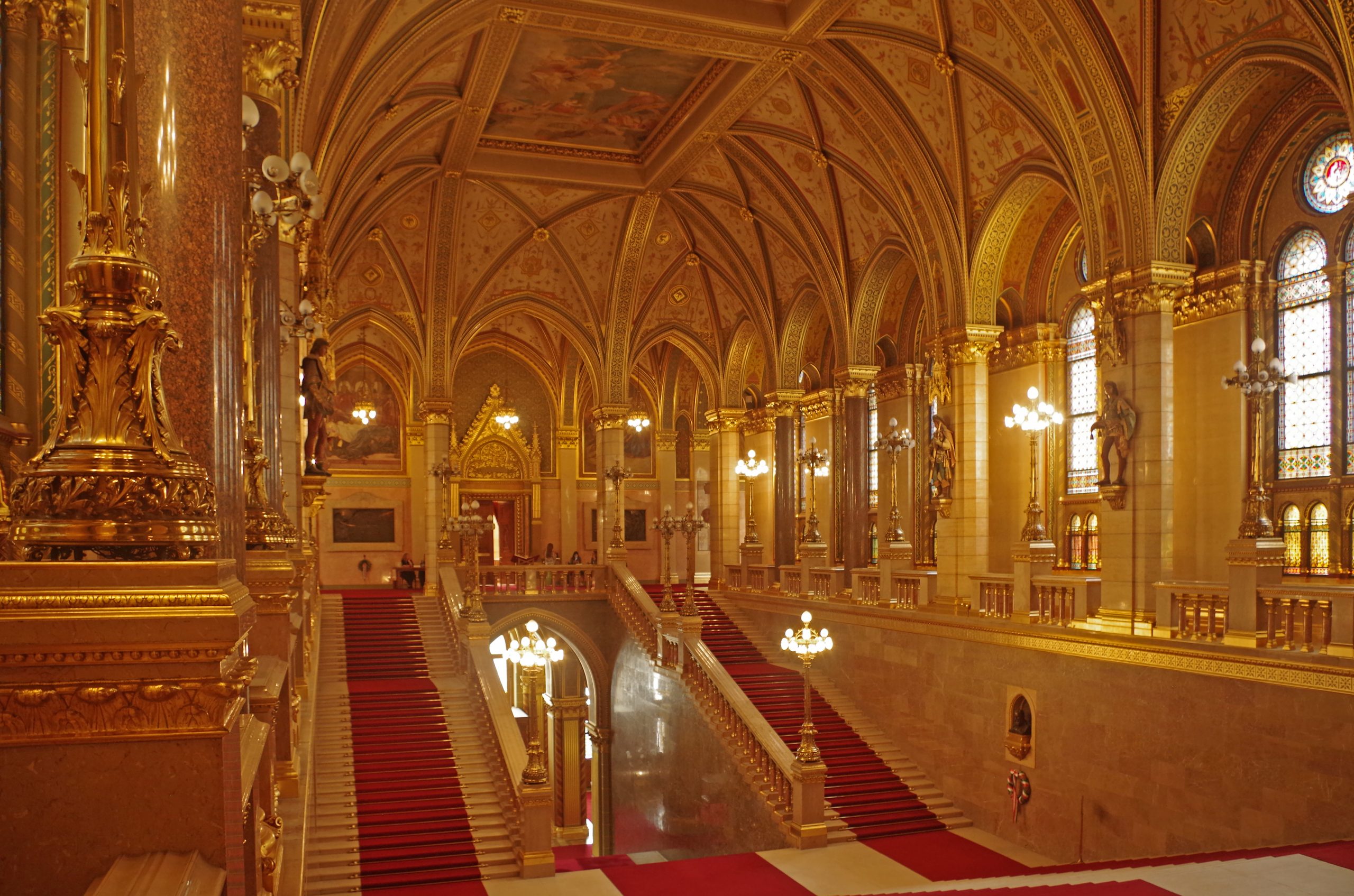
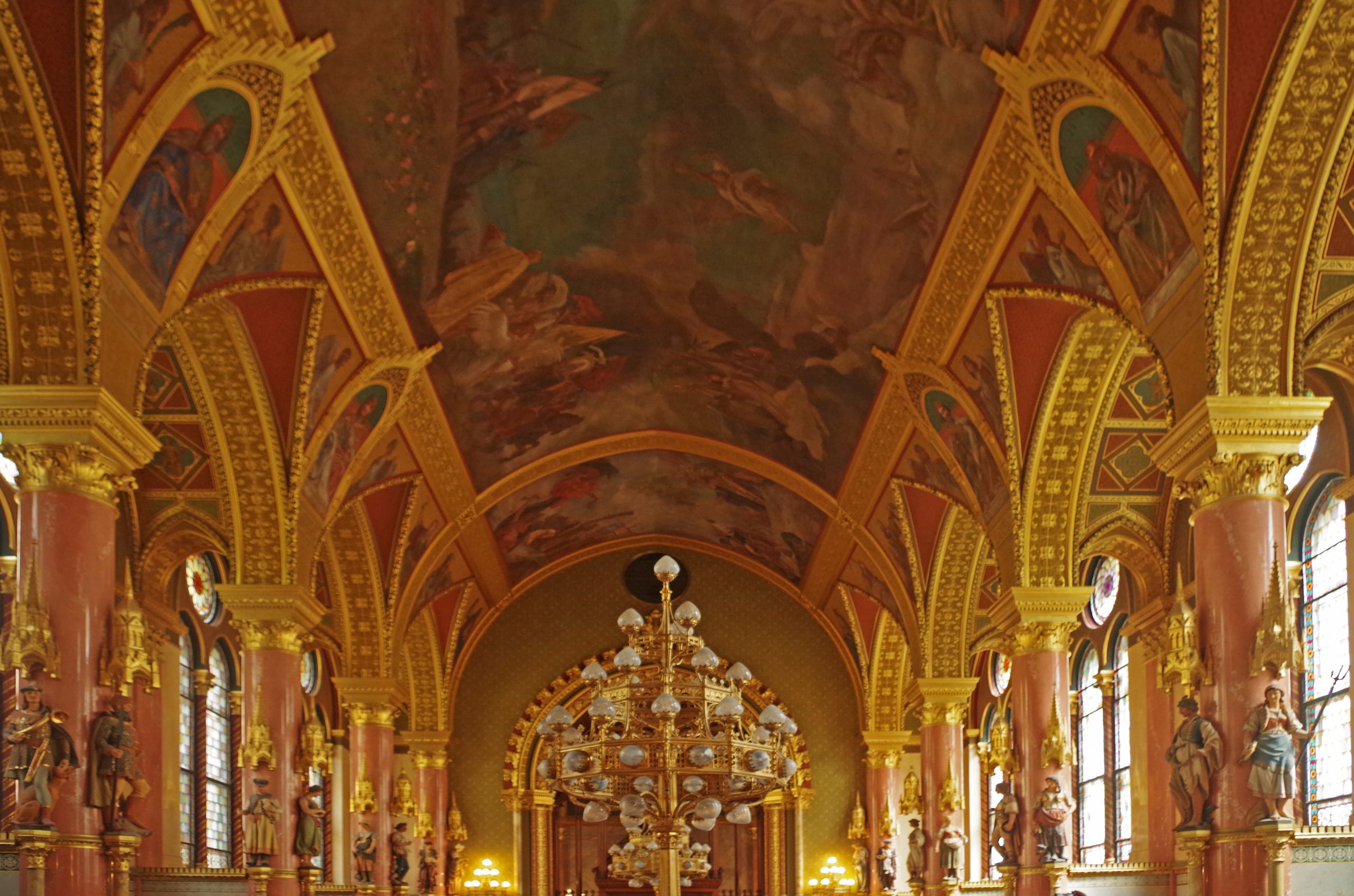
Here are a few of the photos that I took in the Parliament building that morning, along with other photos taken along our walk. Unfortunately, St. Stephen’s Crown and other precious items are under armed military guard and may not be photographed. As you will see, the Hungarians love their monuments!

Hungarian Parliament, Budapest
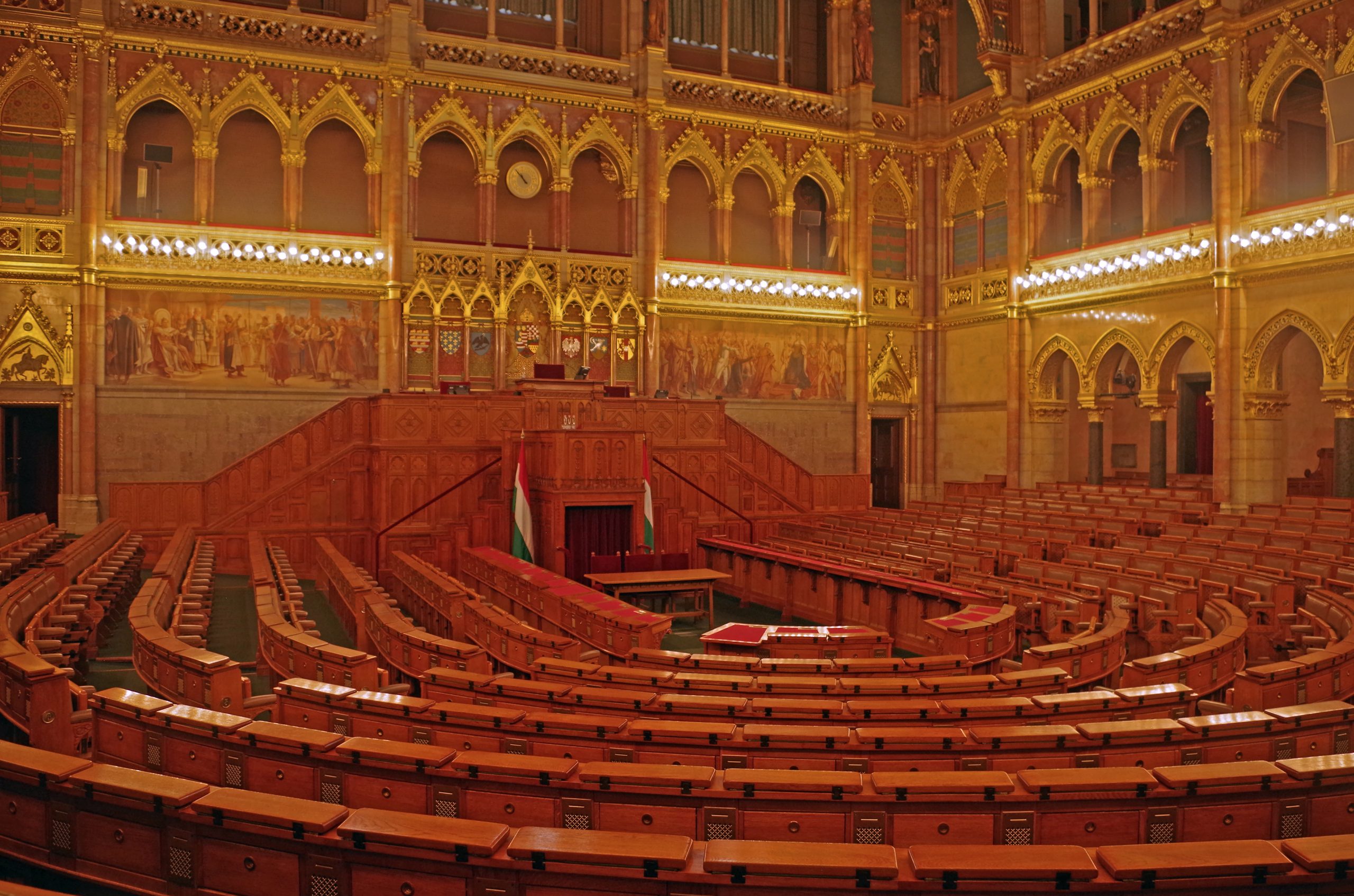
Hungarian Parliament Main Hall, Budapest
Hungarian Parliament Main Hall Ceiling, Budapest
Hungarian Parliament Assembly, Budapest
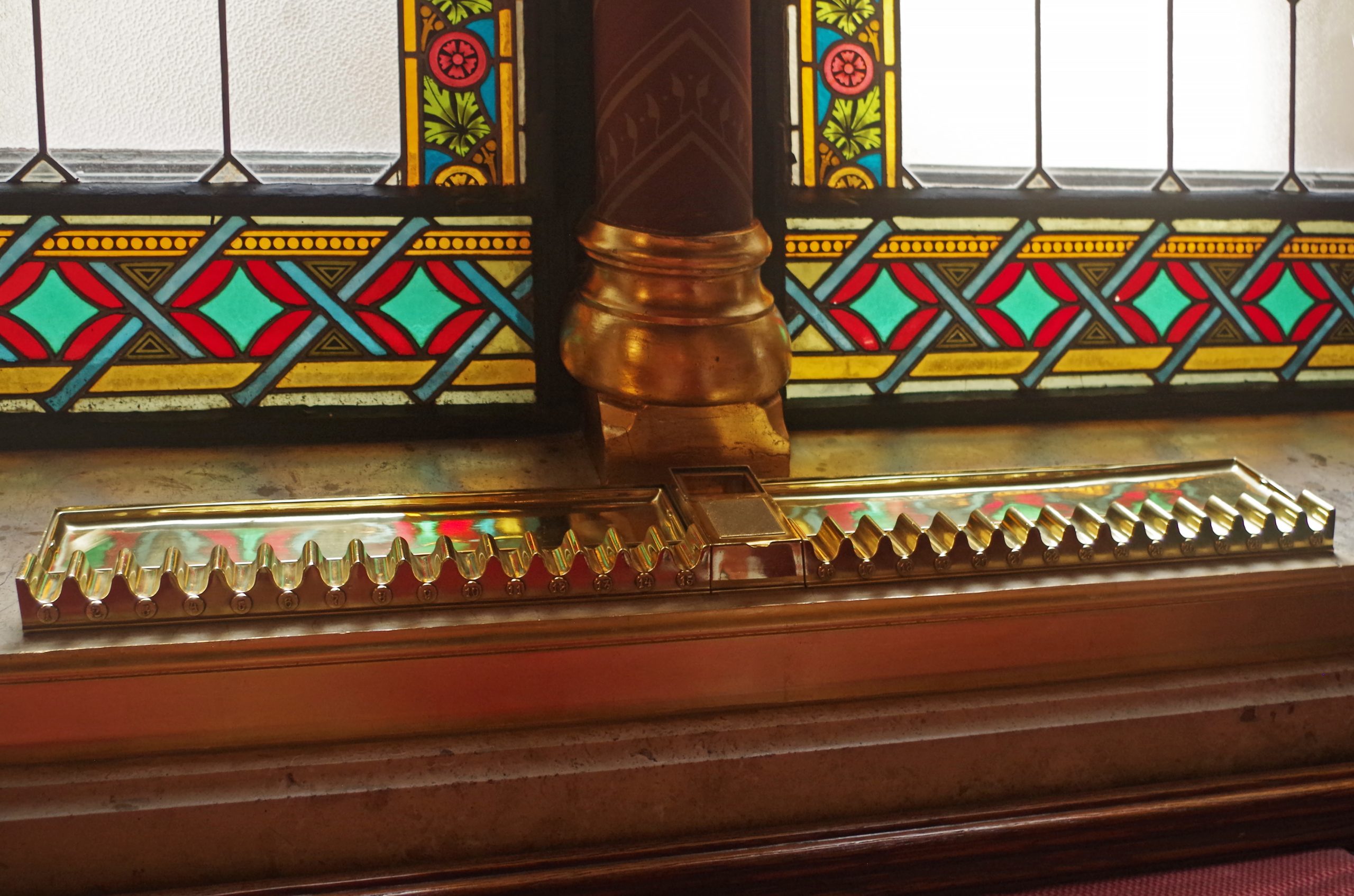
Hungarian Parliament Assembly Cigar Holders, Budapest
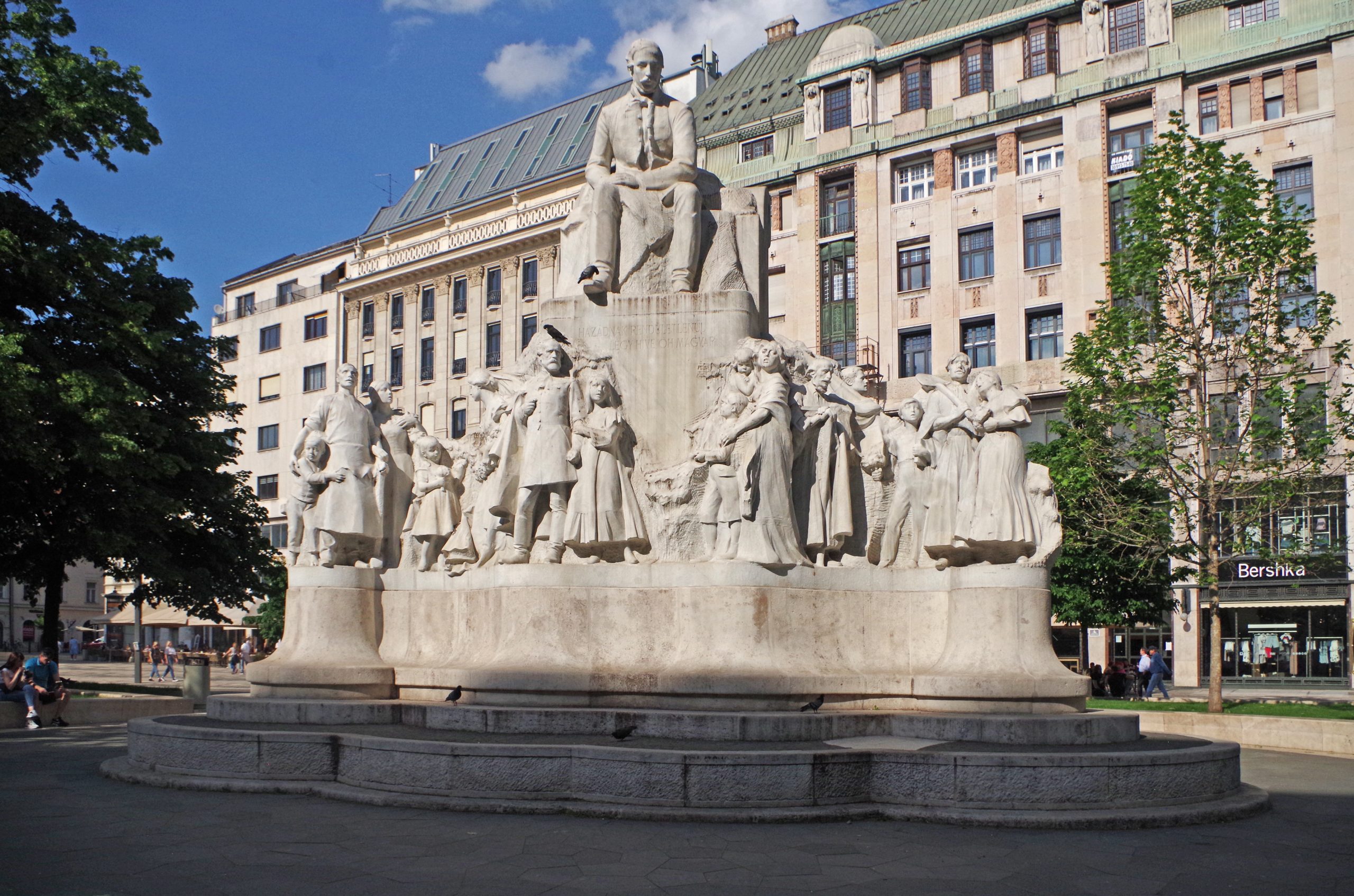
Mihaly Vorosmarty Monument, Budapest
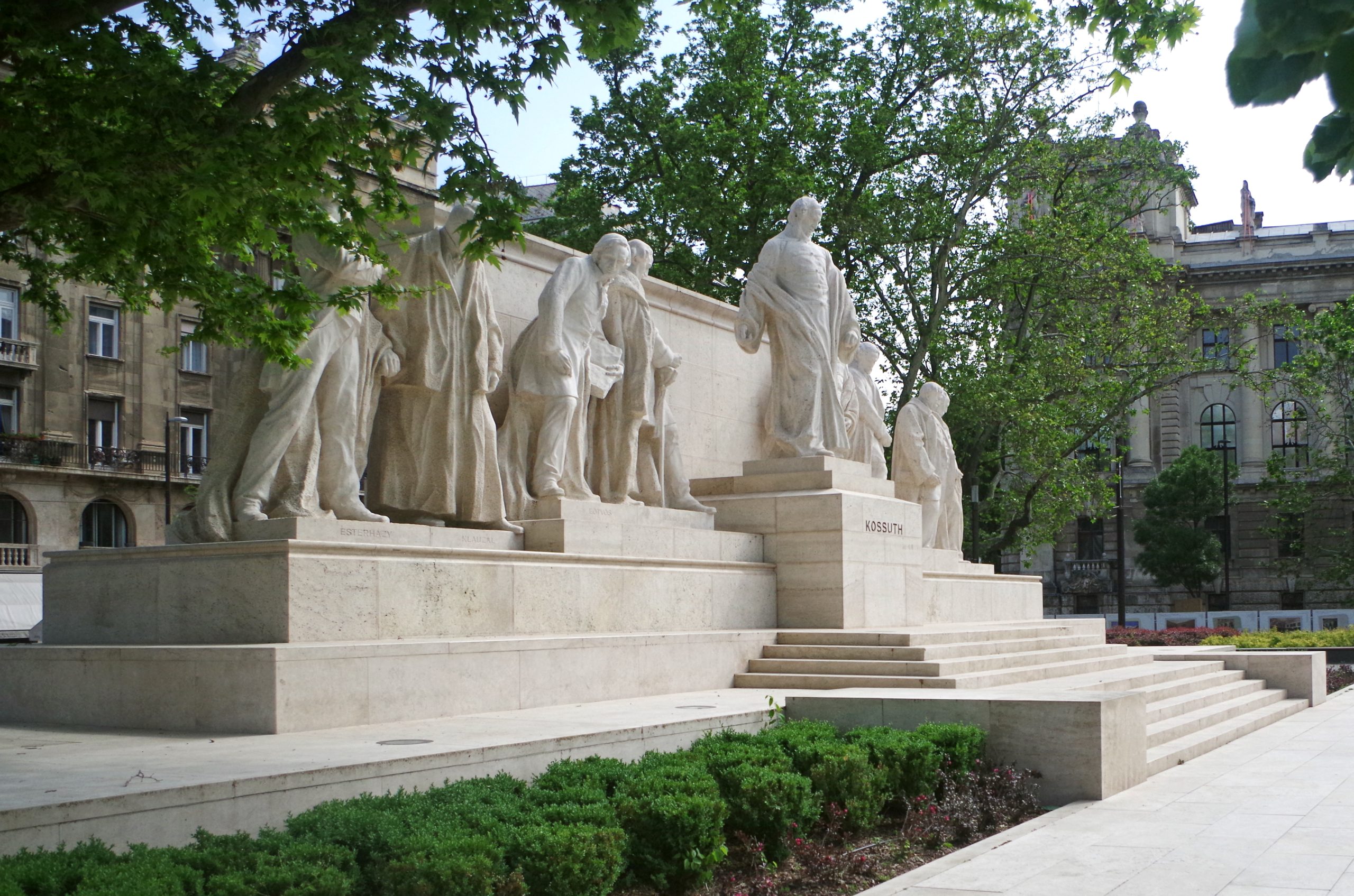
Kossuth Memorial, Budapest
Old and new architecture, Budapest
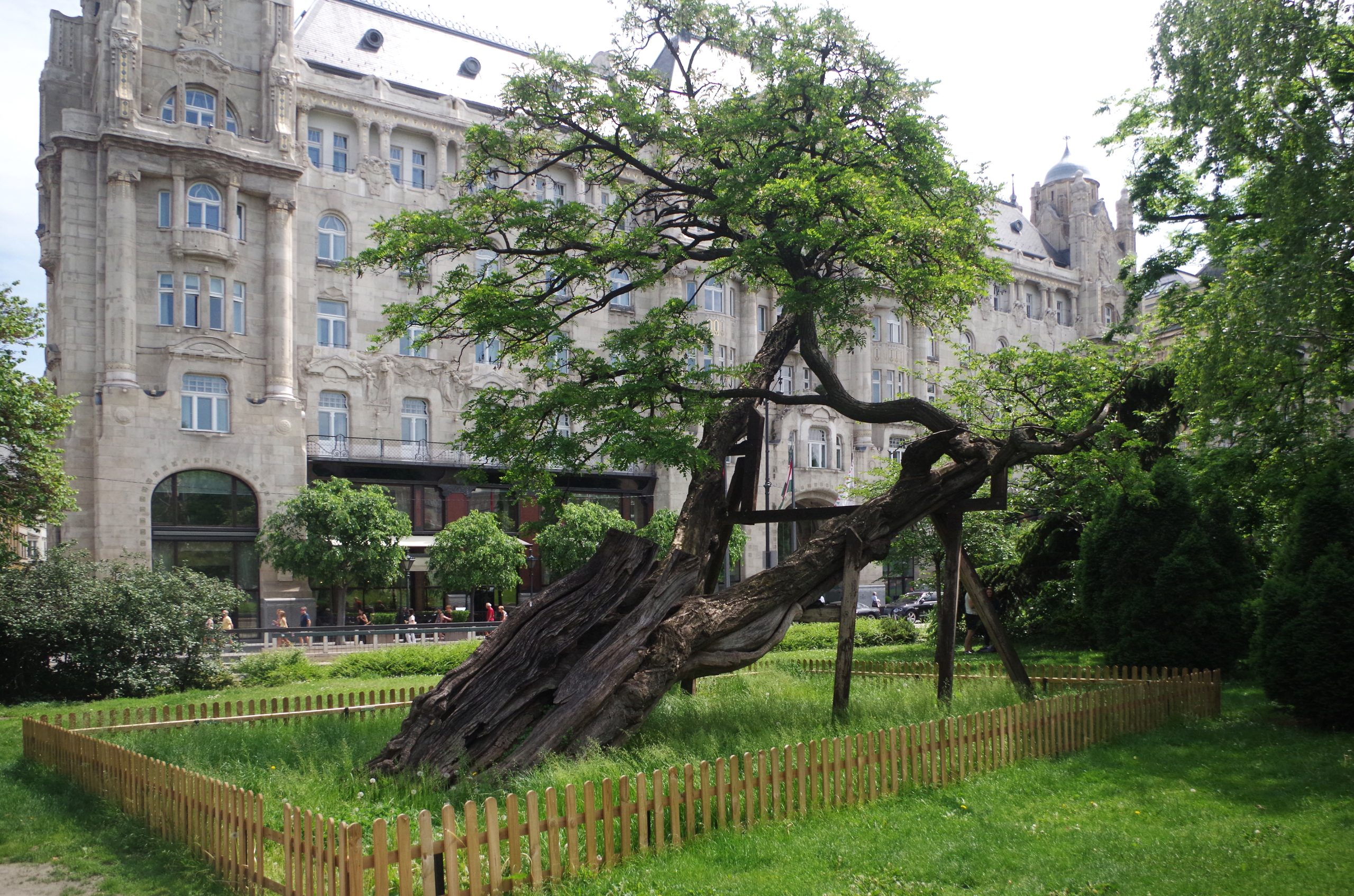
Ancient black locust tree in park, Budapest
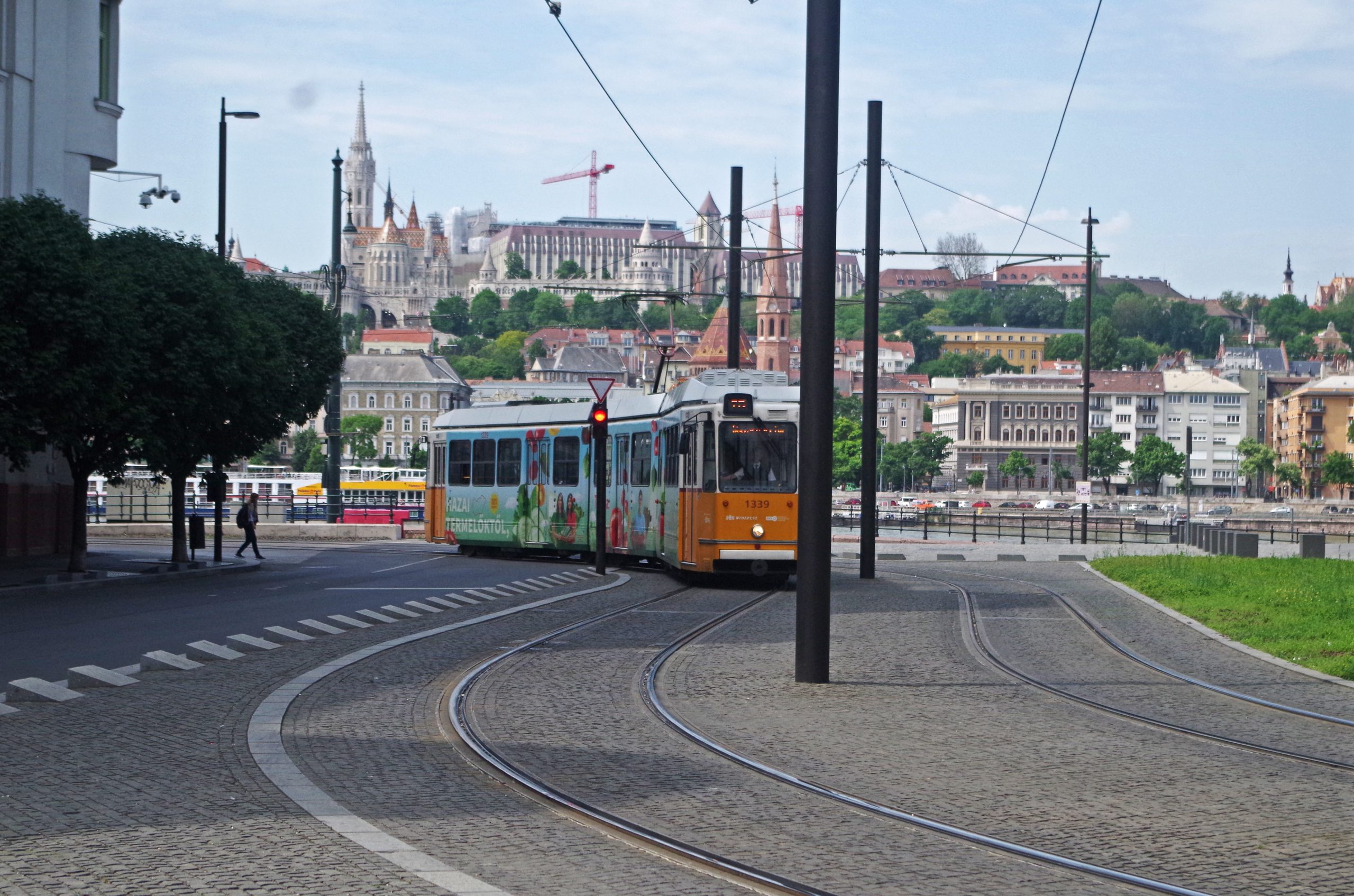
Streetcar, Budapest
Streetcar, Budapest
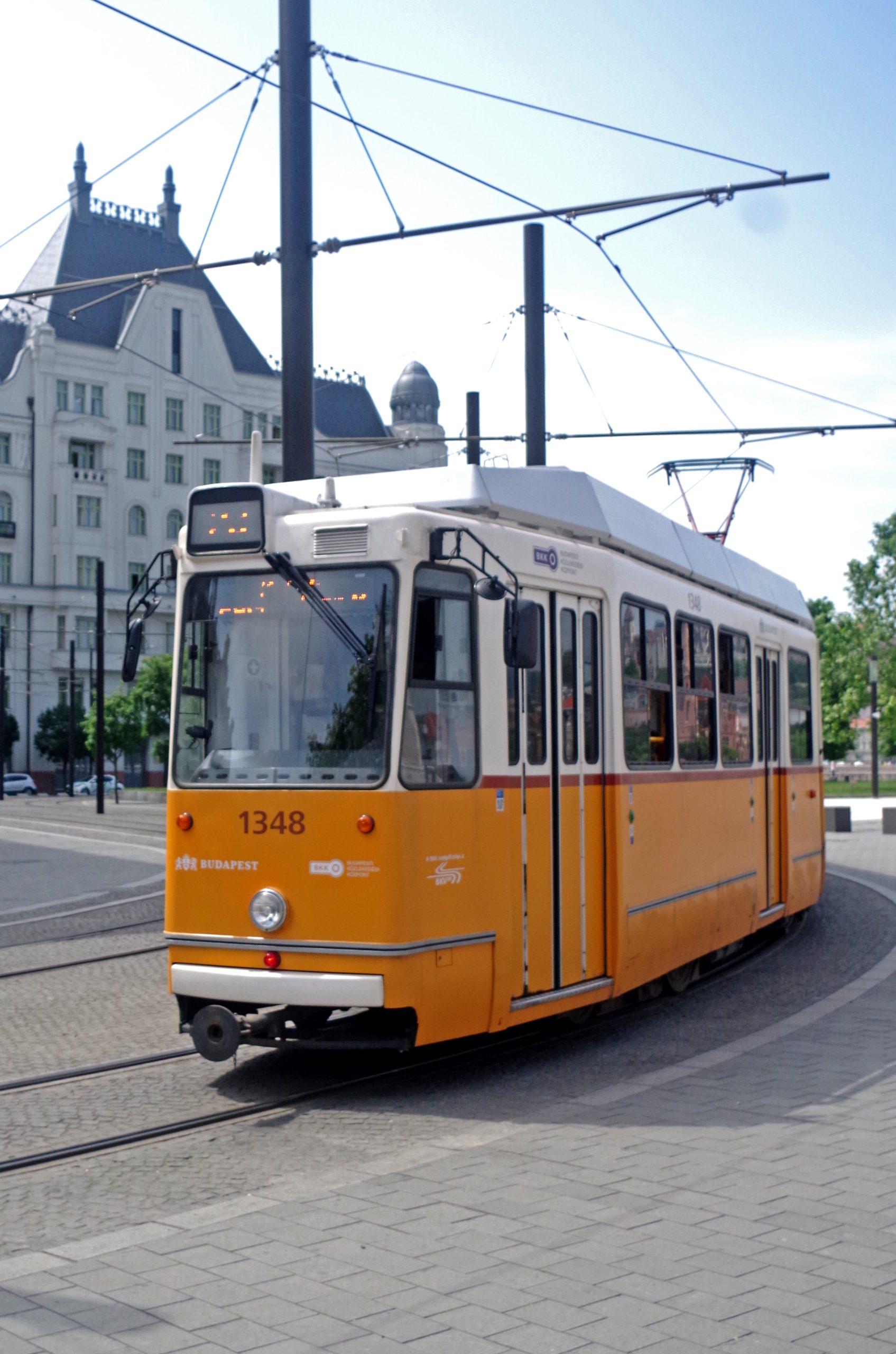
Streetcar, Budapest
Streetcar, Budapest

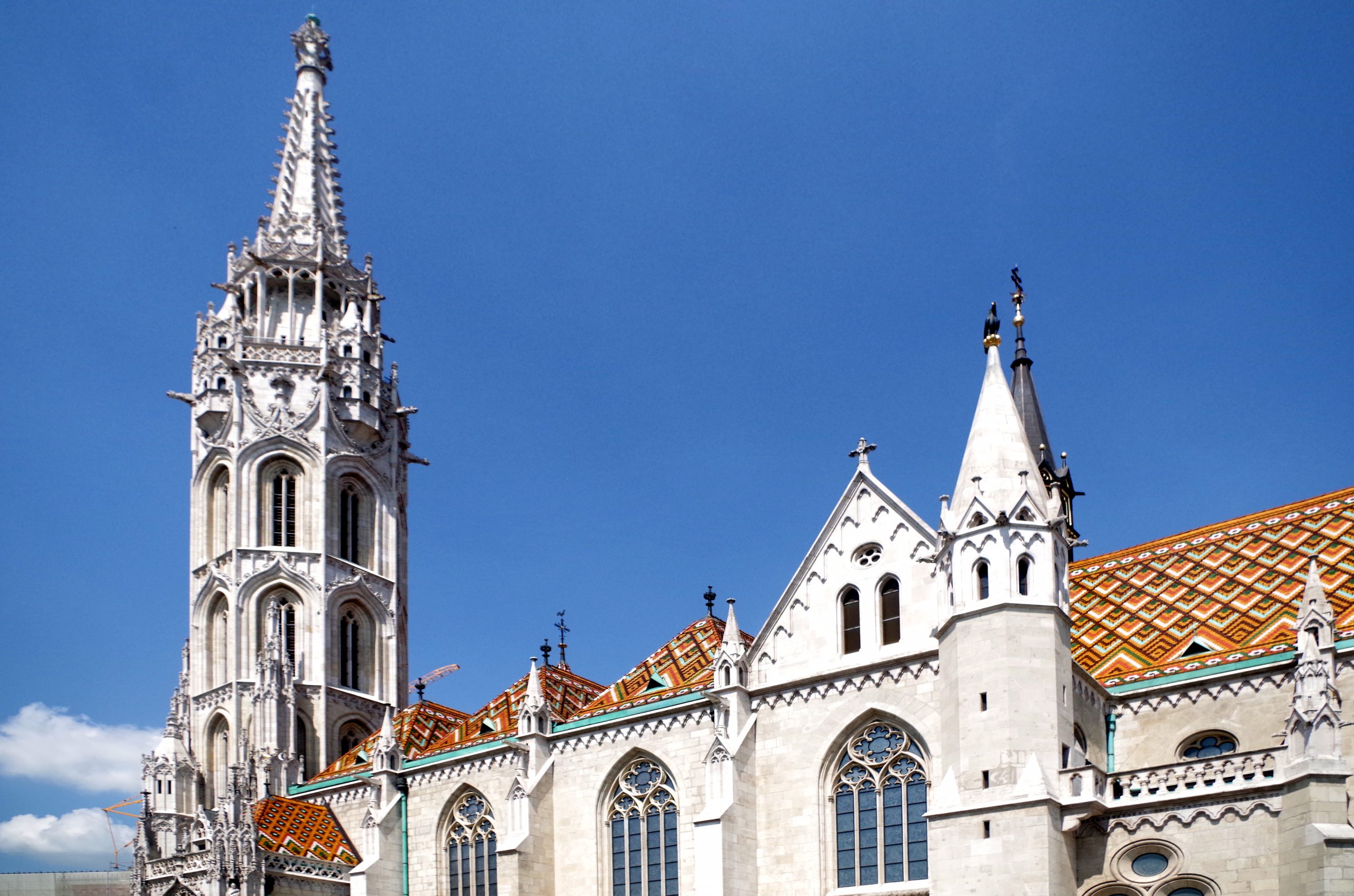
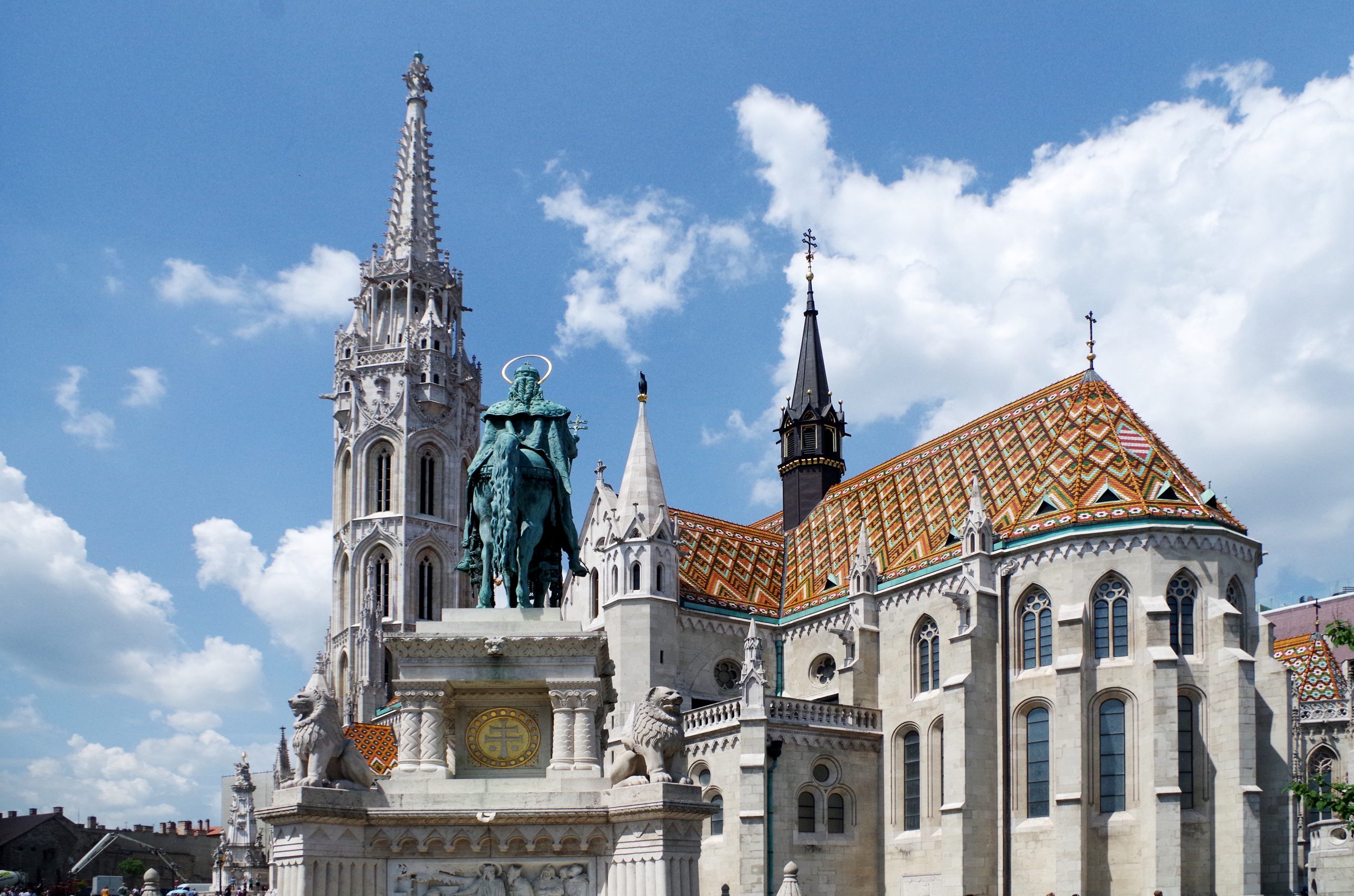
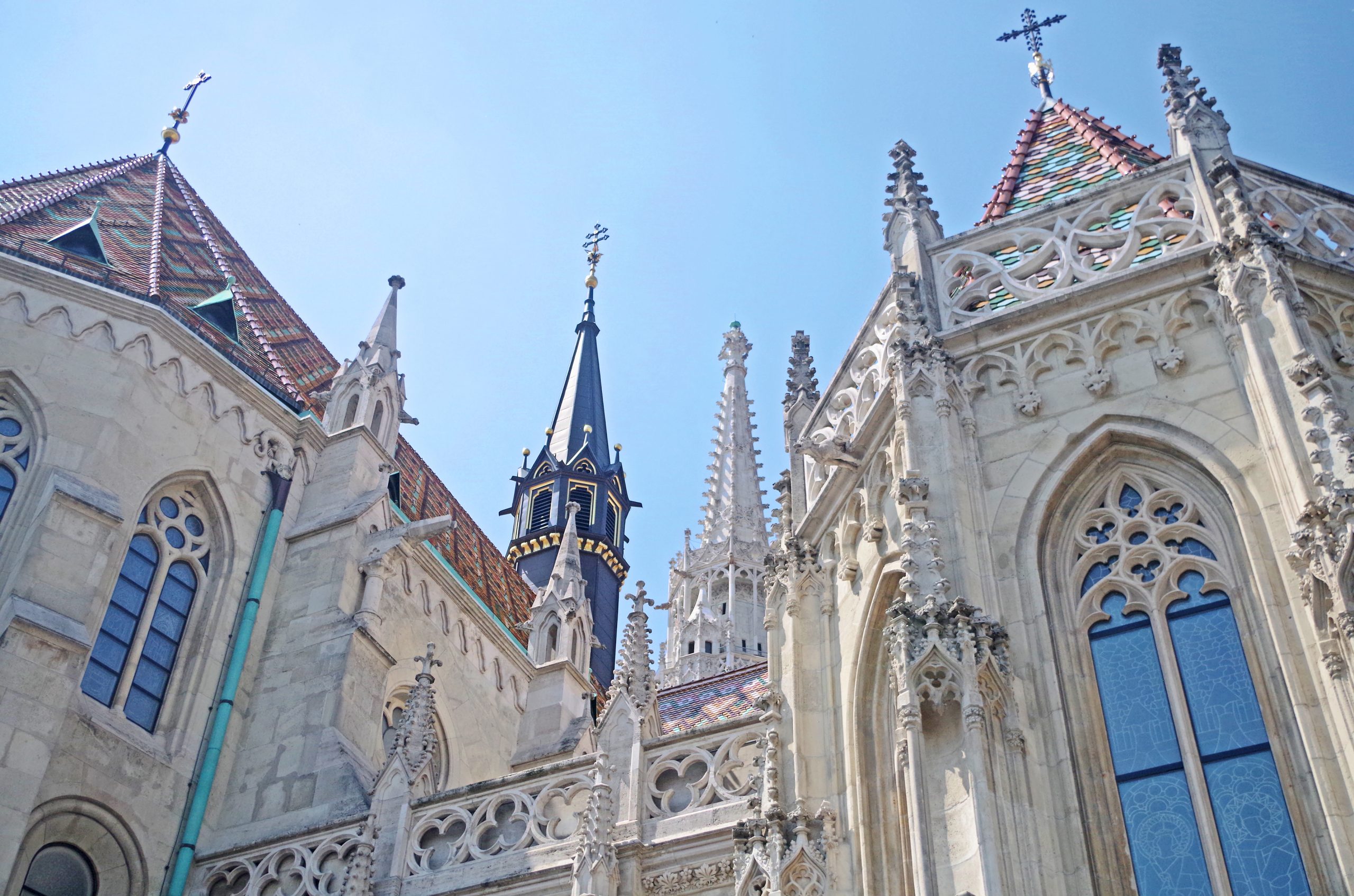
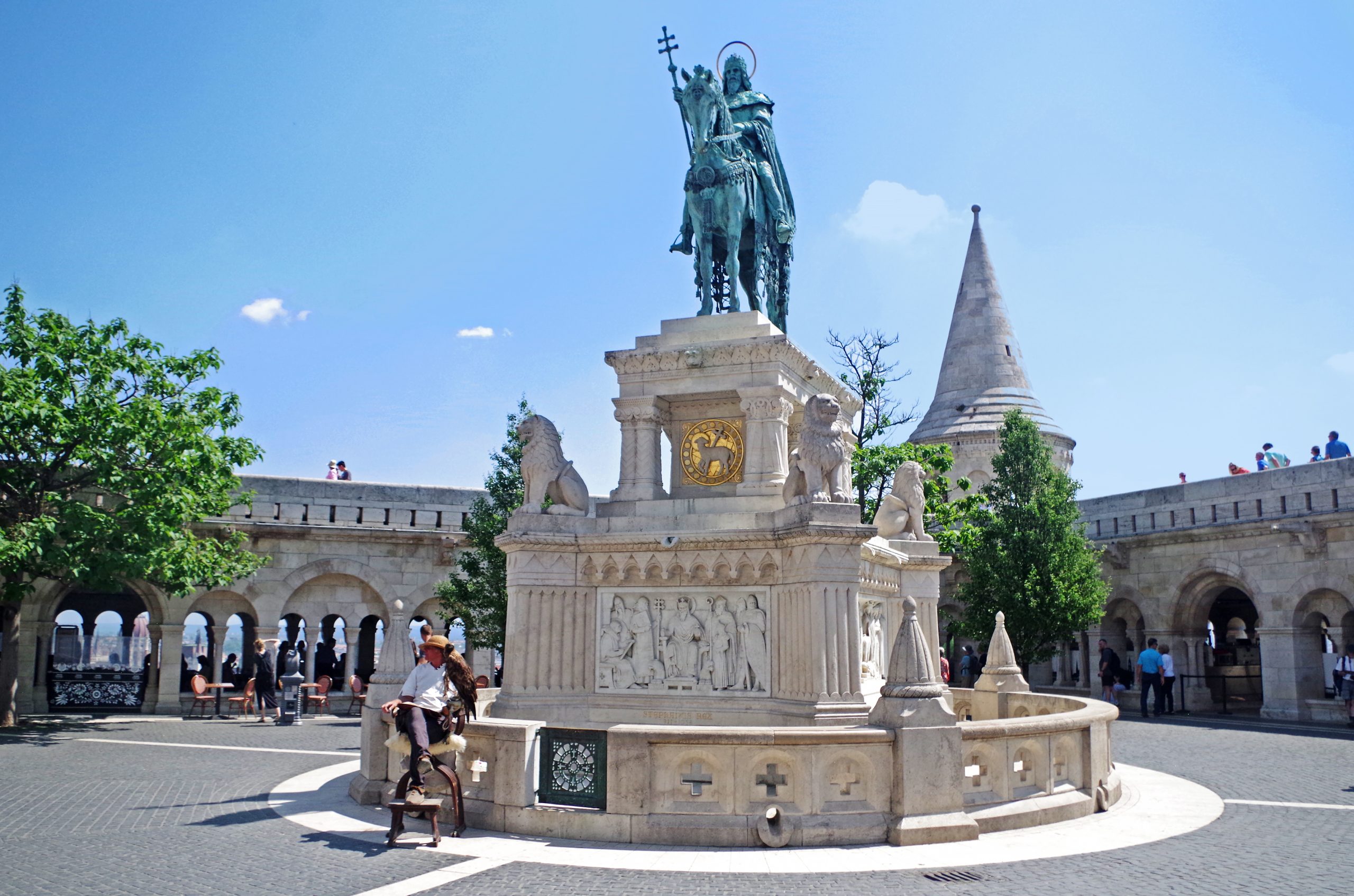
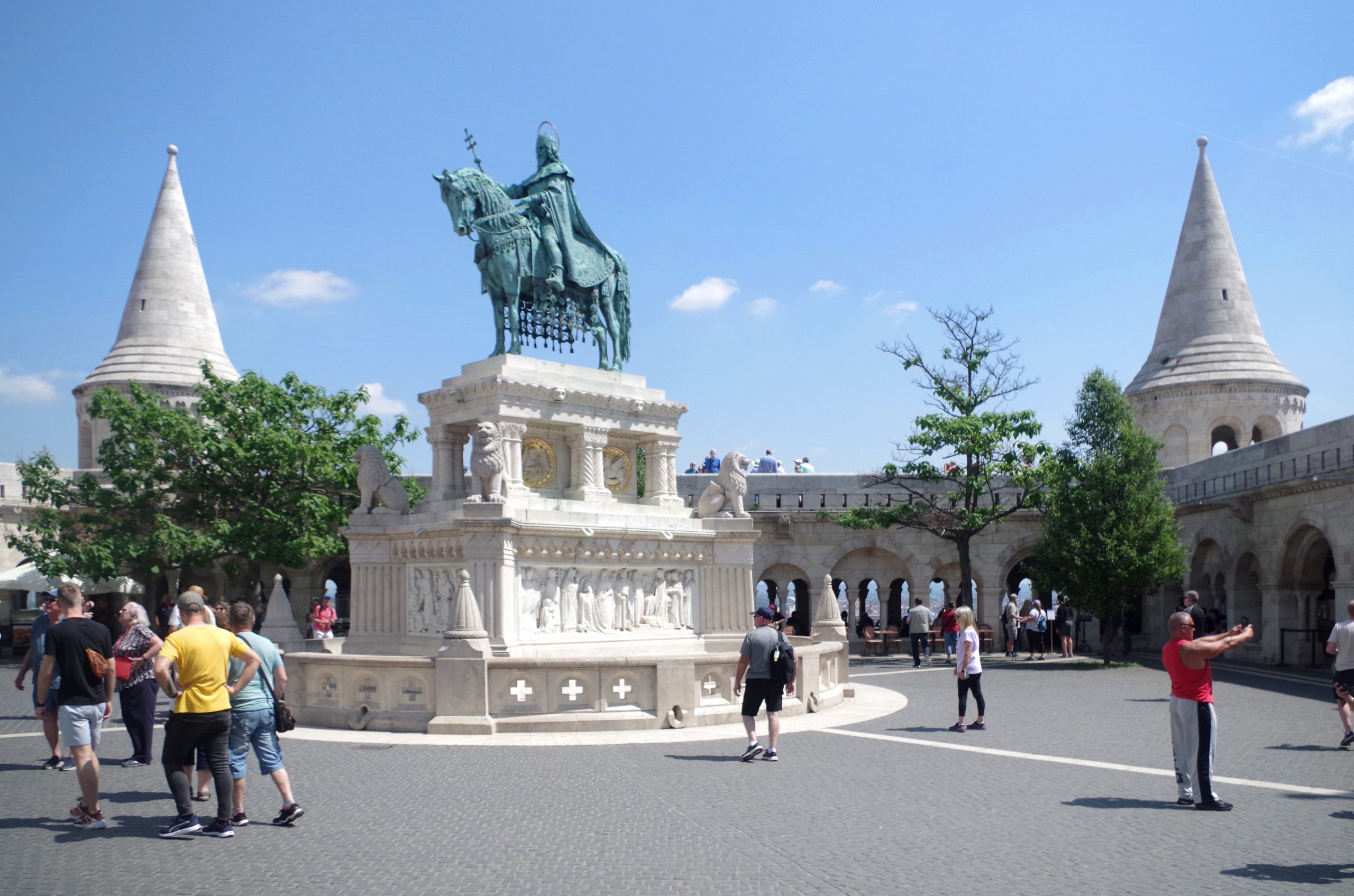
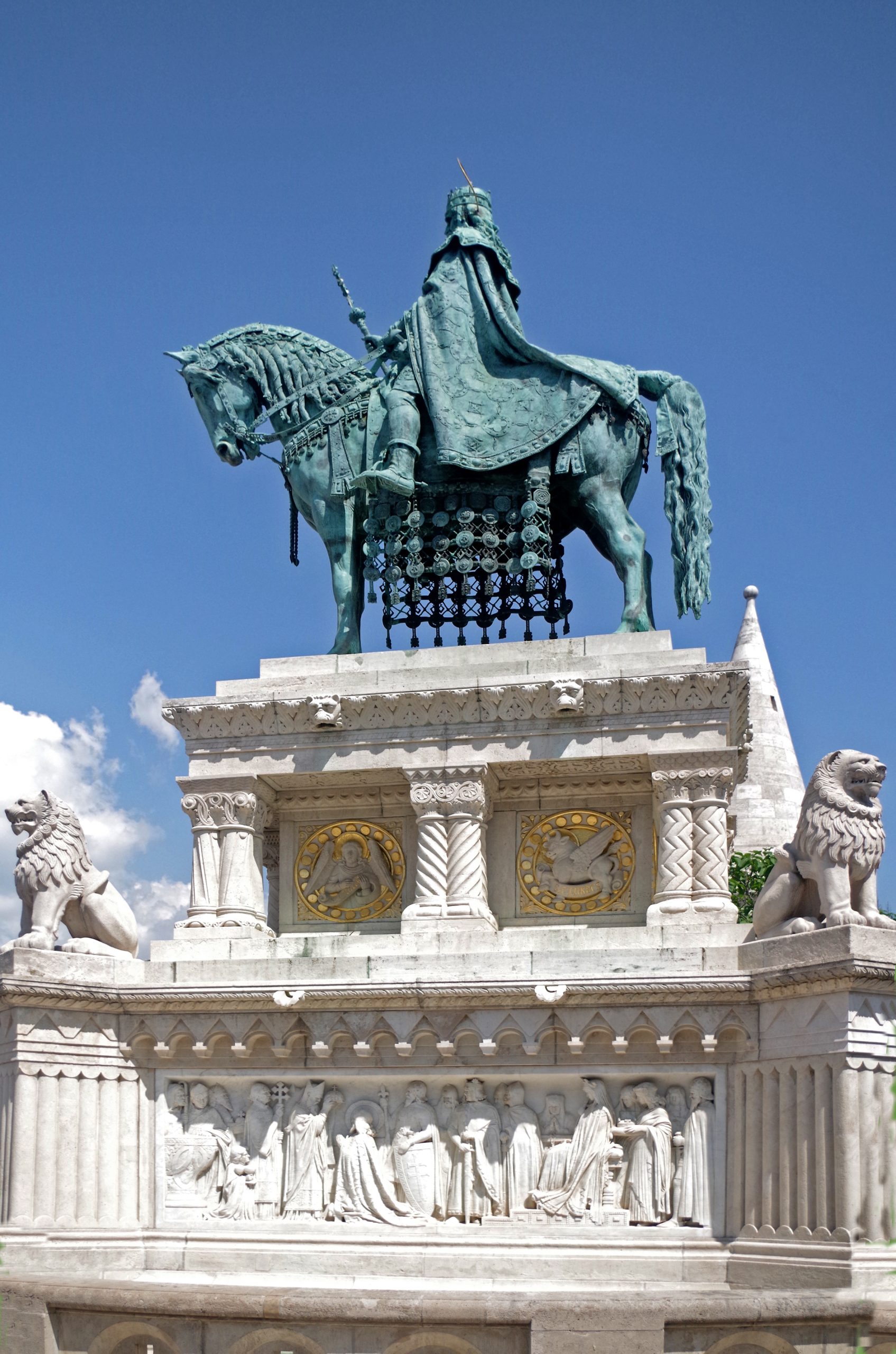
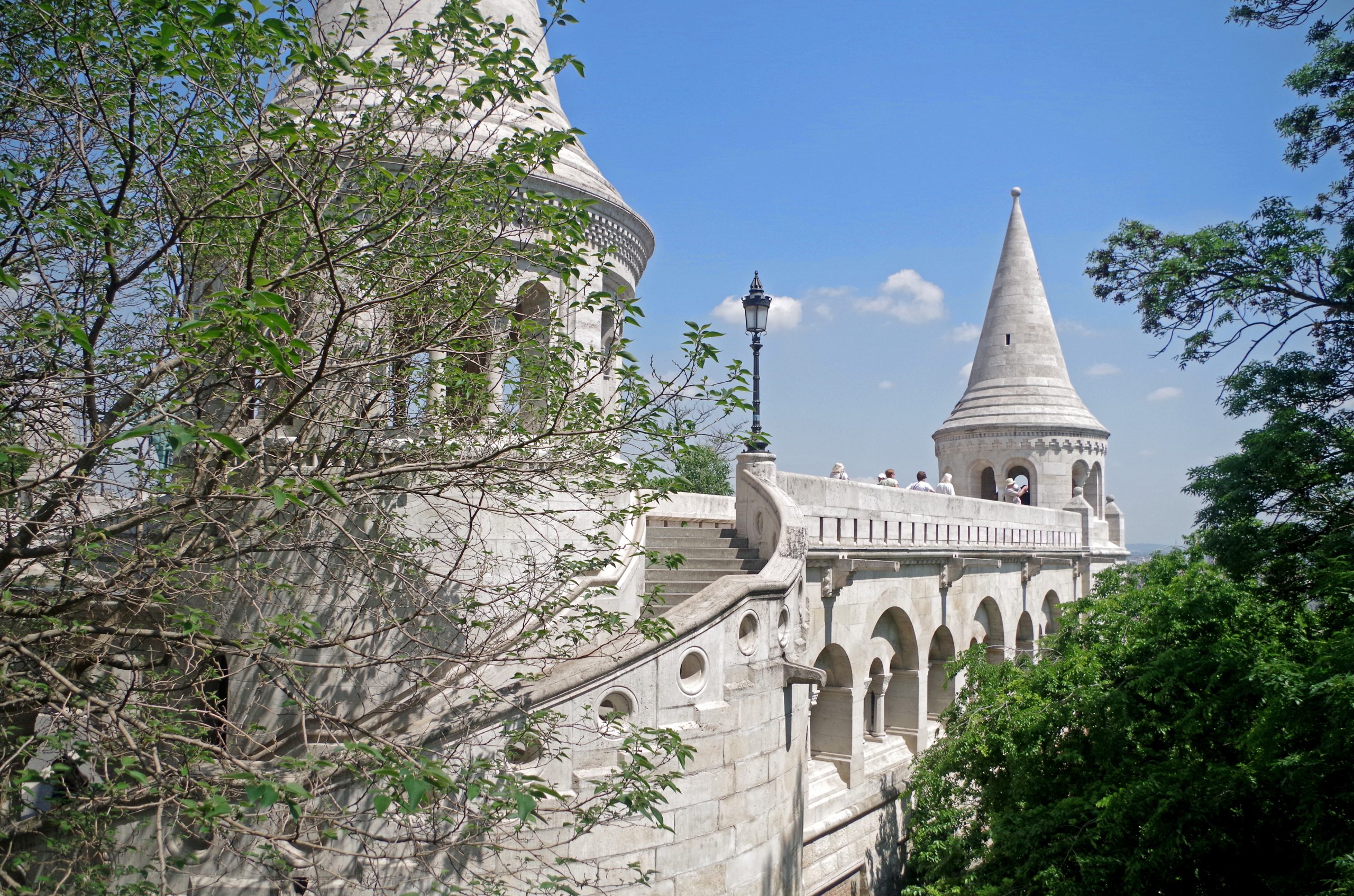
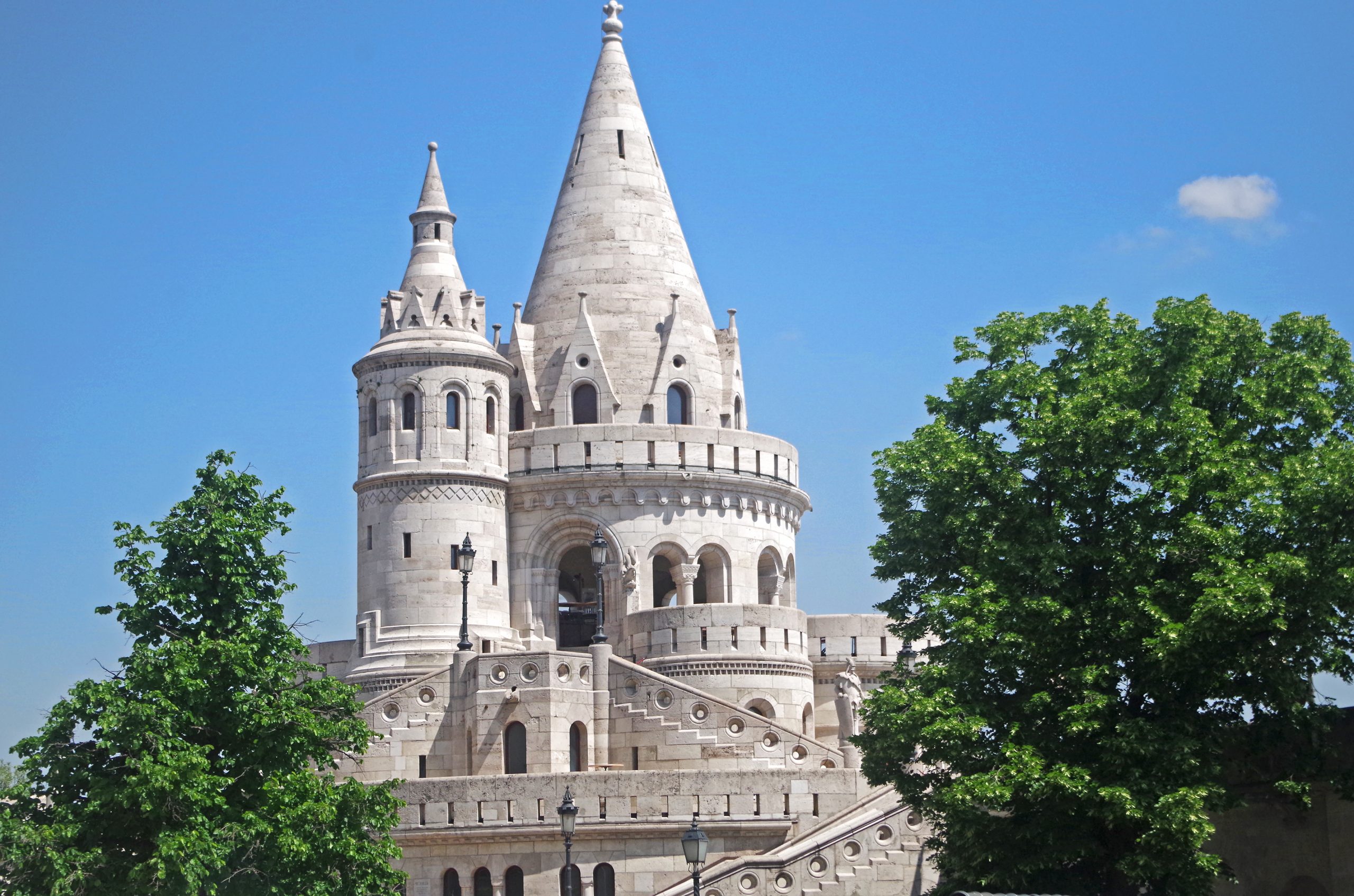
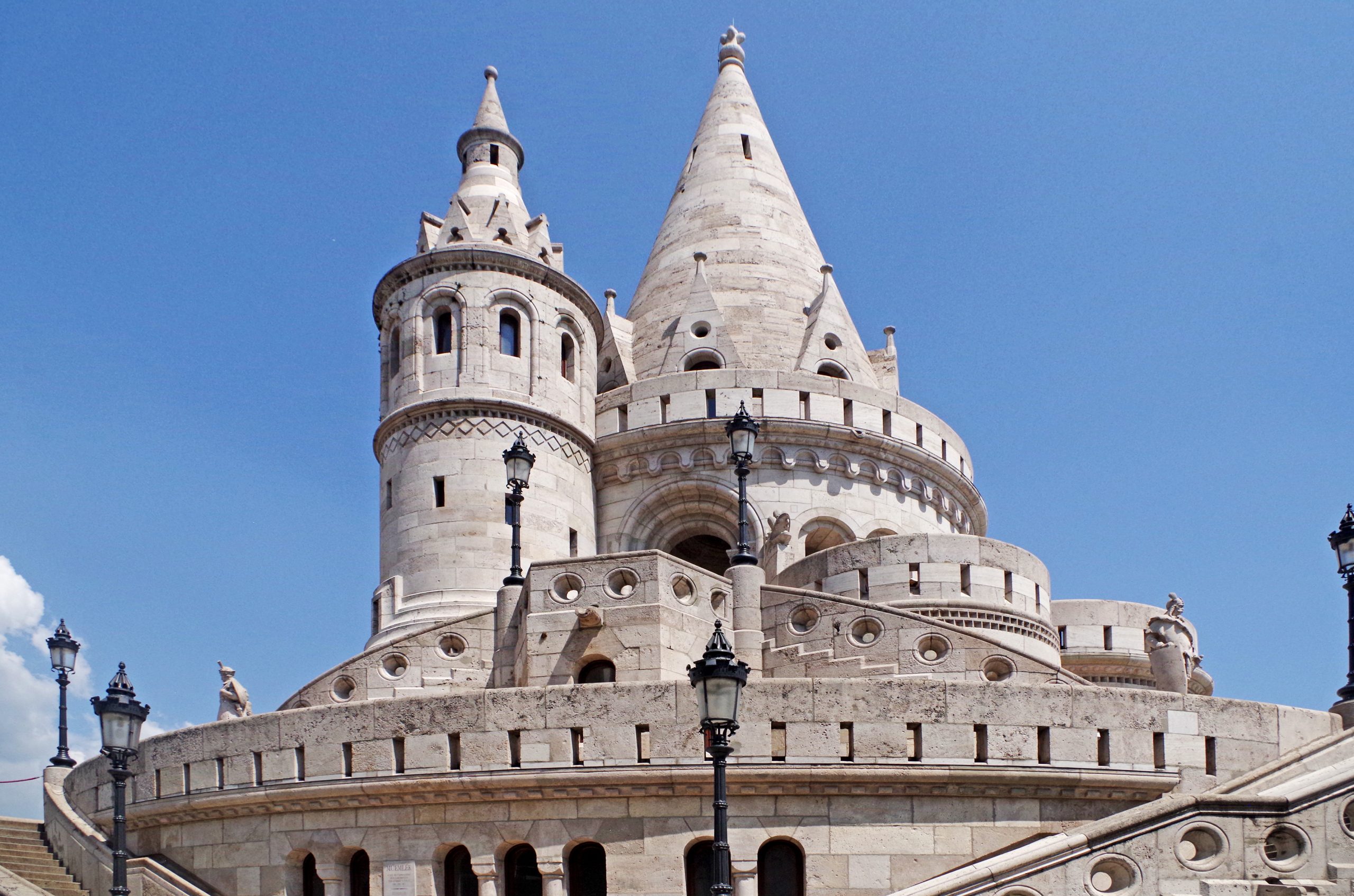
On the following day, I took a small walking tour of the Buda side of the city, climbing up Castle Hill to the city’s most famous attractions. The crowds were enormous up at Castle Hill, around the Matthias Church (under renovation) and the Fisherman’s Bastion. These are photos taken there and on the walk back down to the cruise ship docks.

Matthias Church, Budapest
Matthias Church and St. Stephen Statue, Budapest
Matthias Church, Budapest
St. Stephen Statue, Budapest
Fisherman’s Bastion, Budapest
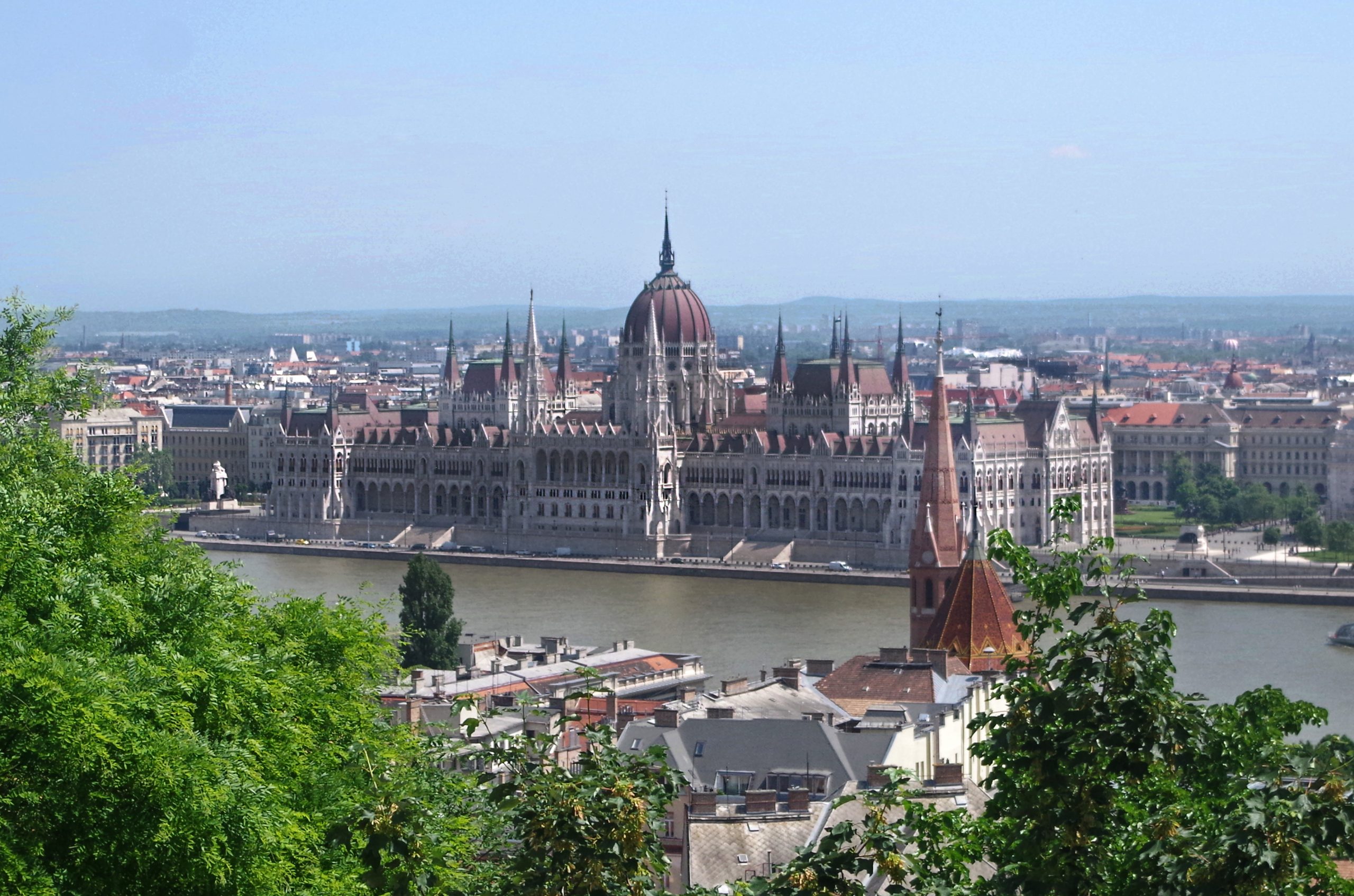
View of Parliament from Fisherman’s Bastion, Budapest
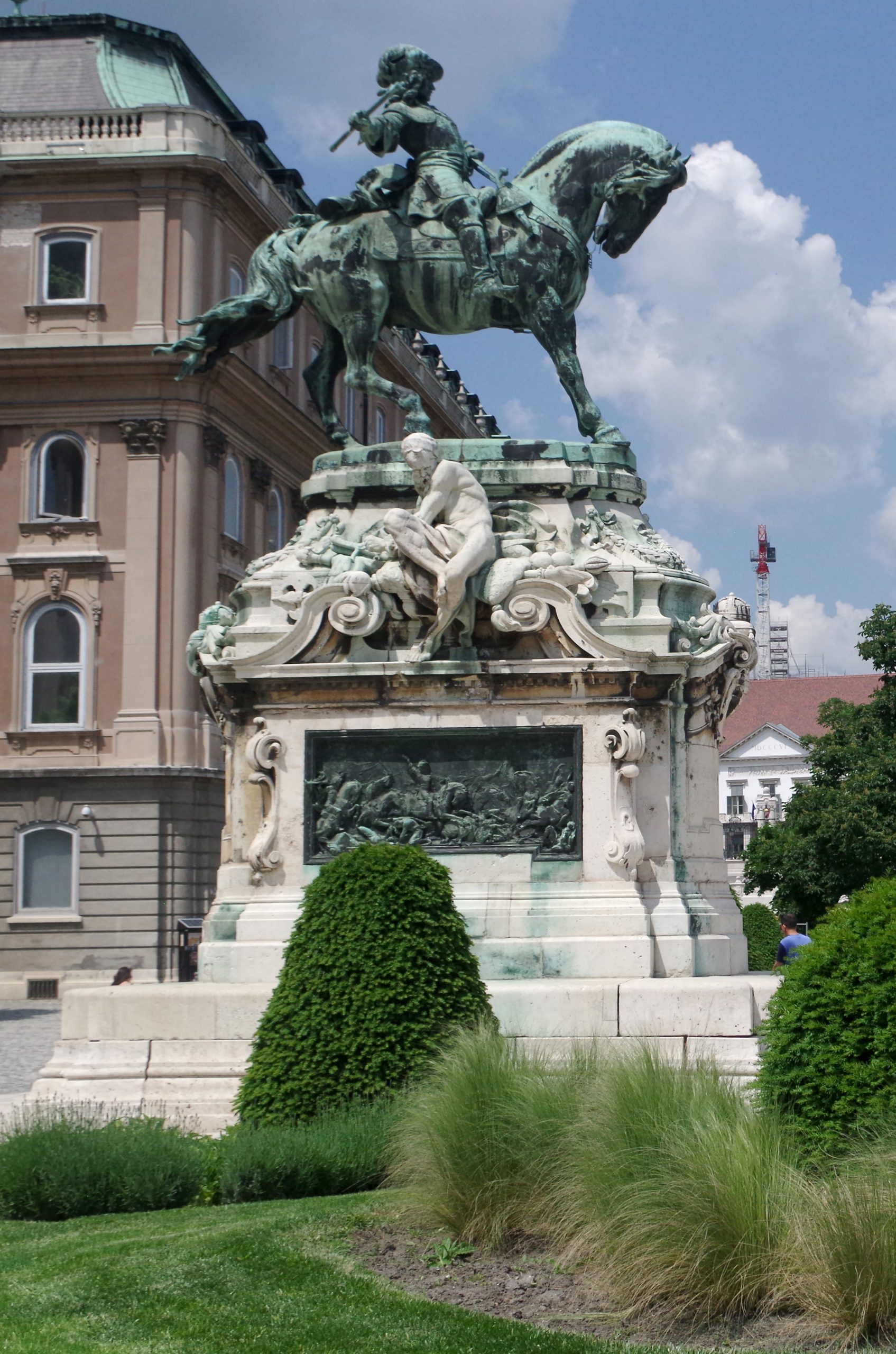
Prince Eugene of Savoy Monument on Buda Hill
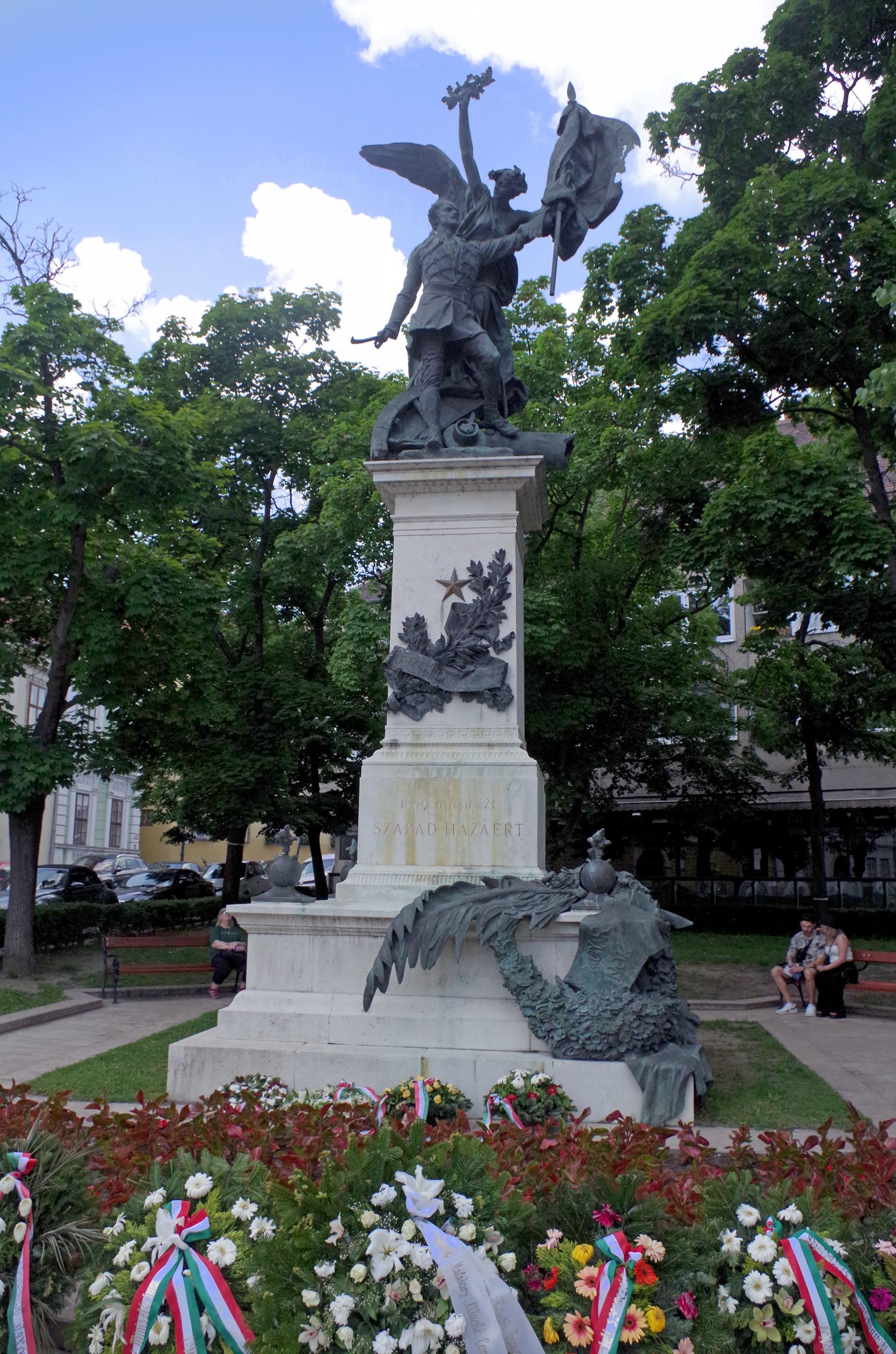
Szabad Hazaert Independence War Monument
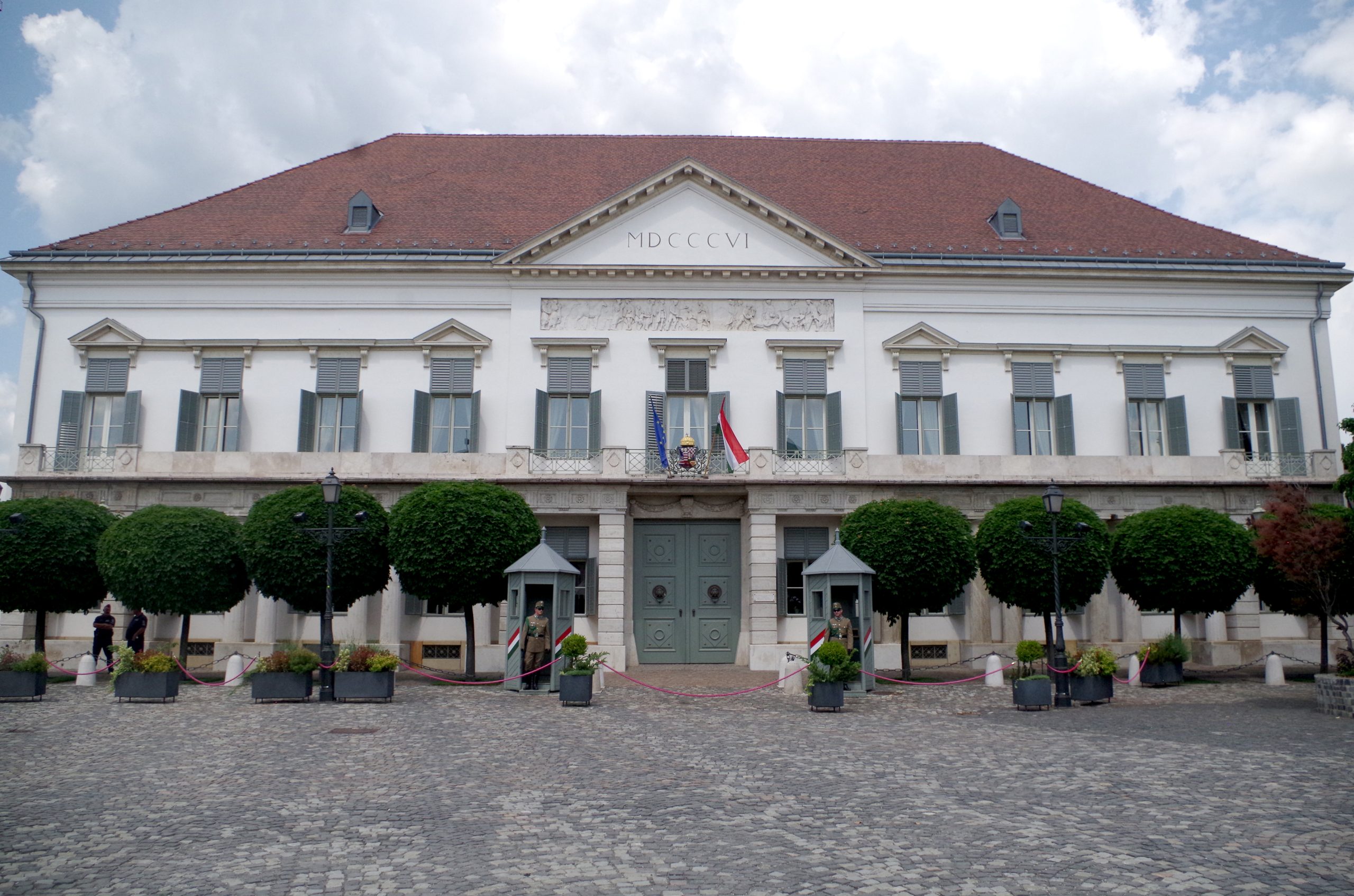
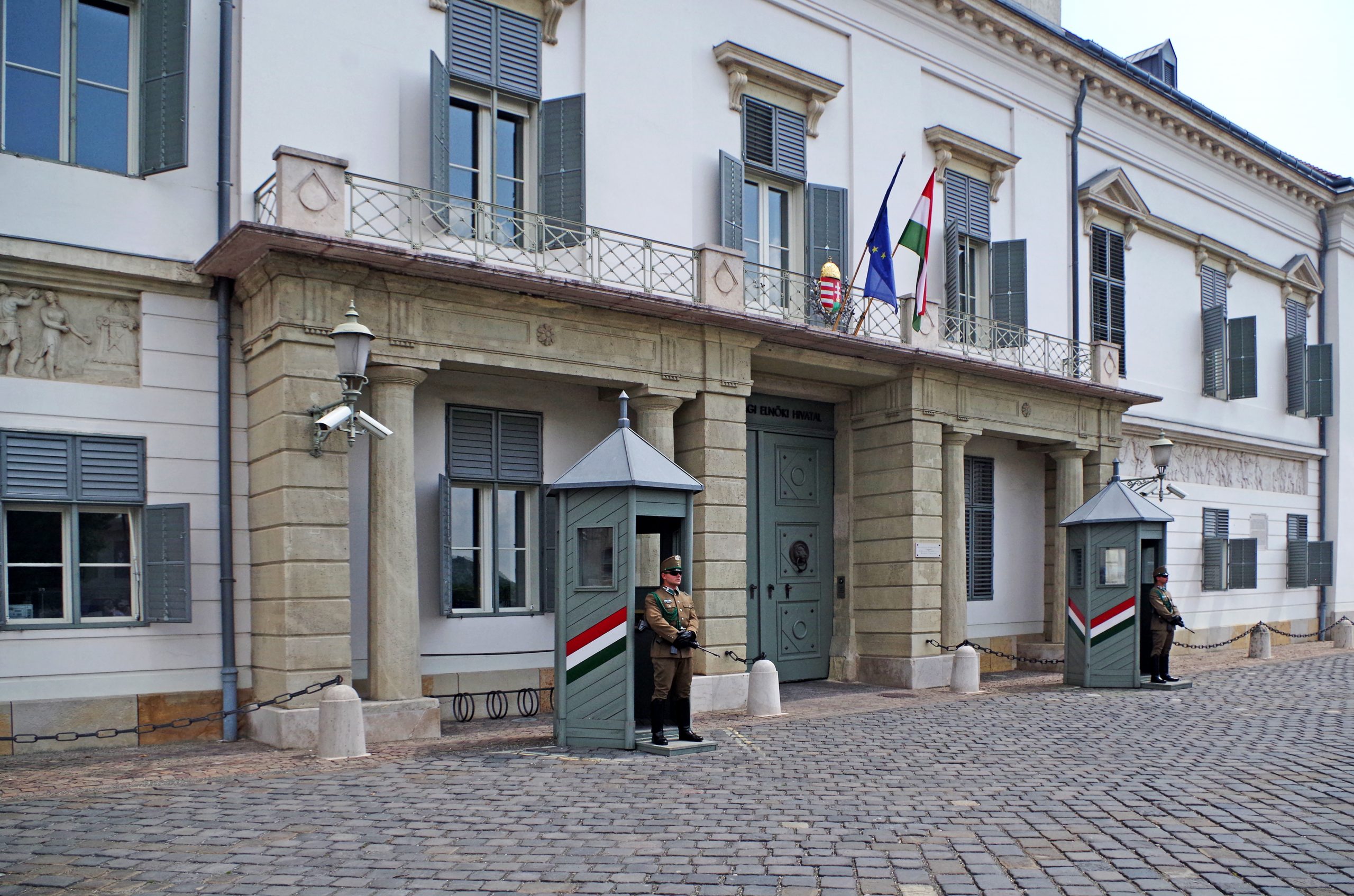
Sandor Palace, the President’s Residence, Budapest
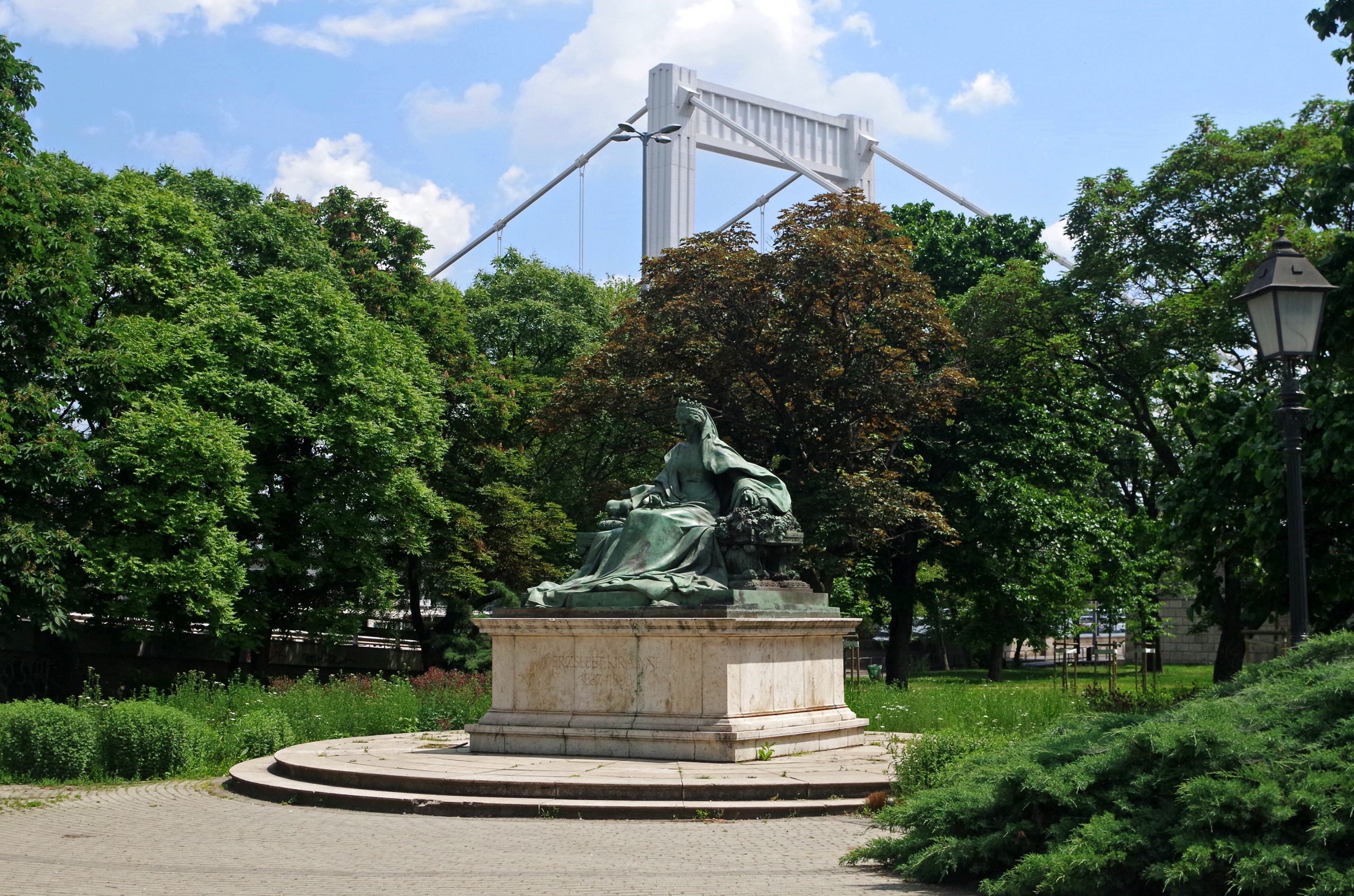
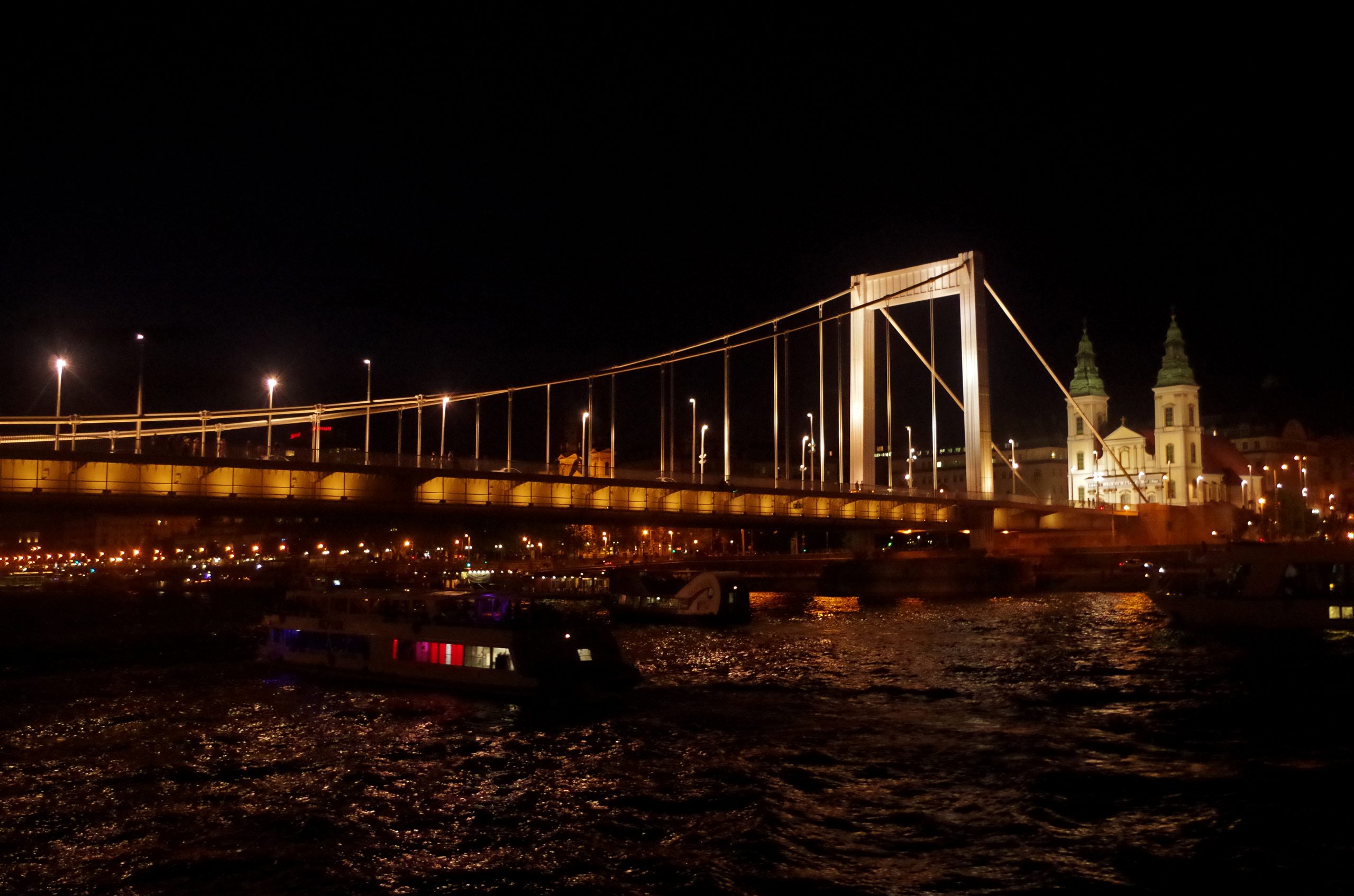
Elizabeth Monument and the Elizabeth Bridge, Budapest
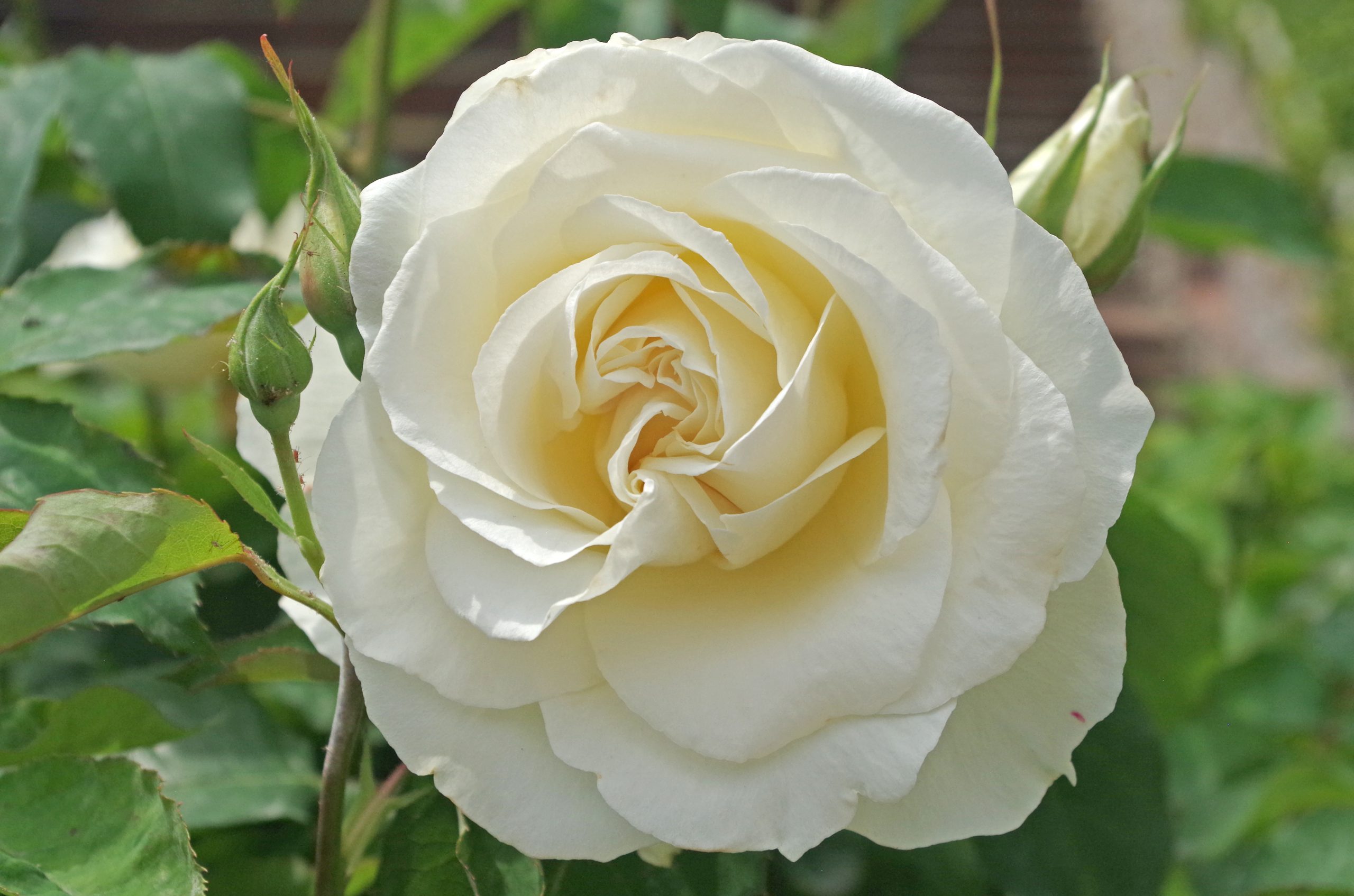
A white rose in Budapest

On our departure from Budapest, on our way to Vienna, we had our final views of the city taken from the Danube River.

Hungarian Parliament, viewed from the Danube River
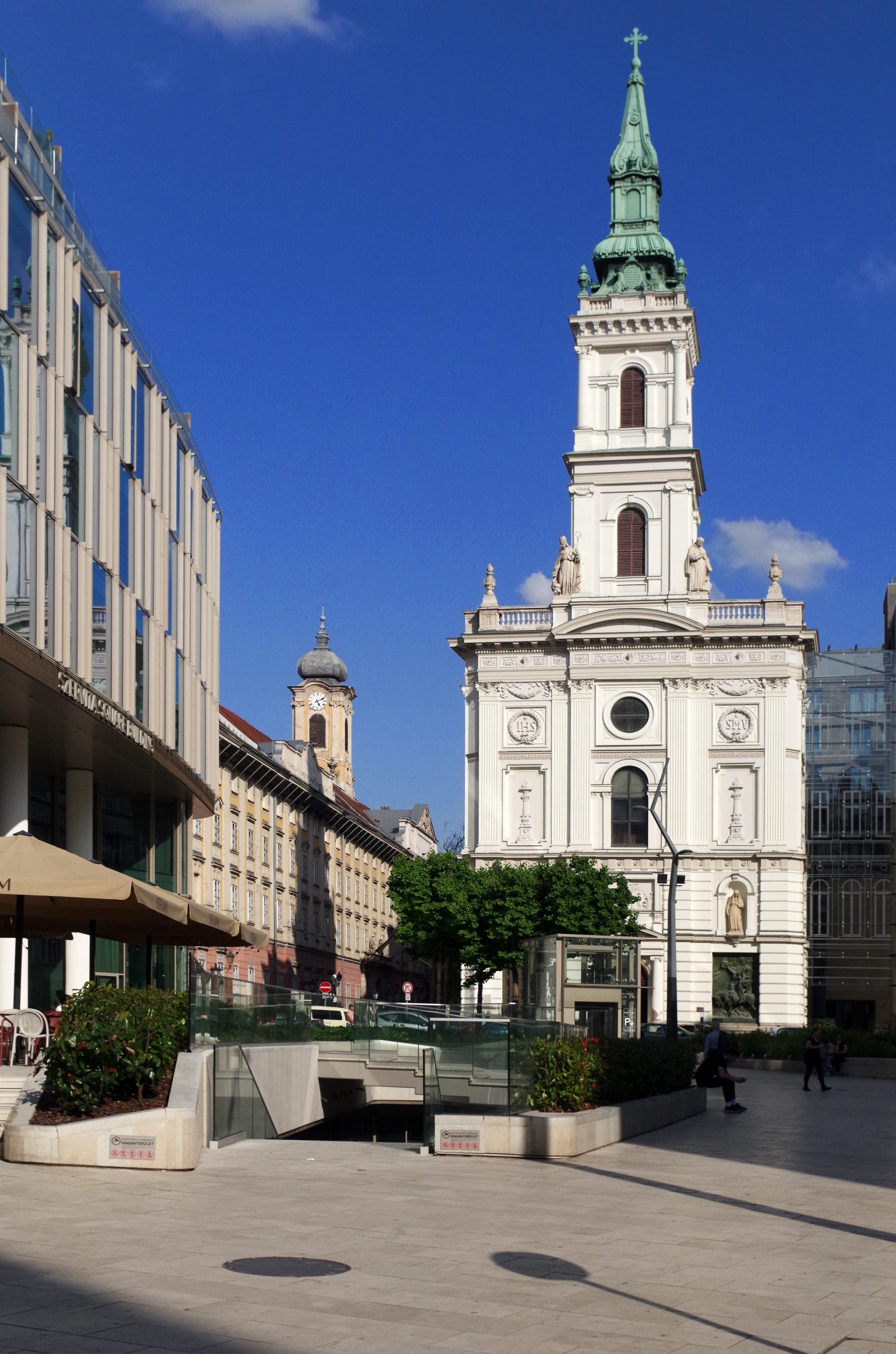
City Parish Church and Elizabeth Bridge, Budapest


Our “Jewels of Europe” River Cruise with Scenic Luxury Cruises and Tours

Regretfully, I have not updated this blog since our trip to Ecuador six and a half years ago, despite a wonderful vacation in Ireland and two fascinating trips to the Canadian Maritimes in the meantime. With our trip to Europe on Scenic’s Jewels of Europe river cruise in May and June 2023, it was time to preserve some new memories.

Scenic Luxury Cruises is little-known in the United States, where most people think of Viking when they think of river cruises, where name recognition follows marketing. Scenic, an Australian company, does little to no advertising in the United States, although it offers the pinnacle of luxury in all-inclusive river cruises. We had been on two Royal Caribbean cruises on floating cities 20 or so years ago, and I found those to be unpleasant experiences in crowd management. Especially after our experience in the Galapagos Islands on the Grace, which holds a maximum of 16 guests, I wanted something a bit more intimate. Scenic met the bill, with small ships, gourmet dining, unlimited beverages, and little things like e-bikes and butler service.

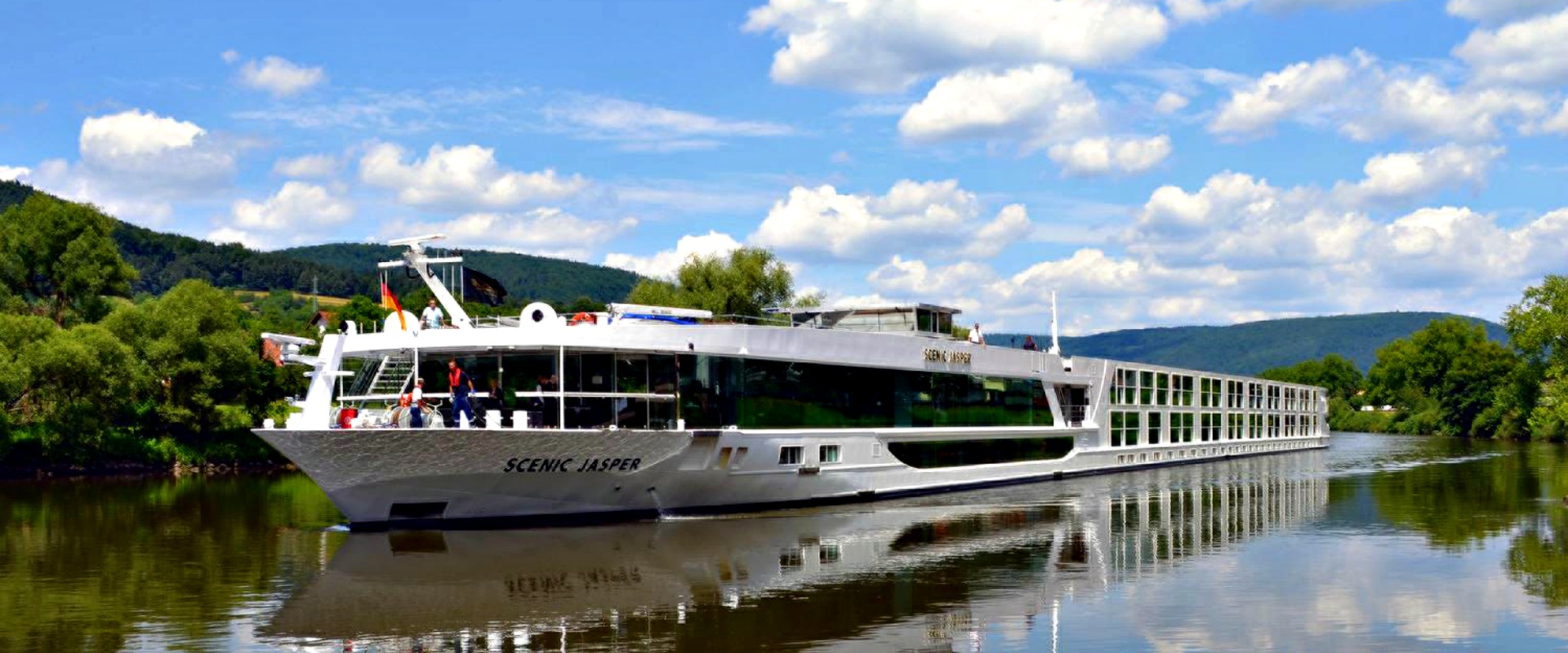
Scenic Jasper
Scenic Jasper (stock photo)

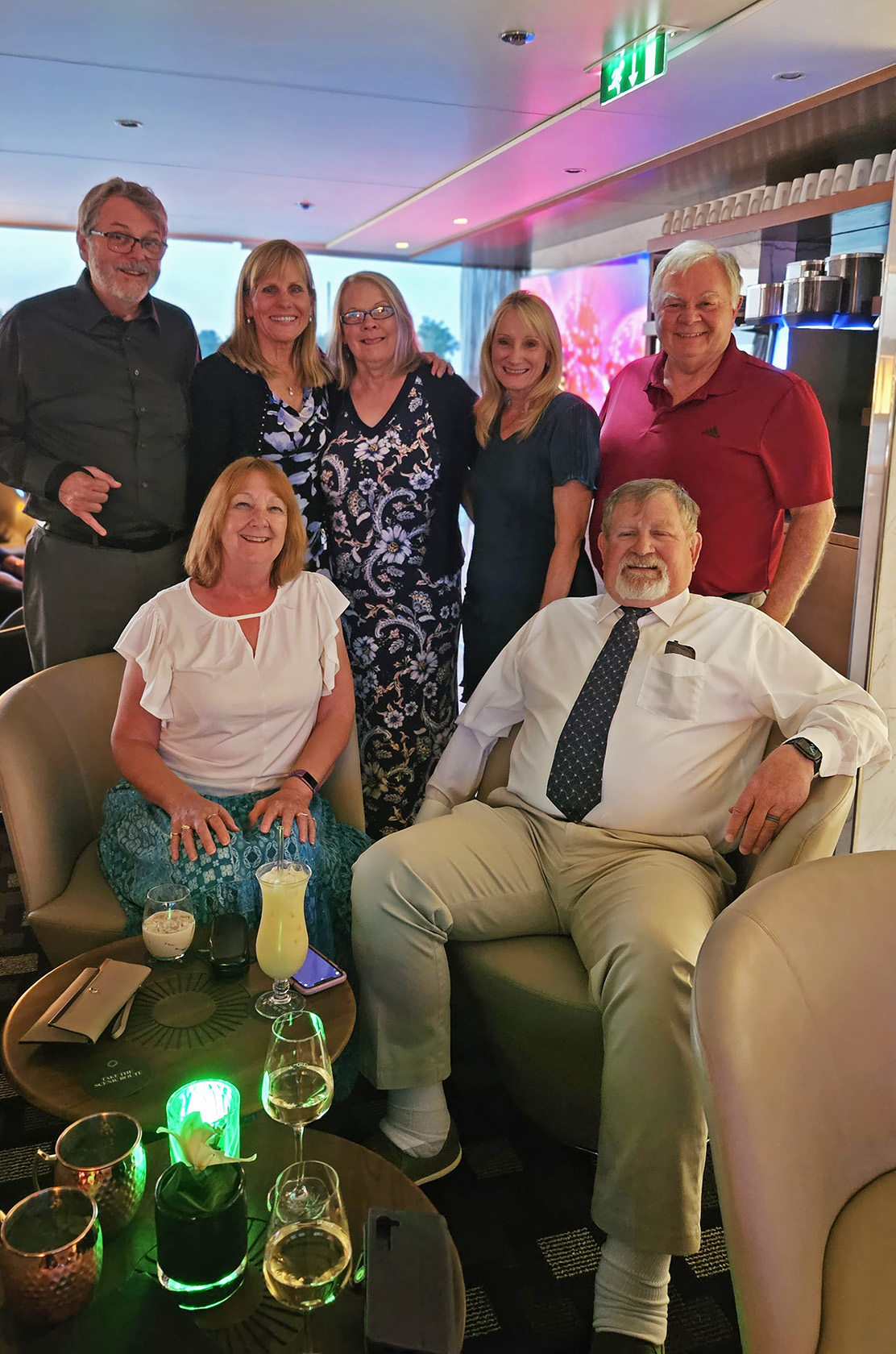
Our ship, the Scenic Jasper, carries a maximum of 163 guests, where we stayed in a Deluxe Balcony Suite on the Diamond Deck. Not surprisingly, because the company is heavily marketed in its home base of Australia, about half of the guests were Aussies, with others from New Zealand, South Africa, the United Kingdom, 10 or 12 of us from the United States, another 10 or 12 from Canada, and a smattering of other countries. Having an Australian Shepherd (back home in a kennel at the time) did not help us to understand Australian “English”, so we tended to migrate toward our fellow American and Canadian passengers. That said, I was considered a good sport for trying Vegemite on toast one morning at breakfast!

A few of the Americans on board the Scenic Jasper

Our Jewels of Europe cruise took us from Budapest to Amsterdam over the course of two weeks on the Danube, Main and Rhine Rivers, passing through a series of 68 locks. We visited the countries of Hungary, Slovakia, Austria, Germany, and The Netherlands, spending an extra day in Budapest prior to the start of the river voyage and an extra day in Amsterdam at the end. Spoiler Alert: Our favorite countries were Germany and Hungary.

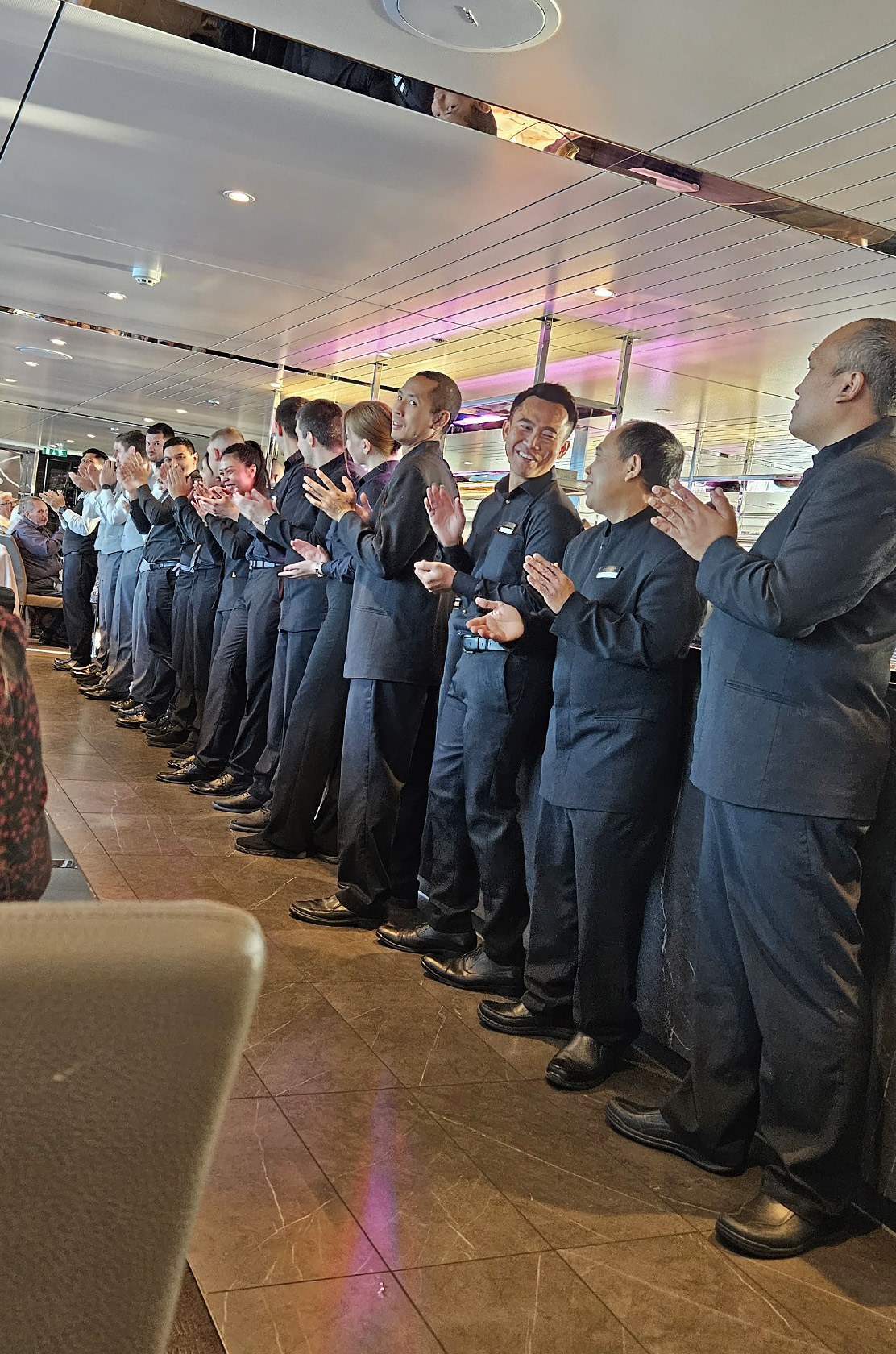
Waitstaff on the Scenic Jasper

Our trip began on Saturday, May 20th, with a Delta flight from Boston to Amsterdam, then Amsterdam to Budapest on KLM, a Delta partner. We made a poor decision to park at Massport’s Logan Express parking facility in Framingham. Little did we know that we would be leaving in the pouring rain, on the second of three days of Taylor Swift concerts in Boston, forced to park in the overflow parking lot, and with a bus driver who made Roseanne Barr seem like Miss Congeniality. The Delta Sky Club was a welcome respite prior to boarding, and our Delta One seating on the Airbus 330-200 to Amsterdam (with seats that convert to beds) was the best possible way to fly against the sun through six time zones.

Arrival at Schiphol Airport in Amsterdam, particularly when jet-lagged, was a less than pleasant experience, with unbelievably long lines to get through the mandatory passport control checkpoint, seriously inconveniencing any and all passengers from outside of the Schengen Area (which primarily consists of countries within the European Union). Having TSA PreCheck and a Known Traveler Number means nothing outside of the United States. Ultimately, we boarded our KLM jet for the two-hour flight to Budapest, where our arrival was much more pleasant, being immediately greeted by a Scenic representative who directed us to our taxi driver who would be taking us to the Marriott hotel, where we would be staying on our first night in Budapest, prior to boarding the Scenic Jasper.

Click on the links below to follow our tour in sequence.

Otherwise, if you scroll down from this post, you will view the posts out of sequence but based upon when in the process they were written.