Molino San Juan – La Copañia, Cayambe

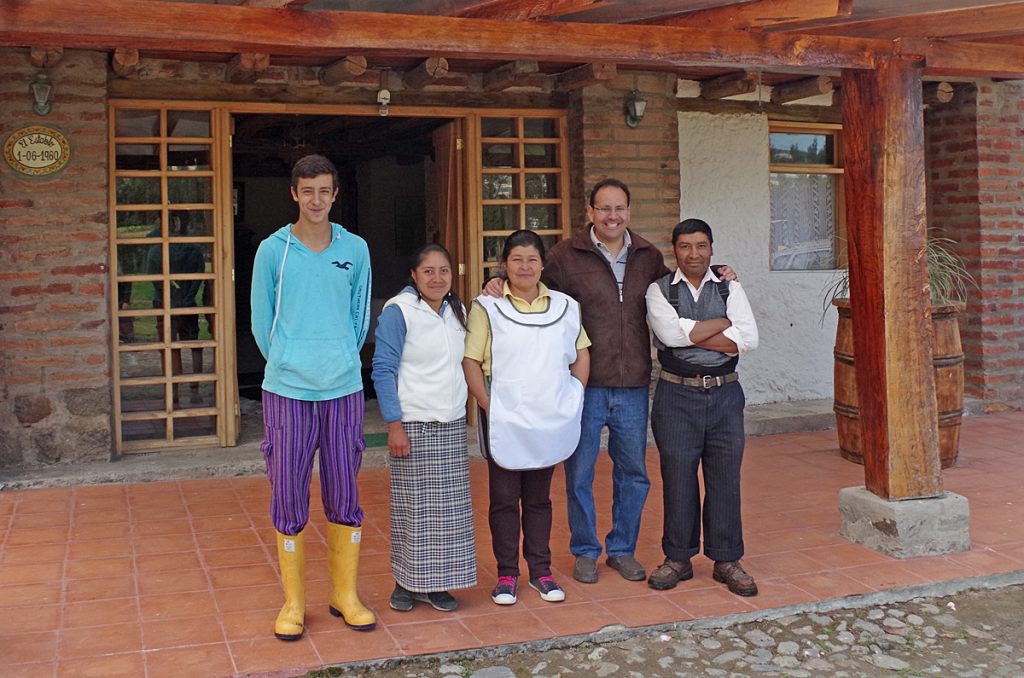
One of the highlights of our recent trip to Ecuador was our two-night stay at Molino San Juan, in the shadow of Cayambe Volcano and on the outskirts of the city of Cayambe, Pichincha province. The history of Molino San Juan, part of Hacienda La Copañia, along with the hospitality extended to us by its manager, Jaime Pallares, and his staff was nothing short of remarkable.
jaime_staff_0648_09292016_1200x795_90

During our off-season stay, we were the only guests at Molino San Juan, considered the “hotel” of Hacienda La Copañia, and we were treated like royalty. Jaime told us that he was there to ensure that we enjoyed our stay, and he proved his commitment to that goal time and again. Let me explain that he is one of the family members who own this remarkable hacienda, an entrepreneur with grand plans and a earlier career with Hilton Hotels. During the first night of our stay, in order to be absolutely certain that everything would be perfect, he actually stayed in an upstairs guestroom rather than going home for the night!
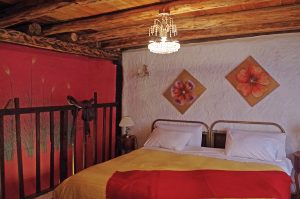
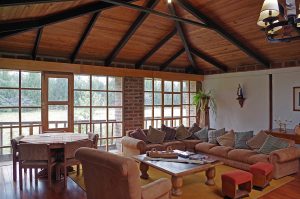
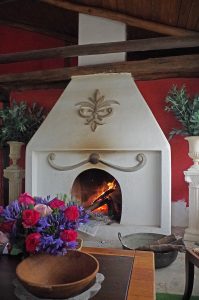
molinosanjuan_guestroom_0513_09282016_1200x795_90molinosanjuan_commonroom_0519_09282016_1200x795_90

molinosanjuan_commonroom_0509_09282016_1200x795_90

Heated living spaces are not the norm in Ecuador, and our desire for greater warmth in our room was met with additional blankets, a space heater in our room, and hot water bottles in our bed. Simply remarkable!
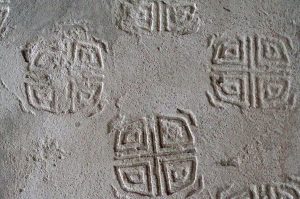
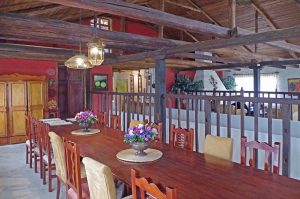
molinosanjuan_floorpatterns_0529_09282016_1200x795_90molinosanjuan_diningroom_0507_09282016_1200x795_90

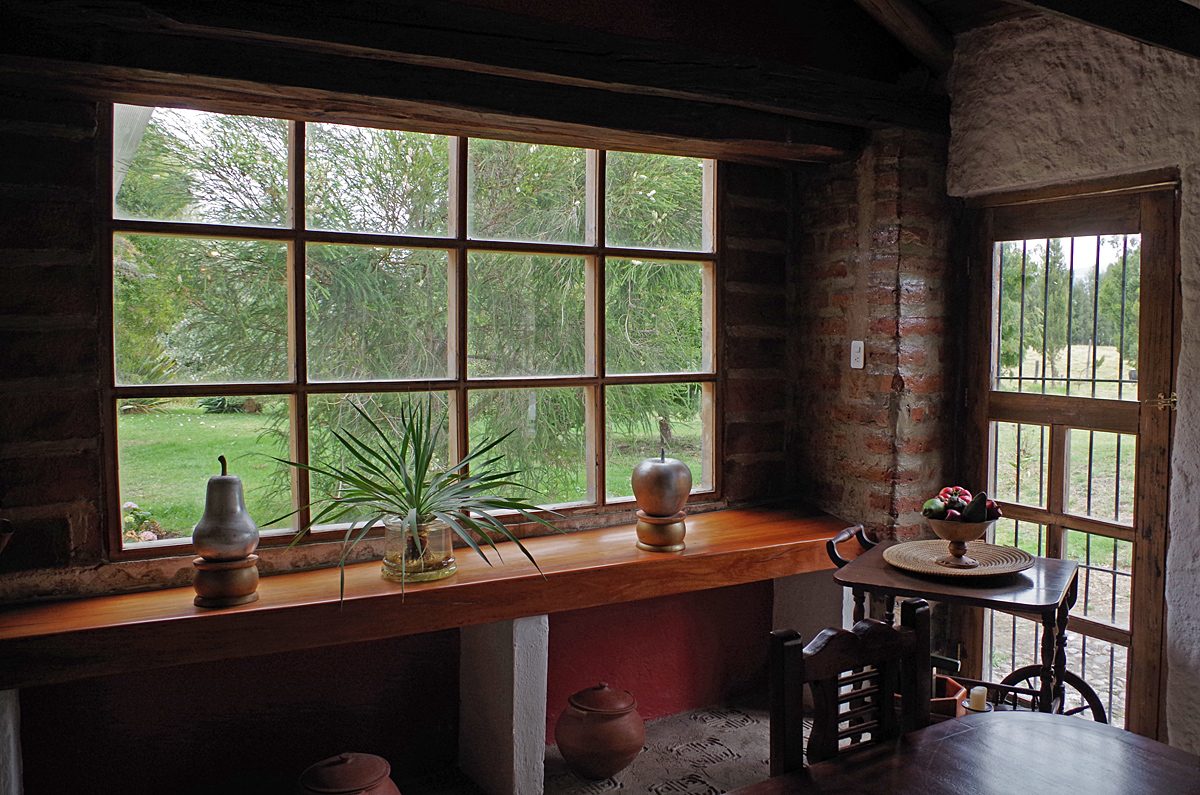
Molino San Juan, part of the family-owned Hacienda, is a former cattle barn that was built in the 1960s and used through the 1970s. The floors bear the original imprint of cheese molds, and the rooms are uniquely built around stanchions and cattle feeding troughs. The walls are decorated with artwork that has been created by Jaime’s wife and mother-in-law. Our stay included half board, and our breakfasts and dinners were carefully prepared and delicious – always of course including bizcochos, the tasty signature pastries of Cayambe. We were also provided with box lunches to take along during our travels away from Molina San Juan.
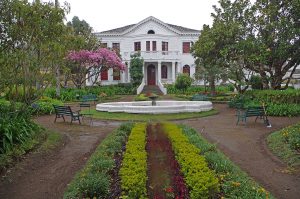
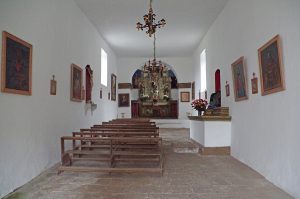
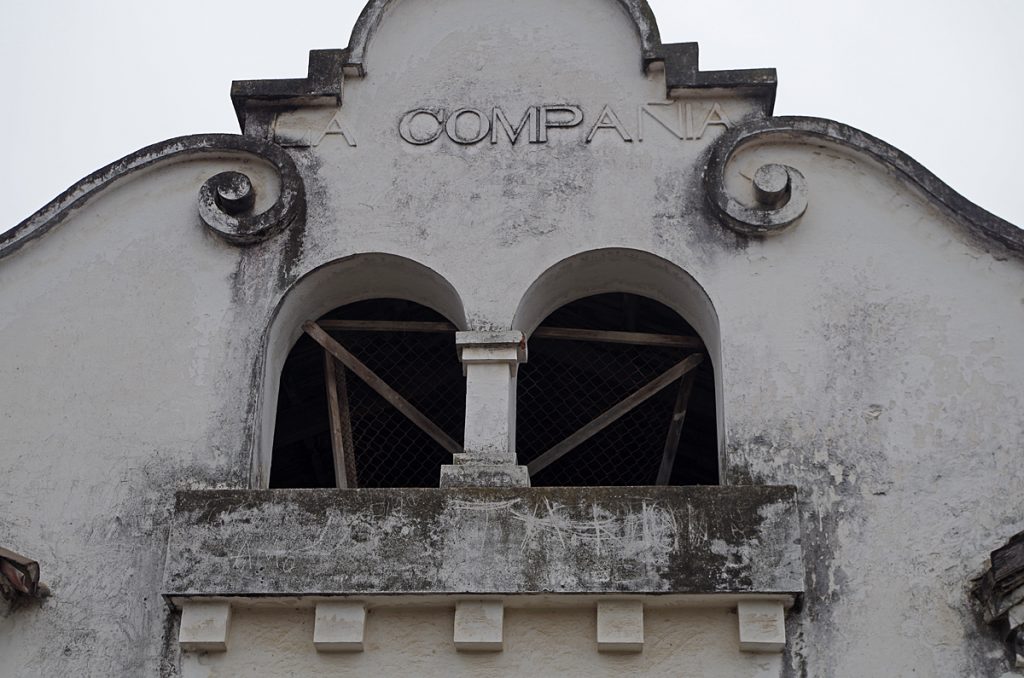
thehacienda_0479_09282016_1200x795_90lacompania_chapel_0484_09282016_1200x795_90

lacompania_0503_09282016_1200x795_90

Let me explain more about the Hacienda and its remarkable history. As is the case with other Haciendas in Ecuador, Molina San Juan consists of 500 hectares that was originally founded by Jesuits half a millennium ago. Remarkably, the grand hacienda, chapel, and original buildings still stand, with Sunday Mass still celebrated once monthly in the old chapel. After the Jesuit period, the property was purchased by Roberto Jarrin back in 1860, with the most fascinating period of the Hacienda’s history commencing when Aquiles Jarrin built the Molino San Juan hydraulic grist mill late in the 19th century.
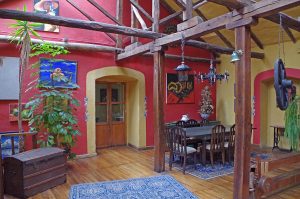
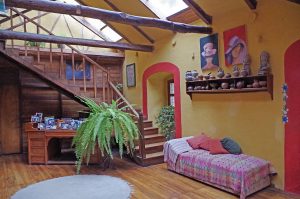
museum_restaurant_0474_09282016_1200x795_90museum_restaurant_0478_09282016_1200x795_90

Much of that hydraulic mill greats diners the Hacienda’s fine restaurant and museum, where we were invited to view the inner workings of the mill in the space below the main floor. The mill, which processed grains from surrounding farms for many decades, was built in France, disassembled, and shipped across the Atlantic, around the horn of South America, up the Pacific Coast to Guayaquil, then over the Andes Mountains for a six month trek to Cayambe where it was reassembled. This remarkable feat brought to mind the 1982 Werner Herzog film, Fitzcarraldo.
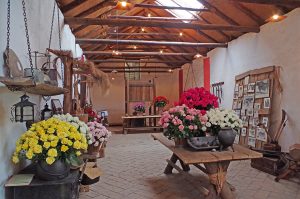
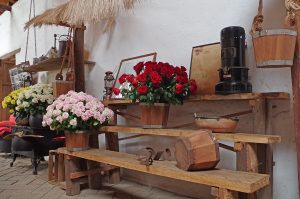
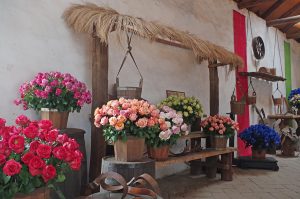
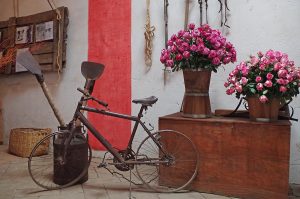
roseshowroom_0491_09282016_1200x795_90roseshowroom_0499_09282016_1200x795_90

roseshowroom_0495_09282016_1200x795_90roseshowroom_0500_09282016_1200x795_90

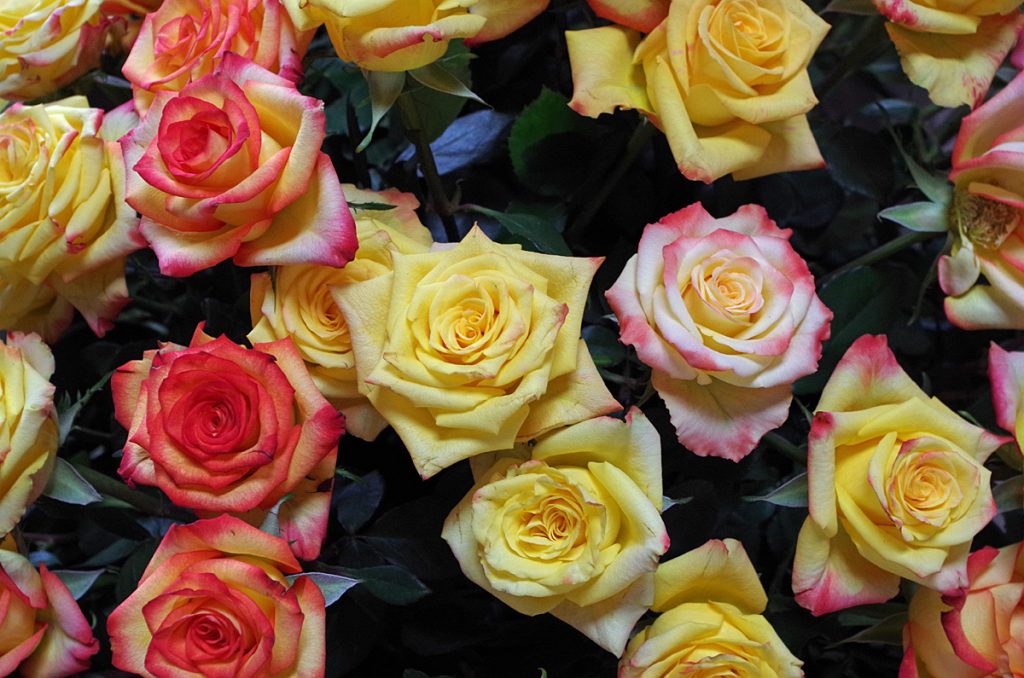
Today, the main source of revenue for the Hacienda is the cultivation of roses. Ecuador is the world’s third largest producer of cut flowers, most of which are roses, and most of which are grown in Pichincha province. Roses are one of the country’s leading exports, after crude oil and bananas – which we also found growing in abundance. Most of the roses grown at the Hacienda are shipped to markets in Russia, the United States, and Holland (where they are re-marketed as local products.)
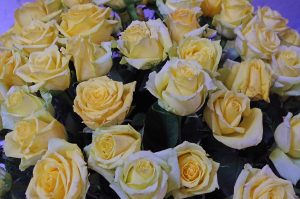
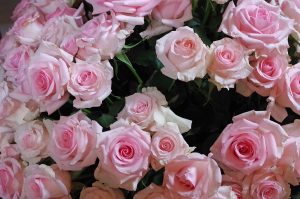
roses_0492_09282016_1200x795_90roses_0493_09282016_1200x795_90

roses_0501_09282016_1200x795_90

As part of our visit to Molino San Juan, Jaime gave us a personal tour of the Hacienda’s rose showroom. Displaying dozens of artistic arrangements, the roses are replaced every three days, ensuring that the blossoms are at all times nothing less than perfect.
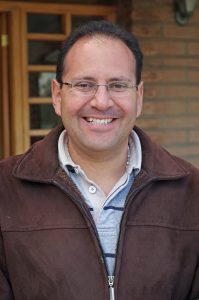
molinosanjuan_jaimepallares_0649_09292016_1200x795_90

In addition to our personal tour of the hacienda grounds, museum, chapel and rose showroom, Jaime arranged for guide service to Cayambe Volcano – another outstanding part of our visit that will be covered in another post. If you should be fortunate enough to visit Ecuador, be sure to include a visit to Cayambe and a stay at Molino San Juan!
The Ecuadorian Cloud Forest

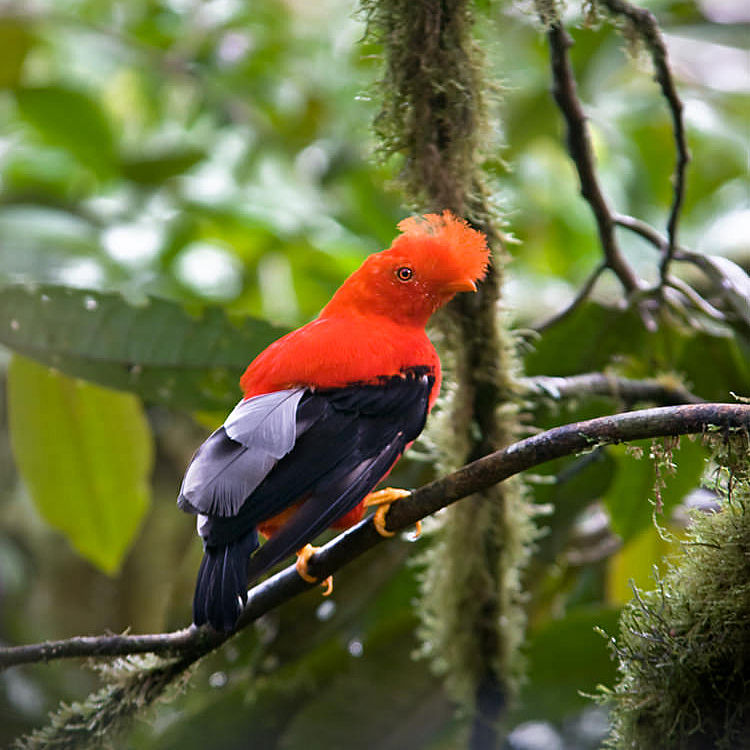
Another exciting component of our upcoming trip will be visits to the cloud forests in the foothills of the Andes Mountains. We will be spending two days and nights in the Mindo Nambillo Cloud Forest Reserve, which consists of 19,537 hectares (48,267 acres) of protected forest that is home to 380 species of birds such as those shown below.

andean-cock-of-the-rock-mindoAndean Cock-of-the-Rock in the Mindo Cloud Forest
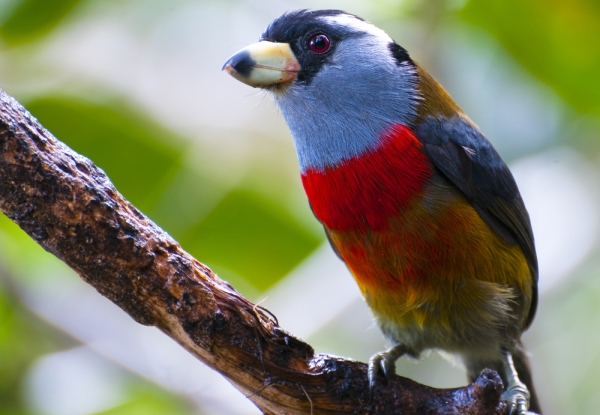
toucan-barbet-bird-in-mindo-cloud-forest-in-ecuador
Toucan Barbet in the Mindo Cloud Forest

The area surrounding the town of Mindo is also noted for its orchids, butterflies, wild rivers (the Mindo, Saloya and Cinto rivers) and waterfalls. Native trout caught in the local rivers are a popular dining option. We will be staying at the Case Divina Lodge, an ecotourism accommodation that includes a hummingbird sanctuary and organizes birding expeditions and night walks into the cloud forest. We expect to explore the Paz de las Aves Bird Refuge.
http://www.mindocasadivina.com/birding-in-mindo/

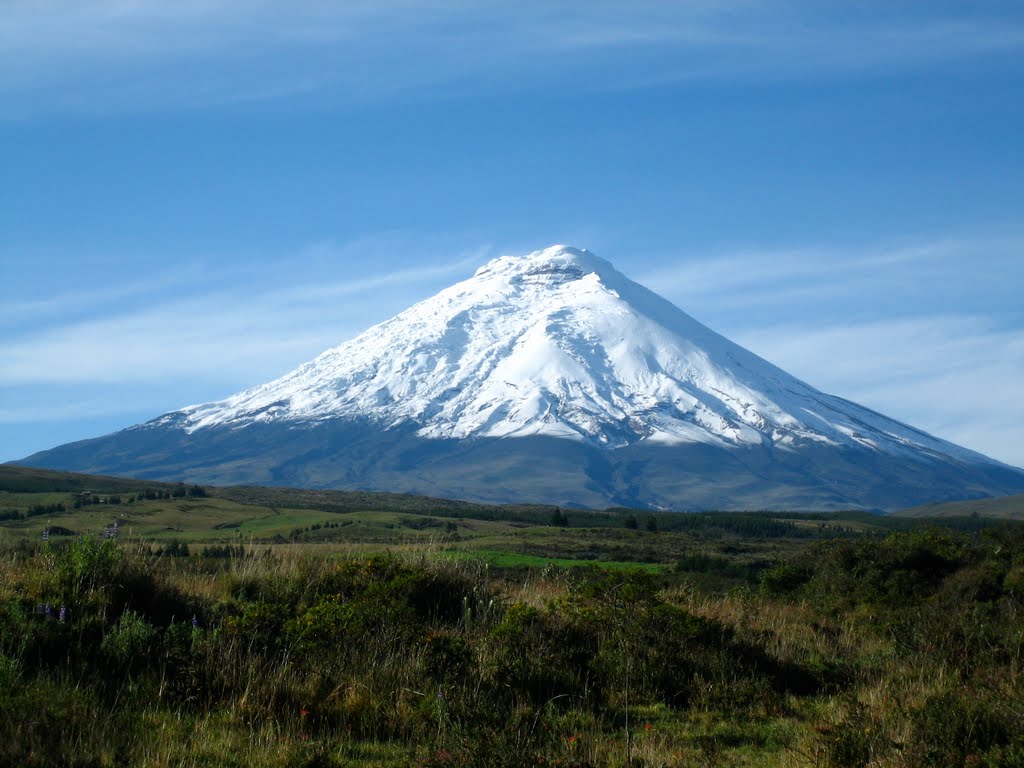
cayambe-volcano
Cayambe Volcano, the highest point on the equator

From Mindo, we will be traveling to Cayambe where we will explore the Cayambe Coca Ecological Reserve. The biodiversity of Cayambe Coca includes 900 species of birds (including the condor, hummingbirds, parrots and toucans), along with 110 species of amphibians, 140 species of reptiles and more than 200 mammals.

horseback-riding-at-cayambe-volcano-from-quito-in-quito-239880

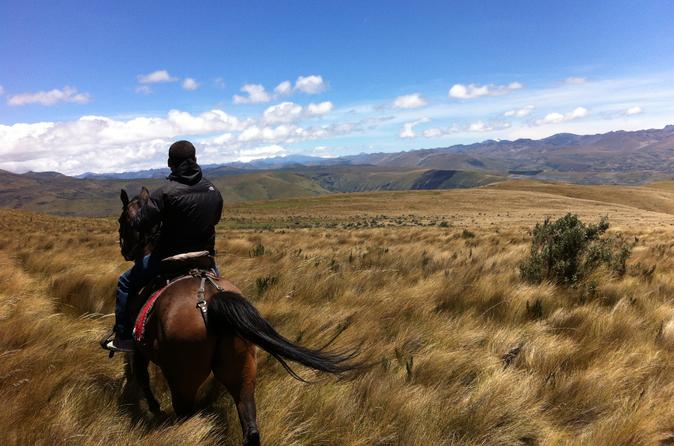
In Cayambe, we hope to ride horses in the foothills of the Cayambe Volcano. We will be spending two nights at Molino San Juan. From there, we plan to hike to the San Rafael Waterfall and other attractions on our way to our first of two visits to the capital city of Quito.

Quito – The Capital City of Ecuador

plaza-de-san-francisco_381303649_1200x800_90

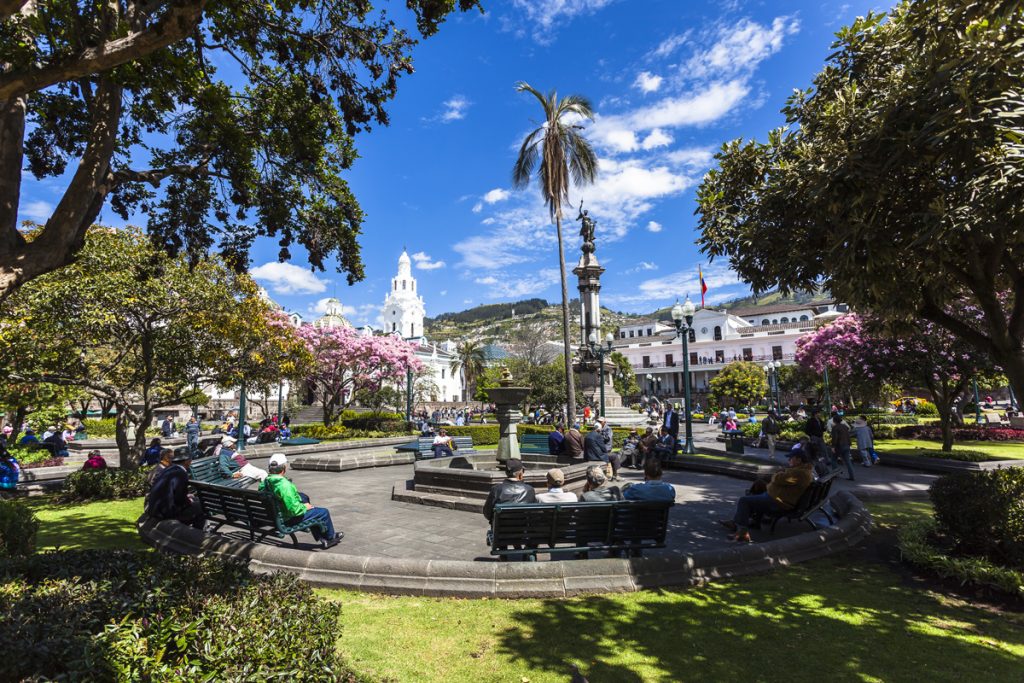
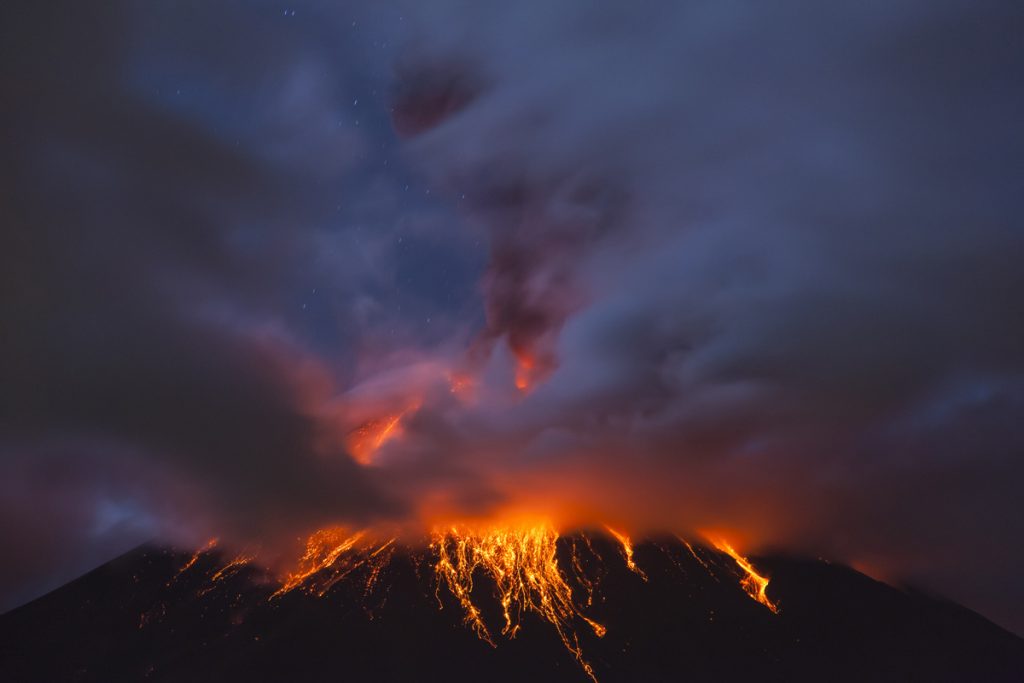
Another key destination in our upcoming adventure is Quito, the capital city of Ecuador, which is one of the first two World Cultural Heritage Sites declared by UNESCO in 1978. Quito is the highest capital city in the world at an altitude of 9,350 feet and is the closest capital city to the equator, with the outskirts of the city less than a kilometer away from zero latitude. The city is built on a plateau alongside the Pichincha Volcano, which last erupted in 1999, and is ringed by a series of snow-capped volcanoes – including Cotopaxi and Cayambe to the East. The Tungurahua Volcano, is the most active in Ecuador. The photo below shows the most recent eruption, as seen from Quito, on March 4, 2016. (This has been a very active seismological year, with the major earthquake that soon afterward caused major destruction in Guayaquil and the surrounding area.) During our stay, we plan to be riding on horseback to Cayambe Volcano.

tungurahua-volcano_386250763_1200x800_90

We will be making two visits to Quito, both before and after our Galapagos cruise. Our first visit, in late September, will be at the end of the four months that are considered “summer”, and our second visit, in early October, will be at the beginning of the eight months that are considered “winter.” When the sun is shining, due to the high elevation, the UV index can be as high as 24 (just when you thought that the scale ends at 10!), so we will be packing (and using) plenty of sunblock. Other than our initial flight into Guayaquil and our subsequent drive to Quito, we will be flying in and out of the new international airport that was opened in 2013.

indigenous-people_364839266_1200x800_90

Our first visit to Quito will be at the end of an adventurous drive from Guayaquil, on the Pacific coast, which will take us along the ocean and through national parks, with stays in cloud forest reserves near Mindo and Cayambe. (More on those in future posts.) We will be guests at the Carlota Boutique Hotel, located in the historic old city, during our first stay in Quito. This will serve as a convenient access point to explore the city’s many historical, architectural and culinary wonders. Upon our return from the Galapagos Islands, we will be staying at the El Crater Hotel, perched high above the city at the edge of the Pululahua volcanic crater. The views from El Crater are said to be spectacular, with the hotel’s restaurant drawing in guests from far and wide.